Category: Wildlife and animals

  • Humpback whales put on a stunning show in Alaska

    Humpback whales put on a stunning show in Alaska

    Have you ever wondered why so many people travel to Alaska just to watch whales? Every summer, humpback whales put on a stunning show in Alaska by breaching, slapping their fins, and working together to catch food. These incredible displays are more than beautiful moments.

    They help whales survive and show just how smart these giant marine mammals are. In this article, you’ll learn why humpback whales gather in Alaska, how their famous feeding behavior works, what makes their acrobatic displays so special, and why protecting these animals is important for the future.

    Why humpback whales visit Alaska
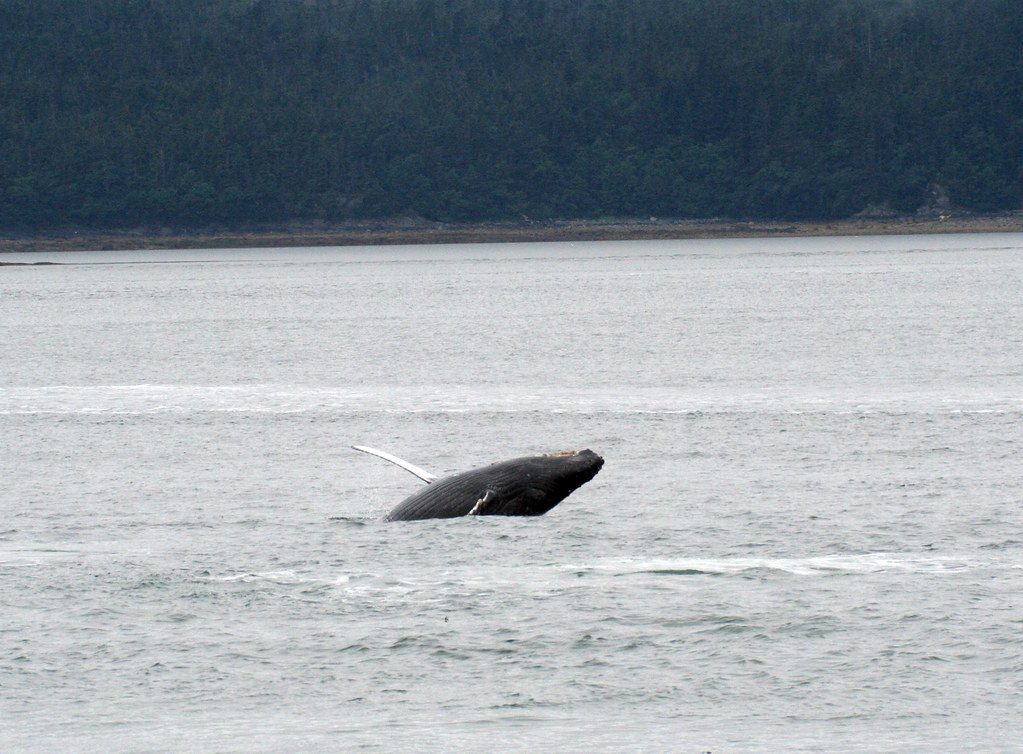
    Young Humpback Whale breeching 4” by ahisgett is licensed under CC BY 2.0

    Humpback whales migrate thousands of miles every year between warm breeding waters and the cold, food-rich waters of Alaska. During spring and summer, they return to places like Southeast Alaska, Kenai Fjords, and Prince William Sound because these waters are packed with herring, krill, and other small prey.

    Unlike winter, when adult humpbacks eat very little, summer is their main feeding season. They spend months building up thick layers of fat that give them energy during their long migration and breeding season. A single whale may eat several thousand pounds of food each day while feeding in Alaska.

    The amazing bubble-net feeding show
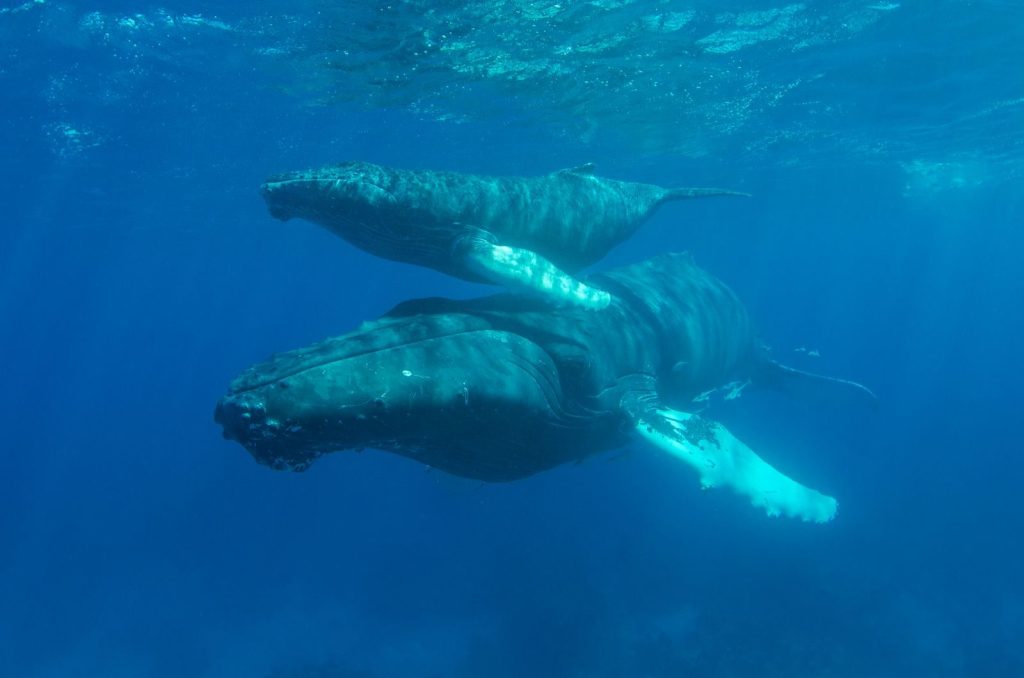
    A serene underwater scene of a mother humpback whale with her calf, swimming peacefully.
    Photo by Ben Phillips on Pexels

    One of the most famous sights in Alaska is bubble-net feeding. In this rare hunting method, several humpback whales work together to trap fish. They dive below a school of fish and blow bubbles while swimming in a circle. The rising bubbles create a wall that keeps the fish packed tightly together.

    Once the fish are trapped, the whales suddenly rush upward with their mouths wide open. Birds often gather above the water because escaping fish become easy meals. Scientists believe this teamwork is a learned behavior, and not every humpback population knows how to perform it.

    Breaching is more than a spectacular jump
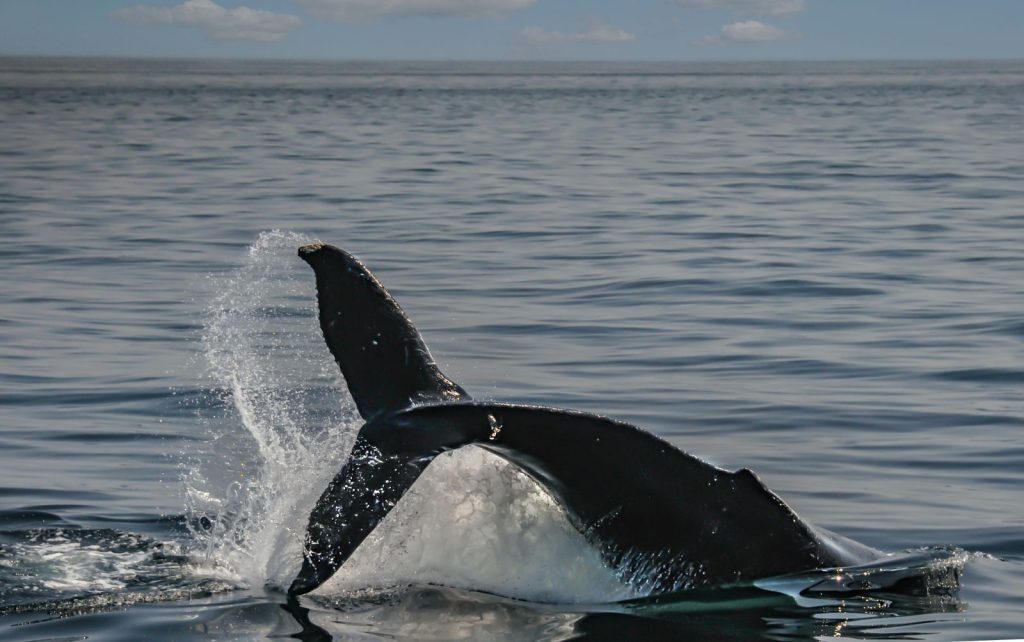
    A stunning capture of a whale's tail breaking the ocean surface, showcasing marine life beauty.
    Photo by Frans van Heerden on Pexels

    Humpback whales are famous for breaching, which happens when they launch much of their body out of the water before crashing back into the sea. These jumps can happen many times in a row and create huge splashes that amaze whale watchers.

    Researchers believe breaching may help whales communicate, remove parasites from their skin, or play with one another. In some cases, it may also help them send signals across long distances. While scientists are still studying this behavior, it is clear that breaching is an important part of humpback whale life.

    Alaska is the perfect feeding ground
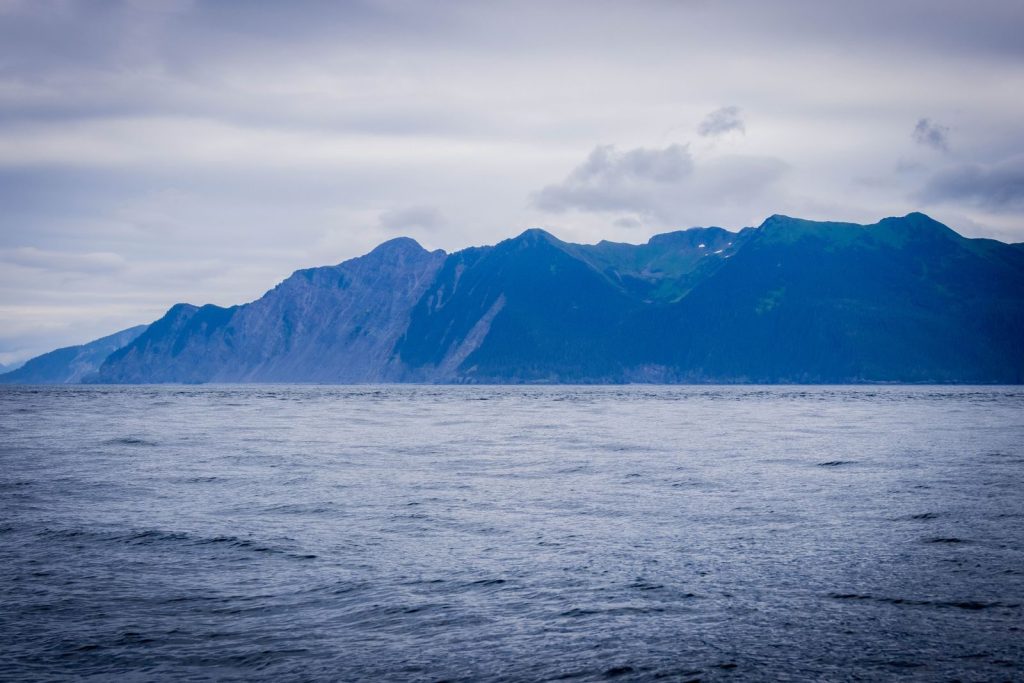
    Stunning view of Alaskan mountains meeting the sea under a moody sky.
    Photo by Lamont Mead on Pexels

    Alaska’s cold ocean is full of nutrients that support large numbers of fish and tiny sea creatures. Long summer days also help produce huge amounts of plankton, which supports the entire food chain. This makes Alaska one of the best feeding grounds for humpback whales anywhere in the world.

    The rich waters allow whales to recover after their long migrations. Every successful feeding season helps adults stay healthy and gives mothers enough energy to care for their calves during the next breeding season.

    Whale watching creates unforgettable moments
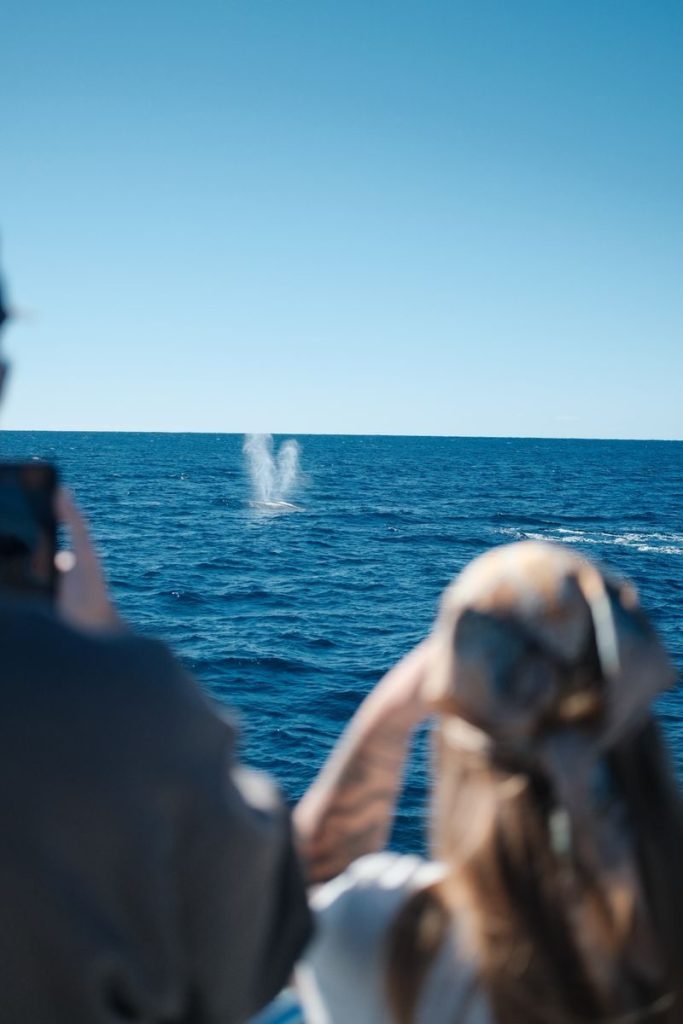
    Tourists joyfully observe whale watching at sea, capturing the moment.
    Photo by Tito Zzzz on Pexels

    Every year, thousands of visitors travel to Alaska hoping to witness humpback whales in the wild. Seeing several whales surface together, lift their tails, or perform bubble-net feeding is an unforgettable experience that often lasts only a few seconds.

    Responsible whale watching also helps local communities by supporting tourism while encouraging people to value marine conservation. Boats are required to keep safe distances from whales so the animals can feed and behave naturally without unnecessary stress.

    Protecting these ocean giants
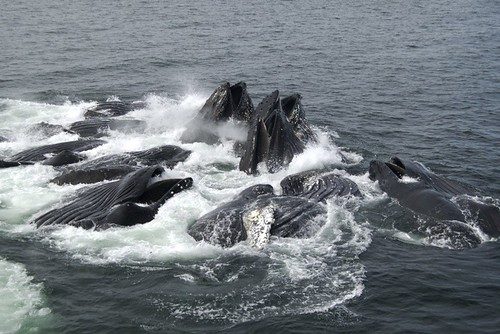
    Humpback Whales Feeding 2” by Peat Bakke is licensed under CC BY 2.0

    Although humpback whale numbers have recovered greatly since commercial whaling ended, they still face several dangers. Fishing gear can trap whales, ships can strike them, and underwater noise can interfere with their communication and feeding.

    Scientists continue to study humpback whales in Alaska to better understand their migration, feeding, and behavior. Learning more about these animals helps improve conservation efforts and gives future generations the chance to witness the same stunning shows each summer.
  • 1 Komodo dragon attacked him, then 7 more appeared

    1 Komodo dragon attacked him, then 7 more appeared

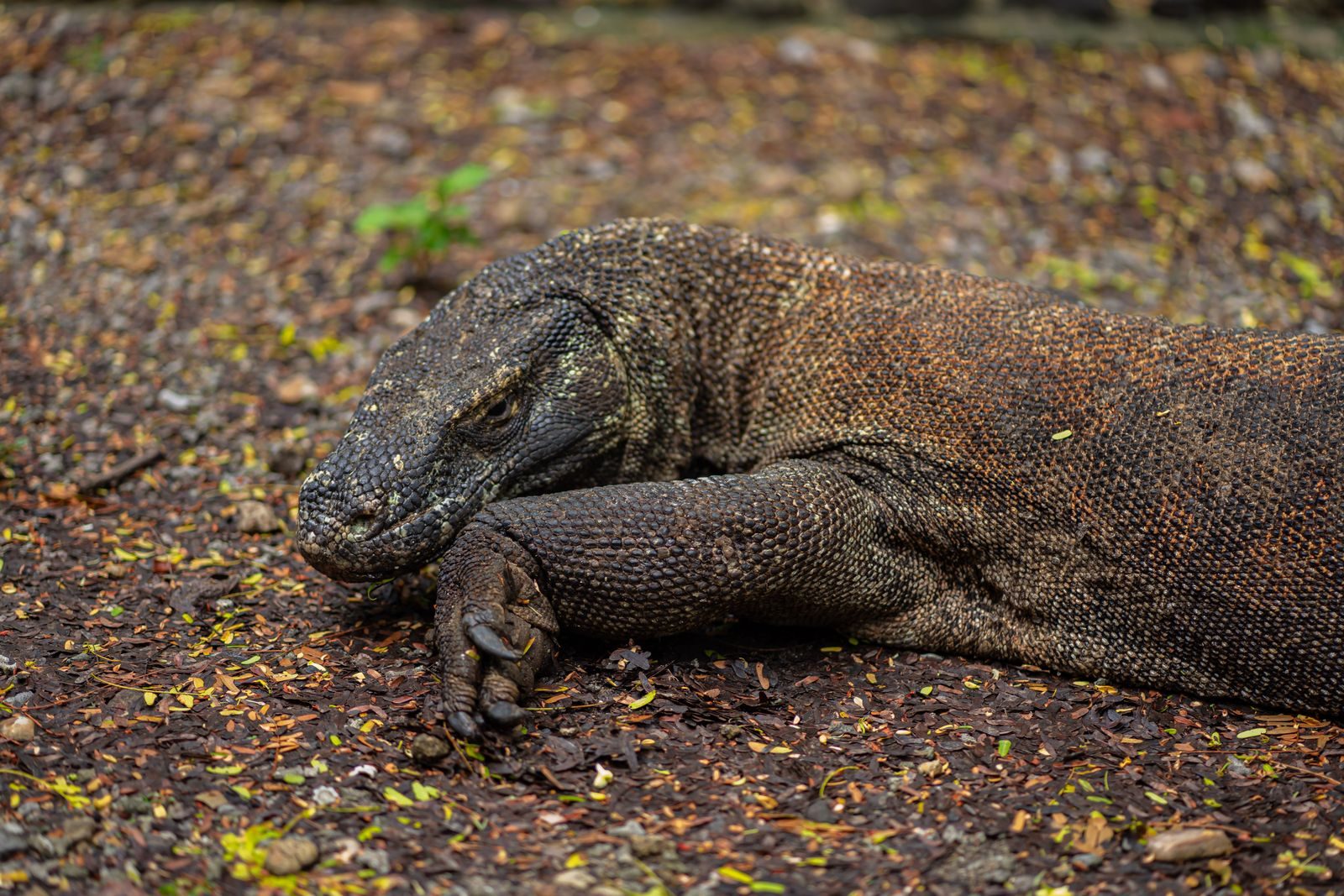
    Imagine surviving a bite from the world’s largest lizard, only to see even more coming your way. That frightening moment happened to a park ranger in Indonesia after a Komodo dragon attacked him, then seven more appeared nearby.

    While stories like this sound like a movie, they highlight the real dangers of meeting these powerful reptiles in the wild. This article explains what happened, why more dragons gathered so quickly, how Komodo dragons behave, and what visitors can learn to stay safe around these amazing animals.

    The terrifying attack

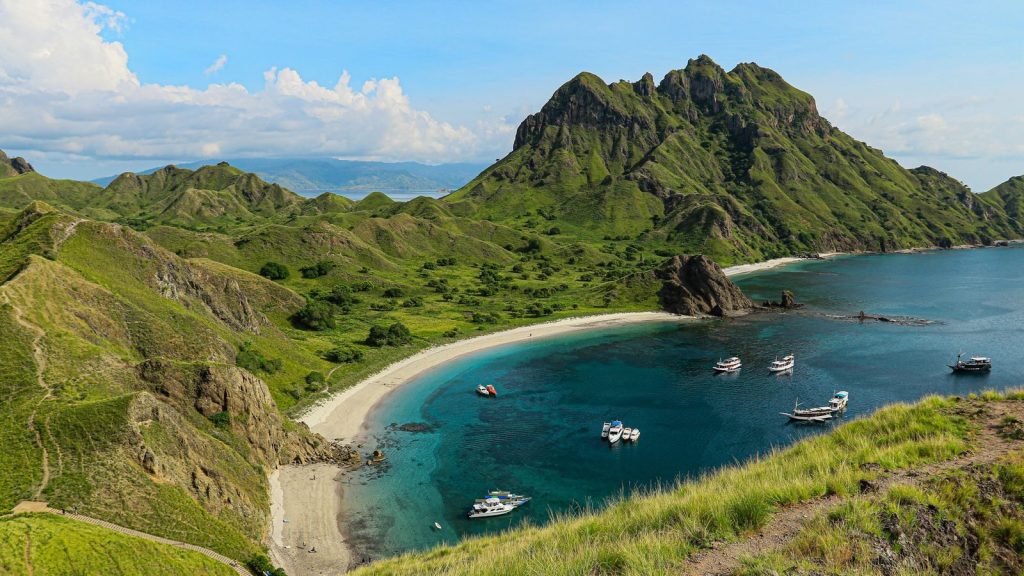
    Explore the picturesque bay of Padar Island with its lush hills and turquoise waters.
    Photo by Eterna Media on Pexels

    One of the best-known incidents happened on Rinca Island in Indonesia, where a park ranger named Maen was working inside a ranger station. A Komodo dragon had quietly entered the building overnight. When Maen moved his leg, the dragon suddenly bit him. He fought back and escaped outside despite serious injuries.

    The danger was not over. As blood from his wounds dripped onto the ground, several more Komodo dragons were drawn to the smell. Reports say that seven additional dragons appeared nearby, forcing other rangers to quickly help him reach safety before the situation became even worse. The event showed how fast these reptiles can gather when they detect food or blood.
    Why more dragons arrived

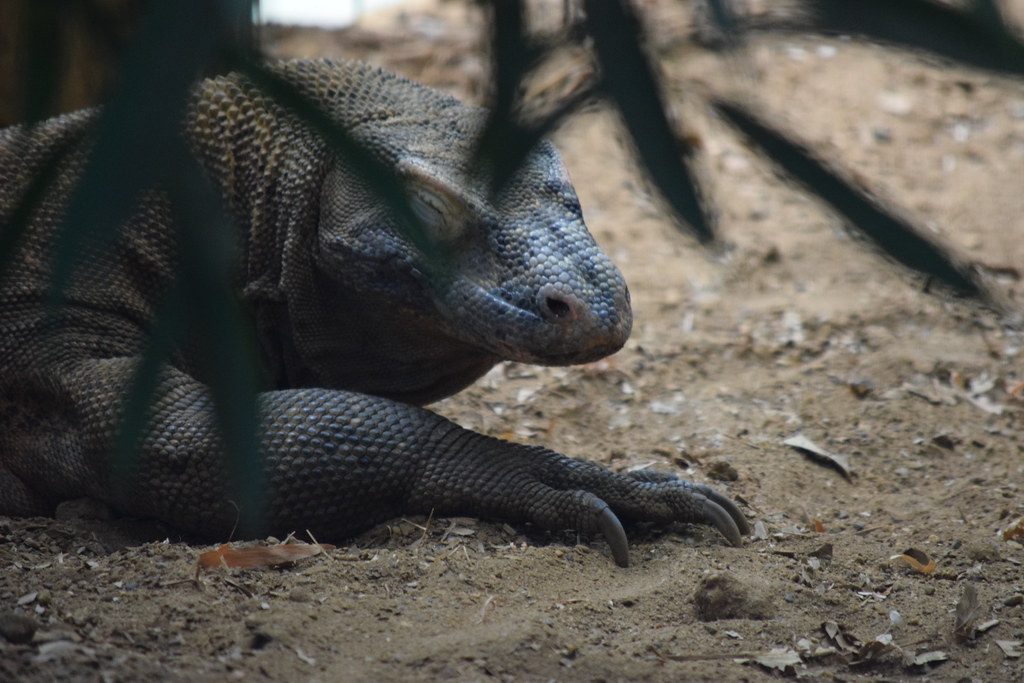
    Komodo Dragon” by Heather Smithers is licensed under CC BY-SA 2.0

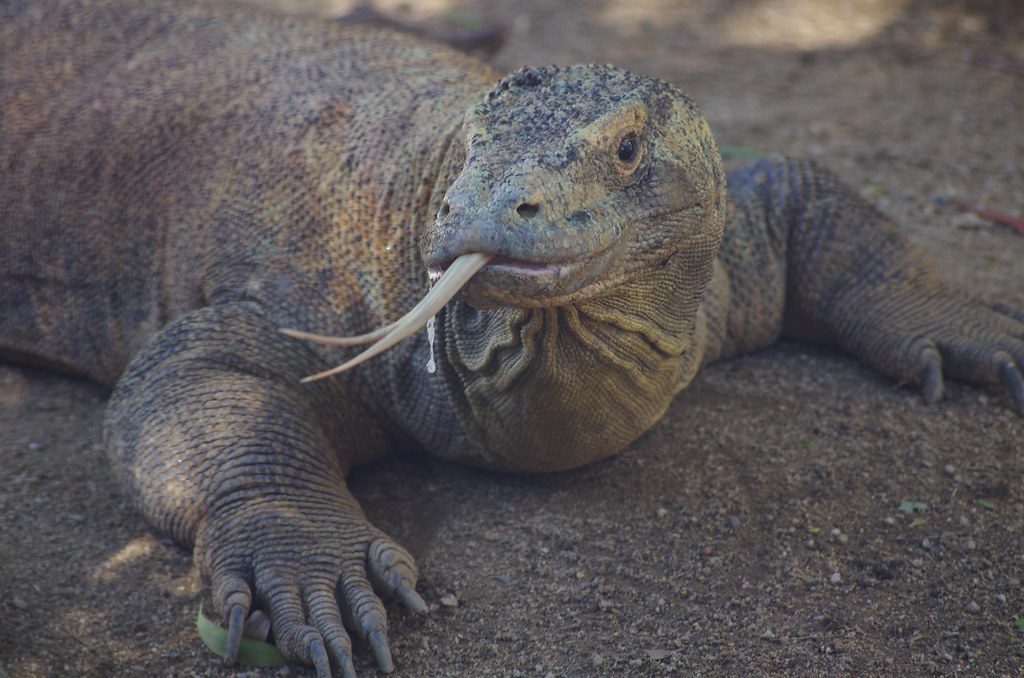
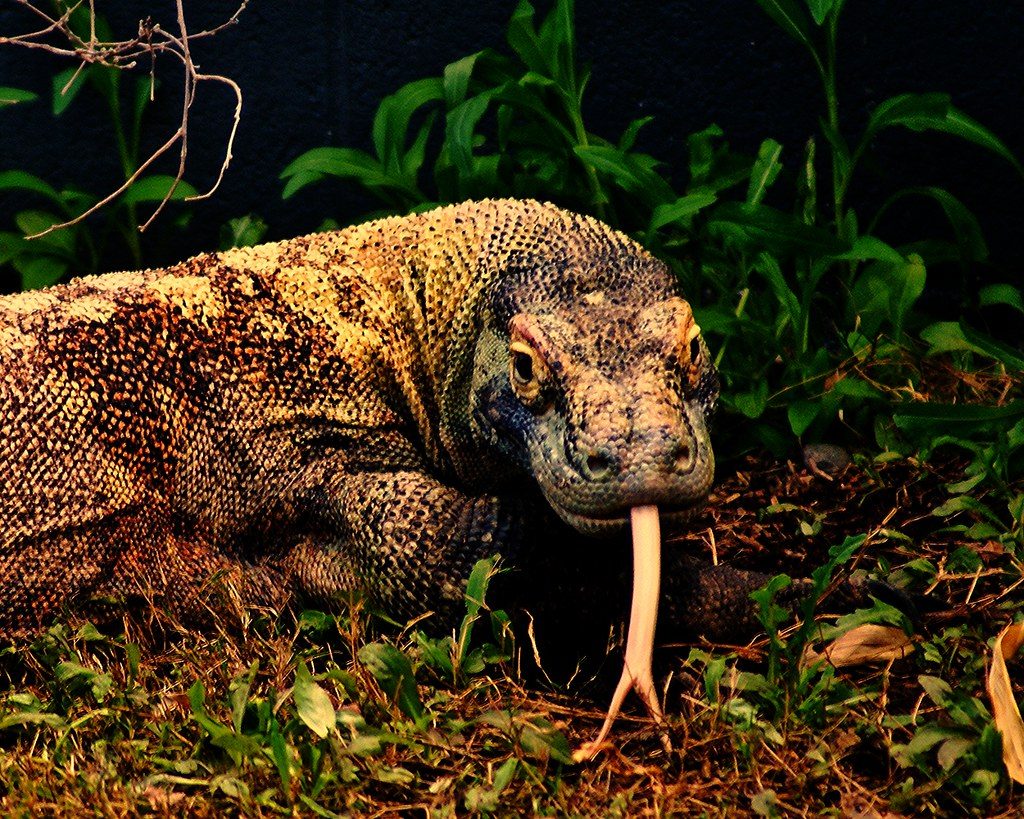
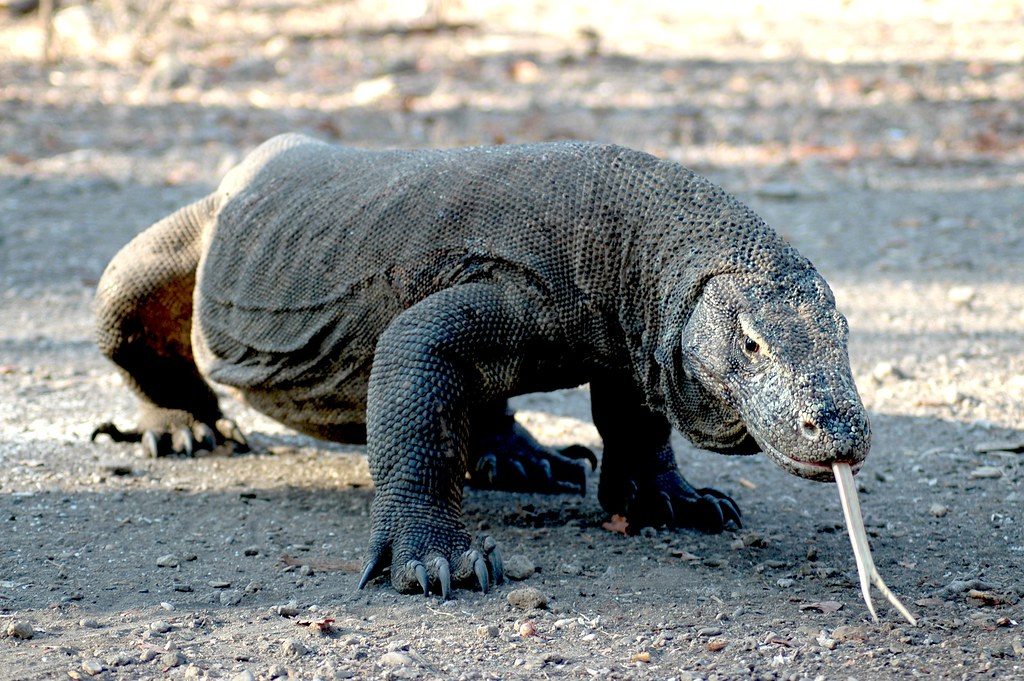
    Komodo dragons have an incredible sense of smell. They use their long, forked tongues to collect tiny scent particles from the air. With a special organ in the roof of their mouth, they can detect blood and dead animals from miles away under the right conditions.
    These giant lizards often feed together on large carcasses. When one dragon finds food, others may soon arrive after picking up the scent. That is why an injured animal—or even a bleeding person—can attract several dragons to the same place in a short time.

    How dangerous are Komodo dragons?

    KOMODO DRAGON” by NAPARAZZI is licensed under CC BY-SA 2.0

    Komodo dragons are the largest living lizards on Earth. Adult males can grow over 10 feet long and weigh more than 300 pounds. They are powerful predators with sharp, curved teeth and venom that helps weaken prey by causing heavy bleeding and lowering blood pressure.

    Although attacks on humans are uncommon, they do happen. Most incidents occur when people get too close, surprise a dragon, or enter areas without trained guides. Several injuries and a small number of deaths have been recorded over the years, proving these animals deserve respect.

    Why attacks are still rare

    Komodo dragon (Varanus komodoensis)” by 5of7 is licensed under CC BY-SA 2.0

    Despite their fearsome reputation, Komodo dragons usually avoid people when given enough space. Most wild dragons spend their time hunting deer, wild pigs, and other animals or feeding on carcasses instead of looking for humans.

    Many attacks happen because dragons feel threatened or because people ignore safety rules. For example, tourists who move too close to feeding dragons or wander without park guides greatly increase their risk of an encounter.

    Safety lessons from the encounter

    man in orange and black backpack
    Photo by Matthew Maaskant on Unsplash

    The ranger’s experience reminds everyone that working or traveling near Komodo dragons requires constant attention. Rangers in Komodo National Park are trained to watch for dragons, carry forked safety sticks, and respond quickly if an animal approaches.

    Visitors should always stay with trained guides, keep a safe distance, avoid sudden movements, and never approach dragons that are feeding. Anyone with an open wound should be especially careful because the smell of blood may attract nearby dragons.

    Why Komodo dragons still matter

    Forked tongue of Komodo Dragon – Komodo, Indonesia” by whl.travel is licensed under CC BY-NC-SA 2.0

    Komodo dragons may be dangerous, but they are also an important part of Indonesia’s natural heritage. As top predators, they help keep their island ecosystems balanced by controlling prey populations. Scientists continue studying them to better understand their behavior and protect their future.

    Today, Komodo dragons are listed as endangered because of habitat loss, climate change, and human activity. Conservation efforts and responsible tourism help protect both these remarkable reptiles and the people who come to see them.

  • What happens when five orcas hunt a single whale?

    What happens when five orcas hunt a single whale?

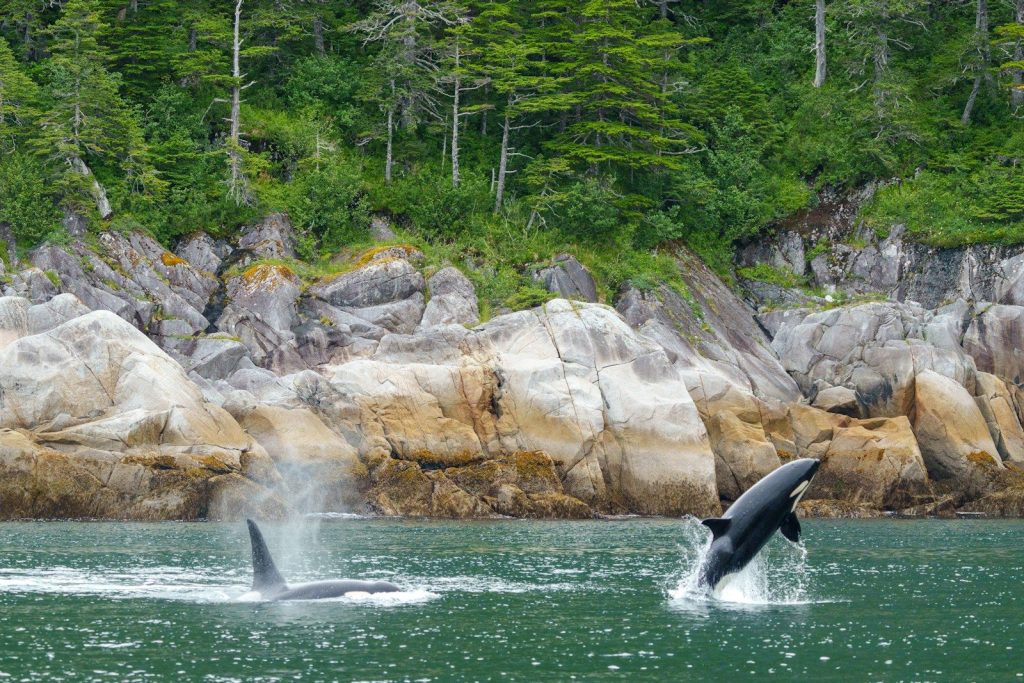
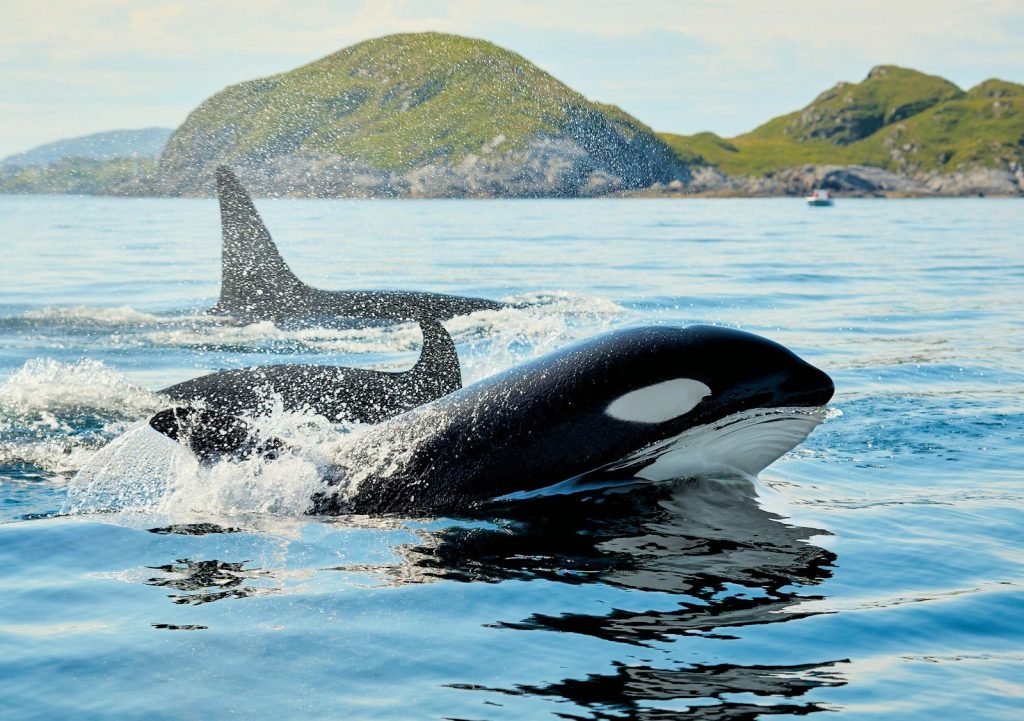
    What happens when five orcas hunt a single whale? It is one of the most dramatic events in the ocean. These powerful predators do not rely on strength alone. Instead, they work together, using teamwork, speed, and smart hunting skills to wear down their prey.

    Depending on the whale species, size, age, and location, the hunt can end quickly or last for hours. In this article, you will learn how orcas plan attacks, why they hunt in groups, how whales fight back, and what scientists have discovered about these incredible predators.

    Why orcas hunt together

    Killer Whale (Orcinus orca)” by Franco Folini is licensed under CC BY-SA 2.0

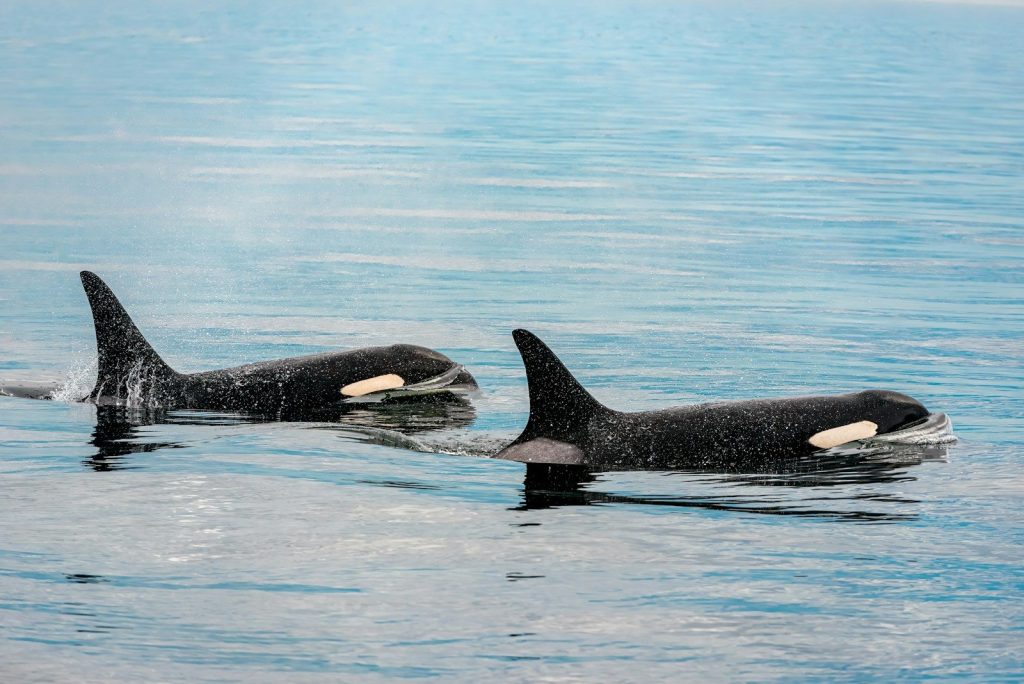
    Orcas are highly social animals that live in family groups called pods. Many pods hunt together because teamwork gives them a much better chance of catching large prey. Even a group of five orcas can challenge whales much bigger than themselves by working as a team.

    Each orca may have a different job during the hunt. Some chase the whale, others block escape routes, while another bites the fins or tail to slow it down. This coordinated behavior is learned from older family members and passed down through generations.

    How the hunt begins

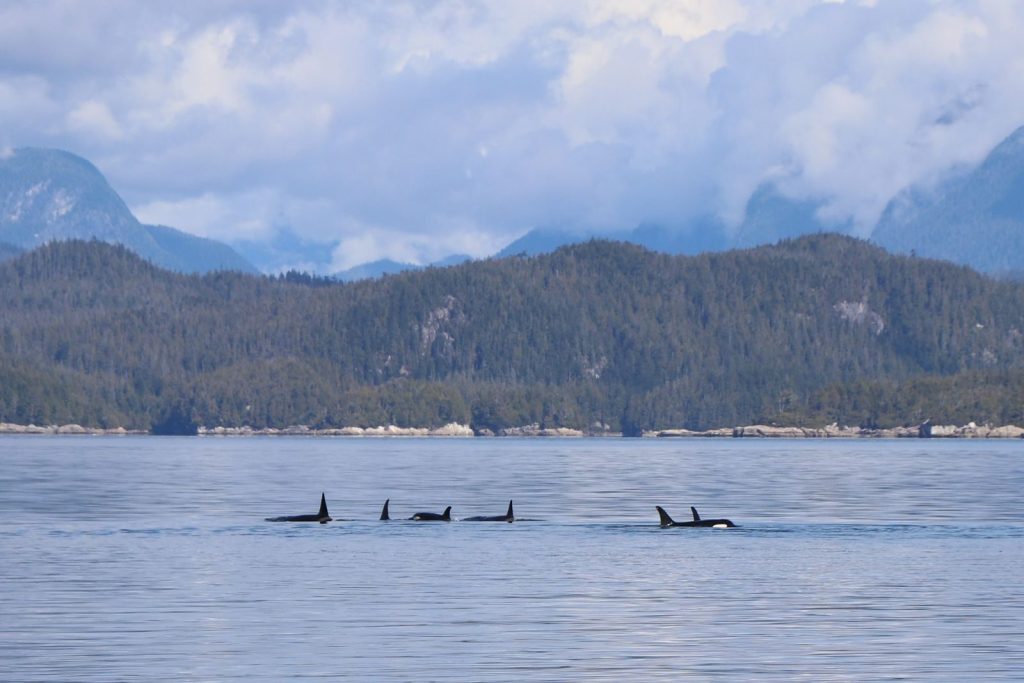
    A serene group of orcas gliding through the calm waters of Telegraph Cove, BC.
    Photo by marnock on Pexels

    A hunt usually starts when the orcas spot a whale near the surface. They quickly spread out and begin chasing it, forcing the whale to keep swimming until it becomes tired. This constant pressure uses up the whale’s energy.

    If the target is a young whale or a smaller species such as a minke whale, five orcas may be enough to overpower it. For larger whales like humpbacks or gray whales, they often focus on separating a calf from its mother because calves are easier to catch than healthy adults.

    The whale fights back

    Whales are not helpless during an attack. Adult whales can defend themselves by swinging their powerful tails, slapping the water with their fins, or charging toward the orcas. A single tail strike can seriously injure an orca.

    Mother whales work especially hard to protect their calves. Some whales stay close together, while humpback whales have even been seen rushing toward orca attacks to drive the predators away. In many cases, these defenses help the whale escape.

    How five orcas bring down a whale

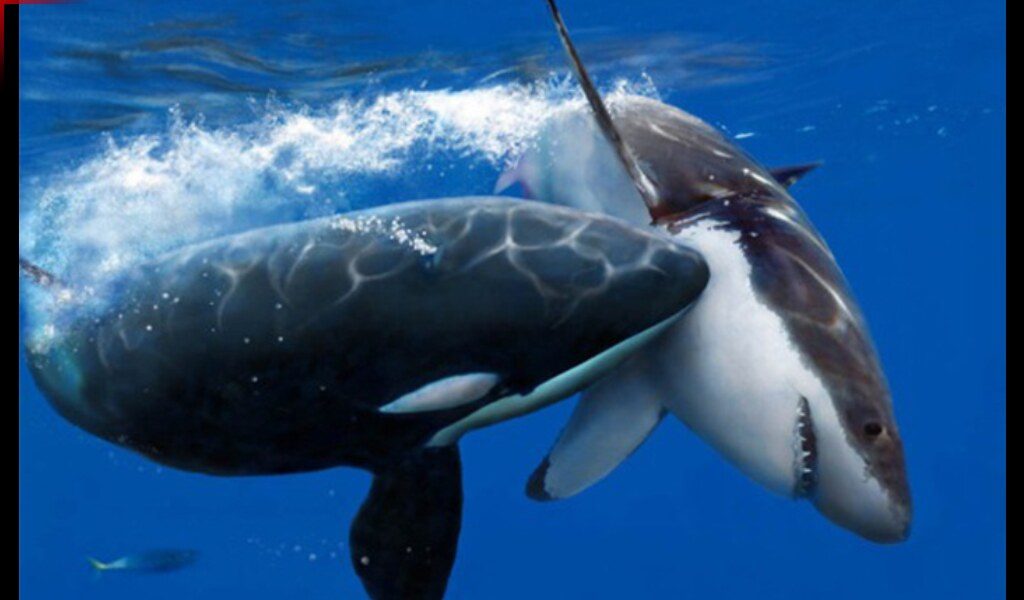
    Orca vs shark” by catmando1962 is licensed under CC BY-SA 2.0

    If the whale becomes exhausted, the orcas move in closer. They often bite the fins, tail, or blubber to weaken it further. Some orcas may also prevent the whale from surfacing normally by crowding around its head and body, making it difficult to breathe.

    The attack usually depends on patience instead of one powerful strike. The orcas take turns so no single hunter becomes too tired. This teamwork allows a small group to challenge prey that is much larger than any one orca.

    What happens after the kill

    A whale jumping out of the water in front of some rocks
    Photo by Vadym Shashkov on Unsplash

    Once the whale dies, the pod shares the food. Orcas often eat the most energy-rich parts first, including the tongue, lips, and blubber. In some cases, they leave behind large parts of the carcass after feeding.

    Young orcas also learn during these hunts. They watch experienced adults, practice hunting skills, and discover how to work with the rest of the pod. This helps pass successful hunting methods from one generation to the next.

    Why scientists study these hunts

    three people in lab coats looking at a tablet
    Photo by National Cancer Institute on Unsplash

    Watching five orcas hunt one whale helps scientists better understand marine ecosystems. These hunts show that orcas are intelligent predators with advanced communication, planning, and cooperation. Their hunting behavior also affects whale populations and the balance of ocean food webs.

    Researchers have found that not every hunt ends in success. Many whales escape by using their speed, strength, or help from other whales. Every encounter teaches scientists more about the ongoing struggle between predator and prey in the world’s oceans.

  • Mississippi reveals the remains of a giant mosasaur

    Mississippi reveals the remains of a giant mosasaur

    Have you ever wondered what lived in Mississippi long before people or even dinosaurs disappeared? The recent discovery of a giant mosasaur fossil has given scientists an exciting new look at one of the largest ocean predators to ever live. Found during geological fieldwork near Starkville, Mississippi, the fossil may belong to the biggest mosasaur ever discovered in the state.

    This remarkable find is helping researchers learn more about ancient seas, giant marine reptiles, and the world that existed about 66 to 72 million years ago. Here’s what makes this discovery so important and what it tells us about Earth’s distant past.

    The giant fossil found in Mississippi

    Marine Scientist Jennifer Stanhope, VASG Graduate Research Fellow Annie Murphy, and Mark Luckenbach take water samples from the cores over the course of the day to measure the nutrient concentrations in the water. ©Margaret Pizer/VASG” by Virginia Sea Grant is licensed under CC BY-ND 2.0

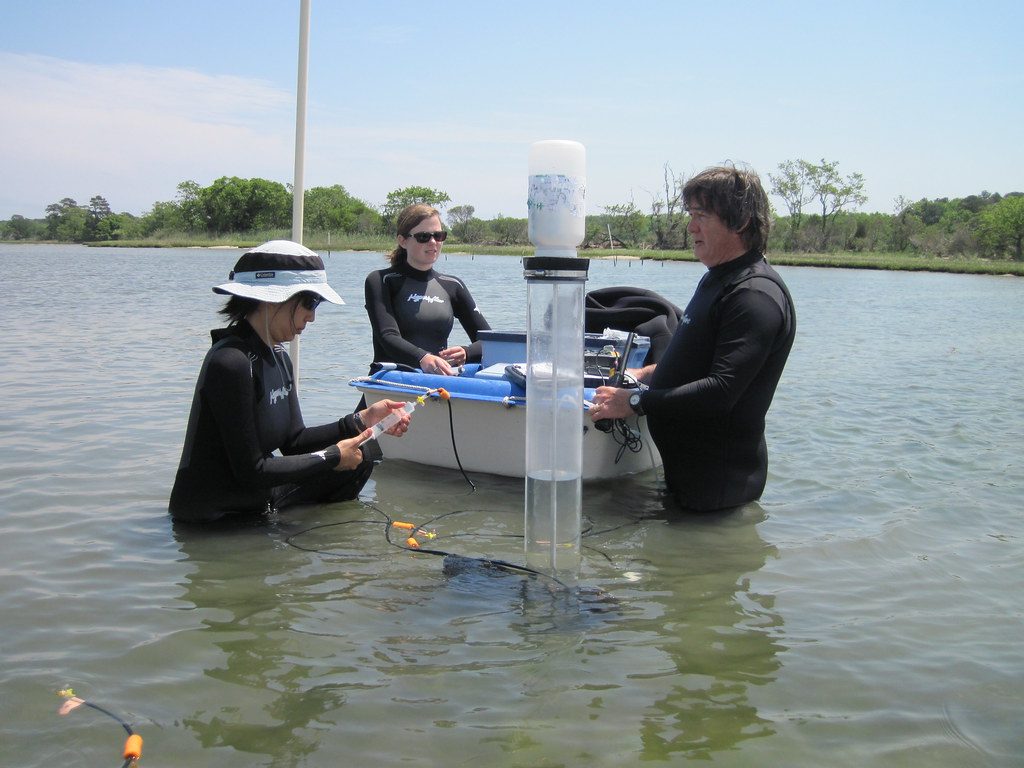
    Scientists uncovered a massive fossilized vertebra while conducting a geological survey near Starkville, Mississippi. The work was part of a project to map underground rock layers, but the team quickly realized they had found something much more exciting. The fossil was later identified as belonging to Mosasaurus hoffmannii, one of the largest mosasaur species ever known.

    The vertebra measures more than 7 inches across, making it the largest mosasaur backbone ever found in Mississippi. Experts believe the animal was at least 30 feet long, although it may have been even larger. Because only one vertebra has been recovered so far, scientists cannot determine its exact size, but they say it may represent the largest mosasaur ever discovered in the state.

    What was a mosasaur?

    Mosasaur at the Courtenay & District Museum and Palaeontology Centre” by sillygwailo is licensed under CC BY 2.0

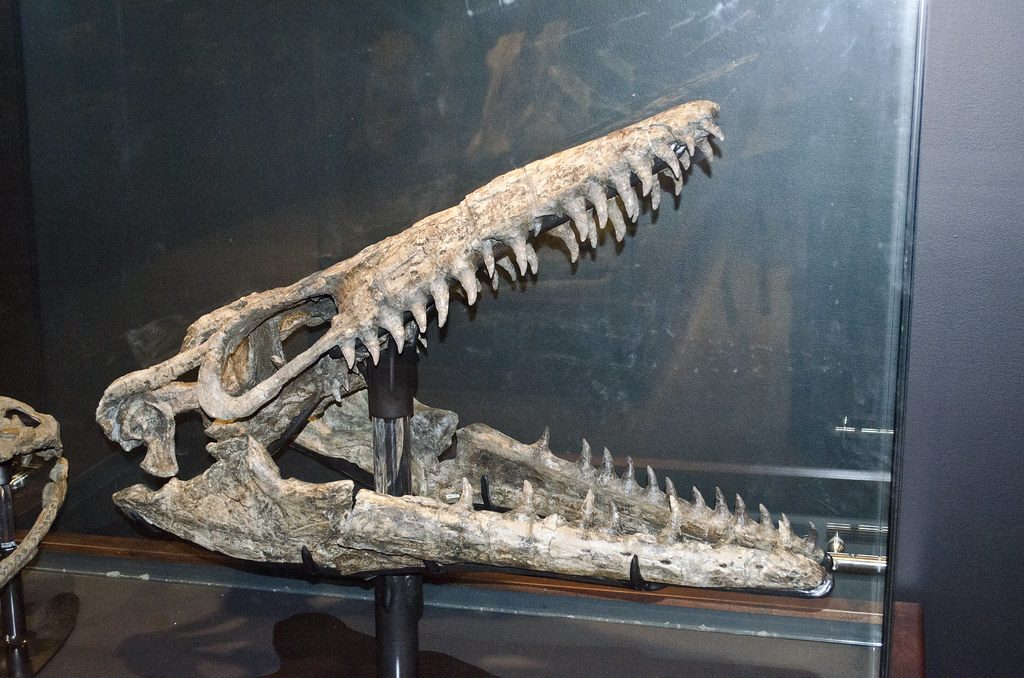
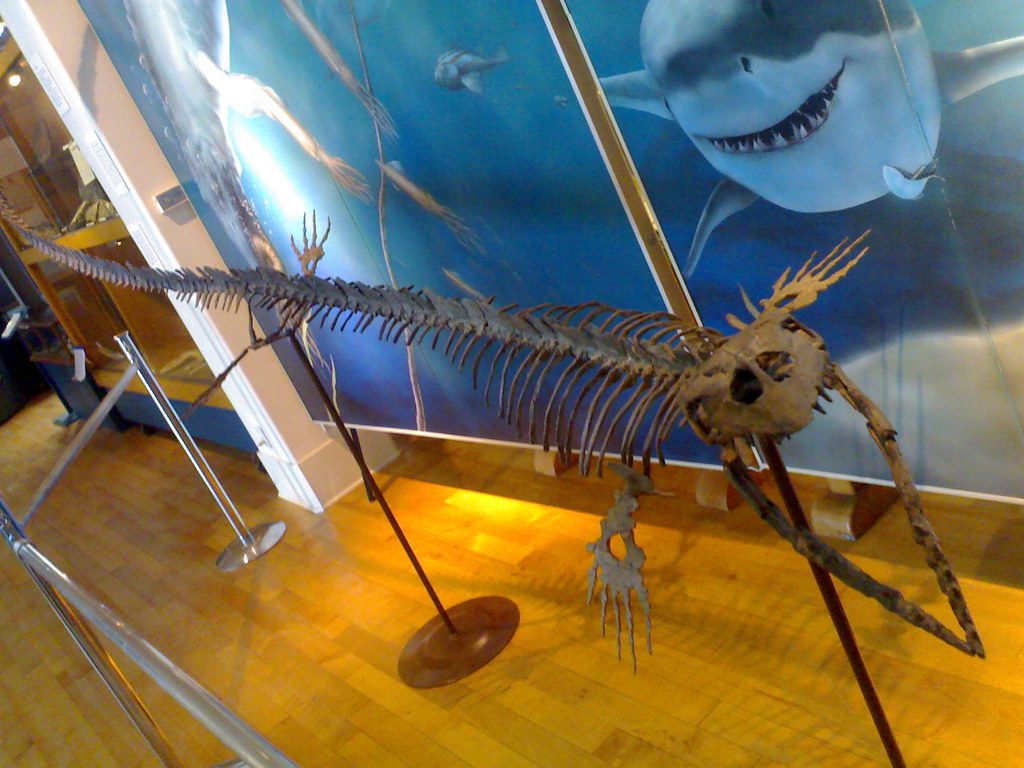
    Mosasaurs were giant marine reptiles that ruled the oceans during the Late Cretaceous Period. They were not dinosaurs, even though they lived alongside them. Instead, they were closely related to modern lizards and snakes, and they spent their entire lives in the sea.

    The largest species could grow to around 50 feet long. They had long bodies, powerful tails, paddle-like limbs, and jaws filled with sharp teeth designed to catch fish, sharks, sea turtles, and other marine animals. As top predators, mosasaurs sat at the top of the ocean food chain until the mass extinction that ended the age of dinosaurs about 66 million years ago.

    Why Mississippi is rich in fossils

    white and black boat on river during daytime
    Photo by Justin Wilkens on Unsplash

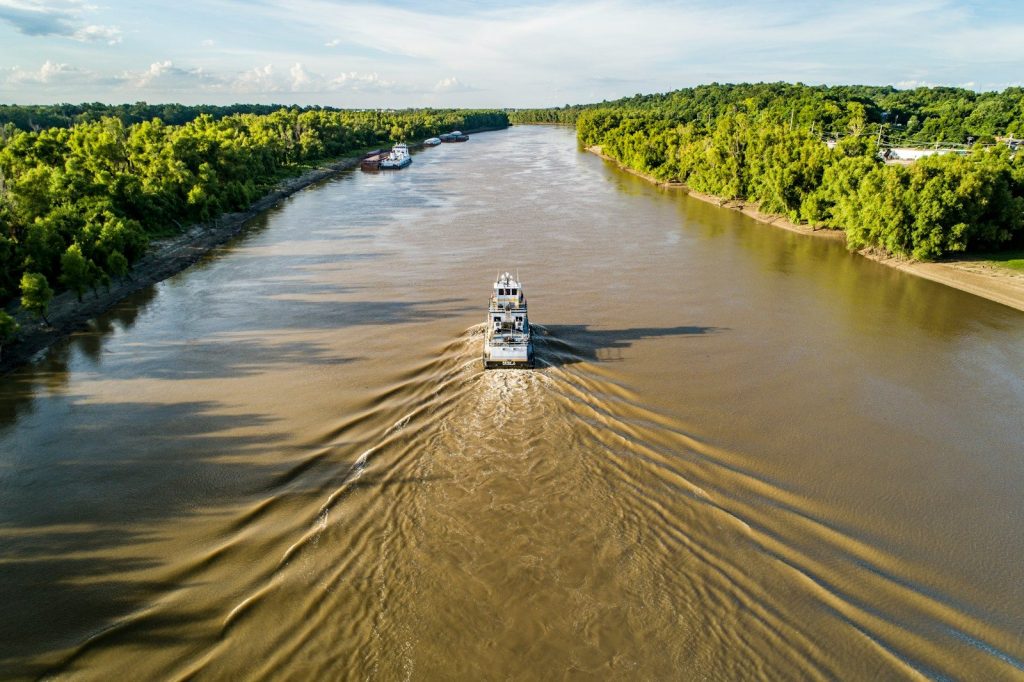
    Millions of years ago, much of Mississippi was covered by a warm, shallow sea connected to the ancient Gulf of Mexico. This underwater environment allowed marine animals to thrive, including sharks, giant fish, ammonites, and mosasaurs. When these animals died, many were buried by sediment that later hardened into rock.

    Today, erosion and geological surveys expose these ancient rocks, allowing paleontologists to discover fossils hidden for millions of years. Mississippi has produced many marine fossils over the years, but complete mosasaur remains are uncommon, making each new discovery especially valuable.

    How scientists identified the fossil

    three people in lab coats looking at a tablet
    Photo by National Cancer Institute on Unsplash

    After the vertebra was collected, experts compared it with other mosasaur fossils preserved at the Mississippi Museum of Natural Science. Its size and shape closely matched Mosasaurus hoffmannii, one of the largest known mosasaur species. The backbone was noticeably larger than that of many other specimens already housed in the museum.

    Researchers also compared the new vertebra with fossil jaws, skull fragments, and teeth from earlier discoveries. These comparisons showed the newly found animal was likely as large as, or even larger than, any mosasaur previously documented in Mississippi. Scientists hope more fossils from the same animal will eventually be found.

    Why this discovery matters

    people having meeting on rectangular brown table
    Photo by Christina @ wocintechchat.com M on Unsplash

    A single fossil can reveal important information about ancient ecosystems. This giant vertebra confirms that enormous apex predators lived in the seas covering Mississippi during the Late Cretaceous. It also helps scientists better understand how large these reptiles became and where they lived.

    The discovery also highlights how geological fieldwork often leads to unexpected scientific breakthroughs. Researchers searching for information about underground rock layers instead uncovered evidence of one of the state’s most impressive prehistoric animals, reminding us that many important fossils are still waiting to be found.

    What comes next for researchers

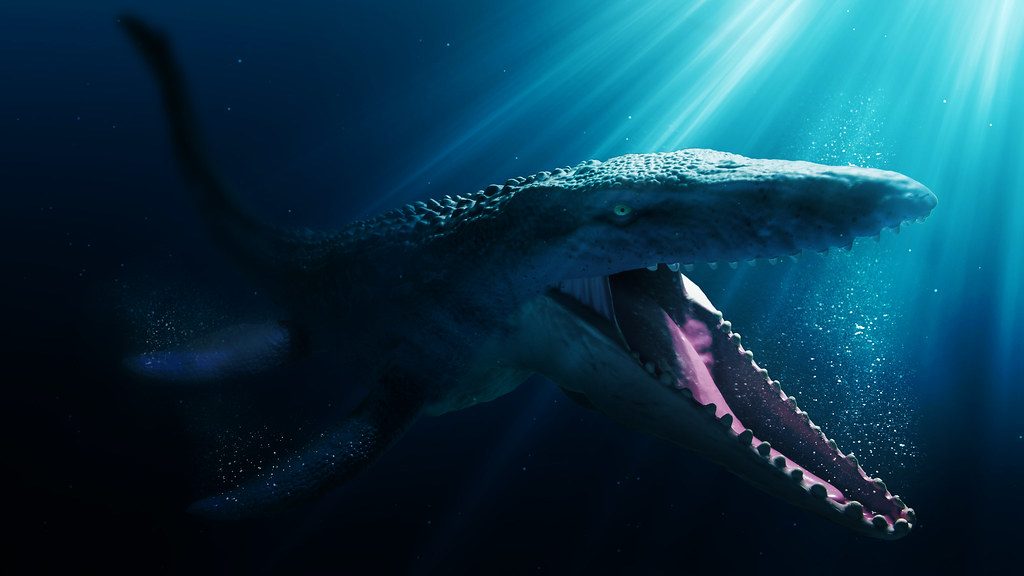
    Jurassic World Mattel Mosasaurus” by Boogeyman13 is licensed under CC BY-NC-ND 2.0

    Scientists continue to study the fossil while searching the surrounding area for additional bones. Finding more of the skeleton could provide a better estimate of the animal’s full size, age, and health. Every new fossil helps build a clearer picture of life in the ancient seas that once covered Mississippi.

    Researchers also hope this discovery encourages future fossil exploration across the state. As more ancient marine fossils are uncovered, scientists will gain a deeper understanding of the incredible reptiles that ruled Earth’s oceans before the mass extinction that ended the Cretaceous Period.

  • This sunfish produces 300 million eggs for one surprising reason

    This sunfish produces 300 million eggs for one surprising reason

    The ocean sunfish is famous for its huge size, but one fact is even more surprising. A female ocean sunfish can produce up to 300 million eggs at one time, more than any other known vertebrate. That number sounds impossible until you learn why nature gave this fish such an unusual strategy.

    Most of those tiny eggs never become adults because life in the open ocean is full of danger. In this article, you’ll discover why the ocean sunfish produces so many eggs, how its young survive, and what makes this giant fish one of the ocean’s most fascinating animals.

    The ocean sunfish is a true giant

    Ocean sunfish (Mola mola) Oregon Coast” by NOAA Fisheries West Coast is licensed under CC BY-NC-ND 2.0

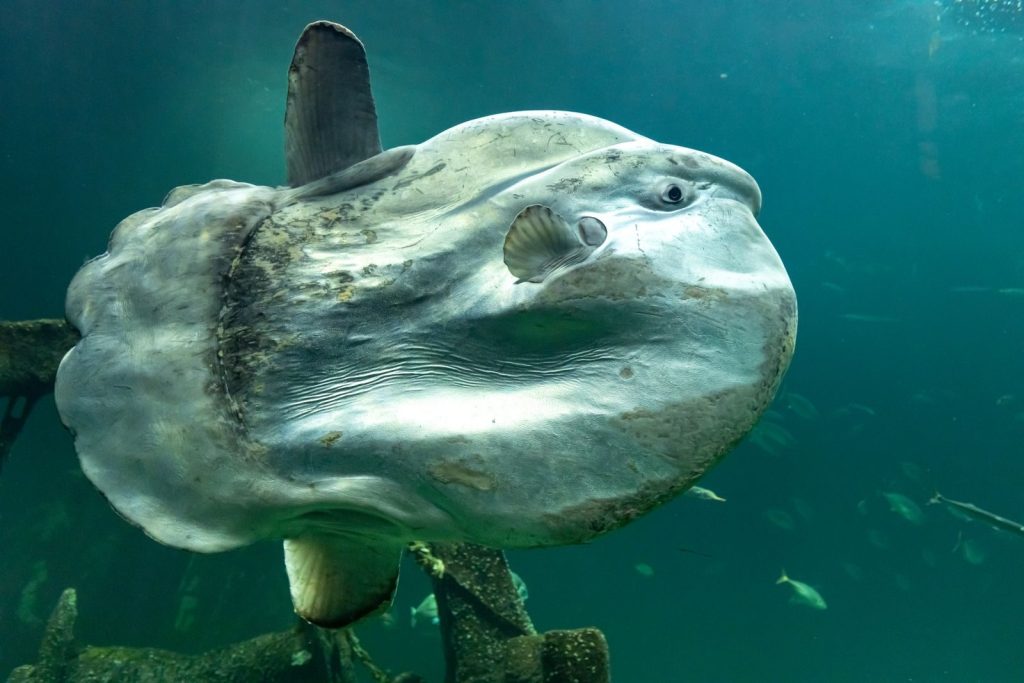
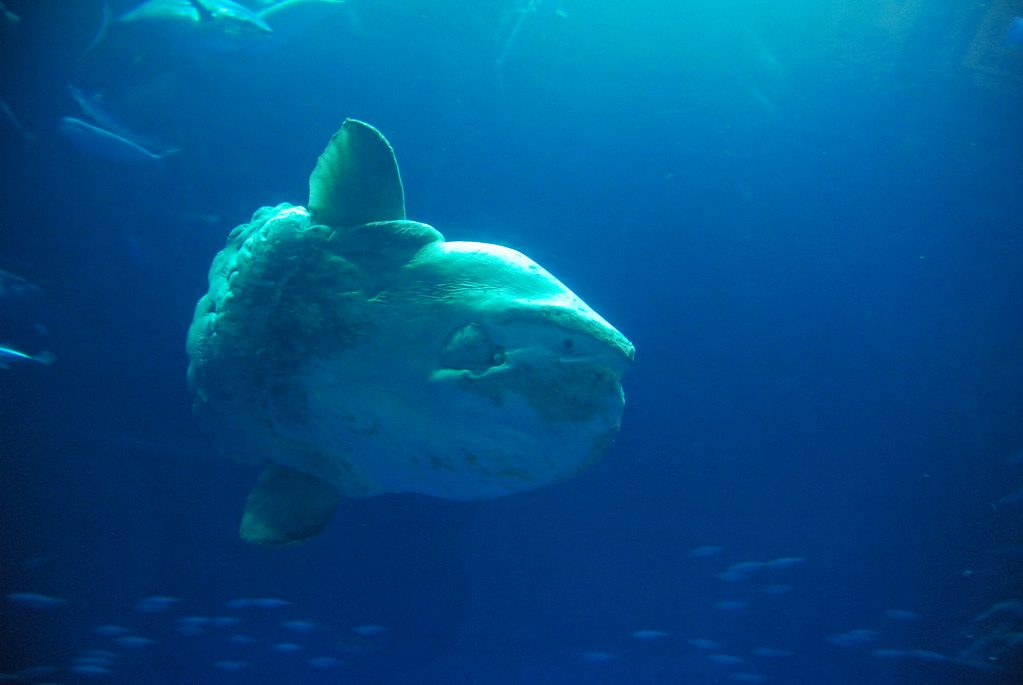
    The ocean sunfish, also called Mola mola, is one of the world’s largest bony fish. Adults can grow over 10 feet long and weigh more than 2,000 pounds. Its flat, round body and short tail make it easy to recognize.

    Even though adults are huge, they begin life as tiny eggs that measure about 1.3 millimeters across. Newly hatched larvae are only a few millimeters long, showing just how incredible the fish’s growth is during its lifetime.

    Why does it produce 300 million eggs

    An egg underwater, North Horn, Coral Sea Great Barrier Reef, Australia.jpg” by gruntzooki is licensed under CC BY-SA 2.0

    The biggest reason the ocean sunfish produces so many eggs is that very few young survive. Eggs and tiny larvae drift through open water where they are easy meals for fish, jellyfish, and other predators.

    By releasing hundreds of millions of eggs, the female increases the chances that at least a small number will survive long enough to grow. This strategy helps keep the species alive even though the loss of young is extremely high.

    Life starts with broadcast spawning

    A Basking Mola Mola, Ocean Sunfish Good Luck Charm” by AGrinberg is licensed under CC BY-NC-ND 2.0

    Ocean sunfish reproduce through a process called broadcast spawning. The female releases her eggs into the water, while nearby males release sperm at the same time. Fertilization happens outside the body.

    Scientists still know surprisingly little about where and when ocean sunfish gather to spawn. Much of their breeding behavior remains a mystery because these giant fish spend much of their lives far out at sea.

    Growing from tiny to enormous

    Mola mola” by Images by John ‘K’ is licensed under CC BY-NC-ND 2.0

    After hatching, young sunfish look very different from adults. They have body spines and resemble tiny pufferfish, which are close relatives. As they grow, the spines disappear and the body takes on its familiar round shape.

    The fish grows at an amazing rate. Some scientists estimate that an adult ocean sunfish can become about 60 million times heavier than it was when it first hatched, making it one of the most dramatic growth stories among vertebrates.

    Surviving in the open ocean

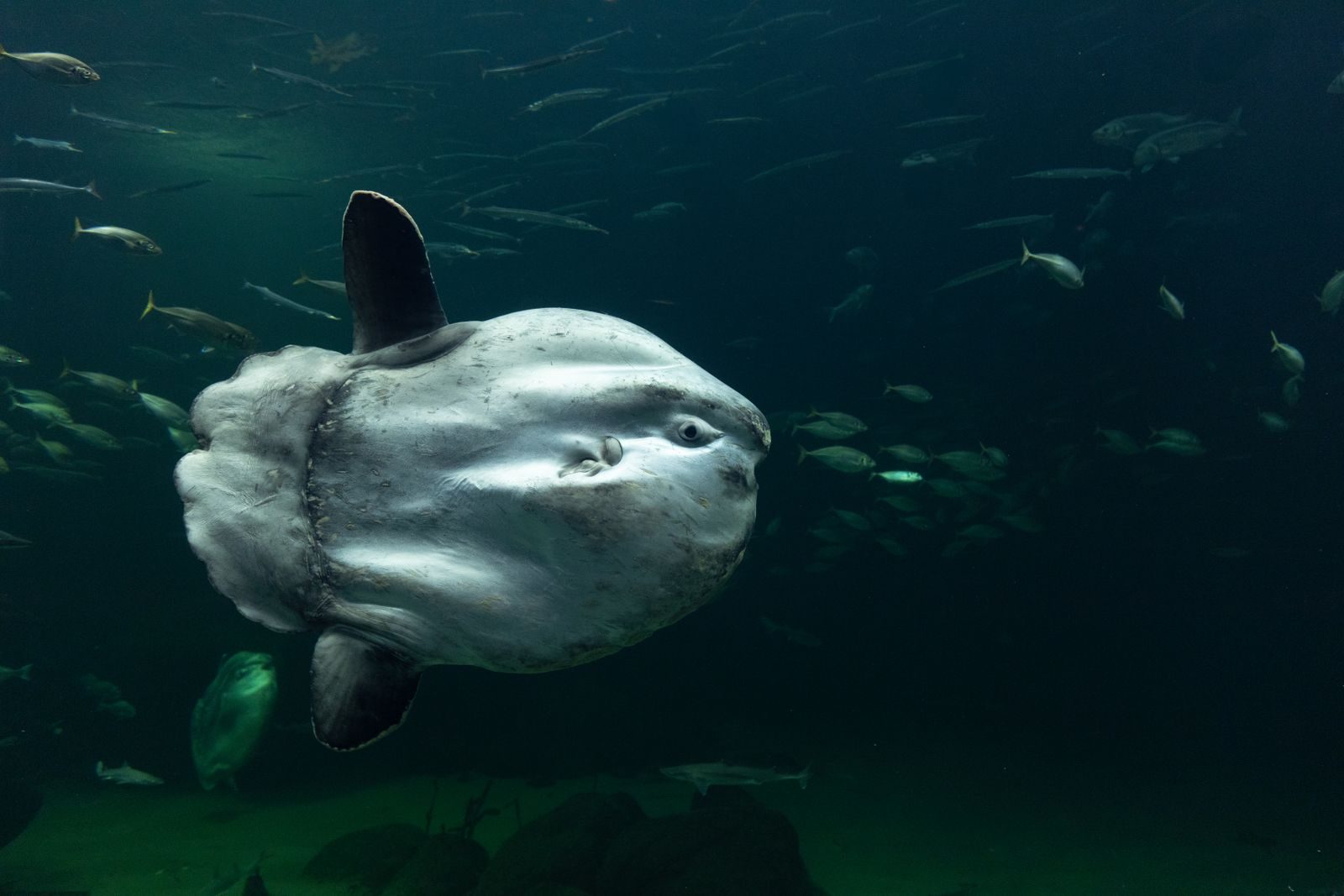
    A mesmerizing view of an ocean sunfish swimming gracefully in Hirtshals, Denmark.
    Photo by Joerg Mangelsen on Pexels

    Young sunfish face constant danger. Many are eaten before they reach adulthood, while adults have far fewer natural predators because of their large size and thick skin. Sharks, sea lions, and orcas are among the few animals that can hunt full-grown sunfish.

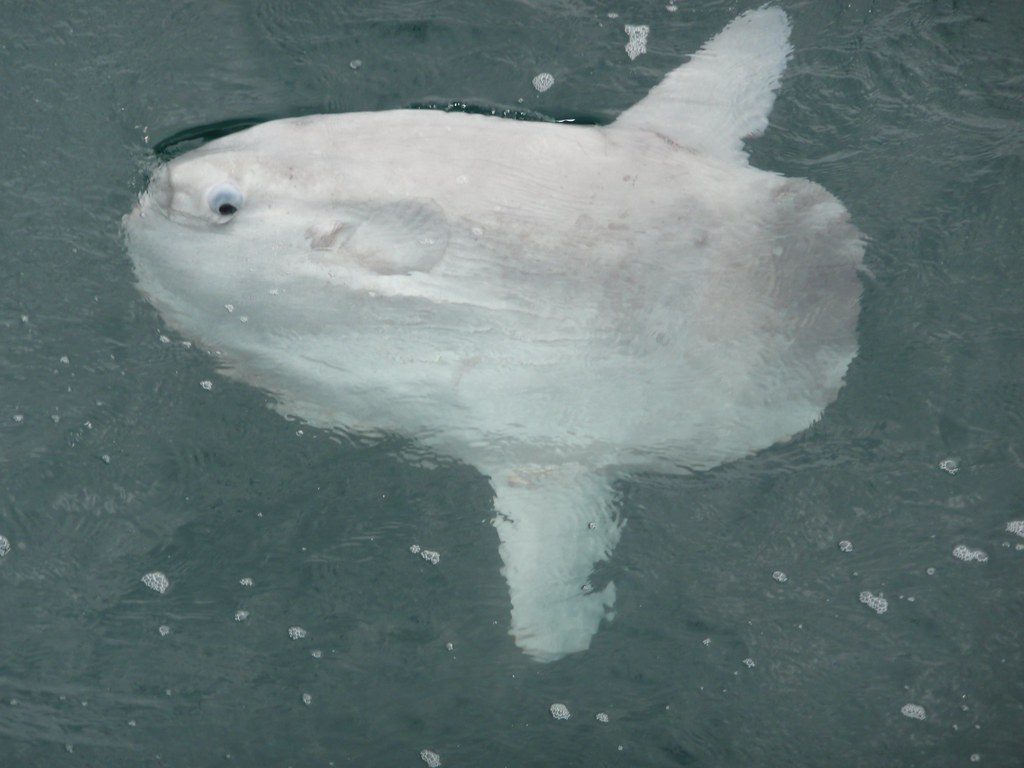
    Ocean sunfish also spend time near the surface, where they may appear to be sunbathing. Researchers believe this behavior may help them warm up after deep dives and allow seabirds to remove parasites from their skin.

    Why this strategy works

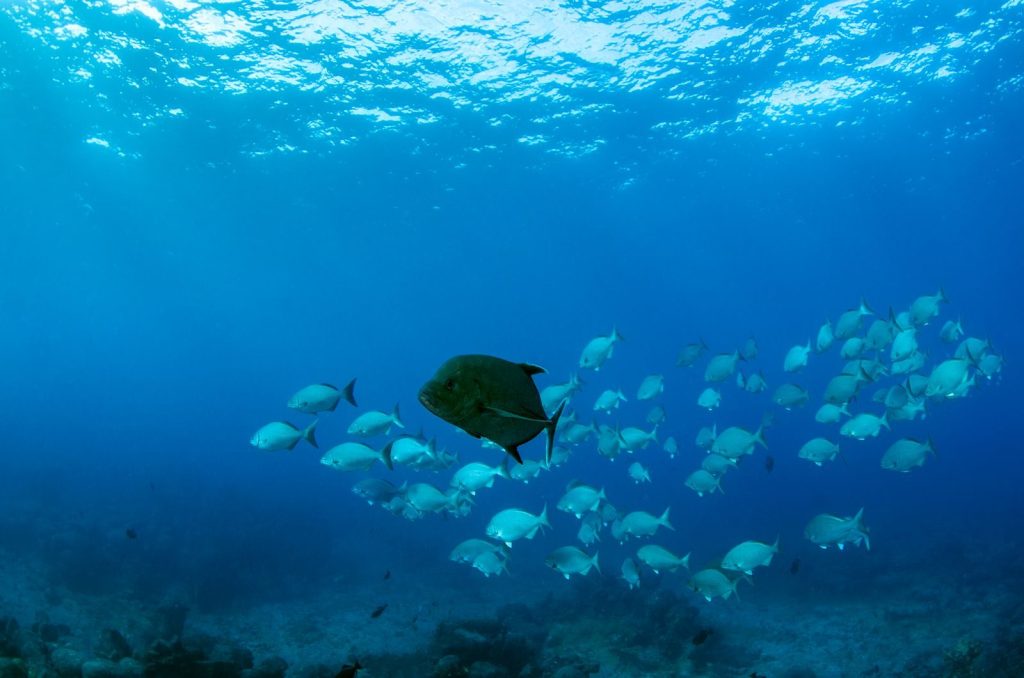
    A captivating underwater scene showing a school of black trevally fish swimming in the ocean's blue depths.
    Photo by Leonardo Lamas on Pexels

    Producing 300 million eggs may seem wasteful, but it is an effective survival strategy. Since only a tiny fraction of the eggs will become adults, creating an enormous number gives the species the best chance of continuing from one generation to the next.

    The ocean sunfish proves that survival in nature is not always about protecting every offspring. Sometimes success comes from producing many young and letting natural selection decide which ones are strong enough to survive.

  • Inside the island where giant crabs are everywhere

    Inside the island where giant crabs are everywhere

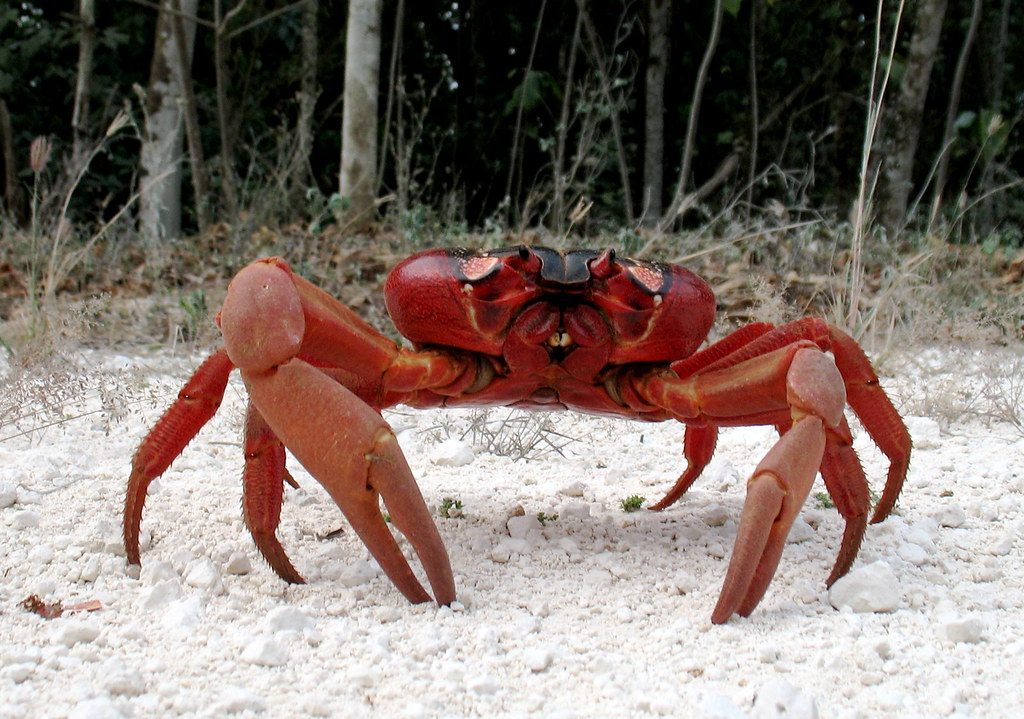
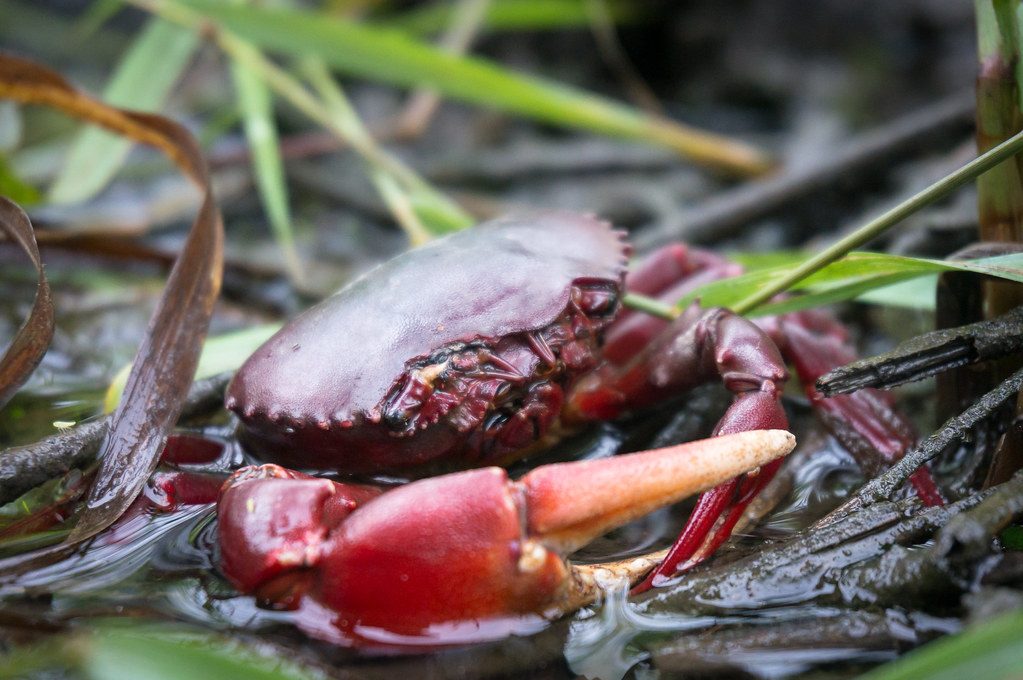
    Have you ever wondered what it would be like to visit a place where crabs seem to be everywhere? On Australia’s Christmas Island, that is a real experience. Every year, millions of bright red land crabs cover roads, forests, beaches, and even yards during one of the world’s most amazing wildlife events.

    This island is also home to the giant coconut crab, making it one of the most unusual places on Earth. In this article, you’ll learn why so many crabs live here, how they survive, why they migrate, and how people work to protect this incredible natural wonder.

    Why Christmas Island is full of crabs

    Snorkeling Christmas Island” by D-Stanley is licensed under CC BY 2.0

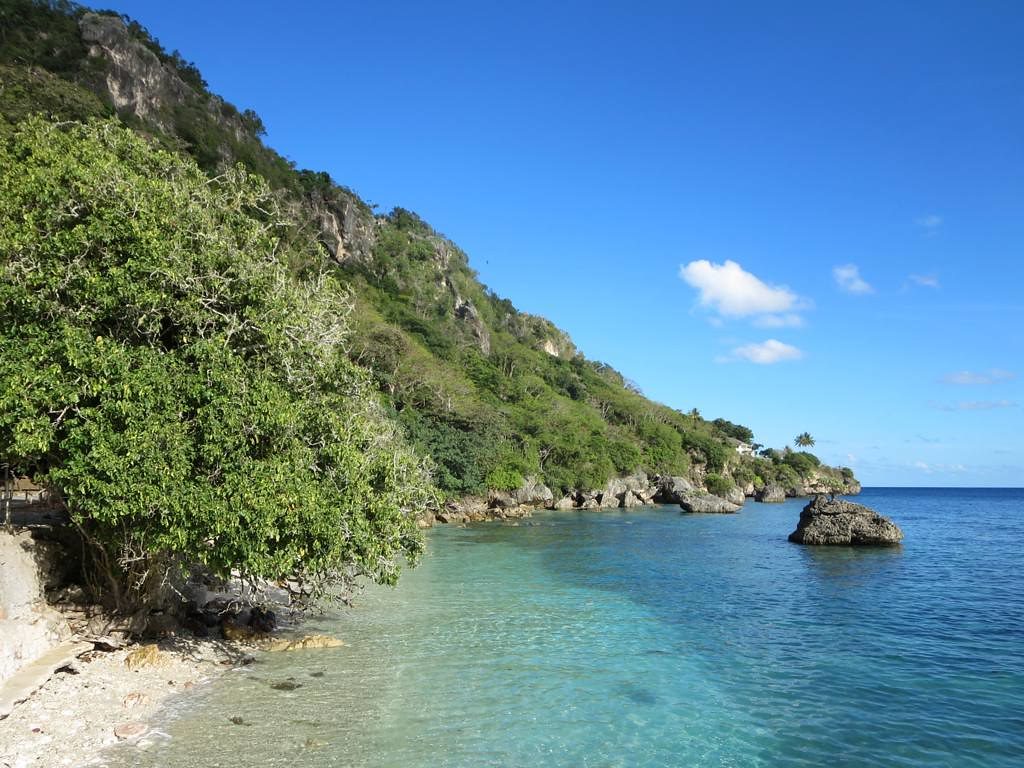
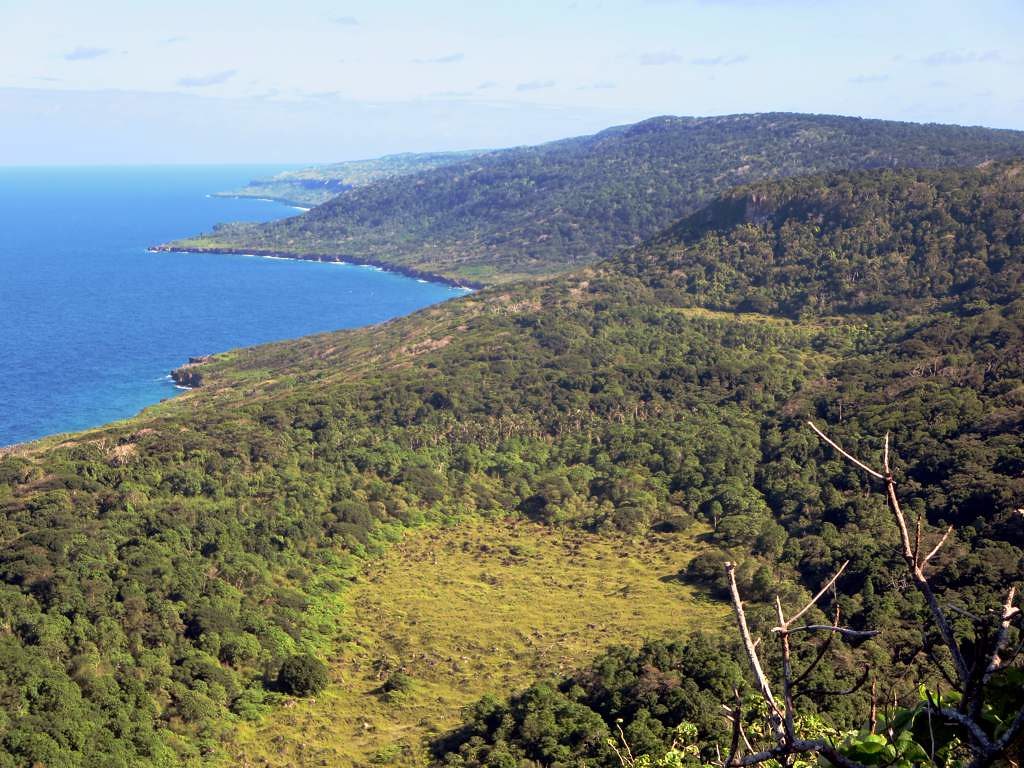
    Christmas Island is a small Australian territory in the Indian Ocean. Its tropical rainforest, warm weather, and limited number of land predators make it the perfect home for red crabs. Scientists estimate that well over 100 million red crabs live across the island, making them the most common large land animal there.

    The island is also famous for the giant coconut crab, the world’s largest land-living arthropod. These powerful crabs can climb trees, crack open coconuts with their strong claws, and live for many decades. While they are much less common than red crabs, they share the island’s forests.

    The famous red crab migration

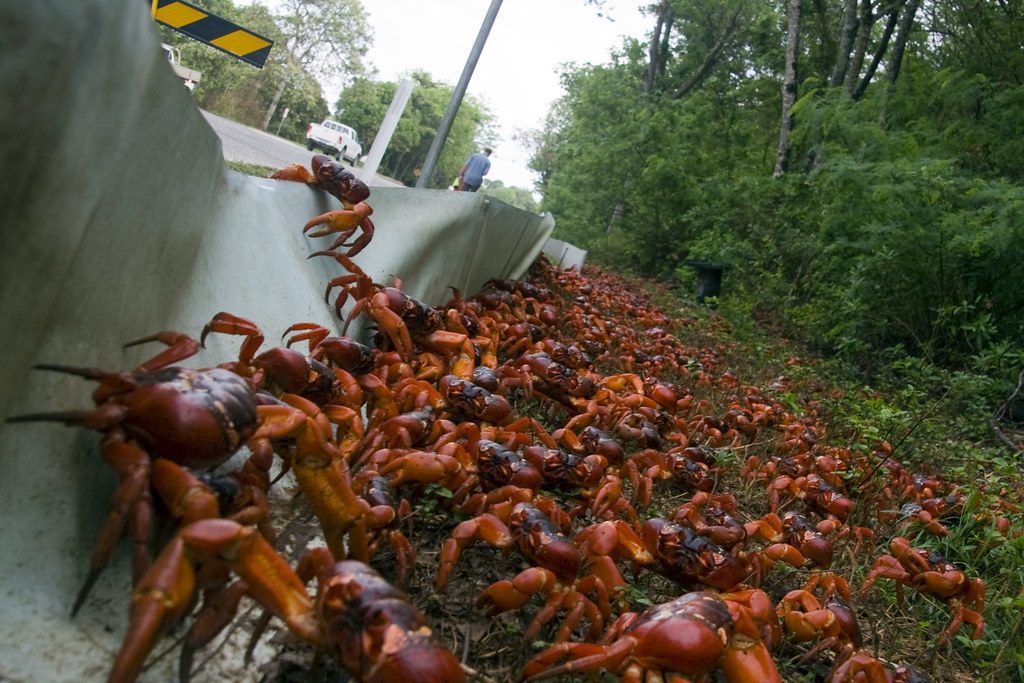
    Red crab migration” by frogtrail images is licensed under CC BY-NC-ND 2.0

    The island becomes most famous during the annual red crab migration. After the first heavy rains of the wet season, millions of crabs leave the forest and travel to the ocean to breed. The exact timing depends on rainfall, tides, and the moon, making every migration slightly different.

    Male crabs usually arrive at the coast first and dig burrows. Females later join them, mate, and carry thousands of eggs before releasing them into the sea during the correct tidal conditions. Only a tiny number of baby crabs survive the dangerous journey back to land.

    How people live alongside the crabs

    Life on Christmas Island changes during migration season. Roads may close for several hours or even days so the crabs can cross safely. Drivers slow down, and many people avoid certain routes until the migration ends.

    The island has built special crab bridges, fences, and tunnels that guide the animals across busy roads. Park workers and residents also help by carefully moving crabs away from danger. These efforts have greatly reduced the number of crabs killed by traffic.

    Why the crabs matter to the forest

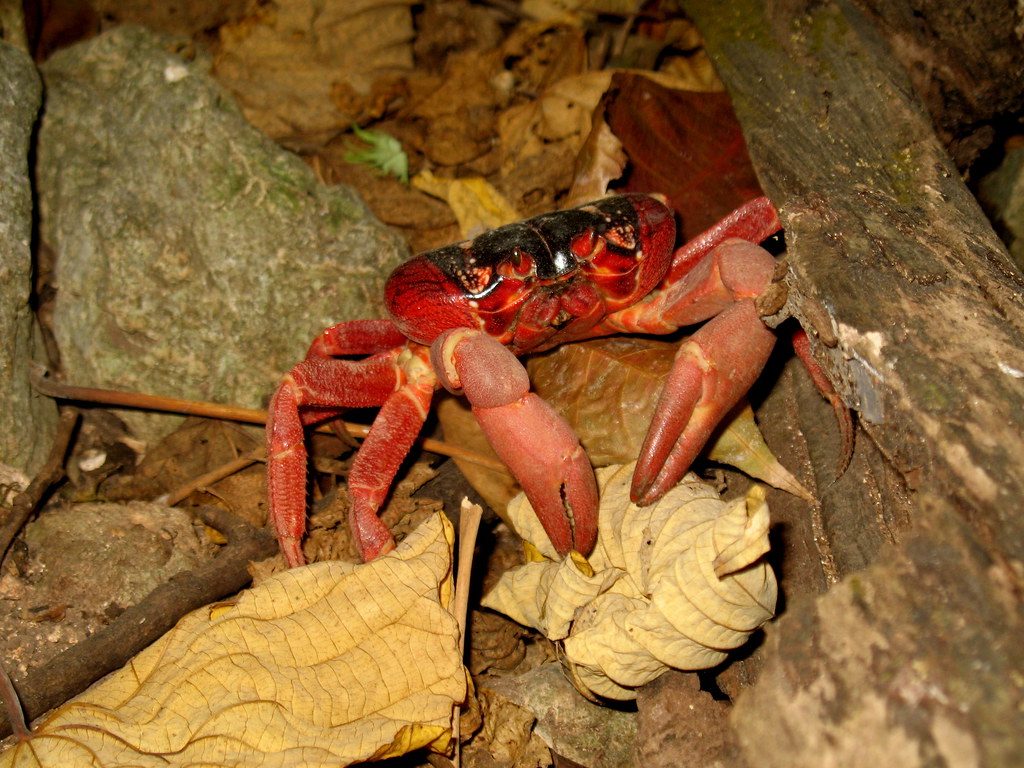
    Red crab Christmas Island” by Peter from Perth is licensed under CC BY-NC-ND 2.0

    Red crabs do much more than create a colorful sight. They help keep the rainforest healthy by eating fallen leaves, fruit, flowers, and dead plants. As they feed, they recycle nutrients back into the soil, helping trees and other plants grow.

    The crabs also control the amount of leaf litter on the forest floor. Without them, the island’s rainforest would look very different. Scientists consider them a key species because so many other parts of the ecosystem depend on their daily activities.

    Challenges the crabs still face

    Red Crab” by benjohnlamb is licensed under CC BY-NC-SA 2.0

    Although millions of crabs still live on Christmas Island, they face serious threats. One of the biggest problems comes from invasive yellow crazy ants. These ants attack red crabs, and past outbreaks killed millions of them across the island.

    Conservation teams continue to control the ant population while protecting crab habitat. Road crossings, careful wildlife management, and ongoing monitoring have helped crab numbers recover in many areas, but scientists continue to watch the population closely.

    Visiting this one-of-a-kind island

    East Coast of Christmas Island” by D-Stanley is licensed under CC BY 2.0

    Visitors often plan trips during migration season to see the island turn into a moving sea of red. Walking trails, viewing areas, and crab bridges provide safe places to watch the migration without disturbing the animals.

    Outside migration season, travelers can still spot red crabs throughout the rainforest and may even see the giant coconut crab at night. Together, these remarkable animals make Christmas Island one of the world’s most unforgettable wildlife destinations.

  • Hammerhead’s deadly hunting skills leave prey with no chance

    Hammerhead’s deadly hunting skills leave prey with no chance

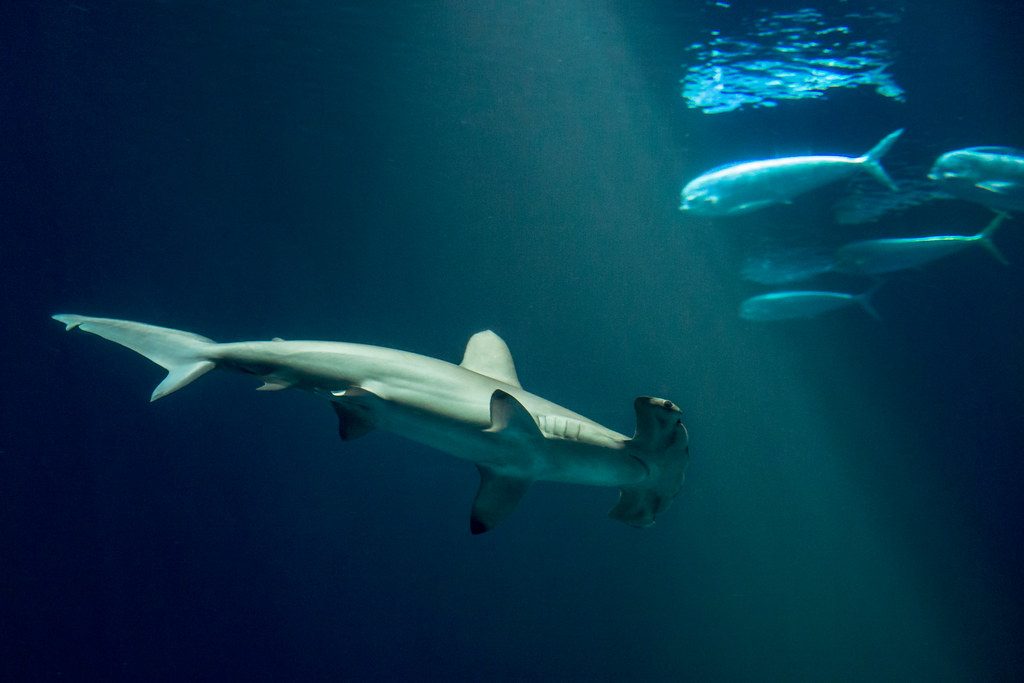
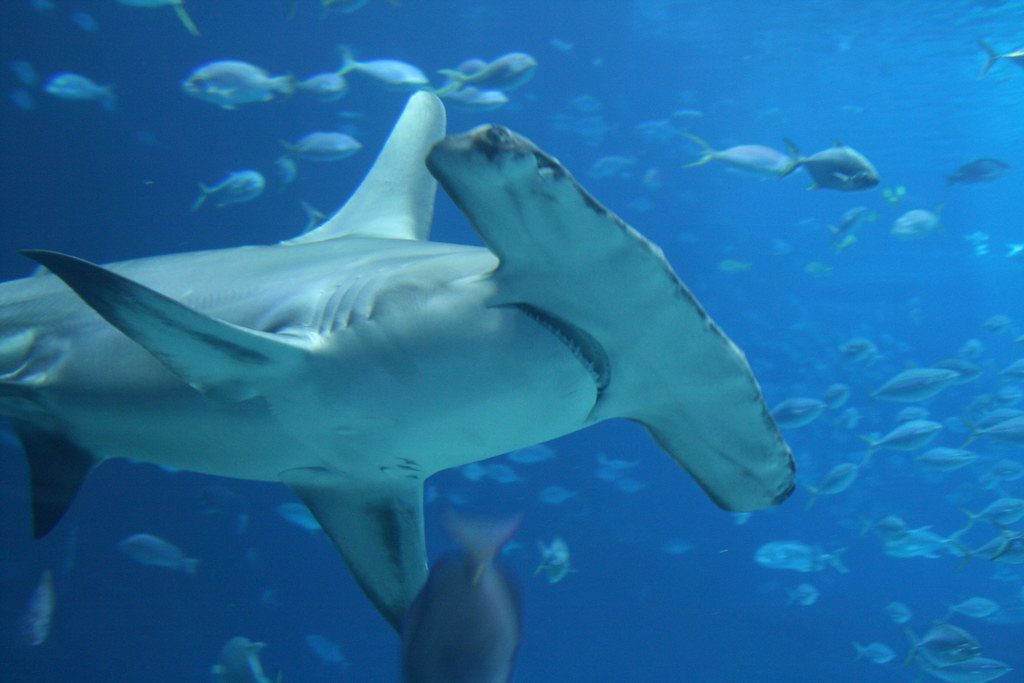
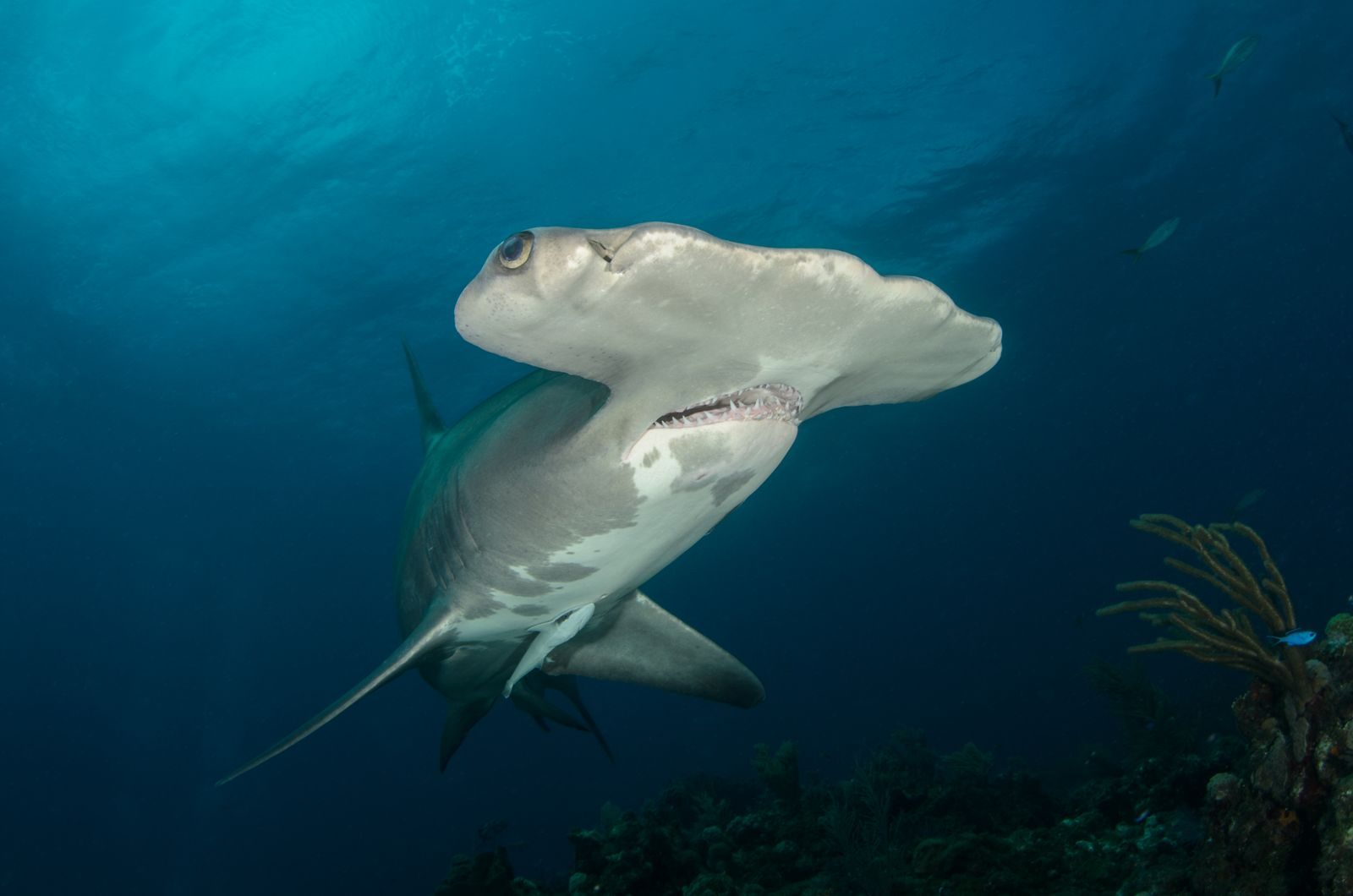
    Hammerhead’s deadly hunting skills have made these sharks some of the ocean’s most successful predators. Their wide, hammer-shaped head is not just for looks. It helps them find hidden prey, make fast turns, and catch animals that many other sharks would miss.

    These smart hunters use a mix of sharp senses, speed, and strength to survive in warm oceans around the world. In this article, you will learn how hammerhead sharks hunt, why their unique head gives them an advantage, what they like to eat, and how their amazing abilities help them stay at the top of the marine food chain.

    The hammer-shaped head gives a hunting edge

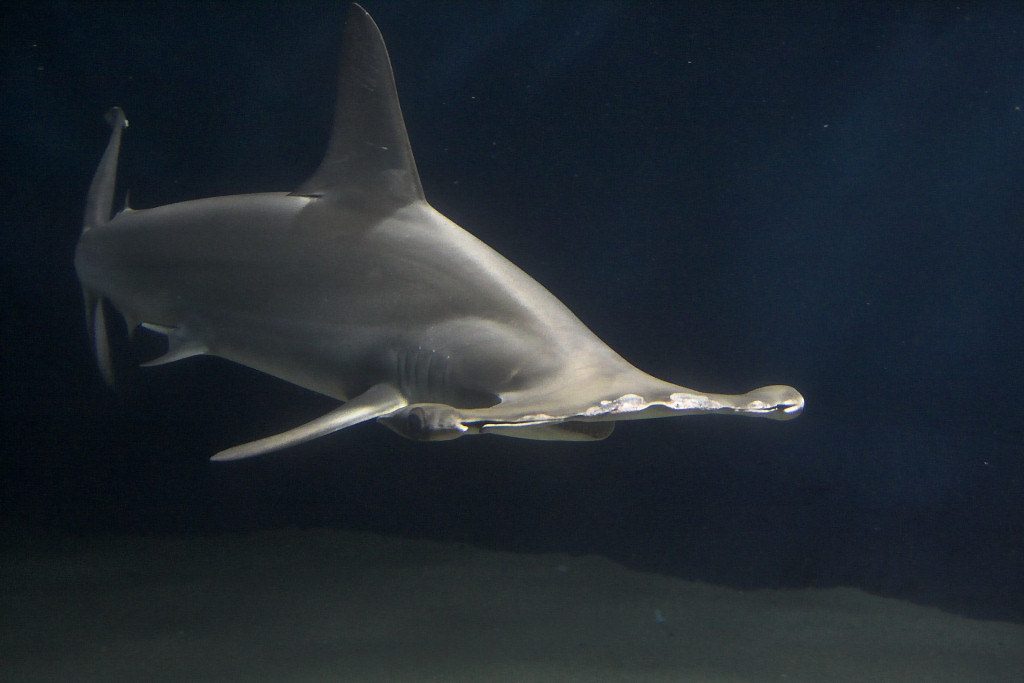
    Hammerhead shark” by suneko is licensed under CC BY-SA 2.0

    The most famous feature of a hammerhead shark is its wide head, called a cephalofoil. Scientists believe this special shape improves several hunting abilities at once. It spreads the shark’s sensory organs over a larger area, making it easier to detect tiny electrical signals given off by living animals hiding beneath the sand.

    The head also helps the shark make quick, tight turns while chasing prey. This extra control is useful when hunting fast-moving animals like fish or stingrays. The eyes are placed far apart, giving the shark a wide view of its surroundings while still allowing good depth perception in front.

    Powerful senses help locate hidden prey

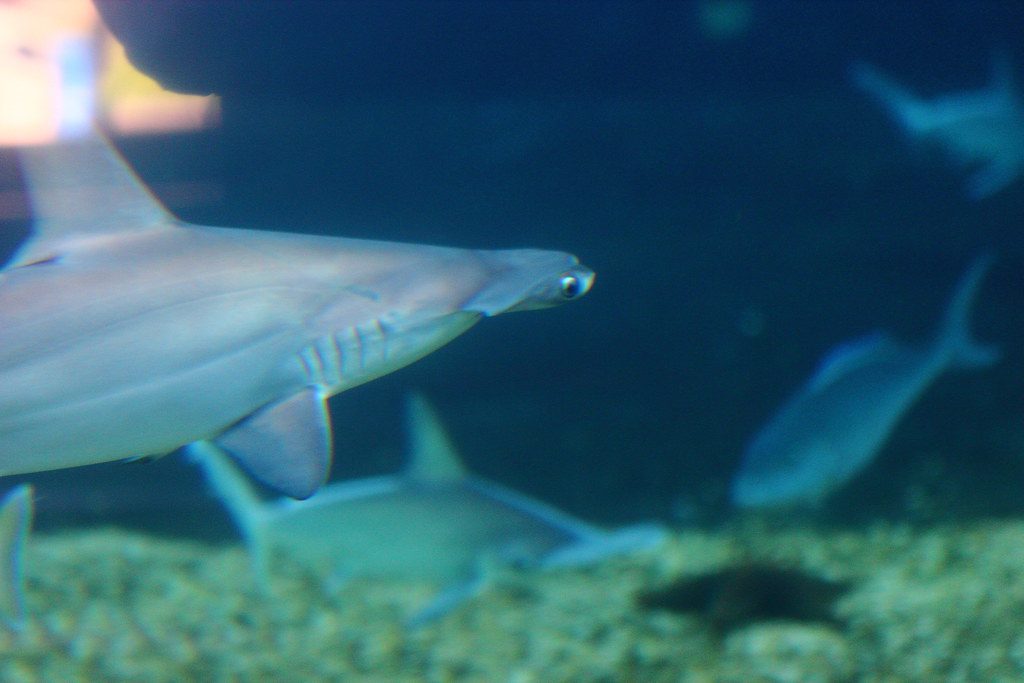
    Hammerhead Shark” by Averain is licensed under CC BY 2.0

    Hammerhead sharks rely on much more than eyesight. Like all sharks, they have tiny sensory organs called ampullae of Lorenzini that detect weak electrical fields produced by muscles and nerves. Because these sensors are spread across the wide head, hammerheads can search a larger area of the seafloor as they swim.

    Their excellent sense of smell also helps them track wounded or hidden animals from long distances. At the same time, the lateral line running along the body detects water movement and vibrations. Together, these senses allow hammerheads to locate prey even when it is buried under sand or hidden by poor visibility.

    Stingrays are a favorite target

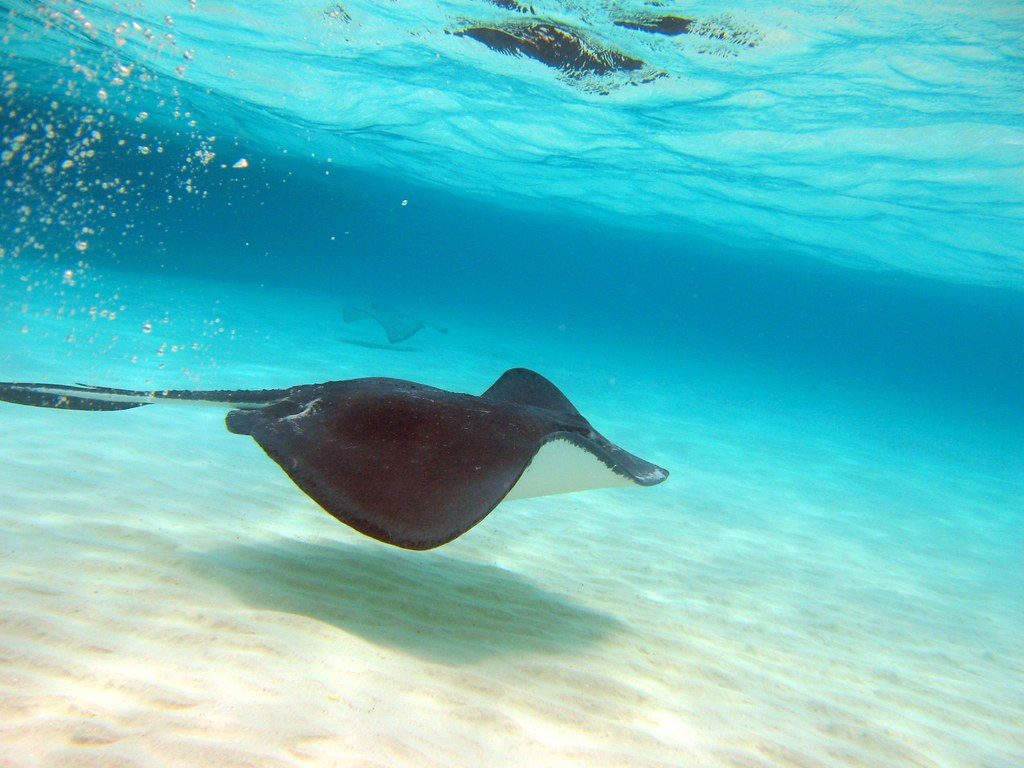
    Stingray, Grand Cayman” by GANDALF_GREY is licensed under CC CC0 1.0

    Many hammerhead species, especially the great hammerhead, are famous for hunting stingrays. The shark often swims low over the ocean floor until it detects the electrical signal of a ray buried beneath the sand. Once it finds the target, it attacks with great speed.

    The shark may pin the stingray to the bottom using its broad head before biting into the ray. This makes it harder for the prey to escape. Great hammerheads are known to eat stingrays even though the sharp tail spines can become stuck inside the shark’s mouth without causing serious harm.

    Fast attacks leave prey little time to escape

    Great Hammerhead Shark” by Wendell Reed is licensed under CC BY-NC-SA 2.0

    Hammerhead sharks usually depend on surprise. Instead of chasing prey over long distances, they move quietly before launching a sudden attack. Their streamlined bodies and powerful tails allow them to reach high speeds over short distances.

    These sharks also benefit from excellent maneuverability. They can quickly change direction while pursuing fish, squid, octopus, and other prey. This ability makes escape difficult because the shark can react almost instantly to sudden movements.

    Different hammerhead species hunt different prey

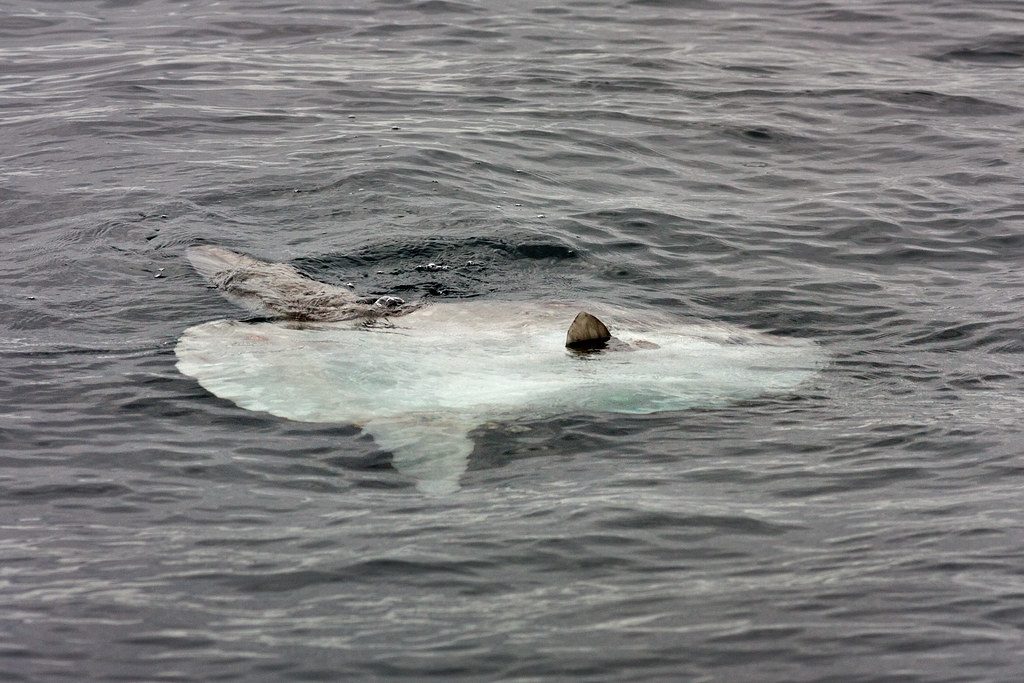
    Ocean Sunfish” by jillmotts is licensed under CC BY-NC-SA 2.0

    There are several hammerhead shark species, and their diets vary. Great hammerheads often feed on stingrays, smaller sharks, skates, and bony fish. Scalloped and smooth hammerheads also eat fish, squid, octopus, and crustaceans depending on where they live.

    Most hammerheads hunt alone, especially at night or during low-light hours. However, some species, such as scalloped hammerheads, gather in large schools during the day before separating to hunt. This behavior helps balance protection with successful feeding.

    Why these hunting skills matter

    Close-up of a great hammerhead shark swimming in the clear waters of The Bahamas, showcasing marine life.
    Photo by Ben Phillips on Pexels

    Hammerhead sharks play an important role in keeping ocean ecosystems healthy. As top predators, they help control the numbers of fish, rays, and other marine animals. Healthy predator populations support balanced food webs and stronger ocean habitats.

    Sadly, many hammerhead species face serious threats from overfishing, accidental capture in fishing gear, and the shark fin trade. Because these sharks grow slowly and produce relatively few young, their populations can take many years to recover. Protecting them helps protect the health of the entire marine environment.

  • Lone orca’s hunting behavior raises new questions

    Lone orca’s hunting behavior raises new questions

    A lone orca’s hunting behavior raises new questions because killer whales are best known for hunting together in family groups called pods. So what happens when one orca hunts alone? Scientists have started paying closer attention after rare observations showed that a single orca could successfully catch large prey without help.

    These discoveries are changing what researchers thought they knew about orca hunting skills, learning, and intelligence. In this article, you will learn why these solo hunts matter, how they compare with group hunting, and what they could mean for the future of marine science.

    Why do orcas usually hunt in groups

    A couple of orca's swimming in a body of water
    Photo by Vidar Nordli-Mathisen on Unsplash

    Orcas are highly social animals that live in close family groups led by older females. Many pods stay together for life, sharing food, protecting young calves, and teaching hunting skills. Different groups even have their own hunting methods that are passed from one generation to the next. This social learning is one reason orcas are considered among the smartest animals in the ocean.

    Group hunting gives orcas many advantages. They can surround schools of fish, create waves to knock seals off ice, or work together to tire larger prey. Teamwork helps them catch food more efficiently while lowering the energy each whale must use during a hunt.

    A rare case of a lone hunter

    Close!” by kightp is licensed under CC BY-NC-ND 2.0

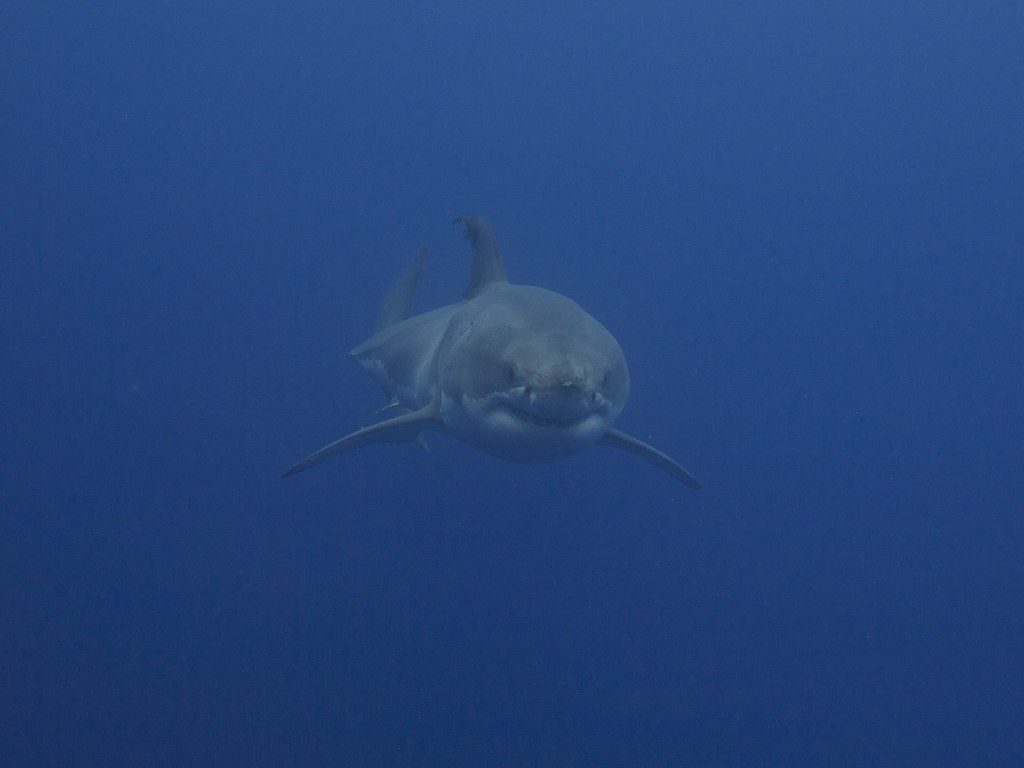
    Scientists became especially interested after watching a male orca known as Starboard hunt and kill a great white shark by himself off South Africa. The whale attacked quickly and removed the shark’s nutrient-rich liver in only a few minutes. This was the first documented case of a lone orca successfully hunting a great white shark from start to finish.

    Researchers believe this observation is important because great white sharks are powerful predators. Until this event, scientists mainly associated shark hunting with pairs or groups of orcas. The successful solo hunt suggests that some experienced individuals can perform difficult hunting tasks without assistance.

    What the behavior tells scientists

    three people in lab coats looking at a tablet
    Photo by National Cancer Institute on Unsplash

    The observation shows that some orcas may be far more flexible than researchers once believed. Instead of relying only on teamwork, an experienced whale may adjust its hunting strategy based on the prey, local conditions, and its own skills. This ability to adapt is a sign of advanced problem-solving.

    Scientists are also asking whether solo hunting is something learned through years of experience or whether certain whales naturally become more independent. Because individual orcas can develop unique behaviors, researchers believe these rare events may reveal how intelligence and learning shape survival in the wild.

    How solo hunting compares with pod hunting

    two black and white orca swimming in a body of water
    Photo by Stephen Walker on Unsplash

    Even though solo hunting is impressive, it is still uncommon. Most orcas continue to depend on their pods because working together increases the chance of catching prey while reducing risk. Large whales, seals, and fast-moving fish can be difficult for one animal to handle alone.

    Solo hunting also requires excellent timing, strength, and knowledge of prey behavior. A single mistake could cost valuable energy or allow the prey to escape. For this reason, scientists think lone hunting is likely used only in certain situations or by especially skilled individuals rather than replacing cooperative hunting.

    Why this matters for ocean ecosystems

    grey and white shark underwater
    Photo by Hunter Newton on Unsplash

    Orcas sit at the top of the marine food chain, so changes in their hunting behavior can affect many other species. In South Africa, increased hunting of sharks by orcas has been linked with changes in where great white sharks spend their time. When top predators move away, other marine animals may also change their behavior.

    Learning more about lone hunters also helps scientists understand how predators respond to changing oceans. As fish populations, shark numbers, and marine habitats shift, adaptable hunters like orcas may develop new ways to find food, giving researchers valuable clues about the health of ocean ecosystems.

    What researchers hope to learn next

    quadcopter flying over body of water
    Photo by Aaron Burden on Unsplash

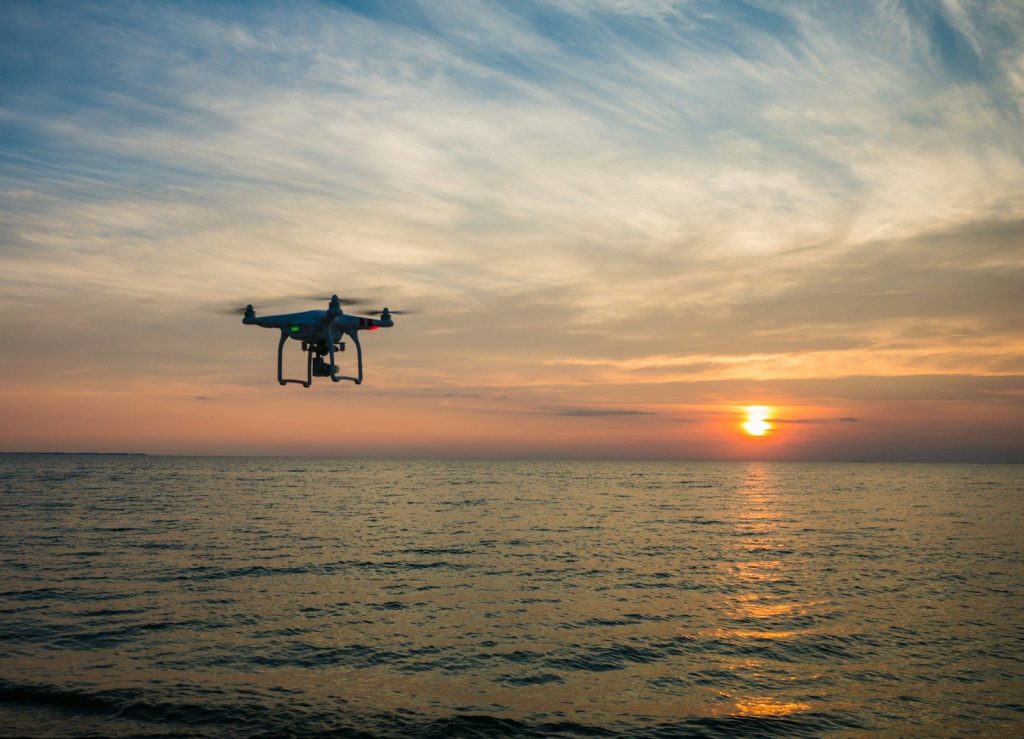
    Scientists are continuing to monitor individual orcas using drones, satellite tracking, photo identification, and underwater recordings. These tools help researchers discover whether solo hunting happens more often than previously thought or whether only a few whales have mastered the behavior.

    Future research may also reveal how young orcas learn hunting skills, whether lone hunters teach others, and how new behaviors spread between populations. Every carefully documented observation adds another piece to the puzzle of understanding one of the ocean’s most intelligent predators.

  • Why Cape Town’s great white sharks are disappearing

    Why Cape Town’s great white sharks are disappearing

    Why are Cape Town’s great white sharks disappearing? It is a question that has puzzled scientists, conservation groups, and wildlife lovers for years. False Bay, near Cape Town, was once one of the best places in the world to see these powerful predators. Today, sightings have become rare.

    Researchers now believe there is no single cause. Instead, several problems have combined to push great white sharks away from the area. In this article, you will learn why the sharks are disappearing, how killer whales, fishing, and changing ocean conditions play a role, and what this means for the future of South Africa’s marine life.

    Cape Town was once a shark hotspot

    purple flower near body of water during daytime
    Photo by Eric McLachlan on Unsplash

    For many years, False Bay was famous for its large population of great white sharks. Tourists traveled from around the world to watch sharks hunt Cape fur seals near Seal Island. Scientists also studied the animals because they appeared so often and were easy to observe.

    Around 2015, researchers noticed that shark sightings were dropping. By 2018, great white sharks had almost vanished from parts of False Bay where they had once been seen almost daily. This sudden change surprised experts and raised questions about what had happened.

    Killer whales have changed shark behavior

    Orca vs shark” by catmando1962 is licensed under CC BY-SA 2.0

    One of the biggest discoveries involved two male killer whales, often called orcas, that learned to hunt great white sharks. Scientists found shark bodies floating near the coast with large wounds and their nutrient-rich livers missing. This showed that the orcas had become skilled shark hunters.

    Research suggests that the presence of these orcas causes many great white sharks to leave the area to avoid becoming prey. Sharks are powerful predators, but they also try to avoid danger. Even though orca attacks are important, many scientists agree they are only one part of the story rather than the only reason for the sharks’ disappearance.

    Human activity has added more pressure

    black fishing rod and body of water during golden hour
    Photo by James Wheeler on Unsplash

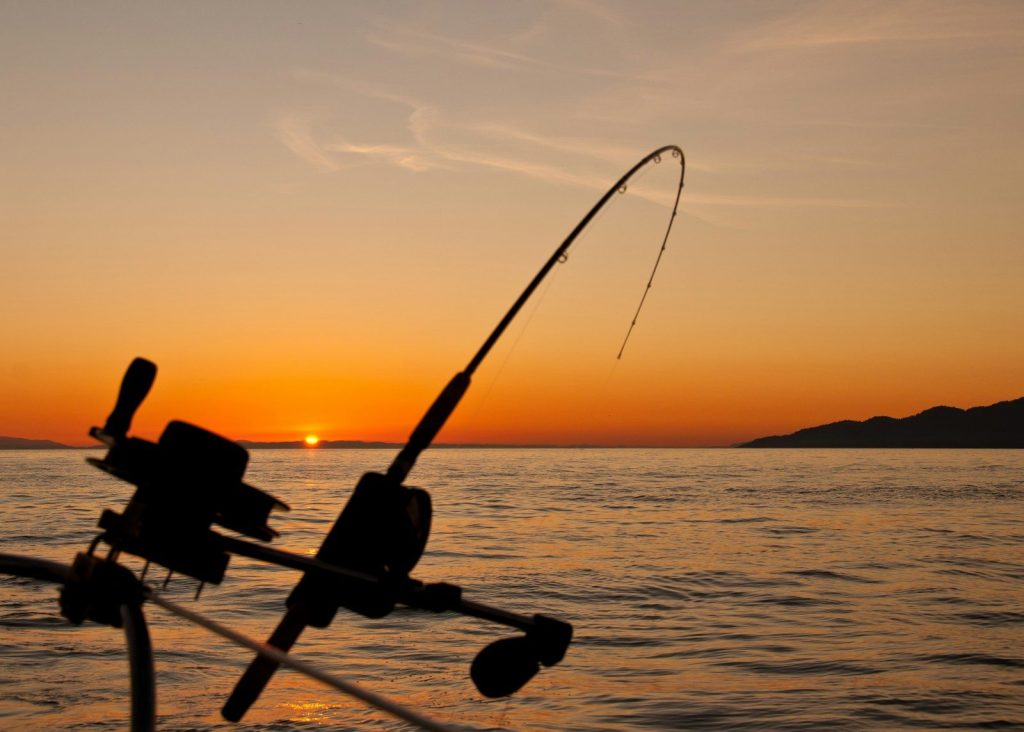
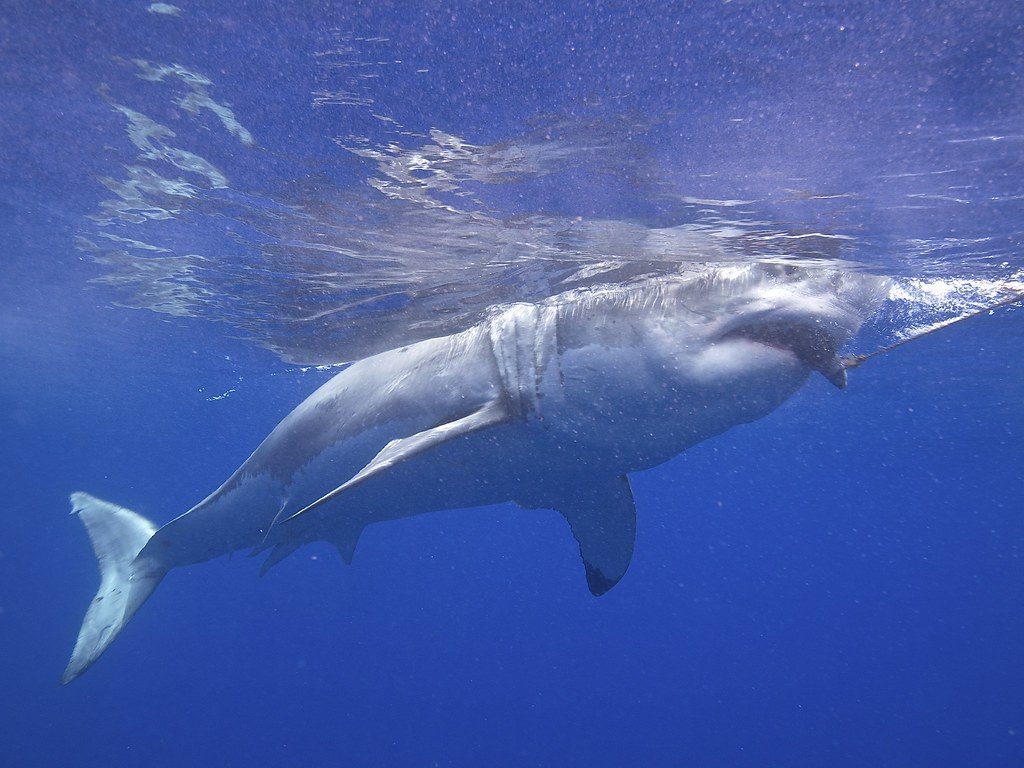
    Fishing has also placed great white sharks under stress. Some sharks become trapped in protective shark nets and drumlines that were designed to reduce the risk of shark attacks on people. Others are caught by accident in commercial fishing gear.

    At the same time, overfishing has reduced the number of smaller sharks and fish that great whites depend on for food. When prey becomes harder to find, great white sharks may move to other areas where food is more available. This long-term loss of prey has likely weakened local shark populations over many years.

    Changes in the ocean are affecting sharks

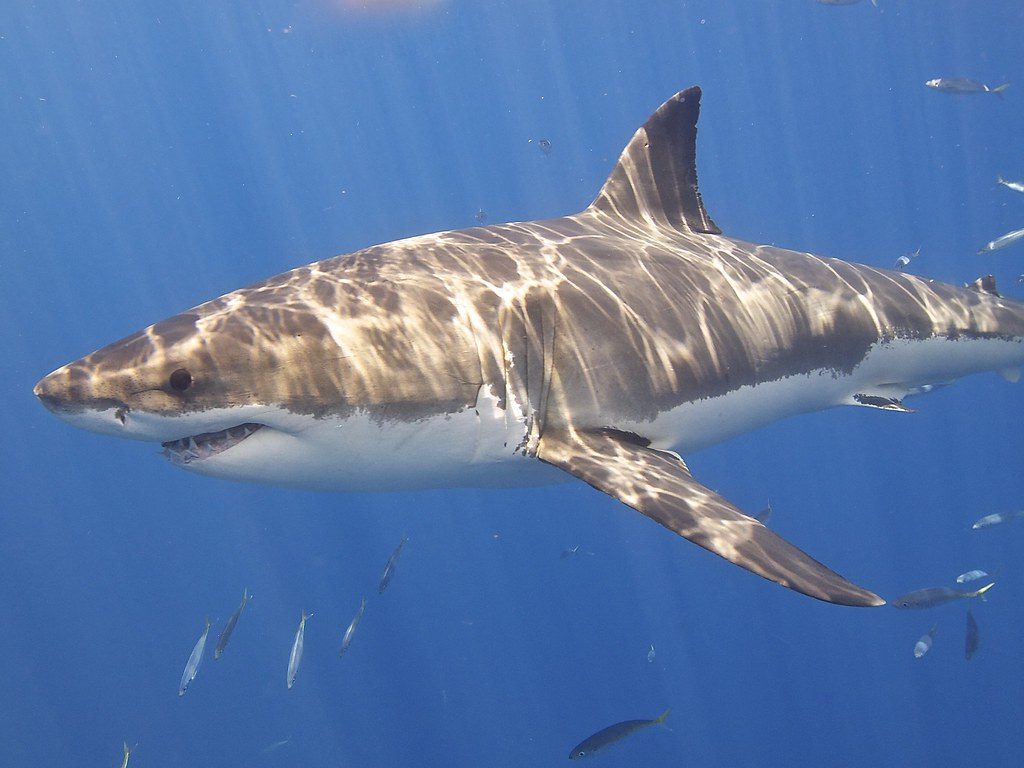
    Great White Shark” by Elias Levy is licensed under CC BY 2.0

    The ocean around South Africa is constantly changing. Water temperature, ocean currents, and food availability can all influence where sharks travel. Great white sharks naturally migrate, but changing environmental conditions may encourage them to spend less time near Cape Town.

    Scientists believe climate change may also be affecting marine ecosystems by changing where prey species live. While researchers are still studying these effects, most agree that changing ocean conditions work together with fishing pressure and orca predation to influence shark movements.

    The ecosystem is already changing

    A serene scene of Cape fur seals lounging on a sandy, rocky beach in Namibia.
    Photo by Rino Adamo on Pexels

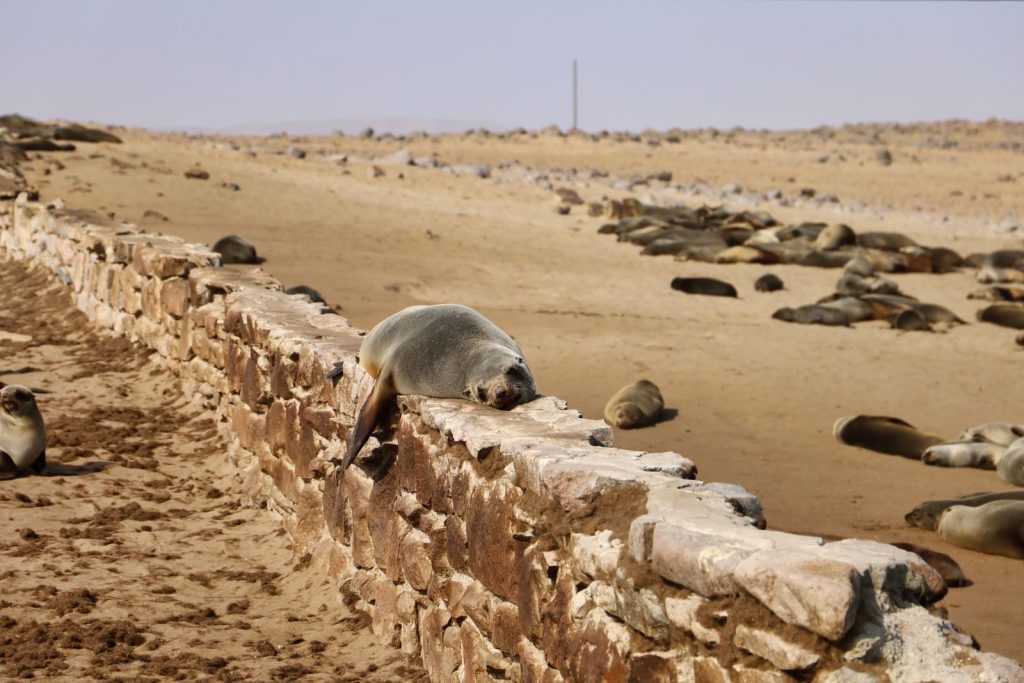
    Great white sharks are apex predators, meaning they sit at the top of the food chain. When they disappear from an area, other animals often become more common. Researchers have already recorded increases in Cape fur seals and sevengill sharks in parts of False Bay.

    These changes can spread throughout the food web. As seal and sevengill shark numbers rise, they consume more fish and smaller sharks. Scientists call this a trophic cascade, where the loss of one top predator creates a chain reaction that affects many other species in the ecosystem.

    Can great white sharks return?

    Great White Shark” by Elias Levy is licensed under CC BY 2.0

    Many researchers hope great white sharks could return if conditions improve, but no one can guarantee that will happen soon. Protecting shark habitats, reducing accidental catches, managing fisheries more carefully, and continuing scientific research may all improve their chances.

    Experts also stress that understanding the problem is important because the disappearance appears to be caused by several factors working together. Protecting great white sharks means protecting the entire ocean ecosystem that supports them. Continued monitoring will help scientists understand whether the sharks are relocating or if local populations are continuing to decline.

  • Sea otter lovingly cradles newborn after Morro Bay birth

    Sea otter lovingly cradles newborn after Morro Bay birth

    Seeing a sea otter lovingly cradle its newborn is a rare and heartwarming moment. The recent sea otter cradles newborn after Morro Bay birth story has captured attention because it shows the strong bond between a mother and her pup.

    These special moments also remind people why protecting sea otters and their coastal habitat matters. In this article, you will learn what happened in Morro Bay, how sea otter mothers care for their young, why the location is important, and how these animals help keep California’s coastal waters healthy.

    A touching moment in Morro Bay

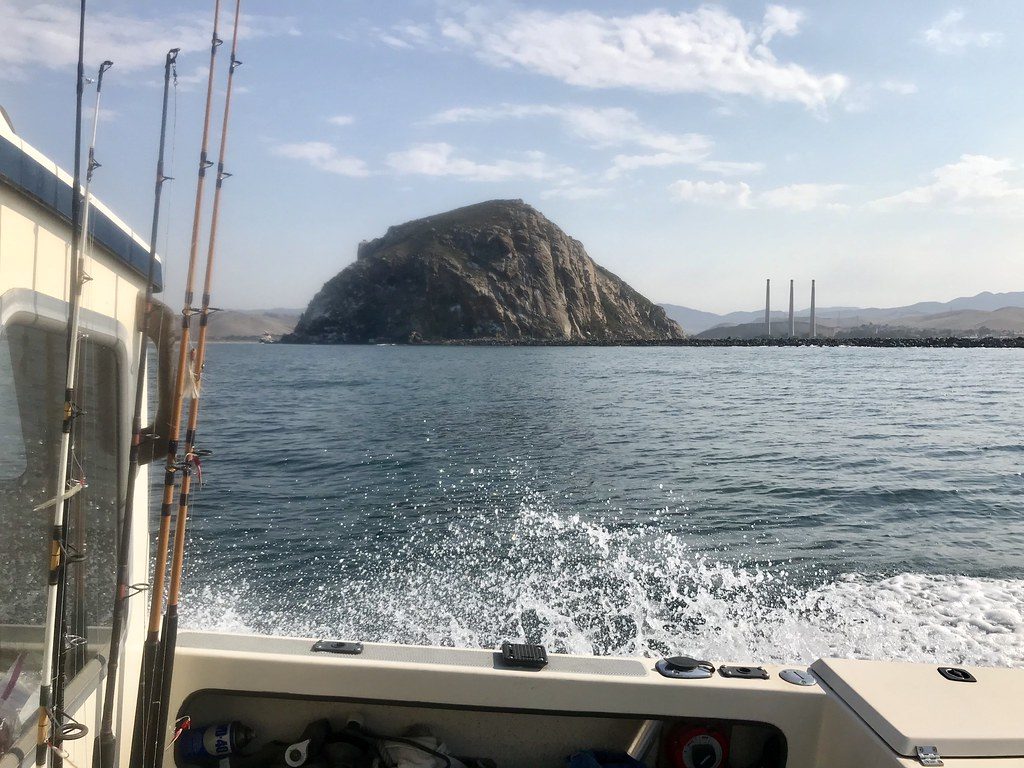
    Rockfishing, Morro Bay, CA” by – Adam Reeder – is licensed under CC BY-NC 2.0

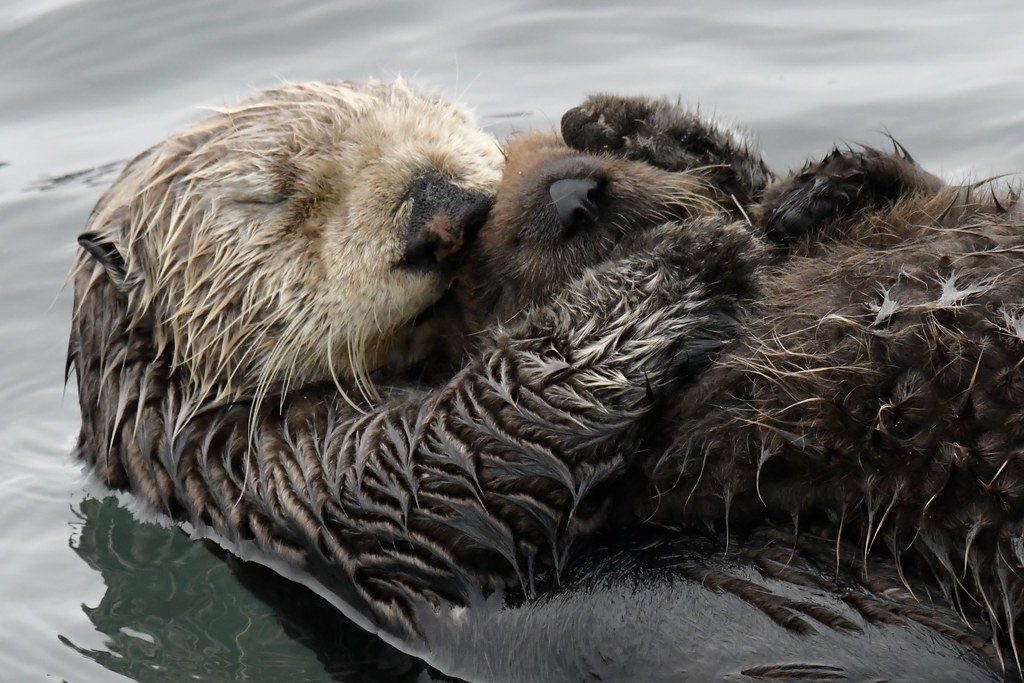
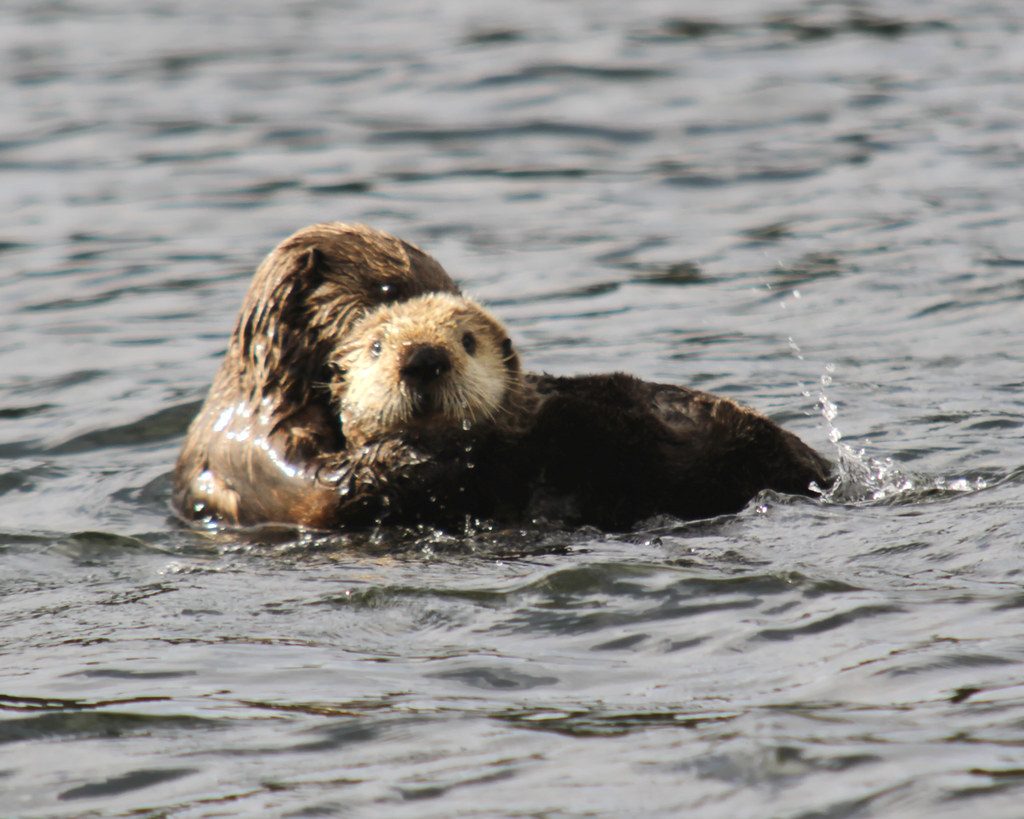
    A sea otter mother was recently seen floating on her back while holding her newborn pup close in Morro Bay, California. The touching scene quickly spread online because it showed the gentle care that sea otter mothers give their babies from the very first moments of life. The tiny pup rested safely on its mother’s chest while she kept it warm and protected.

    Morro Bay is one of the best places in California to see southern sea otters in the wild. The calm water, rich food supply, and protected habitat make it an important nursery for mothers raising young pups. Wildlife experts often watch the bay during pupping season because healthy births are a positive sign for the recovering population.

    How sea otter mothers care for their pups

    Mother and baby sea otter” by Stephen Braund is licensed under CC BY-NC-SA 2.0

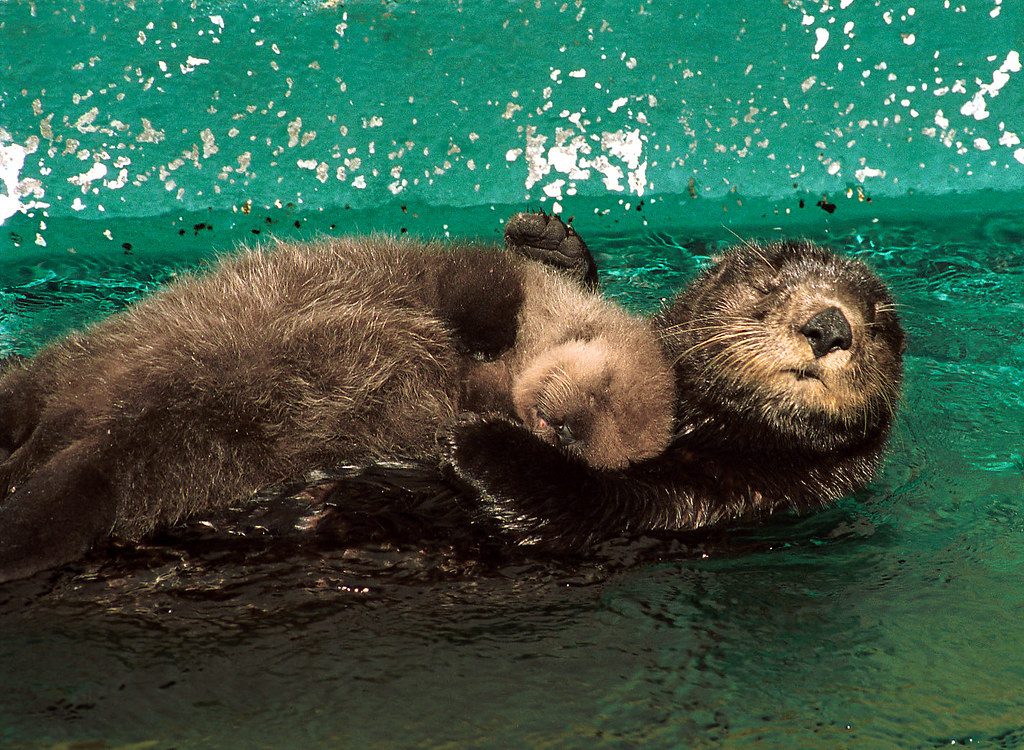
    Sea otter mothers are fully responsible for raising their babies. Unlike many other mammals, fathers do not help care for the young. A newborn pup depends on its mother for food, warmth, protection, and learning important survival skills during its first several months of life.

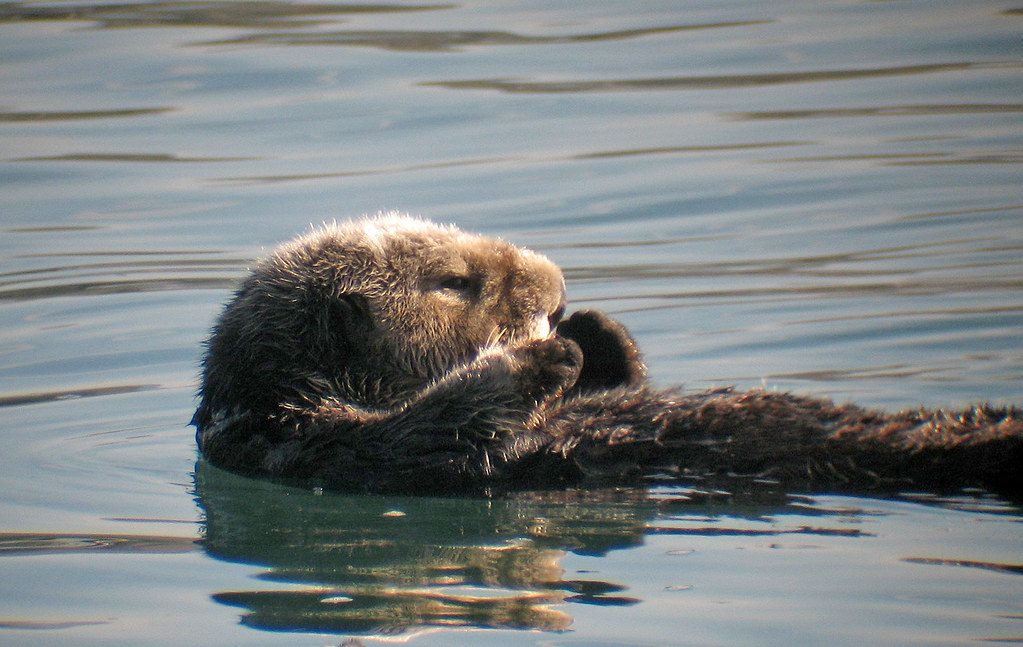
    Newborn sea otters are born with fluffy fur that traps air, allowing them to float on the water’s surface. Because of this thick coat, they cannot dive underwater at first. Mothers often place their pups on their chest or wrap them in floating kelp while they dive to find food. They also spend many hours grooming the pup to keep its fur clean and waterproof.

    Why Morro Bay is important for sea otters

    Sea Otter” by K Schneider is licensed under CC BY-NC 2.0

    Morro Bay has become one of the most important homes for southern sea otters along California’s Central Coast. The bay contains eelgrass beds, kelp, shellfish, crabs, and other food that help support both adult otters and growing pups. The protected waters also offer shelter from rough ocean waves.

    Southern sea otters nearly disappeared during the fur trade in the 18th and 19th centuries. Conservation efforts have helped the population slowly recover, but the species remains threatened. Every successful birth in places like Morro Bay is valuable because each pup helps strengthen the future population.

    The challenges newborn sea otters face

    Mother and baby otter at Seattle Aquarium, 2002” by Seattle Municipal Archives is licensed under CC BY 2.0

    Even with a caring mother, life is not easy for a young sea otter. Storms, strong currents, predators, disease, pollution, and food shortages can all threaten a pup’s survival. If a pup becomes separated from its mother, its chances of surviving in the wild drop sharply because it cannot yet feed or care for itself.

    Wildlife rescue teams have successfully reunited separated pups with their mothers in Morro Bay by carefully locating the mother and allowing the pair to reconnect naturally. These rescues are uncommon, but they show how trained experts can sometimes help without disrupting natural behavior when a young pup is truly in danger.

    Sea otters play a big role in the ocean

    brown and black seal in water
    Photo by mana5280 on Unsplash

    Sea otters do much more than delight visitors. They are considered a keystone species because they help keep coastal ecosystems balanced. They eat sea urchins, crabs, mussels, and other shellfish, preventing some prey species from growing out of control.

    When sea otters keep sea urchin numbers in check, kelp forests stay healthier. Healthy kelp forests provide food and shelter for fish, birds, and many other marine animals. They also help protect coastlines from wave damage and store carbon, making them valuable for both wildlife and people.

    Why people should admire sea otters from a distance

    Sea otters are floating together in the water.
    Photo by Joss Woodhead on Unsplash

    Watching a mother and newborn pup is exciting, but wildlife experts remind visitors to give sea otters plenty of space. Getting too close with boats, kayaks, drones, or people on shore can stress the animals and interrupt feeding or nursing. Disturbing a mother may even increase the risk of separation from her pup.

    People visiting Morro Bay can help by observing quietly from a safe distance, following local wildlife rules, and reporting injured or stranded marine mammals to trained rescue organizations instead of trying to help on their own. Responsible viewing helps keep these remarkable animals safe for future generations.