Most people can recognize a crocodile, but far fewer have ever heard of the gharial. This ancient reptile looks unlike any other crocodilian alive today. Its long, needle-thin snout and rows of sharp teeth make it perfectly suited to catching fish rather than large animals.
Once found across much of South Asia, the gharial is now one of the world’s most endangered reptiles. This article explores what makes the gharial so unique, why it almost disappeared, and how conservation efforts are helping protect the few that remain in the wild.
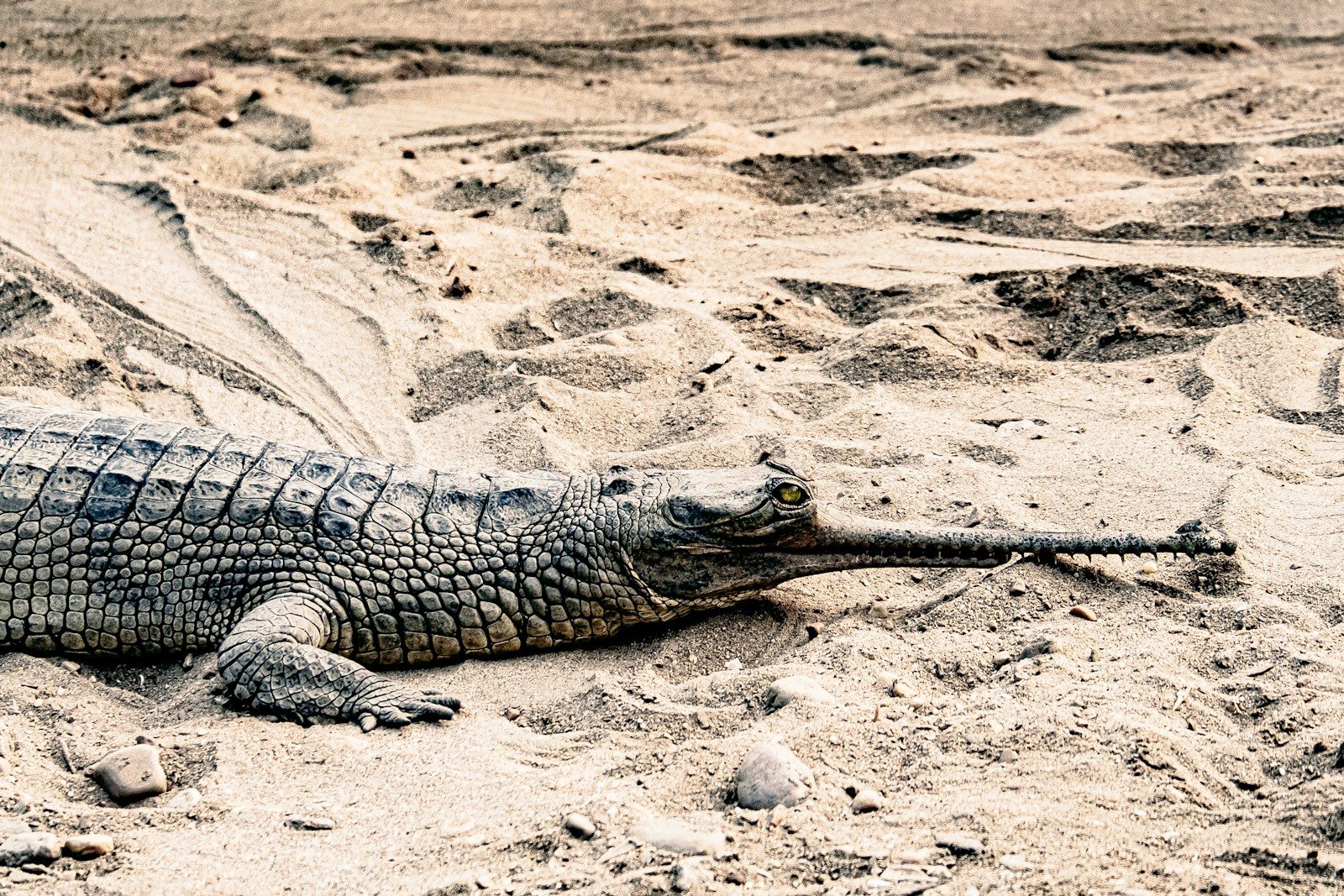
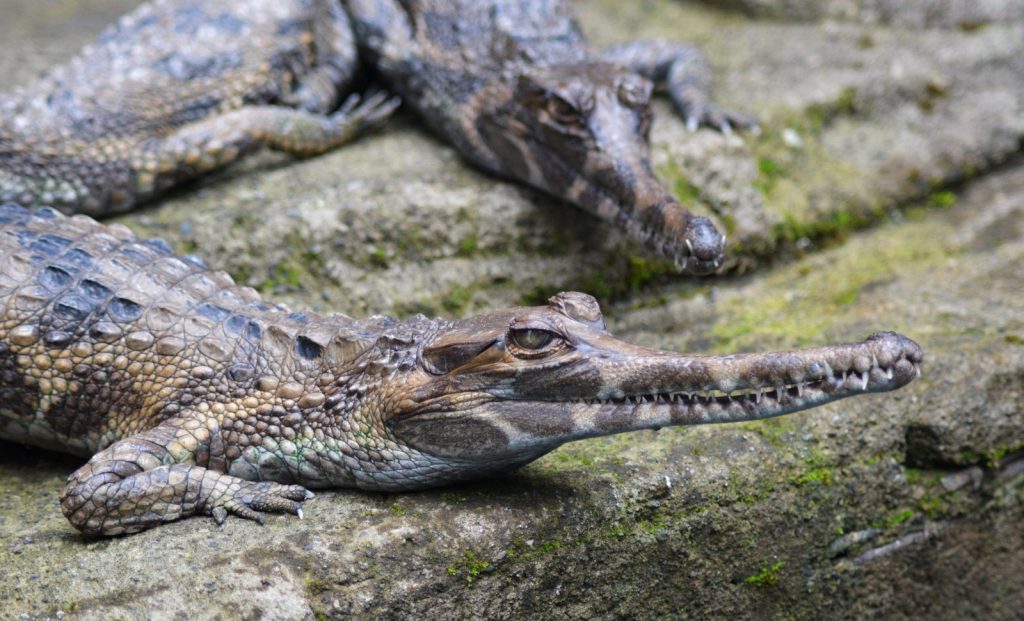
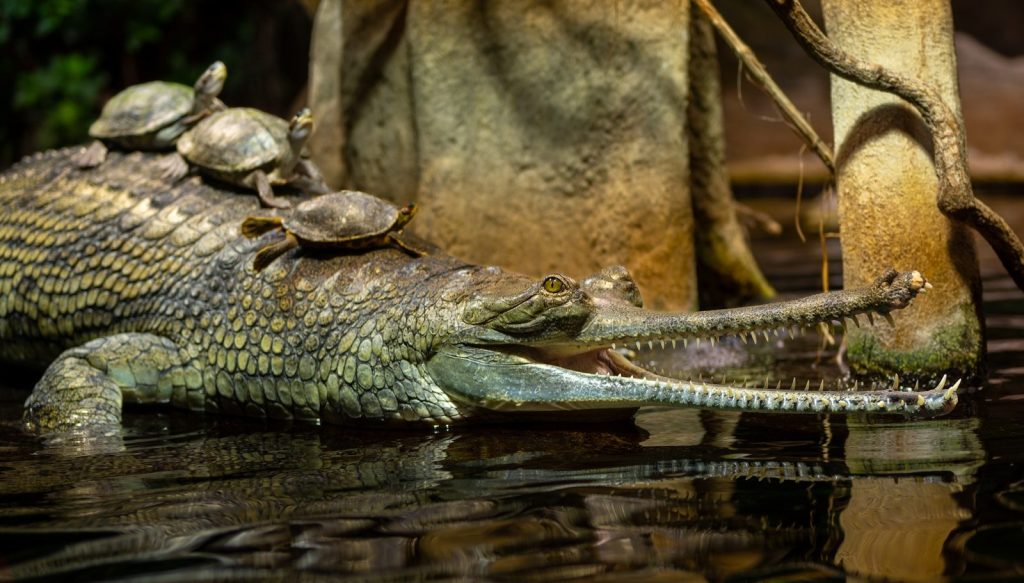
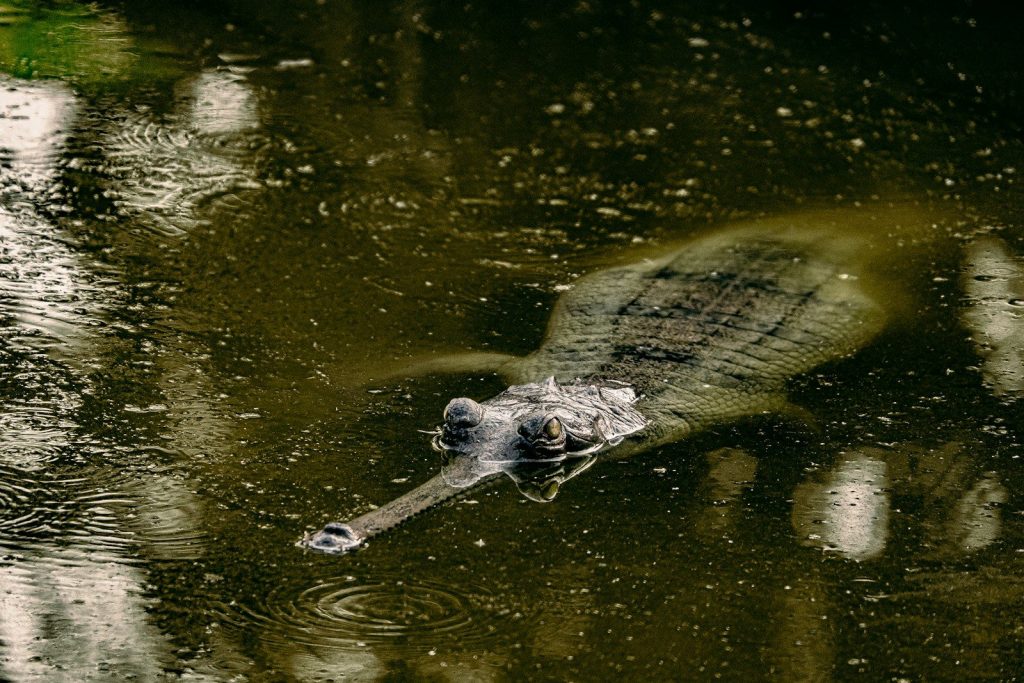
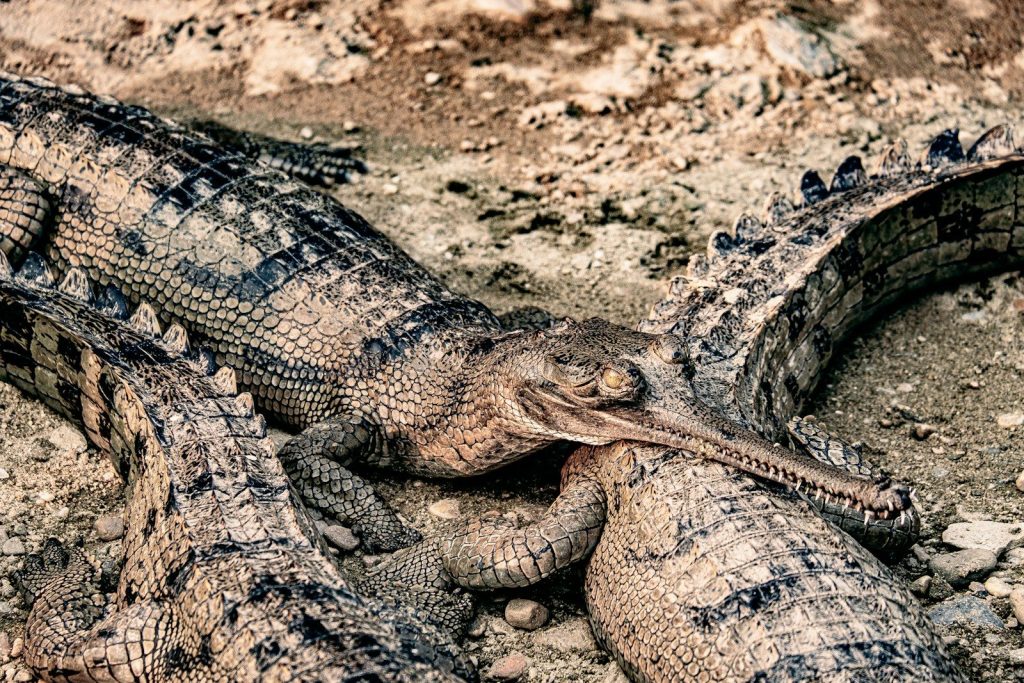
The gharial is easy to recognize because of its extremely long, narrow snout. Unlike the broad jaws of most crocodiles, its slender snout creates very little resistance in the water, allowing it to snap quickly at fast-moving fish.
Its mouth contains more than 100 sharp, interlocking teeth that help grip slippery prey. Adult males also develop a rounded growth on the tip of the snout called a “ghara,” which is used during communication and courtship.
Unlike many crocodiles that hunt mammals, birds, and reptiles, adult gharials feed almost entirely on fish. Their long jaws allow them to move rapidly through the water while chasing prey.
Young gharials eat insects, frogs, and small aquatic animals before switching to a mostly fish-based diet as they mature. This specialized feeding strategy has shaped nearly every part of their body over millions of years.
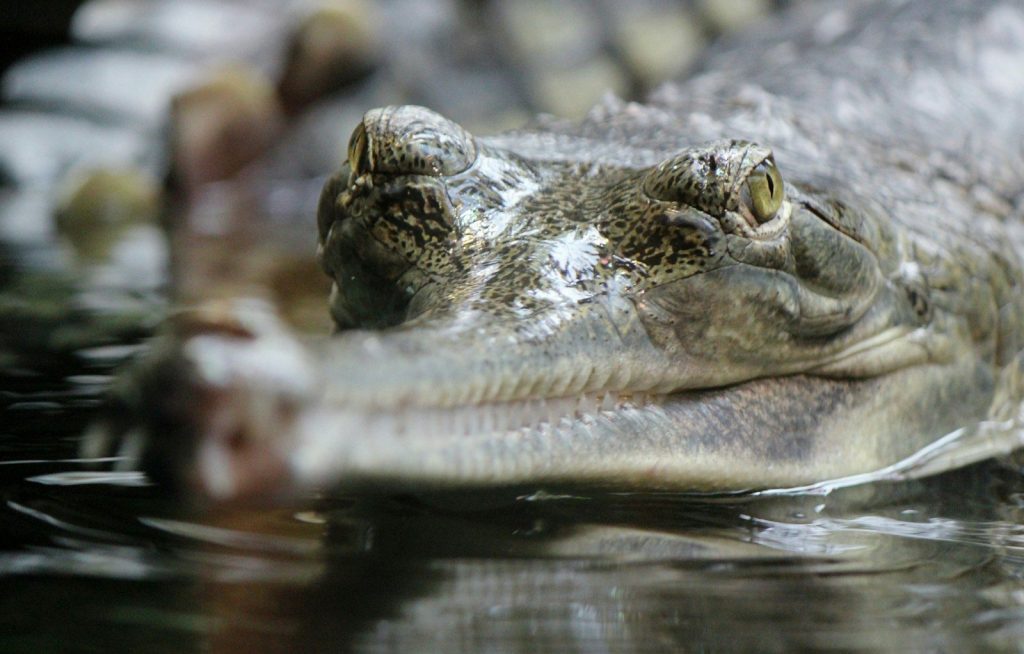
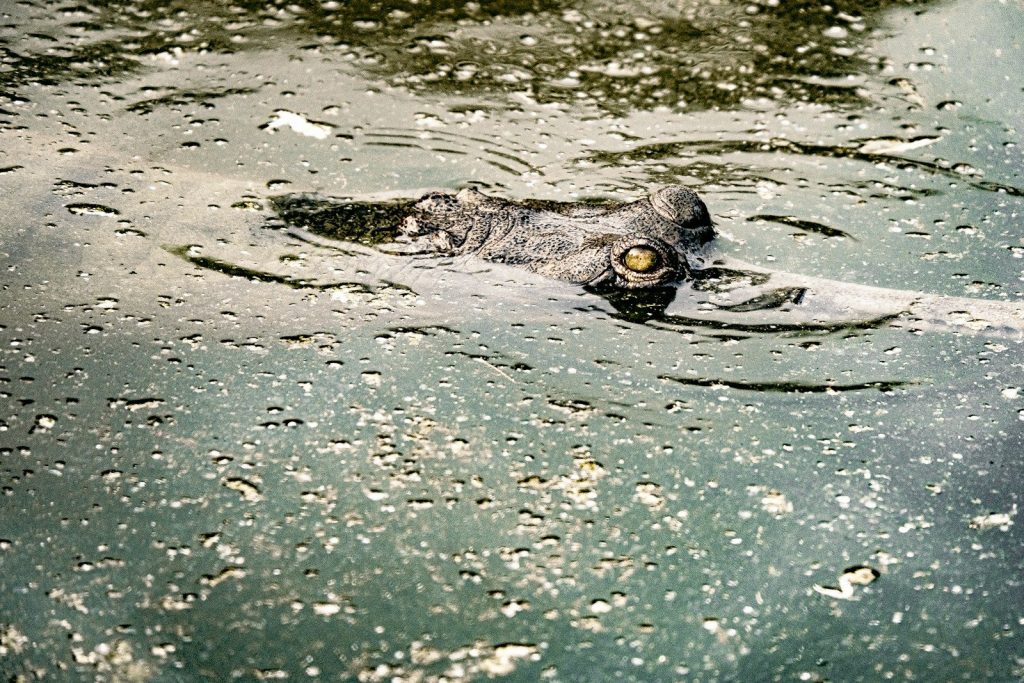
Gharials spend nearly all of their lives in large freshwater rivers with sandy banks. They are less capable of moving on land than many other crocodilians and depend on clean, flowing rivers for hunting, nesting, and raising their young.
As rivers have been altered by dams, sand mining, pollution, and water extraction, suitable habitat has become much harder to find. Many populations have disappeared as their river ecosystems changed.
The gharial is now listed as Critically Endangered after suffering one of the steepest population declines among crocodilians. Today, it survives in only a small part of its former range across India and Nepal.
Fishing nets also pose a serious threat, as the gharial’s long snout can easily become entangled underwater. Many animals drown before they are able to escape.
Conservation groups and wildlife agencies are working to protect nesting beaches, restore river habitats, and breed gharials for release into the wild. These programs have helped increase populations in several protected river systems.
Researchers continue monitoring wild populations to better understand how the animals use rivers and what additional protection they need. Long-term success depends on keeping rivers healthy and reducing human impacts.
The gharial has survived for millions of years, yet today it faces challenges largely driven by environmental changes. Its unusual appearance reflects a long evolutionary history that produced one of the world’s most specialized crocodilians.
Protecting the gharial means protecting the rivers where it lives. Every successful conservation effort helps ensure that future generations will still have the chance to see one of Earth’s most extraordinary reptiles in the wild.
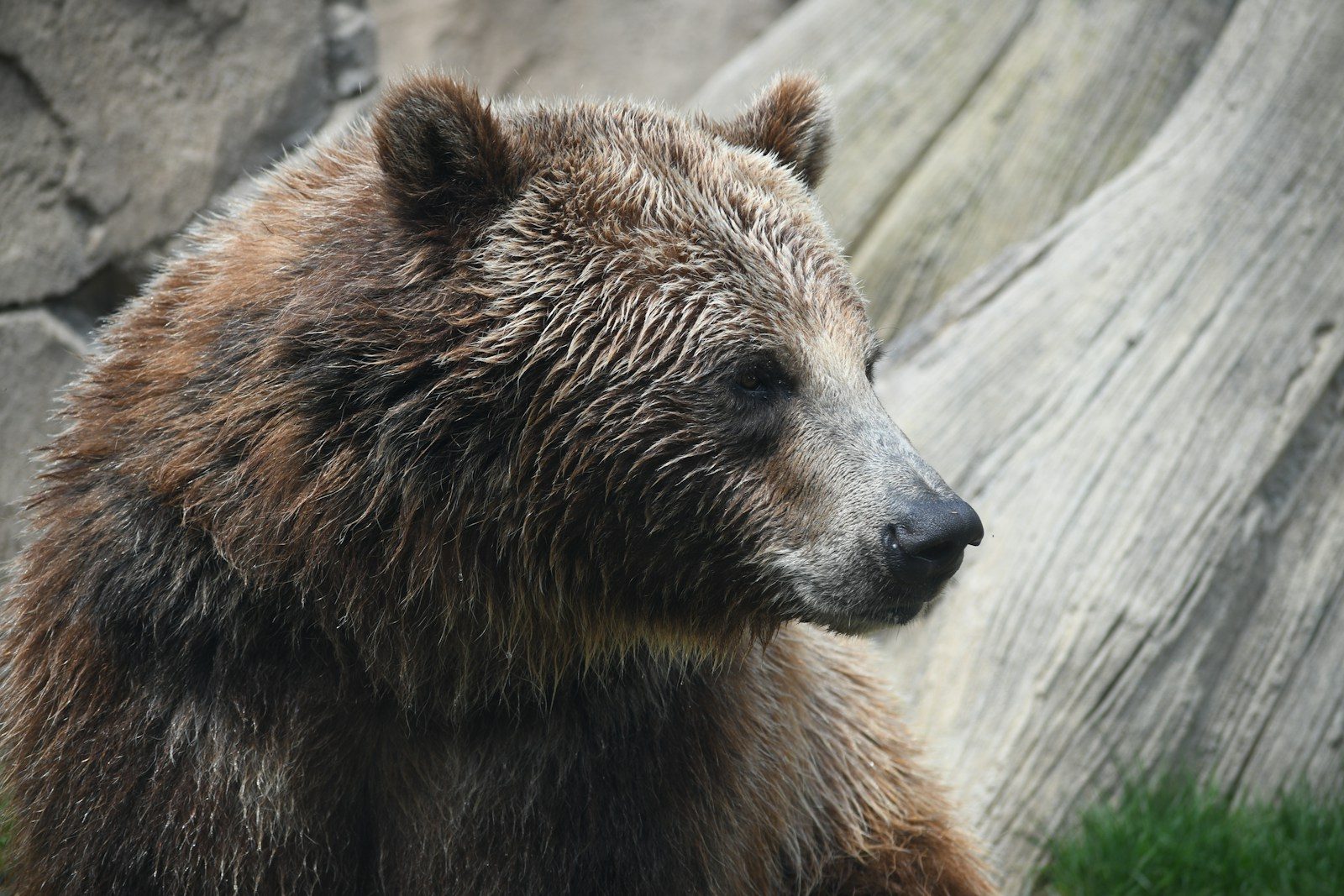
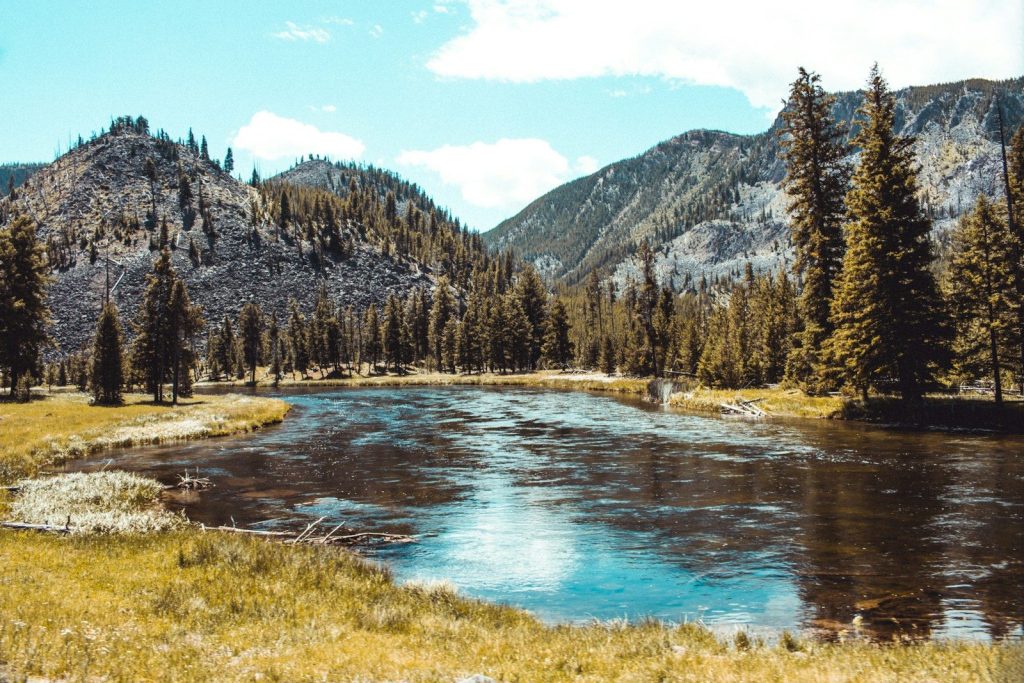
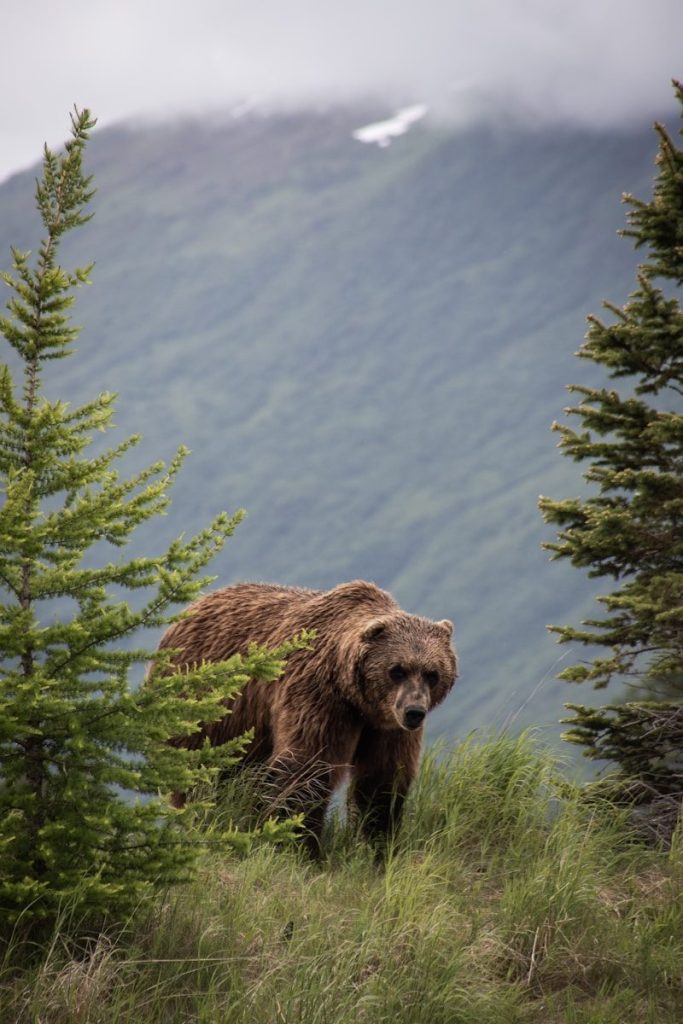
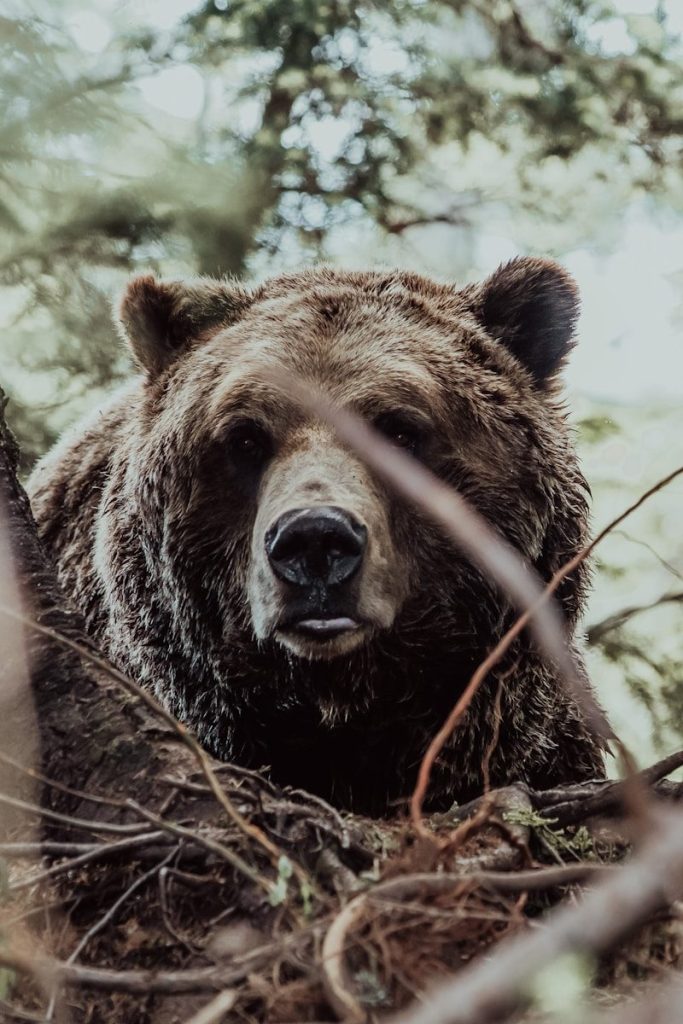
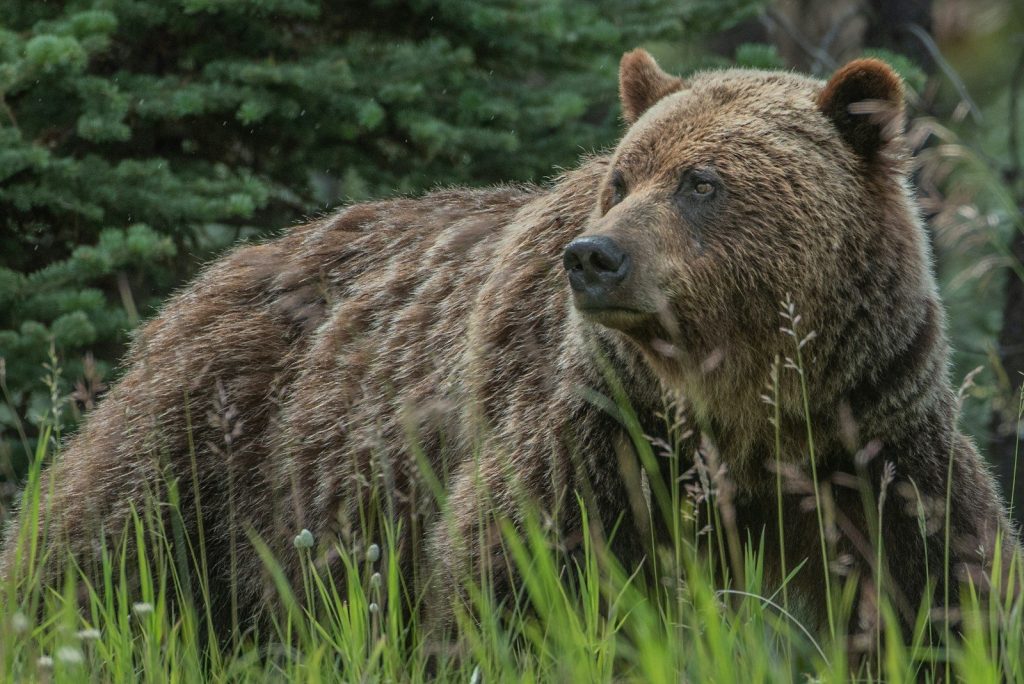
Yellowstone National Park is famous for its incredible wildlife, but few animals capture people’s attention like the grizzly bear. These powerful predators roam mountains, forests, and river valleys, standing at the top of the food chain. Every year, visitors hope to catch a glimpse of one of these iconic animals in the wild.
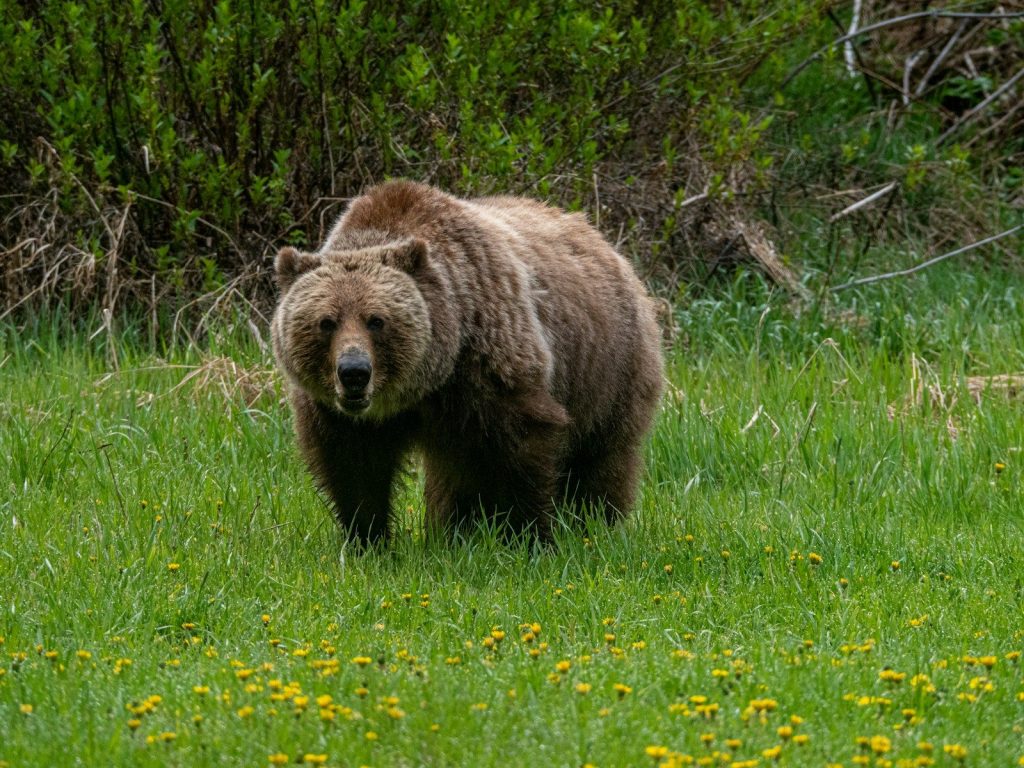
Among Yellowstone’s many grizzlies, a few have become legendary because of their enormous size. Researchers have documented some truly massive bears over the decades, including one record-setting male that remains the heaviest grizzly ever officially recorded in the Greater Yellowstone Ecosystem. These giants show just how impressive grizzly bears can become when they have access to abundant food and healthy habitat.
The largest grizzly bear ever officially recorded in the Greater Yellowstone Ecosystem weighed an astonishing 715 pounds. Researchers documented the massive male in 1977, and his record has stood for nearly five decades. Even today, very few Yellowstone grizzlies come close to matching that incredible weight.
A bear reaching this size is extremely rare. Most adult male grizzlies are much smaller, making the 715-pound giant a remarkable example of what Yellowstone’s ecosystem can support when conditions are favorable. His record remains one of the most impressive measurements ever taken from a Yellowstone-area grizzly.
Size in grizzly bears depends on several factors, including age, genetics, habitat quality, and food availability. Adult males continue growing for many years and often reach their largest size during middle age when they are strongest and most experienced.
Yellowstone provides access to a wide range of food sources that help bears build fat reserves and muscle. During productive years, some males can gain extraordinary amounts of weight before winter hibernation, allowing them to reach sizes rarely seen elsewhere.
One of the closest challengers to the long-standing record appeared in 2023. Researchers captured and examined Grizzly 566, a massive 19-year-old male that weighed 712 pounds, only three pounds lighter than the record holder from 1977.
Wildlife experts described the bear as exceptionally large, noting that animals of this size are rarely encountered. Although he narrowly missed becoming the heaviest grizzly on record, Grizzly 566 demonstrated that Yellowstone still produces some of the largest grizzly bears in North America.
Another famous giant is Grizzly 791, a powerful male that many wildlife photographers consider one of the largest bears currently living in the Yellowstone region. Estimates place his weight somewhere between 600 and 700 pounds.
Grizzly 791 gained attention after being filmed taking down a large bull elk, showcasing the immense strength that mature male grizzlies possess. While he has never officially surpassed the Yellowstone weight record, he remains one of the most impressive bears regularly seen by visitors and photographers.
A grizzly’s size is only part of the story. These bears possess incredible power, capable of digging, overturning heavy objects, and defending themselves against other predators. Their muscular shoulders and powerful forelimbs make them among North America’s strongest land animals.
Even bears that weigh significantly less than the record holders remain formidable animals. Their combination of strength, speed, and intelligence allows them to thrive across Yellowstone’s diverse landscape, where survival often depends on adaptability as much as raw power.
The Greater Yellowstone Ecosystem has become one of the world’s most important strongholds for grizzly bears. Decades of conservation efforts have helped the population recover, allowing these iconic animals to remain a defining part of the region’s wildlife.
Record-breaking bears like the 715-pound giant, Grizzly 566, and Grizzly 791 capture public attention, but they also represent the success of a healthy ecosystem. Their presence reminds visitors why Yellowstone remains one of the best places on Earth to witness truly wild grizzly bears.
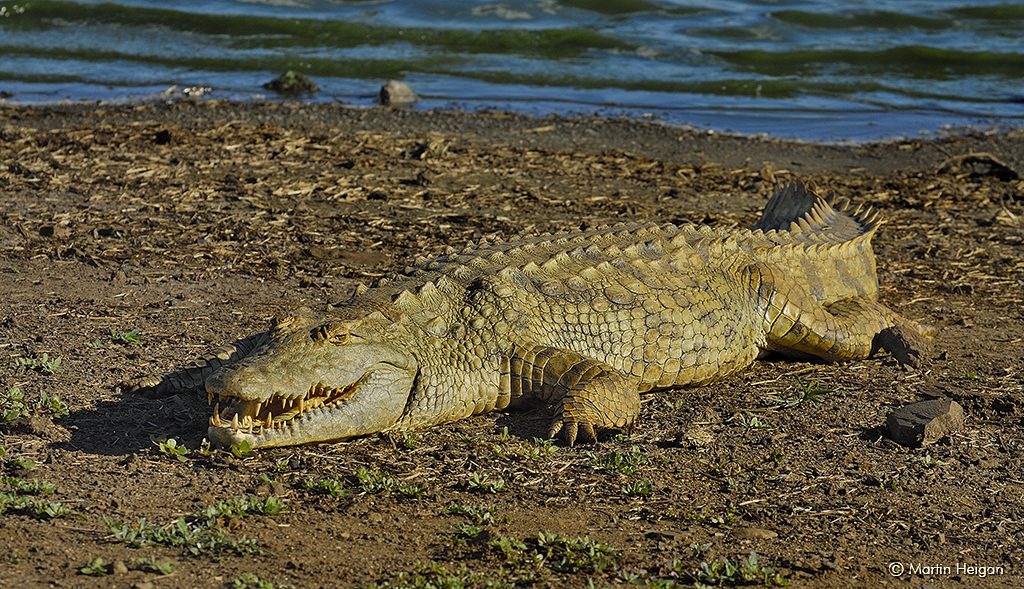
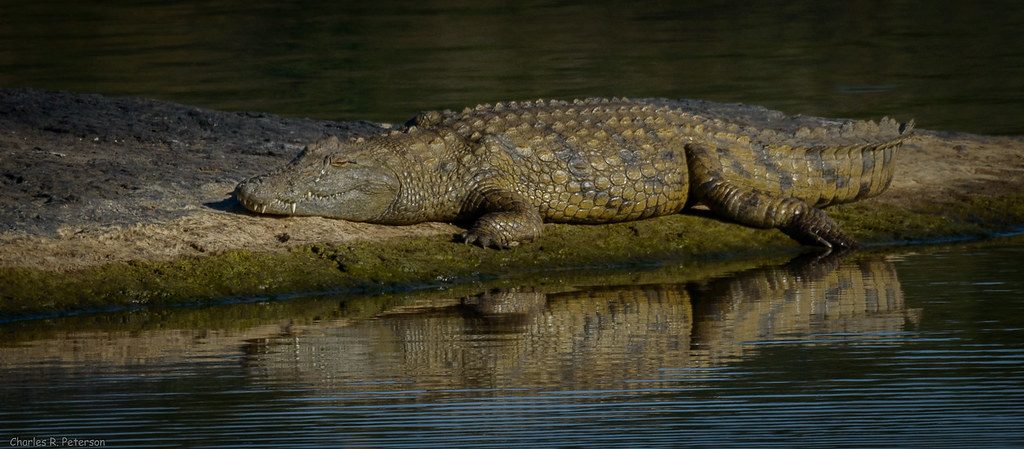
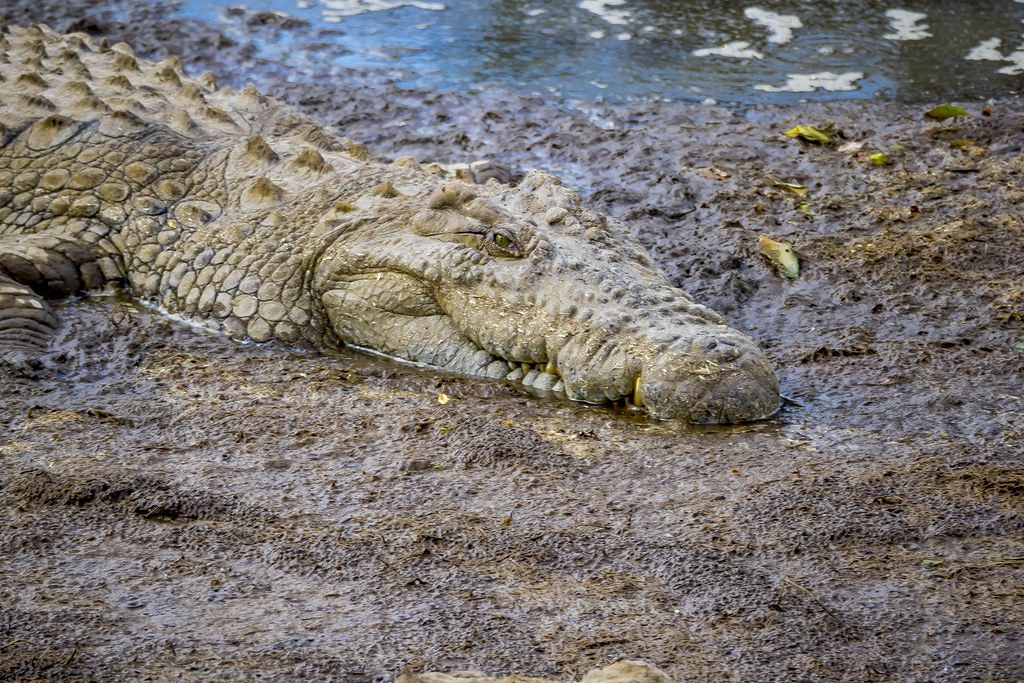
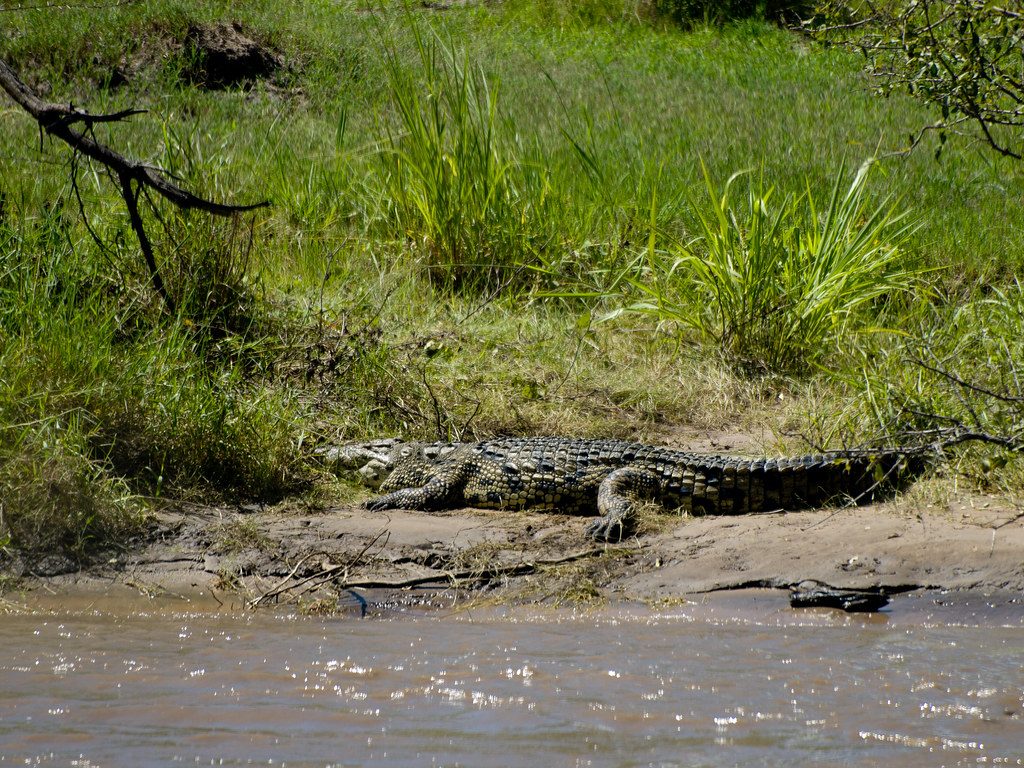
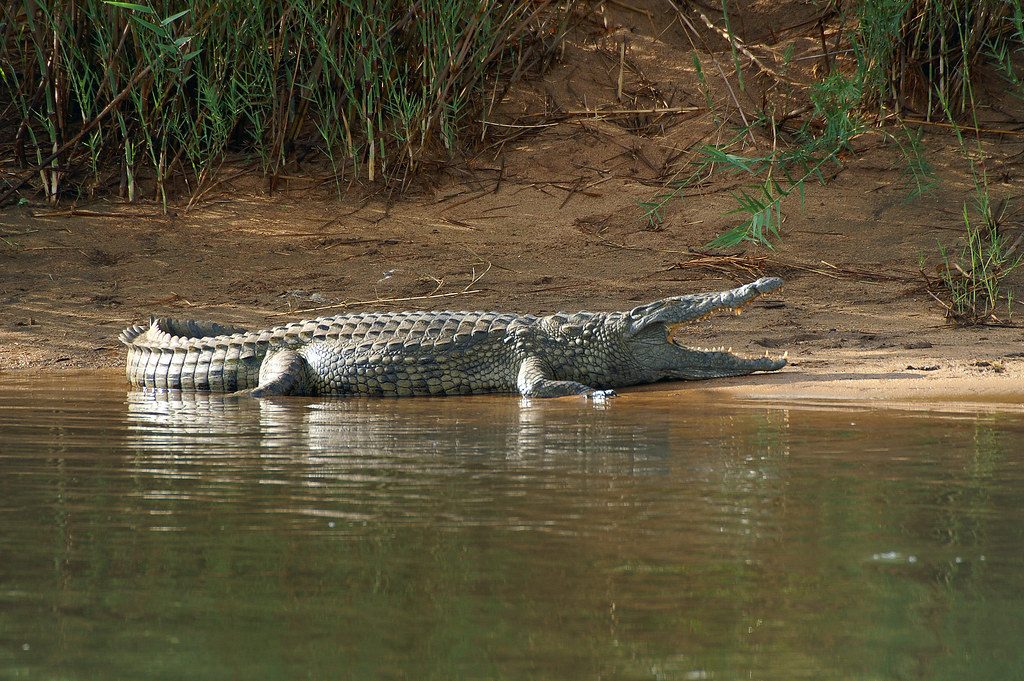
What happens when one crocodile becomes a legend? In Burundi, a massive Nile crocodile named Gustave has been feared for decades. Stories about him have spread across the region, making him one of the most famous crocodiles ever known.
Gustave the Nile crocodile gained attention because of reports linking him to attacks near the Ruzizi River and the northern shores of Lake Tanganyika. While many details of his life remain uncertain, his enormous size, unusual behavior, and mysterious fate have made him a lasting legend. This article explores what is known about Gustave, the attempts to capture him, and why he continues to fascinate people today.
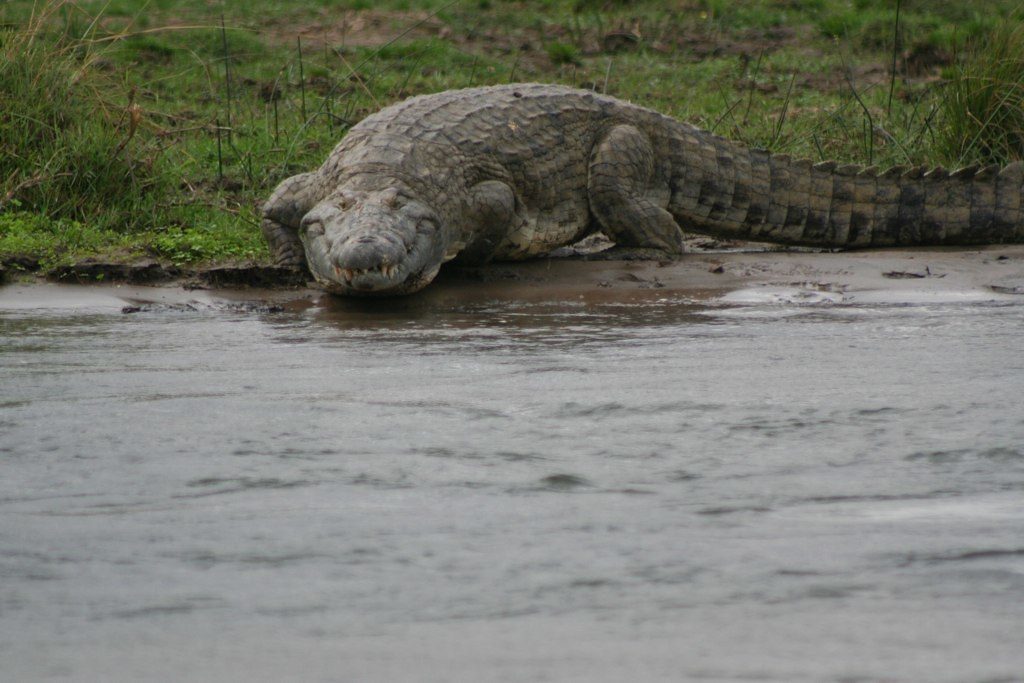
Gustave was a male Nile crocodile that lived in Burundi. He became widely known because of reports that connected him to attacks on people living near the Ruzizi River and Lake Tanganyika. Over time, stories about him spread throughout the region, creating a reputation that made him one of the most feared animals in the area.
The crocodile was named by Patrice Faye, a herpetologist who studied it beginning in the late 1990s. Much of the information about Gustave comes from the documentary Capturing the Killer Croc. The film followed efforts to learn more about the giant reptile and attempted to capture him for study.
Gustave gained mythical status because of the large number of attacks linked to him. Some reports claimed he may have killed between 200 and 300 people. However, a more recent estimate suggested the real number was likely 60 people or fewer. The exact figure remains unknown.
His reputation grew because people in the region feared him greatly. Unlike ordinary crocodiles, which often go unnoticed, Gustave became a well-known figure whose name was recognized by many local residents. Stories about him were passed from person to person, adding to the mystery surrounding his life.
No one knows Gustave’s exact length or weight because he was never successfully captured and measured. In 2002, National Geographic estimated that he could be more than 20 feet long and weigh over 2,000 pounds. These estimates placed him among the largest Nile crocodiles ever reported.
Researchers also believed he was more than 60 years old and still growing. Nile crocodiles can live for many decades, and larger individuals may reach 70 to 100 years. His age and size helped make him stand out from other crocodiles living in the same region.
Observers noticed several scars on Gustave’s body during the late 1990s and early 2000s. Three scars appeared to be bullet wounds, while another deep injury was seen on his right shoulder blade. No one knows exactly how he received these wounds.
Scientists believed his huge size may have affected the way he hunted. Typical Nile crocodile prey includes animals such as fish, antelope, and zebra. Researchers suggested that Gustave’s massive body may have made it harder for him to catch these faster animals, causing him to target larger prey instead. Local stories also claimed that many victims were left uneaten, adding another unusual detail to his legend.
Patrice Faye and a team of scientists spent two years trying to capture Gustave. They designed a trap cage that weighed about 2,000 pounds and stretched nearly 30 feet. The team carefully located areas where Gustave was believed to travel and placed bait inside the cage.
Despite these efforts, the crocodile avoided capture. Different types of bait failed to attract him, and several giant snares only caught smaller crocodiles. In a final attempt, a live goat was placed inside the cage. A thunderstorm damaged the hidden camera, and by the next morning, the goat was gone. Because no footage was recorded, the team never learned exactly what happened.
Years after the capture attempt, Gustave was reportedly seen again. In 2009, he appeared in the Ruzizi River near Lake Tanganyika. The sighting suggested that he had survived and continued living in the region despite years of attention from researchers and local residents.
Questions about his fate remain unanswered. A travel article published in 2019 reported that Gustave had been killed. However, the report did not explain how, where, or by whom this happened. No photographs or confirmed evidence have ever been presented, leaving many people uncertain about whether the famous crocodile is truly dead.
Gustave’s story continues to attract attention because so many parts of it remain unknown. His estimated size, advanced age, and ability to avoid capture helped create an image that seemed larger than life. Few wild animals have inspired as many stories and debates as he has.
Even today, people continue discussing whether the reports about him were fully accurate and what ultimately happened to him. The lack of clear answers has kept the mystery alive, ensuring that Gustave remains one of the most famous crocodiles ever recorded.
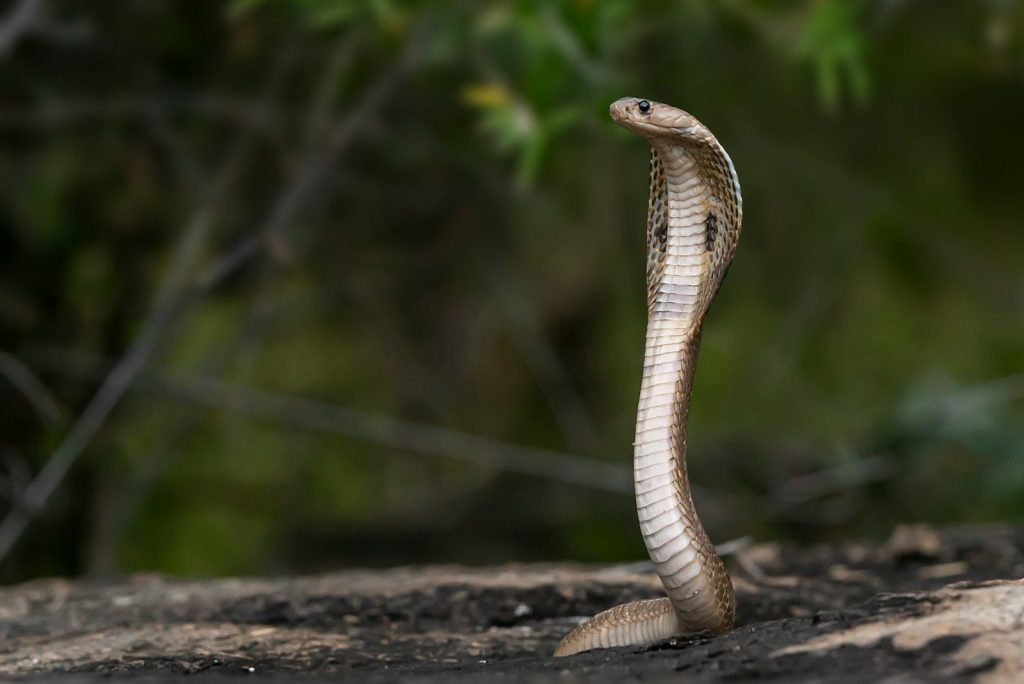
Most people think of the king cobra when they hear about giant venomous snakes. As the largest venomous snake alive today, the king cobra has earned a fearsome reputation. However, fossil evidence suggests that an ancient snake may have been even more impressive.
A prehistoric viper, Laophis crotaloides, lived millions of years ago and may have outweighed modern king cobras by a significant margin. Although much about this ancient reptile remains unknown, the fossils discovered provide a fascinating glimpse into one of the largest venomous snakes ever identified. This article explores its discovery, size, habitat, diet, and how it compares with modern snakes.
The story of Laophis crotaloides began in 1857 when British paleontologist Sir Richard Owen described a remarkable fossil discovery from northern Greece. Owen examined 13 fossil vertebrae belonging to a giant snake and named the species Laophis crotaloides.
Based on the fossil remains, Owen concluded that the snake belonged to the viper family. He estimated that it was 10 to 13 feet long and weighed about 57 pounds. These estimates immediately made the species one of the most impressive venomous snakes known from the fossil record.
Today, the king cobra is recognized as the largest venomous snake living on Earth. Some king cobras can grow up to 18 feet long, but they rarely weigh more than 20 pounds.
According to the available estimates, Laophis crotaloides may have weighed nearly three times as much as a large king cobra. While king cobras can exceed the ancient snake in length, the prehistoric viper appears to have been far heavier and more heavily built.
Scientists believe that Laophis crotaloides lived in Greece around 4 million years ago. The environment likely included grasslands, dense vegetation, and cooler weather conditions.
Researchers suspect the species may have existed in other regions as well, but evidence remains limited. At present, Greece is the only confirmed location where fossils of this ancient snake have been discovered.
Because only limited fossil material has been found, scientists cannot determine the exact composition of the snake’s venom. Fossils do not preserve venom, making direct analysis impossible.
However, researchers know that Laophis crotaloides belongs to the viper family. Based on modern vipers, scientists believe it likely possessed venom containing proteins that damaged tissue and caused serious effects in prey. Like modern vipers, it probably used long hollow fangs to deliver venom efficiently.
Researchers believe Laophis crotaloides hunted in a way similar to many modern snakes. Despite living alongside large animals, it likely did not target giant prey regularly.
According to researcher Georgios Georgalis, the snake probably fed mainly on small mammals such as rodents. This feeding strategy is common among many snake species today and would have provided a reliable food source in its environment.
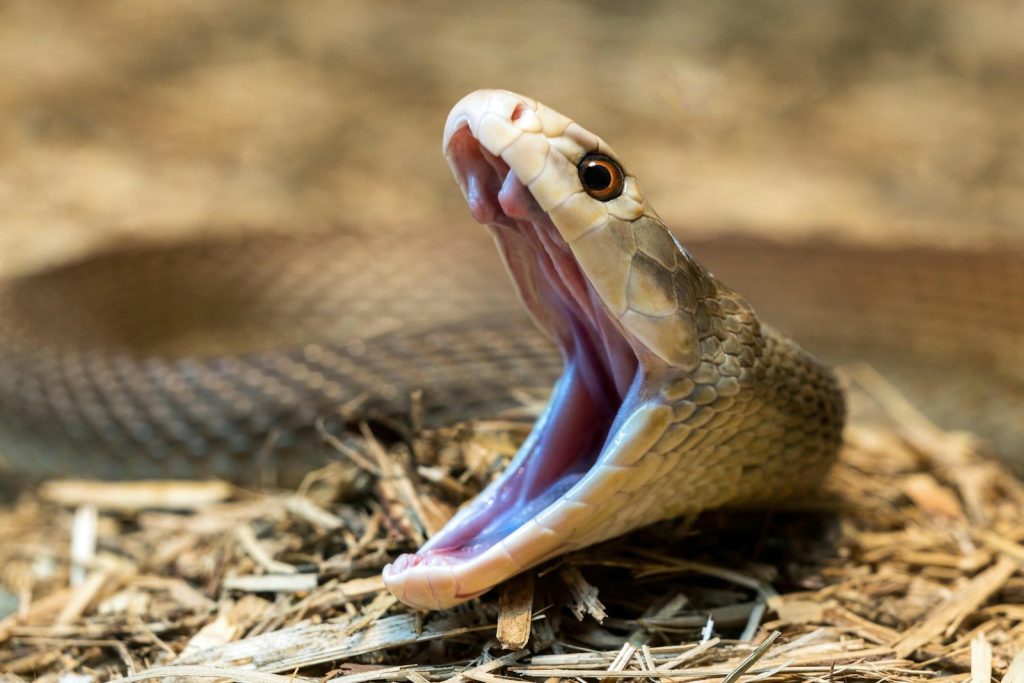
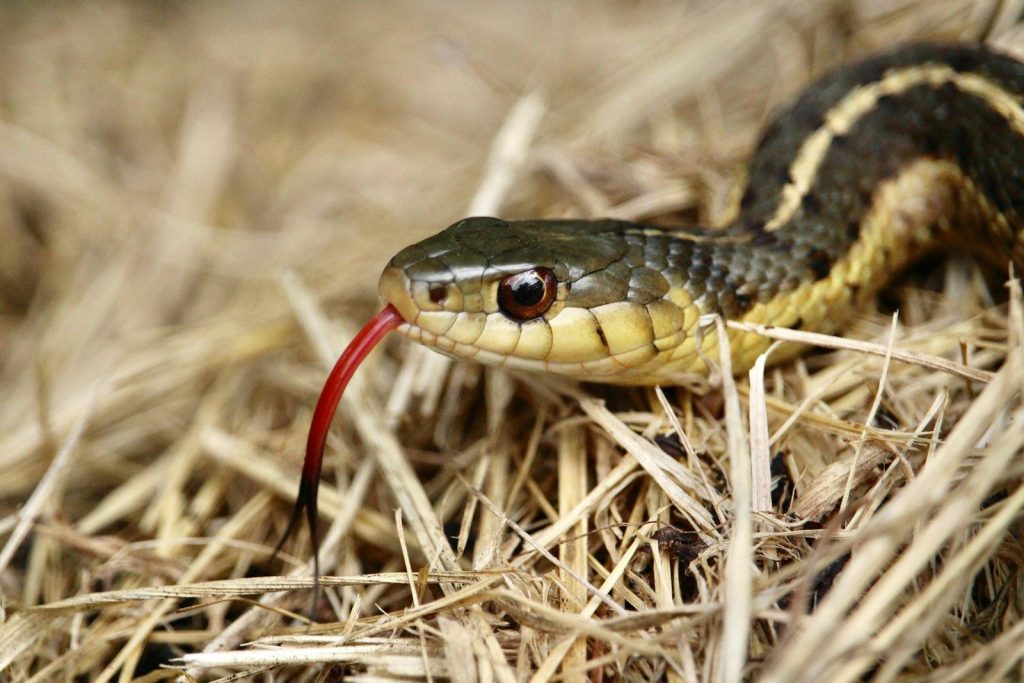
Laophis crotaloides stands out as one of the largest venomous snakes ever discovered. Compared with species such as garter snakes and tiger rattlesnakes, it was dramatically larger in both length and weight.
For example, the largest recorded garter snake measured only 4.4 feet long, while the largest known tiger rattlesnake reached about 3 feet. These comparisons highlight just how enormous the prehistoric viper was compared with many modern snake species.
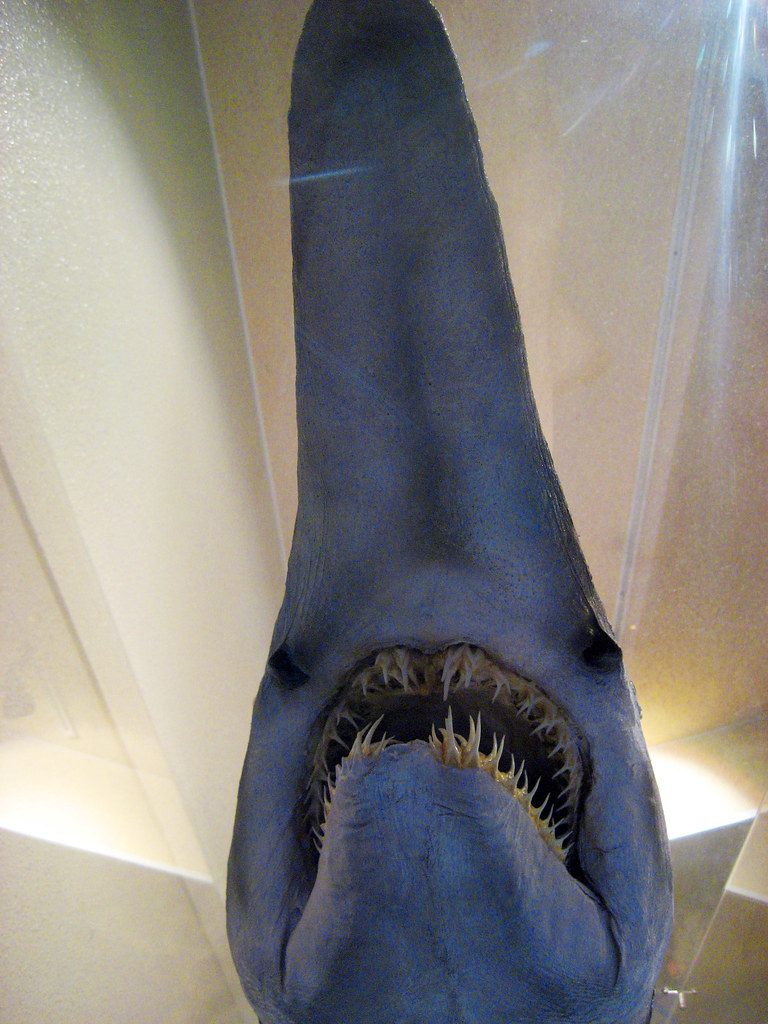
For more than a century, the goblin shark has remained one of the ocean’s greatest mysteries. Scientists knew this unusual shark existed, but most knowledge came from specimens brought to the surface. That changed when researchers captured the first footage of a goblin shark living in its natural deep-sea habitat.
The discovery offers a rare glimpse into the life of one of the world’s most unusual sharks. Known for its strange appearance and powerful jaws, the goblin shark has fascinated scientists since its discovery in 1898. This new footage provides important insights into where these animals live and how they survive in the dark depths of the ocean.
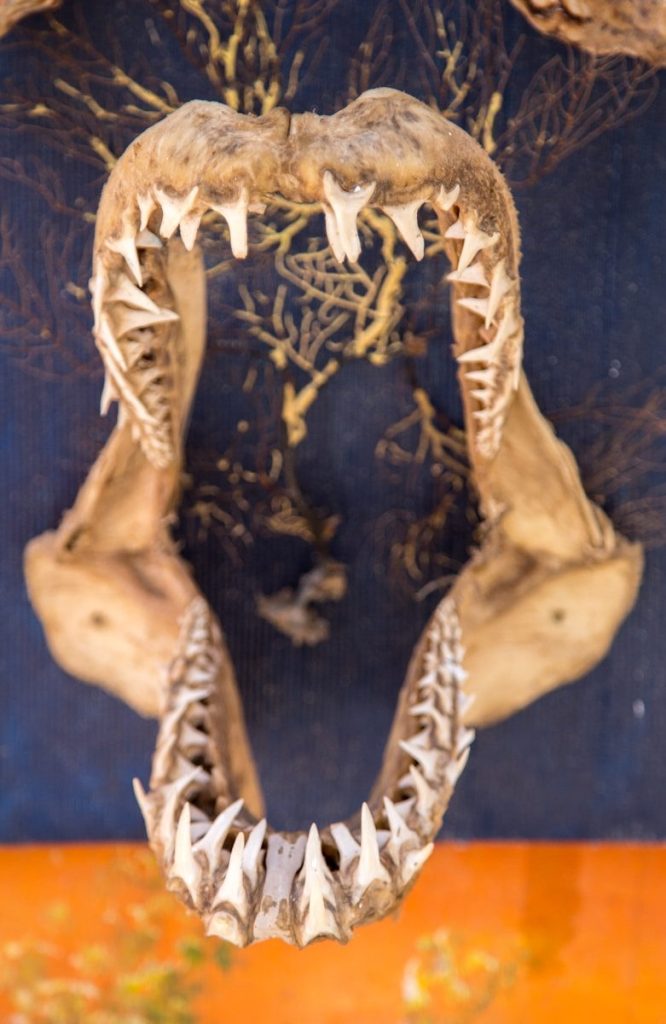
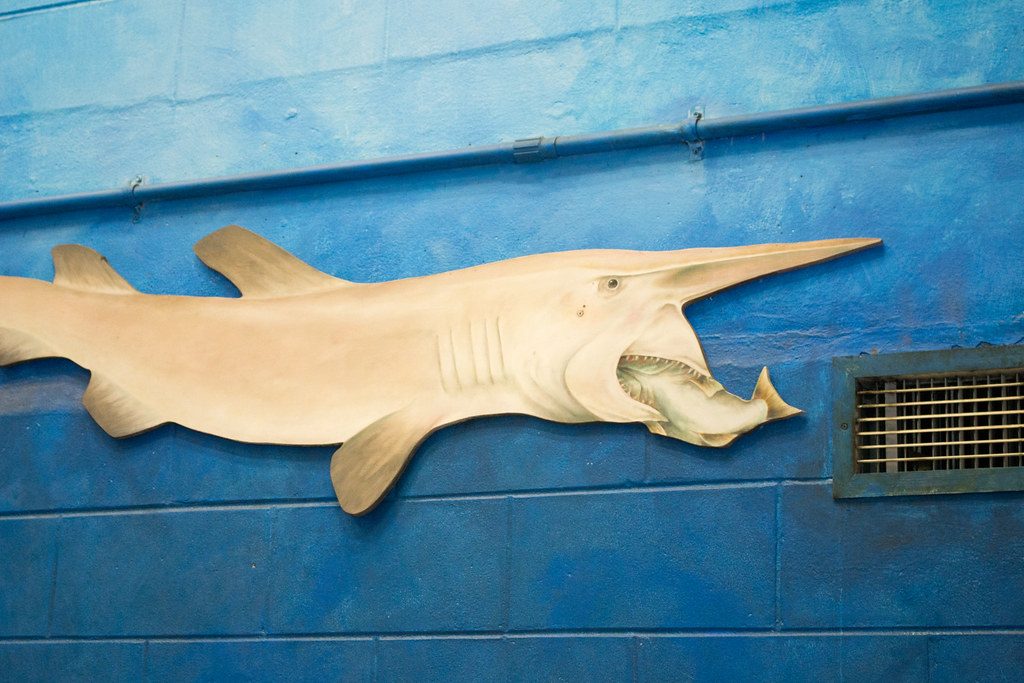
The goblin shark is one of the most distinctive sharks in the world. It has a long, flattened snout and a unique set of jaws that can extend far beyond its face when hunting. Its unusual appearance has often made it stand out among other shark species.
Scientists first discovered the goblin shark in 1898 in deep waters near Japan. Today, it is known to live in the Atlantic, Indian, and Pacific Oceans. Despite its wide distribution, it remains one of the least understood sharks because it spends most of its life in deep ocean environments.
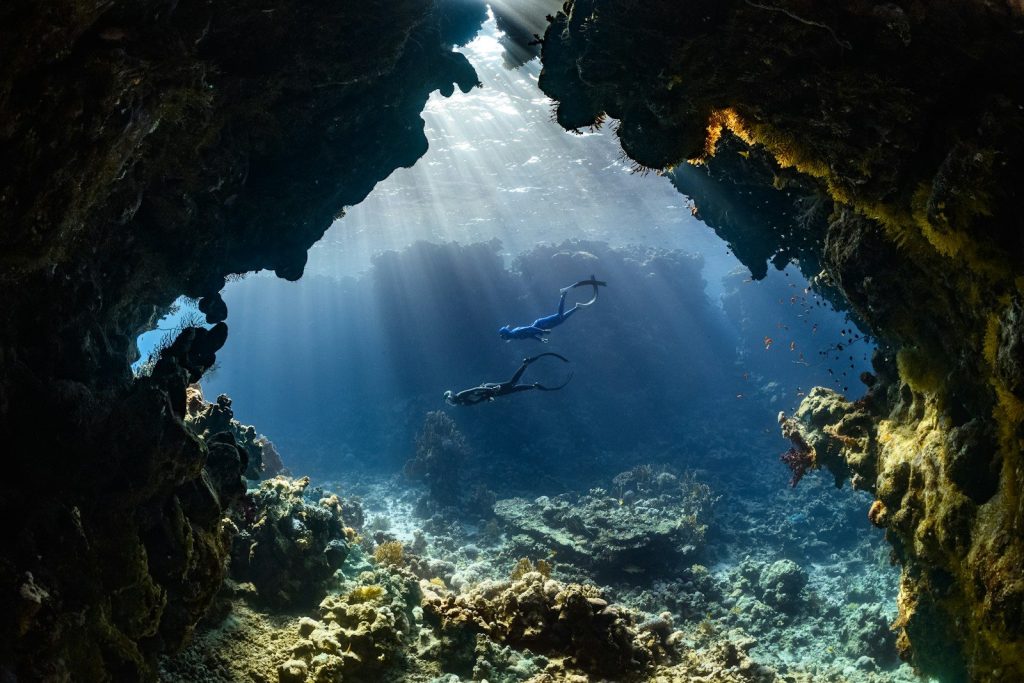
Life in the deep ocean is very different from life near the surface. The goblin shark’s unusual features are specialized adaptations that help it survive in dark waters where food can be difficult to find.
Its most remarkable feature is its jaw mechanism. The shark can rapidly project its jaws outward like a slingshot, extending them between 8.6 and 9.4 percent of its total body length. This allows it to catch prey that would otherwise be out of reach.
The goblin shark may not be a fast swimmer, but its jaws move with incredible speed. Researchers have found that the shark can launch its jaws at approximately 3.1 meters per second when striking at prey.
This rapid movement helps the shark capture fast-moving animals despite its slower swimming speed. The unique feeding strategy gives the goblin shark an important advantage in the deep sea, where successful hunting opportunities may be limited.
For many years, scientists studied goblin sharks mainly through specimens brought to the surface. While useful, these observations did not reveal how the sharks behave in their natural environment.
The first in situ observation occurred during a 2019 expedition near Jarvis Island in the Central Pacific. A remotely operated vehicle recorded a solitary male goblin shark at a depth of 1,237 meters. Researchers estimated the shark measured about 3.43 meters long.
A second sighting took place in 2024 near the slope of the Tonga Trench. This observation was particularly important because it extended the known depth range of the species by 697 meters beyond the previous record.
Although the footage was not perfectly clear, researchers did not observe claspers, which are structures found on male sharks. Because of this, they believe the individual may have been a female. Together, the two observations may represent both sexes of the species.
The new footage provides valuable information about the goblin shark’s habitat and geographic distribution. Scientists now have direct evidence of where these sharks live and how they use different deep-sea environments.
This knowledge can help guide future conservation efforts. As human activities increasingly affect deep-ocean ecosystems, understanding the habitats and ranges of vulnerable species becomes more important. The discovery offers a rare opportunity to learn more about a shark that has remained hidden from view for over a century.
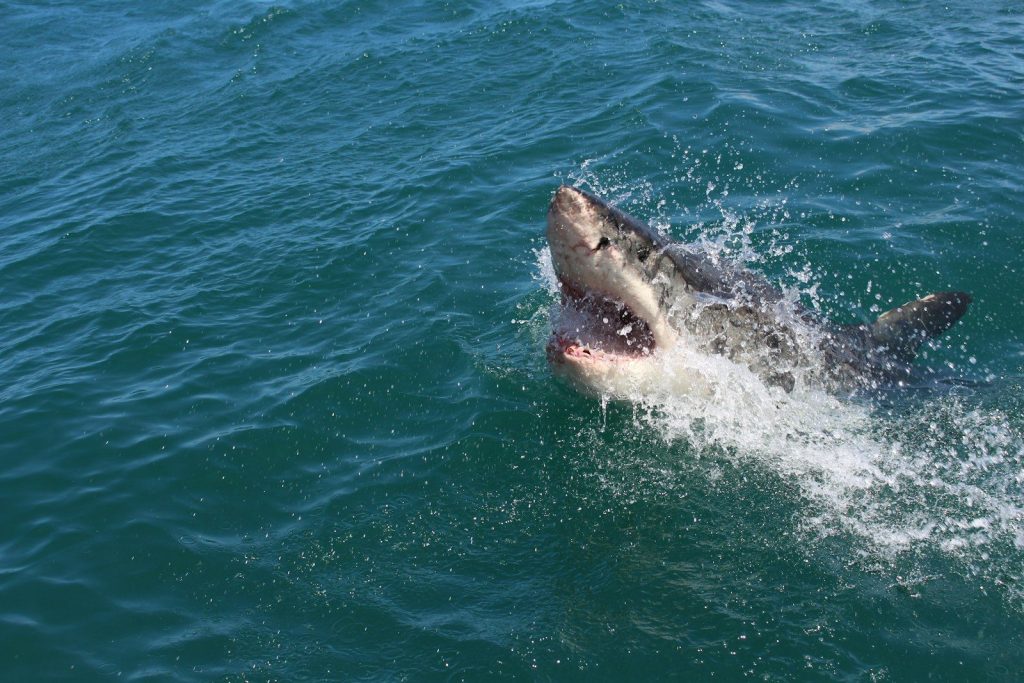
Most people think of sharks as the top hunters of the ocean. They are fast, powerful, and feared by many sea animals. But sometimes nature delivers a surprising twist. A hooked shark becomes prey in a shocking turn of events when an even larger predator sees an easy opportunity for a meal. These moments can look unbelievable, but they are a real part of ocean life.
In the video from Sebastian Inlet, anglers hook a shark and begin the long fight to bring it closer to shore. What starts as a routine shark catch quickly turns into a dramatic struggle as other sharks appear nearby. The event highlights how predators can suddenly become prey and reveals the harsh reality of survival in the ocean. Understanding why this happens helps explain shark behavior, feeding habits, and the complex food web that exists beneath the waves.
Sharks are among the most successful predators on Earth. They have lived in the oceans for more than 400 million years and have survived multiple mass extinctions. Their sharp senses allow them to detect vibrations, movement, and even tiny electrical signals produced by other animals. These abilities help them locate prey in conditions where visibility may be poor.
Despite their reputation, sharks are not unbeatable. Large sharks often prey on smaller shark species, and young sharks face threats from many predators. Even adult sharks can become vulnerable when they are injured, exhausted, or distracted. In the ocean, being a predator does not guarantee safety. Every animal must constantly avoid becoming someone else’s meal.
The video begins with anglers fishing at Sebastian Inlet, a well-known fishing location on Florida’s Atlantic coast. After a strong hookup, one angler realizes he has connected with a sizable shark. The fight becomes difficult as the animal uses the current and deeper water to its advantage. The shark pulls hard and moves through the inlet while the anglers try to maintain control.
As the battle continues, the situation becomes more dramatic. Several sharks appear in the area, creating concern that the hooked animal may attract unwanted attention. This is not unusual because struggling fish and sharks can produce vibrations and scents that other predators detect. The hooked shark is already under stress, making it an attractive target for larger hunters looking for an easy meal.
Many marine predators are highly sensitive to signs of weakness. A struggling animal creates irregular movements in the water that can be detected from considerable distances. Sharks possess a specialized sensory system called the lateral line, which allows them to sense vibrations and movement. This system helps them locate injured or distressed animals.
A hooked shark often behaves differently than a healthy shark swimming freely. It may tire more quickly, move erratically, and release small amounts of blood if injured by the hook. These signals can attract nearby predators. In many cases, larger sharks investigate because they recognize an opportunity to obtain food while expending very little energy. Nature rewards efficiency, and predators often take advantage of vulnerable prey whenever possible.
Many people are surprised to learn that sharks frequently eat other sharks. This behavior is common in oceans around the world. Species such as tiger sharks are known for their broad diets and regularly consume smaller sharks and rays. Great hammerheads also prey heavily on other shark species, while larger bull sharks may attack smaller sharks when the opportunity arises.
This behavior serves an important ecological purpose. Predators help regulate populations and maintain balance within marine ecosystems. When larger sharks consume smaller sharks, they influence where prey species live and how they behave. The ocean food web is far more complex than a simple chain where sharks sit at the top. Instead, it is a network of interactions where even predators can become prey under the right circumstances.
The role of currents and location in shark encounters
Sebastian Inlet is known for strong currents and abundant marine life. Areas like this naturally attract predators because moving water carries fish, bait, and nutrients through the ecosystem. During seasonal fish migrations, large numbers of prey animals gather in these locations, drawing sharks and other hunters into the same area.
The hooked shark in the video uses the current to its advantage during the fight. However, the same conditions that attract fish also attract multiple predators. When many sharks occupy a relatively small area, the chances of interactions increase significantly. A struggling shark in such an environment can quickly become the focus of attention from nearby predators looking for an easy feeding opportunity.
Shark-on-shark predation is one reason anglers occasionally lose hooked fish before they can land them. This phenomenon is sometimes called depredation. It occurs when a predator steals or consumes a hooked animal before it reaches the angler. While depredation is often associated with sharks eating hooked fish, sharks themselves can also become victims.
During a long fight, a hooked shark becomes increasingly tired. This exhaustion can reduce its ability to escape danger. Larger sharks may recognize the situation and attack before the animal reaches shore. In the video, the anglers ultimately lose the shark after a challenging battle. While frustrating for fishermen, such outcomes demonstrate the realities of natural predator behavior and the competitive environment that exists in coastal waters.
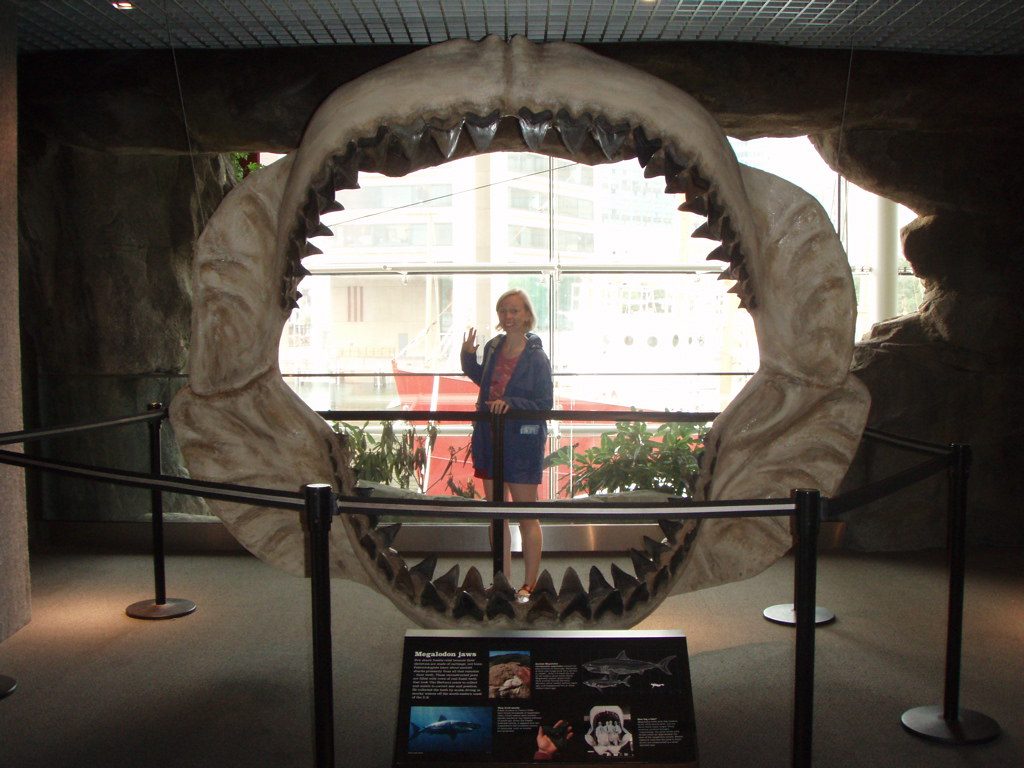
Imagine a shark so huge that its mouth could fit several adults side by side. That sounds like something from a movie, but megalodon was a real animal that ruled the oceans for millions of years. Many people wonder what exactly megalodon was and why it grew to such a massive size.
Scientists have spent decades studying its giant teeth, fossil remains, and bite marks to answer these questions. The more they learn, the more fascinating this ancient predator becomes. In this article, you will discover what megalodon was, how big it really got, what it ate, why it became so enormous, and what finally caused one of the greatest predators in Earth’s history to disappear.
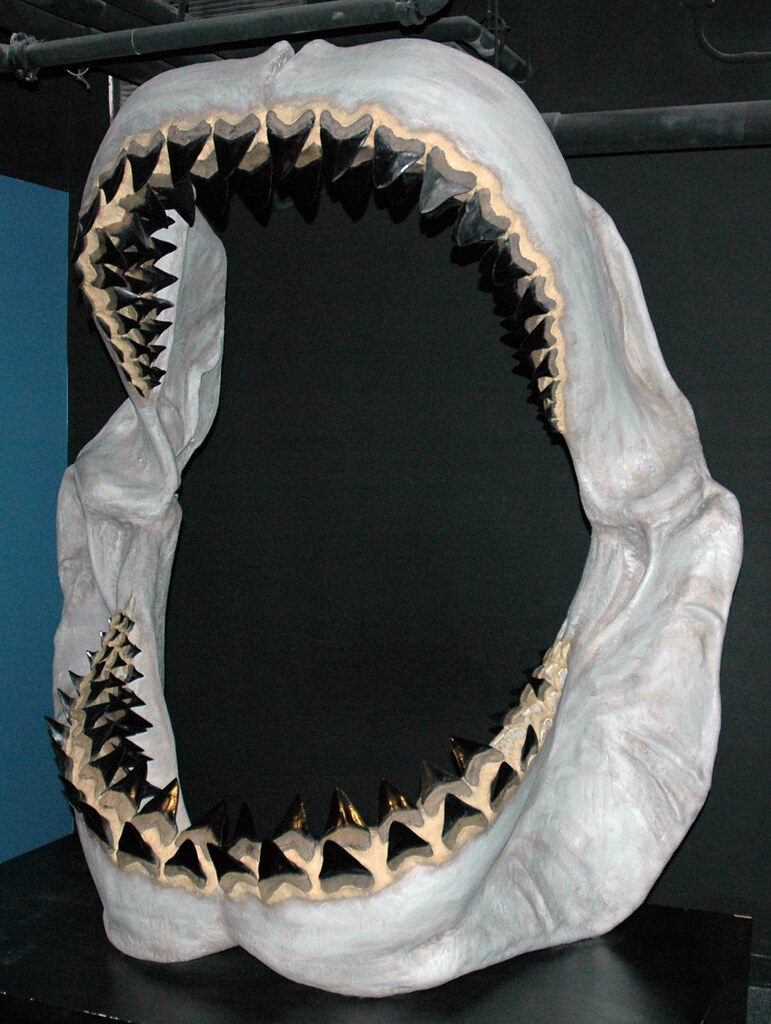
Megalodon was an extinct species of giant shark that lived from about 23 million years ago to around 3.6 million years ago. Its scientific name is Otodus megalodon, which means “big tooth.” The shark lived during the Miocene and Pliocene epochs, long before humans appeared. Fossils of its teeth have been found on every continent except Antarctica, showing that it lived in oceans around the world. Even though people often call it a giant great white shark, scientists now know megalodon belonged to a different family of sharks and was not a direct ancestor of the great white.
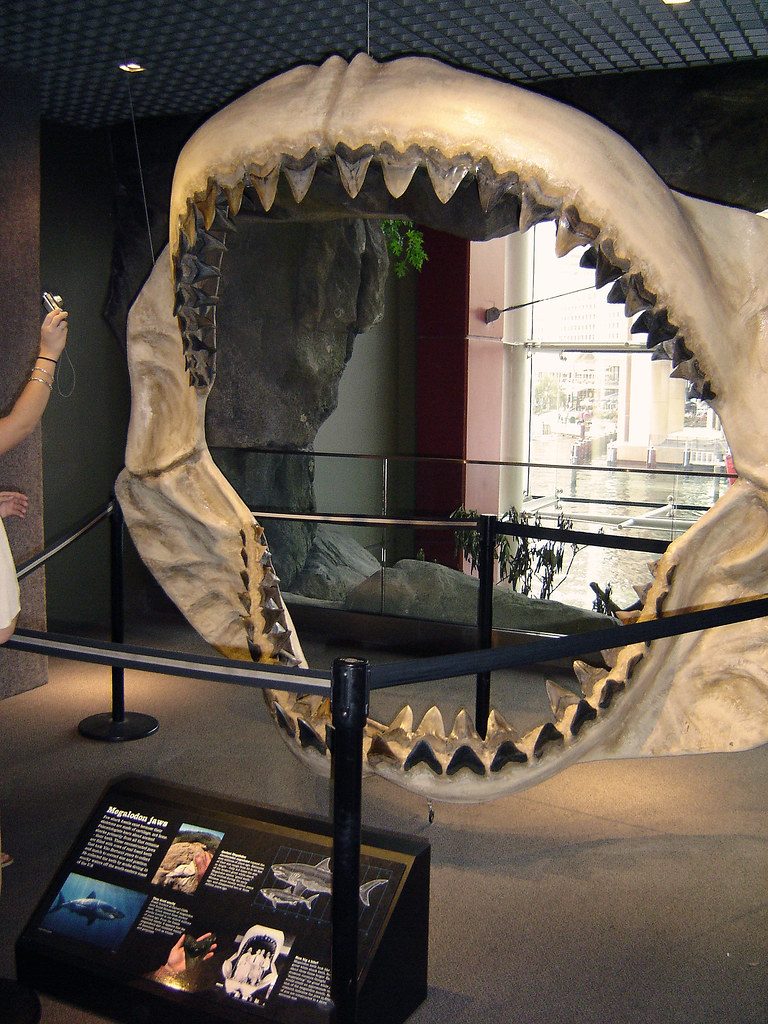
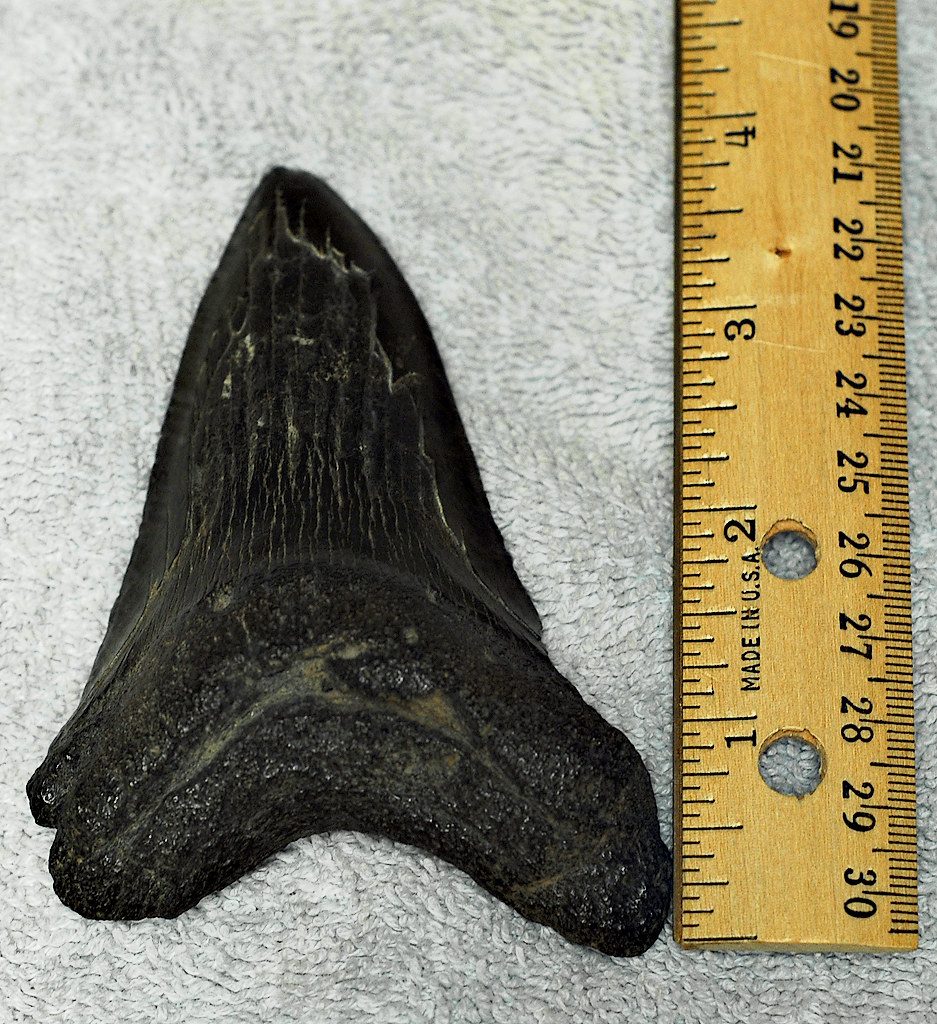
Most of what scientists know about megalodon comes from its teeth because shark skeletons are made mostly of cartilage, which rarely becomes fossilized. Its teeth were triangular, thick, and serrated, designed to grip prey and slice through flesh and bone. Some teeth are more than seven inches long, making them among the largest shark teeth ever discovered. Researchers use these teeth, along with rare vertebrae fossils, to estimate the shark’s size and understand how it lived.
Megalodon was truly gigantic, although its exact size is still debated. Most scientists agree that large adults measured around 50 to 60 feet long, which is about three times the length of the average great white shark. Some newer studies suggest exceptionally large individuals may have reached nearly 80 feet, but these estimates remain uncertain because no complete skeleton has ever been found. Even at the lower end of estimates, megalodon was one of the largest predatory fish ever to exist.
Its weight was just as impressive. Researchers estimate that large adults may have weighed between 50 and 70 tons, with some studies proposing even greater weights for the largest individuals. The shark’s head alone may have measured around 15 feet long. Its dorsal fin could have been taller than an average adult human, while its tail stretched several feet high. Recent studies also suggest that megalodon may have had a longer and more slender body than the bulky shape often shown in movies, which would have helped it swim efficiently across vast oceans.
Scientists believe several factors helped megalodon become so large. One major reason was the abundance of food in ancient oceans. During the Miocene epoch, whales and other marine mammals became more diverse and widespread. These animals provided a rich food supply for a giant predator. Having access to large prey allowed megalodon to support its enormous body and maintain the energy needed to survive.
Another reason involves a biological pattern known as gigantism, where some species evolve larger sizes because bigger animals often have important advantages. A giant predator can hunt larger prey, travel longer distances, and dominate competitors. Larger bodies also help conserve heat and store energy. Recent research suggests megalodon may have had a body temperature slightly warmer than the surrounding water, giving it extra power and speed. This combination of plentiful food, evolutionary advantages, and efficient swimming likely allowed megalodon to become one of the biggest predators the world has ever seen.
For many years, scientists believed megalodon mainly hunted whales, and there is strong evidence supporting this idea. Fossil whale bones have been found with deep bite marks that match the size and shape of megalodon teeth. These marks appear on ribs, skulls, and flippers, showing that the shark attacked some of the largest animals in the ocean. Scientists think megalodon targeted the chest area of whales to damage vital organs and quickly disable its prey.
However, newer research suggests megalodon had a more varied diet than previously thought. It probably ate dolphins, seals, sea turtles, large fish, and smaller whales as well. Scientists studying the chemical makeup of fossil teeth discovered that megalodon occupied an extremely high position in the food chain, but it was also an opportunistic hunter that ate whatever prey was available. This flexible diet would have been an advantage because it allowed the shark to survive in different environments and adapt to changing food supplies.
Megalodon was an apex predator, meaning it sat at the top of the food chain and had no natural enemies as an adult. It likely spent much of its time cruising slowly through warm oceans, conserving energy while searching for prey. Once it spotted a target, it could use short bursts of speed to launch an attack. Its enormous jaws and powerful muscles allowed it to deliver one of the strongest bites ever estimated in an animal.
Scientists also believe young megalodons may have used shallow coastal waters as nursery areas. These regions provided protection from larger predators and offered plenty of smaller prey. Fossil discoveries in places such as Panama suggest newborn megalodons were already huge, measuring around six to ten feet long at birth. This large size gave them a strong start in life and helped them become powerful predators at a young age. As they matured, they moved into open oceans and hunted increasingly larger prey.
Despite its incredible power, megalodon eventually went extinct around 3.6 million years ago. Scientists believe this happened because several challenges occurred at the same time. One major factor was climate change. The Earth’s oceans became cooler during the Pliocene epoch, and many warm-water habitats that megalodon depended on began to shrink. Cooling oceans also changed the migration patterns of whales, pushing many prey species into colder regions where megalodon may have struggled to survive.
Competition likely played an important role as well. Around the same time, the great white shark became more widespread. Although much smaller, great whites required less food and were highly adaptable hunters. They may have competed with young megalodons for prey and habitat. In addition, changes in whale populations reduced the availability of large prey animals. Faced with cooler oceans, shifting food sources, and growing competition, megalodon gradually declined until it disappeared completely. Despite many stories and movies suggesting otherwise, there is no scientific evidence that megalodon still exists today.
The idea of a giant octopus-like predator attacking dinosaurs sounds like something from a movie. But recent fossil discoveries have made scientists rethink what ruled the oceans during the age of dinosaurs. The question “Did giant octopus-like predators feast on dinosaurs?” has become one of the most exciting topics in paleontology.
New evidence suggests that enormous octopus relatives lived in ancient seas and may have been among the top hunters of their time. While there is no proof that they hunted land dinosaurs, researchers believe these giant creatures could have preyed on large marine animals. In this article, you will learn what these animals were, how big they became, what they ate, and why scientists are so excited about this surprising discovery.
For many years, scientists believed that giant marine reptiles such as mosasaurs and plesiosaurs ruled the seas during the Late Cretaceous Period. That period lasted from about 100 million to 66 million years ago and overlapped with the final chapter of dinosaur history. The biggest hunters were thought to be sharks and reptiles with powerful jaws. Soft-bodied animals like octopuses were not seen as major predators because their bodies rarely fossilize. Most of what scientists knew about ancient octopuses came from tiny remains, making it difficult to understand their true size or lifestyle.
That changed when researchers studied fossil jaws found in Japan and western Canada. The fossils belonged to an extinct group of octopus relatives called Nanaimoteuthis. Scientists estimated that one species, Nanaimoteuthis haggarti, may have reached lengths of around 19 meters, or about 62 feet. That is longer than a school bus and larger than today’s giant squid. The fossils showed heavy wear and damage, suggesting these animals crushed hard prey with strong beaks and occupied the top of the marine food chain.
These giant creatures were not exactly the same as modern octopuses swimming in today’s oceans. They belonged to a group of cephalopods called cirrates, also known as finned octopuses. Modern finned octopuses are small, deep-sea animals with soft bodies and webbed arms. Their ancient relatives shared some features with them, but were far larger and probably lived very different lives. Scientists use the term “octopus-like” because these animals are closely related to octopuses, even though they looked somewhat different.
The challenge with studying ancient cephalopods is that soft tissue almost never fossilizes. Bones preserve well, but octopuses do not have bones. Their beaks, however, are made from a hard material called chitin, which can survive for millions of years under the right conditions. By studying the shape and size of these fossil beaks, researchers can estimate body size and feeding behavior. This method helped reveal that giant octopus-like predators existed and that they were much larger than scientists once imagined.
The short answer is probably not if we are talking about dinosaurs that lived on land. Creatures such as Tyrannosaurus rex, Triceratops, and Velociraptor lived on continents and did not swim in the oceans where these giant octopus relatives hunted. There is no fossil evidence showing that giant cephalopods attacked or ate land dinosaurs. In fact, scientists have never found dinosaur bones with marks that clearly point to an octopus-like predator. So the dramatic image of a giant octopus dragging a T. rex underwater is not supported by science.
However, these predators did live during the age of dinosaurs, and they may have eaten marine reptiles that shared their environment. Researchers believe they preyed on animals with hard shells or bones because their fossil beaks show cracks, chips, and heavy wear from crushing tough material. Some scientists think they may have attacked young or smaller marine reptiles, including mosasaurs and plesiosaurs. These reptiles are often called marine dinosaurs by the public, but they were actually separate groups of reptiles that evolved to live in the sea. The idea that giant octopus-like predators fed on these marine animals is exciting, but researchers are still gathering evidence to confirm exactly how they hunted.
The strongest evidence comes from the fossilized lower jaws of these animals. Scientists examined dozens of specimens and noticed unusual damage patterns. The jaws showed scratches, worn edges, and even broken sections. These signs are similar to the damage seen in modern animals that crush shells or bones. Researchers concluded that these giant predators regularly fed on prey that was difficult to break apart.
Scientists also ruled out other explanations for the damage. The fossils came from deep-water sediments where waves and rocks could not easily grind or scratch the jaws after death. This means the wear probably happened while the animals were alive and feeding. Researchers compared the fossils with modern cephalopods and found another surprising detail. The jaws showed uneven wear, suggesting that the animals preferred one side of their mouth over the other. This behavior is similar to handedness in humans and hints that these predators may have been intelligent hunters that used complex feeding techniques.
The oceans of the Late Cretaceous were crowded with giant animals. Huge mosasaurs patrolled the waters, while long-necked plesiosaurs chased fish and squid. Sharks the size of cars hunted smaller prey, and countless species of fish filled the seas. Ammonites, shell-covered relatives of modern squid, drifted through the water in enormous numbers. This rich ecosystem created fierce competition among predators.
Scientists now believe giant octopus-like animals were part of this crowded world and may have competed directly with marine reptiles and sharks. Their flexible arms would have helped them grab prey, while their strong beaks crushed shells and bones. Modern octopuses are famous for solving problems and using clever hunting methods. If their giant ancestors shared even some of that intelligence, they may have been among the most adaptable hunters in ancient oceans. Instead of seeing the seas as a world ruled only by giant reptiles, scientists are beginning to picture a much more complex ecosystem where massive invertebrates also played a leading role.
Even though the new fossils are remarkable, many questions remain unanswered. Scientists still do not know exactly what these giant predators looked like. Because soft tissue rarely fossilizes, researchers cannot say with certainty how long their arms were, what color they were, or how fast they could swim. Estimates of their total length are based on comparisons with living relatives, which means future discoveries could change the picture.
Researchers also debate whether these animals truly sat at the very top of the food chain. Some scientists argue that worn beaks alone cannot prove they hunted giant reptiles. Others believe the evidence strongly suggests they were apex predators that competed with sharks and mosasaurs. More fossils are needed to settle the debate. What everyone agrees on, however, is that these discoveries have transformed our understanding of ancient oceans. They remind us that many mysteries are still hidden beneath the rocks, waiting to change what we know about life during the age of dinosaurs.
Japan’s deer population has been growing quickly in many regions, especially the sika deer, and this is changing forests, farms, and protected lands. Have you ever thought about what happens when one animal becomes too common in nature? That is exactly what is happening in Japan right now. The rising number of deer is not just a wildlife issue, but also a real lesson in how ecosystems stay balanced and what happens when that balance is broken.
In this article, you will learn how Japan’s deer population grew, why it matters for nature, and what scientists are studying from it. You will also see how deer affect forests, farming, and communities, and how Japan is trying to manage the situation. By the end, you will understand how this real-life example teaches important ecology lessons that apply far beyond Japan.
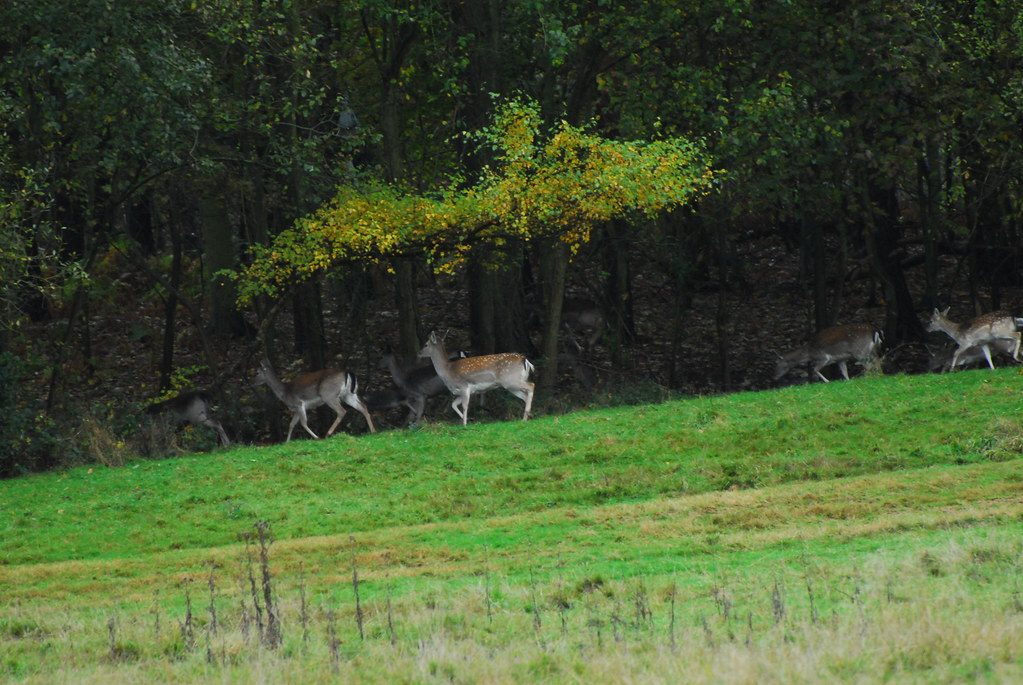
Japan’s deer population, especially the sika deer, has grown a lot over the past several decades. One major reason is the loss of natural predators. Wolves once lived in Japan and helped keep deer numbers under control, but they disappeared long ago. Without predators, deer no longer had a natural limit on how fast their population could grow.
Human changes have also played a big role. Many rural areas in Japan have fewer people today because younger generations move to cities. With less farming and less hunting in these areas, deer have more space and food to survive and spread. Over time, deer have expanded into regions where they were once rare or not seen at all.
When deer numbers grow too high, they can heavily affect forests. Deer eat young trees, leaves, and plants close to the ground. This stops many trees from growing into mature forests, which slowly changes the forest structure over time.
Scientists have observed that in areas with many deer, only plants that grow out of reach survive. This creates a situation where forests lose variety and become less healthy. As plant life changes, other animals like birds and insects that depend on those plants are also affected, leading to a chain reaction in the ecosystem.
Deer often move into farmland when natural food becomes limited or when fields are close to forests. They eat crops like rice, vegetables, and fruit trees, which can cause serious damage for farmers. In some rural areas, this has become a major economic problem because farmers lose part of their harvest each year.
Deer can also create safety concerns for people. They sometimes cross roads and highways, which can lead to accidents. In areas with shrinking human populations, it becomes harder to manage deer movement, making it more common for deer and humans to come into close contact.
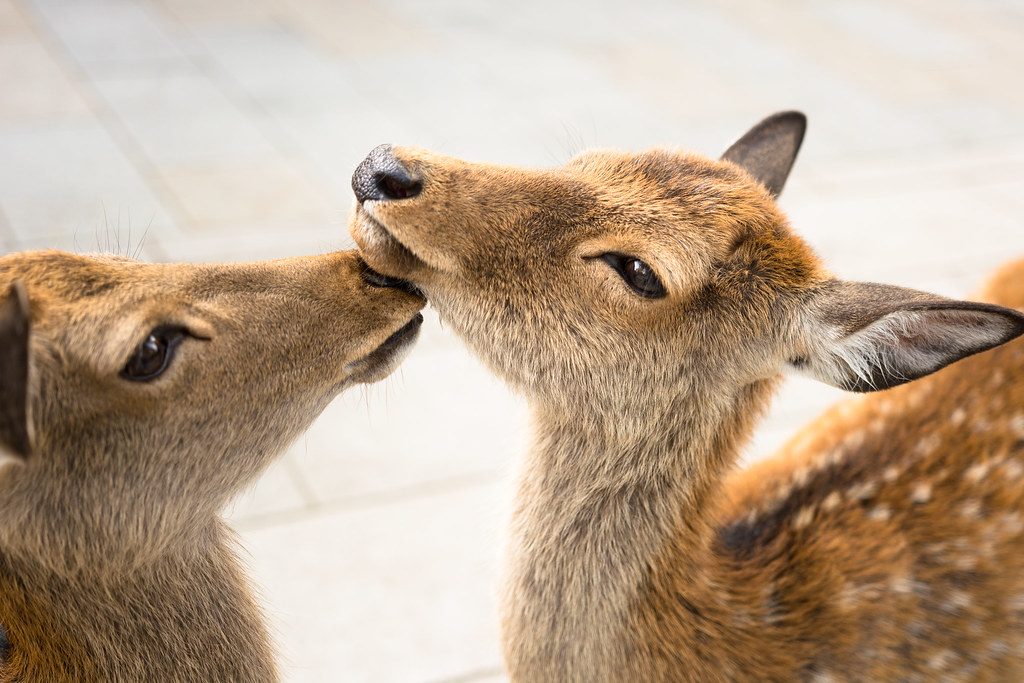
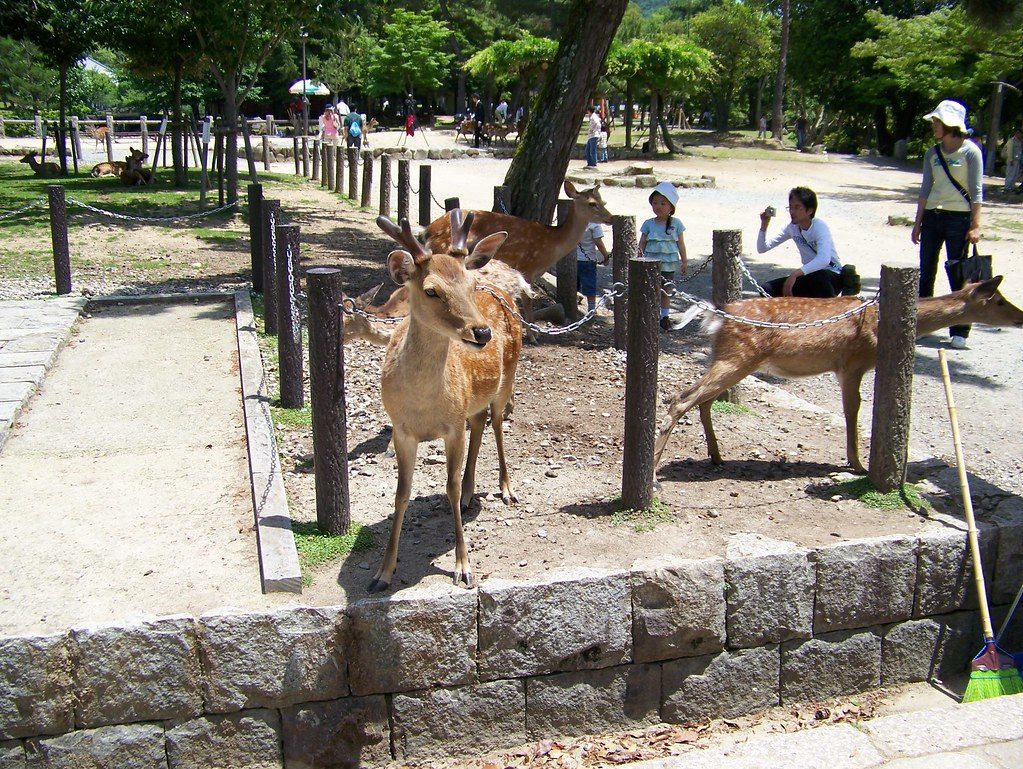
Nara is one of the most well-known places in Japan where deer live freely among people. These deer are protected and have become a symbol of the city, attracting many tourists. Visitors often interact with them and feed them special crackers sold in the park.
Even though the deer are protected, the population still needs balance. Too many deer can still damage nearby plants and forests if not managed carefully. This shows that even in places where animals are culturally important, nature still needs limits to stay healthy and stable.
Japan uses different methods to control deer populations. One method is controlled hunting, which helps reduce deer numbers in areas where they are too high. Scientists have found that reducing female deer is especially important because it helps slow population growth over time.
Another approach is using fences and land protection systems to keep deer away from farms and forests. In some areas, scientists also monitor deer populations closely and adjust management plans based on changes in the environment. This helps make sure decisions are based on real data and not guesswork.
What Japan’s deer population teaches about ecology
The situation in Japan shows how quickly nature can change when one species grows too much. Without natural predators and with plenty of space, deer can expand beyond what the environment can support. This creates long-term effects on forests, plants, and other wildlife.
It also shows that humans are part of the ecosystem. Changes in population, land use, and farming all affect wildlife behavior. The deer situation teaches that ecosystems need balance, and when that balance is disrupted, the effects can spread through the entire environment.
Many people think of sharks as dangerous predators, but their true importance goes far beyond what most people realize. Sharks have been swimming in Earth’s oceans for hundreds of millions of years, helping to maintain the balance of marine ecosystems long before humans appeared.
Healthy oceans are essential for life on Earth. They provide food, help regulate the climate, produce much of the oxygen we breathe, and support countless species. Sharks play a key role in maintaining the proper functioning of these systems. Without them, the effects could ripple throughout the ocean and eventually impact life on land as well.
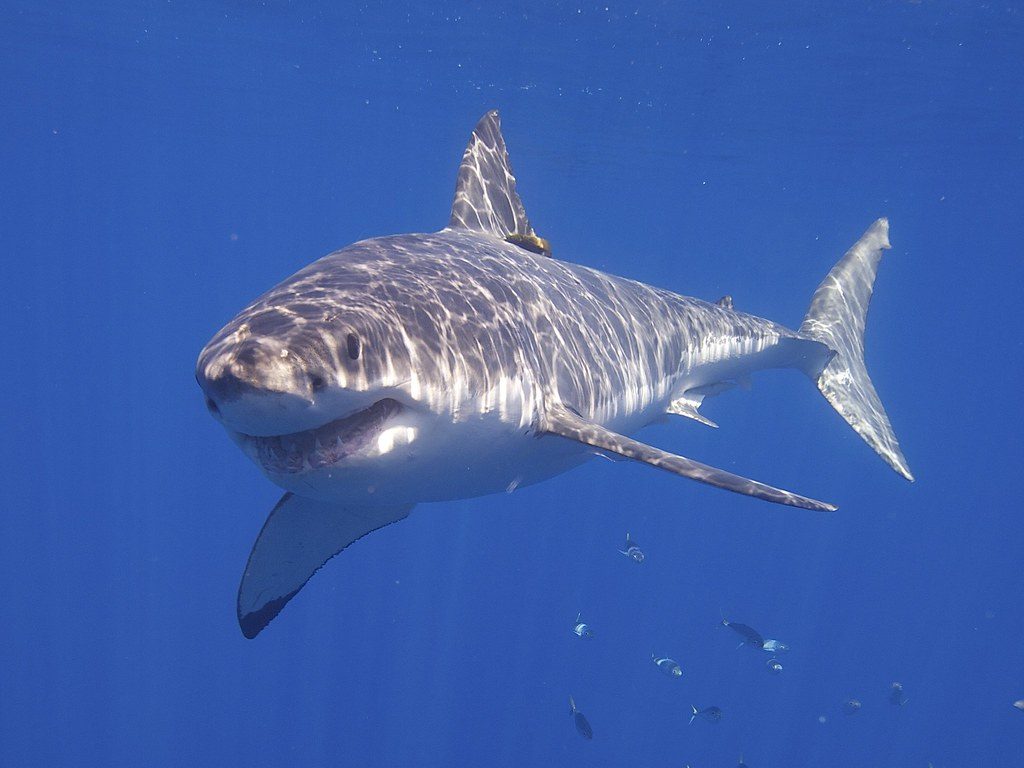
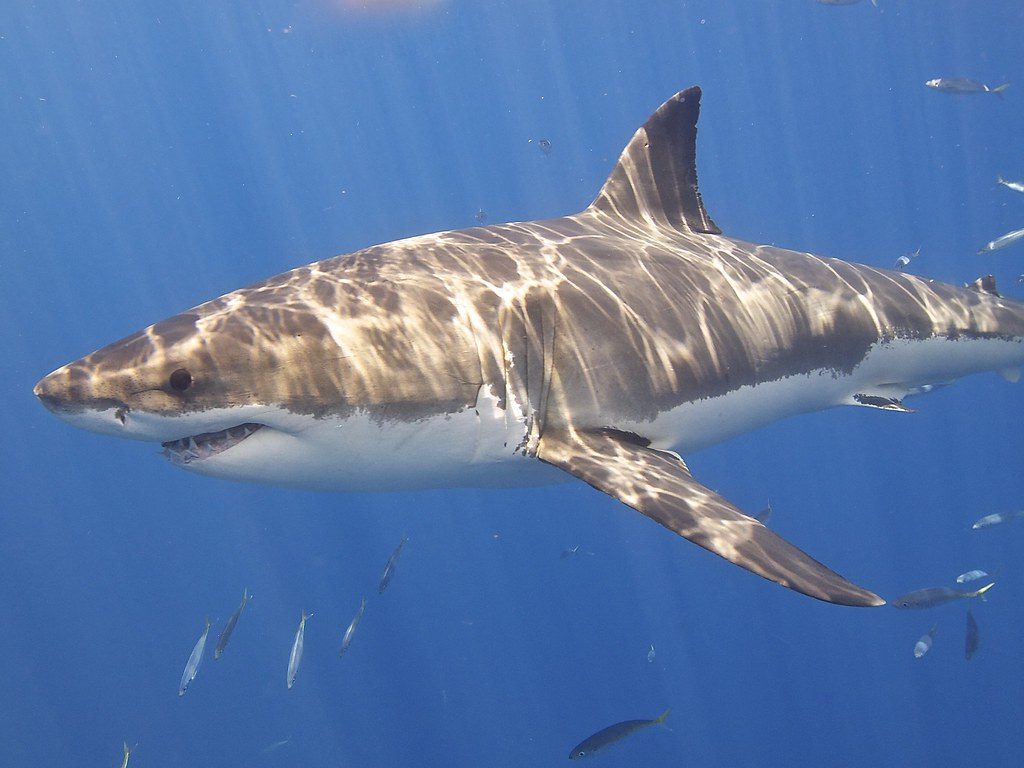
Sharks are among the top predators in many marine ecosystems. Their presence helps regulate the populations of other animals, preventing any one species from becoming too numerous and disrupting the balance of the food web. When predators disappear, entire ecosystems can change in unexpected ways.
By hunting weaker, older, or more vulnerable prey, sharks help maintain healthier populations of marine animals. Their influence extends beyond the animals they eat. Many species change their behavior and habitat use simply because sharks are present, creating a more balanced ecosystem.
One of the most important ways sharks help the environment is by protecting habitats such as seagrass meadows. Research has shown that predators like tiger sharks influence where grazing animals feed, preventing them from overusing certain areas. This helps seagrass ecosystems remain healthy and productive.
Seagrass meadows are important because they provide shelter for marine life and store large amounts of carbon. When these habitats remain healthy, they continue to support biodiversity and help regulate Earth’s climate. Sharks indirectly contribute to this process by maintaining ecological balance.
Scientists have discovered that sharks contribute to carbon storage in several ways. By helping maintain healthy seagrass beds and other marine habitats, they support ecosystems that absorb and store atmospheric carbon. These habitats act as natural carbon sinks.
Large sharks also store carbon within their own bodies. In addition, their movements through different parts of the ocean help distribute nutrients throughout marine ecosystems. These processes support ocean productivity and strengthen the ocean’s ability to help regulate the global climate.
Many shark species travel vast distances during their lives. Some migrate across entire ocean basins, while others regularly move between deep and shallow waters. These movements help transport nutrients between different parts of the ocean.
As sharks move through the water, they contribute to nutrient cycling that supports marine food webs. This process benefits many organisms, including tiny plankton that form the foundation of ocean ecosystems. Healthy nutrient cycles help keep marine environments productive and resilient.
Despite their importance, shark populations have declined significantly in many parts of the world. Overfishing, accidental capture in fishing gear, climate change, and habitat loss have placed increasing pressure on many species. Scientists estimate that a large number of sharks are killed every year through both targeted fishing and bycatch.
Many shark species reproduce slowly, meaning populations can take a long time to recover. As a result, declines caused by human activities can have lasting effects. Conservation groups warn that numerous shark and ray species are now threatened with extinction.
Protecting sharks protects the future
“Tiger shark” by WIlly Volk is licensed under CC BY-NC-SA 2.0
Protecting sharks is not only about saving one group of animals. It is also about preserving the health of the oceans that support life across the planet. Healthy shark populations help maintain biodiversity, strengthen marine ecosystems, and support natural processes that benefit both wildlife and people.
Conservation efforts around the world are focused on reducing overfishing, improving habitat protection, and ensuring shark populations can recover. By protecting sharks today, we help safeguard the future health of the oceans and the countless species, including humans, that depend on them.