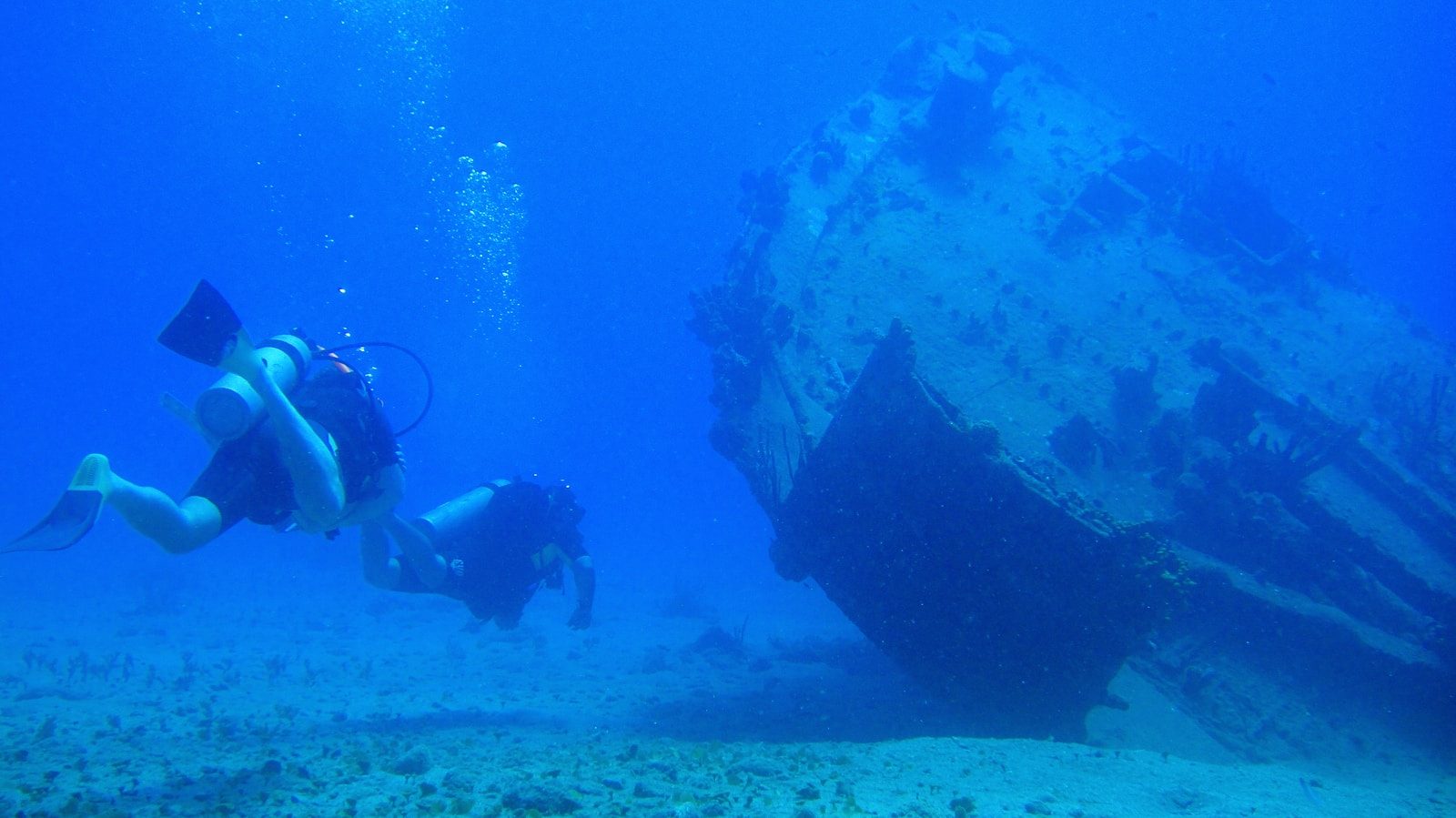
The ocean has a remarkable way of changing everything it touches. Metal rusts, surfaces become covered in marine life, and even the largest ships slowly transform into part of the underwater world. Few places show this process more dramatically than the USS Oriskany, a retired aircraft carrier that now rests on the seafloor off the coast of Florida. Sunk intentionally in 2006, the USS Oriskany became one of the largest artificial reefs ever created.
Nearly two decades later, a team set out to explore what remained at the very bottom of the wreck. Armed with a remote-control submarine, they faced equipment failures, rough conditions, and unexpected wildlife encounters in an effort to document how time and the ocean had reshaped this massive warship. The journey revealed a ship that is no longer just a vessel, but a thriving underwater ecosystem. The Oriskany was intentionally sunk in 2006 and now rests upright in about 212 feet of water off Pensacola, Florida.
From warship to artificial reef
The USS Oriskany served the U.S. Navy for decades before being retired from active duty. Rather than being scrapped, the vessel was selected for a unique second life beneath the waves. After extensive preparation, it was intentionally sunk off Florida’s Gulf Coast.
The decision transformed the former aircraft carrier into a giant artificial reef. Measuring more than 900 feet long, the ship quickly became a major attraction for divers and marine life. Today, it is widely recognized as one of the largest intentionally created artificial reefs in U.S. waters.
A mission to reach the ocean floor
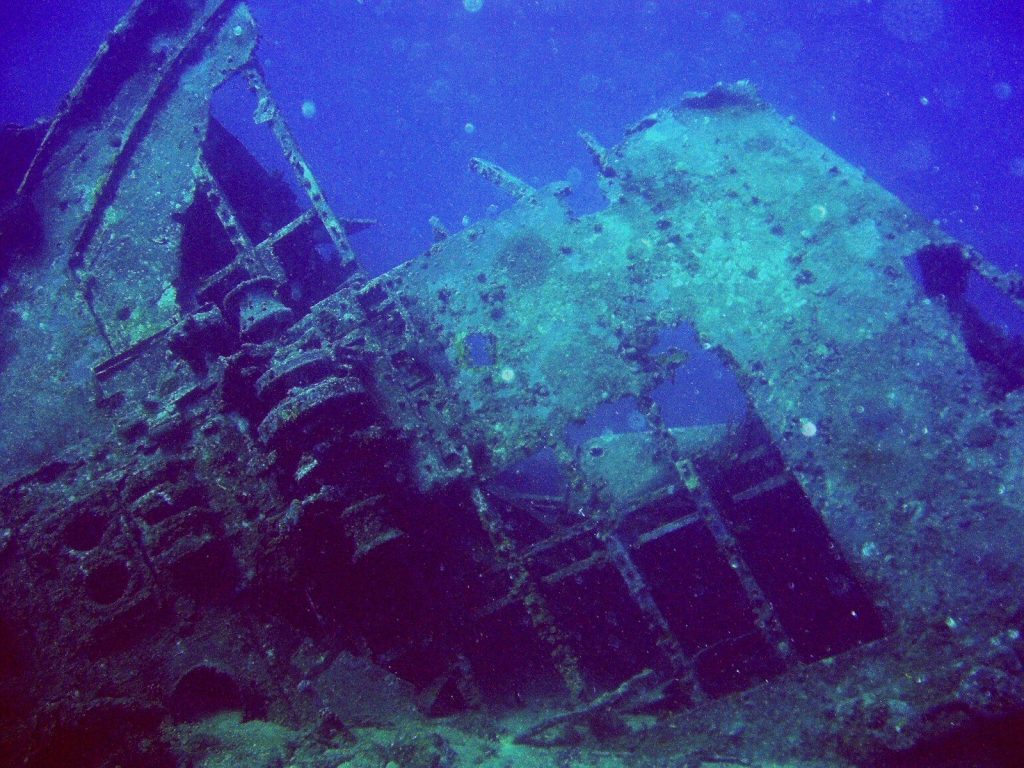
Although thousands of divers have explored parts of the wreck, very few have documented the seabed directly beneath it. Curious about what existed at the bottom after nearly two decades underwater, a team launched a new expedition.
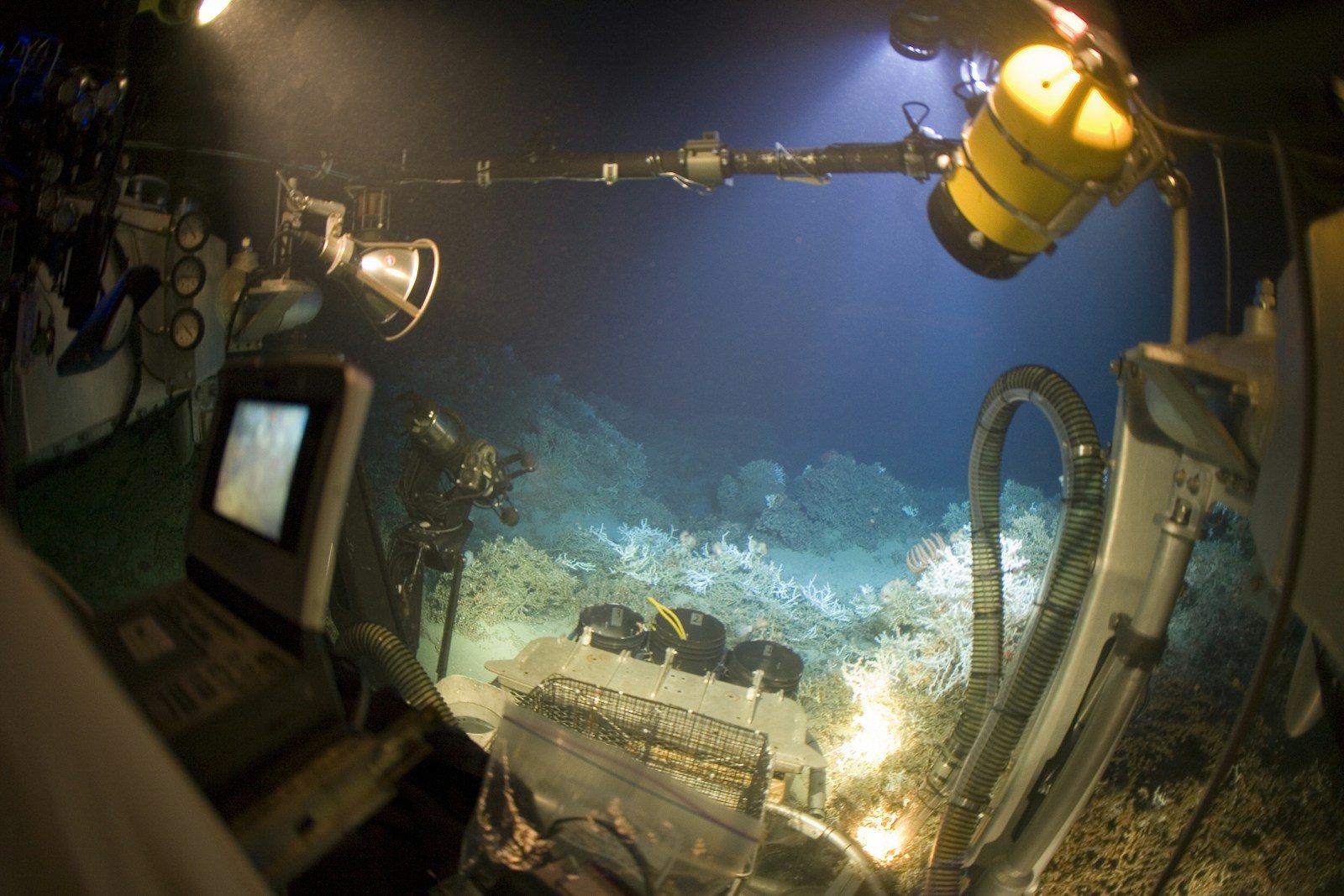
Instead of relying solely on divers, they used a remote-control submarine to reach the deepest areas safely. The goal sounded simple: descend to the ocean floor and capture clear footage of the carrier’s final resting place. As often happens with deep-water exploration, the reality proved much more difficult than expected.
Setbacks almost ended the project
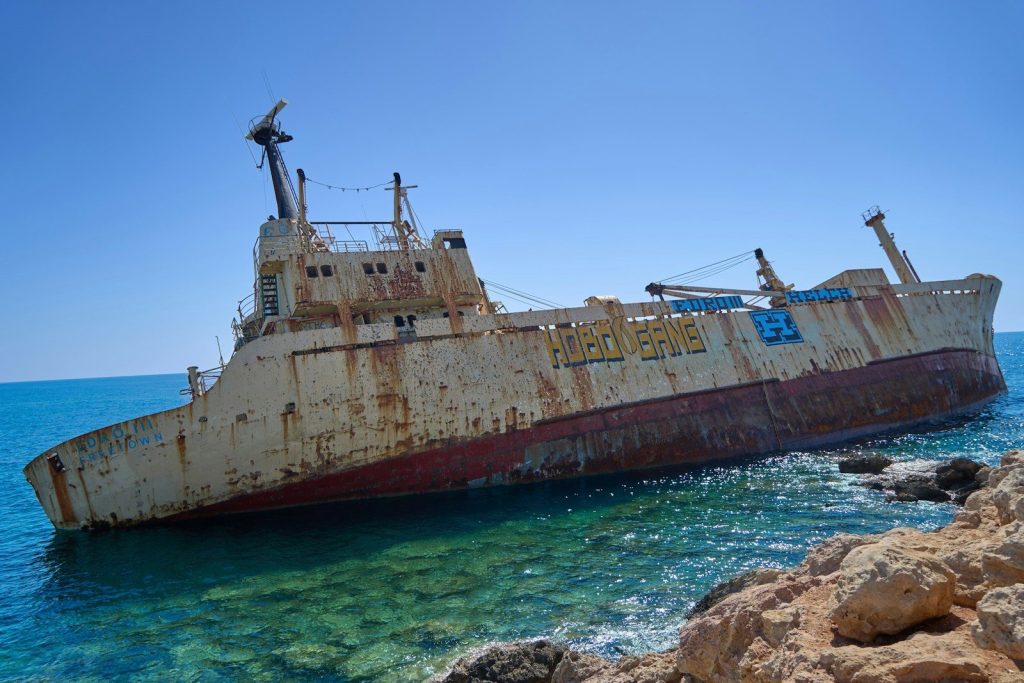
The expedition quickly ran into trouble. Equipment failures interrupted testing, technical problems delayed progress, and multiple attempts ended unsuccessfully before the team could reach its target depth.
Each setback created new expenses and consumed valuable time. Battery limitations became a constant concern, forcing the crew to carefully balance exploration with the risk of losing power before returning to the surface. Every dive became a race against both technology and the ocean itself.
Life has taken over the wreck
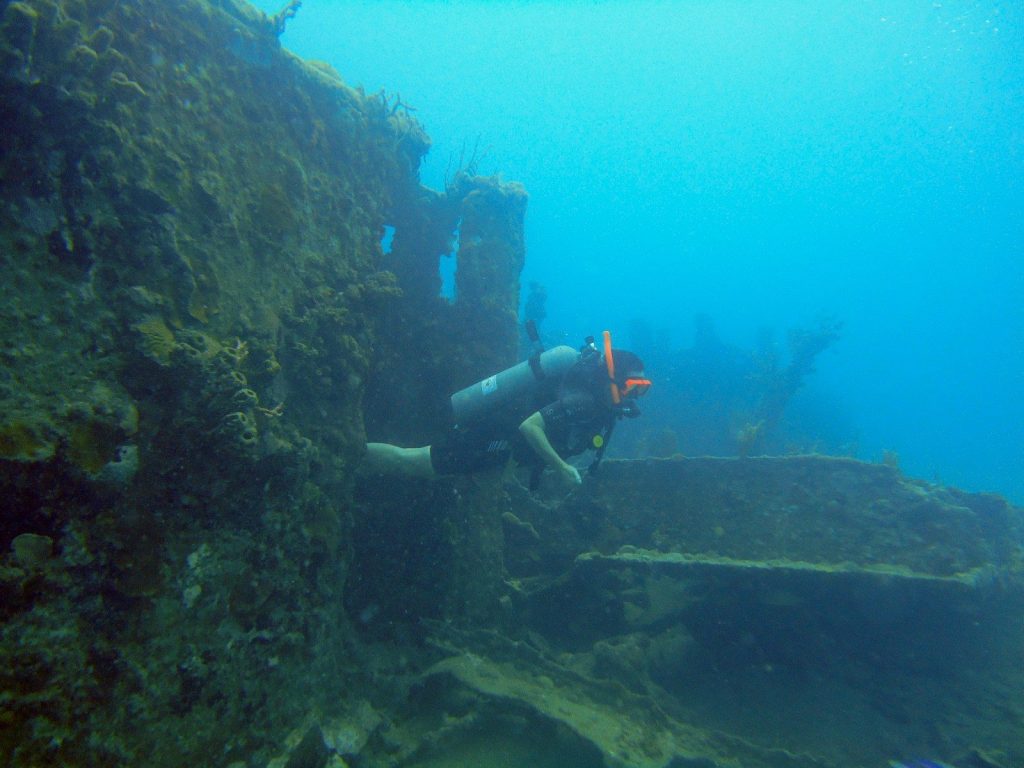
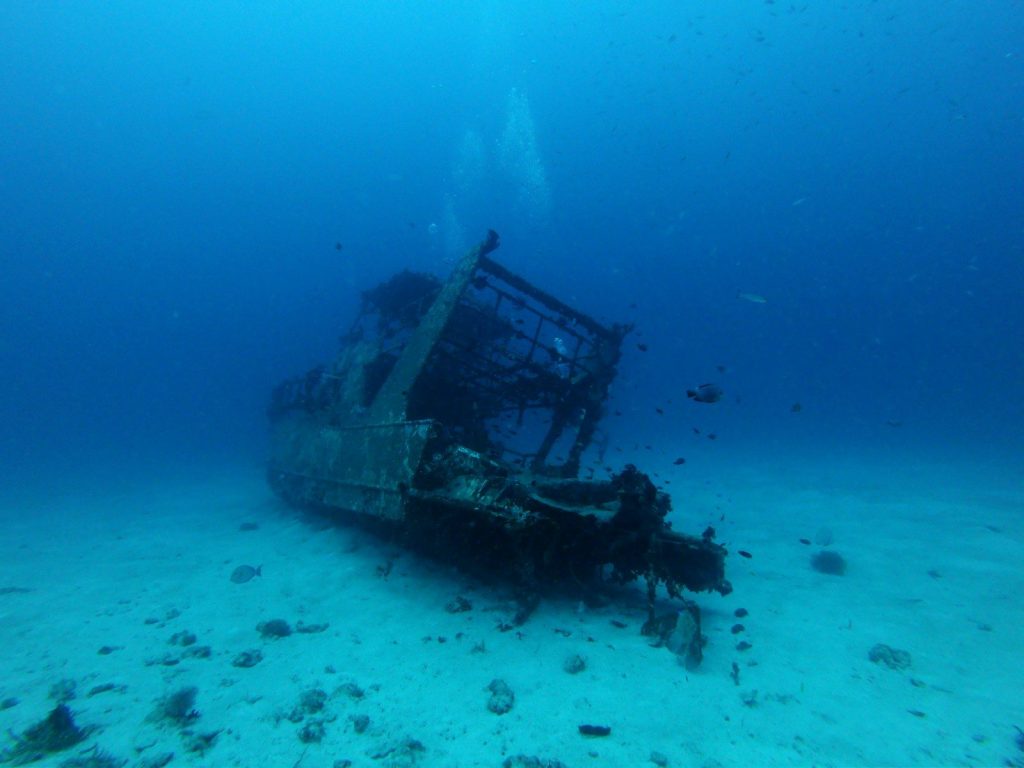
As the submarine descended along the carrier’s massive structure, it became clear that nature had completely transformed the ship. Coral growth covered large sections of the metal, while schools of fish moved through areas that once housed sailors and aircraft.
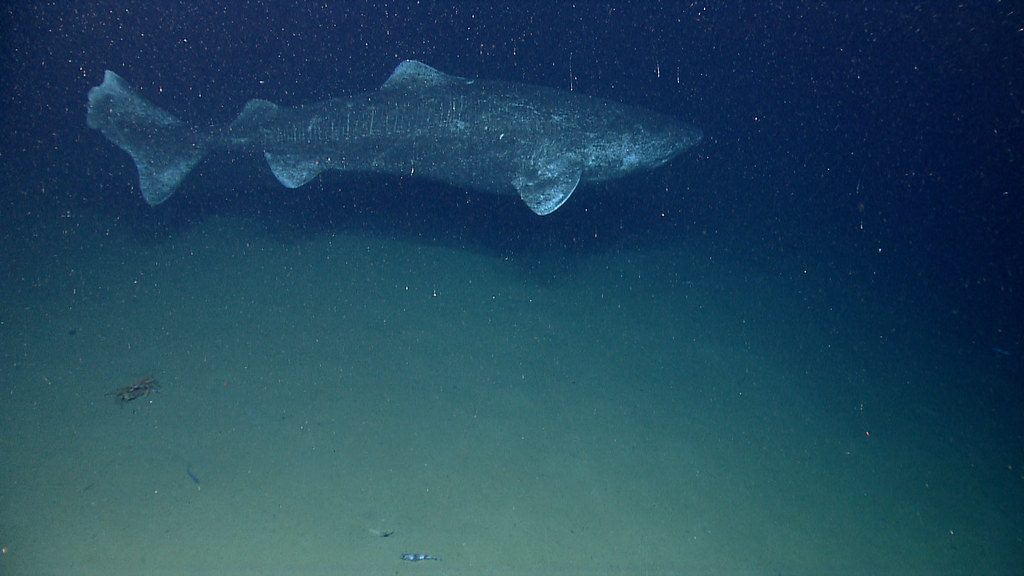
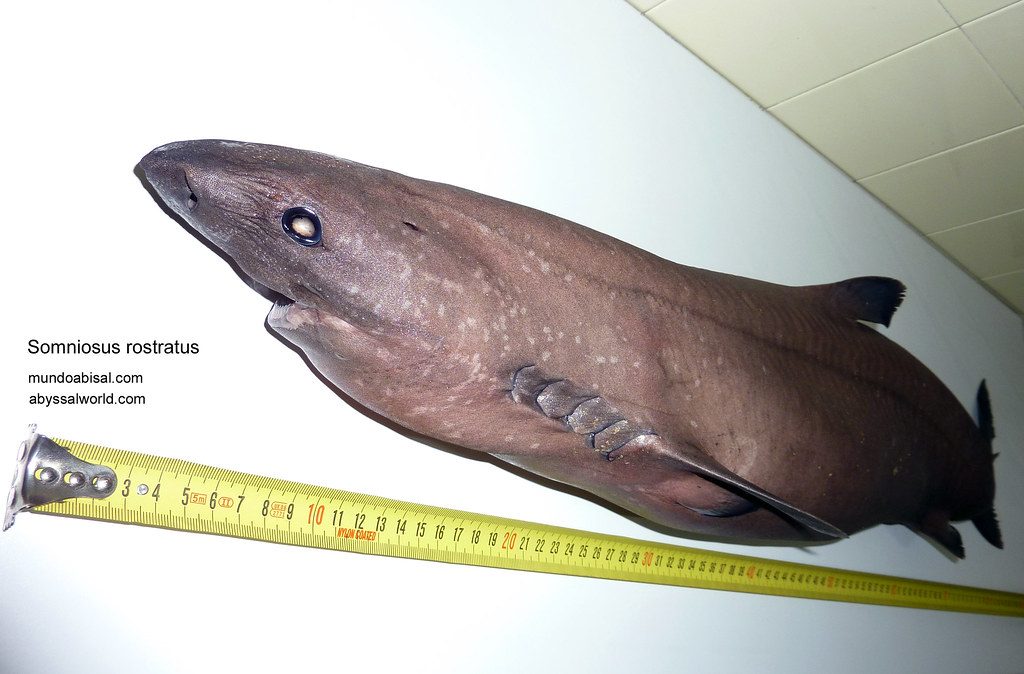
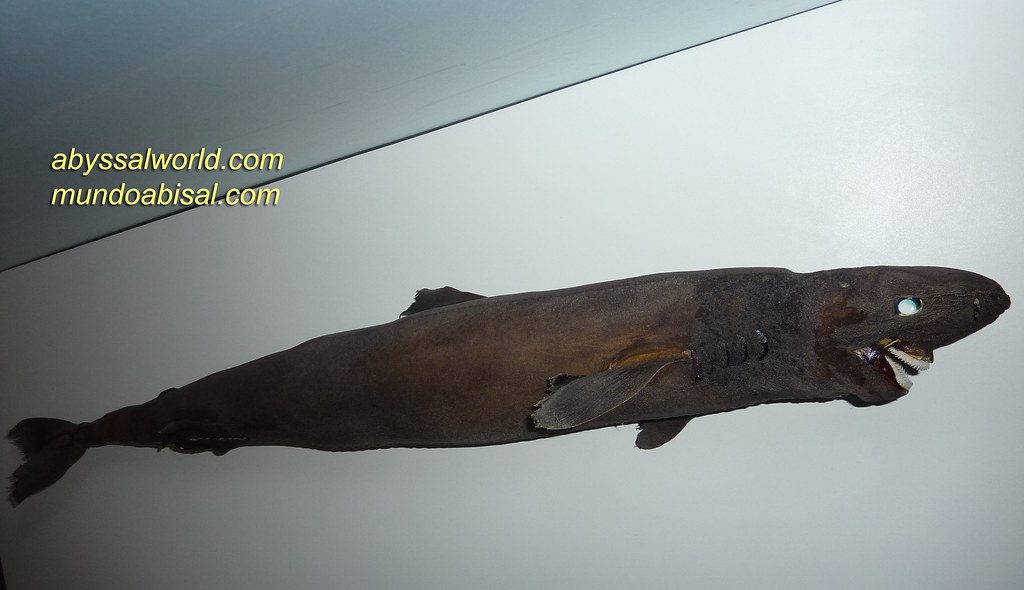
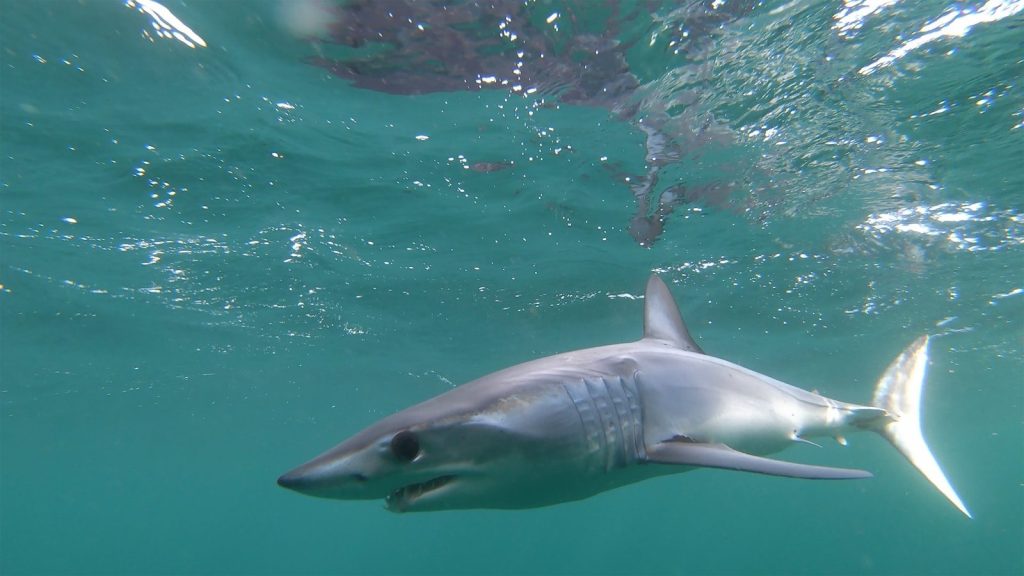
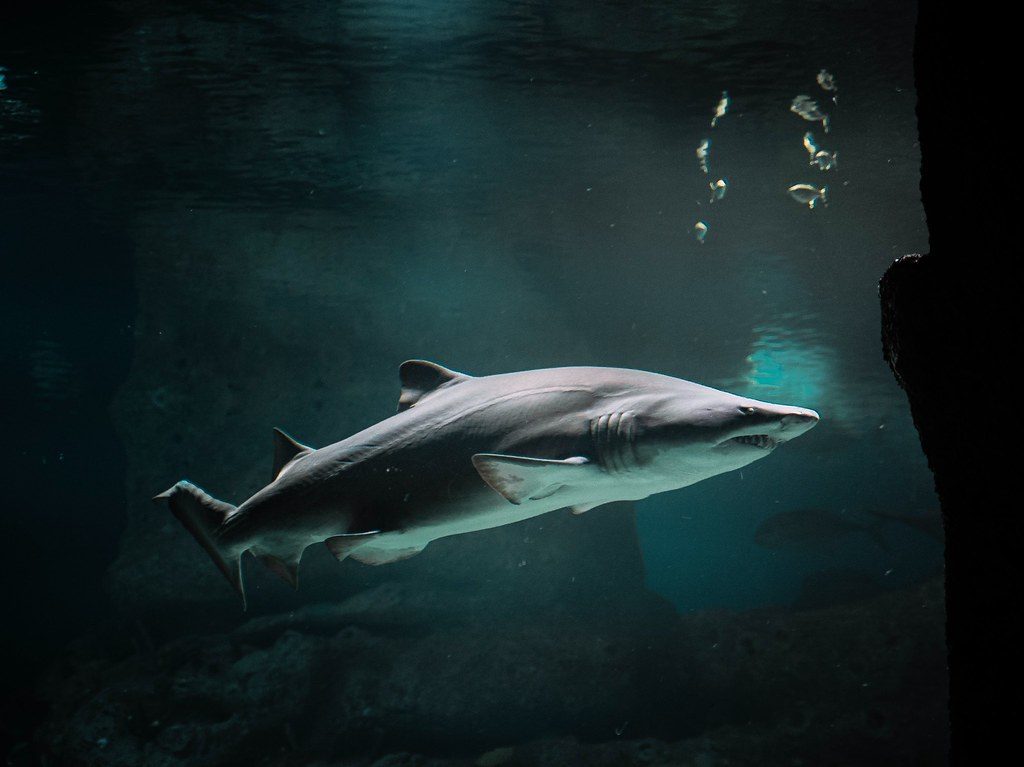
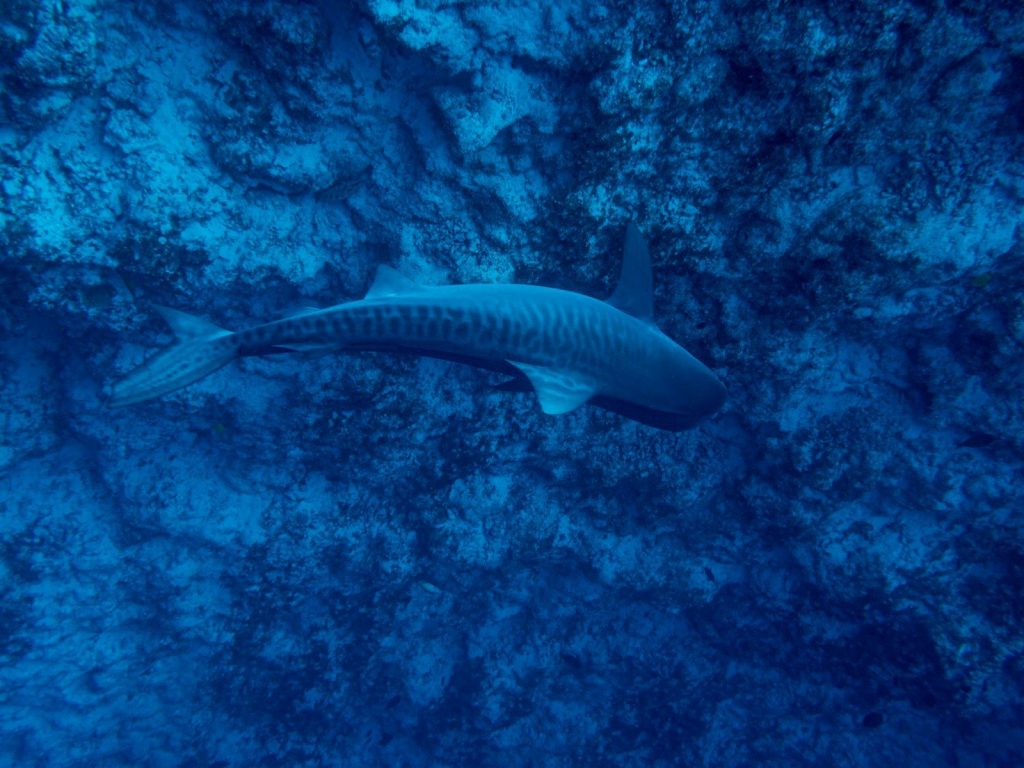
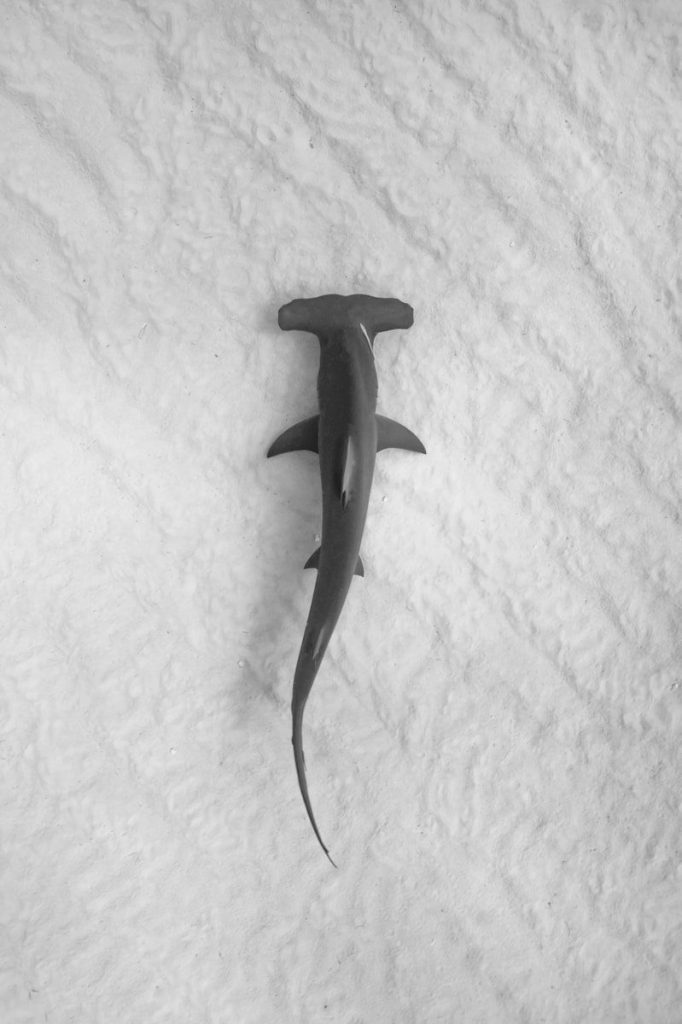
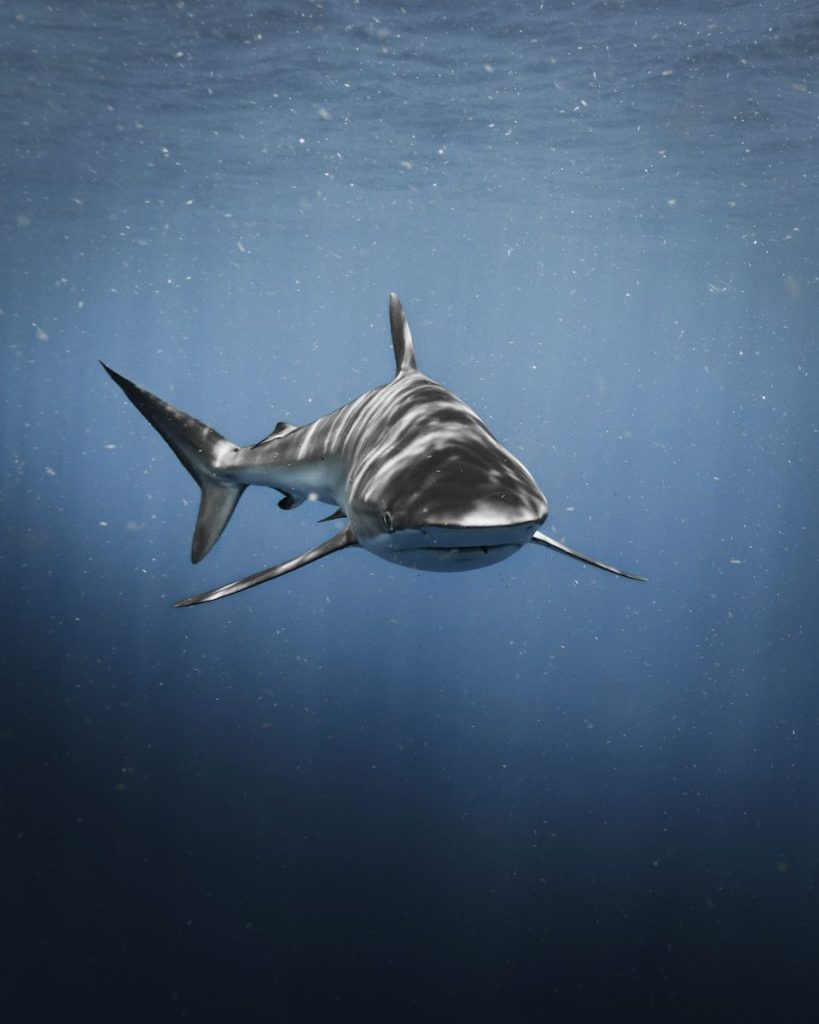
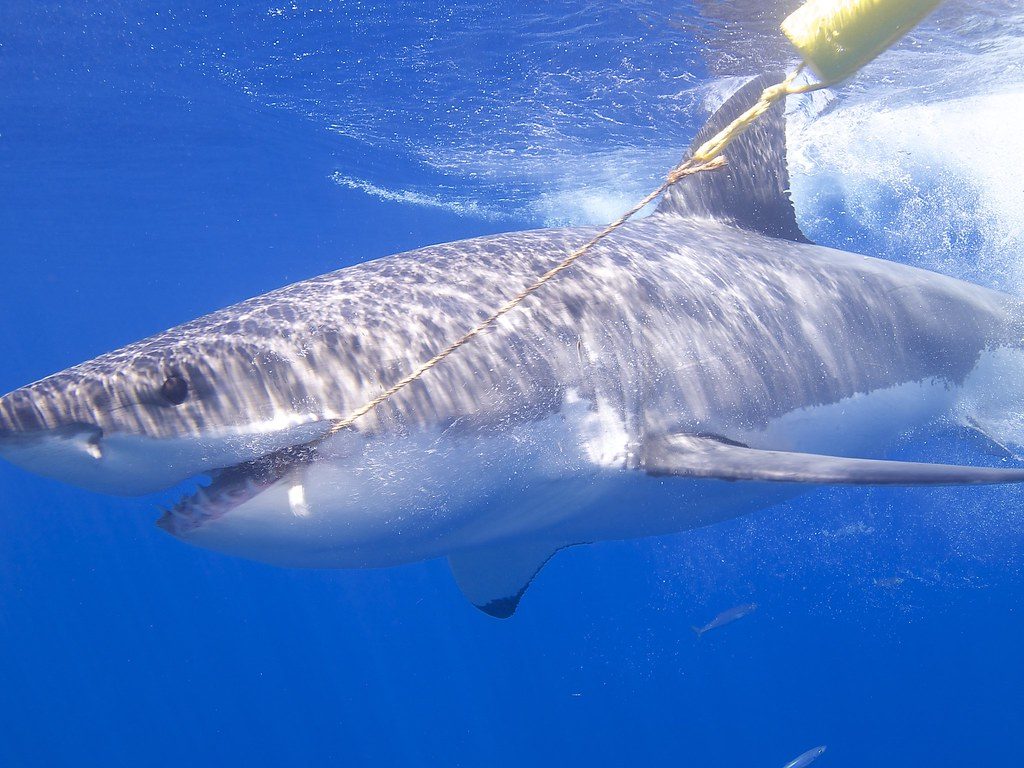
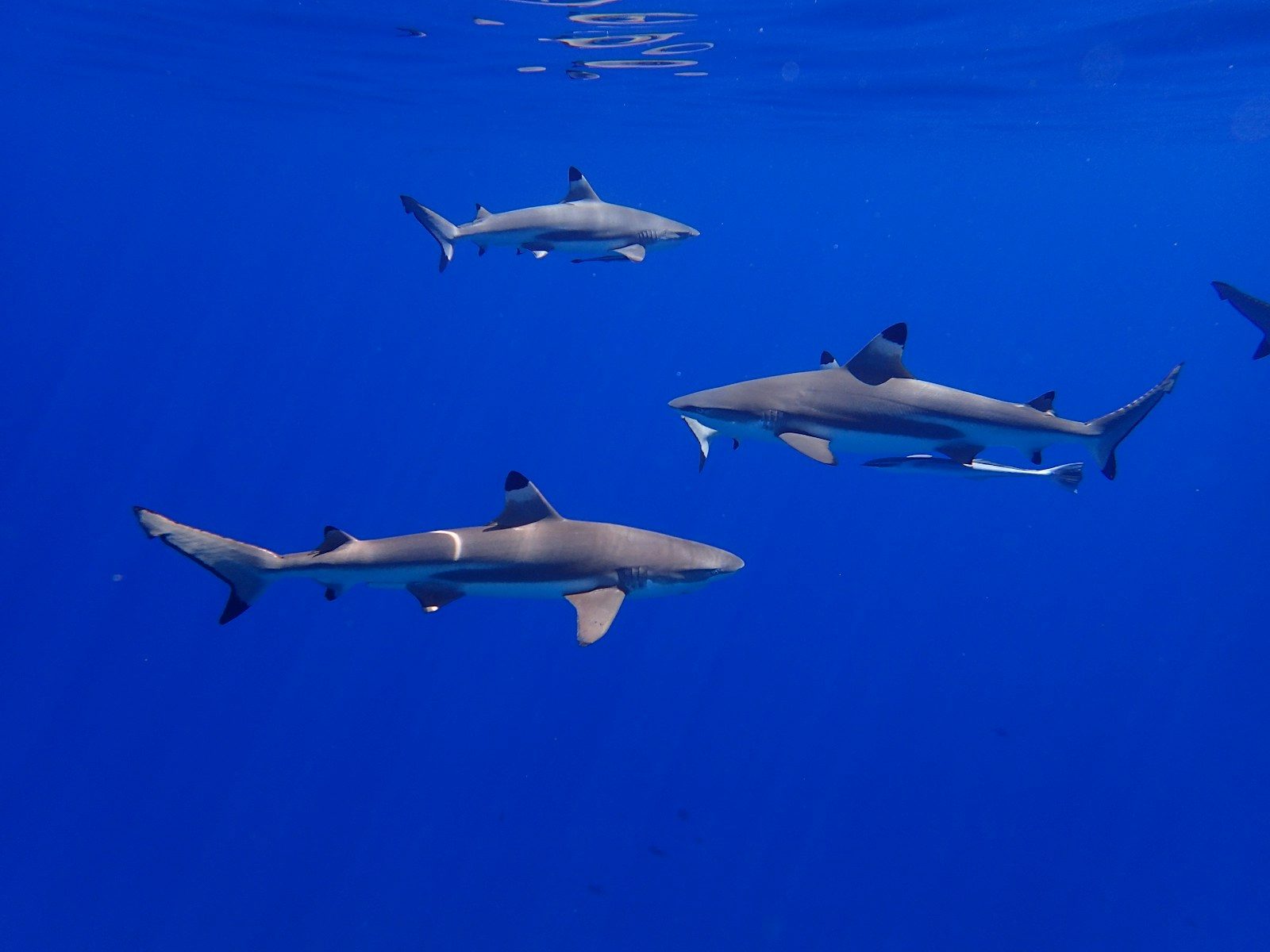
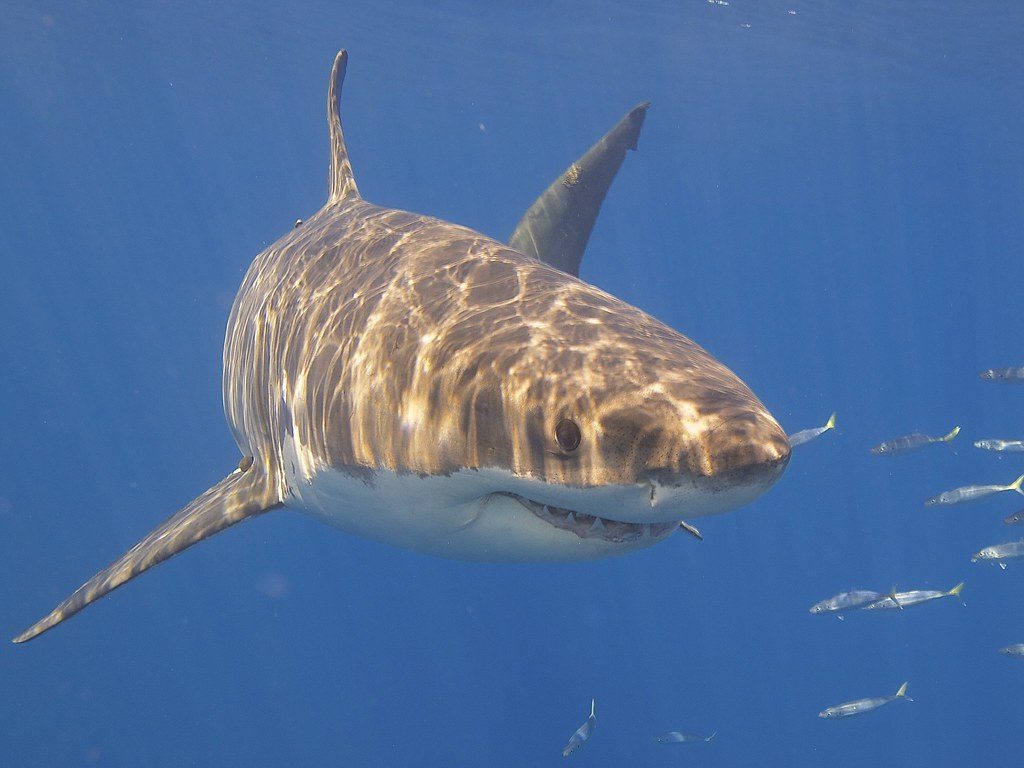
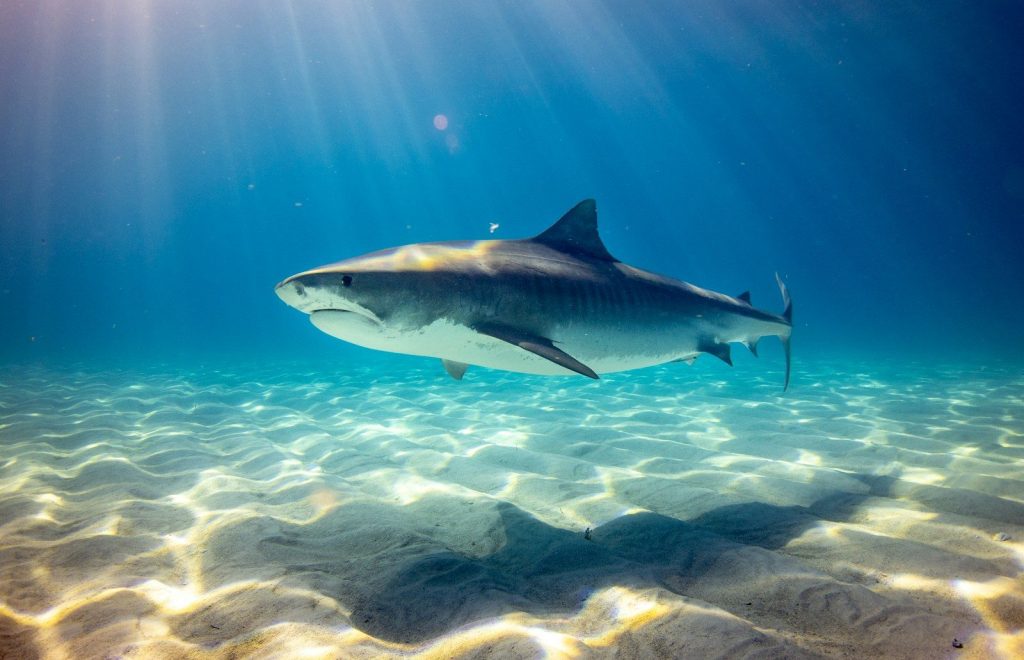
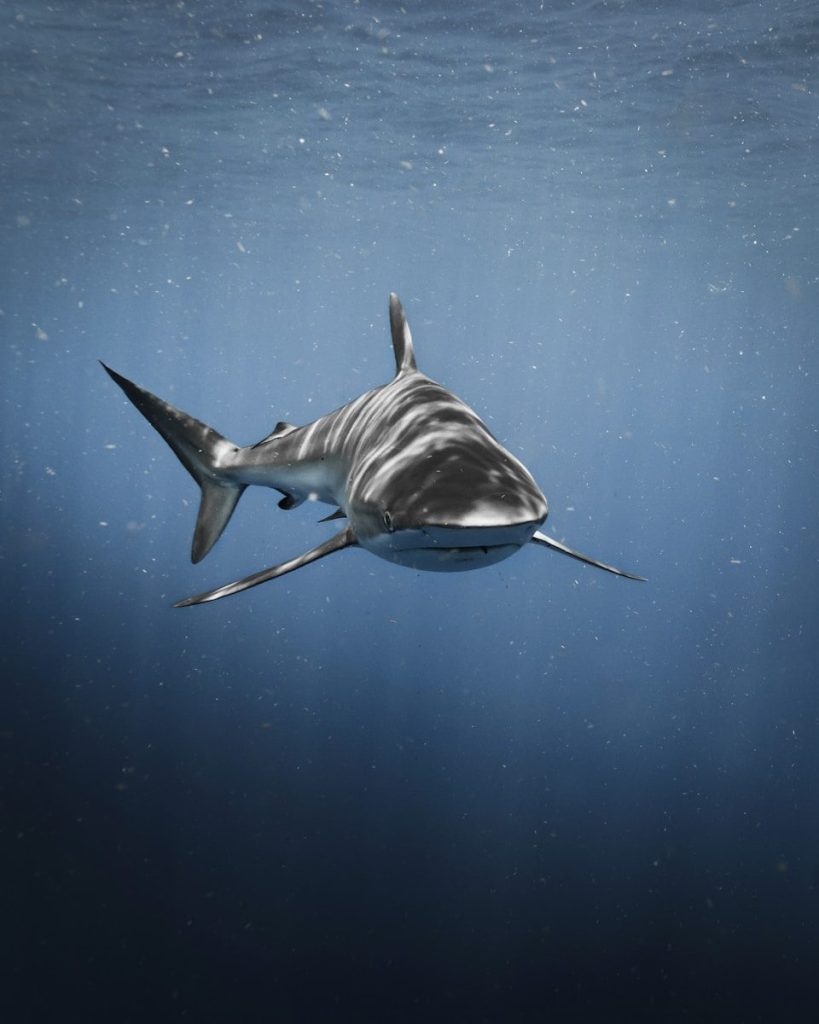
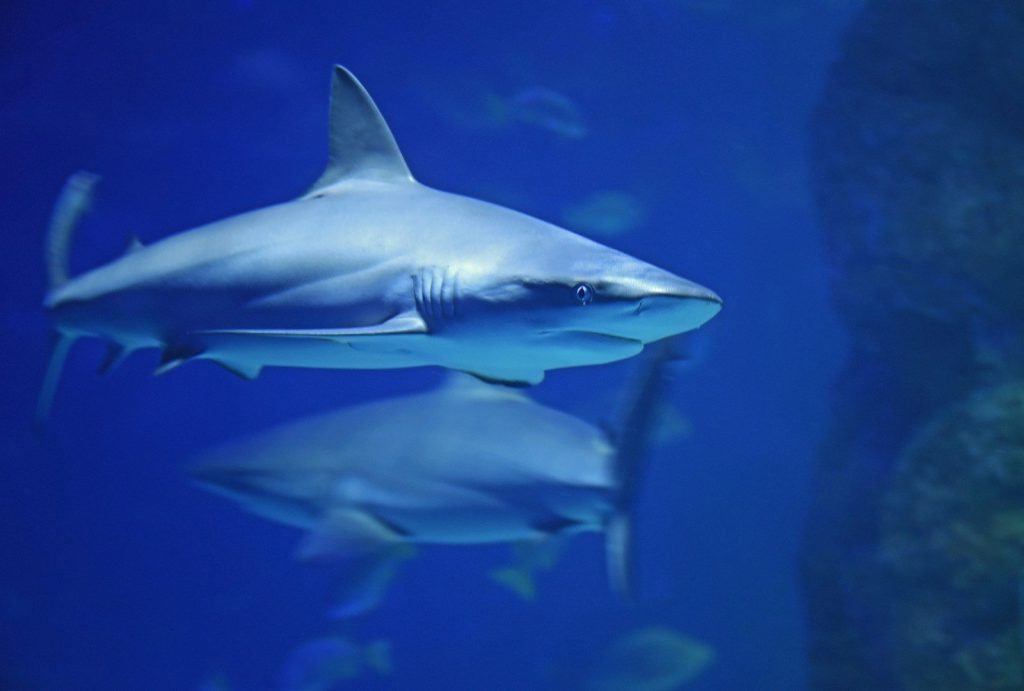
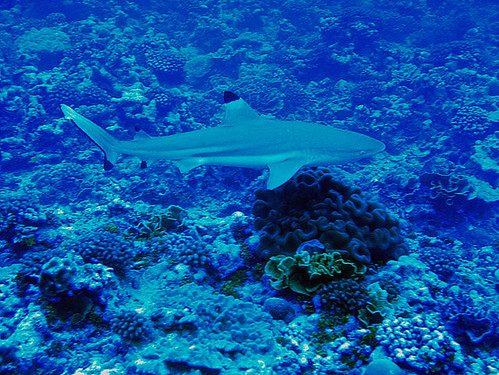
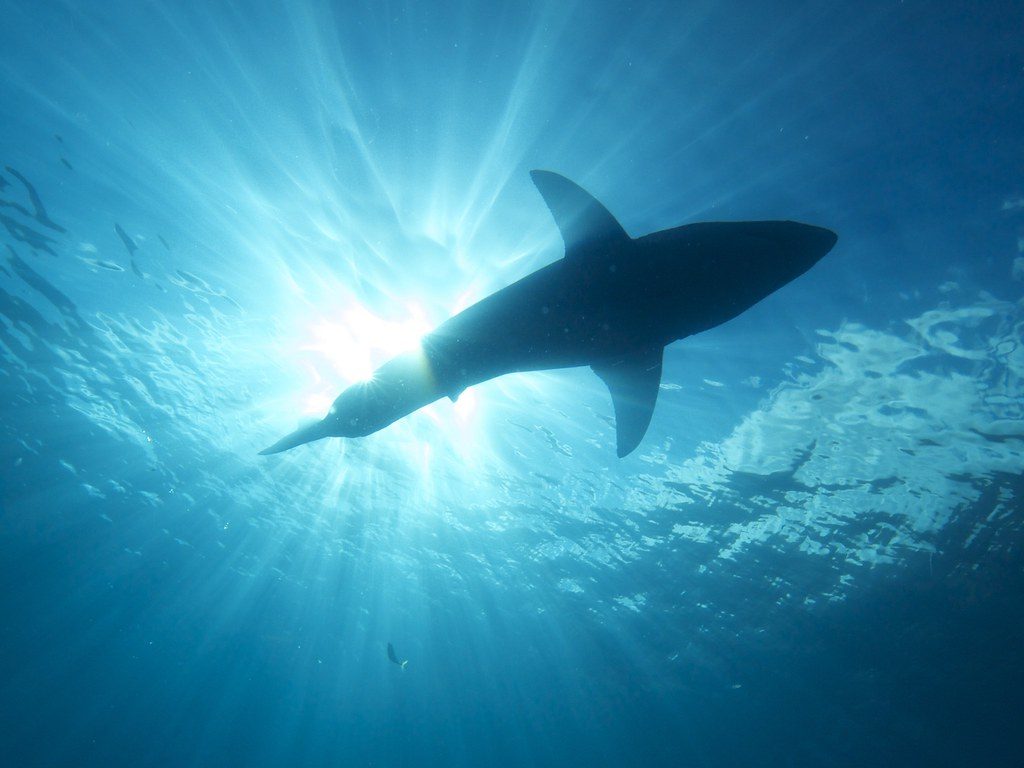
Large predators and other marine creatures now call the wreck home. Sharks and giant grouper were among the animals encountered during the mission. What was once a symbol of military power has become a thriving habitat supporting countless forms of ocean life. Artificial reefs like the Oriskany are known for attracting a wide variety of marine species over time.
The challenge of reaching 212 feet
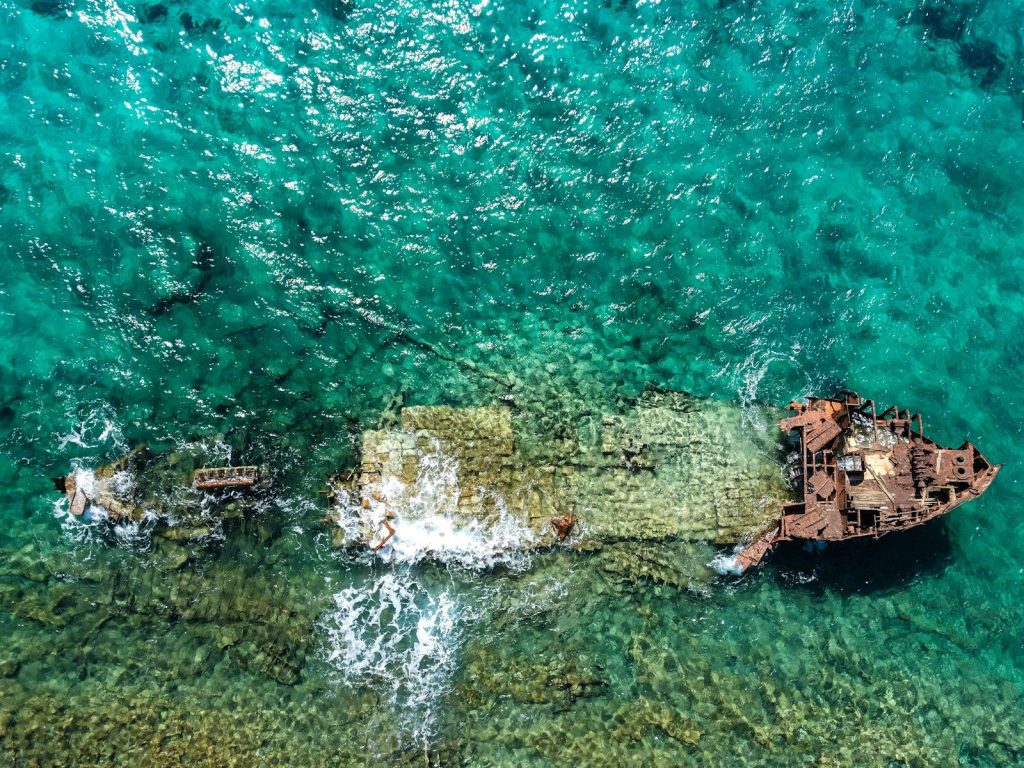
The Oriskany rests in deep water, making exploration significantly more difficult than many recreational dive sites. Strong currents, changing visibility, and the sheer size of the ship create challenges even for experienced teams.
The remote submarine had to navigate around massive structures while maintaining communication with operators at the surface. Every movement required precision. A single mistake could leave the vehicle trapped, damaged, or unable to complete the mission before its batteries ran out.
More than a search for the bottom
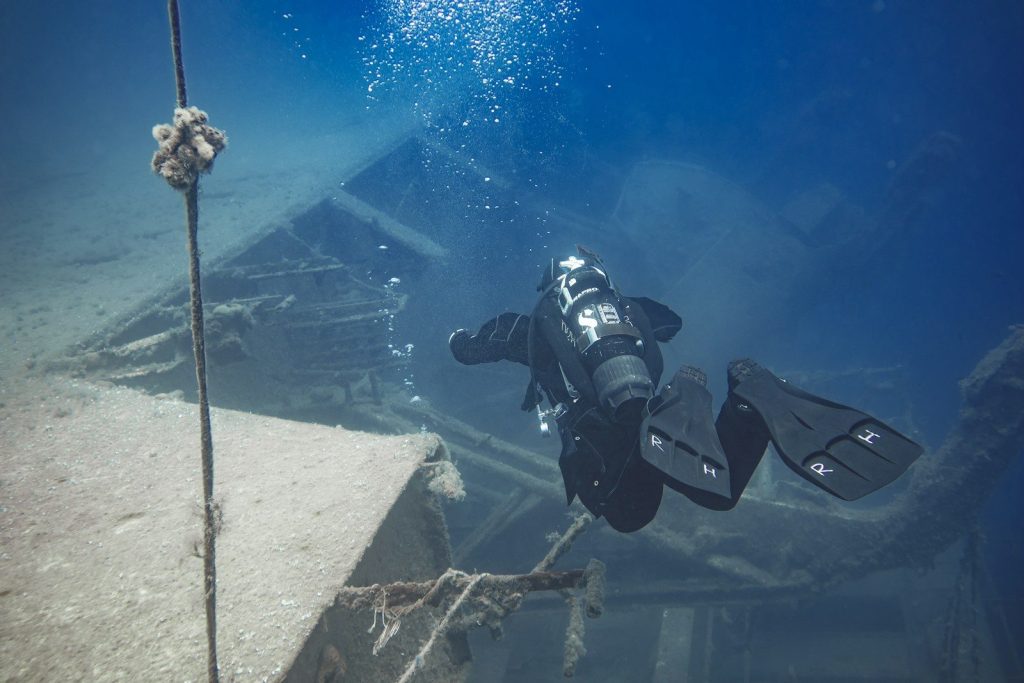
By the time the team finally reached the seabed, the expedition had become about more than simply proving they could get there. The journey highlighted how persistence often matters more than the final destination.
The ocean repeatedly forced the explorers to adapt, solve problems, and continue despite failure. In the end, the footage captured at the bottom of the USS Oriskany served as proof of success, but the greater story was about determination, curiosity, and the willingness to keep going when the finish line seems just out of reach.