Category: Wildlife and animals

  • Scientists examine a troubling trend in Bahamas shark bites

    Scientists examine a troubling trend in Bahamas shark bites

    The Bahamas is famous for its beautiful beaches, clear water, and thriving marine life. It is also one of the world’s most popular destinations for shark tourism. However, several shark incidents in recent years have raised concerns among scientists and the public. While shark bites remain rare, some researchers believe multiple factors may be increasing the chances of encounters between sharks and people.

    From warmer ocean temperatures to growing tourism activity, experts are examining why more incidents appear to be occurring. Understanding these factors may help explain what is happening beneath the surface and why sharks and humans may be crossing paths more often.

    The Bahamas is a shark bite hotspot

    white boat on water near city buildings during daytime
    Photo by Georgy Trofimov on Unsplash

    The Bahamas is considered one of the world’s notable shark bite regions. Historically, shark bite numbers have remained relatively low, averaging between zero and two incidents per year over several decades.

    Despite that history, recent years have seen a noticeable increase in reported incidents. Several shark-related events occurred within a relatively short period, drawing attention to possible changes in the region.

    A growing number of people enter the water
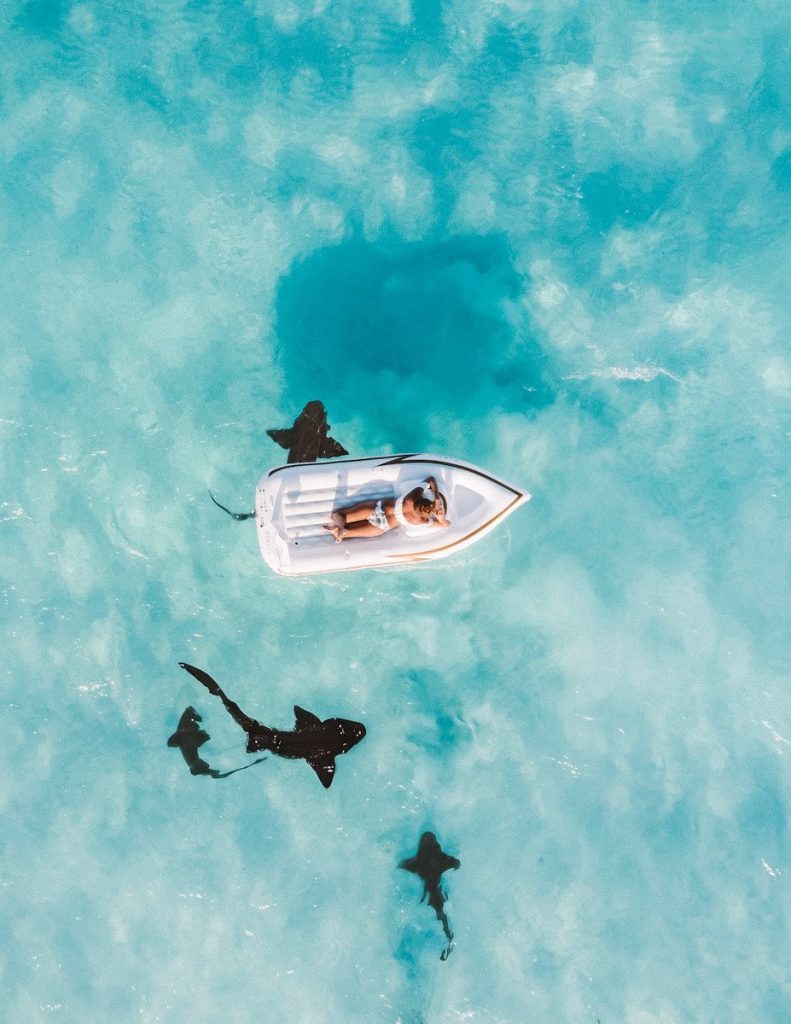
    person sun bathing on white inflatable buoy under sunny skies
    Photo by Jared Rice on Unsplash

    Tourism plays a major role in the Bahamas’ economy. Millions of visitors travel to the islands to enjoy beaches, boating, diving, snorkeling, and other water activities.

    As more people spend time in the ocean, the chances of encounters naturally increase. A higher number of swimmers, divers, and paddleboarders means more opportunities for sharks and humans to occupy the same waters.

    Warm ocean temperatures may play a role

    aerial view of people on beach during daytime
    Photo by Adam Gonzales on Unsplash

    Researchers believe rising ocean temperatures could be influencing shark behavior. During particularly warm periods, coral reefs can become stressed, leading to coral bleaching and changes within marine ecosystems.

    As reef systems change, prey species may move to new areas or decline in number. Sharks that rely on those food sources may follow shifting prey populations, potentially bringing them closer to coastal waters where people are active.

    Sharks may need more food
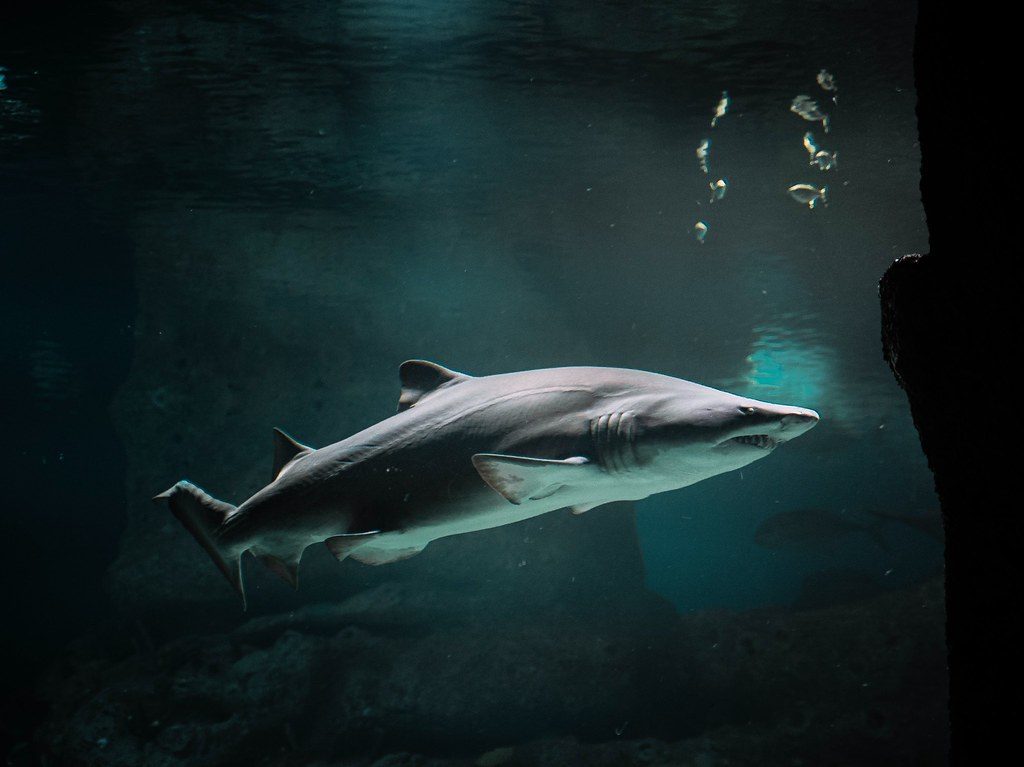
    Shark Of The Deep” by qoqeygeo32 is licensed under CC CC0 1.0

    Warmer water can also affect shark metabolism. As temperatures rise, sharks may process food more quickly and require additional energy to meet their needs.

    This increased demand for food could encourage sharks to spend more time searching for prey. If sharks are hunting more frequently near populated coastlines, encounters with humans may become more likely.

    The impact of shark tourism and feeding
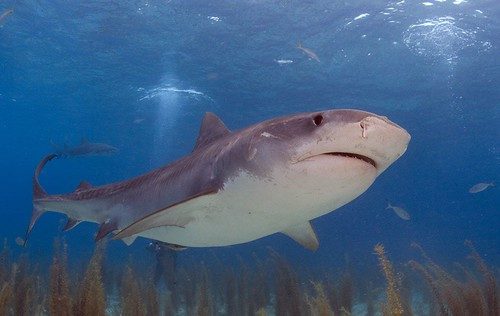
    Tiger shark” by WIlly Volk is licensed under CC BY-NC-SA 2.0

    One of the most debated issues involves the feeding or baiting of sharks. Some tourism operators use food to attract sharks closer to boats so visitors can view them more easily.

    Critics argue that repeated feeding may encourage sharks to associate boats with food. Since boats are often surrounded by swimmers, divers, and snorkelers, this association could increase the likelihood of sharks approaching areas where people are present.

    Human activity can change shark behavior

    white boat on sea under blue sky during daytime
    Photo by Renato Marzan on Unsplash

    In addition to organized shark tourism, other activities may also attract sharks. Fish scraps discarded from boats and fishing operations can create feeding opportunities in areas frequently visited by people.

    Over time, sharks may learn that certain locations regularly provide food. This does not mean sharks intentionally target humans, but it may increase the number of interactions between sharks and people in the same environment.

    A complex issue with no single cause
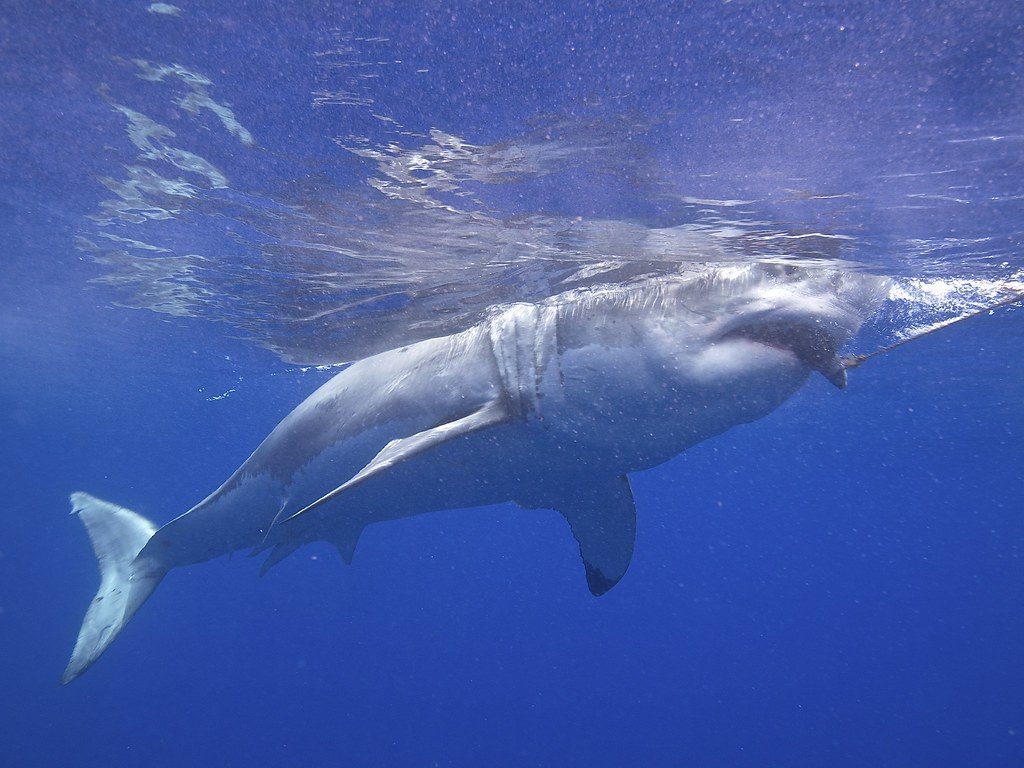
    Great White Shark” by Elias Levy is licensed under CC BY 2.0

    Most experts agree there is unlikely to be one simple explanation for recent shark incidents. Instead, multiple environmental and human-related factors may be working together.

    Changes in ocean conditions, increased tourism, warmer temperatures, and food-related activities could all contribute to more shark encounters. Continued research will be important for understanding these trends and helping improve safety in the future.


  • How the Navy protects sailors during open water swims

    How the Navy protects sailors during open water swims

    Swimming in the open ocean may sound exciting, but it also comes with risks. When US Navy sailors take part in a swim call, safety becomes the top priority. Swim calls allow sailors to enter the water for recreation while their ship is stopped in a carefully selected location. Before anyone jumps in, extensive planning and monitoring take place to reduce potential dangers.

    From trained divers to specialized teams that search for underwater threats, the Navy uses several layers of protection. These measures help create a safer environment while allowing sailors to enjoy a rare opportunity to swim in the open sea.

    What is a swim call?

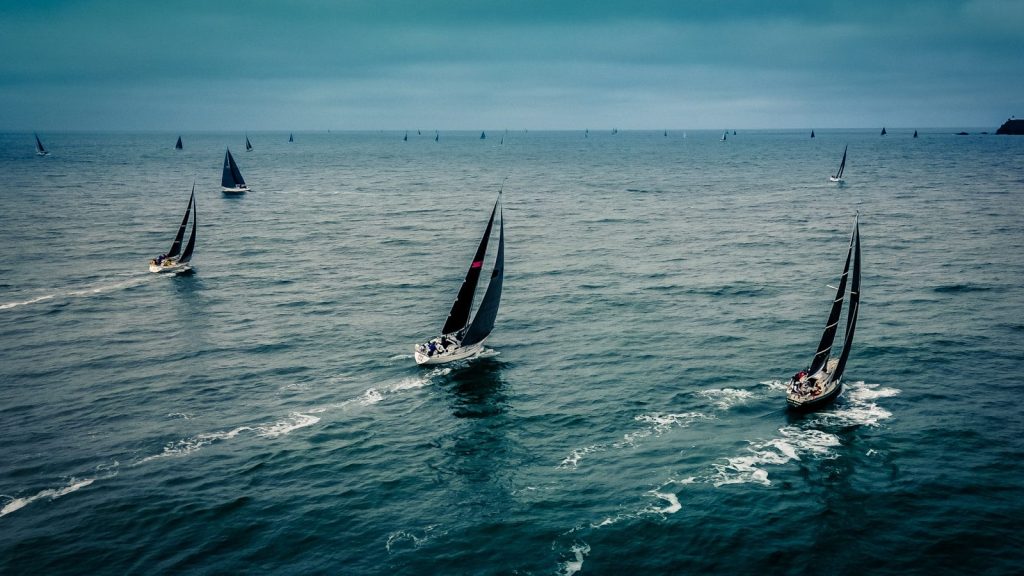
    three sail boats on water during daytime
    Photo by Karla Car on Unsplash

    A swim call is a planned event that allows sailors to swim in the ocean while their ship is underway. These activities provide a break from daily routines and offer a unique experience that few people ever get to enjoy.

    Although swim calls can be enjoyable, they are not spontaneous events. Every activity is carefully organized, and safety procedures must be followed before sailors are permitted to enter the water.

    Safety starts before anyone swims

    a group of sailboats sailing in the ocean
    Photo by John Bell on Unsplash

    Planning begins long before a swim call takes place. Navy personnel carefully evaluate the area around the ship to determine whether conditions are suitable for swimming.

    Factors such as water conditions, visibility, and potential hazards are considered. The goal is to identify risks early and ensure the environment is as safe as possible before the event begins.

    Monitoring the water for threats

    a large ship in the water
    Photo by William Rudolph on Unsplash

    Once a location has been selected, trained personnel continue monitoring the surrounding waters. This helps identify anything that could pose a danger to swimmers.

    Constant observation is important because ocean conditions can change quickly. Maintaining awareness allows crews to respond rapidly if any concern arises during the swim call.

    The role of Navy divers

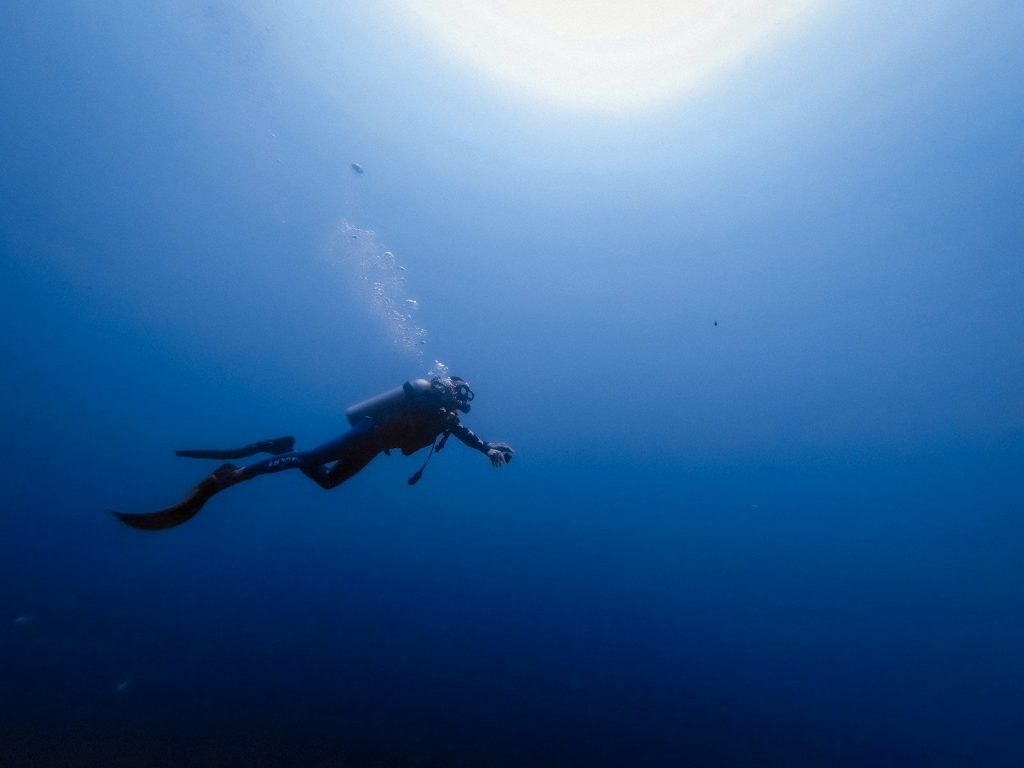
    man in black and white diving suit under water
    Photo by Adrien Delforge on Unsplash

    Specialized divers play an important role in swim call safety. These highly trained professionals can inspect areas around the ship and help evaluate underwater conditions.

    Their experience allows them to identify potential hazards that may not be visible from the surface. Divers provide an additional layer of security and support throughout the operation.

    Dolphins and underwater detection

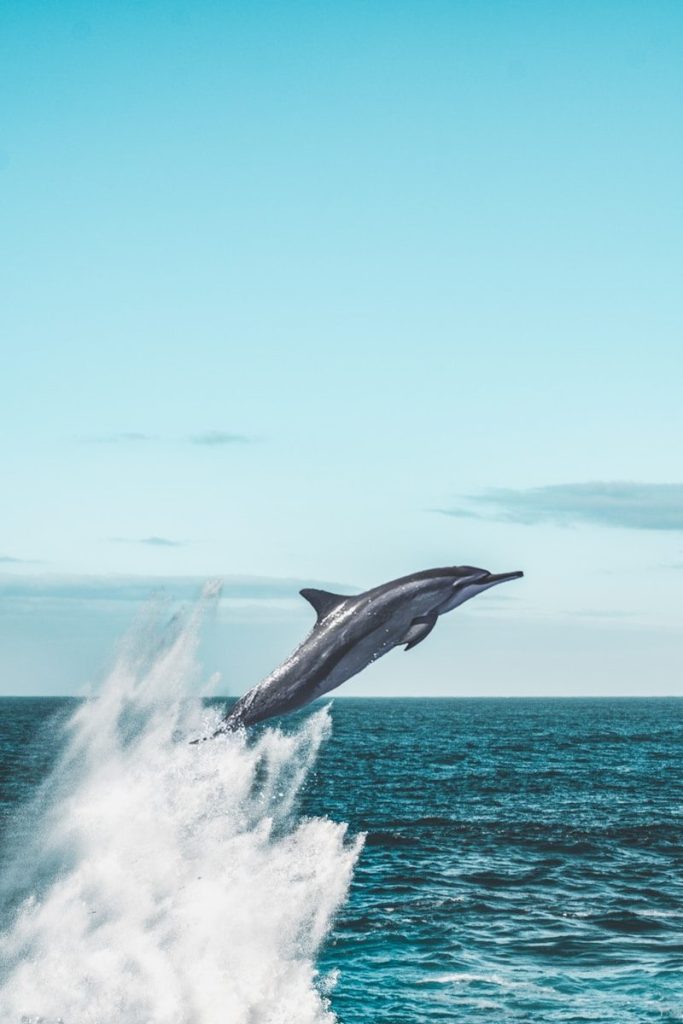
    dolphin jumping on sea during daytime
    Photo by Pagie Page on Unsplash

    The Navy has also used dolphins in certain maritime operations because of their natural ability to detect objects underwater. Their biological capabilities make them highly effective in environments where visibility may be limited.

    Working alongside trained personnel, these animals have been used to help locate underwater objects and support specialized missions. Their abilities demonstrate how nature can assist advanced maritime operations.

    Multiple layers of protection

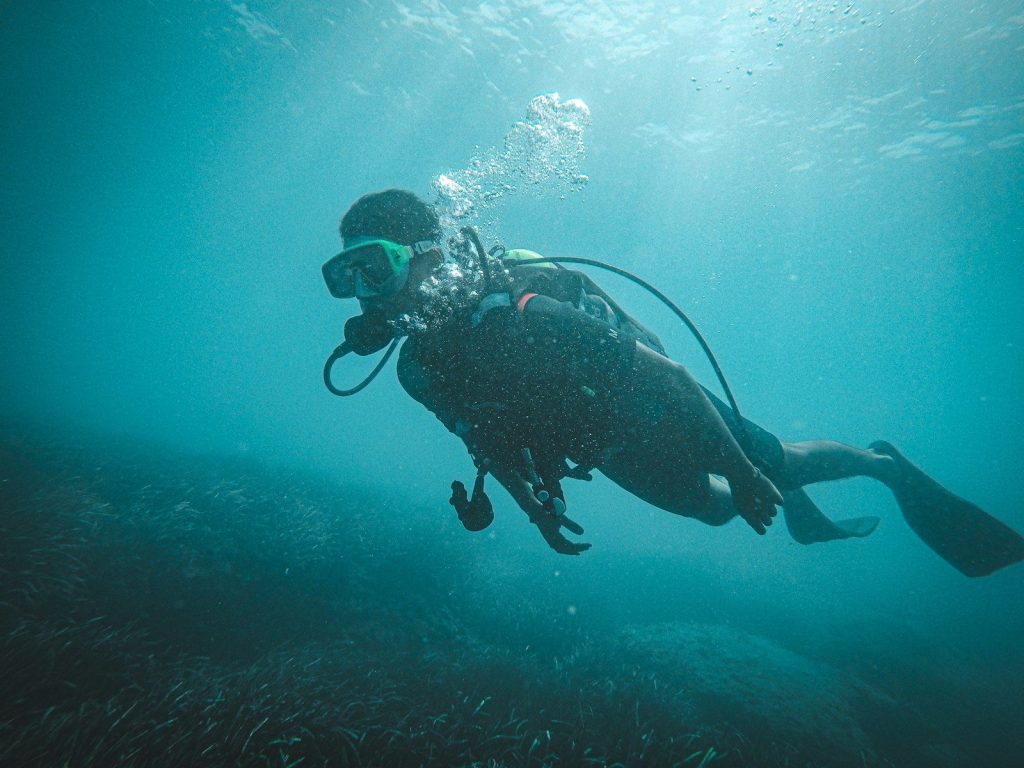
    person swimming under water photography
    Photo by Bobbi Wu on Unsplash

    Swim call safety relies on a combination of planning, observation, technology, and trained personnel. No single measure provides complete protection on its own.

    Instead, the Navy uses multiple layers of security designed to reduce risk and improve awareness. This approach helps create a safer environment for sailors participating in open water activities.

  • Saltwater crocodile launches from the water in seconds

    Saltwater crocodile launches from the water in seconds

    One moment, the water is calm. Next, a giant reptile launches from below with shocking speed. That is what makes the saltwater crocodile one of the most feared predators on Earth. Known for its patience, power, and stealth, this massive hunter can remain almost invisible before striking in a split second.

    Some of the largest individuals can reach enormous sizes, and their attacks are designed to overwhelm prey before it has time to react. From explosive ambushes to the famous death roll, the saltwater crocodile has developed a hunting style that has helped it survive for millions of years.

    A predator built for surprise attacks

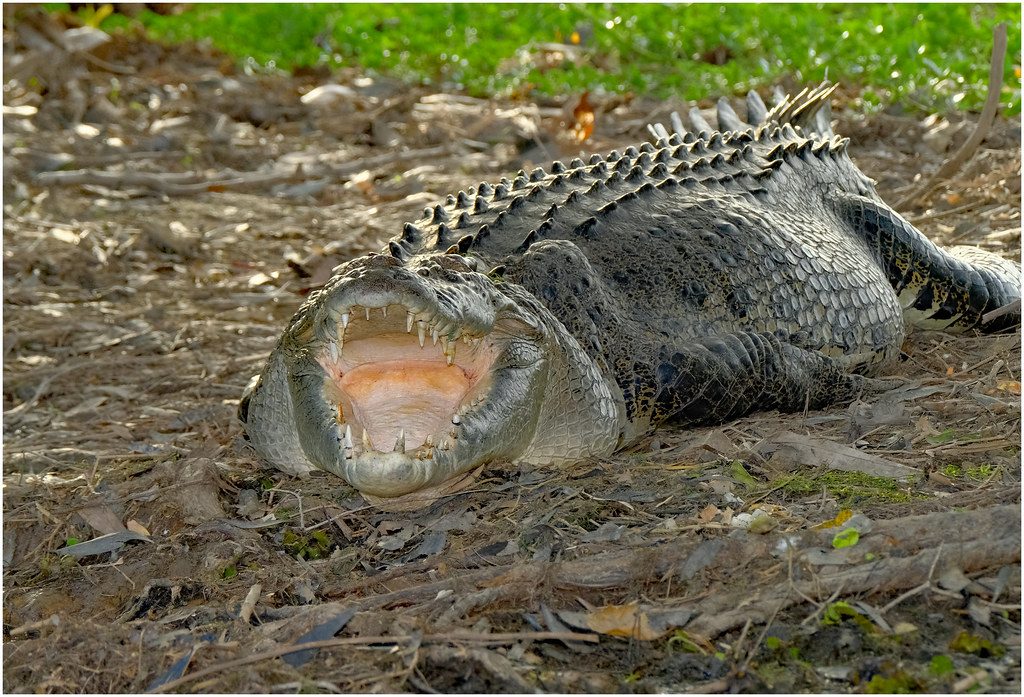
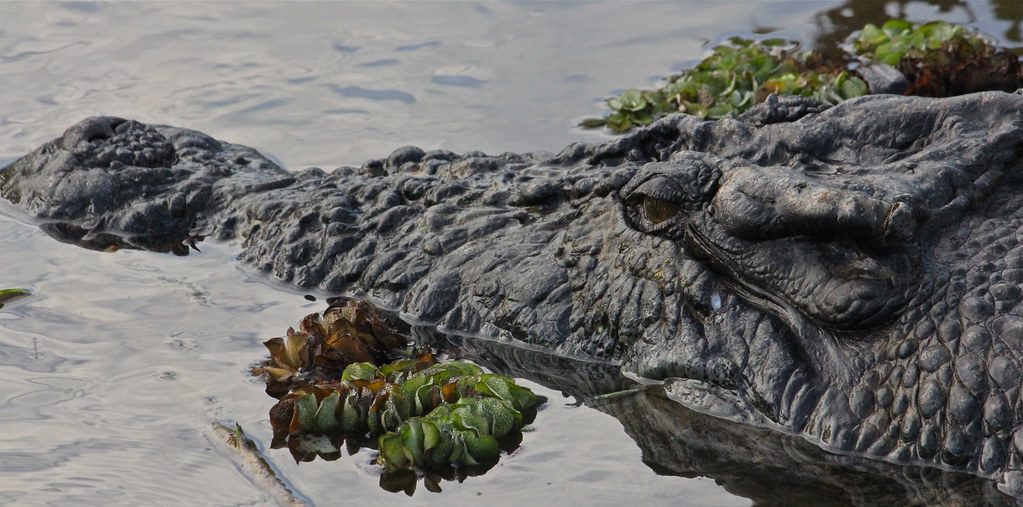
    Male saltwater crocodile (5 metres plus) – South Alligator River, Kakadu NP, Northern Territory, Australia” by Geoff Whalan is licensed under CC BY-NC-ND 2.0

    Saltwater crocodiles are ambush hunters. Rather than chasing prey over long distances, they rely on stealth and patience. They often remain nearly motionless in the water while waiting for the perfect moment to strike.

    When that opportunity arrives, the attack happens with incredible speed. A crocodile can burst from the water unexpectedly, using the force of its body and powerful tail to launch toward its target. For nearby animals, there is often little warning before the attack begins.

    Power hidden beneath the surface

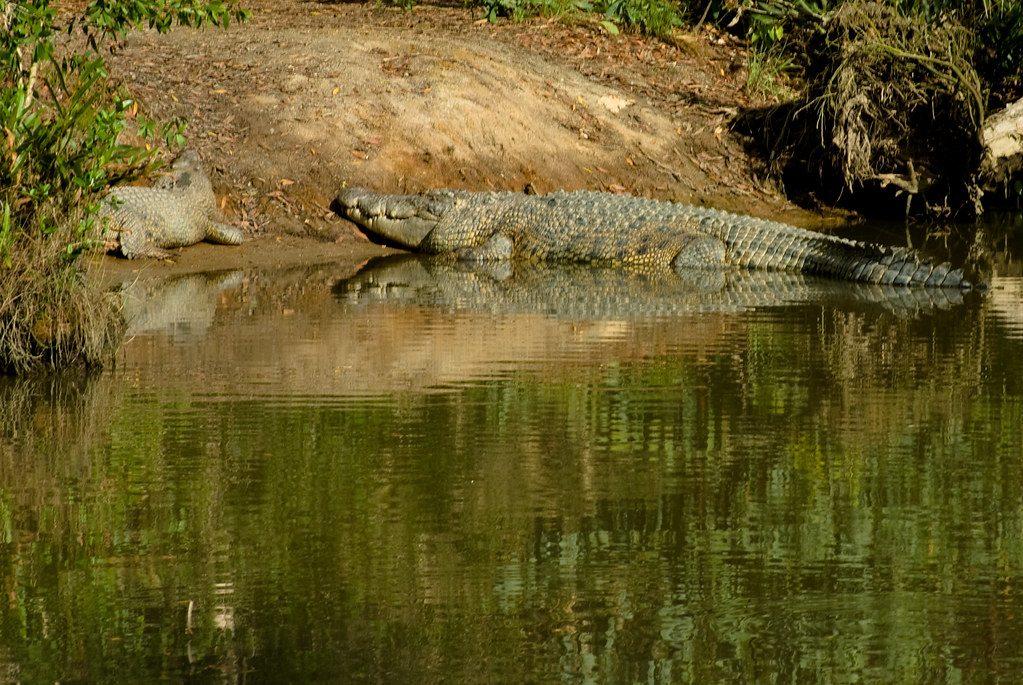
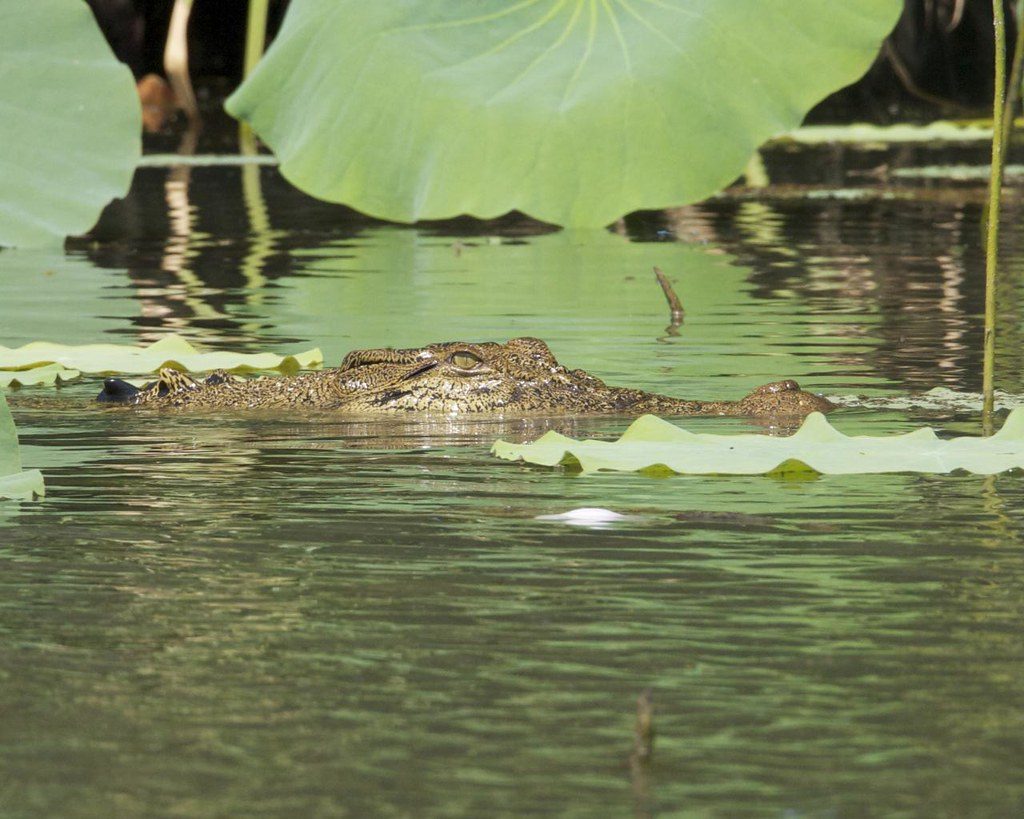
    Saltwater Crocodile” by Corey Leopold is licensed under CC BY 2.0

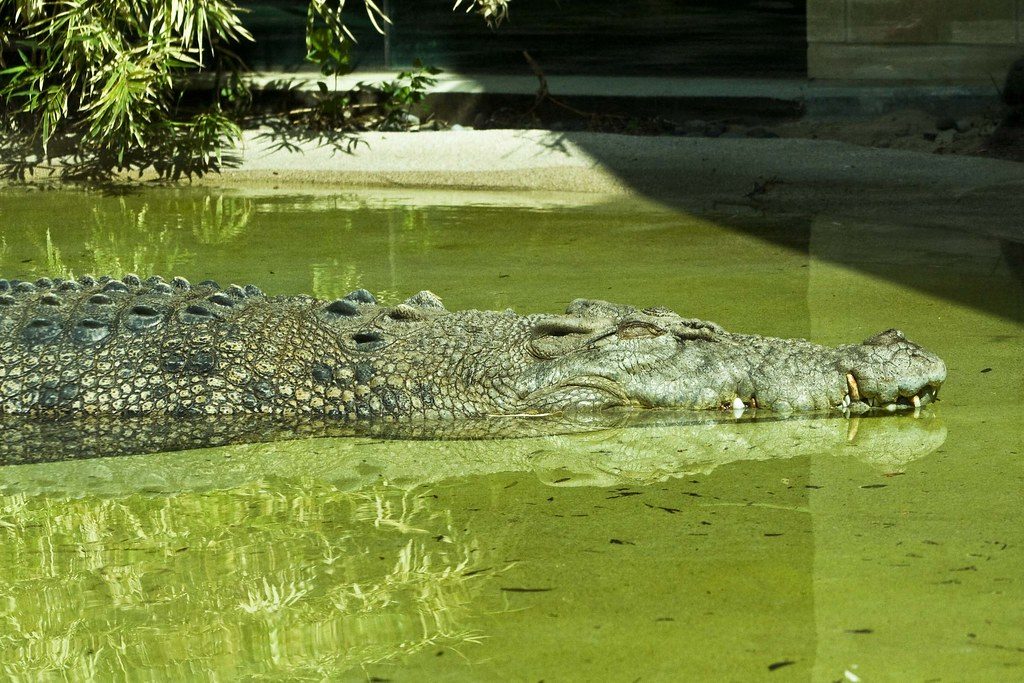
    Much of a crocodile’s body remains hidden underwater while it waits. This allows the animal to stay concealed while observing everything around it. From the surface, it may appear calm and inactive.

    In reality, the crocodile is prepared to react instantly. Its muscular body provides the strength needed for explosive movement. The contrast between complete stillness and sudden action is one reason these predators are so effective.

    One of the strongest bites ever measured

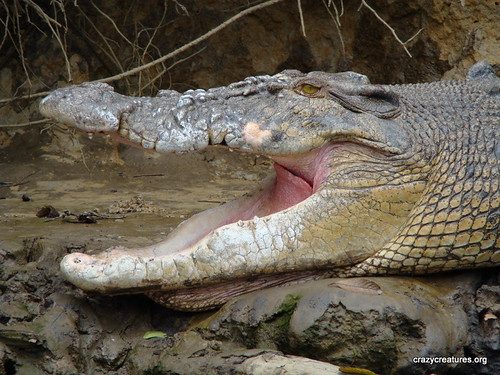
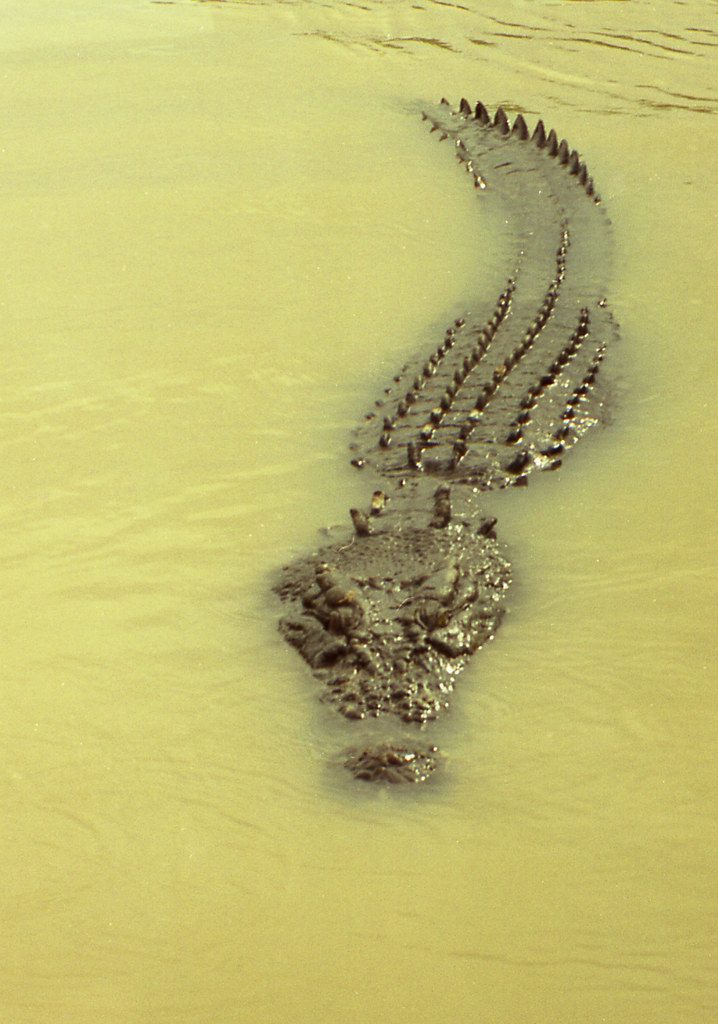
    Saltwater Crocodile” by Crazy Creatures is licensed under CC BY-ND 2.0

    A saltwater crocodile’s jaws are among its most powerful weapons. Scientists have recorded the strongest bite force ever measured in a living animal from a saltwater crocodile.

    Once those jaws close, escaping becomes extremely difficult. The crocodile’s bite is designed to grip and hold prey securely. Combined with its size and strength, the bite helps make the species one of the most formidable predators alive.

    The attack does not end with the bite

    Saltwater Crocodile” by mattfrancey is licensed under CC BY-NC 2.0

    For a saltwater crocodile, grabbing prey is often only the first step. After securing its target, the animal may use a behavior known as the death roll. During this maneuver, the crocodile spins its body while maintaining its grip.

    The movement helps the predator overpower struggling prey. This technique has become one of the crocodile’s most recognizable hunting behaviors and plays an important role in how it controls large animals in the water.

    Why saltwater crocodiles are so successful

    Saltwater Crocodile (Crocodylus porosus)” by Lip Kee is licensed under CC BY-SA 2.0

    Saltwater crocodiles combine several advantages that few predators possess at the same time. They have immense size, tremendous strength, powerful jaws, and a hunting strategy based on patience rather than speed alone.

    They are also highly adaptable. Their ability to wait quietly for long periods before attacking allows them to conserve energy while remaining ready for opportunities that may appear without warning.

    An ancient hunter still dominates today

    Saltwater Crocodile” by iansand is licensed under CC BY-NC 2.0

    Saltwater crocodiles are often described as living relics from a distant past. Their basic hunting strategy has remained effective for millions of years, helping them survive while many other species disappeared.

    Today, they continue to command respect wherever they live. Whether resting silently near the water’s edge or exploding from beneath the surface during an ambush, they remain among the most impressive predators in the natural world.

  • 6 deadly ocean creatures hiding in plain sight

    6 deadly ocean creatures hiding in plain sight

    The ocean is filled with breathtaking creatures, but some of its most beautiful residents are also among its most dangerous. Many people picture sharks when they think of deadly marine animals, yet some of the ocean’s greatest threats are much smaller, quieter, and harder to spot.

    From venomous fish that blend into the seafloor to tiny octopuses carrying powerful toxins, these creatures have evolved remarkable ways to hunt, defend themselves, and survive. Here are six marine animals whose deadly abilities make them some of the most fascinating and feared creatures in the sea.

    Blue-ringed octopus carries a powerful toxin

    brown and white stone fragment
    Photo by Compagnons on Unsplash

    The blue-ringed octopus is small enough to fit in the palm of a hand, but it possesses one of the most powerful venoms found in the ocean. Usually shy and non-aggressive, it only bites when threatened or handled.

    What makes this animal especially dangerous is that the bite is often painless. Victims may not realize they have been bitten until symptoms begin to appear. The toxin can quickly affect the nervous system, causing numbness, paralysis, and severe breathing difficulties.

    Box jellyfish deliver a devastating sting

    a couple of jellyfish swimming in an aquarium
    Photo by Albert Canite on Unsplash

    The box jellyfish is often considered one of the most dangerous marine animals on Earth. Found in tropical waters, it has nearly transparent tentacles that are difficult to see underwater.

    Its venom attacks the nervous system and can cause intense pain almost immediately. Swimmers who come into contact with its tentacles may experience severe reactions within minutes, making prompt medical attention essential.

    Anglerfish uses light as a deadly trap

    close-up photography of blue fish
    Photo by David Clode on Unsplash

    Deep beneath the ocean surface, where sunlight cannot reach, the anglerfish uses a remarkable hunting technique. A glowing lure extends from its head, attracting curious prey in the darkness.

    When an unsuspecting animal moves closer, the anglerfish strikes. Its large mouth and inward-pointing teeth make escape nearly impossible. This clever adaptation allows it to survive in one of the harshest environments on Earth.

    Flower urchin hides danger behind beauty

    A purple sea urchin floats in blue water
    Photo by Spencer DeMera on Unsplash

    The flower urchin is often admired for its attractive appearance. Its delicate pink and white structures make it look harmless, but appearances can be deceiving.

    Among sea urchins, it is considered one of the most venomous species. Contact with its venom can cause serious symptoms, including intense pain, muscle problems, and other severe reactions. Its beauty often makes it particularly dangerous to curious divers and swimmers.

    Stonefish is a master of camouflage

    a close up of a sea anemone on a coral
    Photo by David Clode on Unsplash

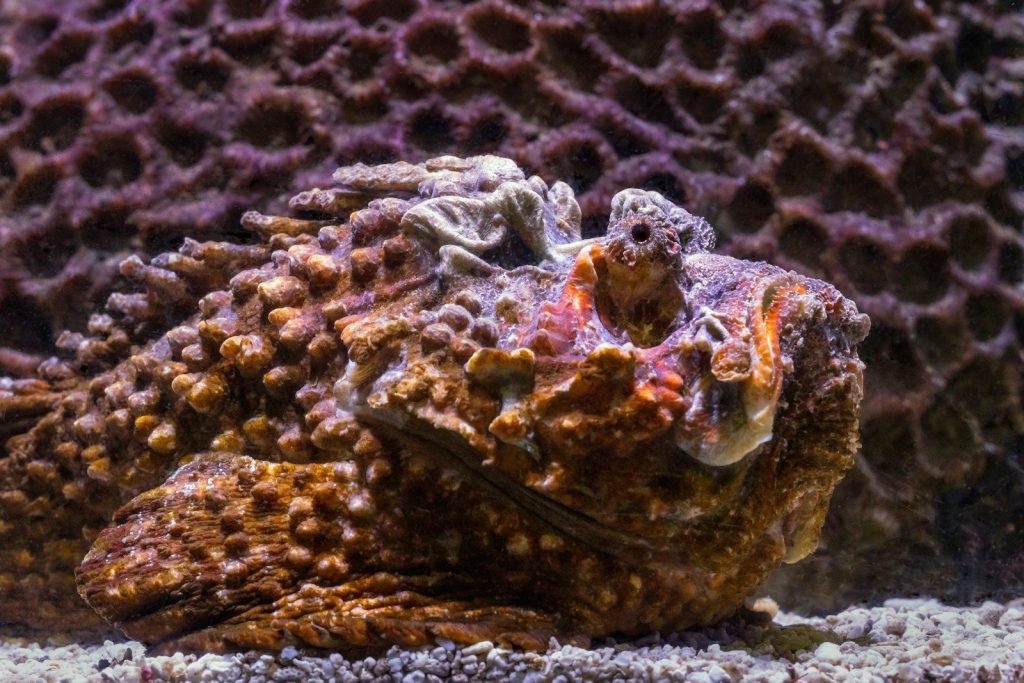
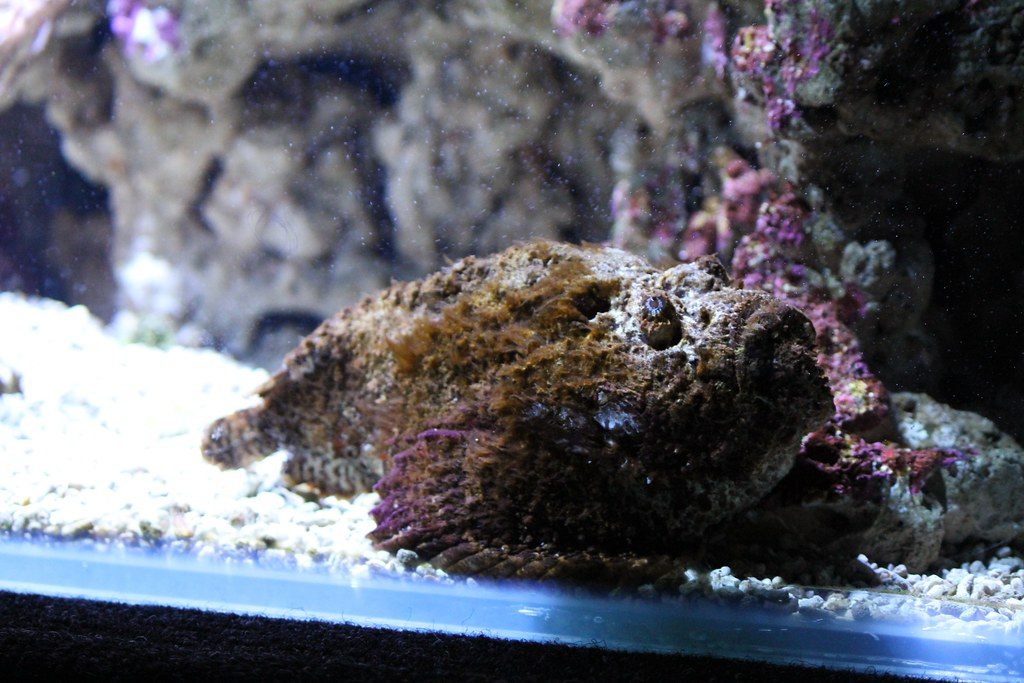
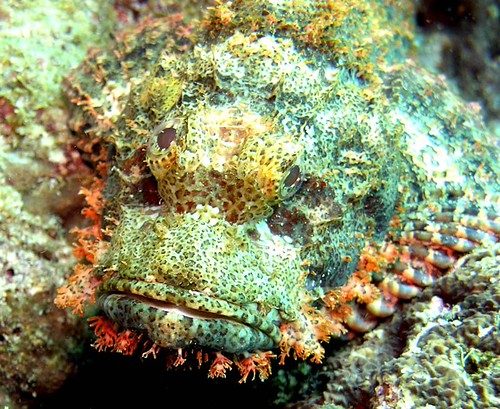
    The stonefish is widely regarded as the world’s most venomous fish. Its rough appearance allows it to blend almost perfectly with rocks, coral, and the seafloor.

    Because it is so difficult to see, accidental contact is a common risk in areas where it lives. When stepped on or disturbed, the stonefish can inject venom through its sharp spines. Victims often experience extreme pain and require immediate medical treatment.

    Cone snail hunts with a venomous harpoon

    a snail is sitting on top of a pine cone
    Photo by Arnaud Padallé on Unsplash

    At first glance, cone snails appear harmless. Their beautifully patterned shells make them popular among shell collectors and beachcombers worldwide.

    However, some cone snail species use a specialized harpoon-like tooth to inject venom into prey. This venom can act rapidly, helping the snail capture fish and other animals. Their attractive shells often hide one of the ocean’s most effective hunting weapons.

  • 6 real animals behind famous mythical creatures

    6 real animals behind famous mythical creatures

    Mythical creatures have fascinated people for thousands of years. Stories of dragons, sea monsters, unicorns, and other legendary beasts appear in cultures around the world. While many of these creatures seem impossible, some may have been inspired by real animals that people misunderstood, exaggerated, or encountered only briefly.

    Before modern science, unusual animals often sparked rumors and legends. Strange bones, rare sightings, and mysterious creatures from distant lands could easily become the foundation of myths. Here are six famous mythical creatures and the real animals that may have inspired them.

    The kraken may have been a giant squid

    shallow focus photography of octopus
    Photo by Masaaki Komori on Unsplash

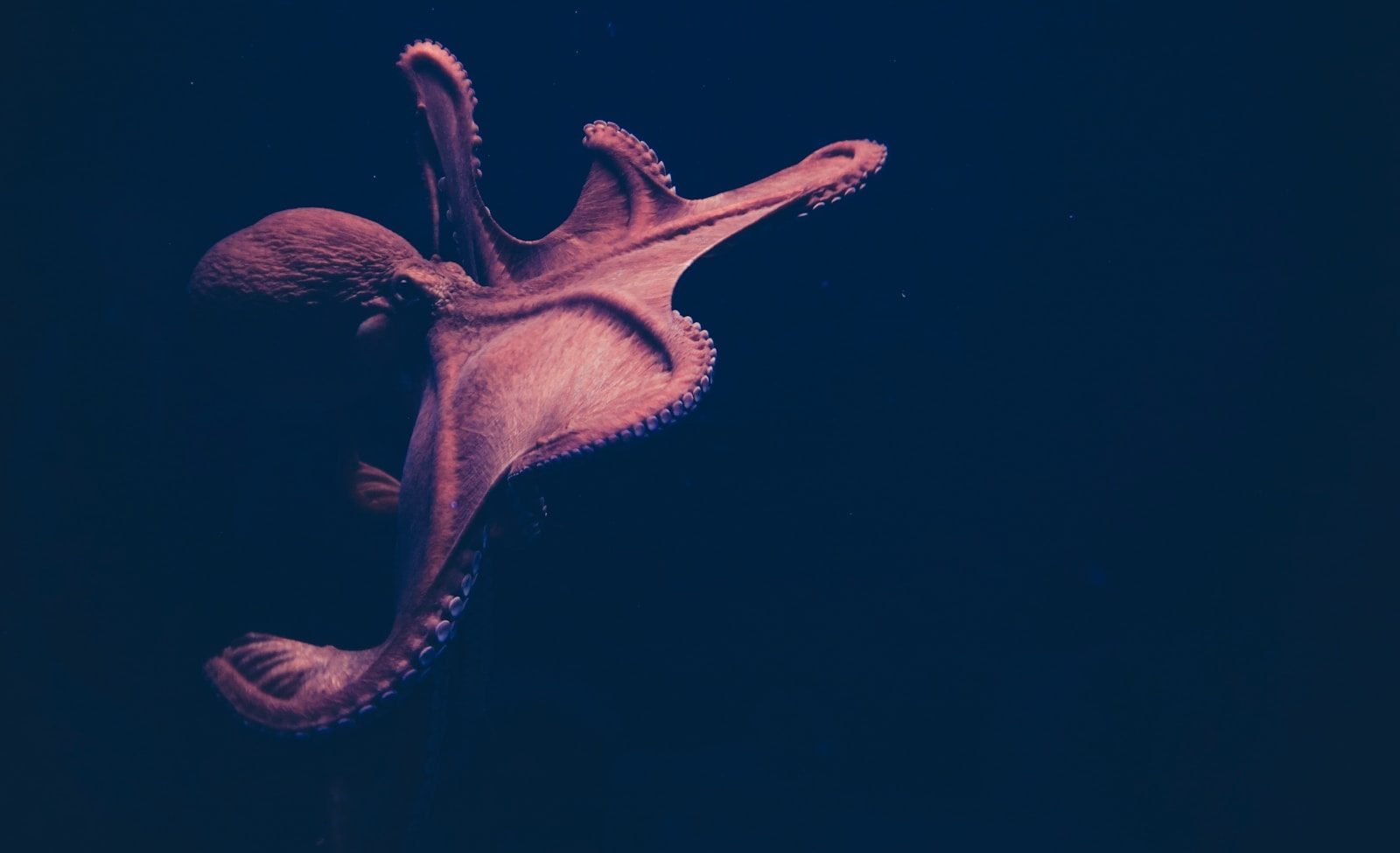
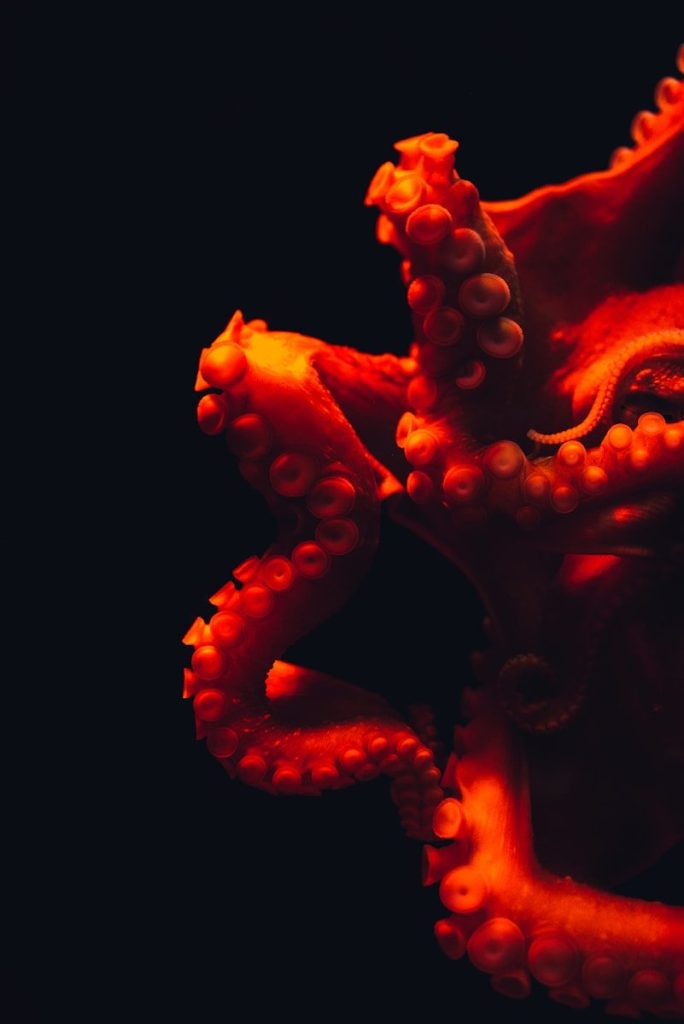
    The kraken is one of the most famous sea monsters in Scandinavian folklore. Legends described it as a gigantic creature lurking beneath the waves, capable of terrifying sailors and dragging ships down to the depths.

    Descriptions recorded during the 1700s mentioned large structures rising from the water and growing larger as they emerged. These accounts closely resemble giant squid. Living deep in the ocean, giant squid can reach enormous sizes and are rarely seen by humans, making them perfect candidates for the origin of the kraken legend.

    Sea serpents may have been giant oarfish

    A snake swims in the deep blue ocean water.
    Photo by Ben Koorengevel on Unsplash

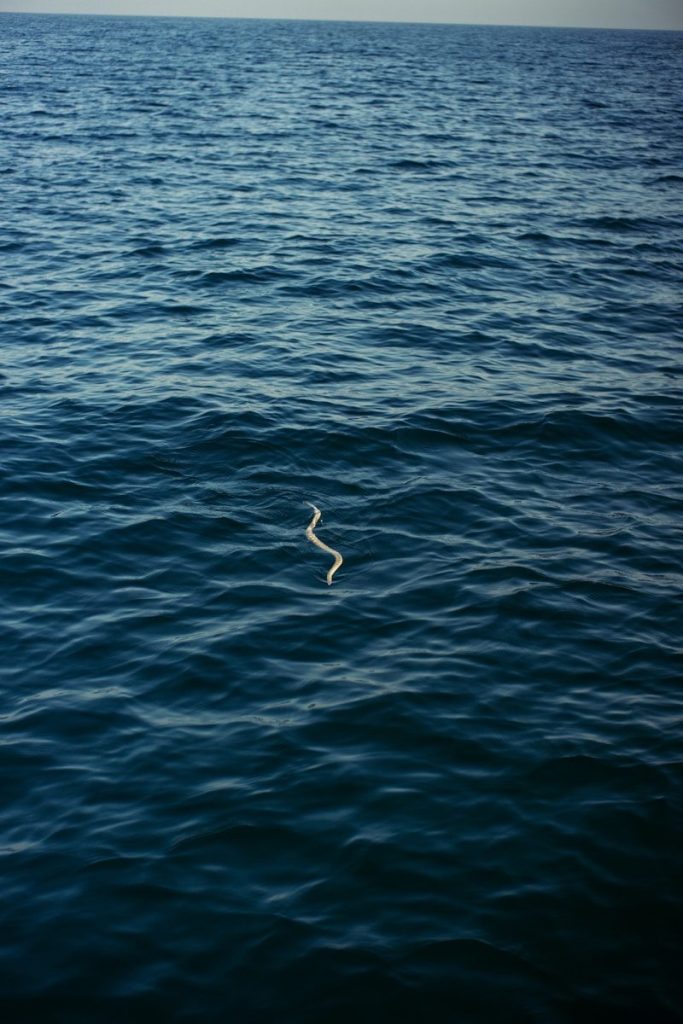
    Stories of giant sea serpents appear throughout maritime history. Sailors often reported seeing long, snake-like creatures moving through the water, leading many people to believe that monstrous serpents lived beneath the waves.

    A likely explanation is the oarfish. This deep-sea fish can grow up to 26 feet long and has a long, ribbon-like body. When seen near the surface, especially from a distance or during rough weather, an oarfish could easily be mistaken for a giant sea serpent.

    Dragons may have started with ancient fossils

    shallow focus photo of dragon on gray building
    Photo by Sean Thomas on Unsplash

    Dragons appear in myths from Europe to Asia and are among the most famous creatures in human history. Many stories describe them as large reptilian beasts capable of causing destruction and inspiring fear.

    One possible source of dragon legends comes from fossil discoveries. In Austria during the 1300s, people discovered a large skull and believed it belonged to a dragon. Centuries later, scientists identified the remains as those of a woolly rhinoceros. Similar discoveries of unusual bones may have fueled dragon stories across different cultures.

    Unicorns may have been inspired by rhinos and narwhals

    silhouette of man holding stick during sunset
    Photo by Paul Bill on Unsplash

    Unicorns are usually described as horse-like animals with a single horn growing from their forehead. For centuries, many people believed they were real, and unicorn horns became valuable treasures among wealthy collectors.

    The legend may have been inspired by rhinoceroses, which possess a prominent horn and would have seemed extraordinary to people unfamiliar with them. The prized “unicorn horns” sold during the Middle Ages were often narwhal tusks. These long spiral tusks closely matched popular descriptions of unicorn horns, thereby strengthening belief in the mythical creature.
    Kappa legends resemble giant salamanders

    a white and black animal laying on top of rocks
    Photo by Mattias Banguese on Unsplash

    The kappa is a famous creature from Japanese folklore. It is often described as a strange water-dwelling being that lives in rivers and ponds and has both human and amphibian features.
    Many researchers believe sightings of Japanese giant salamanders may have contributed to these stories. These large amphibians can grow up to five feet long and live in freshwater habitats. Their unusual appearance and secretive behavior could easily have inspired tales of mysterious river creatures.

    Griffins may have come from ancient fossils

    a statue of a lion with wings on top of a building
    Photo by Deborah L Carlson on Unsplash

    Griffins are legendary creatures with the body of a lion and the head and wings of an eagle. Ancient stories claimed that griffins guarded valuable treasures, particularly gold hidden in remote regions.
    One theory suggests that Griffin legends began when ancient people discovered unusual fossils in gold-rich areas. Without knowledge of extinct animals, strange skeletons could have appeared to belong to giant creatures that combined features of different animals. These discoveries may have helped shape the image of the griffin in mythology.

  • What makes great white shark attacks so effective

    What makes great white shark attacks so effective

    A great white shark attack can happen in just a few seconds. One moment, the ocean appears calm, and the next, a powerful predator explodes from the water beneath its target. These dramatic attacks have made great white sharks one of the most feared animals on Earth.

    Yet, behind the violence lies a highly refined hunting strategy shaped by millions of years of evolution. Great white sharks rely on speed, surprise, and powerful senses to capture prey. Understanding how they attack helps scientists learn more about these remarkable predators and their role in ocean ecosystems.

    Great white sharks are masters of surprise

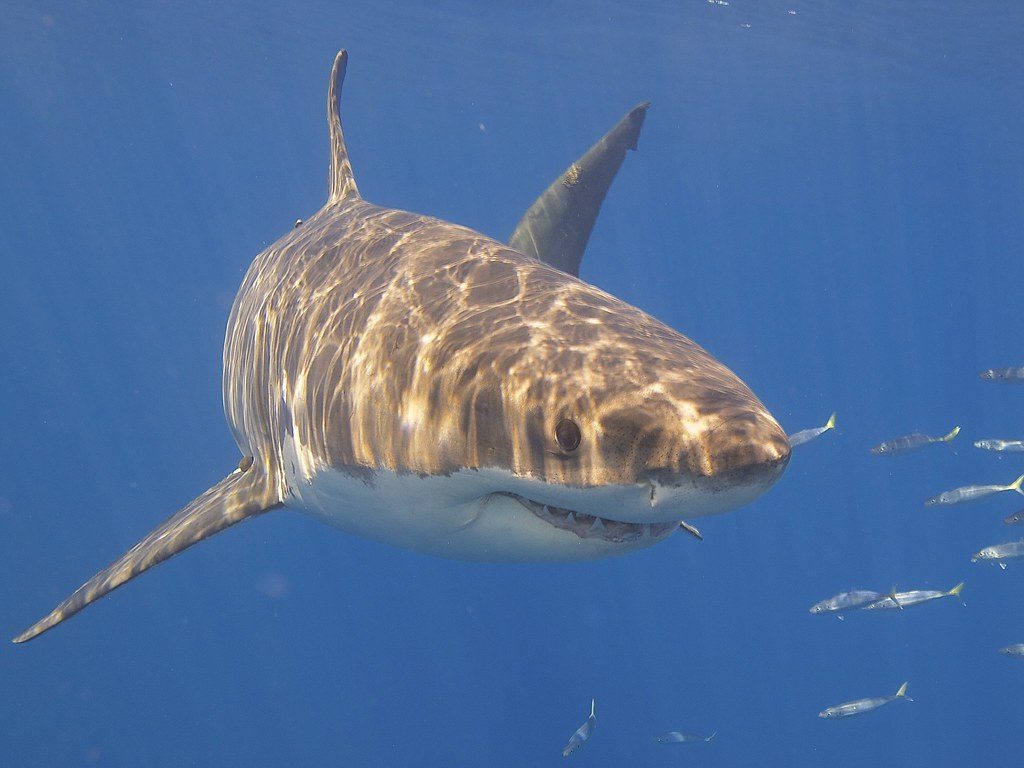
    Great white shark” by Gussy (Luke) is licensed under CC BY-NC-ND 2.0

    Great white sharks rarely chase prey over long distances. Instead, they often use ambush tactics. Researchers have found that they commonly approach from below, remaining hidden in darker water while observing prey near the surface.

    This position gives the shark a major advantage. Animals swimming at the surface are silhouetted against the light above, making them easier to spot. By staying hidden until the last moment, the shark can launch an attack before its target has time to react.

    The attack begins with a rapid ascent

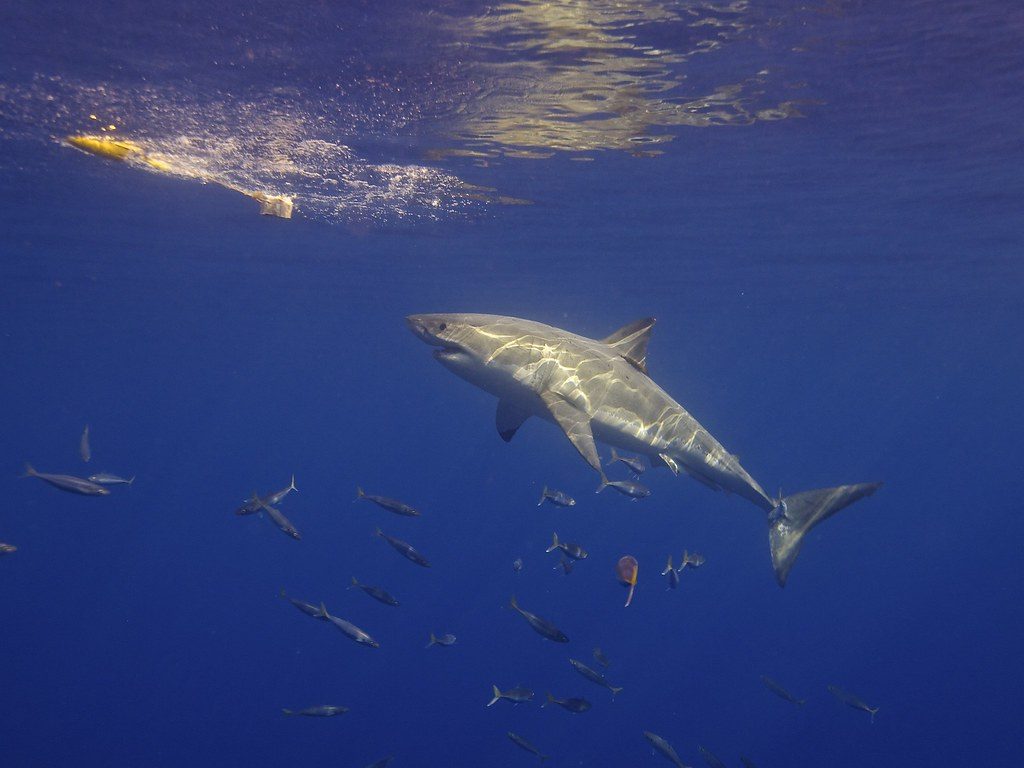
    Great White Shark” by kqedquest is licensed under CC BY-NC 2.0

    Once a target is selected, the shark accelerates upward from deeper water. Using its powerful tail, it can reach impressive speeds as it closes the distance between itself and its prey. Great whites can reach speeds of up to 50 kilometers per hour.

    The final moments happen incredibly fast. The shark aims directly at the prey and often strikes from beneath. This upward attack can generate tremendous force and frequently catches seals and other marine mammals completely off guard.

    Breaching is one of nature’s most spectacular hunts

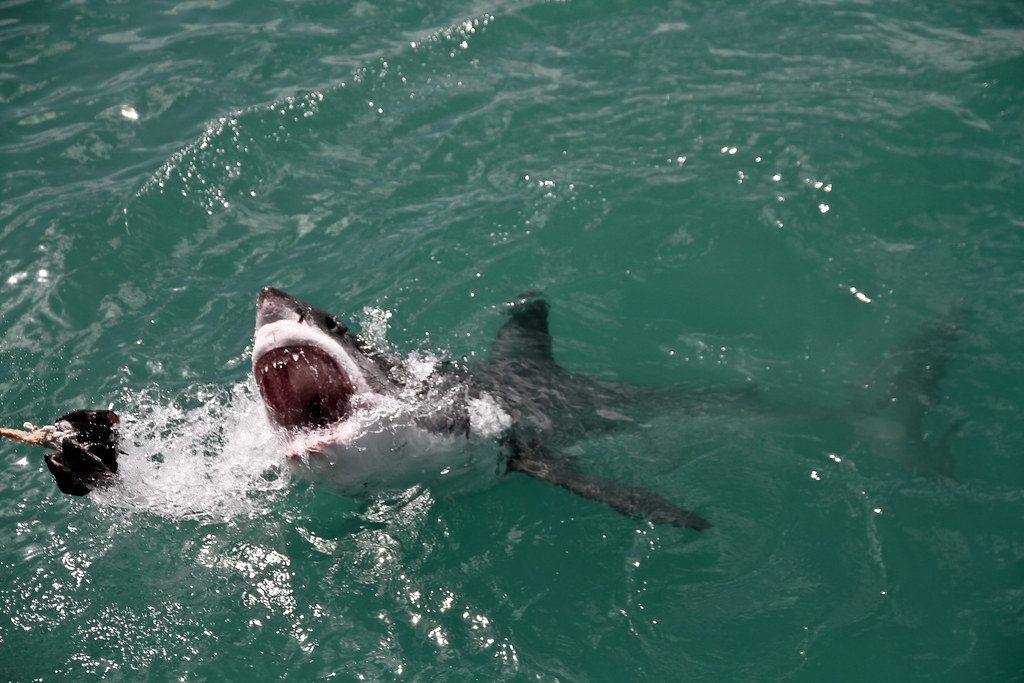
    Great White Shark” by Elias Levy is licensed under CC BY 2.0

    In some locations, particularly where seals are common, great white sharks perform a behavior known as breaching. During these attacks, the shark launches itself entirely out of the water while pursuing prey.

    Breaching requires precise timing and enormous power. The shark builds speed underwater before bursting through the surface. Slow-motion footage has revealed just how explosive these attacks are, with several tons of predator and prey sometimes becoming airborne for a brief moment.

    Powerful teeth do the rest

    Great White Shark” by Elias Levy is licensed under CC BY 2.0

    A great white shark’s mouth is equipped with rows of large, triangular teeth designed for gripping and tearing flesh. During an attack, the shark often delivers a powerful initial bite intended to disable its prey.

    Researchers have observed that the first strike is often the most important. Once the prey is injured or weakened, the shark can return to feed more safely. This strategy reduces the risk of injury from struggling prey, especially large animals such as seals.

    Human encounters are usually different

    Great White Shark” by Elias Levy is licensed under CC BY 2.0

    Although great white sharks are responsible for more recorded shark bite incidents than any other shark species, humans are not considered their preferred prey. Scientists believe many incidents involve mistaken identity, particularly when a surfer or swimmer resembles a seal from below.

    Many encounters involve what researchers call a “test bite.” In these cases, the shark investigates an unfamiliar object with a bite and then moves away. Most people who survive a great white shark attack are not pursued afterward because humans do not match the shark’s usual food preferences.

    Even great white sharks have enemies

    An angry Great White Shark” by TheGrantPeters is licensed under CC BY 2.0

    Great white sharks sit near the top of the ocean food chain and have very few natural predators. Their size, speed, and hunting ability make them one of the sea’s most successful predators.

    However, killer whales have shown they can hunt great white sharks. Researchers have documented orcas attacking, killing, and feeding on great whites, often targeting their nutrient-rich livers. These encounters demonstrate that even apex predators can become prey under the right circumstances.

  • The fish that returned after 66 million years

    The fish that returned after 66 million years

    Imagine discovering an animal that scientists believed had vanished with the dinosaurs. It sounds like something from a movie, but it really happened. In 1938, a strange fish pulled from the waters off South Africa shocked the scientific world because it belonged to a group thought to have been extinct for about 66 million years.

    That fish was the coelacanth. Often called a “living fossil,” it became one of the most important animal discoveries of the 20th century. Its rediscovery changed how scientists think about extinction, evolution, and the hidden life that still exists in Earth’s oceans. Today, the coelacanth remains one of the most fascinating fish ever found.

    Scientists thought the coelacanth had vanished forever

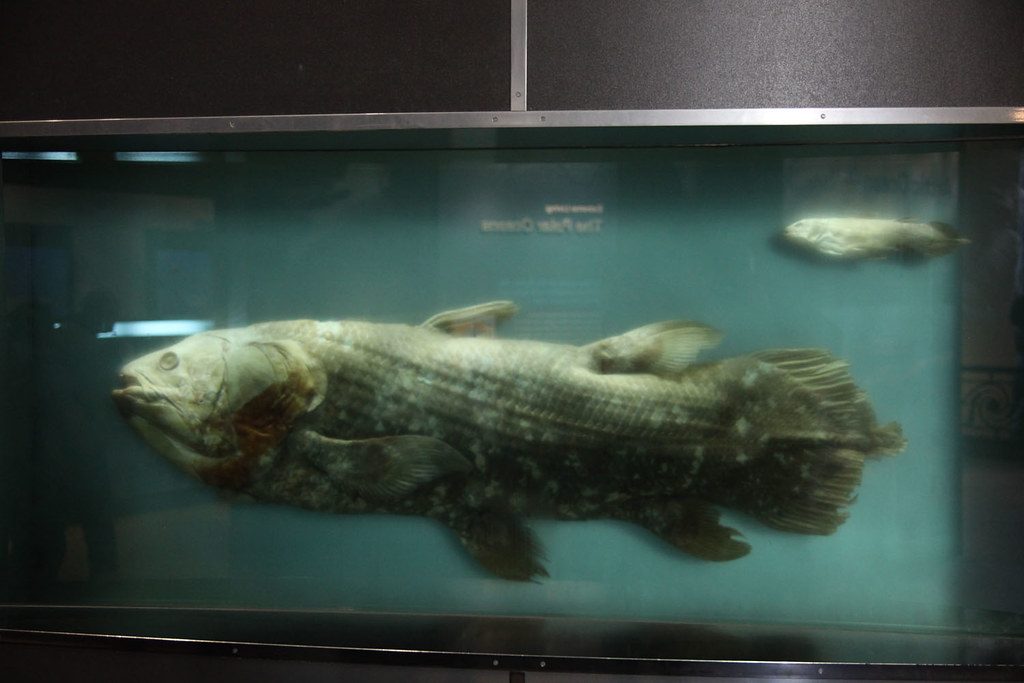
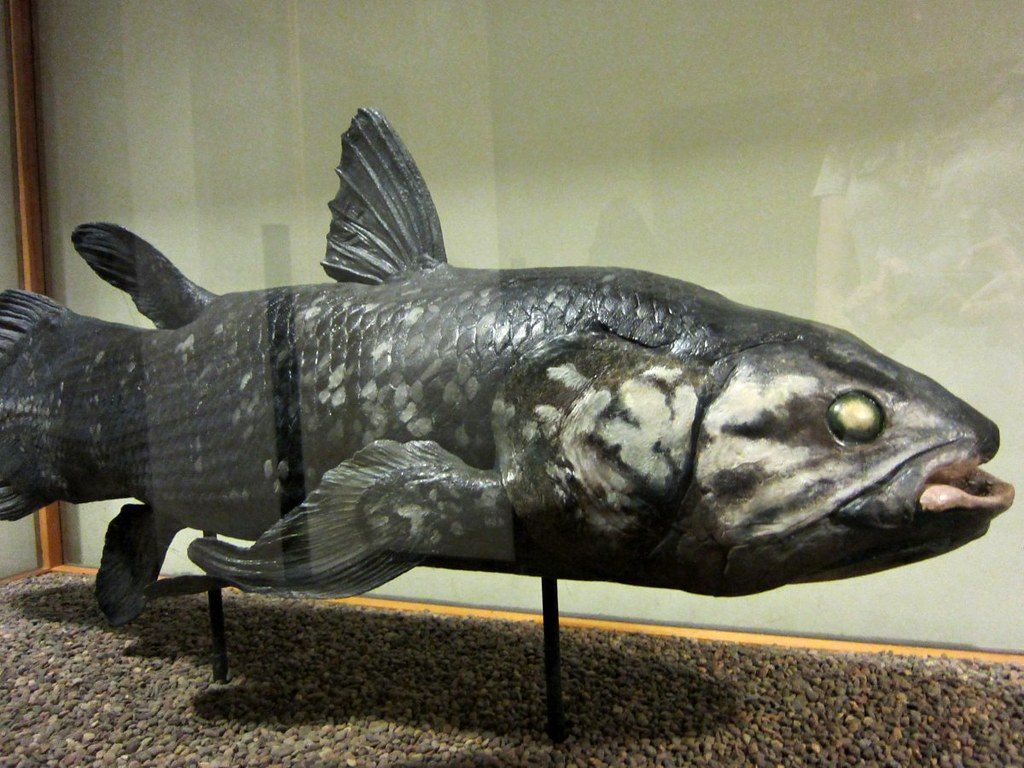
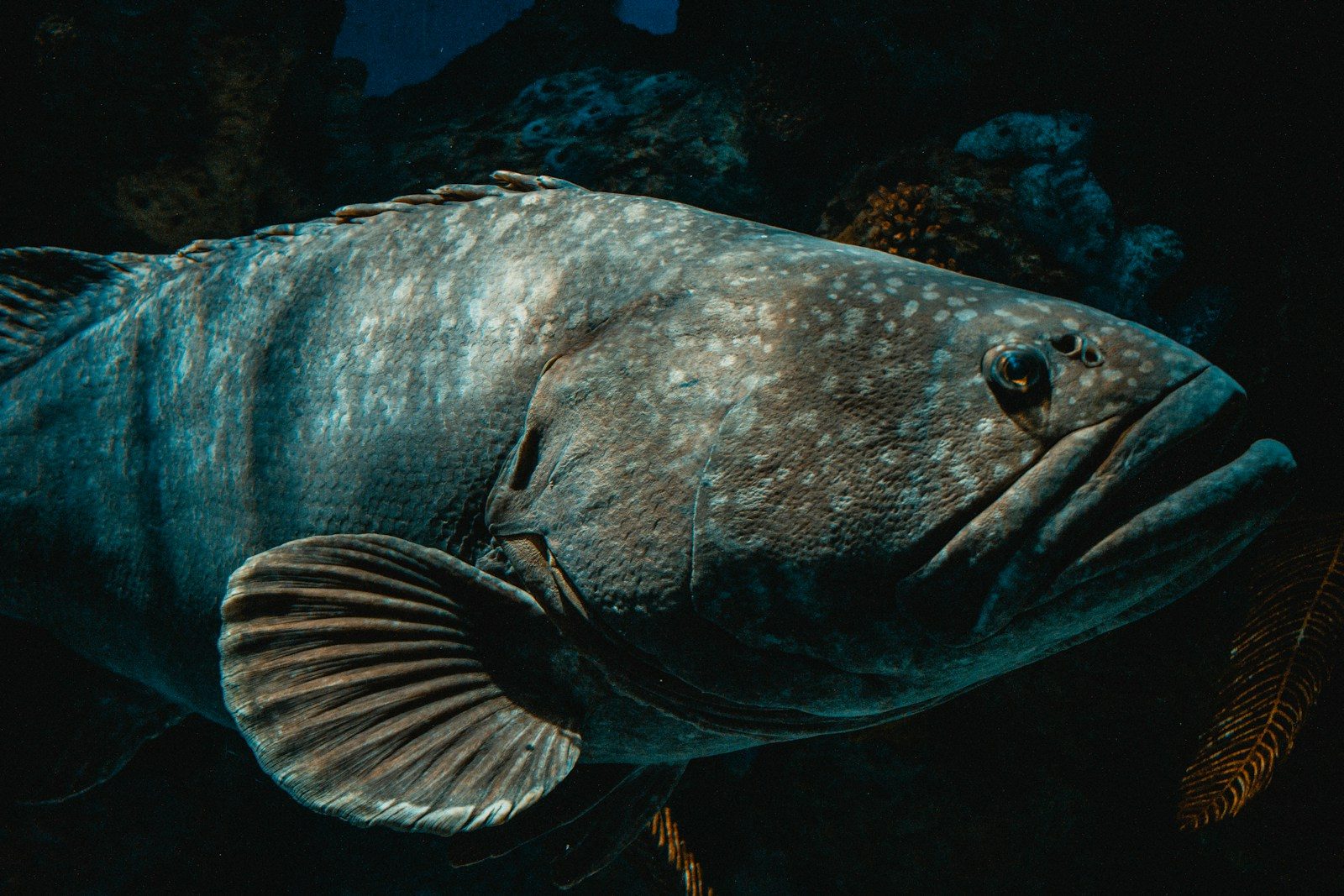
    coelacanth and pup – smithsonian” by Tim Evanson is licensed under CC BY-SA 2.0

    For decades, coelacanths were known only from fossils. Scientists believed these ancient fish had disappeared around the same time as the dinosaurs at the end of the Cretaceous Period. Fossils showed that coelacanths had existed for hundreds of millions of years, but there was no evidence that any were still alive.

    Everything changed in December 1938 when a museum curator in South Africa noticed an unusual fish among a fisherman’s catch. The fish looked unlike anything scientists had seen in modern oceans. After experts examined it, they realized it was a living coelacanth, a discovery that stunned researchers around the world.

    The rediscovery became a scientific sensation

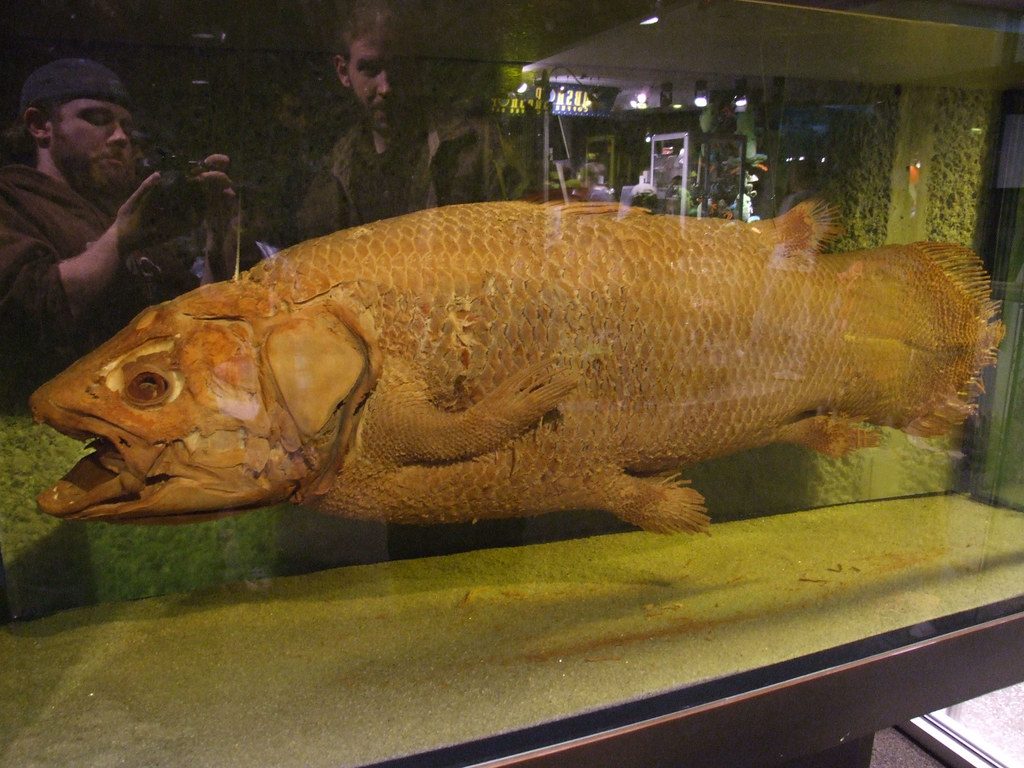
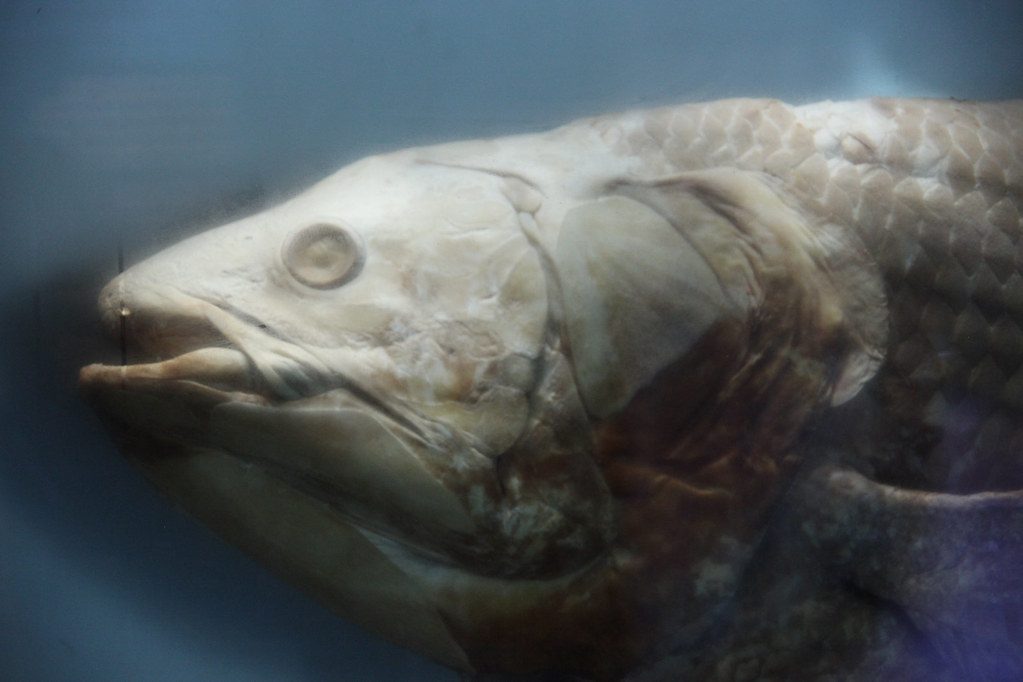
    Latimeria chalumnae – coelacanth head – Smithsonian Museum of Natural History – 2012-05-17” by Tim Evanson is licensed under CC BY-SA 2.0

    The discovery quickly became one of the century’s biggest zoological stories. Scientists had believed the entire group was extinct, yet a living example had been swimming in the ocean all along. The event transformed the coelacanth into one of the world’s most famous animals.

    Because it seemed to return from extinction, the coelacanth became known as a “Lazarus species.” This term is used for organisms that disappear from the fossil record or scientific observation for long periods before being found alive again. The coelacanth became the most famous example of this phenomenon.

    An ancient fish with unusual features

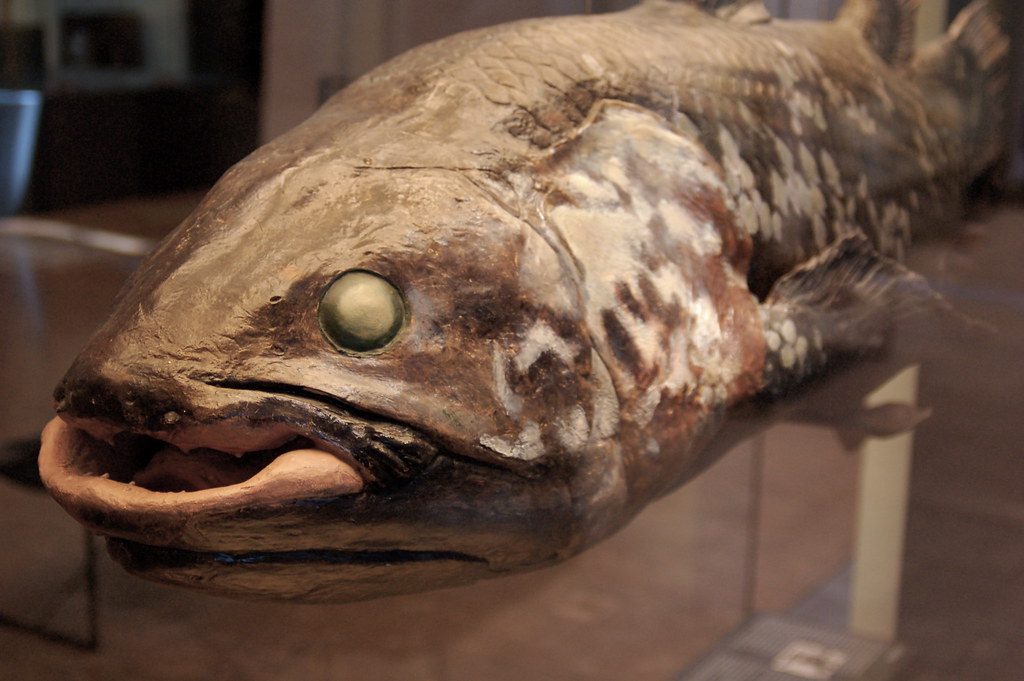
    Coelacanth” by Todd Huffman is licensed under CC BY 2.0

    The coelacanth belongs to a group of lobe-finned fishes. Unlike most fish, its fins are supported by fleshy, limb-like structures that move in unique ways. These unusual fins attracted enormous scientific interest because they offered clues about ancient vertebrate evolution.

    Scientists once believed the coelacanth might be the closest living relative of animals that eventually moved onto land. Later genetic studies showed that lungfish are more closely related, but the coelacanth still provides valuable insights into a very ancient branch of vertebrate evolution.

    The species survived hidden in deep waters

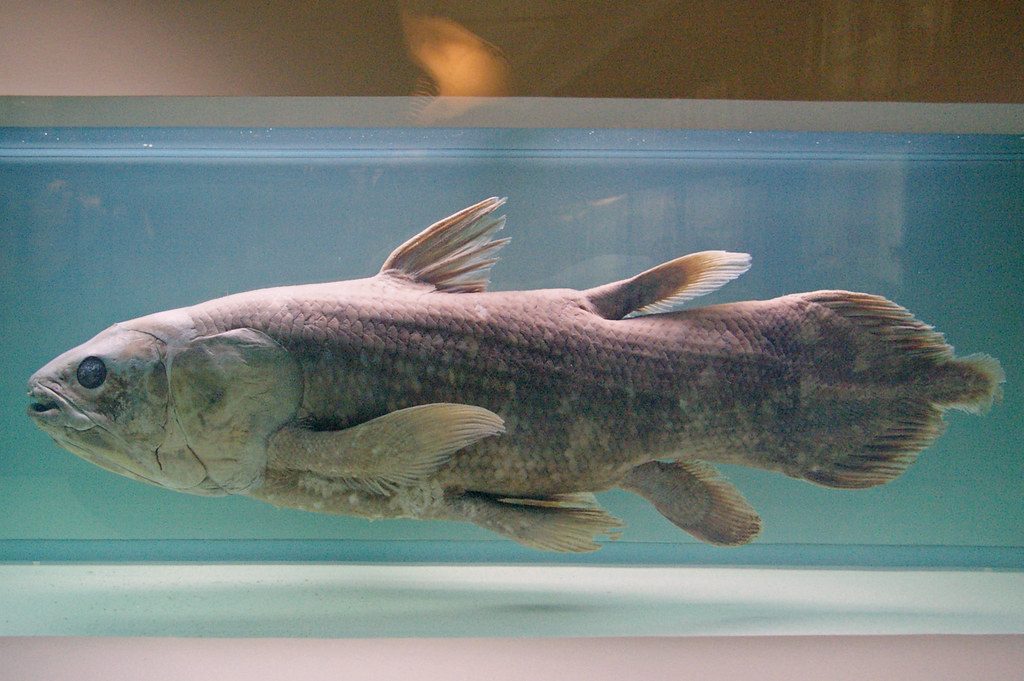
    Coelacanthe” by sybarite48 is licensed under CC BY 2.0

    One reason the coelacanth remained undiscovered for so long is its habitat. These fish live in deep ocean environments, often around underwater caves and steep volcanic slopes. Such locations are difficult for humans to explore, allowing the species to remain largely hidden from science.

    Researchers eventually discovered that the fish was not confined to a single area. Today, two living species are known. One lives in the western Indian Ocean near eastern Africa, while another species was discovered in Indonesia during the late 1990s.

    The coelacanth is still evolving

    Field Museum: Coelacanth” by allisonmeier is licensed under CC BY-SA 2.0

    The phrase “living fossil” can give the impression that the coelacanth has remained unchanged for millions of years. Scientists now know that this is not entirely true. Genetic research shows that coelacanths continue to evolve, even if their overall appearance remains similar to ancient fossil forms.

    Genome studies have revealed important information about the fish’s evolutionary history. These findings help researchers understand how different groups of vertebrates are related and how major evolutionary changes occurred over hundreds of millions of years.

    The rediscovery changed how scientists view extinction

    Coelacanth” by Travis S. is licensed under CC BY-NC 2.0

    The coelacanth’s reappearance serves as a reminder that the natural world still contains mysteries. Scientists once considered the species completely gone, yet it survived in remote habitats where few people ever looked. Its discovery highlighted how much remains unknown about life in the oceans.

    Today, researchers continue searching for other species that may have escaped scientific notice. The coelacanth stands as proof that animals can survive in isolated environments for extremely long periods, challenging assumptions about extinction and biodiversity.

  • The surprising reason tourists fear this tiny shark

    The surprising reason tourists fear this tiny shark

    Many tourists dream of swimming in clear tropical water, but that excitement can quickly turn into fear when a shark suddenly appears nearby. The blacktip reef shark is one of the most commonly seen sharks around coral reefs, beaches, and lagoons. Although it is relatively small compared to many other shark species, it often causes alarm among swimmers and snorkelers. The surprising reason tourists fear the blacktip reef shark is not because it is especially dangerous, but because it appears so close to people in shallow water. Its classic shark shape, dark-tipped fins, and sudden appearances can make even experienced beachgoers nervous.

    In reality, the blacktip reef shark is known for being shy and cautious around humans. Most encounters end with the shark swimming away. Understanding why people fear this species and learning the facts behind its behavior can help separate myth from reality. This article explores what makes the blacktip reef shark so intimidating to tourists despite its reputation as one of the less dangerous sharks found in tropical waters.

    Tourists often see this shark up close

    Blacktip Reef Shark, male – Carcharhinus melanopterus” by zsispeo is licensed under CC BY-NC-SA 2.0

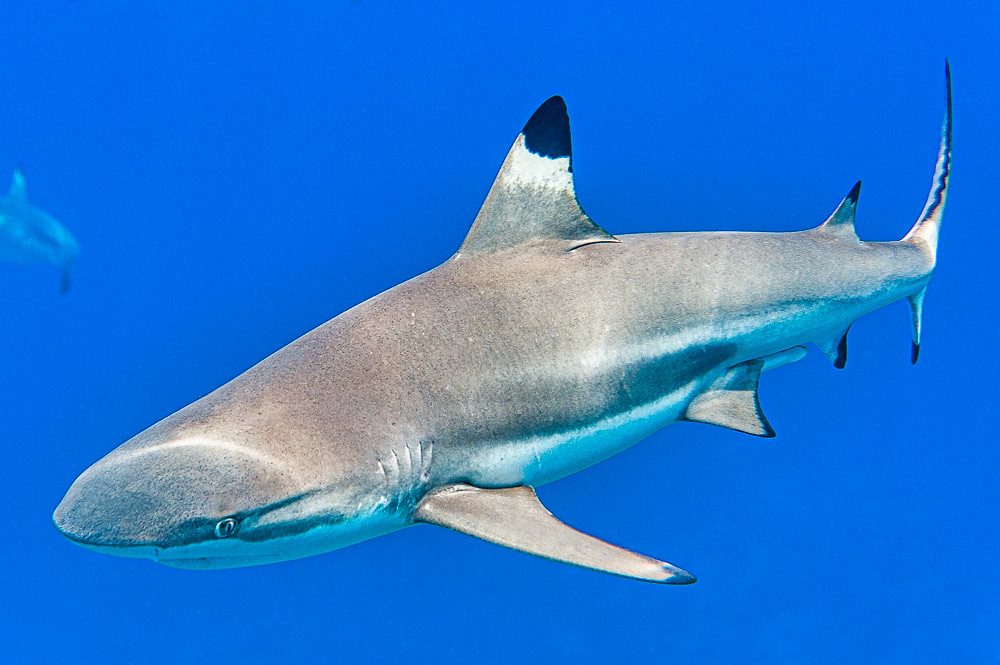
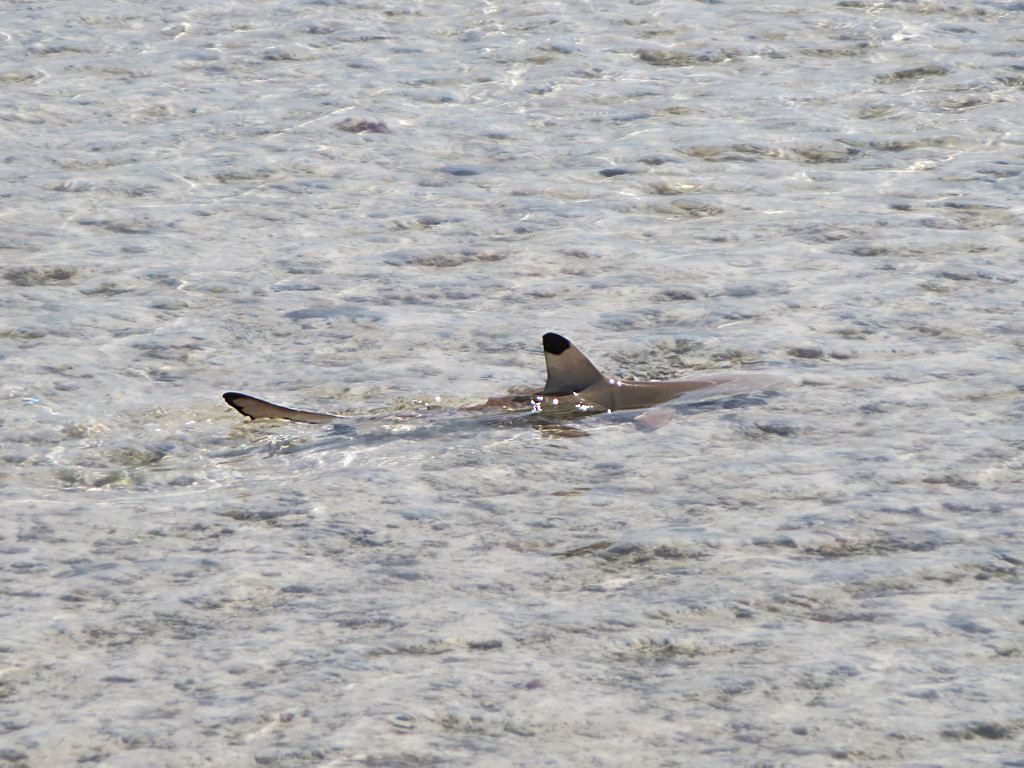
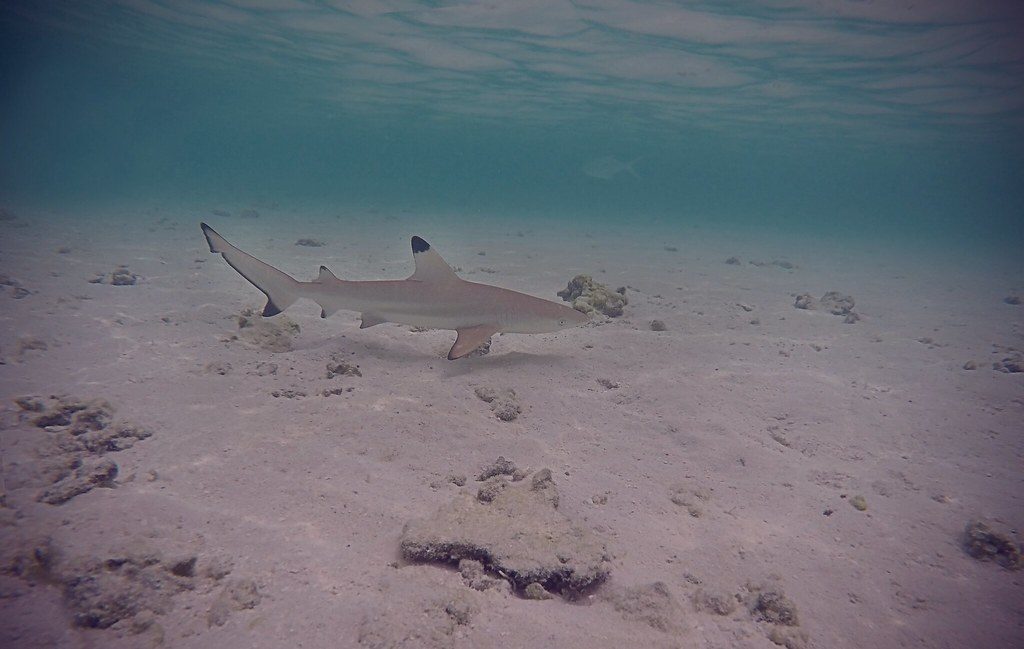
    One reason tourists fear the blacktip reef shark is that it lives exactly where people like to swim. Unlike many larger sharks that spend much of their time in deeper water, blacktip reef sharks prefer shallow coastal areas, sandy flats, lagoons, and coral reefs. In some locations, they can even be seen swimming in water only a few feet deep with their dorsal fins visible above the surface.

    For someone enjoying a beach vacation, seeing a shark so close can be startling. Many people expect sharks to stay far offshore. When a blacktip reef shark suddenly glides past in clear water, fear often takes over before logic has a chance to catch up. The shark’s presence feels personal because it shares the same space as swimmers, even though it is usually focused on finding fish and other small prey.

    Its appearance looks more dangerous than it is

    Blacktip Reef Shark” by D-Stanley is licensed under CC BY 2.0

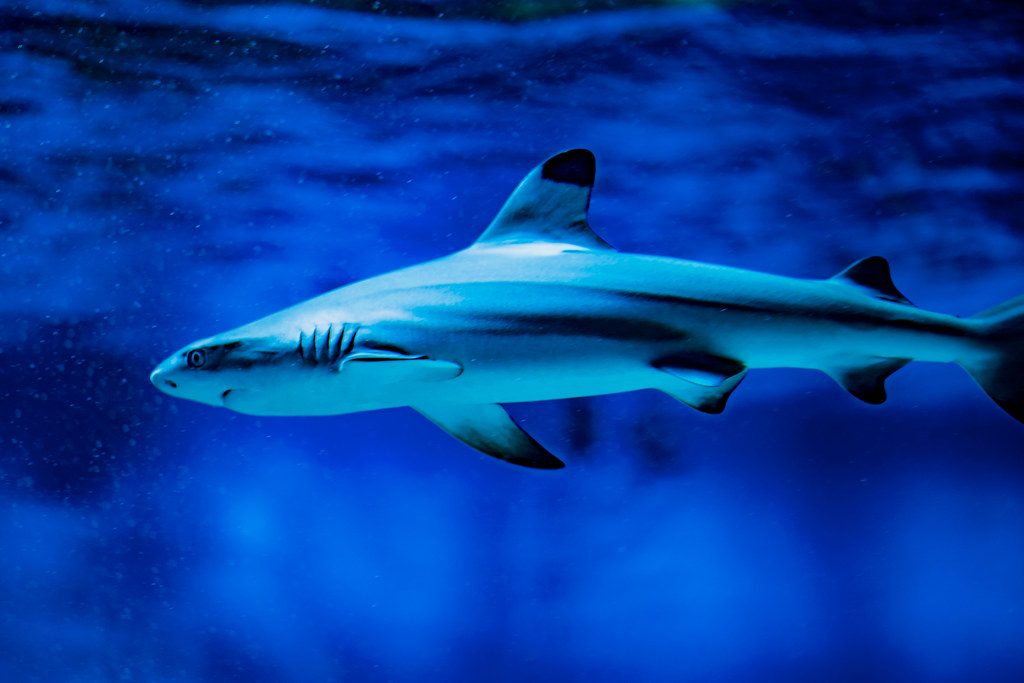
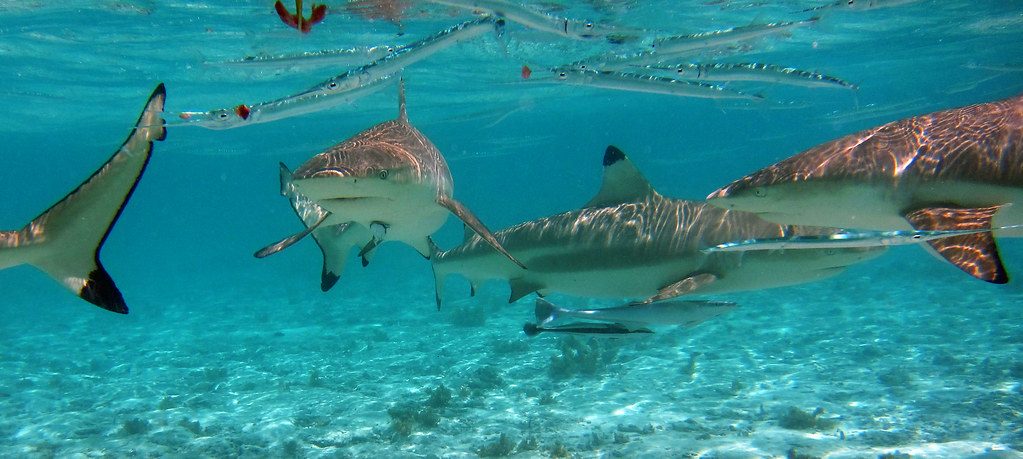
    The blacktip reef shark has the classic appearance most people imagine when they think about sharks. It has a streamlined body, a pointed snout, and distinctive black markings on its fins. Even though it typically grows to around five or six feet long, its shape makes it look like a much larger predator.

    Because of movies, television shows, and dramatic news reports, many people associate this body shape with danger. When tourists spot a blacktip reef shark, they often assume it poses the same threat as much larger species. However, appearance alone does not tell the whole story. Marine experts consistently describe this shark as timid and skittish around humans. It usually avoids close contact whenever possible.

    Movies and media have shaped public fear

    Man is looking at a screen with his head down.
    Photo by Alicia Christin Gerald on Unsplash

    Fear of sharks often begins long before a tourist enters the water. Popular culture has spent decades portraying sharks as ruthless hunters that actively target humans. As a result, many people develop a strong fear of sharks despite never having encountered one in real life.

    This fear follows travelers to tropical destinations. When they finally see a blacktip reef shark, their minds often recall dramatic scenes from movies rather than scientific facts. The shark may simply be passing through its habitat, but the emotional reaction can be intense. In many cases, tourists are responding more to the idea of a shark than to the actual behavior of the animal in front of them.

    The species rarely poses a serious threat

    Blacktip reef shark” by ninfaj is licensed under CC BY-NC-ND 2.0

    Despite widespread fear, blacktip reef sharks have a long history of peaceful interactions with people. Records show that unprovoked bites are uncommon, especially considering how often humans share the water with this species. Most incidents that do occur are minor and often involve cases of mistaken identity in shallow water.

    Experts note that these sharks seldom pose a serious danger to humans. They are naturally cautious and typically flee when approached. While they are still wild animals that deserve respect, their behavior is very different from the image many tourists have in mind. Millions of people snorkel and dive alongside reef sharks every year without any problems.

    Social media has increased shark anxiety

    A person holding a smart phone with social media on the screen
    Photo by Berke Citak on Unsplash

    Videos of sharks often spread rapidly across social media platforms. A short clip showing a blacktip reef shark swimming near a tourist can attract millions of views. Unfortunately, these videos sometimes focus on fear and drama rather than education. The result is that viewers may come away believing shark encounters are much more dangerous than they actually are.

    Social media has also encouraged some people to get unusually close to sharks for photos and videos. Researchers have found that certain shark bites are actually defensive reactions to humans disturbing or touching the animals. In these situations, the shark is not acting as a predator. Instead, it is reacting to unwanted contact. These incidents can further increase public fear when shared online without proper context.

    The shark is simply doing its job in the reef

    Blacktip Reef Sharks” by dfinney23 is licensed under CC BY-NC 2.0

    Blacktip reef sharks play an important role in maintaining healthy reef ecosystems. They feed mainly on small fish, squid, octopuses, and crustaceans. By hunting weaker or more vulnerable prey, they help maintain balance within the marine environment. Humans are not part of their normal diet.

    Most of the time, these sharks are focused entirely on survival. They patrol reef edges, search for food, and avoid larger predators. Their lives revolve around the reef ecosystem rather than interactions with people. When tourists understand this behavior, many begin to see blacktip reef sharks as fascinating wildlife rather than frightening monsters.

  • 6 sea creatures powerful enough to overwhelm a fisherman

    6 sea creatures powerful enough to overwhelm a fisherman

    The ocean is full of amazing animals, but some sea creatures are strong enough to put even an experienced fisherman in serious danger. Whether it is massive size, powerful jaws, sharp teeth, crushing strength, venom, or electric shocks, these animals have natural weapons that can quickly turn a normal fishing trip into a frightening situation.

    Many fishermen spend years on the water without a dangerous encounter, yet accidents do happen. Understanding which sea creatures are powerful enough to overwhelm a fisherman can help people respect wildlife and stay safe. In this article, you will learn about six ocean animals whose strength, speed, and abilities make them some of the most formidable creatures in the sea.

    Great white sharks possess incredible power

    Great White Shark” by Elias Levy is licensed under CC BY 2.0

    Few marine animals are as famous as the great white shark. These predators can grow over 20 feet long and weigh several thousand pounds. Their bodies are built for speed and power, allowing them to launch upward from below and strike prey with tremendous force. Great whites have rows of sharp teeth designed to tear through flesh, and their bite force is among the strongest measured in any fish species.

    A fisherman who accidentally hooks a large great white would quickly realize how difficult it is to control such an animal. Large sharks can drag fishing gear, damage boats, and snap heavy lines with ease. While attacks on fishermen are rare, the sheer size and strength of a great white make it more than capable of overwhelming a person if a close encounter turns dangerous.

    Giant squid can overpower prey with powerful arms

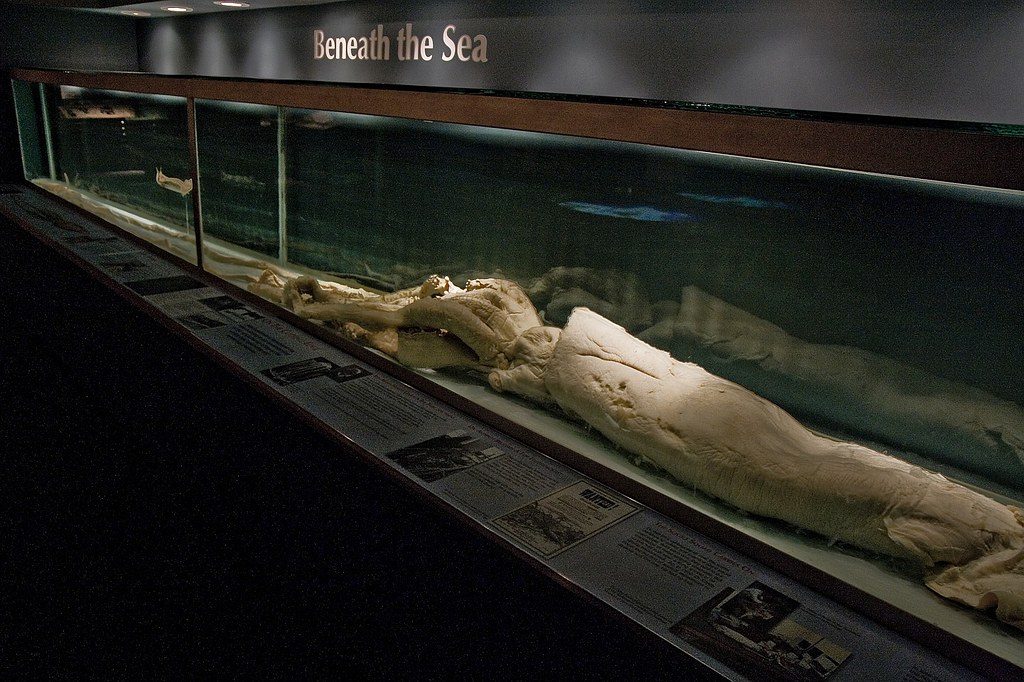
    Giant Squid and Normal Squid” by Zach Bonnell is licensed under CC BY-NC-ND 2.0

    The giant squid is one of the ocean’s most mysterious animals. These deep-sea creatures can reach lengths of more than 30 feet, and some reports suggest even larger individuals may exist. Their long arms and feeding tentacles are lined with powerful suction cups that help them capture prey in the dark depths of the ocean.

    Although direct encounters between fishermen and giant squid are uncommon, these animals possess remarkable strength. Their arms can grip prey firmly, and their sharp beak can slice through flesh. Scientists have found scars on large whales believed to have come from battles with giant squid. Any fisherman who somehow became entangled with a large squid would face an animal equipped with immense pulling power and powerful grasping limbs.

    Moray eels defend themselves with fearsome bites

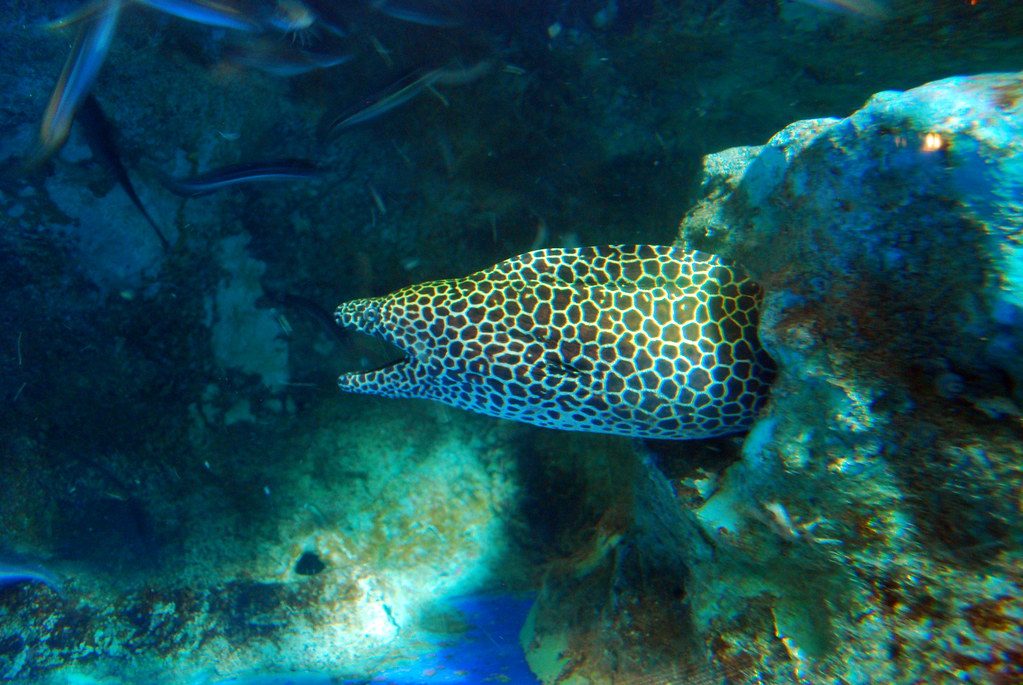
    Moray Eel” by mynameisharsha is licensed under CC BY-SA 2.0

    Moray eels spend much of their lives hiding among reefs, rocky crevices, and underwater caves. Some species can grow close to 10 feet long and weigh more than 60 pounds. Their snake-like appearance often causes fear, but it is their bite that makes them truly dangerous. Moray eels possess sharp teeth and a second set of jaws located farther back in the throat, which helps them pull prey inward.

    Fishermen sometimes encounter moray eels when pulling traps, nets, or fishing lines near reefs. If cornered or disturbed, these animals can bite with surprising force. Their bites can cause severe injuries because they tend to hold on rather than release immediately. A large moray eel may not be the size of a shark, but its powerful jaws and aggressive defense make it more than capable of overwhelming someone who handles it carelessly.

    Barracudas combine speed with razor-sharp teeth

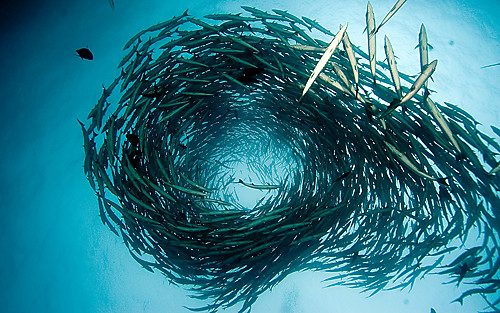
    Barracuda Tornado” by Rob Hughes is licensed under CC BY-SA 2.0

    Barracudas are among the fastest predators in tropical oceans. Their long, streamlined bodies allow them to accelerate rapidly, and they use sudden bursts of speed to catch prey. Large barracudas can exceed five feet in length and are equipped with sharp teeth designed for slicing through fish.

    What makes barracudas especially intimidating is their combination of speed and cutting power. A large barracuda can strike so quickly that prey often has little chance to escape. There have been documented cases of barracudas causing serious injuries to people through sudden collisions or bites. For fishermen handling a hooked barracuda near a boat, the animal’s violent thrashing and sharp teeth can create a dangerous situation within seconds.

    Electric rays can deliver powerful shocks

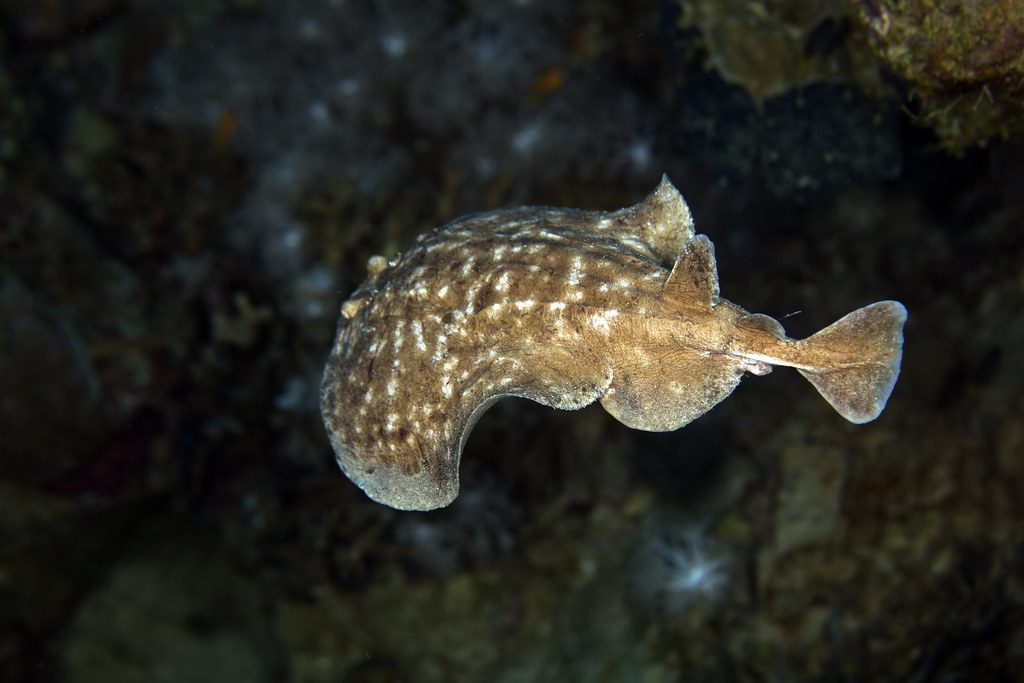
    Torpedo Ray – Electric Ray – Torpedo panthera – Bogenstirn-Zitterrochen” by prilfish is licensed under CC BY 2.0

    Electric rays look harmless compared to sharks and squid, yet they possess a unique weapon. Specialized organs inside their bodies generate electricity, allowing them to produce strong shocks. These shocks are used for defense and for stunning prey hidden on the seafloor.

    A fisherman who accidentally handles an electric ray may receive a sudden jolt powerful enough to cause pain, loss of muscle control, or temporary disorientation. While the shock alone is usually not deadly, the danger increases if the person is in the water or loses balance on a boat. A startled fisherman could fall overboard or suffer an injury during the encounter. This unusual defense system makes electric rays surprisingly powerful despite their relatively calm appearance.

    Stonefish rely on deadly venom for protection

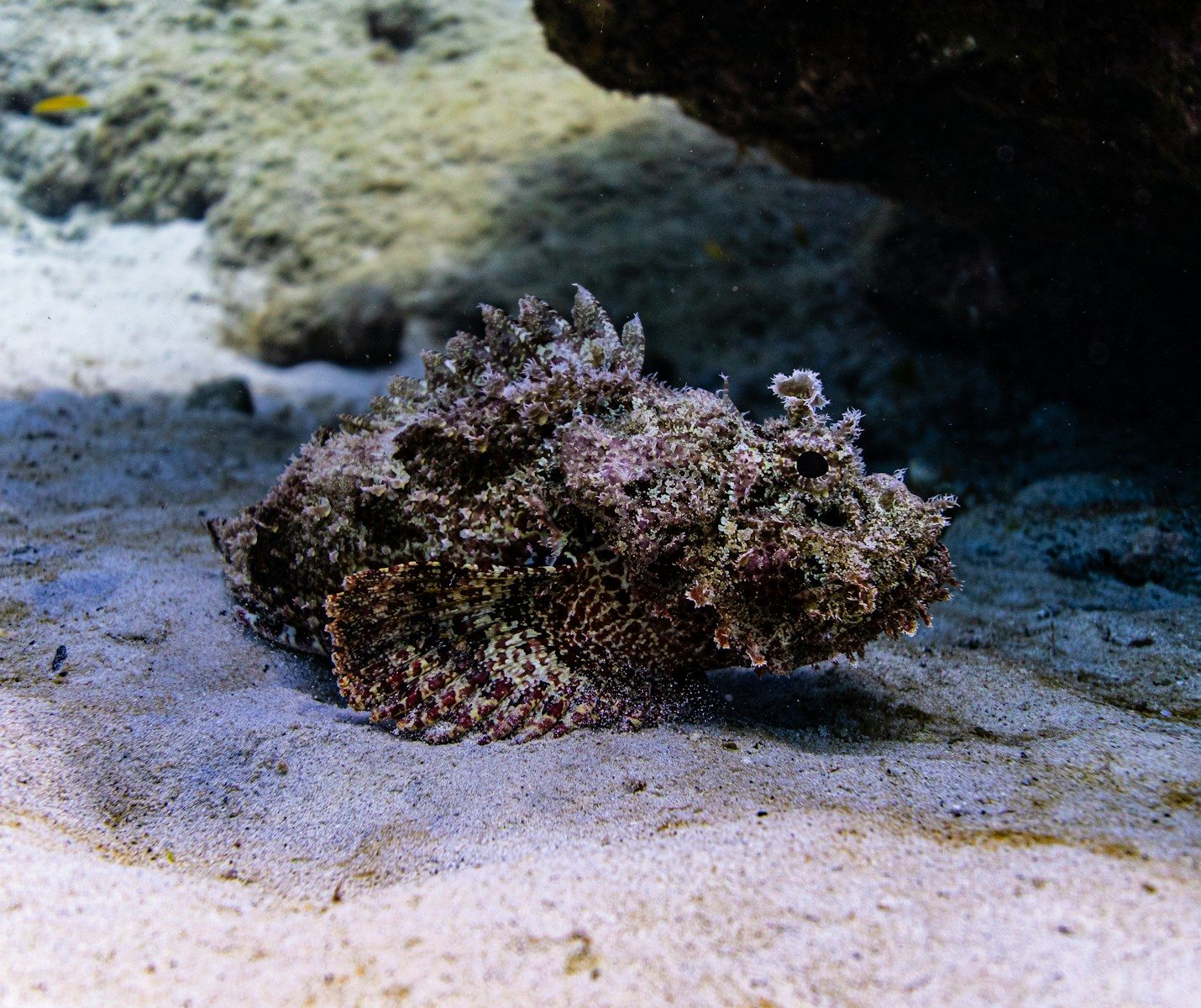
    Stonefish 37” by High Desert Rider is licensed under CC BY-NC-ND 2.0

    The stonefish is often considered one of the most venomous fish in the world. Its body resembles a rock, allowing it to blend almost perfectly into the seafloor. This camouflage helps it avoid predators and ambush prey, but it also means fishermen and beachgoers may not notice it until it is too late.

    When threatened, the stonefish can inject venom through sharp spines on its back. The venom causes extreme pain and can create serious medical emergencies if treatment is delayed. A fisherman handling nets, traps, or catch from shallow coastal waters could accidentally come into contact with one. Even though the stonefish is not large, its venomous defense is powerful enough to incapacitate an adult and make a dangerous situation much worse if help is not immediately available.

  • What makes orcas powerful enough to scare great whites

    What makes orcas powerful enough to scare great whites

    Have you ever wondered why one of the ocean’s most feared predators can suddenly flee when orcas arrive? The answer lies in a fascinating battle between two apex predators. Great white sharks are powerful hunters with sharp senses, strong jaws, and incredible speed. Yet in many documented encounters, they avoid areas where orcas are present and sometimes leave for weeks or even months.

    Understanding what makes orcas powerful enough to scare great whites reveals just how remarkable these marine mammals are. From intelligence and teamwork to specialized hunting skills, orcas possess advantages that few ocean animals can match. This article explores the key reasons why orcas often dominate encounters with great white sharks and why these sharks treat them as a serious threat.

    Orcas combine size, strength, and speed

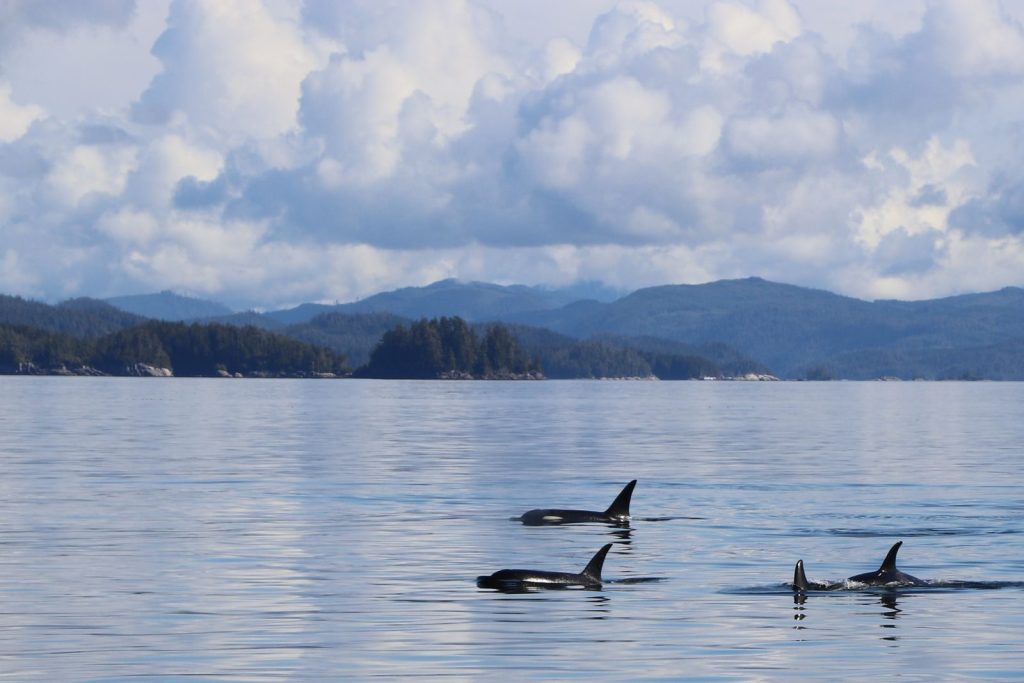
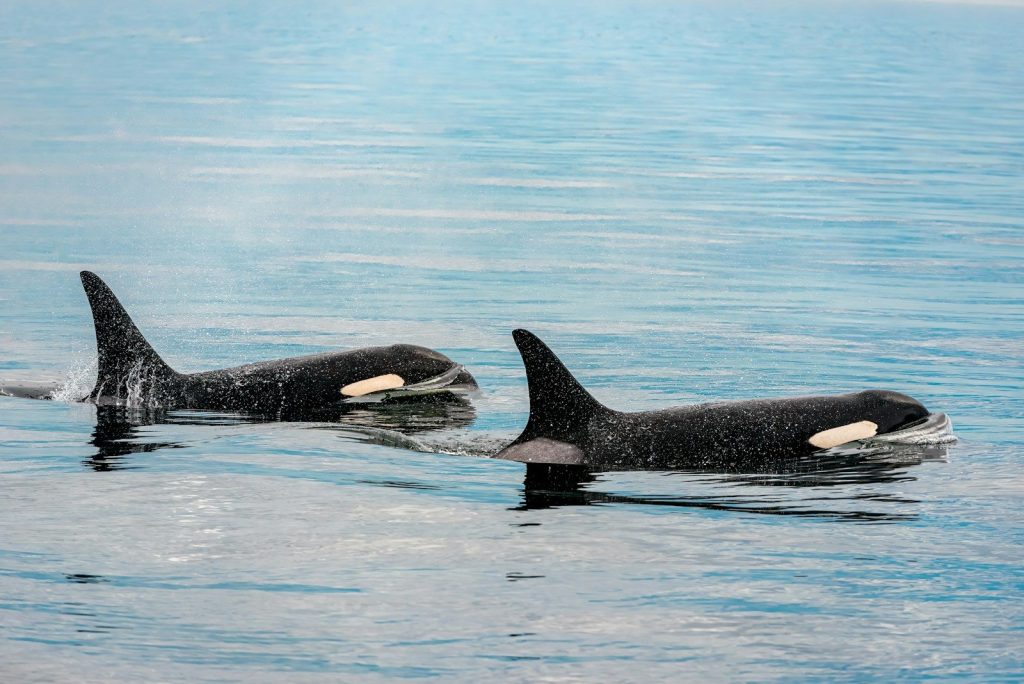
    A serene view of orcas swimming in Telegraph Cove, BC, with scenic mountainous background.
    Photo by marnock on Pexels

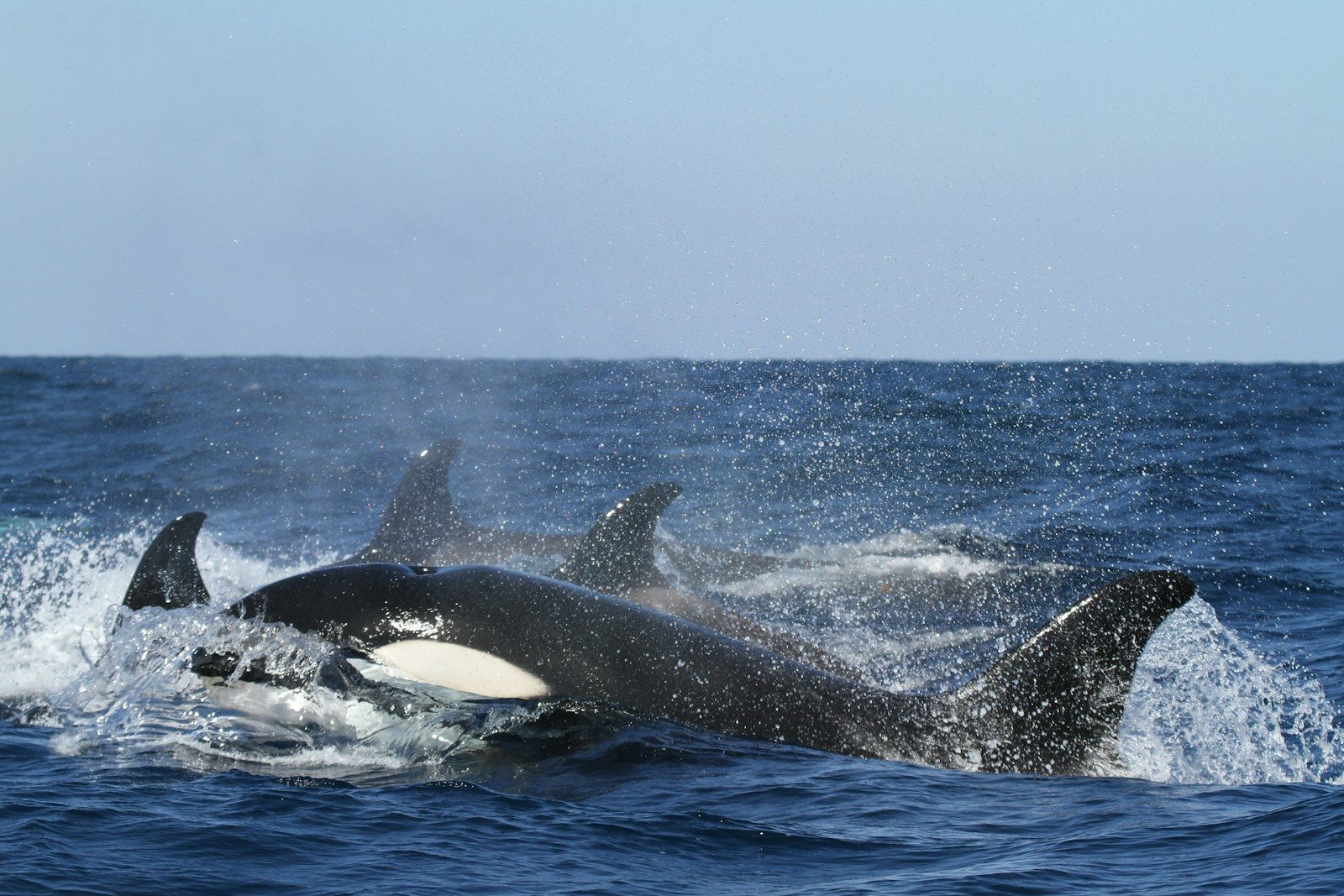
    Orcas are the largest members of the dolphin family and can grow much larger than many shark species. Adult males may reach lengths of more than 25 feet and weigh several tons. Their muscular bodies allow them to swim at high speeds and generate tremendous power in the water. This strength helps them chase prey, deliver forceful blows, and control large animals during hunts.

    Great white sharks are also powerful predators, but physical strength alone does not explain why they often avoid orcas. Orcas are warm-blooded mammals with highly efficient bodies that support long-distance travel and active hunting. Their combination of endurance, power, and agility allows them to pursue prey in ways that many sharks cannot match.

    Intelligence gives orcas a major advantage

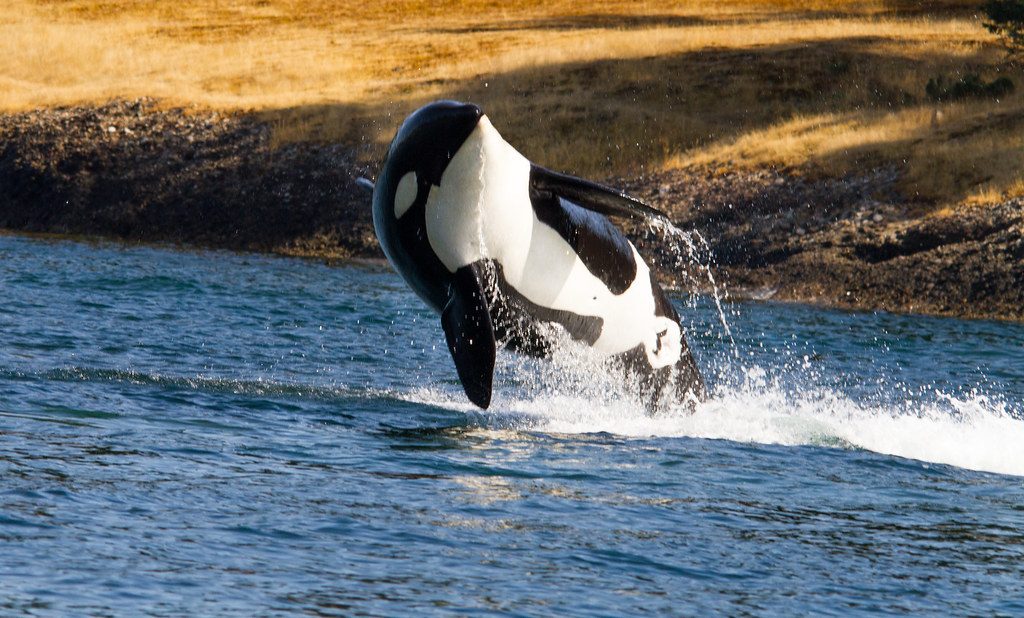
    Killer Whale (Resident Orca)” by Shawn McCready is licensed under CC BY-ND 2.0

    One of the greatest strengths of orcas is their intelligence. Scientists consider them among the smartest animals on Earth. They can learn complex behaviors, solve problems, communicate with pod members, and pass hunting techniques from one generation to another. This ability allows different groups of orcas to develop specialized hunting strategies based on the prey available in their region.

    Great white sharks rely heavily on instinct and powerful senses, but orcas can adapt their behavior and create new solutions. Researchers have documented orcas using carefully coordinated methods to hunt sharks, including techniques that appear to be taught within family groups. This ability to learn and share knowledge gives orcas a major advantage over predators that depend mostly on instinctive behavior.

    Teamwork makes orcas incredibly effective

    two black and white orca swimming in a body of water
    Photo by Stephen Walker on Unsplash

    Unlike great white sharks, which usually hunt alone, orcas often work together in family groups called pods. Members of a pod cooperate during hunts, communicate with one another, and coordinate their movements. This teamwork allows them to surround prey, tire it out, and attack from multiple directions.

    When facing a large shark, teamwork can completely change the outcome. Several orcas working together can overwhelm even a strong predator. Each animal plays a role, creating a level of coordination that a solitary shark cannot easily counter. This social hunting style helps explain why great whites often choose to avoid encounters rather than risk a confrontation with a pod of orcas.

    Orcas know how to exploit shark weaknesses

    grey and white shark underwater
    Photo by Hunter Newton on Unsplash

    Orcas do not simply rely on strength. They understand how to target vulnerabilities in sharks. One of the most remarkable techniques involves flipping a shark upside down. This causes a condition called tonic immobility, a temporary state in which the shark becomes largely helpless and unable to defend itself effectively.

    Researchers have observed orcas using this technique on great white sharks and other shark species. Once the shark is immobilized, the orcas can maintain control and access nutrient-rich organs. This behavior shows that orcas are not just powerful hunters. They are strategic hunters that know how to use a shark’s own biology against it.

    Shark livers are a valuable reward

    a large shark swimming in the ocean
    Photo by Hubert Lenkiewicz on Unsplash

    Many documented attacks suggest that orcas are especially interested in a shark’s liver. Shark livers are extremely rich in fats and nutrients, making them a valuable source of energy. In several observed cases, orcas removed and consumed the liver while leaving much of the rest of the shark behind.

    This selective feeding behavior demonstrates how efficient orcas can be. Rather than consuming an entire shark, they often focus on the most nutritious part. Researchers have recorded multiple incidents in different parts of the world where great white sharks were found with their livers removed. These observations suggest that some orca populations have become highly skilled shark hunters with a preference for this energy-rich organ.

    Great whites recognize orcas as a serious threat

    Great White Shark” by Elias Levy is licensed under CC BY 2.0

    Perhaps the strongest evidence of orca dominance is the behavior of great white sharks themselves. Studies have shown that white sharks often leave areas shortly after orcas appear. In some regions, sharks abandoned important feeding grounds and stayed away for extended periods following encounters with killer whales.

    This response is significant because great whites are not known for being easily frightened. As apex predators, they rarely face threats from other animals. Yet the presence of orcas can change their movement patterns dramatically. Scientists believe sharks may recognize the danger through direct encounters, environmental cues, or learned behavior. Whatever the reason, the result is clear: many great whites choose avoidance over conflict when orcas are nearby.