Category: Wildlife and animals

  • Researchers uncover a massive shark that lived before megalodon

    Researchers uncover a massive shark that lived before megalodon

    Imagine discovering a giant shark that ruled the oceans long before the mighty megalodon even existed. That is exactly what researchers uncovered in northern Australia after taking a fresh look at a group of forgotten fossils. The ancient predator lived about 115 million years ago during the age of dinosaurs and may have grown to around 26 feet long.

    Scientists now believe it is the earliest known mega-predator from the same broad shark lineage that later gave rise to species like the great white. The discovery is changing what experts know about shark evolution and proving that giant ocean hunters appeared much earlier than anyone expected. Here is how the fossils were found and why this ancient shark matters so much.

    A forgotten fossil sparked a new mystery
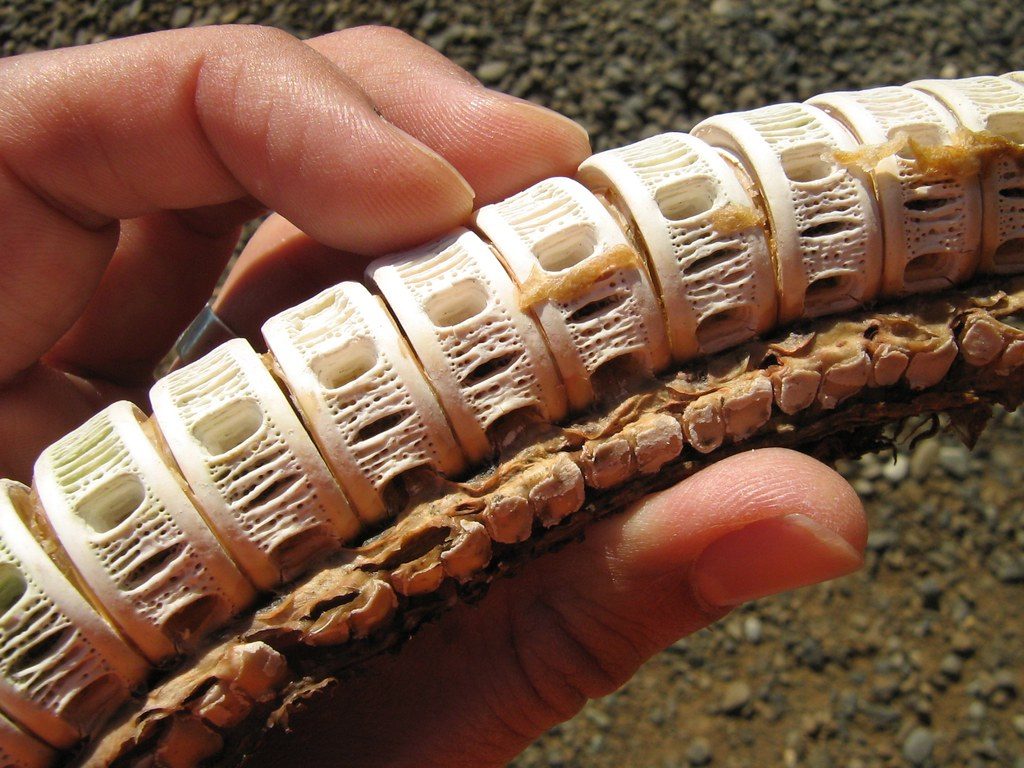
    common thresher shark vertebrae” by Mollivan Jon is licensed under CC BY-NC 2.0

    The story began with five large vertebrae discovered near Darwin in northern Australia. The fossils were unearthed during the late 1980s and 1990s from rocks that once formed the floor of an ancient ocean. After they were collected, the specimens spent years in a museum collection and attracted little attention from scientists.

    That changed when researchers took another look at the fossils. The vertebrae measured about 4.7 inches across, which is unusually large for sharks from that time period. Scientists quickly realized they might belong to an animal far bigger than expected. The rediscovery launched years of research aimed at figuring out the size and identity of the mysterious predator.

    The shark lived during the age of dinosaurs
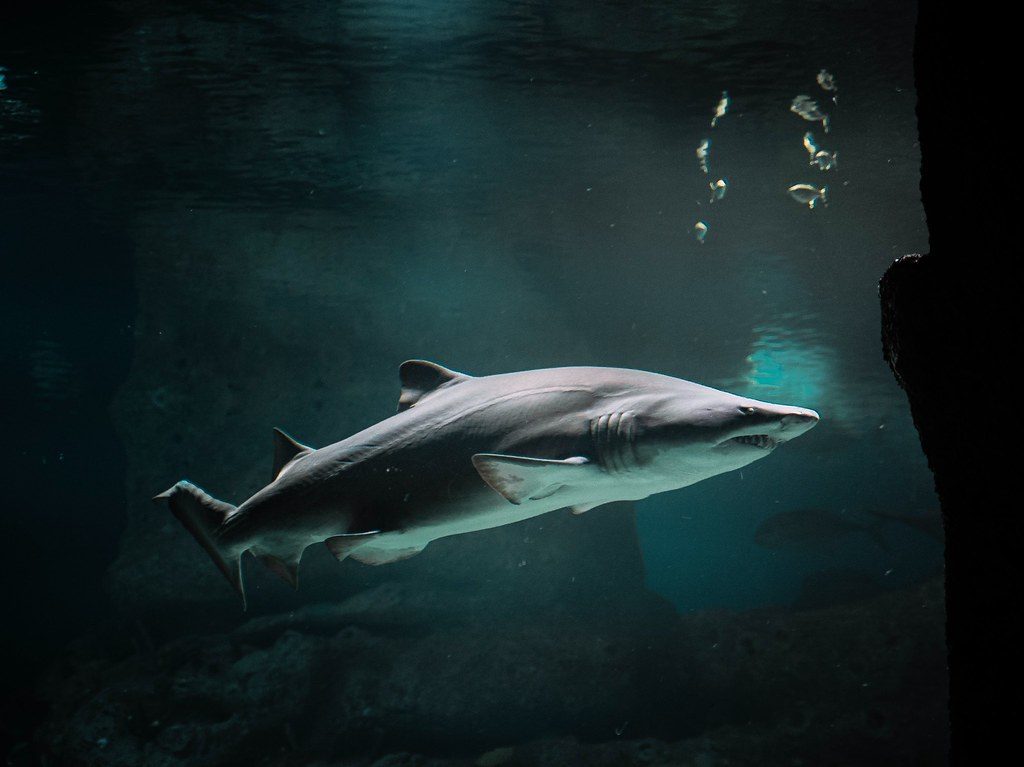
    Shark Of The Deep” by qoqeygeo32 is licensed under CC CC0 1.0

    This giant shark swam through Earth’s oceans around 115 million years ago during the Early Cretaceous period. At that time, dinosaurs ruled the land, while enormous marine reptiles dominated the seas. Long-necked plesiosaurs, swift ichthyosaurs, and other fearsome predators shared the waters with this ancient shark.

    The region around present-day Darwin looked very different back then. It was covered by a vast inland sea connected to ancient continents that would later become Australia and Europe. The warm waters supported a rich ecosystem filled with fish, reptiles, and other marine animals. It was the perfect place for a giant predator to thrive.

    Scientists identified an early mega-predator
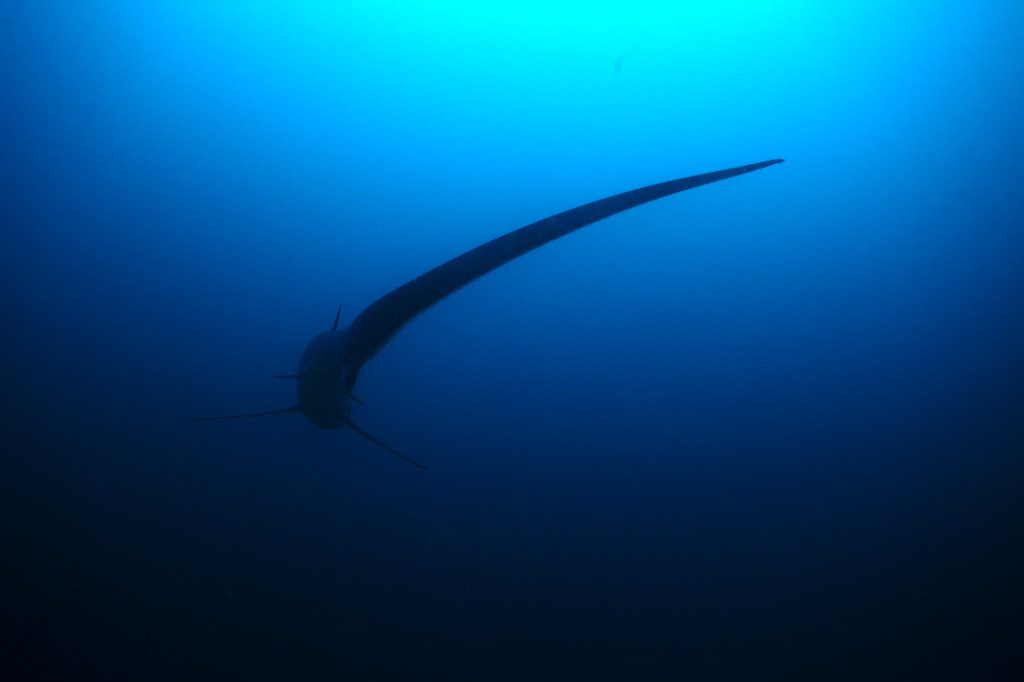
    Thresher Shark Tail” by PacificKlaus is licensed under CC BY-NC 2.0

    Researchers believe the shark belonged to an extinct group called the cardabiodontids. These sharks are relatives of modern lamniform sharks, a group that includes great whites, makos, and thresher sharks. Until now, scientists thought giant members of this family did not appear until much later in history.

    The new discovery pushed that timeline back by about 15 million years. That makes the Darwin shark the earliest known mega-predator from the modern shark lineage. It also suggests that sharks evolved into large hunters much faster than researchers once believed. The findings show that giant predators were already patrolling the oceans while dinosaurs still dominated the planet.

    Estimating the shark’s true size was difficult

    people having meeting on rectangular brown table
    Photo by Christina @ wocintechchat.com M on Unsplash

    Determining the size of extinct sharks is not easy. Unlike most animals, sharks have skeletons made mostly of cartilage rather than bone. Cartilage does not fossilize very well, so scientists often have to rely on teeth to estimate body size. The problem is that teeth can vary greatly between species, making those estimates uncertain.

    The Darwin fossils offered a rare advantage because they included vertebrae. Researchers used CT scans, fisheries data, and mathematical models to compare the fossils with living sharks and extinct species. After years of testing different methods, they concluded the animal was likely about 8 meters, or 26 feet, long. That would make it larger than today’s great white sharks and one of the biggest predators of its era.

    The ancient shark may have looked familiar
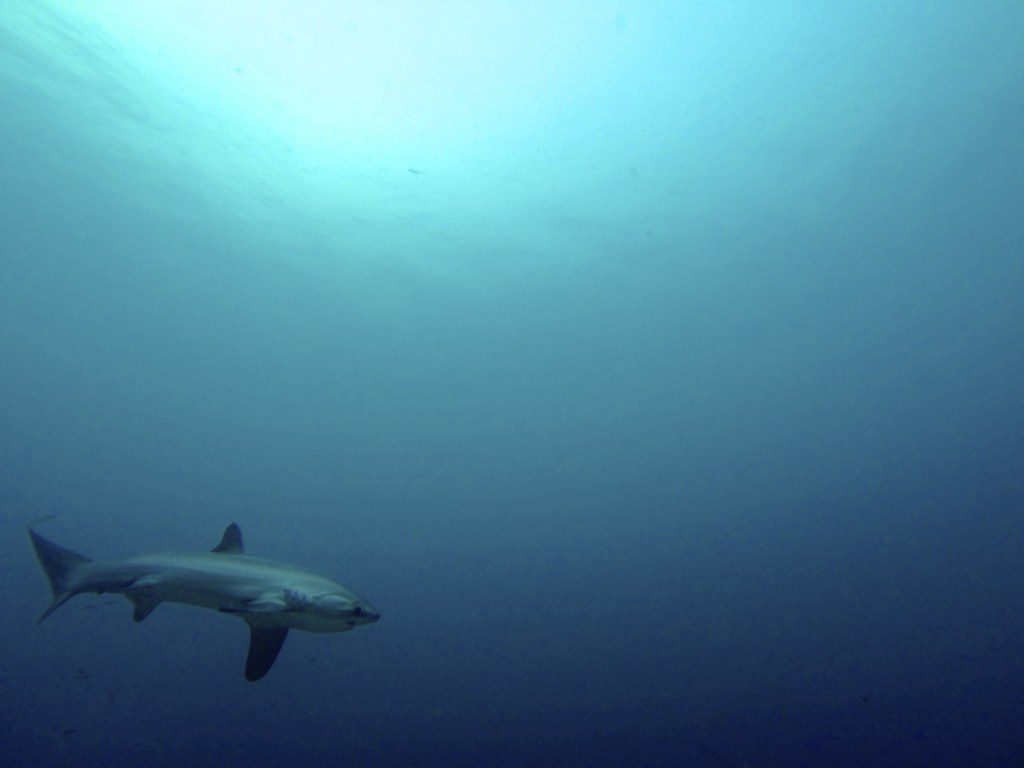
    Thresher Shark at Monad Shoal” by Maxime Guilbot is licensed under CC BY 2.0

    Even though this shark lived millions of years before megalodon, scientists believe it probably looked surprisingly modern. Its body shape was likely streamlined, with a powerful tail and a pointed snout designed for speed and hunting. In many ways, it may have resembled an oversized version of today’s great white shark.

    Researchers say this body plan has been remarkably successful throughout shark history. The basic design allows sharks to swim efficiently, chase prey, and survive in changing environments. The Darwin predator proves that this winning formula was already in place more than 100 million years ago. It is one reason sharks have survived multiple mass extinctions and continue to thrive today.

    The discovery could reveal even older giants

    a group of people working in a lab
    Photo by National Institute of Allergy and Infectious Diseases on Unsplash

    Scientists think this giant shark was probably not the first of its kind. If a mega-predator existed 115 million years ago, then older ancestors must have lived even earlier. Researchers now hope to search similar fossil sites around the world to uncover more clues about when giant sharks first appeared.

    The discovery also offers important lessons for the future. By studying ancient ecosystems, scientists can learn how marine life responded to changes in climate and biodiversity over millions of years. Understanding those past changes may help researchers predict how today’s sharks and ocean species will cope with environmental challenges in the years ahead.
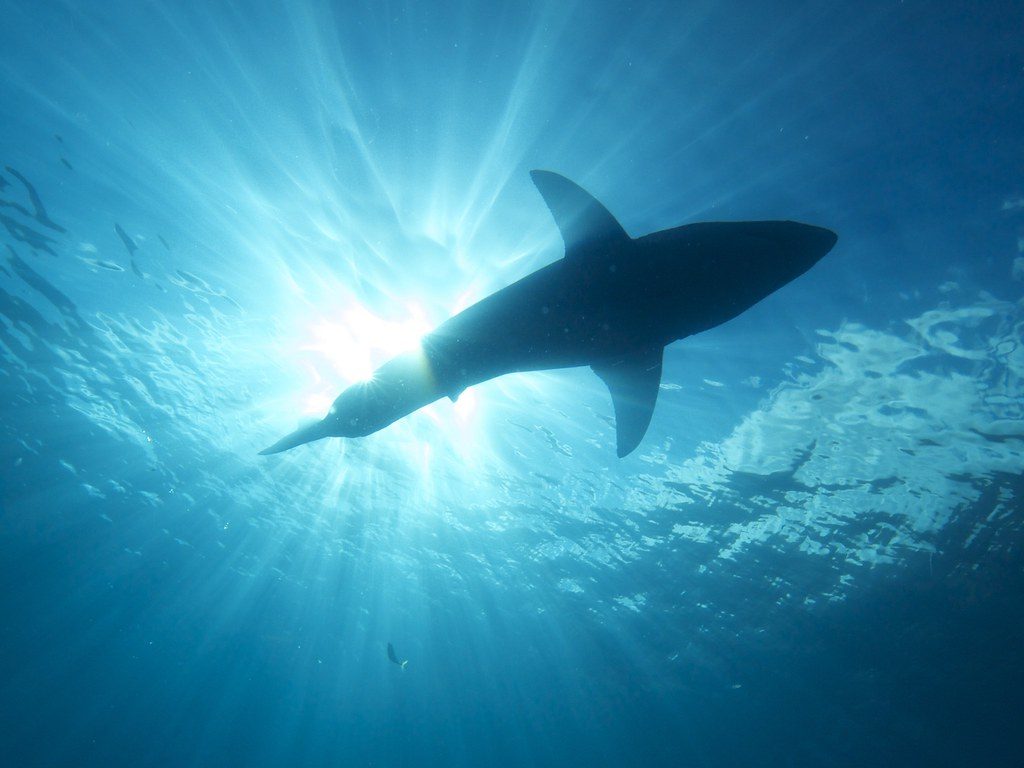
  • Why great white sharks suddenly disappeared from this hotspot

    Why great white sharks suddenly disappeared from this hotspot

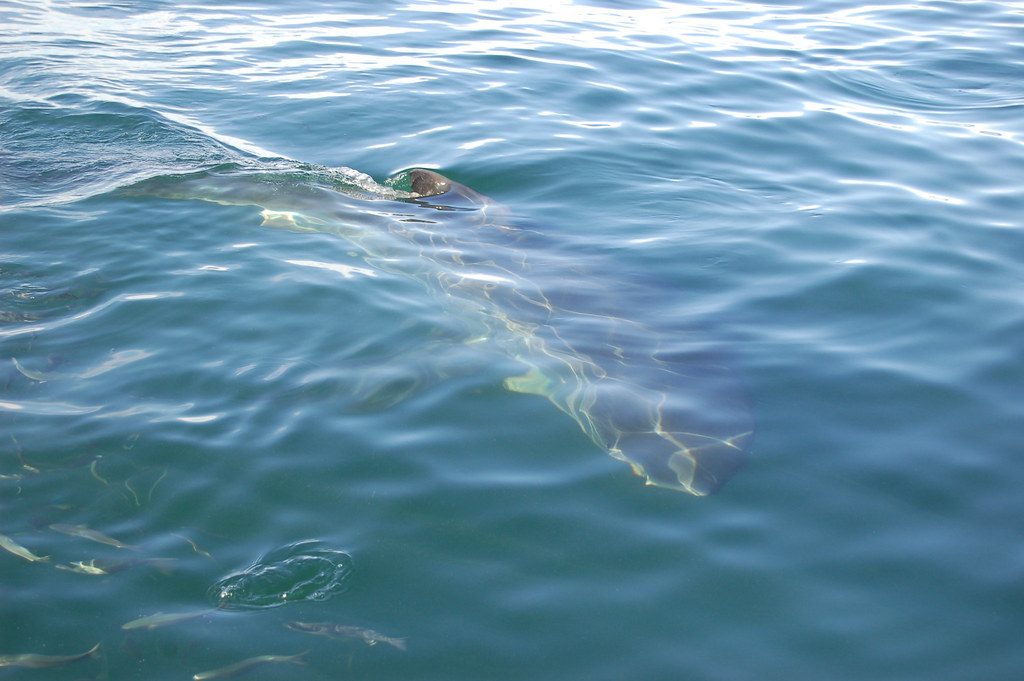
    For years, South Africa was one of the best places on Earth to see great white sharks. Tourists traveled from around the world to watch these giant predators leap from the water near Seal Island in False Bay or swim near Gansbaai, a town once called the “great white shark capital of the world.” Then something strange happened. The sharks began to disappear, and soon many of the places that once teemed with great whites became eerily quiet.

    Scientists are still working to understand exactly why great white sharks abandoned this famous hotspot. Some believe a pair of killer whales scared them away. Others argue that human activity had already weakened shark populations long before the whales arrived. The truth may be more complicated than a single cause. Here’s what researchers know so far and what the disappearance means for the future of these iconic ocean predators.

    A world-famous shark hotspot suddenly went quiet

    White Shark Cage Diving, Gansbaai” by Sara&Joachim is licensed under CC BY-SA 2.0

    For decades, False Bay and Gansbaai were among the most reliable places on Earth to spot great white sharks. The waters were rich in food, especially Cape fur seals, which gather in huge colonies around Seal Island. Scientists spent years tracking sharks in these areas, learning how they hunted, migrated, and interacted with other marine animals. Shark cage diving also became a major tourist attraction, supporting local businesses and bringing attention to marine conservation.

    But after around 2015, sightings started to fall sharply. By mid-2018, researchers conducting regular surveys at Seal Island in False Bay were no longer seeing great white sharks at all. What had once been a thriving shark habitat became nearly empty. The sudden change shocked scientists because great whites had been present there year-round for decades. The disappearance was so dramatic that researchers immediately began searching for answers.

    The arrival of two unusual killer whales

    Shark starboard” by empty007 is licensed under CC BY-NC 2.0

    One of the strongest theories focuses on two male killer whales known as Port and Starboard. The pair became famous after several dead great white sharks washed ashore beginning in 2017. These sharks had something unusual in common. Their bodies showed almost no damage except for a precise opening near the chest, and their large, oily livers were missing.

    Scientists believe Port and Starboard developed a specialized hunting method that allowed them to kill sharks quickly and remove their nutrient-rich livers. Since then, the pair has been linked to multiple shark deaths along South Africa’s coast. Researchers have also observed great white sharks leaving areas shortly after the orcas appear. In some cases, sharks that once stayed in a region for months vanished within days of an orca sighting, suggesting they see killer whales as a serious threat and actively avoid them.

    Sharks may have moved instead of disappearing

    st Croix island near Algoa Bay, P.E – South Africa” by Andre W is licensed under CC BY-SA 2.0

    The disappearance of sharks from False Bay does not necessarily mean they died. Evidence suggests many of them simply moved elsewhere. Scientists tracking tagged sharks found that some traveled hundreds of miles east along South Africa’s coastline. Places such as Mossel Bay, Algoa Bay, and Plettenberg Bay began reporting more shark sightings at around the same time numbers fell in False Bay.

    This shift is important because great white sharks reproduce slowly. Females do not produce large numbers of young, and it can take years for a population to grow. The rapid changes seen across different regions happened too quickly to be explained by births alone. Instead, researchers believe redistribution played a major role, with sharks abandoning areas where they felt threatened and moving to locations they considered safer. Even so, the long-term fate of many sharks remains uncertain.

    Some scientists blame people more than whales

    a group of people sitting around a white table
    Photo by UK Black Tech on Unsplash

    Not all experts agree that killer whales are the main reason for the sharks’ disappearance. Some researchers argue the decline began before Port and Starboard became regular visitors. They point to decades of human activity that may have weakened shark populations long before the orcas appeared.

    Overfishing is one major concern. Great white sharks rely on healthy fish populations and marine ecosystems. When commercial fisheries remove large numbers of fish, sharks may struggle to find enough food. Protective shark nets and baited drumlines are another issue. These systems are designed to reduce shark encounters near beaches, but they can accidentally kill great whites and other marine animals. Scientists who support this theory believe the sharks were already under pressure from humans, and the arrival of shark-hunting orcas may have pushed an already stressed population over the edge.

    The disappearance changed the entire ecosystem

    Great White Shark” by Elias Levy is licensed under CC BY 2.0

    When an apex predator disappears, the effects ripple through the food chain. Great white sharks sit near the top of the ocean ecosystem, helping keep populations of other animals in balance. Their sudden absence from False Bay created major changes that scientists are still studying today.

    Cape fur seals, one of the sharks’ favorite prey animals, became bolder after the sharks vanished. Researchers noticed that seals spent more time in open water and showed less fear near Seal Island. At the same time, sevengill sharks, which are normally prey for great whites, began appearing in places they were rarely seen before. These shifts then affected smaller fish and other marine species. Scientists call this process a trophic cascade, where the loss of a top predator causes changes throughout the entire ecosystem. The situation in False Bay has become one of the clearest examples of this phenomenon in the ocean.

    The mystery is not fully solved yet

    Great White Shark” by Elias Levy is licensed under CC BY 2.0

    Although scientists have learned a great deal, there is still no complete agreement on why great white sharks abandoned South Africa’s famous hotspot. The evidence linking killer whales to shark movements is strong. The timing matches, shark carcasses have been found with signs of orca attacks, and researchers have watched sharks leave areas after killer whale sightings. Yet this does not rule out other causes.

    Many experts now believe the answer is a combination of factors. Human activities such as overfishing and shark control measures may have slowly reduced shark numbers over many years. Then specialized orcas arrived and changed shark behavior even more dramatically. Climate change may also play a role by altering ocean temperatures and food availability. Rather than a single event, the disappearance of great white sharks may be the result of several pressures acting together over time.

  • Why experts warn against eating these 6 kinds of fish

    Why experts warn against eating these 6 kinds of fish

    3 fats. But not every fish is a smart choice for your dinner plate. Some species contain high amounts of mercury, while others face serious overfishing problems or may carry other environmental concerns. That is why health experts and environmental groups warn people to be careful about which fish they eat and how often they eat them.

    If you have ever wondered why certain fish show up on “avoid” lists, you are not alone. The good news is that you do not have to stop eating seafood altogether. By learning about these six kinds of fish, you can make safer choices for yourself and your family. This guide explains the biggest concerns, including mercury levels, sustainability issues, and why experts continue to warn consumers about these popular seafood options.

    Shark contains very high levels of mercury

    I am glad you are not a giant shark” by mriggen is licensed under CC BY 2.0

    Shark is one of the most commonly listed fish that experts recommend avoiding. The main reason is mercury. Sharks are large predators that sit at the top of the ocean food chain. They eat many smaller fish during their long lives, and mercury builds up in their bodies over time. This process is called bioaccumulation. As a result, shark meat can contain some of the highest mercury levels found in seafood. Mercury is a toxic metal that can affect the brain and nervous system, especially in unborn babies and young children. Pregnant women, nursing mothers, and children are often advised to avoid shark completely.

    Even healthy adults are encouraged to limit shark consumption. Mercury does not disappear when the fish is cooked, frozen, or cleaned. Frequent exposure can slowly increase the amount of mercury in the body. Shark populations also face major conservation challenges around the world. Many shark species grow slowly and produce fewer young than other fish, making it difficult for their populations to recover from heavy fishing pressure. These health and environmental concerns are why shark remains one of the top fish experts advise people to avoid.

    Swordfish can expose people to too much mercury

    Swordfish Carpaccio, Poached Ocean Trout with Aioli – Tea Rooms of Yarck” by avlxyz is licensed under CC BY-SA 2.0

    Swordfish is famous for its meaty texture and mild flavor, but experts warn that it can contain dangerous amounts of mercury. Like sharks, swordfish are large predators that live for many years. Because they feed on smaller fish throughout their lives, mercury builds up in their muscles and tissues. This means that a single serving of swordfish can expose a person to much more mercury than lower-mercury fish such as salmon or sardines. Health officials have repeatedly placed swordfish on lists of fish that pregnant women and young children should avoid.

    Mercury is especially concerning because it can affect brain development and the nervous system. Children are more sensitive to its effects because their bodies and brains are still growing. Adults who eat swordfish regularly may also increase their mercury exposure over time. The fish still contains healthy nutrients and omega-3 fats, but experts believe the mercury risk outweighs these benefits for many people. Choosing lower-mercury fish allows consumers to get the nutritional advantages of seafood without the same level of concern.

    King mackerel is one of the highest-mercury fish

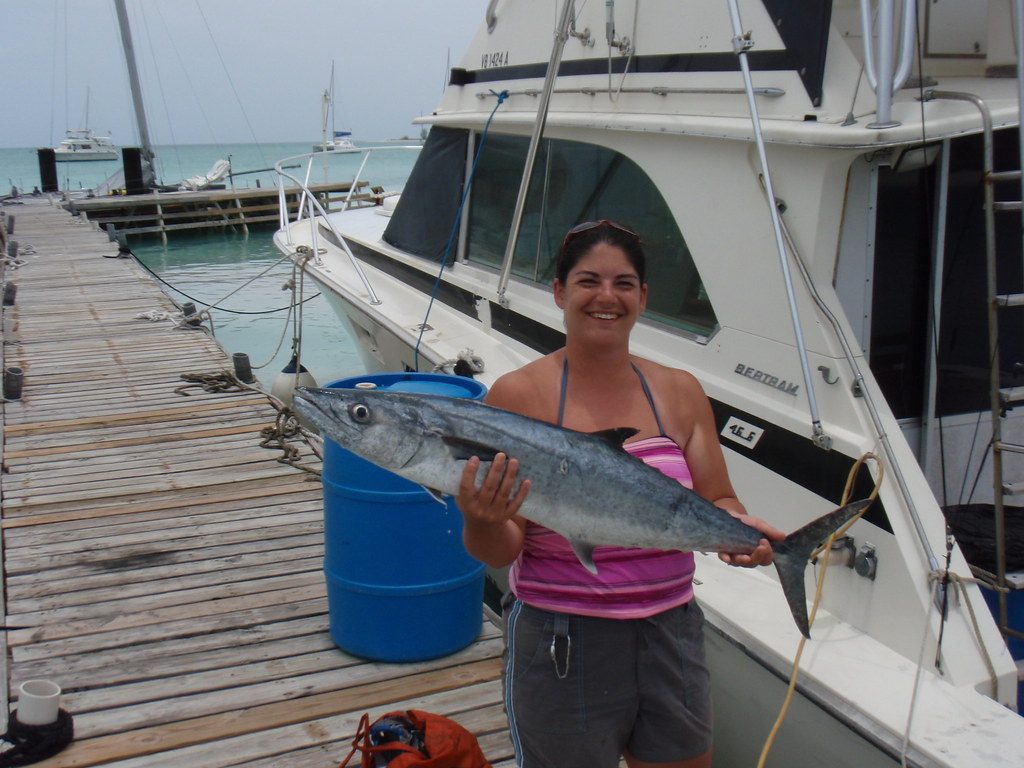
    Kris and King Mackerel” by ScubaBear68 is licensed under CC BY 2.0

    Many people confuse king mackerel with Atlantic mackerel, but they are very different when it comes to mercury levels. Atlantic mackerel is considered a healthy, lower-mercury option. King mackerel, however, is among the fish that experts most strongly advise people to avoid. It is a large predator that accumulates mercury as it grows. Studies and government testing have repeatedly found that king mackerel contains much higher mercury levels than many other popular seafood choices.

    The concern is not just for pregnant women and children. Adults who eat king mackerel often may also increase their mercury intake beyond recommended levels. Mercury exposure is linked to problems involving the nervous system, memory, and brain function when consumed in large amounts over time. Fortunately, seafood lovers do not have to give up mackerel entirely. Atlantic mackerel offers similar nutrients and omega-3 fats with far less mercury, making it a safer option for regular meals.

    Tilefish from the Gulf of Mexico is a risky choice

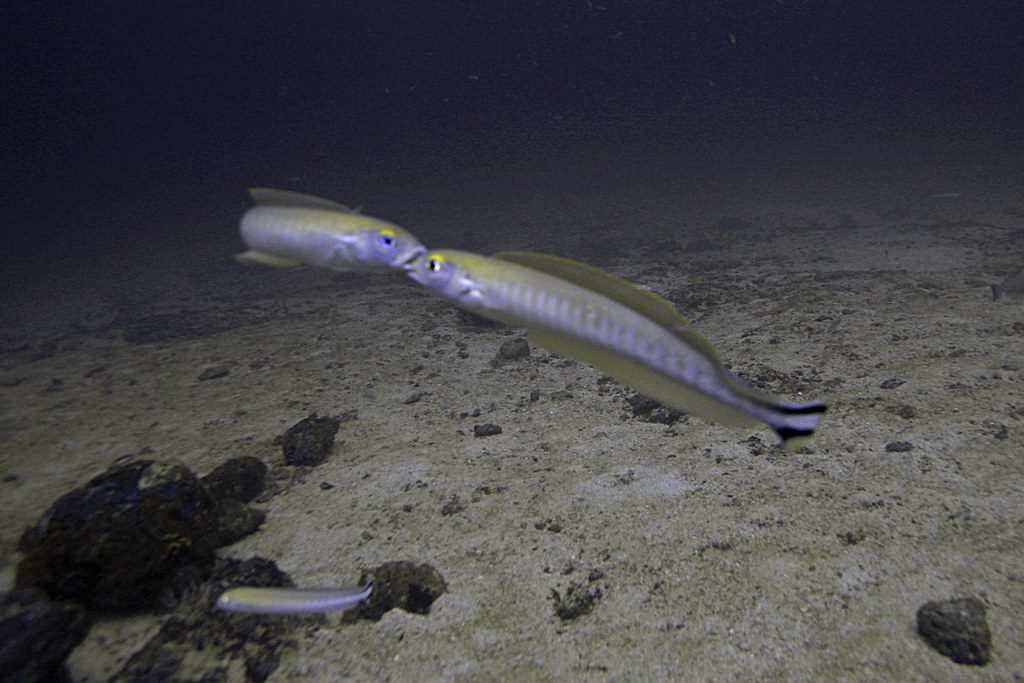
    When Tilefish Attack” by laszlo-photo is licensed under CC BY 2.0

    Tilefish is not as well known as tuna or salmon, but it has gained attention because of its unusually high mercury content. The concern mainly involves tilefish caught in the Gulf of Mexico. This variety consistently ranks among the fish with the highest mercury levels. Because tilefish live for many years and occupy a higher place in the food chain, mercury builds up in their bodies over time. This makes them a poor choice for pregnant women, nursing mothers, and young children.

    The tricky part is that not all tilefish are the same. Tilefish from the Atlantic Ocean generally contain lower mercury levels than Gulf tilefish. However, it can be difficult for shoppers to know exactly where a fish was caught unless the label clearly states its origin. For this reason, many experts encourage consumers to avoid tilefish unless they are certain about the source. Safer seafood choices are widely available and provide the same nutritional benefits without the uncertainty surrounding mercury exposure.

    Orange roughy raises both health and environmental concerns

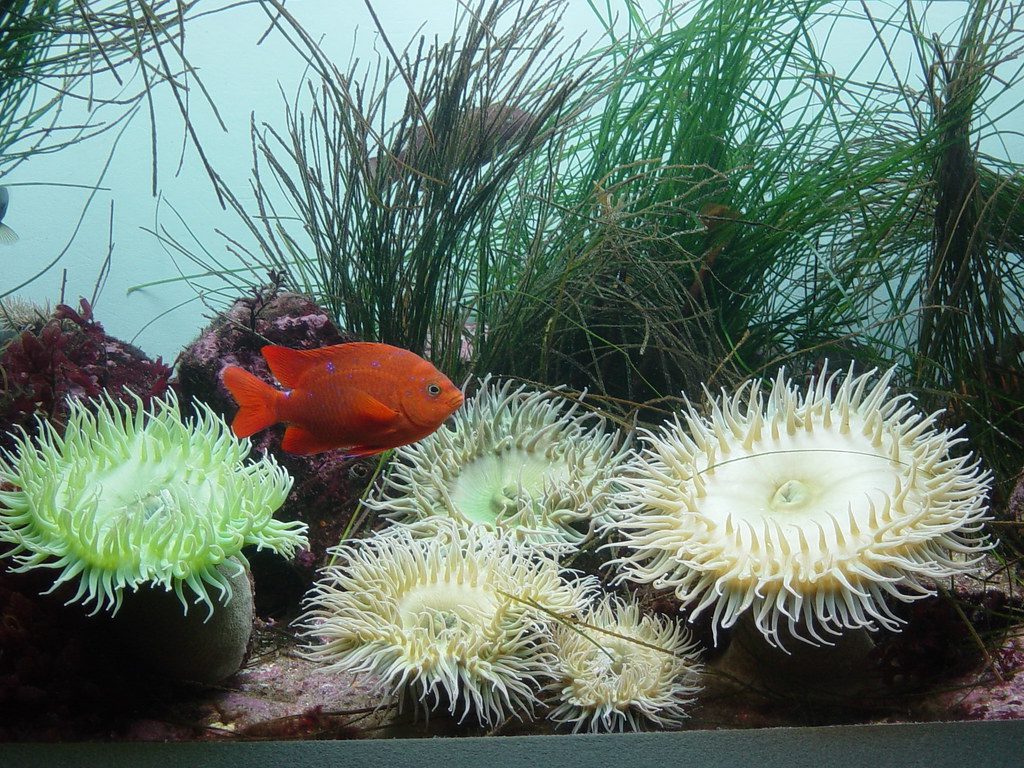
    Sea anemones and orange fish” by Martin LaBar is licensed under CC BY-NC 2.0

    Orange roughy may look like an ordinary fish at the seafood counter, but experts often warn consumers about it for two major reasons. The first is mercury. Orange roughy can contain relatively high levels of mercury compared with many other fish. While it may not always reach the same levels as shark or swordfish, health officials still recommend limiting or avoiding it, especially for children and pregnant women.

    The second concern is sustainability. Orange roughy is one of the longest-living fish in the ocean. Some individuals are believed to live for more than 100 years. They grow slowly and do not reproduce quickly, which means their populations recover very slowly after heavy fishing. In many areas, orange roughy has been heavily overfished, leading environmental groups to warn consumers about buying it. Choosing faster-growing fish such as sardines, salmon, or pollock can help reduce pressure on vulnerable species while still providing excellent nutrition.

    Bigeye tuna contains more mercury than many people realize

    Atlantic bigeye” by FWC Research is licensed under CC BY-NC-ND 2.0

    Tuna is one of the most popular seafood choices in America, but not all tuna species are equal. Bigeye tuna is one of the varieties experts warn about because of its mercury content. It is larger and longer-lived than some other tuna species, which allows mercury to build up in its body over time. Bigeye tuna is commonly used in sushi and sashimi, so people may eat it without realizing they are choosing a high-mercury fish.

    This does not mean all tuna is unsafe. Canned light tuna and skipjack tuna generally contain much lower mercury levels and are considered better choices for regular consumption. Bigeye tuna, however, is often placed in the highest mercury category by health authorities. Experts recommend that pregnant women and young children avoid it altogether, while other adults should eat it sparingly. Understanding the difference between tuna species can help consumers enjoy seafood safely while reducing unnecessary exposure to mercury.

  • A camera on a giant whale revealed a secret hidden deep beneath the waves

    A camera on a giant whale revealed a secret hidden deep beneath the waves

    The ocean hides places so dark and deep that humans have barely explored them. That is why scientists were amazed when a camera on a giant whale captured never-before-seen scenes from far beneath the waves. By attaching a small homemade camera tag to a sperm whale, researchers gained a rare look into a world that is usually out of reach.

    This incredible experiment showed much more than scientists expected. The footage revealed how sperm whales dive, hunt for food, communicate, and survive in complete darkness more than a mile below the ocean’s surface. In this article, you will discover how the expedition happened, what the camera recorded, and why these findings are helping scientists understand one of the largest predators on Earth like never before.

    The mission to explore the unknown

    Eric Stackpole” by TEDxPhoenix is licensed under CC BY-NC-ND 2.0

    The journey began when engineer and ocean explorer Eric Stackpole joined a scientific expedition to study sperm whales in their natural habitat. The team worked aboard an advanced research ship equipped with modern technology, but their most important tool was surprisingly simple. They created a homemade camera tag that could safely attach to a whale using suction cups. The goal was to see the ocean from the whale’s point of view and learn what happens during its deep dives.

    Scientists have studied sperm whales for many years, but observing them underwater has always been difficult. These whales spend most of their lives beneath the surface, often diving to depths where sunlight cannot reach. Traditional cameras and underwater robots can only do so much because they cannot easily follow whales as they move through the vast ocean. By letting the whale carry the camera itself, researchers hoped to unlock secrets that had remained hidden for centuries.

    How the camera tag worked

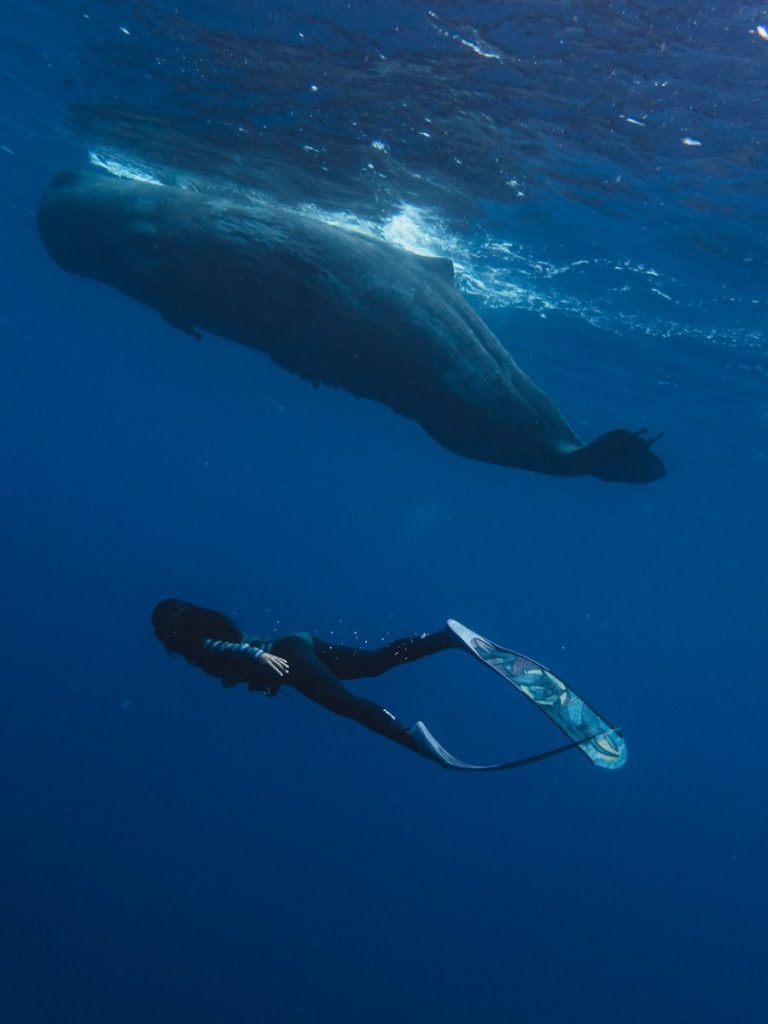
    a woman in a wetsuit swimming next to a whale
    Photo by Chinh Le Duc on Unsplash

    The camera tag was designed to be lightweight and harmless. It used suction cups to stick gently to the whale’s skin without causing pain or injury. The device contained a camera, sensors, and batteries capable of recording for hours at a time. It also measured important details such as depth, movement, and speed, giving scientists a complete picture of the whale’s behavior during its dives.

    Attaching the tag required patience and skill. Researchers approached the whale carefully in a small boat and placed the tag when the animal surfaced to breathe. Once attached, the whale continued its normal activities while the camera recorded everything around it. After several hours, the suction cups naturally released, allowing the tag to float to the surface where the team could retrieve it and examine the footage. This method has become an important tool in marine science because it allows researchers to study large animals without disturbing their natural behavior.

    The astonishing world beneath a mile of water

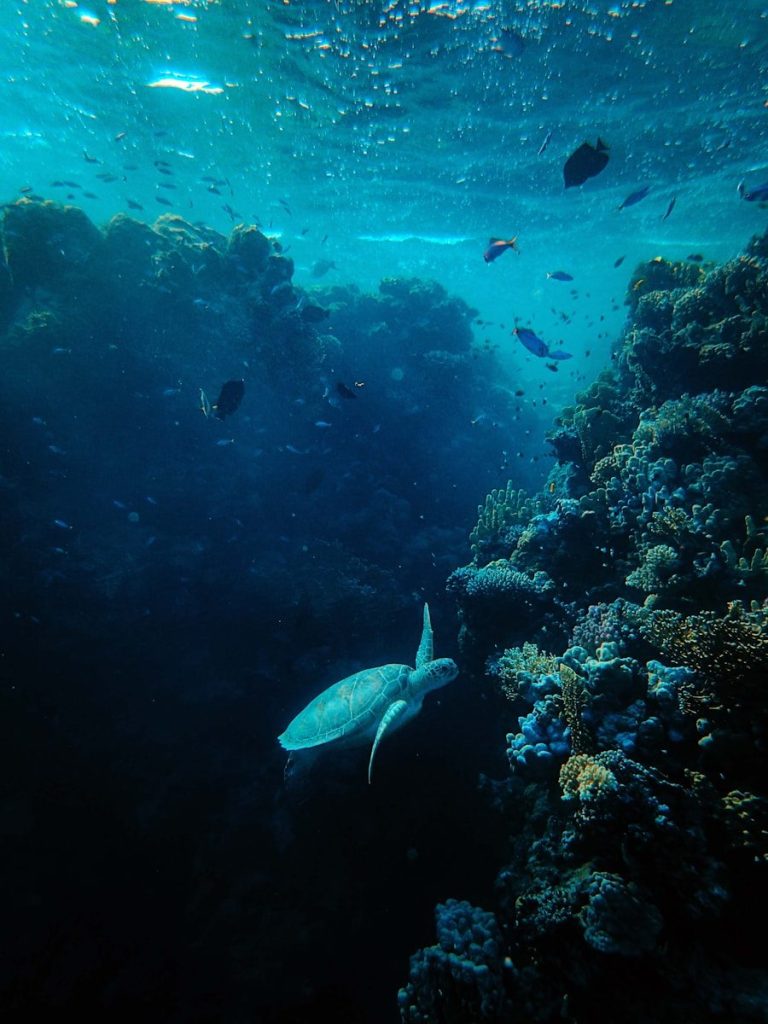
    gray turtle
    Photo by Francesco Ungaro on Unsplash

    The footage revealed a world unlike anything most people imagine. As the whale descended deeper and deeper, sunlight slowly disappeared until the surroundings became completely dark. More than a mile below the surface, the ocean was cold, quiet, and mysterious. Yet despite these harsh conditions, life was everywhere. Strange creatures drifted through the darkness, glowing faintly or moving quickly to avoid predators.

    The sperm whale moved through this hidden environment with incredible ease. Scientists observed how it adjusted its speed, changed direction, and searched for prey even when visibility was almost zero. The whale’s body is perfectly adapted for these extreme depths. It has a large supply of oxygen stored in its muscles and blood, allowing it to remain underwater for long periods. Researchers have recorded sperm whales diving deeper than 7,000 feet and staying underwater for more than an hour, making them some of the deepest-diving mammals on Earth.

    How sperm whales hunt in total darkness

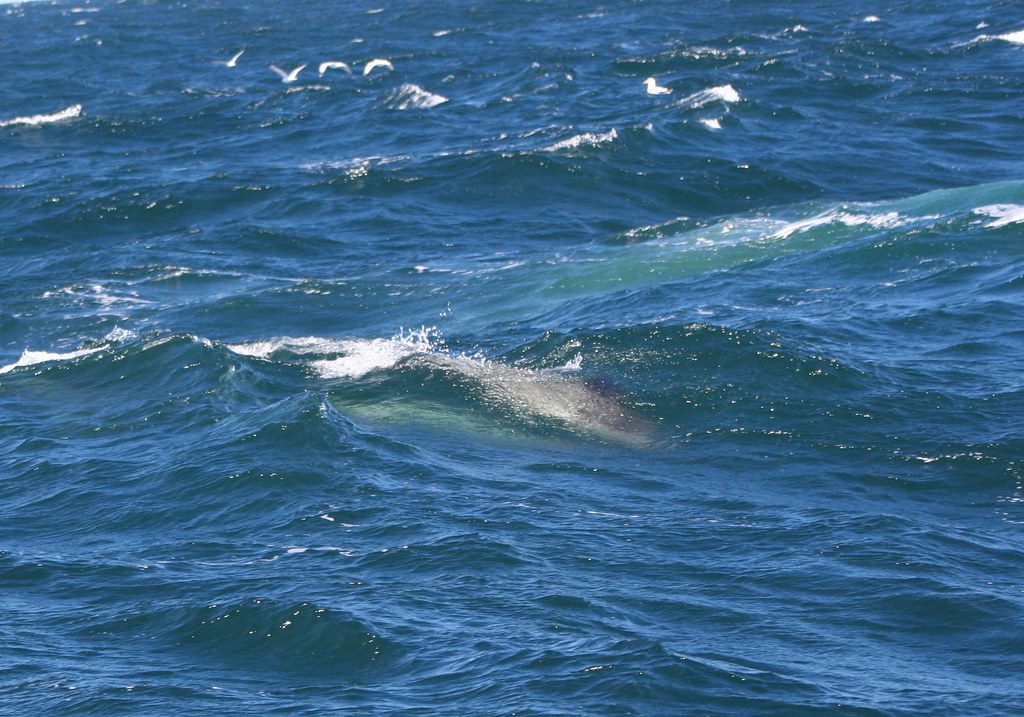
    Whale’s caudal fin” by bardamu1612 is licensed under CC BY-NC 2.0

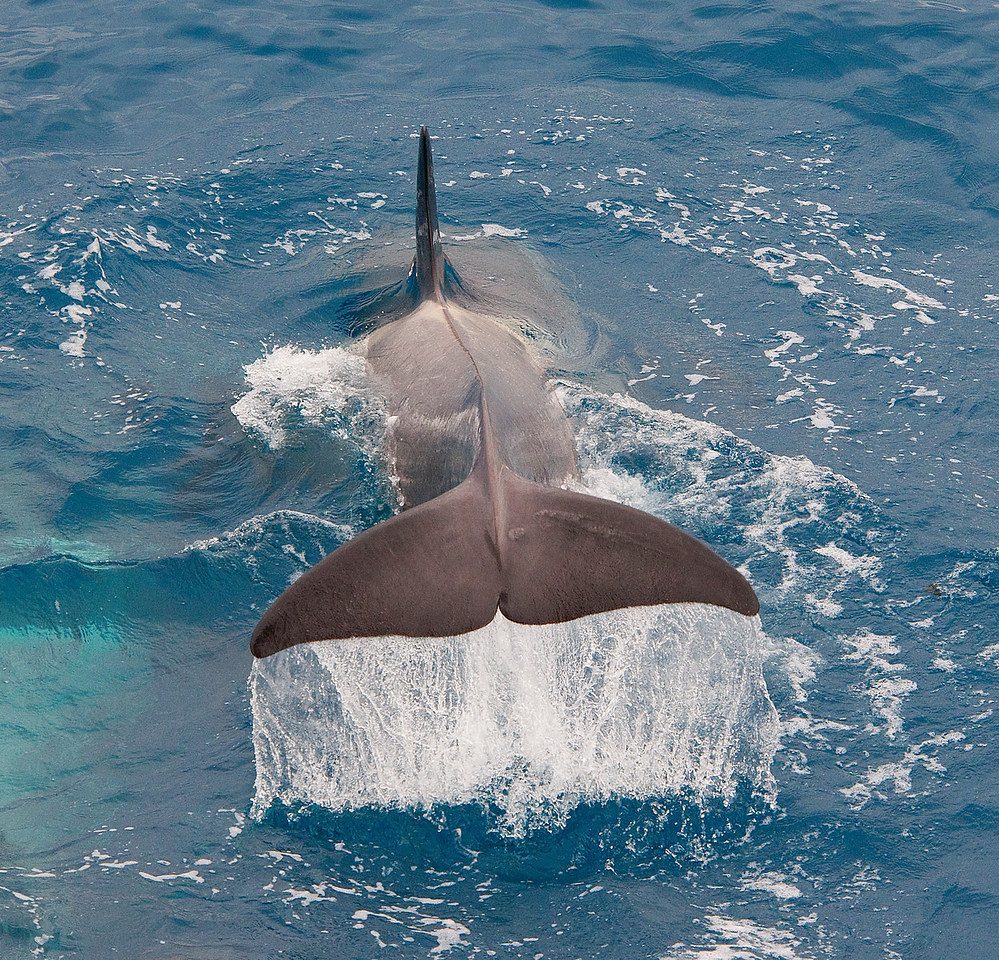
    One of the most exciting discoveries involved the whale’s hunting behavior. Since there is no sunlight at such depths, sperm whales cannot rely on vision alone to find food. Instead, they use a remarkable ability called echolocation. The whale produces powerful clicking sounds that travel through the water and bounce off nearby objects. By listening to the returning echoes, it creates a mental map of its surroundings.

    The camera footage showed how effective this system really is. As the whale searched for prey, its clicking patterns changed rapidly, becoming faster as it approached a target. Scientists believe these rapid clicks help the whale track fast-moving animals such as squid. Giant squid and large deep-sea squid are among the sperm whale’s favorite foods, and evidence of their battles can sometimes be seen in scars on the whales’ skin. The recordings offered a rare chance to observe this hunting process in action and confirmed just how skilled these animals are in one of the most difficult environments on the planet.

    The hidden language of giant whales

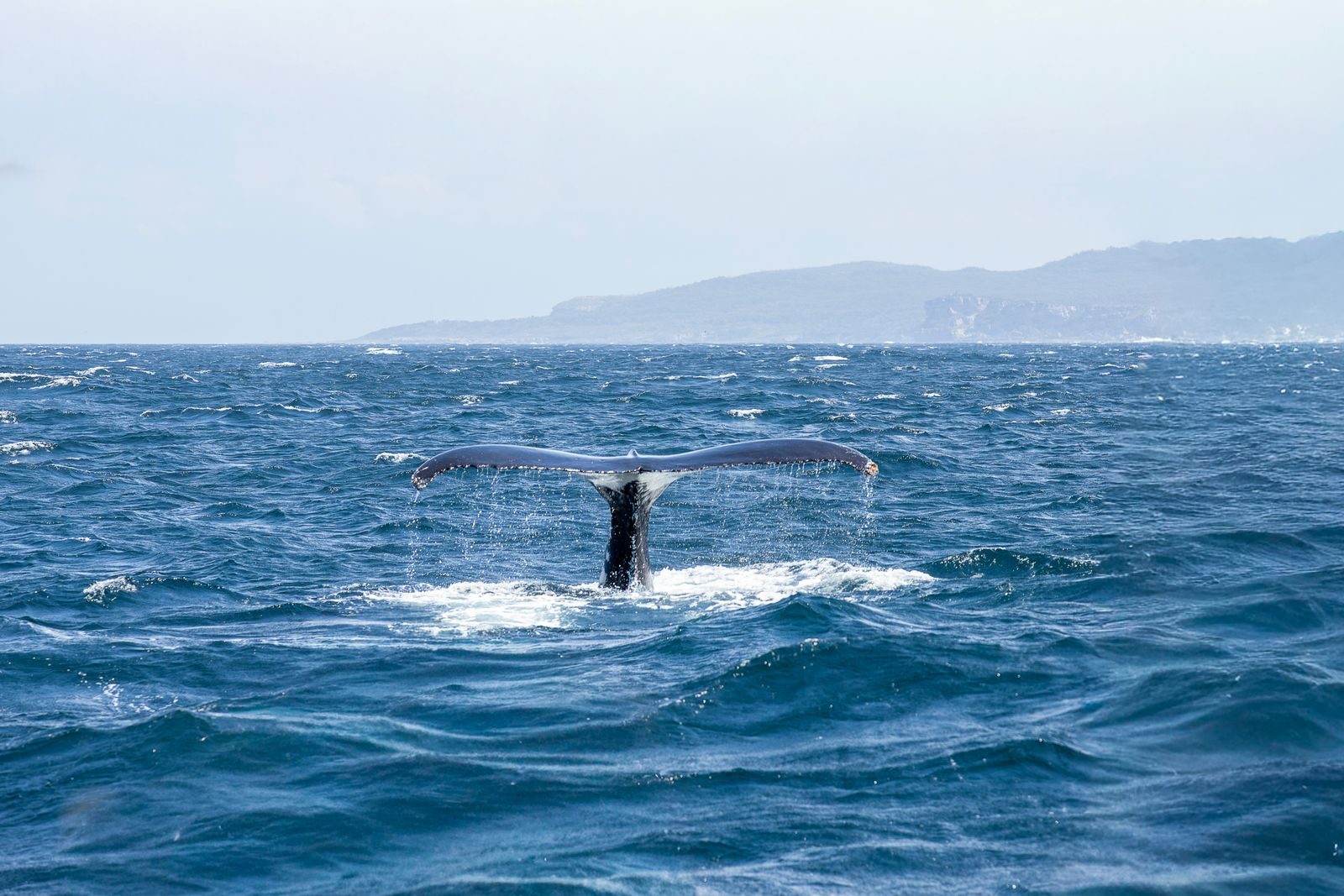
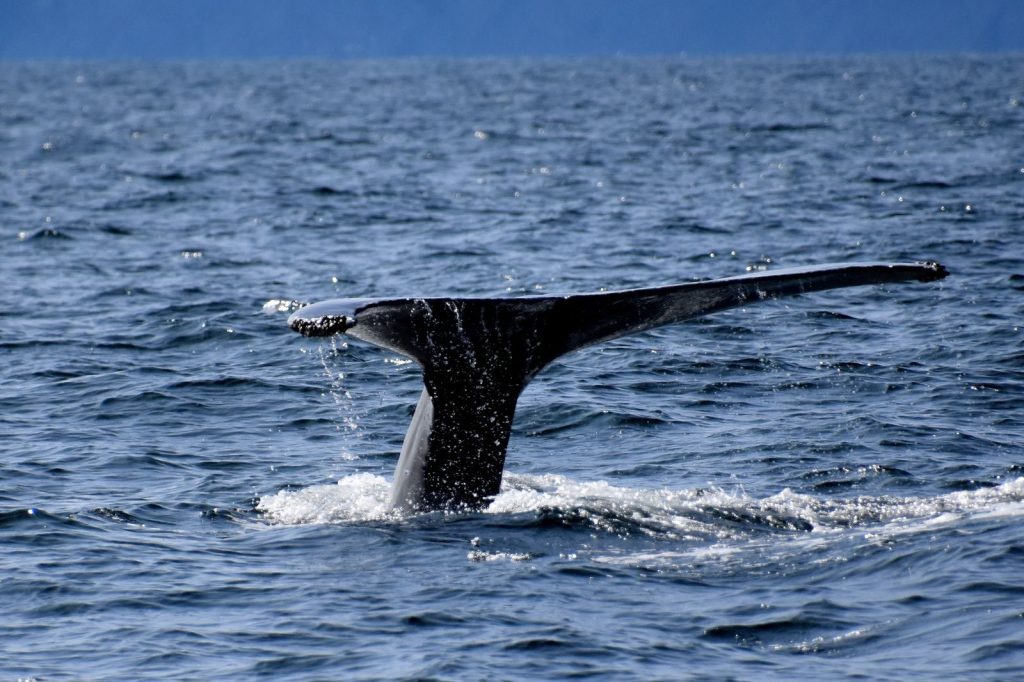
    Humpback whale tail emerges from the ocean in Gaspé, Canada.
    Photo by Jeffrey Eisen on Pexels

    The expedition also shed light on how sperm whales communicate with one another. These whales are highly social animals that live in family groups called pods. They use patterns of clicks known as codas to exchange information. Scientists have long known that sperm whales produce different click sequences, but seeing their behavior alongside these sounds gave researchers new clues about what the calls might mean.

    The recordings suggested that communication is an important part of daily life for sperm whales. Family members appear to coordinate movements, maintain social bonds, and possibly share information through sound. Researchers have discovered that different whale groups use unique patterns of clicks, almost like regional accents or dialects. This finding has led some scientists to believe that sperm whales possess a form of culture, where behaviors and communication styles are passed from one generation to the next. The camera footage helped support this idea by showing how closely linked sound and social behavior are in these giant mammals.

    Why this discovery matters for the future

    people having meeting on rectangular brown table
    Photo by Christina @ wocintechchat.com M on Unsplash

    The success of this expedition is important for more than just scientific curiosity. Oceans cover more than 70 percent of Earth’s surface, yet much of the deep sea remains unexplored. By placing cameras on animals that naturally travel to these extreme environments, scientists can gather information that would otherwise be impossible to obtain. Every new discovery helps researchers understand how marine ecosystems function and how they may be changing over time.

    This knowledge is becoming increasingly valuable as oceans face threats from climate change, pollution, and human activity. Sperm whales play an important role in ocean ecosystems, and learning more about their behavior can help guide conservation efforts. The footage captured by a simple homemade camera proved that innovation does not always require expensive equipment. Sometimes, a creative idea and a willingness to explore can reveal an entirely new world. The images from the whale’s journey reminded scientists and the public alike that our planet still holds countless mysteries waiting to be discovered beneath the waves.

  • What looked like a harmless turtle turned into a terrifying catfish encounter caught on camera

    What looked like a harmless turtle turned into a terrifying catfish encounter caught on camera

    Have you ever looked into the water and thought you saw a harmless turtle, only to realize something much bigger was hiding below? That is exactly what happened in this shocking catfish encounter caught on camera. At first, the creature appeared slow and harmless, but the truth quickly stunned everyone watching.

    Giant catfish are some of the largest freshwater fish on Earth, and their size, strength, and feeding habits often surprise people who are unfamiliar with them. In this article, you will discover how the confusion happened, why catfish are sometimes mistaken for turtles, what makes these fish such impressive predators, and what this encounter teaches us about the hidden world beneath the water.

    Why the creature looked like a turtle

    brown and black turtle in water
    Photo by Jeremiah Del Mar on Unsplash

    The first few moments of the video seemed harmless because only part of the animal was visible above the surface. Large catfish sometimes expose their broad heads or backs while swimming near shallow water. From a distance, this shape can resemble a turtle shell, especially when the water is murky or covered with floating plants. The slow movements also add to the confusion because many large catfish spend time resting near the bottom and move carefully until they are disturbed.

    Turtles and catfish can share the same habitats, including ponds, rivers, lakes, and flooded forests. In places where visibility is poor, it is easy to mistake one animal for another. The surprise becomes even greater when the animal suddenly moves or surfaces completely. What seemed like a small reptile can quickly reveal itself to be a massive fish weighing dozens or even hundreds of pounds. This moment of realization is often what makes these encounters so dramatic and memorable.

    The amazing size of giant catfish

    Mekong giant catfish” by osanpo is licensed under CC BY-NC-ND 2.0

    Catfish are among the most diverse groups of fish in the world, with thousands of species living on nearly every continent except Antarctica. While many species remain small, others grow to astonishing sizes. The largest catfish can weigh several hundred pounds and stretch longer than an adult person. Species such as the Mekong giant catfish, wels catfish, and piraiba catfish have become famous because of their enormous bodies and powerful swimming abilities.

    Their size often surprises people because catfish spend much of their lives hidden in deep water. Unlike sharks that are frequently seen swimming near the surface, giant catfish are usually secretive. They prefer staying near river bottoms, submerged logs, or deep channels where they can rest and hunt. Because they are rarely seen in full view, videos showing their true size often go viral. People are amazed to discover that such huge animals can live quietly beneath the water for years without drawing much attention.

    How catfish hunt and survive

    Mekon Giant Catfish” by chooyutshing is licensed under CC BY-NC-SA 2.0

    One reason giant catfish are so successful is their ability to find food in almost any environment. Most species have long whisker-like structures called barbels around their mouths. These barbels are packed with sensory cells that help the fish detect food even in muddy or dark water. Instead of relying mainly on sight, catfish use touch, smell, and taste to locate prey hidden beneath the surface.

    Their diets vary depending on the species and habitat. Some catfish eat insects, worms, and plants, while larger species hunt fish, crustaceans, and other aquatic animals. A few giant species are known to swallow surprisingly large prey. Their mouths can open wide, allowing them to grab animals that seem far too large to fit inside. This ability is one reason people are often shocked when videos show a catfish consuming prey that appears almost as large as its own head.

    Why do these encounters seem so frightening

    GIANT CATFISH OMG” by interrobang is licensed under CC BY-NC 2.0

    A giant catfish emerging from the water can look intimidating because of its size alone. Their broad heads, smooth skin, and huge mouths give them an unusual appearance that many people are not used to seeing. When they suddenly thrash or splash near the surface, the reaction is often fear because humans naturally become cautious around animals they do not understand.
    However, most catfish are not dangerous to people. They generally avoid human contact and prefer escaping rather than attacking. Large catfish may defend themselves if cornered or accidentally hooked by anglers, but unprovoked attacks are extremely rare. Their frightening appearance often creates the false impression that they are aggressive monsters. In reality, these fish spend most of their time feeding, resting, and avoiding threats in their underwater world.

    The role of videos in changing opinions

    Man is looking at a screen with his head down.
    Photo by Alicia Christin Gerald on Unsplash

    Videos of giant catfish encounters have changed how many people think about freshwater ecosystems. In the past, most people only saw drawings or photographs of these fish. Modern cameras, underwater equipment, and social media now allow viewers to witness dramatic moments that were once hidden from the public. A fish mistaken for a turtle can suddenly become an internet sensation as millions of people watch the surprising reveal.

    These videos also remind viewers that freshwater habitats are full of remarkable animals. Rivers and lakes are often overlooked compared to oceans, yet they contain some of the largest and most unusual fish species on Earth. Seeing a giant catfish emerge from the water encourages curiosity and respect for these ecosystems. Instead of fearing the animals, many viewers become interested in learning more about their behavior, habitats, and importance in nature.

    What this encounter teaches us

    Giant catfish I” by jennofarc is licensed under CC BY-NC-ND 2.0

    The biggest lesson from this turtle and catfish mix-up is that appearances can be deceiving. Nature is filled with animals that behave in unexpected ways or look very different depending on the angle, lighting, or environment. A small shape moving near the water’s surface may seem familiar at first, but a closer look can reveal something entirely different. These surprises remind us that there is still much to learn about the creatures living around us.

    This encounter also highlights the importance of respecting wildlife from a safe distance. Large fish are powerful animals that deserve space and protection. Observing them carefully allows people to appreciate their beauty without causing stress or harm. The next time something unusual appears in the water, it may not be what it first seems. That mystery is part of what makes nature so exciting and keeps people fascinated by the hidden life beneath the surface.

  • The internet thinks a megalodon bit this shark, but scientists have questions

    The internet thinks a megalodon bit this shark, but scientists have questions

    A shocking shark photo has spread across the internet, with many people claiming that only a giant prehistoric predator could have caused such damage. The theory is simple but exciting: a megalodon bite left the shark nearly cut in half. But is that really possible? Scientists have looked closely at these claims and found that the answer is far more complicated.

    The debate over a possible megalodon bite mixes fossils, modern shark behavior, and internet rumors in a way that can easily confuse people. In this article, you will learn what megalodon really was, why the damaged shark sparked so much attention, and what scientists actually think happened.

    Why do people think megalodon was involved

    Carcharocles megalodon” by Gunnar Ries zwo is licensed under CC BY-NC-ND 2.0

    The idea of a megalodon bite instantly grabs attention because the animal itself was enormous. Megalodon lived between about 23 million and 3.6 million years ago and was one of the largest predators ever to swim in Earth’s oceans. Most scientists estimate that adults commonly reached around 50 feet long, while some studies suggest the biggest individuals may have grown even larger. Its teeth could reach more than 7 inches in length, and its bite force was among the strongest ever estimated for any animal.

    When photos or videos show a shark with a massive chunk missing, many people quickly jump to megalodon as an explanation. Social media has made these stories spread even faster. Dramatic headlines often suggest that the ancient shark may still be alive or that it recently attacked another shark. However, scientists point out a major problem with this idea. Megalodon has been extinct for millions of years, and there is no physical evidence that it survives today. Extraordinary claims require extraordinary evidence, and so far none has appeared.

    What scientists know about megalodon bites

    three people in lab coats looking at a tablet
    Photo by National Cancer Institute on Unsplash

    Scientists have found many fossils showing bite marks that are believed to have been made by megalodon. These marks are usually found on whale bones, seal bones, and other marine mammal remains. In some rare cases, researchers have even discovered megalodon teeth embedded in fossils, giving strong proof that the giant shark attacked or scavenged these animals.

    Even with fossil evidence, identifying a megalodon bite is not always easy. Sharks constantly lose and replace teeth, and many species can leave similar wounds. Researchers prefer to find matching tooth marks, embedded teeth, or clear patterns of damage before making a firm conclusion. If a bite mark is found without these clues, scientists usually avoid making bold claims. This careful approach is why experts are often skeptical when viral images claim to show a modern megalodon attack.

    The shark photo that started the debate

    Man is looking at a screen with his head down.
    Photo by Alicia Christin Gerald on Unsplash

    The viral shark image that sparked renewed interest shows a shark with an enormous bite taken from its body. The wound is dramatic and appears almost too large to have been caused by an ordinary predator. Online users quickly suggested that only megalodon could have created such a bite. Videos discussing the theory gained millions of views, and many viewers became convinced that the ancient giant might still roam the ocean.

    Scientists, however, see things differently. Marine biologists point out that large sharks regularly attack other sharks. Great white sharks are known to prey on smaller shark species, and shortfin makos have been involved in aggressive encounters as well. A large shark biting another shark can create surprisingly severe injuries, especially if the victim is smaller or weakened. Without a tooth, DNA, or another direct clue, experts say it is impossible to claim that a prehistoric species was responsible. In fact, the simplest explanation is usually a living predator that scientists already know exists.

    Could megalodon still be alive today?

    time lapse photography of body of water
    Photo by Thierry Meier on Unsplash

    This question has fascinated people for decades. Movies, television specials, and internet videos have all helped keep the myth alive. The oceans are vast and mysterious, so some people wonder whether a giant shark could still hide in the deepest waters. It sounds exciting, but scientists say the evidence does not support this idea.

    A predator as large as megalodon would need enormous amounts of food. It would leave bite marks on whales and other large animals across the globe. It would also continue shedding thousands of teeth, just like modern sharks do. Yet no fresh megalodon teeth have ever been found, and no modern carcasses show clear signs of attacks from such a giant predator. Scientists also believe megalodon preferred warmer waters, making the cold deep ocean an unlikely hiding place. For these reasons, experts overwhelmingly agree that megalodon is extinct.

    How modern sharks create giant wounds

    Great White Shark” by Elias Levy is licensed under CC BY 2.0

    People often underestimate how powerful living sharks can be. Great white sharks can grow over 20 feet long and weigh thousands of pounds. Their teeth are designed to slice through flesh and bone with incredible efficiency. When they attack seals, sea lions, or other sharks, they can remove huge pieces of tissue in a single bite.

    Tiger sharks are also capable of inflicting severe damage. They have broad, serrated teeth that can cut through tough prey, including sea turtles and large fish. In some parts of the world, tiger sharks and great whites compete for food and occasionally attack one another. Researchers have documented numerous cases where sharks were found with massive bite wounds that looked shocking but were still caused by modern species. These examples remind scientists that nature already has plenty of fearsome predators without needing to bring back a prehistoric monster.

    Why the mystery continues to fascinate people

    two men talking
    Photo by LinkedIn Sales Solutions on Unsplash

    Stories about giant creatures hiding in the ocean tap into one of humanity’s oldest fears: the fear of the unknown. The ocean covers more than 70 percent of Earth’s surface, and large areas remain poorly explored. Because so much remains unseen, people naturally wonder what else might be out there. A story about megalodon attacking a shark combines mystery, danger, and ancient history into one irresistible idea.

    Scientists understand this fascination and often share the excitement themselves. Studying megalodon remains an active field of research, and new discoveries continue to change what experts know about the animal. Recent studies suggest that megalodon may have looked slimmer and more streamlined than older reconstructions showed. Researchers are still debating aspects of its size, body shape, and hunting style. Even though the shark disappeared millions of years ago, it continues to capture imaginations and inspire new questions about Earth’s ancient oceans.

    What scientists say about the viral claim

    people having meeting on rectangular brown table
    Photo by Christina @ wocintechchat.com M on Unsplash

    After examining the evidence, most scientists agree that there is no proof linking the damaged shark to megalodon. The injury may look extraordinary, but extraordinary injuries are not uncommon in the natural world. Large modern sharks are fully capable of causing devastating wounds, and they are far more likely suspects than an extinct predator.

    Researchers also stress the importance of evidence over excitement. A giant bite alone does not prove the identity of the attacker. Scientists need fossils, teeth, DNA, or other physical clues before reaching such an important conclusion. Until that evidence appears, the megalodon theory remains an entertaining idea rather than a scientific fact.

  • Mystery pond reveals giant tiger catfish

    Mystery pond reveals giant tiger catfish

    Mutant catfish or giant exotic fish? That was the question on everyone’s mind after a strange pond mystery turned into an unforgettable catch. For days, something huge kept stealing bait and snapping fishing lines near a cluster of trees.

    The creature stayed hidden, leaving only broken hooks and plenty of questions behind. Then came the moment that changed everything. The angler finally hooked the fish again and pulled out a massive tiger catfish with a strange face that many viewers compared to a beluga whale. In this article, you’ll discover what really happened, why the fish looked so unusual, and why giant catfish continue to amaze people around the world.

    The mystery begins near the trees

    green trees beside river under blue sky during daytime
    Photo by Jonny Gios on Unsplash

    The story started in what looked like an ordinary pond. An angler noticed that something large was feeding near a group of submerged trees. Every time he cast his bait into the area, the fish would strike hard, bend the rod, and then disappear. The line often snapped before he could even see what was on the other end. After several failed attempts, it became clear that this was not an average fish.

    The repeated breakoffs only made the mystery more exciting. Many anglers know that submerged trees create perfect hiding places for big fish because they provide shade and protection. Large catfish often stay close to these structures and use them to escape predators or shake off hooks. The hidden fish seemed to know exactly where to go, leaving the fisherman frustrated and eager for another chance.

    The giant fish finally appears

    A man in a hoodie fishes by a calm lake surrounded by autumn foliage.
    Photo by Cedé Joey on Pexels

    After multiple attempts, the angler hooked the fish once again. This time, he kept steady pressure on the line and carefully guided the fish away from the trees. The battle was intense because the fish was powerful and determined to escape. As it came closer to shore, people watching realized they were looking at something truly unusual.

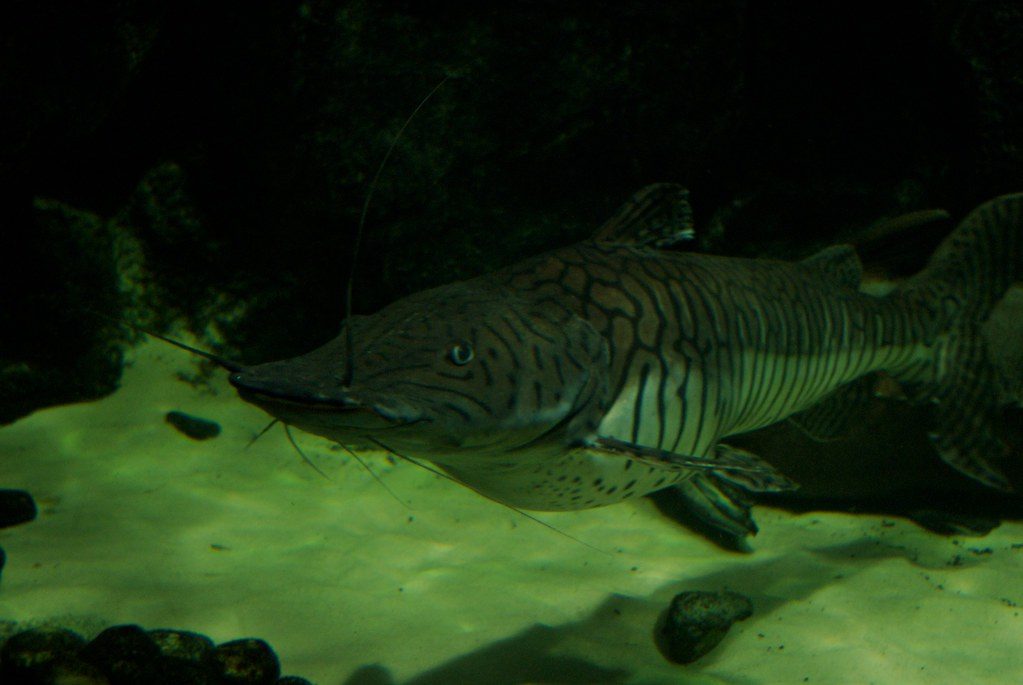
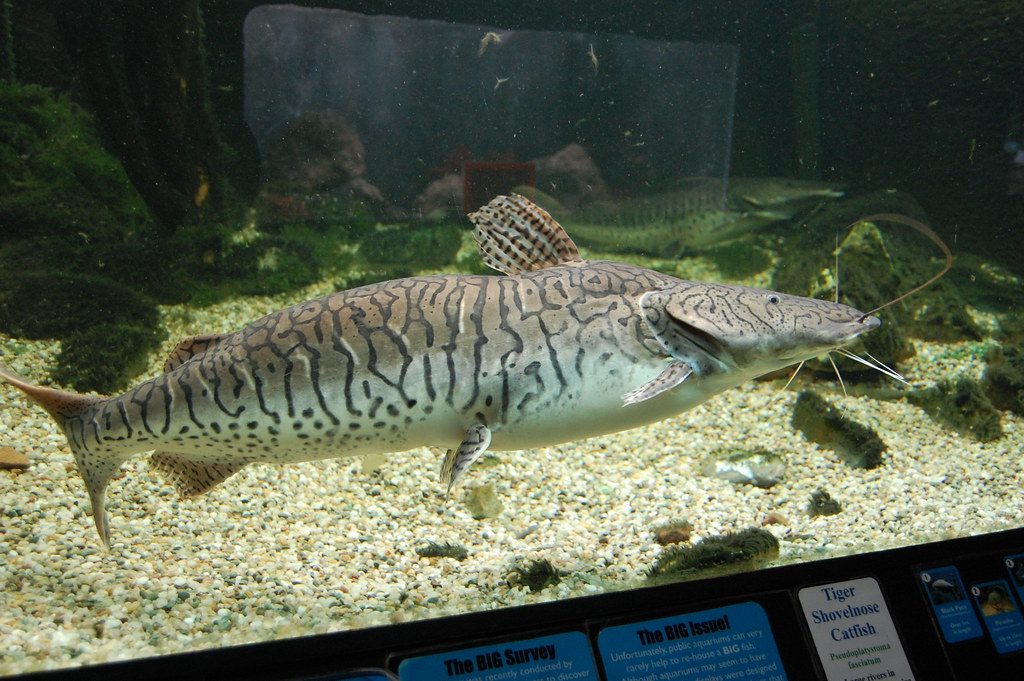
    The fish turned out to be a giant tiger catfish, an exotic species known for its striking appearance and incredible strength. Its body was long and muscular, while its markings gave it a fierce look. What caught everyone’s attention, though, was its face. Instead of the sharp features many expected, the fish had a rounded head and smooth appearance that reminded many viewers of a beluga whale. The unusual look quickly sparked conversations online, with some people even wondering if the fish was a mutant.

    Why the tiger catfish looked so strange

    Tiger catfish” by m.jacobs is licensed under CC BY-NC-SA 2.0

    Although the fish looked unusual, there is no evidence that it was a mutant. Tiger catfish are a group of freshwater fish found mainly in South America. Several species exist, and their appearance can vary depending on age, genetics, diet, and environment. Large individuals sometimes develop broader heads and thicker bodies, making them look very different from smaller fish.

    The comparison to a beluga whale came mostly from the fish’s rounded forehead and smooth facial features. People are naturally drawn to animals that look different from what they expect. When a fish has an unusual shape or grows much larger than normal, it often gets labeled as a mutant online. In reality, many strange-looking fish are perfectly healthy animals that simply developed unique features over time.

    Why giant catfish are so hard to catch

    Tiger Shovelnose Catfish” by scary_mary is licensed under CC BY-NC-ND 2.0

    The repeated line breakoffs were not surprising to experienced anglers. Large catfish are among the strongest freshwater fish in the world. They have powerful muscles and know how to use their surroundings to their advantage. When hooked, they often dive into underwater structures such as logs, rocks, or tree roots where fishing lines can easily snap.

    Tiger catfish are especially famous for their strength and aggressive fighting style. They can make sudden runs and use their weight to wear out both the angler and the equipment. This is why fishermen targeting large catfish often use heavy rods, strong braided lines, and sturdy hooks. Even with the right gear, landing a giant fish is never guaranteed. The challenge is one reason why catching these fish is considered such an achievement.

    The truth behind mutant fish stories

    A person holding a smart phone with social media on the screen
    Photo by Berke Citak on Unsplash

    Stories about mutant fish have existed for decades. Whenever an animal looks strange or grows unusually large, rumors quickly spread online. Social media has made these stories even more popular because dramatic photos and videos attract millions of views. However, scientists say that most so-called mutant fish are simply animals with natural variations in size, shape, or color.

    Environmental factors can also affect how fish look. The amount of food available, water quality, and age all play important roles in growth and appearance. Some fish develop scars from injuries, while others naturally have features that make them stand out. These differences may seem strange to people seeing them for the first time, but they do not mean the fish is a mutant. In most cases, nature alone is enough to create amazing and unexpected appearances.

    Why this catch fascinated so many people

    black fishing rod and body of water during golden hour
    Photo by James Wheeler on Unsplash

    The giant tiger catfish captured people’s imagination because it combined mystery, suspense, and an incredible reveal. Viewers watched as an unseen creature repeatedly escaped capture, only to discover that the culprit was an exotic fish with a face unlike anything they had seen before. The story reminded people that even familiar ponds can hide surprises beneath the surface.

    Moments like this also show why fishing remains one of the most exciting outdoor activities. Every cast carries the possibility of encountering something extraordinary. Whether it is a giant catfish, a rare species, or simply a fish with an unusual look, these encounters inspire curiosity and wonder. The massive tiger catfish may not have been a mutant, but it proved that real life can be just as fascinating as any legend.

  • The fascinating reason humans are rarely targets for killer whales

    The fascinating reason humans are rarely targets for killer whales

    Have you ever wondered why one of the ocean’s most powerful predators almost never attacks people? It sounds strange at first. After all, killer whales are strong enough to hunt sharks, seals, and even large whales. Yet humans are rarely targets for killer whales, and there has never been a confirmed case of a wild orca killing a person.

    Scientists have studied this mystery for years and believe the answer comes down to a mix of biology, intelligence, culture, and behavior. Understanding why these animals leave us alone reveals just how unusual and fascinating killer whales really are.

    Killer whales are powerful but picky hunters

    Captivating view of orcas swimming in the clear waters of Juneau, Alaska.
    Photo by Simon Hurry on Pexels

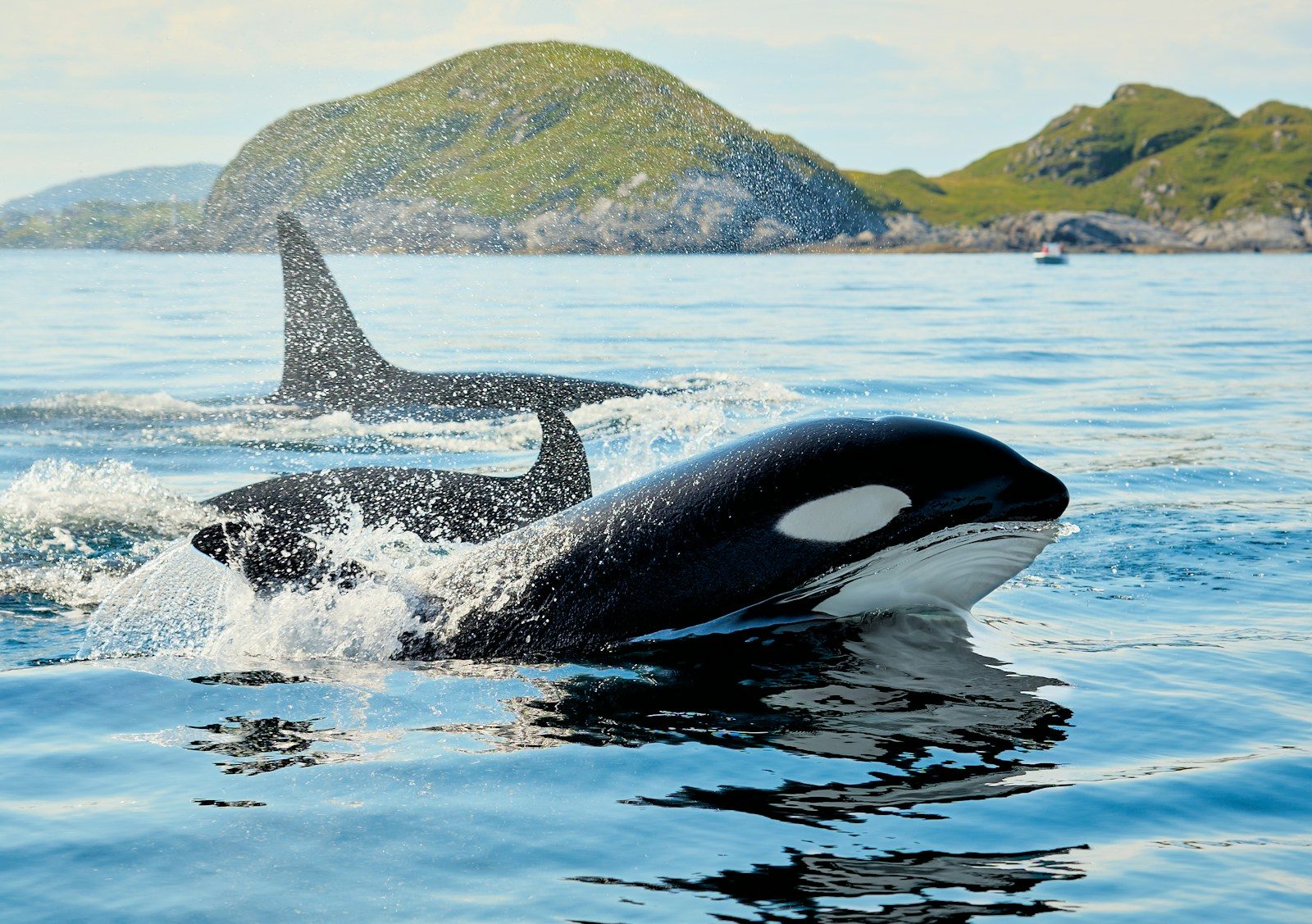
    Killer whales, also called orcas, are apex predators. That means they sit at the very top of the food chain. They can grow over 30 feet long, weigh several tons, and work together in groups to hunt prey much larger than themselves. Orcas eat many different animals, including fish, squid, seals, sea lions, sharks, dolphins, and even whales. Some populations specialize in just one type of food and rarely eat anything else.

    This specialized diet is one of the biggest reasons humans are rarely targets for killer whales. Orcas do not hunt randomly. They have favorite foods and highly developed hunting methods designed for those foods. Fish-eating orcas chase salmon with incredible speed and precision, while mammal-eating orcas use teamwork to catch seals and dolphins. Humans simply do not fit into any of these hunting patterns. To an orca, a swimmer is not recognized as normal prey, and there is little evidence that wild orcas have ever tried to make humans part of their diet.

    Orcas learn what to eat from their families

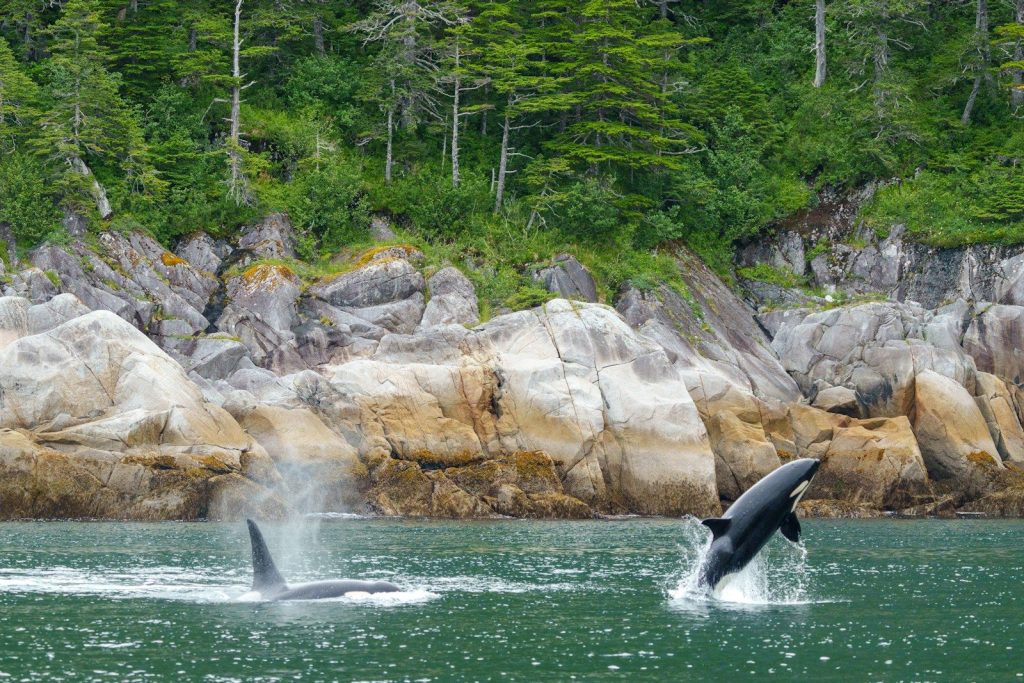
    A whale jumping out of the water in front of some rocks
    Photo by Vadym Shashkov on Unsplash

    One of the most remarkable things about killer whales is that they pass knowledge from one generation to the next. Young orcas do not automatically know how to hunt. Instead, they learn from their mothers and other family members. Scientists often describe this as culture because different groups of orcas have different traditions, hunting styles, and even ways of communicating.

    This cultural learning may explain why humans are rarely targets for killer whales. If a pod has never hunted people, the younger whales will not see humans as food either. In fact, studies show that some orca groups are so strict about their diets that they ignore perfectly edible animals simply because they are not part of the pod’s tradition. Fish-eating orcas have been observed swimming alongside seals without attacking them because seals are not on the menu for their family group. This strong cultural behavior has likely helped keep humans off the list of prey for millions of years.

    Humans are not worth the risk

    Photographer, San Juan Islands, Washington” by woodleywonderworks is licensed under CC BY 2.0

    Wild animals constantly make choices about energy and danger. Even powerful predators prefer prey they know how to catch and eat safely. Hunting an unfamiliar animal carries risks. The prey could fight back, carry disease, or simply not provide enough food to make the effort worthwhile.

    Humans are not an ideal meal for a killer whale. Compared to seals and whales, we are small and skinny. We also spend very little time in the ocean, which means orcas have had limited opportunities to view humans as a food source. Over thousands of years, humans have also become associated with boats, noise, fishing gear, and weapons. Orcas are extremely intelligent and observant animals. They may recognize that humans are unusual creatures and choose to avoid unnecessary risks. Even if an orca could easily overpower a person, there is little reason for it to try.

    Their intelligence may make them more careful

    Killer Whale (Resident Orca)” by Shawn McCready is licensed under CC BY-ND 2.0

    Killer whales are among the smartest animals on Earth. Their brains are enormous, and they show signs of advanced thinking, problem-solving, and emotional intelligence. They cooperate during hunts, care for sick family members, and teach their young important life skills. Scientists have even observed orcas creating traditions that spread through populations, much like cultural trends in humans.

    This intelligence may help explain why humans are rarely targets for killer whales. Orcas appear to be curious rather than aggressive toward people. Many encounters between humans and wild orcas involve whales approaching boats, swimming nearby, or inspecting divers without causing harm. Some researchers believe orcas can tell that humans are different from their usual prey and intentionally avoid attacking us. While scientists cannot know exactly what an orca is thinking, their behavior suggests they are capable of making careful choices instead of acting only on instinct.

    Wild attacks are extremely rare

    Orca calf and Mother” by alumroot is licensed under CC BY-NC 2.0

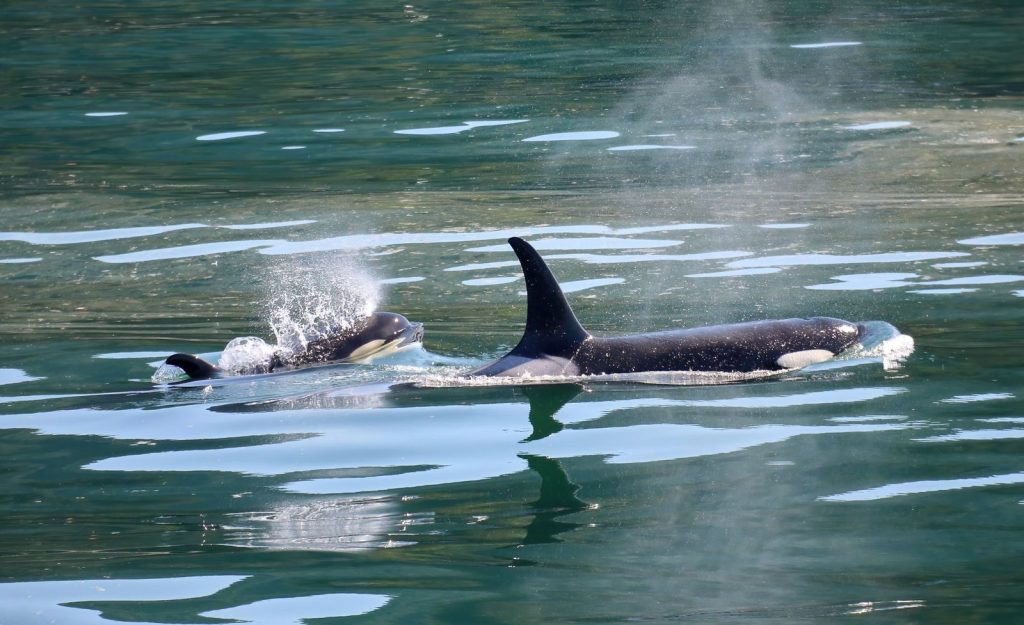
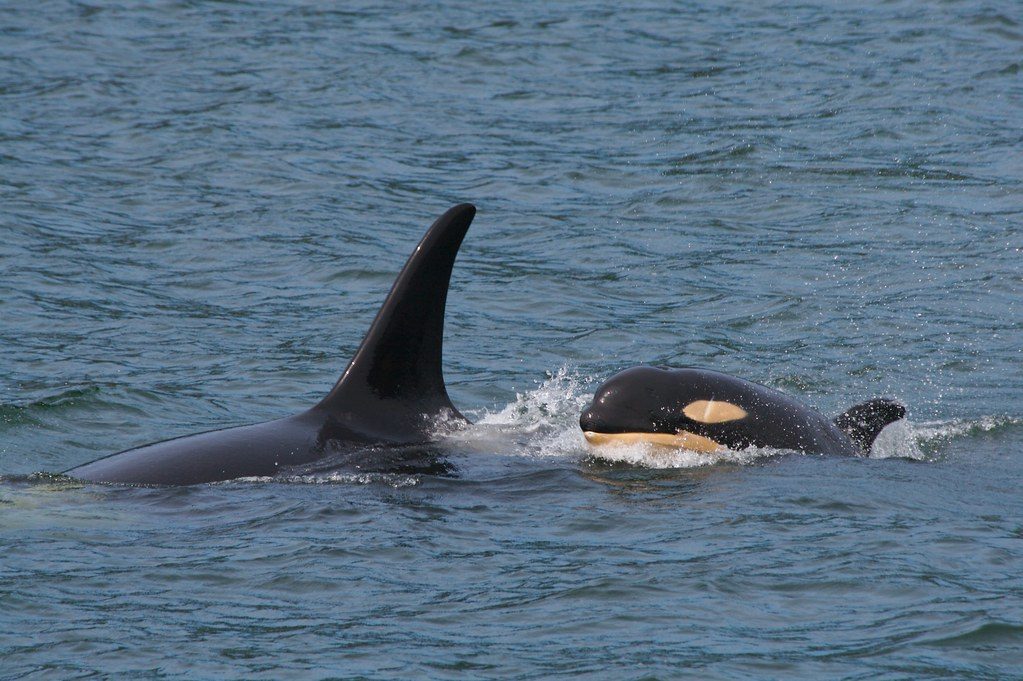
    The reputation of the killer whale can be misleading. The name itself makes the animal sound dangerous to people, but the facts tell a different story. Despite millions of human interactions with the ocean, there has never been a confirmed fatal attack by a wild killer whale. There is only one well-known case from 1972 in which an orca bit a surfer off the coast of California. The whale quickly let go, and experts believe it may have mistaken the surfer for a seal before realizing its error.

    Captive orcas tell a different story. Several serious injuries and deaths have occurred in marine parks and aquariums. However, scientists caution against comparing captive and wild behavior. Captive orcas live in small tanks, often far from their natural families and social groups. They experience stress and frustration that wild whales do not face in the same way. In the open ocean, orcas have shown remarkable restraint around humans. Even recent incidents in which some Iberian orcas damaged boat rudders did not involve attacks on people. Researchers emphasize that the whales targeted the boats rather than the humans onboard.

    Curiosity may be stronger than aggression

    orca” by Christopher.Michel is licensed under CC BY 2.0

    Many stories from divers, sailors, and researchers describe wild orcas acting more curious than threatening. Orcas have been seen swimming close to kayaks, circling boats, and watching people underwater. In some cases, they appear playful. Scientists have also recorded instances of wild orcas bringing prey items to humans, almost as if they were sharing food or investigating our reactions.

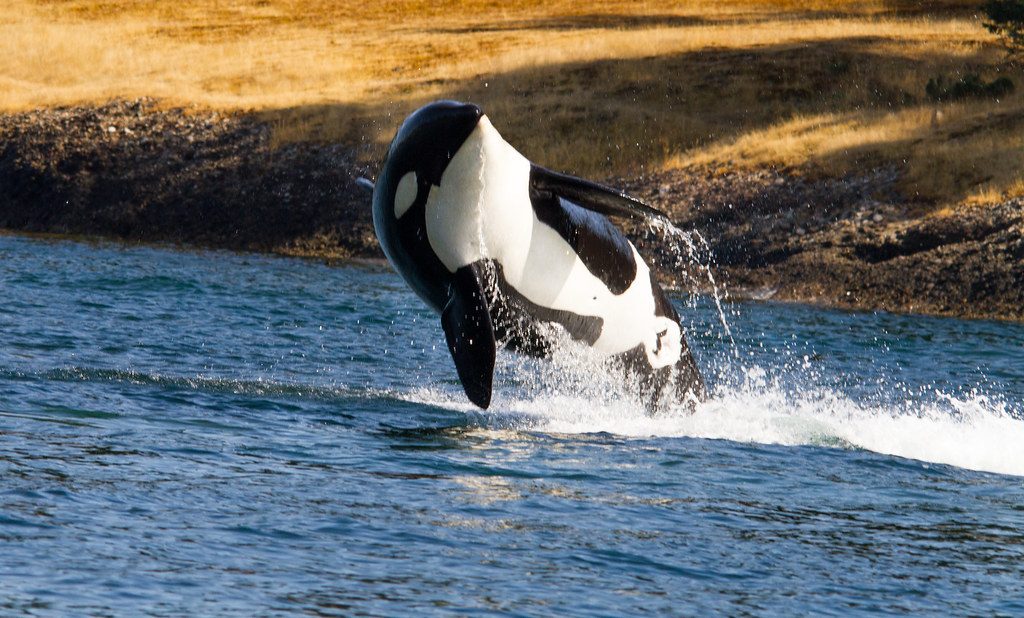
    This curiosity does not mean people should treat killer whales like pets. They are still massive predators capable of causing harm. However, their behavior suggests they do not view humans as enemies or prey. Instead, they often seem interested in us while maintaining a peaceful distance. This combination of intelligence, curiosity, and social learning may be the fascinating reason humans are rarely targets for killer whales. The ocean’s top predator has the power to hunt us, yet time and again, it chooses not to.

  • Meet the ocean’s most famous predator

    Meet the ocean’s most famous predator

    Few animals inspire as much fear and fascination as the great white shark. Known for its massive size, powerful bite, and role in movies like Jaws, this predator has earned a reputation as one of the ocean’s most dangerous hunters. Yet the real story of the great white shark is far more interesting than many people realize.

    The great white shark is the largest predatory fish in the world and plays a vital role in maintaining healthy marine ecosystems. From its incredible speed and hunting skills to its surprising lifespan and conservation challenges, this remarkable animal continues to capture the attention of scientists and ocean lovers alike. Here’s a closer look at one of the sea’s most iconic predators.

    Great white sharks are built for hunting

    Great White Shark” by kqedquest is licensed under CC BY-NC 2.0

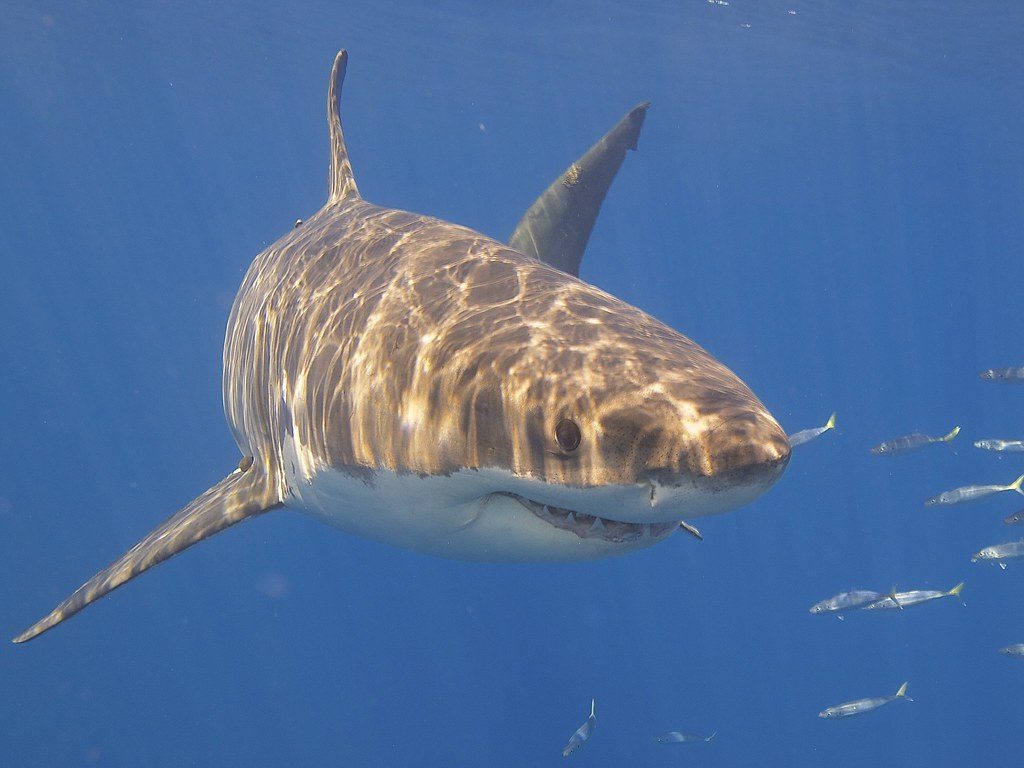
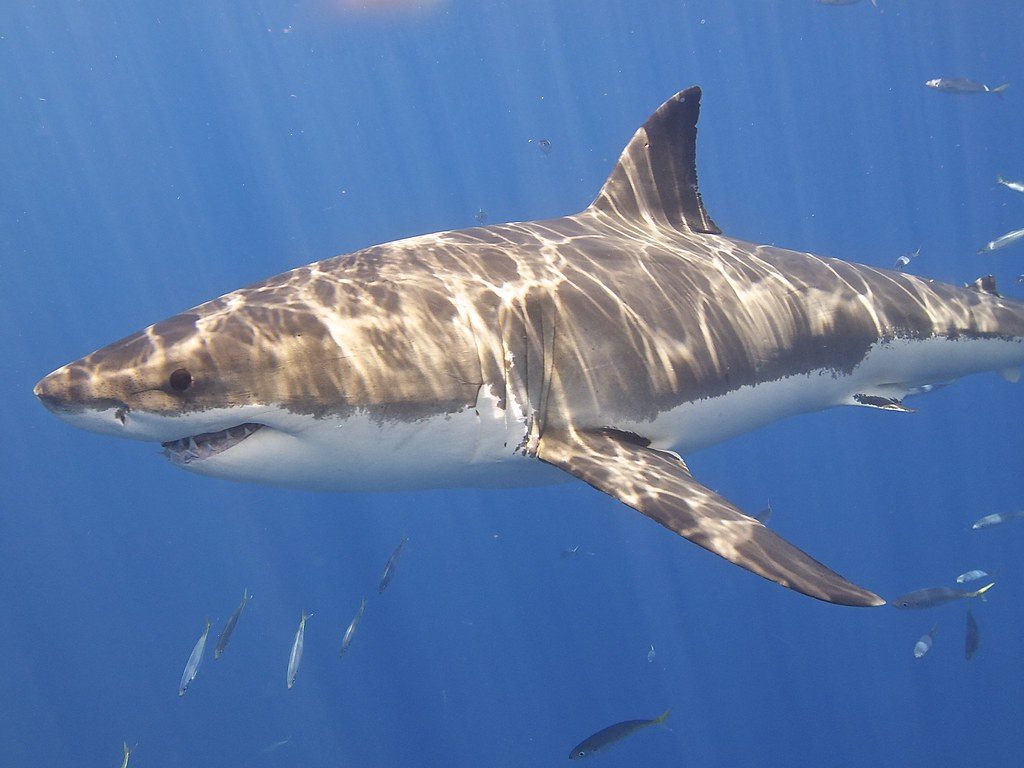
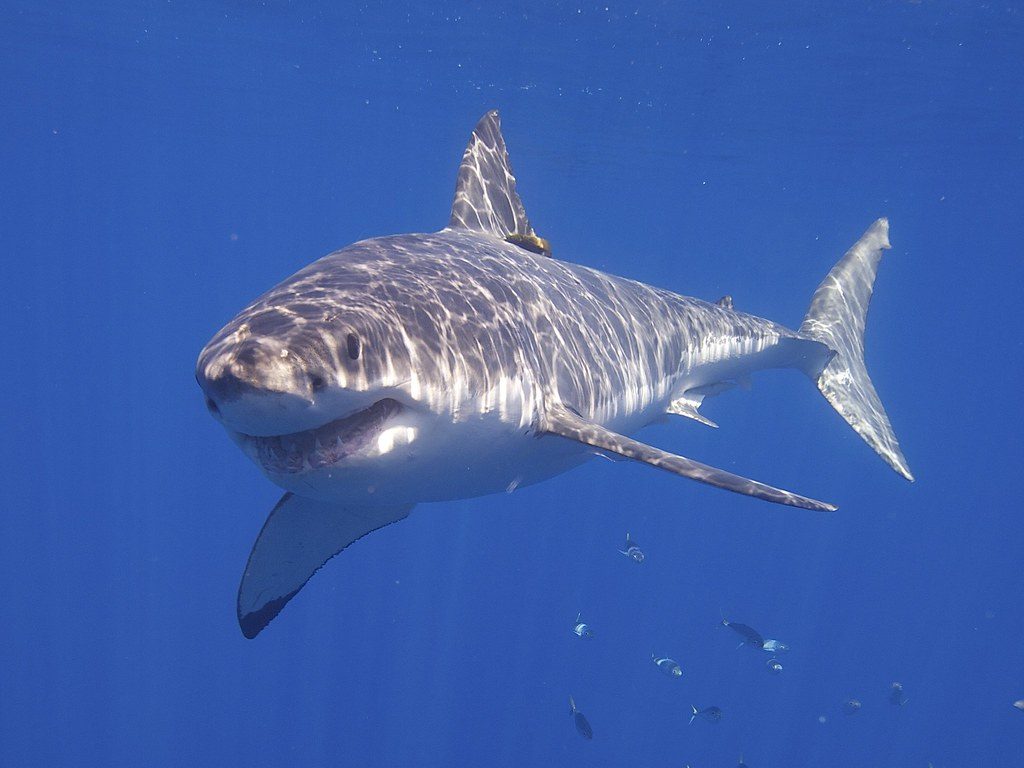
    The great white shark has a streamlined body designed for speed and power. Its upper body is usually gray or brown, while its underside is white. This color pattern helps it blend into its surroundings. From above, the darker color matches the ocean depths, while the white belly blends with sunlight shining through the water.

    Scientists have also discovered pigment-producing cells in the shark’s skin that may help it adjust its coloration. Combined with its torpedo-shaped body, sharp triangular teeth, and powerful tail, these features make the great white an effective ambush predator that can approach prey without being easily detected.

    These sharks can grow to enormous sizes

    Great White Shark” by Elias Levy is licensed under CC BY 2.0

    Great white sharks are among the largest predatory fish ever recorded. Adults can reach lengths of up to 6.4 meters and weigh up to 2,041 kilograms. Their size alone makes them one of the most impressive animals in the ocean.

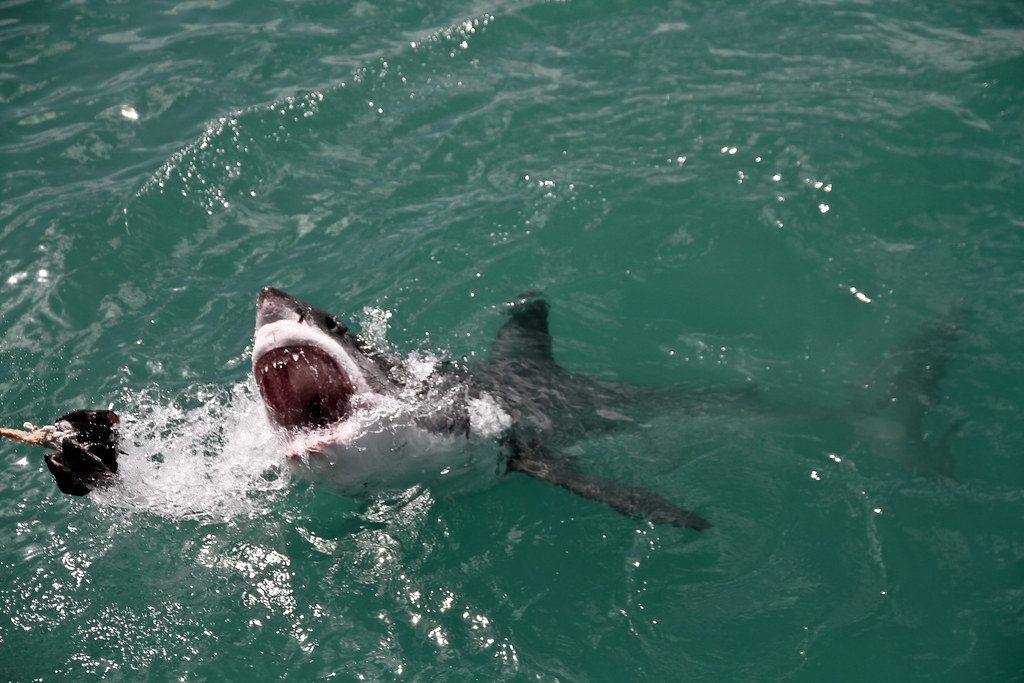
    Despite their massive bodies, they are surprisingly agile swimmers. Great whites can cruise long distances and then suddenly burst into high-speed pursuit when hunting prey. They can reach speeds of about 50 kilometers per hour and are famous for breaching, launching themselves completely out of the water to attack prey near the surface.

    They have powerful senses and deadly teeth

    An angry Great White Shark” by TheGrantPeters is licensed under CC BY 2.0

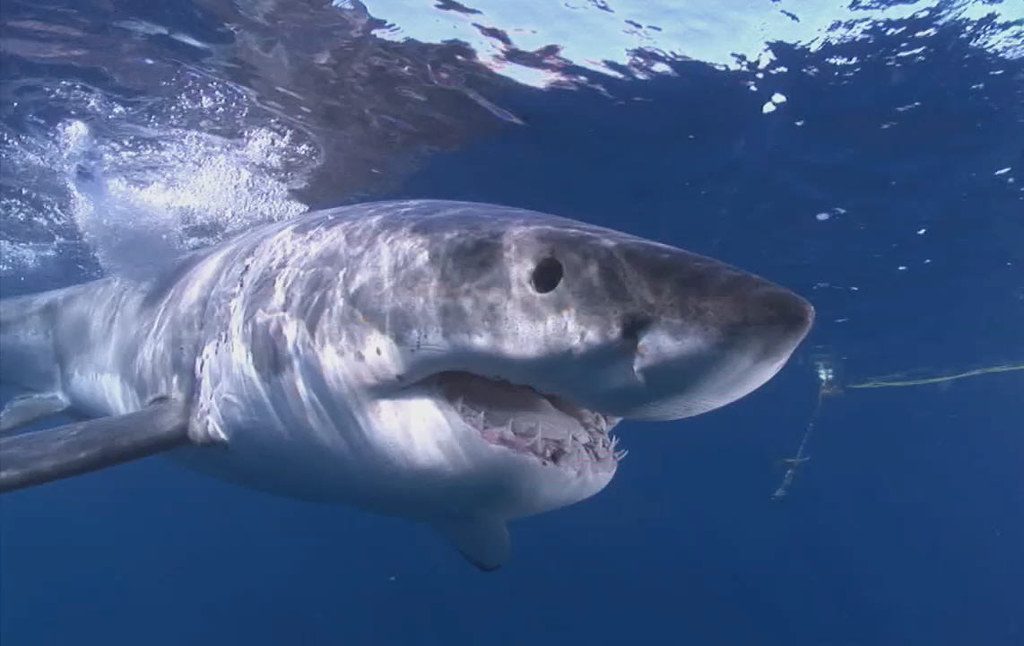
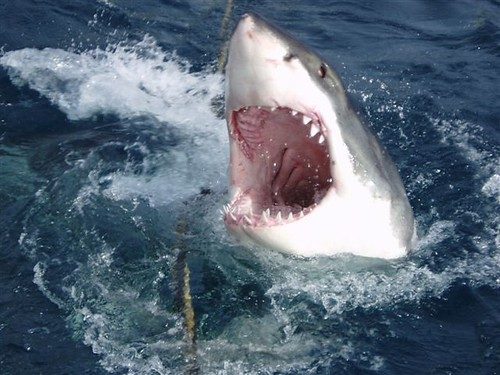
    A great white shark’s mouth contains around 300 teeth arranged in multiple rows. These razor-sharp teeth are constantly replaced throughout the shark’s life. Instead of chewing food, the shark tears prey into smaller pieces and swallows them whole.

    Their senses are equally impressive. Great whites can detect prey from long distances and have an exceptional sense of smell. Researchers report that they can detect a seal colony from several kilometers away and even identify tiny traces of blood in seawater. These abilities help them locate food across vast stretches of ocean.

    Their diet changes as they grow

    Great white shark” by Gussy (Luke) is licensed under CC BY-NC-ND 2.0

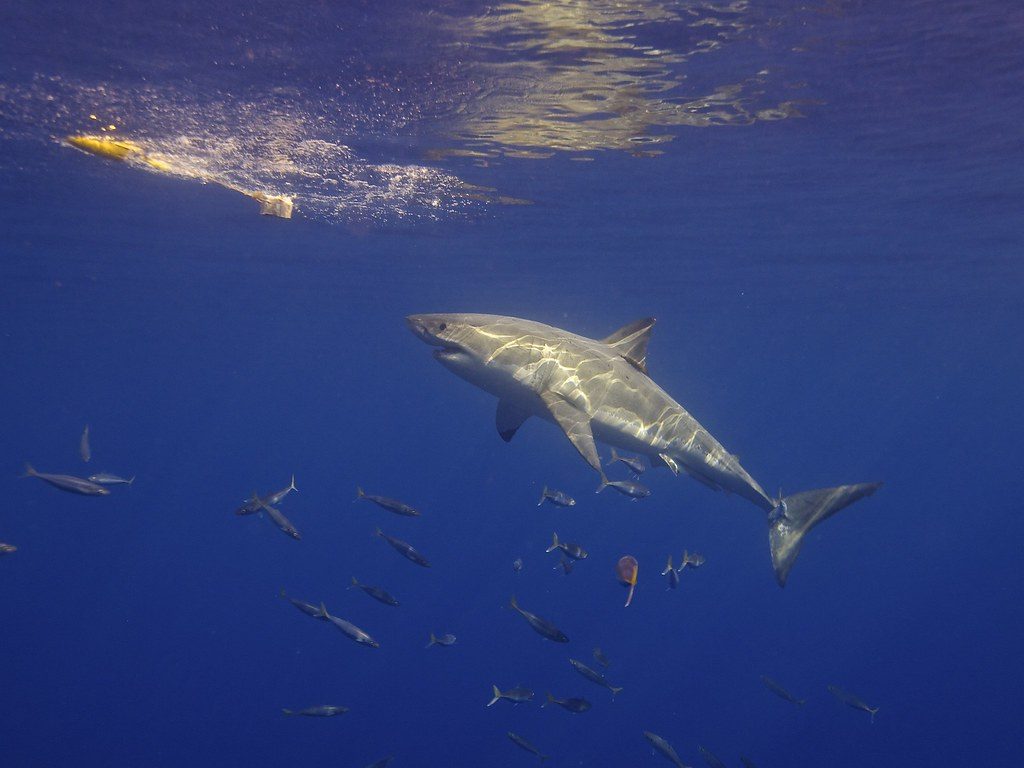
    Young great white sharks mainly feed on fish and rays. As they mature and grow larger, their diet expands to include marine mammals such as seals, sea lions, and dolphins, as well as some whale species. They also consume turtles, seabirds, squid, crustaceans, and carrion.

    Great whites often patrol coastlines where prey is abundant. They are known for ambush attacks from below, using speed and surprise to catch seals near the surface. Their powerful bite can quickly disable prey, making them one of the ocean’s top predators.

    The truth about sharks and humans

    Great White Shark” by Elias Levy is licensed under CC BY 2.0

    Movies and popular culture have often portrayed great white sharks as ruthless man-eaters. However, scientists say this image does not match reality. Most interactions between sharks and humans are rare, and many unprovoked bites are believed to be “test bites” in which a shark mistakes a person for its normal prey.

    Millions of people enter the ocean every year, yet fatal shark attacks remain extremely uncommon. Researchers emphasize that humans are not a preferred food source for great white sharks. In most cases, sharks break off contact after an initial bite once they realize the target is not typical prey.

    Great whites face challenges despite being apex predators

    Great White Shark” by Elias Levy is licensed under CC BY 2.0

    Great white sharks sit near the top of the marine food chain, but they are not invincible. Pods of killer whales have been observed hunting great whites, and researchers documented an individual killer whale killing a juvenile great white shark in 2024.

    Humans pose a much larger threat. The species is listed as Vulnerable, and populations are believed to be declining. Many sharks are accidentally caught as bycatch in fishing operations, while others are affected by trade in shark products. International agreements now provide protections, but scientists continue to call for stronger conservation efforts to help populations recover.

    Scientists are still learning about their lives

    Great White Shark” by Elias Levy is licensed under CC BY 2.0

    Great white sharks can live for up to 73 years, making them one of the longest-lived fish species. Females mature slowly, often not reaching reproductive age until their early thirties. They give birth to live pups, usually producing between two and seventeen young at a time.

    Many mysteries remain. Researchers only recently reported what may be the first-ever sighting of a live newborn great white shark in the wild. Discoveries like this show that even one of the world’s most famous predators still has secrets waiting to be uncovered.

  • Meet the giant fish that thrives in the open ocean

    Meet the giant fish that thrives in the open ocean

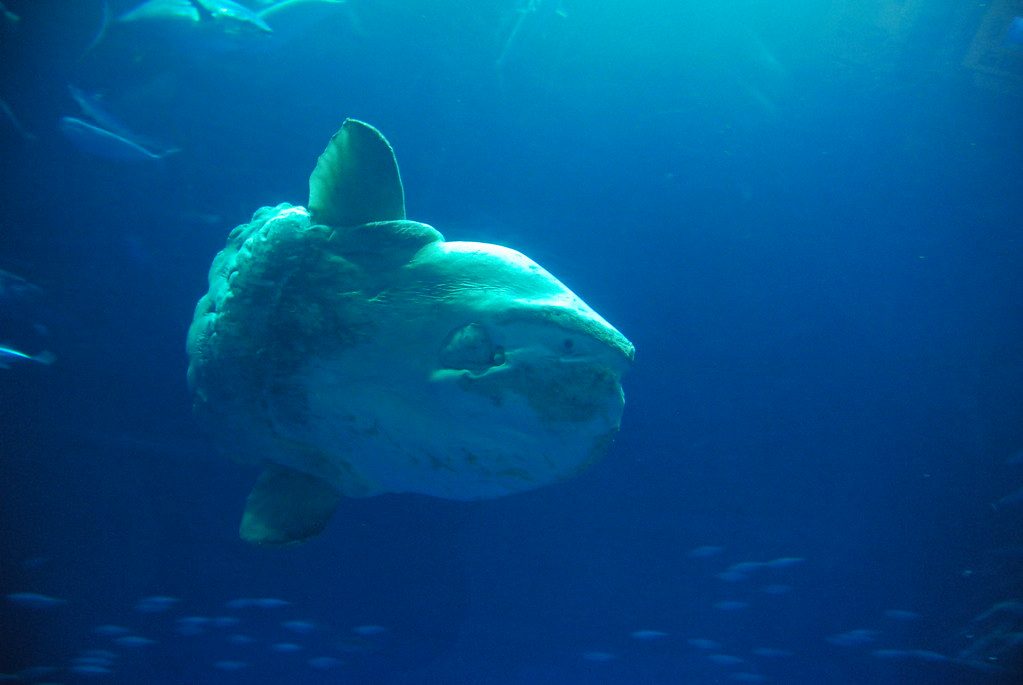
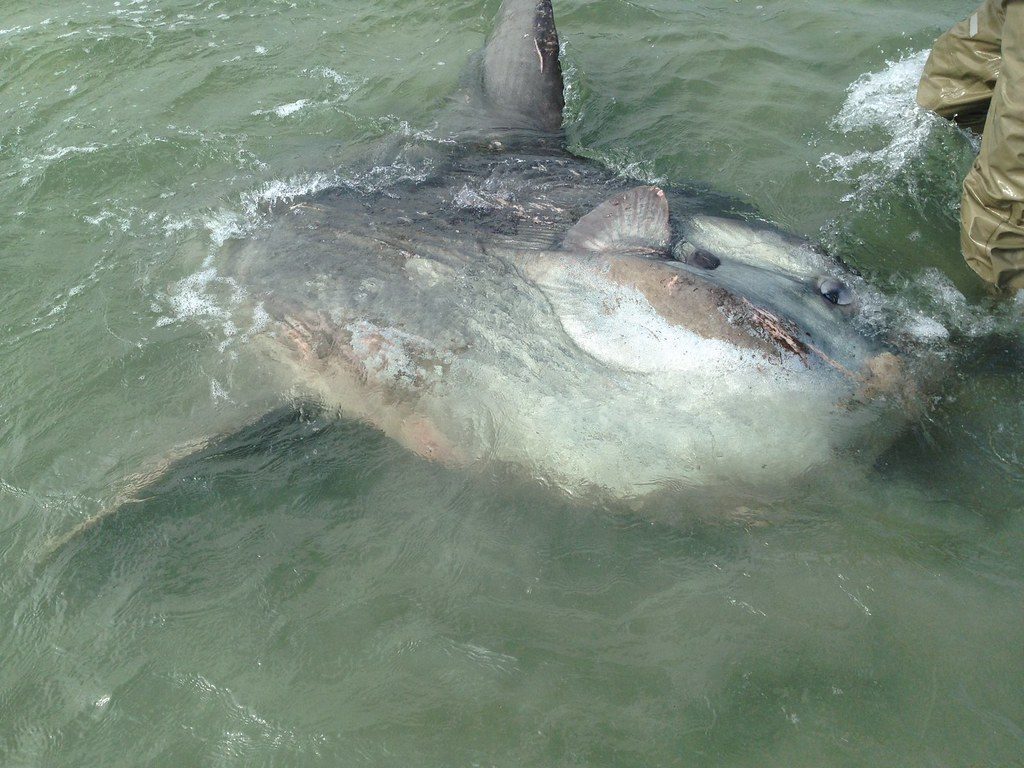
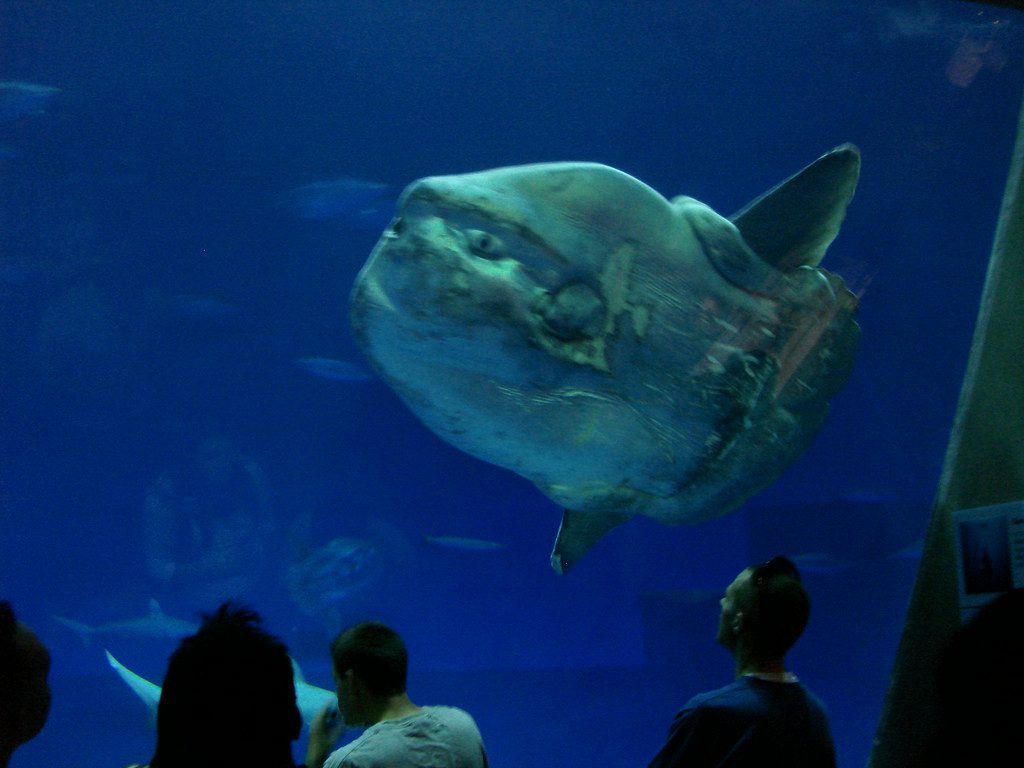
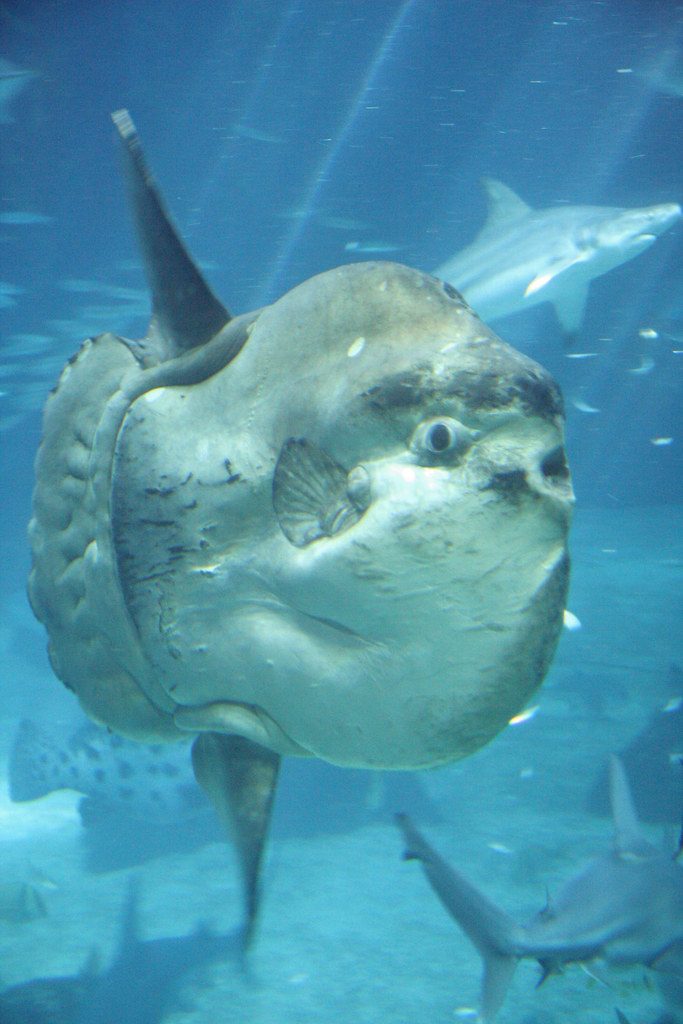
    Imagine being a fish that carries dozens of parasites, gets bitten by predators, and still keeps swimming through the world’s oceans. That is the reality of the ocean sunfish. Known for its unusual shape and massive size, the ocean sunfish is one of the largest bony fish on Earth.

    This remarkable species has puzzled scientists for years. From its strange body design to its incredible growth rate, the ocean sunfish continues to reveal new surprises. In this article, you’ll learn about its appearance, habitat, feeding habits, life cycle, survival strategies, and the challenges it faces in the modern ocean.

    The ocean sunfish has a body unlike any other fish

    Ocean Sunfish 2” by MyFWC Florida Fish and Wildlife is licensed under CC BY-ND 2.0

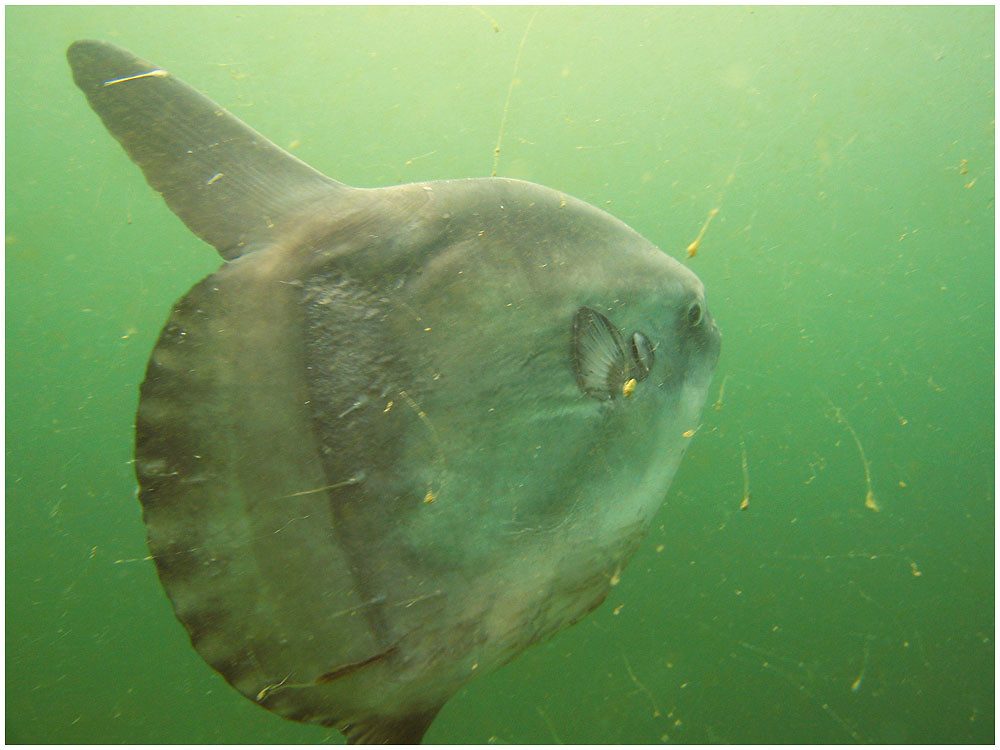
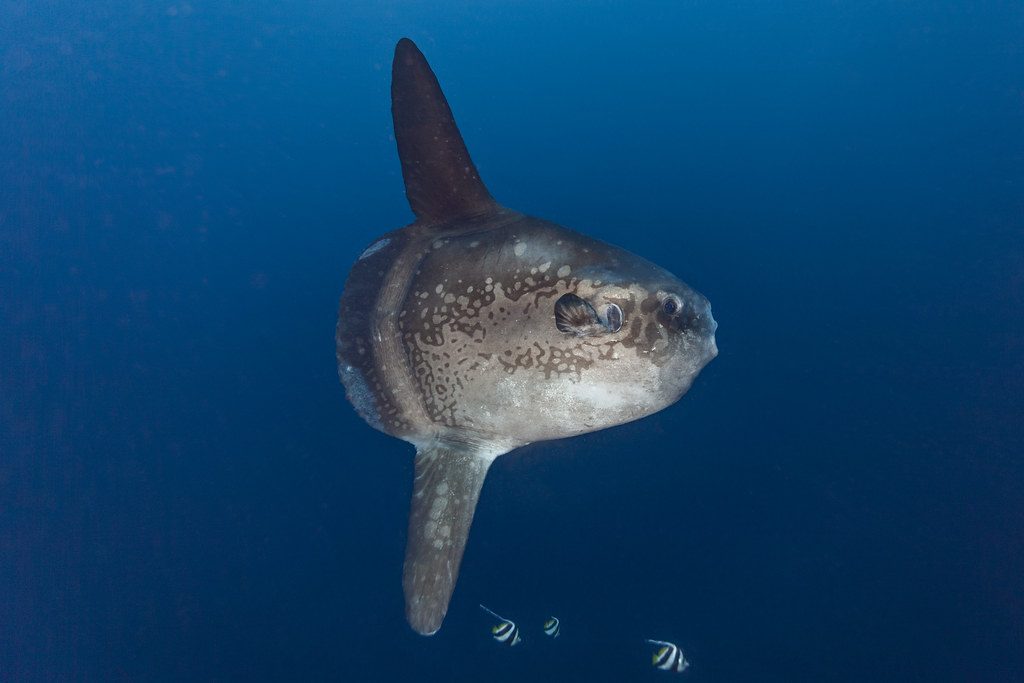
    The ocean sunfish, also called the common mola, is one of the largest bony fish in the world. Adults typically weigh between 247 and 1,000 kilograms, while some exceptional individuals can grow much larger. Its body resembles a giant fish head because it lacks a true tail. Instead, it has a rounded structure called a clavus.

    Its body is flattened from side to side, and its dorsal and anal fins can make it nearly as tall as it is long. Some individuals have reached heights of more than 3 meters. Unlike most fish, much of its skeleton is made of lighter cartilaginous tissue, helping it achieve its enormous size.

    Its unusual features help it survive in the ocean

    An ocean sunfish” by MarkDoliner is licensed under CC BY-SA 2.0

    The ocean sunfish swims differently from most fish. Rather than using a tail for propulsion, it moves by waving its dorsal and anal fins in a steady sculling motion. The clavus acts mainly as a rudder, helping the fish steer through the water.

    Its thick skin provides another important defense. The skin can be several centimeters thick and is covered with mucus rather than scales. The fish can also change its skin color from lighter shades to darker ones, especially when threatened. These features help protect it from injuries and may improve its chances of avoiding danger.

    Parasites are a constant challenge

    Ocean sunfish” by exfordy is licensed under CC BY 2.0

    One of the most surprising facts about the ocean sunfish is the number of parasites it carries. More than 40 species of parasites can live on or inside a single fish. This constant burden has led the species to develop several ways to remove unwanted passengers.

    In temperate waters, cleaner fish help remove parasites from the sunfish’s skin. In tropical regions, reef fish perform the same service. Sunfish also float on their sides near the surface, allowing seabirds to pick off parasites. Some individuals even leap out of the water, possibly to shake loose stubborn parasites attached to their bodies.

    Ocean sunfish travel across vast areas

    Ocean Sunfish in Puget Sound” by Dan Hershman is licensed under CC BY 2.0

    Ocean sunfish live in tropical and temperate waters around the world. Although they are often seen resting at the surface, scientists have discovered that they spend much of their lives actively moving through the water column in search of food.

    Research has shown that these fish can travel long distances and dive to depths greater than 200 meters. They are usually found in water warmer than 10 degrees Celsius. Scientists believe that their famous basking behavior at the surface may help them warm up after spending time in colder, deeper water while feeding.

    Their diet is more varied than scientists expected

    An ocean sunfish” by MarkDoliner is licensed under CC BY-SA 2.0

    For many years, researchers believed that ocean sunfish mainly ate jellyfish. More recent studies have revealed a very different picture. The species is actually a generalist predator that consumes a wide range of prey.

    Its diet includes small fish, fish larvae, squid, mollusks, crustaceans, and other soft-bodied animals. Jellyfish and salps make up only a portion of what it eats. This varied diet allows the ocean sunfish to feed at different depths, from surface waters down toward the seafloor in some regions.

    Rapid growth and human threats shape its future

    Mola Mola (Ocean sunfish)” by NOAA Fisheries West Coast is licensed under CC BY-NC-ND 2.0

    Ocean sunfish begin life as tiny larvae measuring only a few millimeters long. Young sunfish look very different from adults and resemble small pufferfish covered with spines. As they grow, these spines disappear, and their bodies take on their familiar shape. The species undergoes one of the most dramatic growth transformations among vertebrates.

    Despite their impressive size, ocean sunfish face growing challenges. The species is listed as vulnerable, with populations declining. One of the biggest threats comes from accidental capture in fishing gear. Plastic pollution also creates problems because floating bags can resemble prey items. In addition, some fisheries remove the fish’s fins, leaving it unable to swim properly and ultimately leading to death.