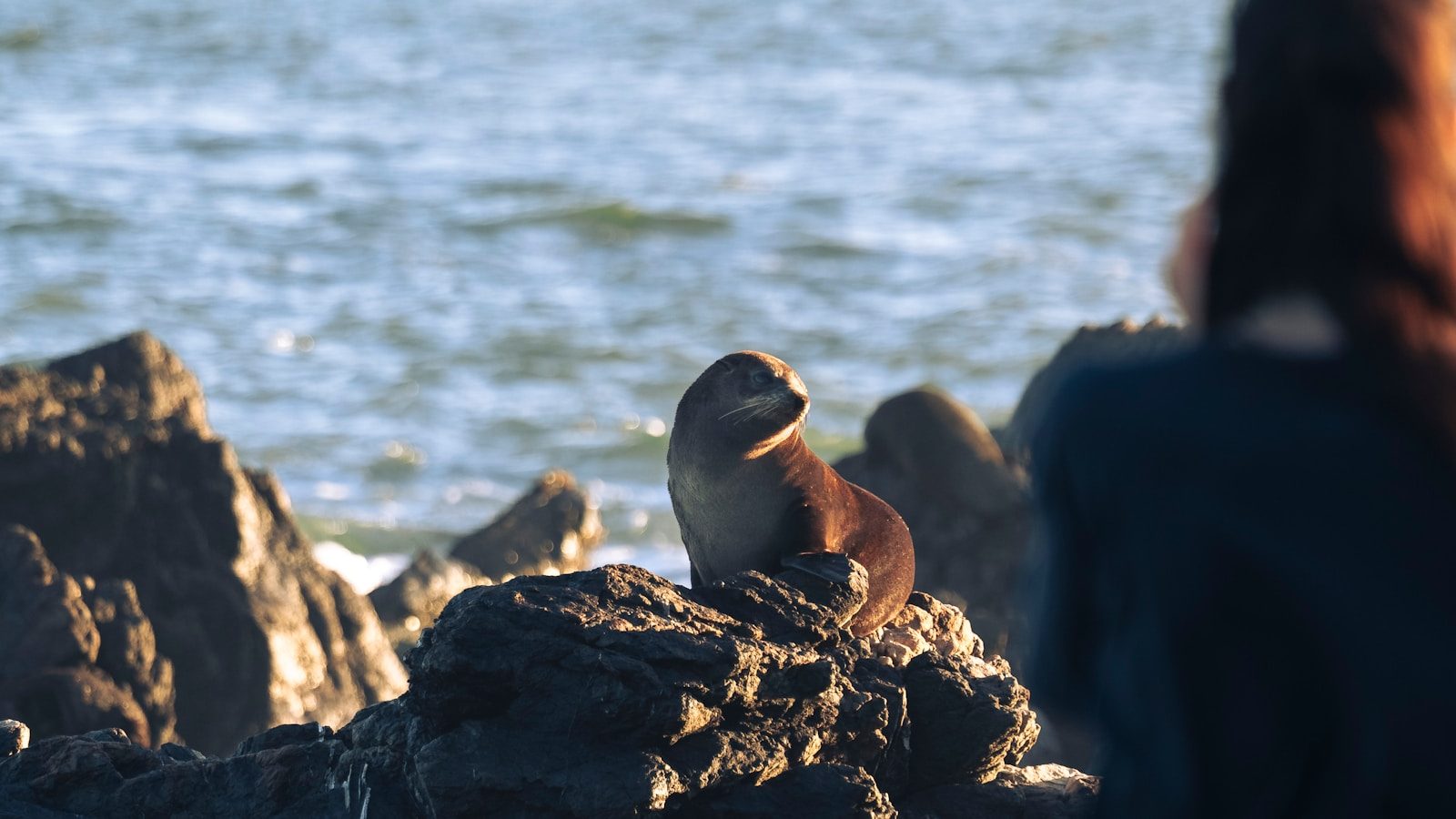
Category: Wildlife and animals

  • A scared seal believed he was out of time until a kind stranger held him close

    A scared seal believed he was out of time until a kind stranger held him close

    Have you ever wondered what happens when a frightened wild animal feels like it has nowhere left to go? A scared seal can face many dangers, from fishing nets and plastic waste to hunger and illness. In some cases, one act of kindness can mean the difference between life and death.

    This story follows a scared seal that seemed out of time until a kind stranger stepped in to help. You will learn how seals end up in danger, why rescue efforts matter, and how compassion and expert care can give these amazing animals a second chance at life.

    The seal was running out of hope
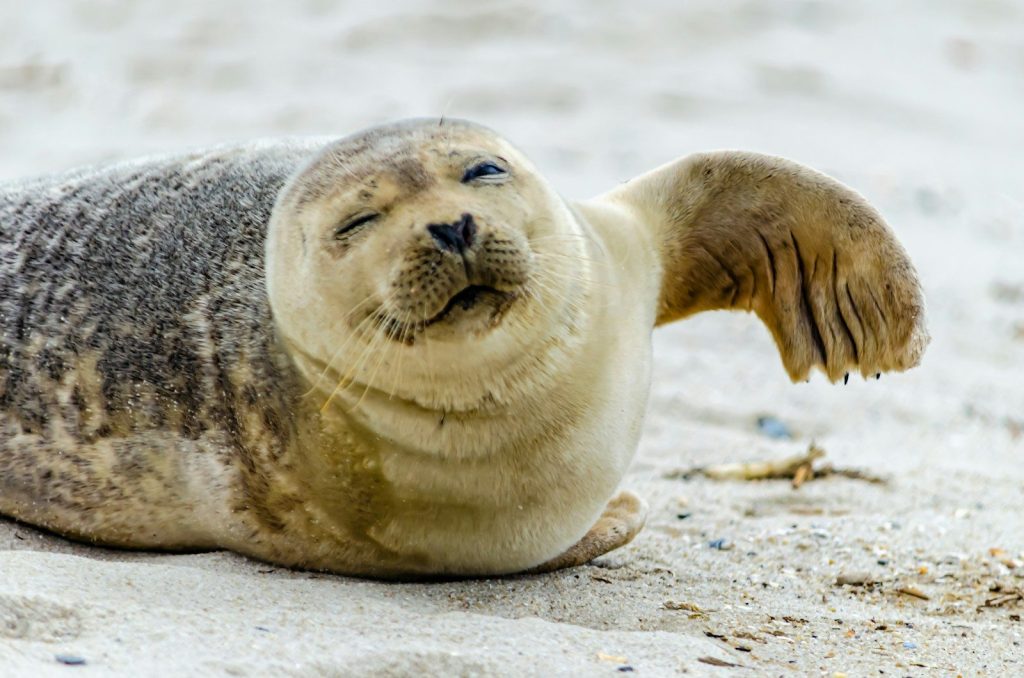
    seal lying on gray sand during daytime
    Photo by Steve Adams on Unsplash

    The young seal looked exhausted and scared. It had likely spent days struggling to survive while carrying the stress of hunger, injury, or getting trapped in harmful debris left behind by people. Seal pups are especially vulnerable because they depend on their mothers for food and protection during the first weeks of life. If they become separated or injured, their chances of survival can drop quickly. Many rescue groups around the world report that young seals are often found weak, underweight, or tangled in fishing gear and plastic rings that cut into their skin as they grow.

    As rescuers approached, the seal did not know whether to trust them. Wild animals are naturally cautious around people because they see humans as a threat. The seal’s wide eyes and tense body showed fear, but it was also tired from fighting alone. In moments like these, rescuers move slowly and quietly to avoid causing more stress. Their goal is to keep the animal calm while giving it the help it desperately needs.

    A gentle touch changed everything

    Zookeeper feeding a sea lion by a rock enclosure.
    Photo by Stefan Szankowski on Unsplash

    The kind stranger who found the seal knew that rushing the rescue could make things worse. Instead, they stayed calm and gave the animal the space it needed. Rescue workers are trained to watch an animal’s behavior and wait for the safest moment to step in. When the seal finally allowed itself to be handled, it was wrapped carefully to keep it warm and prevent sudden movements that could cause injury.

    For a brief moment, the frightened seal rested quietly in caring hands. That small act of comfort may not seem important, but reducing stress is a big part of wildlife rescue. Young seals can become extremely weak when they are scared or separated from their mothers. Experts at marine mammal rescue centers often provide warmth, fluids, and gentle care before starting medical treatment. The goal is always to help the animal recover enough to return to the ocean where it belongs.

    Why so many seals need rescuing
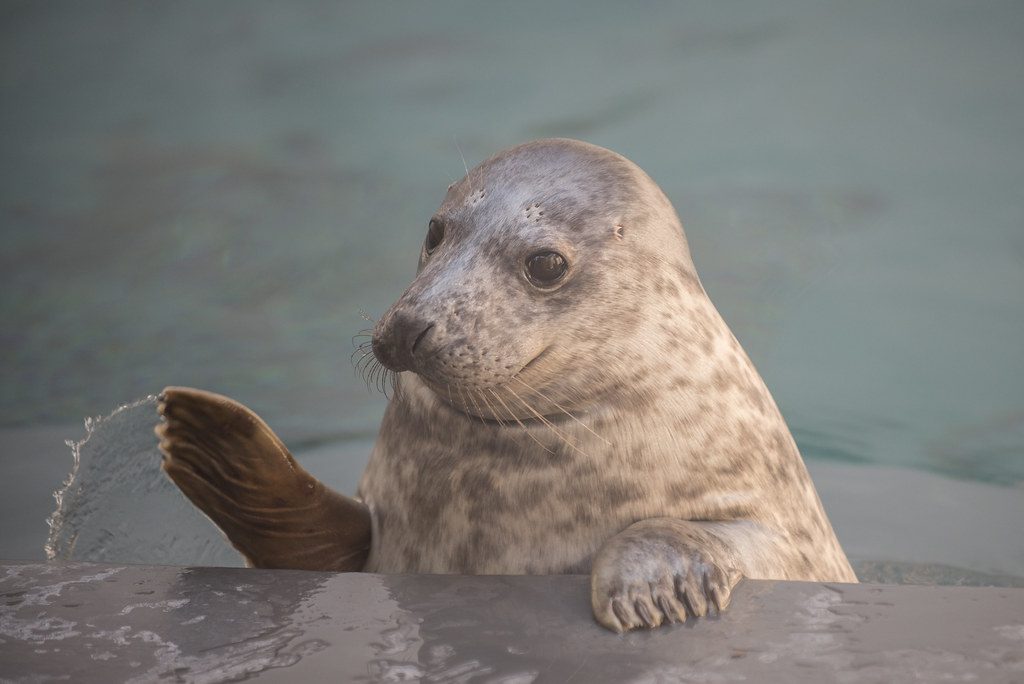
    Gray Seal Pup Update at the Smithsonian’s National Zoo” by Smithsonian’s National Zoo is licensed under CC BY-NC-ND 2.0

    Seals are strong swimmers, but they face many dangers in the wild. One of the biggest threats is marine debris. Fishing nets, ropes, and plastic rings can become wrapped around a seal’s neck or body. As the animal grows, these materials tighten and cut deeper into the skin, causing pain, infections, and sometimes death. Rescue groups around the world regularly remove these dangerous items from seals that would not survive without help.

    Human activity can also separate seal pups from their mothers. People and unleashed dogs sometimes get too close to resting seals on beaches. A frightened mother may leave the area and fail to return, leaving her pup alone. Storms, illness, and lack of food create additional challenges. That is why wildlife experts ask people to admire seals from a distance and contact trained rescuers if they think an animal is in danger.

    The road to recovery is not easy
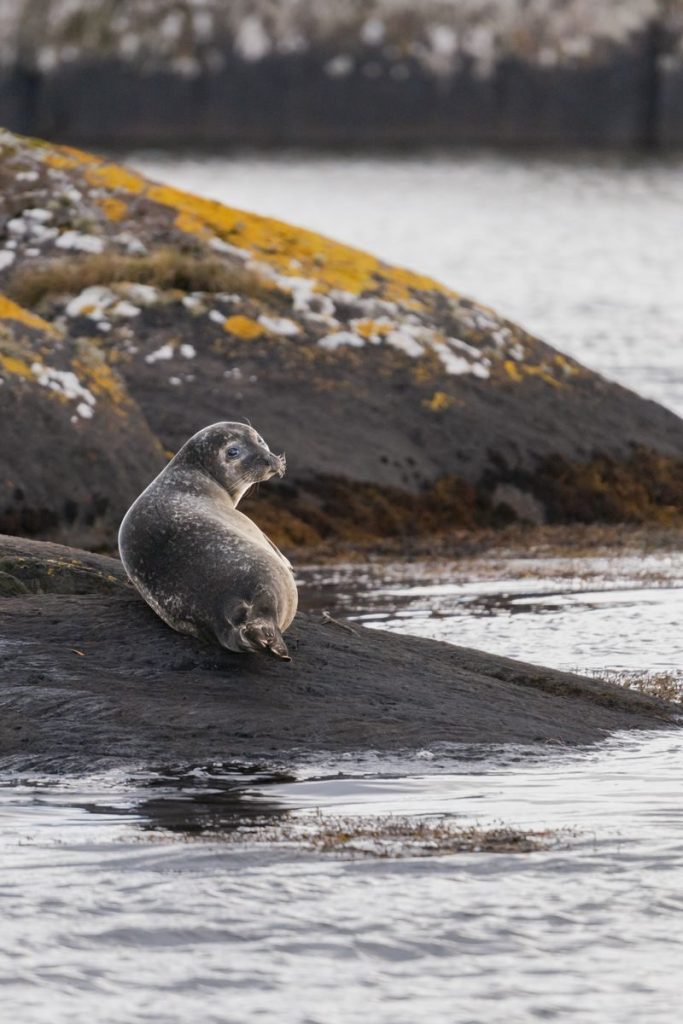
    A seal lounges on mossy rocks by the sea in Ireland, showcasing natural wildlife.
    Photo by Vincent M.A. Janssen on Pexels

    Saving a seal is only the beginning. Once rescued, the animal often needs a full medical check to look for injuries, infections, or signs of malnutrition. Veterinarians weigh the seal, examine its skin, and monitor its breathing and heart rate. Some seals arrive extremely thin and dehydrated, while others need treatment for wounds caused by fishing gear or plastic waste.

    Recovery can take weeks or even months. Young seals are fed special diets that help them gain weight slowly and safely. As they grow stronger, they spend more time swimming and learning the skills they need to survive in the wild. Wildlife centers try to keep human contact to a minimum because the goal is not to make the animal a pet. Instead, every step of the process is designed to prepare the seal for a healthy life back in the ocean.

    The bond between people and wildlife
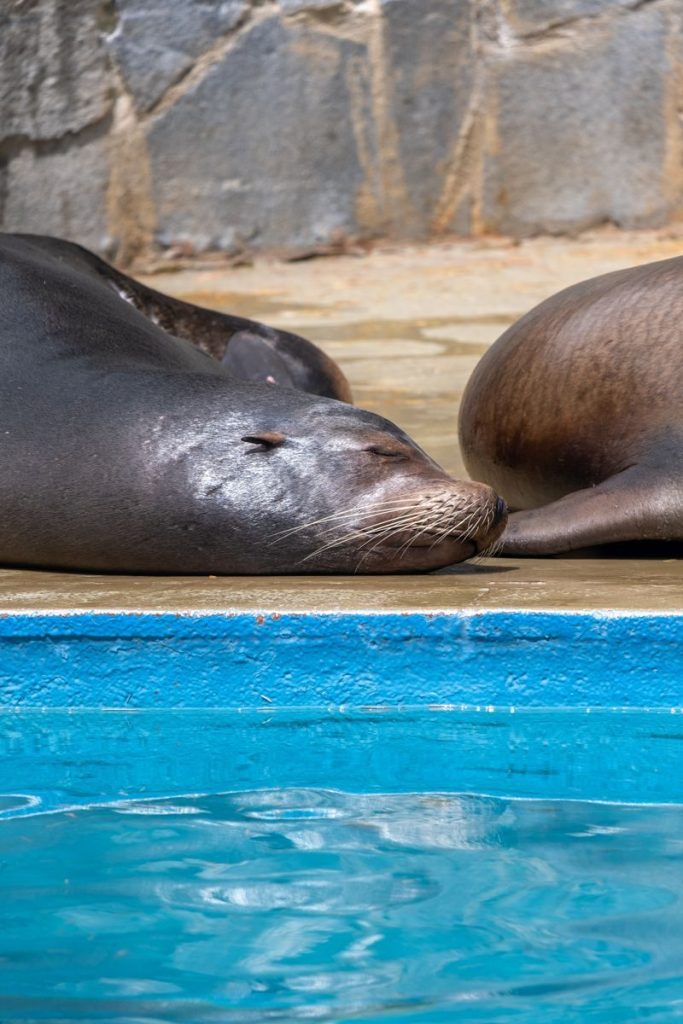
    A peaceful sea lion resting by a pool, capturing the serene beauty of marine life.
    Photo by Joost van Os on Pexels

    Stories like this remind us that kindness can have a powerful effect. The stranger who held the scared seal did not expect anything in return. They simply saw an animal in trouble and chose to help. Across the world, thousands of volunteers and wildlife experts spend their days rescuing seals, birds, turtles, and other animals that have been harmed by accidents or human activity.

    These rescues also teach people an important lesson about responsibility. The ocean is home to countless animals, and small choices made by humans can affect their lives in big ways. Throwing trash away properly, reducing plastic use, and respecting wildlife habitats can help prevent future suffering. When communities work together, fewer animals need emergency rescues and more can live safely in their natural homes.

    A second chance begins in the ocean
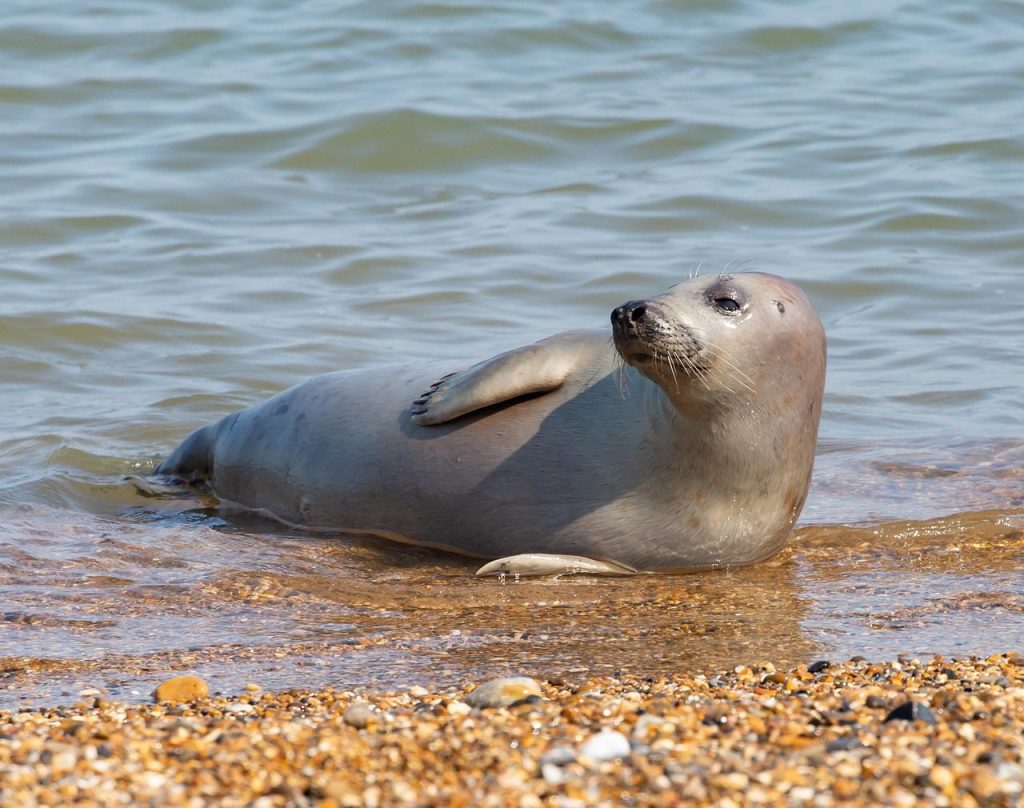
    seal pup, seal, beach, pinniped, harbour seal, nature, grey seal, pup, harbor, coast, cute, resting, water, sea, ocean, marine mammal, marine animal
    Photo by TheOtherKev on Pixabay

    The happiest day in any rescue story is the day an animal returns home. Once a seal is healthy and strong, rescuers release it back into the sea. The moment is often emotional because everyone involved knows the animal has overcome enormous challenges. Watching a once-frightened seal swim away is a reminder that hope can survive even in difficult situations.

    The scared seal that once believed time was running out now has another chance. It may never remember the stranger who held it close, but that act of compassion changed its future forever. Rescue stories are not only about survival. They are about courage, kindness, and the belief that every life matters. As long as people continue to care for the natural world, more animals will have the chance to leave fear behind and begin again.
  • The mysterious killer whales are making epic ocean journeys

    The mysterious killer whales are making epic ocean journeys

    Some of the ocean’s most mysterious animals have remained hidden from science for decades. Type D killer whales are so rarely seen that they were once known mainly through stories from fishers, photographs, and occasional strandings.

    Now, a major study has revealed new details about these unusual orcas. By analyzing more than 20 years of observations and thousands of photographs, researchers discovered that Type D killer whales may be more numerous than previously believed. The study also uncovered extraordinarily long-distance movements that have changed how scientists view these elusive marine predators.

    One of the least-known killer whales

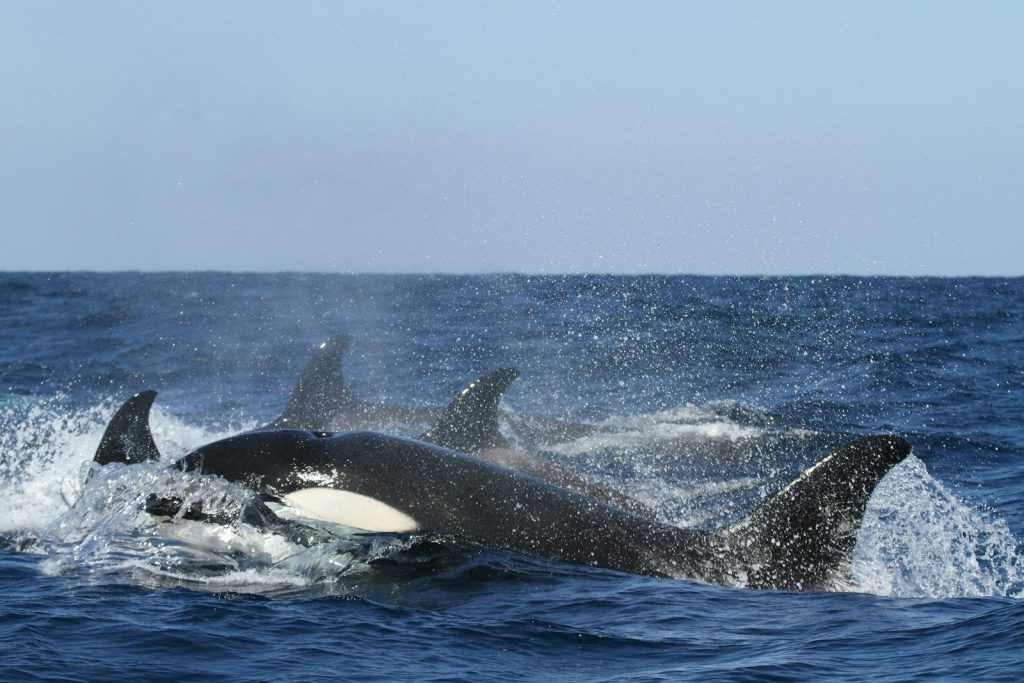
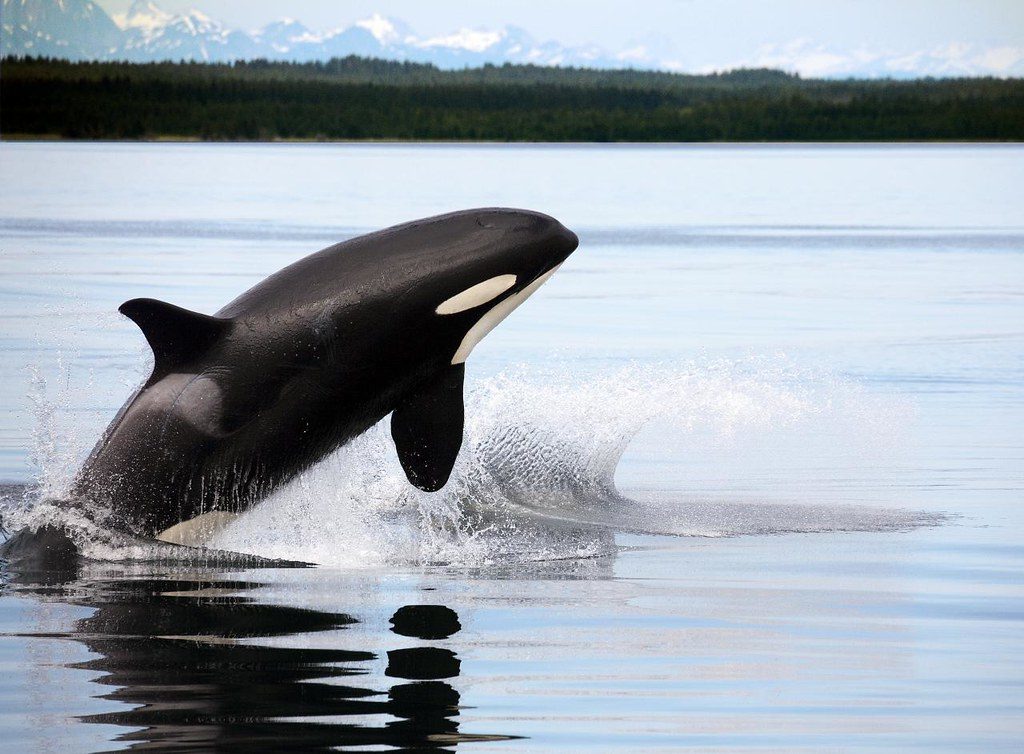
    Killer Whale (Resident Orca)” by Shawn McCready is licensed under CC BY-ND 2.0

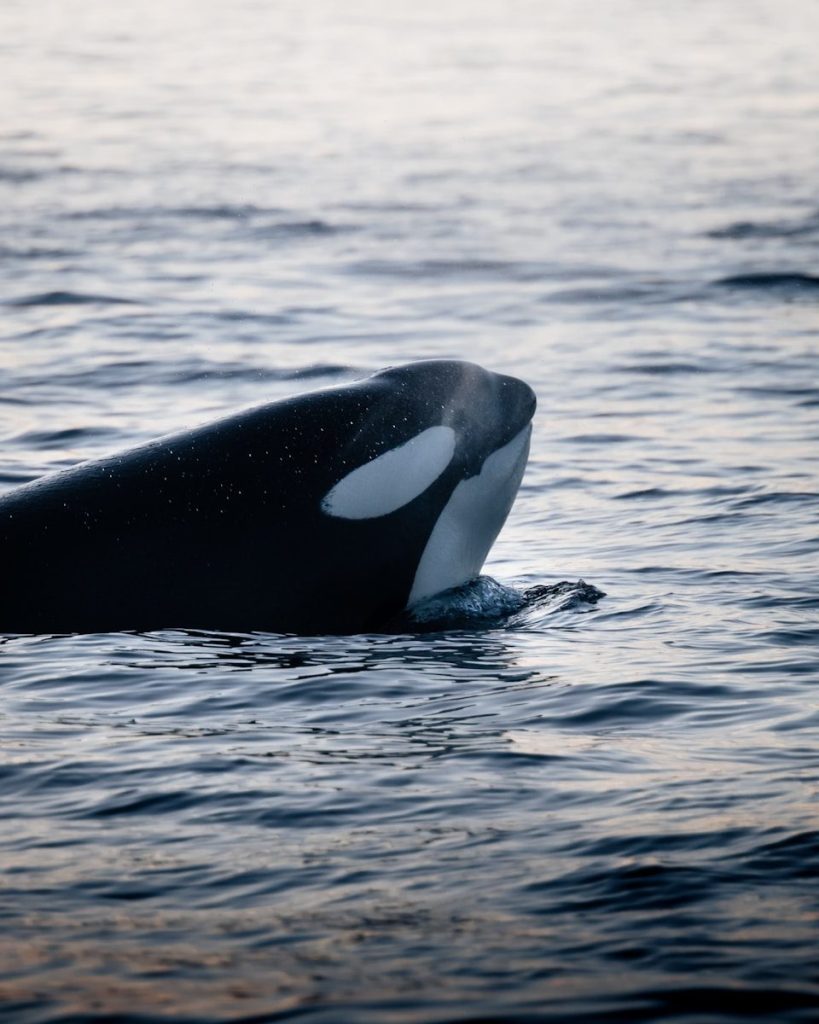
    Type D killer whales are a rare ecotype of killer whale known for their distinctive appearance. They have blunt heads, pointed dorsal fins, and very small white eye patches compared to other killer whales.

    Although scientists currently recognize only one species of killer whale, different ecotypes display unique physical traits and behaviors. Among them, Type D killer whales have remained one of the most mysterious due to the limited number of sightings over the years.

    Researchers analyzed decades of observations

    blue and white whales
    Photo by NOAA on Unsplash

    To learn more about these animals, scientists collected and studied more than 28,000 photographs taken between 2003 and 2024. The images came from sightings across the Subantarctic region.

    The large photo collection allowed researchers to identify individual whales and track their movements. This effort provided one of the most detailed looks ever at a population that has long remained difficult to study.

    The population may be larger than expected

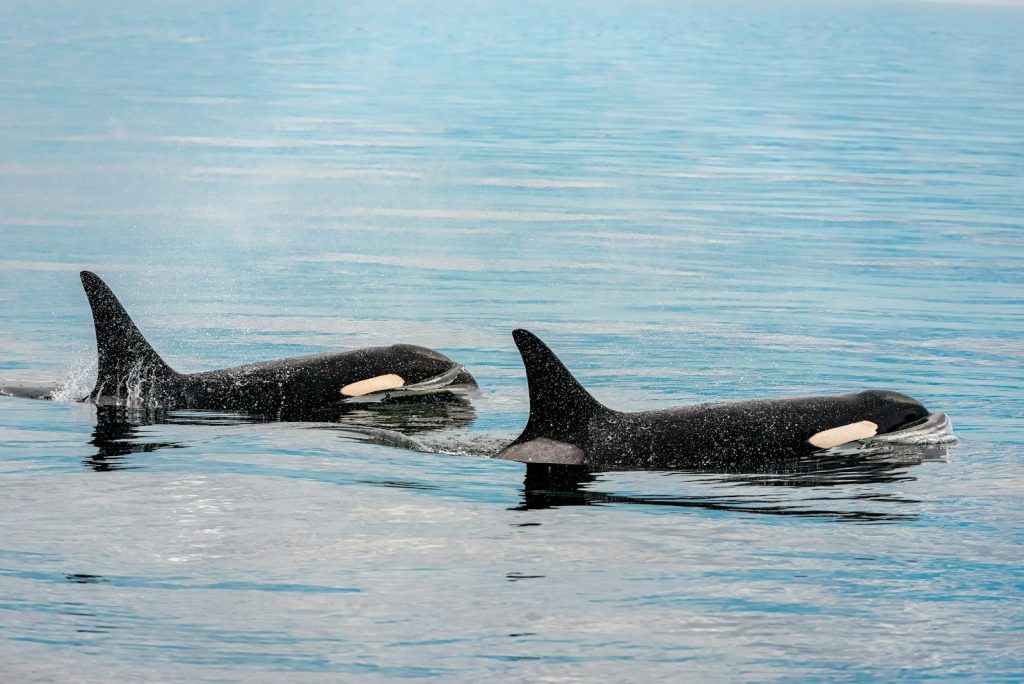
    A couple of orca's swimming in a body of water
    Photo by Vidar Nordli-Mathisen on Unsplash

    One concern among researchers was that Type D killer whales might exist in extremely low numbers. Limited sightings had raised fears that the population could be facing a genetic bottleneck.

    The study identified 207 individual whales across the Subantarctic. While this does not mean the population is large on a global scale, it suggests that more animals exist than scientists previously documented.

    Incredible journeys across oceans

    whale in sea
    Photo by Thomas Lipke on Unsplash

    Perhaps the most surprising discovery involved the distances traveled by some whales. Researchers documented movements between groups living in the southern Indian Ocean and waters off southern Chile.

    Some Type D killer whales traveled more than 4,400 kilometers, or 2,734 miles, between ocean basins. Scientists described these journeys as unprecedented for killer whales, highlighting the species’ ability to travel across vast ocean areas.

    Following an easy source of food

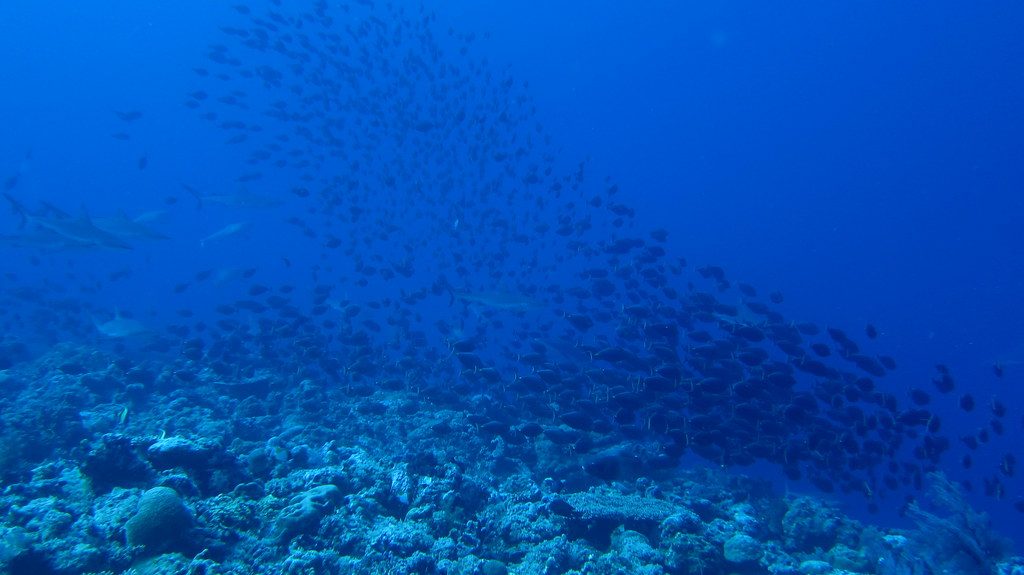
    shark hunting” by jeff~ is licensed under CC BY 2.0

    Researchers found that some of these long-distance movements were linked to depredation behavior. This occurs when whales take fish from commercial fishing operations rather than hunting entirely on their own.

    Type D killer whales appear especially interested in toothfish caught by fishing vessels. Scientists observed that only a small, socially connected segment of the population regularly displayed this behavior.

    A species full of surprises

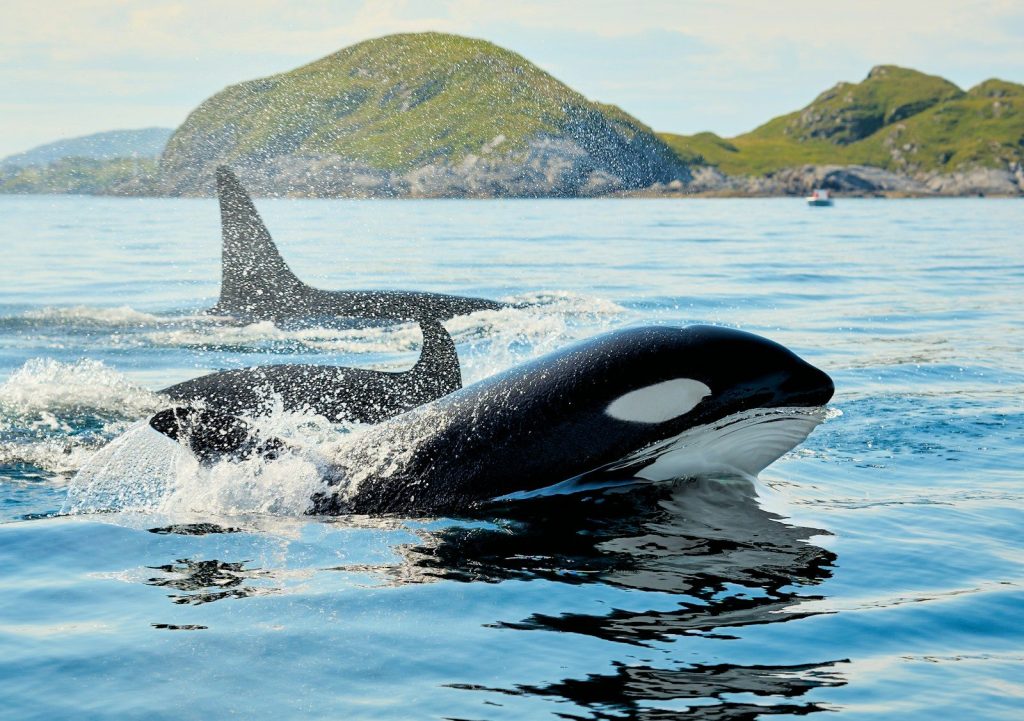
    Killer Whale” by eschipul is licensed under CC BY-SA 2.0

    The findings have helped scientists better understand one of the ocean’s least-known predators. The study showed that Type D killer whales are highly mobile and can travel distances not previously recorded among killer whales.

    Researchers believe many more individuals may still remain undiscovered. As scientists continue studying these animals, Type D killer whales may become known not only as one of the most mysterious marine predators but also as one of the most impressive travelers in the ocean.

  • The surprising reasons orcas are feared across the oceans

    The surprising reasons orcas are feared across the oceans

    Orcas are often considered among the most charismatic animals in the ocean. Their intelligence, social bonds, and striking appearance have made them popular around the world. However, behind that familiar image is one of the most capable predators on Earth.

    Found in oceans from the Arctic to tropical waters, orcas sit at the very top of the marine food chain. Their hunting skills, teamwork, and ability to learn new behaviors have fascinated scientists for decades. Recent reports of orcas damaging boats have only added to the growing interest in these remarkable animals and the complex behaviors they display.
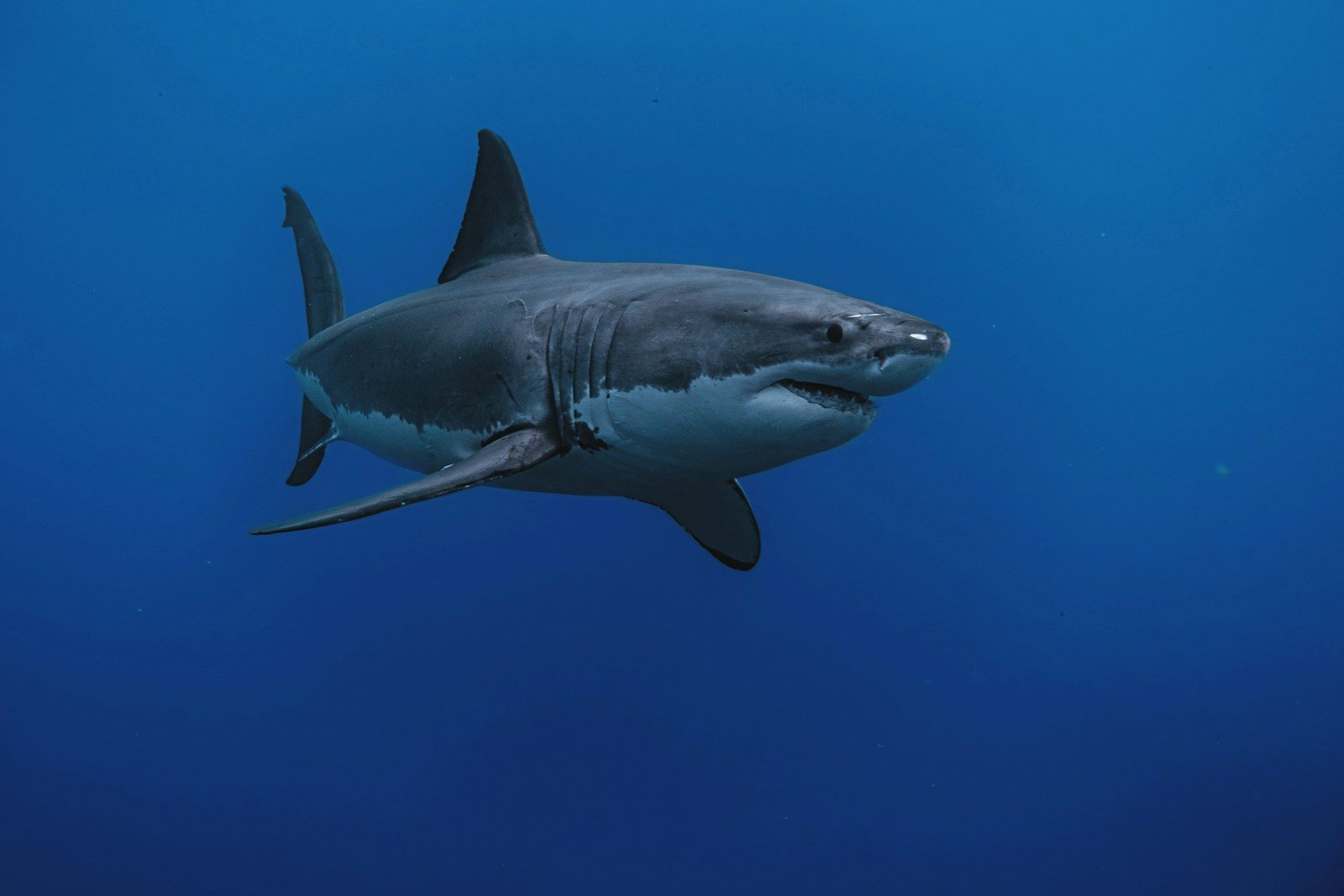
    Orcas live in oceans around the world

    A whale is swimming in the ocean
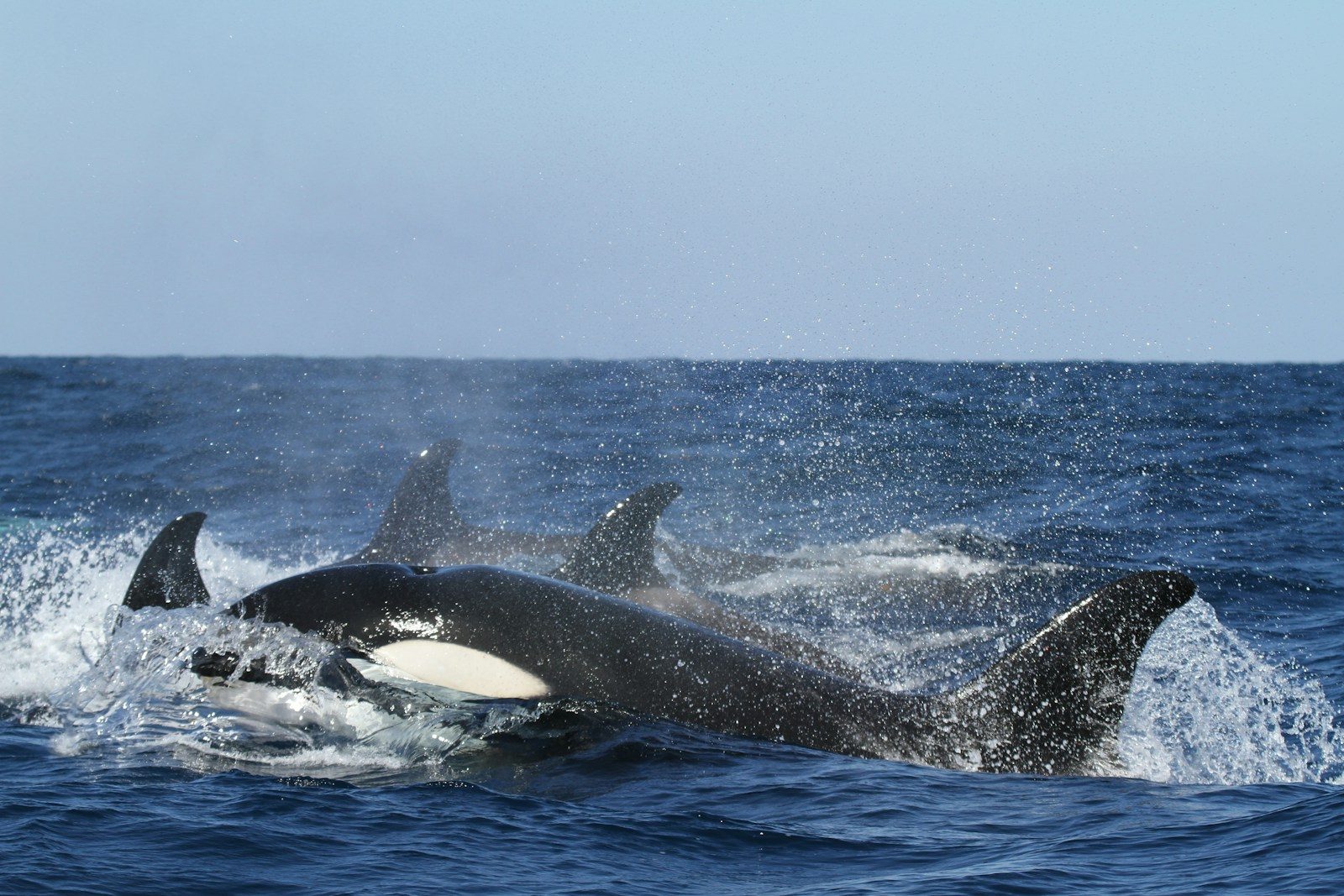
    Photo by Vidar Nordli-Mathisen on Unsplash

    Orcas can be found in every major ocean on Earth. They thrive in environments ranging from icy polar waters to warmer tropical regions, making them one of the most adaptable marine mammals.

    Their success comes from a combination of intelligence, strength, and social cooperation. Living in closely connected family groups allows them to share knowledge and work together while hunting and navigating their environment.
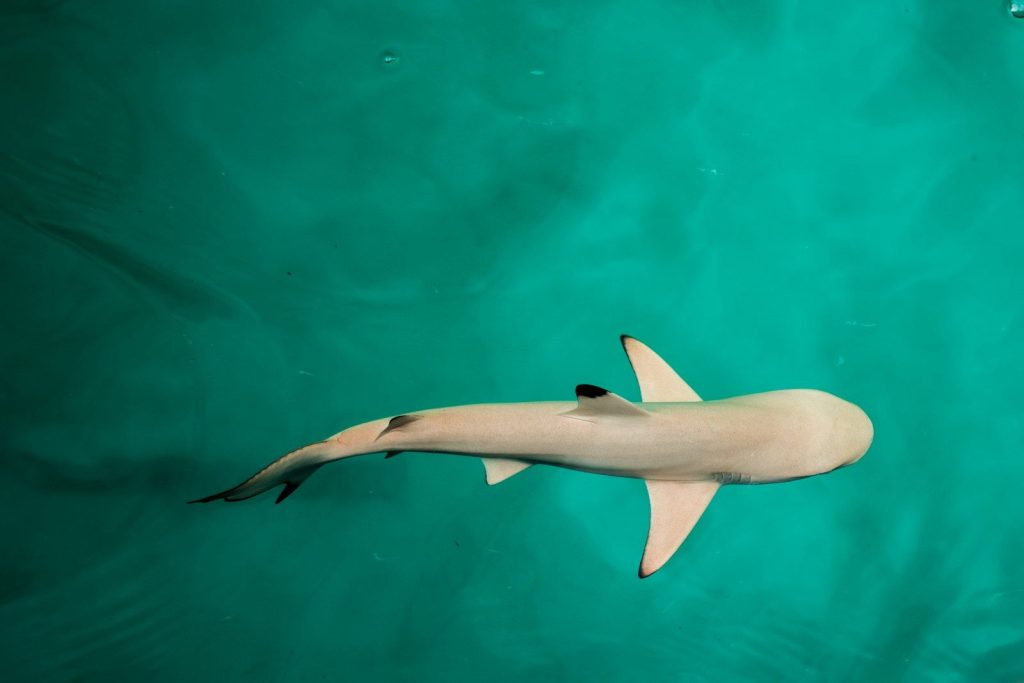
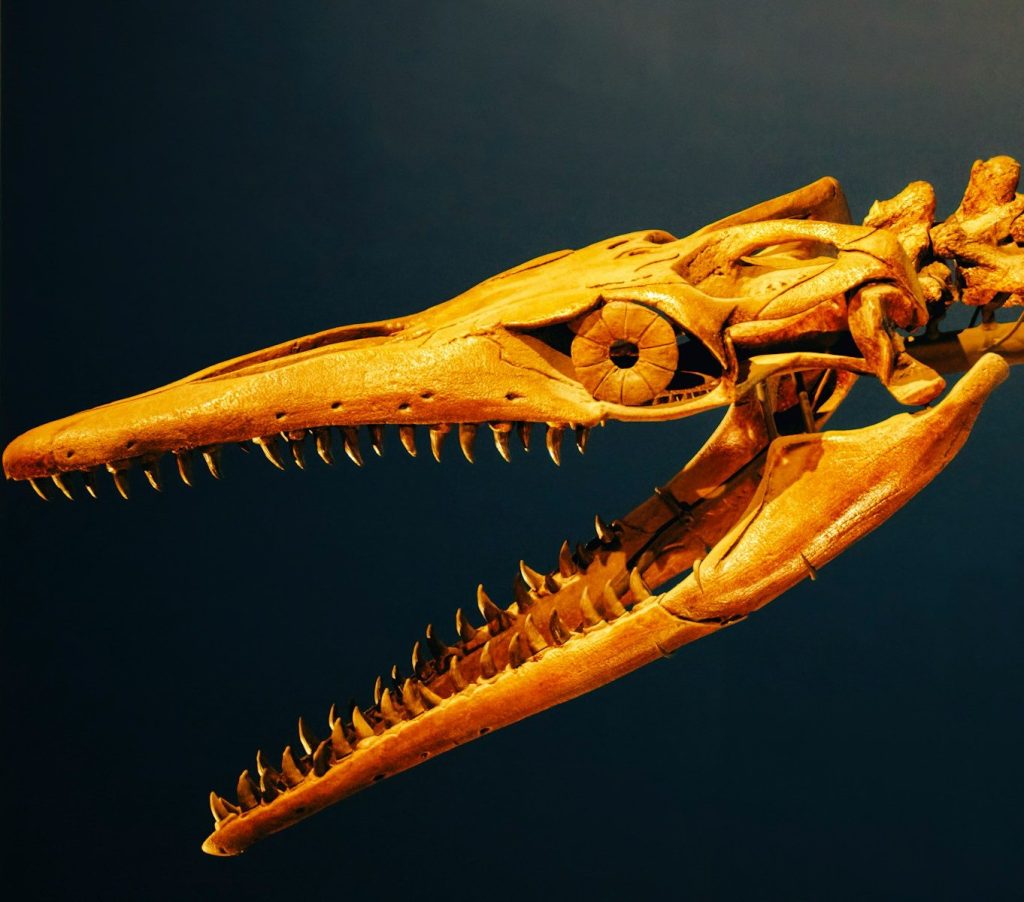
    They are powerful hunters

    A couple of orca's swimming in a body of water
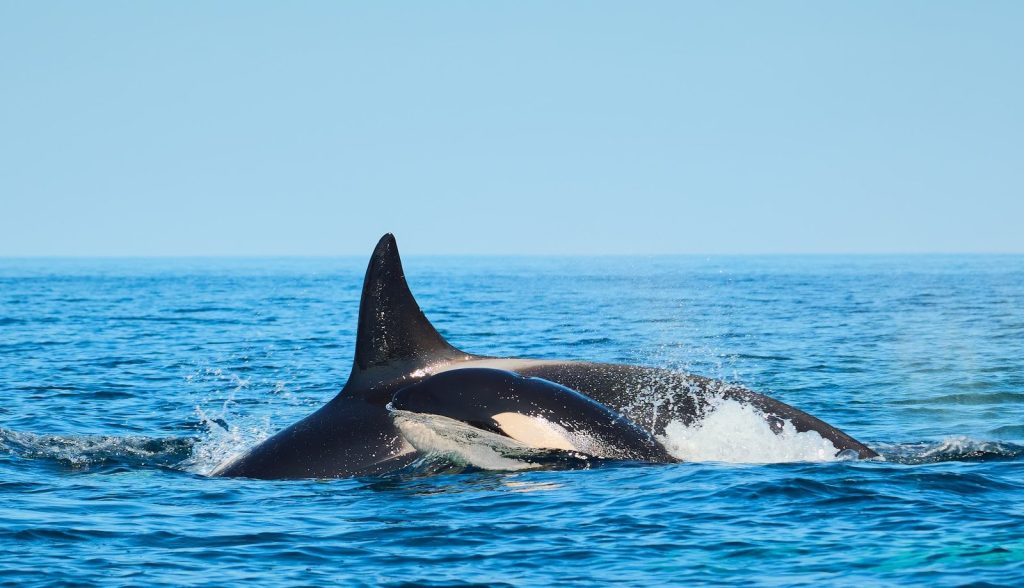
    Photo by Vidar Nordli-Mathisen on Unsplash

    Orcas are apex predators, meaning they have very few natural threats. Their large size, speed, and coordination allow them to hunt a wide range of prey throughout the world’s oceans.

    These animals are capable of taking on creatures much larger than themselves. Their hunting strategies often involve teamwork, communication, and carefully planned movements that increase their chances of success.

    Hunting techniques vary by location

    two black and white orca swimming in a body of water
    Photo by Stephen Walker on Unsplash

    One of the most fascinating aspects of orca behavior is how different groups develop specialized hunting methods. These techniques are often passed down from one generation to the next.

    Researchers have observed orcas using their tails to stun fish, create waves, and separate prey from groups. Such behaviors demonstrate not only physical power but also advanced problem-solving abilities.

    Learning plays a major role

    whale in sea
    Photo by Thomas Lipke on Unsplash

    Orcas are highly social animals that learn from one another. Young whales spend years observing older family members and practicing important survival skills.

    Scientists believe this cultural learning helps explain why different orca populations display unique behaviors. Knowledge can spread through pods, allowing successful techniques to be shared across generations.

    Boat interactions have drawn attention

    a large ship in the water
    Photo by William Rudolph on Unsplash

    In recent years, some orcas near the Iberian Peninsula have repeatedly interacted with boats. Researchers have documented hundreds of encounters involving damaged rudders and, in some cases, sunken vessels.

    Scientists continue to study these interactions because the exact motivation remains unclear. Proposed explanations include curiosity, play, learned behavior, reactions to vessel activity, and other environmental factors.

    Why researchers remain fascinated

    a whale jumping out of the water
    Photo by Lachlan Gowen on Unsplash

    Orcas continue to surprise scientists because of their intelligence and adaptability. New behaviors can emerge and spread through populations, revealing just how flexible these animals can be.

    Their ability to learn, communicate, cooperate, and solve problems places them among the most remarkable predators in the natural world. As researchers gather more information, our understanding of these complex marine mammals continues to grow.

  • The Greenland shark may be the oldest vertebrate on Earth

    The Greenland shark may be the oldest vertebrate on Earth

    What if an animal alive today was born before the United States existed? That may sound impossible, but scientists believe some Greenland sharks have been swimming through the ocean for centuries.

    The Greenland shark is considered the longest-living vertebrate ever discovered. Researchers estimate that some individuals can live between 250 and more than 400 years. Their incredible lifespan, slow growth, and unique biology have fascinated scientists and revealed new clues about aging, survival, and life in the deep ocean. Here is what makes the Greenland shark one of the most remarkable animals on Earth.

    Scientists discovered an extraordinary lifespan

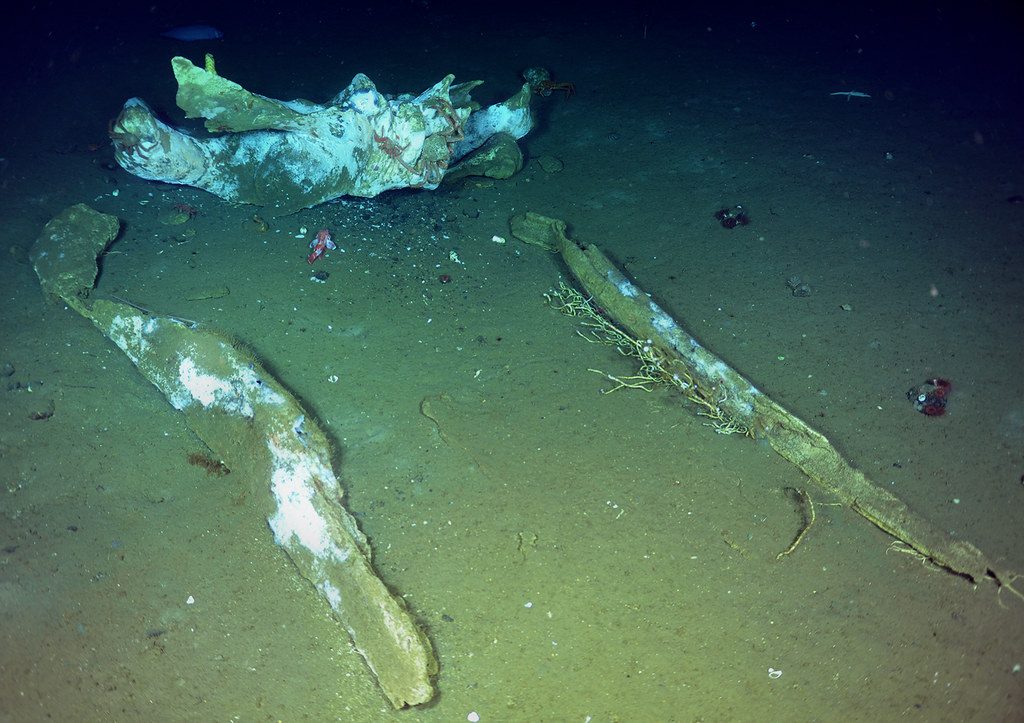
    Whale Fall” by OceanNetworks Canada is licensed under CC BY-NC-SA 2.0

    For many years, researchers suspected that Greenland sharks lived for a very long time. However, proving their age was difficult because traditional methods used to age animals do not work well for this species.

    A major study published in 2016 changed that understanding. Scientists estimated that some Greenland sharks were between 272 and 512 years old. Even the lowest estimates made them the longest-living vertebrates known to science, setting a record unmatched by any other animal with a backbone.

    How researchers estimated their age

    gray and brown shark
    Photo by David Clode on Unsplash

    Scientists used a unique technique involving the sharks’ eye lenses. The proteins found in the center of the eye lens form before birth and remain unchanged throughout the animal’s life.

    By measuring radiocarbon levels in these proteins, researchers were able to estimate how long the sharks had been alive. This method provided valuable age estimates for animals that could not be measured using growth rings in bones or teeth because of their extremely slow development.

    Life moves slowly for Greenland sharks

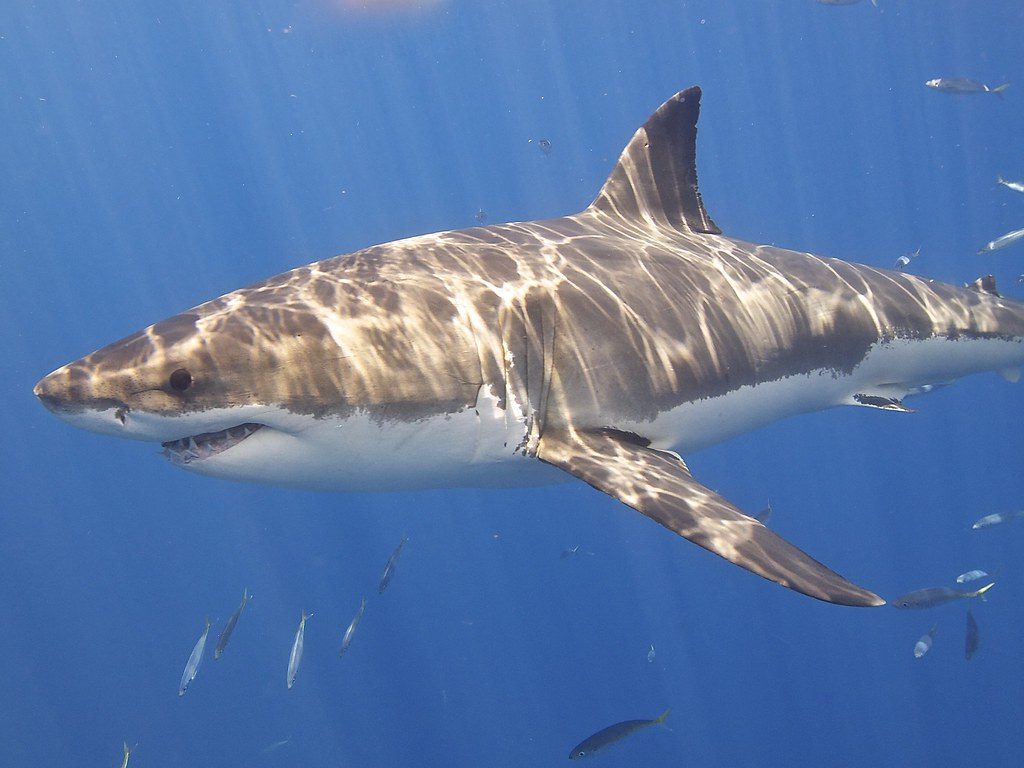
    Great White Shark” by Elias Levy is licensed under CC BY 2.0

    One reason Greenland sharks live so long is their remarkably slow metabolism. They spend their lives in near-freezing waters, where biological processes occur at a much slower pace.

    The species grows less than one centimeter each year. Scientists believe Greenland sharks may not reach sexual maturity until they are between 100 and 150 years old. This slow lifestyle reduces wear on their bodies and may help explain their extraordinary longevity.

    Surviving in the deep ocean

    shark hunting” by jeff~ is licensed under CC BY 2.0

    Greenland sharks inhabit cold and stable deep-water environments. These conditions help reduce environmental stress and create a setting where animals can survive for long periods.

    Researchers are also studying the shark’s genetics for clues about aging. Early findings suggest that Greenland sharks may possess biological traits related to DNA repair and cellular maintenance, which could contribute to their long lifespan.

    How Greenland sharks hunt and survive

    Shark Hunting” by steven and darusha is licensed under CC BY-NC 2.0

    Although Greenland sharks move very slowly, they are still effective predators. Their diet includes fish, squid, and even seals, showing that speed is not always necessary for successful hunting.

    Many Greenland sharks have vision problems caused by parasites that attach to their eyes. Despite this, they continue to navigate and find food by relying heavily on their sense of smell and vibration detection in the surrounding water.

    Threats facing an ancient species

    expl9984” by NOAA Photo Library is licensed under CC BY 2.0

    After surviving for centuries in harsh Arctic waters, Greenland sharks now face challenges posed by modern fishing practices. Deep-sea fisheries sometimes catch these sharks accidentally, creating concerns about their future.

    Their slow growth and late maturity make population recovery extremely difficult. Scientists warn that losing even a single centuries-old shark can have long-term effects on the species. These concerns have increased interest in protecting Greenland sharks and improving conservation efforts in deep-ocean ecosystems.

  • 6 largest deep-sea sharks and ocean predators

    6 largest deep-sea sharks and ocean predators

    The ocean is home to some of the largest and most fascinating sharks on Earth. While many people know about sharks that swim near beaches and coastlines, there are also incredible species that live far below the surface in dark and cold waters.

    These deep-sea sharks have adapted to extreme conditions, including crushing pressure and complete darkness. Some are ancient species that have existed for millions of years, while others remain mysterious because scientists rarely see them. Here are six of the largest deep-sea sharks and ocean predators that continue to amaze researchers around the world.

    Goblin shark

    Snaggle Tooth Hob Goblin” by Hungarian Snow is licensed under CC BY-SA 2.0

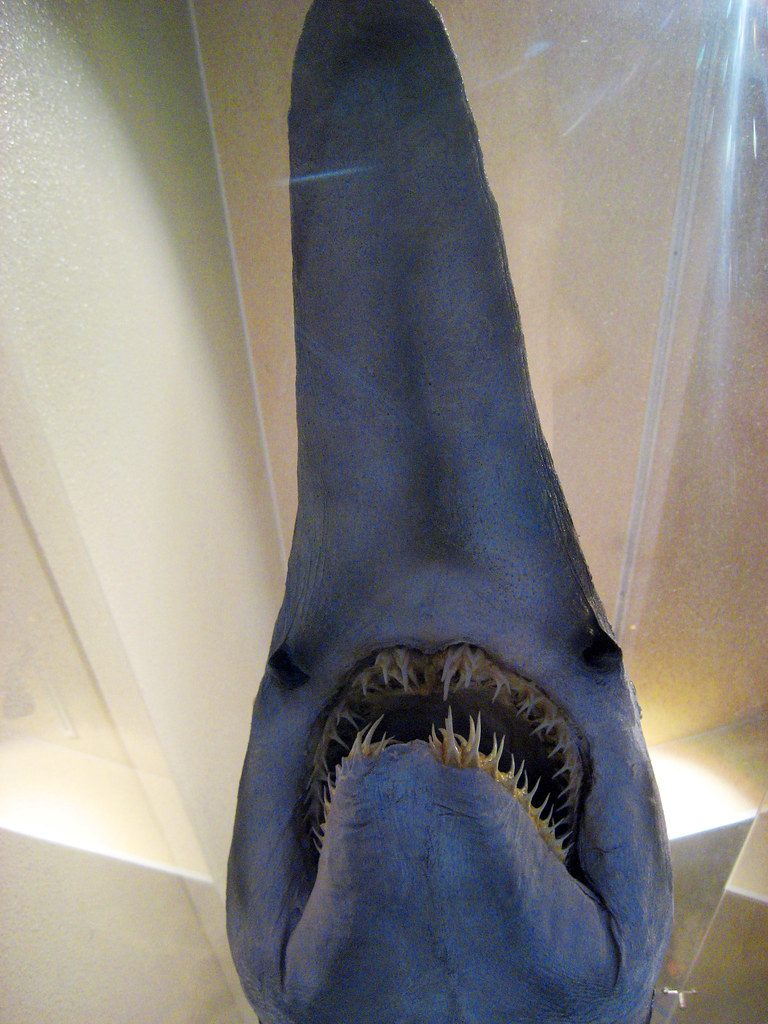
    The goblin shark is one of the strangest-looking sharks in the ocean. It is often called a living fossil because its ancestors appeared more than 125 million years ago. Scientists believe the species has changed very little over time.

    This shark can reach about 13 feet in length and has been found at depths of around 4,490 feet. Its long snout, sharp teeth, and pinkish appearance make it one of the most recognizable deep-sea sharks in the world.

    Bluntnose sixgill shark

    Sixgill Shark” by Dan Hershman is licensed under CC BY 2.0

    The bluntnose sixgill shark is an ancient species that stands out because it has six gill slits instead of the usual five found on most sharks. Scientists believe it shares many features with some of the earliest sharks that lived millions of years ago.

    This shark can grow up to 16 feet long and has been recorded at depths of more than 6,100 feet. Although it sometimes enters shallower coastal waters, it often travels deep into the ocean in search of food.

    Pacific sleeper shark

    Sleeper Shark. Tiburón dormilón. Somniosus rostratus” by Fran Martín de la Sierra is licensed under CC BY-NC-ND 2.0

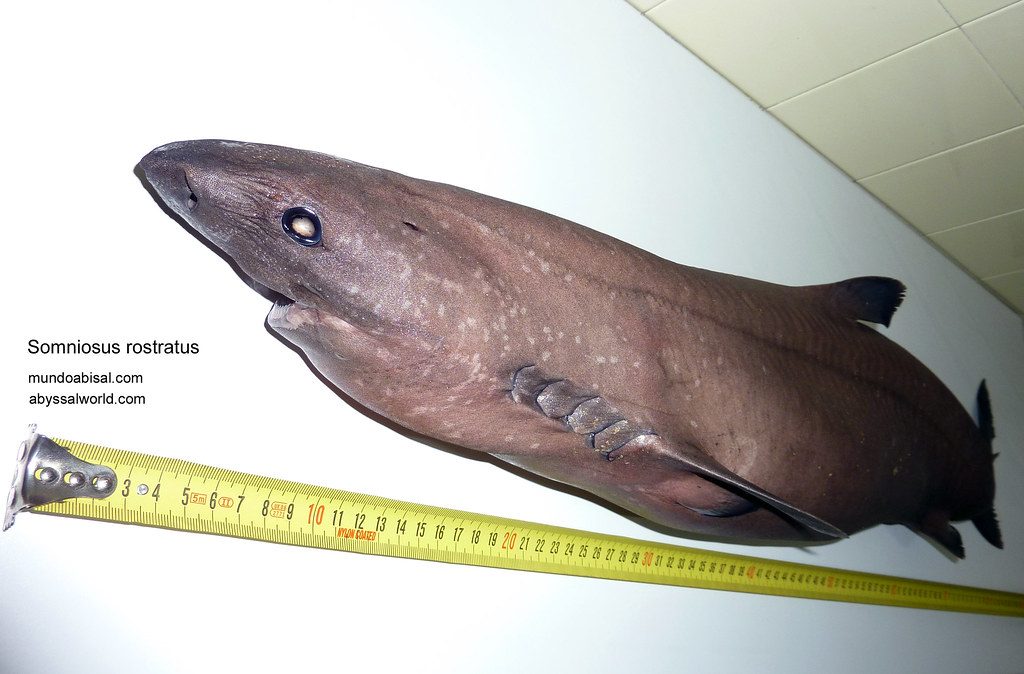
    The Pacific sleeper shark belongs to a group known as sleeper sharks. It lives in the cold waters of the North Pacific and spends much of its life in deep ocean environments.

    Growing to around 14 feet in length, the Pacific sleeper shark has been found at depths of about 6,600 feet. It feeds on animals that live near the ocean floor, including large octopuses and other deep-sea creatures.

    Greenland shark

    Greenland shark” by DocJ96 is licensed under CC BY-NC 2.0

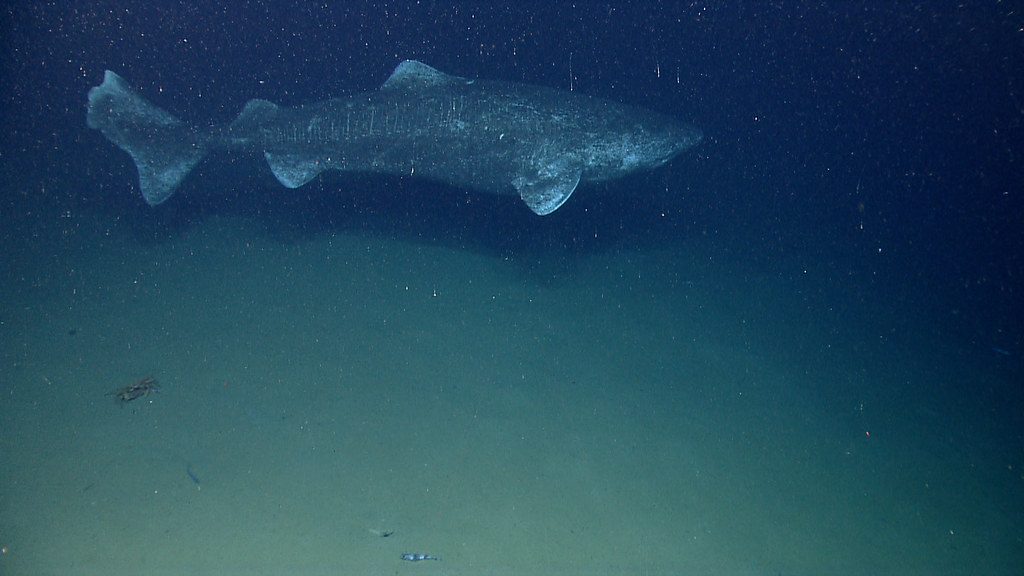
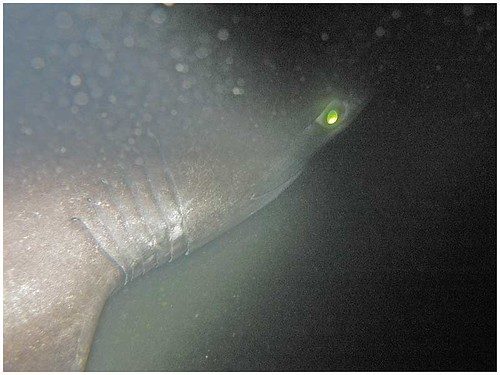
    The Greenland shark is one of the most mysterious sharks in the world. It lives in extremely cold Arctic waters and moves very slowly, helping it conserve energy in its harsh environment.

    This species can reach about 24 feet in length and is often found at depths approaching 7,200 feet. Greenland sharks are also known for their remarkable lifespan and are considered among the longest-living animals on Earth.

    Megamouth shark

    Megamouth shark” by Stephanie_Asher is licensed under CC BY-NC-SA 2.0

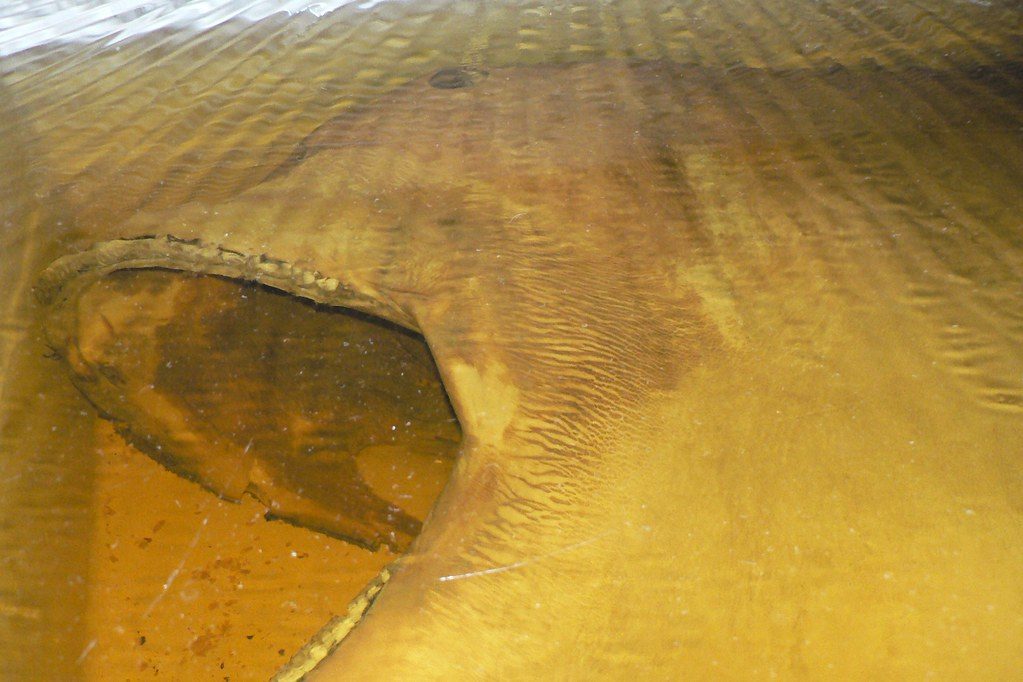
    The megamouth shark remains one of the rarest sharks ever discovered. Scientists first identified the species in 1976, and fewer than 100 individuals have been observed since then.

    Despite reaching lengths of about 23 feet, the megamouth shark feeds mainly on tiny organisms such as plankton and jellyfish. Researchers believe it regularly dives to depths of up to 15,000 feet while searching for food.

    Great white shark

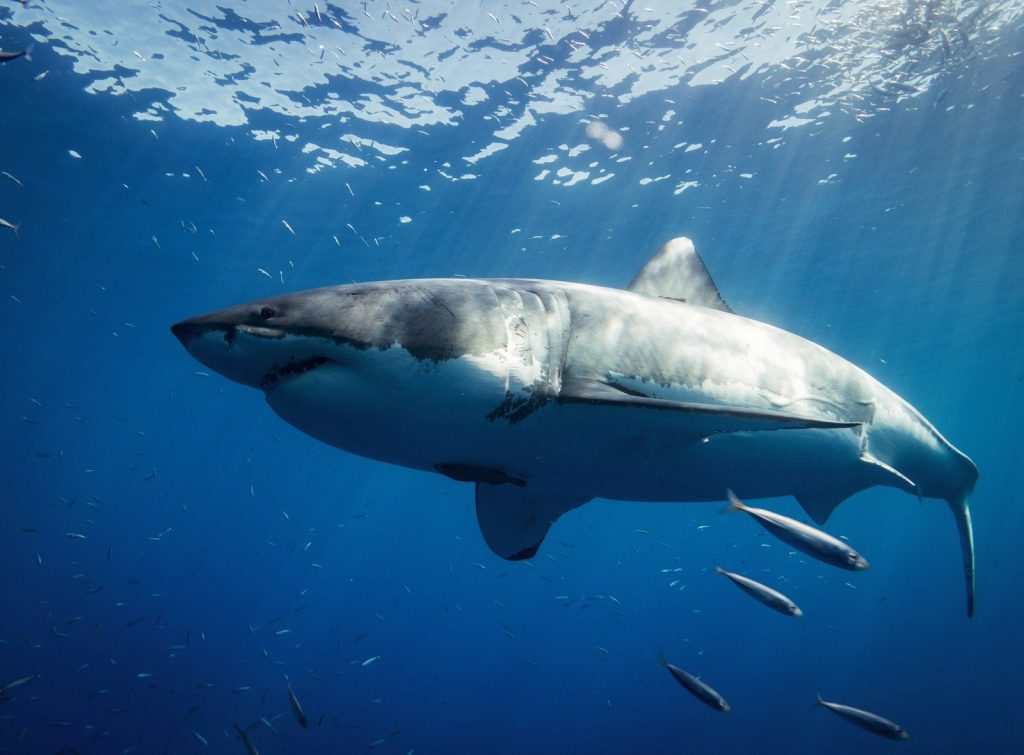
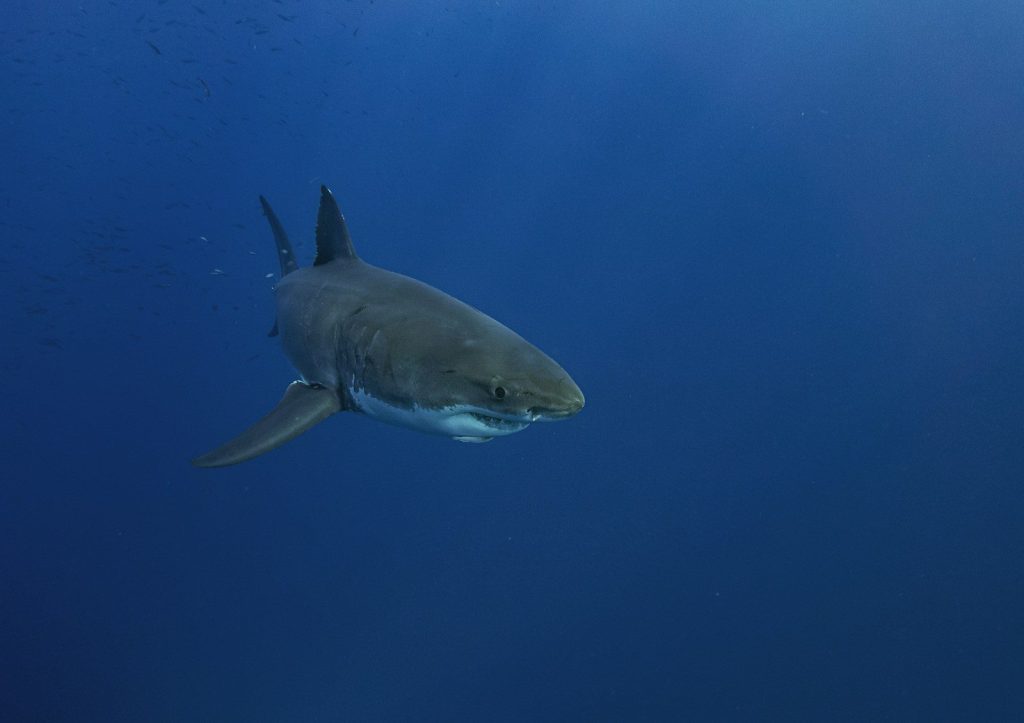
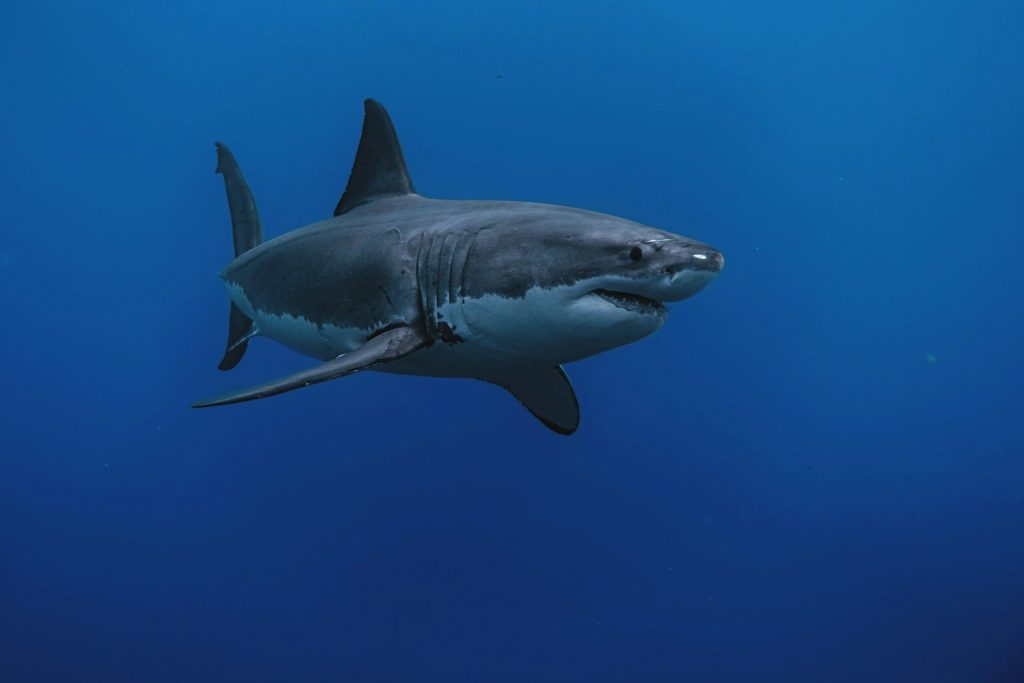
    Great White Shark” by Elias Levy is licensed under CC BY 2.0

    The great white shark is one of the most famous predators in the ocean. Its powerful body, sharp teeth, and hunting skills have made it one of the most recognized shark species worldwide.

    Great white sharks can grow to about 23 feet long. They are commonly found in coastal waters and hunt seals and other marine mammals. Although they are known for occasional attacks on humans, such incidents are rare compared to the vast number of people who enter the ocean each year.

  • The giant sea creatures bigger than great white sharks

    The giant sea creatures bigger than great white sharks

    Great white sharks are among the most famous predators in the ocean. Growing beyond 20 feet in length and weighing thousands of pounds, they are often viewed as the ultimate marine hunter. Their powerful bodies, sharp teeth, and global distribution have helped build a reputation that few sea creatures can match. Yet even these impressive predators are not the largest animals to inhabit the oceans. Both ancient and modern seas have been home to creatures that far exceeded great whites in size. From giant prehistoric sharks to massive whales, these ocean giants demonstrate just how enormous life beneath the waves can become.

    Great white sharks are impressive predators

    white and black shark underwater
    Photo by Gerald Schömbs on Unsplash

    Great white sharks have streamlined bodies designed for speed and power. Their torpedo-shaped form helps them move efficiently through the water while hunting a wide variety of prey.

    Another remarkable feature is their teeth. Great whites can have up to 300 serrated teeth arranged in rows, with new teeth continuously replacing old ones throughout their lives. These adaptations have helped make them one of the ocean’s most successful predators.

    Megalodon was the largest shark ever known

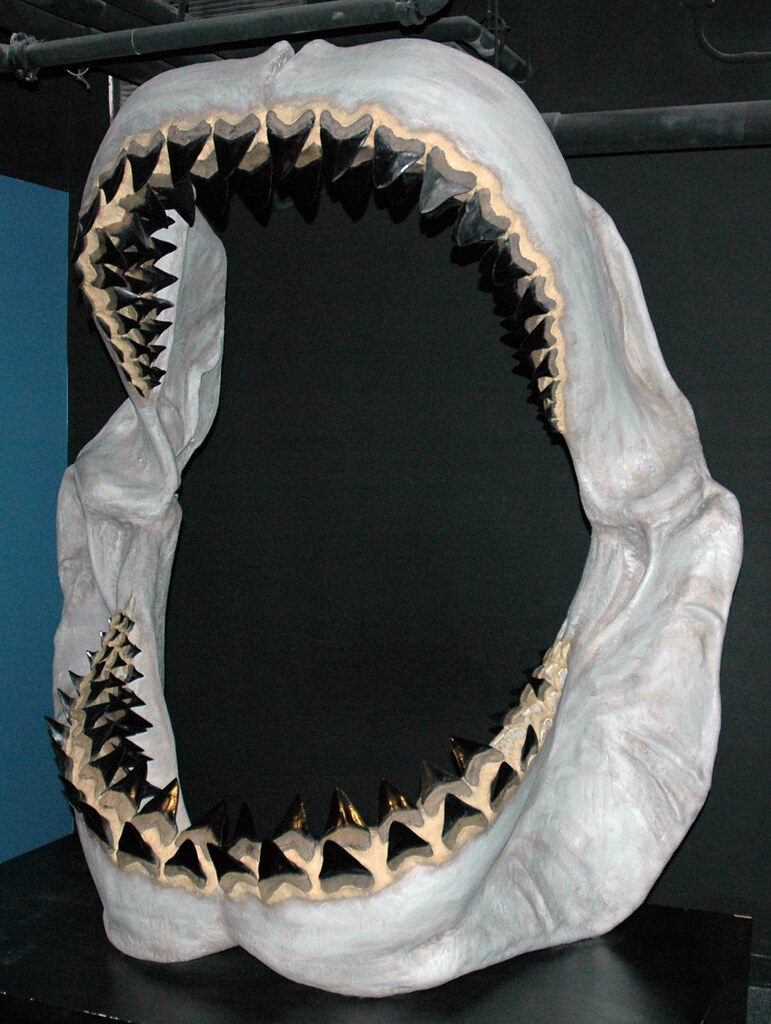
    Carcharodon megalodon fossil shark jaw (reconstruction) (late Cenozoic) 1” by James St. John is licensed under CC BY 2.0

    Megalodon lived from about 23 million to 6 million years ago and remains the largest shark known to science. Fossil evidence suggests some individuals reached lengths of nearly 59 feet, while estimates place the largest specimens at more than 80 feet.

    The giant predator also possessed enormous teeth measuring roughly six to seven inches in length. With estimated weights ranging from 60,000 to 100,000 pounds, megalodon was far larger than any shark alive today.

    Mosasaurus ruled ancient seas

    Jurassic World Mattel Mosasaurus” by Boogeyman13 is licensed under CC BY-NC-ND 2.0

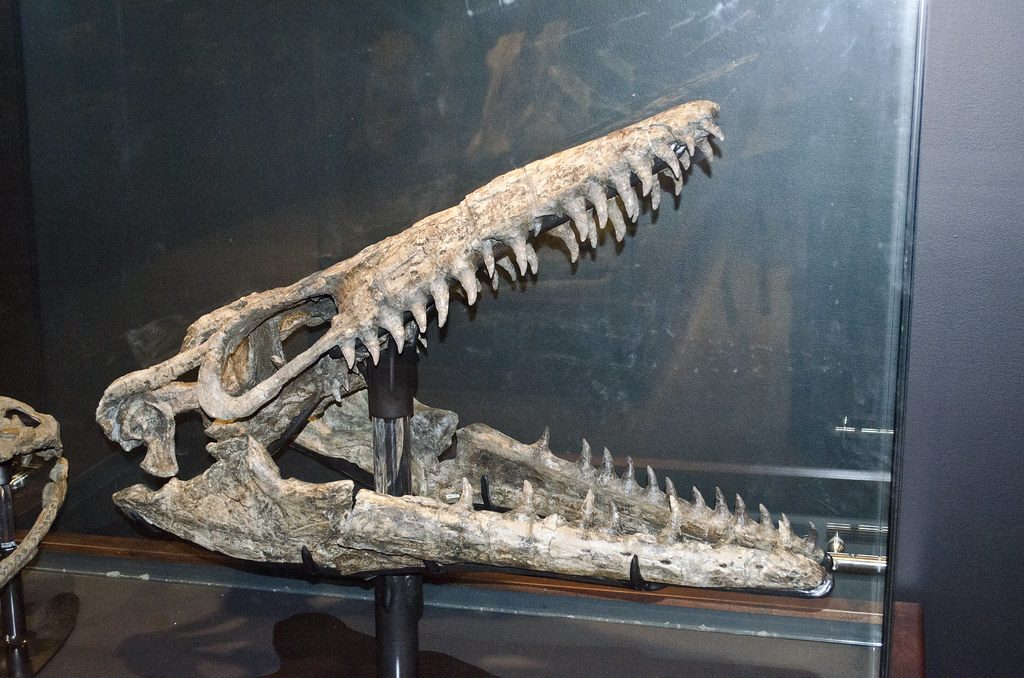
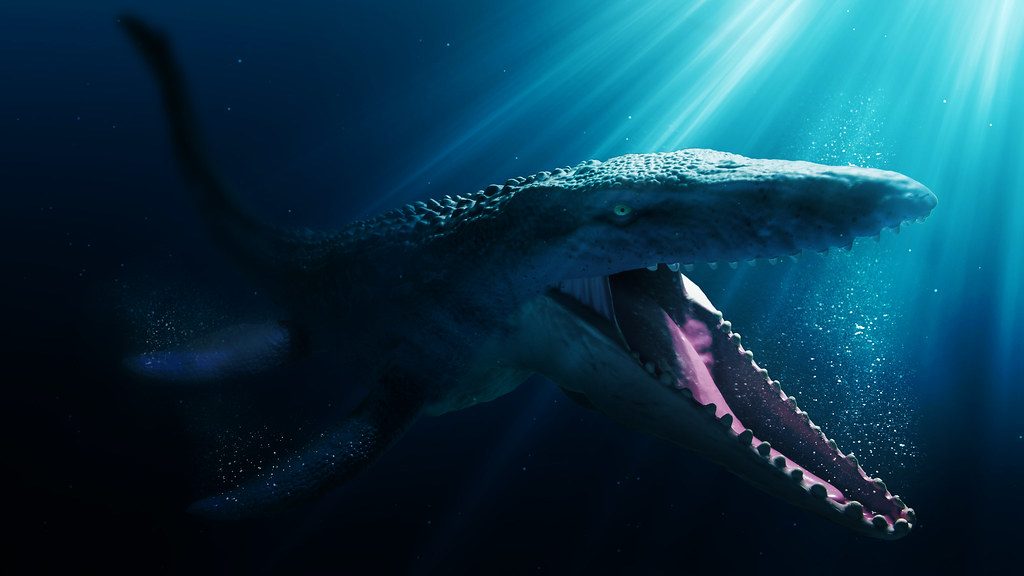
    Mosasaurus was not a shark but a gigantic marine reptile that lived during the Late Cretaceous period. Scientists estimate these animals measured between 46 and 56 feet long and weighed more than 30,000 pounds.

    The species was highly adapted to life in the ocean. Paddle-like limbs, a powerful tail, and double-hinged jaws allowed Mosasaurus to move efficiently and swallow large prey. Fossils show that it inhabited many parts of the world before disappearing around 65 million years ago.

    Livyatan was a giant prehistoric predator

    Livyatan melvillei 3D” by wim hoppenbrouwers is licensed under CC BY-NC-ND 2.0

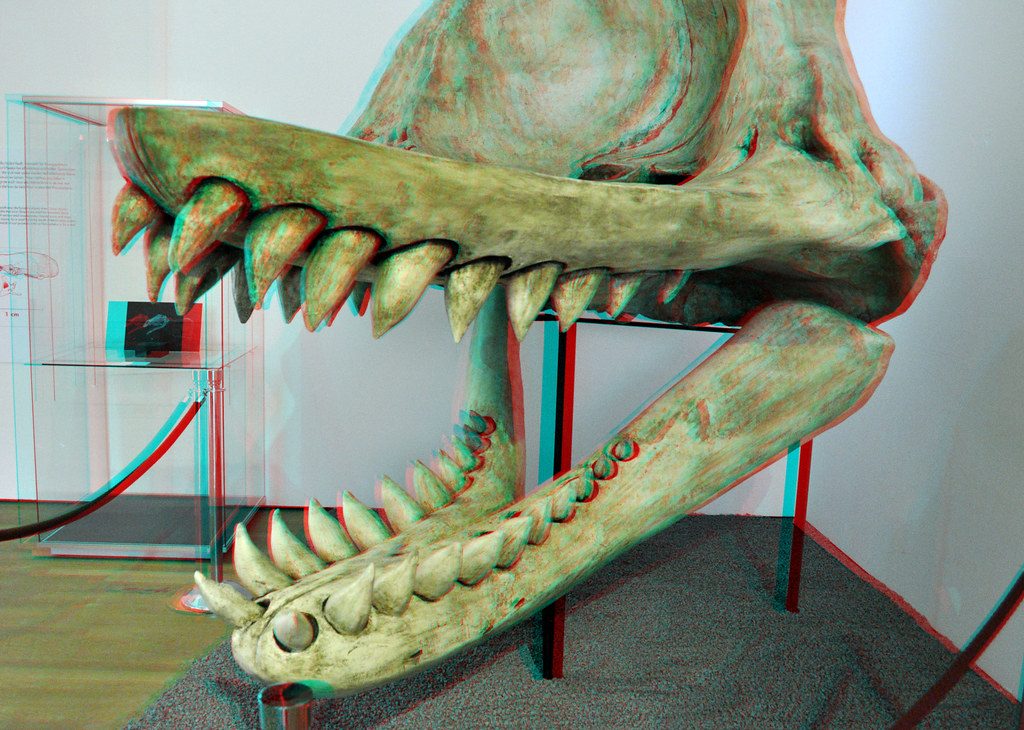
    Livyatan was an enormous marine mammal that lived during the Miocene epoch. Based on fossil evidence, researchers estimate it reached lengths between 44 and 57 feet and may have weighed as much as 120,000 pounds.

    One of its most striking features was its massive teeth. Some measured nearly one foot long, making them among the largest teeth ever discovered in an animal. These powerful jaws helped establish Livyatan as one of the ocean’s most formidable predators.

    Blue whales are the largest animals ever

    Two humpback whales swimming in the ocean
    Photo by Jonathan Hsu on Unsplash

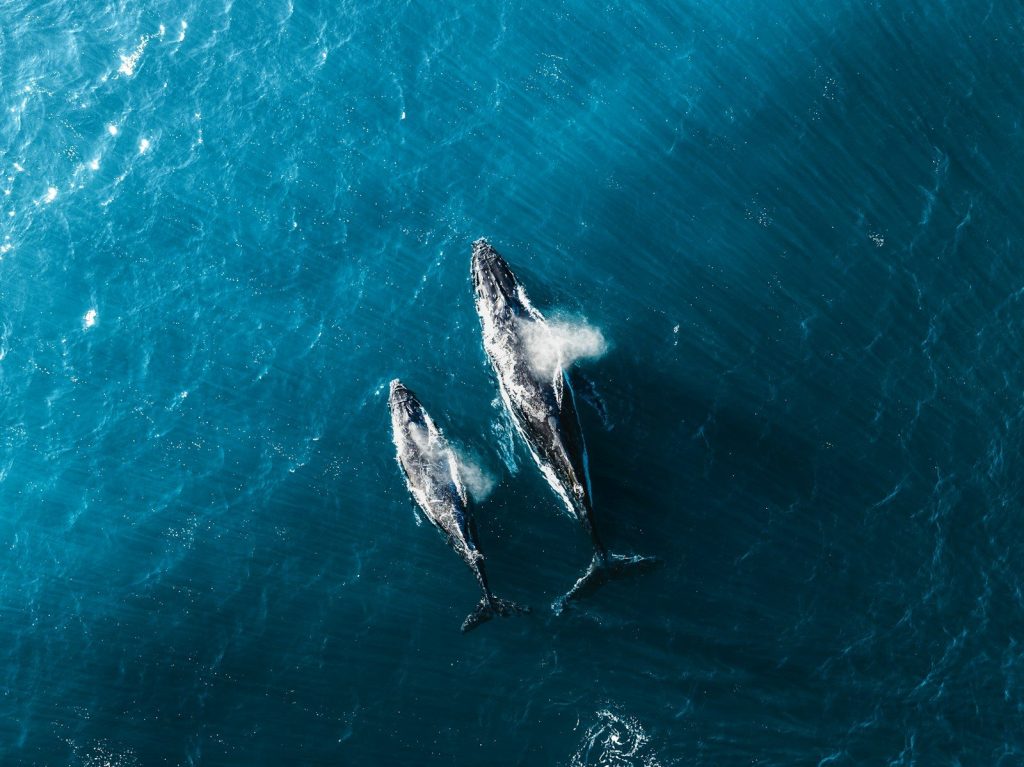
    While many ancient sea monsters were enormous, none surpassed the blue whale. This species is not only the largest living animal but also the largest animal known to have existed on Earth.

    Blue whales commonly grow to around 100 feet long and can weigh as much as 200 tons. The largest recorded individual weighed more than 418,000 pounds. Despite their incredible size, these giants primarily feed on tiny krill filtered through baleen plates rather than hunting large prey.

    Why ocean giants continue to fascinate scientists

    gray and black fish in body of water
    Photo by Jeremy Lanfranchi on Unsplash

    The enormous size of these marine animals highlights the extraordinary diversity of life that has existed in Earth’s oceans. Each species developed unique adaptations that enabled it to thrive in different environments and across different periods of history.

    Comparing these giants with great white sharks helps put marine life into perspective. While great whites remain among the ocean’s most impressive predators, they are only one part of a much larger story filled with truly colossal creatures.

  • Why do some places become shark attack hotspots?

    Why do some places become shark attack hotspots?

    Shark attacks are among the most feared events in the ocean, yet they remain extremely rare. Millions of people enter the water every year without ever encountering a shark. Even so, certain coastal regions experience more shark attacks than others. Scientists believe this occurs due to a combination of environmental conditions, prey availability, and the presence of specific shark species.

    Around the world, a small number of locations have earned reputations as shark attack hotspots. Understanding why these areas experience more encounters can help people better appreciate both the risks and the realities of sharing the ocean with some of its most powerful predators.

    Great white sharks are involved in many attacks

    Great White Shark” by Elias Levy is licensed under CC BY 2.0

    Great white sharks are among the most recognizable predators in the world. Their large size, powerful jaws, and wide distribution make them one of the species most commonly associated with shark attacks.

    These sharks often inhabit coastal waters where seals and other prey are abundant. Because they frequently use areas that overlap with human activities, such as surfing and swimming, encounters sometimes occur even though the species does not actively seek out humans as prey.

    Bull sharks thrive in coastal environments

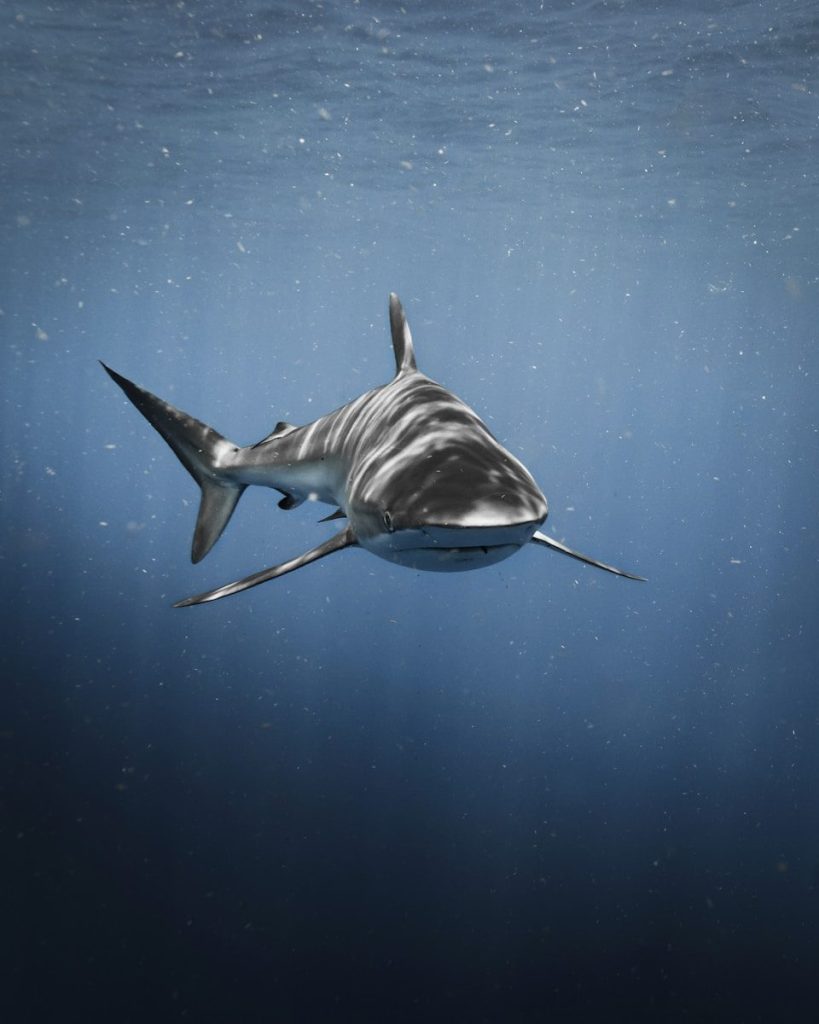
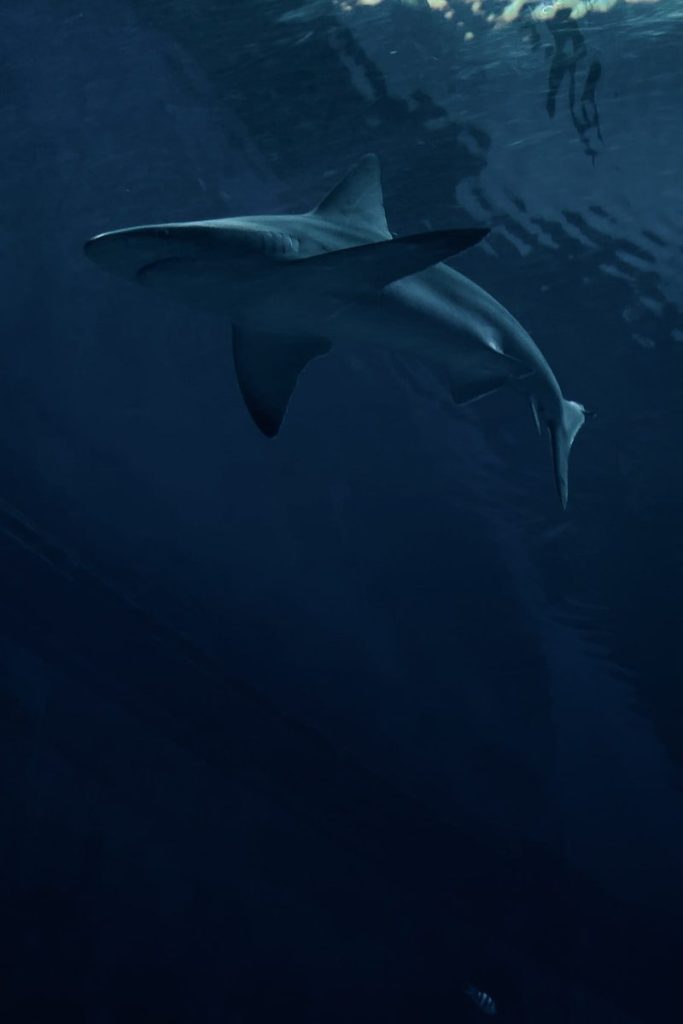
    A shark swims through dark waters.
    Photo by dani grau on Unsplash

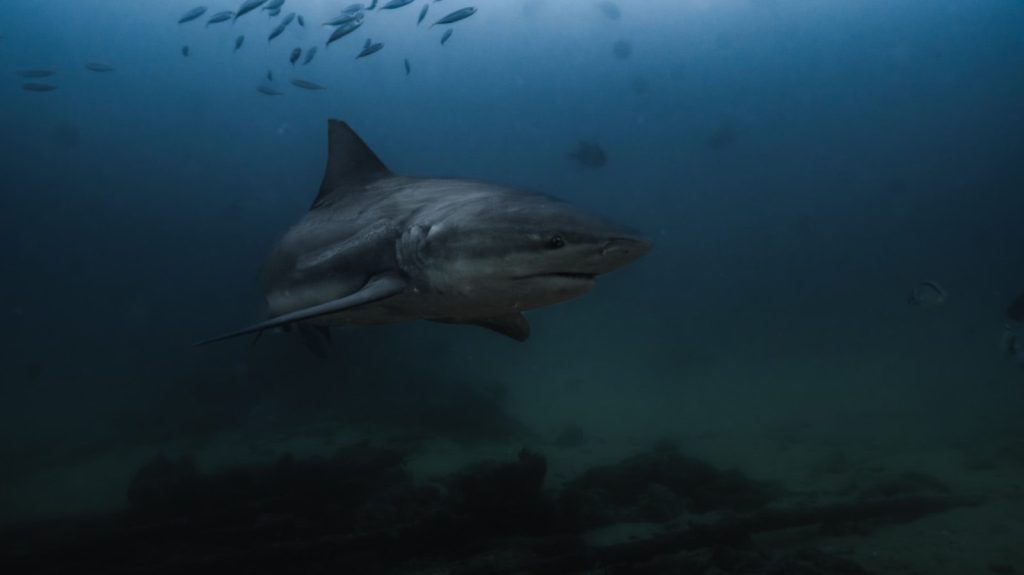
    Bull sharks are another species frequently linked to shark attacks. Unlike many sharks, they can tolerate both saltwater and freshwater, allowing them to travel into rivers, estuaries, and coastal habitats.

    Their ability to occupy shallow water increases the likelihood of encounters with people. Bull sharks are often found near beaches and coastal communities, making them one of the species most often involved in attacks on humans.

    Tiger sharks are powerful ocean predators

    gray and black fish in body of water
    Photo by Jeremy Lanfranchi on Unsplash

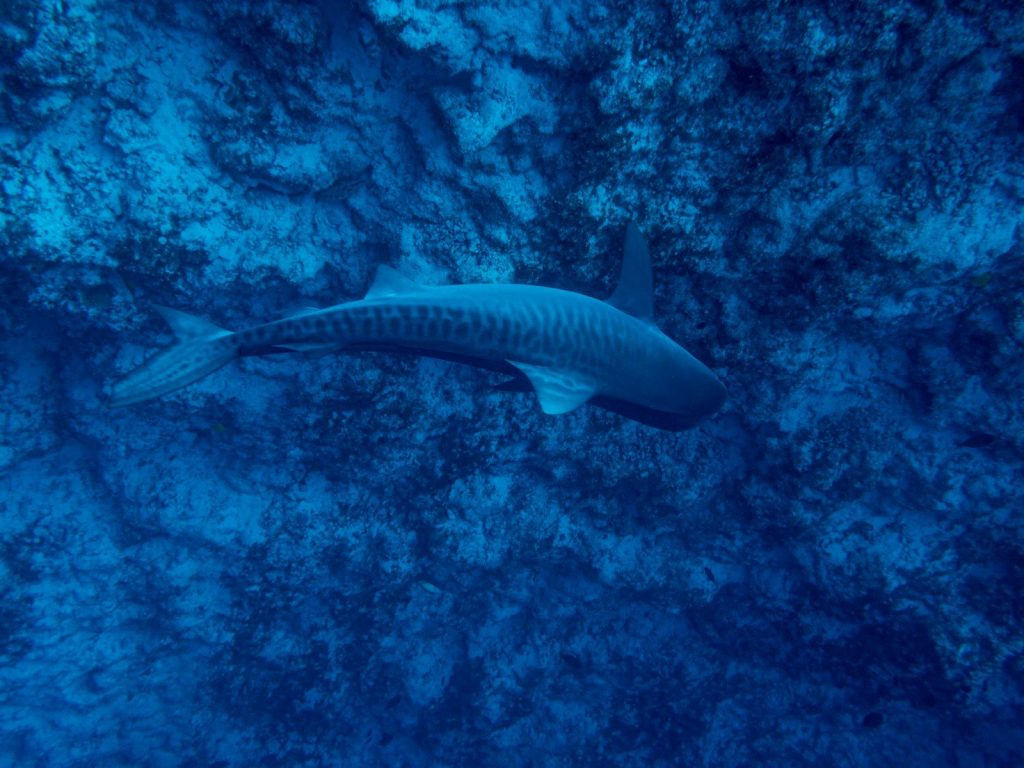
    Tiger sharks rank among the most successful hunters in the ocean. They have a broad diet and can feed on a wide range of marine animals.

    Because of their size and feeding behavior, tiger sharks are responsible for a significant number of recorded shark attacks worldwide. Regions where tiger sharks are common are often monitored closely by researchers and coastal authorities.

    Prey abundance attracts sharks to certain areas

    white and black shark underwater
    Photo by Gerald Schömbs on Unsplash

    One reason shark attack hotspots develop is the availability of food. Areas with large populations of fish, seals, sea turtles, or other prey species naturally attract predators.

    When sharks gather in areas rich in food, the risk of human encounters can increase. This does not mean sharks are targeting people. Instead, both humans and sharks may simply be using the same coastal environment simultaneously.

    Environmental conditions also play a role

    black shark in blue water
    Photo by Gerald Schömbs on Unsplash

    Water temperature, ocean currents, visibility, and seasonal migrations can all influence shark behavior. Certain regions provide ideal conditions that attract sharks during specific times of the year.

    As sharks move through these habitats, they may come into contact with swimmers, surfers, divers, and fishermen. Understanding these environmental patterns helps researchers identify areas where encounters are more likely to occur.

    Most shark encounters end without injury

    black shark in green water
    Photo by Kevin Bessat on Unsplash

    Although shark attack hotspots receive significant attention, serious attacks remain rare compared with the number of people who enter the ocean every day. Most sharks avoid humans and have little interest in interacting with them.

    Public awareness, improved monitoring, and ongoing research continue to help reduce risks in many coastal areas. Learning about shark behavior allows people to enjoy the ocean while understanding the wildlife that shares these waters.

  • 6 times sharks left scientists completely amazed

    6 times sharks left scientists completely amazed

    Sharks have fascinated people for centuries. Some are enormous, some are mysterious, and others possess features that seem almost impossible. While movies often focus on their reputation as fearsome predators, real shark discoveries are often far more surprising than fiction.

    Scientists continue to learn new things about these animals, uncovering strange species, remarkable behaviors, and incredible stories from both the modern ocean and the distant past. From giant prehistoric sharks to unusual mutations and ancient shark attacks, these discoveries reveal just how extraordinary sharks can be. Here are six times sharks amazed researchers and reminded us why they remain some of the most fascinating creatures in the sea.

    1. A shark swam within arm’s reach of a surfer

    a great white shark swimming in the ocean
    Photo by Chase Baker on Unsplash

    A drone captured an astonishing moment when a white shark swam extremely close to a surfer in Australia. The surfer had no idea the predator was nearby and only learned about the encounter after returning to shore and viewing the footage.

    Despite the dramatic scene, the shark did not attack and simply continued swimming away. The incident served as a reminder that sharks and humans often share the same waters without conflict, and that attacks remain rare despite public fears.

    2. Scientists found a shark without skin or teeth

    gray shark decor
    Photo by Ali Abdul Rahman on Unsplash

    Researchers were stunned when fishers accidentally caught a blackmouth catshark in the Mediterranean Sea that lacked both skin and teeth. Even more surprisingly, the shark appeared to have survived despite these severe abnormalities.

    Scientists described the animal as the first known case of a shark living with such an extreme absence of skin-related structures. The unusual discovery provided a rare opportunity to study how developmental abnormalities can occur in marine animals.

    3. Megalodon was larger than scientists imagined

    A skeleton of a t - rex is shown against a blue background
    Photo by James Lee on Unsplash

    Megalodon has long been known as the largest shark ever to live, but research suggests it was even more extraordinary than previously believed. Scientists estimate the giant predator reached lengths of about 50 feet.

    Studies comparing extinct and living sharks found that megalodon was not just slightly larger than other species. It was dramatically larger than even the next-largest extinct sharks, making it one of the most extreme predators ever to inhabit Earth’s oceans.

    4. Modern great whites can still reach incredible sizes

    Great White Shark” by Elias Levy is licensed under CC BY 2.0

    While megalodon disappeared millions of years ago, today’s great white sharks can still grow to impressive sizes. Researchers with OCEARCH tagged a female great white measuring 17 feet long and weighing more than 3,500 pounds.

    Another giant shark, Unama’ki, measured more than 15 feet long and weighed over 2,000 pounds. These enormous predators demonstrate that modern sharks remain among the ocean’s most powerful and impressive animals.

    5. A prehistoric shark had a bizarre rotating jaw

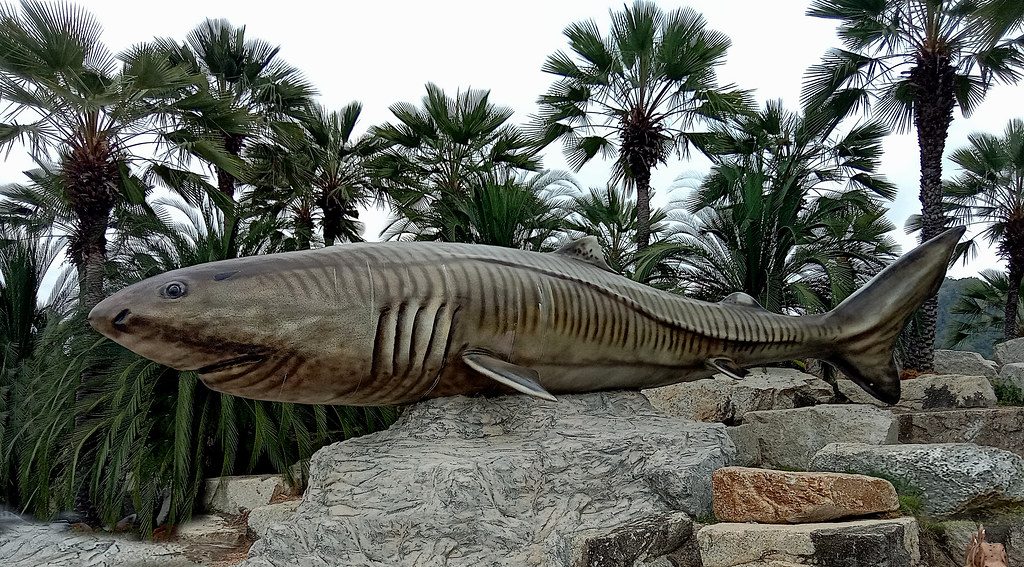
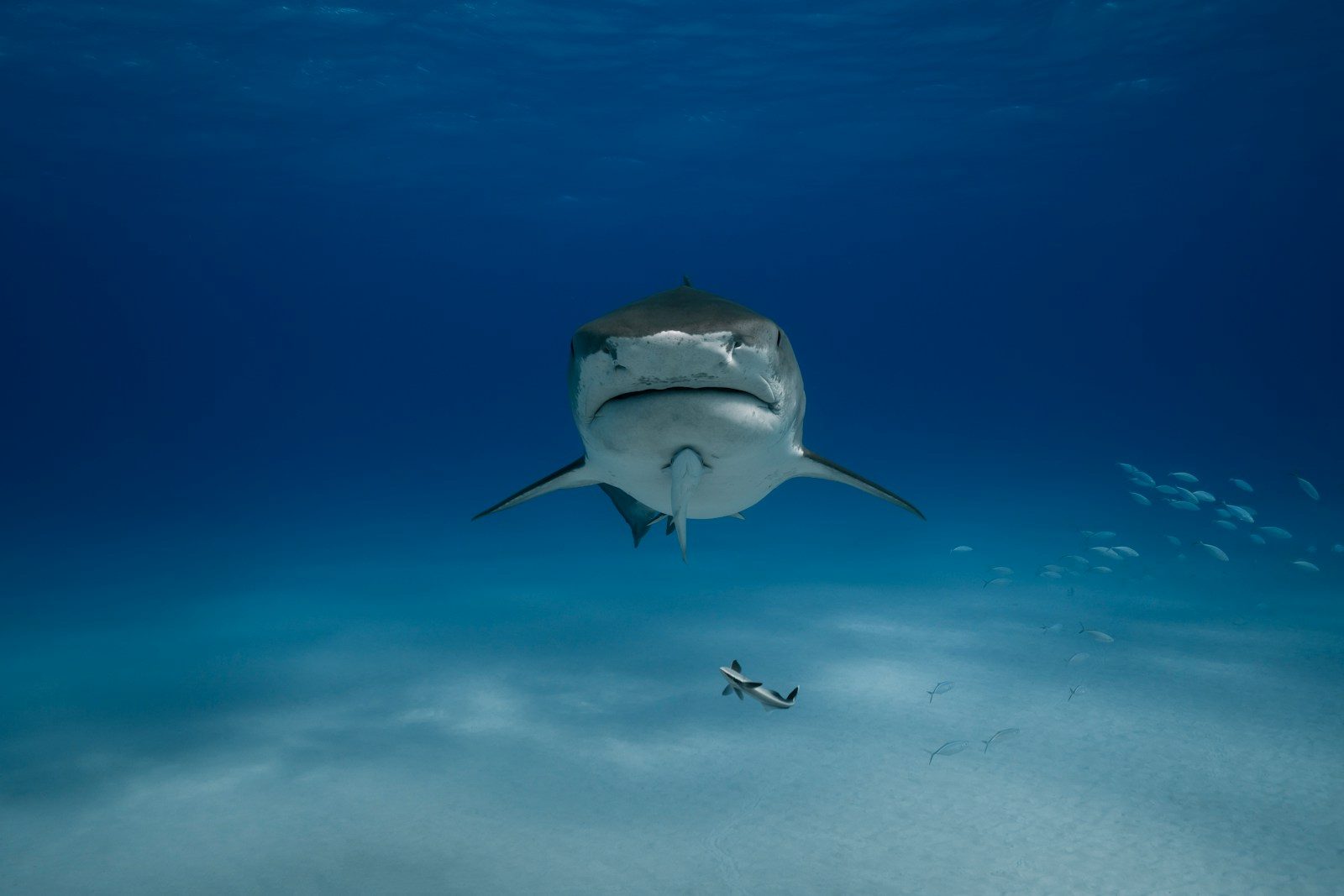
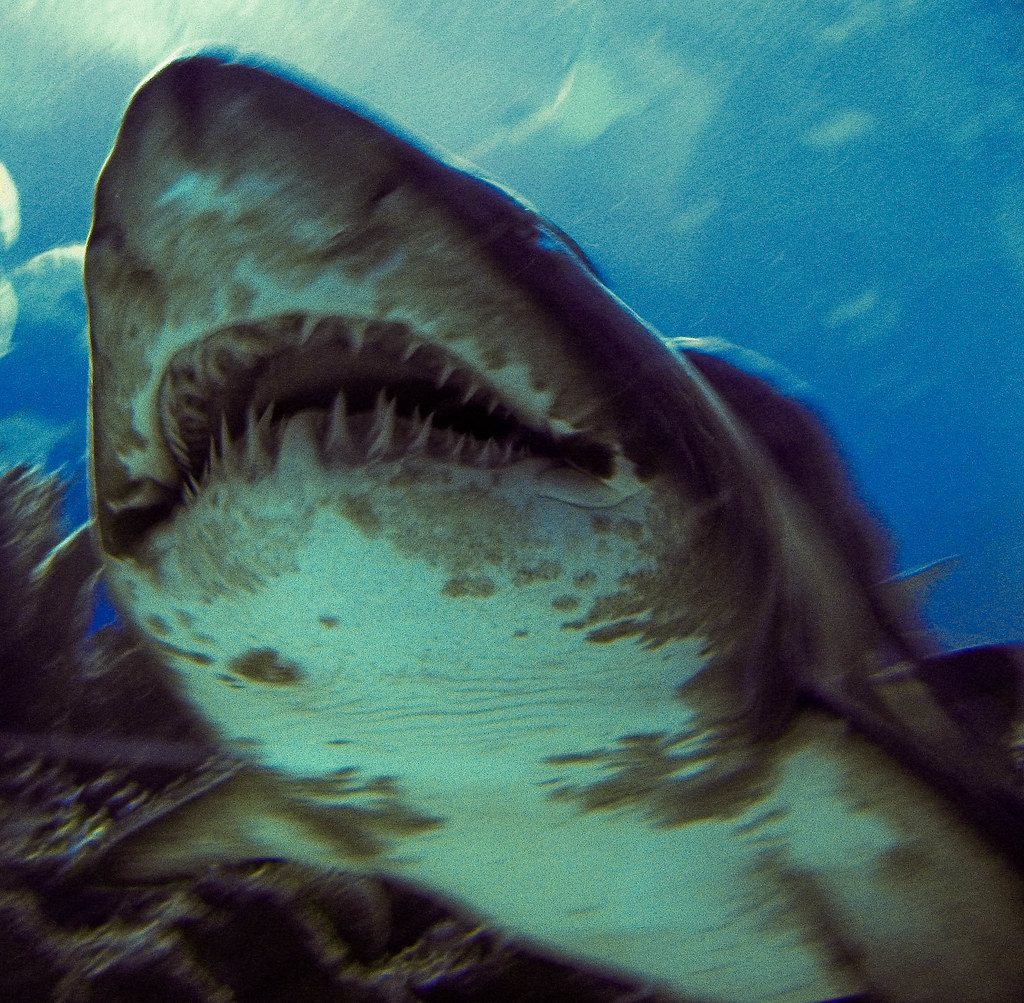
    Tiger Shark!” by CK | PHOTOGRAPHER is licensed under CC BY 2.0

    Scientists discovered a prehistoric shark species, Ferromirum oukherbouchi, that possessed a remarkable feeding mechanism. Its jaw rotated outward when the mouth opened, exposing as many teeth as possible during a bite.

    The unusual design allowed even newly developing teeth to become part of the biting surface. Researchers described the mechanism as unlike anything seen in modern sharks, highlighting the incredible diversity that once existed among ancient marine predators.

    6. Shark attacks have existed for thousands of years

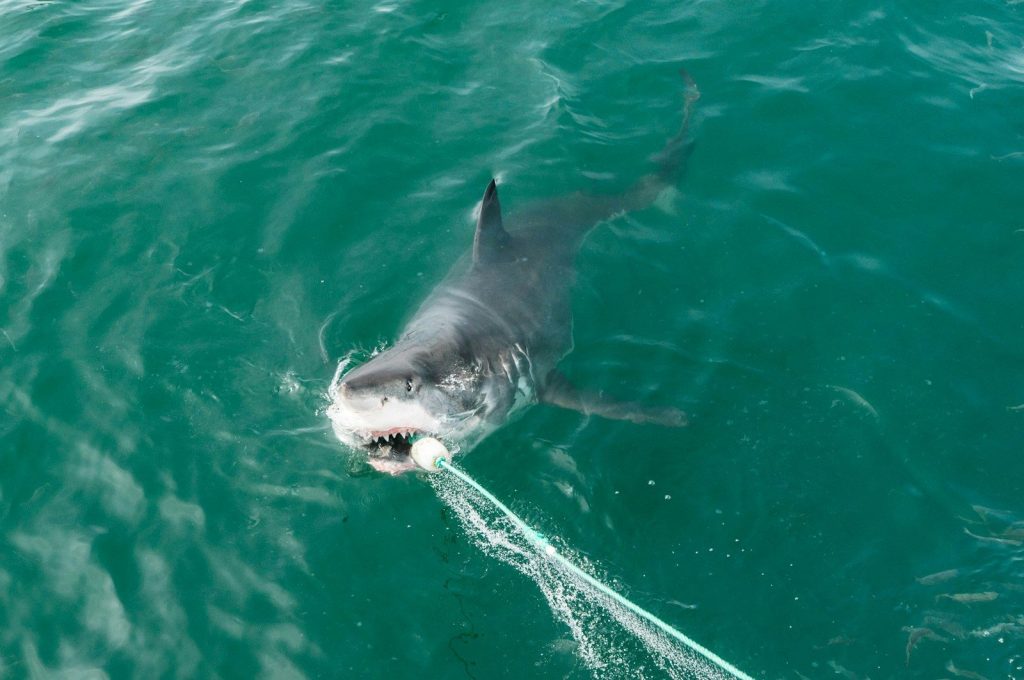
    Great white shark cage dive : 1” by Crystian Cruz is licensed under CC BY-ND 2.0

    A 3,000-year-old skeleton discovered in Japan provided evidence of one of the oldest-known shark attacks. Researchers found hundreds of injuries that matched the marks left by shark teeth.

    The damage suggested the victim was alive when the attack occurred. The discovery showed that, while shark attacks are uncommon today, interactions between humans and sharks have occurred for thousands of years.

  • Why leopards think twice before attacking porcupines

    Why leopards think twice before attacking porcupines

    Many animals rely on speed, strength, or sharp teeth to survive in the wild. Porcupines take a completely different approach. These slow-moving rodents may appear harmless at first glance, but they possess one of the most effective defense systems in the animal kingdom.

    Their bodies are covered with thousands of sharp quills that can turn even the most confident predator into a wounded retreat. From large cats to other powerful hunters, many animals quickly learn that attacking a porcupine is often a painful mistake. Understanding how these unique rodents defend themselves reveals why they remain one of nature’s most successful prey animals.

    A rodent with a powerful defense

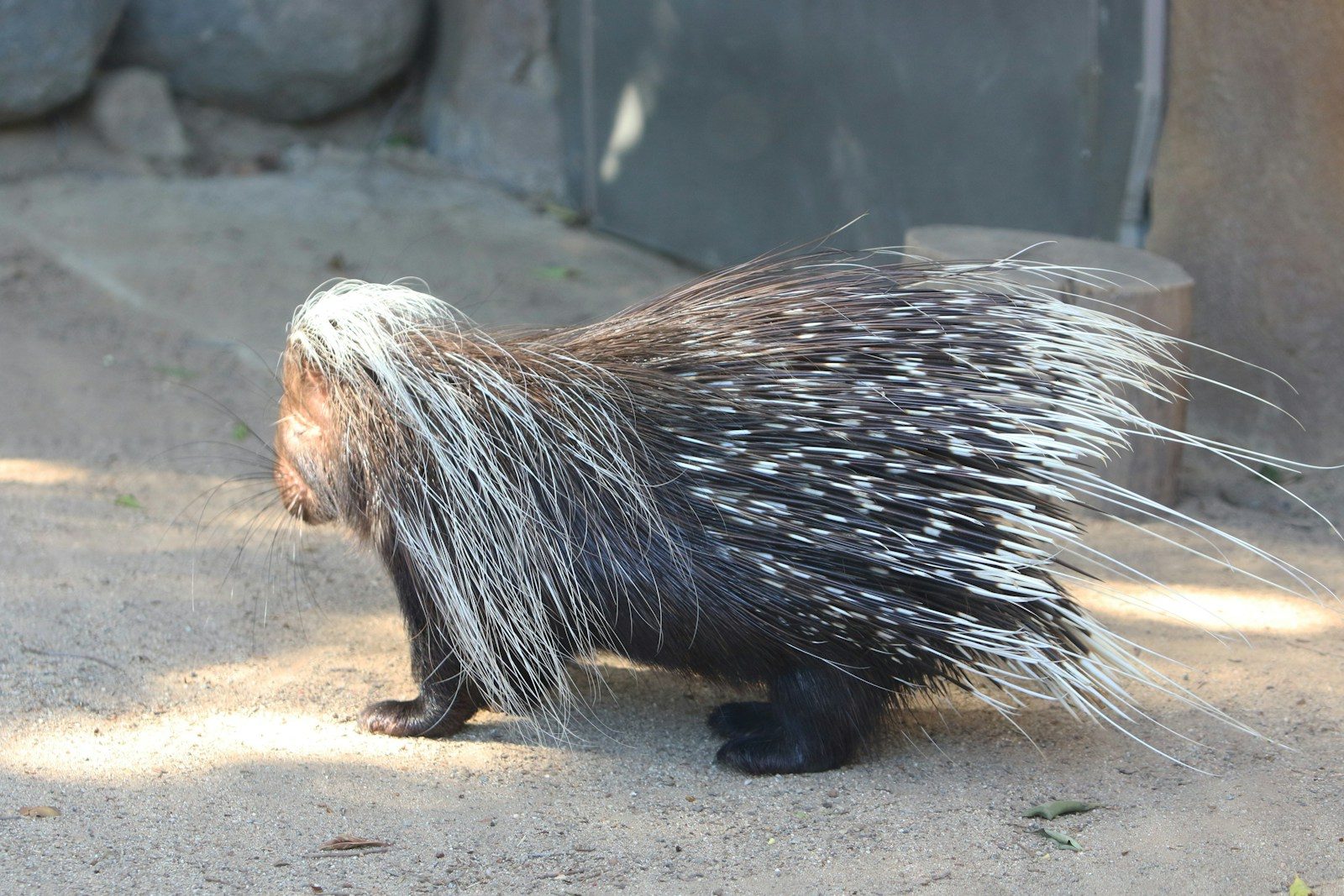
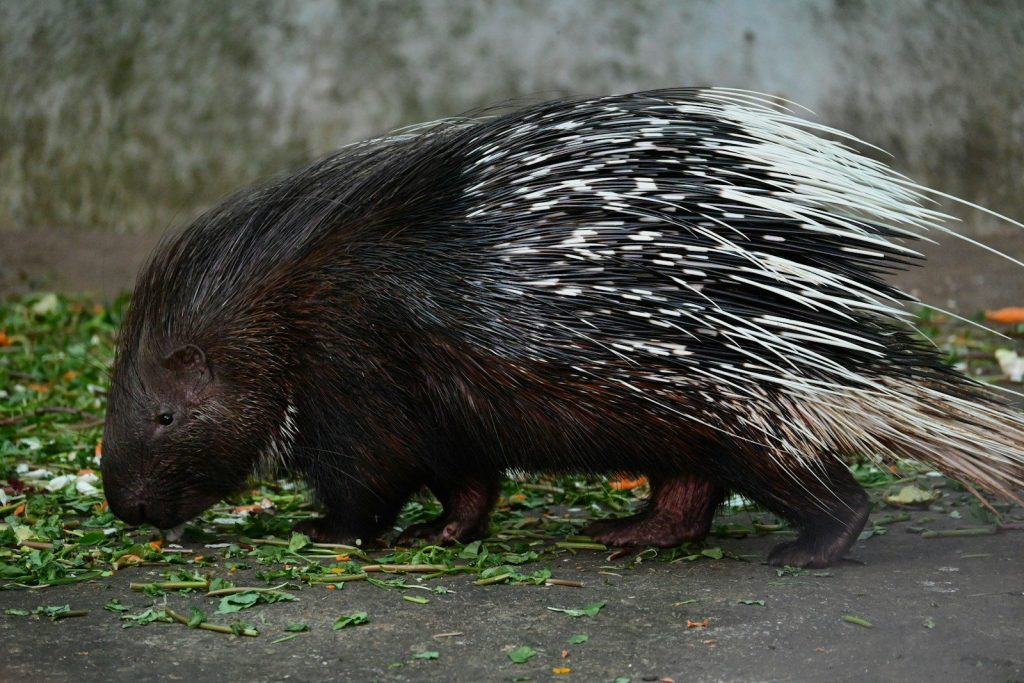
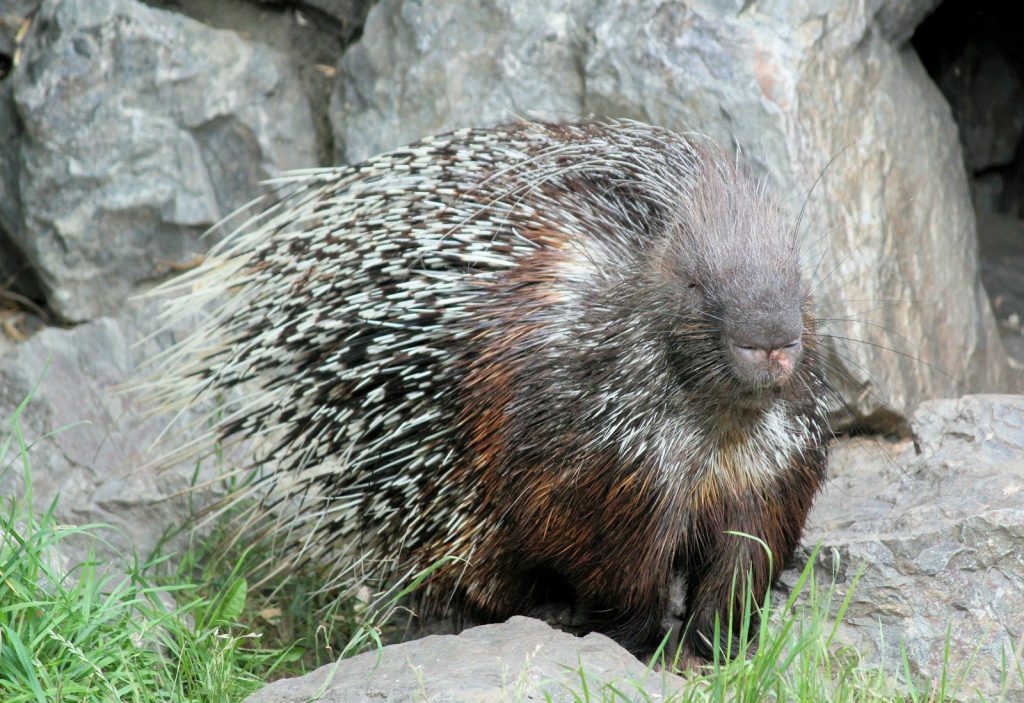
    A porcupine is walking on the ground
    Photo by Praswin Prakashan on Unsplash

    Porcupines are rodents, not predators. Unlike animals that hunt for food, they spend most of their time avoiding danger and protecting themselves from threats in their environment. Their survival depends on defense rather than attack.

    What makes porcupines special is their covering of sharp quills. These modified hairs act like natural armor, creating a protective barrier that discourages predators from getting too close. The quills give the animal a powerful advantage despite its slow movement.

    How porcupines respond to danger

    a porcupine is walking around in the dirt
    Photo by Jeffrey Hamilton on Unsplash

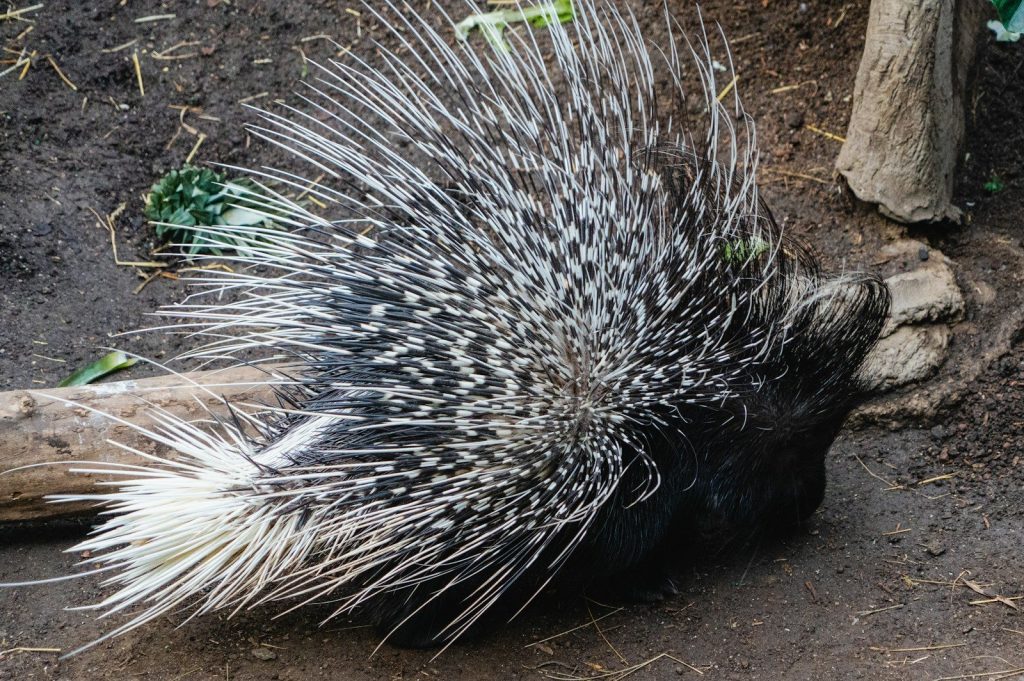
    When a porcupine senses a threat, it does not immediately run away. Instead, it relies on a series of defensive behaviors designed to make predators think twice before attacking.

    The animal raises its quills to appear larger and more dangerous. If the threat continues, the porcupine may swing its tail toward the attacker. This action can drive sharp quills into any animal that gets too close, creating an immediate and painful deterrent.

    Why are the quills so effective?

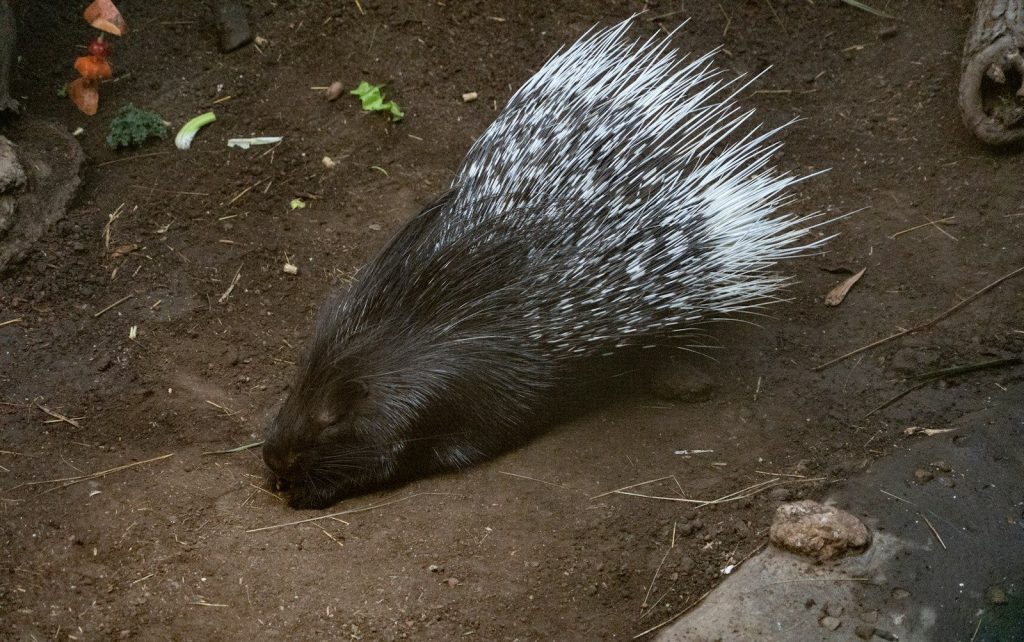
    a porcupine walking on the ground in the dirt
    Photo by Jeffrey Hamilton on Unsplash

    Porcupine quills are not just sharp. They are designed to remain embedded in flesh once contact occurs. This makes them far more dangerous than a simple scratch or puncture wound.

    Removing the quills can be difficult and painful. In some cases, they may work deeper into the tissue over time. This can increase discomfort and raise the risk of infection, making even a successful attack costly for a predator.

    Even large predators can suffer injuries

    jaguar on rock
    Photo by Hans Veth on Unsplash

    Many people assume large predators have little to fear from smaller animals. However, porcupines regularly prove that size alone does not guarantee success in the wild.

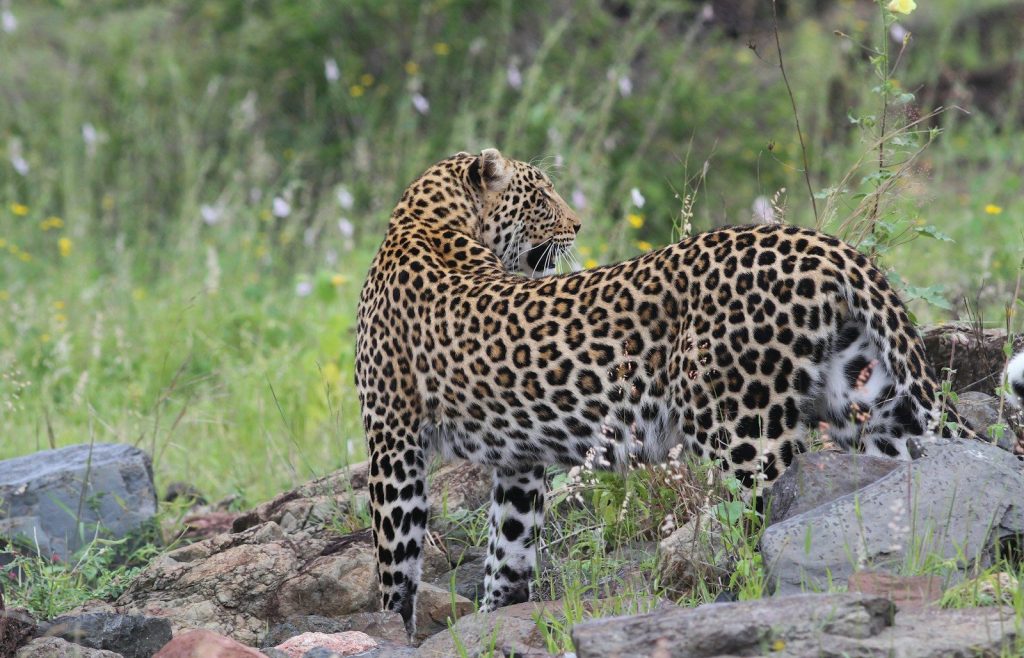
    Animals such as leopards have learned that attacking a porcupine can result in painful injuries. A predator may approach confidently, only to retreat after receiving multiple quills. The injuries can interfere with hunting and create additional health problems if left untreated.

    Defense instead of offense

    gray and black hedgehog
    Photo by Dušan veverkolog on Unsplash

    Unlike predators that rely on chasing prey, porcupines focus entirely on protecting themselves. Their strategy is based on making attacks so costly that predators decide the risk is not worth the reward.

    This defensive approach has proven highly successful. Many predators recognize the danger posed by porcupines and avoid them whenever possible. The animal’s reputation alone can sometimes prevent an attack before it even begins.

    A remarkable example of survival

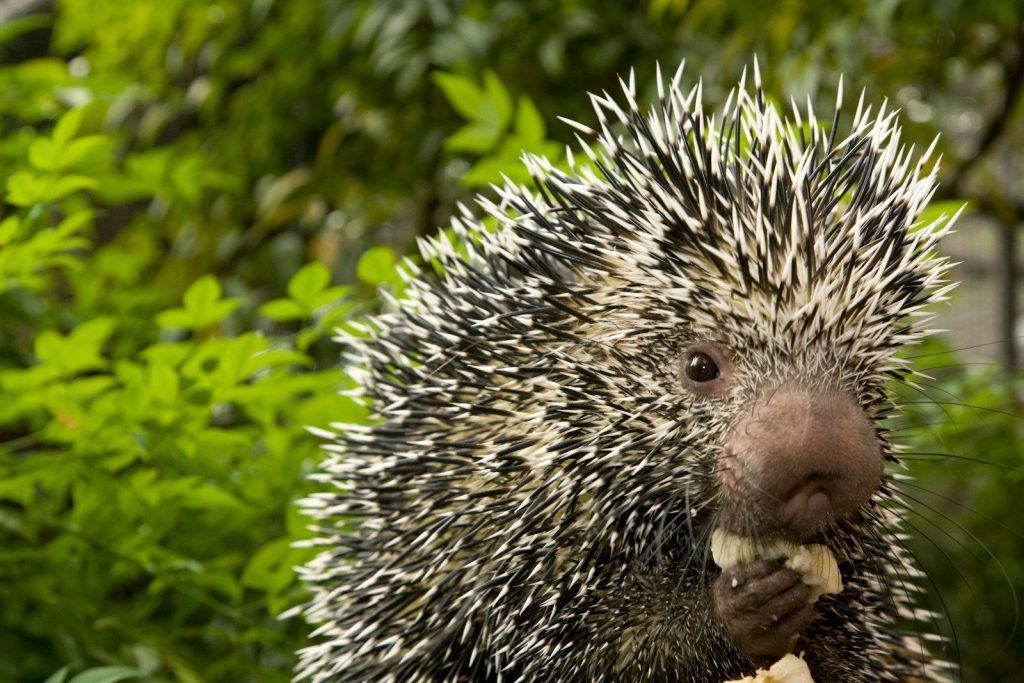
    A porcupine eating a piece of food.
    Photo by Smithsonian on Unsplash

    Porcupines demonstrate that survival in nature does not always depend on strength or speed. Evolution has equipped them with a defense system that allows them to stand their ground against much larger animals.

    Their sharp quills, warning displays, and defensive behavior have helped them thrive in environments filled with predators. As a result, the porcupine remains one of the most heavily armed and well-protected rodents in the natural world.

  • The giant great white sharks that stunned Florida researchers

    The giant great white sharks that stunned Florida researchers

    Great white sharks are among the most famous animals in the ocean. Their size, power, and role as top predators have fascinated people for decades. While movies often portray them as fearsome hunters, scientists view them as important parts of healthy marine ecosystems. Florida’s waters attract a wide variety of shark species, and great whites are among the most impressive visitors.

    Over the years, researchers have tracked several enormous sharks near the state’s coastline, revealing just how large these animals can become. Some weighed more than a small car, while others stretched longer than many boats. These remarkable sightings offer a closer look at some of the largest great white sharks ever recorded off the coast of Florida.

    Why great white sharks attract so much attention

    a great white shark swimming in the ocean
    Photo by Gerald Schömbs on Unsplash

    Great white sharks belong to the mackerel shark family and are considered apex predators. They sit near the top of the food chain and play an important role in maintaining balance within marine ecosystems.

    Their reputation has also made them one of the most recognized shark species in the world. Stories, documentaries, and movies have helped turn great whites into ocean icons, drawing attention whenever one is spotted near popular coastlines.

    Florida is home to visiting giant sharks

    white shark under the sea
    Photo by Owen Harding on Unsplash

    Florida’s coastal waters support an incredible variety of marine life. Dolphins, sea turtles, bull sharks, and countless fish species inhabit the region year-round.

    Great white sharks are among the most exciting visitors recorded in these waters. Although they are not seen every day, tracking programs have revealed that some exceptionally large individuals travel along Florida’s coastline during their migrations.

    Scot became one of Florida’s largest tracked sharks

    white and black shark underwater
    Photo by Gerald Schömbs on Unsplash

    One of the largest great white sharks recorded off Florida was a male named Scot. Researchers tracked him near the Gulf Coast of Florida in March 2022.

    Scot measured approximately 12.3 feet long and weighed about 1,644 pounds. His enormous size made him one of the largest great white sharks documented in Florida waters and demonstrated the impressive growth these predators can achieve.

    Other giant sharks spotted near Florida

    black shark in blue water
    Photo by Gerald Schömbs on Unsplash

    Another notable shark was Breton, a great white that was located about 13 miles off the coast of Port St. Lucie in South Florida. Researchers estimated Breton weighed roughly 1,437 pounds and measured about 13 feet long.

    Sable also attracted attention after being tracked along Florida’s coast and throughout parts of the Gulf of Mexico. Measuring around 11.5 feet long and weighing about 900 pounds, Sable was one of several giant sharks helping scientists learn more about migration patterns.

    The largest tagged great white shark

    Great white shark cage dive : 1” by Crystian Cruz is licensed under CC BY-ND 2.0

    Although not found in Florida waters, one shark connected to the same research efforts stood out for its extraordinary size. A shark named Mahone became the largest great white ever tagged by OCEARCH.

    Mahone measured approximately 13 feet 7 inches long and weighed around 1,701 pounds. The shark was spotted off North Carolina, demonstrating that some of the largest great whites on the East Coast travel across vast stretches of ocean.

    How Florida sharks compare to world record giants

    black shark in green water
    Photo by Kevin Bessat on Unsplash

    The most famous great white shark ever documented is a female named Deep Blue. Researchers estimate she weighs about 5,000 pounds and measures nearly 20 feet long.

    Compared with Deep Blue, even Florida’s largest tracked sharks appear much smaller. However, animals such as Scot, Breton, and Mahone still rank among the most impressive great white sharks ever studied and highlight the incredible size these ocean predators can reach.