Category: Wildlife and animals

  • When a cat knows it’s nearing the end, it may leave these 6 signs for its favorite person

    When a cat knows it’s nearing the end, it may leave these 6 signs for its favorite person

    Have you noticed your cat acting differently lately? Changes in behavior can be worrying, especially when a cat is getting older or dealing with a serious illness. While cats cannot tell us how they feel, veterinarians say they often show physical and emotional changes when they are vulnerable.

    Some cats become more affectionate, while others prefer quiet spaces and extra rest. Understanding these signs can help owners provide comfort, support, and proper veterinary care. By paying close attention to these behaviors, families can better meet their cat’s needs during an important stage of life and make sure their beloved pet feels safe and cared for.

    Staying close to a trusted person
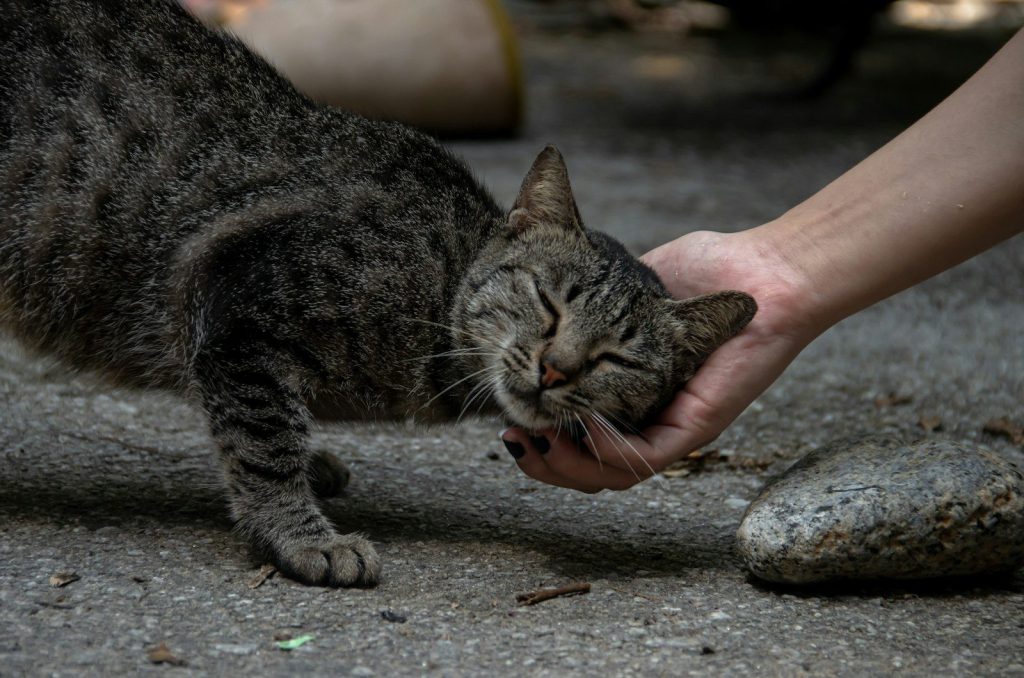
    a cat being pet by a hand
    Photo by Nicholas Ng on Unsplash

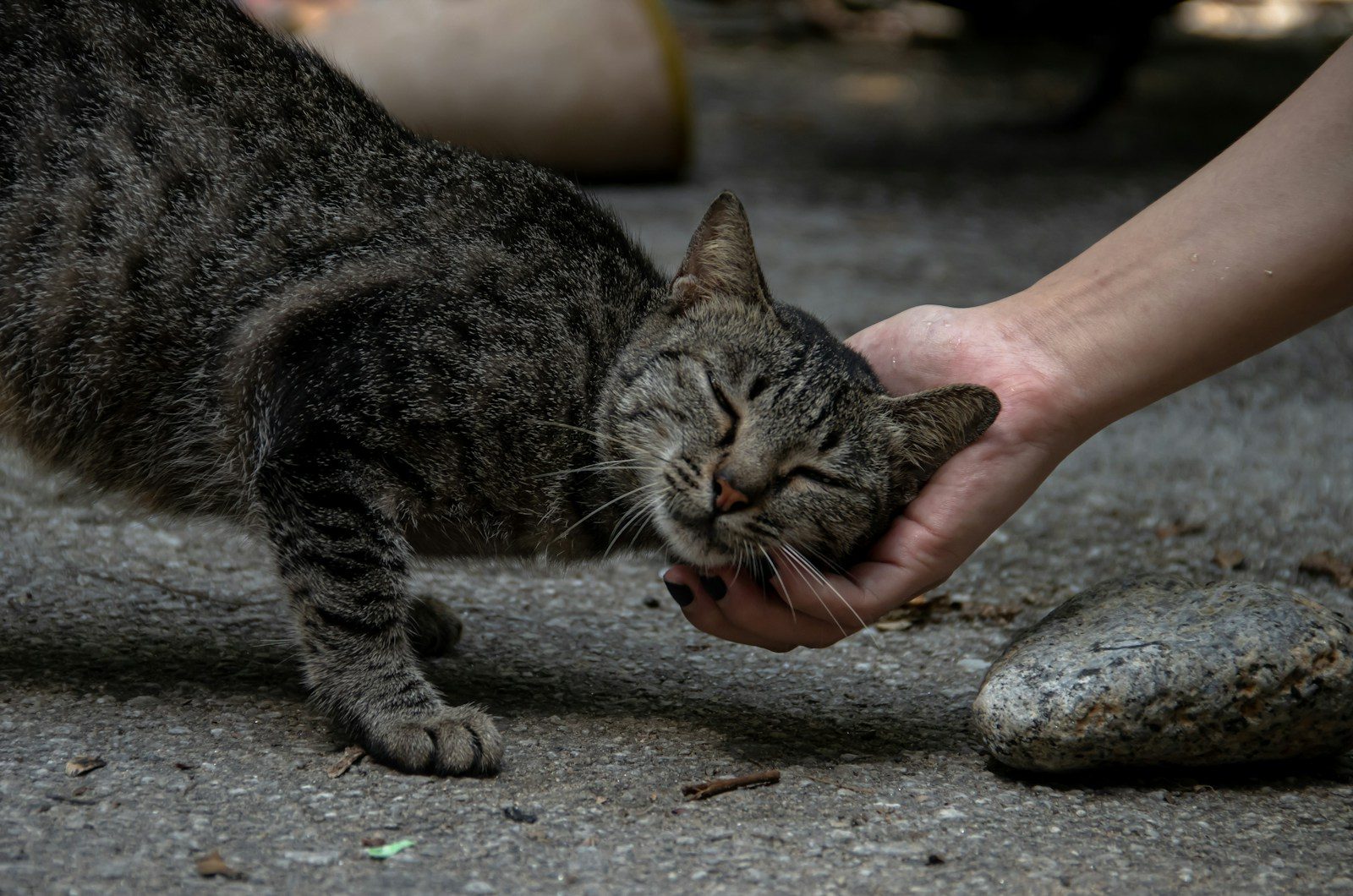
    Some cats become much more attached to their favorite person when they are sick or experiencing physical decline. Veterinarians explain that familiar people can provide a sense of security during stressful or uncomfortable periods. A cat that suddenly follows its owner from room to room may be looking for reassurance.

    This behavior is often seen in cats that have formed strong bonds with their owners over many years. Spending time near a trusted human can help them feel calmer and more secure. Experts recommend responding with patience, kindness, and gentle companionship when a cat begins seeking extra closeness.

    Choosing familiar resting places

    white cat sleeps under white comforter
    Photo by Kate Stone Matheson on Unsplash

    Cats often look for comfort in places that feel safe and familiar. Favorite blankets, beds, couches, or spots near loved ones may become even more important as a cat ages or becomes unwell. Familiar scents and surroundings can provide emotional comfort.

    Owners may notice their cat spending more time in a specific location around the home. These resting places are often connected to positive experiences and feelings of safety. Providing soft bedding and a quiet environment can help support a cat’s physical and emotional well-being.

    Sleeping more than usual

    gray and orange tabby cat on floor whitel sleeping
    Photo by Ash Edmonds on Unsplash

    Many cats naturally sleep for long periods, but serious illness or advanced age can increase the amount of time they spend resting. Specialists note that declining energy levels often lead to longer and more frequent naps throughout the day.

    Extra sleep does not always mean something is wrong, but it can be an important change to monitor. If increased sleeping is combined with other behavioral changes, owners should pay close attention. Rest plays a major role in helping the body conserve energy during difficult periods.

    Becoming quieter and less active

    gray tabby kitten leaning on white wall
    Photo by Borna Bevanda on Unsplash

    A cat that was once playful and vocal may become noticeably quieter as it ages or experiences health problems. Veterinarians explain that reduced activity can occur when a cat is trying to conserve energy or cope with physical discomfort.

    Being less vocal does not necessarily mean a cat is becoming distant from its family. Many cats continue to enjoy the company of their owners even when they spend more time resting. Experts suggest watching for other changes, including appetite, grooming habits, and mobility, when a cat becomes unusually quiet.

    Seeking more affection and touch
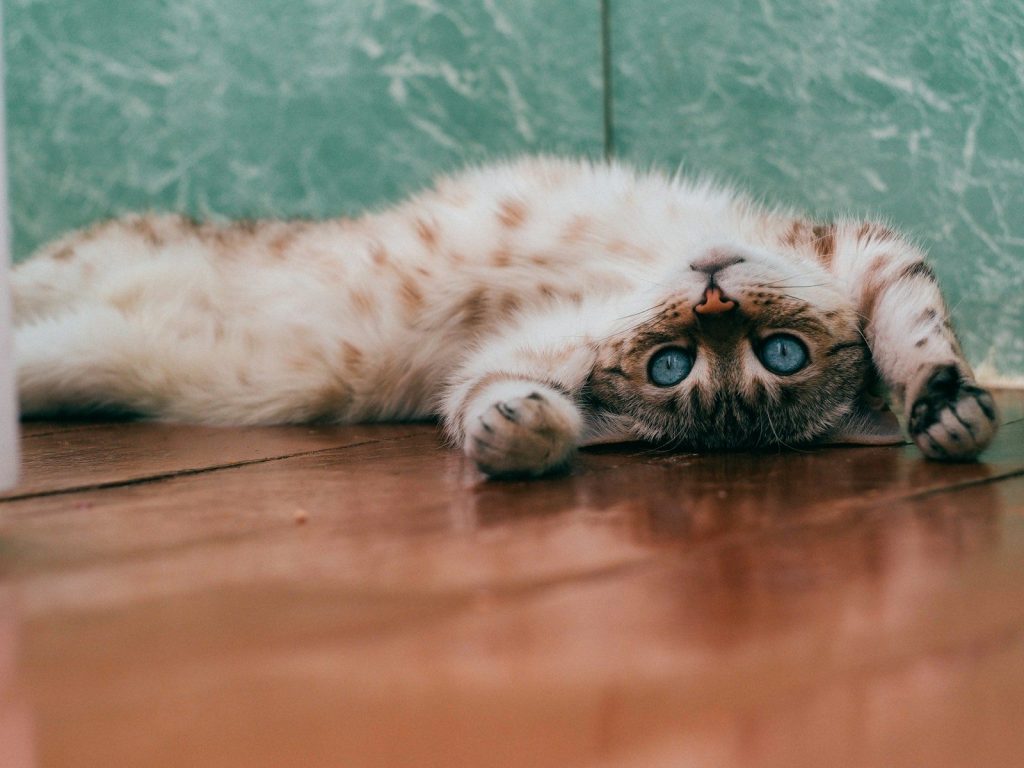
    white and brown cat lying on brown wooden floor
    Photo by Daria Shatova on Unsplash

    Some cats begin asking for more attention during periods of illness or physical decline. They may spend more time sitting next to their owners, leaning against them, or seeking gentle petting. Familiar touch can provide comfort and emotional reassurance.

    Experts believe this increase in affectionate behavior may help reduce stress and anxiety. While not every cat responds this way, many become more interested in close contact with trusted family members. Gentle interaction can help strengthen the bond between a cat and its owner during challenging times.

    Spending time alone occasionally

    shallow focus photography of cat
    Photo by Javid Bunyadzade on Unsplash

    Not all cats respond to vulnerability by seeking constant attention. Some prefer temporary isolation and may spend more time hiding in quiet areas of the home. Veterinarians explain that hiding is a natural instinct that helps cats feel protected when they are not feeling their best.

    This behavior should not be mistaken for a lack of affection. Many cats still care deeply for their owners while choosing to rest in peaceful spaces. Experts recommend allowing access to safe hiding spots while continuing to monitor the cat’s overall health and discussing sudden behavioral changes with a veterinarian.


  • Never touch these 6 animals, no matter how harmless they seem

    Never touch these 6 animals, no matter how harmless they seem

    Have you ever seen a wild animal and wanted to get a little closer for a better look? While that may seem harmless, some animals can be extremely dangerous when people enter their space. Many of these creatures do not want to hurt humans, but they may attack if they feel threatened, frightened, or cornered.

    From powerful predators to tiny insects that carry deadly diseases, there are many animals best admired from a safe distance. This article explores several dangerous animals and explains why respecting their space is important for both people and wildlife.

    Nile crocodiles are deadly hunters

    crocodile near body of water
    Photo by Carlos Torres on Unsplash

    Nile crocodiles are among the most dangerous reptiles in the world. They live in freshwater habitats throughout the Nile Basin, sub-Saharan Africa, and Madagascar. These massive predators can weigh more than 1,500 pounds and have up to 68 sharp teeth.

    The species is believed to attack hundreds of people each year. Once a crocodile grabs its prey, it may perform a death roll, spinning underwater while holding its victim. Their ability to remain underwater for more than an hour makes them difficult to detect.

    Giant pandas are stronger than they look

    walking panda front of concrete building
    Photo by Yu Wang on Unsplash

    Many people see giant pandas as gentle animals because they spend much of their time eating bamboo. However, pandas are still bears and can inflict serious injuries.

    There have been documented cases of giant pandas attacking humans, including incidents at zoos. Experts also note that pandas do not eat only bamboo and have been reported to consume other animals under certain circumstances.

    Ticks can spread serious diseases

    a small black insect sitting on top of a persons finger
    Photo by Erik Karits on Unsplash

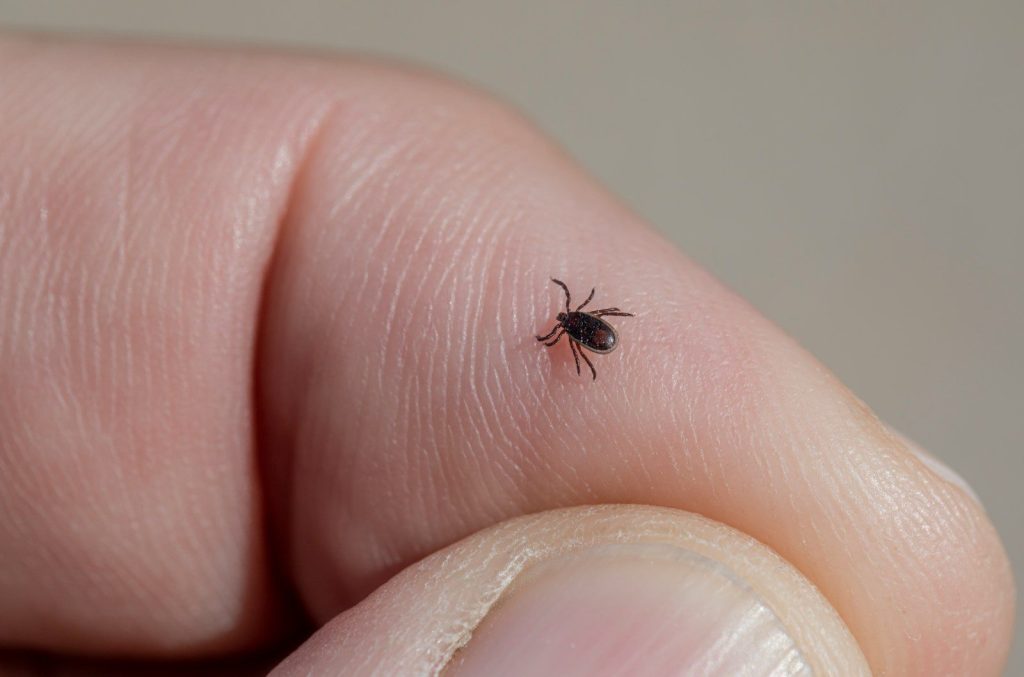
    Ticks are tiny creatures, but they can create major health problems for humans. Several species carry diseases that can be transmitted through their bites.

    The blacklegged tick, also known as the deer tick, is known for spreading Lyme disease. Other species can spread illnesses such as babesiosis and Rocky Mountain spotted fever, making these small pests far more dangerous than their size suggests.

    Mosquitoes are among the deadliest animals

    a close up of a mosquito on a human's skin
    Photo by National Institute of Allergy and Infectious Diseases on Unsplash

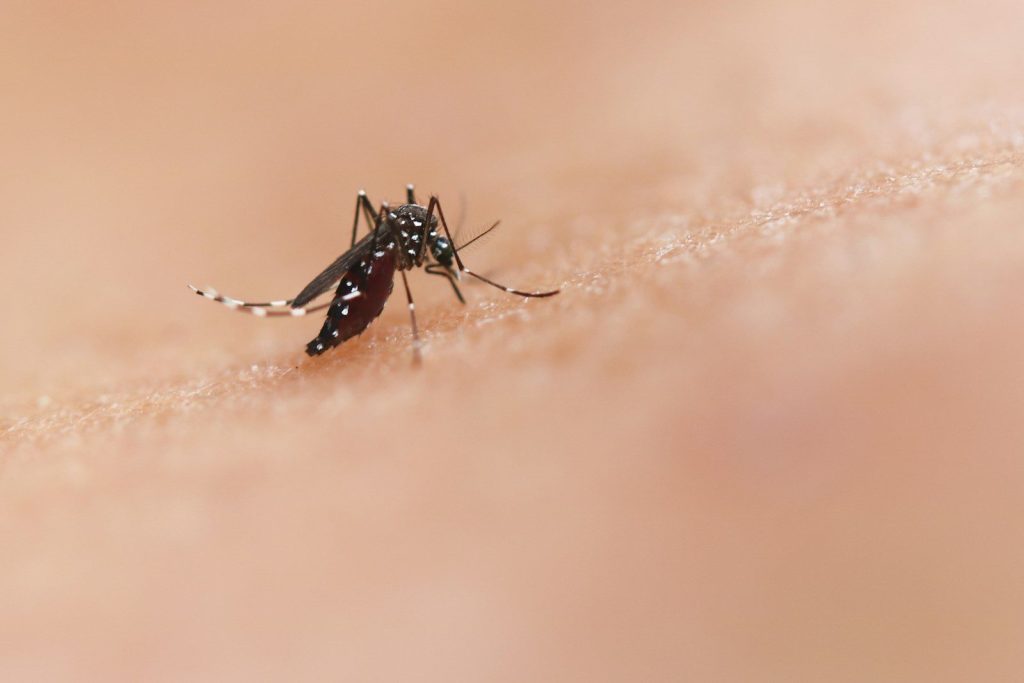
    Mosquitoes are common insects found in many parts of the world. While their bites are often seen as little more than an annoyance, they can transmit dangerous diseases.

    According to health experts, mosquitoes spread illnesses including malaria, Zika virus, yellow fever, West Nile virus, and dengue virus. These diseases cause hundreds of thousands of deaths each year, making mosquitoes among the deadliest animals on Earth.

    Geography cones carry powerful venom

    a snail is sitting on top of a pine cone
    Photo by Arnaud Padallé on Unsplash

    The cone snail is a small sea snail that lives on reefs across the Indo-Pacific region. Its colorful shell may appear harmless, but this animal possesses a highly dangerous defense system.

    The snail injects venom through a harpoon-like tooth. The toxins can be powerful enough to kill a human, and there is currently no antivenin available. Because of this, touching these animals can be extremely risky.

    Tigers remain powerful predators

    brown and black tiger on focus photography
    Photo by A G on Unsplash

    Tigers are the largest wild cats in the world and are known for their strength and hunting ability. Although they generally avoid humans, they are responsible for dozens of human deaths each year.

    Habitat loss has brought some tigers closer to human settlements. In certain situations, especially when injured or unable to hunt normal prey, some tigers have attacked people, earning a reputation as one of the world’s most feared predators.

  • 6 things indoor cats need to live better, according to veterinarians

    6 things indoor cats need to live better, according to veterinarians

    Many cat owners believe that keeping their pets indoors protects them from most health problems. While indoor cats face fewer outside dangers, they can still develop serious medical conditions over time. Many illnesses appear slowly and may not show obvious signs until they become more advanced.

    That is why preventive care plays an important role in helping cats stay healthy throughout their lives. Regular veterinary visits, health screenings, and wellness checks can help detect problems early and improve a cat’s quality of life. Understanding the value of preventive care can help owners give their indoor cats the best chance of a long, comfortable life.

    Indoor cats can still develop serious health problems

    brown tabby cat lying on white textile
    Photo by Alice on Unsplash

    Living indoors does not guarantee a cat’s perfect health. Many common medical conditions can develop regardless of whether a cat spends time outside.

    Indoor cats may experience obesity, dental disease, kidney disorders, arthritis, diabetes, heart conditions, digestive issues, and thyroid problems. These conditions often develop gradually and may not be immediately noticeable to owners.

    Early detection can improve long-term health

    selective focus photo of gray tabby cat
    Photo by Erik-Jan Leusink on Unsplash

    One of the biggest benefits of preventive care is the ability to identify health concerns before they become serious. Cats are naturally skilled at hiding pain and illness, making early detection difficult without professional evaluations.

    Routine veterinary examinations can reveal changes in weight, heart function, organ health, mobility, behavior, and other early signs of disease. Detecting problems sooner often allows for better management and treatment.

    Regular monitoring supports every life stage

    white cat sleeps under white comforter
    Photo by Kate Stone Matheson on Unsplash

    Cats have different healthcare needs as they grow older. Kittens, adults, and senior cats each require different types of care and monitoring.

    Routine veterinary visits help track growth, nutrition, mobility, age-related changes, and overall wellness. Maintaining a complete health history also allows veterinarians to identify subtle changes that may otherwise go unnoticed.

    Dental health should never be ignored

    brown tabby cat
    Photo by Jae Park on Unsplash

    Dental disease is one of the most common health problems affecting cats, including those that live exclusively indoors. Unfortunately, dental issues are often overlooked until they begin causing discomfort.

    Signs of dental disease may include bad breath, drooling, reduced appetite, difficulty chewing, and pawing at the mouth. Regular veterinary evaluations can help detect oral health problems before they become more serious.

    Healthy weight management is important

    selective focus photography of orange and white cat on brown table
    Photo by Amber Kipp on Unsplash

    Indoor cats often have fewer opportunities for physical activity than outdoor cats. As a result, they may be more likely to gain excess weight over time.

    Obesity can contribute to joint stress, reduced mobility, diabetes, heart strain, and lower energy levels. Veterinarians can recommend nutrition plans and monitor body condition to help maintain a healthy weight.

    Routine screenings help senior cats age comfortably

    a cat laying on top of a scratching post
    Photo by Martin Katler on Unsplash

    As cats grow older, they become more vulnerable to age-related health concerns. Regular screenings become increasingly important during the senior years.

    Veterinary evaluations can help detect kidney disease, thyroid disorders, high blood pressure, cognitive changes, vision decline, hearing loss, and joint discomfort. Early management of these conditions can help senior cats remain active and comfortable for longer.

  • A rise in rescues is helping orphaned and abandoned animals get adopted

    A rise in rescues is helping orphaned and abandoned animals get adopted

    Many animals never get the chance to grow up in a safe home. Every year, orphaned kittens, abandoned puppies, and other vulnerable animals are left without the care they need. The good news is that a rise in rescues is helping orphaned and abandoned animals get adopted more often than before. Rescue groups, shelters, foster families, and volunteers are working together to save animals and connect them with loving homes.

    Animal rescue efforts have become an important part of modern pet welfare. More communities now support adoption programs, foster networks, and rescue organizations that give homeless animals a second chance. As these efforts grow, thousands of animals that once faced uncertain futures are finding permanent families. This article explores how rescue programs are helping orphaned and abandoned animals and why adoption continues to play a vital role in animal welfare.

    Rescue groups are saving more vulnerable animals

    helicopter, rescue helicopter, air rescue, emergency helicopter, rescue operation, rescue, emergency doctor, accident rescue, patient transport, emergency, flying, mission, aviation, transport, propeller, rotor, mountain rescue, heaven, helicopter, helicopter, helicopter, helicopter, helicopter
    Photo by Ralphs_Fotos on Pixabay

    Animal rescue organizations often step in when orphaned or abandoned animals are found. These groups work alongside shelters, veterinarians, and local communities to provide immediate care. Young animals that lose their mothers need food, warmth, medical treatment, and constant attention. Rescue teams are trained to provide this support until the animals are healthy enough for adoption.

    Recent shelter data shows that millions of animals enter shelters and rescue organizations each year. While shelters continue to face capacity challenges, rescue groups help reduce pressure by taking in animals that need special care. Transfers between shelters and rescues allow more animals to receive treatment and rehabilitation before being placed with adoptive families. This teamwork has become one of the most effective ways to increase successful adoptions.

    Foster homes help animals prepare for adoption

    puppy lying on magazine beside food bowl
    Photo by Vijesh Datt on Unsplash

    Many orphaned and abandoned animals spend time in foster homes before finding permanent families. Foster caregivers provide a safe and calm environment where animals can recover physically and emotionally. Young kittens may need bottle feeding every few hours, while frightened dogs may need time to rebuild trust in people.

    Foster care also helps shelters create more space for incoming animals. Animals living in foster homes often learn household routines, social skills, and basic training. This makes them more attractive to potential adopters because families can better understand the animal’s personality and needs. Foster programs have become one of the strongest tools for improving adoption outcomes.

    Adoption programs are reaching more families

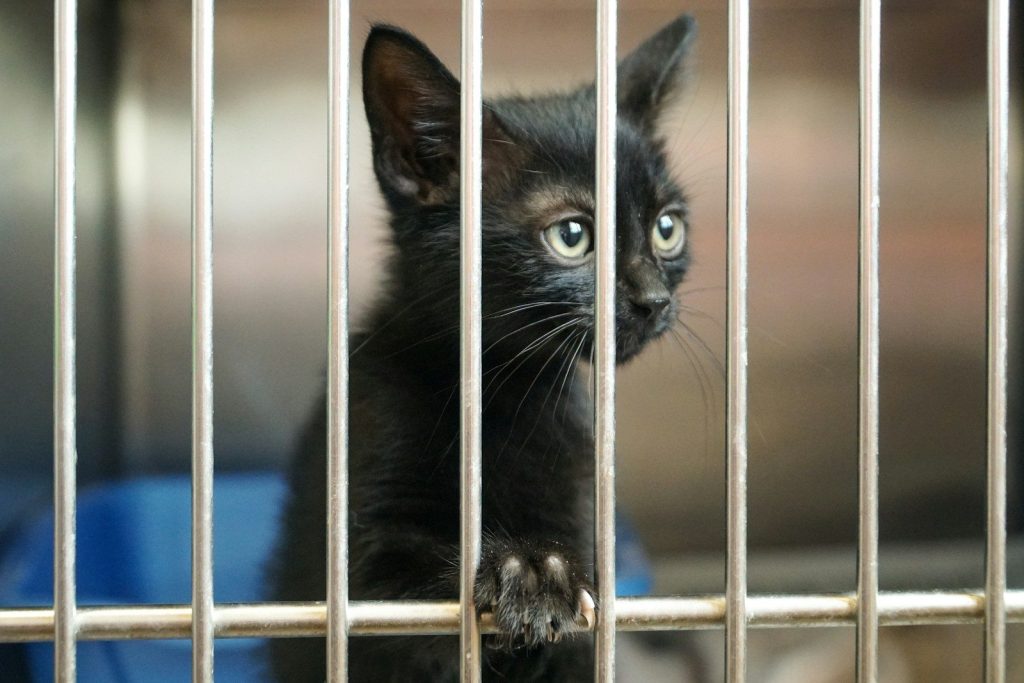
    shallow focus photography of black kitten
    Photo by Thomas Park on Unsplash

    Shelters and rescue groups have expanded their adoption efforts in recent years. Many organizations now use websites, social media, and community events to showcase available animals. Photos, videos, and adoption stories help potential pet owners learn about animals waiting for homes.

    These outreach efforts have increased public awareness about adoption. More people understand that adopting from a shelter or rescue can save a life while providing a loving companion. Adoption events held in parks, pet stores, and community centers make it easier for families to meet animals in person. As a result, many orphaned and abandoned pets are finding homes faster than they might have in the past.

    Medical care improves animals’ chances of finding homes

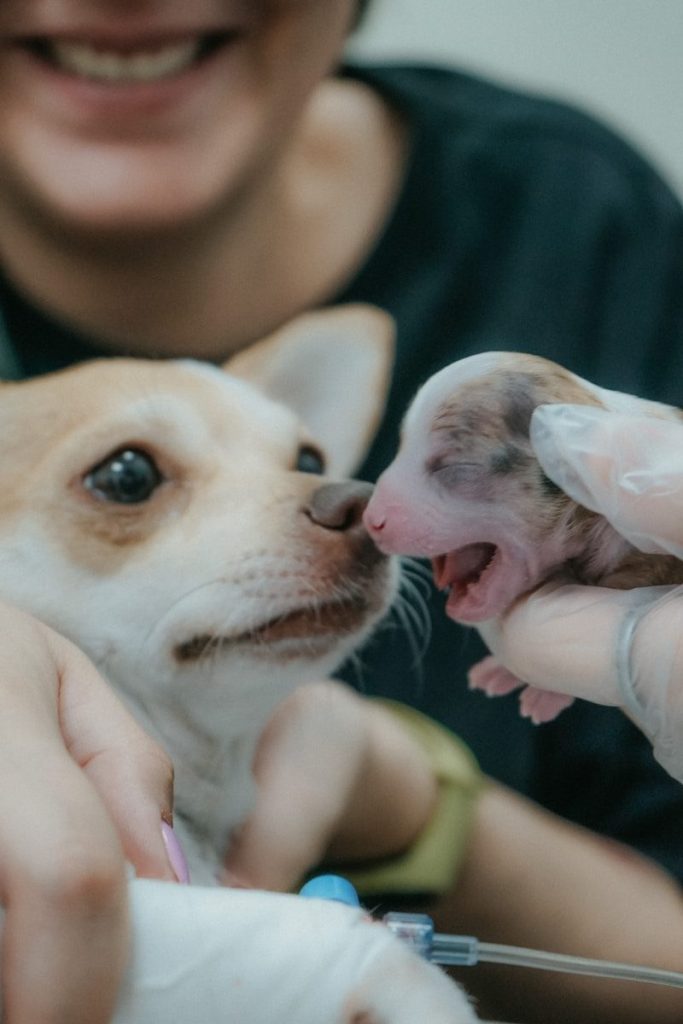
    a person holding a baby
    Photo by Anya Prygunova on Unsplash

    Many abandoned animals arrive at shelters with health problems. They may suffer from injuries, infections, malnutrition, or untreated illnesses. Rescue organizations invest significant resources into veterinary care to help these animals recover and become adoptable.

    Modern rescue programs often include vaccinations, spaying and neutering, microchipping, and medical treatment before adoption. Animals that receive proper healthcare are more likely to live long, healthy lives with their new families. Medical rehabilitation also allows shelters to save animals that might once have faced poor outcomes due to treatable conditions.

    Community support strengthens rescue efforts

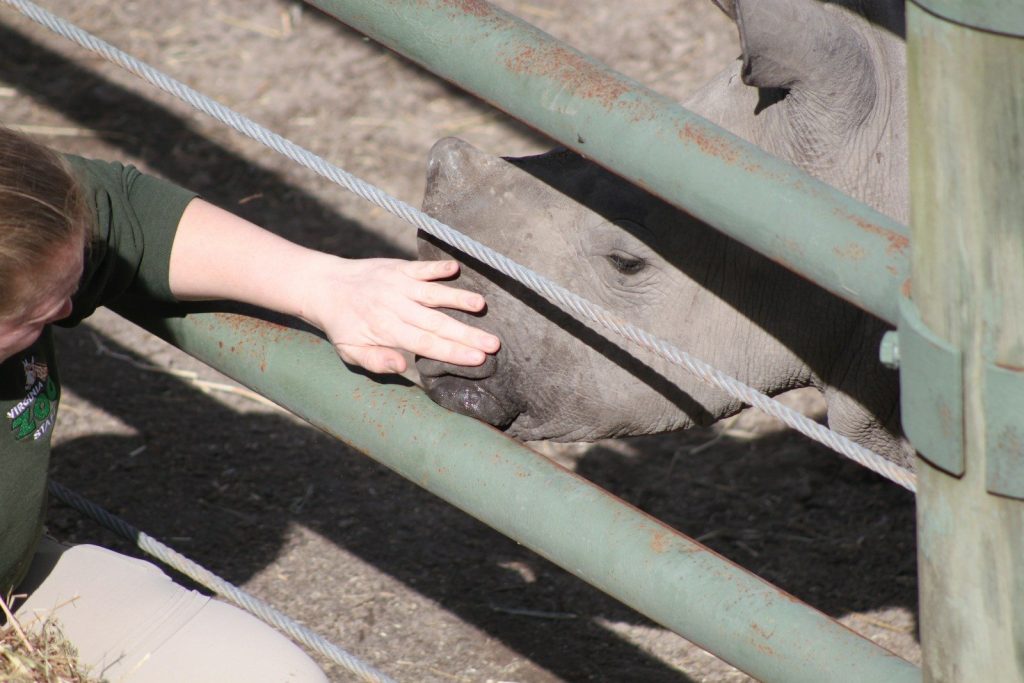
    a woman is petting a baby elephant through a fence
    Photo by em b on Unsplash

    The success of animal rescues depends heavily on community involvement. Volunteers donate time to care for animals, transport them to appointments, clean facilities, and assist with adoption events. Donations from individuals and businesses help cover food, medical supplies, and shelter operations.

    Communities also support rescues through education and awareness programs. Many organizations teach responsible pet ownership, encourage spaying and neutering, and help families keep their pets during difficult times. These efforts reduce the number of animals entering shelters while increasing support for adoption. Strong community involvement creates a better safety net for vulnerable animals.

    Challenges remain despite growing adoption success

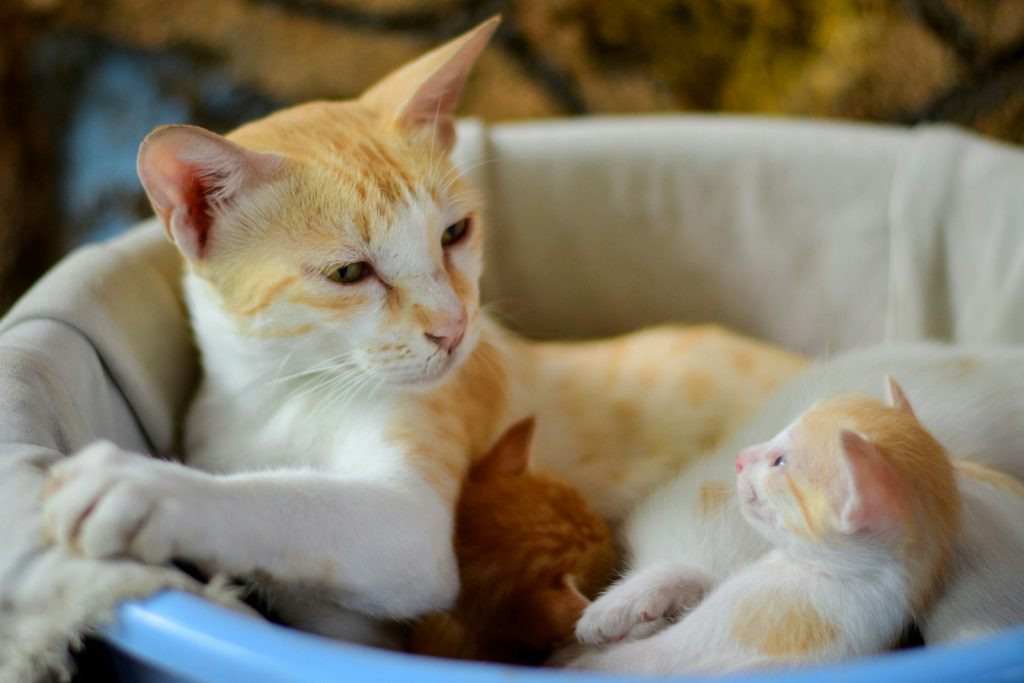
    orange tabby cat on blue plastic basin
    Photo by Prasad Panchakshari on Unsplash

    Although rescue efforts are helping more animals, challenges still exist. Shelters across the country continue to care for large numbers of dogs and cats. Some animals, especially older pets, large dogs, or animals with medical needs, may wait longer for adoption. Limited funding and staffing shortages can also place pressure on rescue organizations.

    Economic difficulties can contribute to pet abandonment when families struggle with housing, food costs, or veterinary expenses. Rescue groups often work beyond their normal capacity to help animals affected by these situations. Even with these challenges, growing adoption programs, foster networks, and community partnerships continue to improve outcomes for countless orphaned and abandoned animals.

  • Ranking dog breeds based on their intelligence levels

    Ranking dog breeds based on their intelligence levels

    Have you ever wondered which dog breeds are the smartest? Many people think intelligence in dogs is only about learning tricks, but it is much more than that. Some dogs learn commands very quickly, while others are great problem-solvers or have strong natural skills for herding, guarding, or tracking.

    When discussing dog breeds ranked by intelligence, experts often look at trainability, obedience, problem-solving ability, and how well dogs work with people. This article explores how canine intelligence is measured and highlights some of the smartest dog breeds in the world. By the end, you will understand why certain breeds consistently top intelligence rankings and why every dog can be smart in its own way.

    How dog intelligence is measured

    a small white dog running across a sandy beach
    Photo by Nick Fewings on Unsplash

    Dog intelligence is not measured the same way human intelligence is measured. Researchers and canine experts generally look at several different types of intelligence. These include instinctive intelligence, adaptive intelligence, and working or obedience intelligence. Instinctive intelligence refers to the tasks a breed was developed to perform, such as herding sheep or retrieving game. Adaptive intelligence measures a dog’s ability to solve problems on its own.

    Working and obedience intelligence is the type most often used in breed rankings. It focuses on how quickly a dog learns new commands and how reliably it follows them. Much of the widely known ranking system comes from research by psychologist Stanley Coren, who gathered information from hundreds of professional dog obedience judges. His work showed clear differences in how quickly various breeds learned and responded to commands.

    Border Collie leads the rankings

    Mom’s New Border Collie Puppy, Lee” by kate.gardiner is licensed under CC BY-NC 2.0

    The Border Collie is widely considered the most intelligent dog breed in the world. These dogs were developed to herd sheep and other livestock, and they are known for their incredible focus, energy, and ability to learn. Border Collies can often understand new commands after only a few repetitions and perform them with remarkable accuracy.

    Their intelligence goes beyond obedience. Border Collies are excellent problem-solvers and can make decisions independently while working. Many owners describe them as dogs that seem to think several steps ahead. Because of their intelligence and energy, they need plenty of mental stimulation and exercise. Without enough activity, they can become bored and develop unwanted behaviors.

    Poodle and German Shepherd follow closely

    Guard Poodle On Duty” by vladm2007 is licensed under CC BY-NC 2.0

    The Poodle often surprises people by ranking near the very top of intelligence lists. While many people know Poodles for their stylish appearance, they are actually highly intelligent working dogs. They learn commands quickly, excel in obedience training, and perform well in activities such as agility, tracking, and service work.

    The German Shepherd is another breed known for exceptional intelligence. These dogs are commonly used in police work, military operations, search-and-rescue missions, and service roles. Their ability to learn complex tasks, remember commands, and work closely with people makes them one of the most versatile breeds. German Shepherds combine intelligence with loyalty and courage, which is why they remain popular worldwide.

    Golden Retrievers and Dobermans shine

    Golden Retriever” by rkleine is licensed under CC BY-NC 2.0

    Golden Retrievers are famous for their friendly personalities, but they are also among the smartest dog breeds. They learn quickly and are eager to please, which makes training easier for many owners. Their intelligence and gentle nature make them excellent service dogs, therapy dogs, and family pets.

    Doberman Pinschers are equally impressive when it comes to intelligence. They are known for their alertness, confidence, and ability to learn complex commands. Dobermans were originally developed for protection work, and their intelligence helps them assess situations quickly. With proper training and socialization, they become reliable companions who can excel in many different activities.

    Other highly intelligent breeds

    Shetland Sheepdog” by Shames Privacy is licensed under CC BY 2.0

    Several other breeds consistently appear near the top of intelligence rankings. The Shetland Sheepdog is often praised for its ability to learn commands rapidly and perform well in obedience competitions. Despite its smaller size, it possesses remarkable intelligence and a strong desire to work with people.

    Labrador Retrievers, Papillons, Rottweilers, and Australian Cattle Dogs are also highly regarded for their intelligence. Labrador Retrievers are among the most popular service and assistance dogs because they are trainable and eager to work. Papillons demonstrate that small dogs can be extremely intelligent, while Rottweilers combine intelligence with strength and confidence. Australian Cattle Dogs are known for their problem-solving skills and strong work ethic developed through generations of herding livestock.

    Why rankings do not tell the whole story

    person holding brown and white short coated dog
    Photo by Madeline Bowen on Unsplash

    Although intelligence rankings are useful, they do not tell the entire story. Most rankings focus heavily on obedience and trainability. Some breeds may rank lower simply because they were bred to work independently rather than follow human commands immediately. This does not mean they are less intelligent.

    For example, scent hounds can follow complex trails for miles using their powerful sense of smell. Terriers often show excellent problem-solving abilities when hunting small animals. Many dog experts point out that intelligence comes in different forms. A dog that seems stubborn during training may actually be making independent decisions based on its instincts and breeding history. Different breeds excel at different tasks, making intelligence much more complex than a simple list can show.

    Every dog has unique strengths

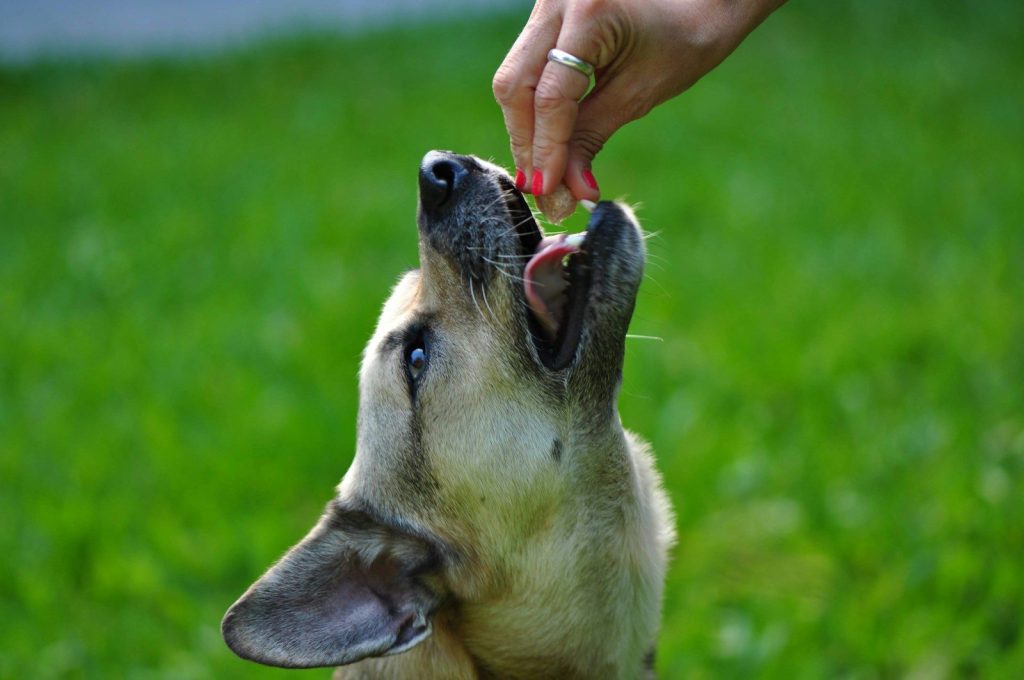
    a person feeding a dog a piece of food
    Photo by Juan Pablo Mascanfroni on Unsplash

    One important lesson from canine intelligence research is that every dog has strengths. Some dogs are exceptional at learning commands, while others are skilled at reading human emotions, solving problems, or performing specialized tasks. Researchers have even found that many dogs can understand a large number of words and human cues, showing just how closely they connect with people.

    A breed’s ranking should never be the only factor when choosing a dog. Energy level, temperament, size, grooming needs, and compatibility with your lifestyle are just as important. A highly intelligent dog may require more mental stimulation and training than some owners can provide. In many cases, the best dog is not necessarily the smartest one but the one whose personality and needs match your home and family.

  • Why orca families depend heavily on their grandmothers

    Why orca families depend heavily on their grandmothers

    Orcas are known for their strong family bonds, but one family member plays a bigger role than many people realize. Scientists have discovered that grandmother orcas help keep their families alive and healthy, especially during hard times. This finding has changed the way researchers understand whale societies and even offers clues about why some animals, including humans, live long after they stop having babies.

    If you have ever wondered why orca families depend heavily on their grandmothers, the answer comes down to food, experience, leadership, and survival. Research has shown that grandmothers can improve the chances of young whales living longer and thriving in difficult conditions. By learning about these remarkable animals, you can better understand one of the most successful family systems in the natural world.

    Orca families stay together for life

    orca” by Christopher.Michel is licensed under CC BY 2.0

    Unlike many animals, orcas usually live in close family groups called pods. Sons and daughters often stay with their mothers for their entire lives. This means several generations can travel, hunt, and socialize together every day. Because families remain connected for decades, older females stay closely involved with their children and grandchildren.

    This lifelong family structure creates a unique role for grandmothers. Since they remain with their descendants, they can continue helping long after raising their own calves. Researchers studying resident orcas in the Pacific Northwest have found that these older females remain active members of the pod and contribute to the success of younger generations. Their constant presence allows knowledge and support to be shared throughout the family.

    Grandmothers help young whales survive

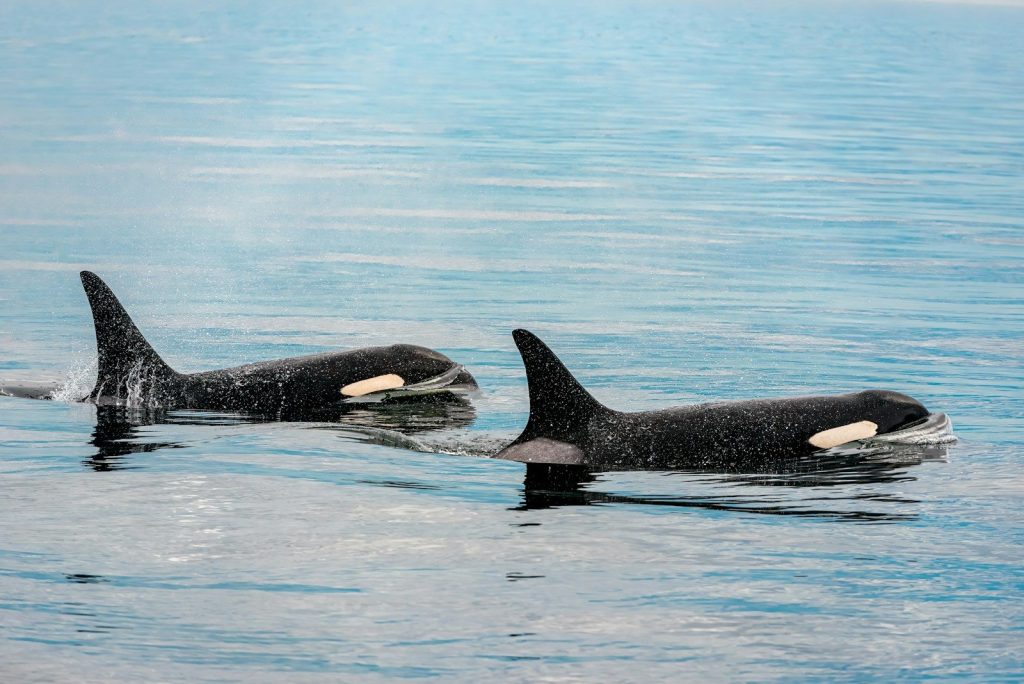
    two black and white orca swimming in a body of water
    Photo by Stephen Walker on Unsplash

    One of the most important discoveries about orca grandmothers is their effect on calf survival. Studies tracking multiple generations of whales found that grandchildren are more likely to survive when a grandmother is alive. The benefits become especially clear when resources are limited and life becomes more challenging.

    Scientists found that the loss of a grandmother can increase the risk of death for her grandchildren. Older females appear to provide support that helps younger family members overcome difficult conditions. Their presence acts like a safety net for the pod, giving younger whales a better chance to reach adulthood. This survival advantage helps explain why grandmother orcas are considered such valuable members of their families.

    Experience makes older females valuable leaders

    two black dolphins on body of water during sunrise
    Photo by Bart on Unsplash

    Orcas can live for many decades, and older females accumulate a huge amount of knowledge during their lives. They learn where food can be found, how prey moves throughout the seasons, and which routes are safest. This information becomes incredibly valuable when conditions change.

    Research suggests that older females often take leadership roles, especially during years when food is scarce. Their experience allows them to guide family members toward feeding areas that younger whales may not know about. In this way, grandmother orcas act as living libraries of knowledge. Instead of relying only on instinct, younger whales can benefit from the wisdom gathered by older generations over many years.

    Food sharing strengthens the entire pod

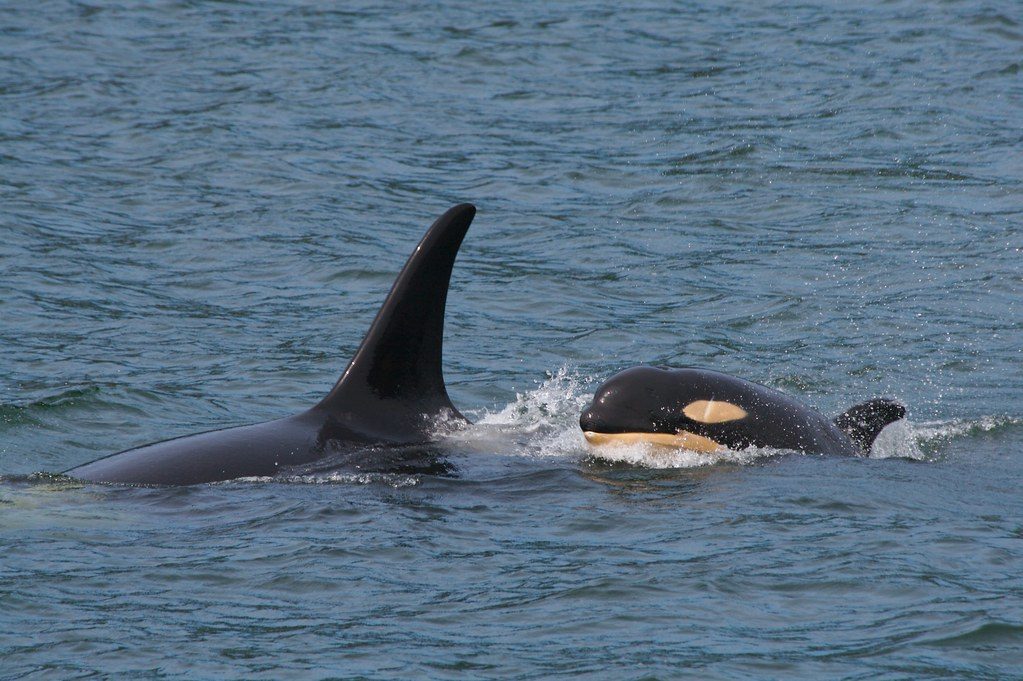
    Orca calf and Mother” by alumroot is licensed under CC BY-NC 2.0

    Food sharing is another reason grandmothers are so important. Orcas do not simply hunt for themselves. Family members often share food with one another, creating a cooperative system that helps the whole group survive. Older females are known to participate in this sharing network.

    When prey such as Chinook salmon becomes harder to find, food sharing can make a major difference. A grandmother who helps distribute food may prevent younger whales from going hungry during difficult periods. This support is especially important for growing calves and nursing mothers, which require large amounts of energy. By helping feed relatives, grandmothers improve the health and stability of the entire family.

    Grandmothers become even more important during hard times

    A serene view of orcas swimming in Telegraph Cove, BC, with scenic mountainous background.
    Photo by marnock on Pexels

    The value of grandmother orcas becomes most obvious when food supplies decline. Many resident orcas depend heavily on salmon, and salmon numbers can vary from year to year. During periods of low salmon abundance, families face greater challenges finding enough food.

    Studies have shown that the benefits provided by grandmothers are strongest when resources are scarce. Their knowledge, leadership, and support help families cope with difficult conditions. As environmental pressures increase, older females may become even more critical to the survival of future generations. This means protecting grandmother whales is not just about saving individual animals. It is also about preserving the knowledge and support systems that keep entire pods functioning successfully.

    What grandmothers teach us about orca society

    A serene group of orcas gliding through the calm waters of Telegraph Cove, BC.
    Photo by marnock on Pexels

    The story of the grandmother orcas reveals just how complex whale societies can be. These animals are not simply groups of individuals traveling together. They are closely connected families where cooperation, learning, and support play major roles in survival. Older females serve as leaders, teachers, caregivers, and providers, helping younger generations navigate the challenges of life in the ocean.

    Their importance also gives scientists new clues about the evolution of long life spans and menopause. Humans and a few whale species share the unusual trait of living long after reproduction ends. In both cases, older females appear to improve the success of their descendants through knowledge, guidance, and care. The more researchers study orcas, the clearer it becomes that grandmothers are not just helpful members of the pod. They are often one of the main reasons the family thrives.

  • 6 things you should never do to your dog, according to experts

    6 things you should never do to your dog, according to experts

    Every dog owner wants the best for their furry friend. However, even the most loving pet parents can make mistakes that may affect a dog’s health, happiness, and safety. Some habits may seem harmless at first, but they can create serious problems over time.

    Understanding these common dog care mistakes can help owners provide a better life for their pets. This article explores six important things dog owners should never do and explains why avoiding these mistakes can help dogs stay healthy, comfortable, and emotionally secure.

    Leaving a dog alone in a car

    long-coated brown dog staring on vehicle window
    Photo by Tim Mossholder on Unsplash

    Many people underestimate how quickly the inside of a car can become dangerous for a dog. Even when the weather is cool outside, a parked vehicle can trap heat and become extremely warm within a short time.

    A dog left alone in a car can suffer from overheating, serious illness, or even death if conditions become too severe. In addition to health risks, unattended dogs may also become targets for theft. For these reasons, dogs should never be left alone inside a parked vehicle.

    Making a dog live on a chain

    yellow labrador retriever lying on wooden floor
    Photo by Sam Chan on Unsplash

    Dogs enjoy spending time outdoors, and temporary supervised tethering can sometimes be appropriate when conditions are safe. However, there is a major difference between short-term supervision and chaining a dog.

    Dogs need companionship, mental stimulation, and regular interaction with people. Leaving a dog chained outside while family members spend their time indoors can lead to loneliness and emotional distress. Dogs thrive when they are treated as part of the family rather than being isolated from it.

    Neglecting your dog’s dental health

    long-coated brown dog
    Photo by Brian Brxtn on Unsplash

    Dental care is often overlooked by dog owners, even though it plays an important role in overall health. Many dogs develop dental problems that go unnoticed because owners do not regularly check or clean their teeth.

    Veterinarians recommend regular dental examinations and routine oral care. Brushing a dog’s teeth can help prevent problems before they become serious. Owners should use dog-specific products because human toothpaste may contain ingredients that can make dogs sick if swallowed.

    Using physical punishment

    white and brown short coated dog lying on green grass during daytime
    Photo by Alexas_Fotos on Unsplash

    Some people still believe that hitting a dog is an effective form of discipline. However, physical punishment can damage the bond between a dog and its owner while creating fear and confusion.

    Dogs learn best through positive guidance and consistent training. When a dog is hit, trust can be broken, making the animal feel insecure. Fearful dogs may become anxious and can struggle to develop healthy behavior patterns.

    Ignoring a dog’s emotions

    dog lying on floor
    Photo by Daniele Franchi on Unsplash

    Dogs are more emotionally aware than many people realize. Research has shown that dogs can experience emotions and respond to the feelings of the people around them.

    Because dogs form strong emotional connections with their families, negative treatment can affect their well-being. Constant yelling, harsh treatment, or purposely upsetting a dog can damage both its emotional health and its relationship with its owner.

    Skipping veterinary visits

    Pancake the pit bull at Dog Day Afternoon in downtown L.A.” by LA Wad is licensed under CC BY-NC-SA 2.0

    Some dog owners try to diagnose health problems online rather than seeking professional veterinary care. While online information can be useful for learning more about a condition, it should not replace expert medical advice.

    When a dog begins acting differently or shows signs of illness, prompt veterinary attention is important. Regular checkups can help identify health concerns early and ensure that dogs receive the treatment they need before problems become more serious.

  • Experts reveal why cats never truly forget their owners

    Experts reveal why cats never truly forget their owners

    Many people believe cats are independent animals that quickly forget the people in their lives. Because they often seem calm and self-sufficient, some pet owners worry that their cats will not remember them after a long absence. However, experts say that the idea is far from the truth.

    Cats have complex memory systems that help them remember people, places, smells, sounds, and daily routines. These memories can last for months or even years. This article explores how cats remember their owners, why those memories are so strong, and the signs that may show a cat is missing someone special.

    Cats have a more complex memory than many people think

    silver tabby kitten on floor
    Photo by Loan on Unsplash

    Cats do not simply remember faces. According to veterinary nurse Jane Davidson, their memories are linked to many aspects of their environment, including sights, sounds, smells, and routines.

    Because cats build memories through multiple experiences, they often create strong associations with the places and people around them. These layers of memory help them feel safe and comfortable in their daily lives.

    Research suggests pets can recall past experiences

    brown tabby cat
    Photo by Jae Park on Unsplash

    A study conducted by researchers at the Center on Autobiographical Memory Research at Aarhus University examined how pets remember past events. The findings suggested that both cats and dogs can recall specific experiences.

    Many pet owners reported that their animals appeared to remember previous events when something familiar triggered those memories. A location, smell, or routine could bring those memories back, as people sometimes unexpectedly remember experiences.

    Strong bonds can last a lifetime

    white cat sleeps under white comforter
    Photo by Kate Stone Matheson on Unsplash

    A viral Instagram video featuring two rescue cats named Pumpkin and Oreo sparked discussion about whether cats ever forget their owners. The video suggested that even a few months of living together can create a lasting bond.

    Heather, the cat’s owner, found the idea comforting because it highlighted the deep connection between pets and their humans. Experts interviewed about the topic agreed that strong relationships often become part of a cat’s long-term memory.

    Cats remember more than just people

    selective focus photography of orange and white cat on brown table
    Photo by Amber Kipp on Unsplash

    Experts explain that cats not only remember their owners as individuals. They also remember the entire environment connected to that person, including feelings of safety, comfort, and stability.

    A home that provides secure places to sleep, eat, and play becomes part of a cat’s memory. Owners are naturally connected to those positive experiences, making it difficult for a cat to forget them.

    Smells and routines help keep memories alive

    black and white cat lying on brown bamboo chair inside room
    Photo by Manja Vitolic on Unsplash

    Veterinarian Iryna Smyrnova explained that cats can remember owners for months or even years when the relationship involves regular care, affection, and routine. Familiar experiences strengthen these memories over time.

    Scents play an especially important role in helping cats remember. Smells, sounds, and prior interactions can all trigger memories, helping cats maintain strong connections even after periods of separation.

    Signs your cat may be missing you

    shallow focus photo of orange cat near laptop computer
    Photo by Catherine Heath on Unsplash

    Experts say that cats usually do not forget their owners when they go on vacation. However, some cats may show changes in behavior while their favorite person is away.

    Common signs can include eating less, playing less, spending more time in places that smell like their owner, or becoming more vocal. Some cats may hide more often, sleep more than usual, or search areas where their owner normally spends time.

  • Things people do that dogs typically dislike

    Things people do that dogs typically dislike

    Have you ever wondered why your dog suddenly walks away, looks uncomfortable, or avoids certain situations with you? Many dog owners think they are showing love, but some everyday human behaviors can actually make dogs feel stressed or unsafe. Dogs do not understand the world the same way people do, so things that seem normal or caring to us can feel confusing or even threatening to them. Learning what dogs dislike can help you build trust and a stronger bond with your pet.

    In this article, you will learn the most common things people do that dogs typically dislike and why these actions affect them. Each section explains the behavior in simple terms so you can easily understand your dog’s feelings. By the end, you will know how to adjust your actions to make your dog feel more comfortable, safe, and happy in everyday life.

    Hugging dogs too tightly

    woman in white and black stripe shirt hugging brown short coated dog
    Photo by Helena Lopes on Unsplash

    Many people show love by hugging their dogs, but dogs do not naturally understand hugs as affection. In the animal world, wrapping your arms around another being can feel like being held down. While some dogs tolerate hugs from people they trust, many feel stressed because they cannot easily move away or change position when they feel uncomfortable.

    When a dog feels trapped in a hug, it may show small warning signs that people often miss. These include turning their head away, licking their lips, yawning, or keeping their body stiff. These signals mean the dog is trying to stay calm but would prefer space. A better way to show love is gentle petting on the chest or back and allowing the dog to come closer on its own terms.

    Staring directly into a dog’s eyes

    selective-focus photography of dog
    Photo by Hasinirainy Rova on Unsplash

    Humans often use eye contact to show attention and connection, but dogs can see long, direct staring very differently. In dog behavior, a strong stare can feel like pressure or even a challenge. This is especially true when a dog does not fully know the person or is already feeling unsure in a situation.

    When a dog becomes uncomfortable with staring, it may look away, blink repeatedly, or slowly move its head to break eye contact. These are calming signals that show the dog is trying to avoid tension. Instead of staring, it is better to use soft eye contact, relaxed body language, and allow the dog to approach you at its own pace.

    Yelling and harsh punishment

    a small white and brown dog standing on top of a lush green field
    Photo by Thea Harrison on Unsplash

    Dogs do not understand human language in the way people do, so yelling can be very confusing for them. Loud voices often sound like danger rather than correction. A dog may not understand what it did wrong, but it will notice the strong emotion and may become fearful or anxious around the person yelling.

    Harsh punishment can also damage trust between a dog and its owner. Some dogs respond by becoming quiet and withdrawn, while others may react with fear-based behaviors like hiding or avoiding interaction. Dogs learn better through calm training, clear direction, and rewards for good behavior, which helps them understand expectations without stress.

    Ignoring their need for personal space

    man in blue jacket standing beside black labrador retriever on green grass field during daytime
    Photo by Beth Macdonald on Unsplash

    Dogs, just like people, sometimes need time alone. Many owners assume dogs always want attention, but that is not true. Dogs may want to rest, chew a toy, or simply observe their surroundings without being touched or followed. When they do not get enough space, they can become overwhelmed or irritated.

    You can often see a dog asking for space when it walks away, lies down in a quiet corner, or avoids interaction. These are healthy signs that the dog is setting boundaries. Respecting these signals helps the dog feel safe and in control of its environment, which builds long term trust between the dog and its owner.

    Using strong scents around them

    a person holding a dog
    Photo by Aldo Houtkamp on Unsplash

    Dogs have an extremely strong sense of smell, much more powerful than humans. Because of this, strong scents that people enjoy, such as perfumes, candles, or cleaning sprays, can feel overwhelming to a dog. What smells pleasant to us may feel too intense or irritating to their sensitive noses.

    When exposed to strong smells, some dogs may move away, sneeze, or avoid certain rooms or people. This is their way of protecting themselves from discomfort. Keeping scents light and using pet friendly products when possible helps create a more comfortable environment for dogs and allows them to explore their surroundings without stress.

    Being inconsistent with rules and routines

    Dog reaching for pink cotton candy held by person
    Photo by Vitalii Khodzinskyi on Unsplash

    Dogs feel safest when they understand what is expected of them each day. When rules keep changing, it becomes hard for them to learn what is right or wrong. For example, if a dog is allowed on furniture one day but scolded for it the next, it creates confusion and stress.

    A predictable routine also helps dogs feel calm. Regular feeding times, walks, and playtime give dogs a sense of stability. When the same rules are followed by everyone in the home, dogs learn faster and behave more confidently because they know what will happen next in their day.

  • 6 animals often called the most useless in the world

    6 animals often called the most useless in the world

    Every animal plays some role in nature, even when that role is not immediately obvious. However, some species are often viewed as lazy, inefficient, or even harmful because of their behavior, diet, or impact on their surroundings.

    While scientists generally agree that all animals contribute to ecosystems in some way, certain creatures have earned reputations for doing very little or causing significant environmental problems. Here are six animals often described as the most useless or least productive in the wild, along with the reasons behind those opinions.

    Pandas spend most of their lives eating and sleeping

    two white-and-black Pandas lying on floor during daytime
    Photo by Pascal Müller on Unsplash

    The giant panda is one of the most recognizable animals in the world. Found only in China, pandas spend the vast majority of their time eating bamboo, which makes up nearly all of their diet.

    When they are not eating, pandas are usually resting or sleeping. They also have a reputation for low breeding rates, especially in captivity, which has contributed to the perception that they are less adaptable than many other animals.

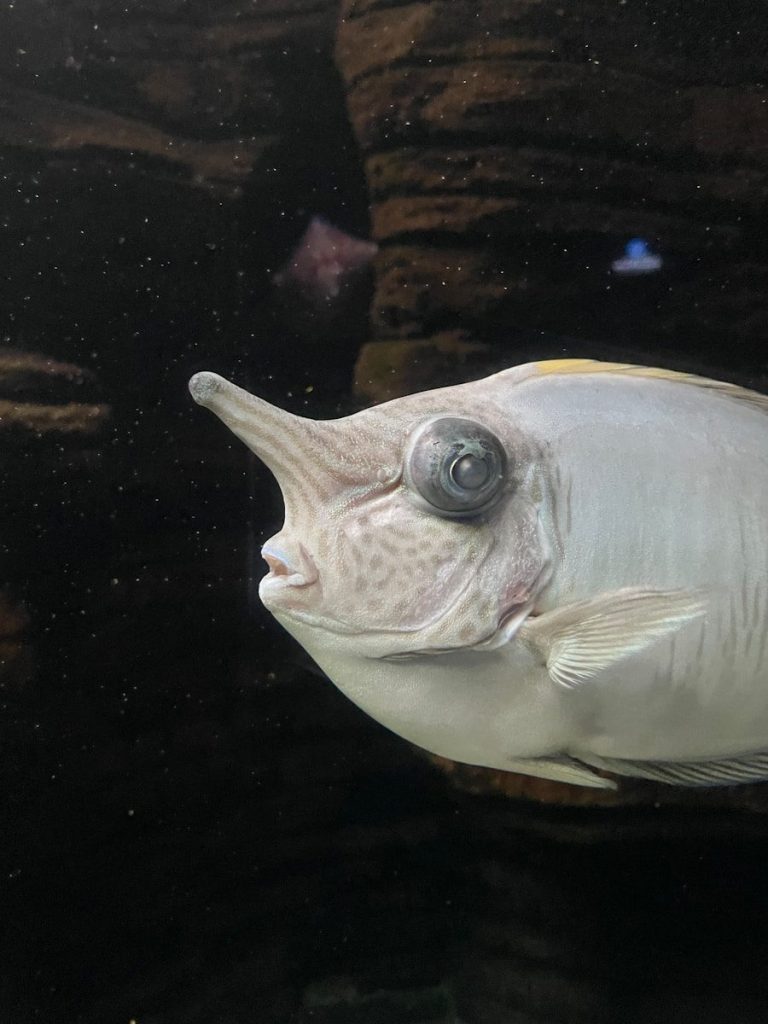
    Blobfish survive with very little movement

    a fish in a tank
    Photo by Janine Robinson on Unsplash

    Blobfish are deep-sea creatures known for their unusual appearance. Their soft, jelly-like bodies allow them to survive in environments with extremely high water pressure.

    Because blobfish have very little muscle mass, they do not actively hunt prey. Instead, they rely on edible material drifting through the water, leading many people to view them as passive animals with limited activity.

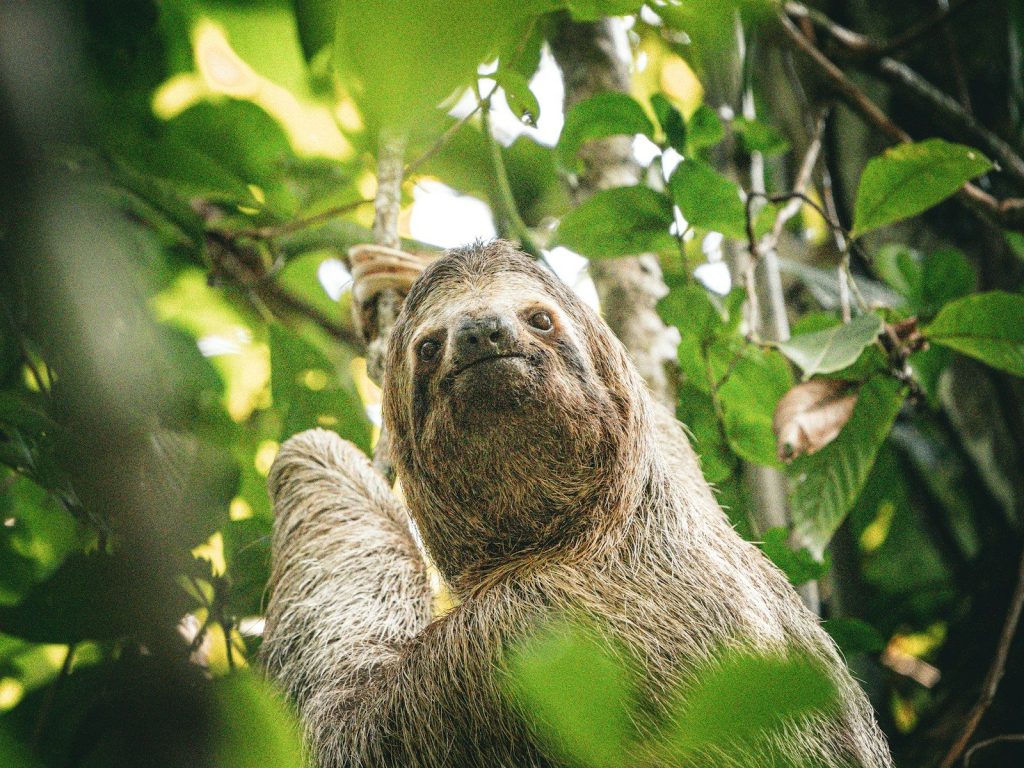
    Sloths are famous for their slow lifestyle

    A sloth hanging from a tree branch in the jungle
    Photo by Daniel Tischer on Unsplash

    Few animals are as closely associated with laziness as sloths. These tree-dwelling mammals move very slowly and can sleep for long periods each day.

    Their sluggish behavior is largely linked to their leaf-based diet, which provides limited energy. While their slow movements help them avoid detection by predators, sloths are often considered among nature’s least active animals.

    Locusts can cause widespread destruction

    brown grasshopper on brown sand in close up photography during daytime
    Photo by Nicolas Lindsay on Unsplash

    Unlike some animals that are considered useless because they do very little, locusts are often criticized because of the damage they cause. These insects can gather in enormous swarms that consume large amounts of vegetation.

    Throughout history, locust outbreaks have devastated crops and contributed to food shortages. Their ability to rapidly consume plants has made them one of the most feared agricultural pests in many parts of the world.

    Crown-of-thorns sea stars damage coral reefs

    closeup photo of red star fish beside seashore
    Photo by Pedro Lastra on Unsplash

    The crown-of-thorns sea star is a large starfish found in tropical and subtropical waters. It feeds primarily on coral polyps, the small organisms that help build coral reefs.

    When populations grow too large, these sea stars can destroy significant areas of living coral. Their feeding habits have been linked to damage in important reef systems, including parts of the Great Barrier Reef.

    Koalas spend much of their time resting

    koala bear on brown tree branch
    Photo by Kerin Gedge on Unsplash

    Koalas are marsupials native to Australia and are well known for their sleepy lifestyles. They spend most of their day resting and can sleep for many hours at a time.

    Their diet consists mainly of eucalyptus leaves, which provide limited nutrition. Because they require large amounts of food and rest to meet their energy needs, koalas are often seen as another example of an animal with a very low activity level.