Category: Wildlife and animals

  • 6 predators that can defeat a crocodile in the wild

    6 predators that can defeat a crocodile in the wild

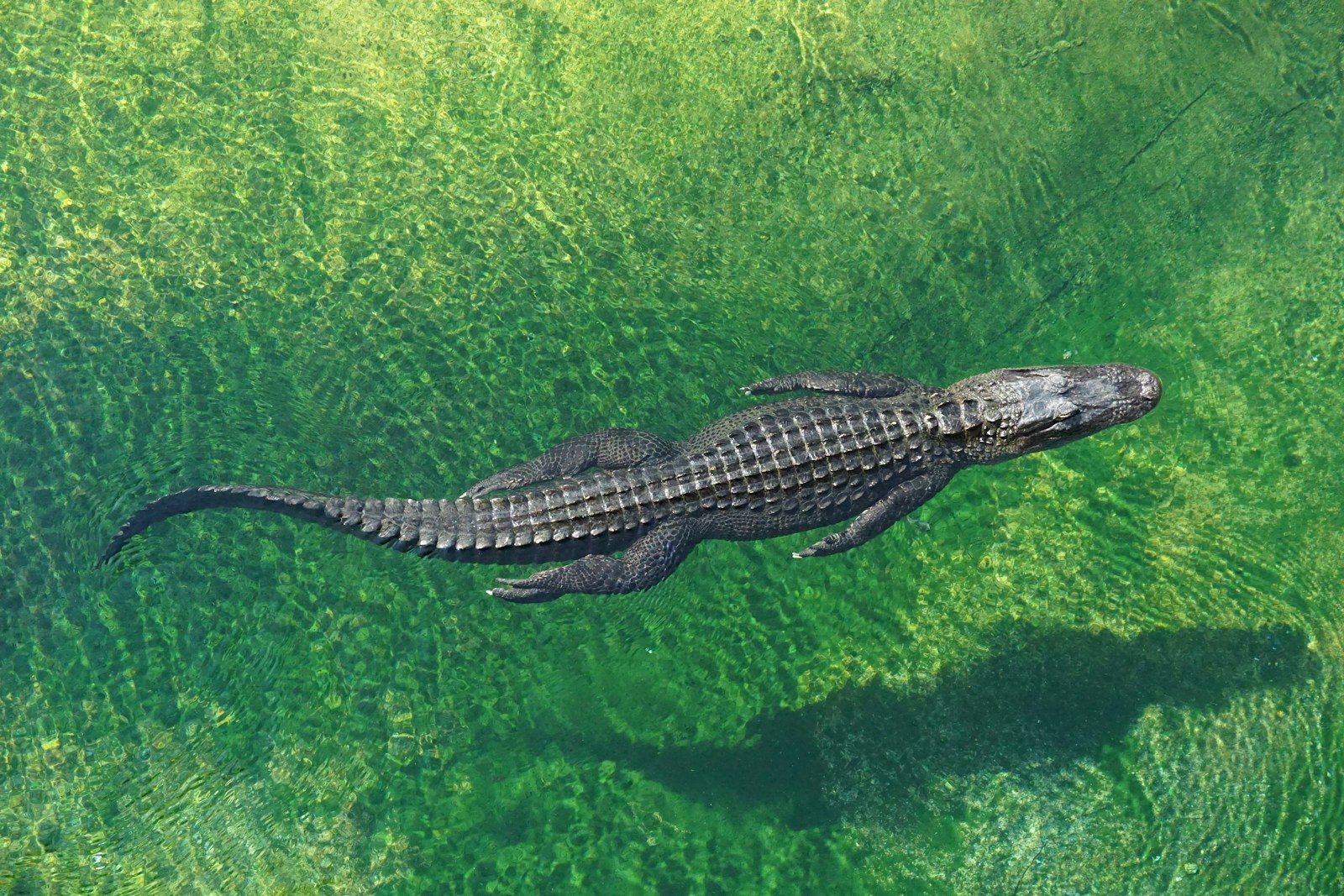
    Crocodiles are among the oldest and most successful predators on Earth. Their ancestors appeared more than 200 million years ago and survived major extinction events that wiped out countless other species. Today, crocodiles remain powerful hunters capable of taking down a wide range of prey. However, even these fearsome reptiles are not invincible.

    While very few animals can challenge a fully grown crocodile, some species possess the size, strength, intelligence, or weapons needed to win such a confrontation. Here are six animals that could kill a crocodile under the right circumstances.

    Humans are one of the greatest threats
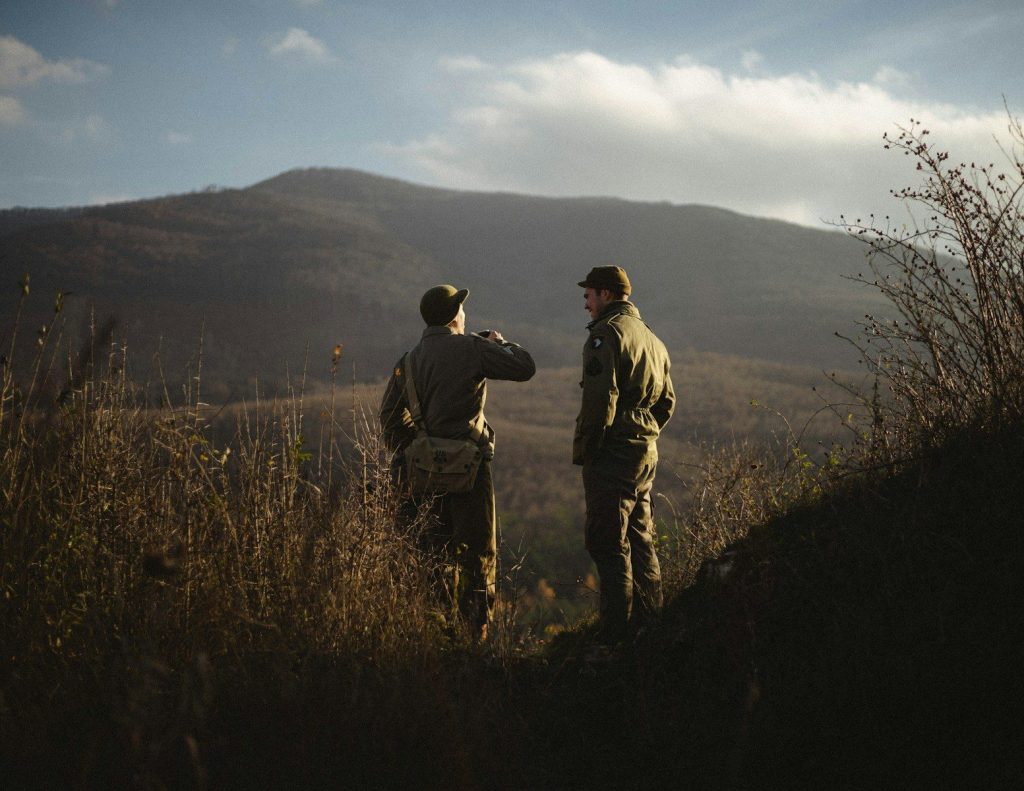
    two men's inside forest
    Photo by Rhett Noonan on Unsplash

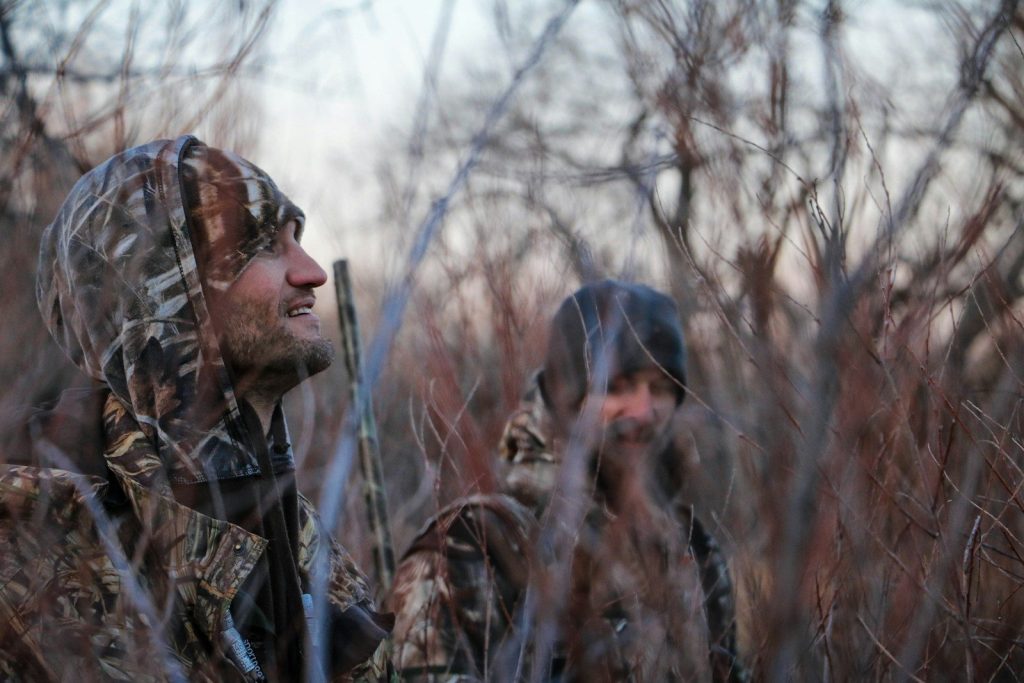
    Humans may not be physically stronger than crocodiles, but their intelligence and technology make them extremely dangerous opponents. Throughout history, people have hunted crocodiles using tools and weapons that greatly reduce the reptile’s natural advantages.

    In many areas, human activity has also reduced crocodile populations by expanding into their habitats. While an unarmed person would struggle against a large crocodile, humans remain one of the most significant threats crocodiles face worldwide.

    Hippos can overpower crocodiles
    hippopotamus lying on surface near body of water
    Photo by Tim De Pauw on Unsplash

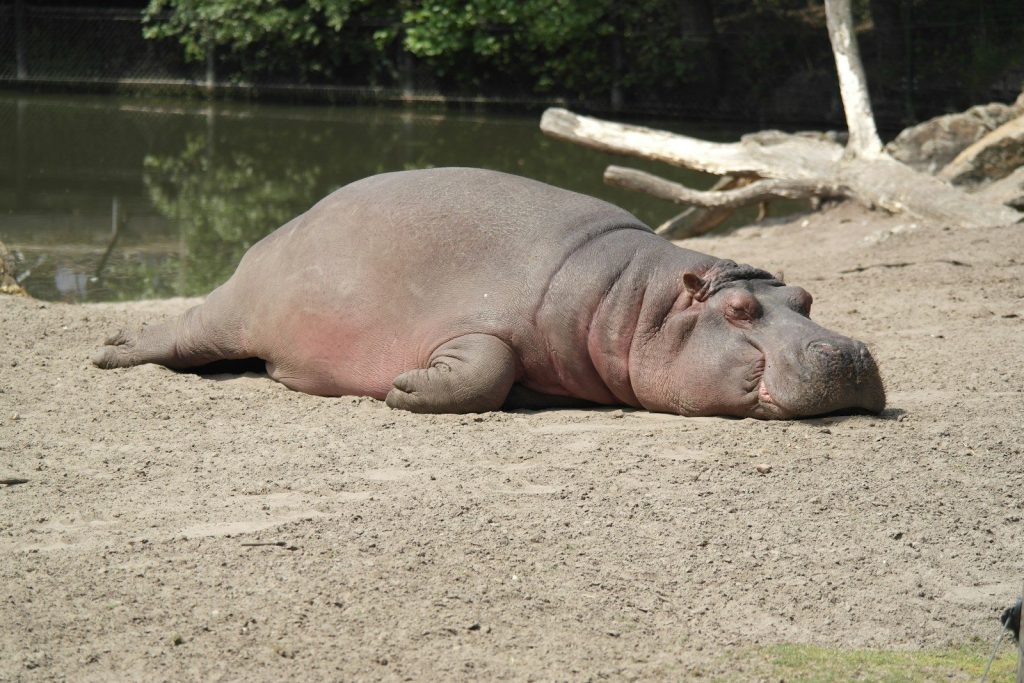
    Hippos are among the largest and most aggressive animals in Africa. Their enormous size, powerful jaws, and sharp teeth make them capable of seriously injuring or killing crocodiles.

    Hippos are especially protective of their territory and young. If a crocodile approaches too closely, a hippo may charge, bite, or crush it. In many situations, a fully grown hippo has the physical advantages needed to defeat a crocodile.

    Elephants have an overwhelming size and strength
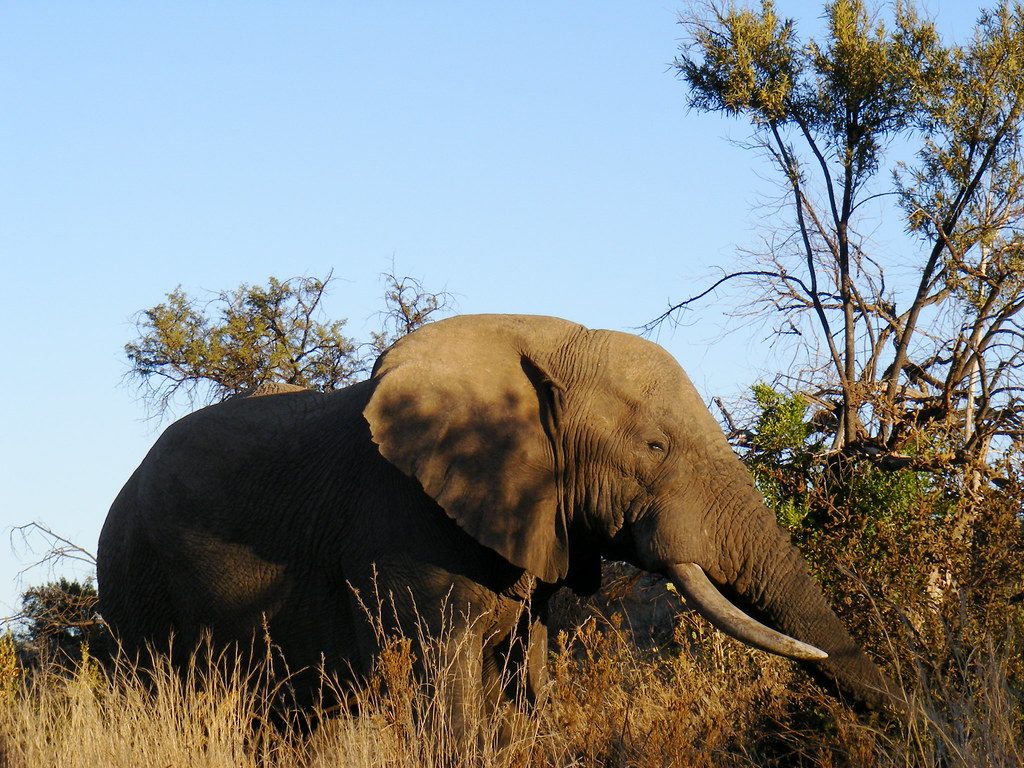
    elephant walking during daytime
    Photo by Nam Anh on Unsplash

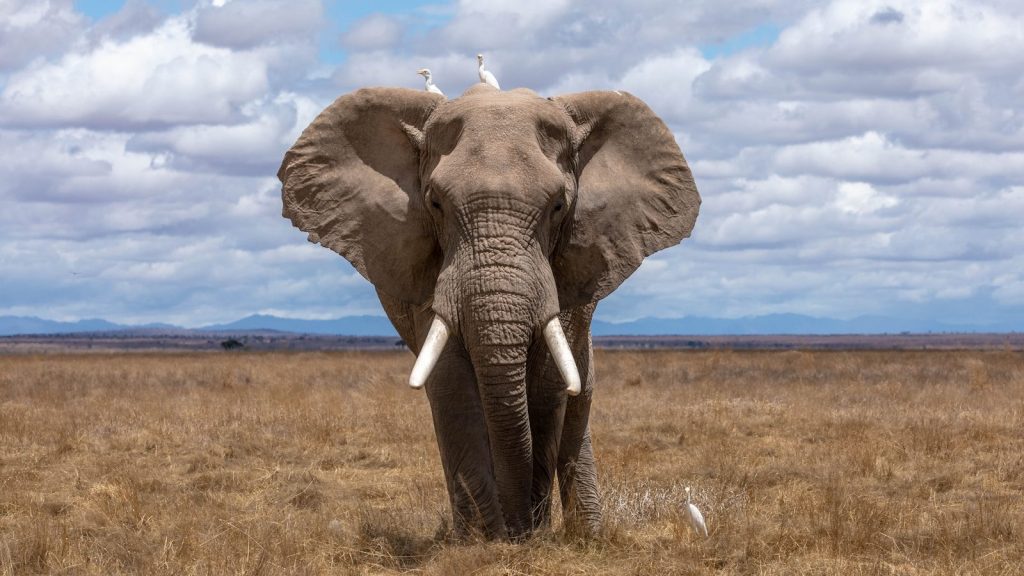
    Elephants are simply too large for most crocodiles to handle. Adult elephants can weigh several times more than even the biggest crocodile species.

    On land, an elephant could kill a crocodile by stomping on it or using its tusks to inflict severe injuries. Without the ability to drag an elephant into deep water, a crocodile would have very few effective ways to fight back.

    Rhinos can use their horns as powerful weapons
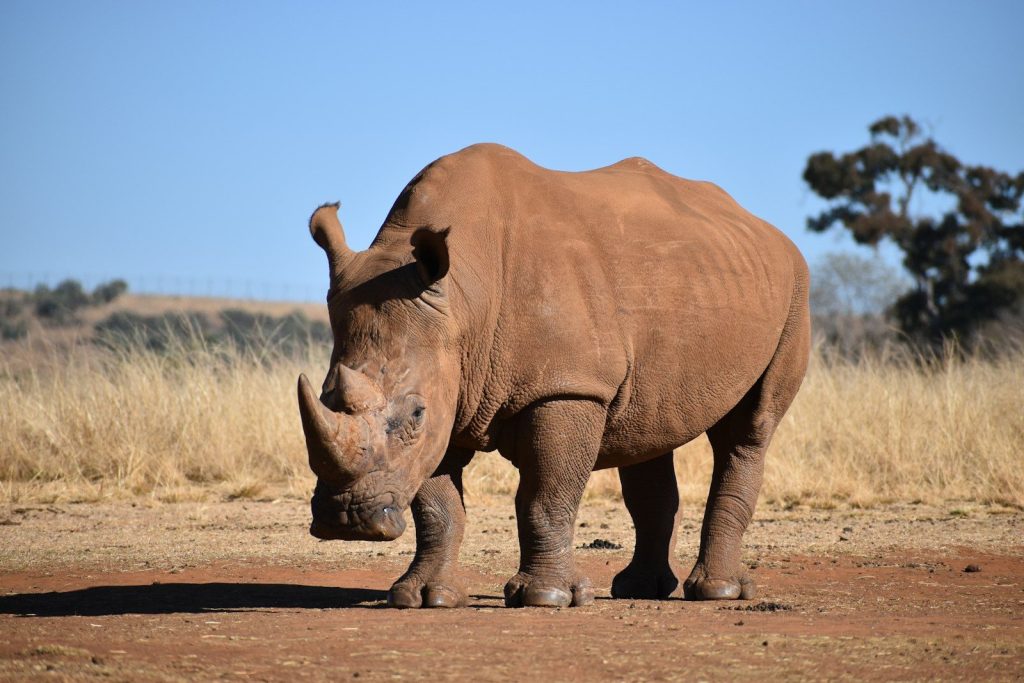
    brown rhinoceros on brown field during daytime
    Photo by Nicole Wreyford on Unsplash

    Rhinos are heavily built animals with thick skin and impressive horns that can be used for defense. Their size alone gives them a major advantage over most crocodiles.

    If threatened, a rhino could charge, gore, or trample a crocodile. Since these encounters would likely occur on land, the crocodile would be fighting outside its preferred environment, making the rhino even more dangerous.

    Tigers can defeat smaller crocodiles
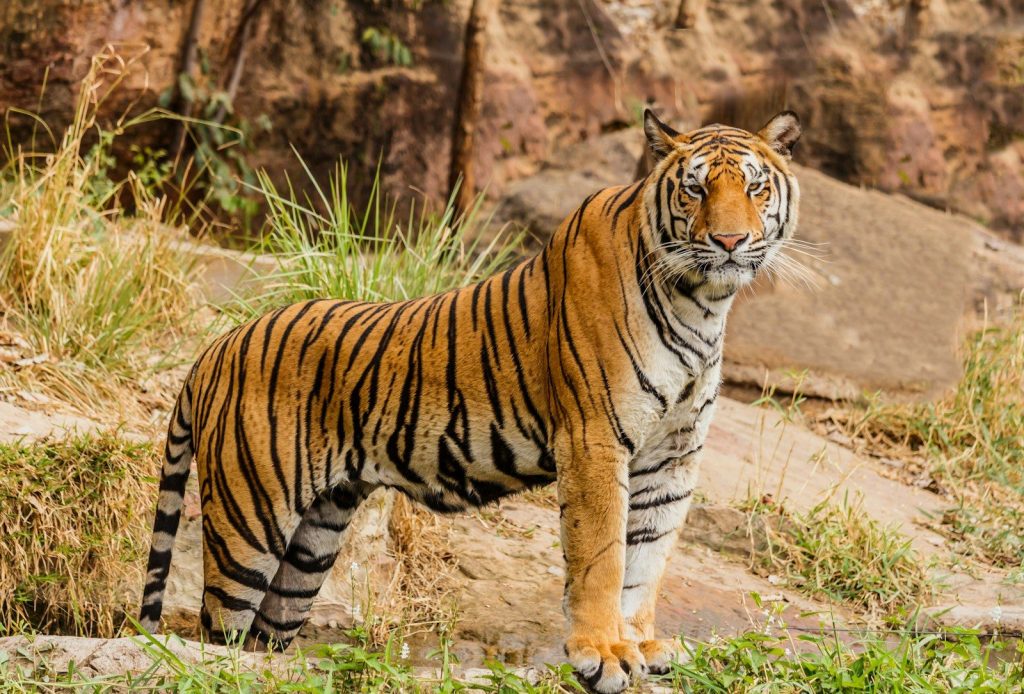
    brown and black tiger on focus photography
    Photo by A G on Unsplash

    Tigers are powerful predators known for their strength, speed, and agility. A large tiger has the ability to take down crocodiles that are similar in size or smaller than itself.

    However, the outcome depends heavily on the circumstances. A tiger would face a much greater challenge against the largest crocodile species, especially near water. On land, the tiger’s quick movements and powerful attacks could give it a significant advantage.

    Humpback whales possess immense power
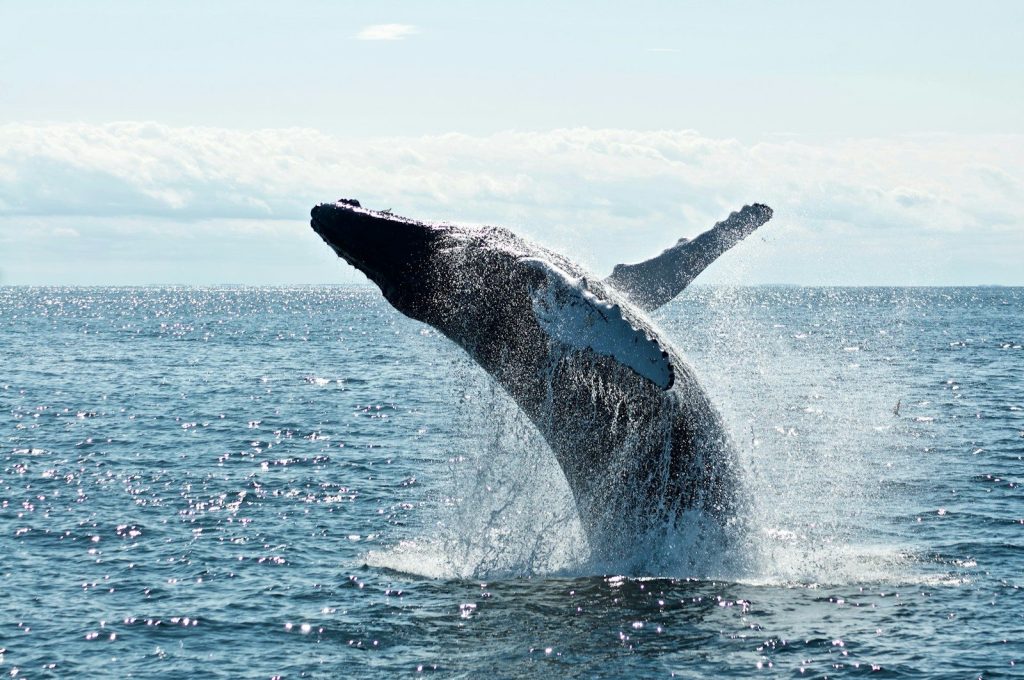
    grey dolphin on body of water during daytime
    Photo by Todd Cravens on Unsplash

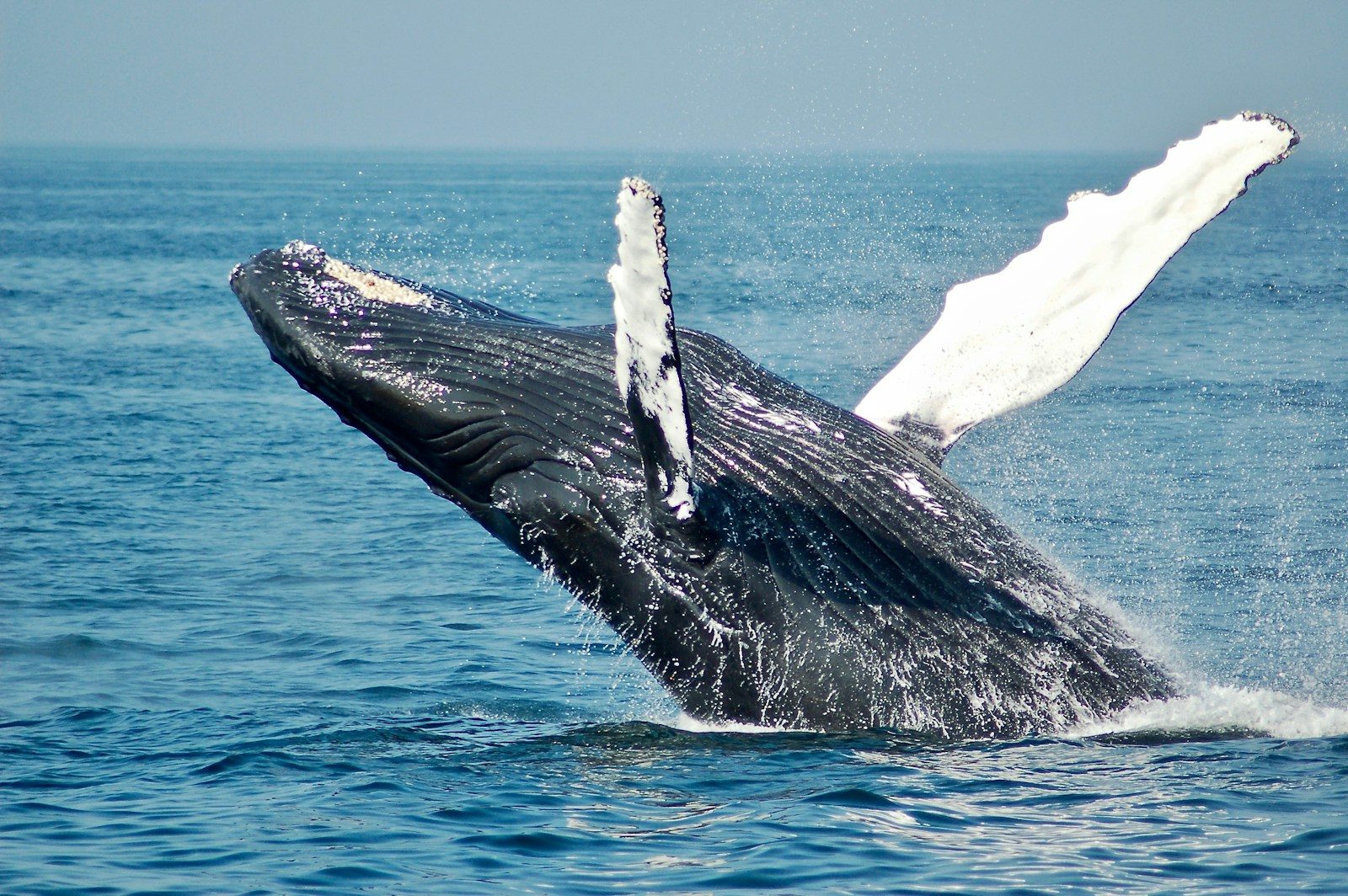
    Humpback whales are not known for fighting crocodiles, but their enormous size and strength make them formidable animals. They are famous for confronting orcas and protecting other marine creatures from attacks.

    These whales possess powerful tail flukes and massive pectoral flippers capable of delivering tremendous force. Although direct conflicts between humpback whales and crocodiles are unlikely, the whale’s size and strength would make it a dangerous opponent for any crocodile that ventured too close.

  • 6 wild animals that became too dependent on humans to return to nature

    6 wild animals that became too dependent on humans to return to nature

    Many people assume that animals can easily survive on their own if released into the wild. After all, survival instincts should take over, right? In reality, domesticated animals have spent generations living alongside humans, and many have lost the skills needed to survive without our help.

    Selective breeding has changed everything from their behavior to their physical traits, making them better suited for homes, farms, and human care than life in the wild. Here are six domesticated animals that would face major challenges if suddenly forced to survive on their own.

    Dogs face challenges without human support

    person holding brown and white short coated dog
    Photo by Madeline Bowen on Unsplash

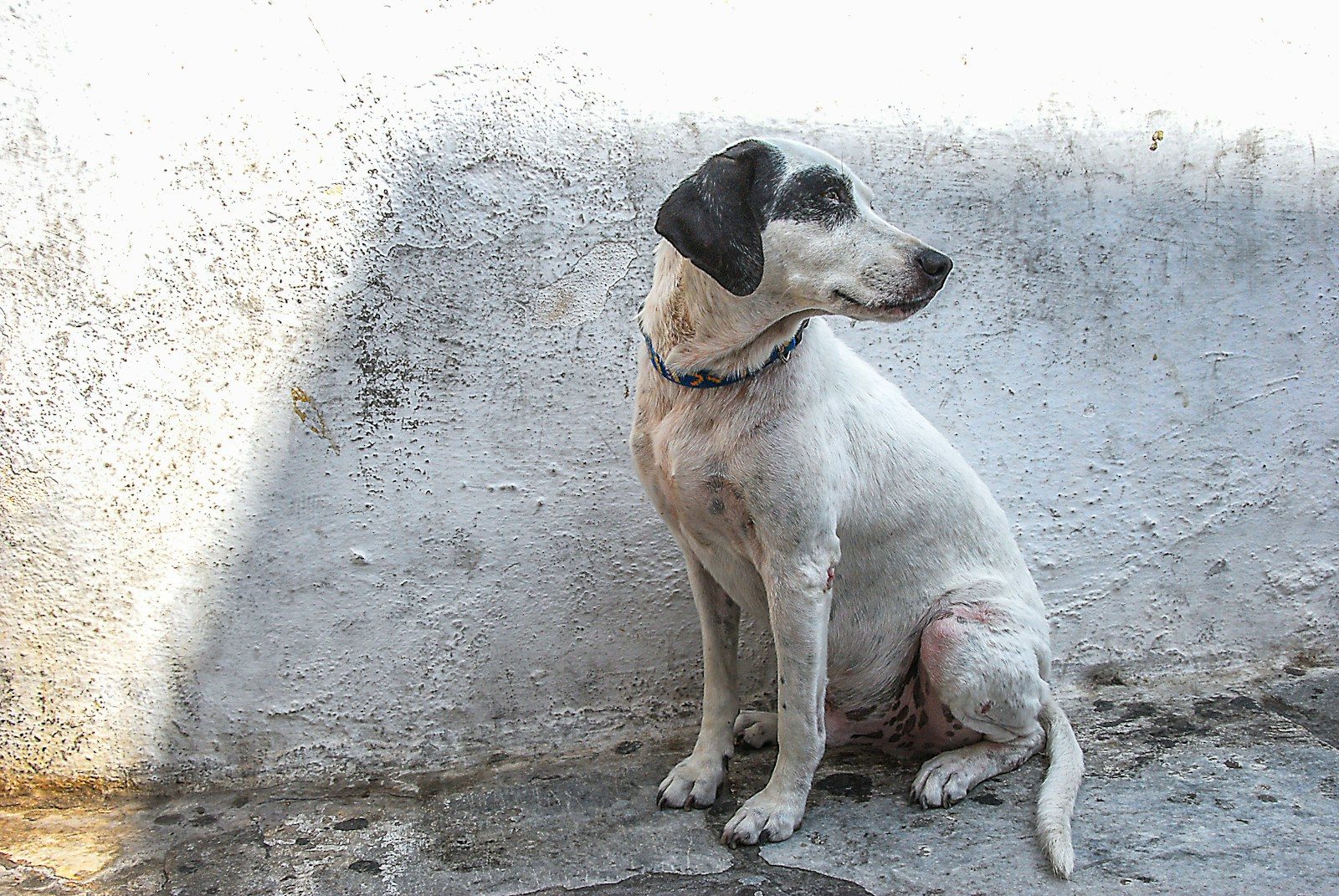
    Dogs may be descendants of wolves, but thousands of years of domestication have changed them dramatically. Many modern breeds were developed for companionship rather than survival, leaving them with fewer skills for hunting, avoiding predators, and finding food independently.

    While some dogs can survive in feral groups, many would struggle alone. Smaller breeds and highly specialized dogs are especially vulnerable because they lack the size, strength, and hunting abilities needed to compete in wild environments.

    Domestic rabbits are highly vulnerable

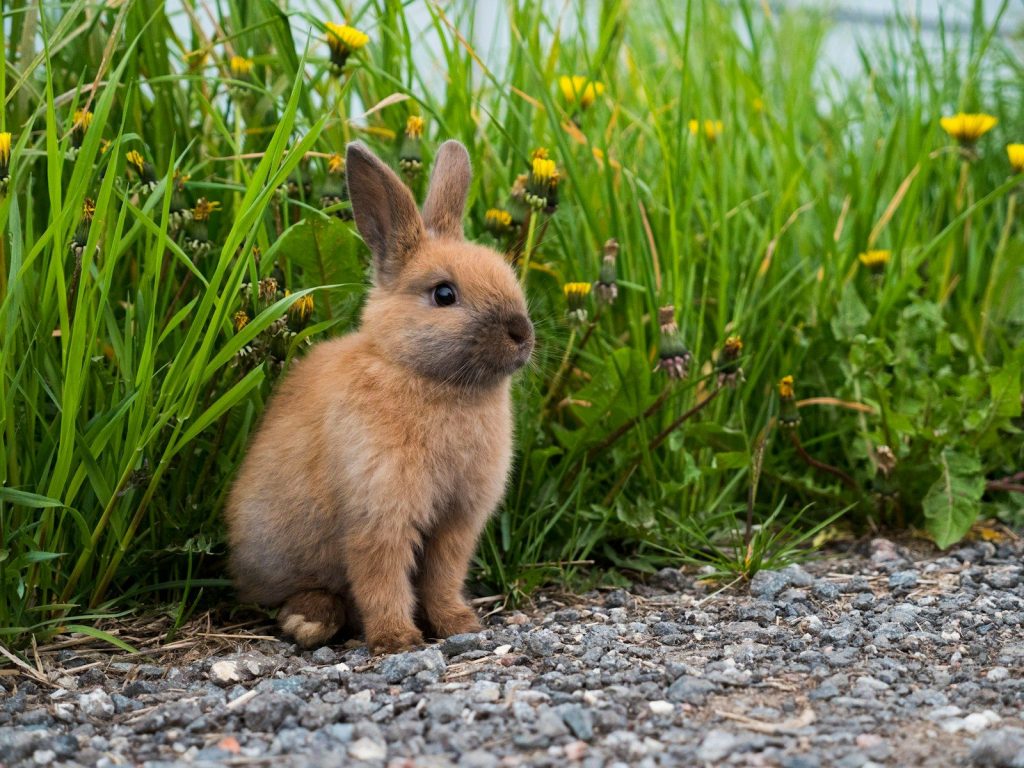
    a small rabbit is sitting in the grass
    Photo by Ансплэш Степана on Unsplash

    Domestic rabbits differ greatly from their wild relatives. They have been bred for calm temperaments, soft fur, and unique appearances rather than survival abilities.

    Many domestic rabbits lack strong predator awareness and often have coat colors that make them easy to spot. Without camouflage and natural survival instincts, they become easy targets for predators such as foxes, coyotes, and birds of prey.

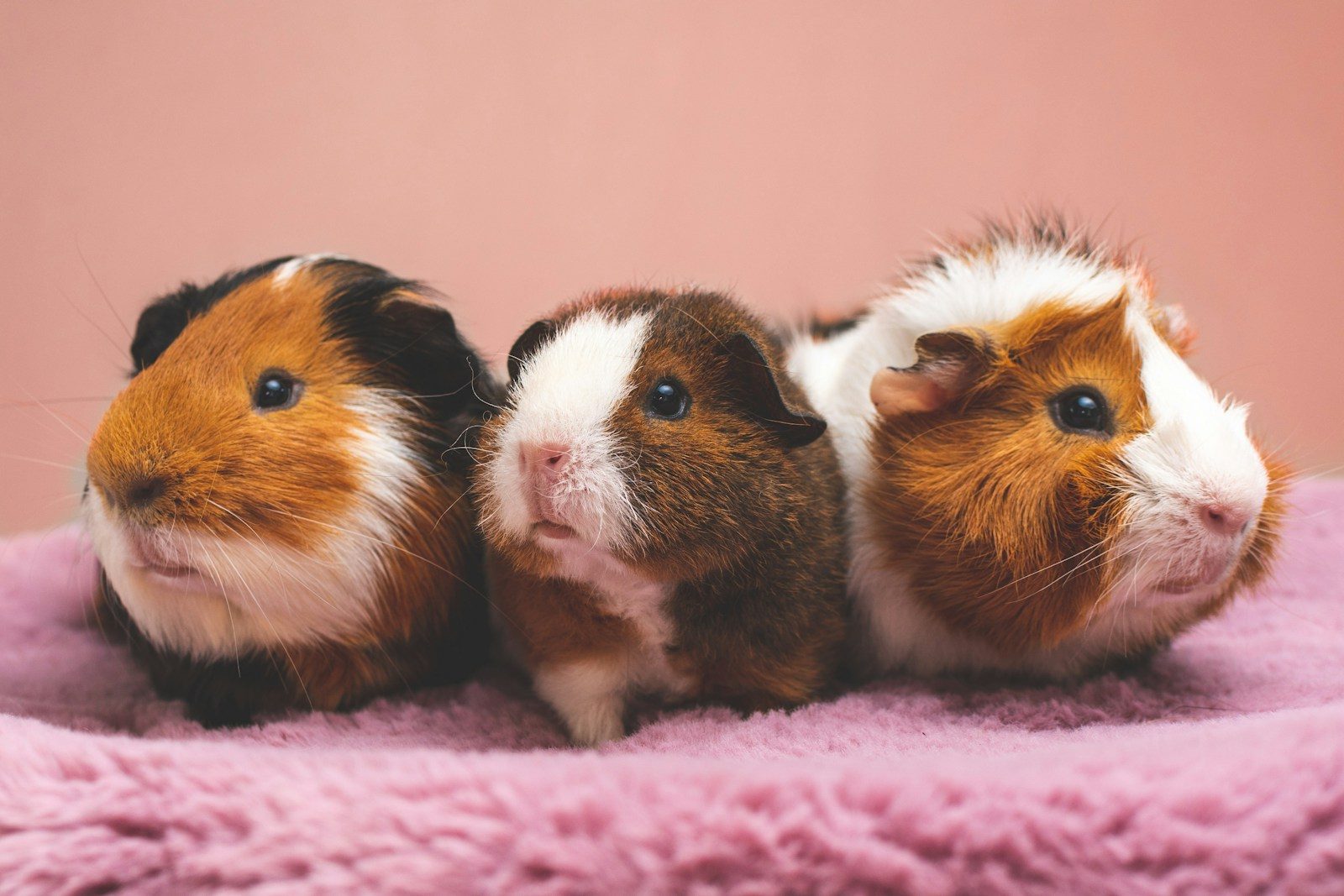
    Guinea pigs have lost key survival skills

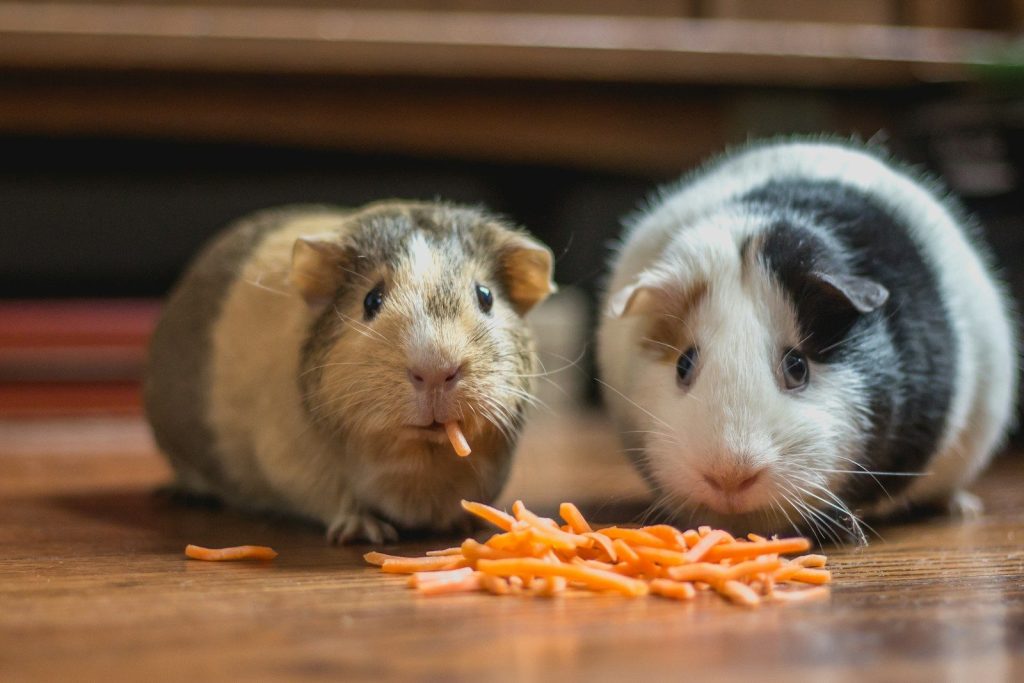
    two guinea pigs eating carrot
    Photo by Bonnie Kittle on Unsplash

    Guinea pigs have lived alongside humans for thousands of years. During that time, they have become more social and dependent on predictable environments where food and shelter are readily available.

    Compared to their wild relatives, domestic guinea pigs are less cautious and less likely to explore unfamiliar surroundings. These traits may make them excellent pets, but they leave guinea pigs poorly equipped to find food or avoid predators in the wild.

    Cats retain some hunting abilities

    shallow focus photo of orange cat near laptop computer
    Photo by Catherine Heath on Unsplash

    Cats are often considered one of the more independent domesticated animals. Many still possess strong hunting instincts and can catch small prey when necessary.

    However, survival in true wilderness areas remains difficult for many house cats. While some feral cats adapt near human communities, domestic cats often face dangers from larger predators, harsh weather, disease, and limited food resources when removed from human environments.

    Poultry struggle against predators

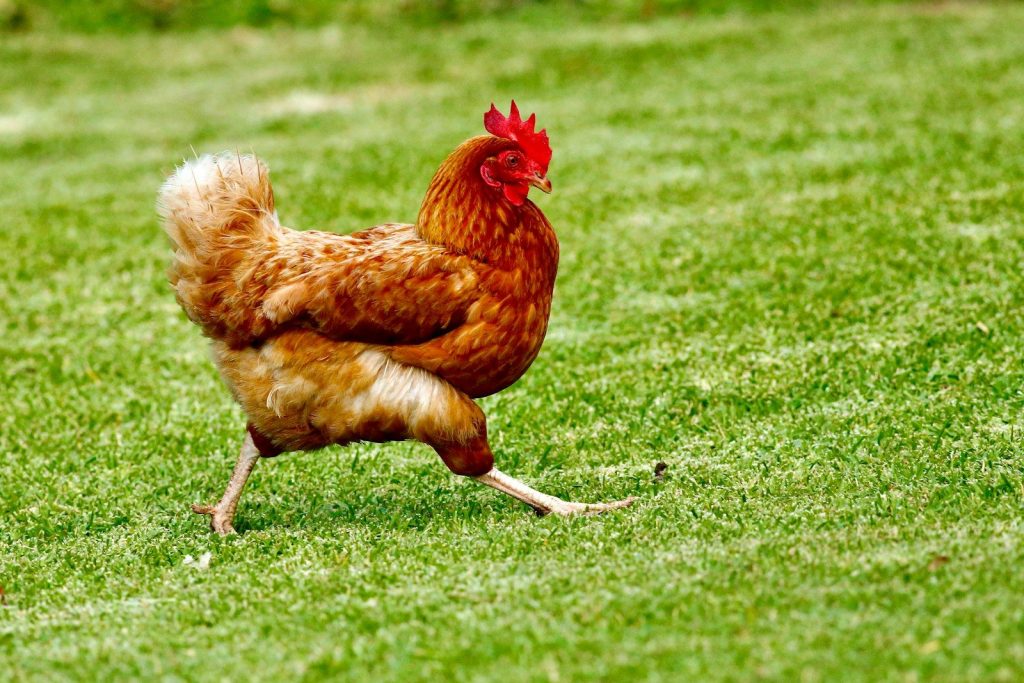
    brown chicken on green grass field during daytime
    Photo by James Wainscoat on Unsplash

    Domestic chickens and other poultry have been selectively bred for egg, meat, or ornamental traits. These characteristics often come at the expense of survival abilities.

    Many poultry breeds are highly visible, less agile, and unable to escape predators effectively. Without secure shelters and regular food sources, they can quickly become easy targets for foxes, coyotes, hawks, and other predators.

    Livestock and ornamental fish depend on human care

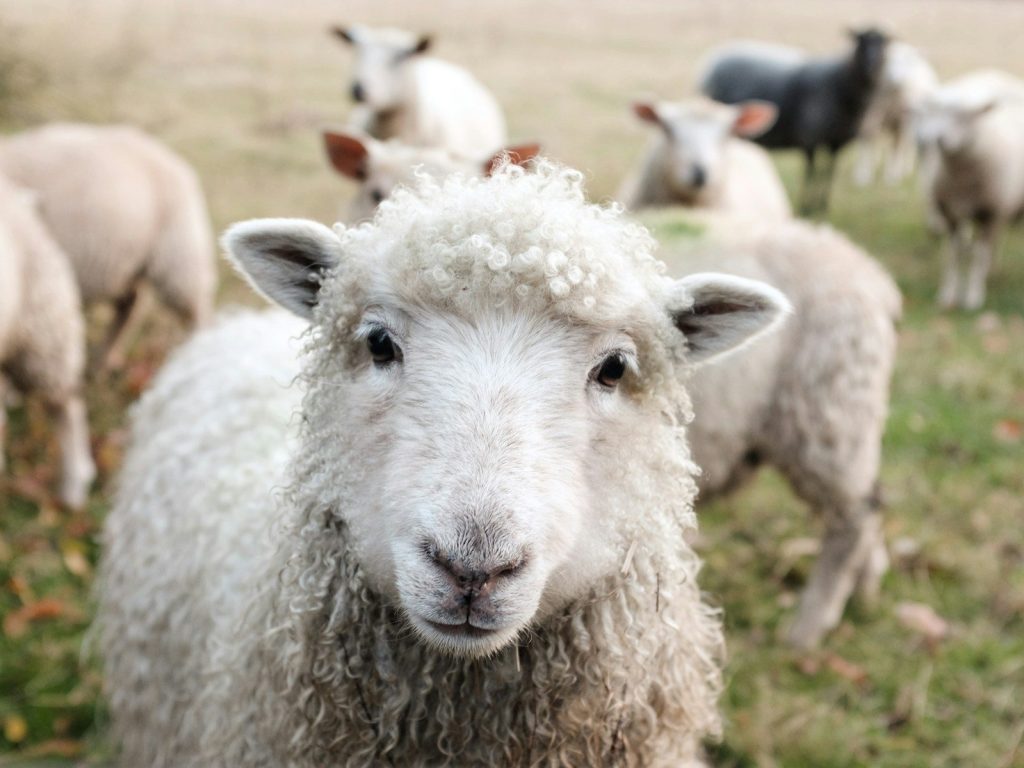
    white sheep on green grass during daytime
    Photo by Sam Carter on Unsplash

    Animals such as sheep, cattle, and goats have been bred for agricultural purposes rather than wilderness survival. Many rely on human management for protection, access to food, and health care. Sheep, in particular, require regular wool maintenance that would not occur naturally in domestic breeds.

    Ornamental fish face even greater challenges. Bright colors, unusual body shapes, and delicate fins make them vulnerable to predators and environmental conditions. Many aquarium species are simply not adapted to survive in natural waterways without human support.

  • These 6 protected animals can’t be legally removed from your property

    These 6 protected animals can’t be legally removed from your property

    Finding wildlife on your property can be surprising. Some people may want to move an animal right away, especially if it settles near a home, garden, or outdoor structure. However, many wild animals in the United States are protected by federal and state laws that limit what property owners can do.

    These protections help preserve wildlife populations and maintain healthy ecosystems. Understanding these rules is important because disturbing certain animals, their nests, or their habitats can lead to legal penalties. Here are six protected animals that may appear on private property, along with the reasons they are given special protection.

    Barn owls help control rodent populations

    a white owl is flying in the air
    Photo by Phil Robson on Unsplash

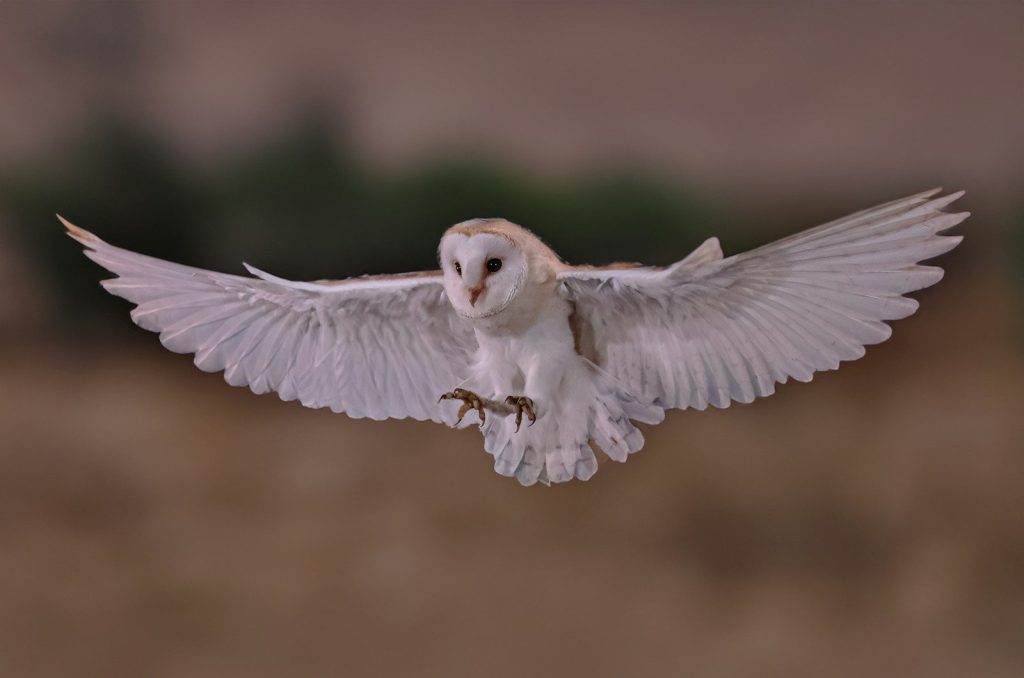
    Barn owls are highly valued for their ability to hunt mice and rats around homes, farms, and open land. Their populations have faced challenges due to habitat loss and pesticide use, prompting strong legal protections in many areas.

    Property owners cannot remove barn owls or disturb their nesting sites without proper authorization. Having barn owls nearby can be beneficial, as a single family can consume thousands of rodents during a breeding season, providing natural pest control.

    Great horned owls receive federal protection

    brown owl perching on branch
    Photo by Matthew Wyche on Unsplash

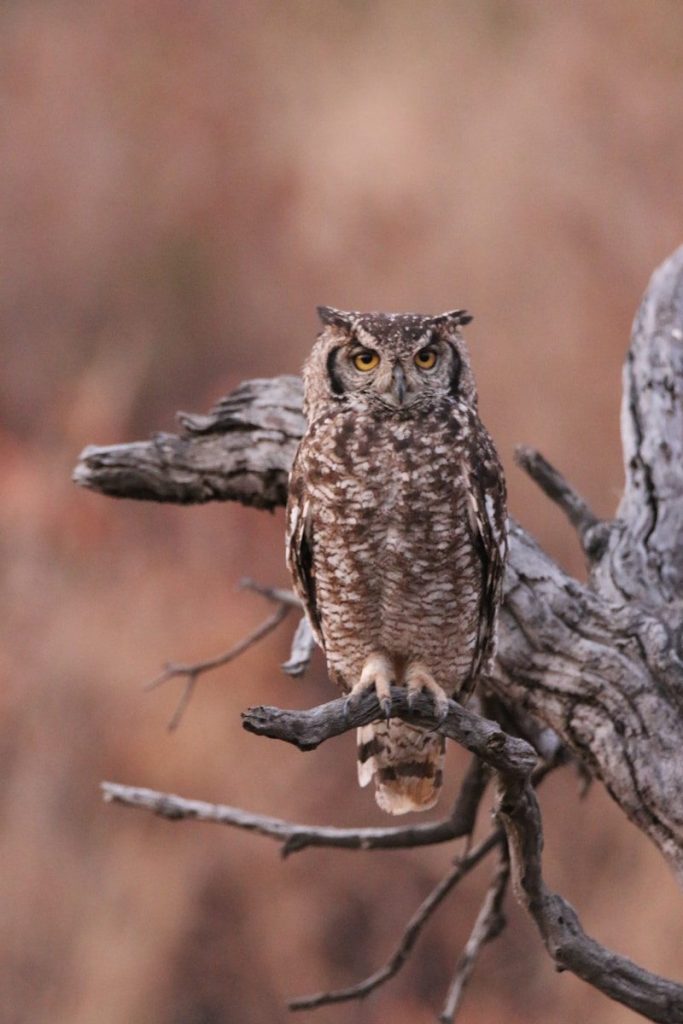
    Great horned owls are protected under federal migratory bird laws. These powerful birds often live in suburban and rural areas and commonly use abandoned nests originally built by hawks or crows.

    Because they are important predators, disturbing their nests or breeding activities can result in serious legal consequences. If a great horned owl nests on a property, homeowners must allow the birds to complete their nesting cycle before the area can be disturbed.

    Monarch butterflies need safe breeding habitats

    monarch butterfly perched on green leaf
    Photo by Joshua J. Cotten on Unsplash

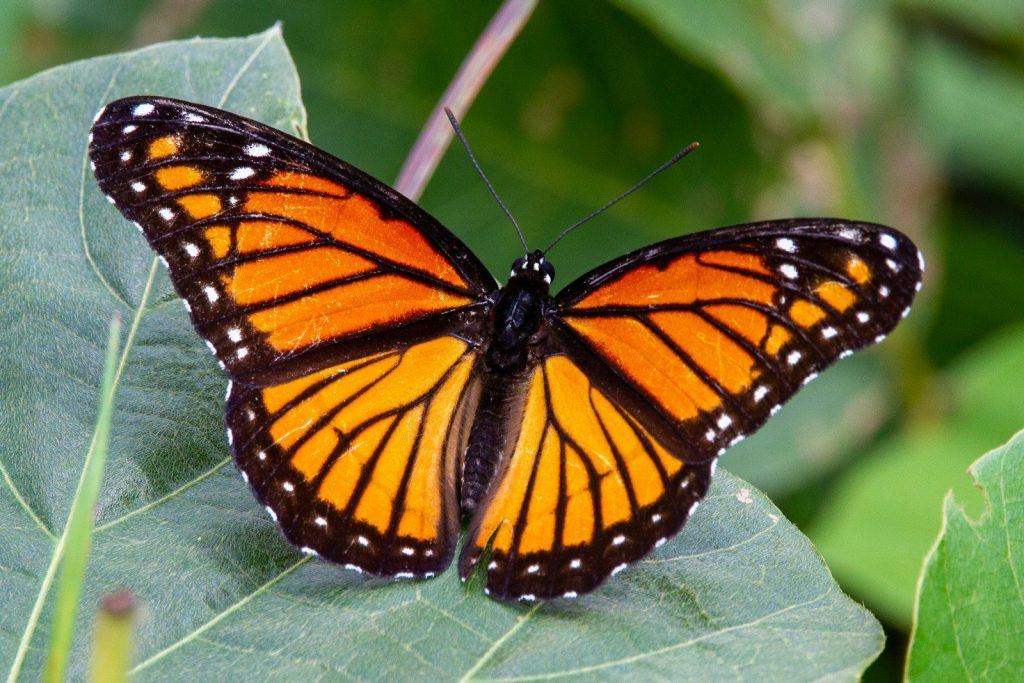
    Monarch butterflies have experienced significant population declines over the past few decades. As a result, several regions provide special protections for these well-known pollinators and their breeding habitats.

    These butterflies depend on milkweed plants to reproduce successfully. Destroying caterpillars or using pesticides near active breeding areas can threaten local populations. Allowing milkweed and other native plants to remain undisturbed helps support monarch survival and migration.

    Desert tortoises are a protected threatened species

    focused photo of a sea turtle walking on the seashore
    Photo by Ray Hennessy on Unsplash

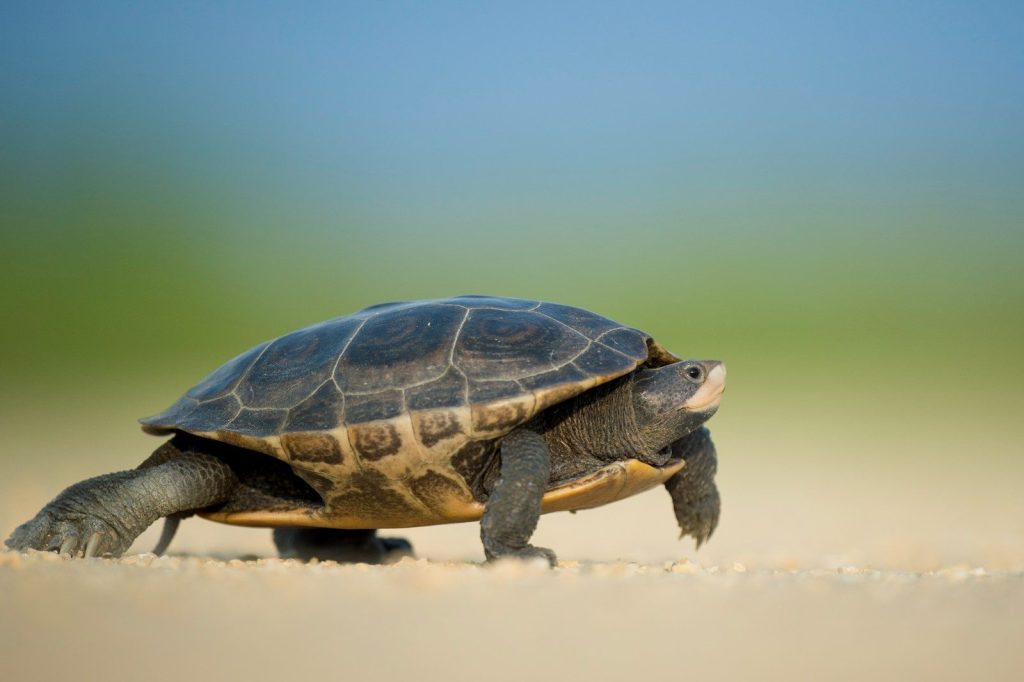
    Desert tortoises are listed as a threatened species under the Endangered Species Act. These reptiles face many environmental pressures, making legal protection necessary for their survival.

    Property owners are not allowed to touch, move, or harass wild desert tortoises. If one enters a residential area, construction or landscaping activities nearby may need to be paused until the tortoise naturally leaves. Officials closely monitor violations involving this protected species.

    Bobcats are regulated by wildlife laws

    a close up of a cat laying on the ground
    Photo by Chandler Cruttenden on Unsplash

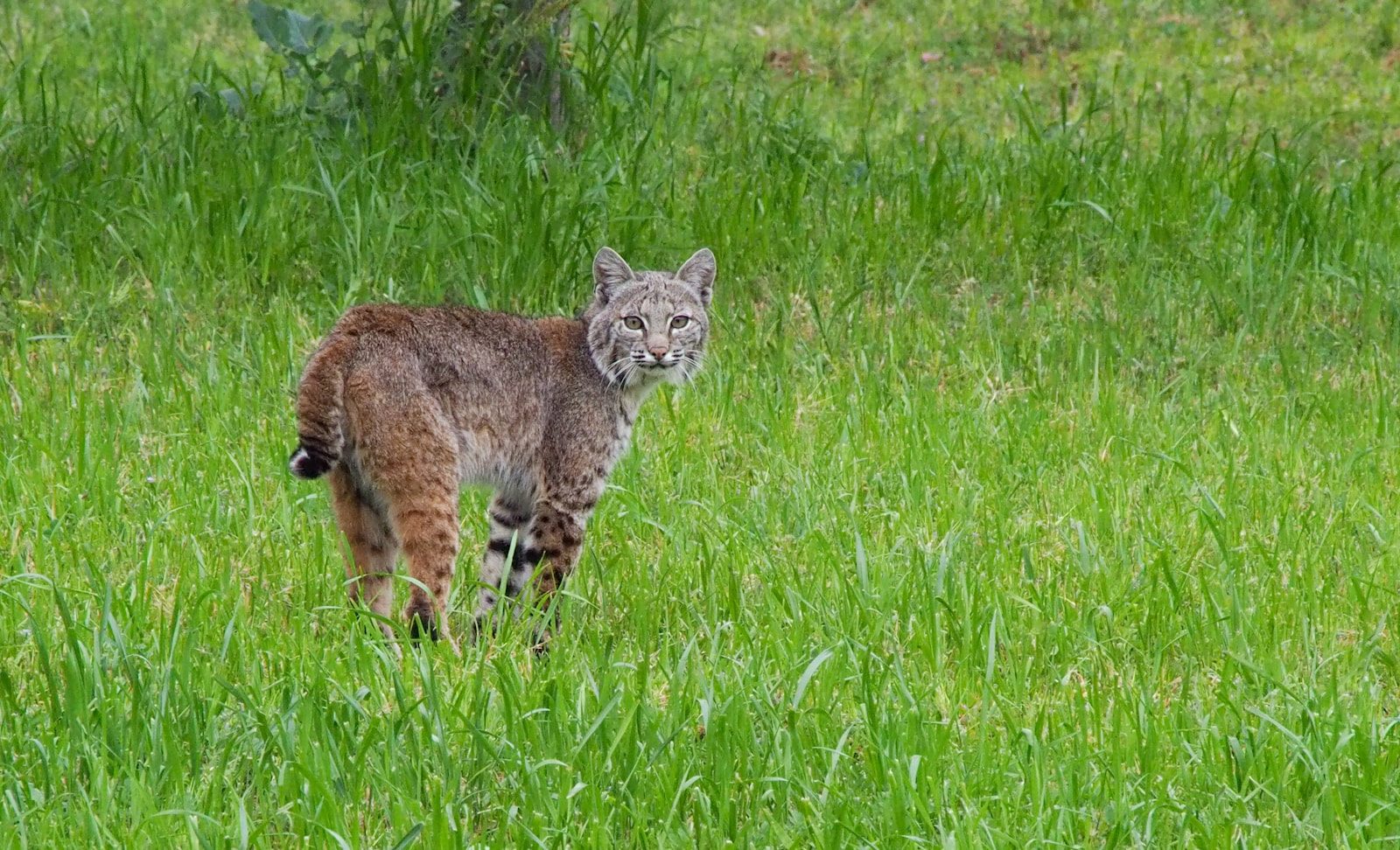
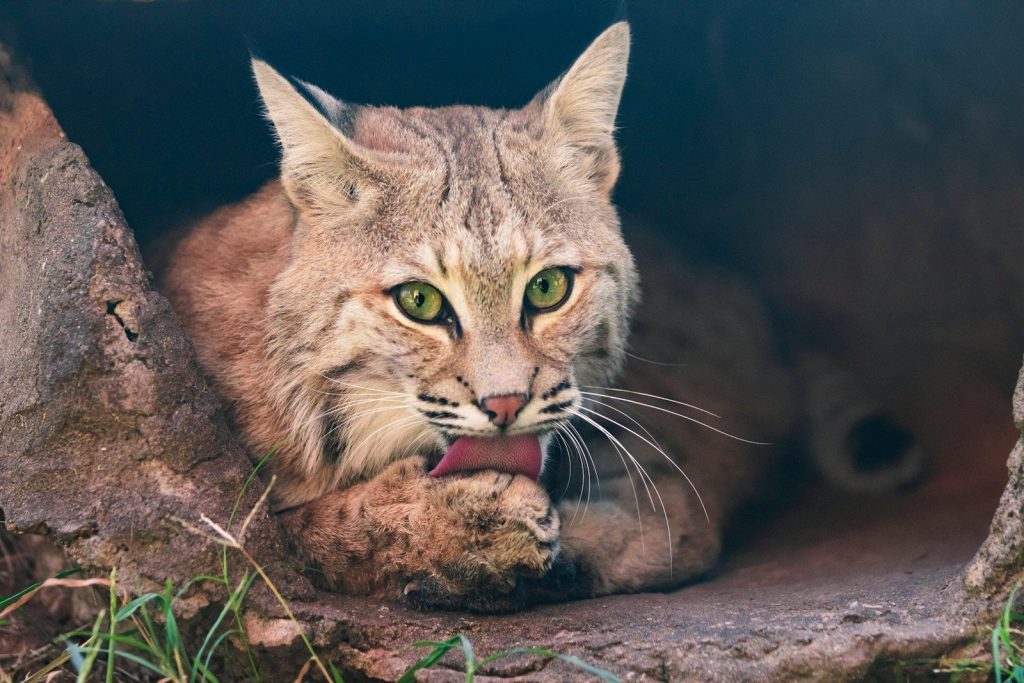
    Bobcats are skilled predators that help control populations of rabbits, rodents, and other small animals. Although they occasionally pass through residential areas, they generally avoid direct contact with people.

    Many states strictly regulate the trapping, relocation, and handling of bobcats. Property owners who encounter one should keep pets indoors and allow the animal to move through the area naturally. In most cases, bobcats leave on their own without causing problems.

    Hummingbird nests cannot be disturbed

    a hummingbird hovering over an orange flower
    Photo by Dulcey Lima on Unsplash

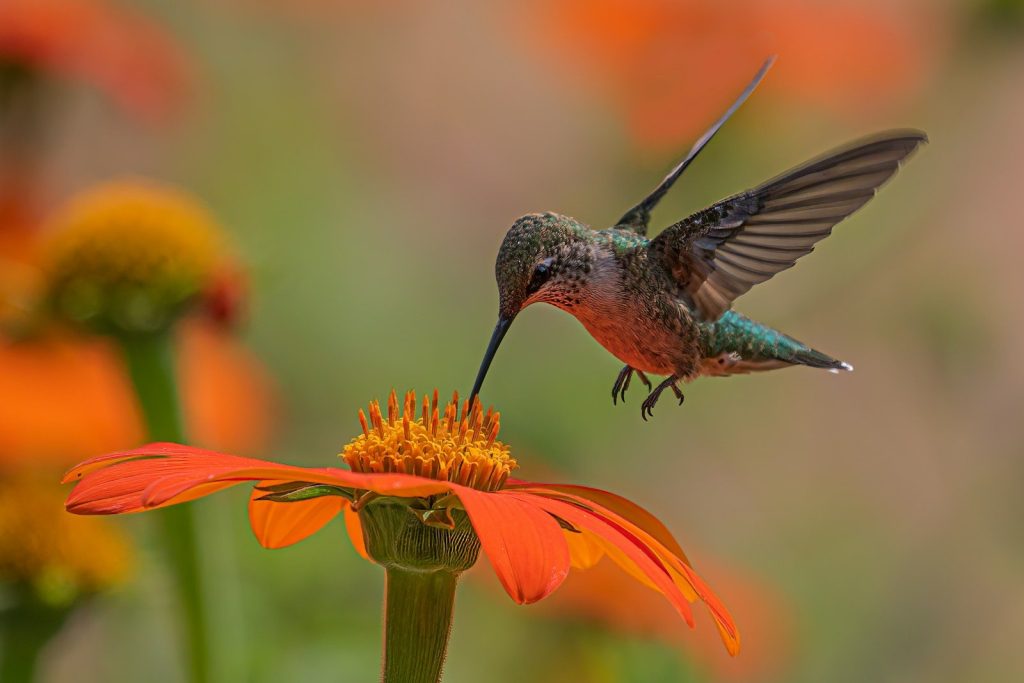
    Hummingbirds are fully protected under federal migratory bird laws. Once a female hummingbird begins building a nest, the structure and its contents are protected from disturbance.

    Even when nests are built in inconvenient locations, such as hanging plants or porch fixtures, they must remain untouched. Moving a nest often causes the mother bird to abandon her eggs or young. Homeowners must wait until the chicks have left before removing any remaining nesting materials.

  • These 6 countries have some of the strictest pet ownership laws

    These 6 countries have some of the strictest pet ownership laws

    Animal welfare has become an important issue worldwide as governments work to prevent cruelty and improve animal lives. While many nations have laws that protect animals, some countries have gone much further by creating strict rules for pet owners, farmers, researchers, and businesses. These laws focus on reducing suffering and ensuring animals are treated with care and respect.

    Several countries have become global examples of strong animal protection policies. Here are six countries known for some of the strictest animal welfare laws and practices, along with lessons other nations can learn from their approaches.

    Austria treats animal welfare as a serious responsibility

    houses near body of water and mountain during daytime
    Photo by Hasmik Ghazaryan Olson on Unsplash

    Austria is widely recognized as one of the most animal-friendly countries in the world. The Austrian Animal Welfare Act 2004 places great importance on protecting animals and promoting their well-being. The law reflects the belief that animal welfare should be highly valued in society.

    Austria also enforces strict anti-cruelty measures. Pet owners are not allowed to crop dogs’ ears or tails, and farmers must provide better living conditions for chickens. Violators can face significant financial penalties, and in severe cases, authorities can remove animals from their owners.

    Switzerland protects the dignity of animals

    brown wooden houses near green trees and mountain under white clouds during daytime
    Photo by Patrick Robert Doyle on Unsplash

    Switzerland became the first country to include animal protection provisions in its constitution. In 1992, the nation introduced a provision recognizing and protecting the dignity of living creatures. Activities considered harmful to an animal’s dignity are prohibited by law.

    The country also recognizes that some animals are naturally social and should not be kept alone. Certain species must be kept in pairs, and dog owners are expected to learn proper pet care. Switzerland’s approach focuses not only on preventing cruelty but also on supporting animals’ emotional and social needs.

    The United Kingdom enforces tough penalties for cruelty

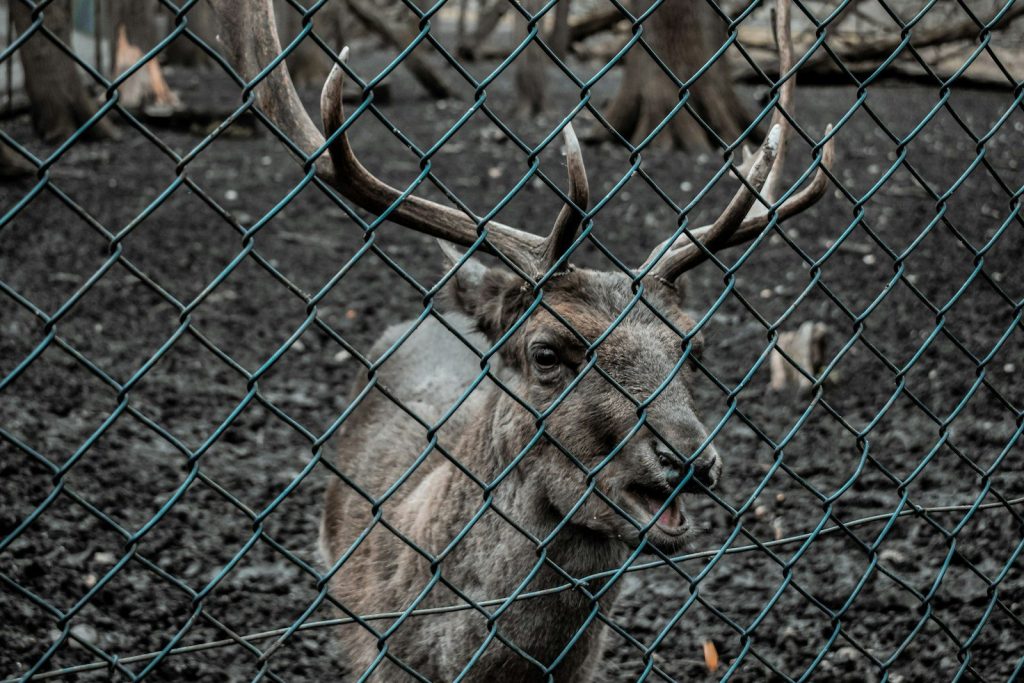
    a close up of a deer behind a fence
    Photo by Yajnesh Rao on Unsplash

    The United Kingdom has some of the strictest penalties for animal abuse and neglect. Its animal welfare legislation covers both intentional cruelty and failure to provide proper care.

    People convicted of serious offenses can face large fines, imprisonment, and even lifetime bans on owning pets. These strong penalties are designed to discourage mistreatment and ensure that animal welfare remains a priority nationwide.

    Germany gives animals constitutional protection

    white concrete building with flags on top under blue sky during daytime
    Photo by Maheshkumar Painam on Unsplash

    Germany became the first country in the European Union to provide constitutional protection for animals. The German Constitution states that the government has a responsibility to protect animals and the natural foundations of life for future generations.

    This constitutional recognition gives animal welfare an important place in national policy. By including animals in its highest legal framework, Germany demonstrates a long-term commitment to protecting both domestic and wild animals from harm.

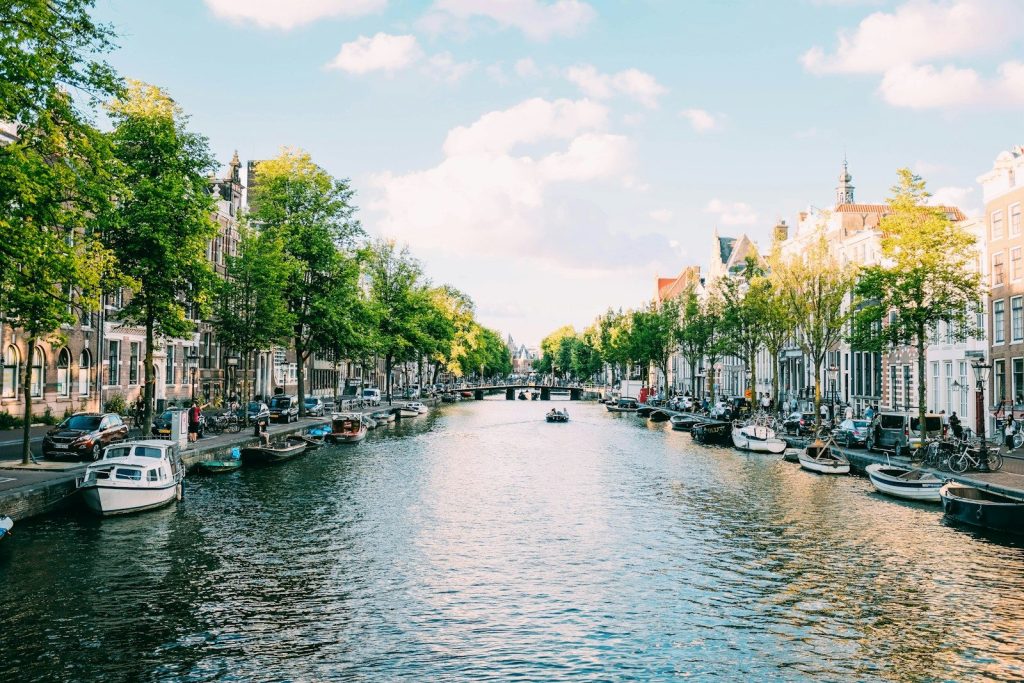
    The Netherlands limits animal testing and promotes care

    body of water under white sky
    Photo by Adrien Olichon on Unsplash

    The Netherlands has developed animal welfare laws that include anti-cruelty measures and a duty of care for animals. These rules apply not only to pets but also to farm animals and other animals under human supervision.

    The country prohibits the use of great apes in experiments and adheres to European Union rules that ban cosmetic testing on animals. These measures reflect a commitment to reducing unnecessary animal suffering while encouraging responsible treatment.

    Sweden focuses on humane treatment of animals

    photo of brown high-rise building
    Photo by Raphael Andres on Unsplash

    Sweden is known for providing strong legal protection for both domestic and wild animals. The country places a strong emphasis on ensuring that animals are treated humanely throughout their lives.

    Swedish law requires domestic animals to be sedated before slaughter. Farm animals are also provided with enriched living conditions. Cattle and pigs must receive straw, while dairy animals are allowed to graze outdoors during the summer months, helping support their natural behaviors.

  • These 6 US animals are on the brink of disappearance

    These 6 US animals are on the brink of disappearance

    What happens when animals and other living species begin to disappear from the wild? Across the United States, many species are struggling to survive because of habitat loss, pollution, climate change, and other human-related threats. According to information highlighted under the Endangered Species Act, more than 1,300 species in the country are listed as endangered or threatened.

    These species are important because each one helps support the balance of nature. This article explores some of the most endangered species in the U.S., the challenges they face, and why protecting them matters for the future of ecosystems and people alike.

    Whales face growing threats in U.S. waters

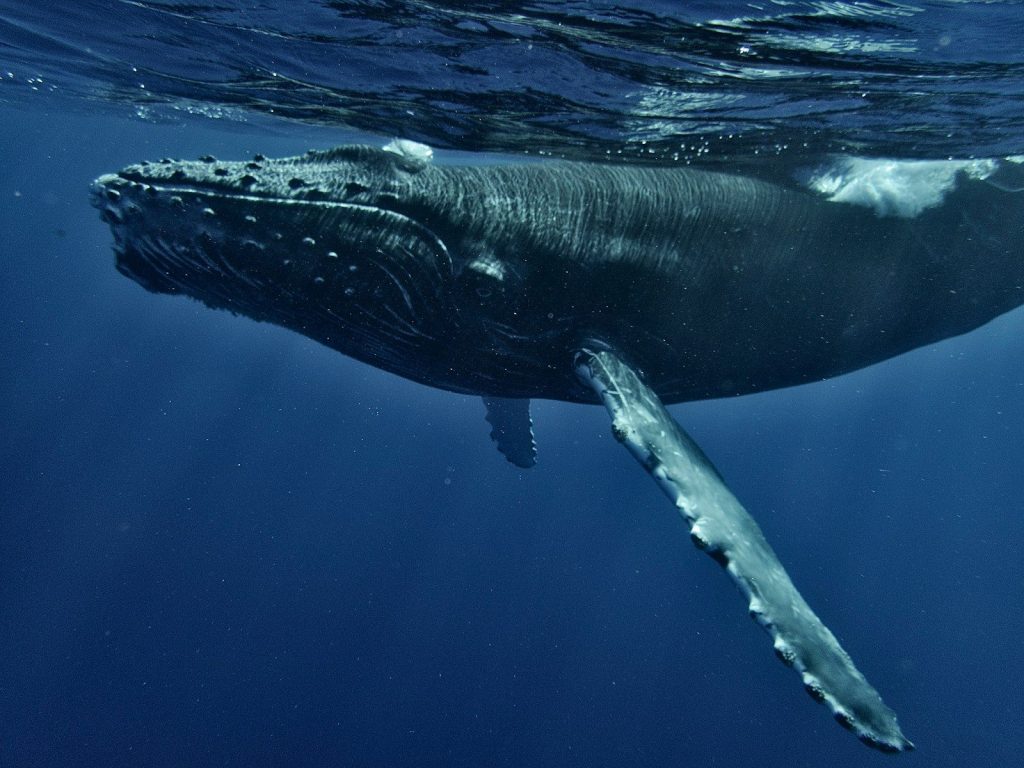
    a humpback whale swims under the surface of the water
    Photo by Chinh Le Duc on Unsplash

    Whales are among the most endangered marine animals found in and around U.S. waters. Two species facing serious risks are the North Atlantic Right Whale and Rice’s Whale, which lives year-round in the Gulf of Mexico. These animals are threatened by vessel strikes, entanglement in fishing gear, ocean noise from ships and oil drilling, and pollution that can affect their health and reproductive ability.

    Whales provide benefits that go beyond their role in the ocean. Their bodies act as carbon sinks, storing large amounts of carbon throughout their lives. The longer a whale survives, the more carbon it can store, helping reduce the effects of climate change. Their survival is important not only for marine ecosystems but also for the health of the planet.

    Red wolves struggle to survive in the wild

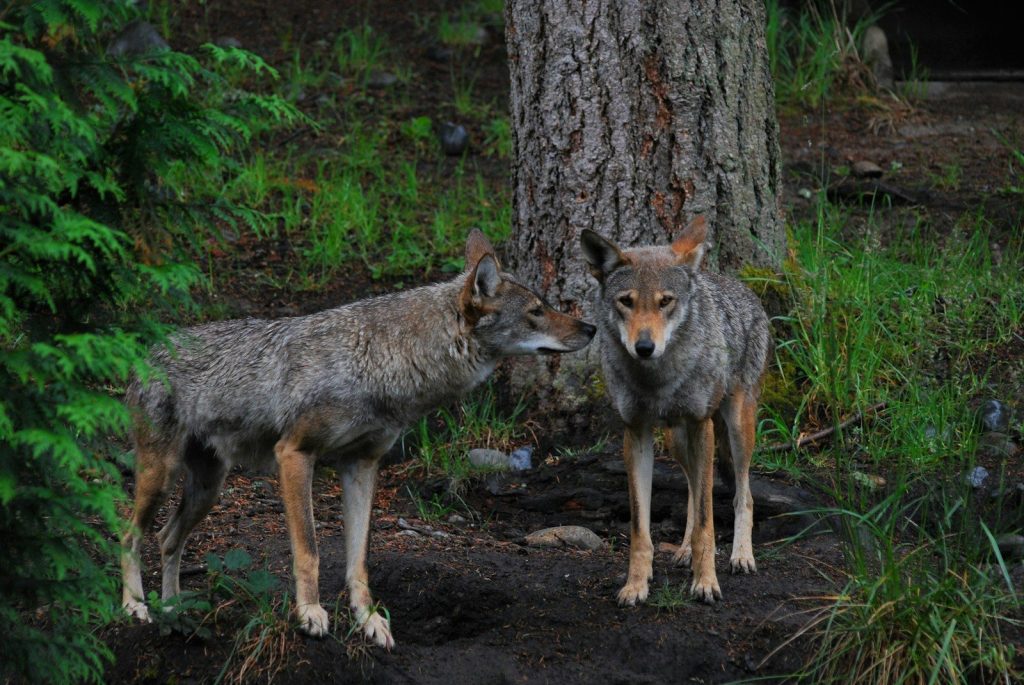
    a couple of wolves standing next to a tree
    Photo by Patrick Fobian on Unsplash

    The red wolf is one of the most critically endangered members of the dog family in North America. Once found across much of the southeastern United States, the species nearly disappeared due to habitat loss and conflicts with humans. Today, wild red wolves can only be found on the Albemarle Peninsula in eastern North Carolina.

    Efforts to restore red wolf populations have faced many challenges. A reintroduction program in North Carolina continues, while another attempt in Tennessee was unsuccessful. Despite ongoing debate among landowners, conservation groups, and government agencies, red wolves remain important to their ecosystems. They help control deer populations and keep smaller animals, such as rodents, from becoming too numerous.

    Hickory Nut Gorge green salamanders face many dangers

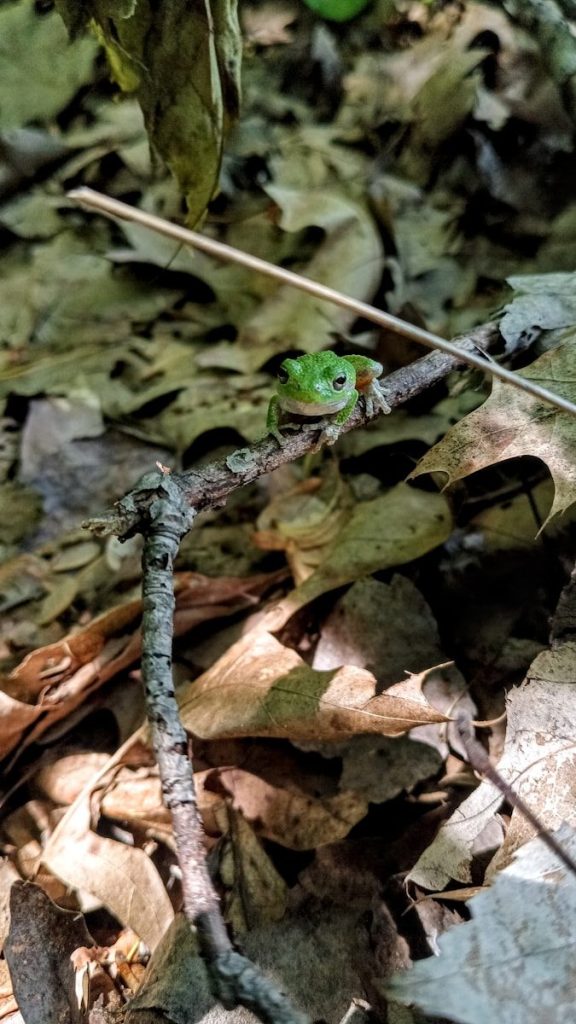
    A green frog perches on a small branch.
    Photo by Aurora K on Unsplash

    The Hickory Nut Gorge Green Salamander is a unique species found only in North Carolina’s Hickory Nut Gorge. Scientists recently recognized it as a distinct species. Like many endangered animals, it faces several threats, including climate change, habitat loss, invasive species, and disease.
    Another major threat comes from the illegal pet trade. The salamander has become especially popular among collectors in Europe. Its population has declined sharply over the last two decades. The situation is especially concerning because the eastern United States is home to the world’s highest diversity of salamanders, yet many of these species are now experiencing population declines.
    Salt-marsh harvest mice lose vital habitat

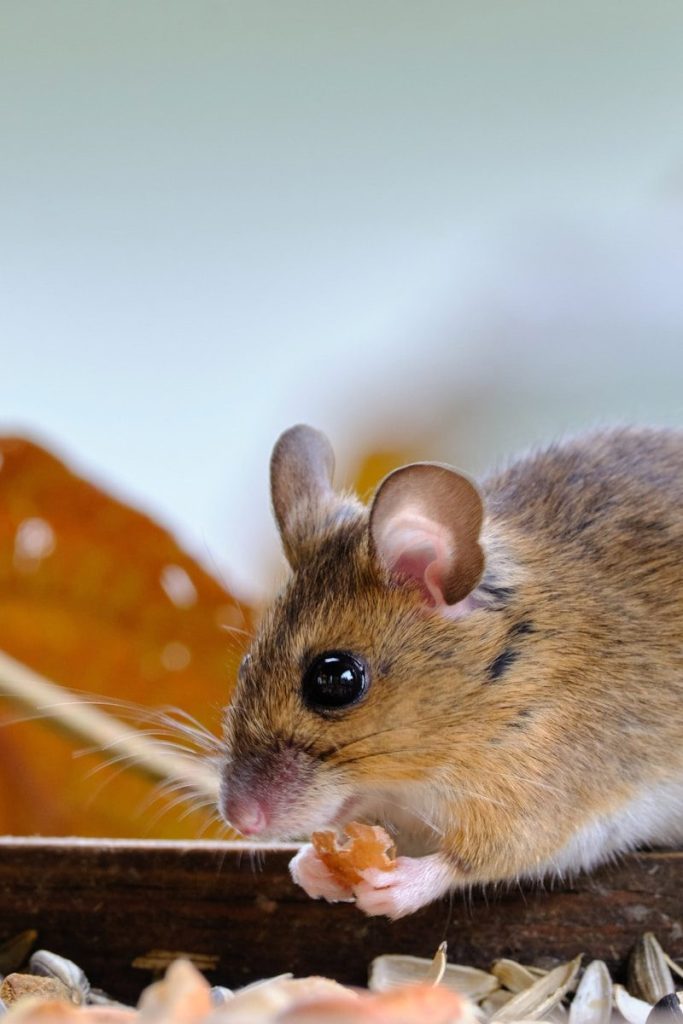
    brown and white rodent on orange textile
    Photo by Marcus Ganahl on Unsplash

    The Salt-Marsh Harvest Mouse lives in the saltwater marshes surrounding the San Francisco region. Although small, this species has remarkable abilities. It can drink saltwater, eat saltwater plants, swim for long periods, and even use its tail to help climb through vegetation.

    Despite these adaptations, the species faces serious challenges. Habitat destruction caused by urban development has reduced the marshland on which it depends for survival. House cats also pose a significant threat. While the mouse has shown an impressive ability to adapt to natural environmental changes, increasing human activity may make survival much more difficult.

    Bumble bees and corals support entire ecosystems

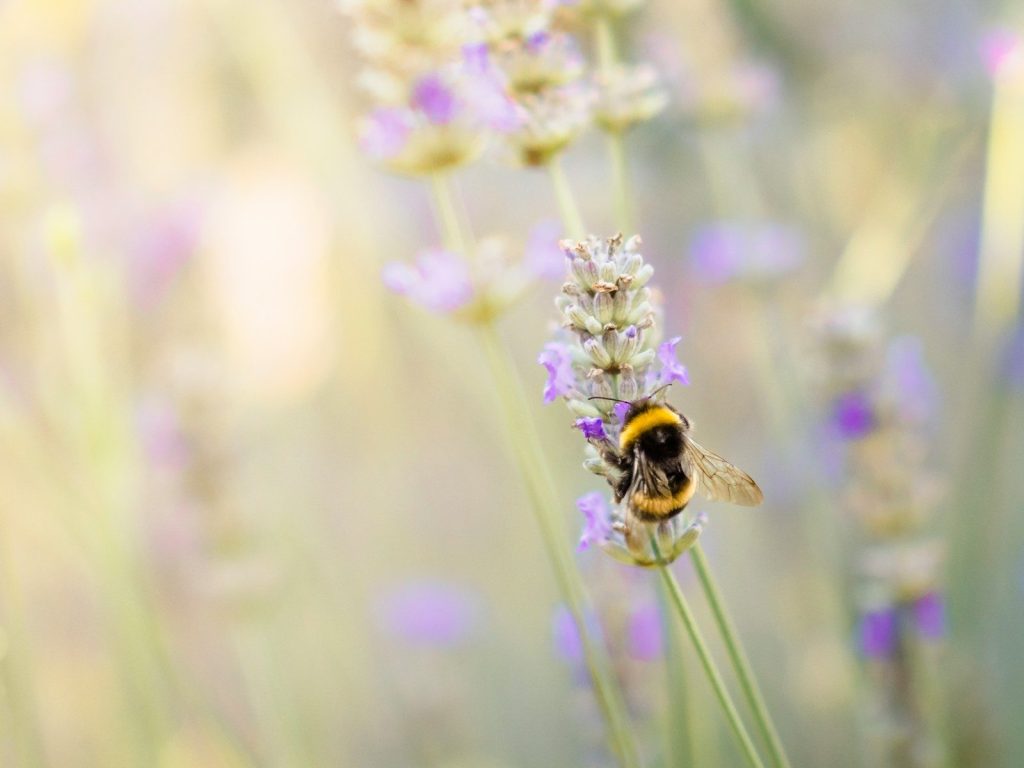
    a bum is sitting on a lavender flower
    Photo by Jamie Street on Unsplash

    Bumble bees play a major role in pollination across the United States. Among the 46 listed bumble bee species in the country, many are considered vulnerable, endangered, or critically endangered. The Rusty Patched Bumble Bee is one of the most threatened. Habitat loss, pollution, pesticides, and climate change have all contributed to declining populations.

    Corals are also facing serious challenges. While many people associate coral reefs with tropical regions, more than 60% of U.S. corals are located near Hawaii, and Florida contains the world’s third-largest coral reef system. Warming waters, disease, ocean acidification, development, and overfishing continue to threaten coral reefs. Because reefs support countless marine species and provide resources for people, their decline affects entire ecosystems and communities.

    Hammerhead sharks and minnows play key ecosystem roles

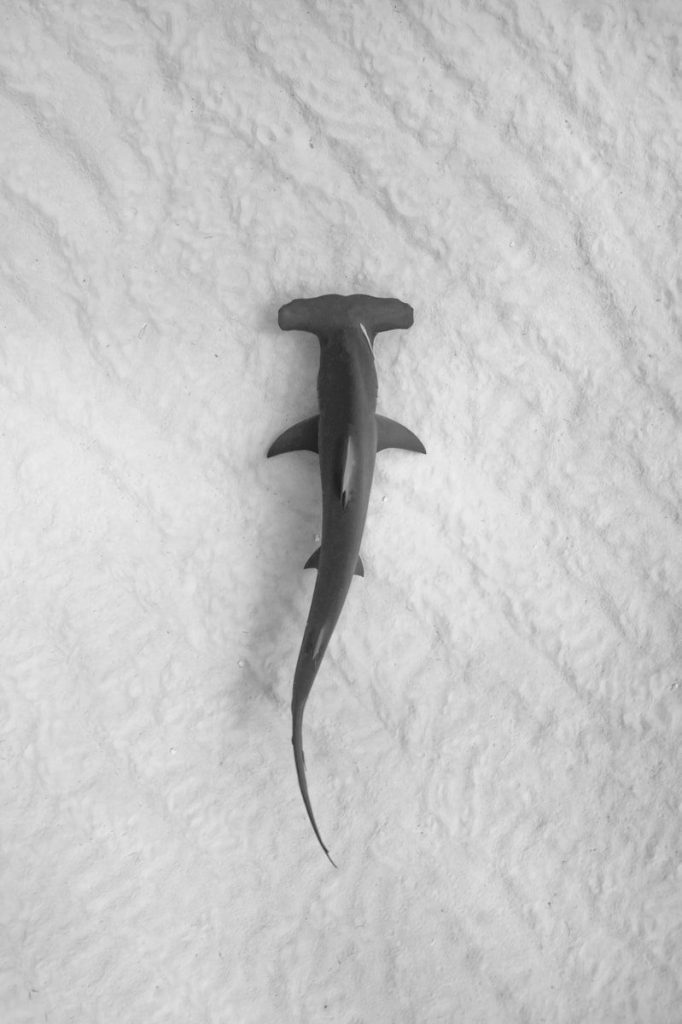
    a black and white photo of a shark in the snow
    Photo by Michael Worden on Unsplash

    Several shark species found in U.S. waters are threatened, including the Great Hammerhead and Scalloped Hammerhead. These sharks are often hunted for their meat and fins or accidentally caught as bycatch in commercial fishing nets. Once caught, their chances of survival are extremely low. As apex predators, hammerhead sharks help maintain balance within marine ecosystems by controlling populations of other species.

    Minnows may be small, but they are essential to freshwater habitats. Thirty-one U.S. minnow species are listed as endangered or critically endangered. Many face problems caused by wetland degradation, drought, dams, and poor wastewater management. Minnows serve as both predators and prey, helping connect different levels of the food chain. In some rivers, healthy minnow populations are considered a sign of a healthy ecosystem.

  • Scientists uncover deep-sea whale graveyard filled with thriving life

    Scientists uncover deep-sea whale graveyard filled with thriving life

    A deep-sea whale graveyard sounds like a lifeless place, but new research shows the opposite. Scientists have discovered a massive deep-sea whale graveyard in the southeastern Indian Ocean that is full of living creatures. This site sits as deep as 23,000 feet below the ocean surface and includes whale bones that are millions of years old. Instead of being empty, it is packed with strange marine life such as jellyfish, tubeworms, and brittle stars.

    In this article, you will learn what this deep-sea whale graveyard is, how it formed, and why it matters to science. You will also see how whale bones support entire ecosystems, what kinds of animals live there, and how these remains survived for millions of years. This discovery helps scientists better understand how life survives in extreme ocean conditions and why the deep sea is more active than once believed.

    What scientists found in the Indian Ocean whale graveyard

    blue and clear body of water
    Photo by Silas Baisch on Unsplash

    Scientists exploring the southeastern Indian Ocean uncovered a huge deep-sea whale graveyard that stretches across a wide area of the seafloor. It includes five major whale carcass sites along with fossil remains. These sites are located at extreme depths, reaching up to 23,000 feet below the surface, making it one of the deepest and oldest whale graveyards ever discovered.

    The remains include skulls from both beaked whales and baleen whales. Some of the bones are estimated to be around 5.3 million years old. This shows that whales have been dying and settling in this region for a very long time. The discovery was made through deep-sea submersible trips in 2023, where scientists carefully mapped and studied the area in detail.

    How whale graveyards form in the deep ocean

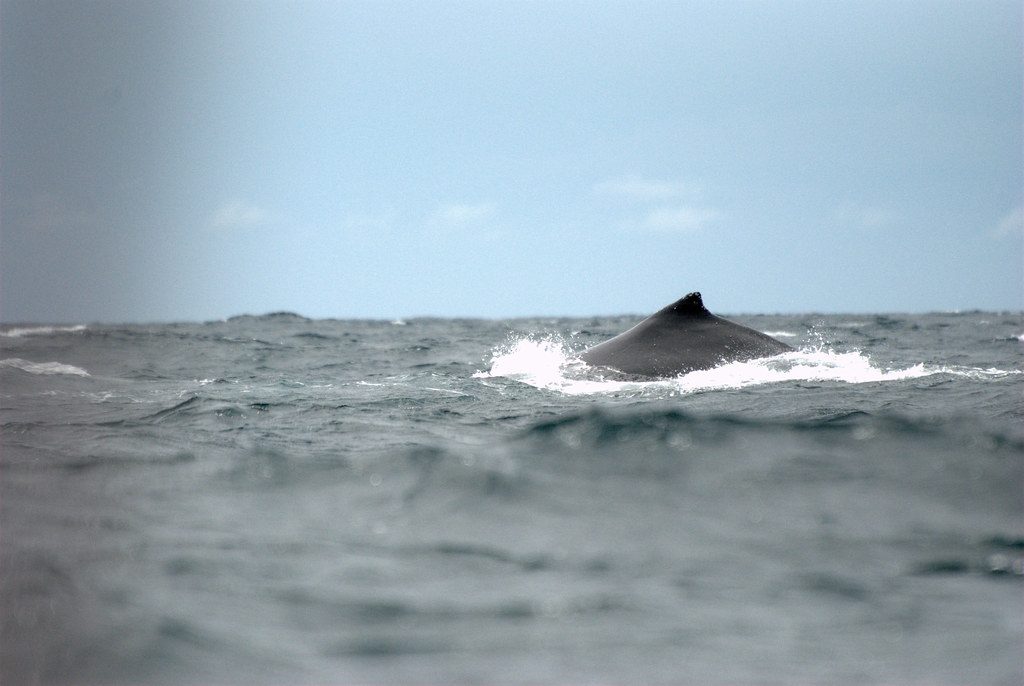
    Dorsal fin of a humpback whale (Megaptera novaeangliae)” by Aztlek is licensed under CC BY-SA 2.0

    Whale graveyards begin when a whale dies, and its body sinks to the seafloor. This event is called a whale fall. Because whales are so large, their bodies become a major source of food in the deep ocean, where food is usually very limited. Once the carcass lands on the seafloor, it slowly becomes a long-lasting ecosystem.

    At first, large scavengers feed on the soft tissues. Over time, smaller animals take over, feeding on what remains. Eventually, even the bones become a food source for bacteria and special organisms. This slow breakdown process can support life for decades or even longer, turning a single whale into an entire living community in the deep ocean.

    Strange creatures living on whale carcasses

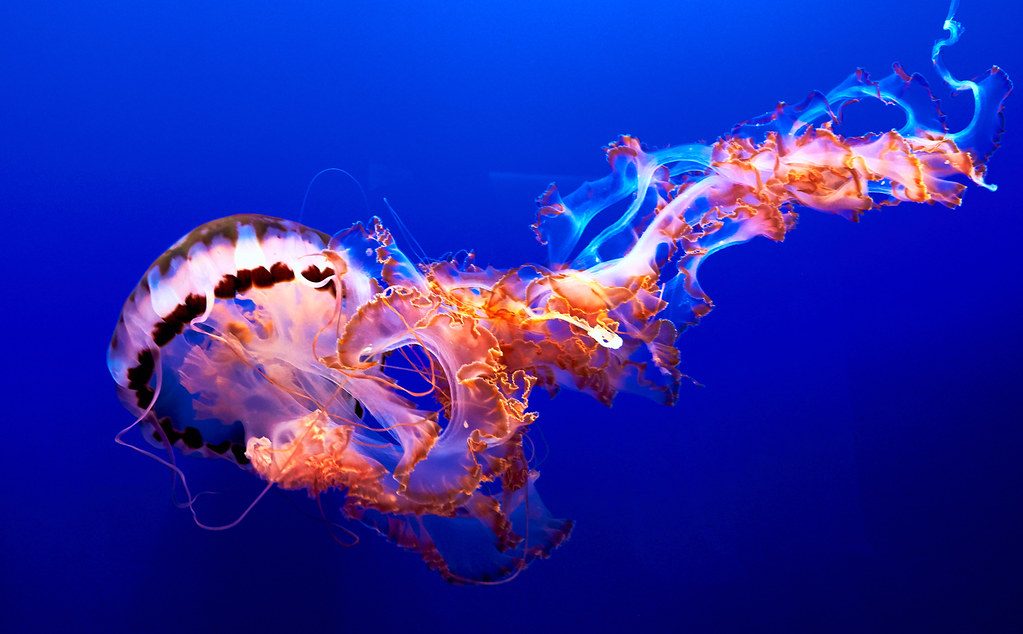
    Jellyfish” by szeke is licensed under CC BY-SA 2.0

    One of the most surprising discoveries at the deep-sea whale graveyard is the variety of life living on and around the bones. Scientists found jellyfish drifting nearby, along with tubeworms, brittle stars, sea cucumbers, squat lobsters, and saltwater clams. These animals survive by feeding on nutrients released from the decaying whale remains.

    Many of these creatures are still not fully understood. Some may even be species that have never been recorded before. The whale bones create a special habitat that supports both large and tiny organisms. Instead of being a place of death, the graveyard becomes a busy ecosystem filled with movement and survival in one of the harshest environments on Earth.

    Why this site is the deepest and oldest ever found

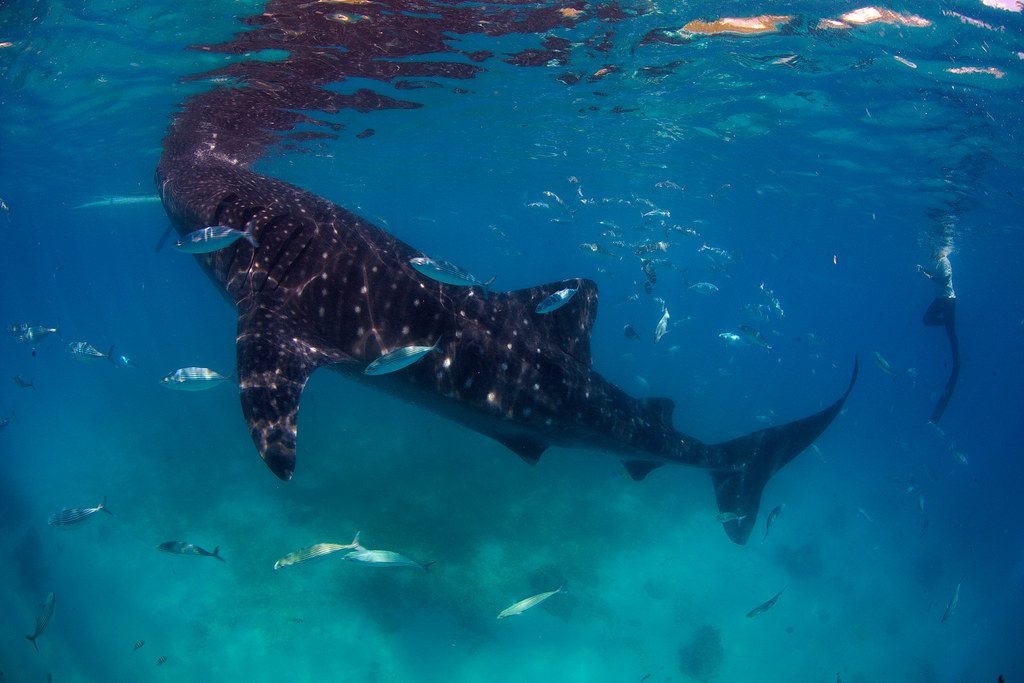
    Look at the small human next to the whale shark” by PacificKlaus is licensed under CC BY-NC 2.0

    This deep-sea whale graveyard is unique because of its size, depth, and age. It is currently the largest known site of its kind, and it sits deeper than most previously discovered whale fall locations. The extreme depth of up to 23,000 feet creates very high pressure and complete darkness, making it a difficult place for most life to survive.

    What makes it even more important is its age. Some of the whale fossils discovered at the site are millions of years old, with the oldest reaching about 5.3 million years. This suggests that whale falls have been happening in this region for a very long time, creating a long history of deep-sea ecosystems that scientists are only now beginning to understand.

    How whale bones survive millions of years

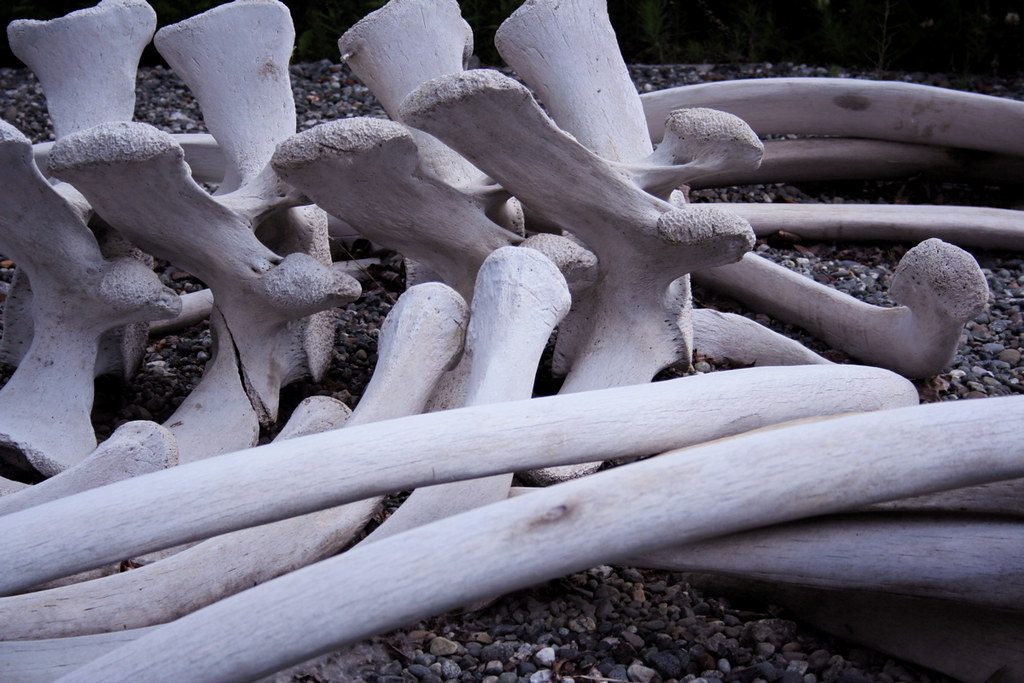
    Whale Bones” by glaciergirl is licensed under CC BY-NC 2.0

    Whale bones usually break down over time, but in this deep-sea whale graveyard, many have been preserved for millions of years. Scientists believe several natural factors helped protect them. One key reason is that whale bones are very dense, which makes them harder to destroy even in harsh deep-sea conditions.

    Another reason is the extreme depth of the site. The area is so deep that it avoids many disturbances, such as strong currents and sediment buildup that could bury or damage the bones. In addition, minerals from seawater slowly coat the bones over time, forming a protective layer. This coating helps prevent fast decay and allows the remains to stay intact for long periods.

    What this discovery tells scientists about ocean life

    aerial view of waves meeting sand
    Photo by Joel Vodell on Unsplash

    This discovery changes how scientists understand life in the deep ocean. It shows that whale carcasses are not just random events, but important sources of energy that support entire ecosystems. Without whale falls, many deep-sea creatures would not have enough food to survive in such a low-nutrient environment.

    It also helps researchers understand how life adapts to extreme conditions like darkness, high pressure, and low oxygen. Scientists now believe there may be many more hidden whale graveyards in the ocean waiting to be discovered. Each one could reveal new species and important clues about how life spreads across the deep sea.

  • Five shark species known for exceptionally powerful bites

    Five shark species known for exceptionally powerful bites

    Ever wondered which sharks have the strongest bite in the ocean and why it matters for survival? In the deep sea, a shark’s bite is more than just power; it is a life-saving tool for hunting, defense, and competition. Some sharks can crush bones, crack turtle shells, and even take down large marine animals with a single snap.

    In this article, you will learn about five shark species known for their exceptionally powerful bites. We will explore how each shark uses its jaw strength, what makes their bites so unique, and why these predators sit at the top of the ocean food chain. By the end, you will understand how nature designed these sharks for maximum hunting success.

    Great white shark bite power

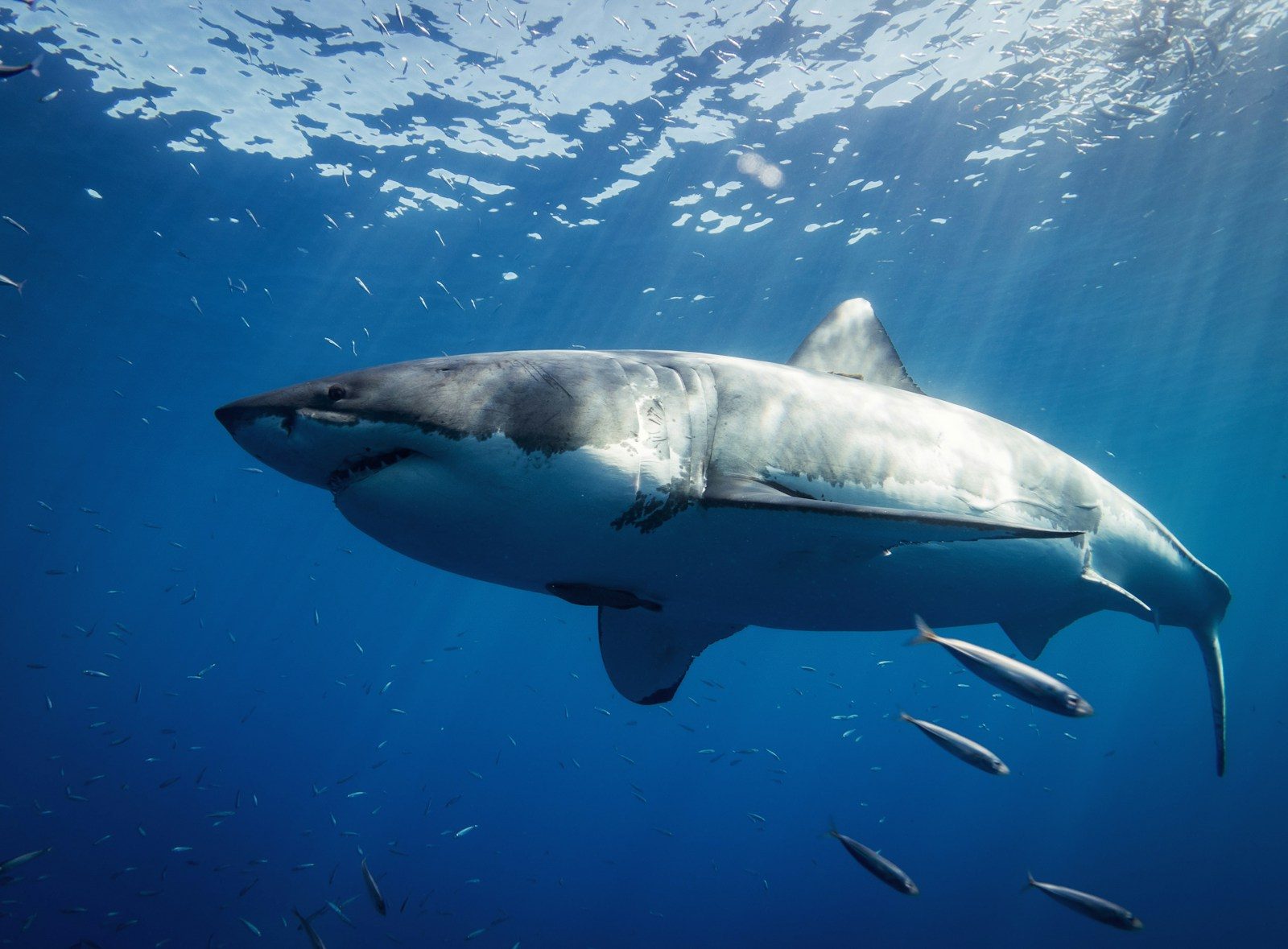
    Great White Shark” by Elias Levy is licensed under CC BY 2.0

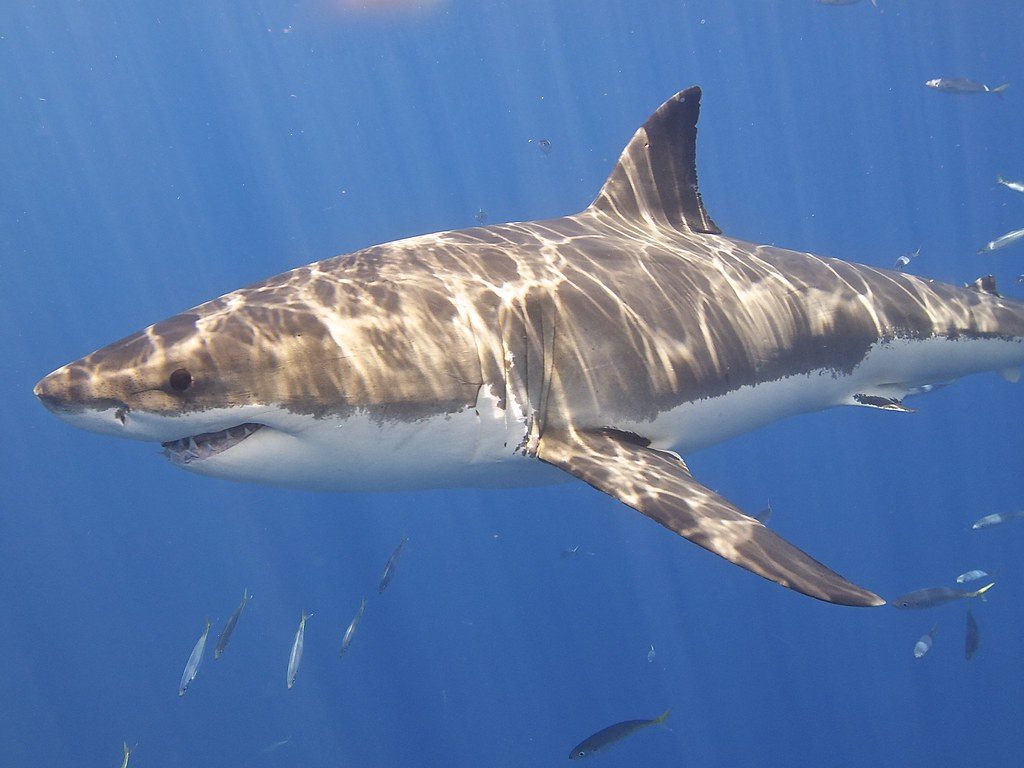
    The great white shark is often seen as the most powerful biting shark in the ocean. Its bite force is estimated to be extremely high, capable of reaching thousands of pounds of pressure, strong enough to crush bone and tear through thick blubber of seals and sea lions. This shark uses its massive jaws and serrated teeth to deliver one fast, powerful bite that can disable large prey almost instantly.

    What makes this shark even more dangerous is its hunting style. Instead of chewing repeatedly, it often uses a surprise attack from below, bites once or twice, and then waits for the prey to weaken. Its teeth act like sharp knives, slicing deep into flesh, which makes even a single bite extremely destructive.

    Bull shark bite strength

    bull shark 1” by AlKok is licensed under CC BY-NC-SA 2.0

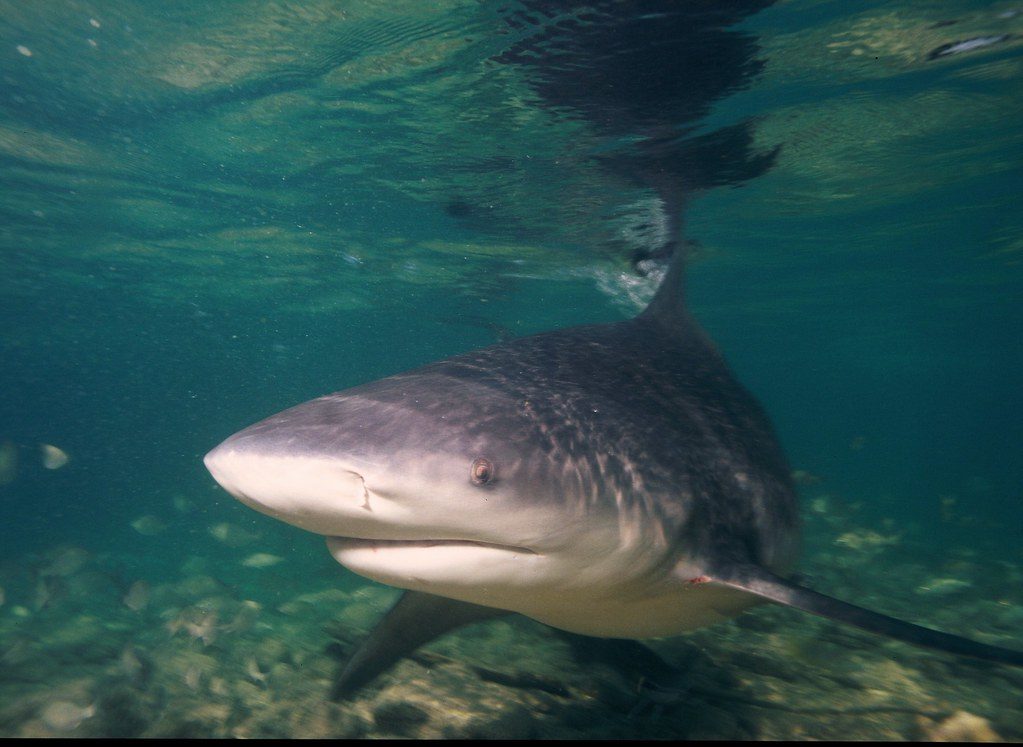
    The bull shark is famous for having one of the strongest bite forces relative to its body size. Even though it is smaller than the great white, its jaws are incredibly powerful and compact, allowing it to exert intense pressure. This strength helps it hunt in murky waters where visibility is low and prey must be grabbed quickly and securely.

    Bull sharks are also highly aggressive and adaptable, living in both saltwater and freshwater. Their strong bite helps them capture a wide variety of prey, including fish, turtles, and even other sharks. The combination of strength and unpredictability makes them one of the most dangerous sharks in shallow coastal waters.

    Tiger shark crushing ability

    Tiger Shark!” by CK | PHOTOGRAPHER is licensed under CC BY 2.0

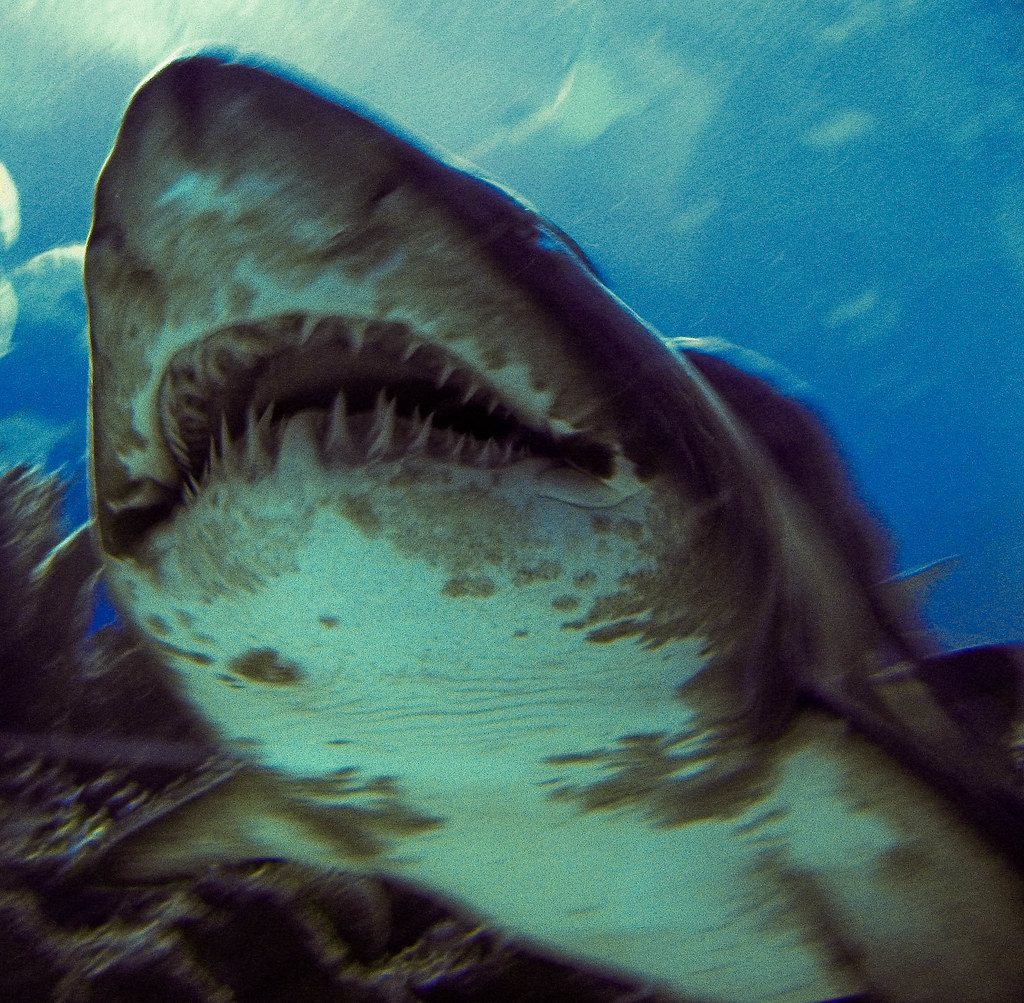
    Tiger sharks are known as the “garbage cans of the sea” because they eat almost anything, and their bite is strong enough to support that diet. Their jaws are built to crush hard objects like sea turtle shells and even bones. While their bite force is not the highest in absolute numbers compared to larger sharks, it is still extremely powerful for their size.

    Their teeth are uniquely shaped, sharp and serrated, which helps them saw through tough material. Tiger sharks use a slow but steady biting method, shaking their heads side to side to rip apart prey. This gives them a powerful combination of crushing force and cutting ability.

    Megalodon’s prehistoric bite power

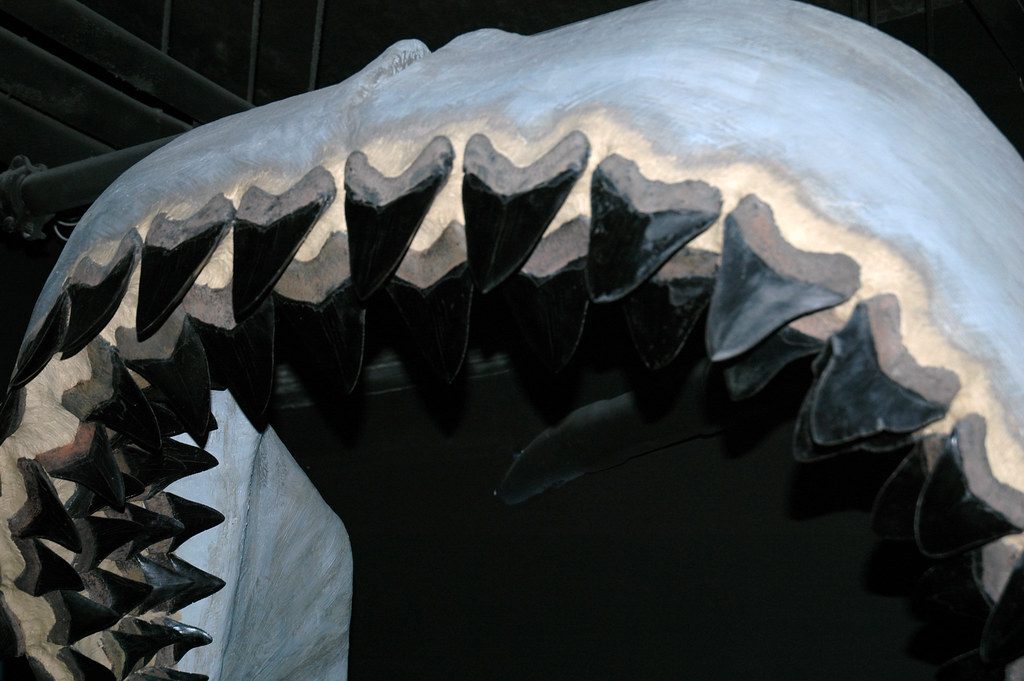
    Carcharodon megalodon fossil shark jaw (reconstruction) (late Cenozoic) 5” by James St. John is licensed under CC BY 2.0

    Megalodon was an ancient shark that is now extinct, but it is believed to have had one of the strongest bites in Earth’s history. This giant predator could grow far larger than any modern shark, and its jaws were built to crush massive marine animals like whales. Scientists estimate its bite force was powerful enough to cause extreme damage in a single attack.

    Its teeth were thick, triangular, and designed for breaking bone rather than just slicing flesh. Megalodon likely used ambush attacks similar to modern great whites, targeting vital areas like flippers or tails to disable prey. Its bite strength was so extreme that it stands as a benchmark for prehistoric ocean predators.

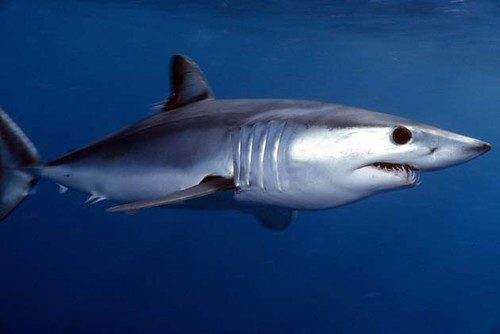
    Shortfin mako shark bite speed and force

    Shortfin-169” by jidanchaomian is licensed under CC BY-SA 2.0

    The shortfin mako shark is not only one of the fastest sharks in the ocean but also has a surprisingly powerful bite. While it may not match the crushing force of larger sharks, its bite is extremely effective because it is delivered with incredible speed. This makes it a deadly hunter of fast-moving prey like tuna and squid.

    Its teeth are sharp, narrow, and designed for grabbing and tearing rather than crushing. The mako’s hunting strategy depends on quick strikes, where speed and precision matter more than raw jaw strength. This combination allows it to stay one of the top ocean predators despite its smaller size.

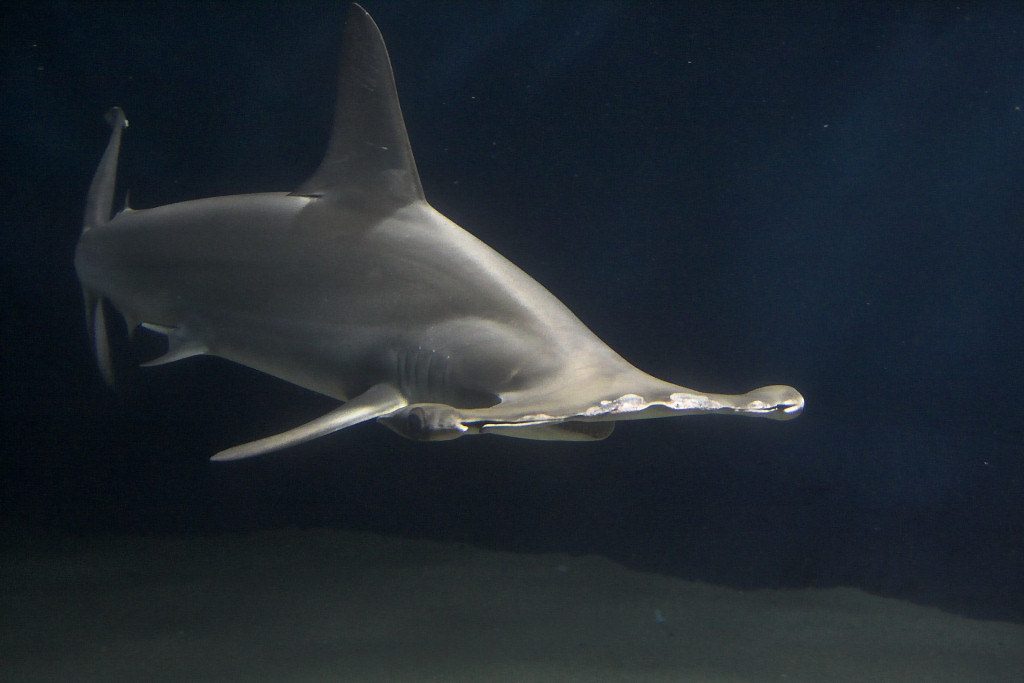
    Hammerhead shark bite efficiency

    Hammerhead shark” by suneko is licensed under CC BY-SA 2.0

    Hammerhead sharks may not have the strongest bite compared to giants like the great white, but their bite is highly efficient and specialized. Their unique head shape gives them better control when pinning down prey such as stingrays, which are a major part of their diet. This allows them to use their bite more effectively, even if it is not the most powerful.

    Their teeth are designed for gripping rather than crushing large bones, but their hunting success comes from precision. Hammerheads often strike quickly and hold onto prey tightly, using their head shape to stabilize struggling animals. This makes their bite highly effective in real hunting situations, even without extreme force.

  • Once-orphaned elephant introduces her calf in a heartwarming moment

    Once-orphaned elephant introduces her calf in a heartwarming moment

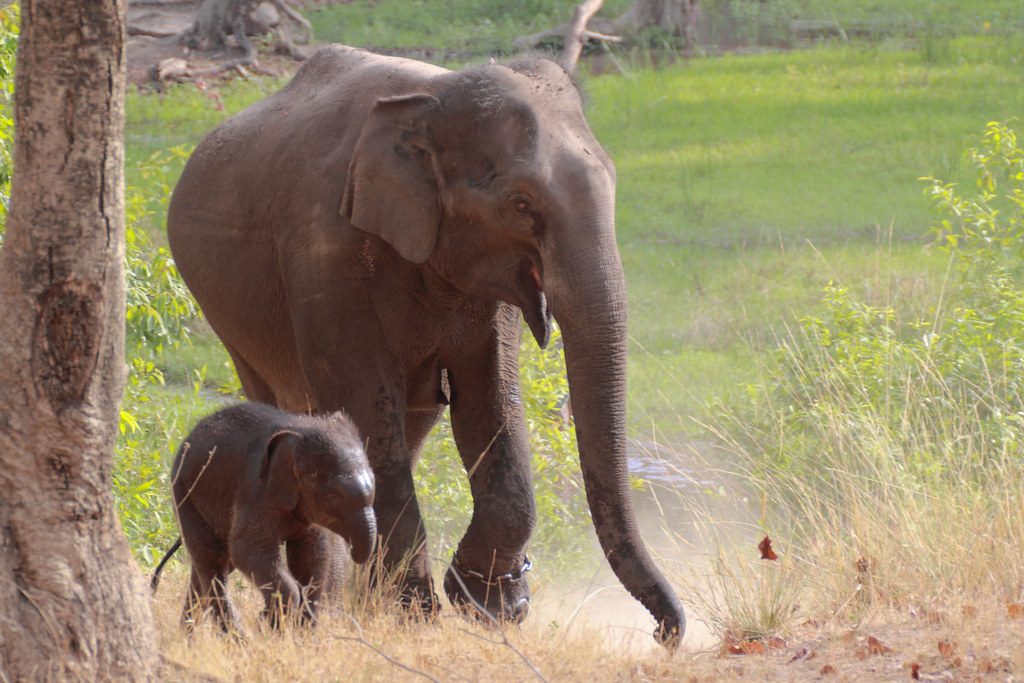
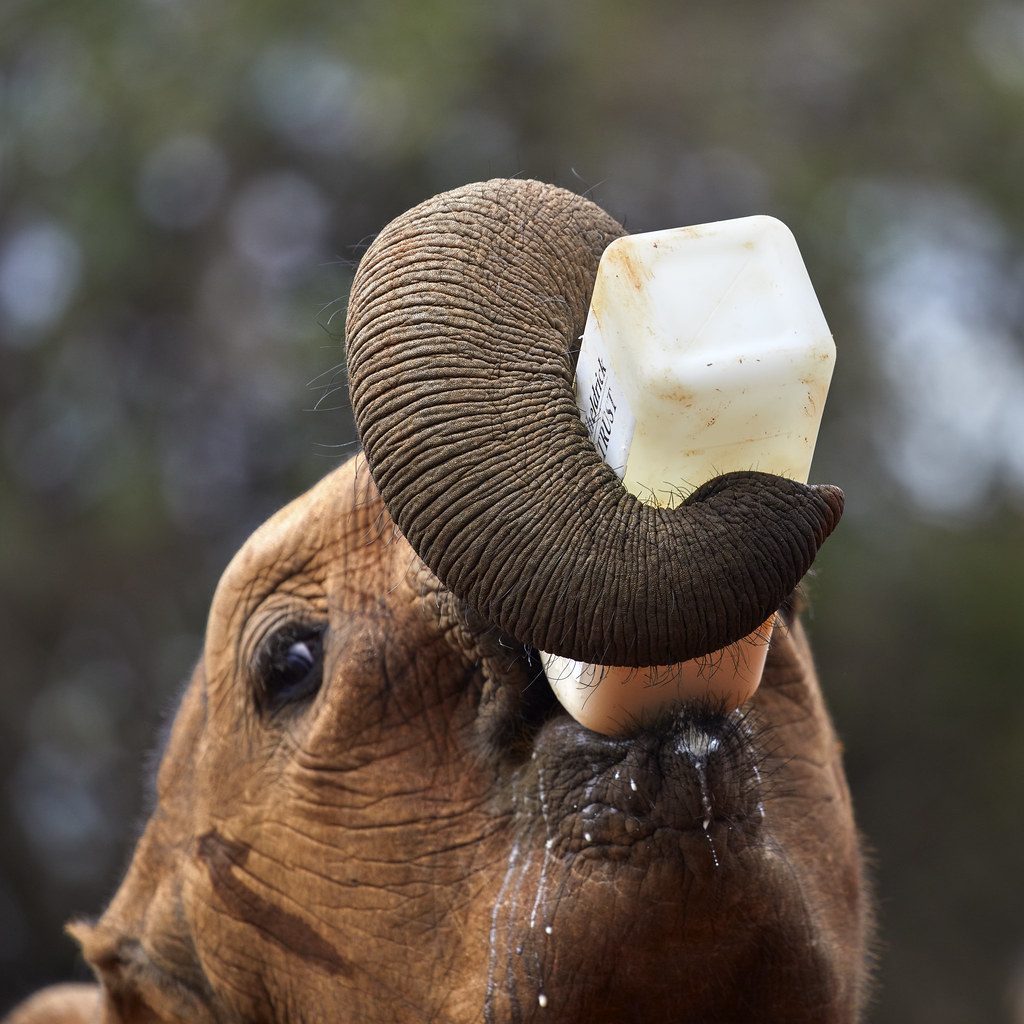
    What happens when an elephant who once lost everything comes back years later as a mother? A deeply emotional moment shared by the Sheldrick Wildlife Trust shows exactly that. An elephant named Melia, who was rescued as a young orphan, returned to the sanctuary years later with a surprising gift, her own baby calf.

    The visit quickly became a heartwarming full-circle moment as Melia introduced her newborn daughter to the caretakers who once helped raise her. In the first moments of the video, Melia confidently approaches the team while her calf follows closely behind, marking a powerful reunion filled with trust and memory. This article explores Melia’s journey, the care she received as an orphan, and why this emotional return means so much for conservation efforts and elephant families.

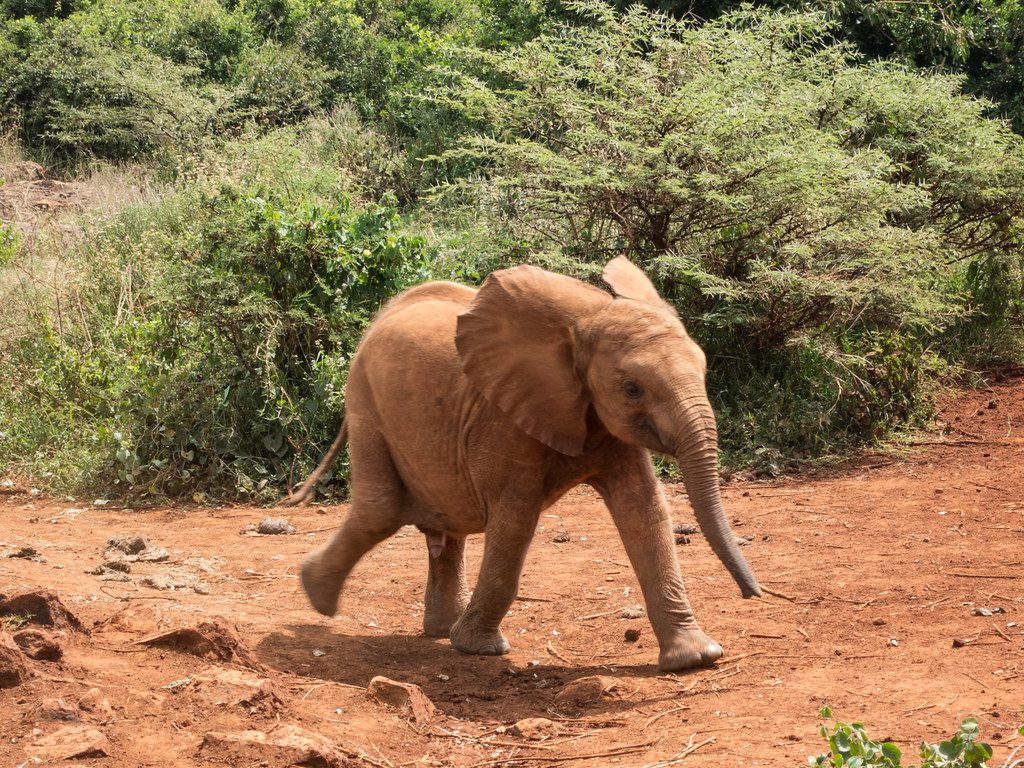
    Melia’s early life as an orphaned calf

    Baby Elephant” by Stephen Begin is licensed under CC BY-NC-SA 2.0

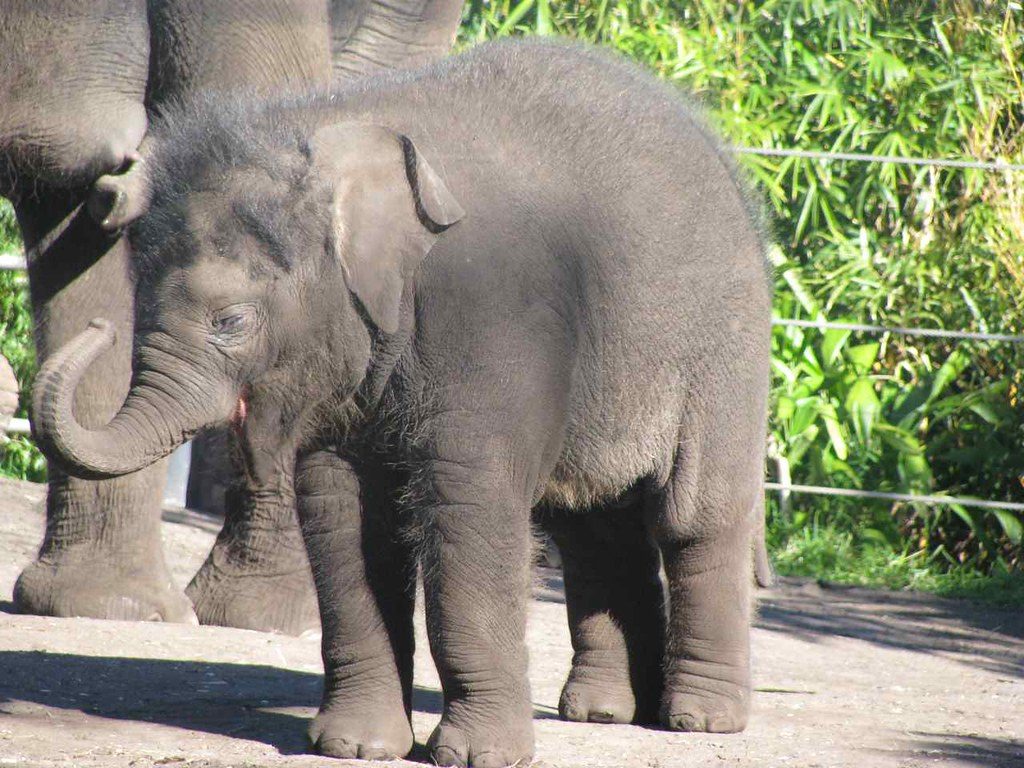
    Melia’s story begins in a situation many young elephants sadly face in the wild. As a calf, she was separated from her family and left vulnerable during a critical stage of life. Elephant calves depend completely on their mothers for milk, warmth, and protection, and without that support, survival becomes extremely difficult.

    She was rescued and brought into the care of the Sheldrick Wildlife Trust, where she began her recovery. Like many orphaned elephants, Melia was likely frightened and stressed when she first arrived. The sanctuary provided her with a safe place where she could heal and slowly adjust to a new environment filled with caretakers who acted as her new family.

    Life inside the Sheldrick Wildlife Trust nursery

    David Sheldrick Wildlife Trust” by aftab. is licensed under CC BY-NC 2.0

    At the Sheldrick Wildlife Trust nurseries in Kenya, orphaned elephants like Melia receive constant care. Caretakers stay with them day and night, feeding them milk, comforting them, and helping them feel secure again after trauma. These early months are extremely important because young elephants form emotional bonds very quickly.

    The nurseries are not just about survival, but also about rebuilding trust. Elephants begin to recognize their caregivers as protective figures. Over time, they learn to socialize with other orphaned elephants, forming friendships and learning natural behaviors that prepare them for future life in the wild.

    Growing up and becoming independent

    Baby elephant” by restructuregirl is licensed under CC BY-NC-SA 2.0

    As Melia grew older, she went through a gradual transition from nursery care to more independent living. This stage is carefully managed by the sanctuary. Elephants move from close human care to Reintegration Units, where they start interacting with wild elephants while still having support from their caretakers.

    During this time, they learn essential survival skills such as finding food, understanding herd behavior, and navigating their environment. Female elephants like Melia often develop nurturing instincts, sometimes helping younger orphans in the group, almost like mini matriarchs learning leadership roles early in life.

    Melia’s return with her baby calf, Moon

    Baby Elephant Hiding” by Eric Kilby is licensed under CC BY-SA 2.0

    Years later, Melia returned to the Ithumba team with exciting news that surprised and delighted the caretakers. She arrived confidently with her baby calf following closely behind her. The baby, later named Moon by the team, stayed near her mother at first, then cautiously stepped forward toward the humans she had never met before but was connected to through Melia’s trust.

    The Sheldrick Wildlife Trust shared that this was not Melia’s first baby, but her second, showing that she had fully adapted to life in the wild. The team described Moon as a bold and spirited young elephant, full of personality even at a very early age.

    The emotional reunion with caretakers

    Elephant in the WWF Flying Squad” by World Bank Photo Collection is licensed under CC BY-NC-ND 2.0

    When Melia approached the caretakers, the moment was calm but deeply meaningful. She paused, allowing her baby to observe the environment, before gently guiding her closer to the familiar human presence. The caretakers, including Head Keeper Benjamin and the Ithumba team, welcomed her with quiet excitement and care.

    Viewers who saw the video described the moment as powerful and emotional. Many were moved by how Melia seemed to remember the safety she once felt as an orphan. The fact that she brought her baby back to meet her former caregivers showed a strong bond that had lasted across years, proving how deeply elephants can remember those who cared for them.

    Why this moment matters for elephant conservation

    Elephant” by Jonathan Michael Peel is licensed under CC BY-SA 2.0

    Melia’s return with her calf is more than just a touching story. It highlights the long-term impact of conservation work. The Sheldrick Wildlife Trust focuses on raising orphaned elephants so they can eventually return to the wild and live independently. These elephants often carry the memory of their caregivers with them, showing the emotional depth of their experiences.

    This full-circle moment also shows how conservation efforts can continue across generations. By helping orphaned elephants survive and grow, organizations are not only saving individual lives but also supporting future wild populations. Melia and her calf Moon represent that success, proving that care, patience, and protection can lead to thriving elephant families in the wild.

  • Controversial plan targets invasive barred owls to aid threatened wildlife

    Controversial plan targets invasive barred owls to aid threatened wildlife

    A controversial wildlife plan in the United States is raising serious debate among scientists, conservationists, and animal welfare groups. The plan focuses on reducing populations of barred owls, a bird that has spread across western forests and is now competing with the threatened northern spotted owl. Supporters say this action is needed to prevent the spotted owl from disappearing entirely, while critics argue it raises ethical concerns about killing one species to save another.

    At the heart of this issue is a complex question about human responsibility in nature. The barred owl is not originally native to western forests, but its expansion has changed the balance of the ecosystem. This article will explain why the plan exists, how it would work, and why it has become one of the most debated wildlife decisions in recent years.

    Why barred owls are spreading west

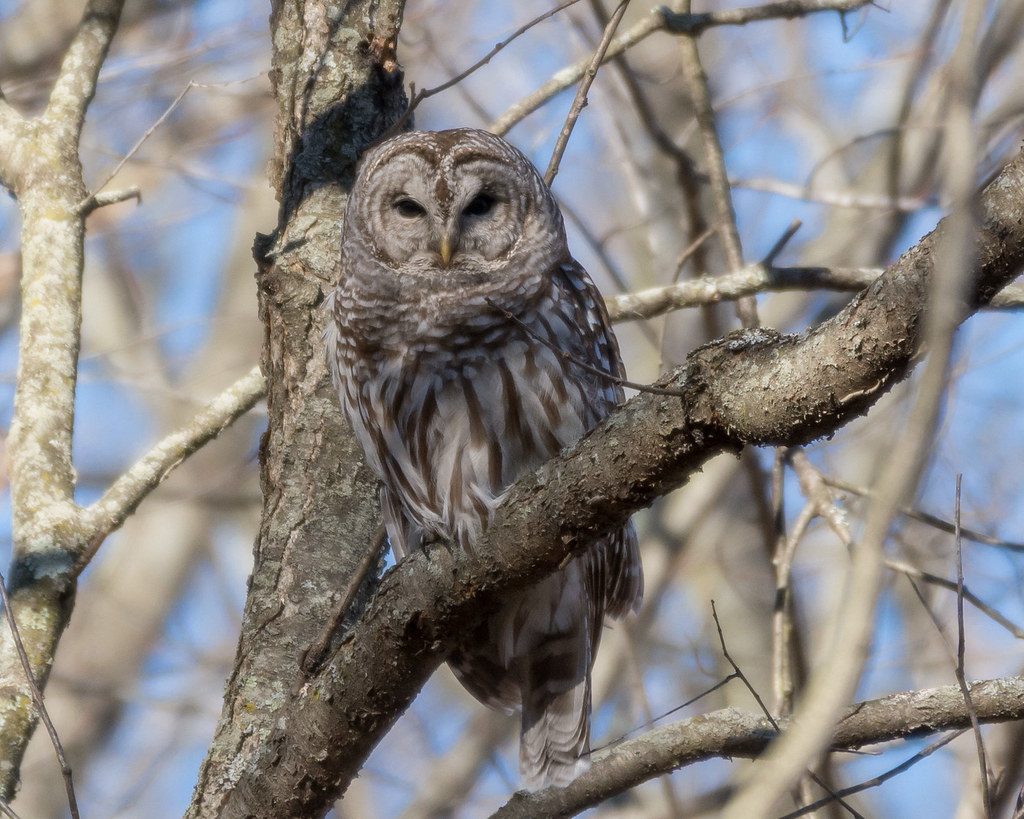
    white and brown owl on tree during daytime
    Photo by Philip Brown on Unsplash

    Barred owls originally lived in eastern North America, but over the last century, they gradually moved west into forests across Washington, Oregon, and California. Scientists believe this spread happened due to changes in land use, forest conditions, and human development that removed natural barriers to their movement. Over time, they established strong populations in areas once dominated by the northern spotted owl.

    Unlike spotted owls, barred owls are more flexible in their habitat needs. They can live in a wider range of forest types, including areas that have been altered by logging or development. This adaptability has allowed them to grow in number and expand their territory, often into spaces already occupied by other owl species.

    Impact on northern spotted owls

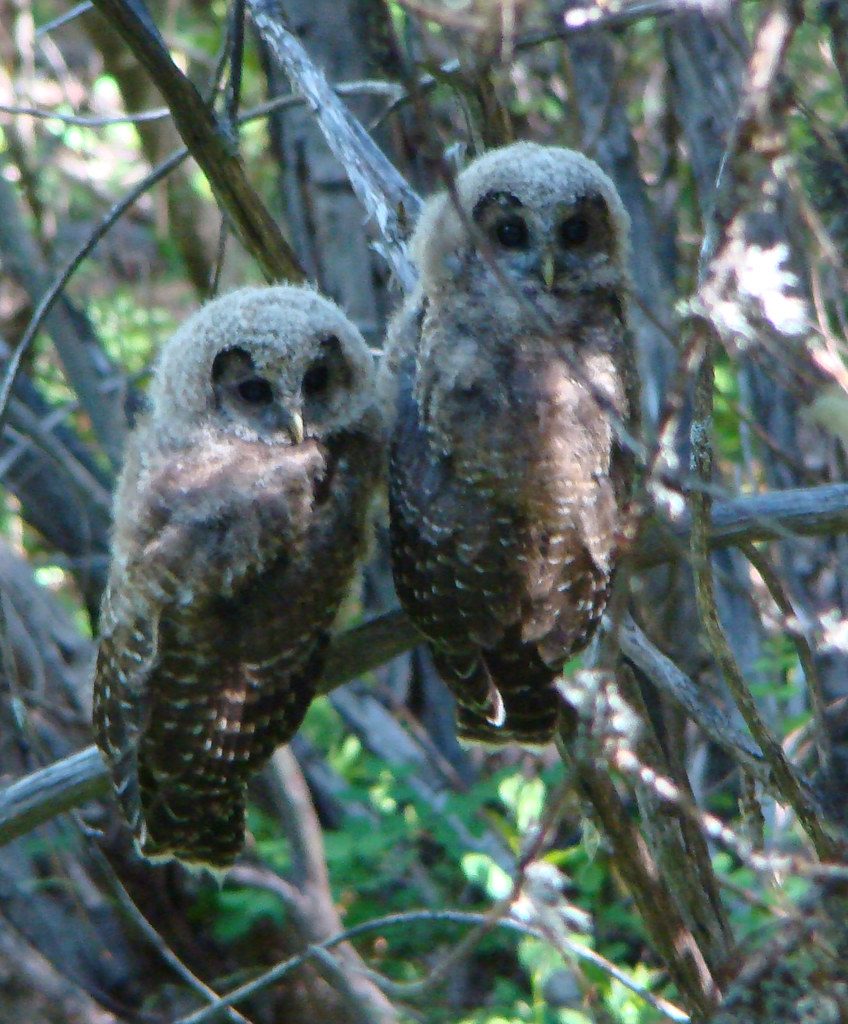
    Fledgling Northern Spotted Owls” by USFWS Pacific Southwest Region is licensed under CC PDM 1.0

    The northern spotted owl is already listed as threatened in the United States, mainly because of historic logging of old-growth forests. These owls depend on large, old trees for nesting and hunting. When their habitat shrank, their population became more fragile and spread out across fewer suitable areas.

    According to wildlife agencies, barred owls now compete directly with spotted owls for food, nesting sites, and territory. In many cases, barred owls are larger and more aggressive, which gives them an advantage. Studies have shown that where barred owls are present, spotted owl survival and reproduction rates often decline, making recovery much harder.

    The federal management strategy explained

    people having meeting on rectangular brown table
    Photo by Christina @ wocintechchat.com M on Unsplash

    To address this issue, the U.S. Fish and Wildlife Service developed a long-term management strategy aimed at reducing barred owl numbers in selected areas. The plan allows trained wildlife professionals to remove barred owls from regions where spotted owls are still present or trying to recover.

    The strategy is expected to operate across parts of Washington, Oregon, and California. If fully carried out over several decades, it could involve the removal of hundreds of thousands of barred owls. Wildlife officials argue that this is not about hunting for sport, but about targeted population control designed to protect a threatened species from extinction.

    Methods used in owl removal

    2 men standing on brown grass field during daytime
    Photo by BĀBI on Unsplash

    The process used in this plan is highly controlled and not open to the public. Trained professionals identify barred owls in specific forest zones and use recorded calls to attract them. Once located, the owls are then removed using approved wildlife management methods under federal permits.

    Officials emphasize that the work is carefully regulated. It is only carried out in designated areas where spotted owls are under the most pressure. The goal is not to eliminate barred owls everywhere, but to reduce their impact in key habitats where conservation efforts are focused.

    Ethical debate and public reaction

    two men talking
    Photo by LinkedIn Sales Solutions on Unsplash

    The plan has sparked a strong ethical debate across the United States. Supporters argue that difficult choices are sometimes necessary in conservation, especially when a species is at risk of extinction. They say that without intervention, the northern spotted owl could continue to decline due to ongoing competition.

    Opponents, including animal welfare groups and some conservation voices, argue that killing one native species to protect another is morally wrong. They also question whether the plan will have long-term success, since barred owls are still expanding their range. Some critics believe that protecting and restoring forests should be the main solution instead of removing animals.

    What this means for future conservation

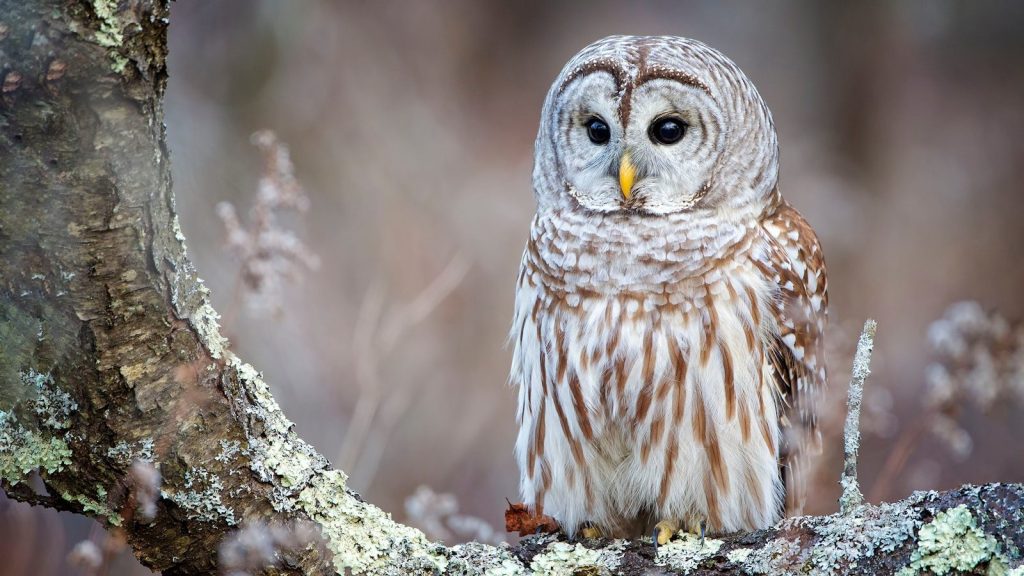
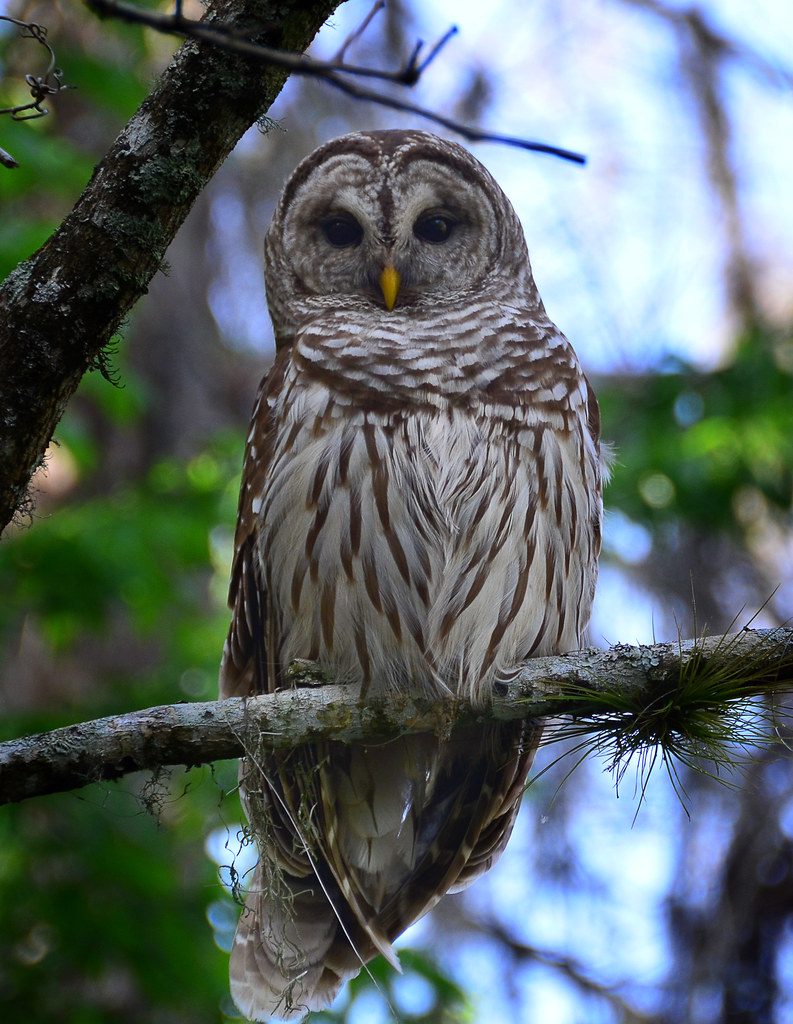
    Barred Owl at Lettuce Lake” by trishhartmann is licensed under CC BY 2.0

    This controversial plan reflects a larger challenge in modern conservation: how to manage ecosystems that have already been changed by human activity. Wildlife agencies are trying to balance species protection with ethical concerns, scientific evidence, and long-term environmental stability.

    As climate change, habitat loss, and shifting species ranges continue, similar decisions may become more common. The barred owl case shows that conservation is no longer just about protecting nature, but also about deciding how far humans should go to correct ecological imbalances.

  • Where feral hog populations are causing the biggest problems in the U.S.

    Where feral hog populations are causing the biggest problems in the U.S.

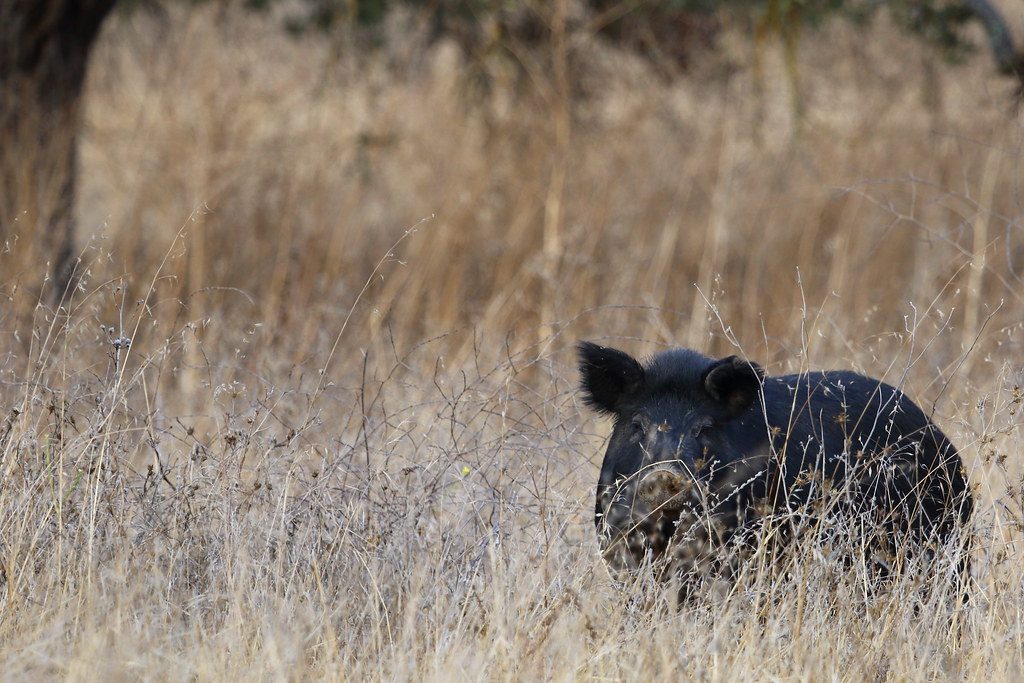
    Feral hogs have become one of the most damaging invasive animals in the United States, and their spread is getting worse each year. If you live in certain parts of the country, you may have already seen torn-up yards, ruined crops, or even hogs roaming near roads and neighborhoods. These animals are not native to the U.S., but they now number in the millions and are found in more than 35 states.

    The biggest concern is that their damage is not evenly spread. Some states are dealing with far more hogs than others, and the costs are huge for farmers, landowners, and even local governments. In this article, you will learn exactly where feral hog populations are the worst, why those places are most affected, and how these animals are impacting land, farming, and communities across America.

    Texas leads the nation in feral hog damage

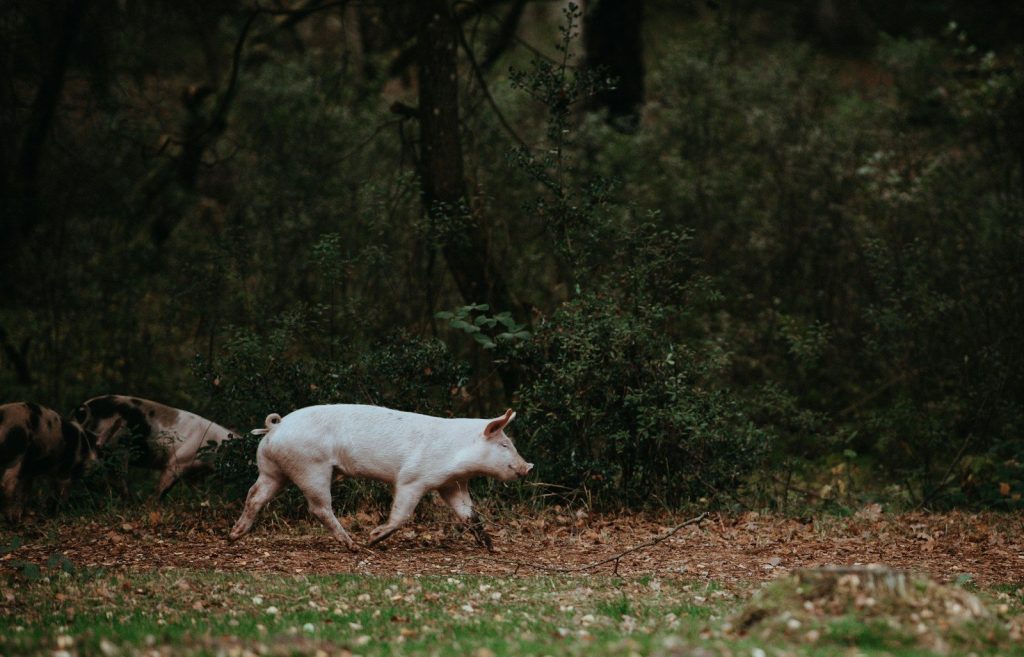
    white pig walking on grass field
    Photo by Annie Spratt on Unsplash

    Texas is by far the hardest-hit state when it comes to feral hog problems. It has the largest population of wild pigs in the country, with millions spread across nearly every county. The state’s wide open land, farms, and rivers make it the perfect environment for these animals to survive and multiply quickly.

    The damage in Texas is serious and constant. Farmers report crops like corn, cotton, and wheat being destroyed overnight, while ranchers deal with ruined pastures and damaged fences. In many rural areas, hogs also move into suburban neighborhoods, digging up lawns and even causing traffic problems when they cross roads. Texas alone suffers hundreds of millions of dollars in agricultural losses every year due to these animals.

    Georgia faces heavy crop and land destruction

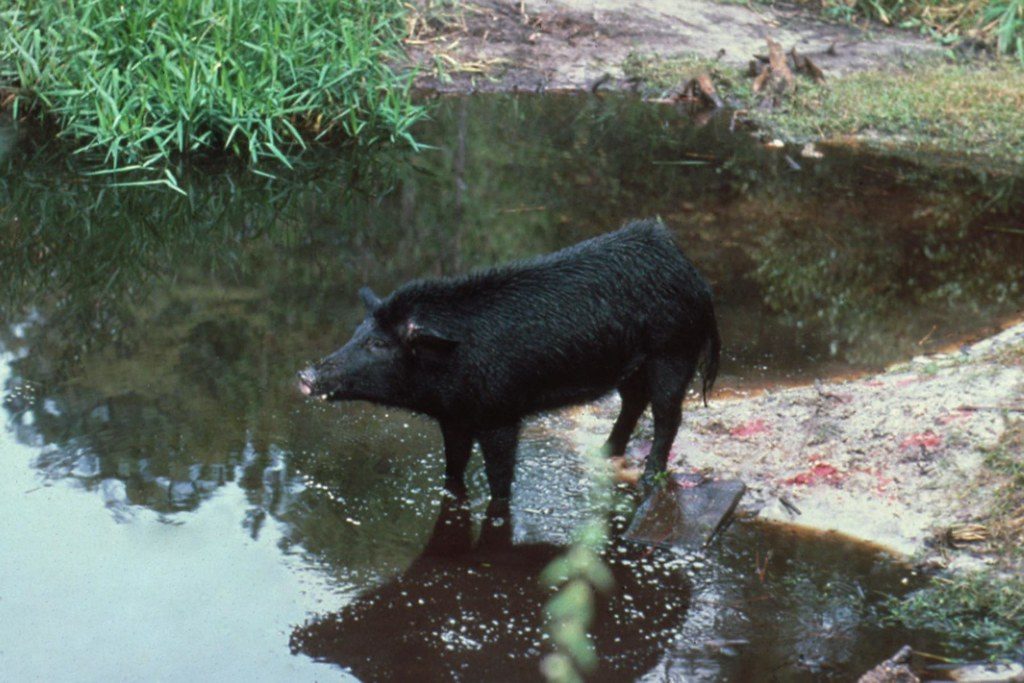
    Wild Hog” by Don McCullough is licensed under CC BY-NC 2.0

    Georgia is another major hotspot for feral hog activity. The state has a large and growing population of wild pigs, especially in rural farming areas and forested land. Warm weather and steady food sources help the population grow quickly, making control efforts very difficult.

    Farmers in Georgia deal with repeated damage to crops such as peanuts, corn, and cotton. These animals also destroy soil structure by rooting deeply into the ground, which can lead to long-term land damage. Many landowners report that hog activity has increased over the years, making it harder to protect farmland and natural habitats.

    Florida struggles with widespread hog invasions

    gray pathway leading to parasol, lifeguard house, and sea a daytime
    Photo by Joël de Vriend on Unsplash

    Florida has one of the most widespread feral hog populations in the United States. These animals are found in almost every region of the state, from rural farmland to wetlands and even areas near cities. The mix of swampy land, forests, and agriculture gives hogs plenty of places to thrive.

    In Florida, the damage goes beyond farms. Feral hogs often destroy wetland restoration projects, damage irrigation systems, and tear up pastureland used for cattle. Citrus groves and vegetable farms are also at risk. Because Florida has such a mix of environments, controlling hog populations there is especially challenging and ongoing year-round.

    Louisiana and Alabama deal with fast-growing populations

    green grass field near body of water during daytime
    Photo by Mick Haupt on Unsplash

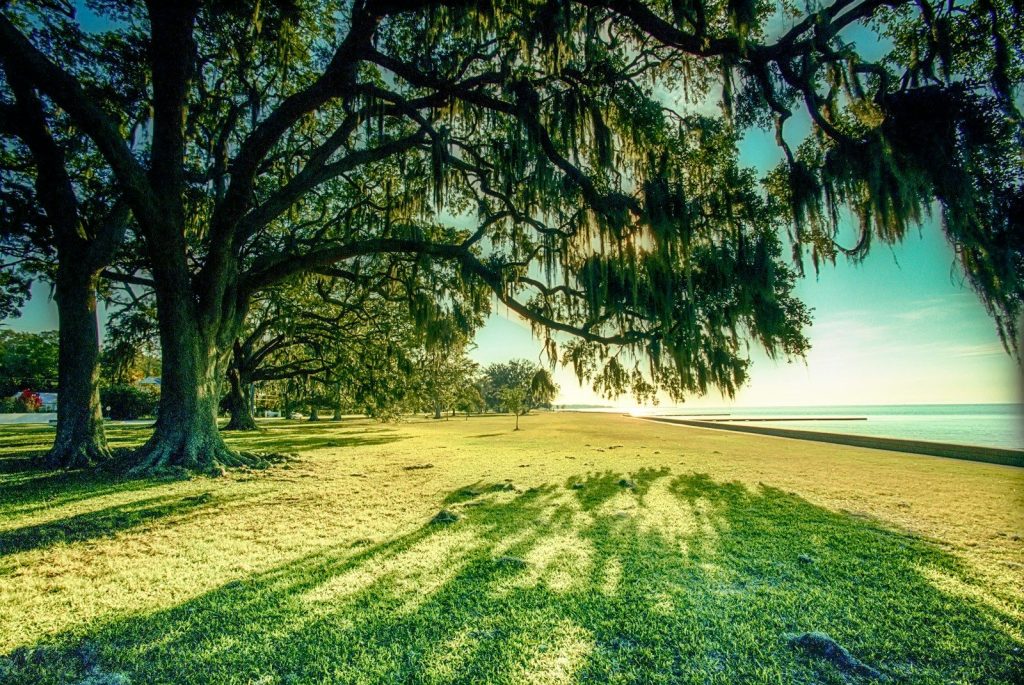
    Louisiana and Alabama are two states where feral hog populations have grown rapidly in recent years. Both states have large rural areas with forests, farmland, and wetlands that provide ideal conditions for wild pigs to spread.

    In these states, farmers often report increasing damage year after year. Rice fields, soybean crops, and pasturelands are commonly affected. In addition, hogs can cause erosion by digging into wet soil, which leads to flooding issues in some areas. Many landowners in both states say the population growth feels out of control and difficult to manage without constant trapping and hunting efforts.

    Mississippi and South Carolina face rural land destruction

    green trees beside river under blue sky and white clouds during daytime
    Photo by Mathew Benoit on Unsplash

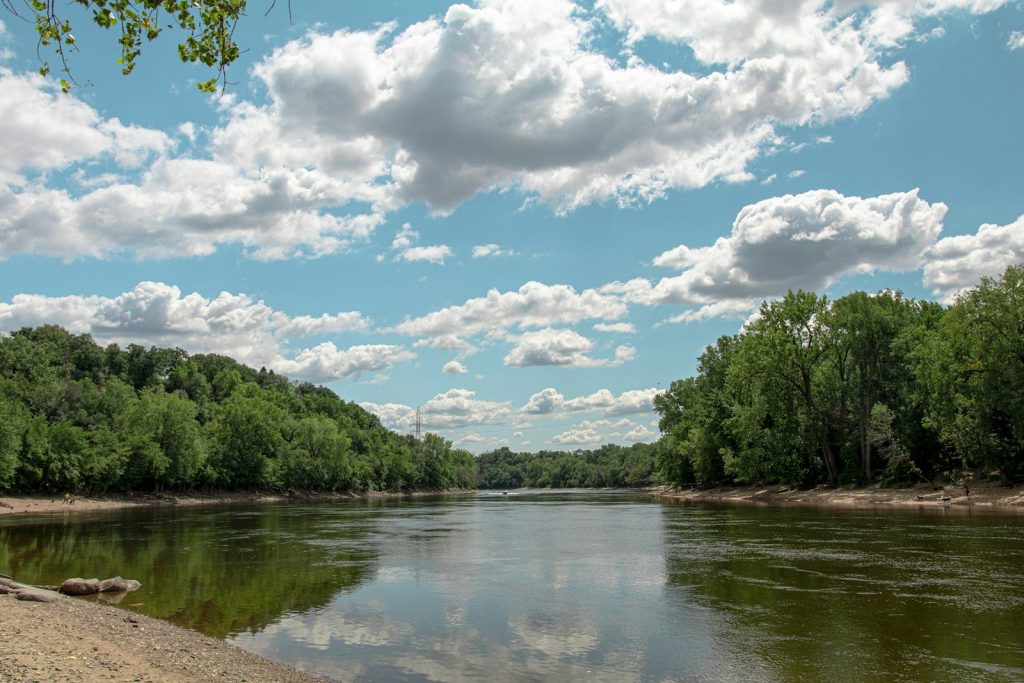
    Mississippi and South Carolina also rank high among states struggling with feral hog problems. These states have large agricultural sectors combined with wooded land, which gives hogs both food and shelter. As a result, the animals are deeply established in many rural regions.

    The damage here often includes destroyed crops, weakened soil, and harm to young trees in forestry areas. In South Carolina, hogs are especially known for damaging forest regeneration projects, which affects long-term timber production. Mississippi farmers face similar issues with soybeans, corn, and pastureland being repeatedly rooted up and destroyed.

    Oklahoma and California see expanding hog populations

    brown and green grass field under white clouds and blue sky during daytime
    Photo by Noah Baughman on Unsplash

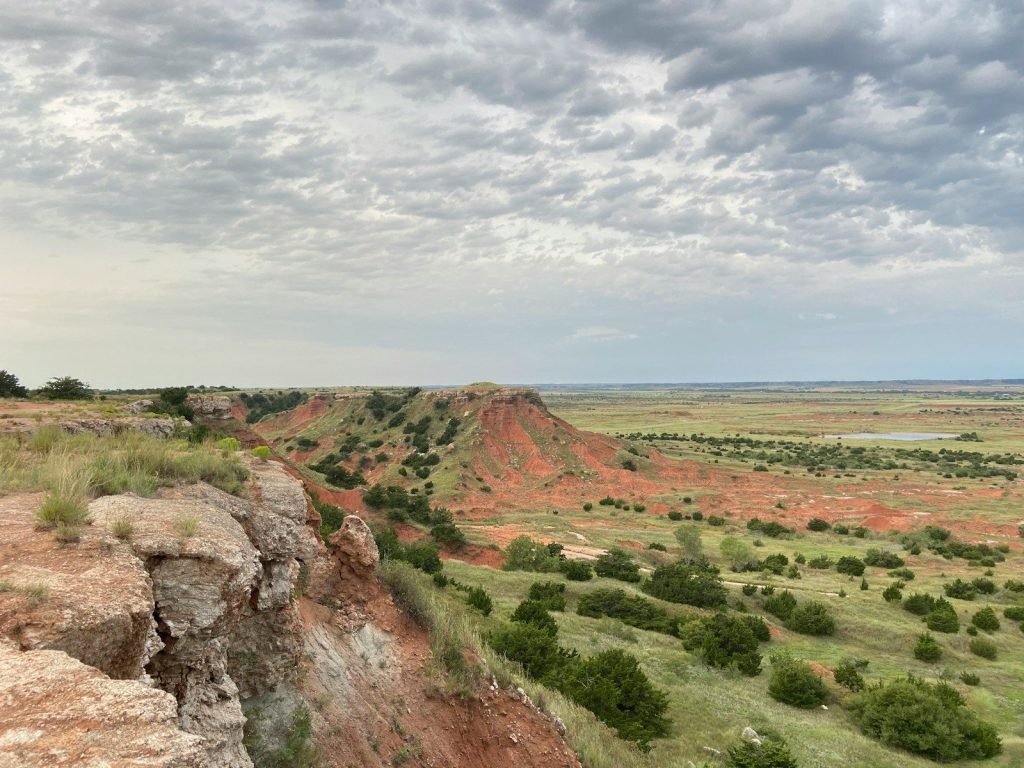
    Oklahoma has seen a steady increase in feral hog numbers over the past several years. The animals are spreading across farmland and grasslands, causing growing concern among ranchers. Crop damage and pasture destruction are the main problems, especially in areas where livestock farming is important.

    California, while not as heavily impacted as southern states, is also dealing with expanding hog populations. Wild pigs are found in both coastal and inland regions, where they damage farmland, vineyards, and natural habitats. The concern in California is that the population continues to spread into new areas, making future control more difficult.