Category: Wildlife and animals

  • 6 animals once believed extinct that were later found alive

    6 animals once believed extinct that were later found alive

    Imagine believing an animal vanished forever, only to discover it is still alive years, decades, or even millions of years later. These remarkable creatures are often called “Lazarus animals” because they seem to return from the brink of extinction. Scientists sometimes declare a species extinct when it has not been seen for a very long time, but nature can still surprise us.

    Some animals survive in remote habitats, hidden from human eyes. This article explores six fascinating animals once thought extinct but later rediscovered, how they were rediscovered, and why many of them still need protection to survive in the future.

    Australian night parrot made a surprising return
    a bird sitting on a branch
    Photo by Gabriel Miklós on Unsplash

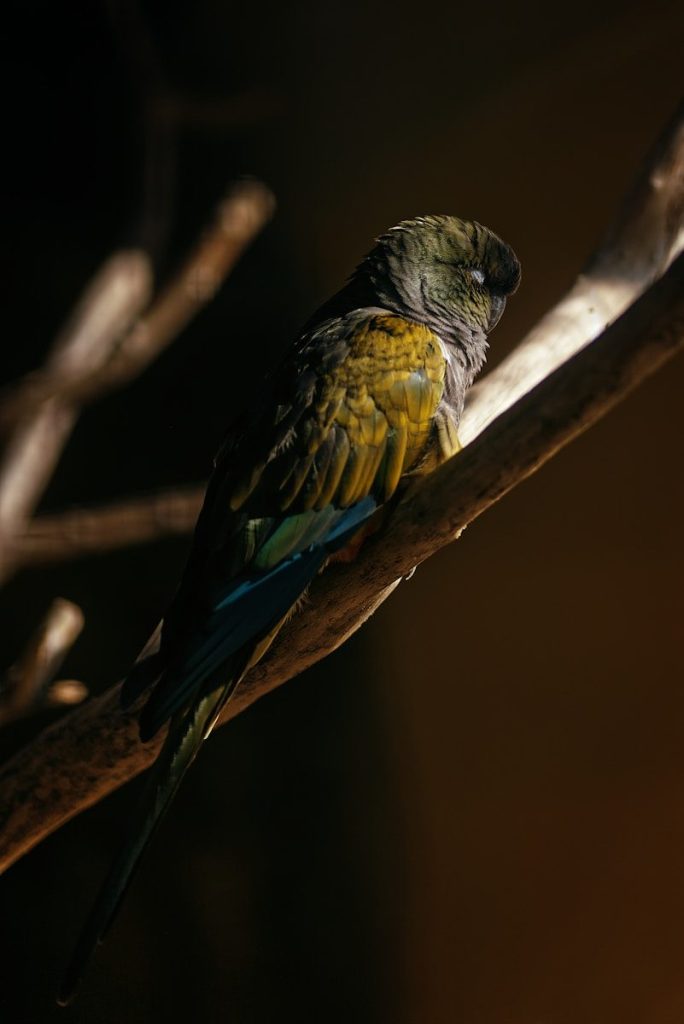
    The Australian night parrot disappeared from scientific records in 1912. For many years, experts believed that introduced predators such as cats and foxes had greatly reduced its population. The bird became one of Australia’s greatest wildlife mysteries.

    In 2013, naturalist John Young photographed a live Australian night parrot after spending 15 years searching for it. The rediscovery happened about a century after the bird was last officially recorded. Although some evidence later came under scrutiny, the species is still recognized as living and remains endangered.

    Coelacanth shocked the scientific world
    grey fish on blue textile
    Photo by David Clode on Unsplash

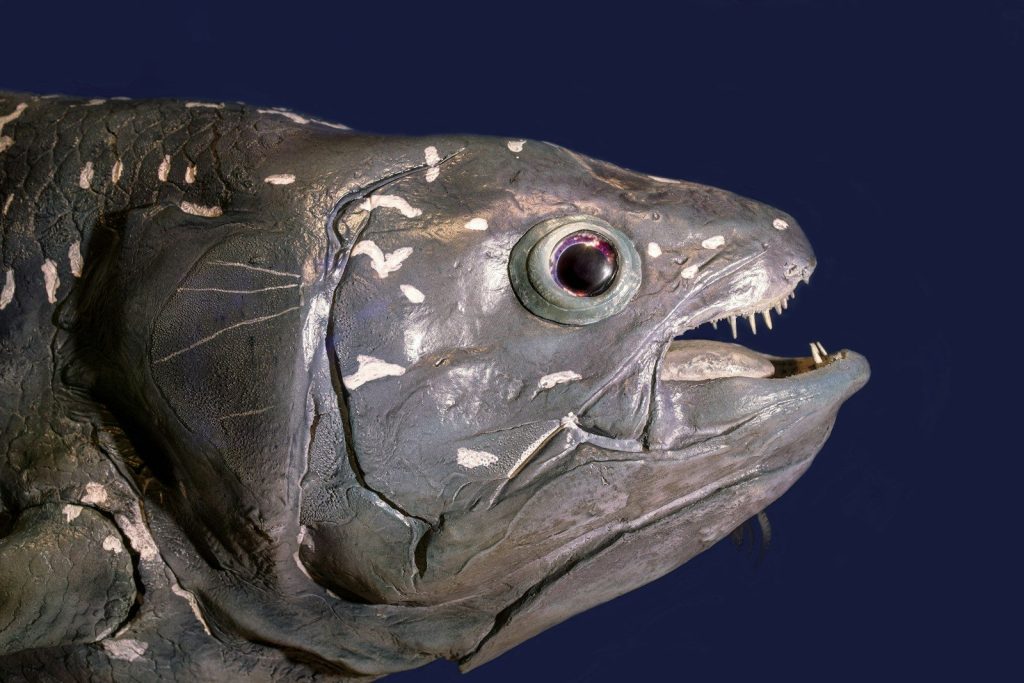
    The coelacanth was once believed to have disappeared around 65 million years ago, along with the dinosaurs. Scientists knew the fish only from fossils and thought it had been extinct for millions of years.

    Everything changed in 1938 when a living coelacanth was caught off the coast of South Africa. Another species was later discovered near Indonesia in 1998. These discoveries amazed researchers because the fish represents an ancient group linked to the evolution of land animals.

    The New Guinea big-eared bat avoided detection
    Healthy Virginia big-eared bat” by U. S. Fish and Wildlife Service – Northeast Region is licensed under CC PDM 1.0

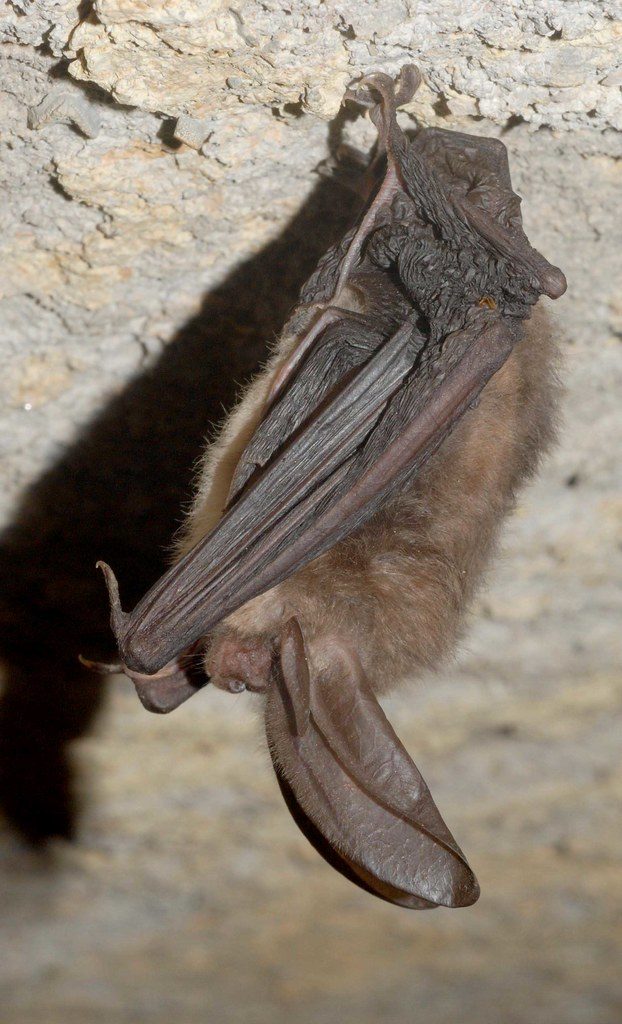
    The New Guinea big-eared bat was first observed in 1890 and then seemed to vanish. Because it closely resembles other bat species, it remained hidden from researchers for many decades.

    In 2012, scientists studying the impacts of logging accidentally captured a female bat. Two years later, an expert confirmed it was the long-lost New Guinea big-eared bat. Today, habitat loss from logging continues to threaten the species, and it is considered critically endangered.

    Cuban solenodon escaped extinction
    Cuban Solenodon” by flickkerphotos is licensed under CC BY-NC-ND 2.0

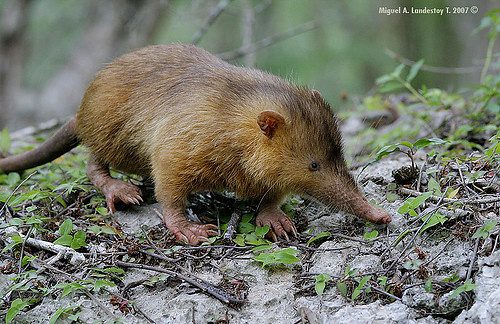
    The Cuban solenodon is a small nocturnal mammal that hunts insects in Cuba’s mountain regions. It is especially unusual because it is one of the few venomous mammals in the world.

    Scientists declared the species extinct in 1970, but researchers found living individuals just four years later. Despite this rediscovery, the Cuban solenodon remains endangered because habitat loss and invasive predators continue to put pressure on its population.

    The Fernandina Island tortoise reappeared after a century
    June 11 Fernandina Island Tortoise at full speed” by Phillip Marsh is licensed under CC BY-NC-ND 2.0

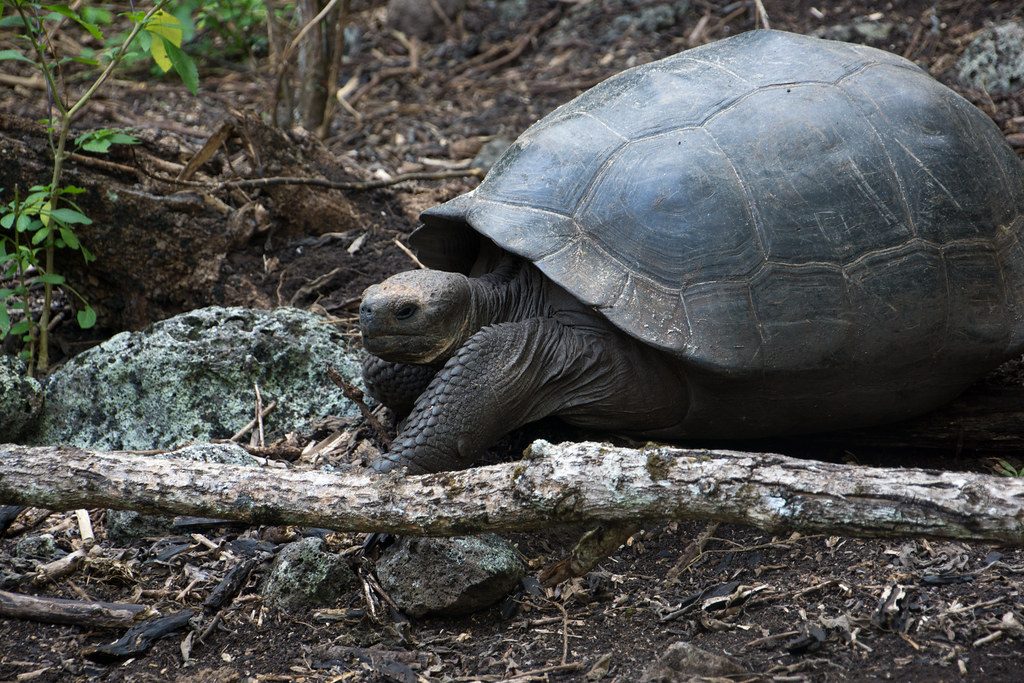
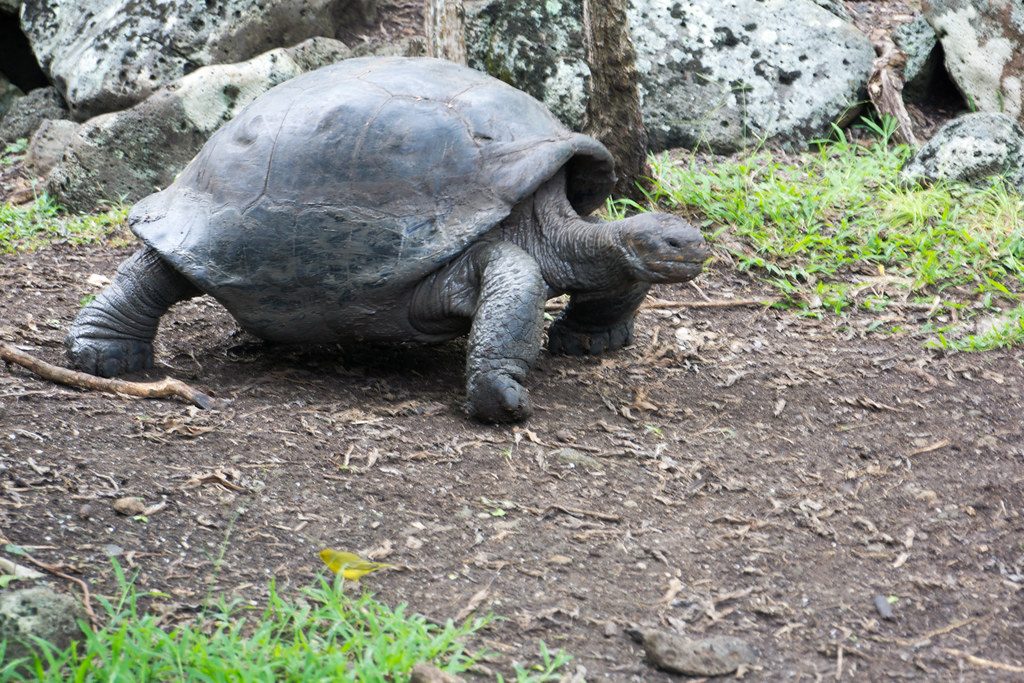
    The Fernandina Island tortoise was believed extinct for about 100 years. Only one specimen had been found in 1906, leading many people to think the species had disappeared forever.

    In 2019, a living female tortoise was discovered on Fernandina Island in the Galapagos. Researchers also found tracks and droppings suggesting that other tortoises may still exist on the island. Genetic research later confirmed the female was related to the original specimen found more than a century earlier.

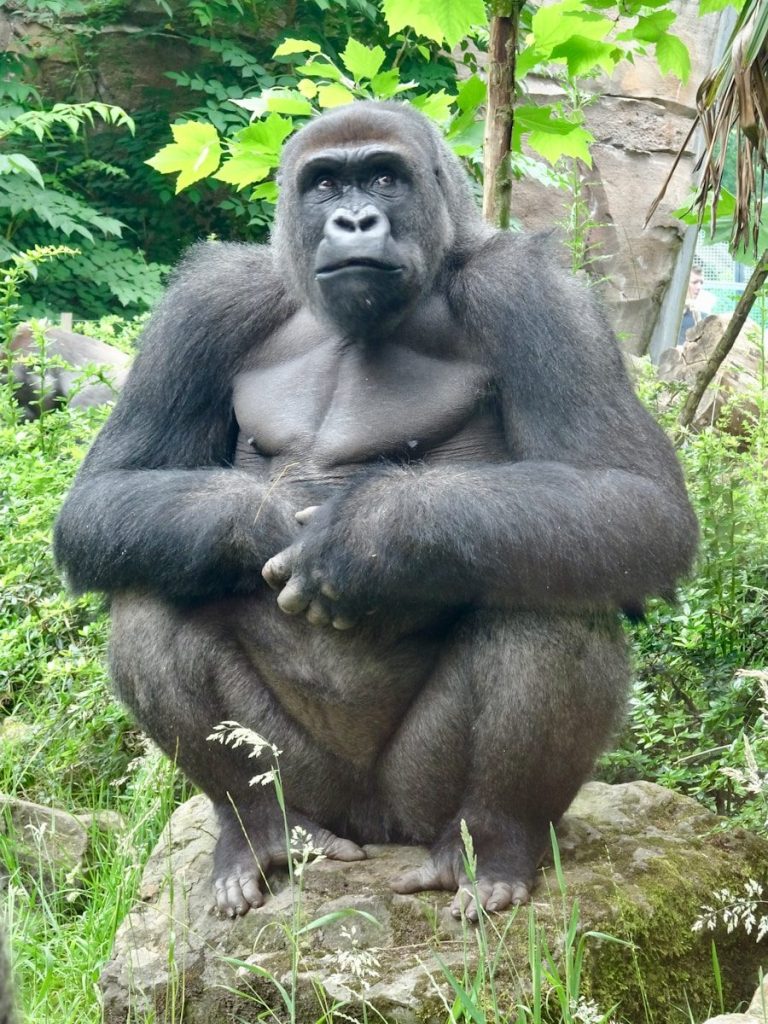
    Cross River gorilla offers hope for recovery
    gorilla sitting on green grass during daytime
    Photo by Simone Scholten on Unsplash

    The Cross River gorilla is one of the rarest gorilla populations in the world. After being identified in 1904, it received little scientific attention and was later believed to be extinct.

    A small population was rediscovered in 1987, and in 2009, conservationists obtained photographs of family groups with young gorillas. With only about 200 to 300 individuals remaining, the species is still critically endangered, but protected areas offer hope for its future survival.
  • A single kick may have killed one of the Outer Banks’ most beloved wild horses

    A single kick may have killed one of the Outer Banks’ most beloved wild horses

    A beloved wild horse that captured the hearts of visitors on North Carolina’s Outer Banks has died after what experts believe was a tragic accident. The horse, known as Surfer, was a well-known member of the Corolla wild horse herd and was admired for his beauty, confidence, and strong presence. Officials say the 15-year-old stallion likely suffered a fatal head injury from a kick delivered by another horse.

    His death has saddened residents, tourists, and horse enthusiasts while also highlighting the challenges wild horses face in their natural environment. This article looks at Surfer’s life, the circumstances surrounding his death, and what his story means for the future of the Corolla herd.

    How Surfer was discovered

    a brown horse laying on top of a sandy beach
    Photo by Cindie Hansen on Unsplash

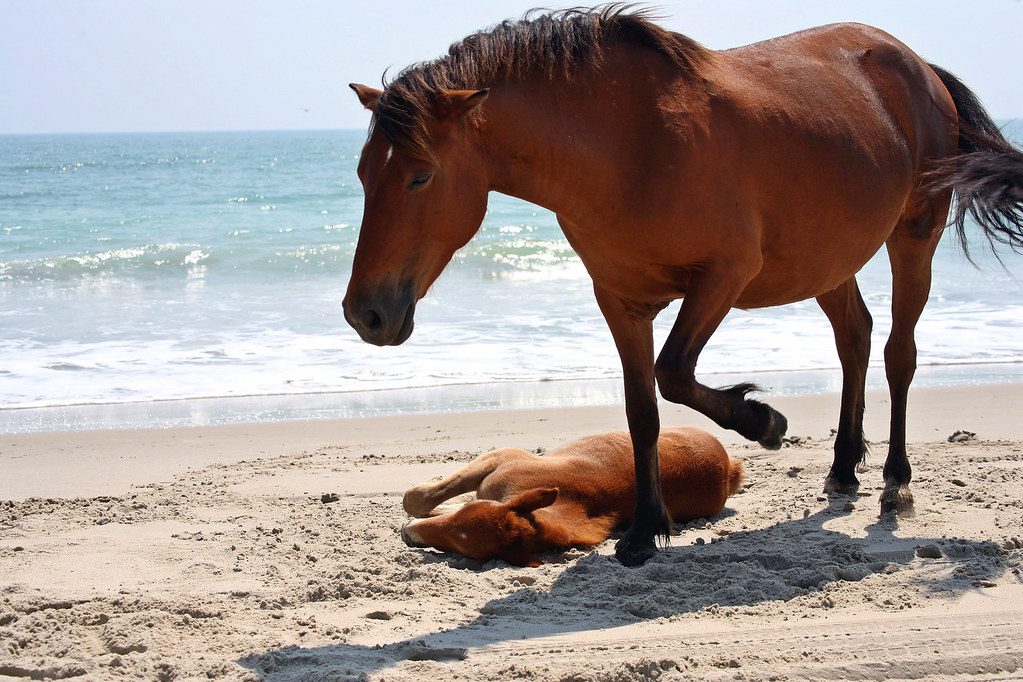
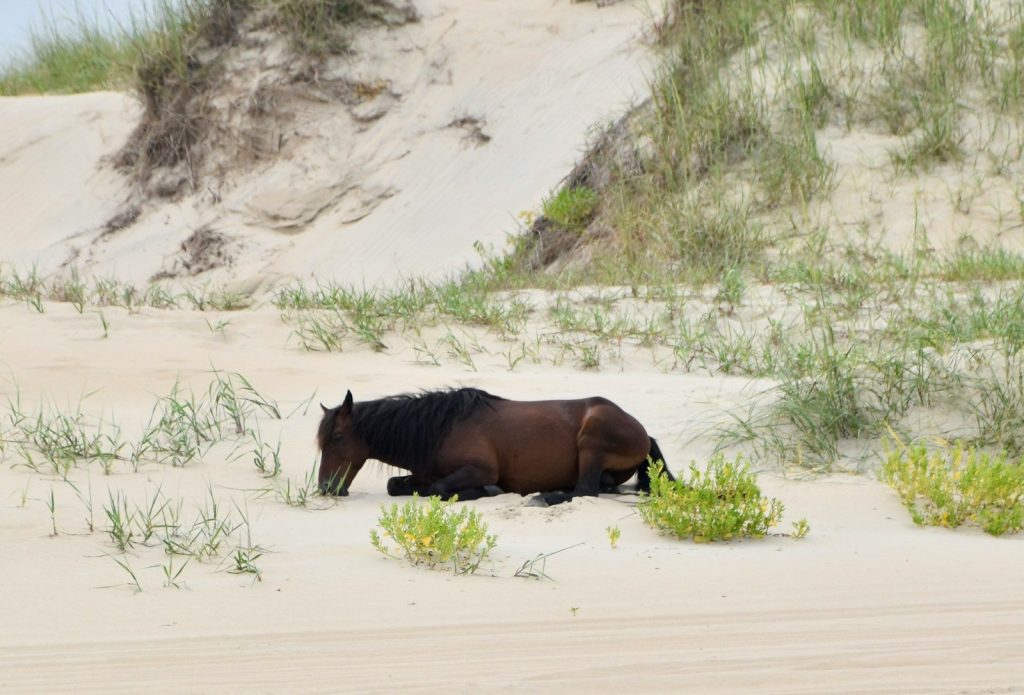
    The discovery was made by tourists walking along the beach in Corolla, North Carolina’s Outer Banks. After finding the horse, they called 911, which led officials from the Corolla Wild Horse Fund to respond to the scene.

    Meg Puckett, who manages the Corolla herd, examined the situation and said the injury appeared to be recent. She noted that the wound was limited to the horse’s head and that there were no signs of additional trauma or evidence of human involvement.

    What experts believe happened

    a brown horse standing on top of a sandy beach
    Photo by Cindie Hansen on Unsplash

    According to officials, Surfer’s injuries were consistent with a kick from another horse. Experts believe the injury was severe enough to cause his death, even though it may not have resulted from a serious fight.

    Puckett explained that the kick could have come from another stallion or even from a mare. She said it was likely an unfortunate accident rather than an intense battle. The incident serves as a reminder that wild horses can unintentionally cause serious harm to one another because of their strength.

    Surfer’s place in the Corolla herd

    a group of horses on a beach
    Photo by Linda Gillotti on Unsplash

    Surfer was a 15-year-old stallion who was widely recognized within the Corolla wild horse herd. Staff members, local residents, and visitors considered him one of the most memorable horses in the area due to his striking appearance and confident personality.

    Officials described him as both charismatic and very wild. He was known for carrying himself with confidence and often stood out among the herd. His presence made him a favorite among many people who regularly visited the Outer Banks.

    Life among North Carolina’s wild horses

    a couple of horses standing on top of a sandy beach
    Photo by Cindie Hansen on Unsplash

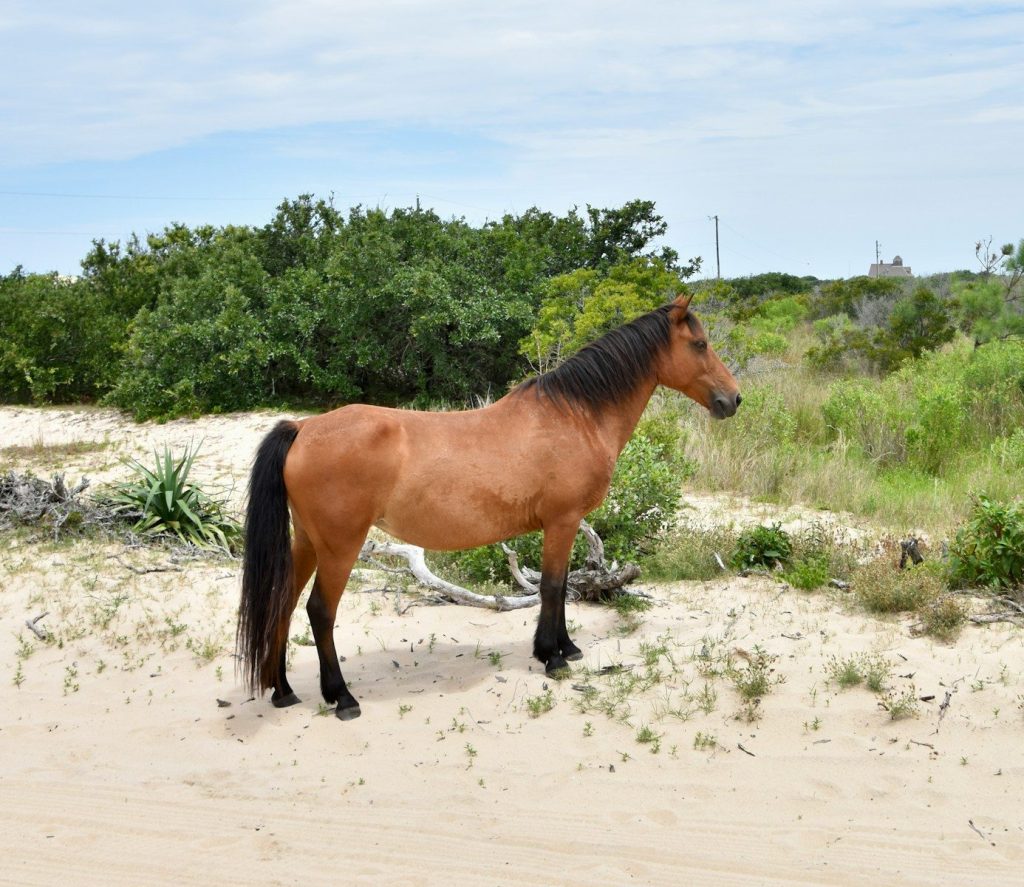
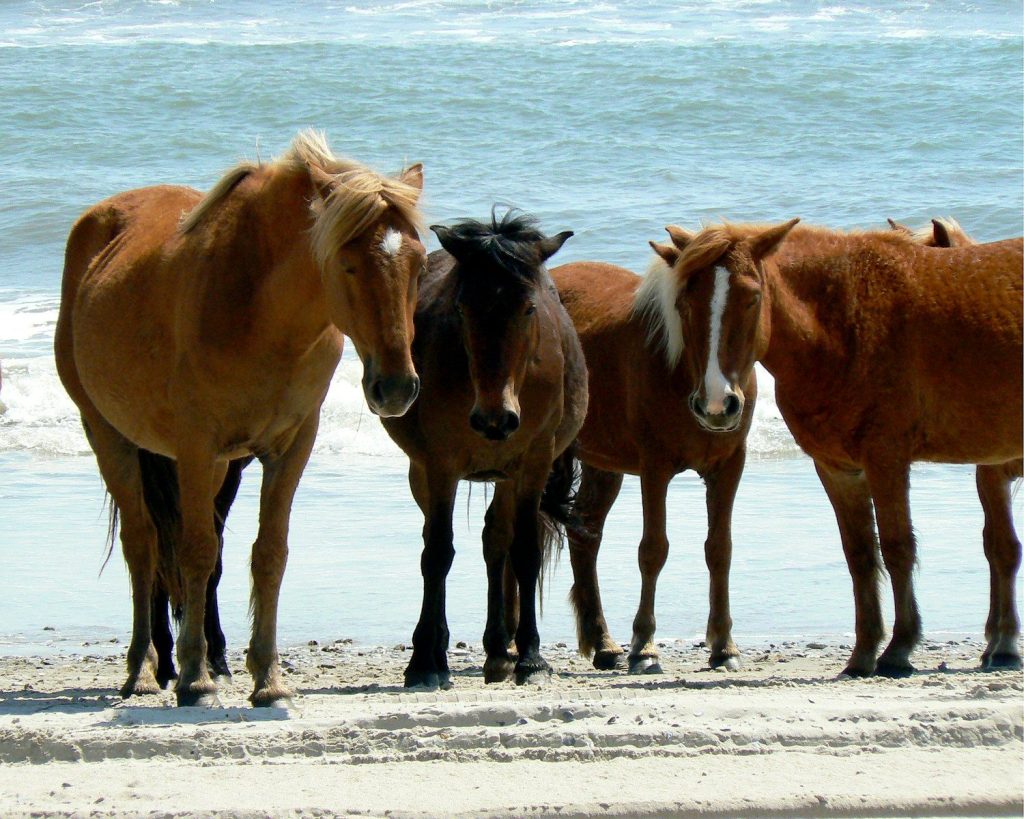
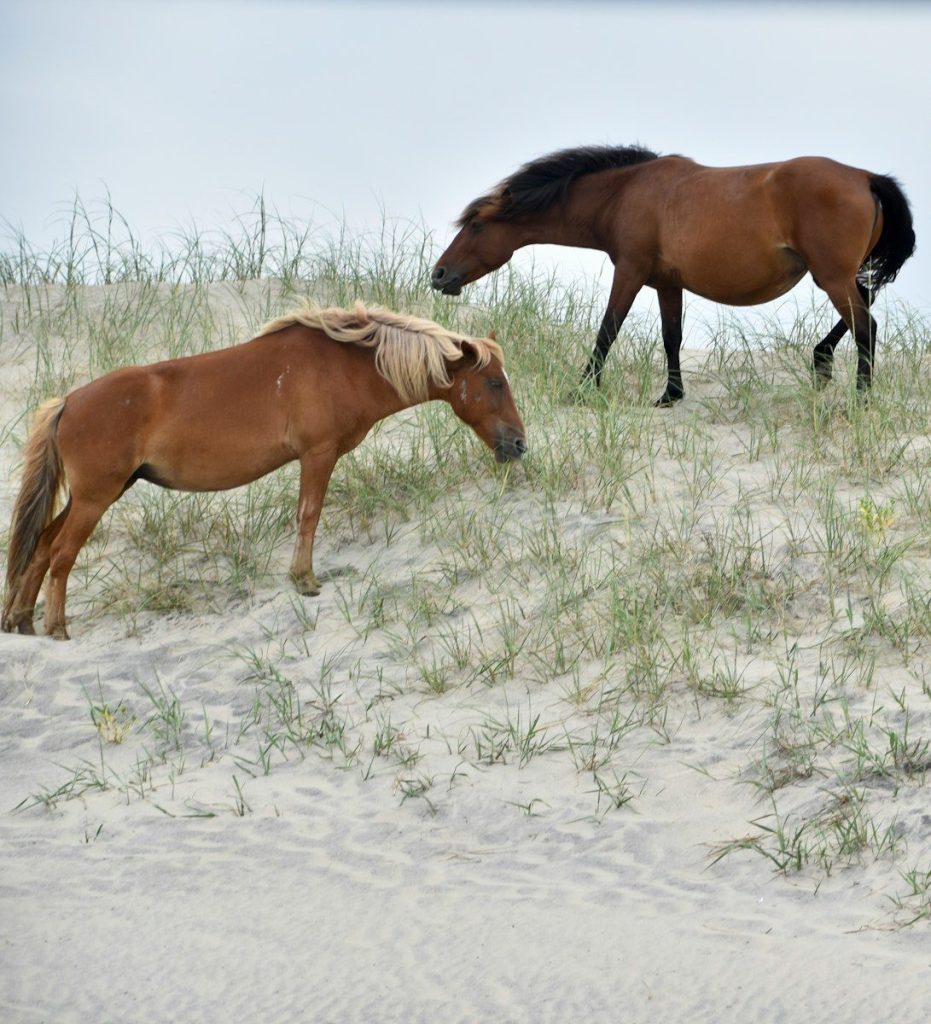
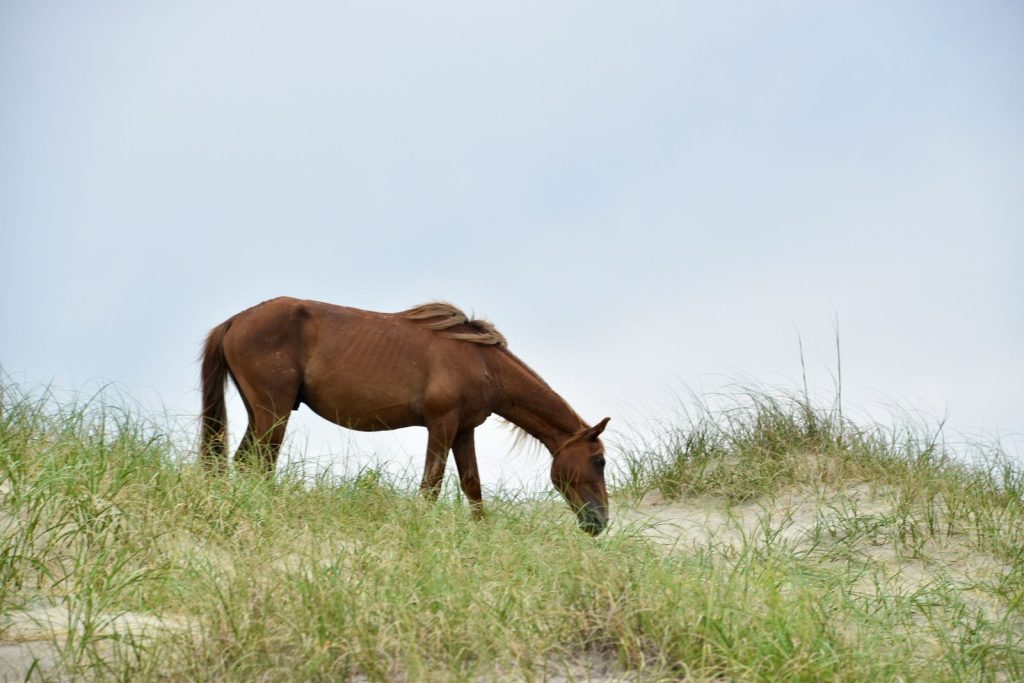
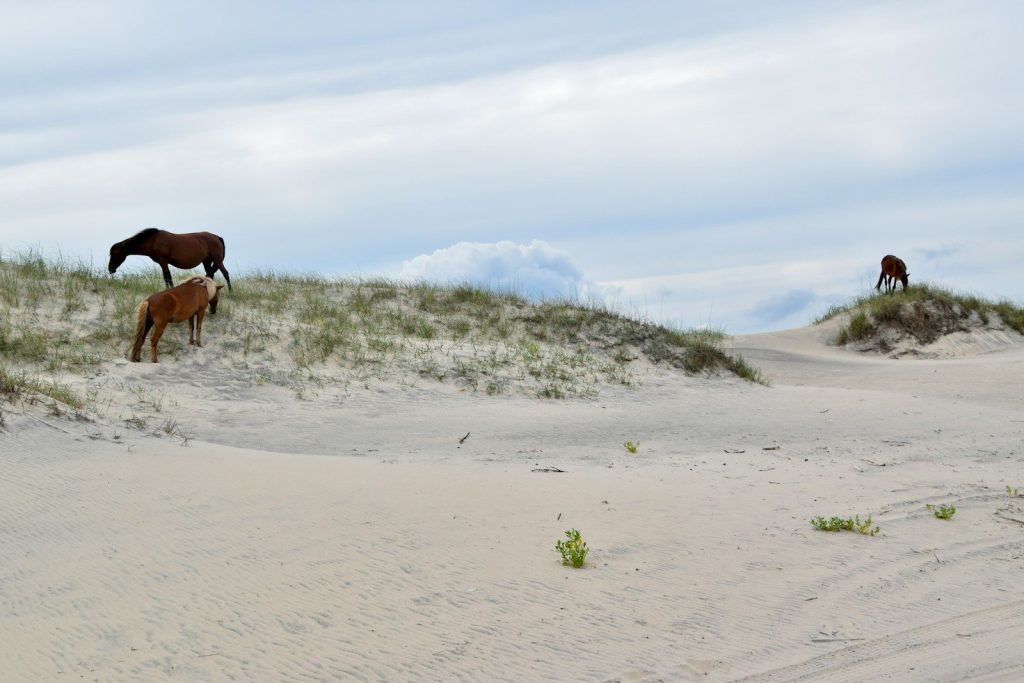
    The Corolla herd consists of about 110 wild horses that live on the northern end of the Outer Banks. The herd is protected and managed by the nonprofit Corolla Wild Horse Fund through public donations.

    Life in the wild comes with many challenges. Stallions are known to engage in fights involving chasing, kicking, and biting. These encounters can happen suddenly and are one reason local laws require people to stay at least 50 feet away from the horses for safety.

    The legacy Surfer leaves behind

    a brown horse grazing in a grassy field
    Photo by Cindie Hansen on Unsplash

    DNA research has shown that Surfer fathered three offspring. Only one of those offspring remains in the wild today. One died, while another now lives at a rehabilitation farm operated by the Corolla Wild Horse Fund.

    Officials said Surfer’s four-year-old son now carries on his family line in the wild herd. While there is no guarantee of what the future holds, conservation staff hope he will continue his father’s legacy and contribute to future generations of wild horses.

    Community members remember a favorite horse

    a couple of horses that are standing in the sand
    Photo by Cindie Hansen on Unsplash

    News of Surfer’s death quickly spread across social media, generating thousands of reactions and comments within a few hours. Many people shared personal memories and expressed sadness over the loss of one of the herd’s most recognizable horses.

    Visitors recalled seeing Surfer running along the beach and admired his flowing blond mane and powerful appearance. For some families, watching him year after year became a tradition during summer visits. Their messages reflected how deeply Surfer connected with people despite living his entire life as a wild horse.

  • Are megalodons still alive in the Mariana Trench? Experts examine the evidence

    Are megalodons still alive in the Mariana Trench? Experts examine the evidence

    The idea that megalodons might still be alive in the Mariana Trench has fascinated people for years. Movies, TV shows, and online stories often suggest that this giant shark could be hiding in the deepest part of the ocean, far away from human eyes. But is there any truth to this idea? Could one of the largest predators in Earth’s history still be swimming beneath the waves?

    This article examines the evidence carefully and explains what scientists know about megalodon fossils, the Mariana Trench, and modern ocean exploration. By the end, you will understand why the question is so popular and why most experts agree that megalodons are no longer alive today.

    What scientists know about megalodon

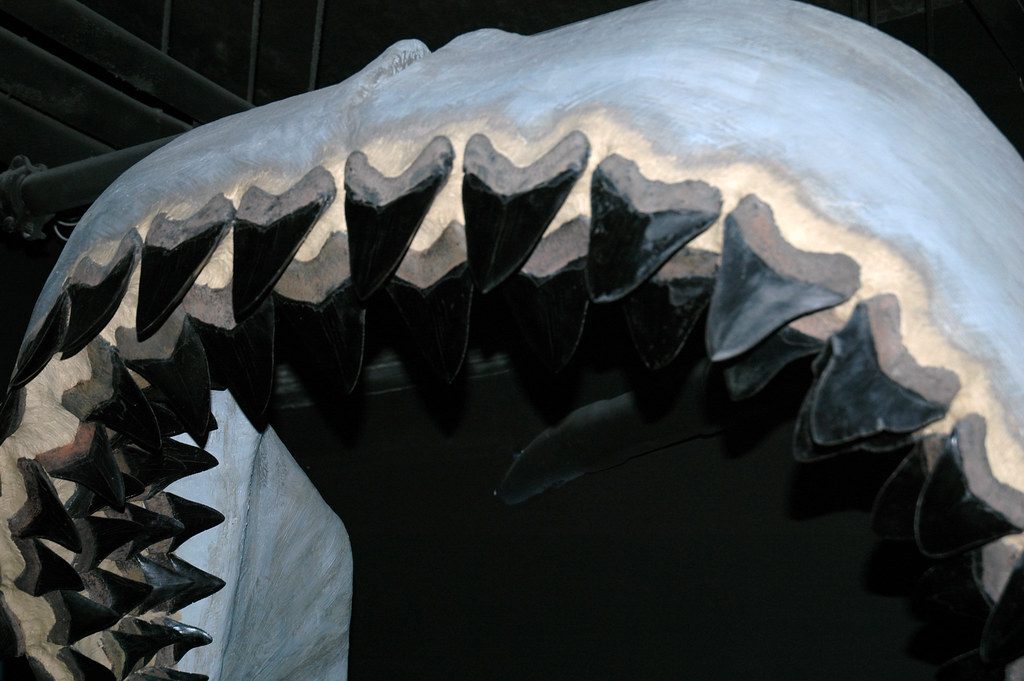
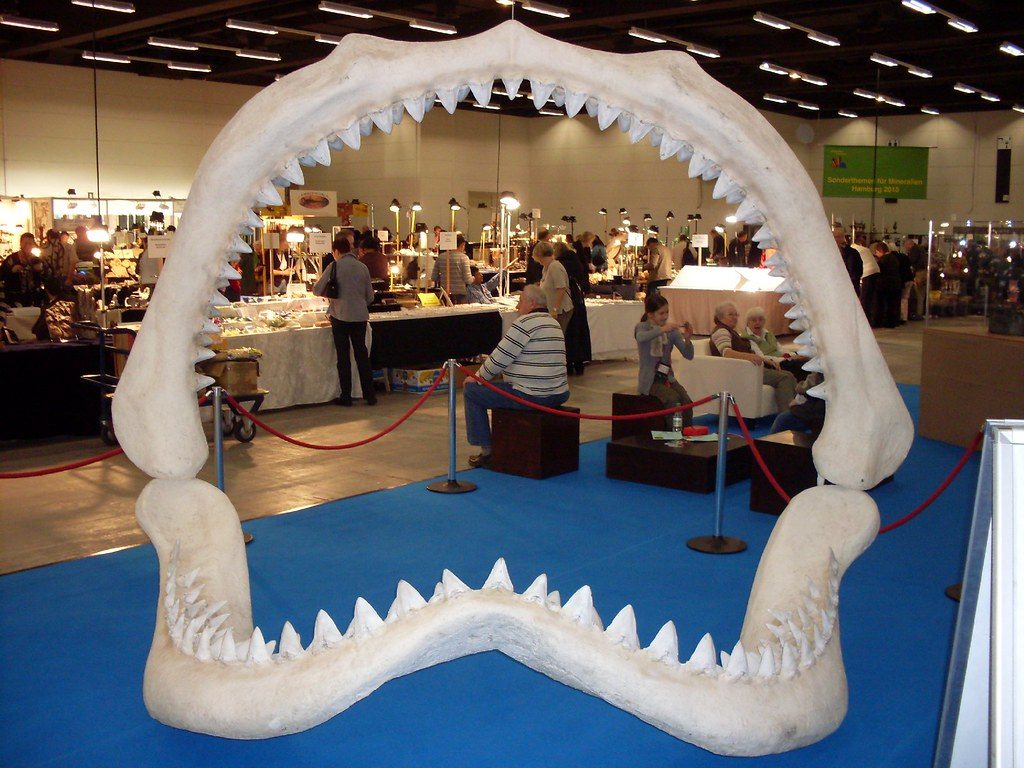
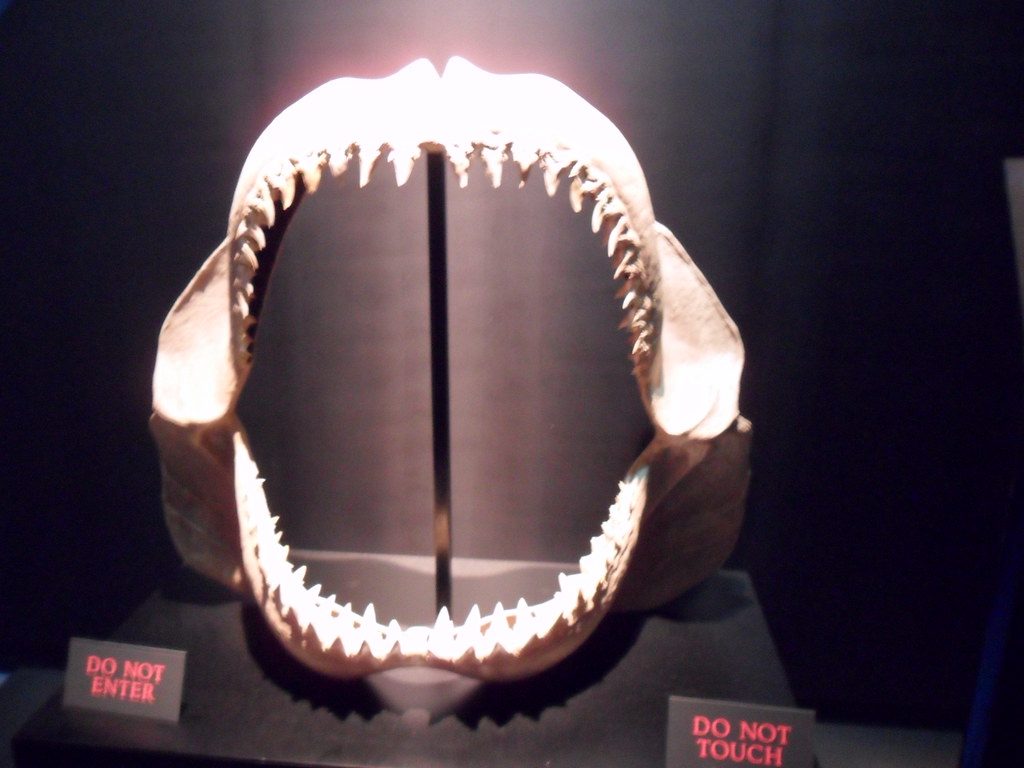
    Carcharodon megalodon fossil shark jaw (reconstruction) (late Cenozoic) 5” by James St. John is licensed under CC BY 2.0

    Megalodon was one of the biggest predators that ever lived. Scientists estimate that the shark could grow as long as 50 to 80 feet, although many experts believe most adults are closer to the lower end of that range. It lived from about 23 million years ago until roughly 3.6 million years ago. The animal was an apex predator, meaning it sat at the very top of the food chain and hunted large prey, including whales, dolphins, seals, and other sharks.

    Most of what scientists know about megalodon comes from its fossil teeth and a small number of vertebrae. Sharks are made mostly of cartilage, which does not fossilize well, so complete skeletons are extremely rare. Even so, thousands of megalodon teeth have been found around the world. The youngest reliable fossils are about 3.6 million years old, and no confirmed modern remains have ever been discovered. This long gap in the fossil record is one of the strongest reasons scientists believe the species became extinct.

    Why the Mariana Trench became part of the story

    Mariana trench, Pacific Ocean” by Mudkipz_KGM is licensed under CC BY 2.0

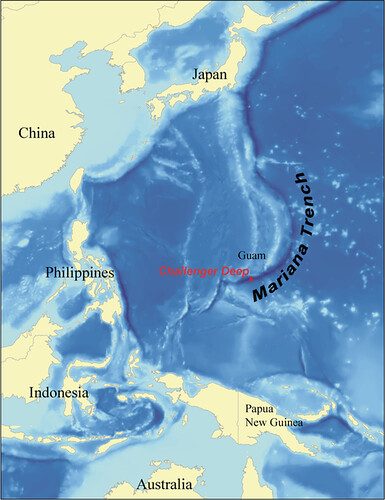
    The Mariana Trench is the deepest place in Earth’s oceans. Its lowest point, called Challenger Deep, reaches nearly 36,000 feet below sea level. Because humans have explored only a small part of the deep ocean, many people wonder whether large creatures could hide there unnoticed. Books and movies have helped spread this idea by showing giant sharks living in the trench and rising to the surface to hunt.

    However, the real Mariana Trench is a harsh environment. Temperatures are only a few degrees above freezing, sunlight never reaches the bottom, and pressure is more than one thousand times greater than at sea level. Scientists say these conditions would make life difficult for a giant predator that evolved in warm waters. The trench is also not filled with large animals waiting to be eaten. Food is scarce, and most deep-sea creatures survive on tiny amounts of organic material that drift down from above.

    The evidence against living megalodons

    a group of people sitting around a white table
    Photo by UK Black Tech on Unsplash

    One of the biggest problems with the idea of living megalodons is the lack of evidence. Sharks lose thousands of teeth throughout their lives. If megalodons still existed, scientists would expect to find fresh teeth, recent bite marks on whales, or even sightings from fishing boats and research ships. None of these have been found.

    Modern technology has also changed how scientists study the oceans. Satellites track whale migrations, underwater cameras record marine life, and research vessels explore places that were once unreachable. Large whales, giant squid, and rare sharks have all been discovered and studied using these tools. A predator the size of a megalodon would leave obvious signs of its presence. The absence of such evidence strongly suggests that the animal is no longer alive.

    Could a giant shark survive in the deep ocean?

    I am glad you are not a giant shark” by mriggen is licensed under CC BY 2.0

    To answer this question, scientists look at what megalodon ate and how it lived. Fossils show that the giant shark preyed on whales and other marine mammals. Many fossil whale bones have deep bite marks that match megalodon teeth. This tells researchers that the shark hunted near the surface where whales spent most of their time breathing and feeding.

    The deep ocean does not provide enough food for such a large predator. Animals living in the abyss are usually small or have very slow metabolisms so they can survive on limited resources. Megalodon was different. It was an active hunter with a huge body that required large amounts of food. A giant shark living in the Mariana Trench would need to find enough prey to support its size, but the trench simply does not contain the rich food supply necessary for an animal like that to survive.

    Why people still believe megalodons exist

    Carcharocles megalodon” by Gunnar Ries zwo is licensed under CC BY-NC-ND 2.0

    Despite the scientific evidence, stories about living megalodons remain popular. Part of the reason is that the ocean is mysterious. More than 70 percent of Earth’s surface is covered by water, and much of the deep sea remains unexplored. This leaves room for imagination and allows myths to grow.

    Television has also played a major role. Some documentaries and movies have presented fictional stories in ways that looked real, causing confusion among viewers. Images of giant fins, dramatic attacks, and fake eyewitness accounts spread quickly online. These stories are entertaining, but scientists stress that entertainment is not the same as evidence. Extraordinary claims require extraordinary proof, and so far no proof has been found that megalodons survived into modern times.

    What experts say about the future of the mystery

    man in black suit standing in front of people
    Photo by Kevin Gonzalez on Unsplash

    Scientists are always open to new discoveries. If a living megalodon were found tomorrow, researchers would eagerly study it and rewrite what is known about shark evolution. Science changes when new evidence appears. But until that happens, conclusions must be based on facts rather than speculation.

    Today, the evidence points in one direction. Megalodon fossils disappear from the record around 3.6 million years ago. No modern teeth, bones, DNA, or sightings have been verified. The Mariana Trench is cold, dark, and low in food, making it an unlikely hiding place for a giant warm-water predator. Experts continue to explore the oceans and discover amazing creatures, yet none of those discoveries has changed the conclusion that megalodon is extinct.

  • A helpless seal pup struggled to survive while dragging a heavy fishing net

    A helpless seal pup struggled to survive while dragging a heavy fishing net

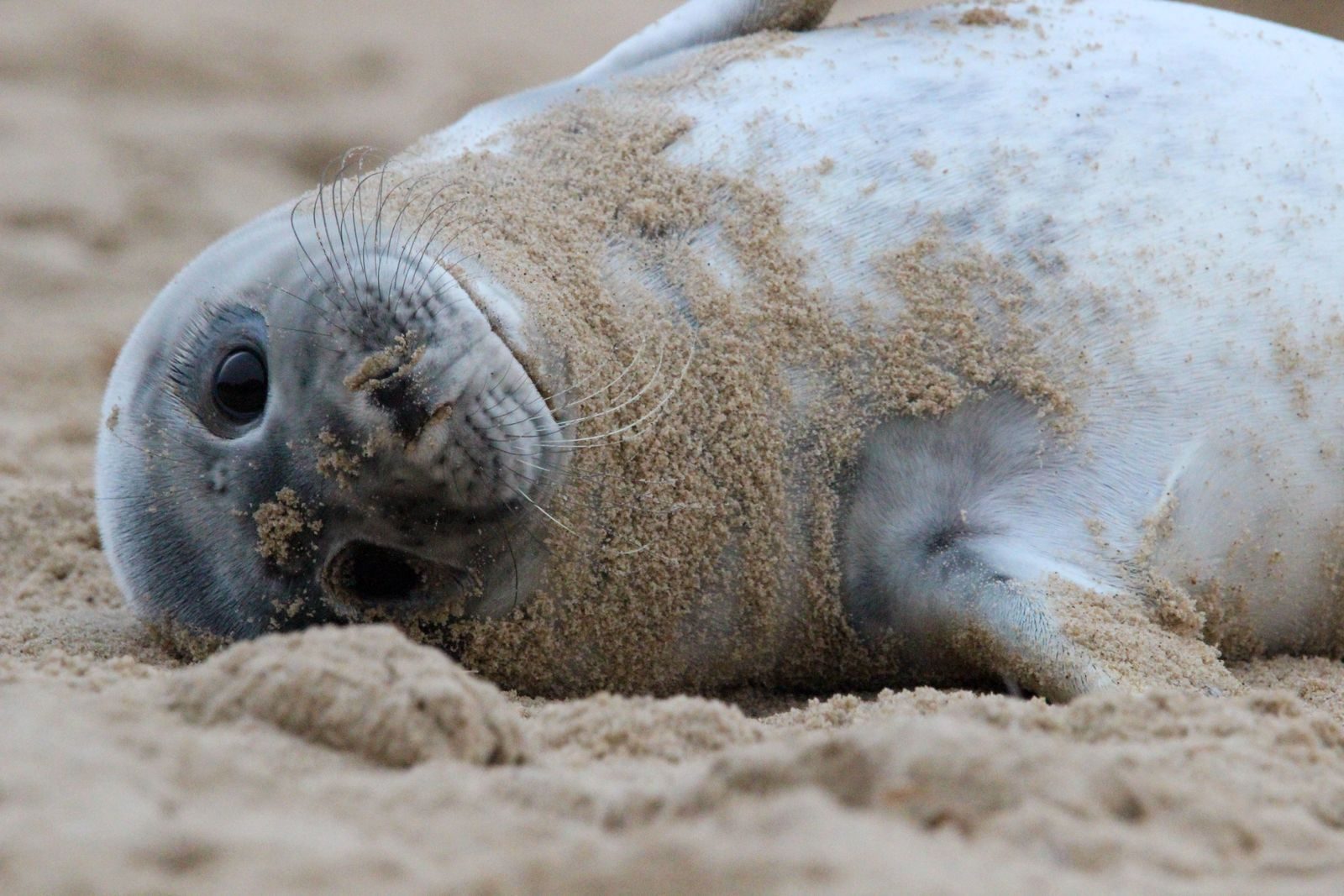
    A helpless animal fighting to survive can leave a lasting mark on anyone who sees it. That is exactly why this seal pup rescue has touched so many hearts online. The story centers on a tiny seal pup found dragging a heavy fishing net across a beach while struggling to stay alive on its own. Weak, scared, and exhausted, the baby seal appeared to be losing hope before rescuers stepped in to help.

    This article explores what happened during the emotional rescue, why fishing nets are so dangerous for marine animals, how rescuers help injured seals, and what this heartbreaking moment teaches us about protecting ocean wildlife. By the end, readers will have a better understanding of the dangers seals face and why even a small act of rescue can make a huge difference.

    A tiny seal faced a huge struggle

    seal pup, seal, beach, pinniped, harbour seal, nature, grey seal, pup, harbor, coast, cute, resting, water, sea, ocean, marine mammal, marine animal
    Photo by TheOtherKev on Pixabay

    The heartbreaking scene began when a small seal pup was spotted dragging a heavy fishing net across the sand. The baby seal appeared exhausted and confused as it tried to move forward with the net weighing it down. Young seals depend heavily on their strength and energy to stay warm, avoid danger, and search for food. Carrying extra weight can quickly drain them, especially when they are already weak or alone. The sight of such a tiny animal struggling under the burden of human waste left many viewers feeling sad and helpless.

    Seal pups are especially vulnerable during their first months of life. They are still learning how to survive and do not have the size or experience of adult seals. If they become trapped in fishing gear or other marine debris, they can suffer cuts, infections, starvation, or even drowning. Wildlife experts around the world have long warned that abandoned fishing gear is one of the biggest dangers facing marine animals. For a young seal already fighting to survive, dragging a net can become a life-or-death battle.

    Fishing nets are a growing danger to marine life

    black and brown rope on body of water
    Photo by Edrin Spahiu on Unsplash

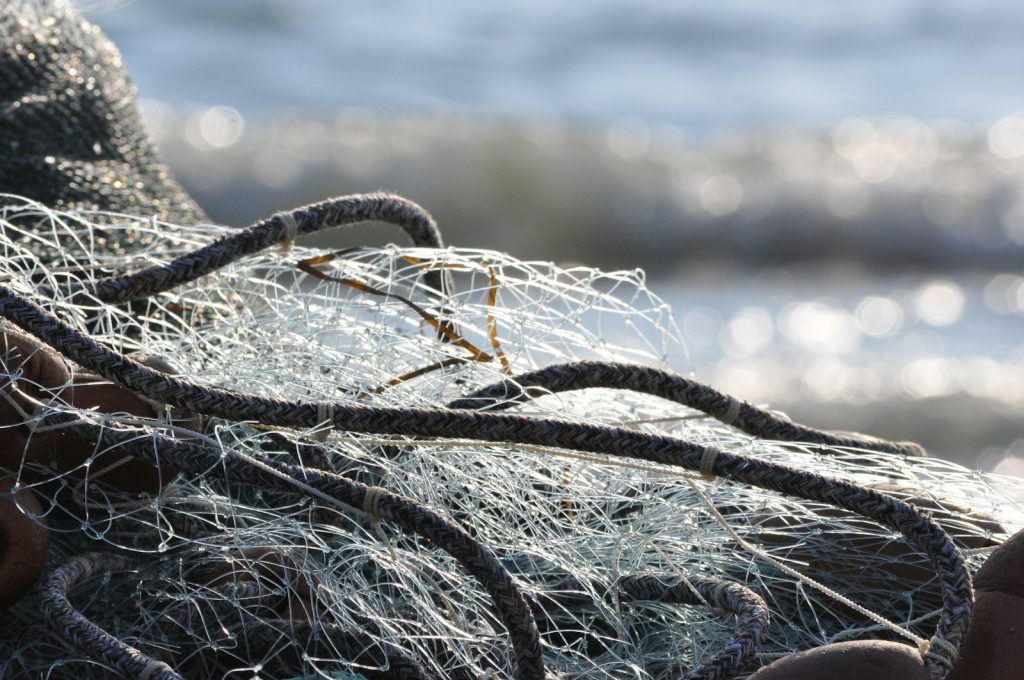
    Fishing nets are designed to be strong and durable, which makes them useful for catching fish, but dangerous when they are lost or thrown away. Once abandoned in the ocean, these nets can continue trapping animals for years. This problem is often called ghost fishing because the gear keeps catching marine life even when nobody is using it. Seals, sea lions, turtles, whales, dolphins, and seabirds are all at risk of becoming tangled in these hidden traps.

    When an animal becomes entangled, the net can cut into its skin as it grows or struggles to escape. Some animals lose the ability to swim properly or hunt for food. Others suffer infections that become worse over time. Young animals face an even greater risk because they have less strength and smaller bodies. The seal pup in this rescue story is a painful reminder that marine debris is not just trash floating in the ocean. It can become a deadly obstacle that changes or ends an animal’s life.

    Rescuers raced to save the frightened pup

    seal lying on gray sand during daytime
    Photo by Steve Adams on Unsplash

    When rescuers finally reached the seal pup, they faced a difficult challenge. Wild seals are naturally cautious around humans, and a frightened baby seal may try to escape even when it desperately needs help. The rescuers had to move carefully and calmly to avoid causing more stress. Every movement mattered because the seal was already exhausted from dragging the net and could easily injure itself if it panicked.

    Wildlife rescue teams are trained to handle situations like this with patience and care. They often use blankets, nets, or other special equipment to safely secure injured animals before removing dangerous objects. Their goal is to keep the animal calm while reducing pain and preventing further injury. In emotional rescues like this one, the process can take time, but that patience is often what gives an animal the best chance of survival and recovery.

    Why young seals need special protection

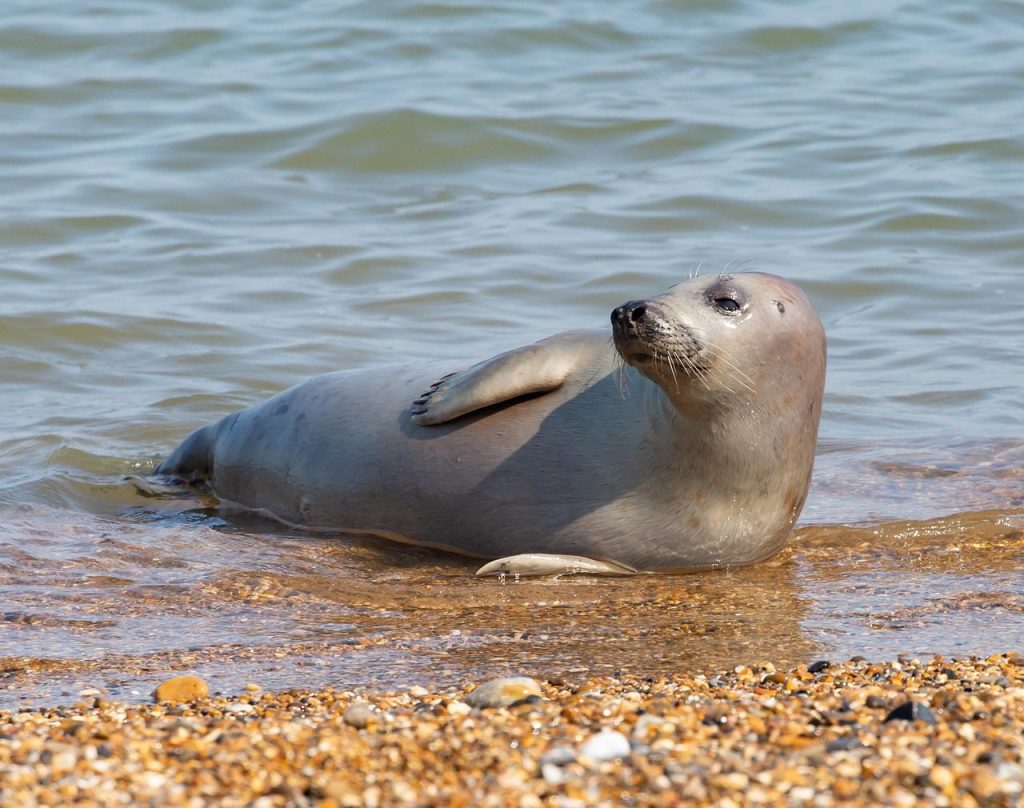
    Gray Seal Pup Update at the Smithsonian’s National Zoo” by Smithsonian’s National Zoo is licensed under CC BY-NC-ND 2.0

    Seal pups spend their early lives learning skills that are necessary for survival. Depending on the species, they may need to learn how to swim, find food, avoid predators, and survive harsh weather conditions. During this stage, even small injuries or extra stress can have serious consequences. A heavy fishing net is not just an inconvenience for a baby seal. It can prevent normal movement, make it harder to rest, and leave the animal dangerously weak.
    Young seals also have fewer fat reserves than adults. They burn energy quickly and can become exhausted after long periods of stress or hunger. If they are separated from their mothers or unable to feed properly, their condition can worsen in a short time. This is why wildlife experts encourage people to report injured seals immediately rather than trying to help on their own. Professional rescuers have the training and equipment needed to give these animals the safest possible care.

    The rescue touched hearts around the world

    A person holding a smart phone with social media on the screen
    Photo by Berke Citak on Unsplash

    Stories about animal rescues often spread quickly because they remind people of the bond humans share with wildlife. The image of a tiny seal struggling alone while dragging a net is difficult to forget. Many people who watched the rescue said they felt sadness, hope, and relief all at once. The seal’s fear and exhaustion were easy to see, making the rescue feel deeply personal to viewers everywhere.

    Emotional stories like this can also inspire positive action. They encourage people to learn more about ocean pollution, support wildlife rescue groups, and think carefully about how everyday choices affect the environment. While one rescue cannot solve the larger problem of marine debris, it can raise awareness and motivate change. Sometimes a single animal’s story is enough to help people understand the real cost of pollution and why protecting wildlife matters.

    What this story teaches us about ocean conservation

    a group of garbage floating in the ocean
    Photo by Naja Bertolt Jensen on Unsplash

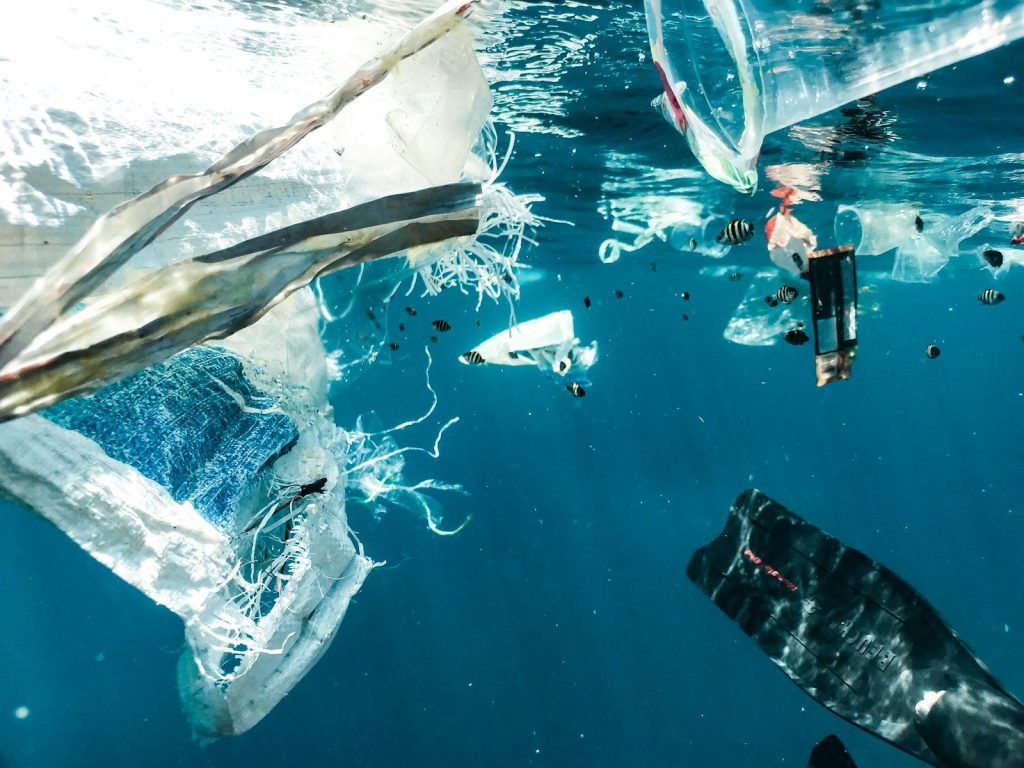
    The rescue of this seal pup highlights a larger issue that affects oceans around the world. Marine debris, especially abandoned fishing gear, continues to threaten countless animals every year. Scientists and conservation groups have worked for decades to remove dangerous waste from oceans and beaches, but the problem remains significant. Every discarded net or piece of plastic has the potential to harm wildlife long after it is thrown away.

    Protecting marine animals requires effort from governments, fishing industries, conservation groups, and everyday people. Better waste management, responsible fishing practices, beach cleanups, and stronger public awareness can all help reduce the risks facing seals and other ocean creatures. The story of this small seal is heartbreaking, but it is also a reminder that human actions can make a difference. With continued care and attention, more animals can be saved before it is too late.

  • Could megalodon have been 80 feet long? A fossil is changing minds

    Could megalodon have been 80 feet long? A fossil is changing minds

    Imagine finding out that one of the ocean’s most famous monsters may have been much bigger than scientists once believed. For years, people thought megalodon was around 50 to 60 feet long. Now, a rare fossil and a new study are making experts rethink that idea.

    The big question is simple: could megalodon have been 80 feet long? The answer is more exciting than many expected. In this article, you will learn how scientists estimate the size of extinct animals, what the new fossil revealed, why the shark’s body shape matters, and whether the giant 80-foot estimate is truly possible.

    Why have scientists argued about megalodon’s size?

    Carcharocles megalodon” by Gunnar Ries zwo is licensed under CC BY-NC-ND 2.0

    Megalodon was the largest predatory shark known to have lived, but scientists face one major problem when trying to measure it. Sharks are made mostly of cartilage, not bone, and cartilage rarely fossilizes well. Most megalodon fossils are teeth, along with a few vertebrae and small pieces of skeleton. Because of this, researchers have spent decades using tooth size to estimate the shark’s total length. Different methods often gave different answers. Many studies suggested adults grew to around 50 feet, while some estimates reached 60 to 65 feet. Earlier attempts even proposed lengths close to 100 feet, but those estimates are no longer considered realistic.

    The lack of a complete skeleton is why the debate has lasted so long. Scientists have had to compare megalodon teeth and vertebrae with those of living sharks, especially the great white shark. For years, researchers assumed megalodon looked like an oversized great white with a bulky, torpedo-shaped body. If that assumption were wrong, then many of the old size estimates could also be wrong. That possibility opened the door for a major rethink and led researchers to look more carefully at the few body fossils that do exist.

    The fossil that changed the discussion

    people having meeting on rectangular brown table
    Photo by Christina @ wocintechchat.com M on Unsplash

    A rare fossilized vertebral column discovered in Belgium has become one of the most important clues about megalodon’s true appearance. The fossil contains dozens of vertebrae and measures about 36 feet long, even though it is incomplete. Instead of relying only on teeth, researchers used this fossil to study how different body parts may have fit together. They compared the vertebrae with more than 100 living and extinct shark species to understand how megalodon’s body proportions may have worked.

    The results surprised many scientists. The new study suggested that megalodon was not shaped like a giant great white. Instead, it may have had a longer and slimmer body, more similar to a lemon shark or even some large whales. Researchers found that the head likely made up about 16.6 percent of the total body length, while the tail accounted for about 32.6 percent. A longer and more streamlined body would allow the animal to become larger without suffering the swimming problems that a bulky body shape might create. This new view completely changed how scientists think about the giant predator.

    Could megalodon really reach 80 feet?

    Megalodon Jaws” by Eligius4917 is licensed under CC BY-SA 2.0

    The newest estimate says that megalodon may have reached about 80 feet, or 24.3 meters, in length. Scientists stress that this is not the average size. Instead, it is the largest reasonable estimate based on the available fossil record and the new body shape model. Most megalodons were probably much smaller. Researchers believe many adults measured between 50 and 65 feet, with only the biggest individuals approaching the new upper limit.

    Even though the 80-foot estimate is making headlines, scientists are being careful with their wording. They are not saying every megalodon was that size or that they have found an 80-foot skeleton. The estimate comes from scaling the fossilized vertebral column and comparing it with sharks that are alive today. The lead researchers have described 80 feet as the largest size that can currently be justified by science and the fossils we have right now. Future discoveries could support this estimate, lower it, or even reveal something entirely new. For now, the number remains a scientifically reasonable possibility rather than an absolute fact.

    How big would an 80-foot megalodon be

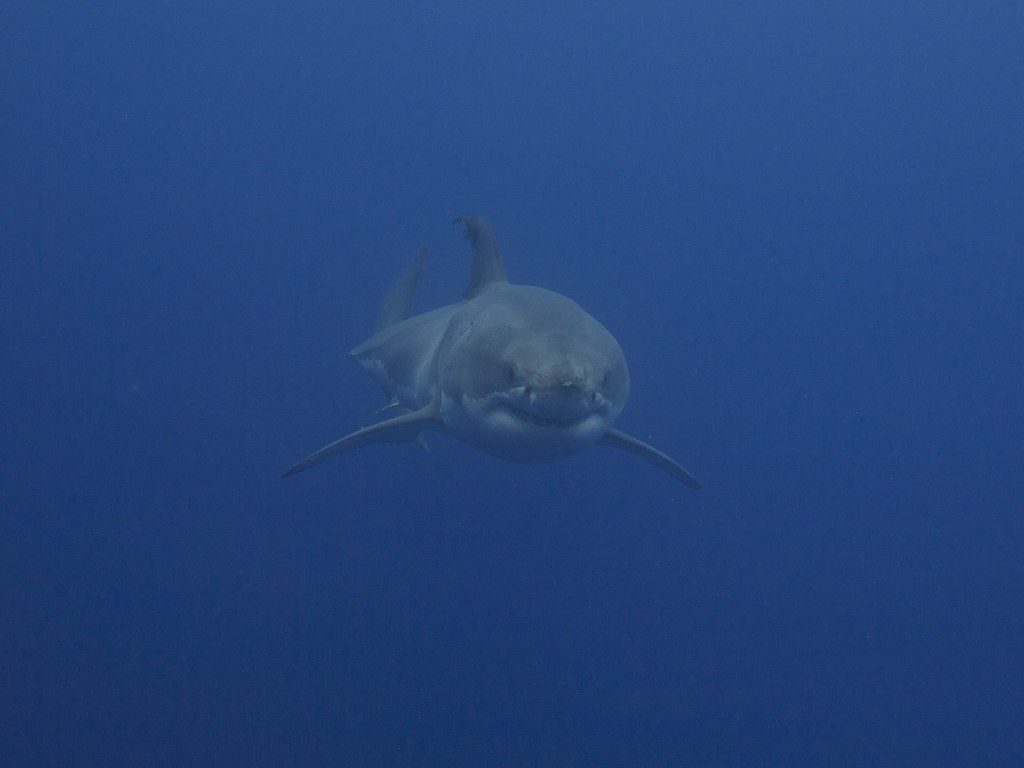
    Great White Shark” by Elias Levy is licensed under CC BY 2.0

    An 80-foot megalodon would be one of the largest predatory animals ever to live. It would be about four times longer than the largest great white shark ever recorded. It would also be larger than most whale sharks alive today and only slightly shorter than some blue whales. Scientists estimate that a shark this size could have weighed around 90 to 94 tons, making it one of the heaviest fish in Earth’s history.

    The size becomes even more astonishing when scientists consider young megalodons. The new research suggests newborn pups may have measured around 13 feet long. That means a baby megalodon could have been as long as an adult great white shark. Scientists think these huge pups were possible because the embryos likely fed on unfertilized eggs or smaller siblings inside the mother’s womb, a behavior seen in some modern sharks. Starting life at such a large size would have given young megalodons a strong advantage against predators and competitors in ancient oceans.

    Why body shape matters so much

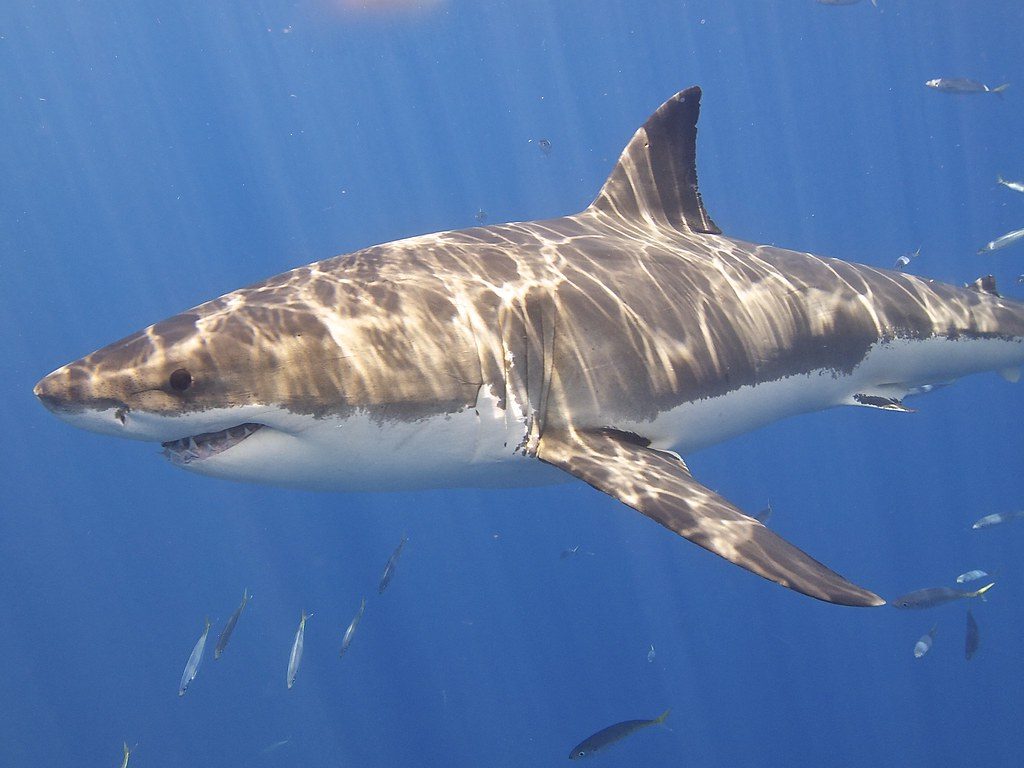
    Great White Shark” by Elias Levy is licensed under CC BY 2.0

    Body shape is one of the biggest reasons why the new estimate is possible. Great white sharks are powerful animals, but they have thick, muscular bodies. As they grow larger, moving through water becomes harder because drag increases. Scientists believe this body design limits how large great whites can become. Most never exceed about 20 feet, and even the biggest recorded examples remain far smaller than megalodon.

    The new research argues that megalodon may have avoided these limits by evolving a more streamlined shape. A longer and slimmer body creates less resistance in the water and allows for more energy-efficient swimming. Researchers compare this design to modern lemon sharks and even large whales that cruise across oceans with less effort. This does not mean megalodon was weak or slow. It was still an apex predator with enormous jaws and massive teeth. However, its body may have been built for steady, efficient movement rather than the explosive bursts of speed seen in great whites. That difference could explain how it grew to such incredible sizes.

    What scientists still do not know

    a group of people working in a lab
    Photo by National Institute of Allergy and Infectious Diseases on Unsplash

    Despite the excitement surrounding the new study, many mysteries remain. No complete megalodon skeleton has ever been found. Scientists still do not know exactly how wide its body was, how fast it could swim, or how its fins were shaped. Every new estimate relies on comparisons with living sharks and the small number of fossils that have survived. Because of these limitations, researchers continue to debate some details of the new reconstruction.

    Scientists are also learning more about megalodon’s lifestyle and extinction. The giant shark lived from about 23 million years ago until around 3.6 million years ago and was found in oceans around the world. Fossils show it preyed on whales, seals, sea turtles, and other marine animals. Changes in climate, cooling oceans, and competition from faster predators such as great white sharks may have played a role in its disappearance. As new fossils are discovered and new technologies are developed, scientists expect our understanding of megalodon to continue evolving. The 80-foot estimate may not be the final answer, but it shows that even famous prehistoric animals can still surprise us.

  • These are the only two states in the Lower 48 with no native venomous snakes

    These are the only two states in the Lower 48 with no native venomous snakes

    Many people feel uneasy around snakes. While only a small percentage of people have a true snake phobia, millions experience anxiety when they see or think about these reptiles. In the United States, there are around 100 snake species, and more than 20 are considered venomous. That can make outdoor adventures feel a little less relaxing for some travelers.

    However, there are two states in the Lower 48 where visitors do not need to worry about native venomous snakes. Maine and Rhode Island stand out as the only states without any native deadly snakes, making them unique destinations for people who prefer to avoid encounters with venomous reptiles.

    Why Maine and Rhode Island are unique

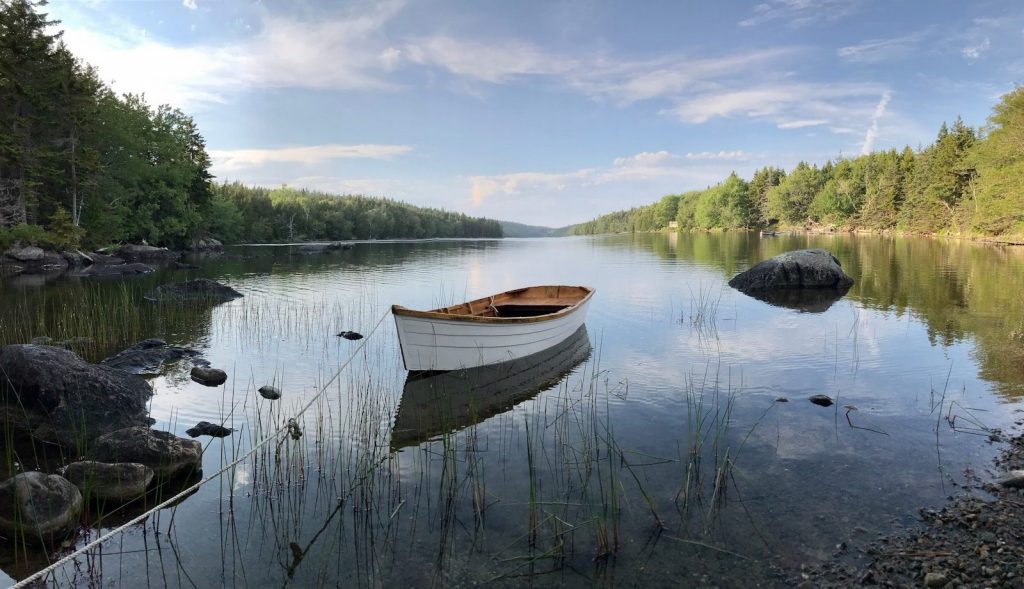
    a small boat floating on top of a lake next to a forest
    Photo by Michael Delchamp on Unsplash

    Most states in the United States are home to at least one venomous snake species. From rattlesnakes in the West to cottonmouths and copperheads in the South, dangerous snakes are found across much of the country.

    Maine and Rhode Island are different. Neither state currently has any native venomous snake species. This means visitors can explore forests, parks, and coastal areas without encountering snakes that are naturally established and known for dangerous venom.

    Snakes still live in both states

    a lizard with its mouth open
    Photo by David Clode on Unsplash

    The absence of native venomous snakes does not mean these states are snake-free. Both Maine and Rhode Island are home to several non-venomous snake species that play important roles in local ecosystems.

    Many of these snakes help control rodent populations and generally avoid people. While seeing a snake may still surprise hikers or homeowners, these species are not considered dangerous to humans, unlike venomous snakes.

    Rhode Island’s history with venomous snakes

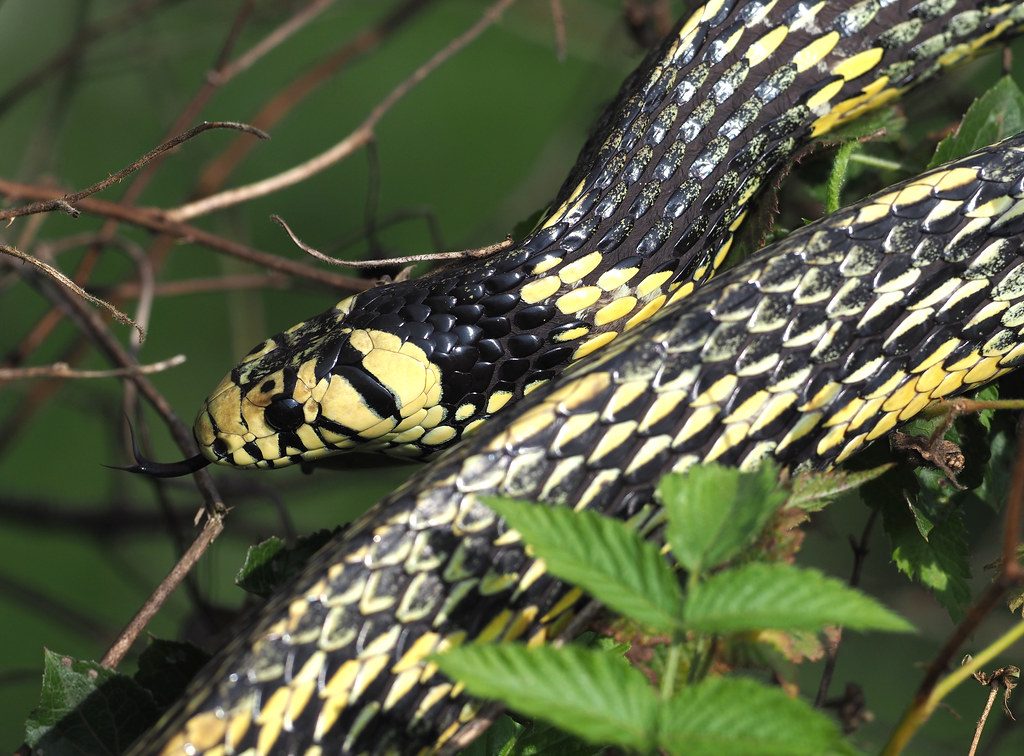
    A black and yellow snake on the ground
    Photo by cecile mousist on Unsplash

    Although Rhode Island does not currently have native venomous snake populations, there have been exceptions in the past. Reports indicate that timber rattlesnakes were found in the state decades ago, including a population discovered near Tiverton during the 1970s.

    There have also been isolated incidents involving venomous snakes. One documented case described a person being bitten by a copperhead. However, copperheads are not considered native to Rhode Island and are more commonly found in nearby states.

    Maine’s uncertain snake history

    brown snake
    Photo by David Clode on Unsplash

    Maine has a similar story. Timber rattlesnakes are believed to have once lived in the state but are now considered eradicated from the area. As a result, no native venomous snake populations currently remain.

    Occasionally, reports of possible rattlesnake sightings appear online. However, these claims are often questioned because the known range of rattlesnakes generally does not extend into most parts of Maine. Verified evidence remains extremely limited.

    Mistaken identity is common

    Chicken Snake” by Chris G Earley is licensed under CC BY-NC-SA 2.0

    One reason many people believe they have seen venomous snakes is that some harmless species closely resemble dangerous ones. This can create confusion, especially for people unfamiliar with snake identification.

    For example, the common watersnake is found throughout parts of Maine and is often mistaken for the cottonmouth. While cottonmouths possess venom and are found in the southeastern United States, common watersnakes are non-venomous and pose little threat to people.

    Great destinations for outdoor travelers

    white and red house on green grass field under white clouds during daytime
    Photo by Michael Denning on Unsplash

    Because Maine and Rhode Island lack native venomous snakes, they appeal to travelers who enjoy outdoor activities but feel uncomfortable around potentially dangerous wildlife. Visitors can explore beaches, forests, and historic attractions with added peace of mind.

    Rhode Island offers attractions such as the famous Newport Mansions, while Maine is known for scenic landscapes, fall foliage, and harvest festivals. These destinations offer plenty of opportunities for adventure without the risk of encountering venomous snakes.

  • 6 of the loudest animals in the world

    6 of the loudest animals in the world

    Have you ever wondered which animals make the loudest sounds in the world? While lions, elephants, and wolves are known for their powerful calls, some creatures produce sounds far louder than most people imagine. In fact, some whales create noises louder than jet engines, while a tiny shrimp can generate a sound powerful enough to stun prey.

    Sound behaves differently in water than on land, allowing marine animals to produce incredibly powerful calls. From giant whales to intelligent dolphins, these animals rely on sound to communicate, hunt, and survive. Here are six of the loudest animals on Earth and the fascinating ways they use their remarkable voices.

    Sperm whale: The loudest animal on the planet

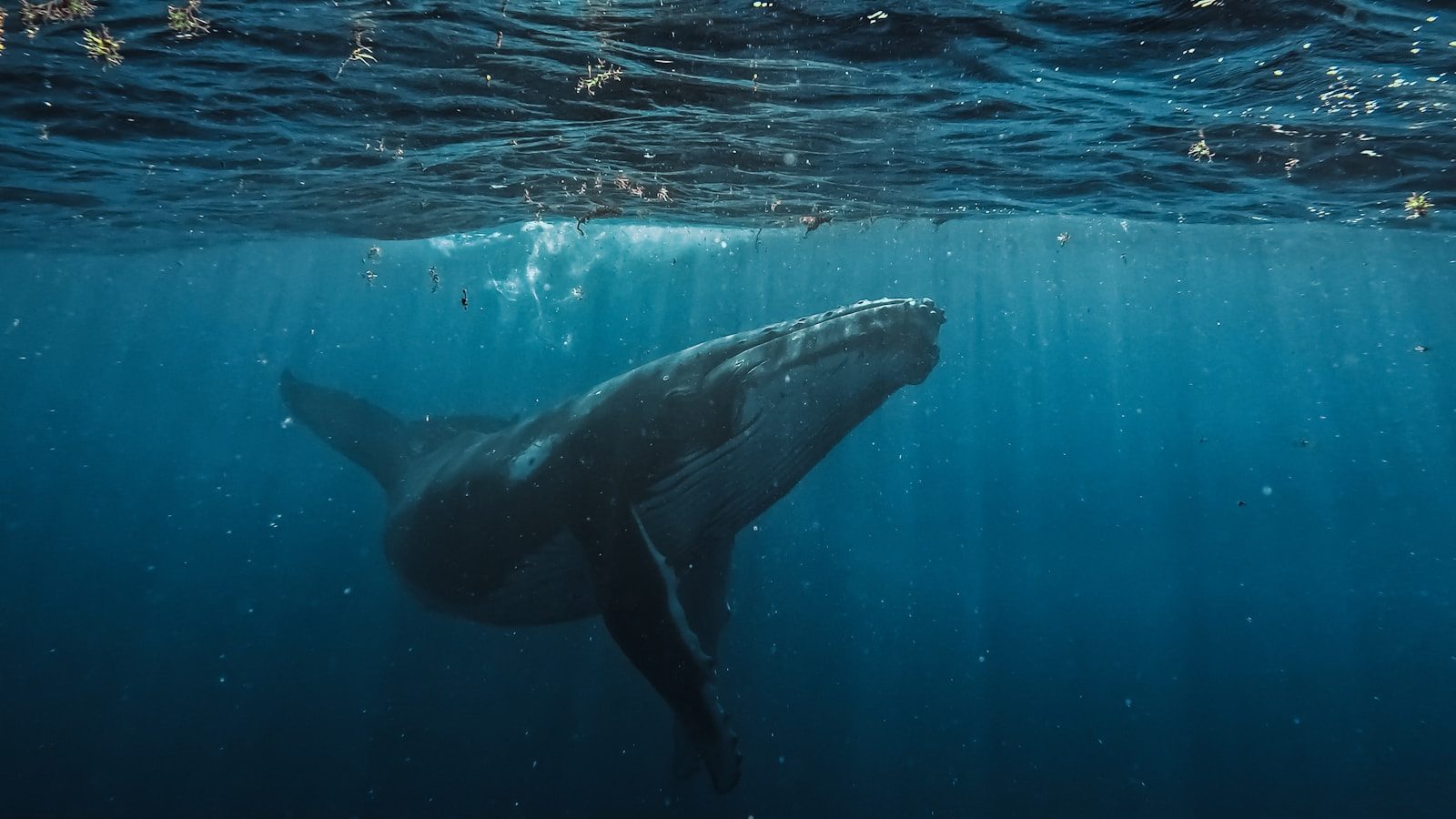
    a humpback whale swims under the surface of the water
    Photo by Chinh Le Duc on Unsplash

    The sperm whale is widely regarded as the loudest animal on Earth. Its powerful clicks can reach up to 230 decibels, making them much louder than the sound produced by a jet engine. These enormous marine mammals use sound as one of their most important tools for survival.
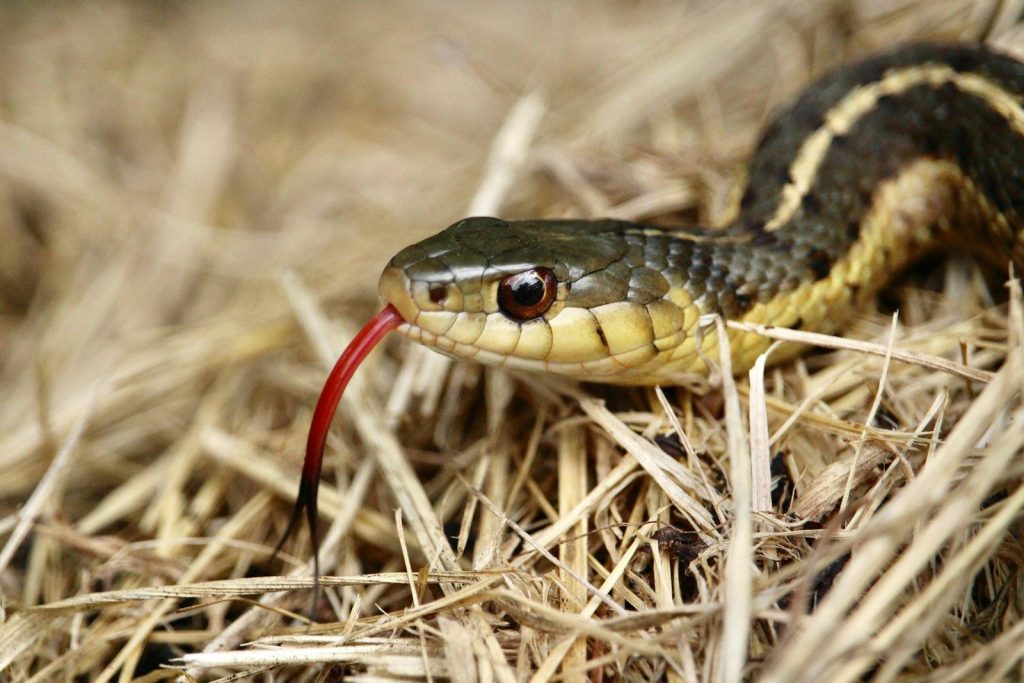
    Sperm whales communicate with one another across vast distances in the ocean. Their clicking sounds can travel thousands of miles underwater. They also rely on echolocation to find prey, including giant squid, in the deep, dark parts of the ocean, where visibility is extremely limited.

    Pistol shrimp: Tiny creature with a giant sound

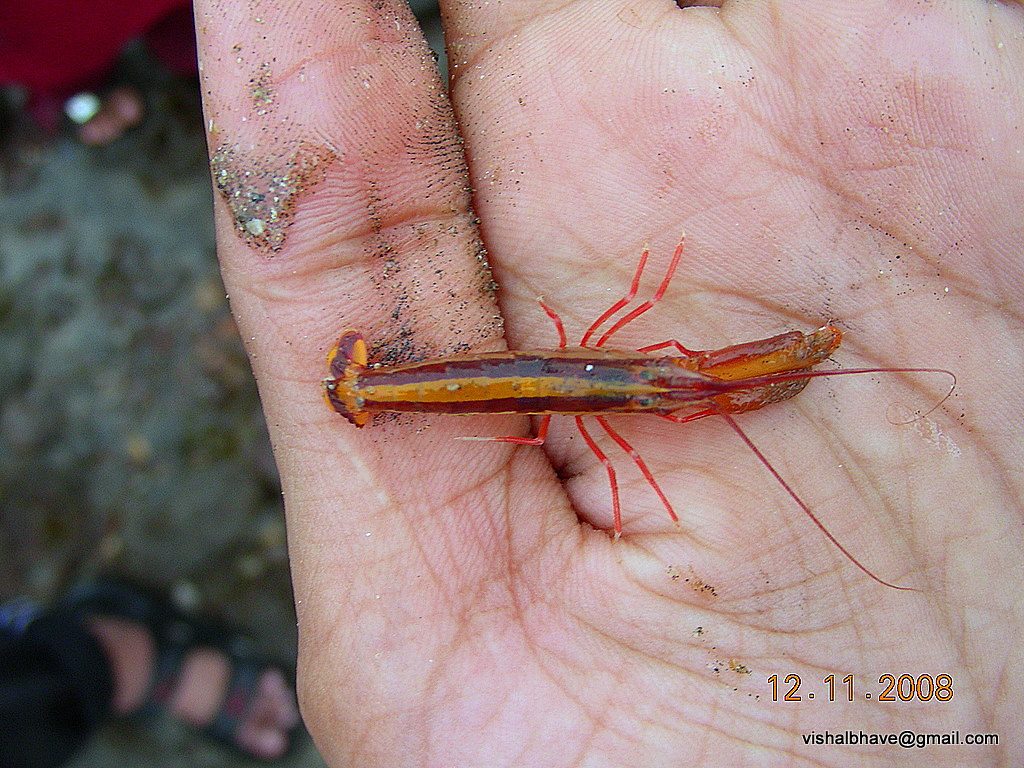
    Pistol Shrimp (Top view)” by Vishal Bhave is licensed under CC BY-NC-SA 2.0

    The pistol shrimp may be small, but it produces one of the loudest sounds in the animal kingdom. By snapping its oversized claw, it can create a sound reaching up to 189 decibels. This sudden burst of noise is powerful enough to stun nearby prey.

    These shrimp usually wait inside burrows and use their antennae to detect passing fish. Once prey comes close, they snap their large claw to create a shock-like effect. One species, the Pink Floyd pistol shrimp, is famous for its bright pink claw and its impressive sound-producing ability.

    Blue whale: The giant with a powerful voice

    Blue Whale” by flickkerphotos is licensed under CC BY-NC-ND 2.0

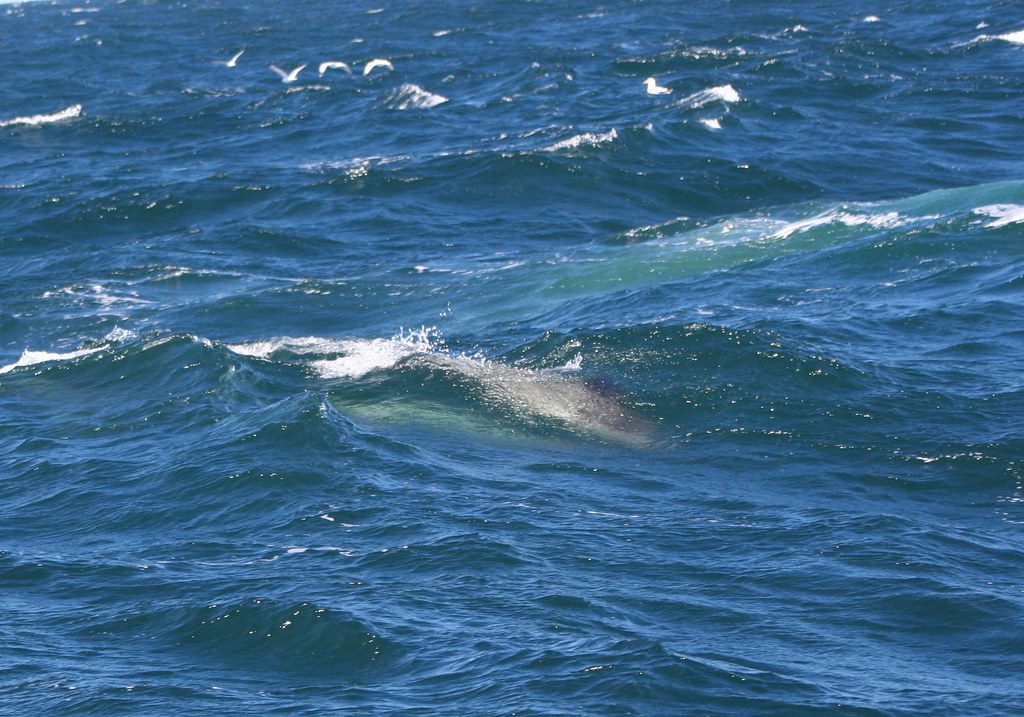
    The blue whale is the largest animal on Earth and also one of the loudest. Its vocalizations can reach up to 188 decibels, allowing these giants to communicate across hundreds of miles of ocean.

    Blue whales produce a variety of sounds, including pulses, grunts, groans, and moans. These low-frequency calls help them stay connected with other whales over long distances. Their powerful voices are essential for communication in the vast open ocean.

    North Pacific right whale: One of the ocean’s loud singers

    North Pacific Right Whale” by Ryan Somma is licensed under CC BY-SA 2.0

    The North Pacific right whale is another marine giant known for producing extremely loud sounds. Its calls can reach up to 182 decibels, making it one of the loudest animals in the world.

    Researchers have discovered that these whales do more than make individual calls. They are also capable of producing songs. As one of the rarest whale species, their vocal behavior remains an important area of scientific study.

    Atlantic spotted dolphin: A loud and playful communicator

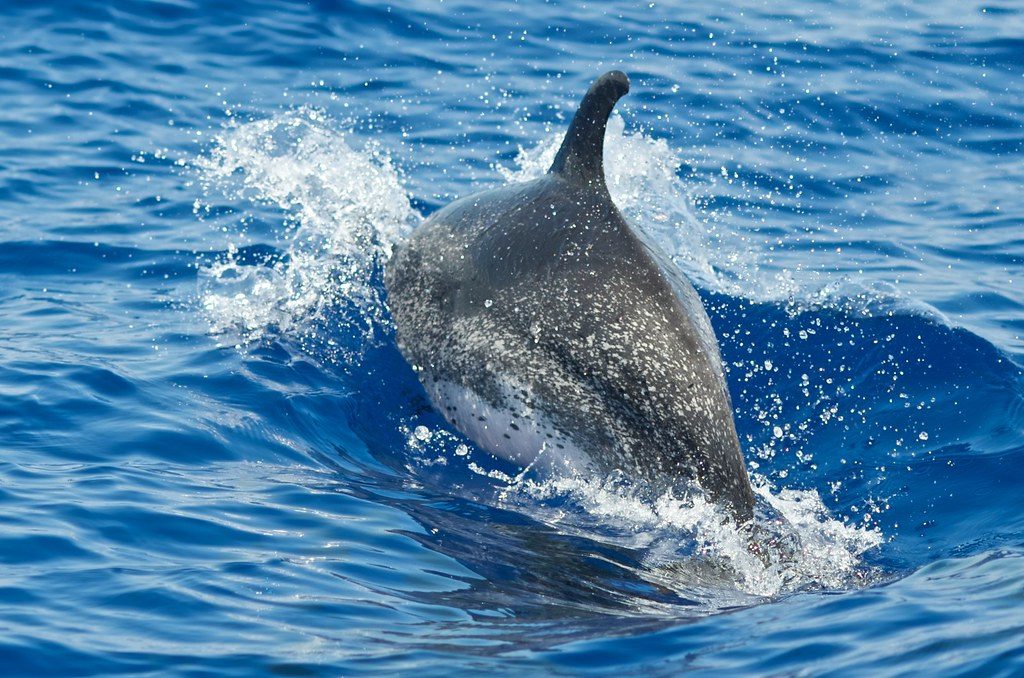
    Atlantic Spotted Dolphin” by liber is licensed under CC BY-SA 2.0

    Atlantic spotted dolphins are famous for their energetic behavior and strong vocal abilities. Their whistles can measure up to 163 decibels from just one meter away, making them among the loudest dolphins in the ocean.

    These dolphins are known for leaping out of the water and riding waves created by boats. Sound plays a major role in their daily lives, helping them communicate with other dolphins and navigate their environment.

    Bottlenose dolphin: Intelligent and highly vocal

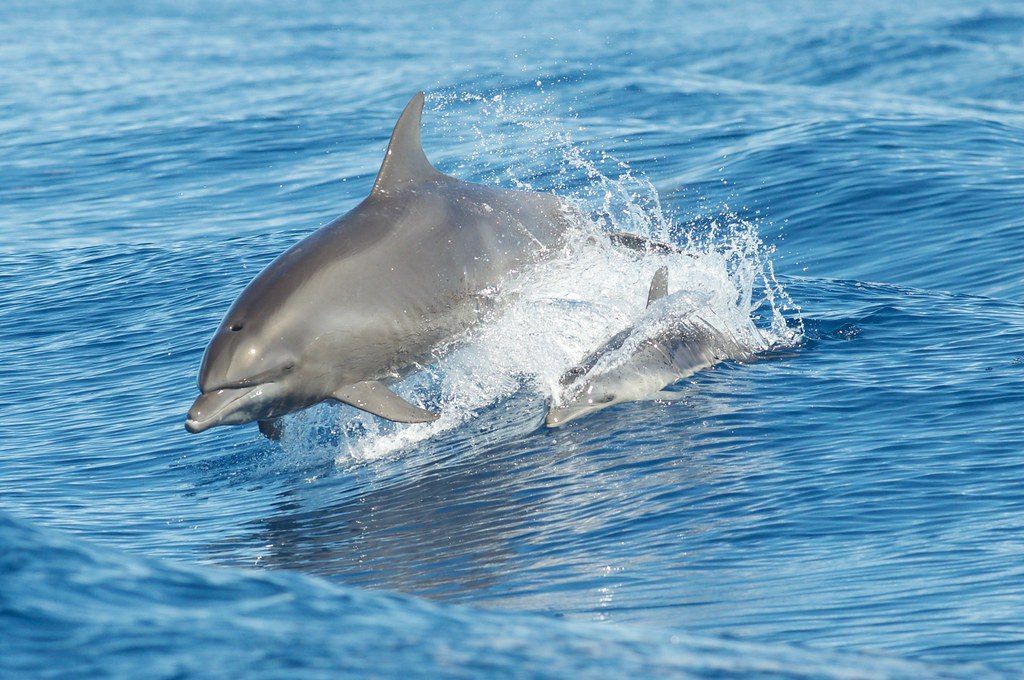
    Atlantic Bottlenose Dolphins” by btrentler is licensed under CC BY 2.0

    Bottlenose dolphins are among the most intelligent marine animals and can also produce whistles reaching up to 163 decibels. They use a wide range of sounds to communicate with members of their group.

    These dolphins rely on high-frequency echolocation to locate fish, squid, and crustaceans. They often hunt together, using teamwork to herd prey into tight spaces. Their advanced communication skills help them coordinate these group hunting strategies effectively.

  • Scientists discover the world’s largest fish

    Scientists discover the world’s largest fish

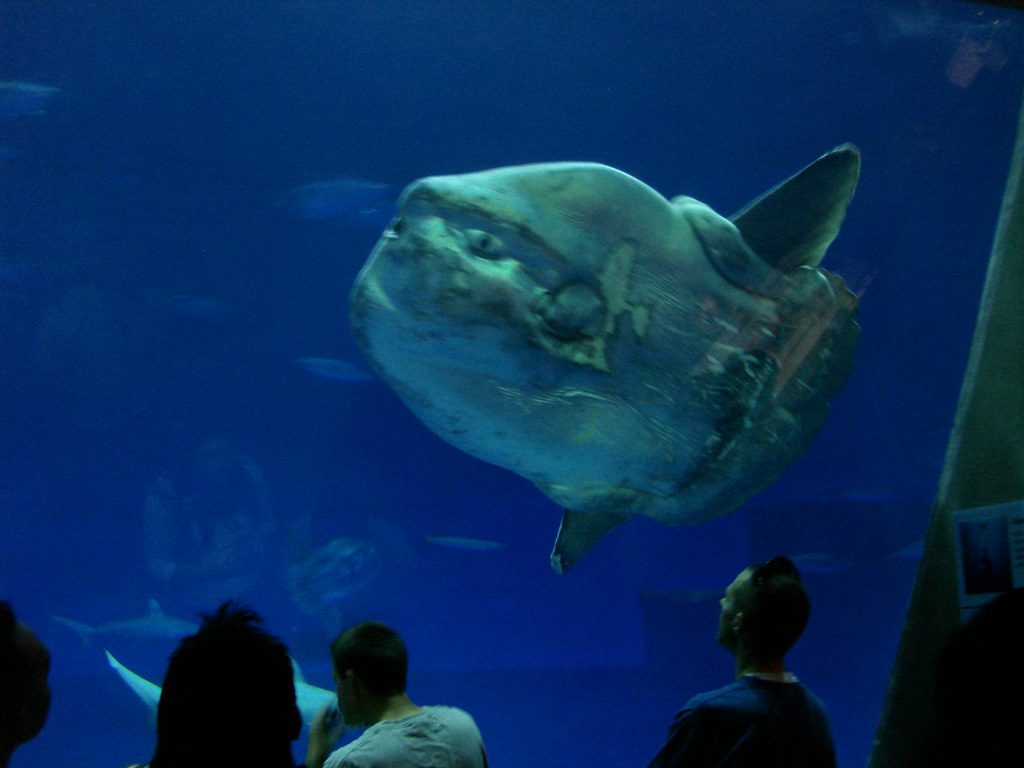
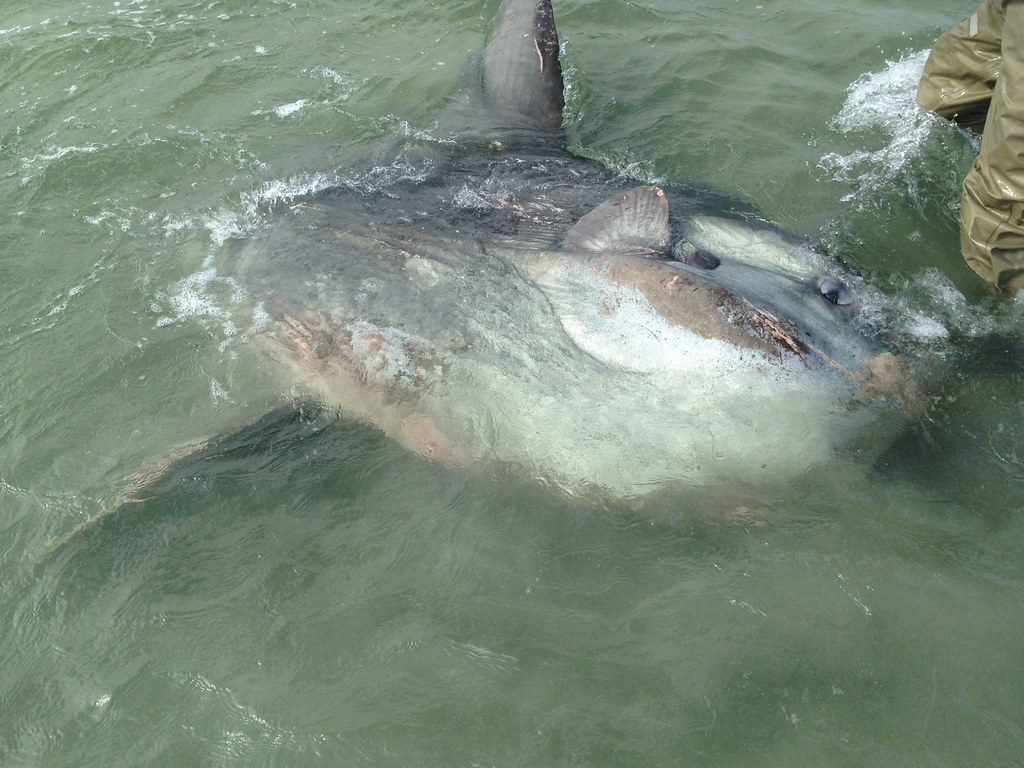
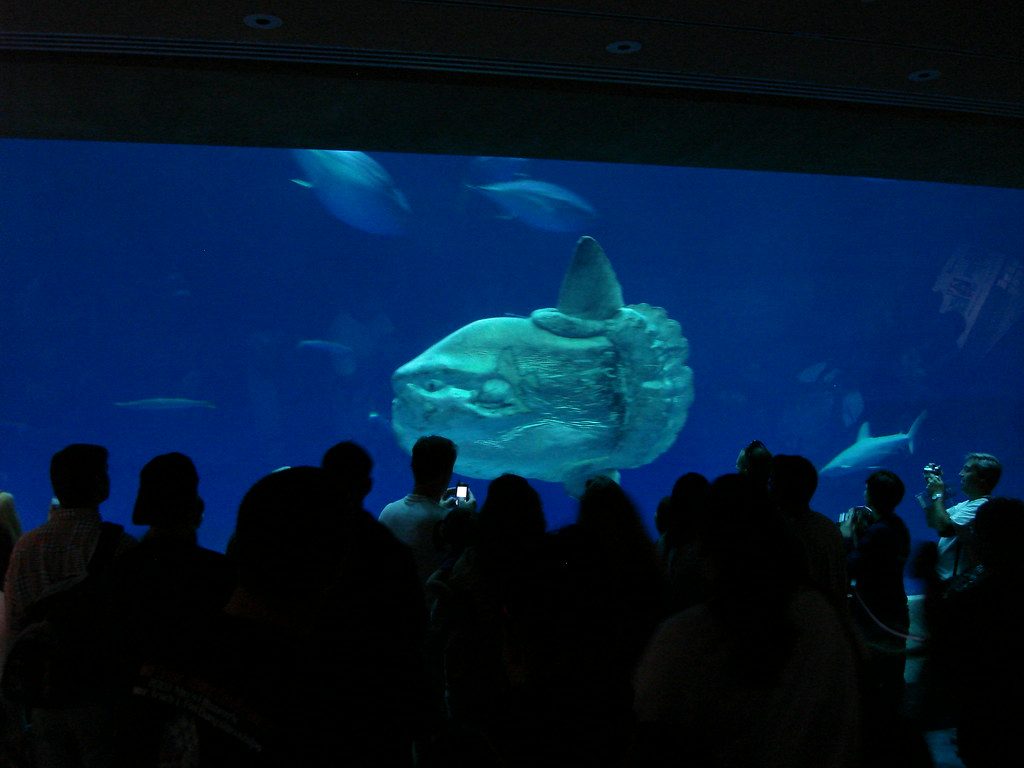
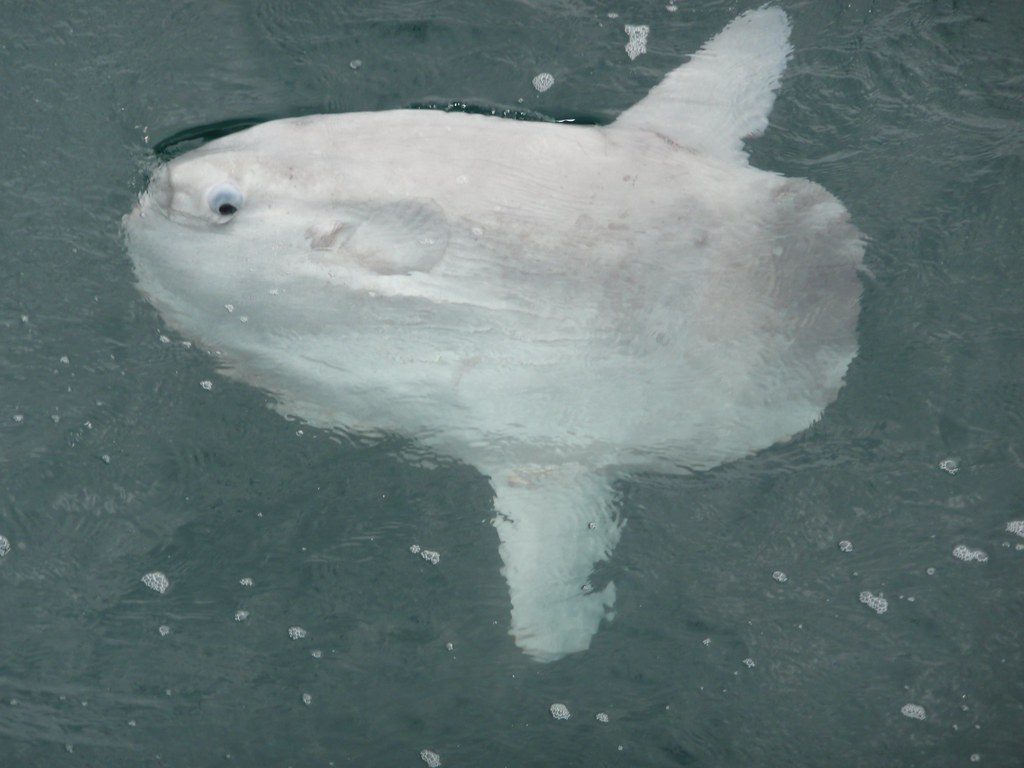
    Imagine seeing what looks like half a giant fish floating beside a boat. At first, you might think it has been attacked by a shark or injured in some way. But what if that strange shape is actually the entire animal? That is exactly what happens when people see an ocean sunfish for the first time.

    Also known as a mola, the ocean sunfish is the largest bony fish in the world. Its unusual shape, enormous size, and unique lifestyle make it one of the most fascinating creatures in the ocean. This article explores how the ocean sunfish grows so large, survives in the open sea, and faces challenges in a changing world.

    What makes the ocean sunfish so unusual

    An ocean sunfish” by MarkDoliner is licensed under CC BY-SA 2.0

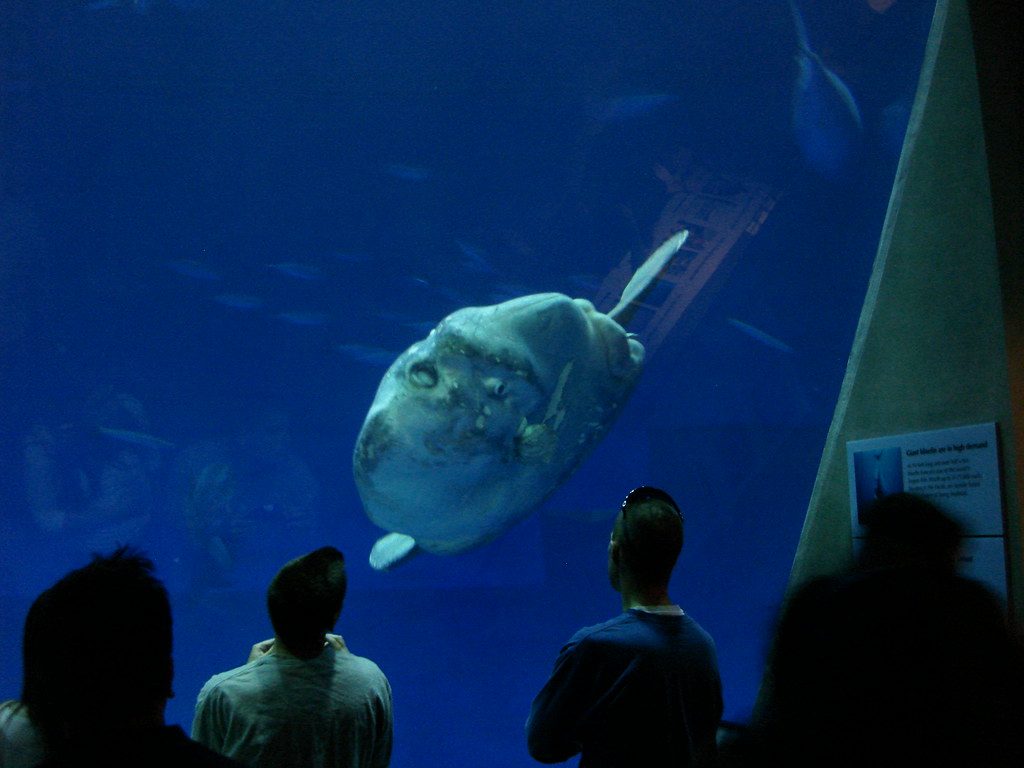
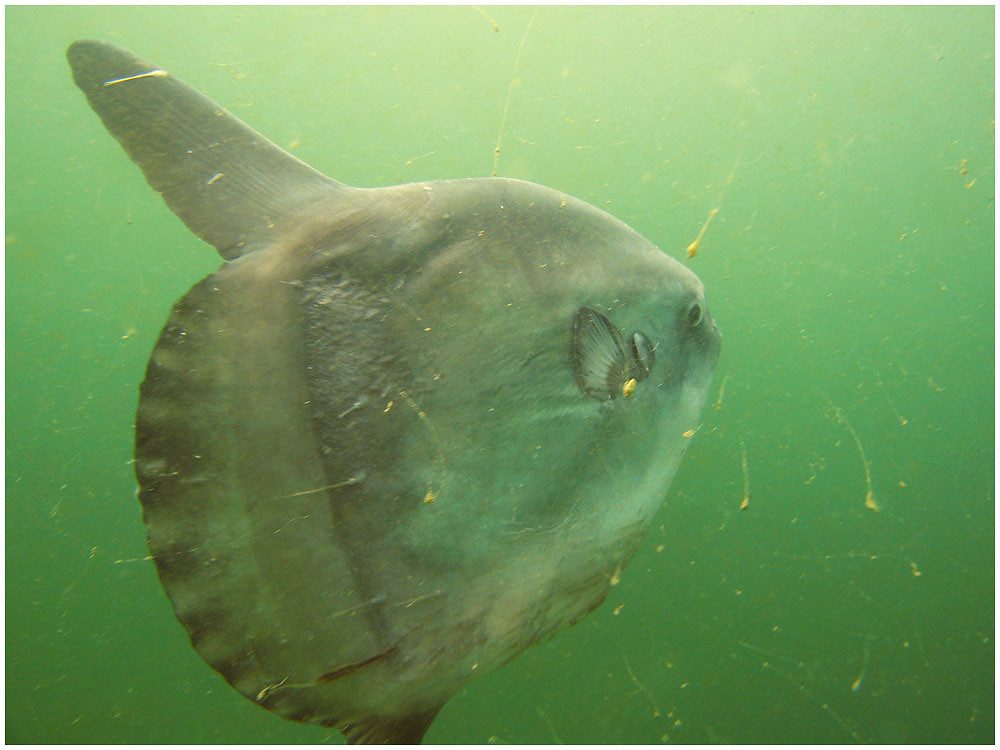
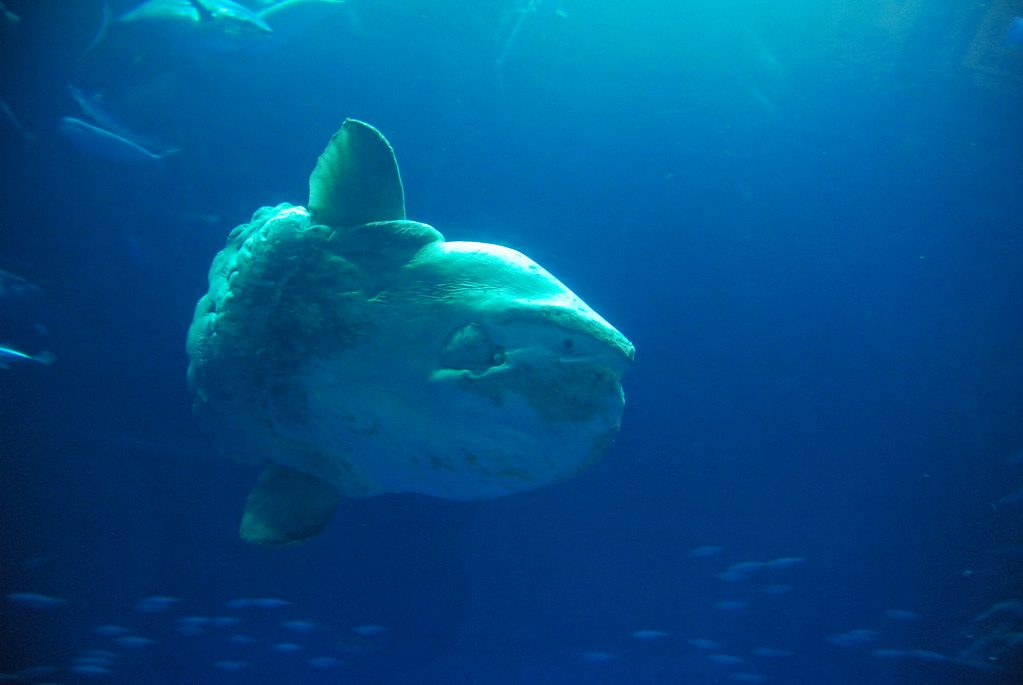
    The ocean sunfish is one of the strangest-looking animals in the sea. Its round body resembles a giant floating disc, which is why the name “mola” comes from the Latin word for millstone. Unlike most fish, it lacks a fully developed rear fin.

    As the sunfish grows, its rear fin folds inward instead of developing normally. This gives the fish a unique appearance, making it look like a giant head with fins attached. While its shape may seem unusual, it is a natural adaptation that helps define the species.

    The largest bony fish in the ocean

    Ocean Sunfish 2” by MyFWC Florida Fish and Wildlife is licensed under CC BY-ND 2.0

    The ocean sunfish holds the title of the largest bony fish on Earth. Species such as Mola mola and Mola alexandrini can reach incredible sizes that few other fish can match.

    Some individuals weigh up to 2.3 tons and can grow to nearly 3 meters long. One recorded Mola alexandrini measured 2.7 meters long and weighed 2.3 tons, earning recognition as the heaviest bony fish ever documented. Their massive size makes them true giants of the open ocean.

    How a tiny larva becomes a giant

    Ocean Sunfish in Puget Sound” by Dan Hershman is licensed under CC BY 2.0

    One of the most remarkable things about the ocean sunfish is how it grows. Scientists have found that these fish possess an overactive growth-related gene that helps drive rapid development throughout their lives.

    The journey begins with an egg only about 0.13 centimeters wide. After hatching, the larva is extremely small, roughly the size of two grains of sand. Over about two decades, that tiny creature can grow into a fish weighing several tons. During early development, young sunfish can gain nearly a kilogram of body mass each day.

    The incredible reproductive strategy

    An ocean sunfish” by MarkDoliner is licensed under CC BY-SA 2.0

    Ocean sunfish rely on extraordinary reproduction to ensure their survival. A female sunfish can release up to 300 million eggs during a single breeding season.
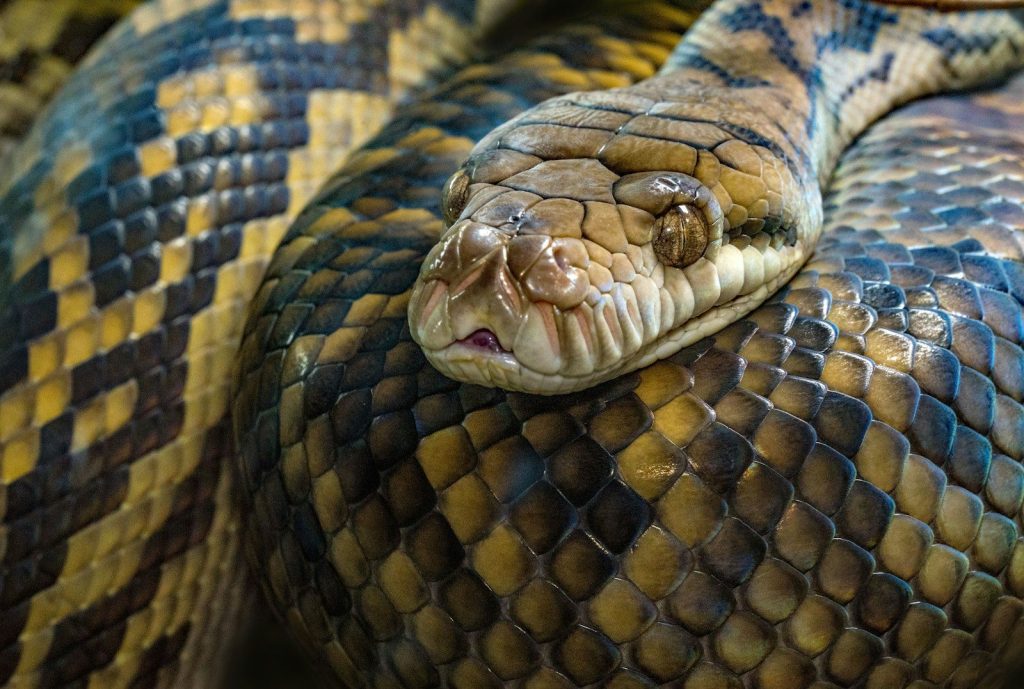
    This is considered the highest reproductive output of any known vertebrate. Producing such a large number of eggs increases the chances that at least some offspring will survive and reach adulthood. It is a remarkable strategy for a species that begins life so tiny.

    Life in the open ocean

    Ocean sunfish (Mola mola) Oregon Coast” by NOAA Fisheries West Coast is licensed under CC BY-NC-ND 2.0

    Despite their huge bodies, ocean sunfish face many challenges. Their skin often becomes home to numerous parasites, creating constant problems throughout their lives.

    To deal with these parasites, sunfish have developed unusual behaviors. They often float on their sides near the water’s surface, allowing seabirds to remove parasites from their skin. They are also known to leap out of the water and crash back down, a behavior believed to help remove unwanted parasites.

    Threats facing the ocean sunfish

    Ocean Sunfish” by jillmotts is licensed under CC BY-NC-SA 2.0

    Although they are among the largest fish in the world, ocean sunfish are vulnerable to several modern threats. Many are accidentally caught in fishing nets, while others are hunted for traditional medicine in some areas.

    Pollution has become another major concern. Floating plastic bags can resemble jellyfish, a main food source for sunfish. When sunfish mistake plastic for food and consume it, the results can be deadly. These challenges have contributed to the species being classified as vulnerable.

  • Meet the world’s most dangerous bird, known to kill humans

    Meet the world’s most dangerous bird, known to kill humans

    Have you ever wondered if a bird could be one of the most dangerous animals on Earth? Most people think of sharks, lions, or snakes when they hear the word “dangerous.” Birds usually seem harmless by comparison. But one bird stands out from the rest.

    The cassowary is often called the world’s most dangerous bird because of its powerful legs, sharp claws, and ability to cause serious injuries. Found in the rainforests of New Guinea and Australia, this giant bird has earned a fearsome reputation. In this article, you’ll learn what makes the cassowary so dangerous, how it behaves in the wild, and why people should respect this remarkable creature.

    Meet the cassowary

    brown blue and green bird
    Photo by David Clode on Unsplash

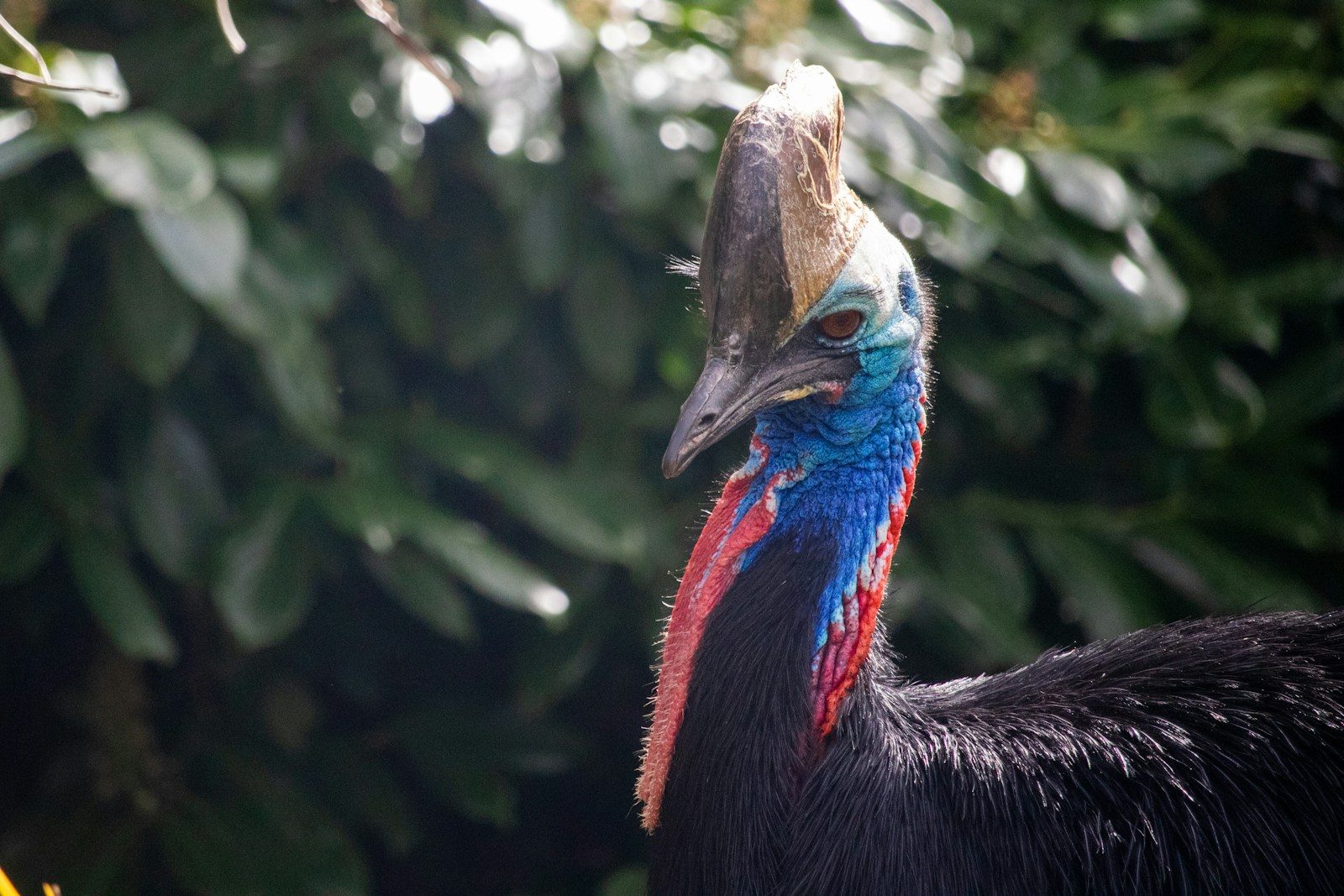
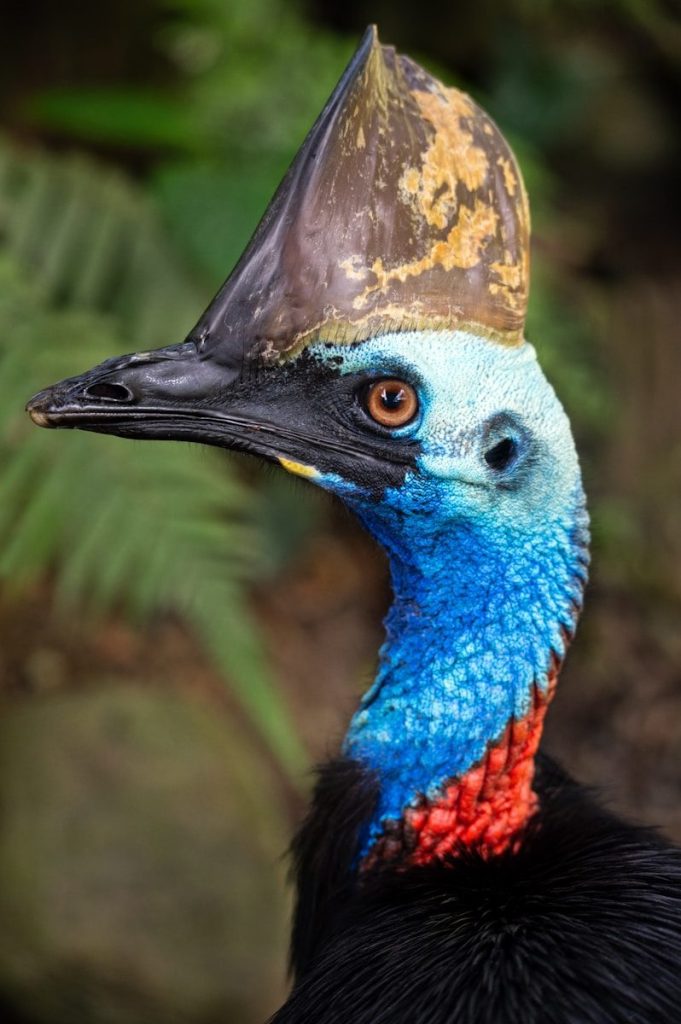
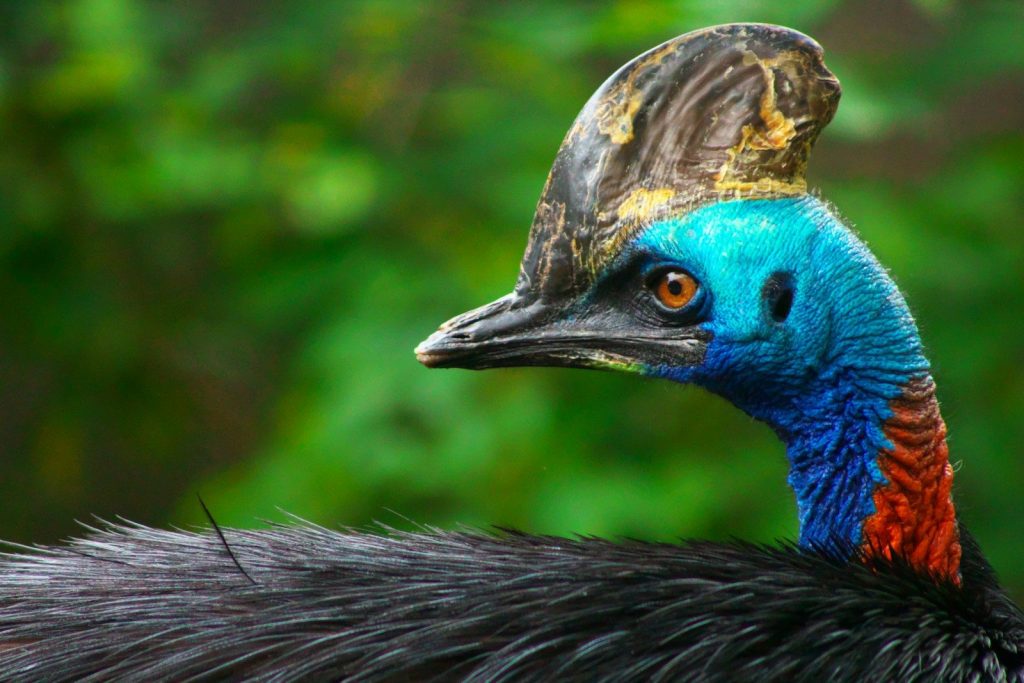
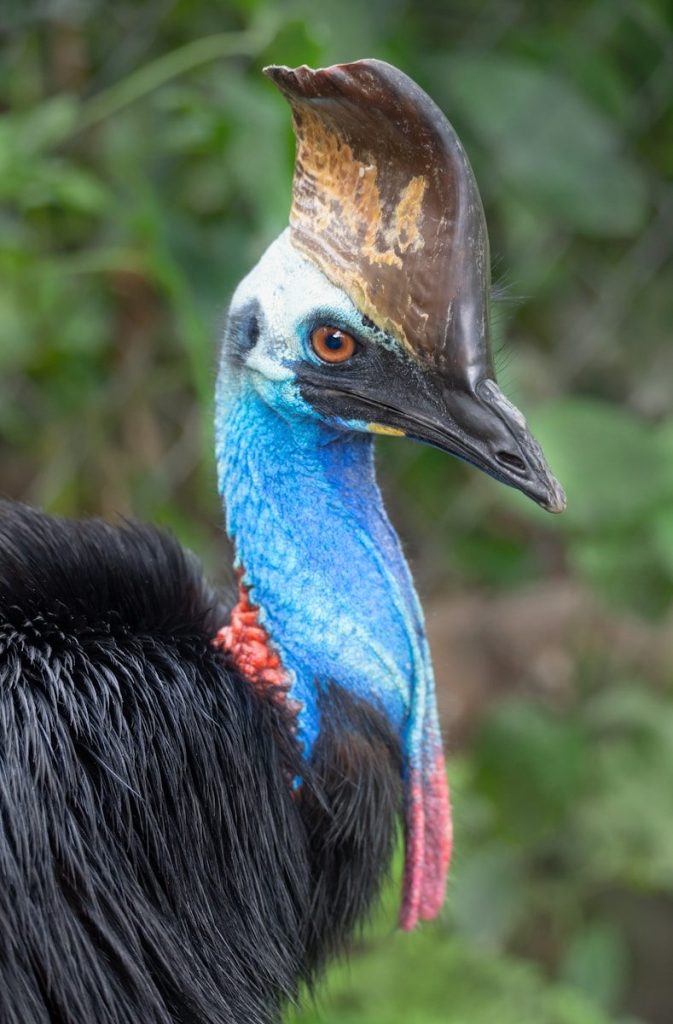
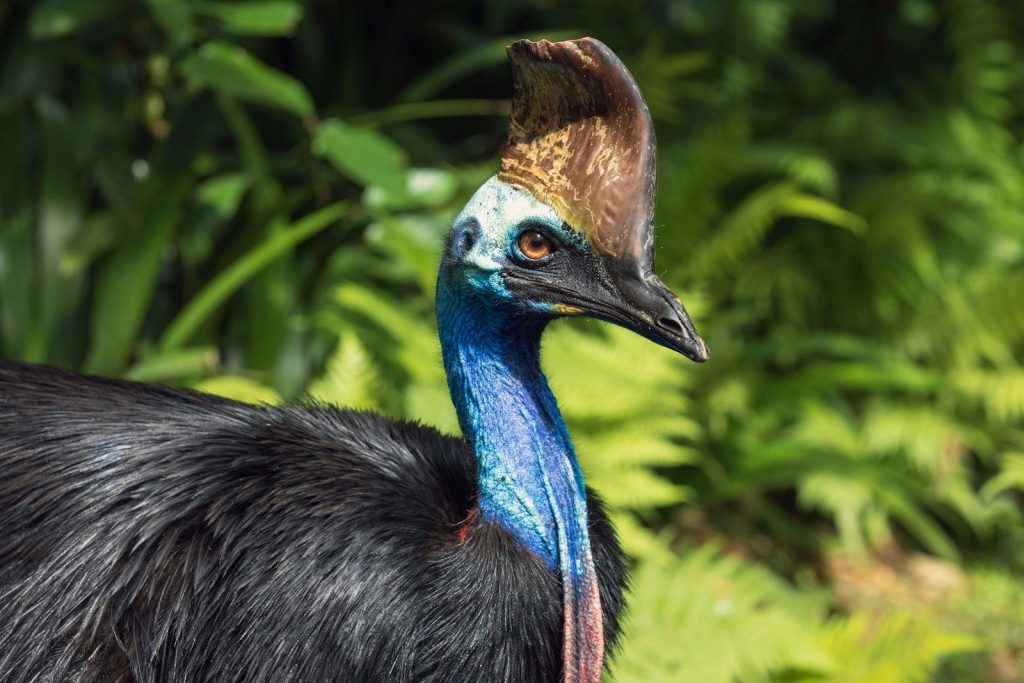
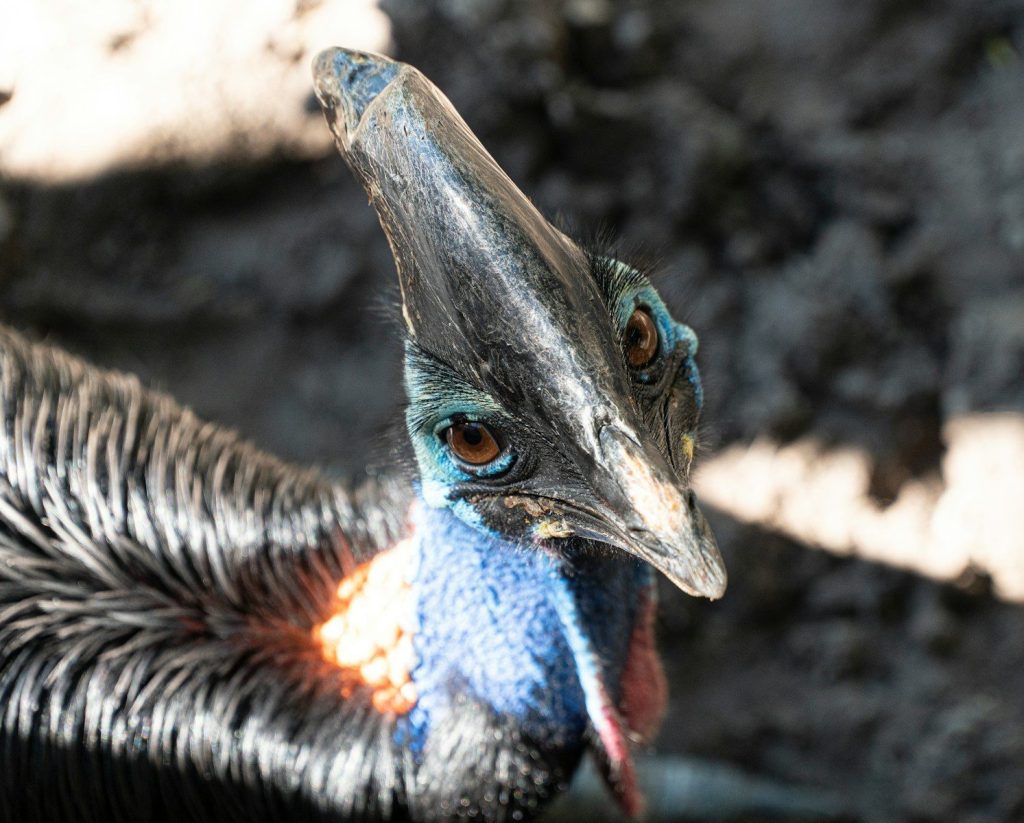
    The cassowary is a large flightless bird that lives in the tropical rainforests of New Guinea and Australia. It has a bright blue and red head, black feathers, and a large, helmet-like structure called a casque on its head. Its unusual appearance makes it one of the most recognizable birds in the world.

    Many people describe the cassowary as a living dinosaur because it is a direct descendant of ancient dinosaur species. Its strong build, large size, and prehistoric appearance give it an appearance unlike that of almost any other bird found today.

    A bird built for power

    a close up of a bird with a very colorful head
    Photo by seiichiro on Unsplash

    One reason the cassowary is considered so dangerous is its impressive size and strength. It has powerful legs that help it move quickly through thick rainforest vegetation. These legs are also its main defense against threats.

    Unlike birds that rely on beaks or wings for protection, the cassowary uses its legs to fight. When threatened, it can kick with great force. This ability makes it a serious danger when humans or animals get too close.

    The razor-sharp claw

    black and blue peacock head
    Photo by David Clode on Unsplash

    The cassowary’s most feared feature is the long claw found on its innermost toe. Each foot has three forward-facing toes, but the inner claw stands out because it can grow up to five inches long.

    This claw resembles a dagger and can inflict deep wounds. During an attack, the bird can strike with its legs and use its claw to tear flesh. This natural weapon is one of the main reasons the cassowary is known as the world’s most dangerous bird.

    The purpose of the casque

    green and blue bird figurine
    Photo by Gilles Rolland-Monnet on Unsplash

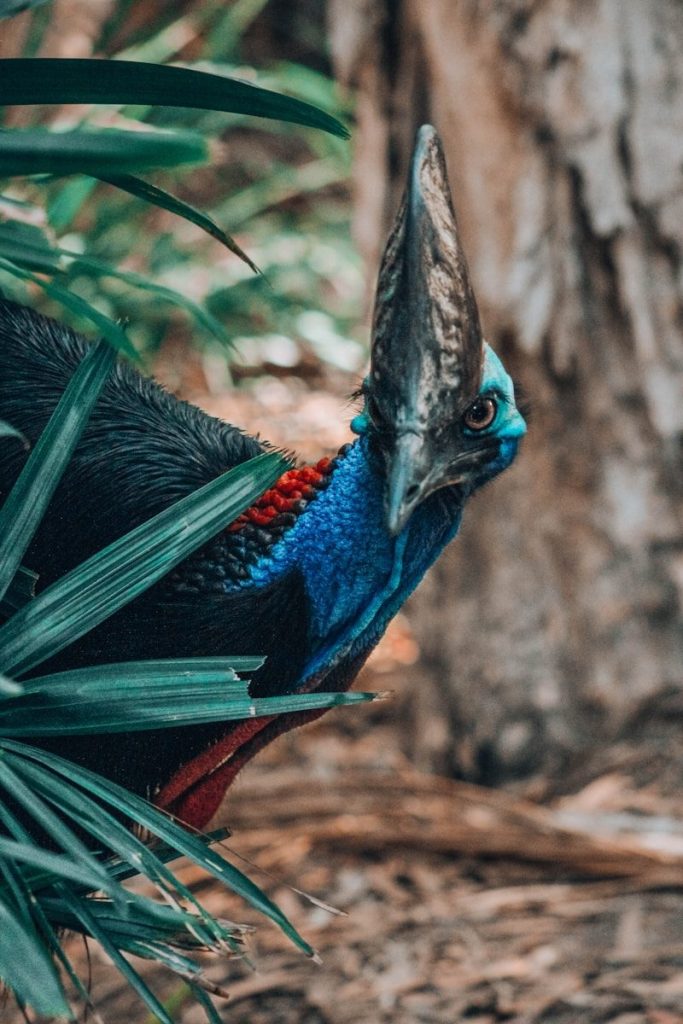
    One of the cassowary’s most unique features is the casque on top of its head. At first glance, it may look like decoration, but it serves important purposes in the bird’s daily life.

    The casque helps the cassowary move through dense rainforest plants by pushing vegetation aside. It may also protect the bird’s head from falling branches and other debris. Some experts believe it can even help the bird detect or amplify low-frequency sounds in the forest.

    When cassowaries become aggressive

    a close up of an ostrich with a bush in the background
    Photo by David Clode on Unsplash

    Cassowaries are generally shy animals that prefer to avoid people. Most encounters end without any problems because the birds usually stay away from human activity whenever possible.

    However, a cassowary can become aggressive if it feels threatened, cornered, or is protecting its chicks. In these situations, it may charge forward and kick with tremendous force. Combined with its sharp claws, these attacks can result in serious injuries and, in rare cases, human fatalities.

    Why cassowaries matter to the rainforest

    a close up of a bird with a blurry background
    Photo by Aleksandar Popovski on Unsplash

    Despite their dangerous reputation, cassowaries play an important role in the rainforest ecosystem. They help spread seeds from the fruits they eat, allowing many plant species to grow in different parts of the forest.

    Because of this role, cassowaries contribute to the health and survival of rainforest environments. While they deserve caution and respect, they are also valuable wildlife that supports the balance of nature in their native habitats.

  • 6 clues that your dog is feeling joyful and secure

    6 clues that your dog is feeling joyful and secure

    Ever wonder if your dog is truly happy and feels safe around you? Many dog owners worry they might miss the small signs that show their pet’s real emotions. Dogs cannot speak, so they communicate through body language, behavior, and daily habits. Understanding these signals can help you build a stronger bond and make sure your dog feels calm, loved, and secure.

    In this article, you will learn the clearest and most reliable clues that your dog is feeling joyful and emotionally safe. These signs come from well-understood canine behavior research and real-world veterinary observations. By the end, you will be able to recognize when your dog is relaxed, confident, and enjoying life at home and outside.

    Soft and relaxed body posture

    woman in white and black stripe shirt hugging brown short coated dog
    Photo by Helena Lopes on Unsplash

    A happy and secure dog usually has a loose and relaxed body. Their muscles are not tight, and they move in a smooth, easy way. You might notice their body looks “wiggly” instead of stiff, especially when they greet you or explore their surroundings. A relaxed posture is one of the strongest signs that a dog feels safe in their environment.

    When a dog feels secure, they do not hold their body low or overly tense. Instead, they stand naturally and may even stretch out comfortably when resting. Stiff movements, on the other hand, often show stress or discomfort, so a soft body is a key clue to emotional comfort.

    Soft eyes and a calm facial expression

    a small white and brown dog standing on top of a lush green field
    Photo by Thea Harrison on Unsplash

    A joyful dog often has soft, relaxed eyes. Their gaze is gentle, not wide or tense. You may also notice slow blinking or a peaceful look, which shows they are comfortable with what is happening around them. Dogs that feel unsafe usually have hard, fixed stares or wide eyes.

    Their facial muscles also stay relaxed. The mouth may be slightly open, with no tight lips or tension around the jaw. Sometimes it can even look like a “dog smile,” but what really matters is the overall relaxed expression, not just the mouth shape.

    Relaxed tail movement and natural wagging

    A corgi dog standing by a lake
    Photo by Alvan Nee on Unsplash

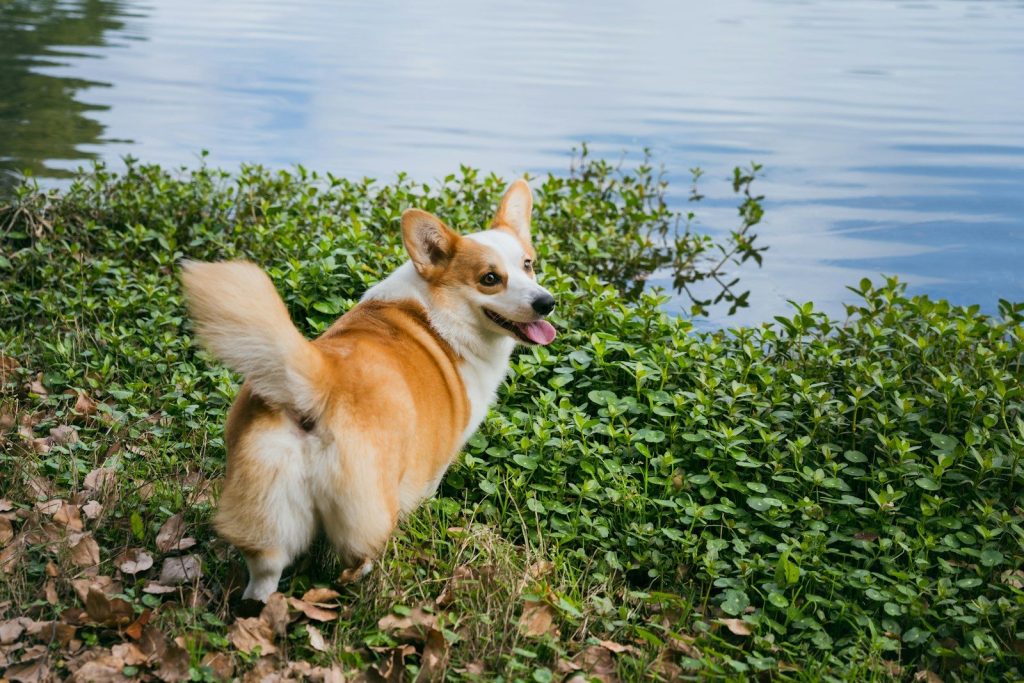
    A wagging tail is often linked to happiness, but it is important to understand how it moves. A joyful dog usually has a loose, flowing wag that moves along with their whole body. The tail is not stiff or tightly controlled, and it moves in a natural rhythm.

    When a dog feels secure, their tail position is also natural for their breed and personality. It is not tucked under their body or held extremely stiff. Instead, it moves freely, often matching their excitement or comfort level in a calm and balanced way.

    Playful behavior and “zoomies”

    a dog laying in the grass next to a ball
    Photo by Barnabas Davoti on Unsplash

    One of the clearest signs of happiness is playful energy. Dogs that feel joyful often invite play by bowing, bouncing, or bringing toys. This play bow, where the front legs go down and the back stays up, is a universal dog invitation for fun and interaction.

    Some dogs also show bursts of energy known as “zoomies,” where they run around excitedly in short bursts. This behavior is usually harmless and shows built-up happy energy. It is most often seen in dogs that feel safe and relaxed in their surroundings.

    Healthy social behavior with humans and pets

    person holding white and brown long coated small dog
    Photo by Sohini on Unsplash

    A happy and secure dog enjoys being around people and other animals. They may choose to sit close to you, follow you from room to room, or gently lean against you for comfort. This behavior shows trust and emotional safety, not clinginess or anxiety.

    With other dogs, a secure dog usually behaves in a friendly and balanced way. They are open to interaction, sniffing, and play without showing fear or aggression. Healthy social behavior is a strong sign that your dog feels emotionally stable in their environment.

    Calm resting habits and good daily routines

    A person standing in the grass with a dog
    Photo by Nakanoki Kojika on Unsplash

    Dogs that feel secure usually rest well. They sleep in relaxed positions, sometimes stretching out fully or curling up comfortably in safe spaces. Their sleep patterns are steady, which shows they are not feeling stressed or alert all the time.
    They also follow healthy daily routines. A happy dog eats well, enjoys walks, and shows interest in normal activities like playing or exploring. A consistent routine is a strong sign that your dog feels safe and confident in their home life.