Category: Wildlife and animals

  • What happens when a shark appears in a place where it should not exist

    What happens when a shark appears in a place where it should not exist

    Imagine looking into a river, harbor, lake, or beach area and seeing a shark in a place where nobody expects one to be. It can seem like something out of a movie. Yet unusual shark sightings happen around the world every year. Sometimes a shark appears far outside its normal range. Other times it enters freshwater, swims into urban waterways, or shows up in colder or warmer waters than scientists would expect.

    When a shark appears in a place where it should not exist, it often tells researchers something important about the environment. Changes in water temperature, food availability, ocean currents, storms, and even human activity can influence where sharks travel. Understanding why these unusual sightings happen helps scientists learn more about shark behavior, ocean health, and the changing world around us.

    Why sharks sometimes appear in unusual places
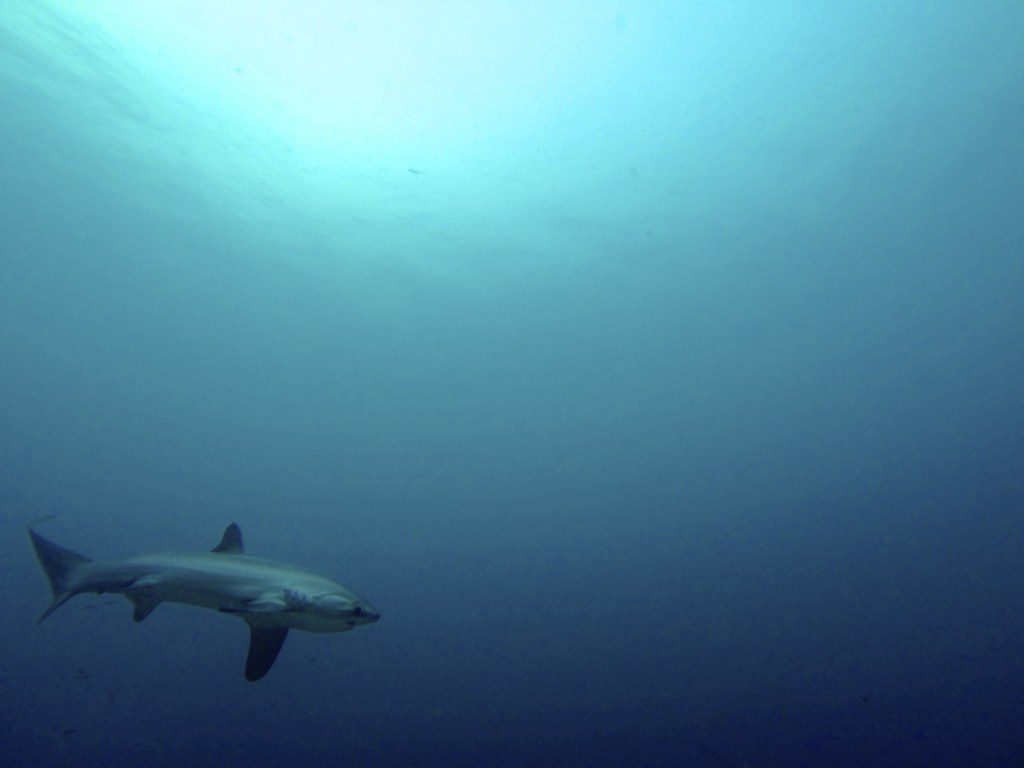
    Thresher Shark at Monad Shoal” by Maxime Guilbot is licensed under CC BY 2.0

    Sharks do not wander randomly. Most species have preferred habitats based on water temperature, depth, and food sources. A shark that suddenly appears outside its normal range is usually responding to changes in its environment. Scientists have found that warming ocean waters can shift the distribution of many marine species, including sharks. As temperatures change, sharks may follow suitable conditions into areas where they were rarely seen before.

    Food is another major reason. Sharks often travel long distances in search of prey. If fish populations move because of changing temperatures, storms, or seasonal migrations, sharks may follow them. This can bring sharks into unfamiliar coastal waters, bays, estuaries, or regions where local people are not used to seeing them.

    Climate change is changing shark ranges

    Indian Ocean Sunset. (in explore)” by Rod Waddington is licensed under CC BY-SA 2.0

    One of the biggest reasons for unusual shark sightings today is climate change. Oceans absorb much of the Earth’s excess heat, and many marine species are responding by moving toward cooler waters. Scientists have documented several shark species expanding into new areas as ocean temperatures rise. In some places, sharks are being observed farther north or farther south than they were in the past.

    These shifts do not mean sharks are invading new places. Instead, they are often following conditions that better match their biological needs. In some regions, warming waters have even created new nursery areas where female sharks can give birth. As climate patterns continue to change, scientists expect some shark populations to keep adjusting their ranges, making unusual sightings more common.

    What happens when sharks enter freshwater
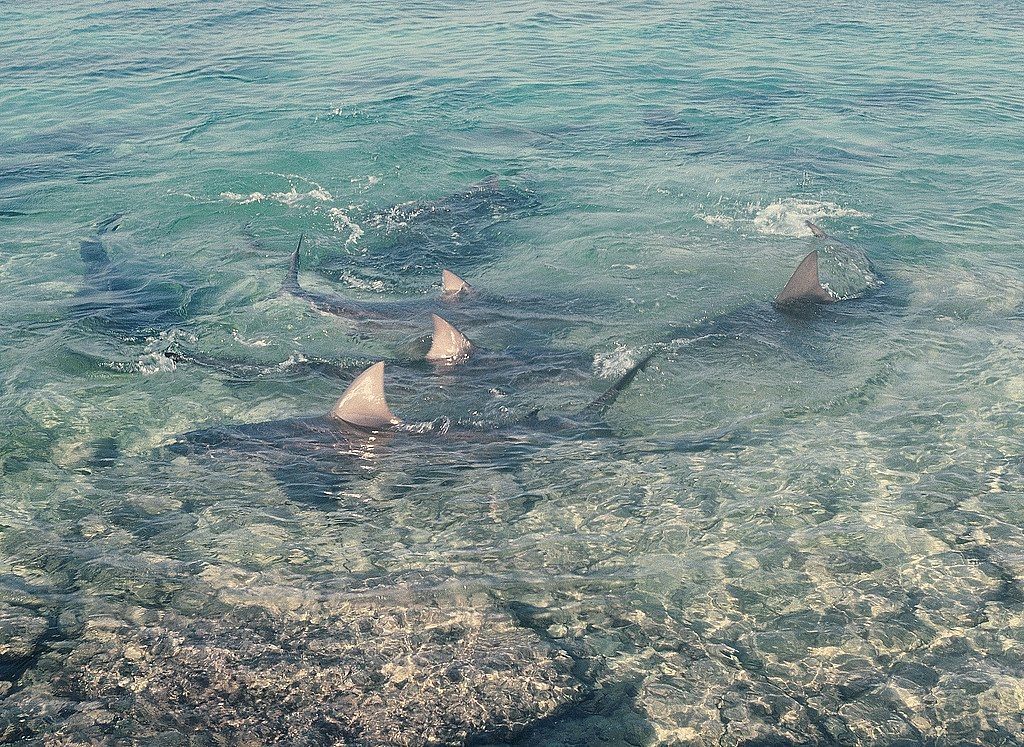
    bull shark beach” by AlKok is licensed under CC BY-NC-SA 2.0

    Many people believe sharks can only live in the ocean, but that is not always true. The bull shark is one of the best-known examples of a species that can survive in both saltwater and freshwater. Bull sharks have been found far up rivers and have traveled hundreds of miles inland from the ocean. Their bodies contain special adaptations that help them regulate salt levels while living in freshwater.

    When a shark enters a river, it can surprise local communities, but it does not always mean something unusual is happening. For species like bull sharks, rivers are often important habitats. Young bull sharks may spend part of their lives in freshwater because it can offer protection from larger marine predators. However, if a species that normally stays in the open ocean suddenly appears deep inland, scientists may investigate whether flooding, storms, or environmental changes influenced its movement.

    Storms and extreme weather can move sharks

    body of water surrounded by fog
    Photo by JOHN TOWNER on Unsplash

    Powerful storms can temporarily change where sharks are found. Hurricanes, cyclones, and major floods can alter water conditions and push marine animals into unexpected locations. Strong currents may carry sharks into bays, estuaries, and coastal waterways where they are rarely seen under normal conditions.

    Flooding can also create temporary pathways between habitats. There have been reports of bull sharks appearing in flooded areas after major storms because they can tolerate freshwater conditions. While these events often attract public attention, most sharks eventually return to more suitable habitats once environmental conditions stabilize.

    How unusual shark sightings affect local ecosystems
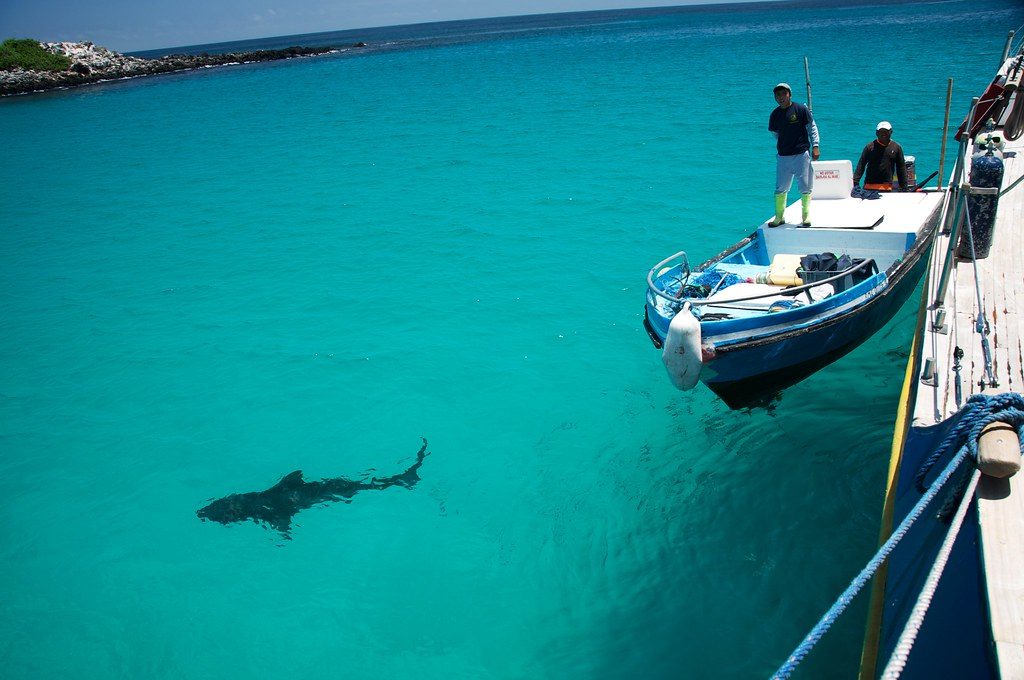
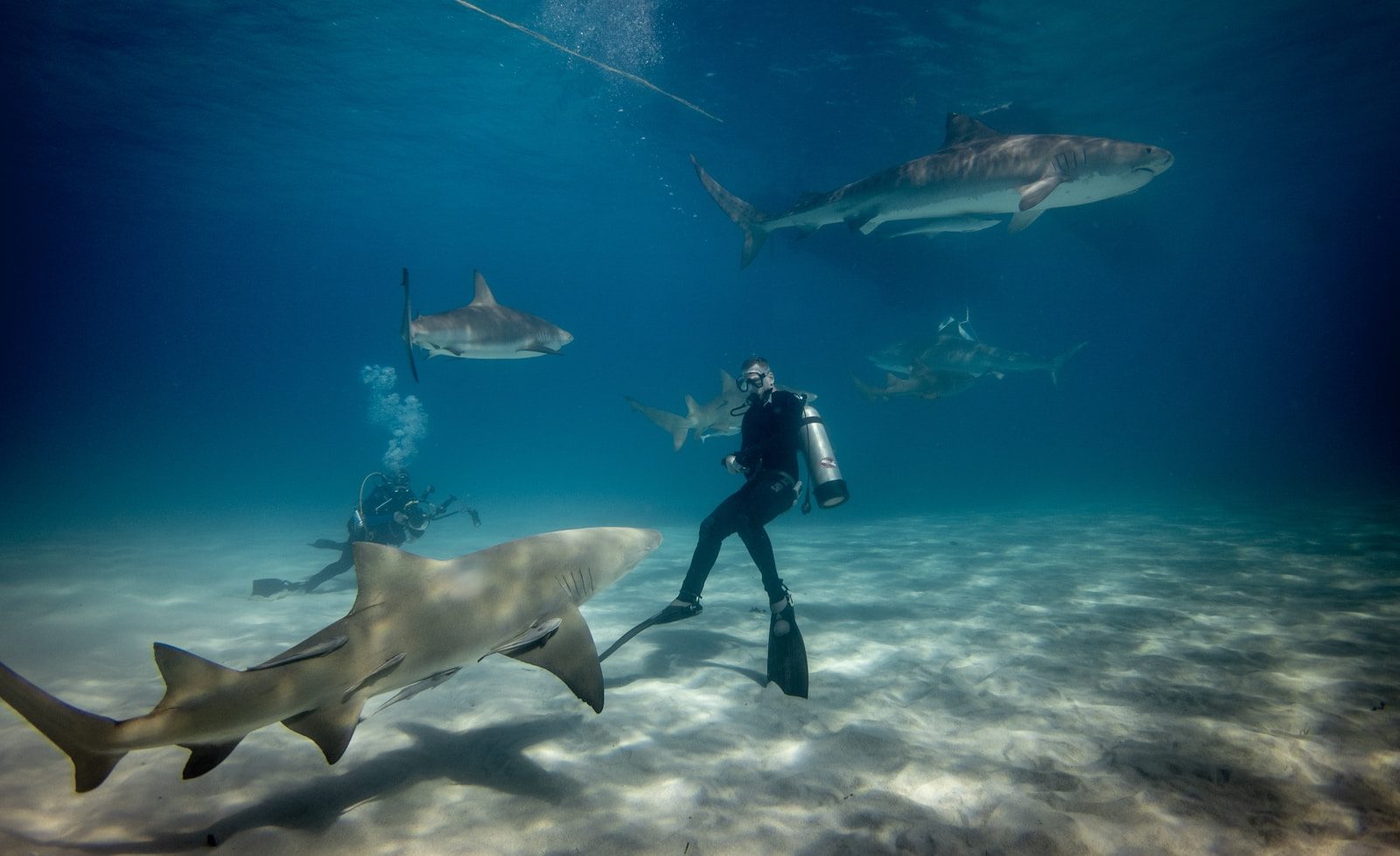
    Shark starboard” by empty007 is licensed under CC BY-NC 2.0

    A shark appearing in a new area can affect local wildlife. Sharks are important predators that help maintain balance in marine ecosystems. They influence the behavior and abundance of prey species, which can have effects throughout the food web. When a shark enters a habitat where it is not usually found, local animals may respond by changing where they feed, hide, or migrate.

    However, one unusual sighting does not automatically mean an ecosystem is in danger. Scientists look for long-term patterns rather than isolated events. If sharks begin appearing regularly in a new area, researchers may study whether changes in temperature, prey availability, or habitat quality are creating a lasting shift in the ecosystem.

    What scientists learn from unexpected shark encounters

    three people in lab coats looking at a tablet
    Photo by National Cancer Institute on Unsplash

    Modern technology allows scientists to learn a great deal from unusual shark sightings. Satellite tags, acoustic tracking devices, drones, and environmental monitoring systems help researchers follow shark movements and understand why they travel to certain areas. A single unexpected sighting can sometimes reveal new information about migration routes or habitat preferences.

    In some cases, unusual encounters have led to major discoveries. Researchers have identified previously unknown migration patterns and found that some shark species travel much farther than once believed. These observations help scientists improve conservation plans and better understand how marine life responds to environmental change.
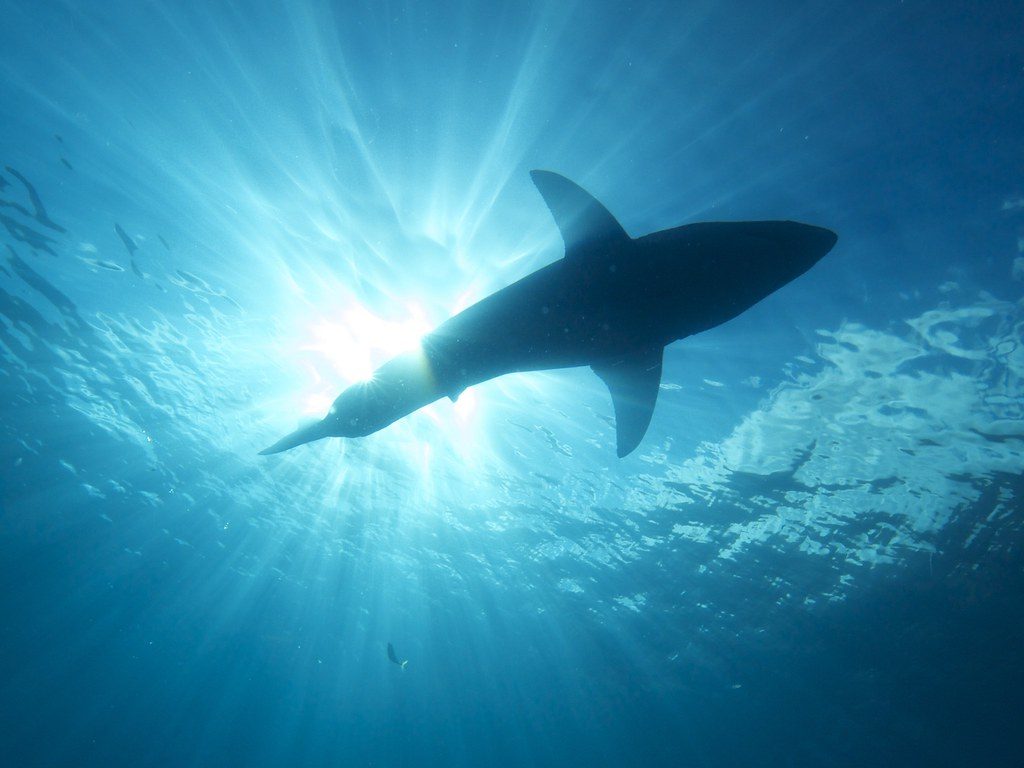

  • The truth behind claims that great whites are starting to eat people

    The truth behind claims that great whites are starting to eat people

    Every summer, headlines about shark bites spread quickly across the internet. Stories about great white sharks often make it seem as if these powerful predators are suddenly starting to eat people. That idea can sound frightening, especially when reports of shark encounters appear in the news. But is it actually true?

    The reality is far more complex. Scientists who study shark behavior have spent decades examining why great white sharks sometimes bite humans. Their research shows that people are not a normal part of a great white shark’s diet. While bites can happen and some are tragic, the evidence does not support the claim that great whites are actively hunting humans as food. Understanding the facts can help separate fear from reality. This article explores what science says about great white sharks, why bites occur, how common they really are, and whether these animals are truly starting to eat people.

    Why the claim became so popular

    Man is looking at a screen with his head down.
    Photo by Alicia Christin Gerald on Unsplash

    The belief that great white sharks are starting to eat people is largely driven by media coverage. Shark incidents receive enormous attention because they are dramatic and rare. When a shark bite occurs, it often becomes national or even international news. Videos, social media posts, and headlines can make it seem as though attacks are happening everywhere, even when the actual numbers remain low.

    Movies and television have also shaped public opinion for decades. Many people still picture great whites as relentless man-eaters because of fictional portrayals. These stories create a powerful image that can be difficult to shake. When a few incidents occur close together, it is easy for the public to assume sharks are becoming more aggressive toward humans, even when scientists find no evidence of a change in feeding behavior.

    What great white sharks normally eat

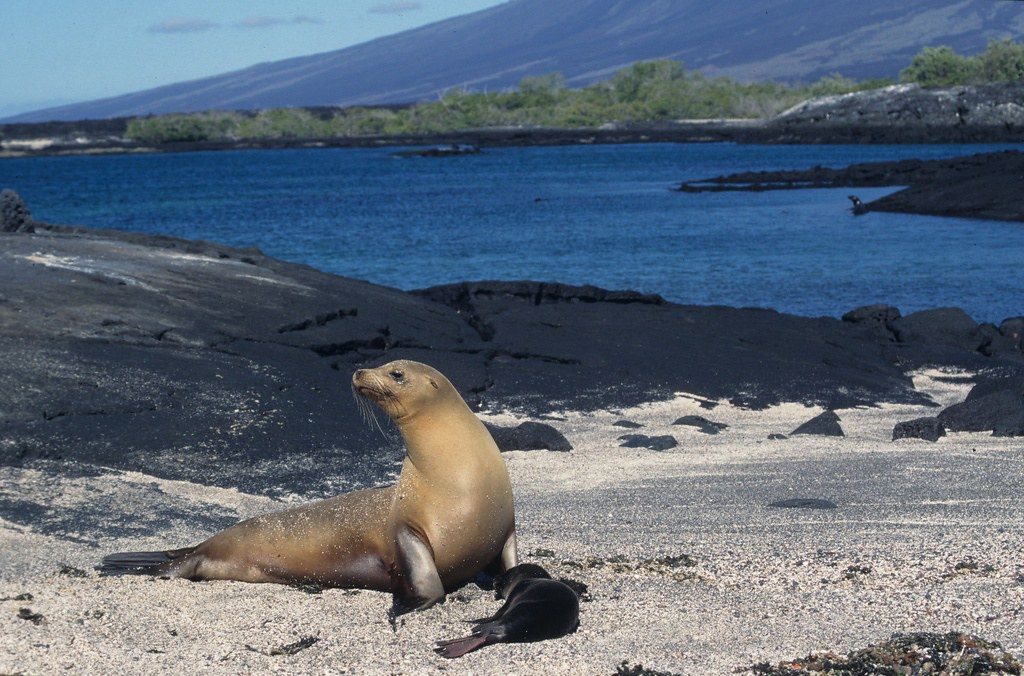
    Galápagos sea lion: mother with pup – scene shot” by Derek Keats is licensed under CC BY 2.0

    Great white sharks are apex predators, meaning they sit near the top of the ocean food chain. Their diet mainly includes fish, rays, smaller sharks, seals, sea lions, and other marine animals. Adult great whites especially depend on marine mammals that provide large amounts of energy and fat. These prey animals help support the shark’s large size and active lifestyle.

    Humans do not fit naturally into this feeding pattern. People are relatively bony and do not provide the rich fat content found in seals and sea lions. Scientists who study shark feeding habits have repeatedly found that humans are not a preferred food source. In many documented shark bite cases, the shark bites once and then leaves rather than continuing to feed. If humans were truly viewed as prey, researchers would expect very different behavior.

    The science behind mistaken identity

    man swimming on water
    Photo by David Boca on Unsplash

    One of the most widely discussed explanations for some great white shark bites is known as mistaken identity. This idea suggests that a shark may confuse a surfer, swimmer, or paddleboarder with a seal or sea lion when viewing the person from below. Research using models of shark vision has shown that the silhouettes and movements of humans on the surface can sometimes resemble those of natural prey animals.

    However, scientists continue to study exactly how often mistaken identity explains shark bites. Some researchers believe it plays a major role, while others think curiosity and investigation may also be important. What most experts agree on is that great white sharks are not usually launching attacks because they recognize humans as food. Instead, many incidents appear to involve uncertainty, exploration, or confusion rather than deliberate hunting.

    Why shark encounters may seem more common today

    three person riding on motorboat under white clouds at daytime
    Photo by Saffu on Unsplash

    Many people assume that more shark sightings automatically mean sharks are becoming more dangerous. In reality, several factors can increase encounters without changing shark behavior. Coastal populations continue to grow, which means more people are swimming, surfing, diving, and boating in waters where sharks naturally live. When more people enter the ocean, the chances of crossing paths with a shark naturally rise.

    Conservation efforts have also helped some shark populations recover in certain regions. At the same time, populations of seals and sea lions have increased in many coastal areas. Since these animals are important prey for great white sharks, sharks often follow them. As a result, sharks may be seen more frequently near shore than they were decades ago. Increased sightings do not necessarily mean increased danger, but they do create more opportunities for human-shark interactions.

    How dangerous are great white sharks to humans?

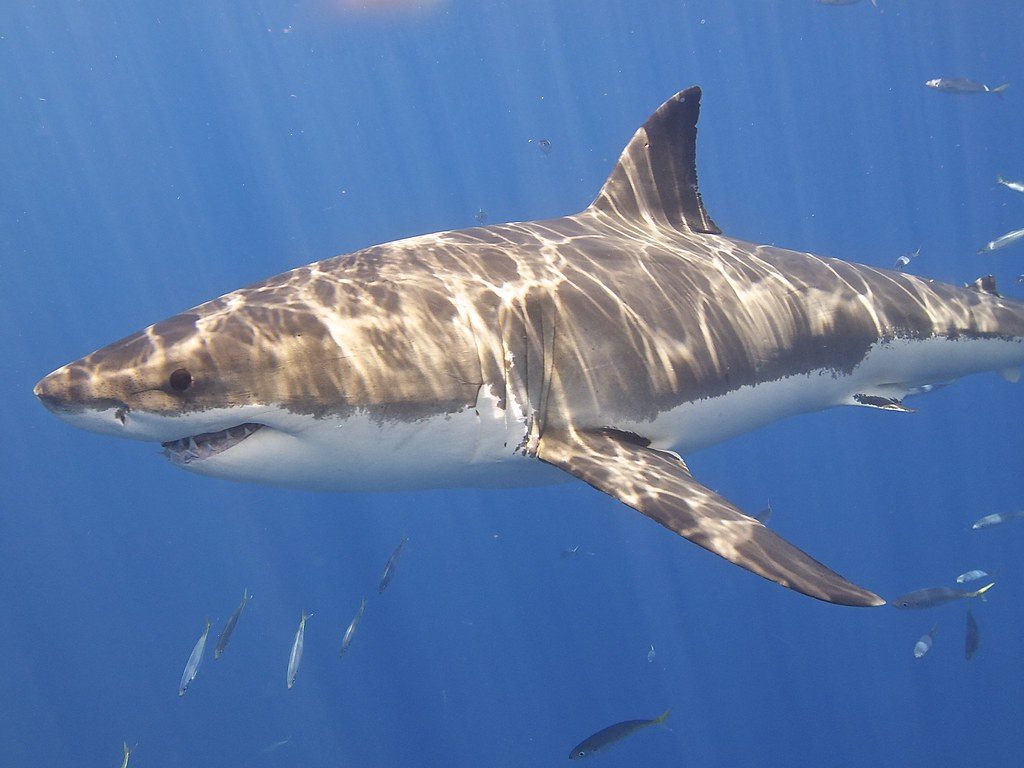
    Great White Shark” by Elias Levy is licensed under CC BY 2.0

    There is no question that great white sharks are powerful animals capable of causing serious injuries. A bite from a large shark can be life-threatening because of blood loss and trauma. For this reason, shark safety should always be taken seriously. However, the actual risk of being bitten remains extremely low compared with many everyday dangers.

    Scientists consistently describe shark bites as rare events. Millions of people enter the ocean each year without any negative interaction with a shark. Even in areas known for great white shark activity, bites remain uncommon. Public fear often grows because shark incidents receive widespread attention, while the countless safe days enjoyed by beachgoers rarely make headlines. Looking at the numbers rather than the news cycle provides a much clearer picture of the true risk.

    What researchers have learned from shark bite investigations?

    Woman presenting to audience in a modern office setting.
    Photo by Vitaly Gariev on Unsplash

    When scientists investigate shark bite incidents, they often look for clues about the shark’s intentions. In many cases, evidence suggests the shark did not continue treating the person as prey after the initial bite. This behavior differs from what researchers would expect if the shark were actively hunting a food source. The pattern has helped support the idea that many bites are exploratory rather than predatory.

    Researchers have also found that environmental conditions can play a role. Murky water, low light, wave action, and the presence of baitfish can affect how sharks interpret objects around them. Surfers lying on boards may create shapes that appear similar to prey animals when viewed from below. While no single explanation fits every incident, the overall body of research points away from the idea that great white sharks are suddenly developing a taste for humans.

    Why understanding sharks matters

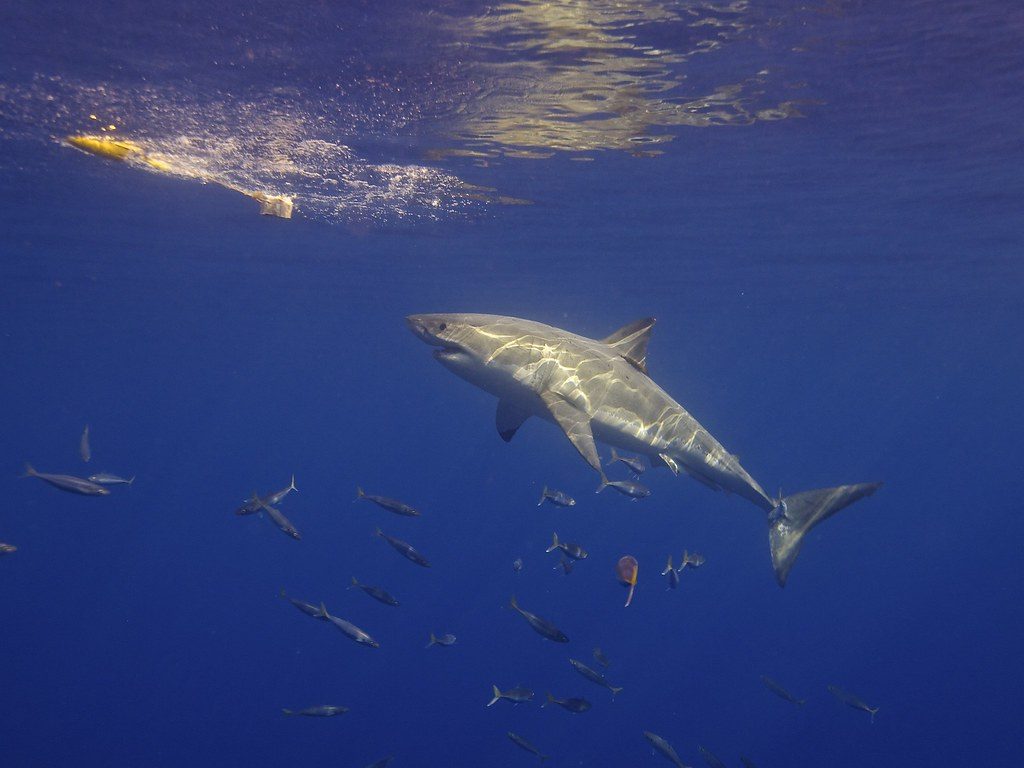
    Great White Shark” by Elias Levy is licensed under CC BY 2.0

    Fear often leads people to view sharks as villains, but these animals play an important role in ocean ecosystems. As top predators, great white sharks help maintain balance by influencing the behavior and populations of other marine species. Healthy shark populations contribute to healthier oceans, which ultimately benefit many forms of marine life.

    Learning the facts about sharks can also improve public safety. Understanding when and where encounters are more likely allows people to make smarter choices in the water. Swimming in groups, avoiding areas with large schools of fish, staying out of the water at dawn or dusk, and following local beach advisories are practical steps that can reduce risk. Education helps replace fear with knowledge, allowing people to appreciate sharks while respecting their presence.

  • Scientists caution that shark encounters may rise this summer

    Scientists caution that shark encounters may rise this summer

    Every summer, millions of people head to the beach to swim, surf, and enjoy the ocean. This year, however, scientists are cautioning that shark encounters may rise this summer in some coastal areas. Warmer ocean temperatures, changing migration patterns, growing shark populations in certain regions, and increased human activity in the water are creating more opportunities for sharks and people to cross paths.

    While this may sound alarming, experts stress that shark bites remain extremely rare. Understanding why encounters may increase and learning how to stay safe can help beachgoers enjoy the water with greater confidence. This article explains the science behind the warning, what is driving shark activity, and what swimmers should know before heading to the coast.

    Why scientists are warning about more shark encounters

    black video camera
    Photo by Matt C on Unsplash

    Marine scientists have observed several factors that could lead to more shark sightings and encounters this summer. One of the biggest reasons is that many shark species naturally move closer to shore during warmer months. As ocean temperatures rise, sharks begin seasonal migrations in search of food, breeding grounds, and suitable habitat. This annual movement often overlaps with the peak beach season, when large numbers of people enter the water.

    Researchers also note that modern technology makes shark sightings more visible than ever before. Drones, tracking devices, underwater cameras, and social media reports can quickly spread information about shark activity. As a result, people may hear about more sightings even when the overall risk remains low. Scientists emphasize that increased awareness does not necessarily mean sharks are becoming more dangerous.

    How warmer oceans are changing shark behavior

    Indian Ocean Sunset. (in explore)” by Rod Waddington is licensed under CC BY-SA 2.0

    Ocean temperatures play a major role in determining where sharks travel. Many species prefer specific temperature ranges, and even small changes in water conditions can influence their movements. In recent years, marine heat waves and unusually warm waters have altered migration routes in several parts of the world. Scientists have documented sharks appearing earlier in the season and in locations where they were once uncommon.

    Warmer waters can also create favorable conditions for young sharks. In some regions, juvenile sharks are spending more time in shallow coastal waters because the warmer environment helps them grow and find food. Since these nursery areas are often close to beaches, the chances of people seeing sharks may increase. However, the presence of more sharks does not automatically mean more attacks. Most sharks avoid humans whenever possible.

    The role of prey and healthy ecosystems

    Leopard Seal” by AegirPhotography is licensed under CC BY-NC 2.0

    Sharks follow food. When fish, seals, and other prey animals gather in certain locations, sharks often follow. In many coastal ecosystems, conservation efforts have helped populations of marine animals recover. This is good news for ocean health, but it can also attract more sharks to areas where their prey is abundant. Scientists view the return of sharks as a sign that marine ecosystems are functioning more naturally.

    For example, areas with large schools of fish or growing seal populations may experience increased shark activity. This does not mean sharks are targeting people. Instead, they are responding to natural food sources. Experts explain that humans are not a preferred food item for sharks, and many bites occur because a shark mistakes a swimmer or surfer for something it normally eats.

    Why more people are seeing sharks

    person surfing on wave
    Photo by Thomas Ashlock on Unsplash

    Part of the increase in encounters may be linked to human behavior rather than shark behavior alone. Coastal populations continue to grow, and beach tourism remains popular. More swimmers, surfers, paddleboarders, and divers are spending time in the ocean than ever before. When more people enter shark habitat, the chances of an encounter naturally rise.

    Scientists point out that many shark species have existed in these waters for millions of years. What has changed is the amount of human activity in coastal areas. As beaches become busier and recreational water sports expand, there are simply more opportunities for people and sharks to occupy the same space. This increased overlap helps explain why encounters may become more common during the summer months.

    Understanding the real level of risk

    man swimming on water
    Photo by David Boca on Unsplash

    Although shark headlines often attract attention, experts consistently stress that shark bites are extremely rare. The vast majority of people who swim in the ocean will never experience a shark encounter. Worldwide, the number of serious shark incidents remains very small compared with the millions of people who enter coastal waters each year.

    In fact, marine scientists frequently remind the public that dangers such as drowning, rip currents, and severe weather pose a much greater threat to beachgoers than sharks. Fear of sharks is understandable because sharks are large predators, but statistics show that the likelihood of being bitten remains very low. Experts encourage people to stay informed without becoming overly fearful.

    How beachgoers can stay safe this summer

    three women sitting on beach
    Photo by Adam Birkett on Unsplash

    Simple safety practices can significantly reduce the already small risk of a shark encounter. Marine experts recommend avoiding swimming during dawn and dusk because many shark species are more active during low-light conditions. Murky water should also be avoided because poor visibility can make it harder for sharks to distinguish between normal prey and people.

    Swimming in groups, staying close to shore, paying attention to lifeguard warnings, and avoiding areas where large schools of fish are present can further improve safety. Experts also advise beach visitors to remain calm if they spot a shark. Most sharks are not interested in humans and will continue on their way. By respecting the ocean and following local guidance, people can safely enjoy beaches while sharing the environment with marine wildlife.

  • A giant crocodile’s arrival reshaped this river ecosystem

    A giant crocodile’s arrival reshaped this river ecosystem

    Have you ever wondered how a giant fish-eating crocodilian survives in a river filled with competition? Agario, one of the largest living gharials, offers a fascinating answer. As a member of a critically endangered species, Agario relies on unique adaptations that help him succeed where many other predators struggle. His long, narrow snout, powerful swimming ability, and specialized hunting skills make him perfectly suited for life in large rivers.

    By watching Agario in action, scientists and wildlife enthusiasts can better understand how gharials survive in challenging environments. This article explores the features, behaviors, and survival strategies that allow Agario to thrive in a crowded river ecosystem and why these remarkable reptiles remain important to the health of freshwater habitats.

    Agario belongs to a unique crocodilian species

    The Gharial” by wildxplorer is licensed under CC BY 2.0

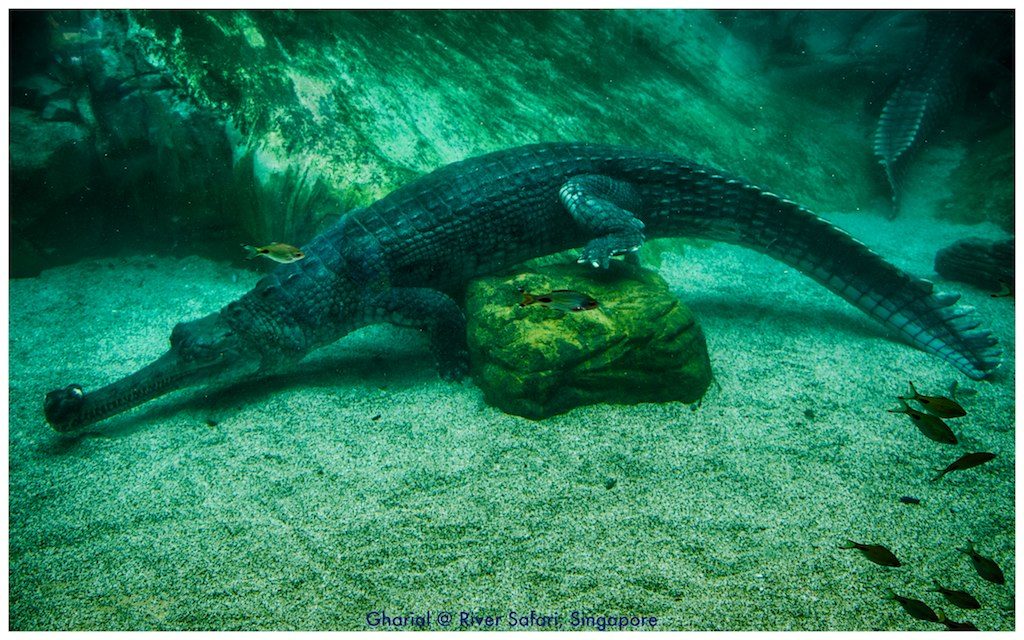
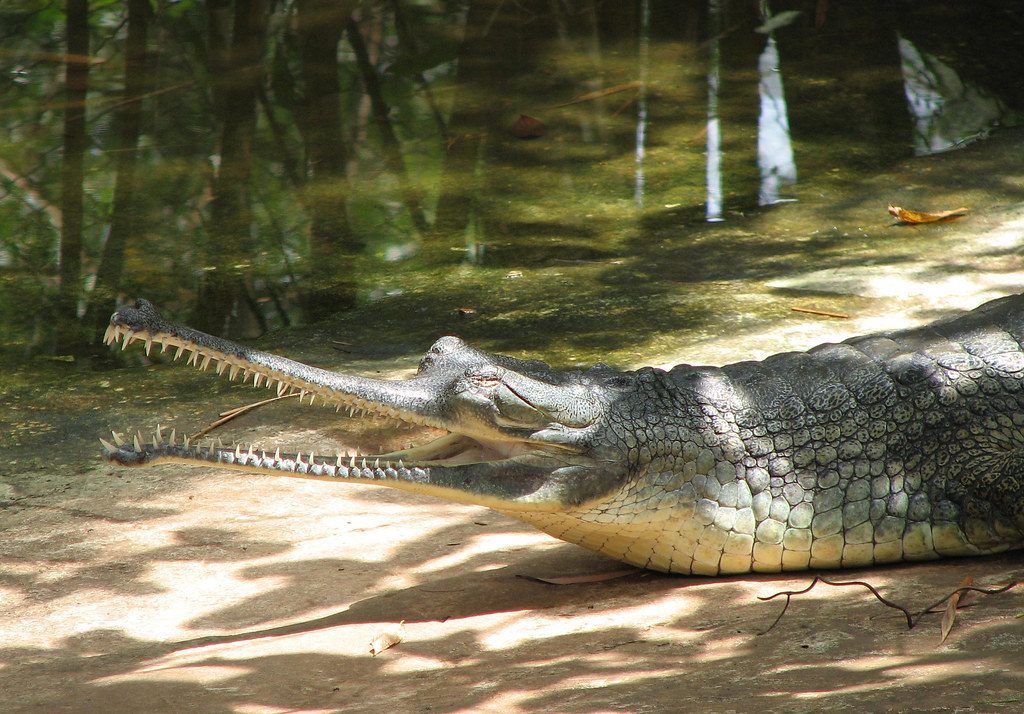
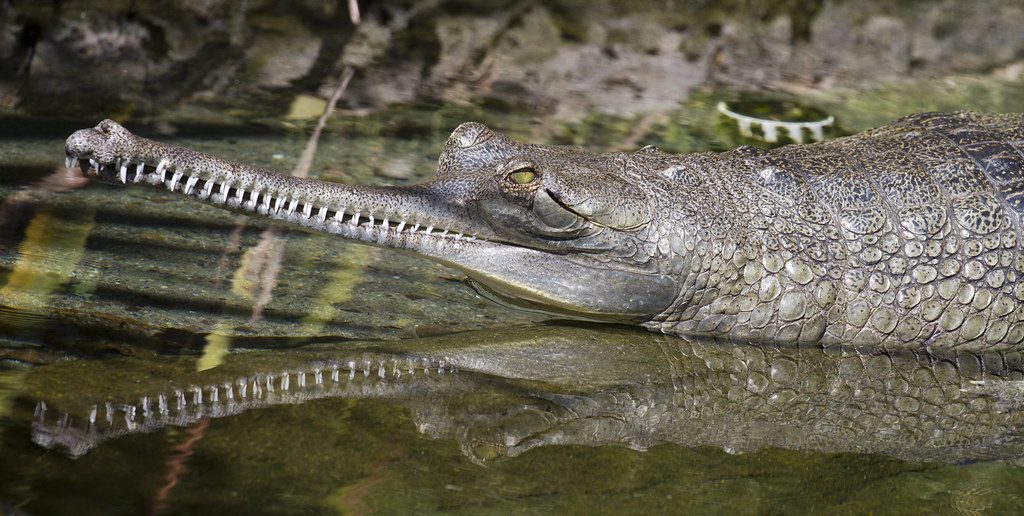
    Agario is a gharial, a crocodilian that looks very different from crocodiles and alligators. The most noticeable feature is the extremely long and narrow snout, which is lined with many sharp teeth. Unlike broader-snouted crocodilians that can tackle large mammals, gharials are highly specialized fish hunters. Their slender jaws move quickly through the water with very little resistance, helping them catch fast-moving prey.

    Gharials once lived throughout many river systems across the Indian subcontinent. Today, they are much rarer because of habitat loss, changes to rivers, and human activity. As one of the largest living members of his species, Agario represents a remarkable example of how these ancient reptiles have adapted to survive in freshwater environments for millions of years.

    The long snout is built for catching fish

    Like gharial; unlike gharial” by Pandiyan is licensed under CC BY-NC 2.0

    Agario’s narrow snout is one of the most specialized hunting tools found in any crocodilian. The shape allows him to sweep his jaws through the water with speed and precision. When a fish passes nearby, the jaws can snap shut almost instantly. This design helps him capture prey that would be difficult for broader-snouted predators to catch.

    The many interlocking teeth along the edges of the snout create an effective trap for slippery fish. Once prey is caught, escape becomes difficult. This adaptation gives Agario an advantage in rivers where fish move quickly and competition for food can be intense. His success depends more on speed and precision than on brute force.

    Life in the river requires constant adaptation

    sea turtle 2” by deeje is licensed under CC BY-SA 2.0

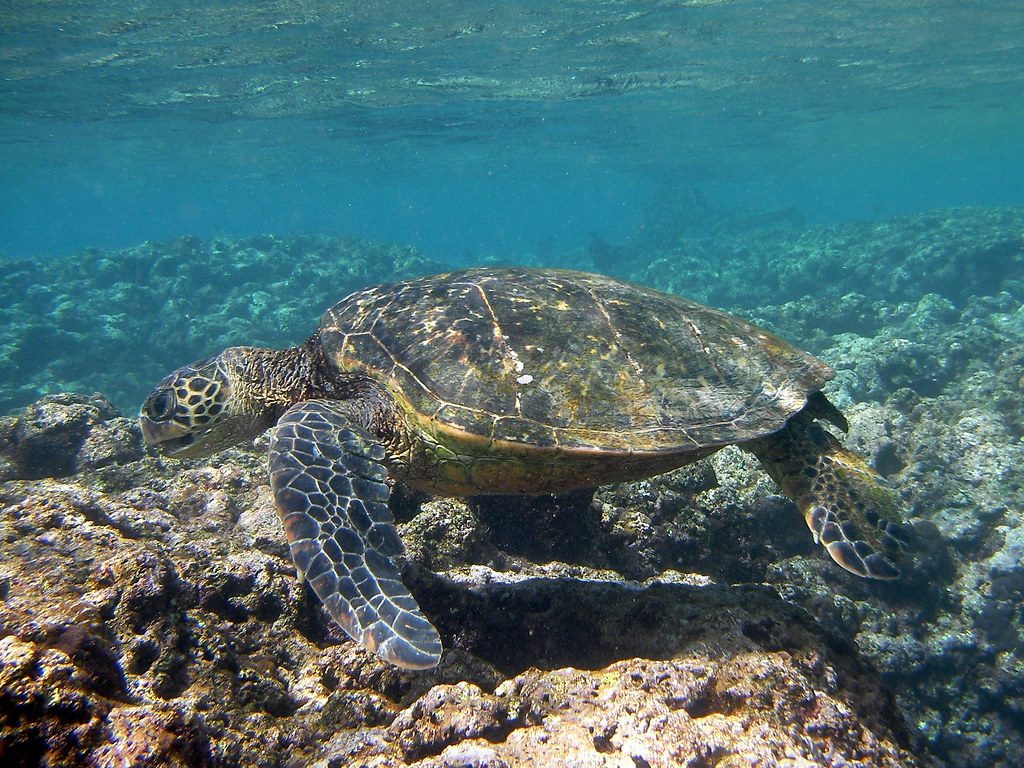
    Large rivers are busy ecosystems filled with fish, turtles, birds, and other predators. Agario must compete for space and food while also avoiding unnecessary conflict. His streamlined body helps him move efficiently through the water, allowing him to patrol large sections of the river in search of prey.

    Water conditions can change throughout the year as river levels rise and fall. During these shifts, fish may move to different areas, forcing predators like Agario to adjust their hunting patterns. His ability to adapt to changing conditions is an important reason why he continues to thrive despite the challenges of river life.

    Breeding season brings sudden displays of power

    Gharial” by San Diego Shooter is licensed under CC BY-NC-ND 2.0

    Although gharials are generally focused on fishing, the breeding season can lead to dramatic confrontations between males. Large males compete for access to females and valuable territory. During these encounters, rivals may display aggressive behaviors and attempt to establish dominance without causing serious injury.

    As one of the largest gharials, Agario likely benefits from his size during these contests. Bigger males often have an advantage when competing for mates. These interactions play an important role in the species’ reproduction and help determine which individuals pass their genes to future generations.

    Why size matters for survival

    The lazy gharial” by A Camera Story is licensed under CC BY-NC-ND 2.0

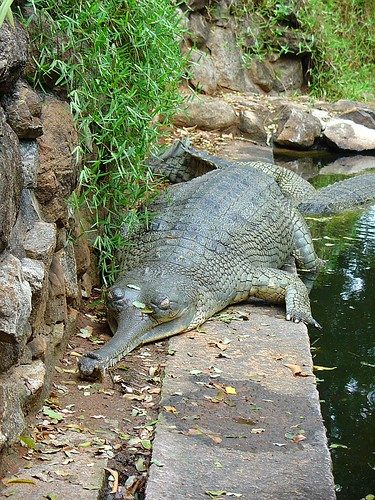
    Agario’s impressive size provides several advantages in the wild. Larger gharials can travel long distances more efficiently and may have access to better hunting areas. Their size can also discourage challenges from smaller rivals, reducing the need for frequent confrontations.

    Size alone does not guarantee success, however. Agario must still rely on skill, experience, and specialized adaptations to catch enough food. His combination of size and hunting ability allows him to take full advantage of the opportunities available within his river habitat.

    What Agario teaches us about conservation

    Gharial at Singapore Zoo” by _paVan_ is licensed under CC BY 2.0

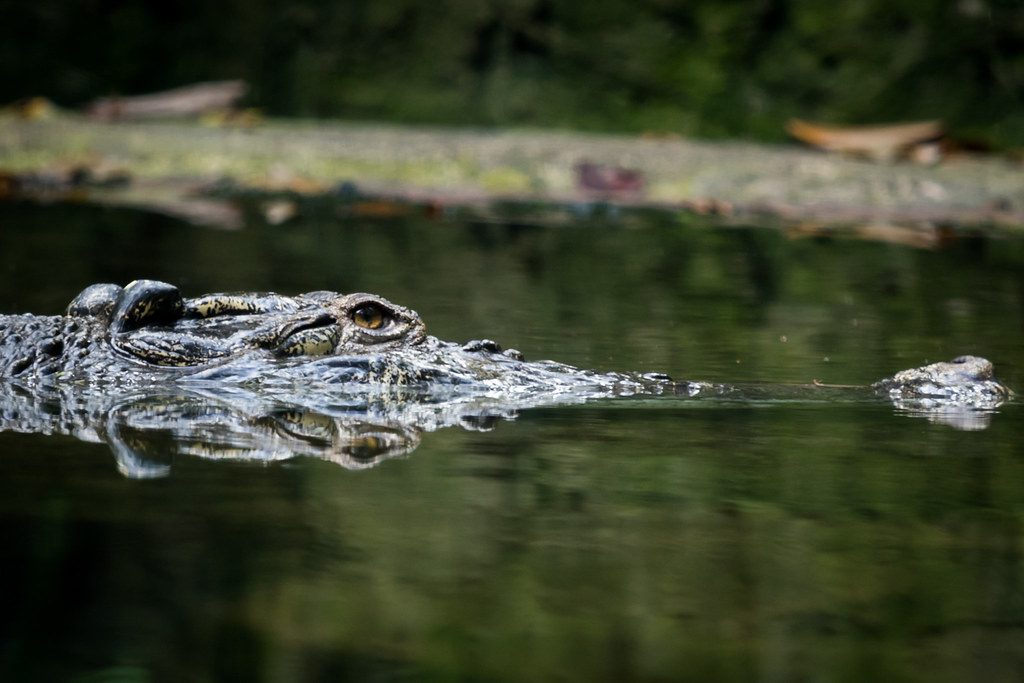
    Agario’s story highlights both the resilience and vulnerability of gharials. Despite being highly specialized predators, gharials face significant threats from habitat destruction, pollution, and changes to river systems. Their survival depends on healthy rivers that can support both fish populations and nesting areas.

    By studying large individuals like Agario, scientists gain valuable insights into the needs of the species. Protecting rivers and restoring habitat can help ensure that future generations of gharials continue to survive. Agario serves as a powerful reminder of the importance of conserving some of the world’s most unique and endangered reptiles.

  • The surprising way marine mammals avoid dehydration

    The surprising way marine mammals avoid dehydration

    Have you ever wondered how whales, dolphins, seals, and other marine mammals stay hydrated while living in salty ocean water? It may seem like they could simply drink the water around them, but seawater contains far too much salt for most mammals. In fact, drinking large amounts of seawater can cause dehydration rather than prevent it.

    The surprising way marine mammals avoid dehydration is through a combination of special body adaptations, water-rich food, and the ability to create water inside their own bodies. Understanding these remarkable survival strategies helps explain how some of the world’s most famous ocean animals thrive in an environment that would quickly dehydrate most land mammals. This article explores the science behind marine mammal hydration and the unique systems that keep them healthy in the sea.

    Why seawater creates a dehydration problem

    five birds flying on the sea
    Photo by frank mckenna on Unsplash

    The ocean contains large amounts of dissolved salt. For mammals, including humans and most marine mammals, this presents a serious challenge. Body fluids contain much less salt than seawater. When too much salt enters the body, extra water is needed to remove it. If enough water is not available, dehydration can occur.

    This means that simply drinking seawater is not an easy solution for staying hydrated. In many cases, the body would lose more water while getting rid of excess salt than it would gain from the seawater itself. Because of this, most whales, dolphins, and seals rely on other methods to meet their water needs rather than regularly drinking ocean water.

    The hidden water found in their food

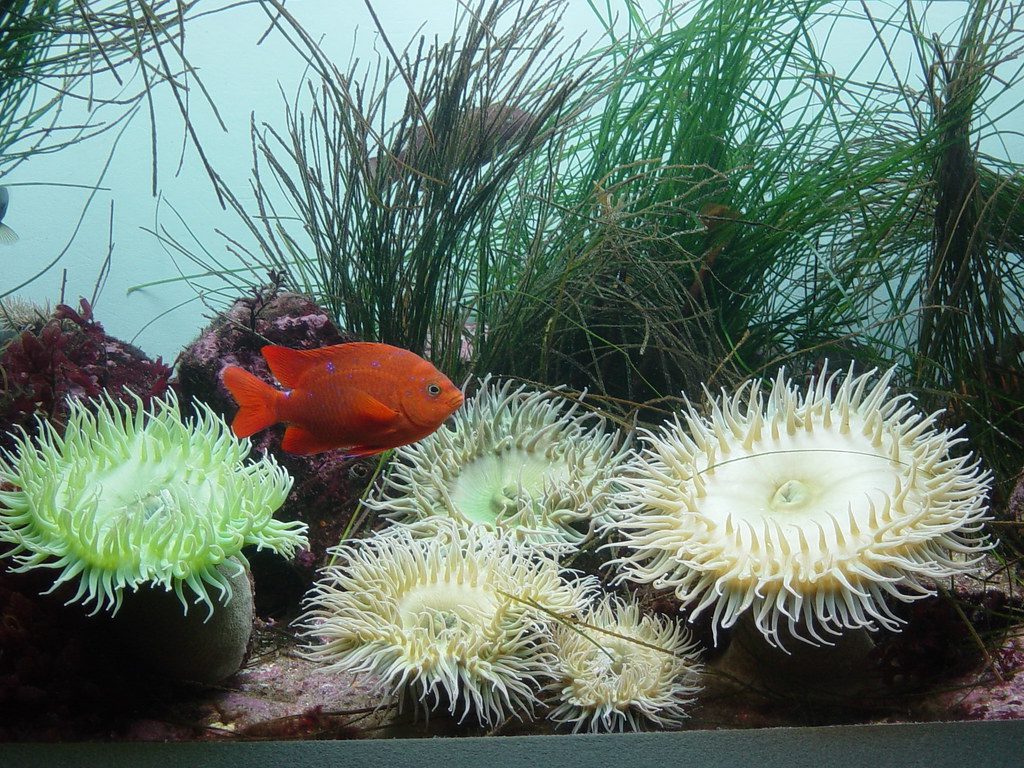
    Sea anemones and orange fish” by Martin LaBar is licensed under CC BY-NC 2.0

    One of the most important sources of water for marine mammals is the food they eat. Fish, squid, krill, and other prey contain large amounts of water inside their tissues. When marine mammals consume these animals, they receive both nutrients and hydration at the same time.

    This strategy works especially well because the water found in prey is much less salty than seawater. Large whales that feed on krill can obtain significant amounts of water from their meals. Dolphins and seals also gain much of their daily water intake from fish and squid. As a result, many marine mammals can meet a large portion of their hydration needs without ever seeking fresh water.

    The amazing ability to make water internally

    three shark underwater
    Photo by Talia Cohen on Unsplash

    Perhaps the most surprising way marine mammals avoid dehydration is by producing water inside their own bodies. This process creates what scientists call metabolic water. When fats, proteins, and carbohydrates are broken down to release energy, water is produced as a natural byproduct.

    Fat is especially important because it generates more metabolic water than many other nutrients. Marine mammals often carry thick layers of blubber, which serve several purposes. It helps keep them warm, stores energy, and can also contribute to water production when fat is metabolized. During long migrations or periods with limited feeding, metabolic water becomes an important source of hydration. Some species can rely heavily on this internally produced water when food intake is reduced.

    Specialized kidneys help manage salt

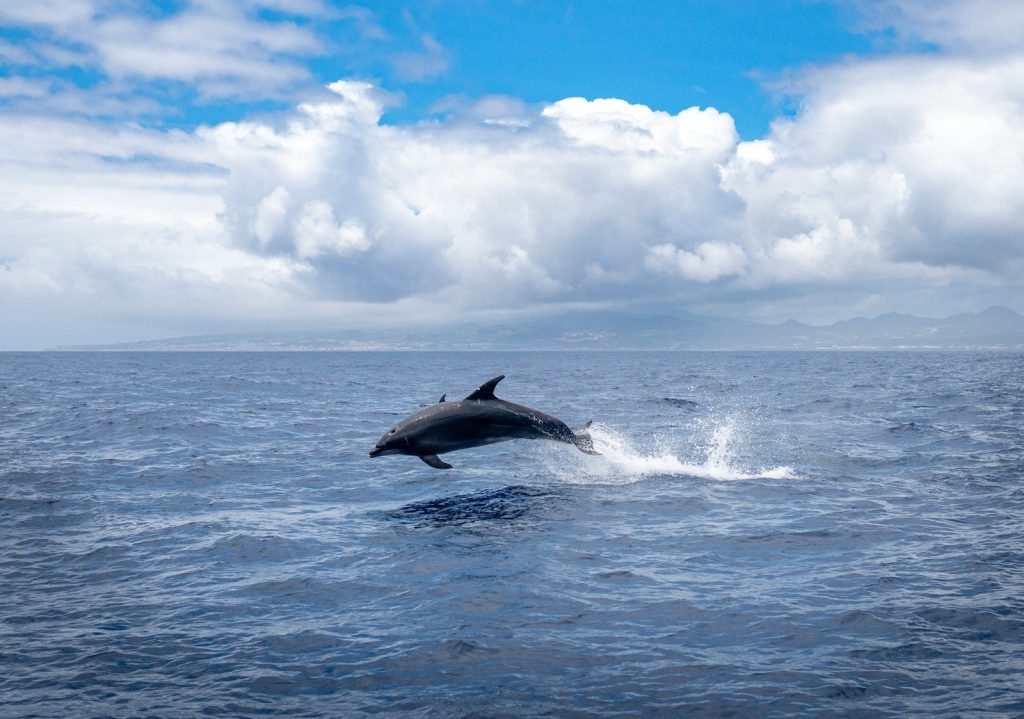
    A dolphin jumping out of the water on a cloudy day
    Photo by SALEM. on Unsplash

    Marine mammals possess highly efficient kidneys that help them maintain the right balance of water and salt. These kidneys are adapted to remove excess salt while conserving as much water as possible. This ability is critical for animals that spend their entire lives surrounded by seawater.

    Many marine mammals have kidneys made up of numerous small sections called lobes. This structure increases the surface area available for filtering blood. The kidneys can produce very concentrated urine, allowing the animals to remove waste and excess salts while minimizing water loss. This efficient system helps whales, dolphins, and seals maintain healthy fluid levels even in challenging ocean conditions.

    Different marine mammals use different strategies

    Leopard Seal” by AegirPhotography is licensed under CC BY-NC 2.0

    Although marine mammals share many hydration adaptations, not every species follows exactly the same approach. Whales, dolphins, and many seals generally depend heavily on food-derived water and metabolic water. They do not regularly drink large amounts of seawater as their primary source of hydration.

    Some marine mammals have developed different habits. Sea otters, for example, can consume seawater more frequently than many other marine mammals because they possess strong salt-handling abilities. Manatees often seek out freshwater sources when they are available. These differences show that marine mammals have evolved multiple solutions to the challenge of living in salty environments, depending on their habitat and lifestyle.

    How hydration supports survival in the ocean

    seal pup, seal, beach, pinniped, harbour seal, nature, grey seal, pup, harbor, coast, cute, resting, water, sea, ocean, marine mammal, marine animal
    Photo by TheOtherKev on Pixabay

    Proper hydration is essential for every marine mammal’s function. Water helps transport nutrients, remove waste products, regulate body chemistry, and support the operation of muscles and organs. Without reliable ways to maintain water balance, marine mammals would struggle to survive in the ocean.

    Hydration also becomes especially important during demanding activities such as diving, migration, reproduction, and nursing young. Some marine mammals can travel thousands of miles while maintaining healthy water levels. Others can endure long fasting periods by relying on stored fat and the metabolic water it produces. These adaptations allow marine mammals to occupy habitats ranging from tropical seas to icy polar waters while remaining properly hydrated.

    What scientists continue to learn about marine mammal hydration

    three people in lab coats looking at a tablet
    Photo by National Cancer Institute on Unsplash

    Researchers have studied marine mammal water balance for decades, but new discoveries continue to improve our understanding. Scientists now know that hydration involves a complex combination of behavior, diet, metabolism, kidney function, and hormone regulation. Each of these systems works together to maintain a stable internal environment.

    Modern research is also helping scientists understand how climate change and shifting ocean ecosystems may affect marine mammal hydration in the future. Changes in prey availability could influence the amount of water animals obtain from food. By studying these processes, researchers gain valuable insight into how marine mammals may adapt to changing conditions and what conservation efforts may be needed to protect them.

  • Humpback whales may explain a centuries-old lighthouse mystery

    Humpback whales may explain a centuries-old lighthouse mystery

    For centuries, lighthouse keepers and fishermen have talked about a strange sound rolling across the ocean at night. Some said it sounded like distant thunder. Others thought it was a machine hidden far away at sea. The mystery lasted for generations because nobody could find where the sound came from. Now, scientists think humpback whales may finally have the answer.

    The idea that humpback whales may explain a centuries-old lighthouse mystery has amazed both researchers and ocean lovers. Recent studies suggest these giant animals create a deep rumbling sound that can travel through the air for miles. In this article, you’ll learn what the mysterious sound is, why people were puzzled by it for so long, how scientists linked it to humpback whales, and what this discovery teaches us about one of the ocean’s most fascinating animals.

    The strange sound that puzzled generations

    white and red lighthouse near bodies of water at night
    Photo by Robert Wiedemann on Unsplash

    For hundreds of years, people living near the coast reported hearing a low, humming noise at night. Lighthouse keepers described it as an eerie rumble that sometimes seemed to vibrate through the walls of their buildings. Fishermen heard it while resting on their boats and often argued about what caused it. Some believed it came from underground earthquakes, while others thought it was the sound of waves hitting hidden caves beneath the ocean.

    The mystery stayed unsolved because the sound was difficult to track. It did not happen all the time, and it often changed in volume and tone. In some places, it sounded like a soft hum, while in others it resembled distant thunder. Since no ships or machines could explain the noise, the stories became part of local folklore. Many people simply accepted that the ocean held secrets humans might never understand.

    Scientists finally traced the sound to whales

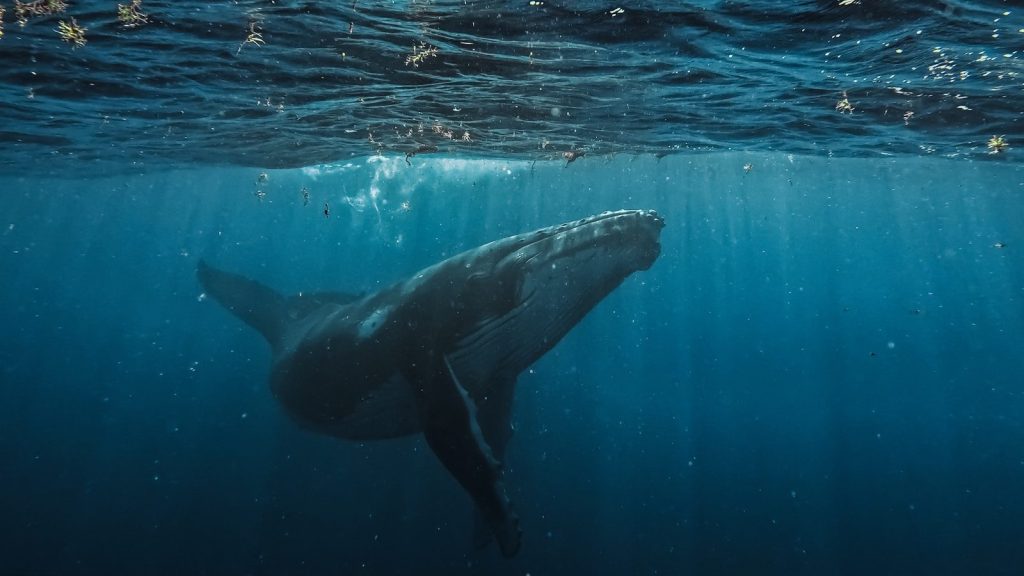
    a humpback whale swims beneath the surface of the water
    Photo by Oliver Tsappis on Unsplash

    Researchers studying humpback whales in Alaska recently took a closer look at the mystery. They placed microphones on land and underwater devices called hydrophones in the sea. These instruments recorded sounds from whales as they surfaced to breathe. After comparing the recordings, scientists discovered that the mysterious rumble matched a previously unknown sound made by humpback whales.

    The sound is now being called a “thrum.” Scientists found that it can travel at least five miles through the air. When heard from nearby, it may sound like a buzzing raspberry. From farther away, it becomes a deep mechanical hum. This difference explains why people described the noise in so many ways over the centuries. The finding suggests that humpback whales may have been creating the mystery sound all along without anyone realizing it.

    How humpback whales create the mysterious thrum

    Two humpback whales swimming in the ocean
    Photo by Jonathan Hsu on Unsplash

    Scientists believe the sound comes from the whales’ nasal passages when they exhale after surfacing. Humpback whales breathe through two blowholes located on top of their heads. Inside their breathing system are special fatty structures that may vibrate as air rushes through them. These vibrations appear to create the low-frequency thrum that people hear from far away. Researchers are still studying the exact process because whale anatomy is complex and difficult to observe in the wild.

    Humpback whales are famous for producing many different sounds. Males sing long and complex songs during breeding season, and these songs can last from a few minutes to more than half an hour. Scientists have also recorded clicks, moans, squeaks, and other vocalizations. The discovery of the thrum adds another sound to the humpback’s impressive collection and shows that researchers still have much to learn about how whales communicate and interact with their environment.

    Why humpback whales are such remarkable animals

    a humpback whale jumping out of the water
    Photo by Saroj Bhandari on Unsplash

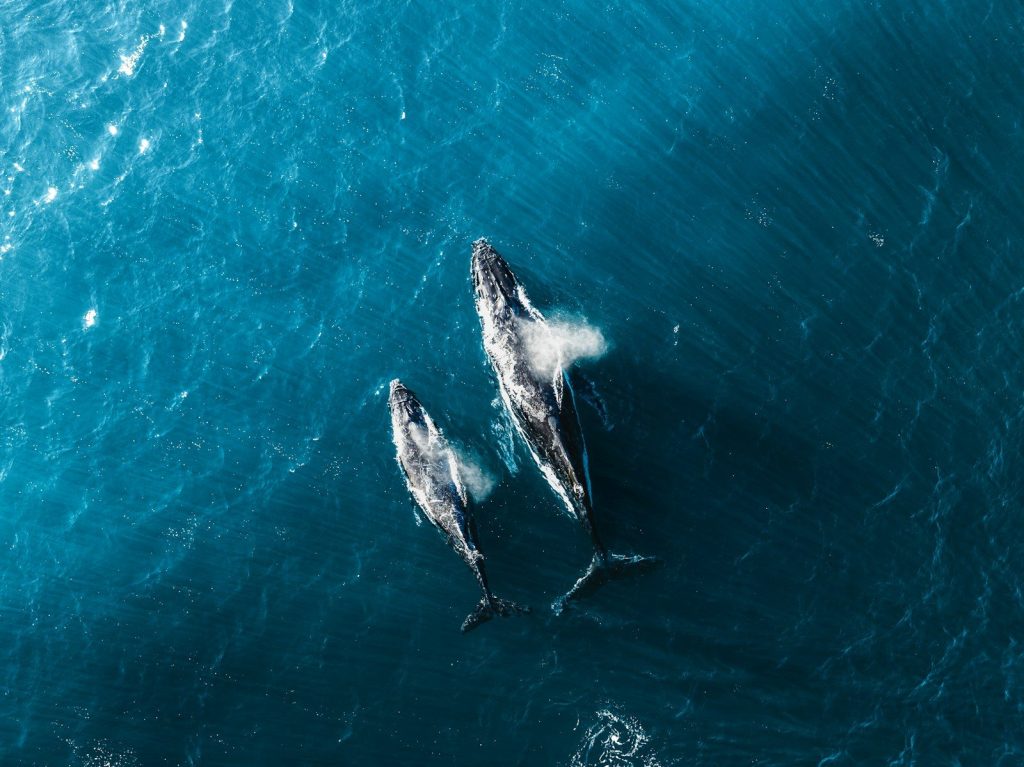
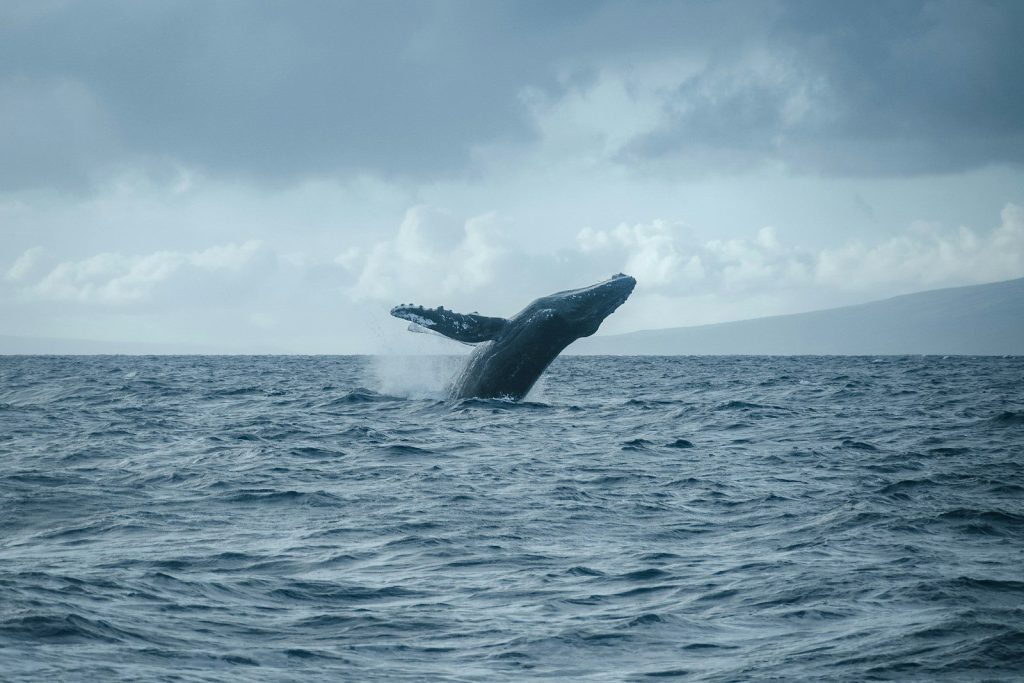
    Humpback whales are among the most recognizable animals in the ocean. Adults usually grow between 46 and 56 feet long and can weigh up to 40 tons. Their long pectoral fins, which can reach nearly one-third of their body length, help them maneuver through the water with surprising agility. Their bodies are mostly black, but each whale has unique white markings on its tail and belly that scientists use like fingerprints to identify individuals.

    These whales live in oceans around the world and make some of the longest migrations of any mammal. Many populations travel thousands of miles each year between warm breeding waters and colder feeding grounds. Some whales swim as far as 5,000 miles during their yearly journey. Along the way, they feed on krill and small fish, often using a remarkable technique called bubble-net feeding, where whales blow rings of bubbles to trap their prey before swallowing huge mouthfuls of water and filtering out food with their baleen plates.

    Why the discovery matters to science

    three people in lab coats looking at a tablet
    Photo by National Cancer Institute on Unsplash

    The discovery of the thrum is exciting because it reminds scientists that even large and well-studied animals can still surprise us. Humpback whales are among the most researched whales in the world. They are easy to spot because they often leap out of the water, slap their fins, and raise their tails before diving. Yet despite decades of study, researchers are still finding new behaviors and sounds that nobody knew existed before.

    Scientists do not yet know why humpback whales make the thrum. It could help clear their nasal passages, act as a form of self-soothing, or serve another purpose entirely. Researchers are careful not to jump to conclusions until more evidence is collected. Still, the discovery highlights how much remains hidden beneath the ocean’s surface. Even in the modern age, mysteries that puzzled people for centuries can suddenly be explained with new technology and careful observation.

    What this mystery teaches us about the ocean

    lighthouse near body of water
    Photo by Paulius Dragunas on Unsplash

    The story of the lighthouse mystery shows that human understanding of nature is always growing. For generations, people heard the strange sound but lacked the tools to study it. Today, scientists can place microphones underwater, analyze sound waves, and compare recordings from many locations. These advances allow researchers to solve mysteries that once seemed impossible to explain.

    At the same time, the discovery reminds us to stay curious. Oceans cover more than two-thirds of Earth, yet much of them remains unexplored. New species are still being discovered, and animals we think we know well continue to surprise us. Humpback whales, with their giant bodies, beautiful songs, and mysterious thrum, prove that the natural world still holds countless secrets waiting to be uncovered.

  • Meet the shark that has hunted for four centuries

    Meet the shark that has hunted for four centuries

    Have you ever wondered what it would be like to meet an animal older than your country? The Greenland shark is one of the most amazing creatures on Earth. This giant shark swims slowly through icy waters and may live for more than 400 years. That means some of the sharks alive today may have been born before electricity, cars, or even the United States.

    The Greenland shark is not fast or flashy, yet it has become one of the most fascinating animals scientists have ever studied. Researchers are still learning how it survives for centuries, how it hunts in dark waters, and why it ages so slowly. In this article, you will discover where this ancient shark lives, what it eats, how scientists know its age, and why protecting this rare species is so important.

    The shark that outlives generations

    Dramatic close-up of sharks swimming in an underwater aquarium, showcasing marine life.
    Photo by Guryan on Pexels

    The Greenland shark is the longest-living vertebrate ever discovered. A vertebrate is an animal with a backbone, which includes fish, birds, reptiles, and mammals. Scientists estimate that these sharks can live for at least 250 years, and some may survive for more than 400 years. One famous study suggested the oldest sharks could be between 272 and 512 years old. That means a shark swimming today could have been alive during the early 1600s, making it one of the oldest living animals on the planet.

    What makes this even more amazing is how slowly the shark grows. It gains only a tiny amount of length each year, often less than half an inch. Female Greenland sharks do not become adults until they are around 150 years old. Most animals spend only a small part of their lives growing up, but this shark spends more than a century reaching maturity. Its entire life moves at a much slower pace than almost any other creature on Earth.

    Life in the freezing Arctic

    Captivating abstract pattern of frozen ice floes over dark water surface in winter.
    Photo by Akshay Nayak on Pexels

    Greenland sharks live in some of the coldest waters on Earth. They are found mainly in the Arctic Ocean and the northern Atlantic Ocean around Greenland, Canada, Iceland, and Norway. These sharks prefer deep water, often swimming hundreds or even thousands of feet below the surface. In these dark and icy places, temperatures can stay just above freezing all year long.

    The cold environment may be one reason the shark lives so long. Because the water is frigid, the shark’s body works slowly. Its metabolism, which is the process of turning food into energy, moves at an extremely low speed. Scientists believe this slow metabolism reduces wear and tear on the body over time. The shark’s heart beats slowly, it swims slowly, and it grows slowly. Everything about the Greenland shark is built for patience and survival.

    How a slow shark catches prey

    A shark gracefully swims underwater, illuminated by rays of sunlight piercing the ocean surface.
    Photo by Airam Dato-on on Pexels

    At first glance, the Greenland shark does not seem like a skilled hunter. It swims at less than one mile per hour and is among the slowest sharks in the ocean. Some individuals are even partly blind because tiny parasites attach themselves to their eyes. Yet despite these disadvantages, the shark is an effective predator that has survived for millions of years.

    Scientists think the shark relies on stealth instead of speed. It may quietly approach sleeping seals or ambush animals that are injured, weak, or unaware of danger. The shark also has an excellent sense of smell and can detect food from far away. Researchers have found seals, fish, squid, and other marine animals in its stomach. Even remains of land animals like horses, moose, and reindeer have been discovered, likely because their bodies drifted into the sea. The Greenland shark is both a hunter and a scavenger, taking advantage of whatever food is available.

    The mystery of its incredible age

    Woman presenting to audience in a modern office setting.
    Photo by Vitaly Gariev on Unsplash

    For many years, scientists had no idea how old Greenland sharks could become. Unlike trees, sharks do not have growth rings that can easily reveal their age. Researchers needed a completely different method to solve this mystery, and the answer was hidden inside the shark’s eyes.

    The center of a Greenland shark’s eye lens forms before birth and remains unchanged throughout its life. Scientists used a technique called radiocarbon dating to examine the eye lenses of several sharks. By measuring tiny amounts of radioactive carbon, they estimated how old the animals were. The results shocked the scientific world. The oldest shark studied was estimated to be around 400 years old, with a possible age range extending beyond 500 years. Although scientists continue to refine these estimates, there is little doubt that Greenland sharks are among the oldest vertebrates ever known.
    Why scientists are obsessed with this shark

    three people in lab coats looking at a tablet
    Photo by National Cancer Institute on Unsplash

    The Greenland shark is more than an unusual fish. It could help scientists understand one of the biggest mysteries in biology: aging. Most animals experience damage to their cells as they get older. Over time, this damage can lead to disease, weakness, and death. Yet Greenland sharks appear to age very slowly and remain healthy for centuries.

    Researchers are now studying the shark’s genes to understand how this is possible. Early studies suggest the species may have special ways to repair DNA, fight harmful cell damage, and protect itself from diseases such as cancer. Scientists have also discovered genes linked to strong immune systems and better control of iron, which can damage cells if it builds up too much. While these discoveries are still being explored, many experts believe the Greenland shark could help humans better understand aging and age-related diseases in the future.

    Threats facing this ancient giant

    A man in a hoodie fishes by a calm lake surrounded by autumn foliage.
    Photo by Cedé Joey on Pexels

    Even though Greenland sharks have survived ice ages and huge changes in Earth’s climate, they still face serious dangers today. One major problem is accidental capture by fishing boats. Because the sharks grow so slowly and reproduce late in life, losing even a small number of adults can affect the population for many years.

    Climate change may create another challenge. The shark depends on cold Arctic waters, and rising ocean temperatures could alter its habitat and food supply. Scientists worry that warming seas might force the species into smaller areas or change the delicate balance of the Arctic ecosystem. Since Greenland sharks take more than a century to mature, they cannot quickly recover from population losses. Protecting them requires long-term planning and careful management of northern oceans.

  • The surprising way a sunfish moves through the ocean

    The surprising way a sunfish moves through the ocean

    Have you ever looked at a sunfish and wondered how such a strange-looking animal can swim? The surprising way a sunfish moves through the ocean has fascinated scientists for years. Unlike most fish, it does not rely on a powerful tail to push itself forward. Instead, it uses a swimming style that looks gentle, almost like flying underwater.

    In this article, you’ll discover how sunfish move, why their bodies are so unusual, and what scientists have learned from tracking these giant fish. You will also learn how their strange swimming style helps them travel huge distances, dive deep into the ocean, and survive in waters around the world. The more researchers study sunfish, the more impressive these gentle giants become.

    A giant fish with a very unusual body

    Ocean Sunfish 2” by MyFWC Florida Fish and Wildlife is licensed under CC BY-ND 2.0

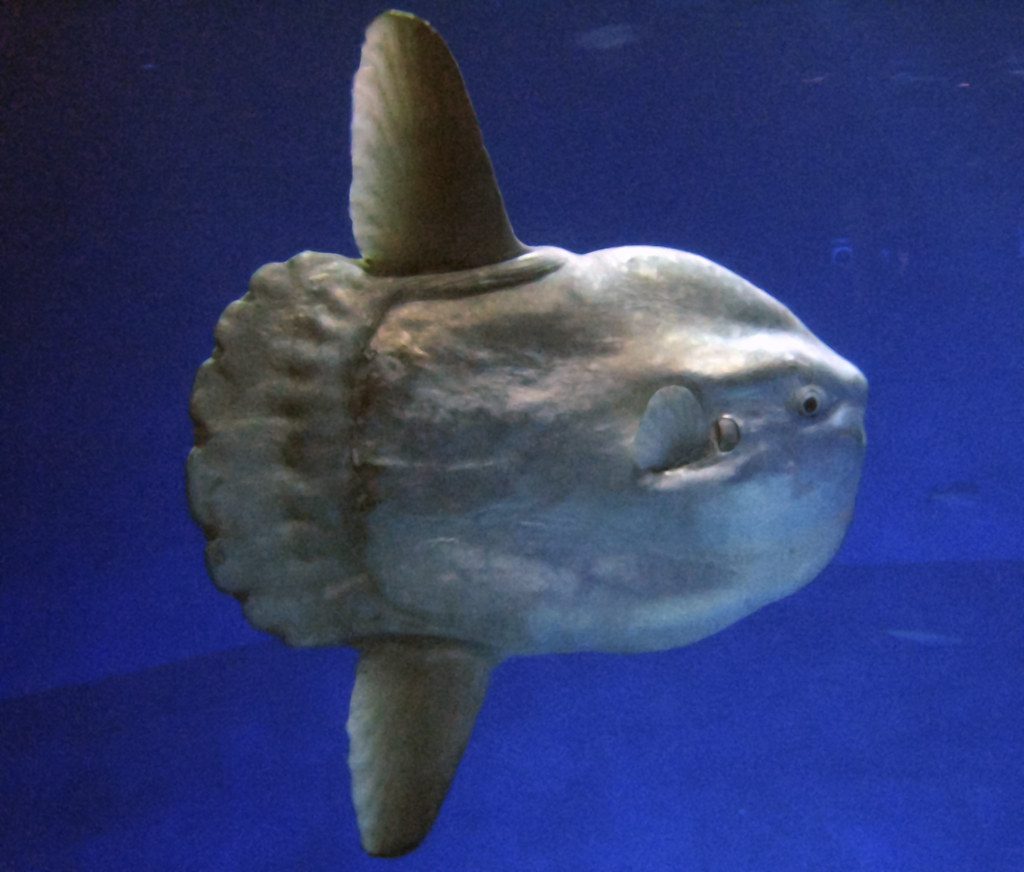
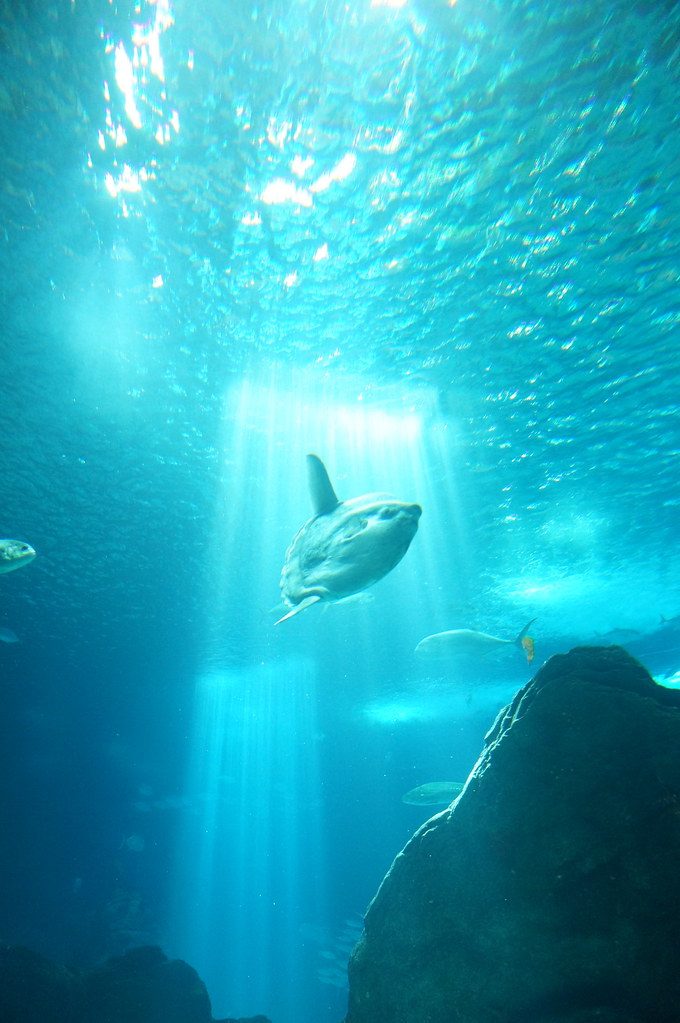
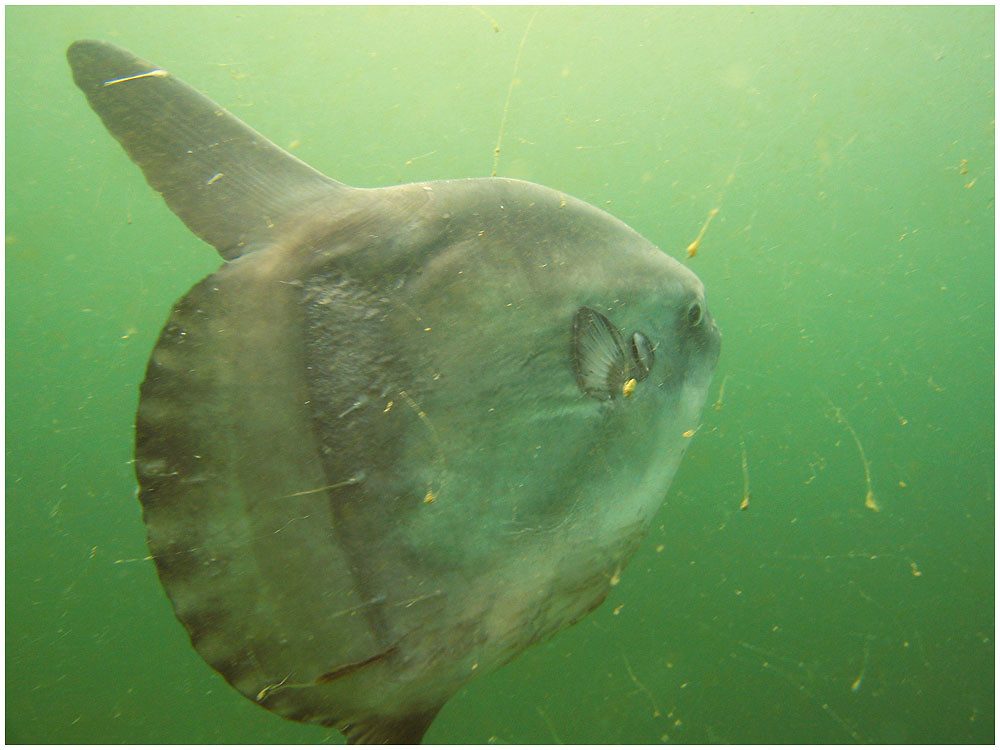
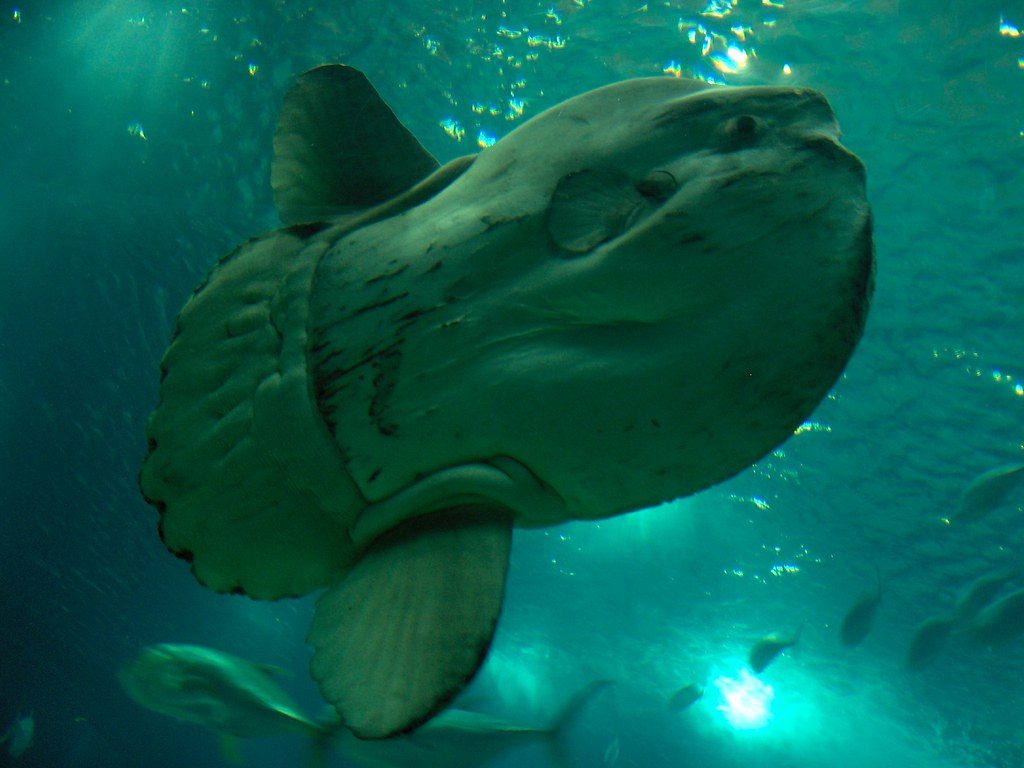
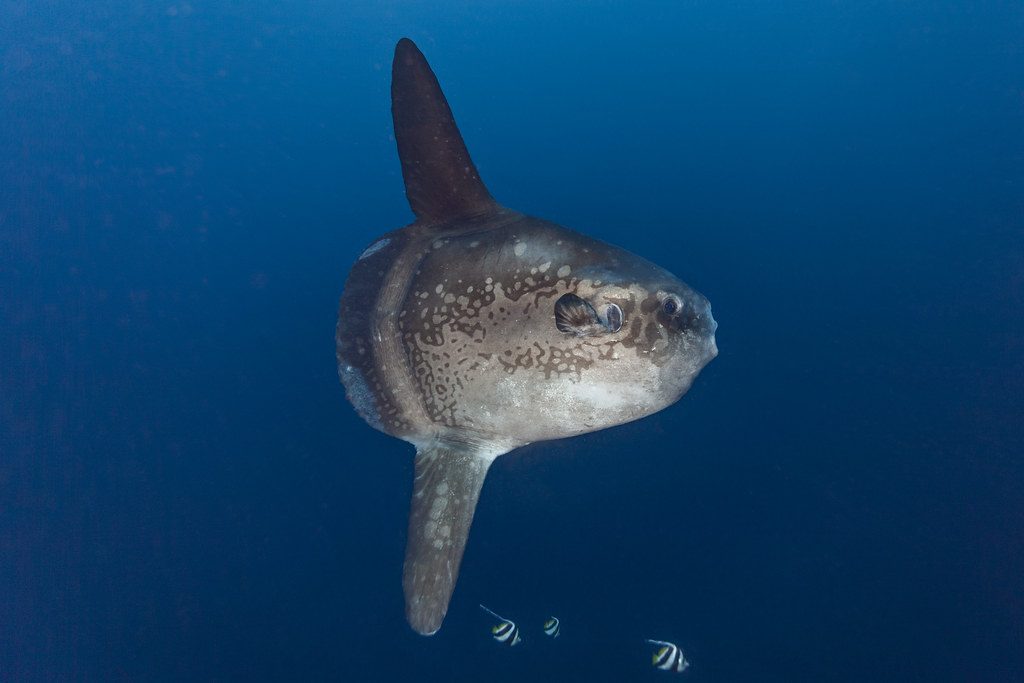
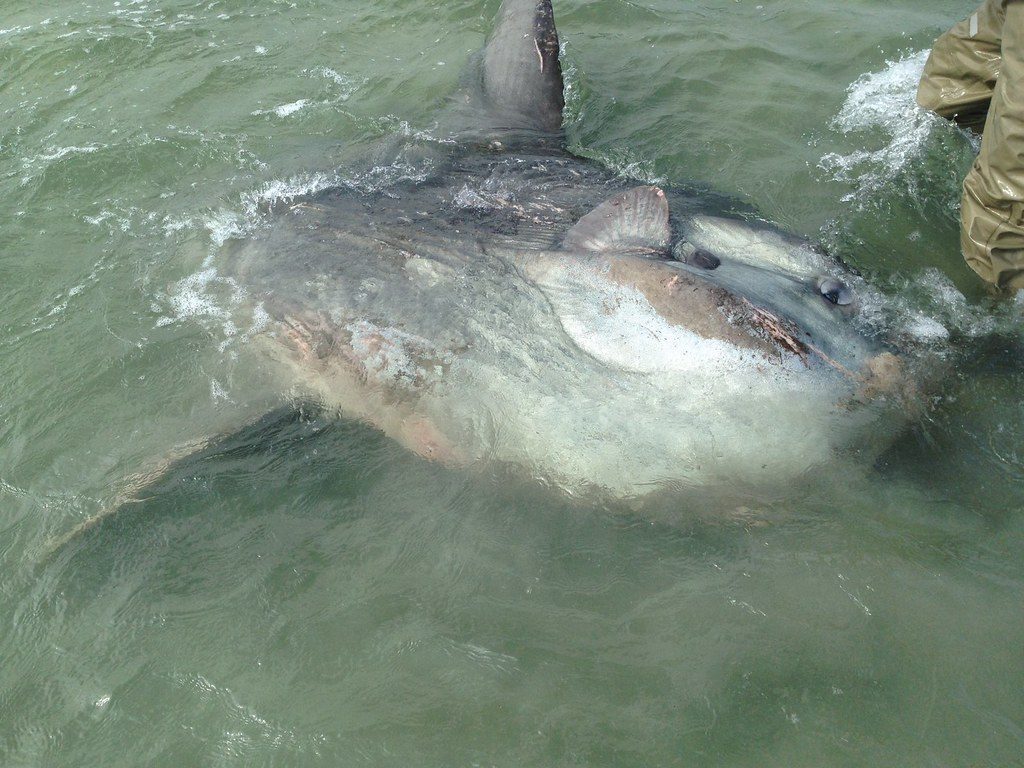
    The ocean sunfish, also called Mola mola, is the heaviest bony fish alive today. Some adults weigh more than 5,000 pounds and can stretch more than 14 feet from the tip of their top fin to the tip of their bottom fin. Yet despite their massive size, they do not look like other fish. Their bodies are flat and round, almost like a giant disk. They have tiny pectoral fins on their sides and lack the large tail that most fish use for swimming. Instead of a true tail fin, they have a rounded structure called a clavus, which acts mainly like a rudder to help steer.

    This unusual body shape confused scientists for a long time. Early researchers thought sunfish simply drifted with ocean currents because they seemed too awkward to swim efficiently. Modern studies proved that idea wrong. Sunfish are active animals that travel long distances across the ocean and dive hundreds of feet below the surface. Their strange bodies are not a weakness. In fact, they are part of a unique design that allows these fish to move in a way unlike almost any other large fish on Earth.

    Sunfish swim without using a tail

    Sunfish” by JoshBerglund19 is licensed under CC BY 2.0

    Most fish swim by moving their tails back and forth. Tuna, sharks, and salmon all use this method because it creates strong thrust and allows for high speeds. Sunfish are different. Their tails never fully develop as they grow. Instead, they propel themselves by moving their tall dorsal fin on top and their long anal fin on the bottom at the same time. These fins flap together in a synchronized motion, pushing water backward and moving the fish forward.

    Scientists call this style of movement median and paired fin propulsion. The fins tilt and flap in the same direction, creating lift that pushes the fish through the water. Because the fins are so large, the sunfish does not need to flap them very quickly. The movement looks smooth and graceful, almost as if the fish is flying underwater. Researchers once believed this swimming style was slow and inefficient, but studies now show that sunfish are surprisingly capable swimmers that use energy effectively despite their unusual shape.

    Their movement is more efficient than it looks

    Sunfish” by Refractious is licensed under CC BY-NC-ND 2.0

    At first glance, a sunfish appears clumsy. Its body is bulky, and its swimming looks gentle rather than powerful. However, scientists who tracked sunfish in the wild discovered that they move with surprising efficiency. They can cruise at speeds of around two miles per hour and travel many miles in a single day. Their bodies are designed to reduce unnecessary movement, allowing them to glide steadily through the ocean while using less energy.

    Another reason for their efficiency is their skeleton. Unlike many bony fish, much of a sunfish’s skeleton is made of lighter, cartilage-like tissue. They also lack a swim bladder, the gas-filled organ many fish use to control buoyancy. Instead, they rely on a thick, jelly-like layer beneath their skin that helps provide buoyancy and support. This lightweight structure makes it easier for the fish to stay balanced and move smoothly despite its huge size.

    Sunfish travel up and down the ocean

    Ocean Sunfish in Puget Sound” by Dan Hershman is licensed under CC BY 2.0

    The surprising way a sunfish moves is not limited to swimming across the surface. These fish are also impressive divers. Researchers using satellite tags discovered that sunfish regularly dive hundreds of feet below the ocean surface in search of food. Some individuals have been recorded diving deeper than 2,000 feet. During these dives, they search for jellyfish, squid, crustaceans, and other soft-bodied prey that live in darker, colder waters.

    After spending time in cold, deep water, sunfish often return to the surface and lie on their sides near the sun. Scientists believe this behavior helps warm their bodies after deep dives. The sight of a giant fish floating sideways once led people to think sunfish were sick or dying. In reality, this behavior may be an important part of their daily routine. By warming themselves near the surface, they prepare for another trip into the chilly depths of the ocean.

    Scientists changed their minds about sunfish

    three people in lab coats looking at a tablet
    Photo by National Cancer Institute on Unsplash

    For many years, sunfish had a poor reputation among scientists and the public. Their strange shape and slow appearance caused people to believe they were passive drifters with little control over their movement. As technology improved, researchers began attaching satellite tags to sunfish and tracking their journeys. The results were surprising. These giant fish were not drifting aimlessly at all. They were swimming with purpose, choosing where to go and diving regularly to find food.

    Modern research has shown that sunfish are much more athletic than people once believed. They migrate across large parts of the ocean, adjust their depth depending on water temperature, and use their unusual fins with impressive coordination. Engineers have even studied sunfish movement to design underwater robots. The way their fins create thrust while keeping the body stable has inspired new ideas for energy-efficient swimming machines. What once seemed like an awkward fish is now seen as a remarkable example of nature’s creativity.

    Their strange swimming helps them survive

    sunfish” by astio is licensed under CC BY-NC-SA 2.0

    The sunfish’s unusual movement gives it several advantages in the wild. Its steady swimming style allows it to travel long distances without using huge amounts of energy. This is important because food sources such as jellyfish can be spread out across vast areas of the ocean. By swimming efficiently and diving when needed, sunfish can search for prey in different habitats while conserving energy.

    Their movement also helps them deal with parasites. Sunfish are known to carry many parasites on their skin. To get rid of them, they sometimes leap out of the water and crash back down, shaking loose unwanted hitchhikers. They also spend time near the surface, where seabirds and smaller fish pick parasites from their skin. These behaviors may look unusual, but they are an important part of staying healthy. The sunfish’s strange body and surprising swimming style have helped it thrive in oceans around the world for millions of years.

  • Lost sea lion pup shares sweet reunion with his mother

    Lost sea lion pup shares sweet reunion with his mother

    Have you ever wondered what happens when a baby sea lion loses sight of its mother? For a young pup, even a few moments alone can feel frightening. That is why the story of a lost sea lion pup sharing a sweet reunion with his mother touched so many hearts online. The tiny pup looked scared and confused as he searched the shoreline, wondering where his mom had gone.

    Thankfully, the separation did not last long. This heartwarming moment also gives us a chance to learn how sea lion mothers care for their young, why they sometimes leave them behind, and how these amazing animals always seem to find each other again. Their bond is one of the strongest in the animal kingdom.

    A tiny pup suddenly finds himself alone

    Sea Lion Pup” by dagpeak is licensed under CC BY 2.0

    The video begins with a young sea lion pup standing near the shore and looking nervous. He scans the coastline, appearing unsure of where his mother has gone. The little animal looks tiny against the rocky beach, and his body language makes it clear that he is worried. He shifts around, stares at the ocean, and seems to wait anxiously for the familiar face he cannot find. It is a scene that instantly makes people feel for him because every young animal depends on its mother during the first months of life.

    Many viewers assumed something terrible had happened, but experts say this situation is actually common among sea lions. Mother sea lions regularly leave their pups alone while they swim out to sea to feed themselves. They need large amounts of energy to produce milk and care for their young, so these feeding trips are an important part of raising a healthy pup. While the separation may look sad, it is usually a normal part of life for sea lion families.

    Why sea lion mothers leave their pups

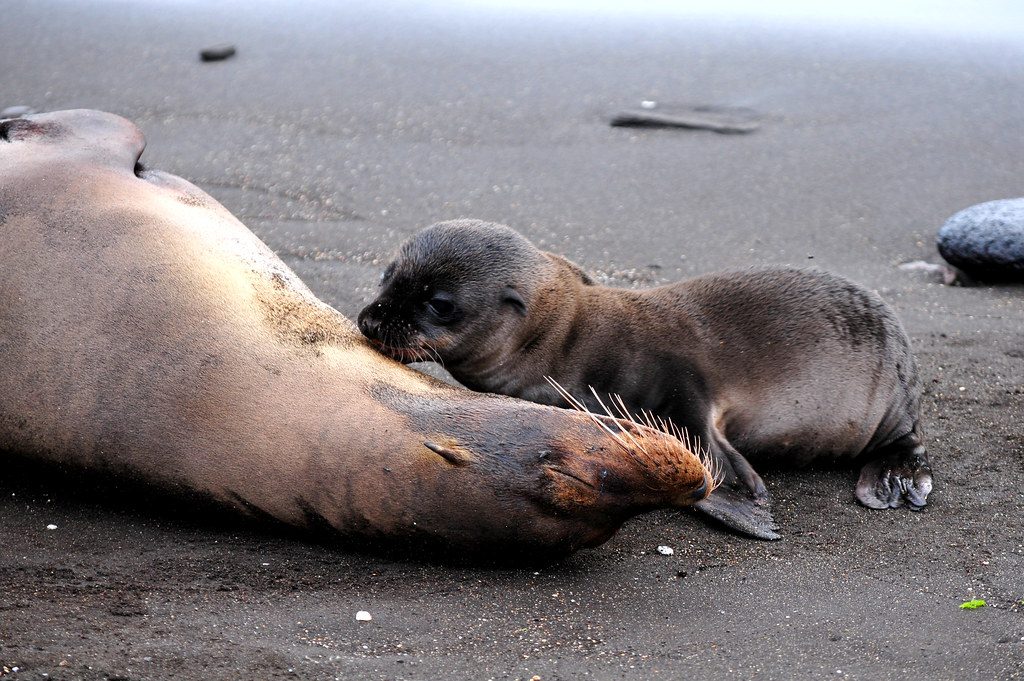
    Galápagos sea lion: mother with pup – scene shot” by Derek Keats is licensed under CC BY 2.0

    Sea lion mothers are incredibly devoted, but they cannot stay with their babies every minute of the day. After giving birth, a mother spends her first days closely caring for her pup. Later, she begins taking short trips into the ocean to hunt fish, squid, and other prey. These journeys help her maintain enough strength to continue nursing and protecting her baby once she returns.

    During these trips, the pup remains on land, often resting near the area where it was born. Scientists have found that this pattern is common among many sea lion species. Mothers may spend hours or even a few days at sea before coming back. Although the pups are left alone temporarily, they are not abandoned. The mothers always return and immediately begin searching for their young. It is a natural routine that has helped sea lions survive for thousands of years.

    Mom was searching too

    Sea Lion mother” by davidagalvan is licensed under CC BY-NC-ND 2.0

    While the little pup in the video looked scared, his mother was likely feeling anxious as well. When female sea lions return from feeding trips, they do not simply expect their pups to appear. They actively search for them in busy colonies that may contain dozens or even hundreds of animals. Finding the right pup is important because mothers invest huge amounts of energy in raising their own offspring.

    Research has shown that sea lion mothers use several senses to identify their pups. Sound is especially important. Each pup has a unique call, almost like a personal voice signature. Mothers listen carefully for these calls as they move through the colony. Scientists have also discovered that sea lions use smell and even visual cues to help recognize one another. This combination of senses makes reunions remarkably successful, even in crowded environments.

    The moment everyone was waiting for

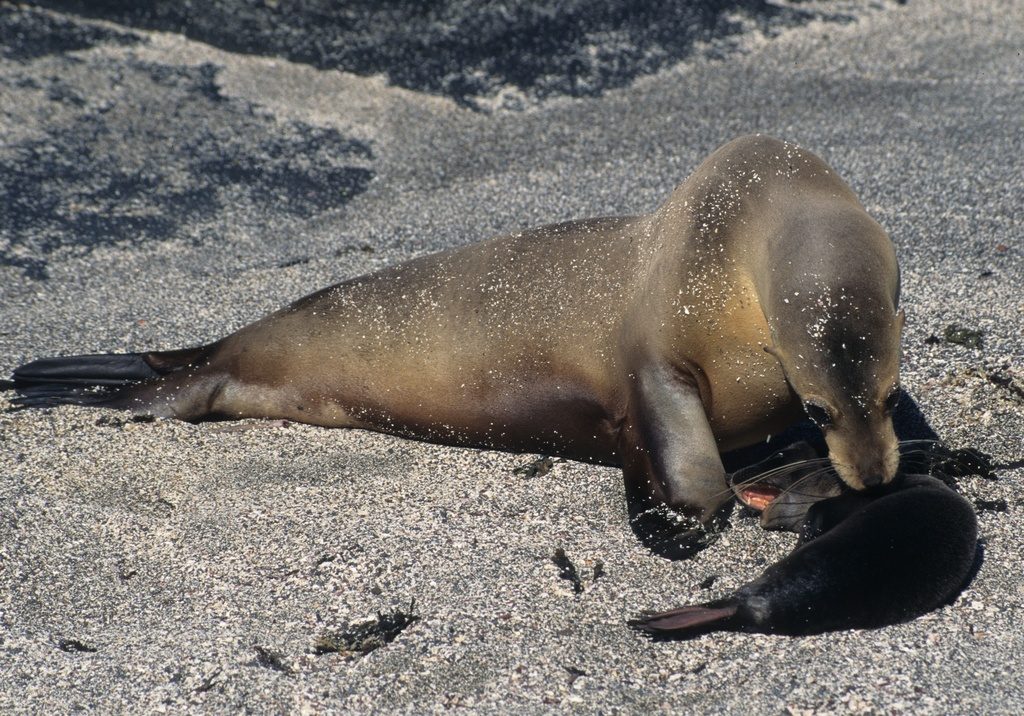
    Galápagos sea lion: mother biting pup – 2” by Derek Keats is licensed under CC BY 2.0

    Then came the moment that melted hearts everywhere. The mother and pup finally spotted each other. Almost instantly, both animals began moving quickly toward one another. The pup, who had looked so worried moments earlier, suddenly seemed full of excitement. His tiny steps became faster as he hurried across the shore to meet his mom.

    The mother appeared just as eager. The two reached each other and shared a gentle nuzzle, staying close as if making sure the other was really there. It was a simple moment, but it showed the strength of their bond. Viewers online could hardly contain their emotions. Many said they cried watching the reunion, while others laughed at the pup’s excited little walk. The scene reminded people that love and connection are not unique to humans. Animals experience these feelings too.

    How sea lions recognize each other

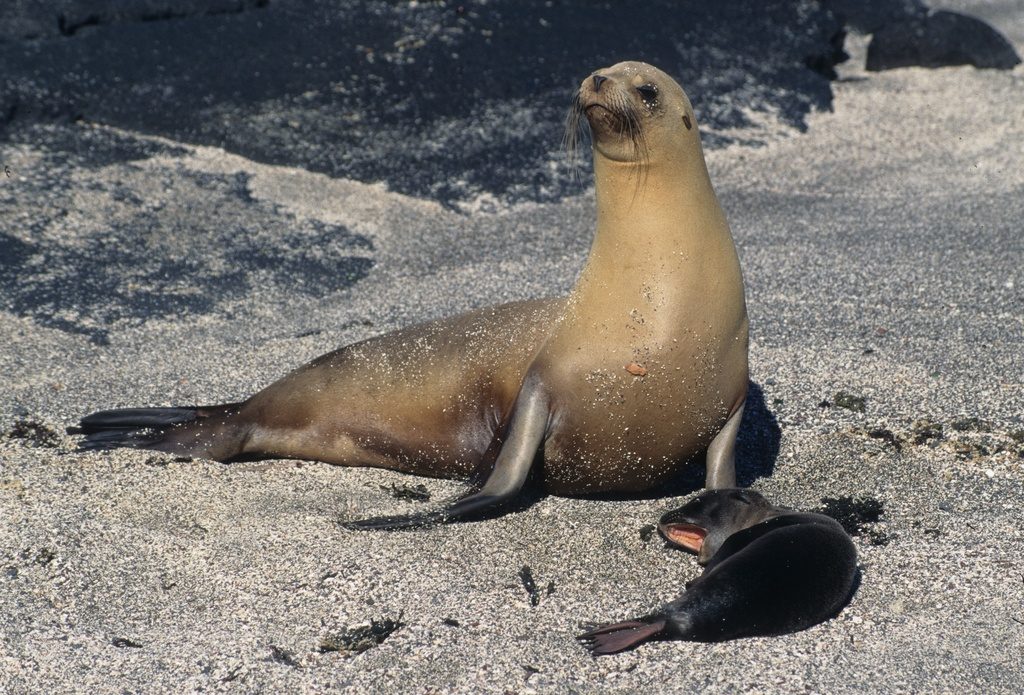
    Galápagos sea lion: mother with pup – yawn” by Derek Keats is licensed under CC BY 2.0

    One reason this reunion amazed so many people is because sea lions are incredibly good at recognizing family members. A mother returning from the ocean may hear dozens of pups calling at once, yet she can still pick out her own baby. Likewise, the pup can identify its mother’s voice among the noise of an entire colony. Scientists often compare these calls to names because they are so unique.

    Recognition does not stop with sound. Studies have shown that sea lion mothers also rely on scent to confirm they have found the right pup. Some species even use visual clues such as size, fur color, and age. This ability is important because feeding another pup would use precious energy and reduce the chances of survival for her own baby. By combining hearing, smell, and sight, sea lion mothers become experts at finding their young again and again.

    Why this reunion means so much

    A person holding a smart phone with social media on the screen
    Photo by Berke Citak on Unsplash

    The story of this sea lion pup is more than a cute internet moment. It is a reminder of how important mothers are in the animal world and how carefully nature has shaped these relationships. Young sea lions depend on their mothers for food, protection, and guidance. Without that care, many pups would struggle to survive their first year of life.

    This reunion also reminds people to respect wildlife and give animals space. Experts warn that humans should never approach or touch sea lion pups, even if they appear to be alone. In most cases, the mother is nearby or will return soon. Disturbing the animals can interfere with their natural behavior and may even prevent reunions. The best thing people can do is admire these incredible animals from a safe distance and let nature take its course.

  • Orcas surprise sailors by snapping off a boat’s rudder

    Orcas surprise sailors by snapping off a boat’s rudder

    Imagine sailing peacefully when a group of giant predators suddenly surrounds your boat and begins smashing into one of its most important parts. That frightening scene has become a real concern for some sailors in recent years. Reports of orcas snapping off boat rudders have shocked people around the world and raised many questions about why these intelligent animals are behaving this way.

    While the encounters can be scary and expensive, scientists stress that the whales are not targeting humans. In this article, you’ll learn where these incidents are happening, how the orcas damage boats, what experts believe is causing the behavior, and what sailors can do to stay safe.

    Where the strange encounters are happening

    Sailing to the Balearic Islands, Majorca, Minorca. an archipelago of Spain in the western Mediterranean Sea, near the eastern coast of the Iberian Peninsula.” by Nouhailler is licensed under CC BY-SA 2.0

    Most of the reported incidents have happened near the Iberian Peninsula, especially in waters off Spain, Portugal, and the Strait of Gibraltar. This behavior first gained attention in 2020 when sailors began reporting that orcas were approaching their boats and repeatedly striking the rudder. Over time, the number of encounters grew. Researchers have recorded hundreds of interactions, with sailboats being the most common targets. The animals usually focus on slow-moving boats that are around 40 feet long, although smaller and larger vessels have also been affected.

    The whales involved belong to a small and critically endangered group known as Iberian orcas. Scientists estimate there are only a few dozen individuals in this population. They spend much of the year following Atlantic bluefin tuna, their main food source, through waters near Spain and Portugal. Because this group is so small, researchers have been able to identify many of the whales involved in the encounters. Studies show that only a limited number of orcas are responsible for most of the interactions, and the behavior appears to have spread socially among them.

    How orcas manage to snap off a rudder

    Blind Island” by BLM Oregon & Washington is licensed under CC BY 2.0

    The rudder is one of the most important parts of a boat because it controls the direction of travel. When sailors lose their rudder, steering becomes extremely difficult or even impossible. In many encounters, the orcas head straight for this part of the vessel. They often approach from behind, ram the rudder with their heads, bite it, or shake it with their powerful jaws until it breaks or comes loose.

    Orcas are among the smartest animals on Earth, and their size makes them incredibly strong. Adult males can grow longer than 25 feet and weigh several tons. Their muscular bodies allow them to generate tremendous force in the water. Some sailors have reported hearing loud cracks as the rudder snapped under repeated impacts. Others have watched the whales grab broken pieces in their mouths and swim away. Researchers studying damaged vessels have found deep tooth marks and severe structural damage concentrated around the rudder, showing just how precisely the whales target this part of the boat.

    Scientists are still debating the reason

    people having meeting on rectangular brown table
    Photo by Christina @ wocintechchat.com M on Unsplash

    One of the biggest mysteries is why these orcas are doing this at all. Scientists have proposed several ideas, but there is no single answer that everyone agrees on. One theory suggests the behavior began after a negative experience involving a boat. According to this idea, one whale may have been injured or frightened by a vessel and started reacting aggressively toward rudders. Younger orcas, which learn behaviors from one another, may then have copied the actions.

    Another possibility is that the encounters are a form of play. Orcas are highly curious animals and are known for creating unusual trends within their social groups. In the past, some pods developed temporary habits such as carrying dead fish on their heads or playing with floating objects. Researchers say interacting with a moving rudder may provide stimulation similar to chasing prey. The rudder moves through the water, changes direction, and creates vibrations, all of which could make it especially interesting to an intelligent and playful animal. Even if the behavior is playful, however, the damage it causes can be very serious.

    Sailors describe terrifying moments at sea

    man looking at the sea
    Photo by Maël BALLAND on Unsplash

    For the people on board, these encounters are often frightening and unforgettable. Sailors frequently describe hearing loud bangs beneath the hull before realizing that several large orcas are circling their boat. In some cases, the whales continue striking the rudder for several minutes. In others, the interaction lasts nearly an hour. The boat may suddenly lose steering, begin drifting, or start taking on water if the damage becomes severe.

    One of the most widely discussed incidents involved a catamaran near Gibraltar whose rudder was ripped off by an orca. Video footage later showed one of the whales carrying the detached rudder in its mouth. In other cases, boats have sunk after suffering extensive damage. Even so, experts point out an important fact: no person has been killed or seriously injured by wild orcas during these incidents. The whales appear interested in the boat itself, especially the rudder, rather than the people aboard. Rescue teams have successfully evacuated crews when necessary, and most sailors escape unharmed.

    Why humans are not the target

    Captivating view of orcas swimming in the clear waters of Juneau, Alaska.
    Photo by Simon Hurry on Pexels

    The dramatic nature of these encounters has led some people to believe the orcas are attacking humans or seeking revenge. Scientists strongly disagree with these claims. Wild orcas have an extremely rare history of aggression toward people, and there are no confirmed records of a wild orca intentionally killing a human. Their behavior in these boat encounters is very different from predatory attacks seen in other marine animals.

    Researchers who examine the damaged vessels notice a clear pattern. The whales usually ignore other parts of the boat and focus almost entirely on the rudder. They do not try to climb onto the vessel or chase people who enter rescue rafts. This suggests the goal is not to harm humans. Some experts compare the behavior to a child repeatedly pressing buttons on a machine just to see what happens. The orcas may simply be fascinated by the movement and feel of the rudder, even though the consequences for sailors can be costly and dangerous.

    The media has sometimes exaggerated these stories by portraying the whales as angry or rebellious. While such headlines attract attention, scientists warn that they can create fear and misunderstanding. The Iberian orca population is already endangered, facing threats such as reduced prey, pollution, and accidental entanglement in fishing gear. Researchers want the public to understand that these whales remain an important part of the ocean ecosystem and deserve protection despite the unusual behavior.

    What sailors are doing to stay safe

    person sailing surrounded by body of water
    Photo by Sebastian Herrmann on Unsplash

    As encounters increased, sailors and marine authorities began looking for ways to reduce the risk of damage. Experts now advise boaters traveling through known orca areas to stay informed about recent sightings and follow local safety recommendations. Some sailors avoid certain routes during peak seasons, while others travel during daylight hours when whale locations are easier to monitor.

    If an interaction begins, many authorities recommend reducing speed and avoiding sudden maneuvers. Trying to outrun the whales or aggressively steer away may increase the amount of contact. Sailors are often told to remain calm, keep their hands inside the vessel, and notify rescue services if steering is lost. Researchers continue studying the encounters in hopes of finding better ways to prevent damage while keeping both humans and whales safe. The challenge is complicated because the whales are intelligent and their behavior can change over time. For now, caution and awareness remain the best tools for anyone sailing in these waters.

    Why the mystery is far from solved

    Orca calf and Mother” by alumroot is licensed under CC BY-NC 2.0

    The story of orcas snapping off boat rudders remains one of the strangest wildlife mysteries of recent years. Scientists know that a small group of Iberian orcas is responsible for most of the encounters, and they know the whales are unusually focused on rudders. What remains uncertain is why the behavior began and why it continues years later.

    Researchers are hopeful that ongoing studies will provide answers. Every new encounter gives scientists more information about how the whales behave, how they learn from one another, and how humans can safely share the ocean with them. Until then, these remarkable animals continue to surprise sailors and remind us that even in the modern world, the sea still holds mysteries that no one fully understands.