Category: Wildlife and animals

  • The hidden biological weakness that makes blue whales surprisingly vulnerable

    The hidden biological weakness that makes blue whales surprisingly vulnerable

    The blue whale is the largest animal ever known to have lived on Earth. Its enormous body is an extraordinary evolutionary achievement, but that size also creates hidden biological challenges. Every day, the whale must move an immense body, circulate blood through massive organs, and find enough food to sustain itself.

    Scientists are still studying how these giants continue functioning so efficiently without exceeding their physical limits. This article explores the hidden risks of being Earth’s largest animal and why the blue whale remains one of biology’s greatest mysteries.

    A body unlike any other
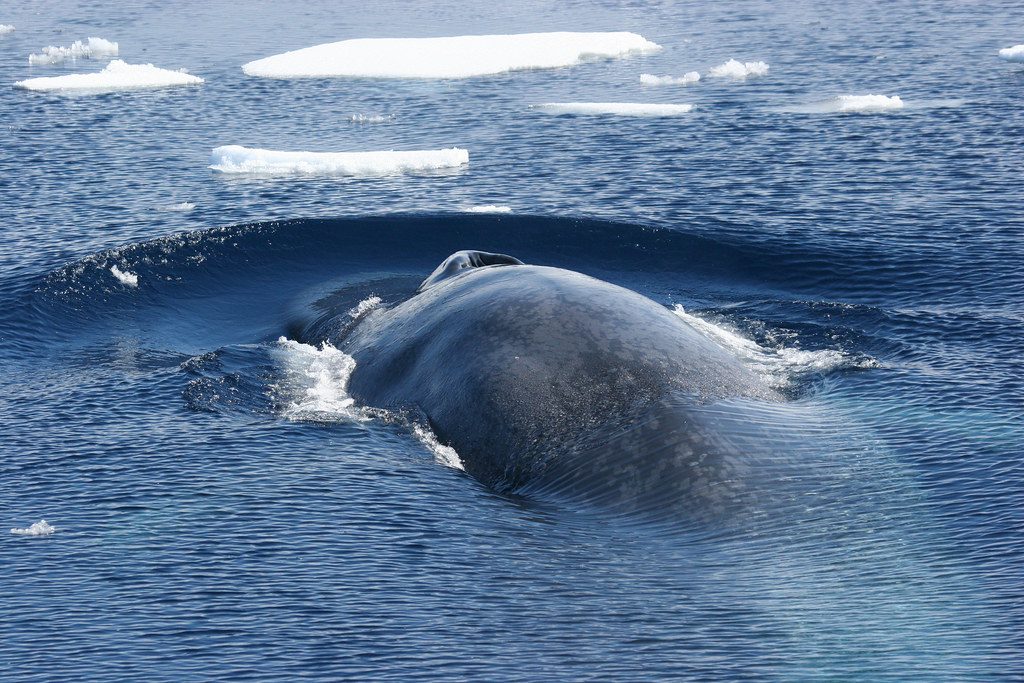
    Antarctic blue whale” by Oregon State University is licensed under CC BY-SA 2.0

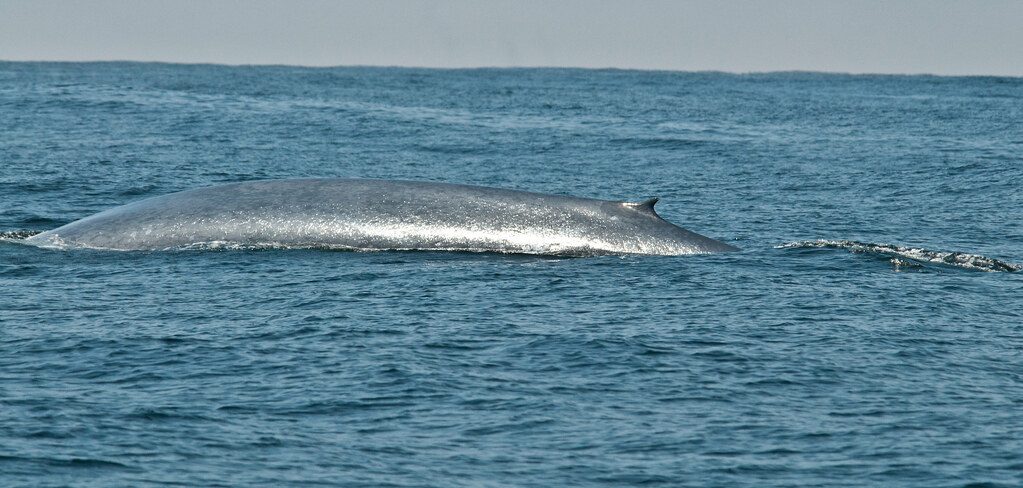
    Blue whales can grow to more than 100 feet long and weigh well over 150 tons, making them larger than any dinosaur known with certainty. Their tongue alone can weigh as much as an elephant, while their heart is about the size of a small car.

    Such incredible size requires every organ to perform on an extraordinary scale. From the lungs to the circulatory system, nearly every part of the whale’s body has evolved to support an animal unlike anything else alive today.

    Feeding pushes the body to its limits
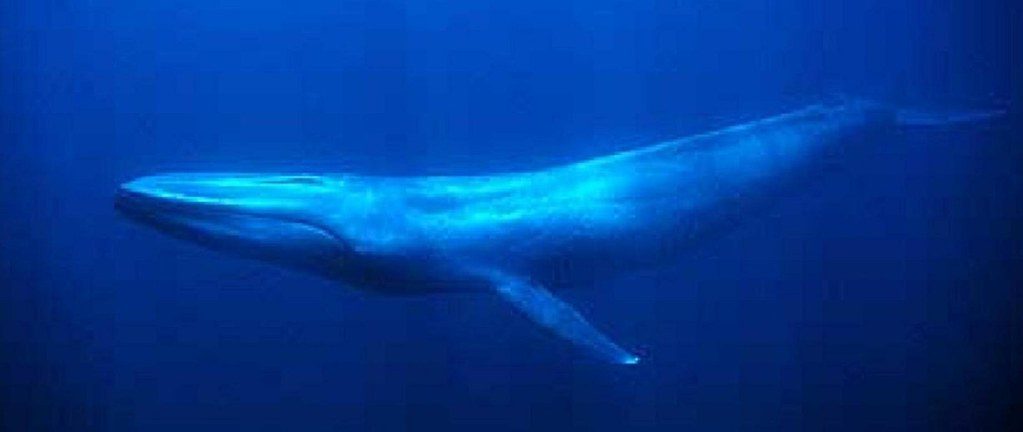
    Blue Whale” by flickkerphotos is licensed under CC BY-NC-ND 2.0

    Despite their enormous size, blue whales feed mainly on tiny shrimp-like animals called krill. During feeding season, a single whale may consume several tons of krill in one day to meet its energy needs.

    Each feeding dive requires the whale to open its mouth wide, expand its throat folds, and engulf huge amounts of water before filtering out the krill. This process demands tremendous energy and places great stress on the body’s muscles and circulation.

    The heart carries an enormous workload
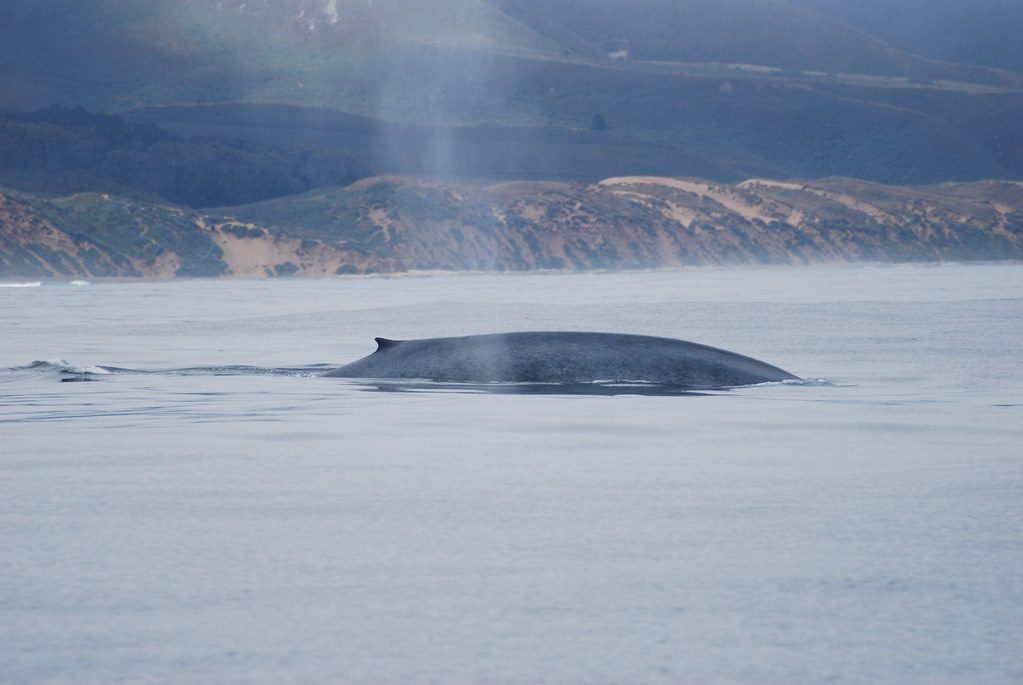
    Blue Whale (Balaenoptera musculus)” by dave and rose is licensed under CC BY 2.0

    Moving blood through such a massive body is one of the blue whale’s greatest biological challenges. Its heart must pump oxygen to muscles spread across an animal that can be longer than a basketball court.

    Researchers continue studying how the whale’s cardiovascular system performs during deep dives and intense feeding. Understanding these limits may help explain why blue whales have reached a size that few other animals could ever achieve.

    Bigger is not always better
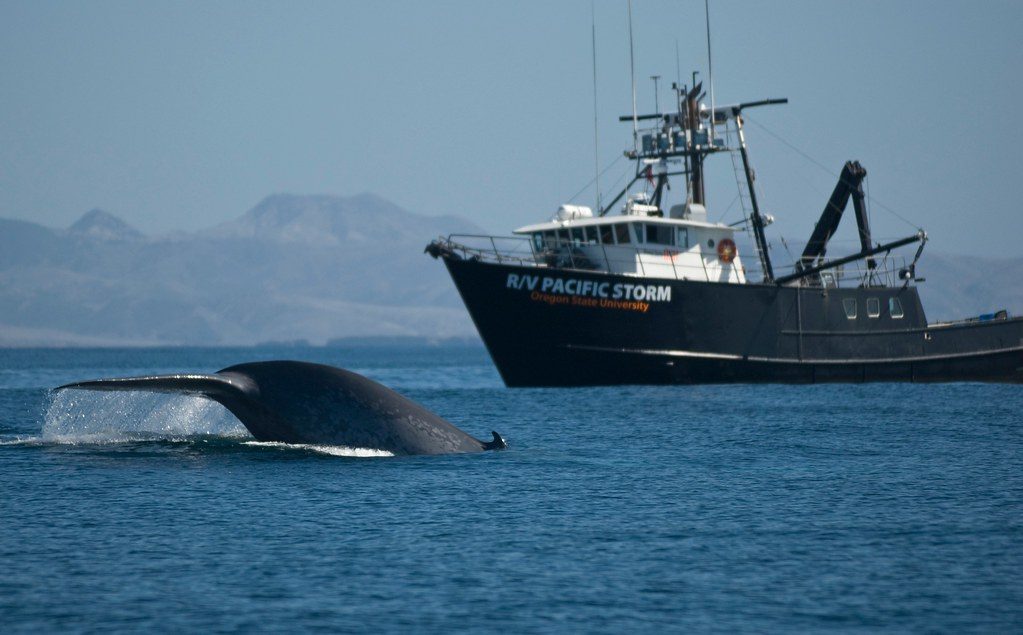
    Tagging blue whales” by Oregon State University is licensed under CC BY-SA 2.0

    Growing larger provides important advantages, including protection from most predators and the ability to travel long distances efficiently. However, larger bodies also require more food, more oxygen, and more energy to stay alive.

    Scientists believe these growing demands eventually create biological limits that prevent animals from becoming much larger. The blue whale appears to live remarkably close to those natural boundaries.

    Evolution found remarkable solutions
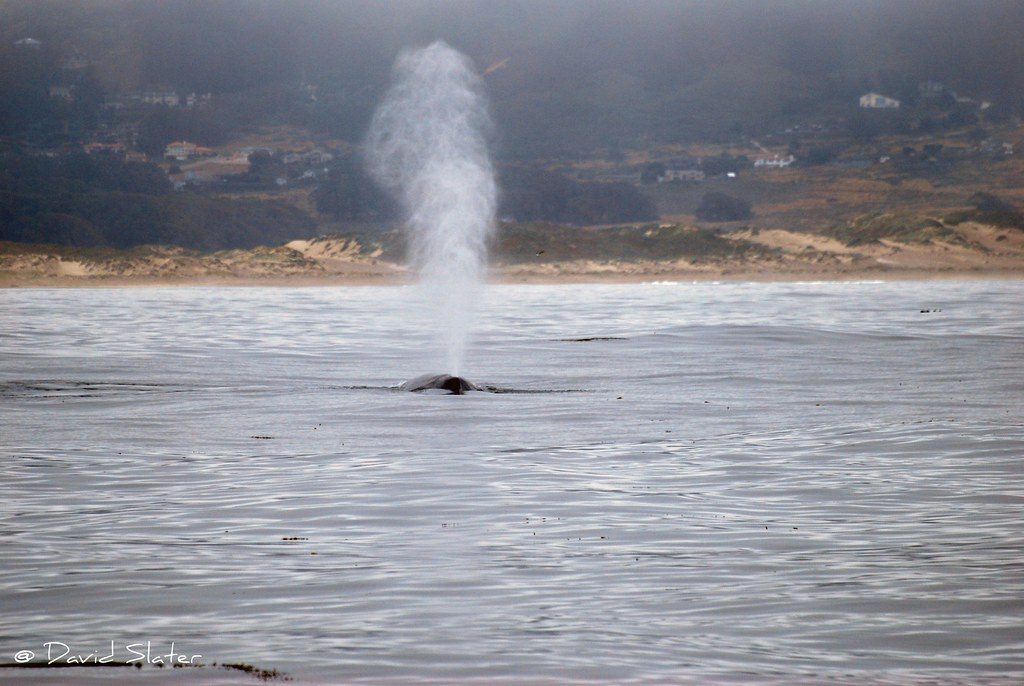
    Blue Whale (Balaenoptera musculus)” by dave and rose is licensed under CC BY 2.0

    Over millions of years, blue whales evolved specialized features that allow them to support their extraordinary size. Efficient swimming, massive lungs, flexible throat grooves, and highly adapted feeding behavior all help them survive.

    Even with these adaptations, researchers continue asking how evolution produced an animal that operates so close to the edge of biological possibility. Many questions about the whale’s physiology remain unanswered.

    The mystery is still unfolding
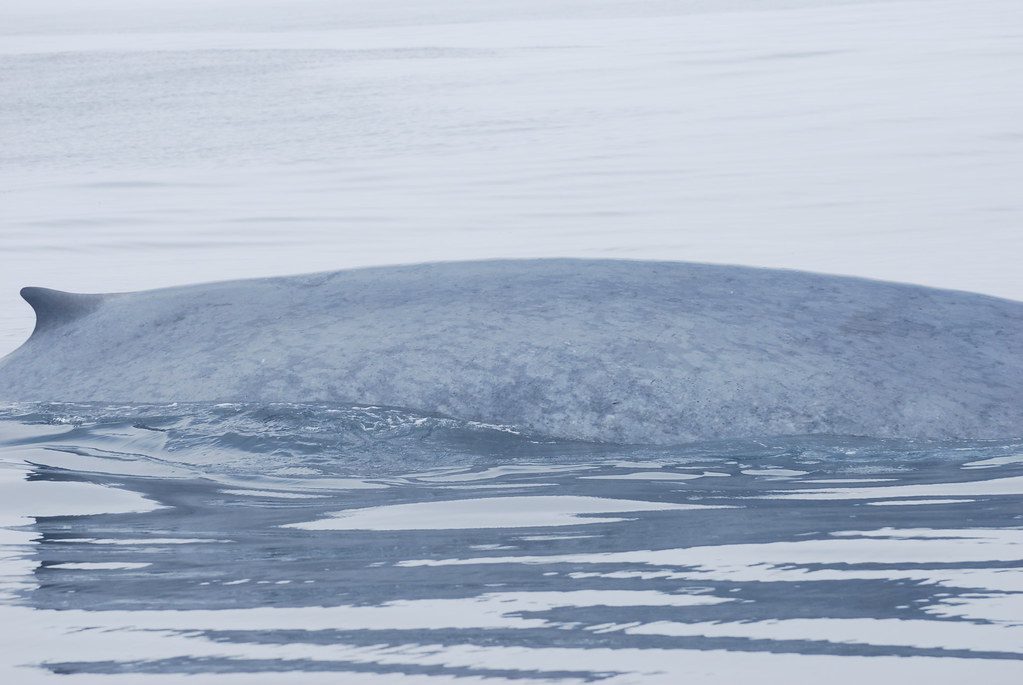
    Blue Whale (Balaenoptera musculus)” by dave and rose is licensed under CC BY 2.0

    Scientists continue learning new details about how blue whales dive, feed, migrate, and manage the enormous demands placed on their bodies. Every new study reveals another piece of this biological puzzle.

    The blue whale reminds us that evolution can produce extraordinary solutions to extreme challenges. Even after decades of research, the largest animal ever known still holds many secrets beneath the ocean’s surface.
  • The incredible teamwork killer whales use to hunt animals bigger than themselves

    The incredible teamwork killer whales use to hunt animals bigger than themselves

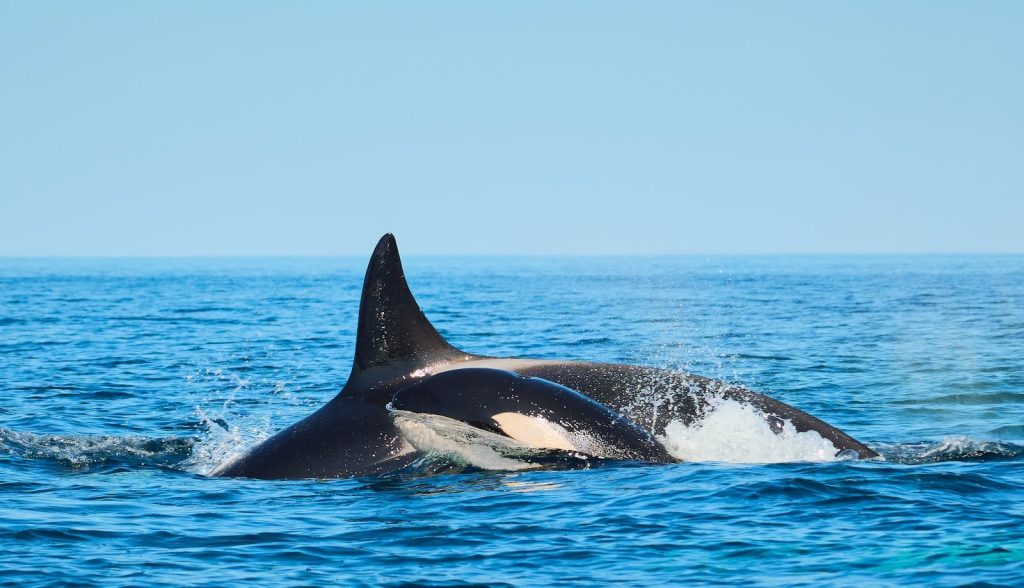
    Killer whales are among the ocean’s most powerful and intelligent predators. Although a single orca is formidable, their greatest strength comes from working together as a team. In some hunts, a small pod can overpower whales much larger than themselves by using carefully coordinated movements instead of brute force alone.

    Scientists have spent decades studying these remarkable hunting strategies, yet many of their behaviors continue to surprise researchers. This article explains how killer whales cooperate during hunts, why teamwork makes them such effective predators, and what these encounters reveal about one of the ocean’s smartest animals.

    Killer whales hunt as a team

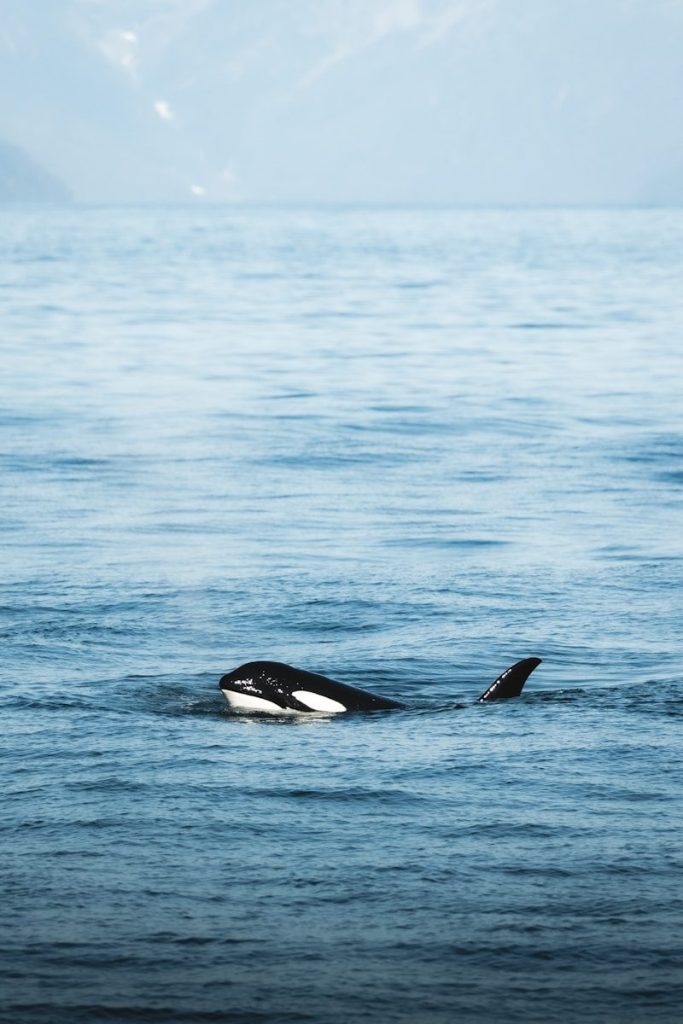
    A couple of orca's swimming in a body of water
    Photo by Vidar Nordli-Mathisen on Unsplash

    Unlike many predators that hunt alone, killer whales usually work together in family groups called pods. These groups communicate constantly and coordinate their movements as they search for prey.

    Each pod may develop its own hunting traditions, passed from one generation to the next. Young orcas learn by watching experienced adults, allowing complex hunting techniques to be passed down within the family.

    Large whales can become targets

    blue whale on sea
    Photo by Todd Cravens on Unsplash

    Some killer whale populations hunt marine mammals, including seals, dolphins, and even large whales. Depending on the prey, several orcas may work together to chase, isolate, and exhaust an animal before making their final attack.

    Researchers have documented orcas attacking species such as gray, humpback, and minke whales, and even blue whales. These hunts require careful coordination because the prey is often much larger than any individual orca.

    Strategy is their greatest advantage

    a black and white animal swimming in the ocean
    Photo by Tomáš Malík on Unsplash

    Rather than relying only on strength, killer whales use strategy throughout a hunt. They may surround their target, separate it from companions, and take turns attacking while conserving energy.

    This teamwork gradually weakens the prey over time. Every pod member plays a role, allowing the group to succeed against animals that would be impossible for a single orca to overpower.

    Intelligence shapes every hunt

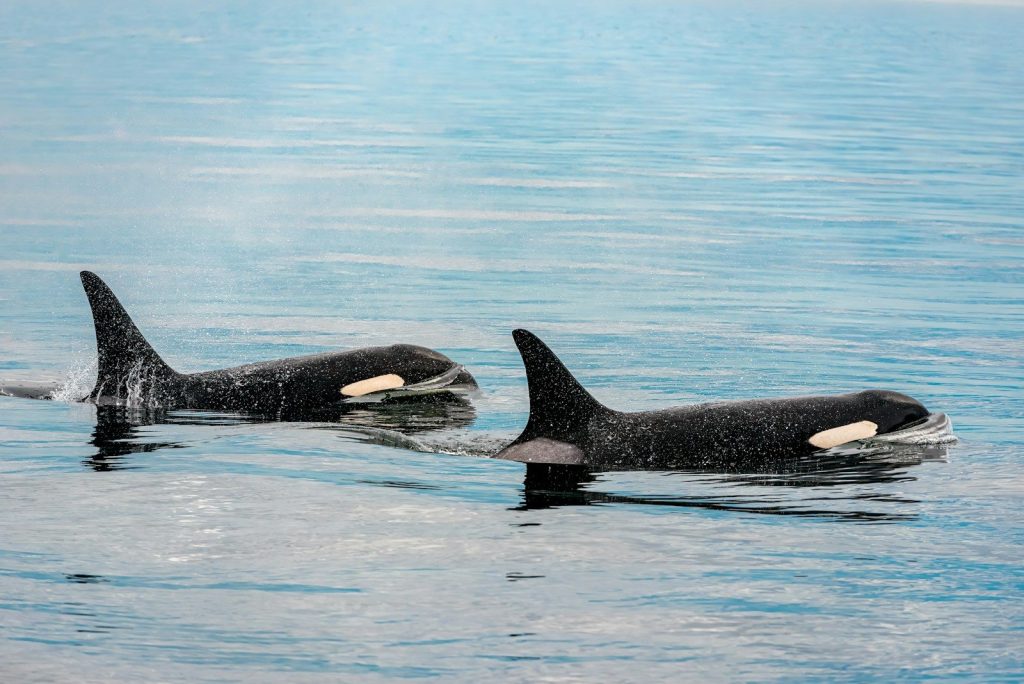
    two black and white orca swimming in a body of water
    Photo by Stephen Walker on Unsplash

    Killer whales have some of the most complex social structures in the animal kingdom. They communicate through vocal calls, learn from one another, and pass on hunting skills across generations.

    Scientists believe this ability to learn and cooperate is one reason orcas are found in oceans around the world. Different populations specialize in different prey, demonstrating the flexibility and intelligence of these predators.

    Every pod hunts differently

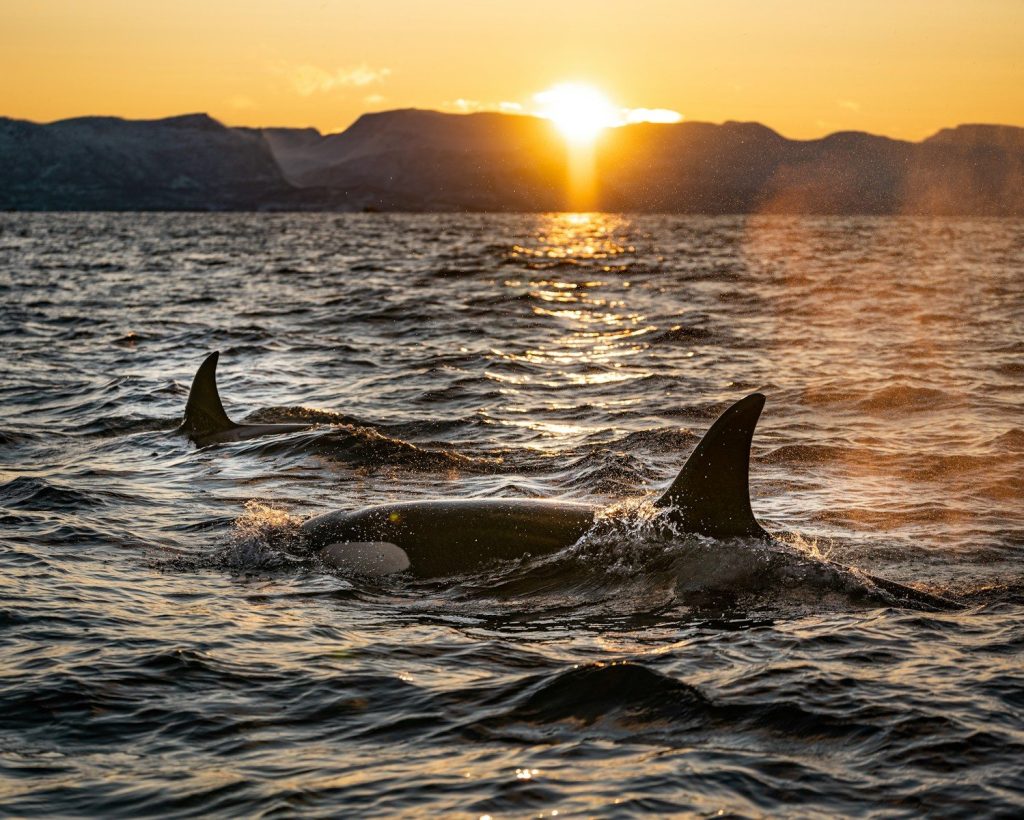
    two black dolphins on body of water during sunrise
    Photo by Bart on Unsplash

    Not all killer whales hunt the same way. Some populations feed mainly on fish, while others specialize in marine mammals, sharks, or other large prey. Their hunting methods change depending on what they eat.

    Researchers continue discovering new hunting behaviors, including coordinated attacks on whale sharks and other large marine animals. These observations show that orcas can adapt their techniques to different environments and prey species.

    The ocean’s ultimate team hunters

    A whale is swimming in the ocean
    Photo by Vidar Nordli-Mathisen on Unsplash

    Watching a coordinated orca hunt reveals far more than raw power. It demonstrates communication, cooperation, planning, and years of learned experience working together as a family group.

    Although these hunts can appear dramatic, they are a natural part of healthy marine ecosystems. Killer whales are apex predators, and their success depends not only on their size but also on their remarkable intelligence and teamwork.

  • 6 real animals that may have inspired the world’s most famous cryptids

    6 real animals that may have inspired the world’s most famous cryptids

    Stories of mysterious creatures have fascinated people for hundreds of years. From giant lake monsters to winged beasts and forest giants, these legends continue to capture the imagination.

    While science has not confirmed the existence of famous cryptids, researchers and wildlife experts have suggested that some sightings may have been inspired by unusual real animals. This article explores six remarkable species that resemble famous legends and explains why nature can sometimes appear just as mysterious as folklore.

    Could a giant sturgeon explain the Loch Ness Monster?

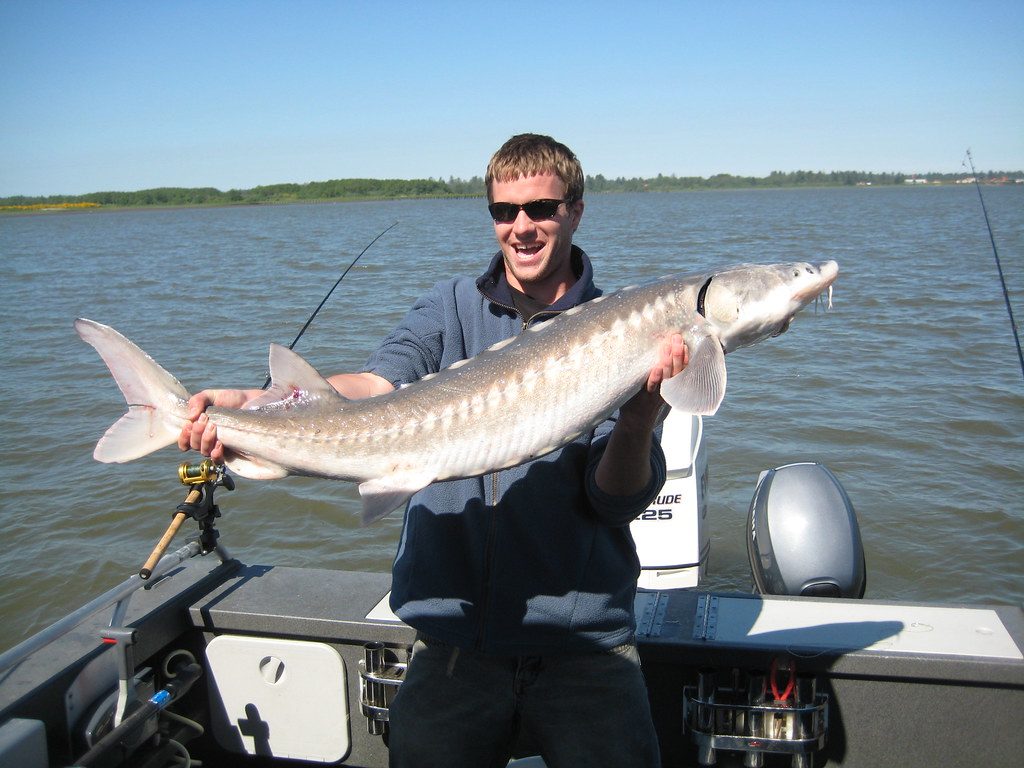
    Sturgeon Fishing” by Keltose is licensed under CC BY-NC-SA 2.0

    Large sturgeon are among the oldest fish alive today. Some species can grow to several meters long and have rows of bony plates that give them an unusual prehistoric appearance.

    When viewed from a distance in dark water, a large sturgeon could appear very different from an ordinary fish. Some researchers have suggested that rare sightings of oversized fish may have contributed to stories about the Loch Ness Monster, although no evidence links sturgeon directly to the legend.

    Could giant birds inspire Thunderbird stories?

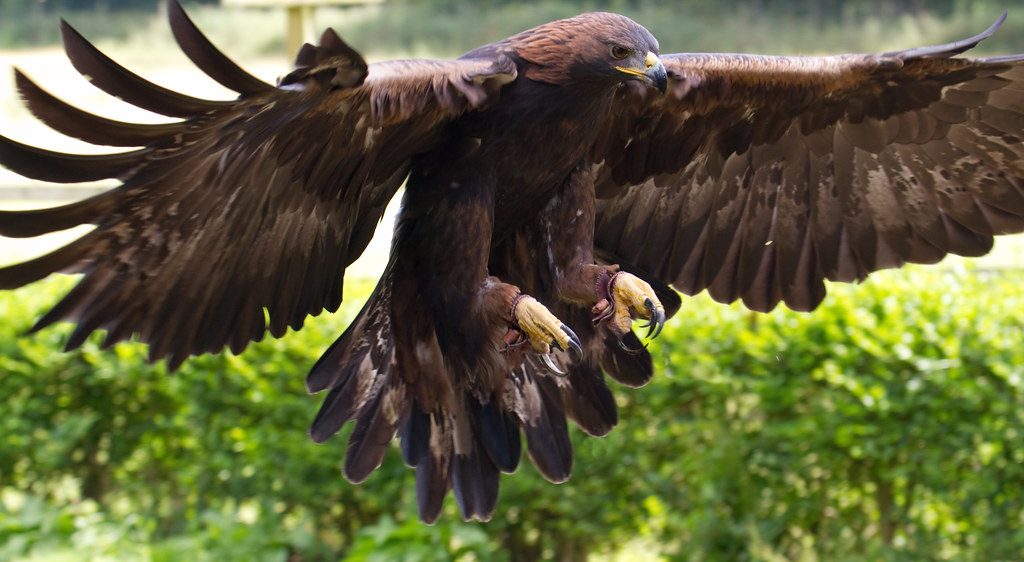
    Golden Eagle 12a” by ahisgett is licensed under CC BY 2.0

    Many Native American traditions include stories of enormous birds known as Thunderbirds. These legends existed long before modern wildlife studies and remain an important part of Indigenous cultures.

    Large birds such as bald and golden eagles, and other birds of prey, can appear much larger than expected, especially when seen from a distance or in flight. While they do not match the legendary Thunderbird, unexpected encounters with impressive birds may help explain some reported sightings.

    Why the hammer-headed bat resembles the Jersey Devil

    The hammer-headed bat” by w_kites is licensed under CC BY-SA 2.0

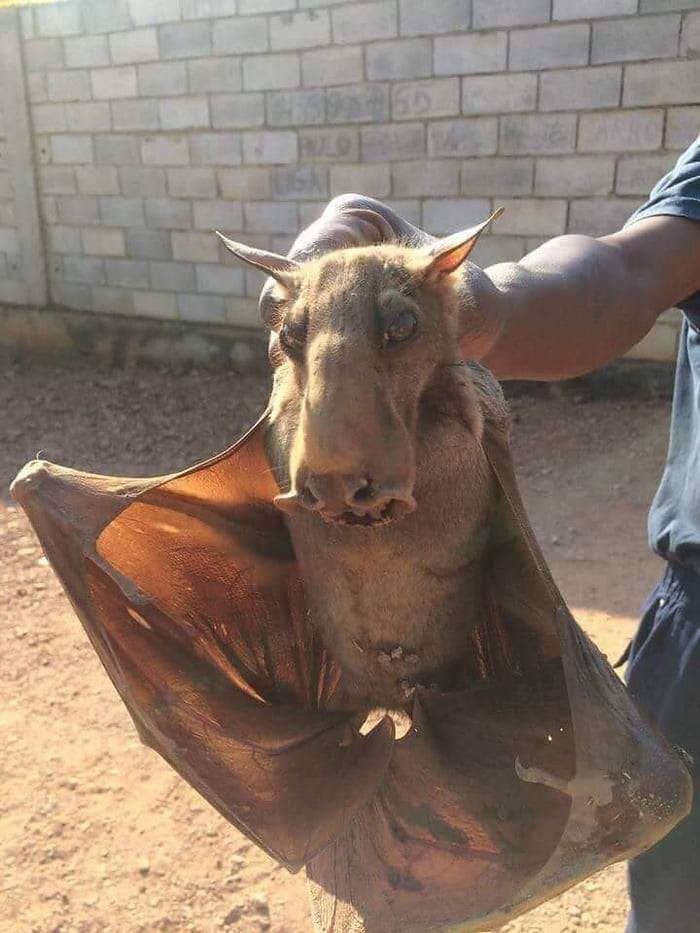
    The hammer-headed bat from Central Africa has one of the most unusual faces in the animal kingdom. Its large head and striking appearance have led many people to compare it with artistic depictions of the Jersey Devil.

    Scientists do not consider the hammer-headed bat a likely explanation for the Jersey Devil because the species is native to Africa and has never established wild populations in North America. The resemblance is visual rather than scientific.

    Why Bigfoot remains unproven

    Bigfoot statue” by Olivander is licensed under CC BY-NC-SA 2.0

    The famous 1967 Patterson Gimlin film helped make Bigfoot one of the world’s best-known cryptids. Decades later, scientists still have no verified physical evidence showing that Bigfoot is a real species.

    Many reported sightings later proved to be bears, people in costume, or mistaken observations. Even so, the legend continues to inspire documentaries, books, and wildlife discussions worldwide.

    Could owls explain Mothman sightings?

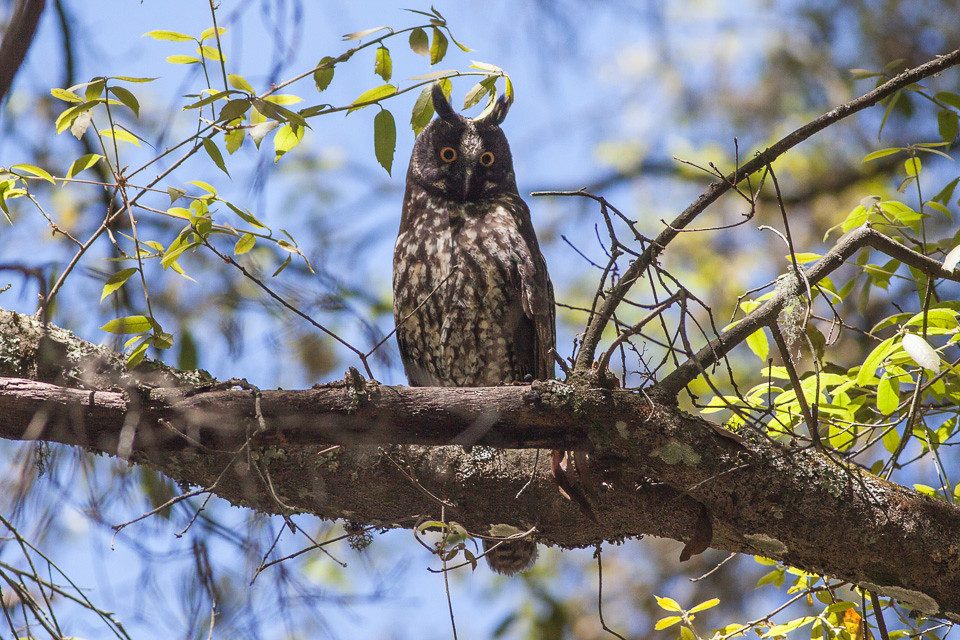
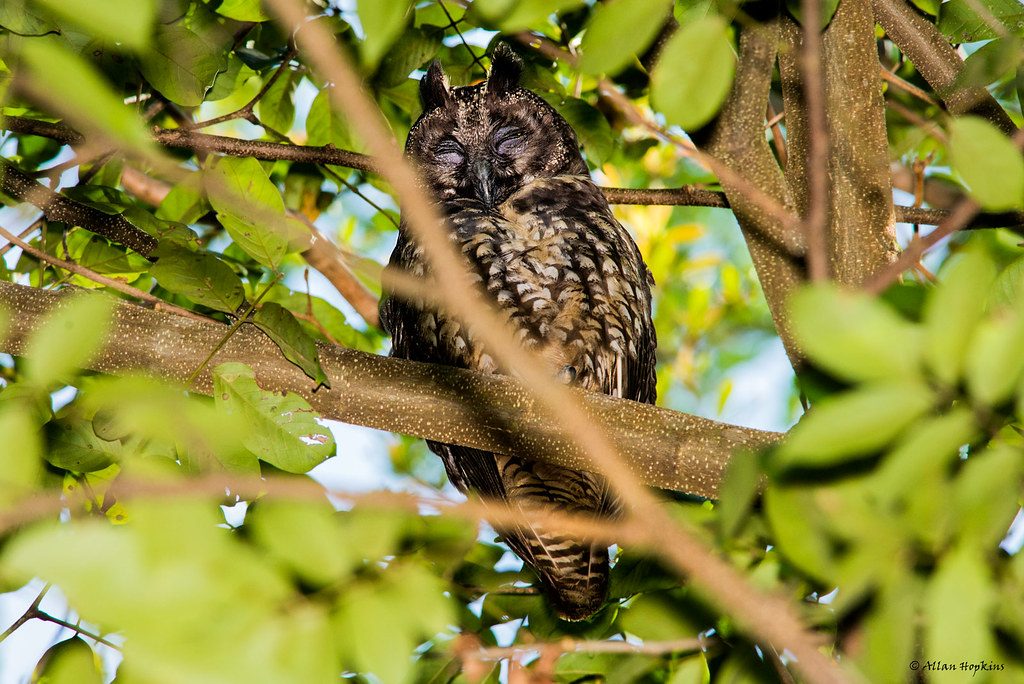
    Stygian Owl (Asio stygius siguapa)” by Allan Hopkins is licensed under CC BY-NC-ND 2.0

    The Stygian owl is a real bird with dark feathers, bright eyes, and a startling appearance in low light. Like many nocturnal birds, it can appear much larger and stranger than expected during brief nighttime encounters.

    Although there is no evidence linking the species to the Mothman legend, wildlife experts have often noted that unfamiliar birds seen in poor light can be mistaken for something much more mysterious.

    Could a coyote explain Chupacabra sightings?

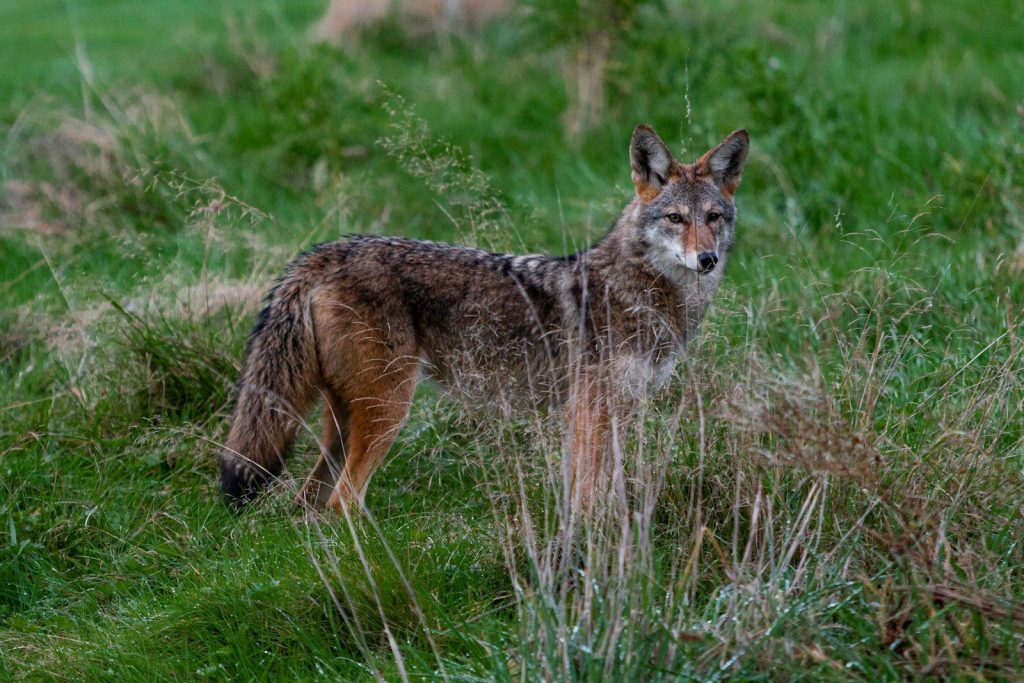
    animal standing on grass during day
    Photo by Dylan Ferreira on Unsplash

    Many reported “chupacabra” sightings have later been identified as coyotes or dogs suffering from severe mange. Hair loss caused by the disease can leave these animals with wrinkled skin, a thin body, and an appearance that is very different from that of a healthy wild animal.

    Although the chupacabra remains a legend with no confirmed scientific evidence, wildlife experts have repeatedly linked many modern sightings to diseased coyotes. The striking appearance of these animals helps explain why they are often mistaken for mysterious creatures.

  • GoPro footage reveals life beneath the surface

    GoPro footage reveals life beneath the surface

    Most people only see the surface of the water, leaving the underwater world hidden. By attaching a small camera to a fish, researchers captured a completely different perspective of life beneath the surface. As the fish moved naturally through its habitat, the camera recorded scenes that divers and boats rarely witness.

    The footage revealed sudden encounters, changing landscapes, and the constant challenges of survival. This article explores what the fish’s journey revealed, why this viewpoint is so valuable, and how animal-borne cameras are helping scientists better understand marine life.

    A new way to explore the underwater world

    a body of water filled with lots of green plants
    Photo by Nicole Bomar on Unsplash

    The experiment began with a small camera attached to a fish. Instead of filming from a boat or by a diver, the camera traveled wherever the fish naturally swam, creating a true underwater point of view.

    This unique perspective captured scenes that would be difficult for humans to observe. Every turn, every burst of speed, and every encounter happened naturally without the fish changing its behavior for the camera.

    The ocean looked completely different

    gray turtle
    Photo by Francesco Ungaro on Unsplash

    What seemed calm from above was full of activity below. As the fish moved through its environment, the scenery changed quickly between open water, underwater plants, rocks, and other habitats.

    The footage showed a world where every movement mattered. Small changes in direction could lead to new food sources, nearby shelter, or unexpected encounters with other marine animals.

    Life beneath the surface is always changing

    black and white bird flying over the sea
    Photo by Naja Bertolt Jensen on Unsplash

    The fish’s journey revealed that underwater life is rarely still. Schools of fish appeared and disappeared within seconds, while different habitats created constantly changing surroundings.

    The rapid pace of these changes highlighted the need for marine animals to remain alert. Every moment can bring new opportunities and dangers in an environment that is always in motion.

    Why this perspective is valuable

    rocks on sea bed
    Photo by Yannis Papanastasopoulos on Unsplash

    Scientists have long used underwater cameras to study marine life, but animal-borne cameras provide a view that stationary equipment cannot. Instead of waiting for animals to pass by, the camera follows them wherever they go.

    This approach helps researchers better understand movement patterns, habitat use, feeding behavior, and interactions with other species while causing minimal disturbance to natural behavior.

    Learning how fish survive

    three shark underwater
    Photo by Talia Cohen on Unsplash

    The footage offered a closer look at how fish respond to their surroundings. Quick changes in direction, careful movement around obstacles, and interactions with other animals all reflected the daily challenges of survival.

    Observing these natural behaviors helps researchers understand how fish use different habitats and adapt to changing underwater conditions. Every journey provides valuable insights into marine ecosystems.

    Seeing the ocean through different eyes

    gray and black fish under water
    Photo by Francesco Ungaro on Unsplash

    Watching the ocean from a fish’s perspective creates an experience that feels both natural and surprising. Instead of observing wildlife from outside the water, viewers become part of the fish’s journey through its environment.

    The experiment also reminds us that much of the underwater world remains unseen. New technologies continue to reveal hidden behaviors and environments, giving scientists and the public a better understanding of life beneath the waves.

  • Rare giant oarfish washes ashore

    Rare giant oarfish washes ashore

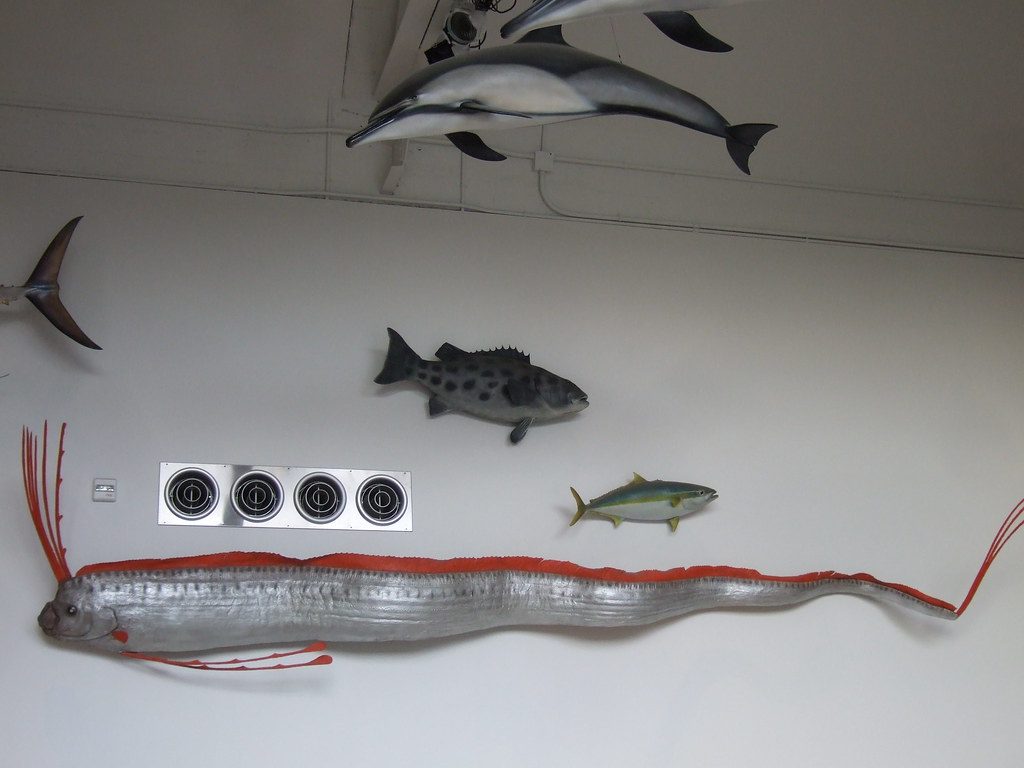
    A giant fish with a bright red fin and a long silver body can look more like a sea monster than a real animal. That is exactly why videos of giant oarfish spread so quickly whenever one washes up on a beach.

    Most people never see these unusual fish alive because they spend nearly their entire lives deep beneath the ocean’s surface. This article explains where giant oarfish live, why they are so rarely seen, what makes them look so unusual, and why scientists are still learning about one of the ocean’s most mysterious giants.
    A giant from the deep ocean

    oarfish – detail” by Tim Evanson is licensed under CC BY-SA 2.0

    The giant oarfish spends its life far below the surface, often living hundreds to thousands of feet beneath the waves. Because it rarely comes close to shore, encounters with living oarfish are extremely uncommon.

    When one washes up on a beach, it quickly attracts attention. Many people have never seen an animal like it before, making every stranding an important event for both the public and marine scientists.

    Why does it look like a sea monster

    oarfish” by Tim Evanson is licensed under CC BY-SA 2.0

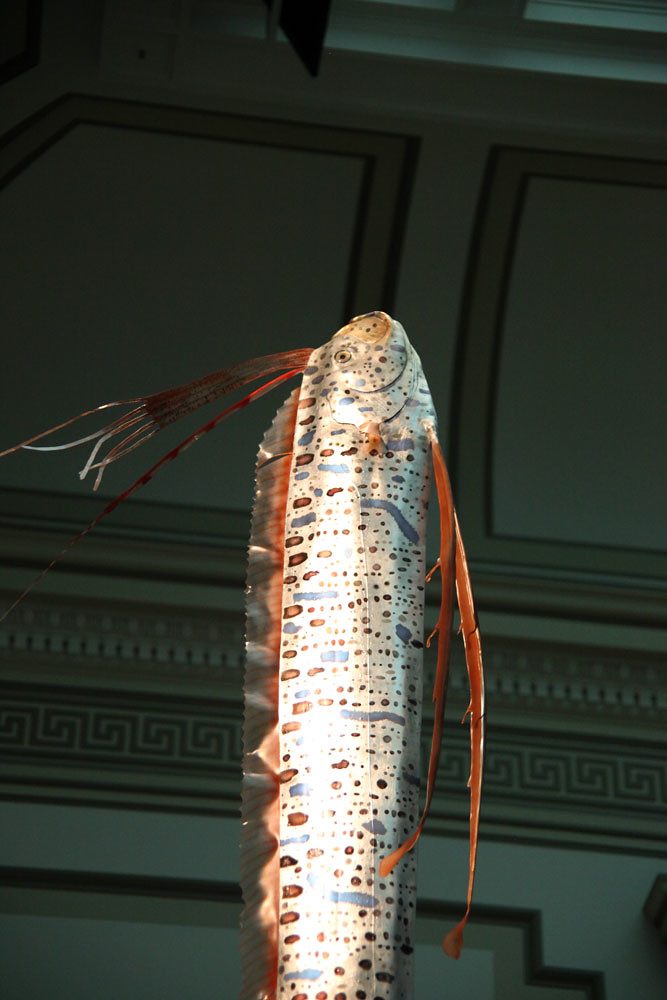
    The giant oarfish has a long ribbon-like body that can reach impressive lengths. Its silver skin, protruding jaw, and bright red dorsal fin give it an appearance unlike almost any other fish.

    For centuries, these unusual features have inspired stories about sea serpents and ocean monsters. Today, scientists know the fish is real, but its appearance remains just as remarkable as the old legends.

    Why scientists rarely see them alive

    Oarfish head” by CSUF Photos is licensed under CC BY-NC-SA 2.0

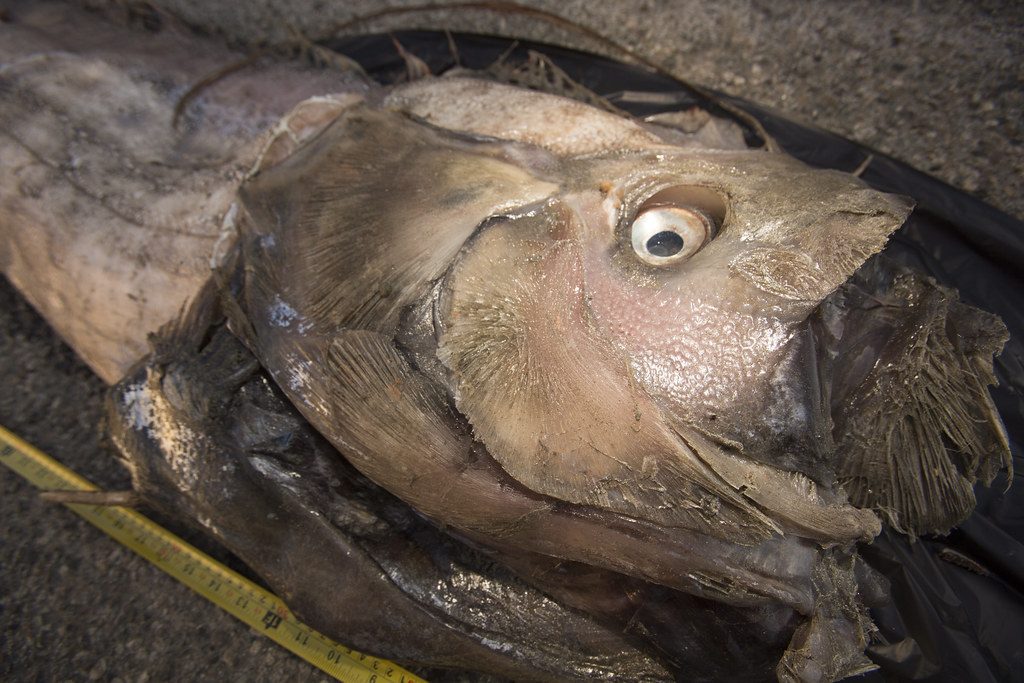
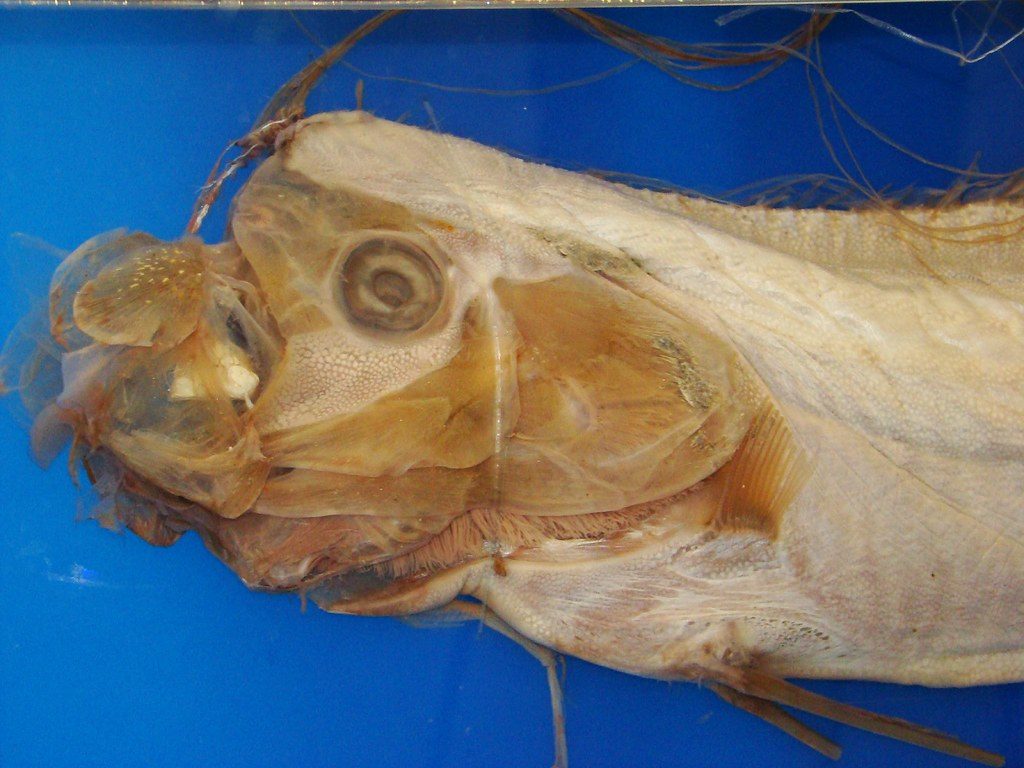
    Oarfish live in deep ocean waters where sunlight barely reaches. Their habitat makes it difficult for researchers to observe them in the wild, so much of what scientists know comes from stranded animals or rare underwater sightings.

    Most oarfish that reach the surface are sick, injured, or dying. Healthy individuals usually remain in the deep ocean, far away from people and coastal waters.

    The truth behind the mystery

    Oarfish Research” by CSUF Photos is licensed under CC BY-NC-SA 2.0

    In some cultures, giant oarfish are known as “doomsday fish” because folklore claims they appear before earthquakes or tsunamis. These stories have spread widely whenever an oarfish washes ashore.

    Scientists have found no reliable evidence that oarfish can predict natural disasters. Most researchers believe the strandings are more likely linked to illness, injury, or changing ocean conditions than to upcoming earthquakes.

    What researchers still do not know

    Oarfish” by lierne is licensed under CC BY-NC 2.0

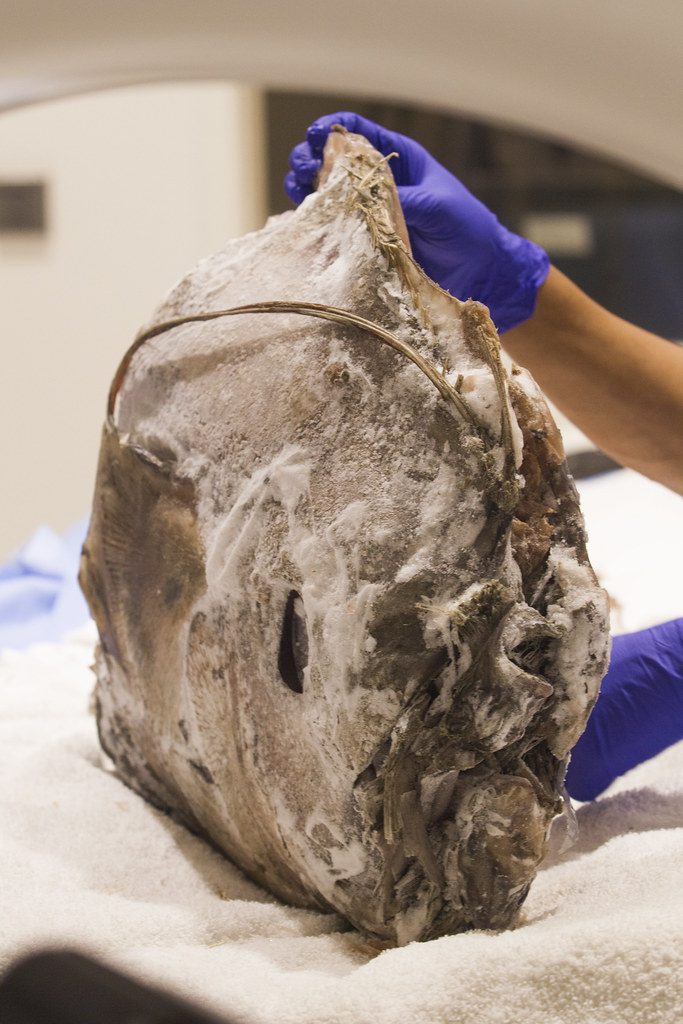
    Despite being one of the longest bony fish in the world, the giant oarfish remains difficult to study. Researchers are still learning about its behavior, reproduction, lifespan, and movements through the deep ocean.

    Every stranded specimen gives scientists a valuable chance to examine an animal that is rarely available for research. Each new discovery helps fill gaps in our understanding of this elusive species.

    A reminder of the ocean’s hidden life

    Oarfish” by muzina_shanghai is licensed under CC BY-NC-ND 2.0

    The giant oarfish reminds us that much of the deep ocean is still unexplored. Even today, scientists continue discovering new information about animals that spend their lives far below the surface.

    When an oarfish washes ashore, it may look like a mythical sea monster. In reality, it is one of the ocean’s most extraordinary fish and a reminder that many mysteries still exist beneath the waves.

  • The mysterious deep dives of giant manta rays

    The mysterious deep dives of giant manta rays

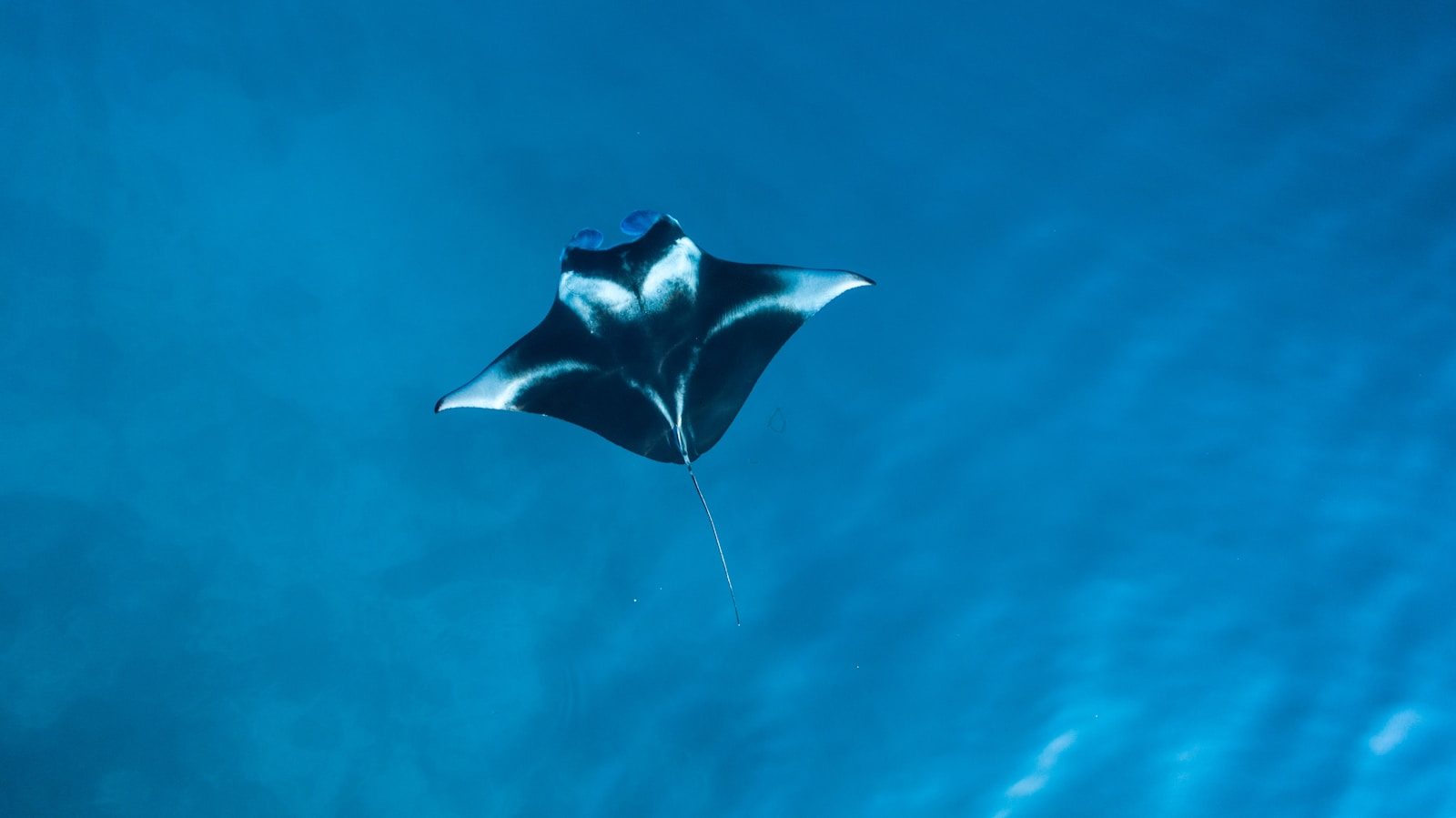
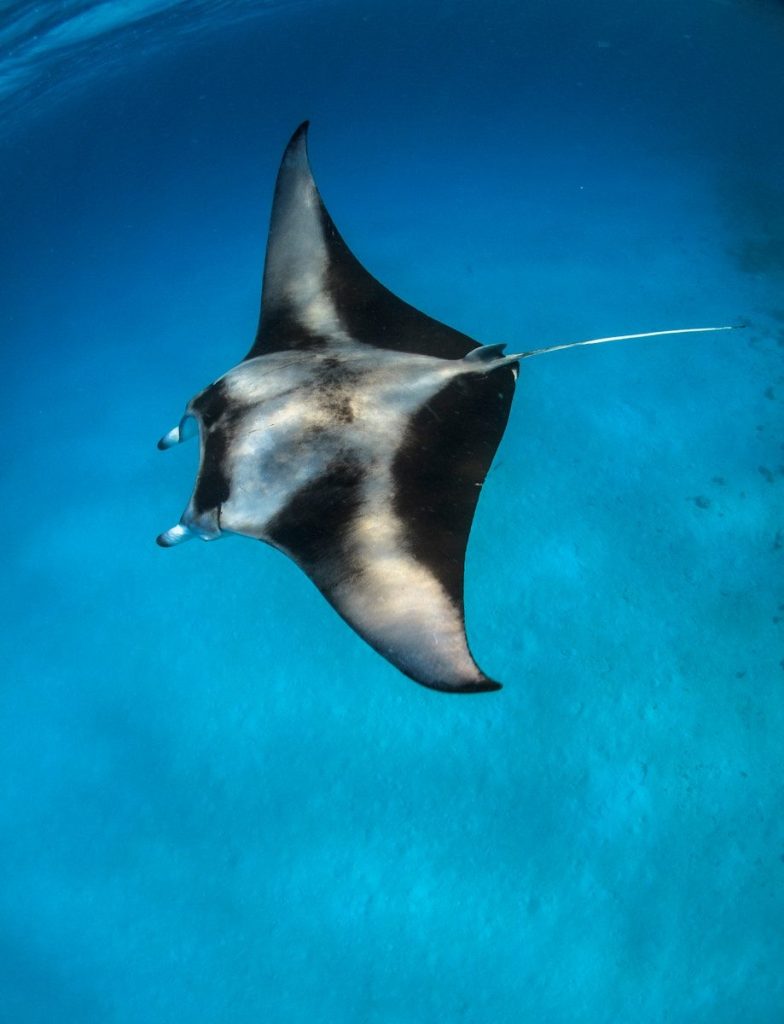
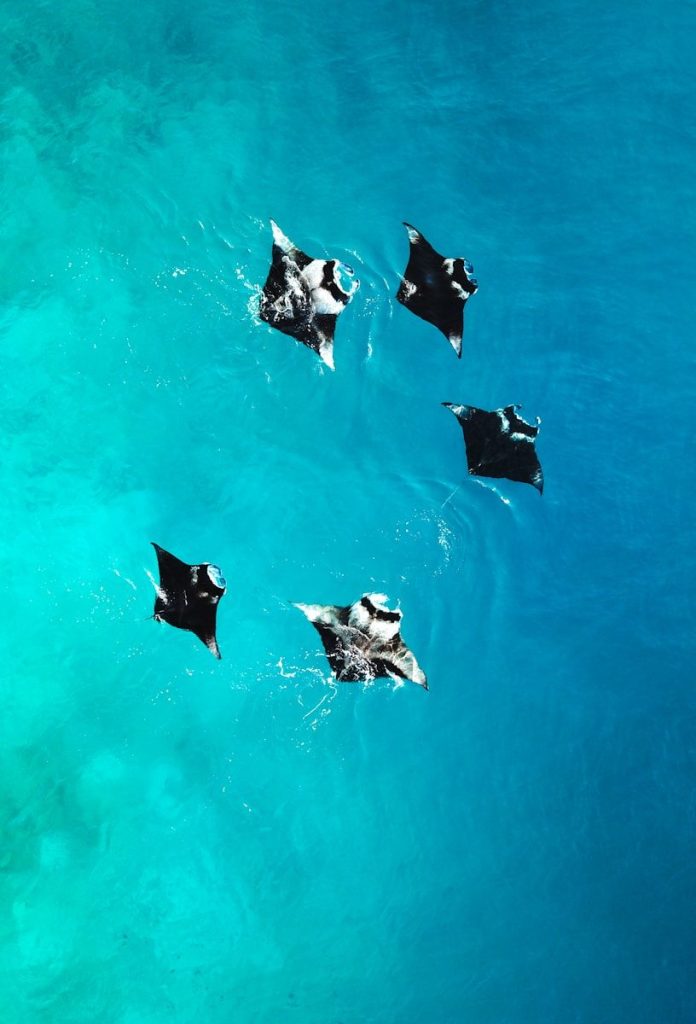
    A giant manta ray can appear from the deep ocean almost without a sound. With wings that can stretch close to 8 meters, these graceful animals move through the water like underwater aircraft. They glide with remarkable efficiency, yet they also make deep dives into dark, cold waters where sunlight barely reaches.

    Scientists are still discovering why they make these journeys and how intelligent they may be. This article explores the amazing abilities of giant manta rays, their mysterious deep dives, and why these gentle giants remain one of the ocean’s greatest mysteries.

    A giant built for effortless movement

    black and white whale under water
    Photo by naushad mohamed on Unsplash

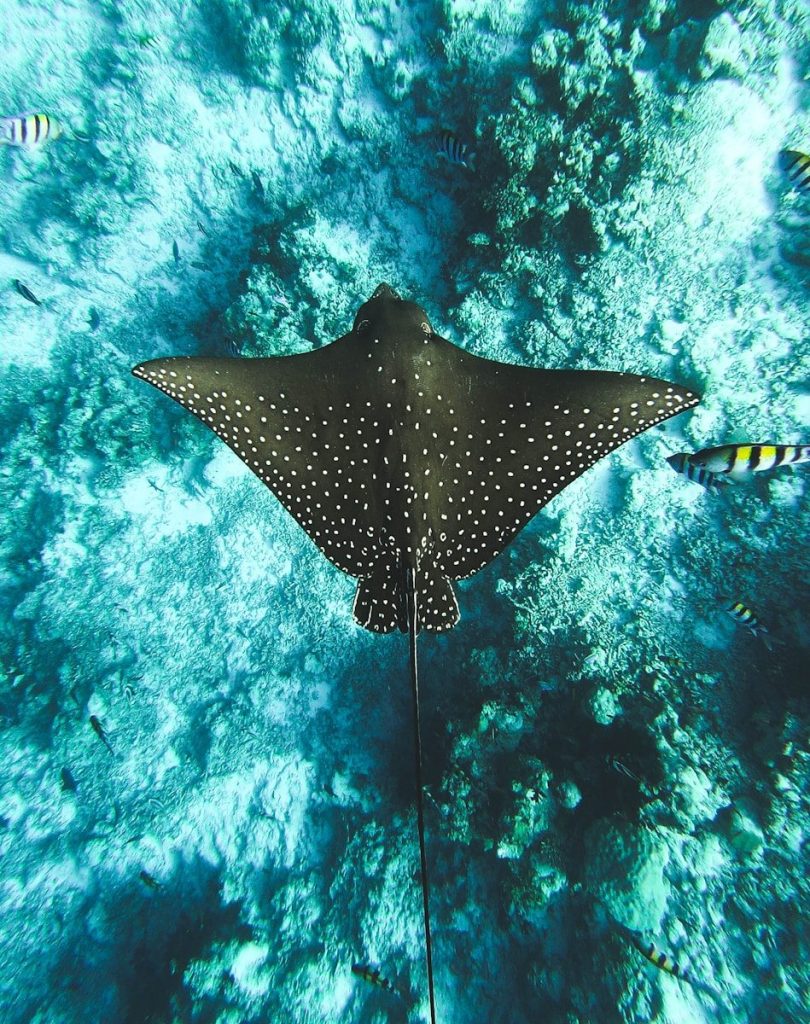
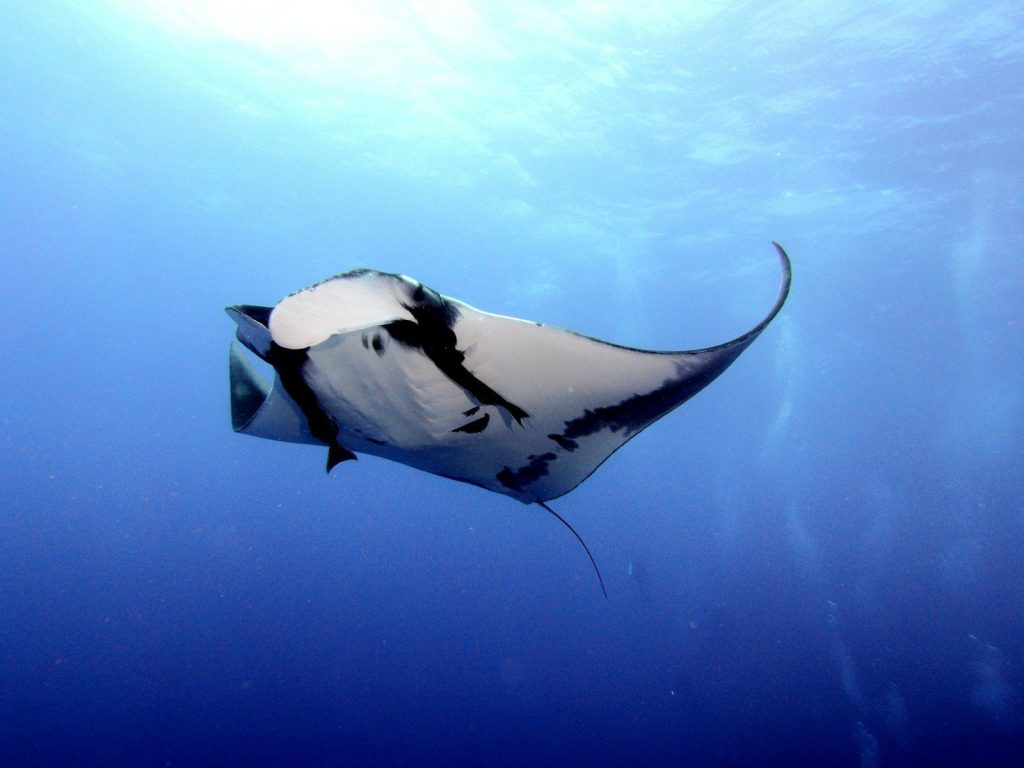
    The giant oceanic manta ray is the world’s largest ray. Its broad wing-like fins allow it to glide through the water with very little effort while searching for food across vast areas of the ocean.

    Unlike many other large marine animals, manta rays are filter feeders. They swim with their mouths open, collecting tiny zooplankton rather than hunting large prey. Their smooth movements help them travel long distances while using energy efficiently.

    Why do manta rays dive into the deep?

    A group of small boats floating on top of a body of water
    Photo by Adam Azim on Unsplash

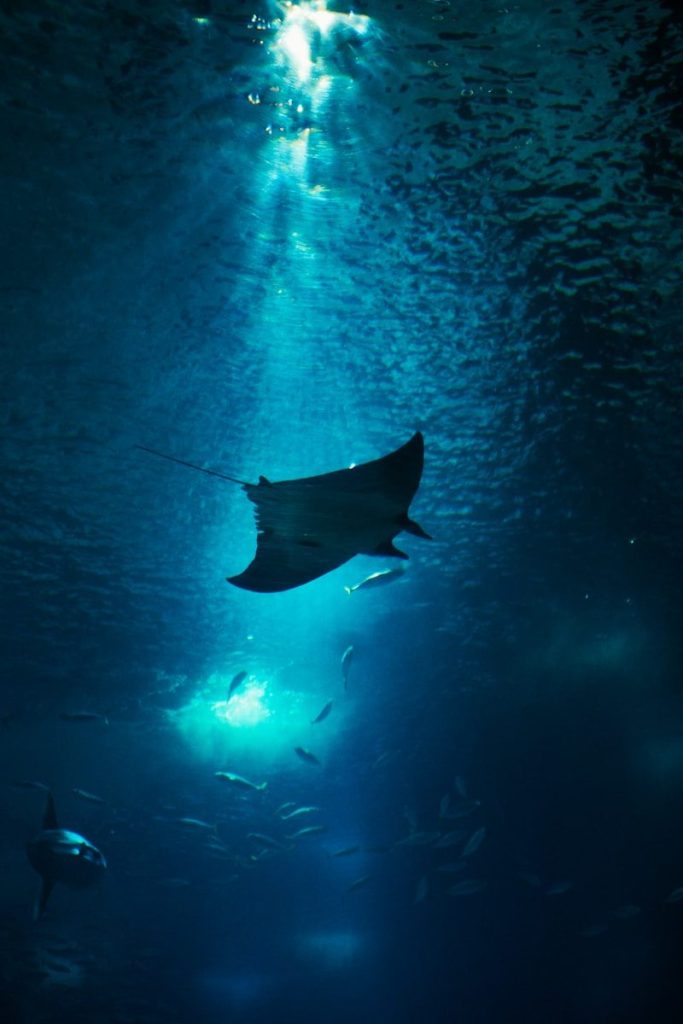
    Although they are often seen near the ocean’s surface, giant manta rays regularly dive hundreds of meters into dark, cold water. These deep dives expose them to environments with little light and much lower temperatures.

    Scientists believe these dives may help manta rays gather information about their surroundings or locate food that lives far below the surface. Recent research suggests the dives may also help them navigate across the open ocean.

    More intelligent than many people realize

    black stingray on water
    Photo by Hoodh Ahmed on Unsplash

    Researchers have found that giant manta rays have the largest brain-to-body ratio of any fish. Studies also suggest they possess advanced learning abilities, strong memory, and complex problem-solving skills.

    Some research has even suggested that manta rays may recognize themselves in mirrors, a behavior associated with high levels of cognitive ability in only a small number of animal species. While scientists continue to study this behavior, the findings highlight how remarkable these animals may be.

    Their social lives are still being explored

    grey-and-black stingray in underwater photography
    Photo by Sebastian Pena Lambarri on Unsplash

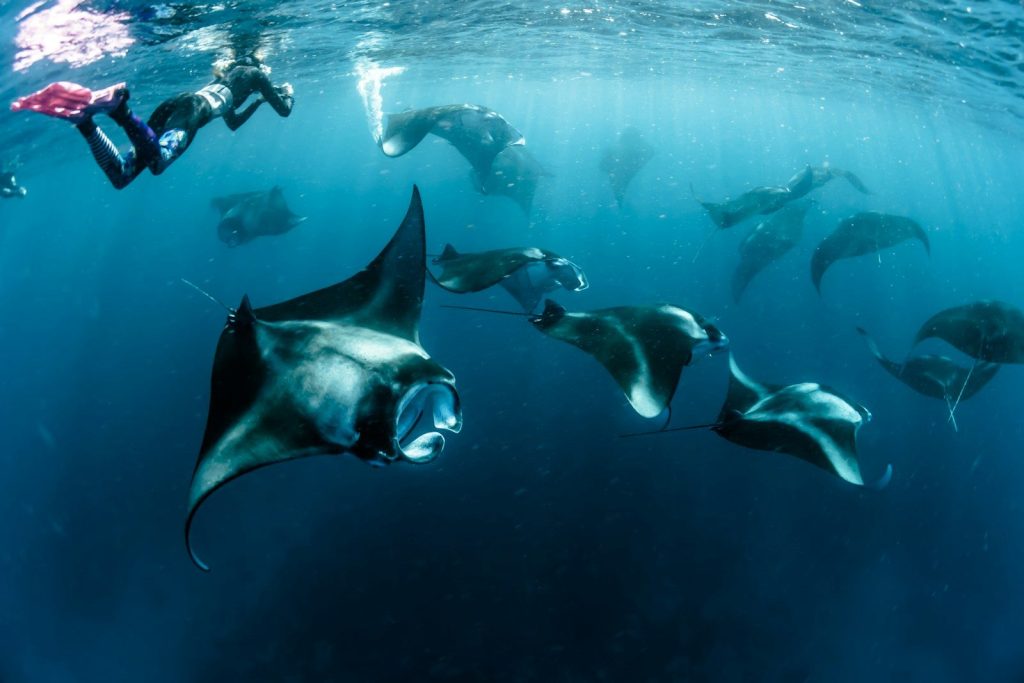
    Giant manta rays are not always solitary animals. Researchers have observed them gathering at feeding sites, cleaning stations, and other important locations where they interact with one another.

    Scientists are still learning how these interactions work. Recent studies suggest manta rays may have more organized social relationships than previously believed, but many questions about their communication and group behavior remain unanswered.

    Every discovery reveals new mysteries

    a group of fish swimming in the water
    Photo by Valentina Paschetto on Unsplash

    Despite decades of research, giant manta rays continue to surprise scientists. New tracking studies have shown that their deep dives are more complex than researchers once thought, raising fresh questions about how they use the open ocean.

    The deeper scientists investigate, the more they realize these animals are far from simple. Each new discovery reveals another part of a life that is still largely hidden beneath the waves.

    Why protecting manta rays matters

    time lapse photography of white and black stingray in water
    Photo by Swanson Chan on Unsplash

    Giant manta rays grow slowly, produce few young, and face threats from fishing, bycatch, and habitat changes. Because of these factors, protecting their populations is important for the future of the species.

    Learning more about how manta rays travel, feed, and interact helps scientists develop better conservation strategies. Every new study brings us closer to understanding and protecting one of the ocean’s most extraordinary animals.

  • Can sharks sense disasters before they happen?

    Can sharks sense disasters before they happen?

    The ocean often changes before people notice anything unusual. Some scientists believe sharks may detect these changes long before humans can. Studies have found that tagged sharks sometimes change their normal movements before earthquakes and other underwater events.

    While researchers are still trying to understand why this happens, the findings have raised exciting questions about how sharks sense their environment. This article explains what scientists have discovered, how sharks detect environmental changes, and why more research is needed before these behaviors can be used to predict natural disasters.

    Why scientists are studying shark behavior

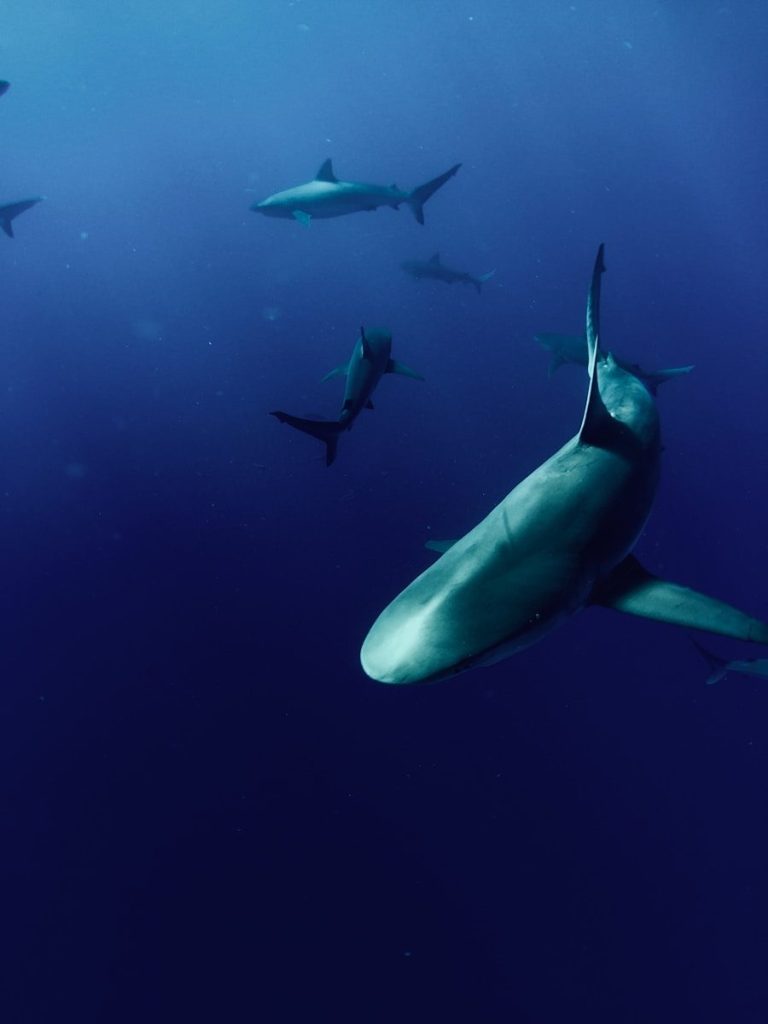
    gray sharks
    Photo by Colton Jones on Unsplash

    Sharks have some of the most advanced senses in the animal kingdom. They can detect tiny electrical signals, water movement, and other environmental changes that most animals cannot notice.

    Because of these remarkable abilities, scientists have begun studying how sharks behave before earthquakes and other underwater events. Tagged sharks have occasionally shown unusual movement patterns before certain natural events, leading researchers to investigate whether the behaviors are connected.

    What researchers have observed

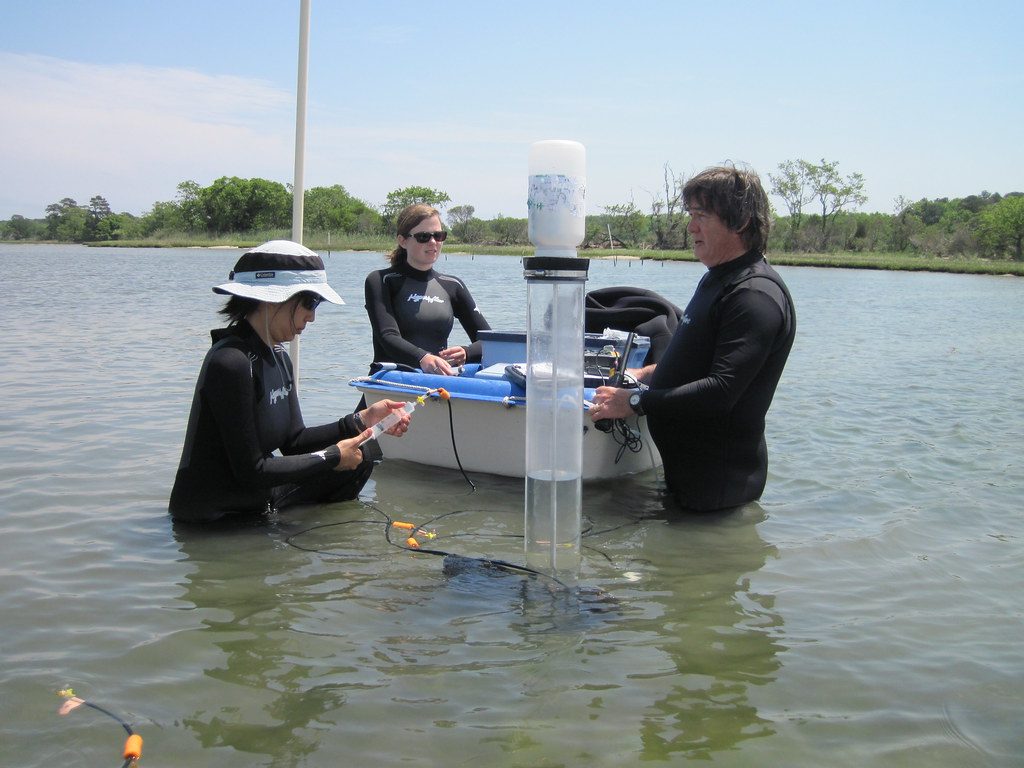
    Marine Scientist Jennifer Stanhope, VASG Graduate Research Fellow Annie Murphy, and Mark Luckenbach take water samples from the cores over the course of the day to measure the nutrient concentrations in the water. ©Margaret Pizer/VASG” by Virginia Sea Grant is licensed under CC BY-ND 2.0

    In several studies, sharks fitted with tracking devices moved differently before some underwater disturbances. Instead of following their normal travel routes, they changed direction or left certain areas before the events occurred.

    These observations have attracted scientific interest because the movement patterns appeared unusual compared with the sharks’ normal behavior. However, researchers stress that these findings do not yet prove sharks can predict earthquakes.

    How sharks may detect changes

    three shark underwater
    Photo by Talia Cohen on Unsplash

    One possible explanation involves electromagnetic fields. Sharks have special sensory organs called the ampullae of Lorenzini that allow them to detect extremely weak electrical fields produced by living animals and changes in their surroundings.

    Scientists have also suggested that sharks may respond to changes in water pressure or other environmental conditions that sometimes precede underwater geological events. At this stage, these ideas remain scientific hypotheses rather than proven explanations.

    Why the evidence is still limited

    white and black shark in water
    Photo by Alexandre Boucey on Unsplash

    Although the research is fascinating, scientists caution against drawing firm conclusions too soon. Unusual animal behavior has been reported before earthquakes for centuries, but establishing consistent scientific proof has been difficult.

    Many experts believe that more long-term tracking studies are needed. Researchers must determine whether sharks behave differently before earthquakes often enough to separate meaningful patterns from normal movement changes.

    What this could mean for science

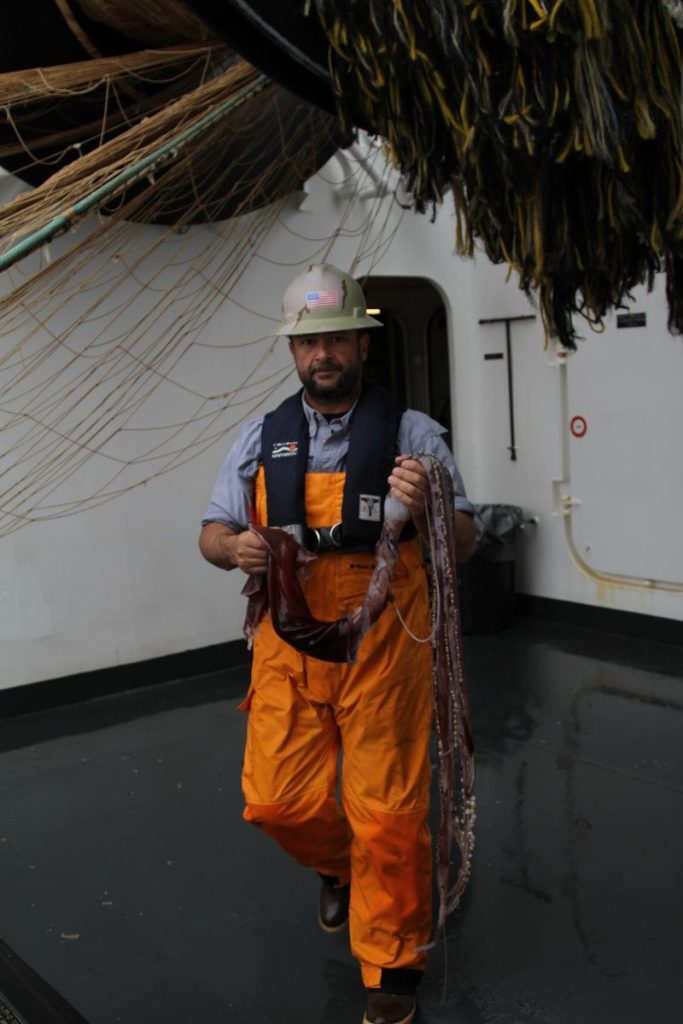
    man in blue and orange zip up jacket wearing white helmet standing on boat during daytime
    Photo by NOAA on Unsplash

    If future research confirms a reliable connection, studying shark movements could improve our understanding of how marine animals respond to changes in the Earth’s environment. It could also reveal new information about shark biology and sensory systems.

    Even if sharks cannot predict disasters, their remarkable senses continue to help scientists learn more about the hidden world beneath the ocean’s surface. Every new study brings researchers closer to understanding these extraordinary predators.

    A mystery that still needs answers

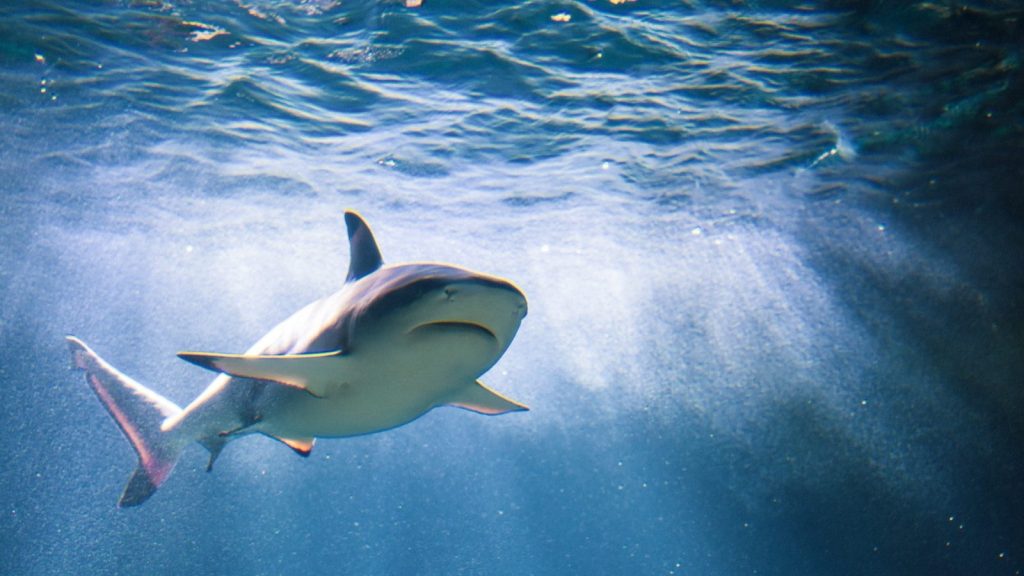
    great white shark
    Photo by Marcelo Cidrack on Unsplash

    The idea that sharks may sense approaching natural disasters remains one of the most interesting questions in marine science. Their unusual movements before some underwater events have encouraged researchers to continue investigating the possibility.

    For now, the evidence suggests there may be a connection, but it is not yet strong enough to say sharks can predict earthquakes or other disasters. Scientists will need much more data before reaching that conclusion.

  • Rare killer whales reveal epic ocean journeys

    Rare killer whales reveal epic ocean journeys

    Killer whales live in oceans around the world, but some are still a mystery to science. One of the least understood groups is the Type D killer whale. For many years, these unusual whales were known mostly from rare sightings and a few photographs.

    Now, a major study has uncovered new details about their numbers and amazing travels. This article explains what scientists learned about Type D killer whales, why they are so difficult to study, and how their long ocean journeys are changing what we know about these remarkable marine predators.

    Why Type D killer whales are so mysterious

    black and white whale shark on sea
    Photo by Ryan Stone on Unsplash

    Killer whales are the world’s largest apex predators and help maintain balance in marine ecosystems. Even so, scientists still have many questions about some of their populations. Type D killer whales have remained one of the hardest groups to understand.

    These whales stand out because of their blunt heads, pointed dorsal fins, and very small white eye patches. For many years, they were known mostly from reports by fishers, amateur photographers, and a few unfortunate mass strandings, making them one of the ocean’s most mysterious predators.

    Scientists gathered more than two decades of evidence

    blue and white whales
    Photo by NOAA on Unsplash

    To learn more, researchers brought together observations collected over more than 20 years. They reviewed over 28,000 photographs taken between 2003 and 2024 to identify individual whales and better understand their movements.

    At the time of the study, there was only one recognized killer whale species, Orcinus orca, but it includes several ecotypes. Type D remains the least understood of these groups, making every new discovery especially important.

    More whales than scientists expected

    A group of orca's swimming in a lake with mountains in the background
    Photo by Vidar Nordli-Mathisen on Unsplash

    One concern was that Type D killer whales might be very rare because they are among the most inbred animals on Earth. With so few sightings, researchers worried that the population could face a serious genetic bottleneck.

    The photo study identified 207 individual Type D killer whales across the Subantarctic. While this does not mean the global population is large, it suggests there are more individuals than scientists had previously documented.

    Their ocean journeys surprised researchers

    An orca whale swims in the calm ocean water.
    Photo by Ali Kazal on Unsplash

    One of the biggest discoveries involved how far these whales travel. Some individuals followed fishing boats that were catching toothfish, a favorite food source for part of the Type D population. This behavior was seen only within a small, socially connected group.

    Researchers recorded Type D killer whales traveling more than 4,400 kilometers (about 2,734 miles) between ocean basins. According to the study, these are the longest inter-ocean movements ever documented for killer whales.

    What these discoveries could mean

    An orca whale surfacing in calm blue water.
    Photo by Ali Kazal on Unsplash

    Lead researcher Jared R. Towers said the inter-ocean movements were the study’s most surprising finding. The long journeys suggest these whales are highly mobile and may have a relatively small global population despite the growing number of documented individuals.

    The whales were found in two main areas, the southern Indian Ocean and waters off southern Chile. Their ability to move between these distant regions gives scientists a better understanding of how this rare ecotype lives and survives.

    A new chapter for a rare ocean predator

    whale in sea
    Photo by Thomas Lipke on Unsplash

    For years, Type D killer whales were known mostly through rare encounters. This landmark study has provided the clearest picture yet of their population and remarkable movements across the Southern Ocean.

    Although many questions remain, researchers now have stronger evidence that these whales travel much farther than anyone had recorded before. Each new discovery helps uncover the hidden lives of one of the world’s most mysterious marine predators.

  • Why do speared fish attract predators underwater

    Why do speared fish attract predators underwater

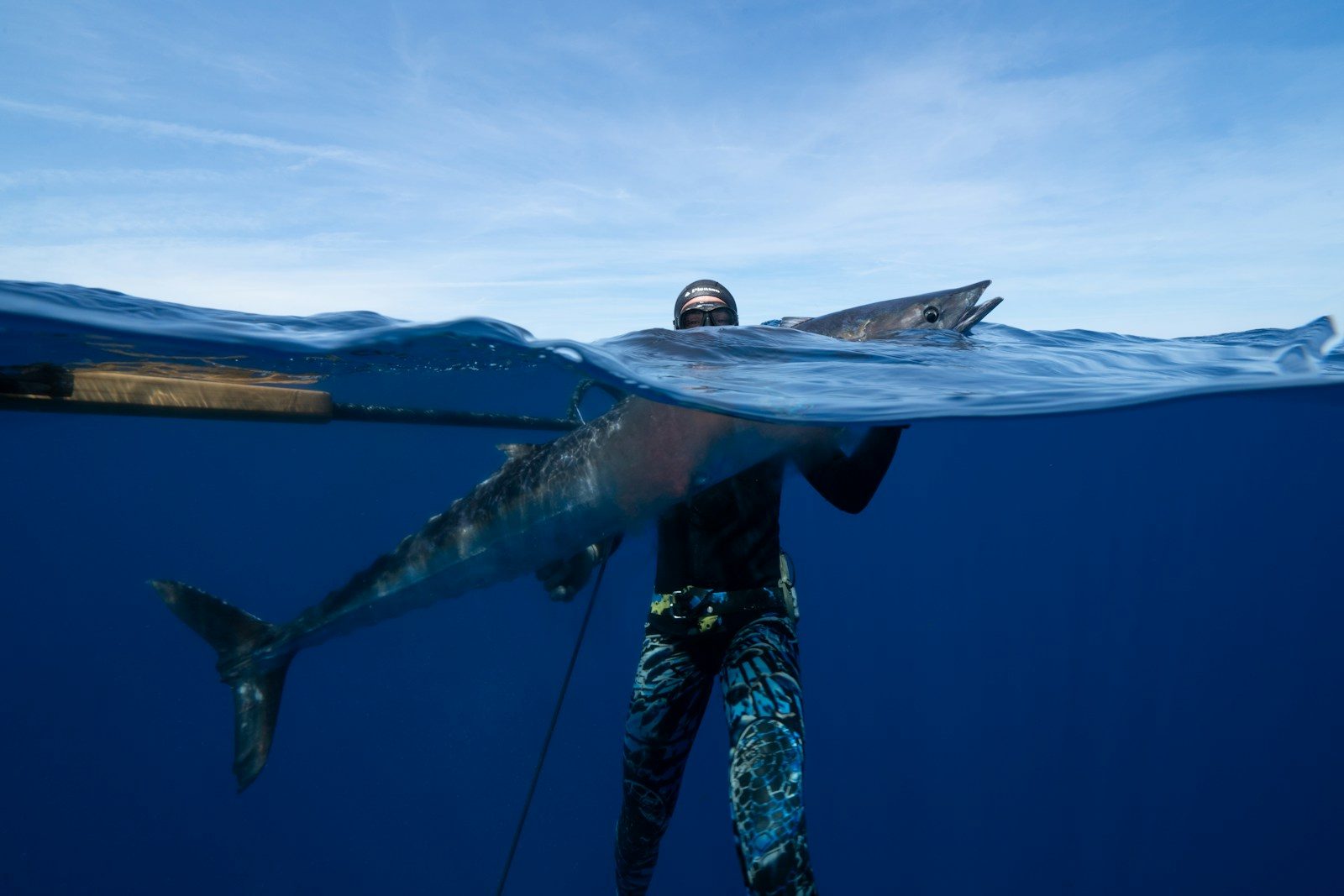
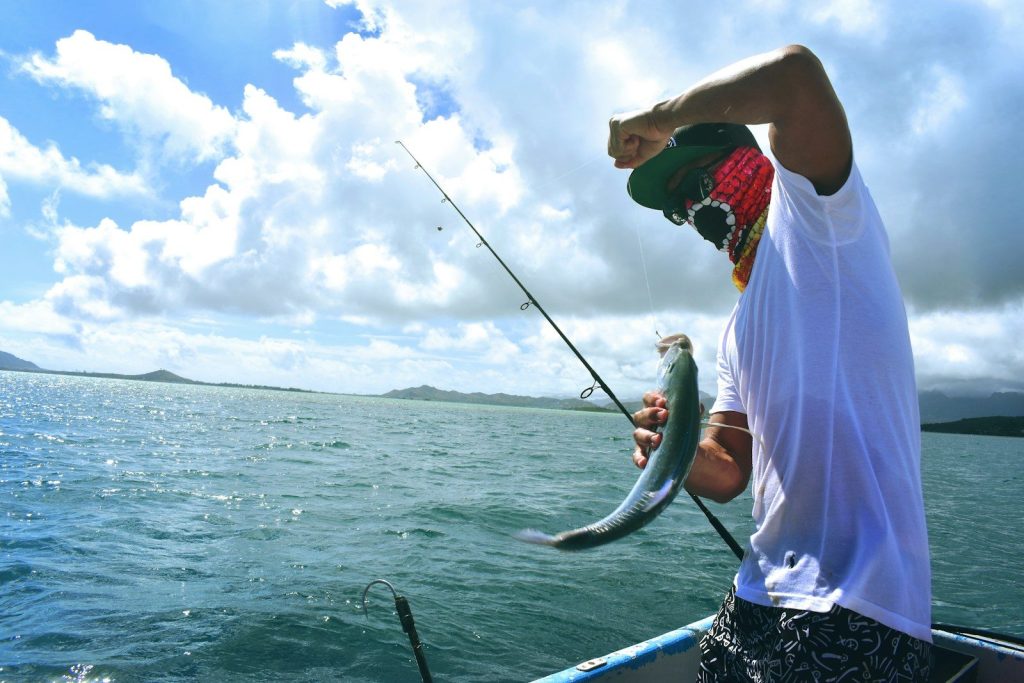
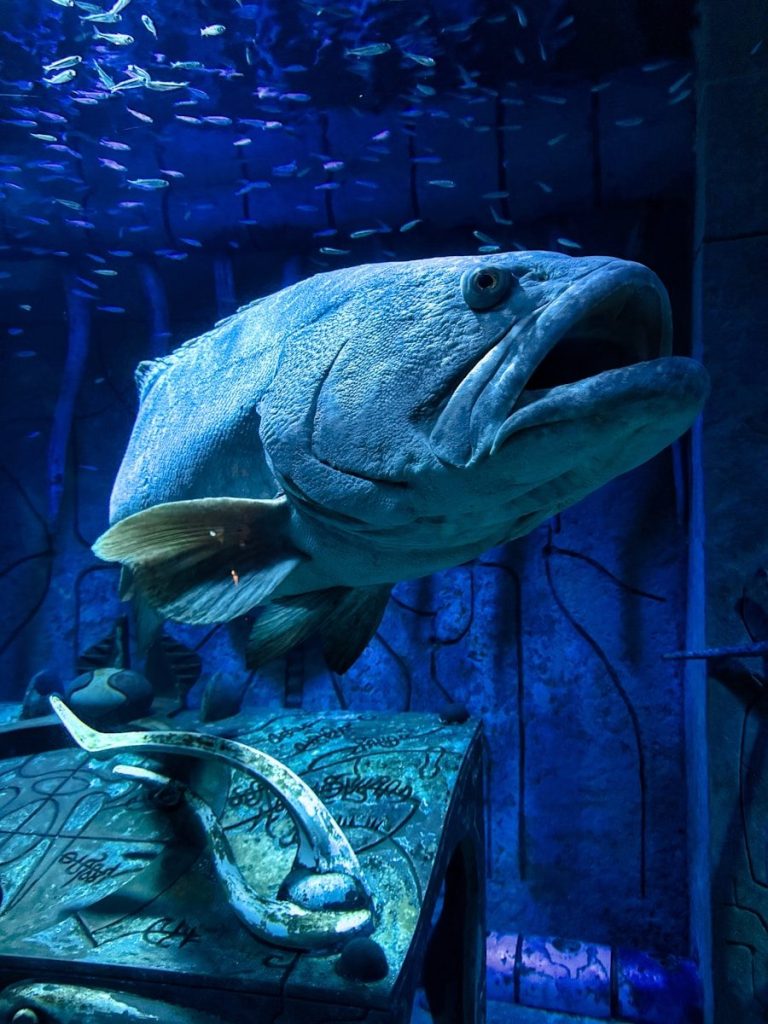
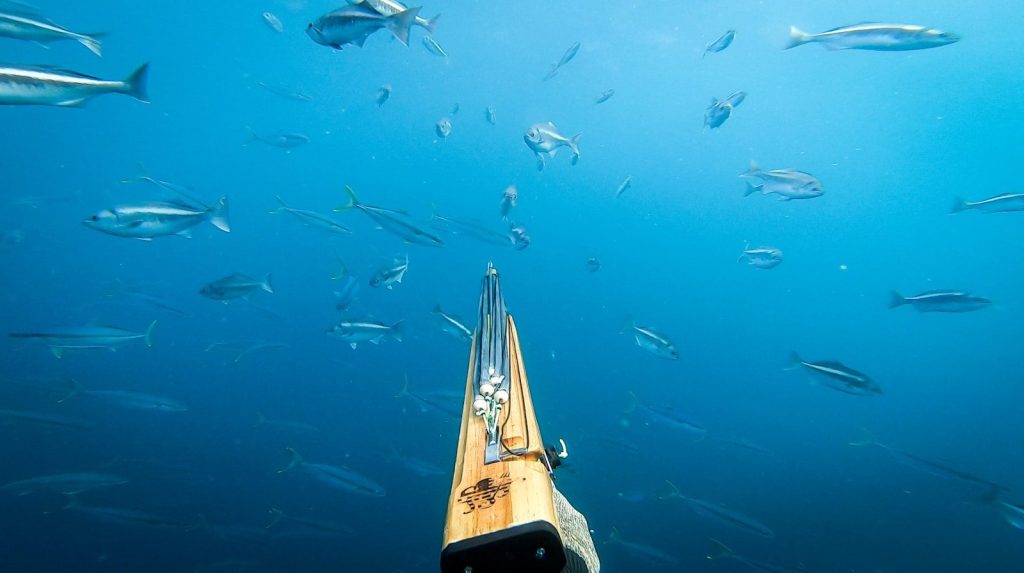
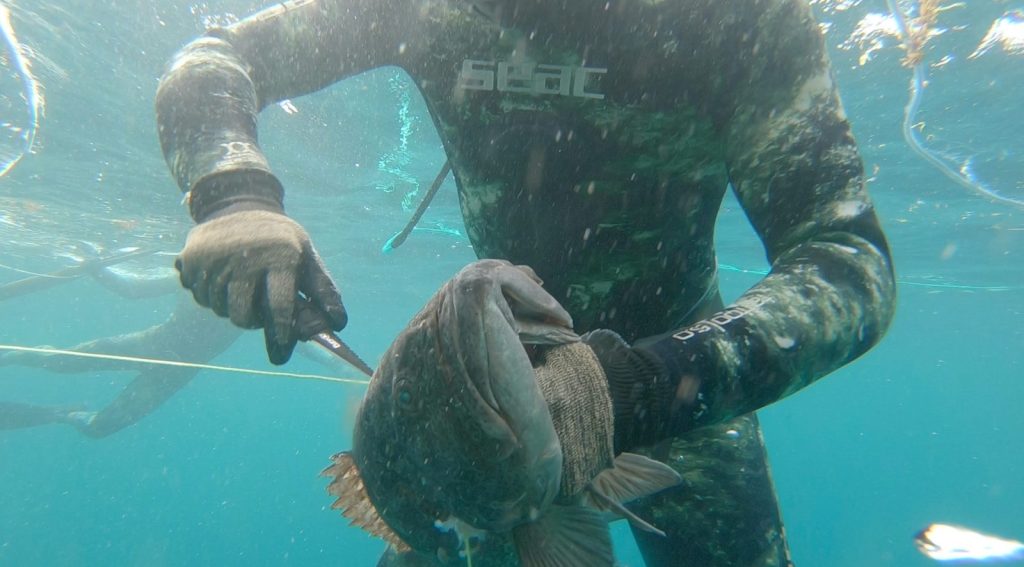
    A perfect shot underwater can quickly turn into a dangerous situation. At first, it may seem like the hard part is over once a giant grouper is hit. But the real challenge often begins after that moment.

    A struggling fish sends strong signals through the water that nearby predators can detect. This article explains why a bleeding grouper attracts attention, how the fish reacts after being speared, and why experienced divers know the greatest risk often comes after the shot lands.

    A perfect shot can change in seconds

    man in white t-shirt holding a fish
    Photo by Drew Farwell on Unsplash

    Everything looked successful at first. A giant grouper drifted upward after being hit, making it seem like the catch was under control. For a brief moment, it appeared to be the perfect ending to the hunt.

    However, underwater conditions can change very quickly. A wounded fish does not stay quiet. As it struggles, it creates movement in the water that can spread far beyond the area where the shot happened.

    Why predators notice a wounded fish

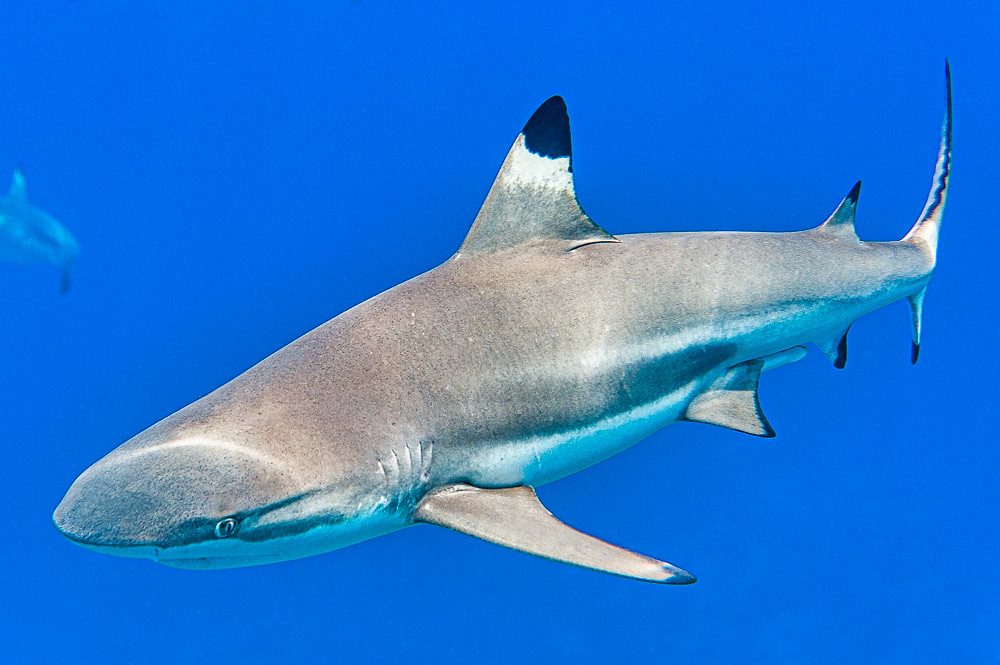
    Blacktip Reef Shark” by D-Stanley is licensed under CC BY 2.0

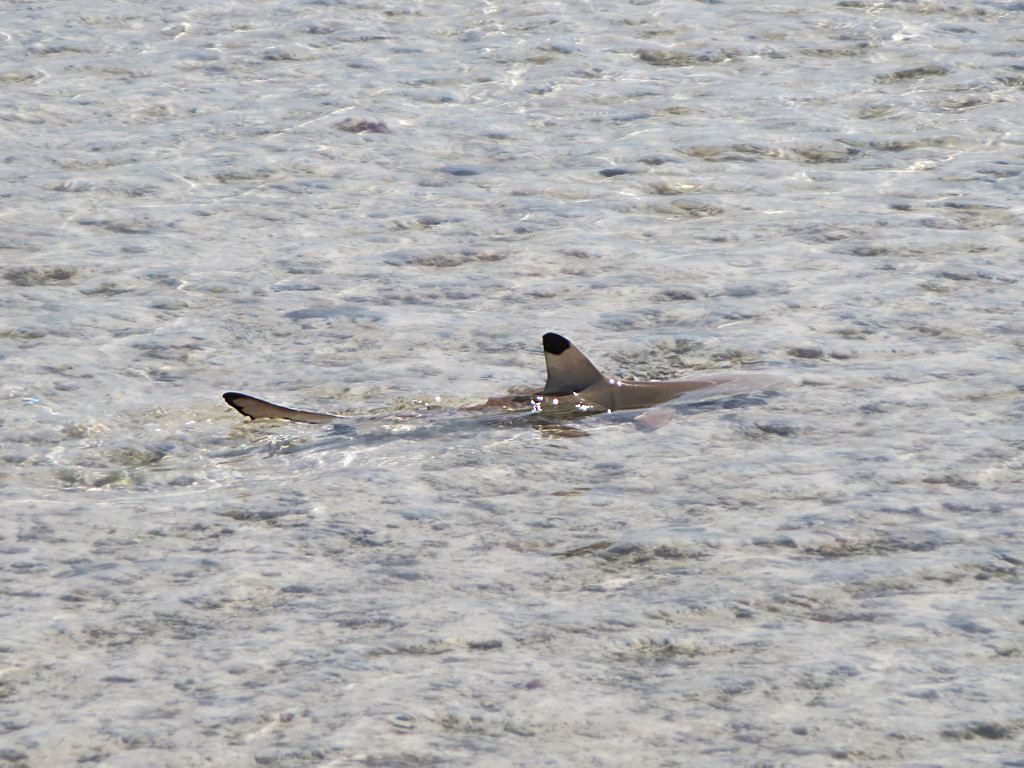
    A struggling fish produces vibrations that travel through the water. At the same time, blood released from the injury creates another signal that predators can detect from surprisingly long distances. These natural signs tell nearby animals that an easy meal may be available.

    Because of this, the ocean can become much more active within a short time. What begins as a successful catch may soon attract unwanted attention from larger predators moving toward the disturbance’s source.

    How giant groupers react after being hit

    A big fish that is standing on a table
    Photo by Warren Sammut on Unsplash

    Large groupers are powerful fish. Even after being speared, they often dive hard toward rocks, reefs, or other underwater structures rather than give up.

    This sudden movement can create serious problems. The fish may pull on the fishing gear with great force, making it much harder to control the situation beneath the surface.
    Why commercial spearfishers stay alert

    man catching fish with his fishing rod
    Photo by gary tresize on Unsplash

    In commercial spearfishing, landing the shot is only one part of the job. Experienced divers know they must stay aware of everything happening around them after the fish is hit.

    Once the grouper begins to bleed, the situation can become much more dangerous. Other marine predators may arrive without warning, turning a successful catch into a fast-changing underwater challenge.
    The ocean responds to every signal

    brown wooden boat on body of water
    Photo by Cast & Spear on Unsplash

    Life beneath the surface is closely connected. A wounded fish creates vibrations and a blood trail that become important signals for other animals searching for food.
    These natural reactions remind divers that they are sharing the ocean with many other creatures. Every movement can affect what happens next, especially after a large fish has been caught.

    A catch that became an unforgettable moment

    man in black leather jacket holding black fishing rod
    Photo by Cast & Spear on Unsplash

    The giant grouper was still being held when a predator appeared. The event showed how quickly conditions can change underwater after a fish is injured.

    What started as a perfect shot became a powerful reminder that the ocean is always active. In commercial spearfishing, success is measured not only by making the catch but also by understanding the risks that follow once the fish begins to bleed.

  • How sea stars really eat beneath the ocean

    How sea stars really eat beneath the ocean

    Many people think a sea star can be opened like a shell. That idea seems simple, but nature works very differently. During an underwater adventure, a woman finds a sea star and asks if she can open it. Instead of trying to open it, her guide explains how a sea star really works.

    Then they witness something that surprises many people for the first time. This article explains how sea stars eat, why they cannot be opened like shells, and what makes this underwater moment so special.

    Why can a sea star not be opened?

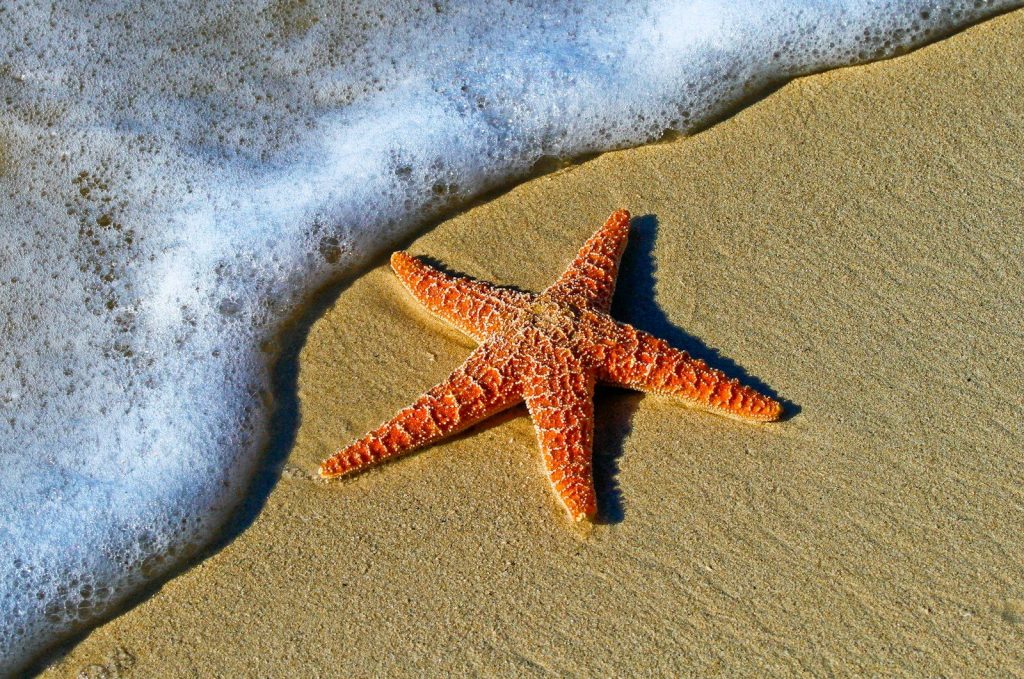
    closeup photo of red star fish beside seashore
    Photo by Pedro Lastra on Unsplash

    While exploring the ocean floor, the woman spots a sea star resting on the seabed. She becomes curious and asks if it can be opened. It is an easy mistake because many sea animals, such as clams and oysters, have shells that open and close.

    The guide gently explains that a sea star is completely different. It does not have a shell that opens. Instead of forcing it open, the best way to learn is by watching how it naturally lives and feeds in the ocean.

    A surprising lesson underwater

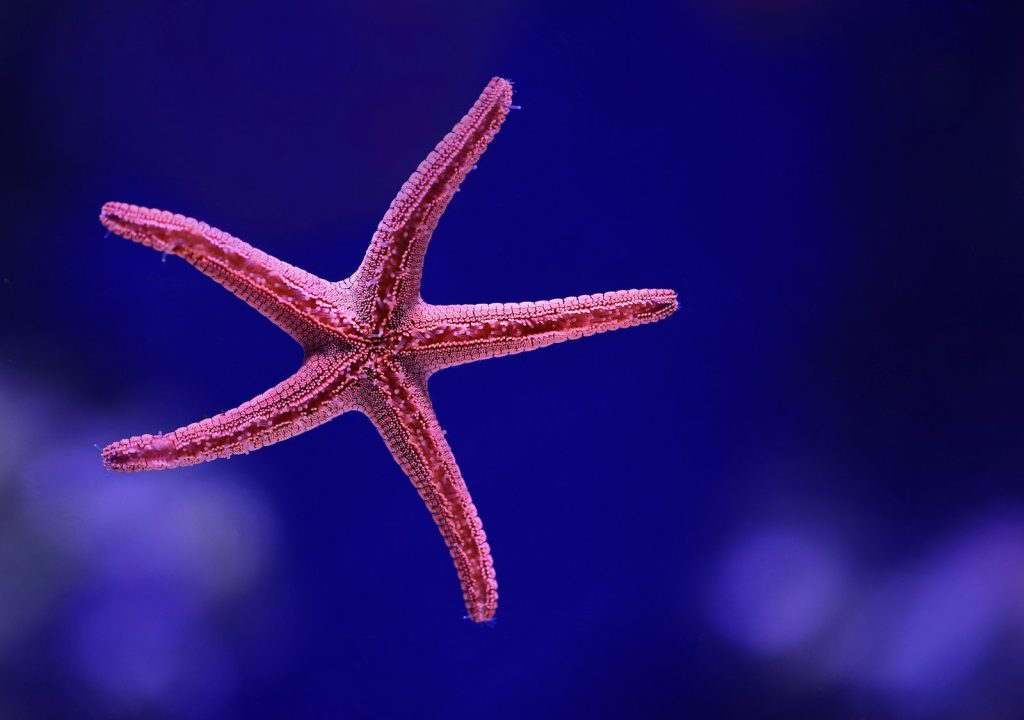
    macro shot photography of starfish
    Photo by David Clode on Unsplash

    Instead of ending the conversation, the guide invites her to look closer. They continue swimming beneath the surface, hoping to see something most people never get to witness in the wild.

    Soon, they find the perfect example. The sea star begins to feed, turning a simple question into an unforgettable lesson. It becomes clear that nature often offers answers far more interesting than people expect.

    How a sea star really eats

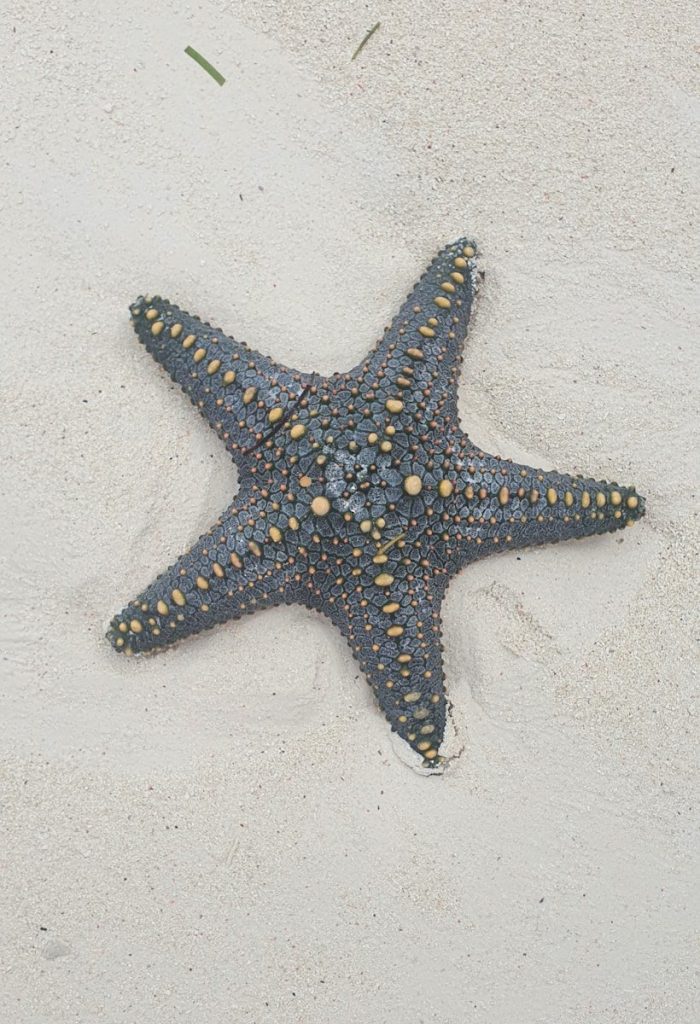
    a starfish laying on the sand at the beach
    Photo by Patricia (Trisha) Berberat on Unsplash

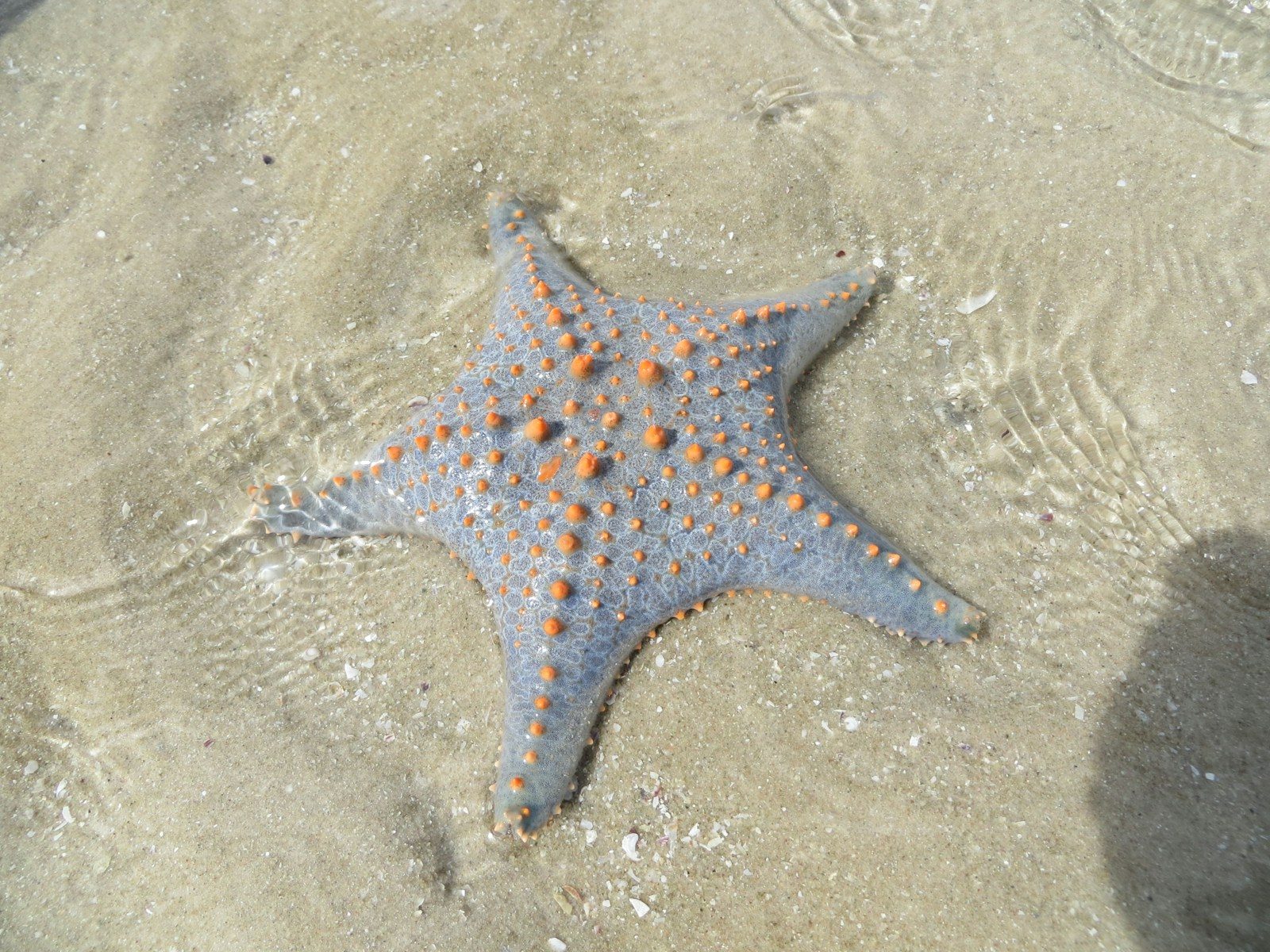
    The biggest surprise comes when the guide points to the sea star’s stomach. Rather than keeping it inside its body while eating, the sea star extends its stomach outward over its food. This strange process is completely natural.

    Watching this happen underwater is both surprising and fascinating. Many people have never seen a sea star feed in real life. The moment changes the way the woman thinks about these animals, showing that they are very different from creatures with shells.

    Why does this moment surprise so many people?

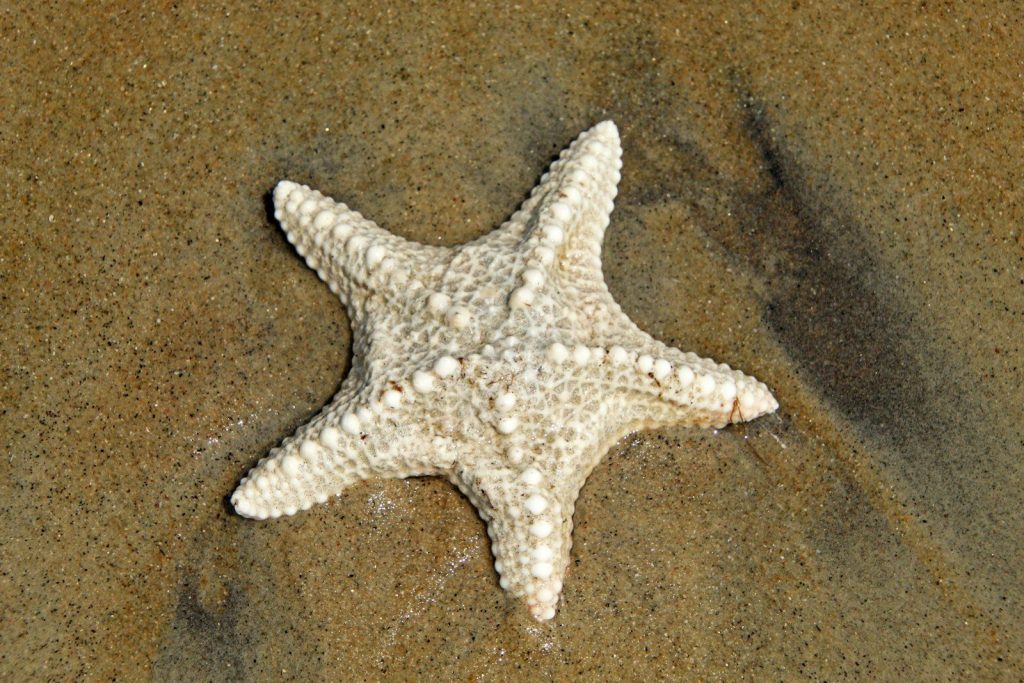
    a white starfish laying on top of a sandy beach
    Photo by viswaprem anbarasapandian on Unsplash

    Most people only see sea stars at beaches, in photos, or inside aquariums. Because of that, they rarely get to watch one feeding in its natural home beneath the ocean.

    Seeing the stomach extend outside the body is unexpected for first-time viewers. What seemed like a simple sea creature suddenly becomes one of the most interesting animals on the ocean floor. The experience reminds everyone that the ocean still holds many amazing sights.

    Learning from nature up close

    brown starfish on blue sand
    Photo by Amy Humphries on Unsplash

    This underwater experience shows why asking questions is important. A simple question about opening a sea star leads to a much deeper understanding of how these animals actually live.

    Instead of making guesses, watching wildlife in its natural environment can reveal incredible facts. Sometimes the best lessons come from careful observation and patient explanation rather than quick answers.

    A memory that lasts long after the dive

    brown starfish
    Photo by Clara Cordero on Unsplash

    The underwater encounter becomes more than just another dive. It starts with curiosity, continues with learning, and ends with an unforgettable look at one of nature’s most unusual feeding methods.

    By the end of the experience, the woman no longer wonders how to open a sea star. Instead, she leaves with a greater appreciation for the remarkable way these ocean animals survive and feed. It is a small moment that creates a lasting memory beneath the sea.