Category: Wildlife and animals

  • Sea otter lovingly cradles newborn after Morro Bay birth

    Sea otter lovingly cradles newborn after Morro Bay birth

    Seeing a sea otter lovingly cradle its newborn is a rare and heartwarming moment. The recent sea otter cradles newborn after Morro Bay birth story has captured attention because it shows the strong bond between a mother and her pup.

    These special moments also remind people why protecting sea otters and their coastal habitat matters. In this article, you will learn what happened in Morro Bay, how sea otter mothers care for their young, why the location is important, and how these animals help keep California’s coastal waters healthy.

    A touching moment in Morro Bay
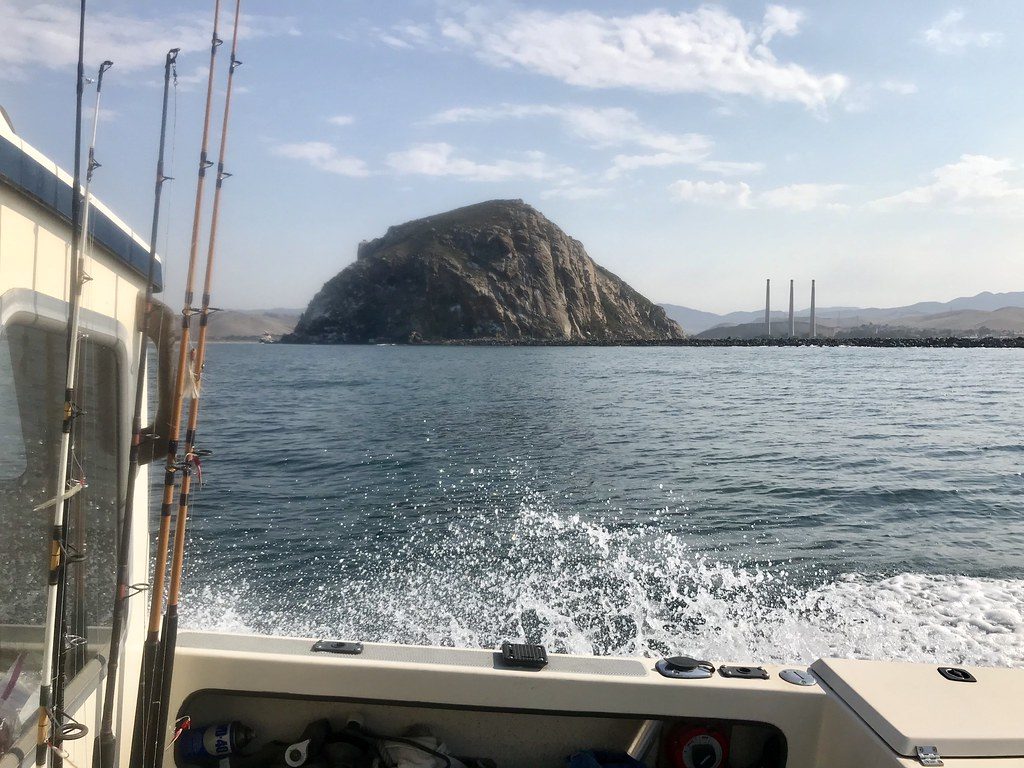
    Rockfishing, Morro Bay, CA” by – Adam Reeder – is licensed under CC BY-NC 2.0

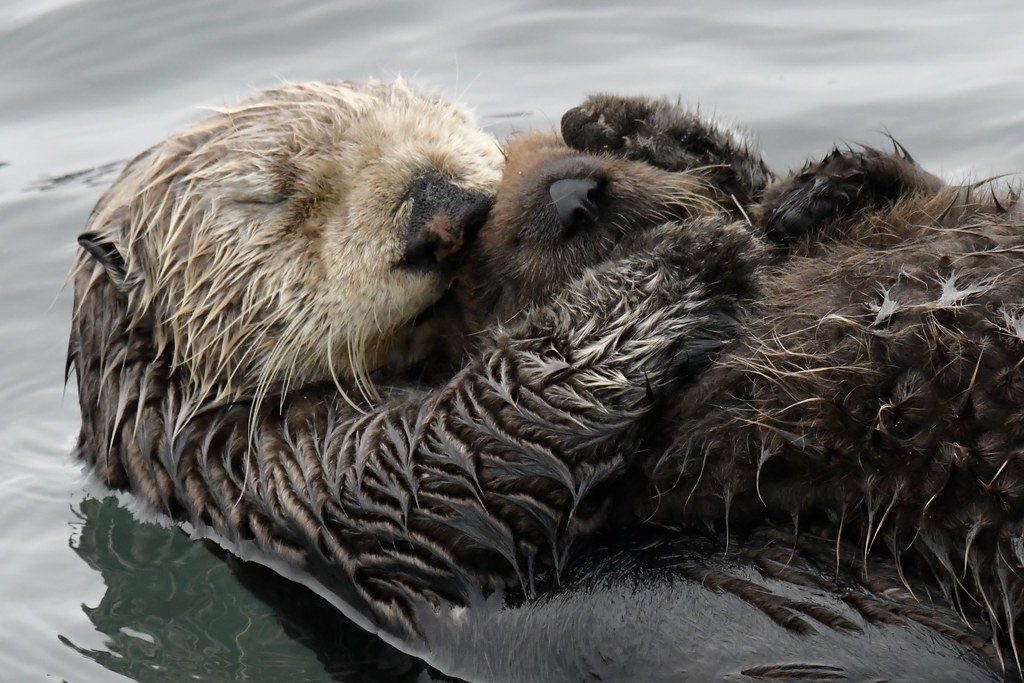
    A sea otter mother was recently seen floating on her back while holding her newborn pup close in Morro Bay, California. The touching scene quickly spread online because it showed the gentle care that sea otter mothers give their babies from the very first moments of life. The tiny pup rested safely on its mother’s chest while she kept it warm and protected.

    Morro Bay is one of the best places in California to see southern sea otters in the wild. The calm water, rich food supply, and protected habitat make it an important nursery for mothers raising young pups. Wildlife experts often watch the bay during pupping season because healthy births are a positive sign for the recovering population.

    How sea otter mothers care for their pups
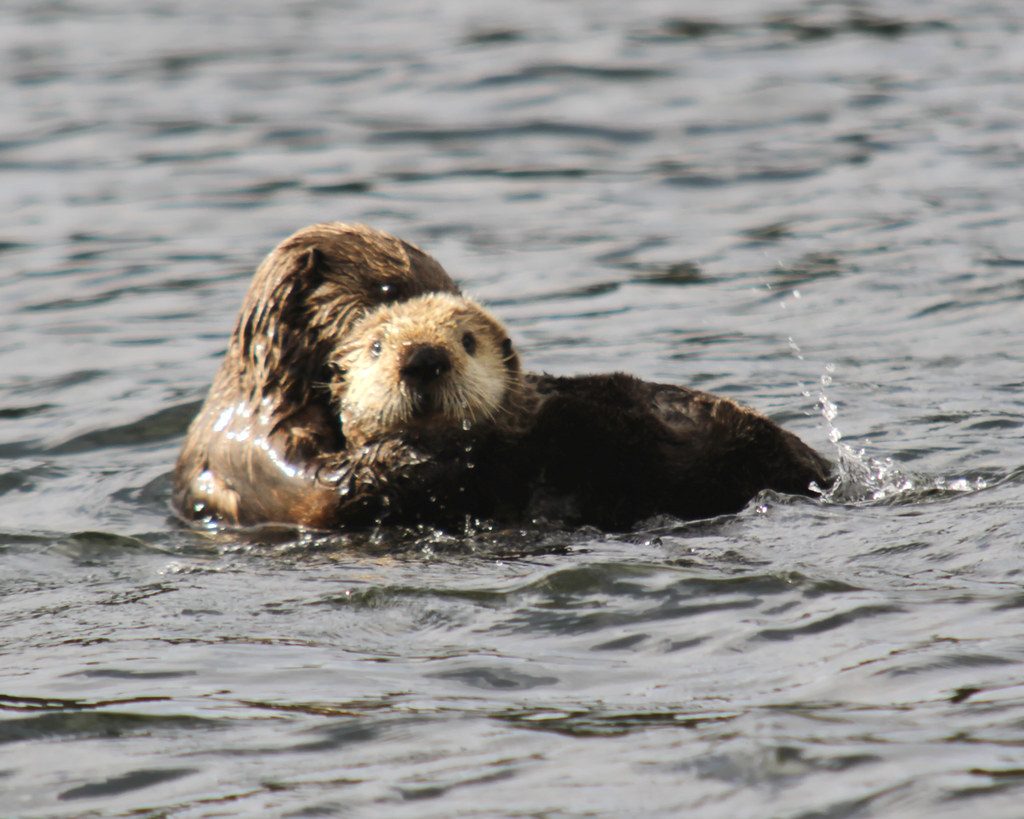
    Mother and baby sea otter” by Stephen Braund is licensed under CC BY-NC-SA 2.0

    Sea otter mothers are fully responsible for raising their babies. Unlike many other mammals, fathers do not help care for the young. A newborn pup depends on its mother for food, warmth, protection, and learning important survival skills during its first several months of life.

    Newborn sea otters are born with fluffy fur that traps air, allowing them to float on the water’s surface. Because of this thick coat, they cannot dive underwater at first. Mothers often place their pups on their chest or wrap them in floating kelp while they dive to find food. They also spend many hours grooming the pup to keep its fur clean and waterproof.

    Why Morro Bay is important for sea otters
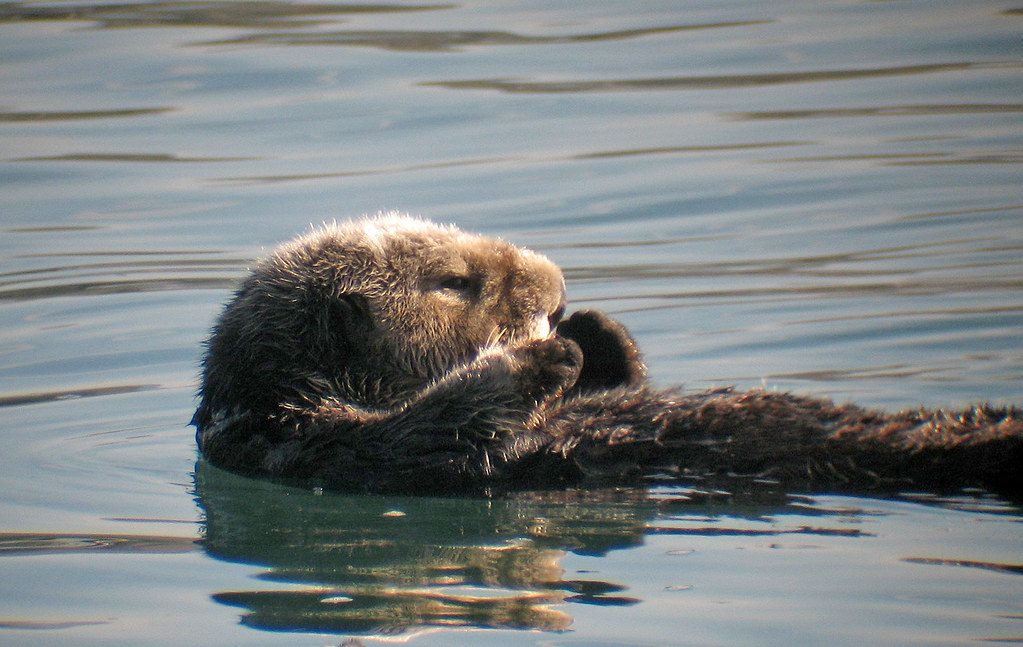
    Sea Otter” by K Schneider is licensed under CC BY-NC 2.0

    Morro Bay has become one of the most important homes for southern sea otters along California’s Central Coast. The bay contains eelgrass beds, kelp, shellfish, crabs, and other food that help support both adult otters and growing pups. The protected waters also offer shelter from rough ocean waves.

    Southern sea otters nearly disappeared during the fur trade in the 18th and 19th centuries. Conservation efforts have helped the population slowly recover, but the species remains threatened. Every successful birth in places like Morro Bay is valuable because each pup helps strengthen the future population.

    The challenges newborn sea otters face
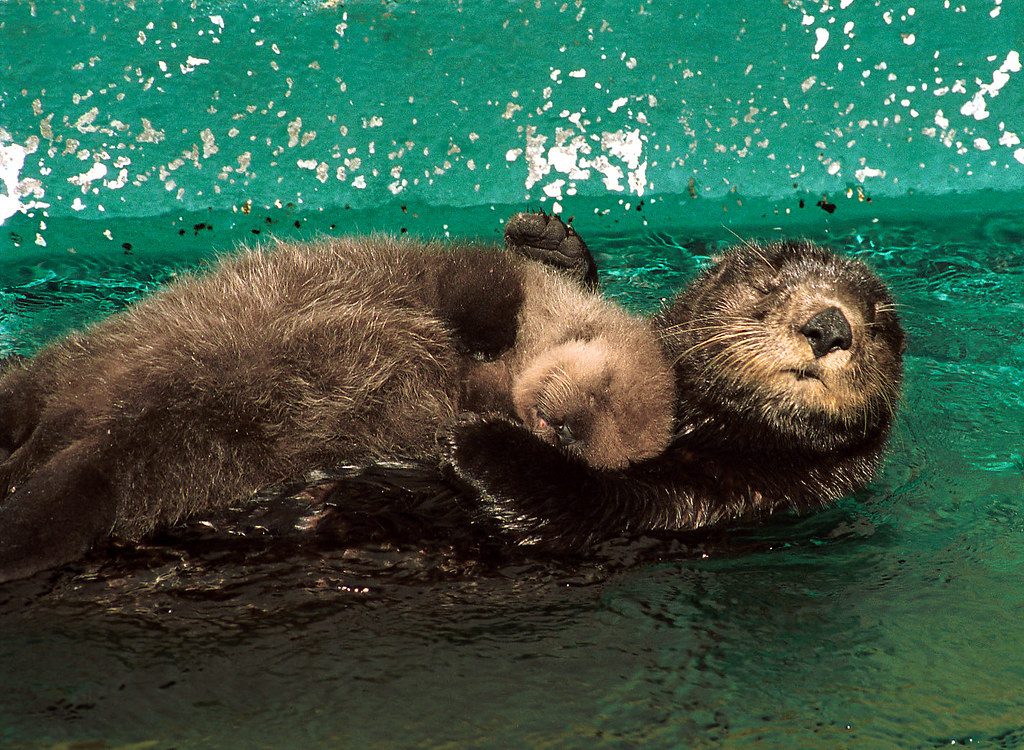
    Mother and baby otter at Seattle Aquarium, 2002” by Seattle Municipal Archives is licensed under CC BY 2.0

    Even with a caring mother, life is not easy for a young sea otter. Storms, strong currents, predators, disease, pollution, and food shortages can all threaten a pup’s survival. If a pup becomes separated from its mother, its chances of surviving in the wild drop sharply because it cannot yet feed or care for itself.

    Wildlife rescue teams have successfully reunited separated pups with their mothers in Morro Bay by carefully locating the mother and allowing the pair to reconnect naturally. These rescues are uncommon, but they show how trained experts can sometimes help without disrupting natural behavior when a young pup is truly in danger.

    Sea otters play a big role in the ocean

    brown and black seal in water
    Photo by mana5280 on Unsplash

    Sea otters do much more than delight visitors. They are considered a keystone species because they help keep coastal ecosystems balanced. They eat sea urchins, crabs, mussels, and other shellfish, preventing some prey species from growing out of control.

    When sea otters keep sea urchin numbers in check, kelp forests stay healthier. Healthy kelp forests provide food and shelter for fish, birds, and many other marine animals. They also help protect coastlines from wave damage and store carbon, making them valuable for both wildlife and people.

    Why people should admire sea otters from a distance
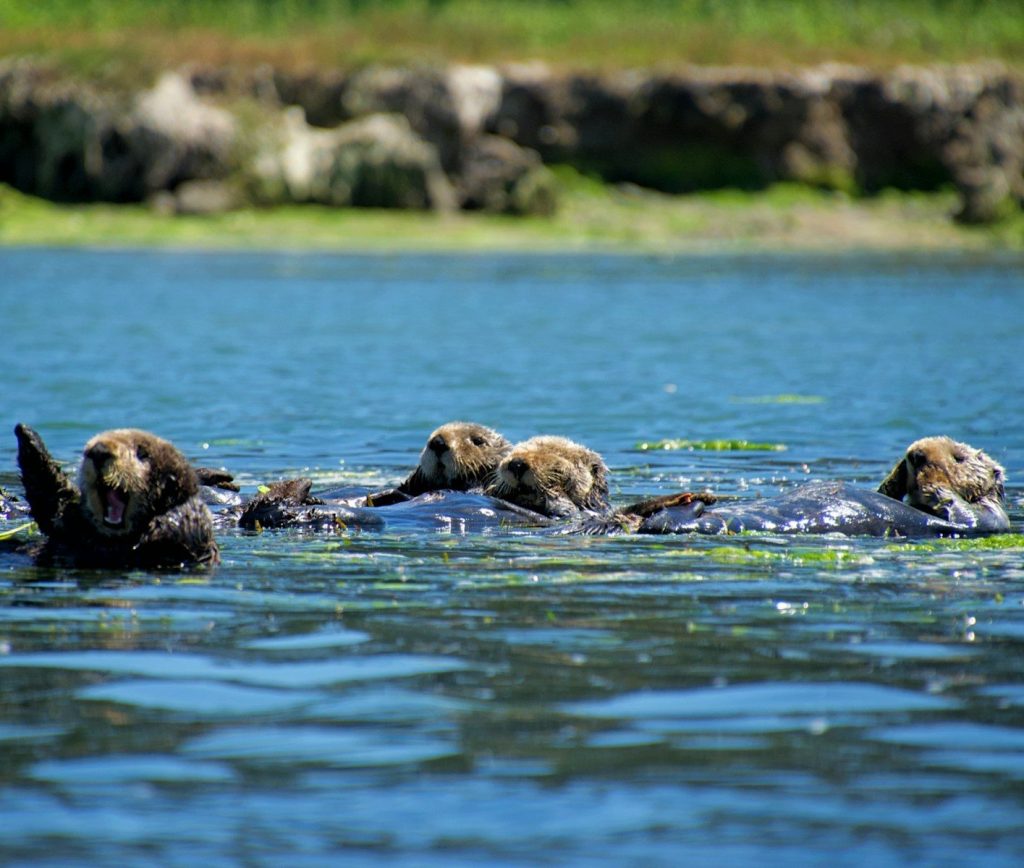
    Sea otters are floating together in the water.
    Photo by Joss Woodhead on Unsplash

    Watching a mother and newborn pup is exciting, but wildlife experts remind visitors to give sea otters plenty of space. Getting too close with boats, kayaks, drones, or people on shore can stress the animals and interrupt feeding or nursing. Disturbing a mother may even increase the risk of separation from her pup.

    People visiting Morro Bay can help by observing quietly from a safe distance, following local wildlife rules, and reporting injured or stranded marine mammals to trained rescue organizations instead of trying to help on their own. Responsible viewing helps keep these remarkable animals safe for future generations.
  • A rare seal attack led to a scientist’s tragic death in Antarctica

    A rare seal attack led to a scientist’s tragic death in Antarctica

    A rare seal attack in Antarctica shocked the scientific world when an experienced marine biologist lost her life during a research dive. The tragedy remains the only confirmed human death caused by a leopard seal, making it one of the most unusual wildlife incidents ever recorded in Antarctica. While leopard seals are powerful predators, attacks on people are extremely uncommon.

    This article explains what happened, why scientists believe the attack occurred, how leopard seals normally behave, and how the event changed safety practices for researchers working in Antarctica.

    The tragic incident at Rothera Research Station

    A woman snorkeling with a school of fish
    Photo by Zunnoon Ahmed on Unsplash

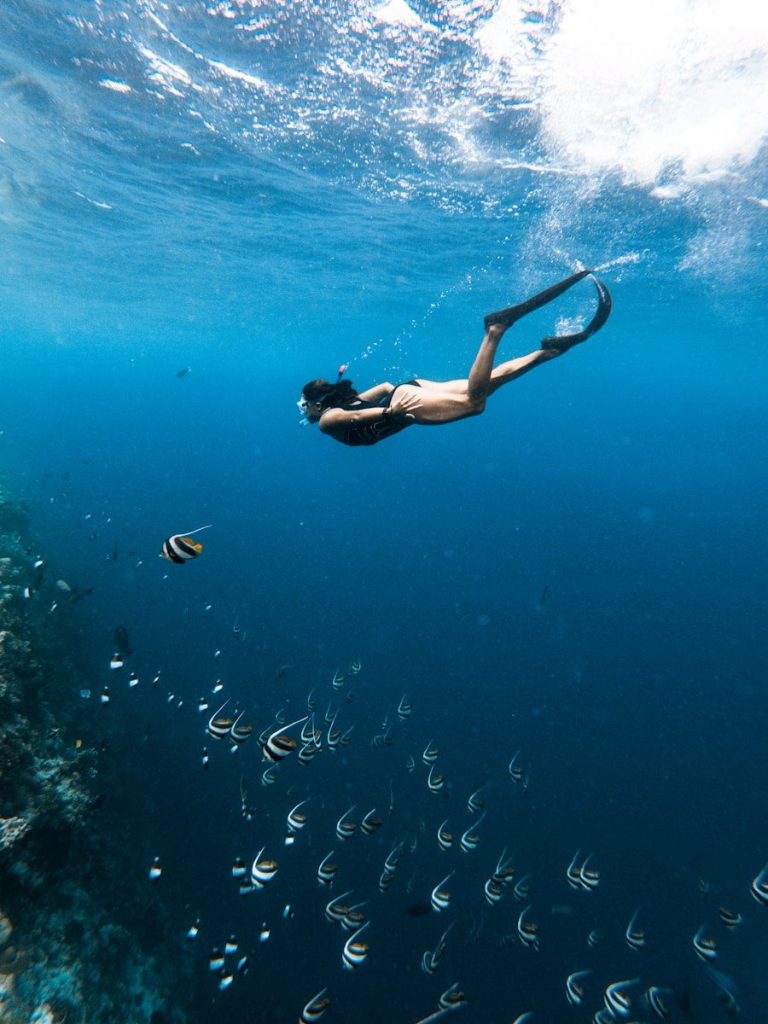
    On July 22, 2003, 28-year-old British marine biologist Kirsty Brown was snorkeling near Rothera Research Station on the Antarctic Peninsula. She was studying marine life close to shore when a leopard seal suddenly attacked and pulled her underwater. Her research partner and nearby teammates responded immediately, launching a rescue within moments.

    Brown was brought back to the surface, and medical staff performed CPR for about an hour. Despite their efforts, she could not be revived. The incident became the first and only confirmed fatal leopard seal attack on a human, making it one of the rarest wildlife accidents ever recorded in Antarctica.

    Why leopard seals can be dangerous

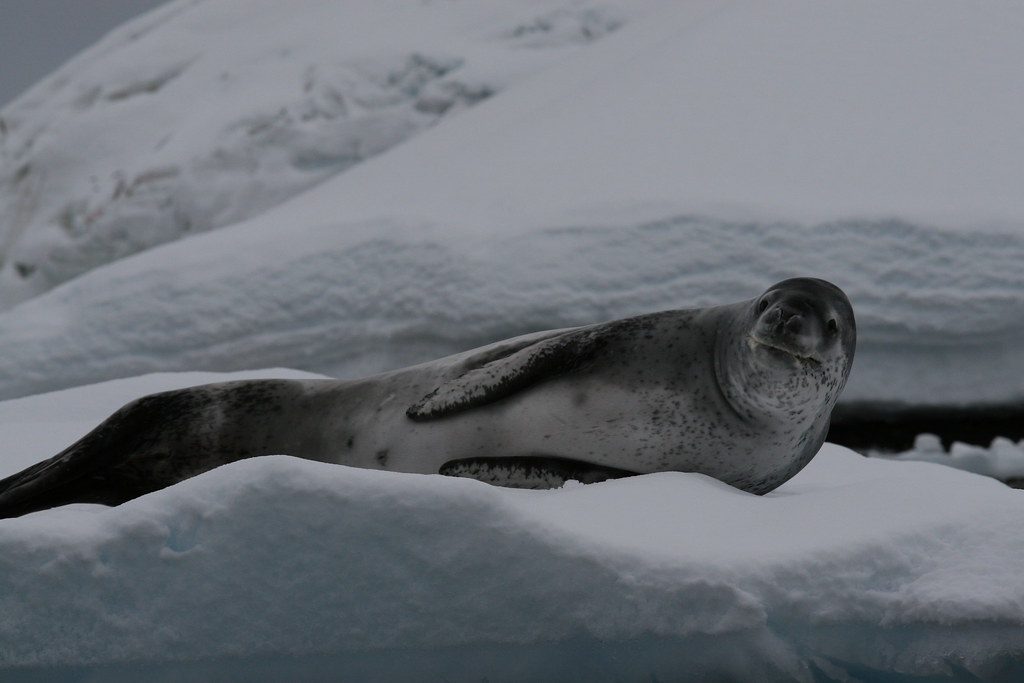
    Leopard seal” by xeno_sapien is licensed under CC BY-NC 2.0

    Leopard seals are the second-largest seal species in Antarctica, growing up to about 12 feet long and weighing more than 1,000 pounds. They are top predators that hunt penguins, fish, squid, and even other seals. Their large jaws, long teeth, and strong bodies make them highly effective hunters in icy waters.

    Even though they are powerful, leopard seals rarely attack humans. Most encounters involve curious animals that swim close to divers or boats without becoming aggressive. Scientists have recorded only a handful of attacks over many decades, and Brown’s death remains the only confirmed fatal case.

    What scientists believe happened

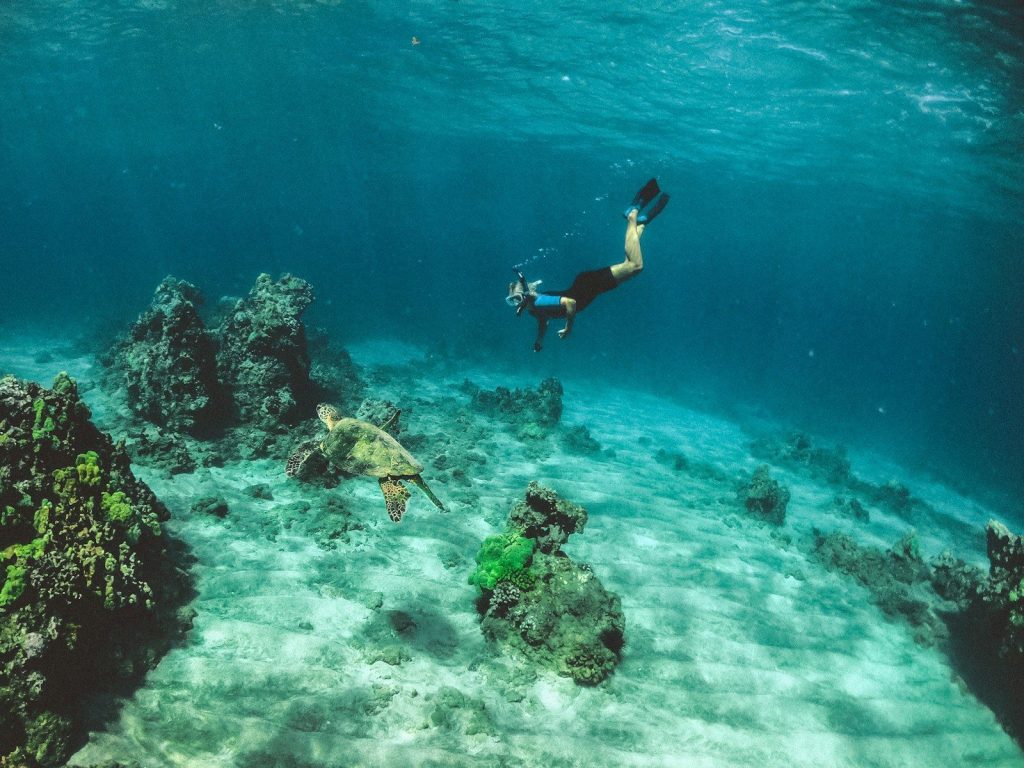
    man in blue shorts diving on water
    Photo by Subtle Cinematics on Unsplash

    The exact reason for the attack will never be known with certainty. Experts suggested the seal may have mistaken Brown for natural prey because she was snorkeling at the water’s surface. Another possibility is that the seal reacted defensively after being surprised by a person entering its hunting area.

    Investigators found that the seal held Brown underwater for several minutes, causing her to drown. She also suffered multiple bite and scratch injuries, mostly around her head and neck. The official investigation ruled her death accidental, with drowning caused by the leopard seal attack.

    How this changed Antarctic research

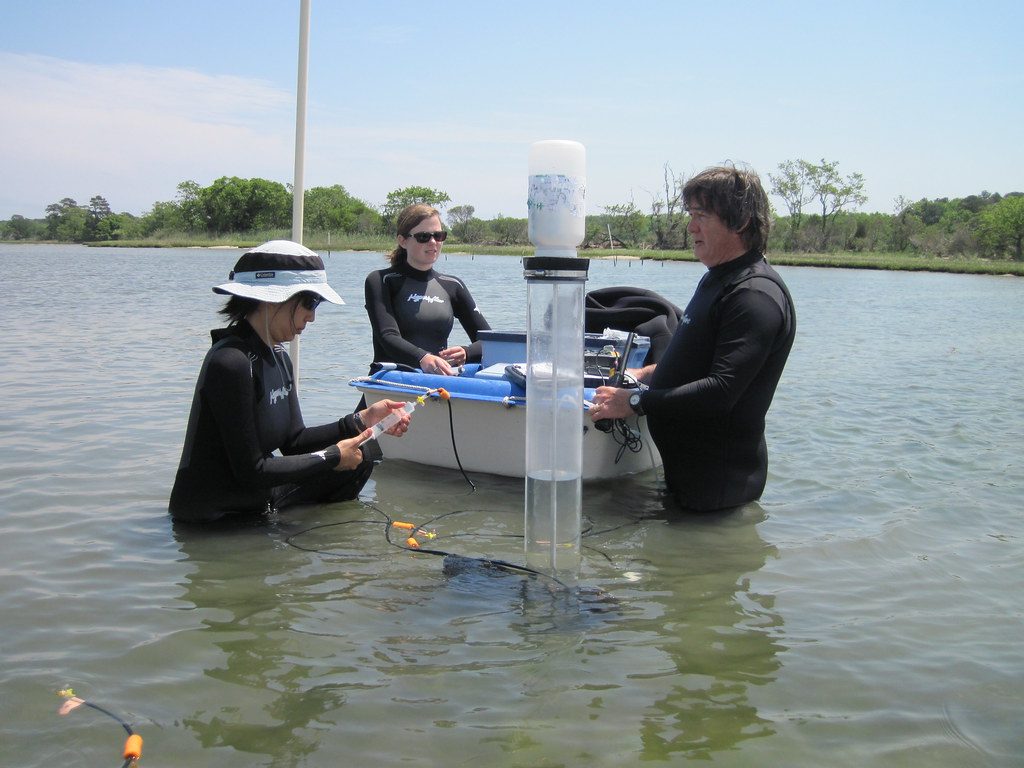
    Marine Scientist Jennifer Stanhope, VASG Graduate Research Fellow Annie Murphy, and Mark Luckenbach take water samples from the cores over the course of the day to measure the nutrient concentrations in the water. ©Margaret Pizer/VASG” by Virginia Sea Grant is licensed under CC BY-ND 2.0

    The tragedy led Antarctic research organizations to review their safety procedures for diving and snorkeling. Scientists now pay even closer attention to wildlife activity before entering the water, especially in areas where leopard seals are known to hunt.

    Research teams also improved emergency planning, communication, and rescue procedures. Divers often work with dedicated surface support teams and carefully assess animal behavior before beginning underwater surveys. These measures are designed to reduce risk while allowing important scientific work to continue.

    Understanding leopard seal behavior

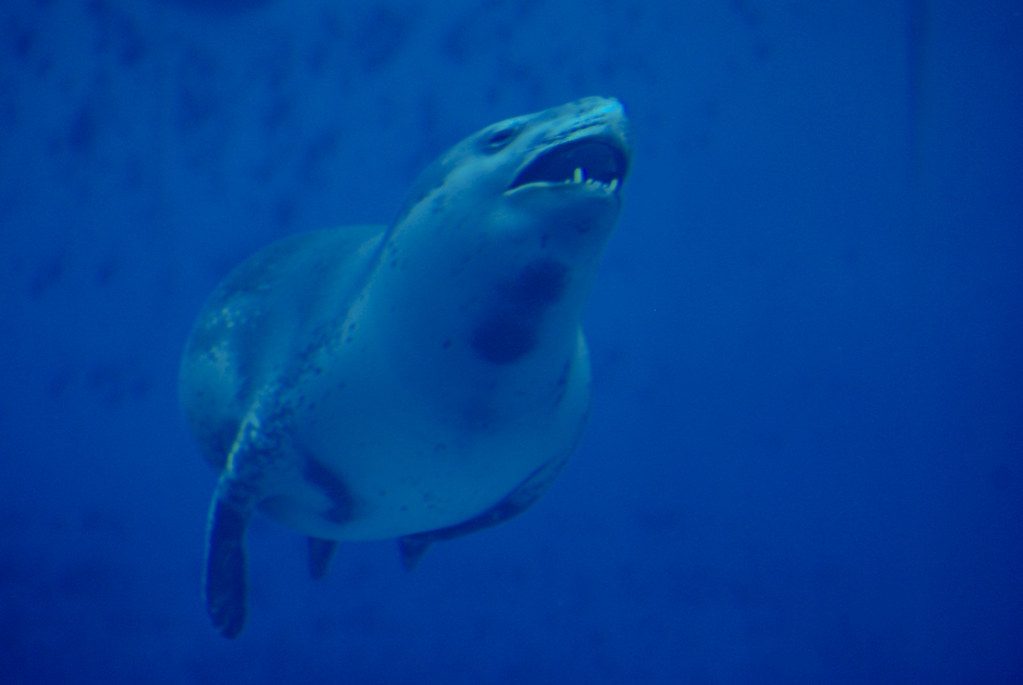
    Leopard Seal” by AegirPhotography is licensed under CC BY-NC 2.0

    Leopard seals spend much of their lives alone, patrolling the icy waters around Antarctica. They are intelligent, curious animals that sometimes approach divers without showing signs of aggression. Wildlife photographers have even reported peaceful encounters lasting several minutes.

    Still, scientists remind people that leopard seals are wild apex predators. Like polar bears or great white sharks, they deserve caution and respect. Most experts agree that Brown’s death was an extraordinary event rather than normal leopard seal behavior.

    The lasting impact of Kirsty Brown’s story

    iceberg
    Photo by Annie Spratt on Unsplash

    Kirsty Brown was remembered as a talented scientist with a promising career studying Antarctic marine ecosystems. Her work focused on how icebergs affect life on the seafloor, an important area of research for understanding Antarctic environments. An island near Rothera Research Station was later named Kirsty Island in her honor.

    Her story continues to remind researchers that even the most experienced professionals face risks when working in remote natural environments. It also highlights the importance of balancing scientific discovery with careful wildlife safety, especially in one of Earth’s most extreme places.

  • 4-ton elephant seals clash in a brutal showdown

    4-ton elephant seals clash in a brutal showdown

    A 4-ton elephant seals clash is one of the most powerful wildlife battles on Earth. These giant marine mammals can shake an entire beach as they slam into each other with incredible force. While the fight may look shocking, it is a natural part of life during the breeding season. Strong males battle to earn the right to control a beach and mate with females.

    This article explains why elephant seals fight, how these huge animals use their size and strength, what happens during these intense contests, and why most battles end without death. By the end, you will better understand one of nature’s most dramatic displays of power.

    Why elephant seals fight

    a seal on a beach with people in the background
    Photo by Y S on Unsplash

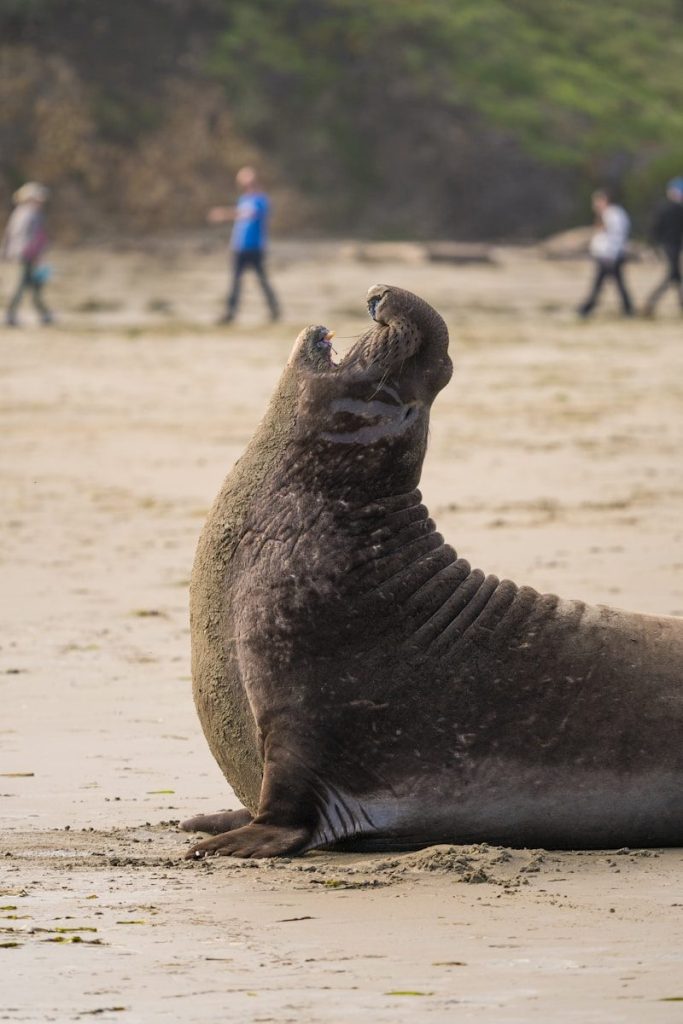
    Male elephant seals gather on breeding beaches before the females arrive. Their first goal is not to find food but to claim the best territory. A strong male that controls part of the beach has the best chance of breeding, so competition is fierce from the very beginning.

    These fights are driven by reproduction rather than anger. The largest and most experienced males often become “beachmasters,” guarding groups of females called harems. Younger or weaker males challenge them, hoping to take over or find an opening to breed.

    How giant bulls battle each other

    Elephant seal fight.” by Malingering is licensed under CC BY-NC-ND 2.0

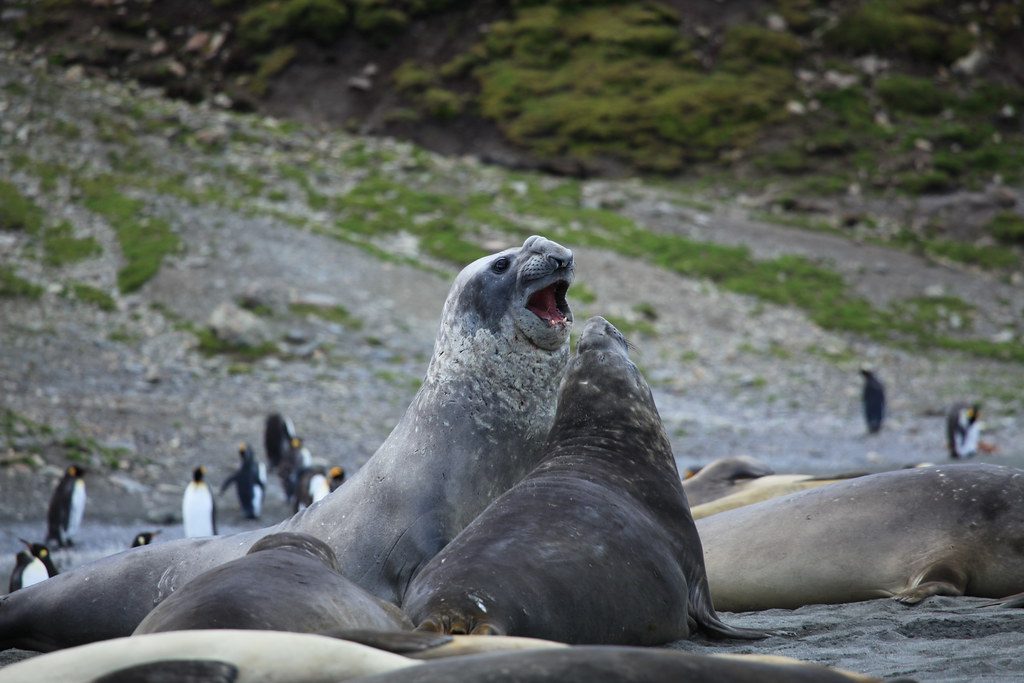
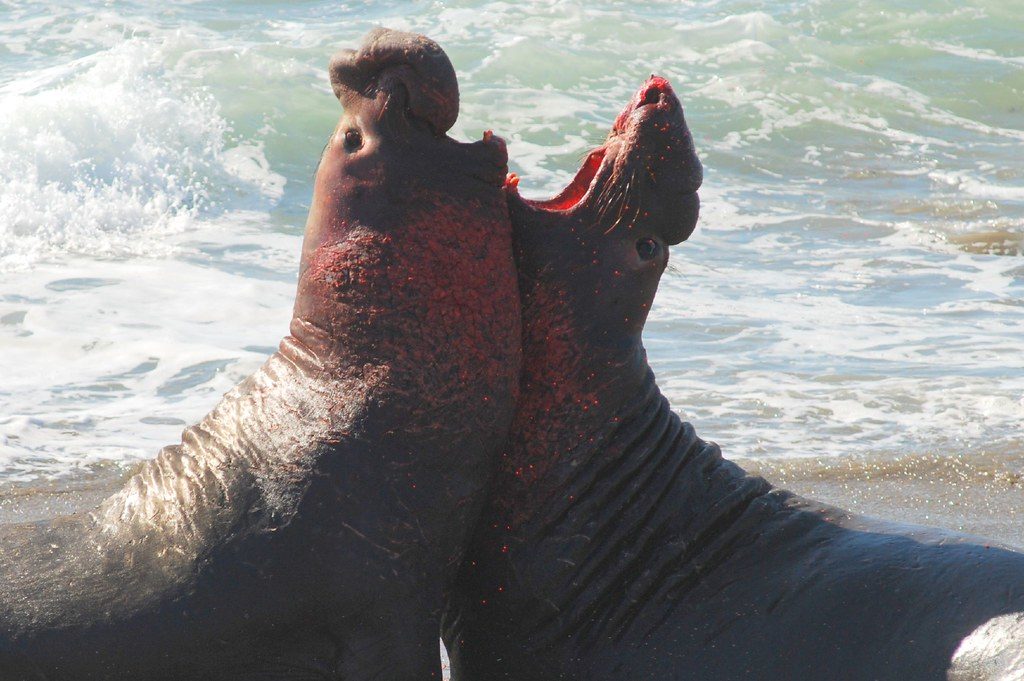
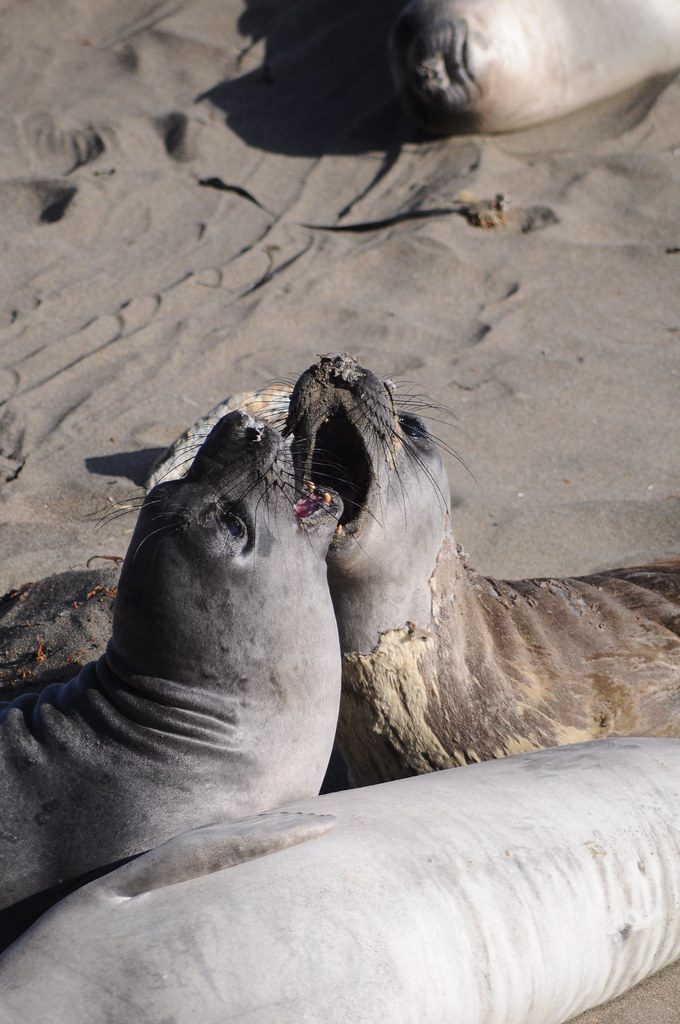
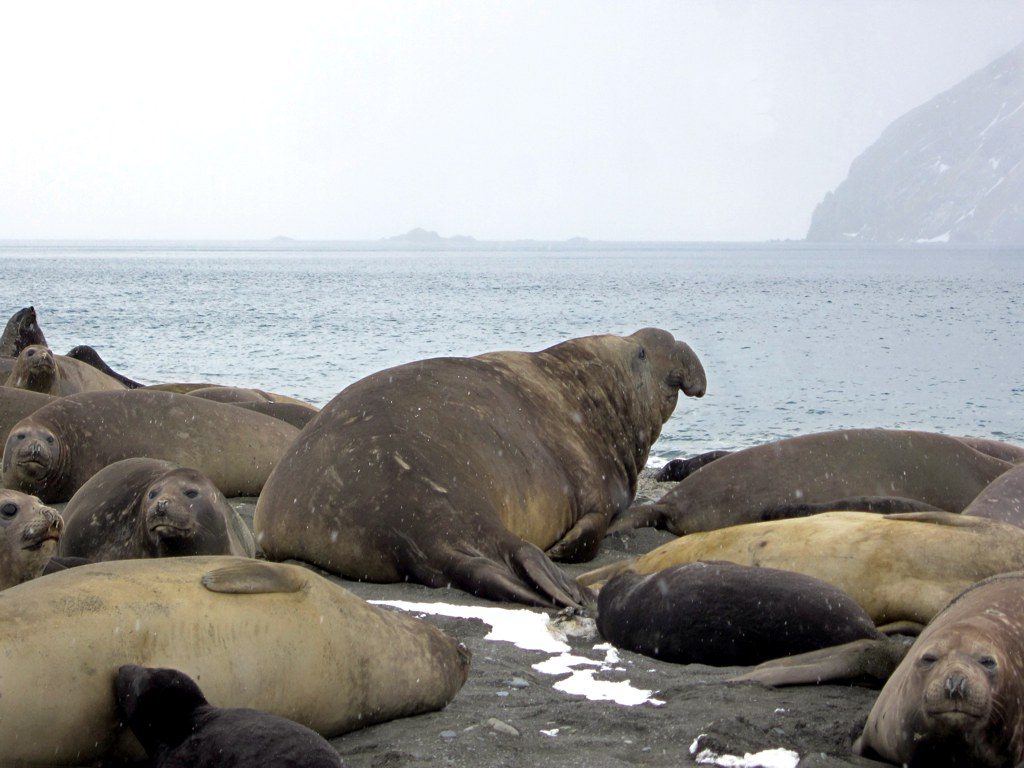
    Adult male southern elephant seals can weigh close to 4 tons, making them the largest living seals in the world. During a fight, the rivals raise the front half of their bodies, roar loudly, inflate their large noses, and crash their chests together before biting with sharp canine teeth.

    The thick skin around a male’s neck and chest acts like natural armor, helping protect vital areas from deep bites. Even with this protection, battles often leave both animals covered in cuts, blood, and scars that can last for years.

    Size often decides the winner

    Elephant Seal Fight” by Photomatt28 is licensed under CC BY-NC-ND 2.0

    Body size plays a huge role in elephant seal battles. Larger males usually have greater strength, more experience, and better endurance. Their deep calls and confident displays can even convince smaller rivals to back away before a serious fight begins.

    Scientists have also found that male elephant seals recognize the unique calls of rivals they have fought before. This helps many seals avoid dangerous fights they are unlikely to win, saving valuable energy during the breeding season when males may fast for several months.

    Life as a beachmaster

    Elephant Seals fighting, King Edward Point, South Georgia” by size4riggerboots is licensed under CC BY-ND 2.0

    Winning a fight is only the beginning. A beachmaster must stay alert every day because other males constantly look for a chance to take over. The dominant bull spends much of his time roaring, chasing rivals, and protecting the females in his territory.

    This demanding job comes at a cost. During the breeding season, dominant males usually do not eat. Instead, they survive on stored body fat while defending their position. By the time the season ends, they may have lost a large amount of body weight.

    The dangers of these massive clashes

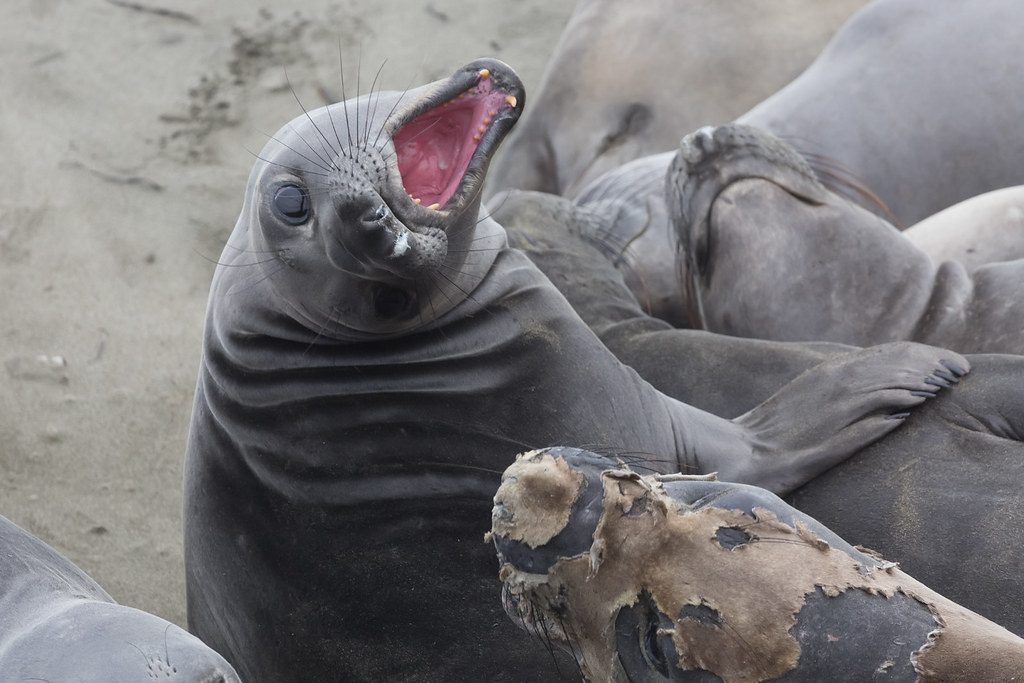
    Baby Elephant Seals Fighting” by Amaury Laporte is licensed under CC BY-NC 2.0

    Although elephant seal fights are natural, they can be extremely violent. Deep bite wounds, torn skin, and heavy bleeding are common. Most defeated males escape before injuries become fatal, but some suffer infections or severe wounds that affect them later.

    Young pups can also face danger if fighting bulls charge through crowded breeding beaches. Mothers try to protect their young, but the sheer size of battling males means accidents can happen during these chaotic moments.

    Why these battles matter for the species

    Elephant Seals” by D-Stanley is licensed under CC BY 2.0

    These contests are an important part of natural selection. Strong, healthy males are more likely to win breeding rights, passing their genes to the next generation. This process has helped elephant seals remain well adapted to life in some of the world’s harshest marine environments.

    Despite their fierce behavior on land, elephant seals spend most of their lives at sea. They are remarkable divers that can travel thousands of miles, dive to great depths, and stay underwater for more than an hour while hunting fish, squid, and other prey. Their dramatic beach battles are only a small part of their extraordinary lives.

  • Rare images show America’s elusive mini-canid is still alive

    Rare images show America’s elusive mini-canid is still alive

    Have you ever wondered if a rare animal could disappear for years and then suddenly return? That is exactly what happened when rare images showed America’s elusive mini-canid is still alive. The discovery has excited wildlife experts because the tiny Cozumel dwarf fox had not been confirmed alive for more than 20 years. For many people, the animal was close to becoming a forgotten mystery.

    Now, these photographs have given scientists fresh hope and a new reason to protect one of North America’s rarest wild canids. In this article, you will learn what makes this fox so special, why it vanished from view, and why its future still depends on urgent conservation.

    The rare discovery surprised scientists

    A solitary wild fox sits alert in a lush green field, blending with nature.
    Photo by Rajukhan Pathan on Pexels

    The first confirmed photographs of the Cozumel dwarf fox came after researchers responded to reports of a small fox wandering near a road on Cozumel Island, Mexico. Although the pictures were taken in 2023, they were only recently published as part of a scientific study. Before this, the last confirmed sighting dated back to 2001, making the new images an important milestone for wildlife conservation.

    The fox was safely captured for a health check before being released into the protected Laguna Colombia State Reserve. Scientists say this is the first time the animal has ever been photographed, giving researchers valuable proof that the tiny population still survives in the wild.

    Why this fox is so unusual

    Side profile of an island fox in its natural habitat, Sopo, Colombia.
    Photo by Juan Felipe Ramírez on Pexels

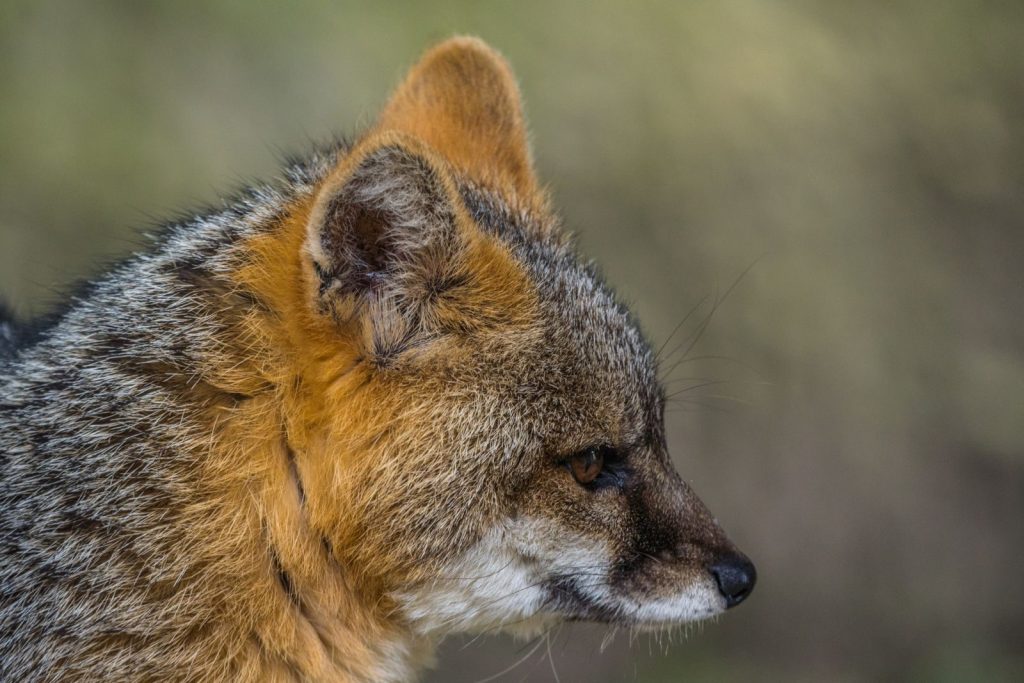
    The Cozumel dwarf fox is much smaller than the mainland gray fox. Experts believe it became smaller through a process called island dwarfism. Over thousands of years, animals living on isolated islands often evolve into smaller versions because food and space are limited.

    Researchers estimate that the Cozumel dwarf fox is only about 60% to 80% the size of its mainland relative. It has large ears, a long bushy tail, and gray, golden, and white fur. Despite its unique appearance, scientists still do not know if it is a separate species or a distinct population of the gray fox.

    Why the fox disappeared for so long

    Peaceful dirt trail through a lush coniferous forest, perfect for hiking and nature exploration.
    Photo by Lauri Poldre on Pexels

    One reason the fox remained hidden is that very little research has ever been done on it. Scientists have never completed a full population survey, and most earlier evidence came from ancient animal remains found at Maya archaeological sites rather than living animals.

    The island’s forests are also difficult to study, making sightings extremely rare. Because so few people knew the fox existed, it quietly disappeared from public attention. The latest discovery reminds experts that some species can come close to extinction without the world noticing.

    The biggest threats facing the species

    Destruction in Mocoa, Colombia due to natural disaster. Damaged structures and debris.
    Photo by Franklin Peña Gutierrez on Pexels

    Finding one healthy fox does not mean the species is safe. Scientists believe the Cozumel dwarf fox is still critically endangered because its population may be very small and limited to the southern part of the island.

    Habitat loss, expanding development, invasive animals, road traffic, and natural disasters all threaten its survival. Hurricanes can also damage the island’s forests, leaving wildlife with fewer places to live and find food. Until researchers know how many foxes remain, protecting them will remain a major challenge.

    What happens next for conservation

    A surveillance camera mounted on a post against a modern urban building in a city setting.
    Photo by Mads Thomsen on Pexels

    Researchers are now working to learn much more about the mysterious fox. Camera trap surveys are being expanded across Cozumel to discover where the animals live and estimate how many still survive.

    Scientists also hope to study the fox’s DNA to determine whether it should officially be recognized as a separate species. Better information will help conservation groups create stronger protection plans and preserve the habitats that these rare animals depend on.

    Why this rediscovery matters

    Mirror reflection of a photographer capturing rural scenery through car mirror.
    Photo by Mehin Qehremanzade on Pexels

    The rediscovery is more than an exciting wildlife story. It shows that rare animals can survive even after decades without confirmed sightings. At the same time, it reminds people that many species may disappear before scientists fully understand them.

    The first photographs have created a second chance for the Cozumel dwarf fox. Whether that chance leads to recovery depends on continued research, habitat protection, and public support. The images are a hopeful beginning, but they are only the first step in protecting one of North America’s rarest wild canids.

  • Scientists reveal how this 2-ton shark launches seals into the air

    Scientists reveal how this 2-ton shark launches seals into the air

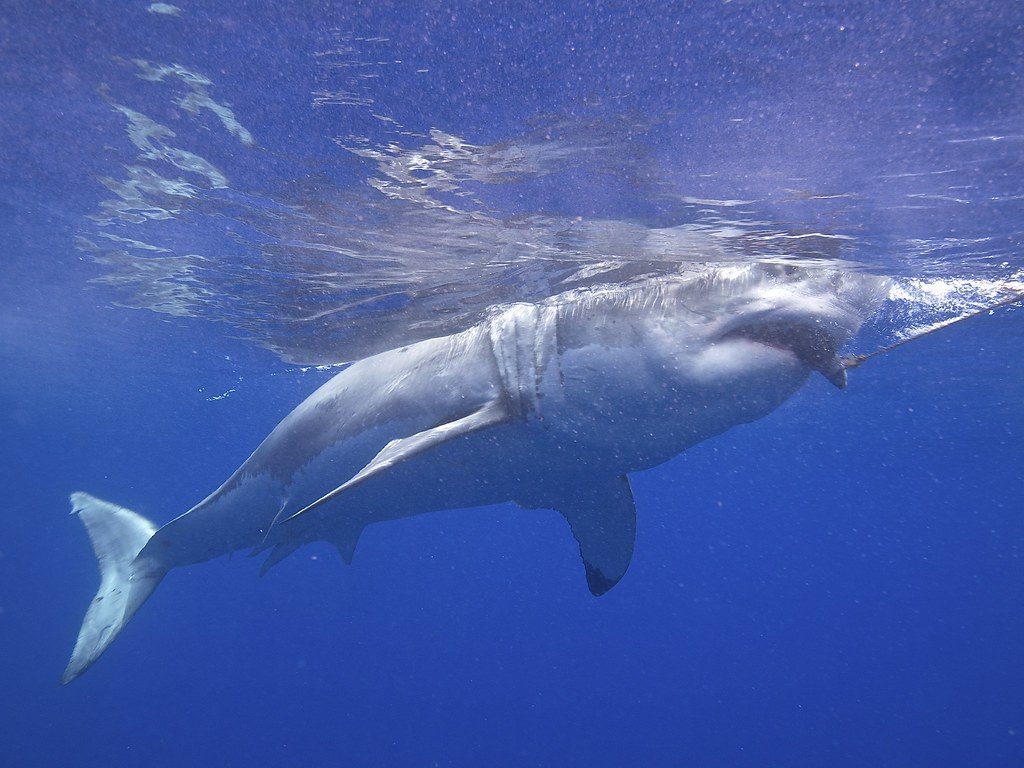
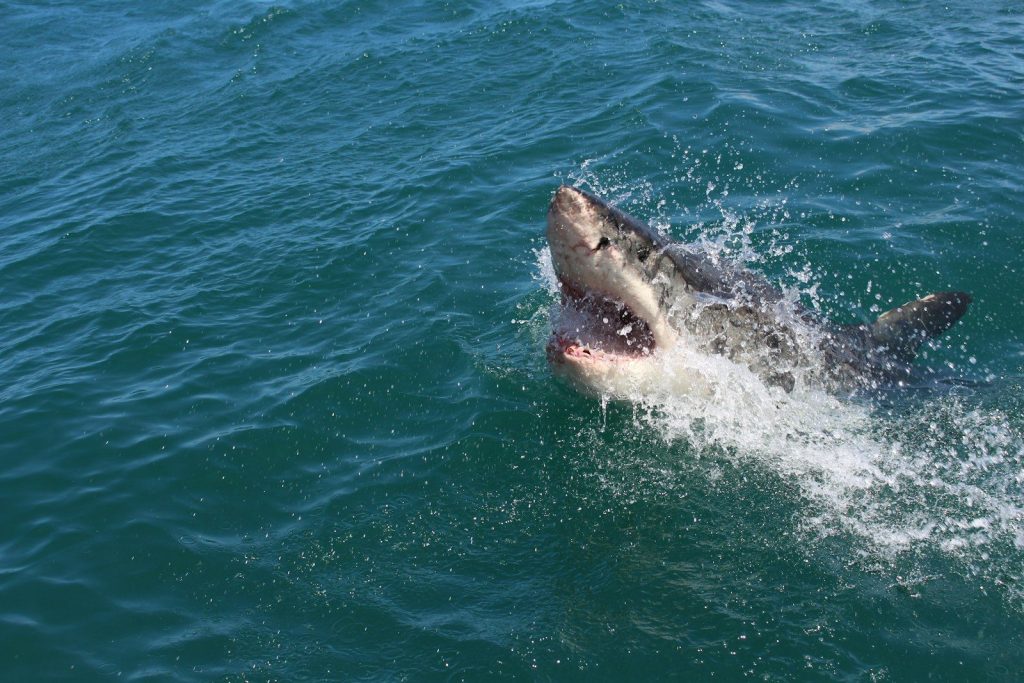
    Have you ever wondered how a giant shark can burst out of the ocean with enough force to send a seal flying through the air? Scientists have spent years studying this amazing hunting move, often called a breach. The great white shark, which can weigh around 2 tons, uses speed, surprise, and perfect timing to catch fast-moving seals.

    In this article, you’ll learn how these sharks build incredible power underwater, why they leap into the air, and what researchers have discovered about one of nature’s most dramatic hunting strategies. The facts below are based on observations from marine scientists and published research.

    Why great white sharks target seals

    Leopard Seal” by AegirPhotography is licensed under CC BY-NC 2.0

    Great white sharks hunt many kinds of prey, but adult sharks often prefer seals because they are rich in fat. That fat provides a large amount of energy, helping the sharks survive long periods between meals. This is especially important for large predators that travel long distances in the ocean.

    Young seals are often the main target because they are less experienced and easier to catch than healthy adults. Scientists have found that sharks usually attack from below, where they are harder for seals to see against the bright surface above.

    How sharks build enough speed

    Great White Shark” by Elias Levy is licensed under CC BY 2.0

    Before attacking, a great white shark may swim about 60 feet below the surface. It then points its body upward and powers forward with strong tail beats. This rapid climb creates enough speed for the shark to burst through the water while chasing a seal.

    Researchers using motion sensors and animal-mounted cameras found that these sharks carefully control their body angle during the attack. By aiming almost straight up, they can carry their momentum out of the water, sometimes launching both themselves and the seal into the air.

    Why seals are thrown into the air

    A sea lion gracefully jumps out of the ocean on a sunny day, showcasing wildlife energy.
    Photo by Lyon Peru on Pexels

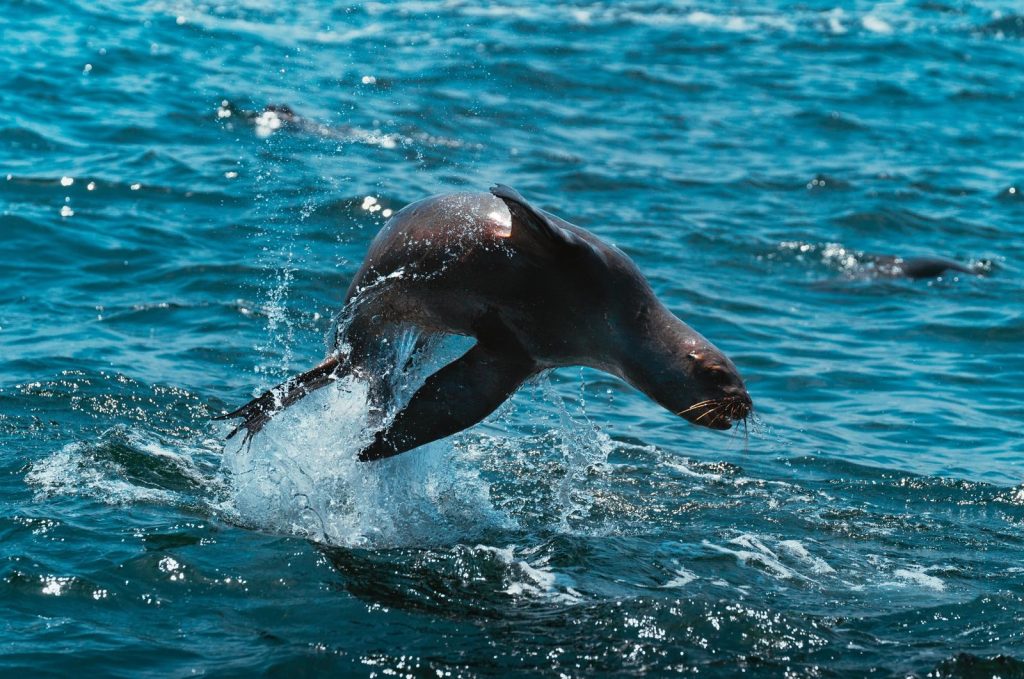
    The famous leap is not meant to impress anyone. It happens because the shark is already moving at very high speed when it strikes a seal near the surface. The force of the attack continues upward, causing the shark to leave the water, while the seal may also be thrown into the air.

    Scientists estimate that great white sharks can clear several feet above the ocean during these attacks. Even though the breach looks dramatic, it is simply the result of powerful swimming and the laws of motion.

    What scientists learned from new technology

    Marine Scientist Jennifer Stanhope, VASG Graduate Research Fellow Annie Murphy, and Mark Luckenbach take water samples from the cores over the course of the day to measure the nutrient concentrations in the water. ©Margaret Pizer/VASG” by Virginia Sea Grant is licensed under CC BY-ND 2.0

    For many years, researchers could only watch attacks from boats or the shoreline. Today, small cameras, GPS trackers, and motion sensors attached to sharks provide a much clearer view of what happens underwater before the breach.

    These tools revealed that sharks sometimes swim through kelp forests while hunting, something many scientists once believed they avoided. The recordings also showed that individual sharks may use different hunting paths depending on the environment.

    Why timing matters in a hunt

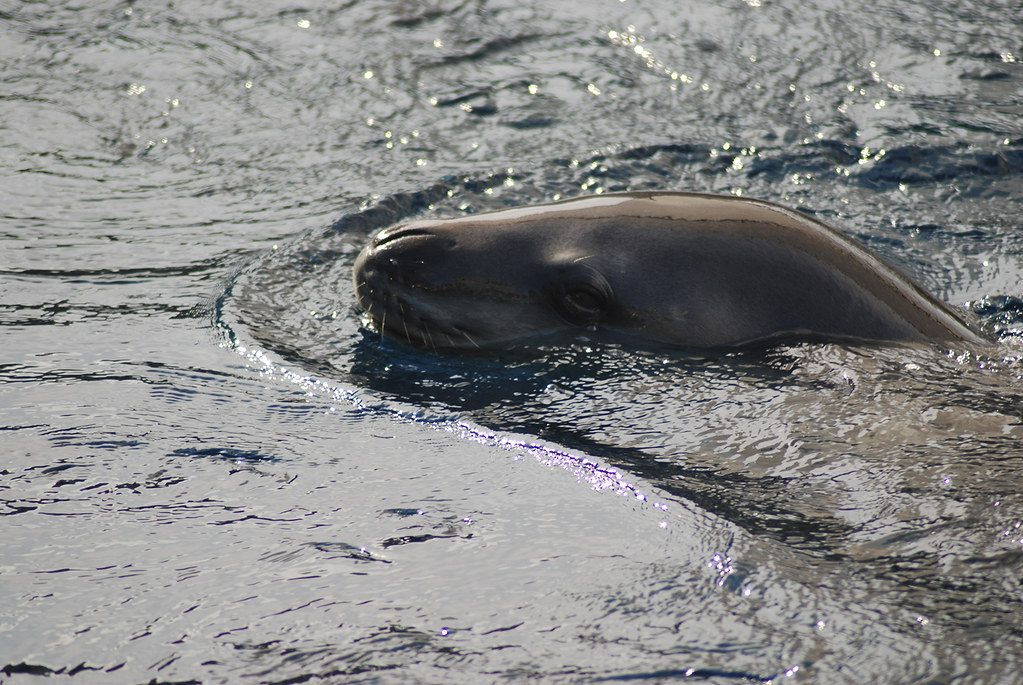
    A harbor seal gracefully swims in sunlit ocean waters, creating sparkling reflections.
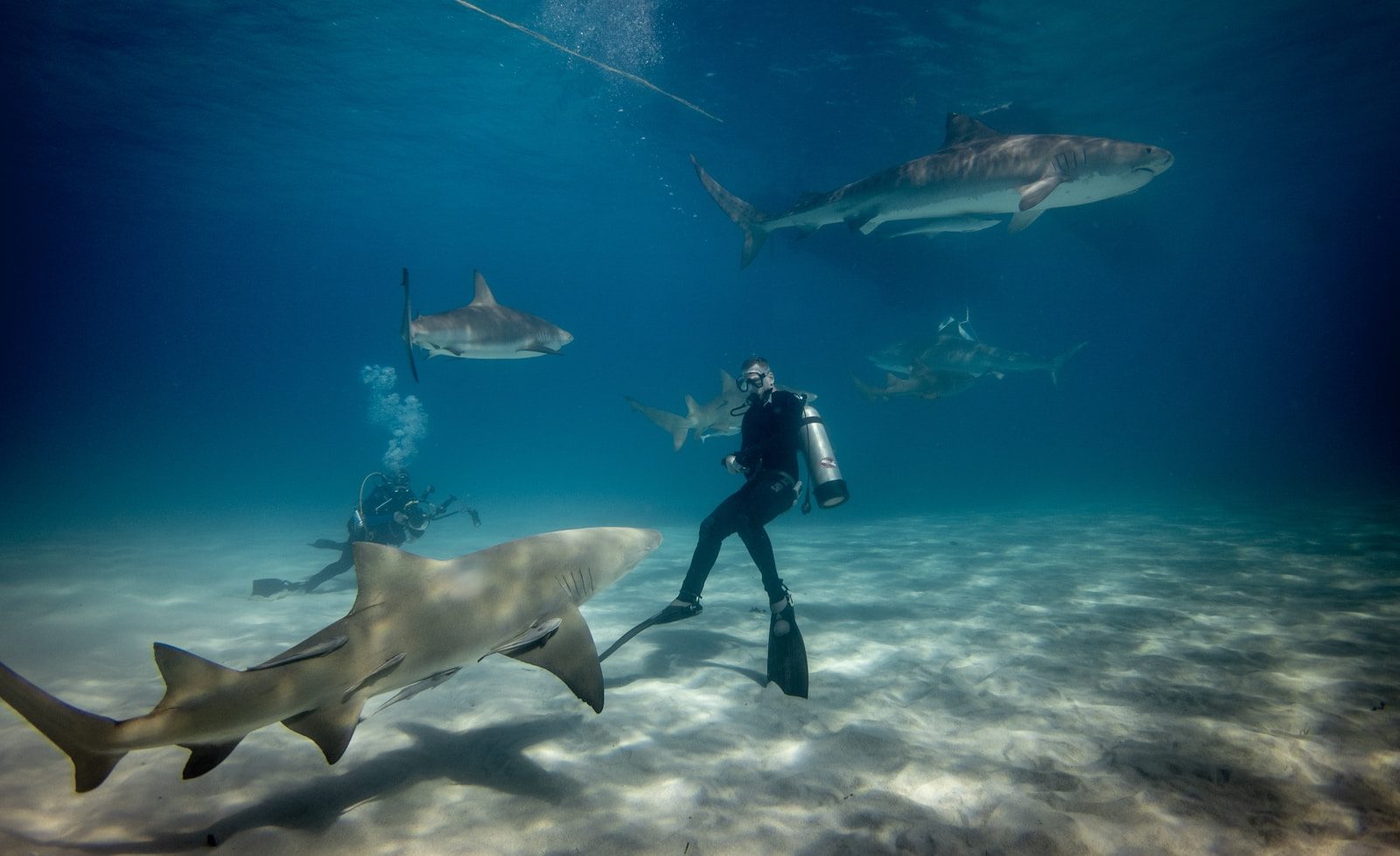
    Photo by Nishant Subedi on Pexels

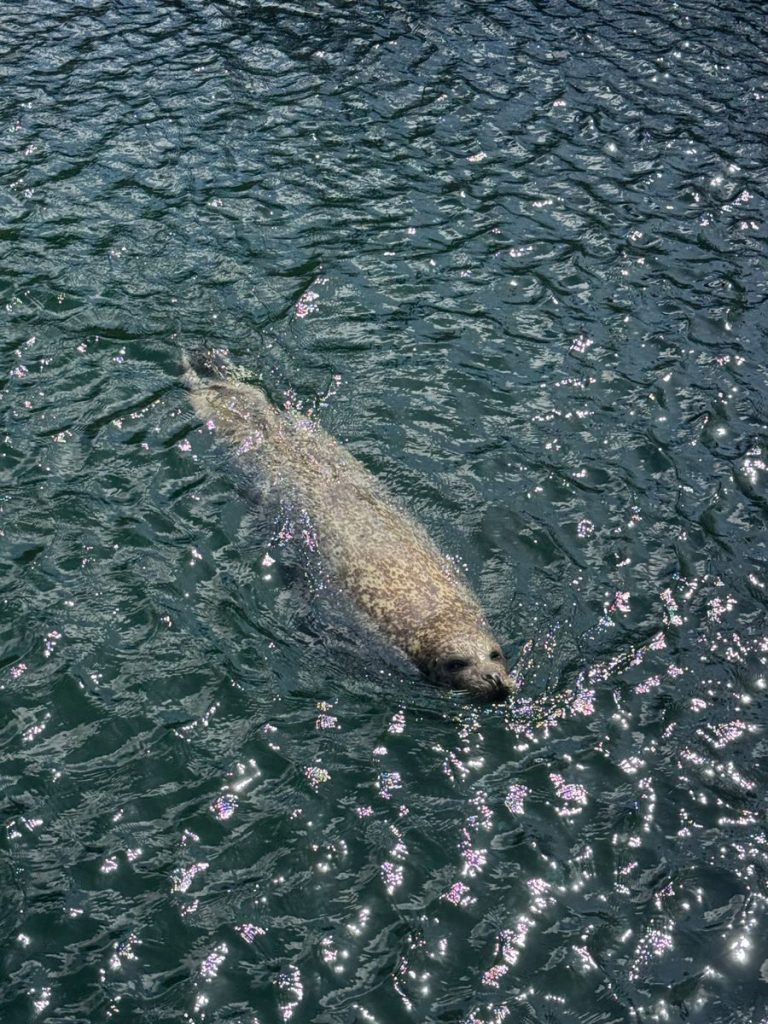
    Scientists have found that many seal attacks happen shortly after sunrise. At that time, the low light makes it harder for seals to spot a shark rising from below. This gives the predator a better chance of staying hidden until the last second.

    If the first strike misses, the seal often escapes by making quick turns and fast swims. The longer the chase continues, the lower the shark’s chance of making a successful catch because seals are more agile in open water.

    Why this research is important

    a group of people sitting around a white table
    Photo by UK Black Tech on Unsplash

    Learning how great white sharks hunt helps scientists better understand the balance of ocean ecosystems. Sharks play a key role by keeping marine animal populations healthy, making them an important part of the food web.

    The research also helps improve shark conservation. Great white sharks are considered vulnerable worldwide, so understanding their behavior can support better protection while helping people reduce unwanted encounters with these powerful animals.

  • Shark activity expected to rise this summer, scientists say

    Shark activity expected to rise this summer, scientists say

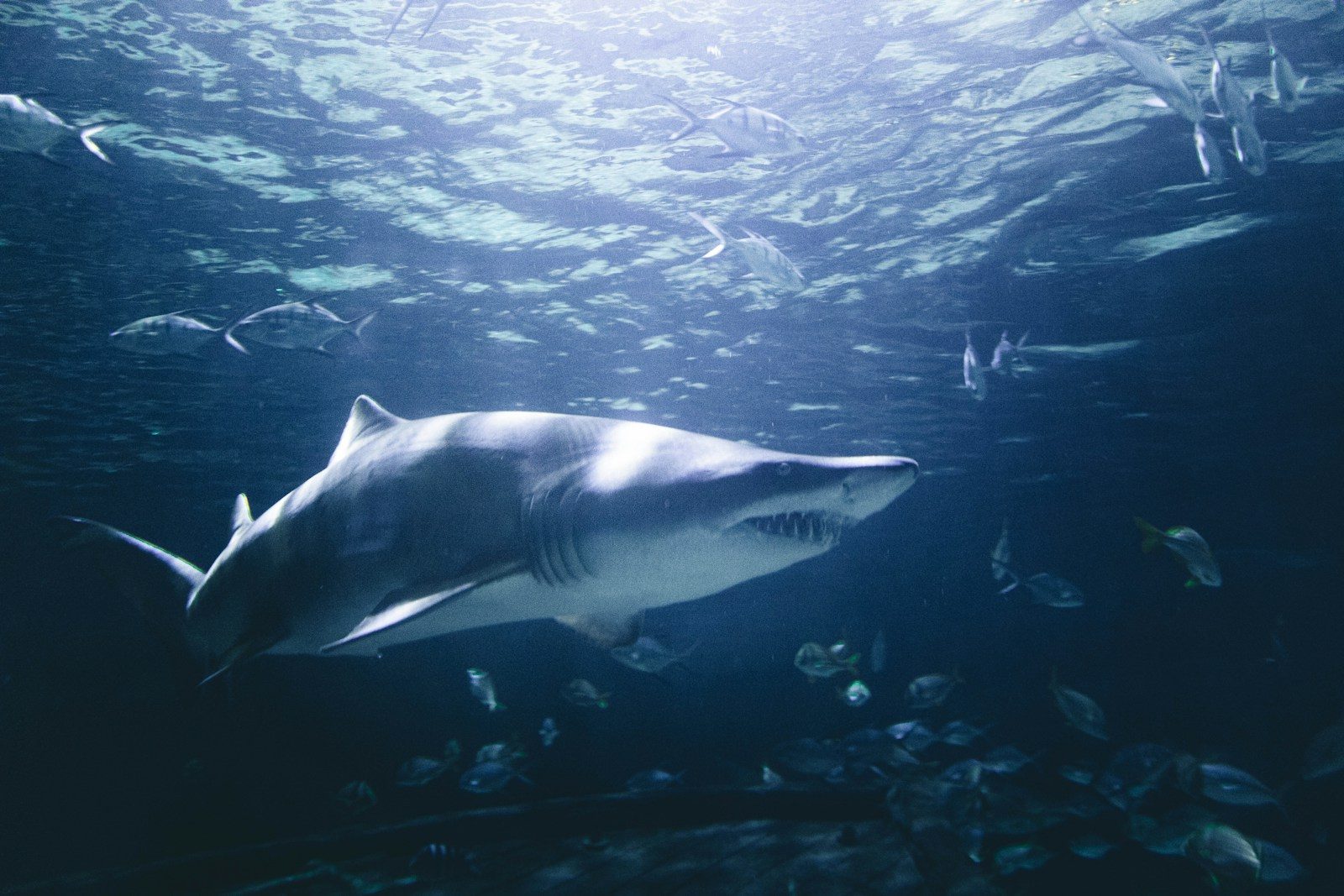
    Planning a beach trip this summer? You may hear more reports about sharks, and scientists say that is expected. Shark activity often rises during the warmer months as ocean temperatures increase and many shark species move closer to shore in search of food or to follow their seasonal migration routes.

    That does not mean sharks are hunting people, but it does mean beachgoers should stay alert. In this article, you’ll learn why shark activity is expected to increase, what scientists know about shark behavior, where sightings are most common, and how you can stay safe while enjoying the water.

    Why sharks are more active in summer

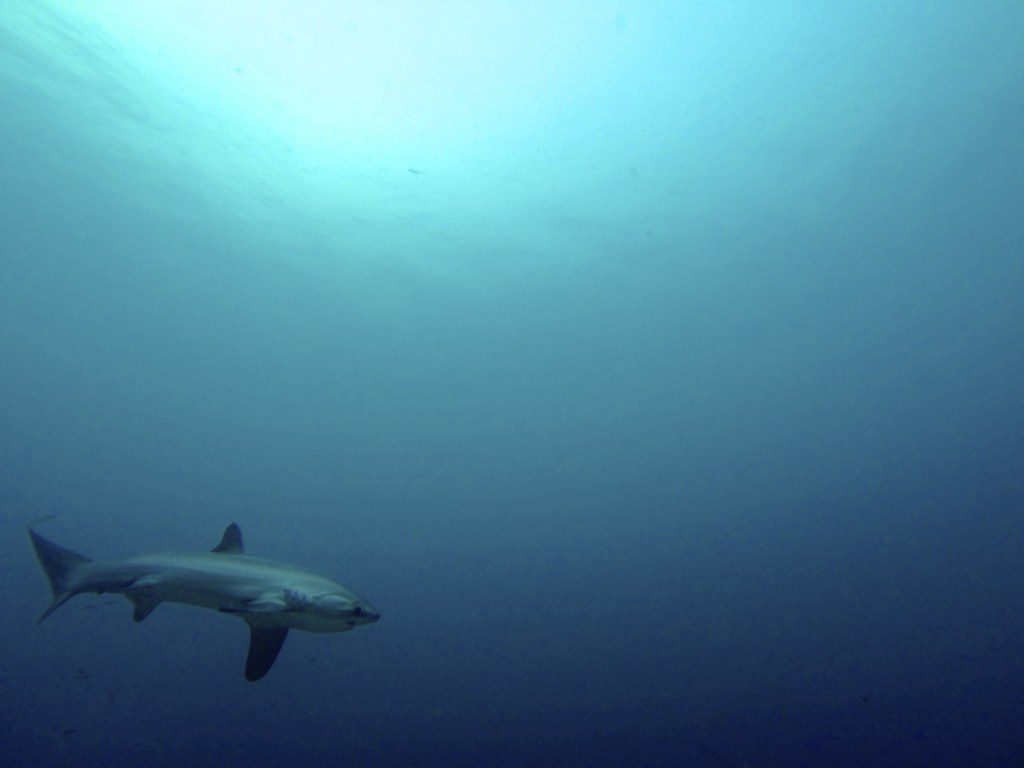
    Thresher Shark at Monad Shoal” by Maxime Guilbot is licensed under CC BY 2.0

    Summer brings warmer ocean water, and that changes where many sharks travel. More than 30 shark species move north along the U.S. East Coast during the warmer months after spending winter in southern waters. As they migrate, they search for food and suitable places to hunt or rest.

    Scientists say shark sightings also rise because more people head to beaches during summer. With more swimmers, surfers, and boaters in the water, there are simply more chances for people to notice sharks. Many sharks have always been there, but they are seen more often during the busy beach season.

    Warmer waters are changing shark movements

    a bird standing on top of a sandy beach next to the ocean
    Photo by Elinda Gjonomadhi on Unsplash

    Marine experts say warmer ocean temperatures can shift where sharks travel. Some species are staying in northern waters longer than they did in the past, while others are appearing in places where they were once less common. These changes are linked to warming seas and changing ocean conditions.
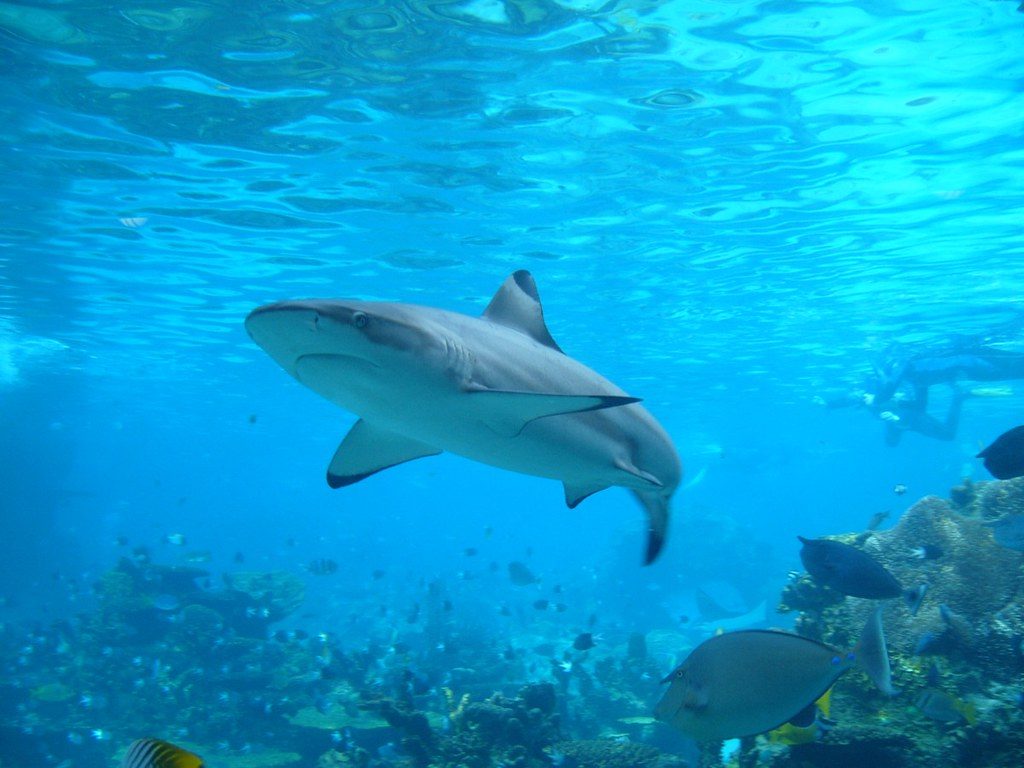
    Scientists are also watching the effects of marine heat waves and climate patterns that warm the Pacific Ocean. These conditions may bring some sharks closer to beaches, especially young white sharks looking for warm nursery areas with plenty of food.

    Where people may see more sharks

    Great White Shark” by Elias Levy is licensed under CC BY 2.0

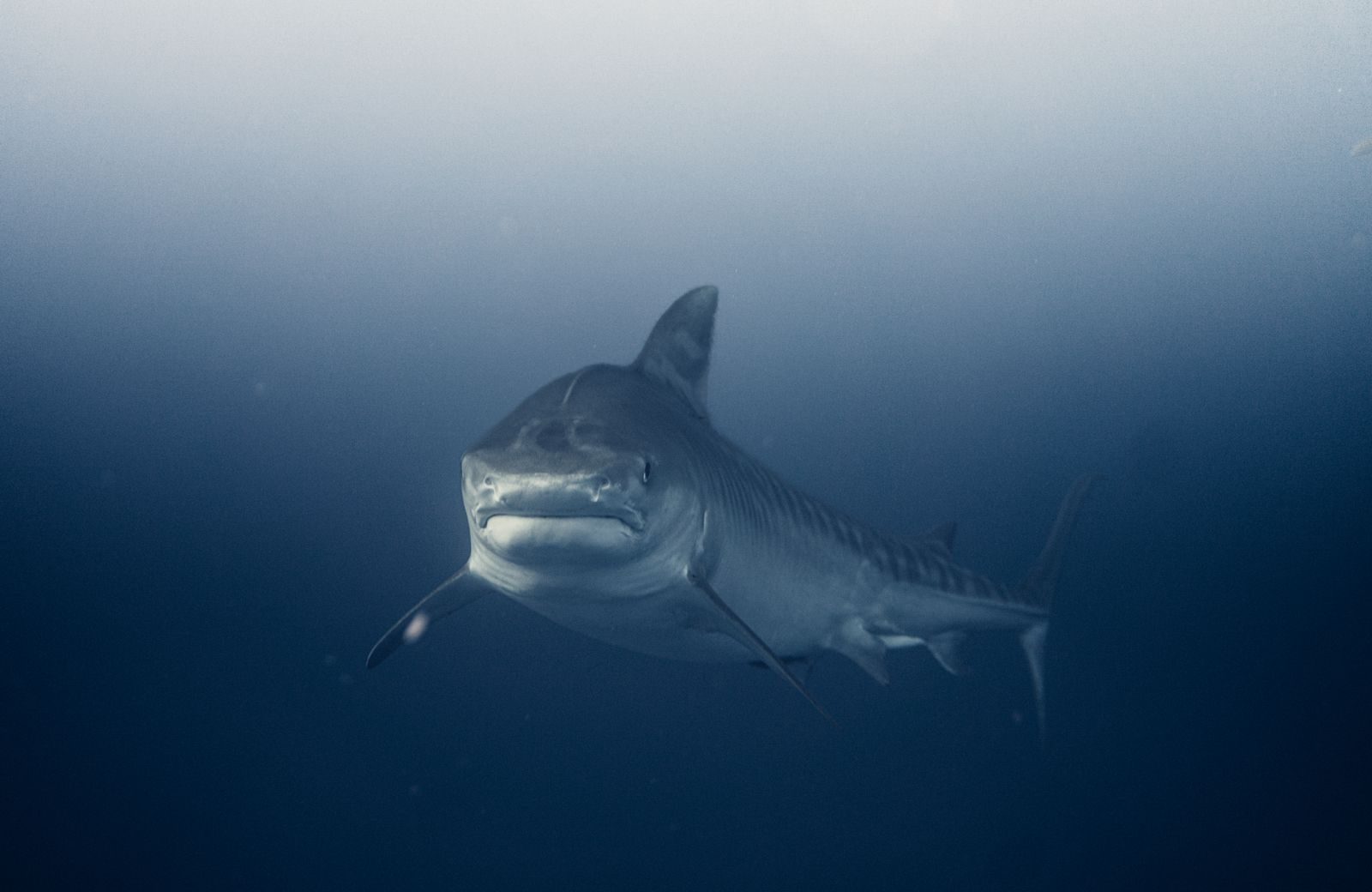
    Shark sightings are most common along parts of the Atlantic coast during summer. Great white sharks often gather near areas with large seal populations, especially around Cape Cod. Bull sharks are more common in the Gulf Coast, while tiger sharks are found year-round in the warm waters around Florida.

    Scientists also say sharks are often found where schools of fish, seals, or dolphins gather because those animals are an important food source. Seeing bait fish jumping or seabirds diving into the water can sometimes mean larger predators, including sharks, are nearby.

    Shark attacks are still very rare

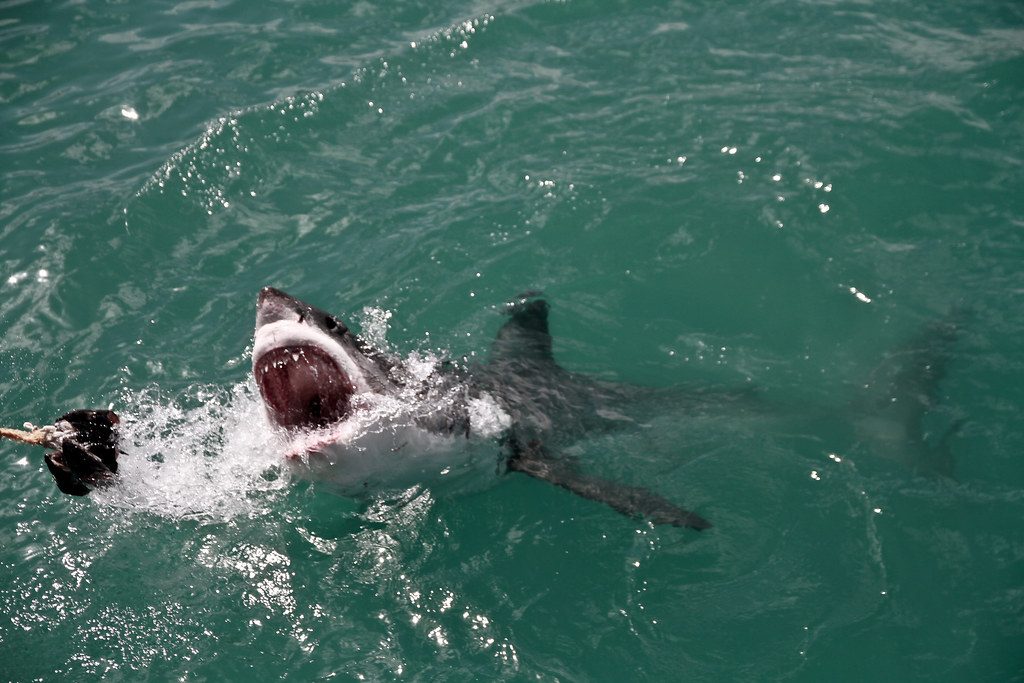
    An angry Great White Shark” by TheGrantPeters is licensed under CC BY 2.0

    Even though sightings may increase, experts stress that shark bites remain uncommon. Most sharks are not interested in people, and many swim away before anyone notices them. The chance of being bitten is already very low, and fatal attacks are even rarer.

    Researchers also remind people that sharks play an important role in keeping ocean ecosystems healthy. As top predators, they help balance marine life by controlling the populations of other animals. Healthy shark populations often mean healthier oceans.

    Simple ways to stay safe at the beach

    people on beach during daytime
    Photo by Gustavo Zambelli on Unsplash

    Experts recommend swimming near lifeguards whenever possible and avoiding the water at dawn or dusk, when some sharks are more active. It is also smart to stay away from large schools of fish and avoid wearing shiny jewelry that can reflect light underwater.

    Swimming with other people instead of alone can also improve safety. Before entering the water, check local beach alerts and pay attention to lifeguard warnings. If a shark is spotted, leave the water calmly and follow instructions from beach officials.

    What this means for beachgoers

    bird's-eye view photography of people in seashore
    Photo by Guzmán Barquín on Unsplash

    Scientists expect shark activity to increase this summer because of seasonal migration, warmer water, and more people spending time at the beach. While that may lead to more sightings, it does not mean the ocean is suddenly unsafe. Understanding shark behavior helps people enjoy the beach with confidence instead of fear.

    By staying aware of local conditions and following simple safety tips, families can continue to enjoy swimming, surfing, and other water activities. Sharks are a natural part of the ocean, and experts say learning to share the water safely is the best way to reduce risk while protecting these important animals.

  • Watch what happens when dangling fins attract curious sharks during a feeding

    Watch what happens when dangling fins attract curious sharks during a feeding

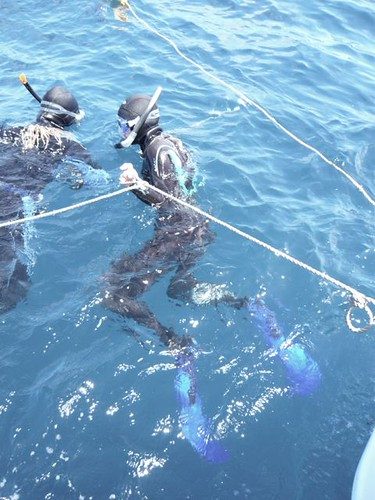
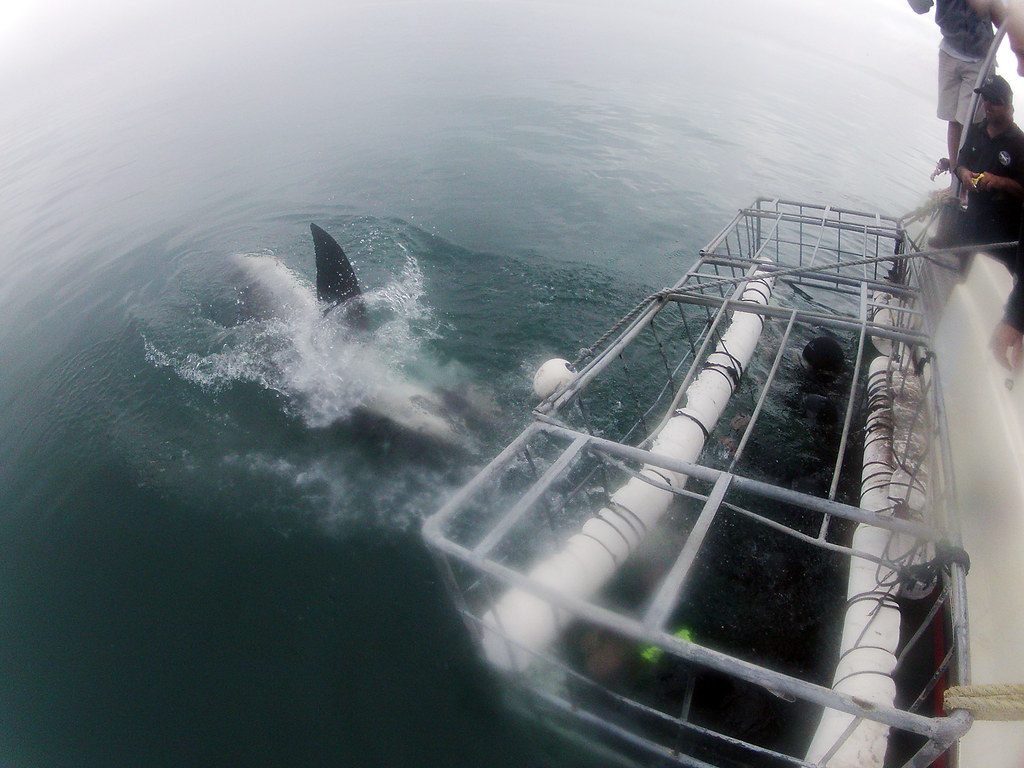
    Standing above open water while sharks circle below can be an unforgettable experience. During a controlled shark feeding, a man climbed partly out of the boat, leaving his fins dangling in the water. At first, everything appeared calm.

    Then the sharks began nudging and testing the hanging fins, turning a routine moment into a tense encounter. This article explains why sharks investigate unfamiliar objects, how feeding changes their behavior, and why experienced operators remain alert during close interactions with these powerful ocean predators.

    A calm moment quickly became tense

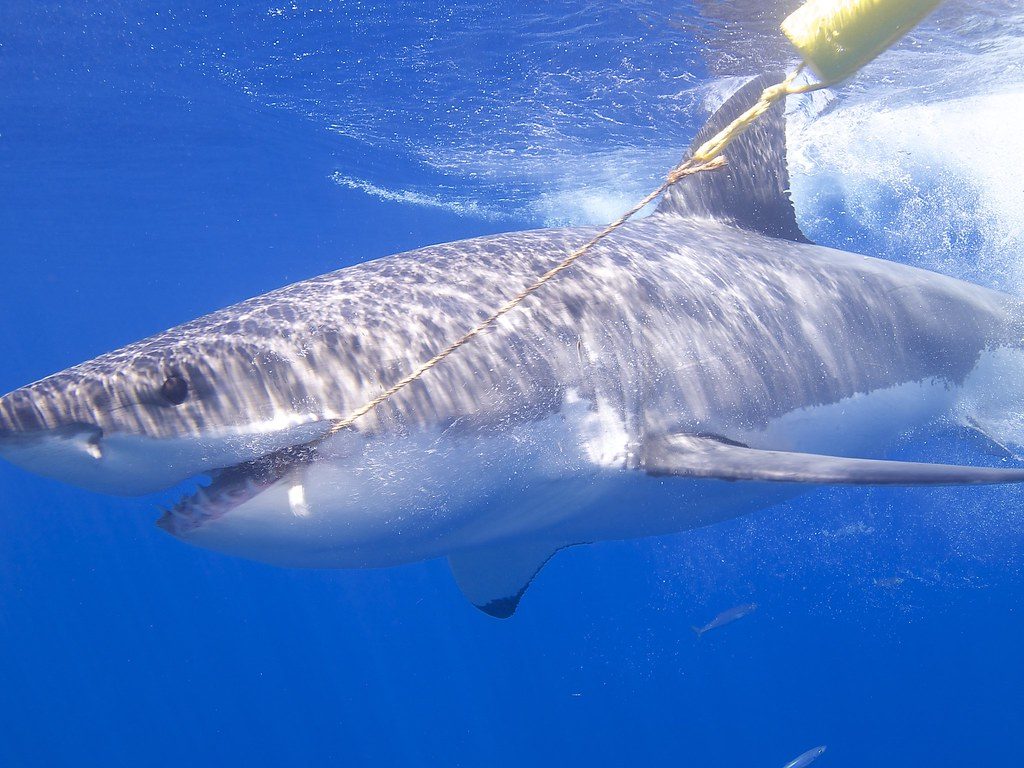
    Shark” by StormyDog is licensed under CC BY 2.0

    The shark feeding appeared to be under control as several sharks circled the boat. One man climbed partly out of the vessel, leaving his legs and fins hanging just above the water.

    Within moments, the sharks began approaching the dangling fins. Gentle bumps and close passes replaced the calm scene, reminding everyone that wild animals can react unpredictably even during organized activities.

    Why sharks investigate dangling objects

    Great white shark cage dive : 3” by Crystian Cruz is licensed under CC BY-ND 2.0

    Sharks rely on several highly developed senses to explore their surroundings. They use sight, smell, pressure-detecting organs, and specialized electrical sensors to investigate potential food or unfamiliar objects.

    When something unusual enters the water during a feeding event, sharks may swim closer to inspect it. A bump or gentle contact can simply be part of this investigation rather than an immediate attempt to bite.

    Feeding changes shark behavior

    grey and white shark underwater
    Photo by Hunter Newton on Unsplash

    During organized shark feeds, food is intentionally introduced into the water. This naturally increases shark activity as the animals compete for feeding opportunities and become more focused on nearby movement.

    Even in these situations, experienced operators follow strict procedures designed to reduce unnecessary risks. They closely monitor the sharks’ behavior and adjust their actions if the animals become more active than expected.

    Why dangling fins attract attention

    Great White Shark” by Elias Levy is licensed under CC BY 2.0

    Long swim fins moving near the surface can resemble the motion of marine animals. Combined with splashing or sudden movement, they may encourage curious sharks to investigate more closely.

    This does not mean the sharks are targeting people. Researchers note that sharks often inspect unfamiliar objects before deciding whether they are food or something else.

    Sharks remain wild animals

    three shark underwater
    Photo by Talia Cohen on Unsplash

    Even after years of observation, shark behavior can never be predicted with complete certainty. Every individual responds differently depending on their species, surroundings, and current activity.

    That uncertainty is why professional dive operators emphasize caution during shark encounters. Respecting animals and following safe practices helps reduce unnecessary risks for both people and sharks.

    A reminder of the ocean’s power

    a great white shark with its mouth open in the water
    Photo by Alex Steyn on Unsplash

    The brief encounter showed how quickly an ordinary moment can become tense when interacting with large marine predators. What began as a calm shark feed changed as curiosity brought several sharks closer to the dangling fins.

    The experience also highlighted the importance of understanding shark behavior rather than relying solely on fear. Careful planning, experienced supervision, and respect for wildlife are essential whenever people enter the sharks’ natural environment.

  • The fastest shark on Earth hunts like a missile

    The fastest shark on Earth hunts like a missile

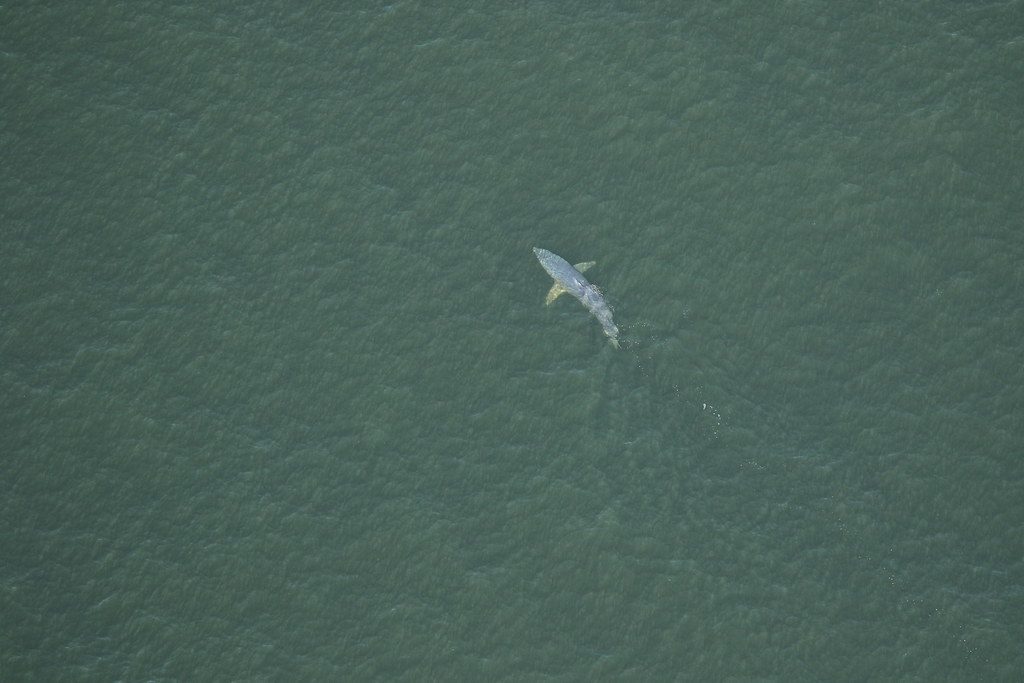
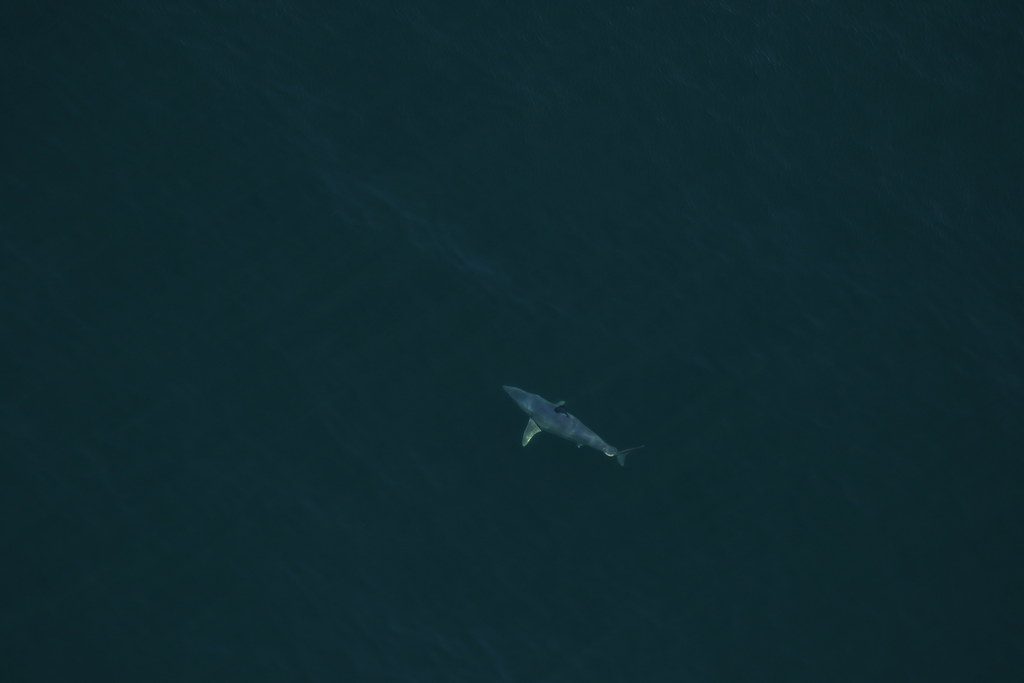
    Most sharks rely on stealth, patience, or surprise attacks. The shortfin mako does something different. It chases some of the fastest animals in the ocean and often wins. Built like a living torpedo, this predator combines speed, power, and endurance in a way that few marine animals can match.

    Researchers and wildlife filmmakers have spent years trying to understand how mako sharks move so quickly through open water. From explosive breaches to long-distance hunts, these remarkable predators continue to reveal abilities that seem almost impossible. Even today, scientists are still uncovering secrets about how they sustain such high-performance lifestyles. The shortfin mako is widely recognized as the fastest shark species in the world.

    Built for speed from nose to tail

    grey shark in the water
    Photo by Elaine Brewer on Unsplash

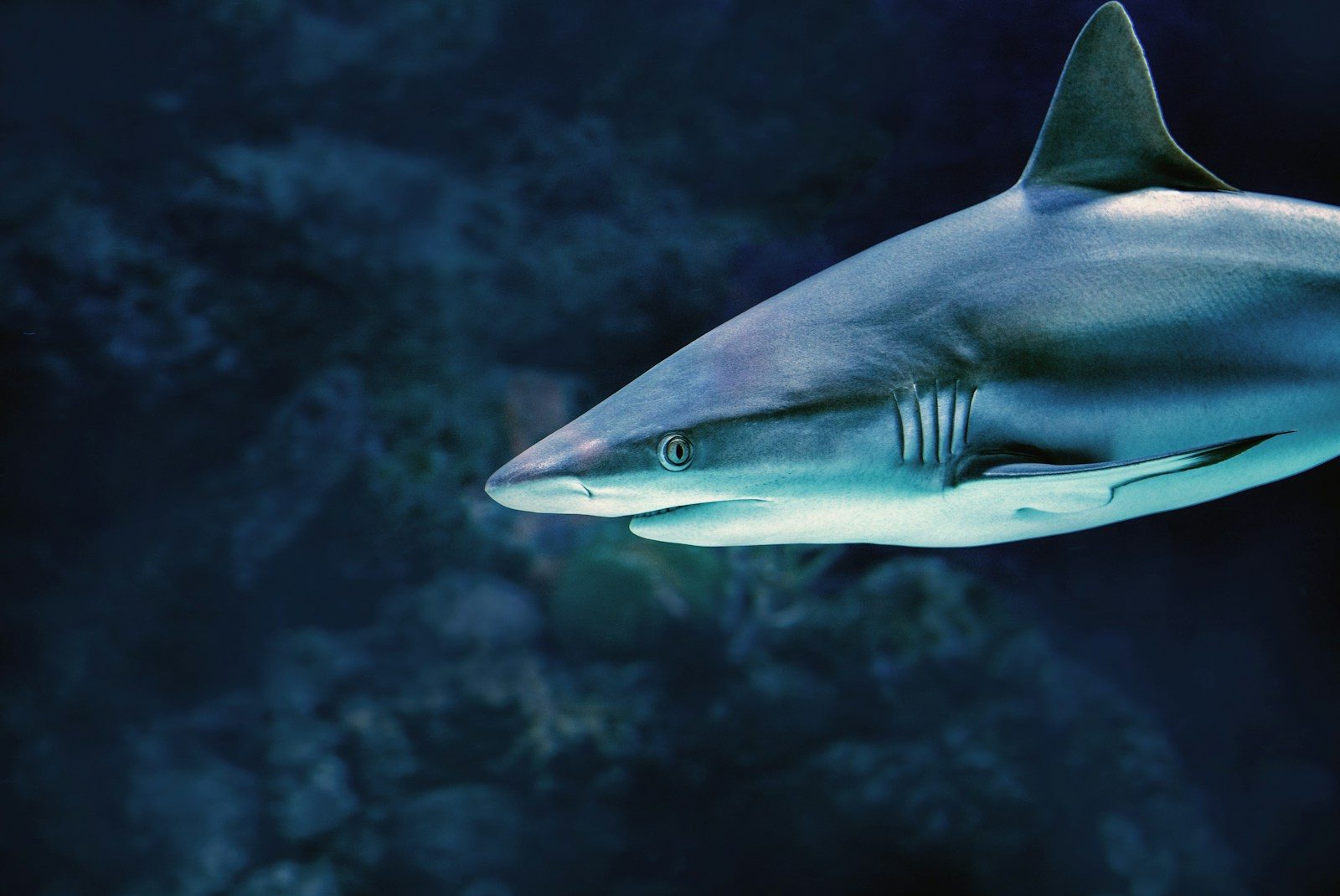
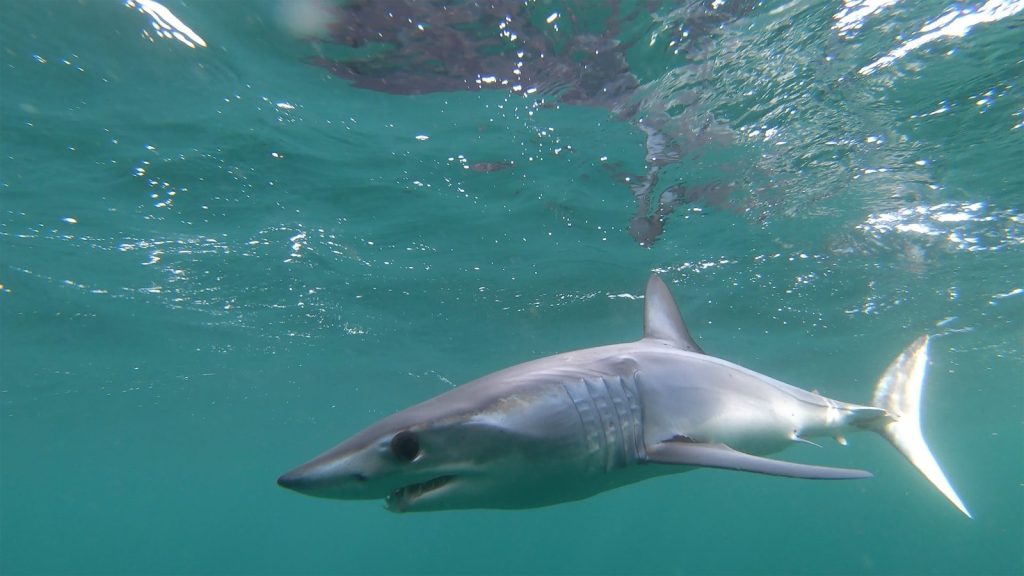
    At first glance, the mako shark looks different from many other sharks. Its body is sleek and streamlined, with a pointed snout and a powerful crescent-shaped tail designed to reduce drag and maximize speed.

    Every part of its body contributes to performance. Scientists compare its shape to high-speed engineering designs because it allows the shark to move efficiently through the water while conserving energy during long pursuits.

    The fastest shark in the ocean

    Shortfin mako” by FWC Research is licensed under CC BY-NC-ND 2.0

    The shortfin mako has earned a reputation as the fastest shark on Earth. Recorded burst speeds can reach around 74 kilometers per hour, placing it among the fastest marine predators ever measured.

    Researchers studying tagged mako sharks found that their top burst speeds rank among the highest directly measured for sharks, tunas, and billfish. These incredible bursts allow the shark to rapidly close the distance to fleeing prey.

    Hunting the ocean’s fastest prey

    Shortfin mako” by FWC Research is licensed under CC BY-NC-ND 2.0

    Speed is not just impressive—it is necessary. Mako sharks regularly hunt fast-swimming species such as tuna, mackerel, bonito, and swordfish, animals that are themselves built for rapid movement.

    Rather than relying solely on ambush tactics, makos often pursue prey in open water. Their combination of acceleration, agility, and endurance allows them to compete against some of the most powerful swimmers in the ocean. In some cases, evidence suggests that swordfish fight back fiercely, leaving sharks with serious injuries.

    Why do makos leap from the water?

    Shortfin Mako, Isurus oxyrinchus” by J. Maughn is licensed under CC BY-NC 2.0

    One of the most spectacular sights in the ocean is a breaching mako shark. These predators are famous for launching themselves completely out of the water during hunts or after being hooked by anglers.

    Wildlife footage often captures these dramatic leaps, which can look almost unreal. The combination of speed and momentum allows the shark to burst through the surface with tremendous force, creating some of the most iconic images in shark research and filmmaking.

    Scientists still have unanswered questions

    watching 2 mako sharks” by floorvan is licensed under CC BY-SA 2.0

    Despite decades of study, researchers are still learning how mako sharks maintain such remarkable performance. Recent studies suggest their cruising and burst speeds are among the highest recorded for large marine predators.

    Scientists continue investigating how these sharks balance energy use, oxygen demand, and long-distance travel. Understanding those abilities may help explain why makos can track prey across vast stretches of ocean while maintaining their extraordinary speed.

    A predator unlike any other

    Small shark near the reef, St. Thomas” by Beth M527 is licensed under CC BY-NC 2.0

    Great white sharks may receive more attention, but the mako occupies a different niche. It is a specialized pursuit hunter designed to chase, accelerate, and strike with remarkable precision in the open ocean.

    The result is a predator that often seems more like a guided missile than a fish. Nearly every feature of its body serves one purpose: moving faster than almost anything else in the sea. And even after years of research, the fastest shark on Earth continues to surprise the scientists studying it.

  • Scientists found scars from deep-sea whale battles

    Scientists found scars from deep-sea whale battles

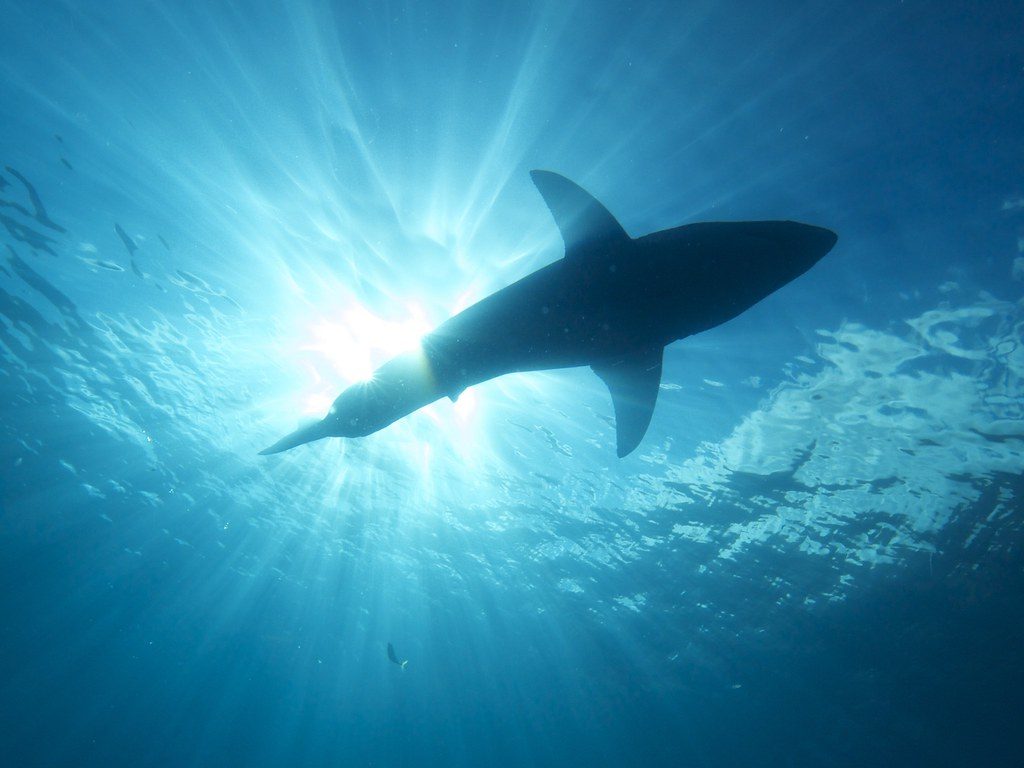
    Far below the ocean’s surface, where sunlight never reaches, one of Earth’s most remarkable predators is hunting. Sperm whales are massive animals that can weigh up to 60 tons and dive thousands of feet into complete darkness in search of food. These giants regularly pursue giant squid and other deep-sea prey in an environment filled with crushing pressure and extreme conditions.
    Yet hunting is only part of their story. Scientists are also discovering that sperm whales may have one of the most advanced communication systems in the animal kingdom. From mysterious scars left by deep-sea encounters to complex vocal patterns, these whales continue to reveal surprising secrets about life in the abyss.
    Life in the deep ocean

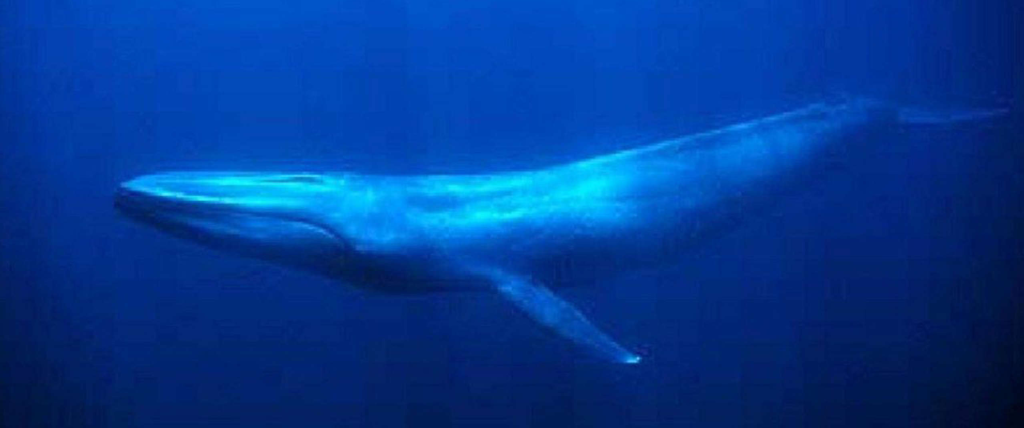
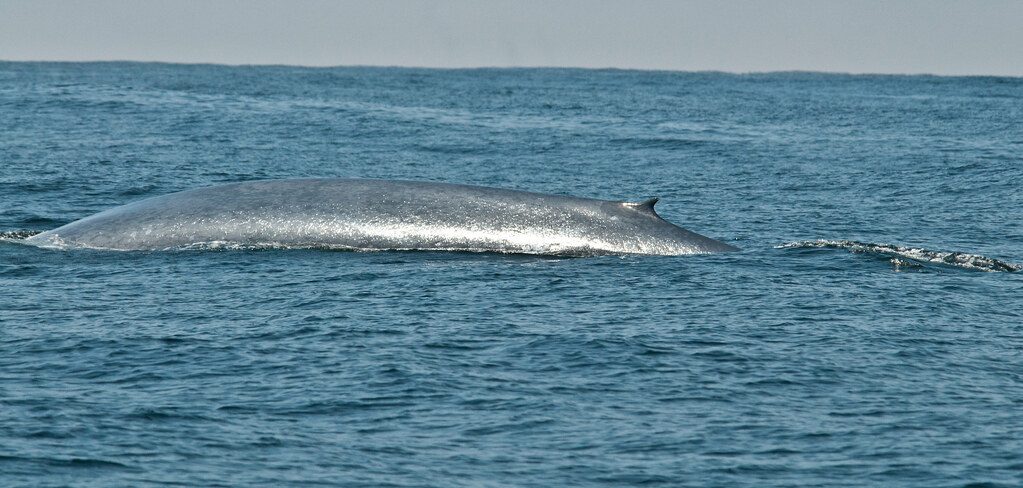
    “Blue Whale” by flickkerphotos is licensed under CC BY-NC-ND 2.0

    Sperm whales spend much of their lives exploring parts of the ocean that humans rarely see. They regularly dive to great depths where sunlight disappears, and temperatures drop significantly. These conditions create one of the most challenging environments on Earth.
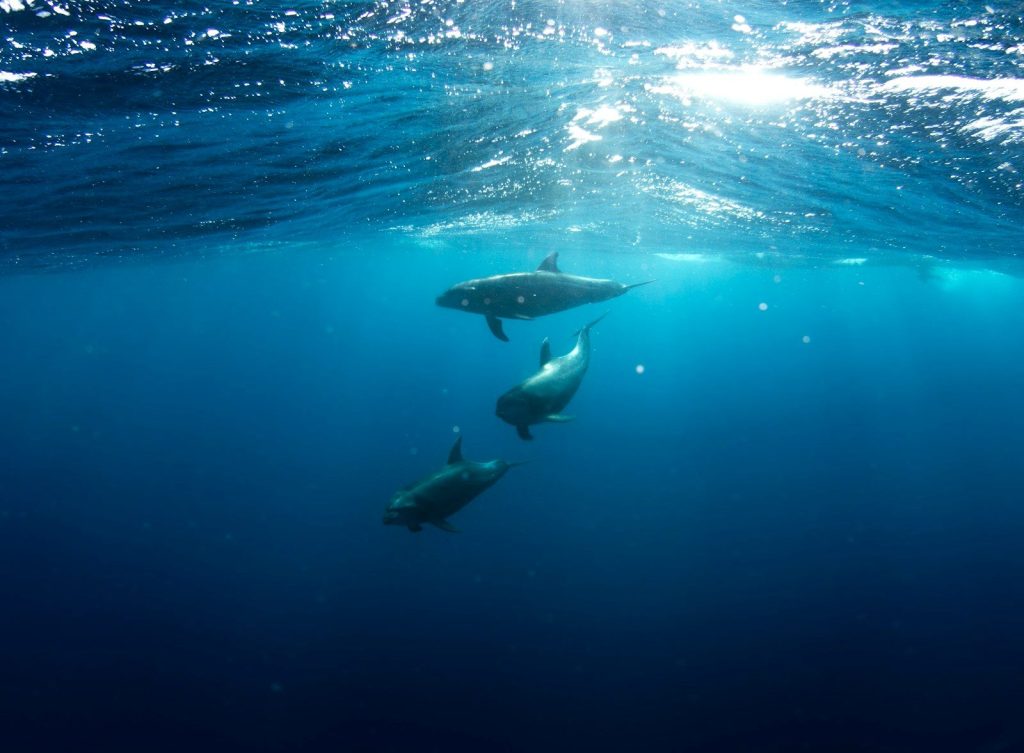
    Despite these difficulties, sperm whales are perfectly adapted for deep diving. Researchers have documented their ability to spend long periods underwater while searching for prey. Their remarkable diving skills enable them to reach areas where many other predators cannot.

    Hunting giant prey in darkness

    Sperm Whale Diving” by stewartbaird is licensed under CC BY-NC-ND 2.0

    The deep ocean is home to giant squid and other large creatures that make up an important part of a sperm whale’s diet. Finding prey in complete darkness requires specialized abilities that few animals possess.

    Sperm whales use powerful echolocation clicks to navigate and locate prey. These clicks help them build a picture of their surroundings even when visibility is nearly zero. This biological sonar allows them to hunt effectively in the deep sea.

    The mystery behind the scars

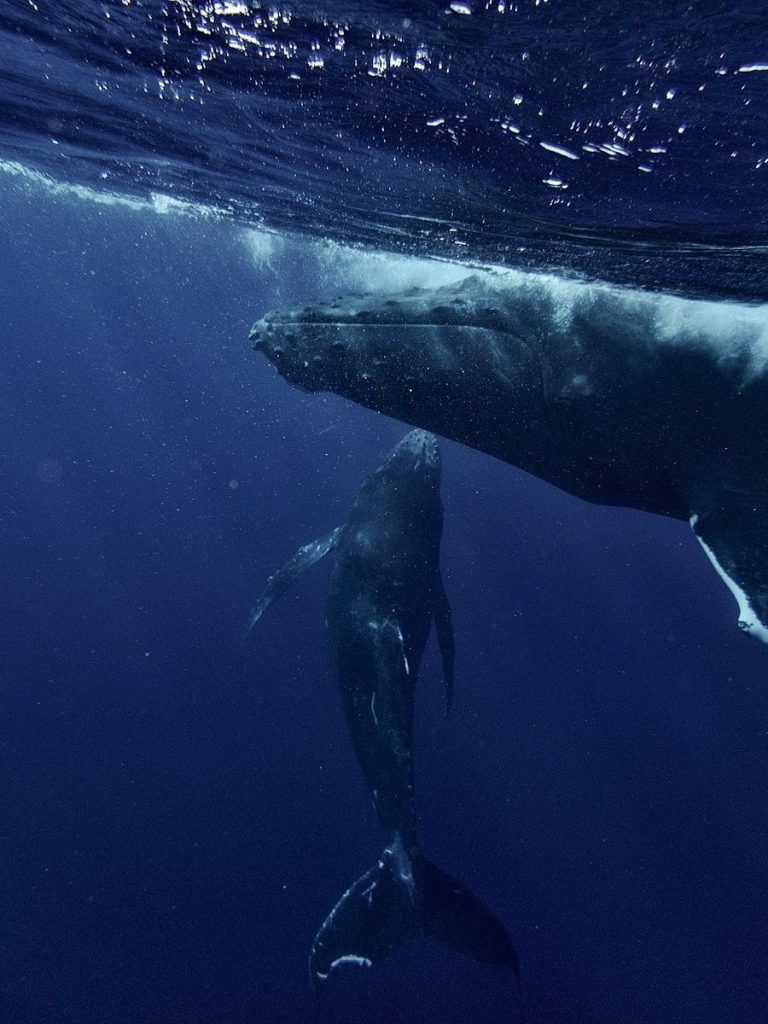
    Blue Whale (Balaenoptera musculus)” by jkirkhart35 is licensed under CC BY 2.0

    Scientists have long observed scars and marks on the bodies of sperm whales. Many researchers believe some of these injuries result from encounters with large squid deep beneath the surface.

    These marks offer clues about battles that humans rarely witness. While much remains unknown about these encounters, the scars suggest that hunting giant prey can sometimes involve intense struggles in the darkness of the deep ocean.

    The largest toothed predator on Earth

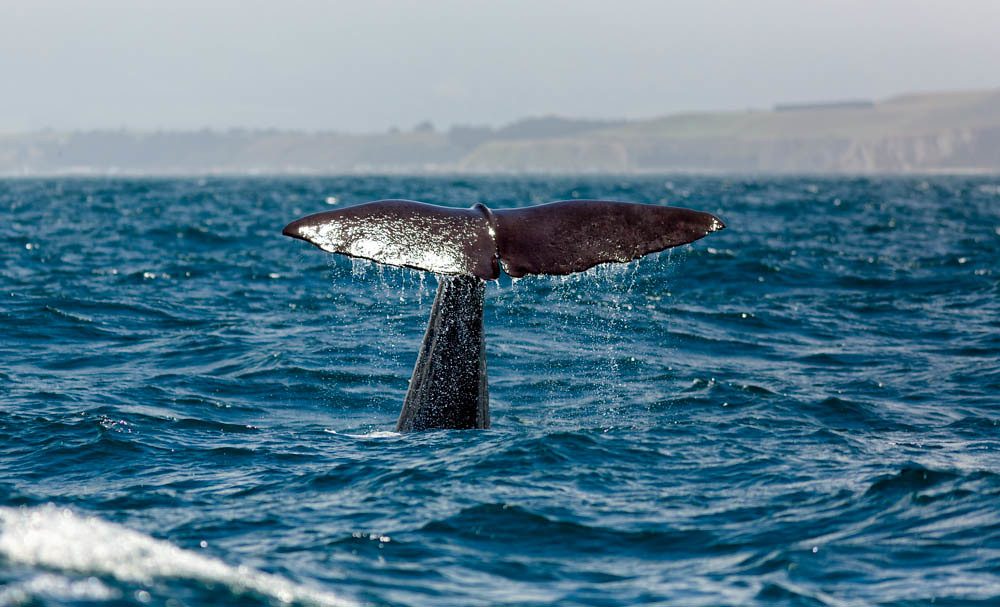
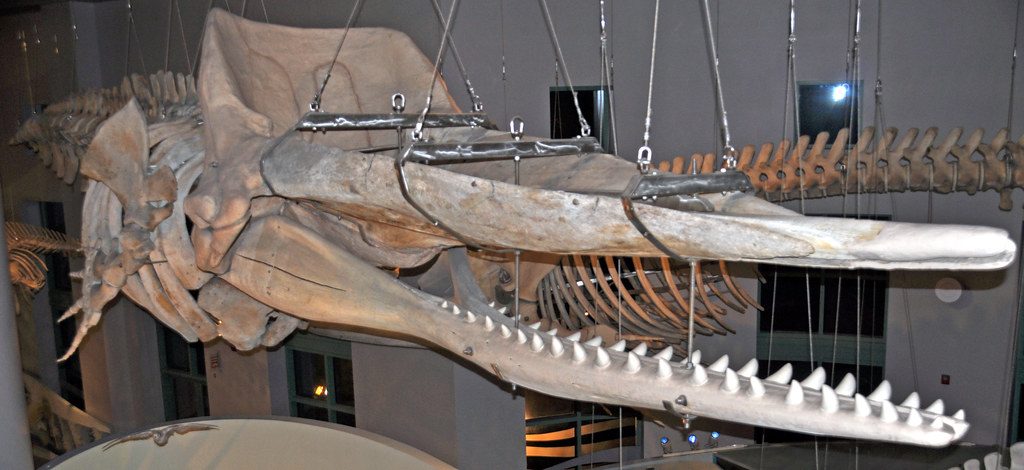
    Physeter macrocephalus (sperm whale) (Wrightsville Beach, North Carolina, USA) 3” by James St. John is licensed under CC BY 2.0

    Sperm whales hold a unique place in the animal kingdom. They are the largest toothed predators on the planet, combining enormous size with exceptional hunting abilities. Their massive heads also contain the largest brains known in any living animal.

    Their physical adaptations help them dominate deep ocean ecosystems. Powerful sonar, large size, and specialized diving abilities allow them to thrive in environments where few other predators can compete.

    A surprisingly complex social life

    black fish dove into ocean at daytime
    Photo by Abigail Lynn on Unsplash

    For many years, scientists focused mainly on the physical abilities of sperm whales. More recent research has revealed that their social lives may be just as remarkable as their hunting skills.

    Sperm whales communicate using patterns of clicks known as codas. Research has shown that these vocalizations contain complex structures and may help whales coordinate activities, maintain social bonds, and identify members of their groups.

    Scientists are trying to decode whale communication

    two humpback whales swimming in the ocean
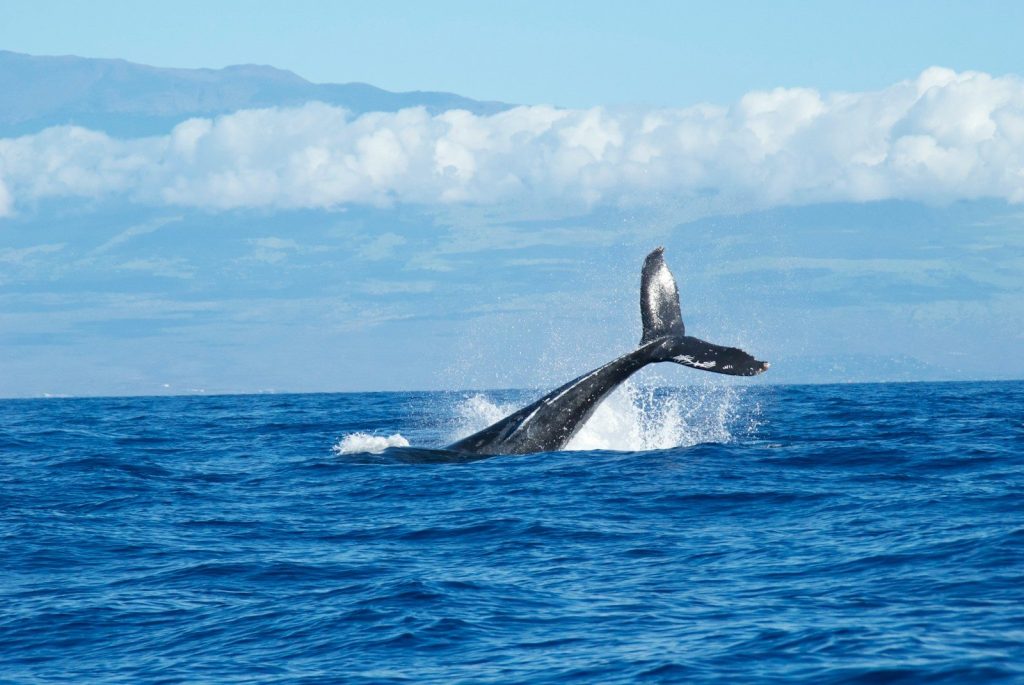
    Photo by Chinh Le Duc on Unsplash

    Researchers are now using advanced technology and artificial intelligence to better understand sperm whale communication. Studies suggest these whales use distinct click patterns that may carry different types of information.

    Recent findings indicate that sperm whale vocal systems may be far more sophisticated than previously believed. Scientists have identified structured vocal patterns and group-specific communication styles, leading to growing interest in decoding what these whales may be saying to one another.

  • Why narwhals never survive in aquariums

    Why narwhals never survive in aquariums

    Narwhals are among the most mysterious animals in the ocean. With their long, spiral tusks and life in the icy Arctic, they often seem more like mythical creatures than real animals. Many people dream of seeing these “unicorns of the sea” up close, but there is one place where they are almost never found: aquariums.

    The reason is both surprising and tragic. Only two major attempts have been made to keep narwhals in captivity, and both ended in failure. These experiences changed how scientists and aquariums view the species. Today, the story of narwhals in captivity serves as an important lesson about the challenges of caring for some of the ocean’s most sensitive animals.

    Narwhals are unlike most marine mammals

    Narwhal!” by richpompetti is licensed under CC BY-NC-SA 2.0

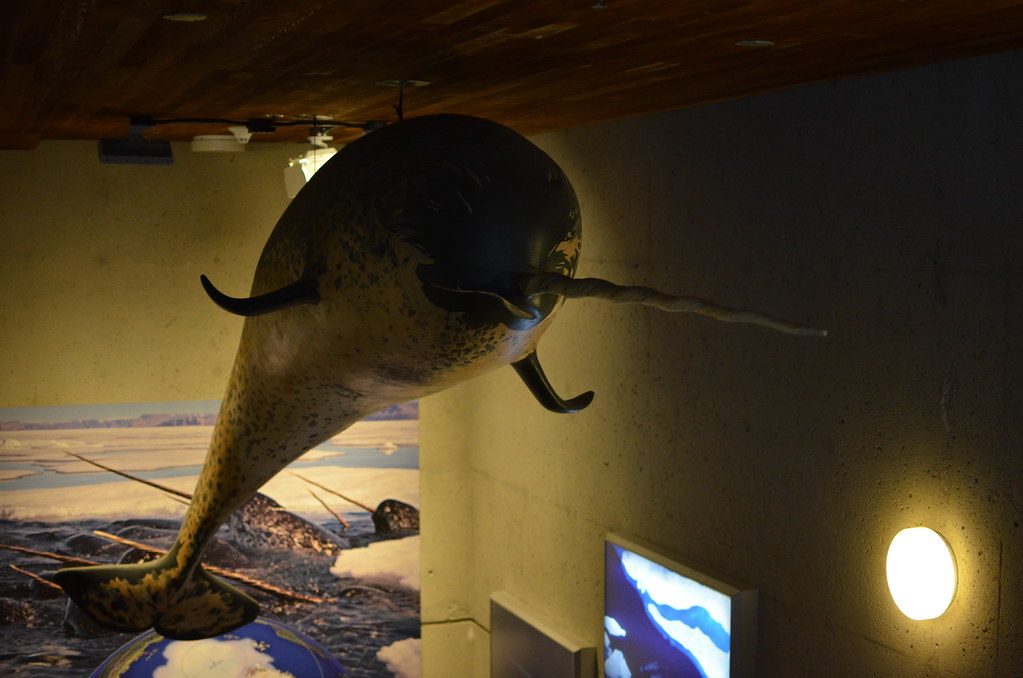
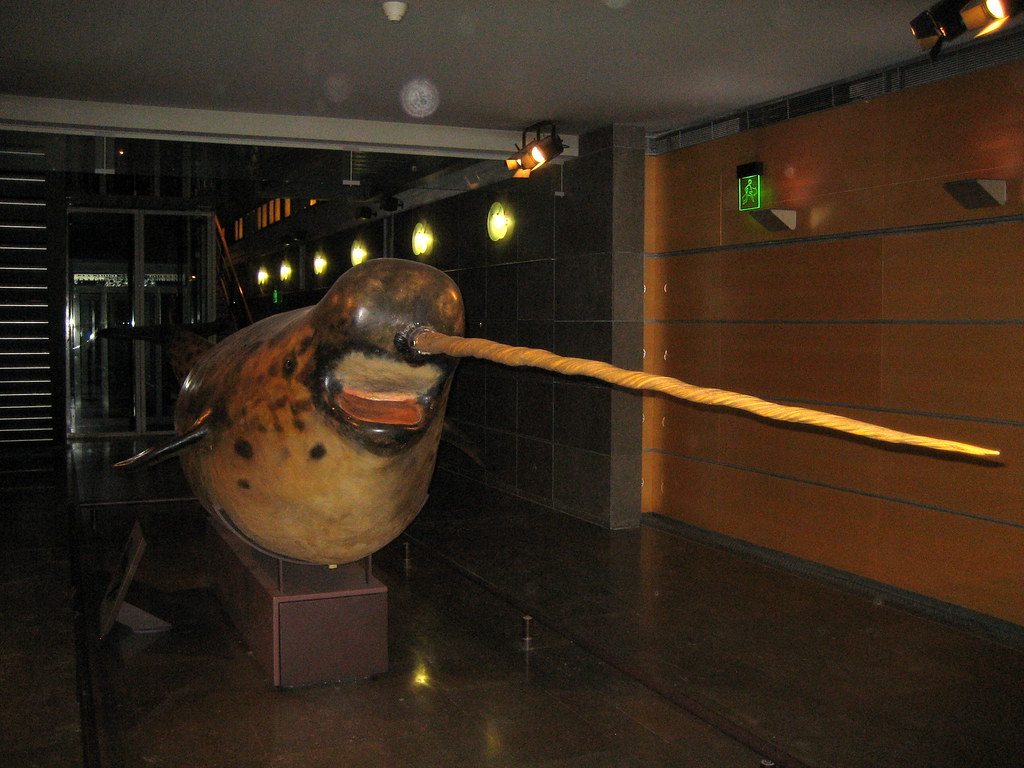
    Narwhals are toothed whales that are closely related to belugas and orcas. They live in Arctic coastal waters and rivers, where they spend much of their lives in cold and remote environments. Their most famous feature is the long tusks, which are mainly seen in males.

    The tusk is actually a tooth that can grow up to 10 feet long. Narwhals often travel in large groups and have adapted to some of the harshest conditions on Earth. Their remote habitat has helped make them one of the ocean’s most elusive animals.

    The first captive narwhal arrived in New York

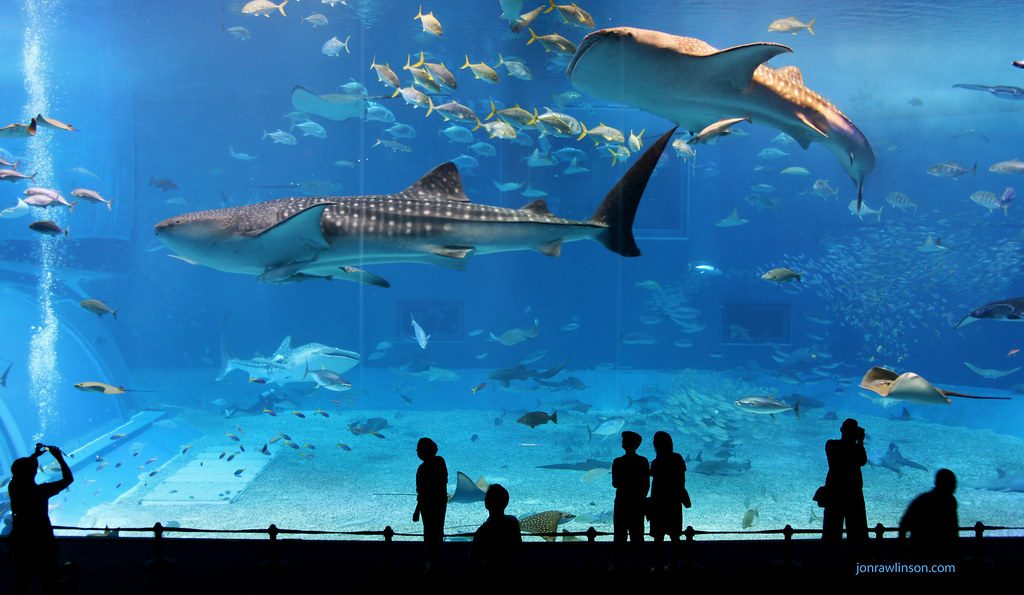
    Kuroshio Sea – 2nd largest aquarium tank in the world” by jonrawlinson is licensed under CC BY 2.0

    In 1969, the New York Aquarium at Coney Island became the first facility to display a narwhal. The young calf was named Umiak, after the traditional Arctic canoe used to hunt the species.

    According to reports, Umiak was orphaned after Inuit hunters killed its mother for meat. The calf followed its canoe back to camp and was eventually brought to the aquarium. Staff tried to care for the young narwhal by feeding it milk mixed with chopped clams, while a female beluga reportedly acted as a surrogate mother.

    Umiak’s story ended in tragedy

    Osaka Aquarium” by kevin dooley is licensed under CC BY 2.0

    Despite the aquarium staff’s efforts, Umiak struggled to adapt to captivity. Keeping the young whale healthy proved far more difficult than expected. The unusual environment may have placed significant stress on the animal.

    Less than a year after arriving at the aquarium, Umiak died from pneumonia. The loss highlighted the challenges of caring for a species that had never before been successfully maintained in captivity. Unfortunately, the lesson was not enough to stop another aquarium from trying again.

    Vancouver Aquarium made a second attempt

    Vancouver Aquarium” by Tjflex2 is licensed under CC BY-NC-ND 2.0

    In 1970, Vancouver Aquarium brought a young male narwhal named Keela Luguk to its facility. The aquarium’s leadership hoped that displaying narwhals would increase public interest in the species and encourage conservation efforts.

    Within days of Keela Luguk’s arrival, the aquarium added two female narwhals and three calves to the exhibit. However, problems quickly emerged. The three calves died within a month, and the two adult females died by November. Public concern grew as more animals died.

    Public pressure grew as losses mounted

    VFS Sound Design for Visual Media: Vancouver Aquarium 2013” by vancouverfilmschool is licensed under CC BY 2.0

    As the deaths continued, many people questioned whether narwhals should be kept in captivity at all. Concern became so widespread that Vancouver’s mayor reportedly called for Keela Luguk to be released back into the wild.

    The aquarium refused to return the animal, but the debate continued. Then, on December 26, 1970, Keela Luguk also died. With the deaths of every captive narwhal involved in the project, public opinion increasingly shifted against future attempts to keep the species in aquariums.

    Scientists still do not know all the answers

    Marine Scientist Jennifer Stanhope, VASG Graduate Research Fellow Annie Murphy, and Mark Luckenbach take water samples from the cores over the course of the day to measure the nutrient concentrations in the water. ©Margaret Pizer/VASG” by Virginia Sea Grant is licensed under CC BY-ND 2.0

    Researchers do not fully understand why narwhals performed so poorly in captivity. This is especially puzzling because belugas, their close relatives, can survive for years or even decades in managed facilities.

    Scientists know that narwhals are highly sensitive animals. Research suggests that even human-made noise, including nearby ships, can significantly affect their behavior. These findings have strengthened the belief that narwhals are not suited to life in aquariums. As a result, modern aquariums have largely abandoned efforts to keep them, allowing these remarkable animals to remain in their natural Arctic home.