Category: Wildlife and animals

  • What happened after a wolf attacked a sleeping 12-year-old

    What happened after a wolf attacked a sleeping 12-year-old

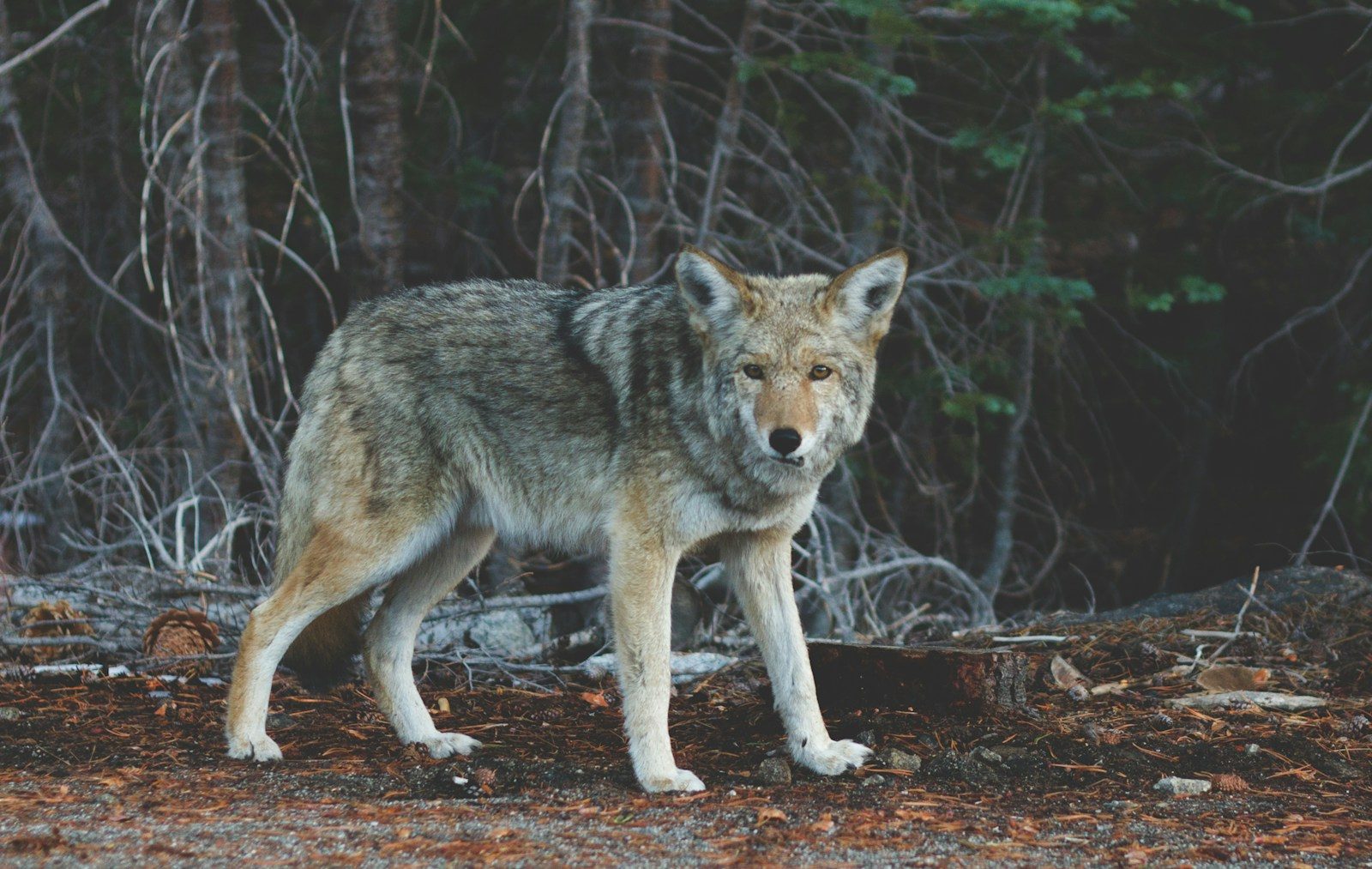
    A wolf attacked a sleeping 12-year-old during a family camping trip, turning a quiet night into a frightening emergency. The rare wolf attack happened in 1996 at Algonquin Provincial Park in Ontario, Canada, and quickly drew attention from wildlife experts.

    While wolf attacks on people are very uncommon, this case showed what can happen when wild animals lose their natural fear of humans. In this article, you’ll learn what happened during the attack, how the boy survived, why the wolf acted this way, and what changes followed to help keep campers safe.

    The attack happened while the family slept

    orange dome tent surrounded by silhouette of trees at blue hour
    Photo by Luca Baggio on Unsplash

    The attack took place in the early morning as a family of five slept outdoors without a tent near Tom Thomson Lake in Algonquin Provincial Park. Around 2 a.m., a wolf grabbed the 12-year-old boy by the head and dragged him several feet before his father rushed in and scared the animal away.

    The boy suffered a broken nose and six deep cuts across his face. He needed about 80 stitches, and one wound later required plastic surgery. Even though the injuries were serious, they were not life-threatening, and he survived the attack.

    The wolf had been acting strangely before the attack
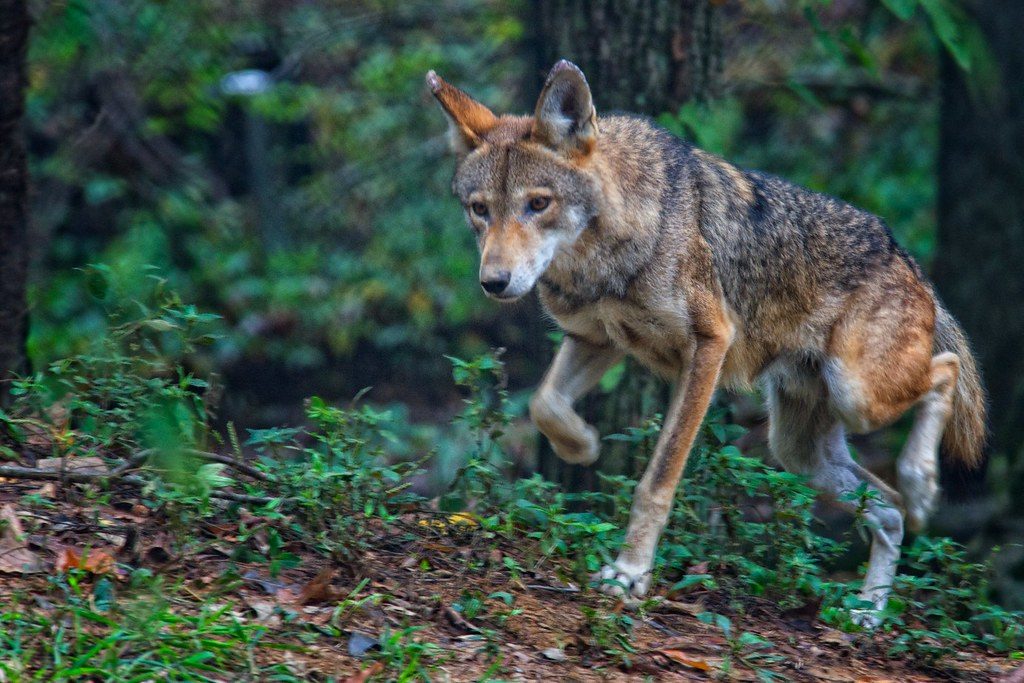
    Red Wolf” by Jim Liestman is licensed under CC BY-NC-ND 2.0

    Park visitors had reported seeing the same wolf for nearly two weeks before the attack. Instead of avoiding people, the animal wandered through campsites, picked up clothing, and tugged at backpacks and camping gear.

    Wildlife experts believe the wolf had become used to people. This behavior, called habituation, happens when wild animals stop fearing humans after repeated close contact. Experts also suggested the wolf may have been trying to grab the sleeping bag and accidentally bit the boy’s head while pulling on it.

    The boy received emergency medical care

    an ambulance driving down a street next to a building
    Photo by Walter Dziemianczyk on Unsplash

    After the attack, the boy was taken to a hospital for treatment. Doctors cleaned his wounds, treated his broken nose, and closed the cuts with many stitches. Plastic surgery was later needed to repair part of his face.

    Because bites from wild mammals can carry dangerous infections, doctors also checked for diseases such as rabies and gave the proper preventive treatment based on medical guidelines. Quick medical care helped lower the risk of serious complications.

    Wildlife officials acted quickly

    man in orange and black backpack
    Photo by Matthew Maaskant on Unsplash

    Park staff and wildlife officers searched for the wolf soon after the attack. Since the animal had shown repeated bold behavior around people, officials decided it posed a safety risk.

    The wolf was later located and killed. Tests found no evidence that it had rabies. Experts concluded that the animal’s unusual comfort around humans, rather than disease, was the main reason for its dangerous behavior.

    The attack changed camping safety

    a small camper sits in a field at night
    Photo by Devon MacKay on Unsplash

    The incident led park officials to remind visitors never to encourage wildlife by leaving food, garbage, or scented items where animals can reach them. Even when wolves are not looking for food, repeated contact with people can change their natural behavior.

    Campers were also reminded to sleep inside tents whenever possible and to report wolves or other wildlife that behave fearlessly around people. Early reports can help wildlife officers step in before a dangerous situation develops.

    Wolf attacks on humans remain very rare
    selective focus photography of gray wolf
    Photo by Michael LaRosa on Unsplash

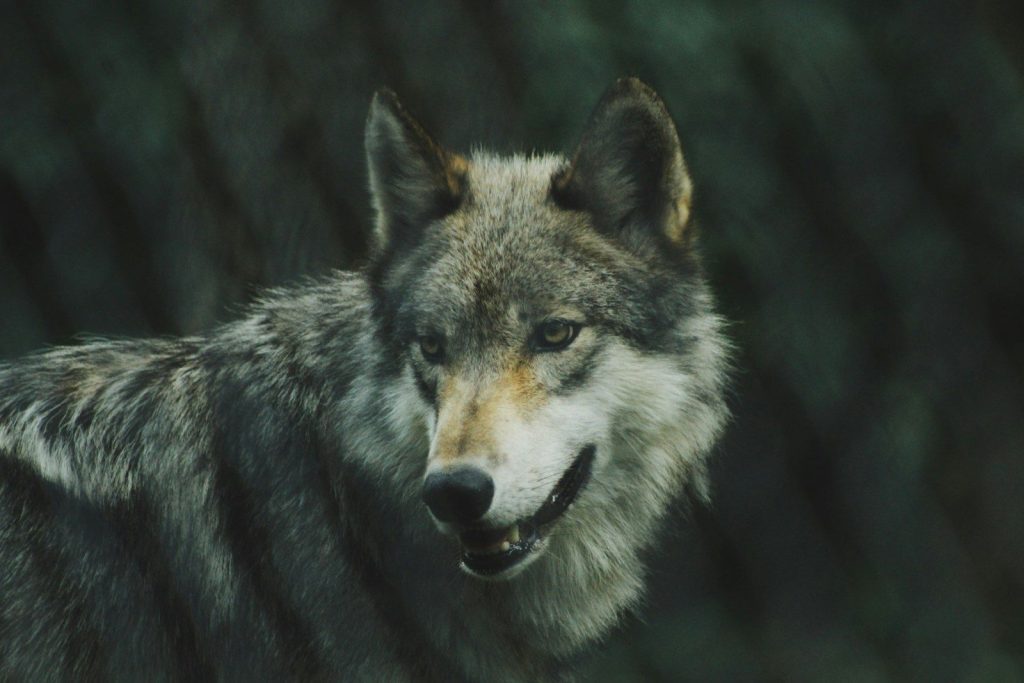
    Although wolves are powerful predators, attacks on people are extremely uncommon across North America. Healthy wild wolves usually avoid humans and leave the area when they notice people nearby.

    Most experts agree that unusual attacks often involve wolves that have become comfortable around humans, are seeking food near campsites, or are affected by disease. The 1996 attack remains one of the best-known examples because it was carefully investigated and helped improve wildlife safety practices.
  • This snake’s venom can be deadly in a single bite

    This snake’s venom can be deadly in a single bite

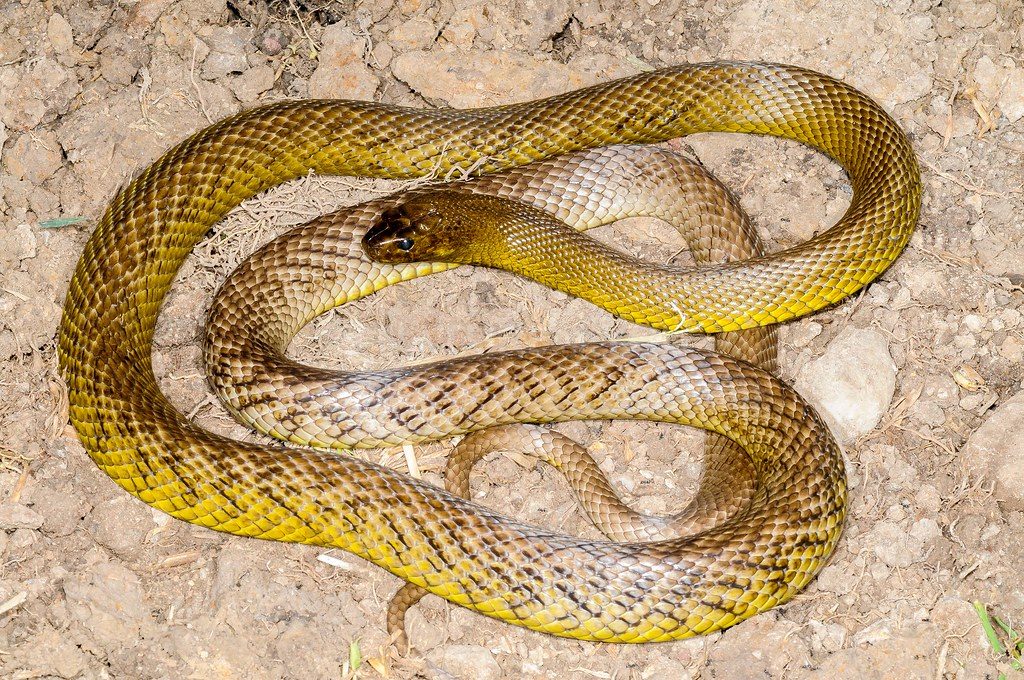
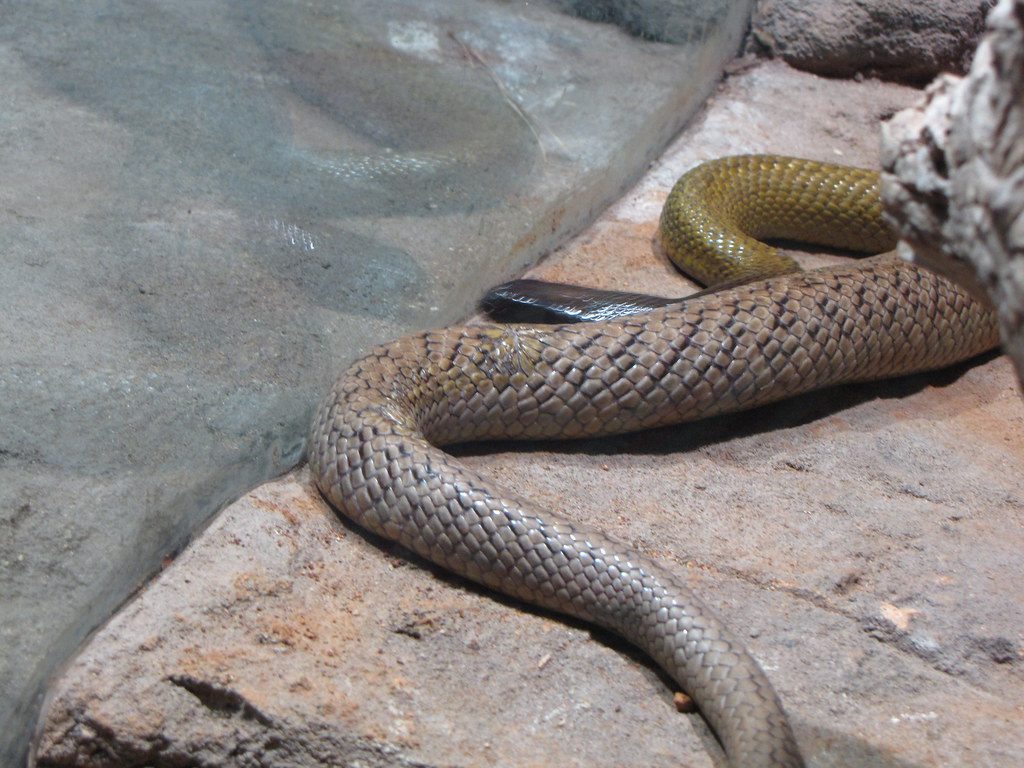
    A snake bite can turn into a life-threatening emergency within minutes. Among all land snakes, the inland taipan is widely recognized for having the most toxic venom based on laboratory testing. While this snake is shy and rarely bites people, a single bite without fast medical care can be deadly.

    Understanding how it lives, how its venom works, and what to do after a bite can save lives. This article explains why the inland taipan is so dangerous, where it lives, how its venom affects the body, and why quick treatment is so important.

    What makes the inland taipan so dangerous?

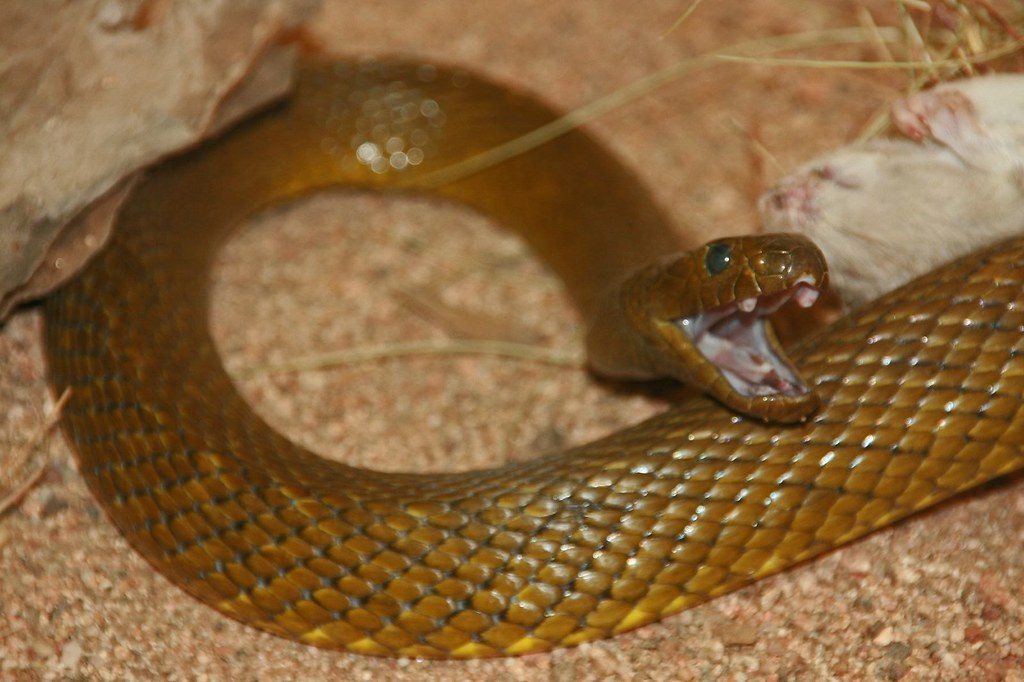
    Inland Taipan” by grace_kat is licensed under CC BY-SA 2.0

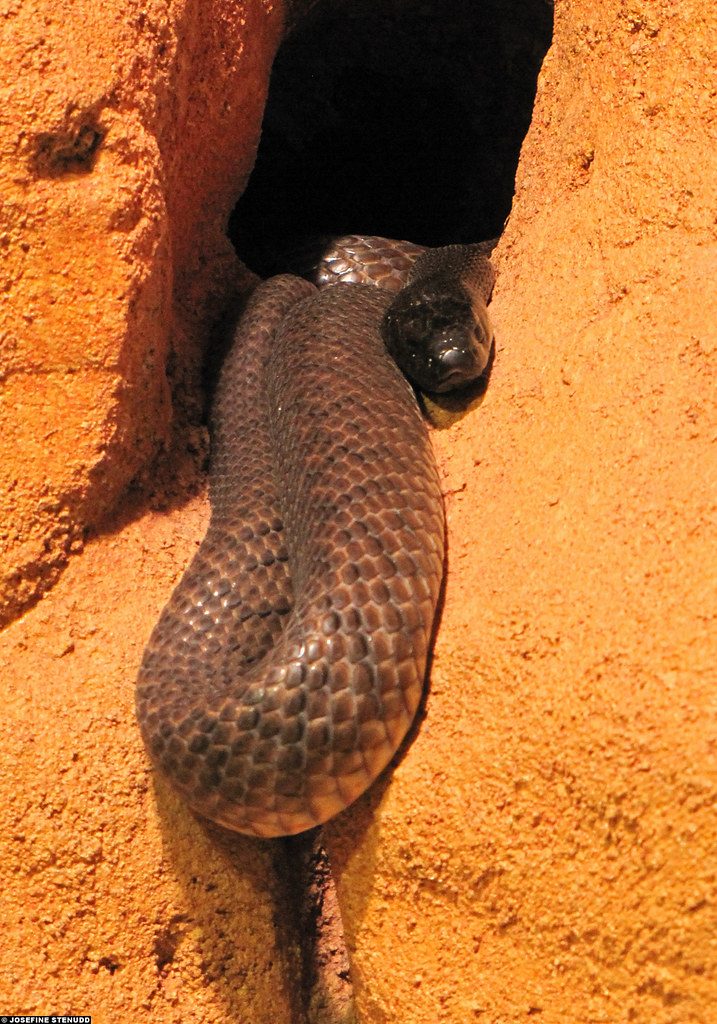
    The inland taipan lives in the dry inland regions of Australia. It avoids people whenever possible and spends much of its time hidden in cracks in the ground. Because it lives in remote areas, human bites are very rare.

    Its venom is what makes this snake famous. Scientists consider it the most toxic venom of any land snake in laboratory tests. The venom attacks the nervous system, affects blood clotting, and can damage muscles, making it extremely dangerous if treatment is delayed.

    How a single bite affects the body

    Inland Taipan, the World’s Deadliest Snake” by kleinmatt66 is licensed under CC BY-NC-ND 2.0

    The inland taipan can inject a large amount of venom in one bite. Symptoms may begin with headache, nausea, stomach pain, and vomiting. As the venom spreads, it can lead to weakness, trouble breathing, paralysis, and problems with blood clotting.

    Without medical care, these effects can become life-threatening. The speed and severity depend on factors like the amount of venom injected, the bite location, and how quickly the victim receives treatment.

    Why people rarely get bitten

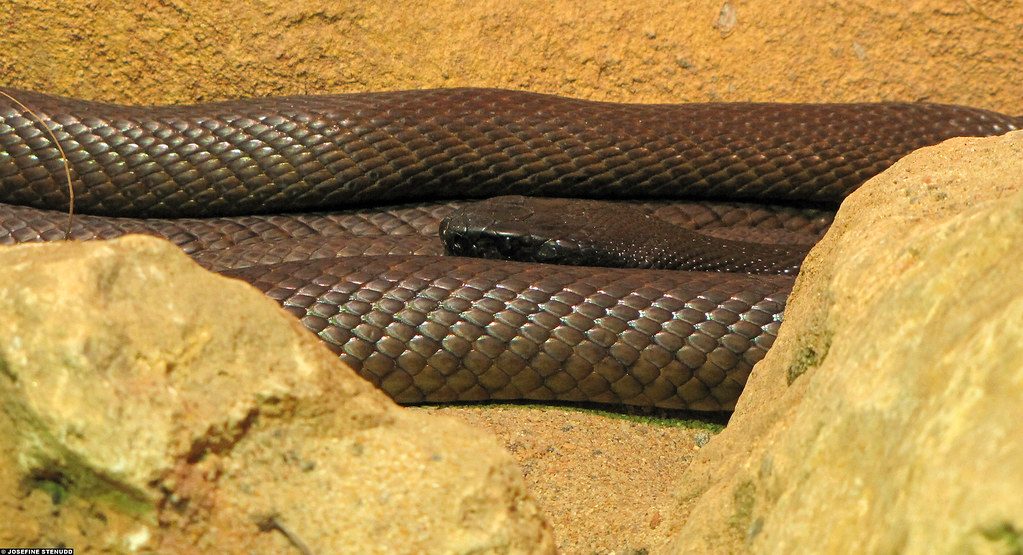
    20091222_23k Inland taipan (Oxyuranus microlepidotus) at Universeum, Gothenburg, Sweden” by ratexla (protected by Pixsy) is licensed under CC BY-NC-ND 2.0

    Even though the inland taipan has extremely powerful venom, it is not known for attacking people. It is a shy snake that usually escapes instead of standing its ground. Most bites have happened when someone tried to catch or handle the snake.

    Its remote habitat also lowers the chance of human encounters. Many Australians will never see an inland taipan in the wild because it lives far from cities and busy towns.

    What to do after a venomous snake bite

    a person with a bandage on their hand sitting on a bed
    Photo by engin akyurt on Unsplash

    Anyone bitten by a suspected venomous snake should call emergency services immediately. The person should stay as still as possible because movement can spread venom through the body more quickly.

    In Australia, pressure immobilization bandaging is recommended for bites from highly venomous snakes like the inland taipan. Doctors can also give antivenom, which greatly improves the chance of survival when given promptly.

    Can people survive an inland taipan bite?

    an ambulance driving down a street next to a building
    Photo by Walter Dziemianczyk on Unsplash

    Yes. Today, people can survive an inland taipan bite if they receive fast medical care. Modern antivenom and advanced hospital treatment have greatly improved outcomes compared to the past.

    Although its venom is extremely toxic, there have been very few documented human bites because the snake rarely comes into contact with people. Its behavior is one reason serious incidents remain uncommon.

    Respecting one of nature’s most venomous snakes

    20091222_24k Inland taipan (Oxyuranus microlepidotus) at Universeum, Gothenburg, Sweden” by ratexla (protected by Pixsy) is licensed under CC BY-NC-ND 2.0

    The inland taipan plays an important role in Australia’s ecosystem by helping control rodent populations. Like other wild animals, it is not hunting humans and prefers to avoid conflict whenever possible.

    The safest approach is to admire this remarkable reptile from a distance. Leaving snakes alone and giving them space protects both people and wildlife while reducing the risk of dangerous encounters.

  • The one shark Mark Vins says to avoid disturbing

    The one shark Mark Vins says to avoid disturbing

    Many people think all sharks are dangerous, but that is not true. Wildlife filmmaker and conservationist Mark Vins often shares that one shark deserves special respect because people make mistakes around it. The nurse shark may look calm and slow, but disturbing it can lead to an unnecessary bite. Knowing how this shark behaves helps keep both people and sharks safe.

    In this article, you will learn why Mark Vins warns people not to disturb nurse sharks, how they act in the wild, why bites happen, and what to do if you see one while swimming or diving. Understanding their behavior is the best way to enjoy the ocean safely.

    Why Mark Vins singles out nurse sharks

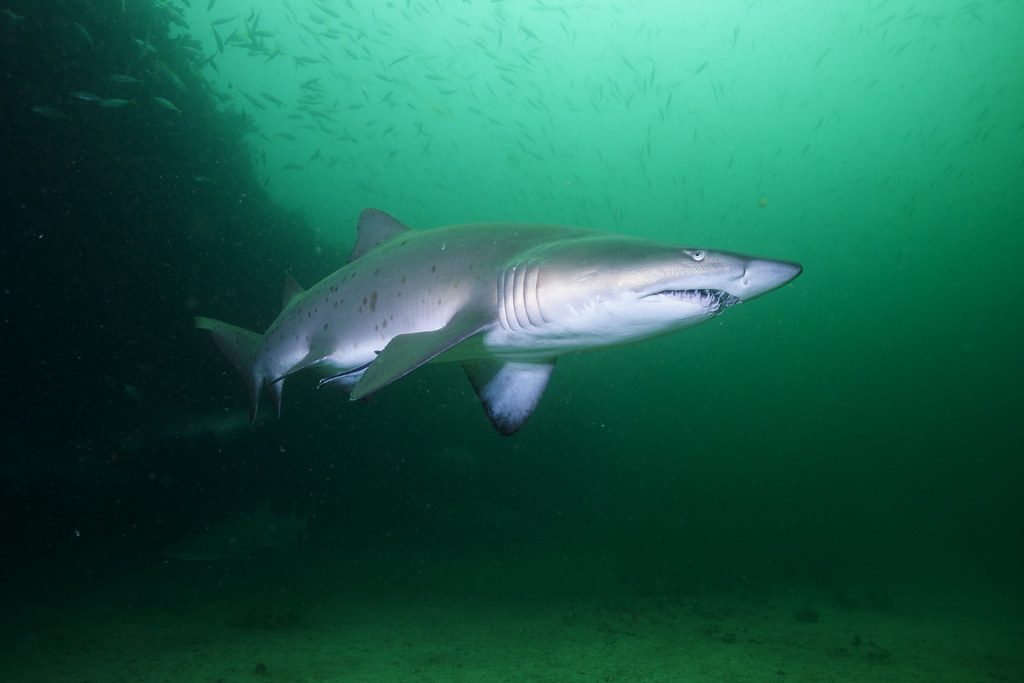
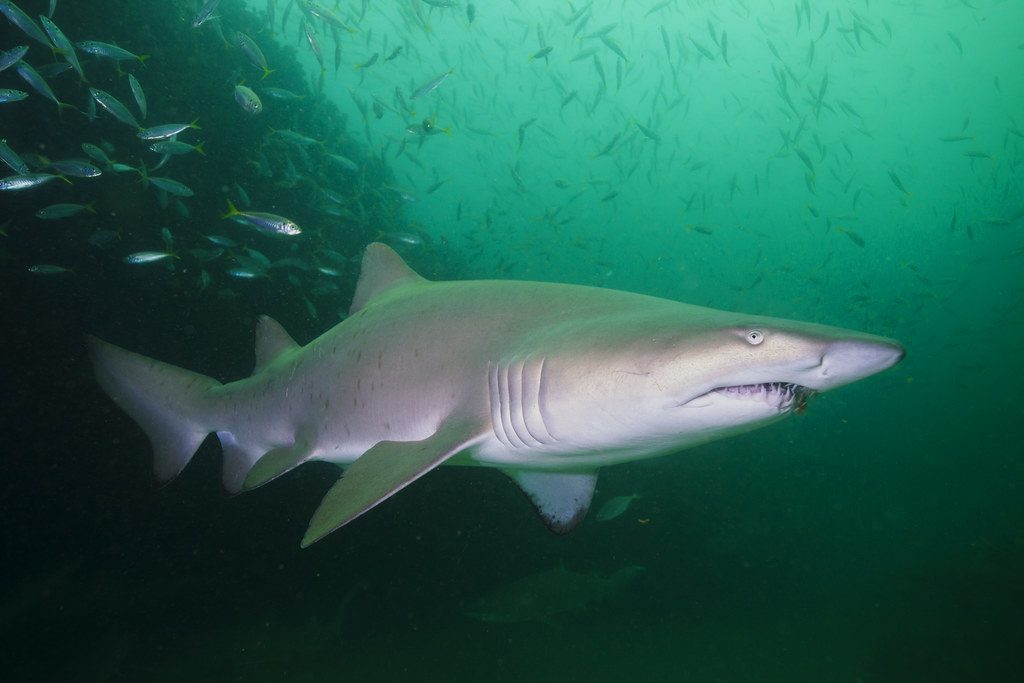
    Gray Nurse Shark
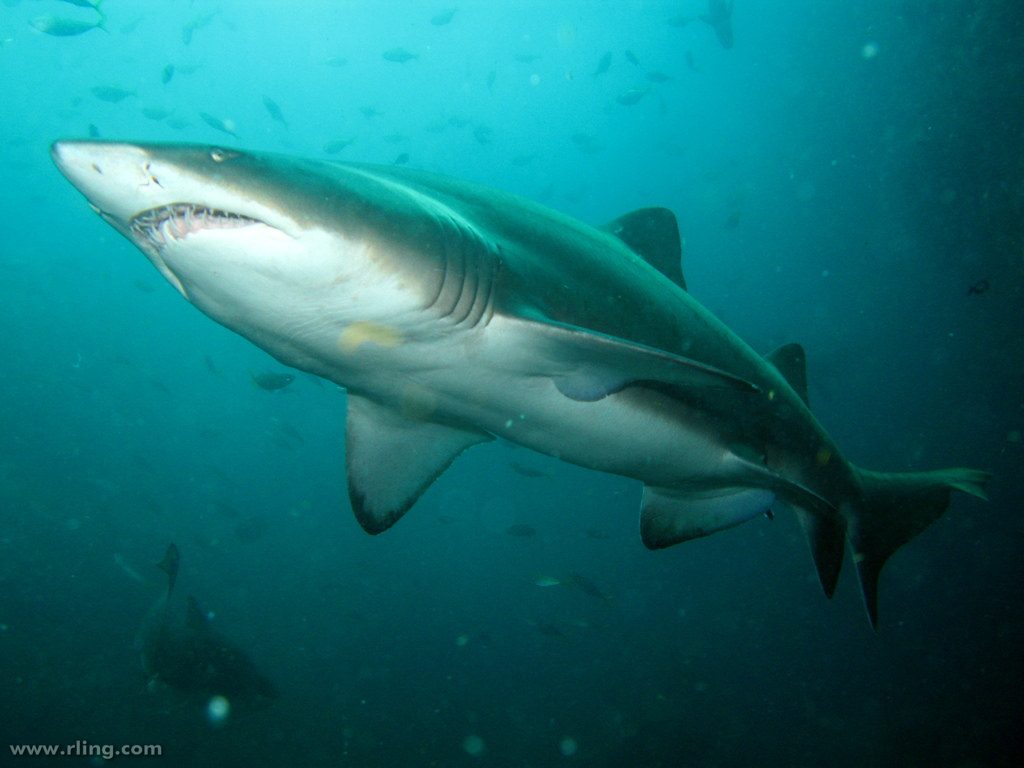
    Gray Nurse Shark” by PacificKlaus is licensed under CC BY-NC 2.0

    Mark Vins has explained that nurse sharks are usually peaceful animals. He says they are the only sharks he feels truly relaxed around, but he also warns that they should never be touched, cornered, or bothered while resting. Most problems happen when people forget that even calm wild animals will defend themselves.

    This message is important because nurse sharks often rest in shallow water where swimmers and divers can easily find them. Their relaxed behavior may make people think it is safe to grab them for a photo or try to move them. That is exactly the kind of action Mark Vins advises against.

    How nurse sharks behave in the wild

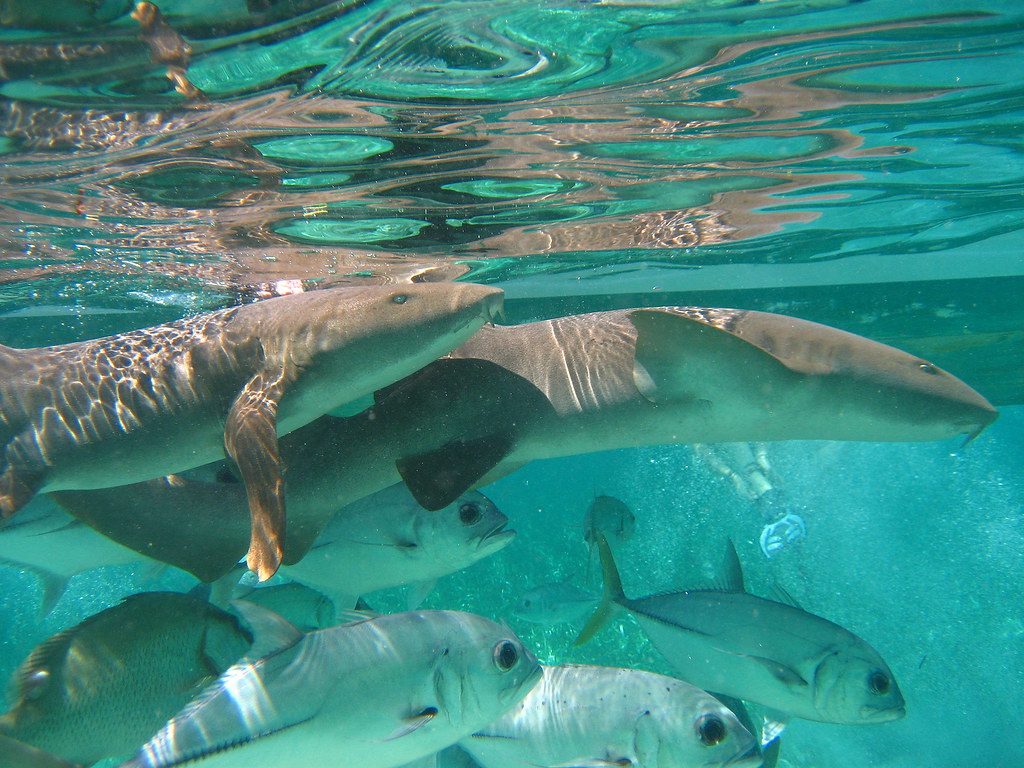
    Nurse Sharks and Jacks
    Nurse Sharks and Jacks” by Captain DJ is licensed under CC BY 2.0

    Nurse sharks spend much of the day resting on the ocean floor or under rocks and reef ledges. Unlike many other sharks, they can stay still for long periods because they pump water over their gills instead of swimming all the time. At night, they become active and hunt for fish, crabs, squid, and other small sea animals.

    They are common in warm waters of the Atlantic Ocean and the Caribbean. Divers often see several resting together during the day. Even though they seem sleepy, they remain alert and can react quickly if they feel threatened.

    Why disturbing them can be dangerous

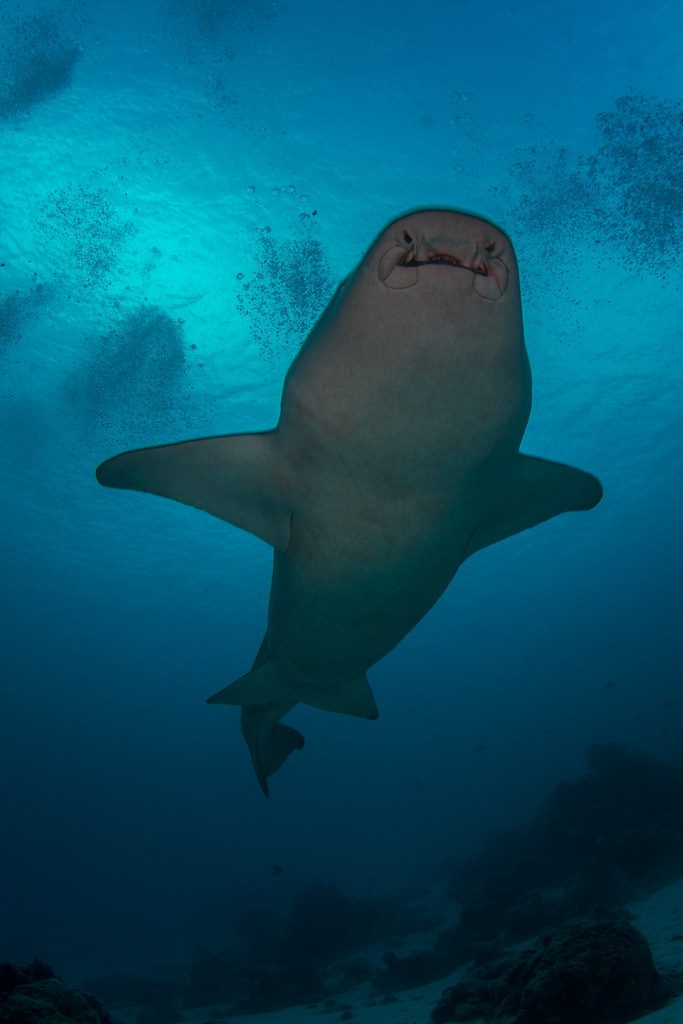
    Nurse Shark” by Tchami is licensed under CC BY-SA 2.0

    Most nurse shark bites happen because a person starts the contact. People may try to pet the shark, block its path, or pull its tail. When that happens, the shark may bite to protect itself, just as many wild animals would.

    Nurse sharks have powerful jaws and strong gripping teeth. Although attacks on humans are uncommon, a defensive bite can cause serious injuries. The safest choice is to watch from a respectful distance and never touch one.

    Common mistakes people make

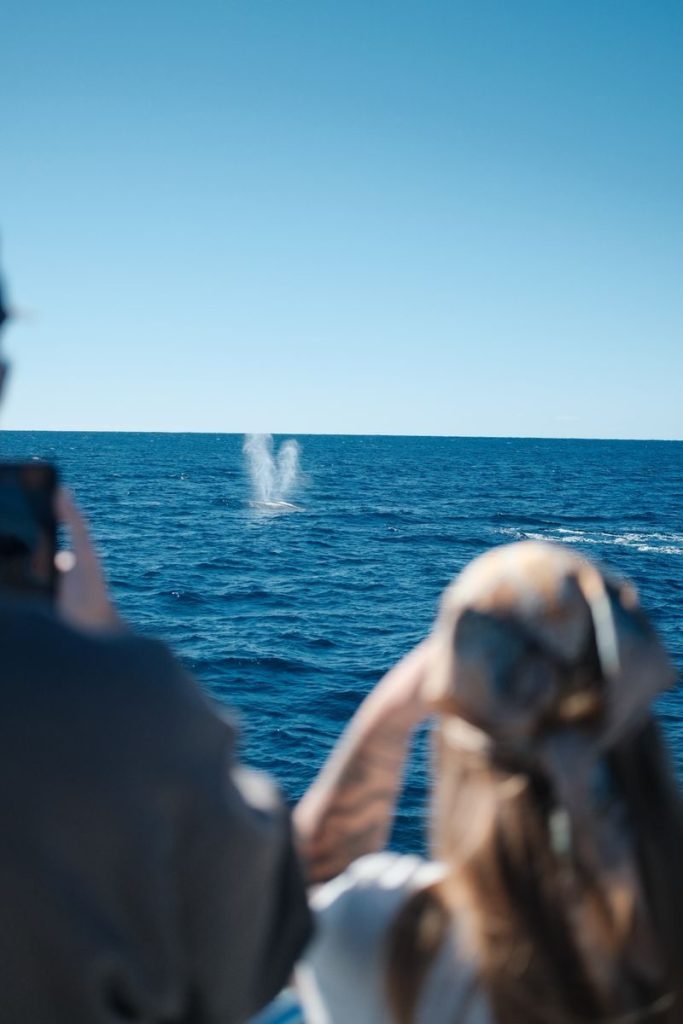
    Tourists joyfully observe whale watching at sea, capturing the moment.
    Photo by Tito Zzzz on Pexels

    One of the biggest mistakes is believing a calm shark is safe to handle. Social media photos and videos sometimes show people sitting beside nurse sharks or holding them, but these actions can stress the animal and increase the risk of a bite.

    Another mistake is crowding a resting shark. Flash photography, loud splashing, and trying to make the shark move can all disturb it. Giving the shark enough space lets it remain calm and helps prevent dangerous situations.

    How to stay safe around nurse sharks

    A man sitting on a rock looking at the ocean
    Photo by Adriel Sand on Unsplash

    If you see a nurse shark while swimming or diving, stay calm and enjoy the moment from a distance. Avoid sudden movements, never try to feed the shark, and do not block its escape route. Most nurse sharks will simply ignore people when left alone.

    Divers should also follow local guides and marine park rules. Good shark etiquette protects both visitors and wildlife. Respecting the shark’s space creates a safer experience for everyone in the water.

    Why respecting sharks helps conservation

    Gray Nurse Shark” by PacificKlaus is licensed under CC BY-NC 2.0

    Sharks play a key role in healthy ocean ecosystems by helping keep marine food chains balanced. Nurse sharks are no exception, and they deserve protection instead of fear. Learning about their true behavior helps replace myths with facts.

    Mark Vins’ advice is simple because it works. Enjoy seeing a nurse shark, but let it remain wild. Respecting its space protects you from injury while allowing the shark to continue its natural life without unnecessary stress.

  • How one Komodo dragon bite can bring down giant prey

    How one Komodo dragon bite can bring down giant prey

    Have you ever wondered how one Komodo dragon bite can take down an animal much bigger than the lizard itself? At first, it sounds impossible. Yet these giant reptiles are among the most successful hunters on Earth. Their hunting method is not based on bite force alone. Instead, they use sharp teeth, venom, and patience to weaken large prey.

    This article explains how a Komodo dragon bite works, why old ideas about deadly bacteria have changed, and how these powerful reptiles hunt animals such as deer, wild pigs, and even water buffalo.

    Komodo dragons hunt with more than strength

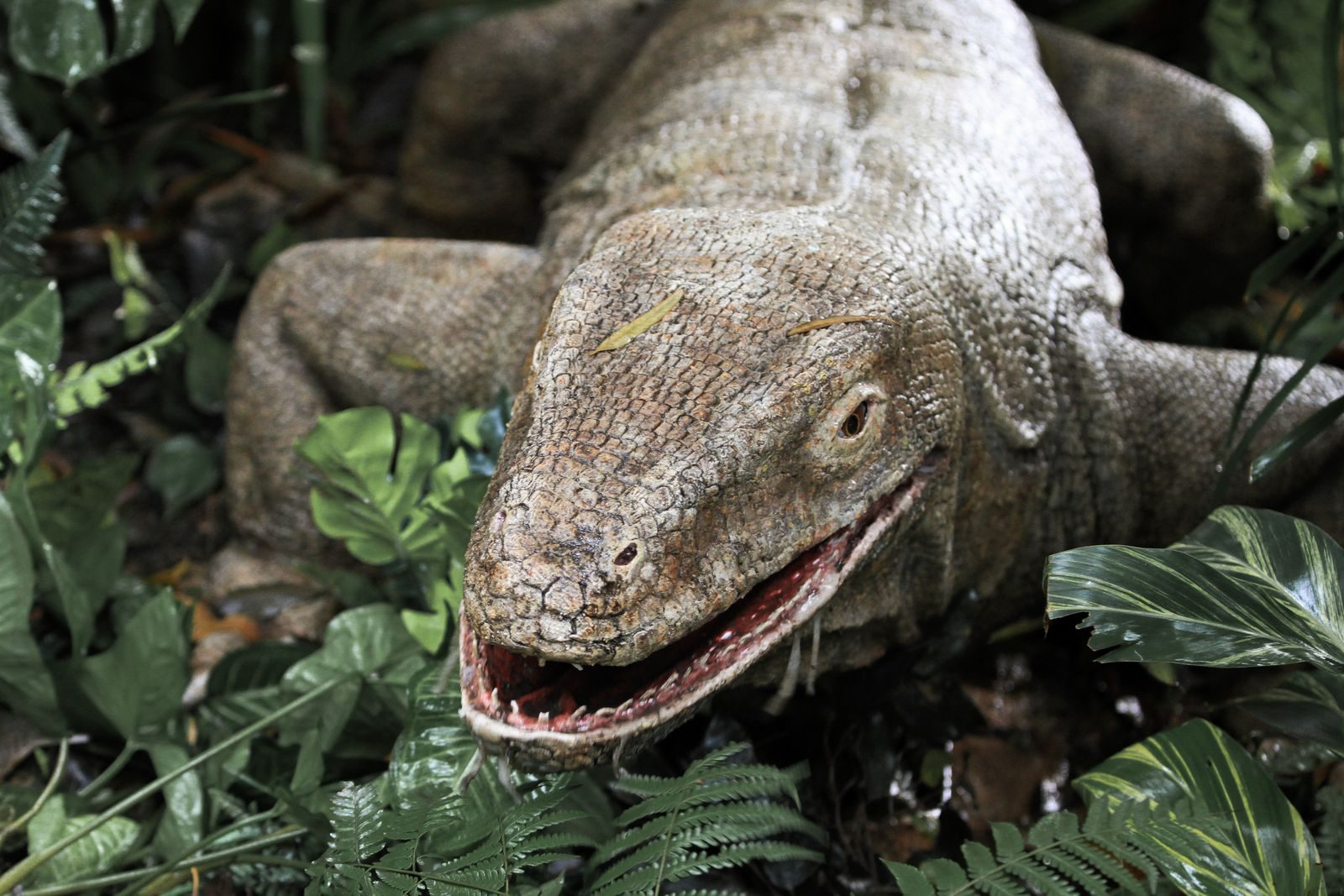
    KOMODO DRAGON” by NAPARAZZI is licensed under CC BY-SA 2.0

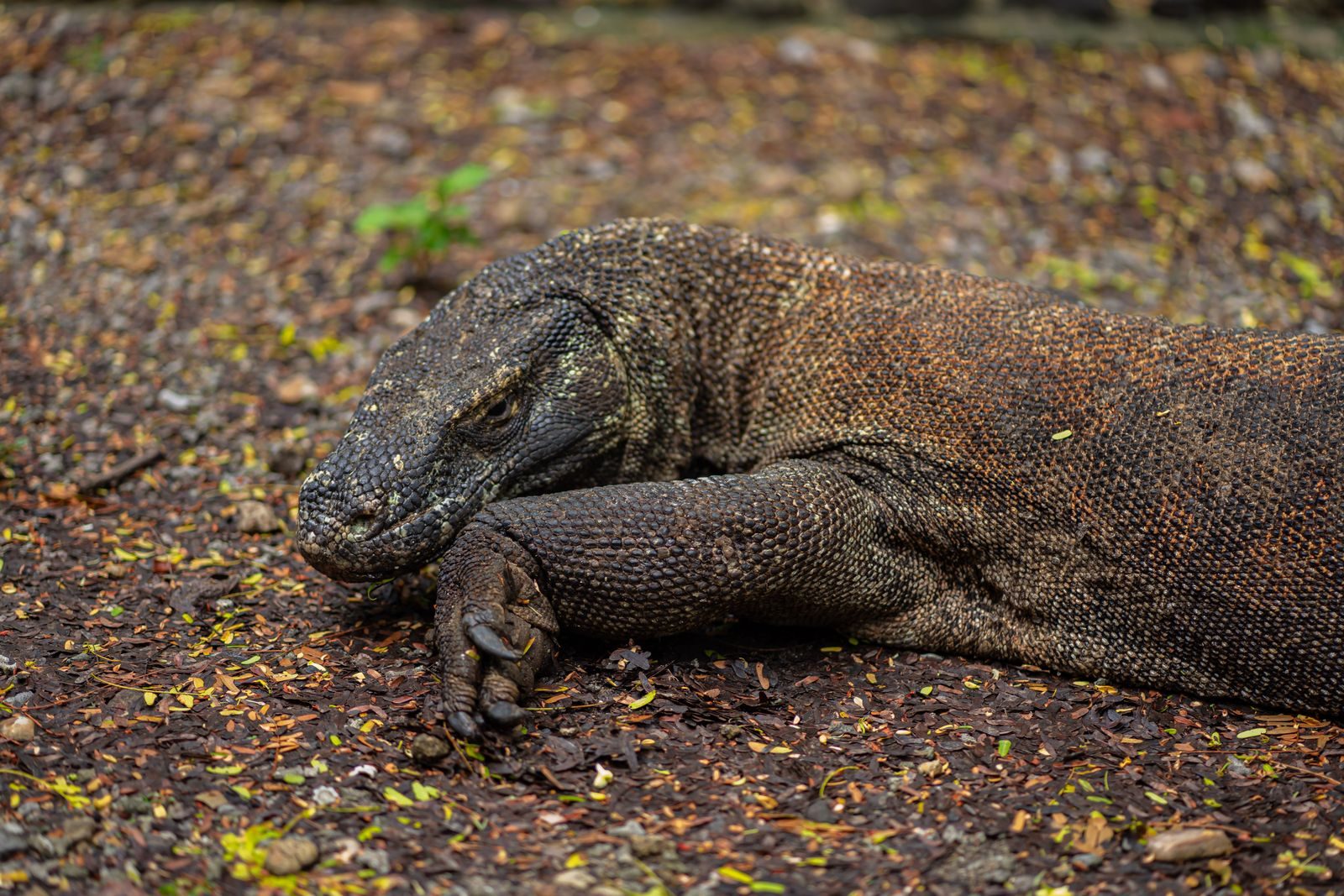
    Komodo dragons are the world’s largest living lizards, growing over 10 feet long and weighing more than 150 pounds. They live on a few Indonesian islands and are top predators in their habitat. Their favorite prey includes deer, wild pigs, and other large mammals.

    Unlike lions or crocodiles, Komodo dragons do not depend on crushing power. Their jaws are not especially strong, but their hunting success comes from speed, sharp teeth, and a bite designed to cause deep wounds.

    Their teeth create serious injuries

    Komodo dragon (Varanus komodoensis)” by 5of7 is licensed under CC BY-SA 2.0

    A Komodo dragon has about 60 curved, serrated teeth that work like steak knives. When it bites, it tears through skin and muscle instead of simply holding onto its prey. These deep cuts can cause heavy bleeding within seconds.

    The dragon also uses strong neck muscles to pull backward while biting. This ripping action makes the wound even larger. Even if the prey escapes at first, it may already have lost a dangerous amount of blood.

    Venom makes the bite even more dangerous

    Detailed close-up of a Komodo dragon's head displaying its textured scales and natural habitat.
    Photo by Rikardus nanggar on Pexels

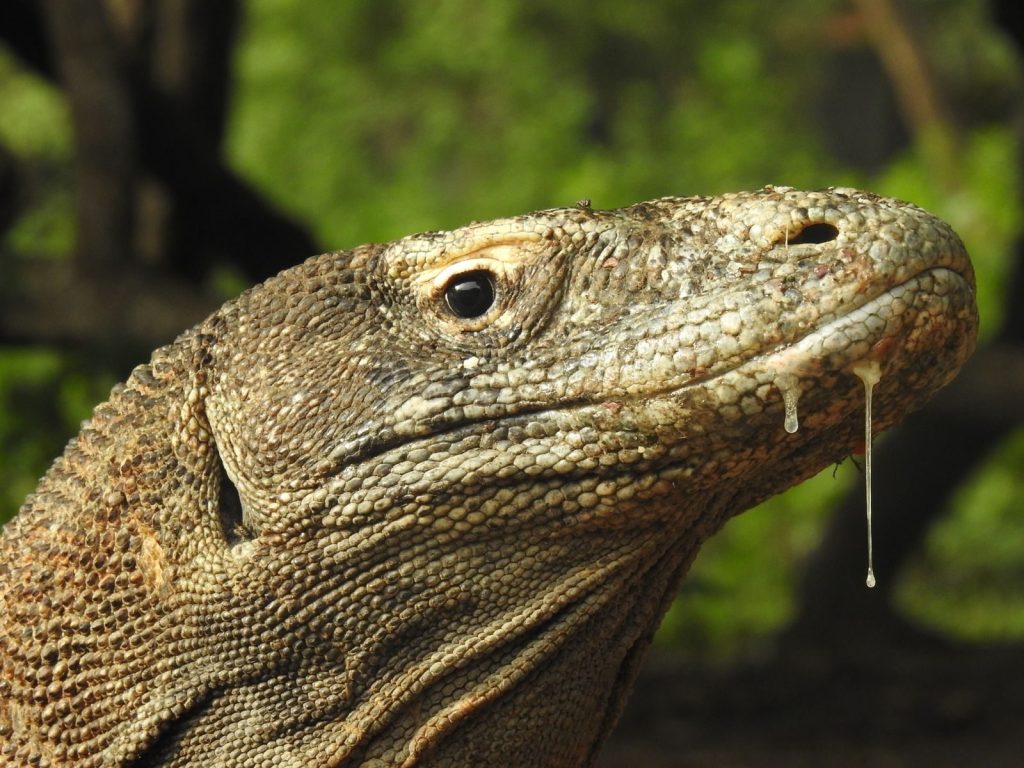
    For many years, people believed Komodo dragons killed with harmful bacteria living in their mouths. Scientists now know that idea is mostly a myth. Research shows their mouths are no dirtier than those of many other meat-eating animals.

    Instead, Komodo dragons have venom glands in their lower jaws. Their venom contains proteins that reduce blood clotting, lower blood pressure, and help send prey into shock. Combined with deep wounds, this makes it much harder for injured animals to recover.

    Even giant prey can be worn down

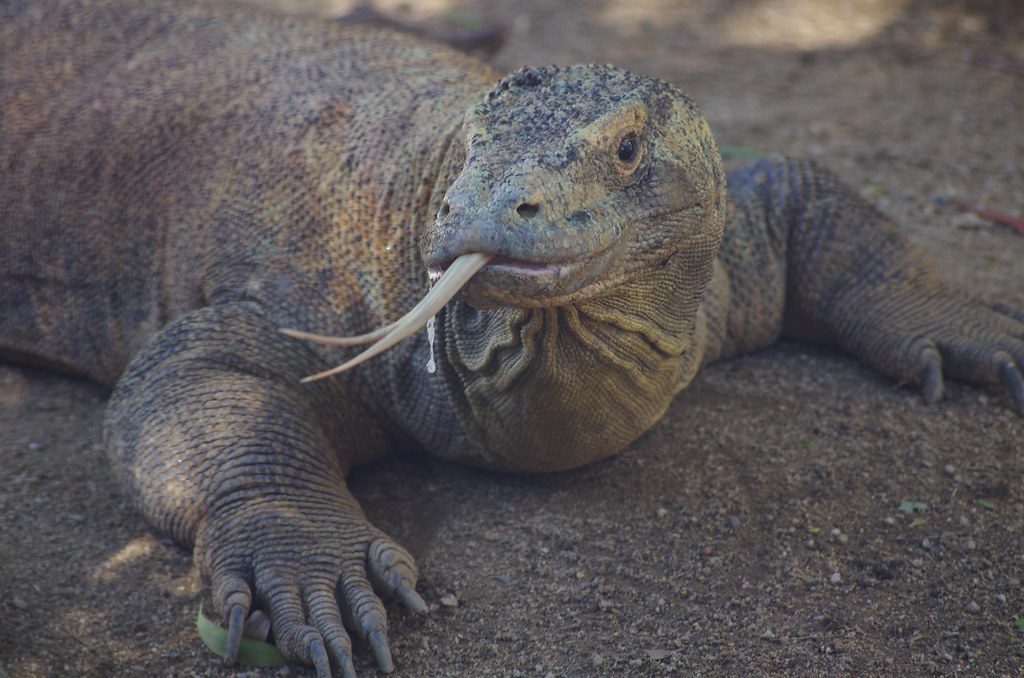
    Forked tongue of Komodo Dragon – Komodo, Indonesia” by whl.travel is licensed under CC BY-NC-SA 2.0

    Large animals such as deer and water buffalo are much bigger than a Komodo dragon. A single bite may not kill them right away, but the heavy blood loss, venom, and shock can weaken them over time.

    Komodo dragons often follow injured prey after the attack. Using their excellent sense of smell, they can track an animal for long distances until it becomes too weak to escape. This patient hunting style helps them catch prey that seemed impossible to defeat.

    A powerful sense of smell helps them finish the hunt

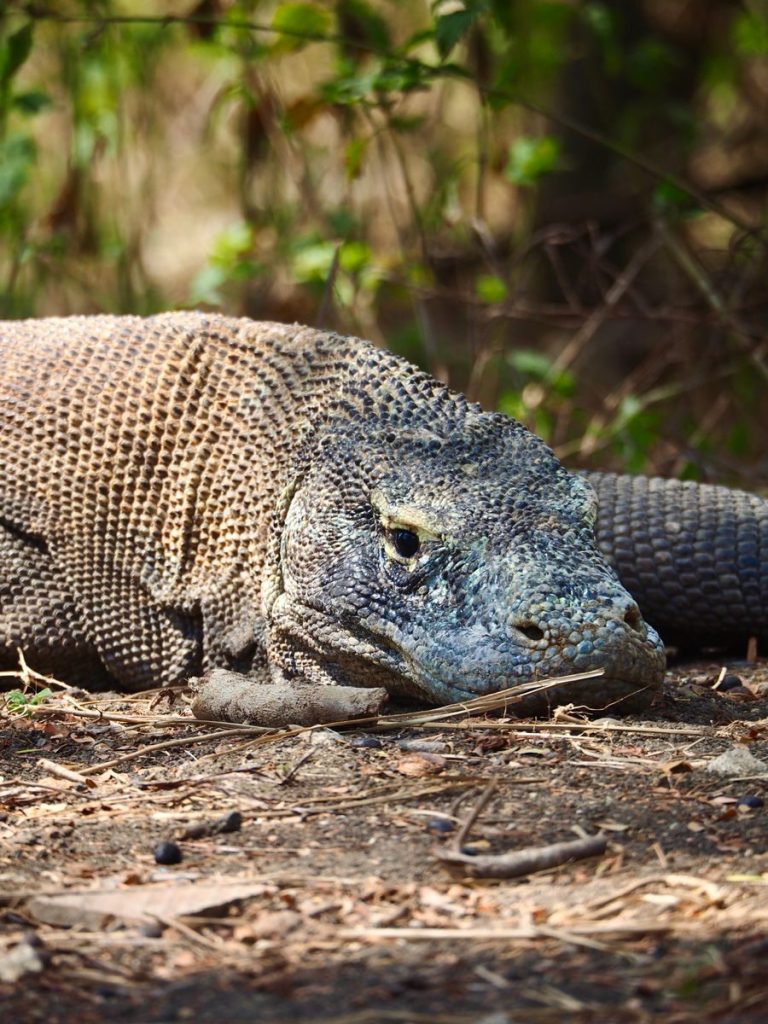
    Komodo dragon resting in its natural habitat, showcasing detailed scales and intense gaze.
    Photo by Timon Cornelissen on Pexels

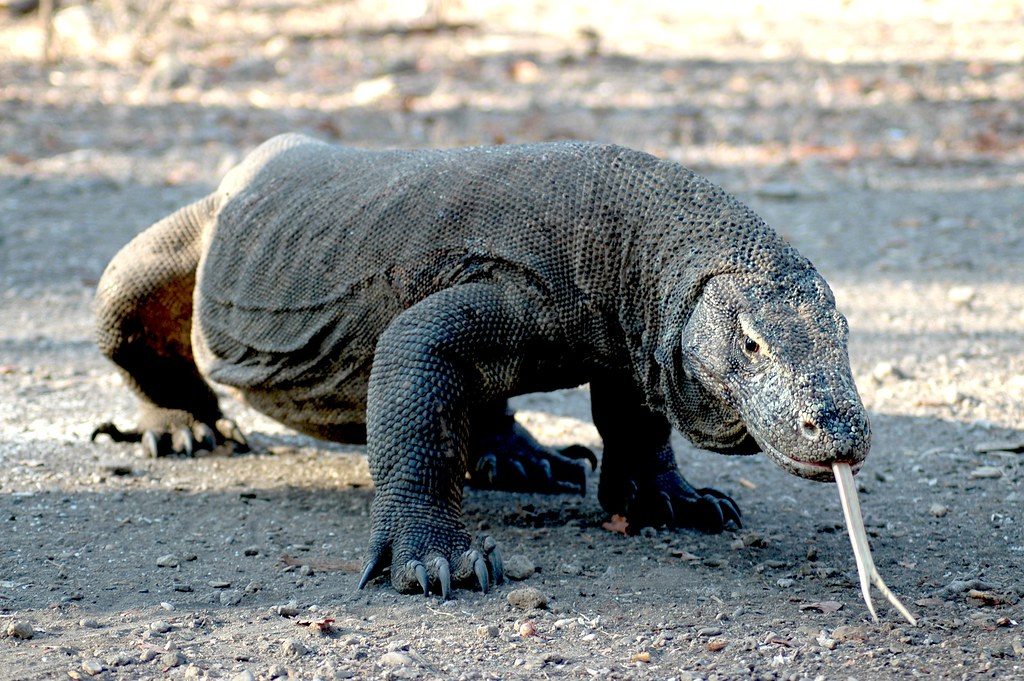
    Komodo dragons have an amazing forked tongue that collects tiny scent particles from the air. They use a special organ inside the roof of their mouth to study these scents and locate wounded animals.

    This ability allows them to find prey even after it has traveled far from the attack site. Their strong sense of smell also helps them locate dead animals, making them skilled hunters and scavengers.

    Why this hunting method is so effective

    Detailed close-up of a Komodo dragon's head displaying its textured scales and natural habitat.
    Photo by Rikardus nanggar on Pexels

    The Komodo dragon’s hunting strategy saves energy and lowers the risk of serious injury. Instead of fighting large prey for a long time, it delivers a damaging bite and lets blood loss and venom do much of the work.

    This combination of sharp teeth, venom, patience, and excellent tracking has helped Komodo dragons survive for thousands of years. It is one of the reasons they remain one of nature’s most remarkable predators.

  • Steve Irwin’s last words remain etched in his cameraman’s memory

    Steve Irwin’s last words remain etched in his cameraman’s memory

    Steve Irwin’s last words have stayed in the minds of millions of fans since his tragic death in 2006. People still wonder what happened during his final moments and what his longtime cameraman remembers most.

    Thanks to the eyewitness account shared years later by underwater cameraman Justin Lyons, we now have a clearer picture of that heartbreaking day. This article explains the events leading up to the accident, Steve Irwin’s last words, why the attack happened, and how his legacy continues to inspire people around the world.

    The day everything changed

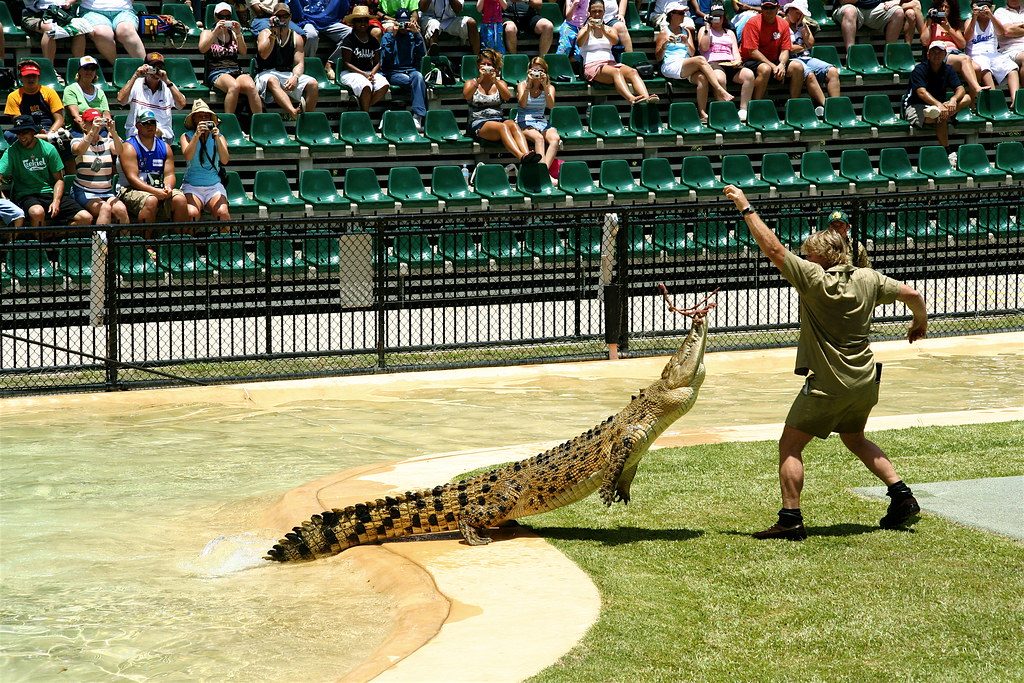
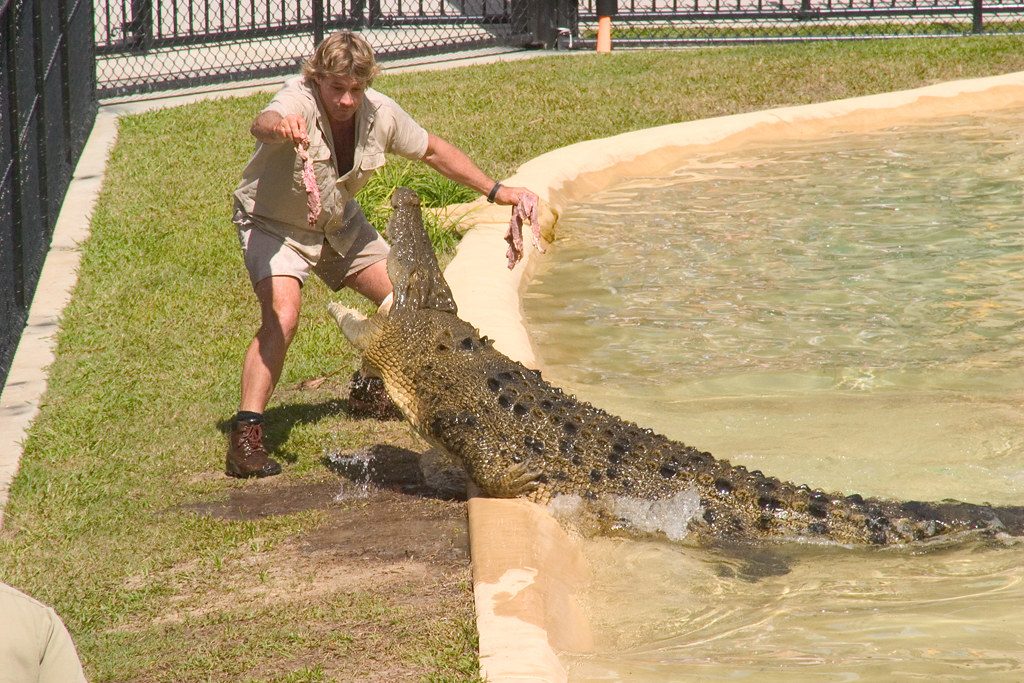
    Steve Irwin feeding Croc=” by Sheba_Also 48,000 photos incl private is licensed under CC BY-SA 2.0

    On September 4, 2006, Steve Irwin was filming the documentary Ocean’s Deadliest near Batt Reef, off the coast of Queensland, Australia. The crew had been searching for dangerous sea animals when they came across a large short-tailed stingray in shallow water.

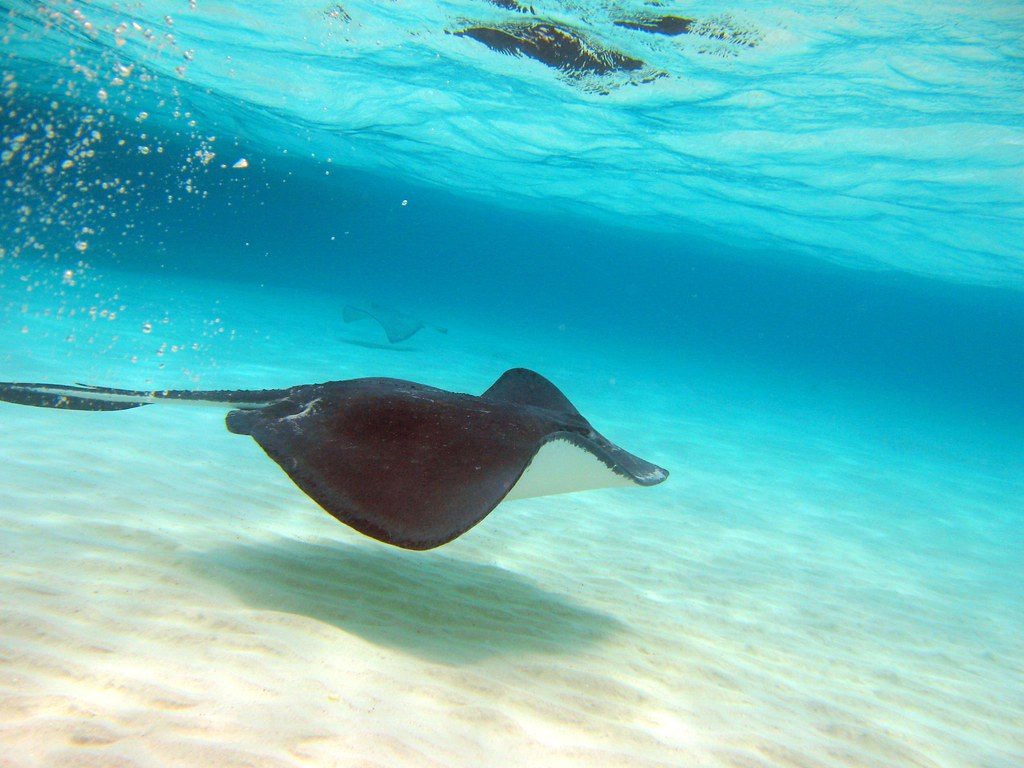
    Steve and underwater cameraman Justin Lyons decided to film one final shot of the stingray swimming away. According to Lyons, the animal suddenly reacted and struck Steve in the chest with its tail. The stingray was acting in self-defense, which is how these animals normally respond when they feel threatened.

    Steve Irwin’s last words

    an ambulance driving down a street next to a building
    Photo by Walter Dziemianczyk on Unsplash

    For years, many stories about Steve’s final moments circulated online. In 2014, Justin Lyons shared the first detailed public account of what happened during an interview. He explained that Steve remained calm even after the injury.

    As the crew rushed back by boat and tried to help him, Lyons kept encouraging Steve to stay awake. He asked him to think about his children and keep fighting. Steve quietly looked up and said, “I’m dying.” Lyons said those were the last words he heard before Steve lost consciousness.

    Why the injury was so serious

    Stingray, Grand Cayman” by GANDALF_GREY is licensed under CC CC0 1.0

    At first, Steve believed the stingray’s barb had pierced his lung because he was having trouble breathing. However, the injury was much worse than anyone realized in those first moments.

    The barb had pierced his chest and caused severe damage to his heart. Medical experts and Lyons have said that the wound was so devastating that it is unlikely Steve could have survived, even if he had reached a hospital immediately. Fatal stingray attacks are extremely rare, making this tragedy even more unusual.

    The cameraman’s lasting memory

    black video camera
    Photo by Matt C on Unsplash

    Justin Lyons worked closely with Steve for many years and considered him both a friend and mentor. He has described the experience as one of the hardest moments of his life.

    Lyons has also explained that he never wants the footage of the accident released. He believes those final moments are private and should remain that way. His focus has always been on remembering Steve’s passion for wildlife instead of the tragedy itself.

    Steve’s respect for wildlife

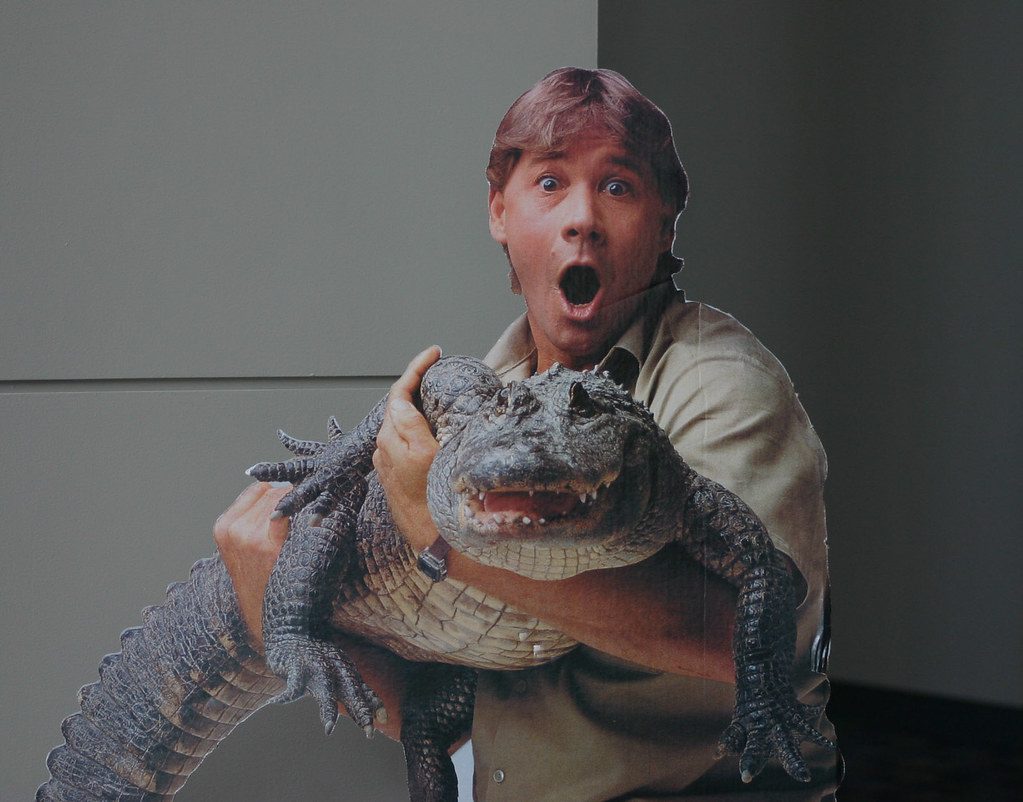
    Steve Irwin, ‘Crocodile Hunter’” by dbking is licensed under CC BY 2.0

    Steve Irwin built his career by teaching people to respect animals instead of fearing them. He often reminded viewers that wild animals should never be blamed for acting on instinct.

    After his death, his family continued to share that message. They have repeatedly said that Steve would never have wanted people to harm stingrays because of what happened. His conservation work remains one of his greatest achievements.

    Why people still remember him

    A person holding a smart phone with social media on the screen
    Photo by Berke Citak on Unsplash

    Nearly two decades later, Steve Irwin is remembered as one of the world’s most loved wildlife educators. His television shows introduced millions of people to animals they might never have seen otherwise.

    His wife, Terri, and children, Bindi and Robert, continue his mission through Australia Zoo and wildlife conservation projects. Their work helps keep Steve’s dream alive by teaching new generations to care for nature and protect endangered species.

  • What keeps US sailors safe from sharks during swim call

    What keeps US sailors safe from sharks during swim call

    What keeps US sailors safe from sharks during swim call? It is a question many people ask after seeing videos of sailors swimming in the open ocean beside Navy ships. While the activity looks exciting, it is carefully planned with safety as the top priority.

    The U.S. Navy and U.S. Coast Guard only hold swim calls when conditions are considered safe, and trained crews watch for any danger before anyone enters the water. In this article, you will learn how swim calls are organized, what safety steps are taken, how shark risks are reduced, and what happens if a shark appears.

    What is a swim call?

    man swimming on water
    Photo by David Boca on Unsplash

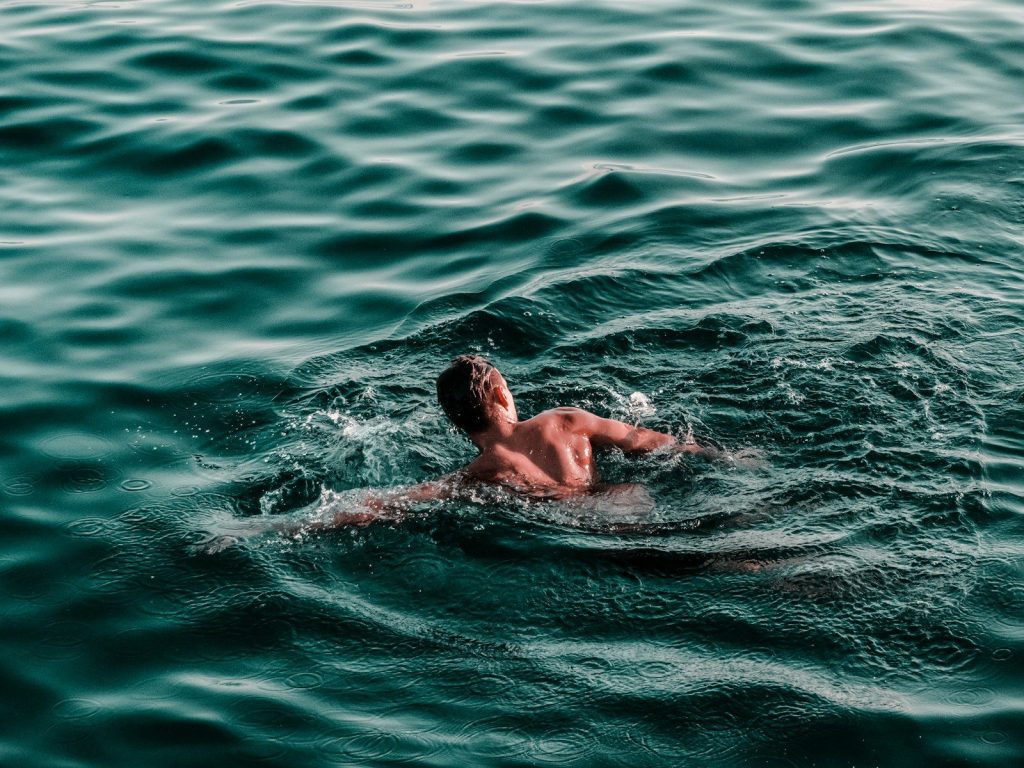
    A swim call is a planned event that lets sailors swim in the ocean while their ship is stopped. It is a long-standing naval tradition that gives crews a chance to relax after spending many days or weeks at sea.

    Swim calls are never random. Commanding officers decide whether the event is safe based on weather, sea conditions, water depth, and the ship’s location. If conditions are not right, the swim call is canceled.

    How does the Navy reduce shark risk?

    A large boat in the middle of the ocean
    Photo by Luckas spalinger on Unsplash

    The first step is choosing a safe location. Ships avoid areas known for large numbers of sharks, heavy fishing activity, or poor water visibility. Crews also check sea conditions before anyone enters the water.

    Sailors stay close to the ship instead of swimming long distances. The swim area is controlled, and everyone remains within a designated zone where safety teams can watch them at all times. Even with these steps, the ocean is a wild environment, so the risk can never be completely removed.
    Who watches for sharks?

    A man sitting on a rock looking at the ocean
    Photo by Adriel Sand on Unsplash

    During every swim call, trained lookouts are placed on the ship to watch the water from high points. Their job is to spot sharks or other marine animals as early as possible so swimmers can leave the water if needed.

    Small boats with trained crews are also launched near the swimmers. These boats carry rescue equipment and help keep watch over the area. Good communication between lookouts, boat crews, and the ship allows everyone to react quickly if a problem is spotted.

    What happens if a shark appears?

    Great White Shark” by Elias Levy is licensed under CC BY 2.0

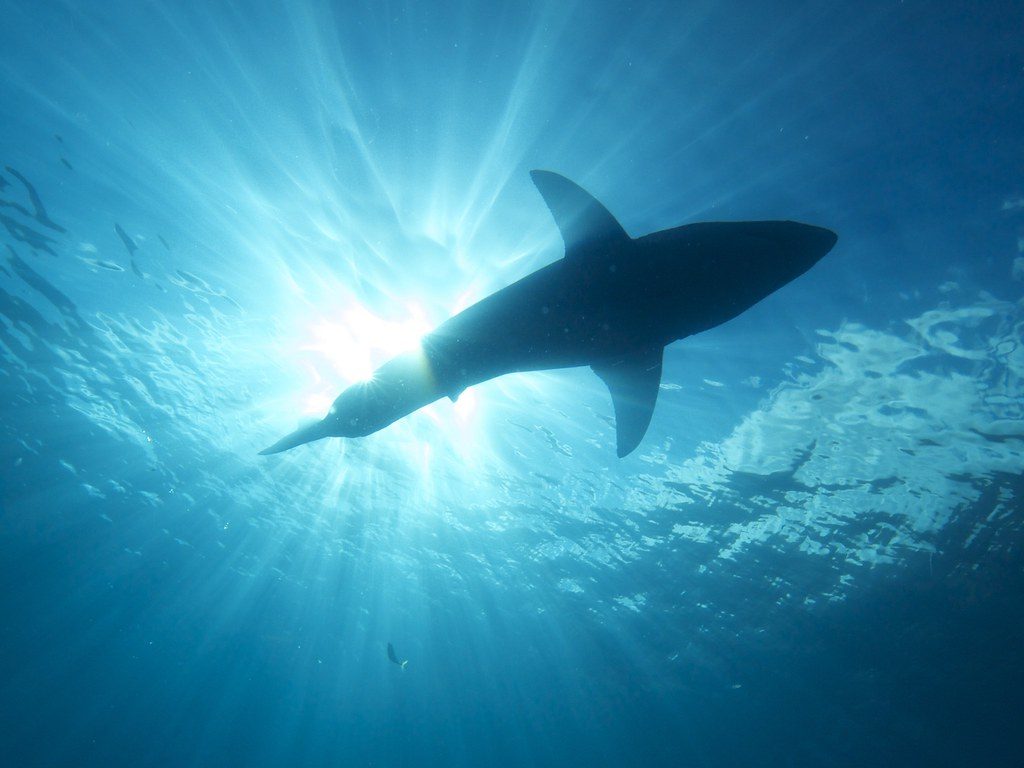
    If a shark is seen near swimmers, the swim call ends immediately. Sailors are told to return to the ship as quickly and calmly as possible while rescue boats help guide them back.

    In rare situations where a shark comes dangerously close, armed personnel may use warning shots or other methods to scare the shark away instead of trying to kill it. The main goal is to protect the swimmers while allowing the animal to leave the area safely whenever possible.

    What other safety measures are used?

    Two people on a sailboat enjoying a tranquil ocean view, perfect travel moment.
    Photo by cottonbro studio on Pexels

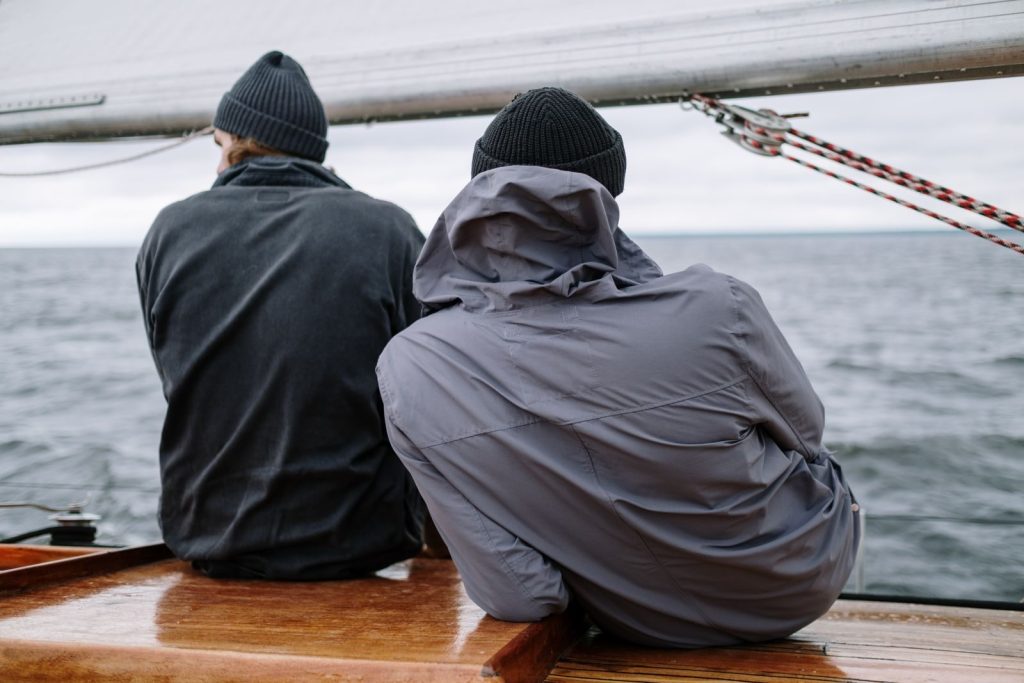
    Before anyone enters the water, sailors receive a detailed safety briefing. Crews review emergency plans, communication procedures, and rescue methods so everyone knows exactly what to do if something unexpected happens.

    Medical personnel, rescue swimmers, flotation devices, and recovery equipment are also kept ready throughout the event. Every swimmer is counted before entering the water and again after leaving to make sure everyone returns safely.

    How safe are Navy swim calls?

    Great white shark cage dive : 3” by Crystian Cruz is licensed under CC BY-ND 2.0

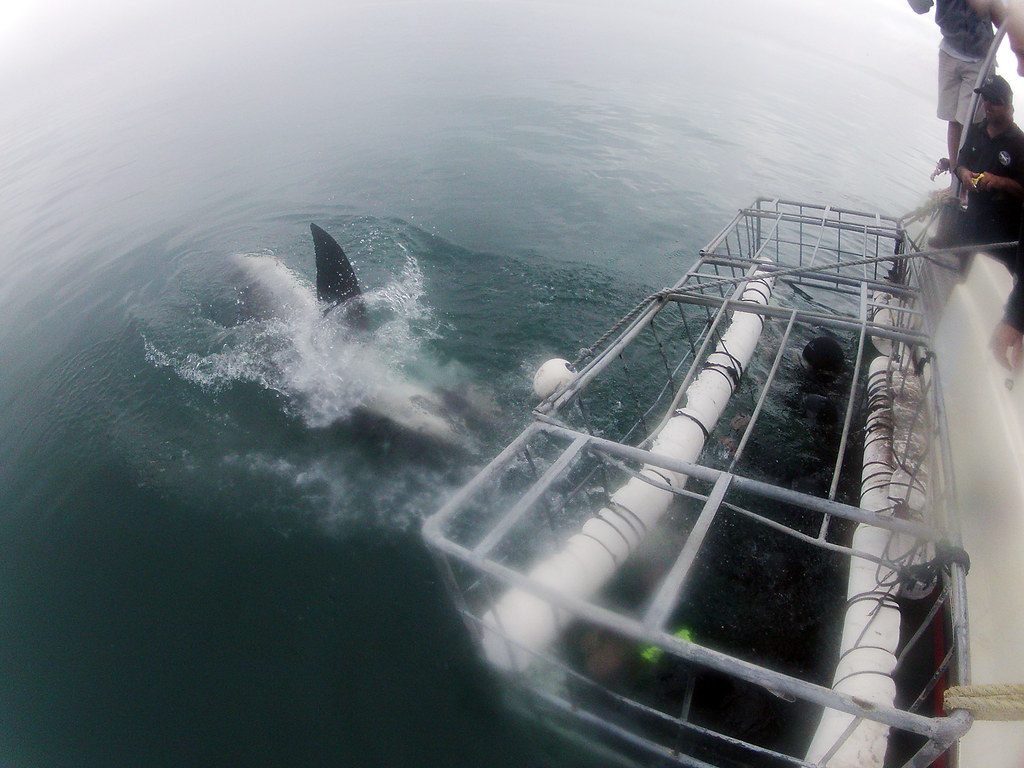
    Serious shark incidents during U.S. Navy swim calls are extremely rare because of the many safety rules in place. Careful planning, constant observation, and quick response procedures greatly lower the chance of an accident.

    Even so, the Navy understands that the open ocean cannot be fully controlled. That is why swim calls only happen when leaders believe the benefits outweigh the risks, and they can be stopped without warning if conditions change.

  • Elephant gains freedom after 85 years in chains

    Elephant gains freedom after 85 years in chains

    For decades, many captive elephants have spent much of their lives in chains while working in temples, tourism, or logging. The story of an elephant gaining freedom after 85 years in chains has touched people around the world because it shows that change is possible, even after a lifetime of hardship.

    While years of captivity cannot be erased, moving an elderly elephant to a safer place can greatly improve its quality of life. This article explains what happened, why the rescue matters, and what it teaches us about elephant welfare and conservation.

    Why is this rescue so important?

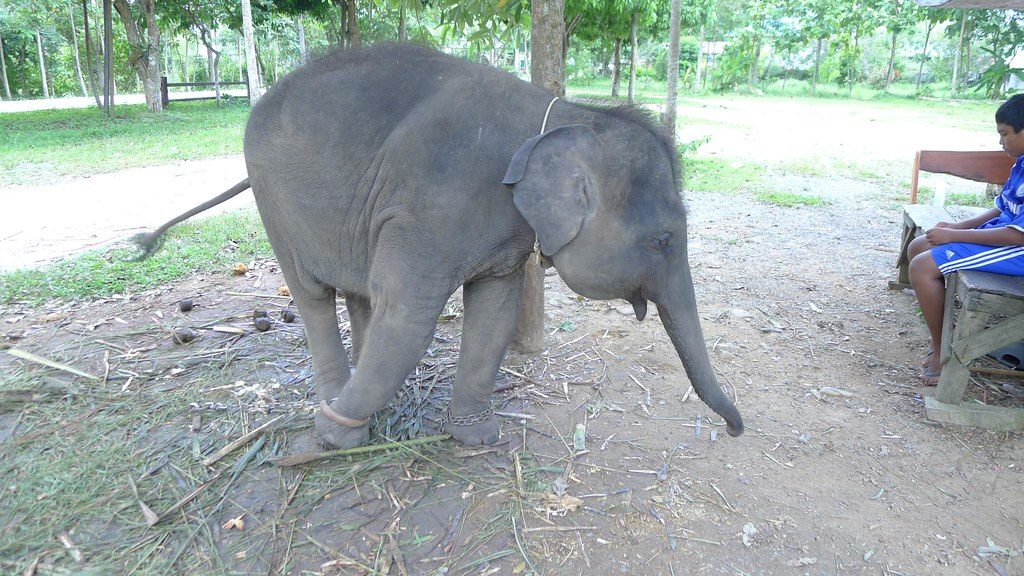
    Small elephant chained up” by Dylanfm is licensed under CC BY-NC-ND 2.0

    The elephant, believed to be around 85 years old, spent most of its life under human control. After decades of being chained for long periods, animal welfare groups and local officials worked together to provide a more comfortable home where the elephant could finally move more freely.

    Although freedom cannot undo years of physical and emotional stress, experts say a better environment can reduce pain and improve daily life. Access to soft ground, shade, clean water, and proper veterinary care makes a major difference for elderly elephants.

    How years in chains affect elephants

    Elephant near water” by World Resources is licensed under CC BY-NC-SA 2.0

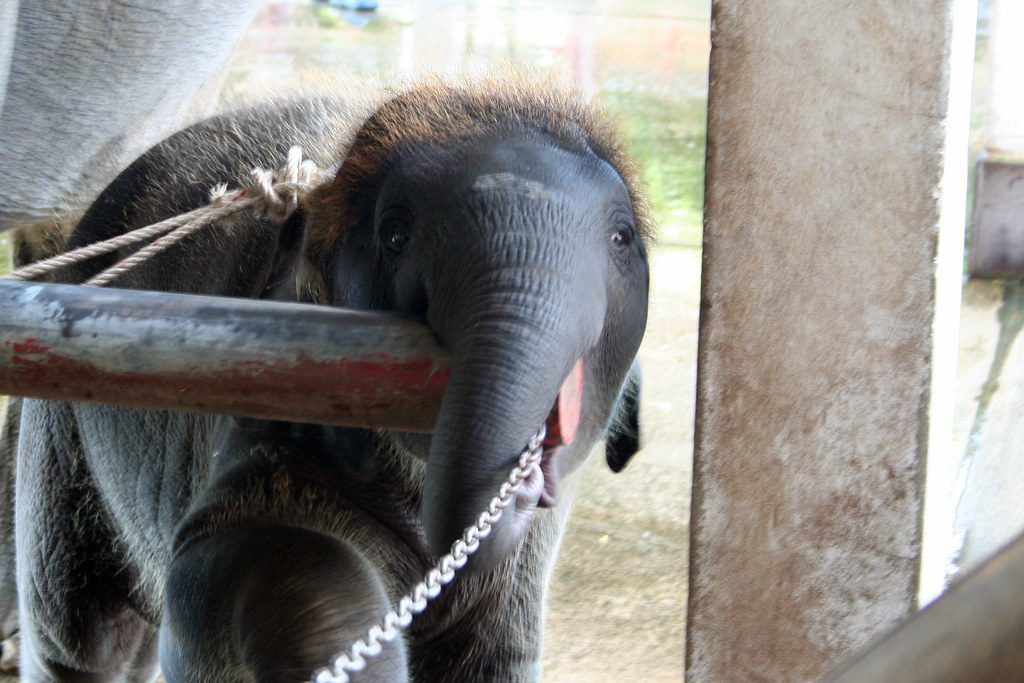
    Elephants are intelligent and social animals that naturally walk many miles each day. Long periods in chains can lead to painful foot problems, stiff joints, muscle weakness, and injuries caused by rubbing against metal restraints.

    Captivity can also affect an elephant’s mental health. Many elephants that are kept alone or restrained for long periods show repetitive behaviors, which experts see as signs of stress. A calmer environment and gentle care can help reduce these behaviors over time.

    What freedom looks like

    herd of elephants near trees
    Photo by Photos By Beks on Unsplash

    Freedom for a rescued captive elephant does not usually mean returning to the wild. An elephant that has lived with people for most of its life often cannot survive on its own in a natural forest.

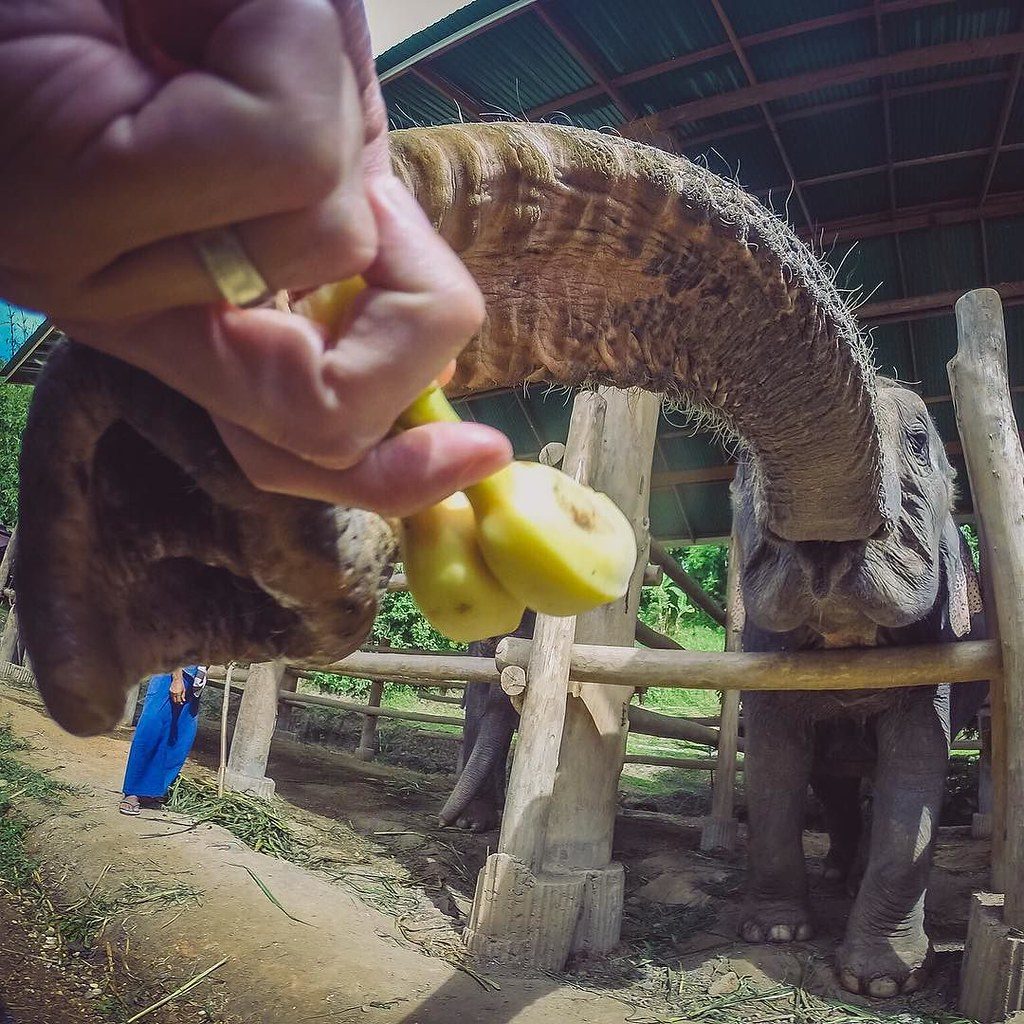
    Instead, many rescued elephants are moved to protected care centers or sanctuaries. There, they can walk without heavy chains, bathe in water, roll in mud, eat healthy food, and receive regular medical treatment while living in a much more natural setting.

    Why elephants need special care

    The Thai Elephant Care Center takes in elderly elephants before they pass away. We were able to feed them some bananas and spend time with them in #ChiangMai. #AnotherTraveler #explr” by AnotherTravler is licensed under CC BY-NC-SA 2.0

    Older elephants require constant attention because age brings health problems just as it does in people. Veterinarians often treat arthritis, worn feet, dental problems, and other conditions that become more common in elderly animals.

    Keepers also provide balanced diets, regular exercise, and enrichment activities that encourage natural behavior. These simple changes can improve comfort and help rescued elephants stay active despite their advanced age.

    What this story means for elephant welfare

    A person holding a smart phone with social media on the screen
    Photo by Berke Citak on Unsplash

    This rescue has renewed public attention on the treatment of captive elephants. Many conservation groups continue to encourage better living conditions, improved veterinary care, and the gradual end of practices that rely on long-term chaining.

    The story also reminds people that elephants are more than working animals. They are highly intelligent mammals with strong memories, close family bonds, and complex emotions, making humane care especially important.

    Hope for future generations

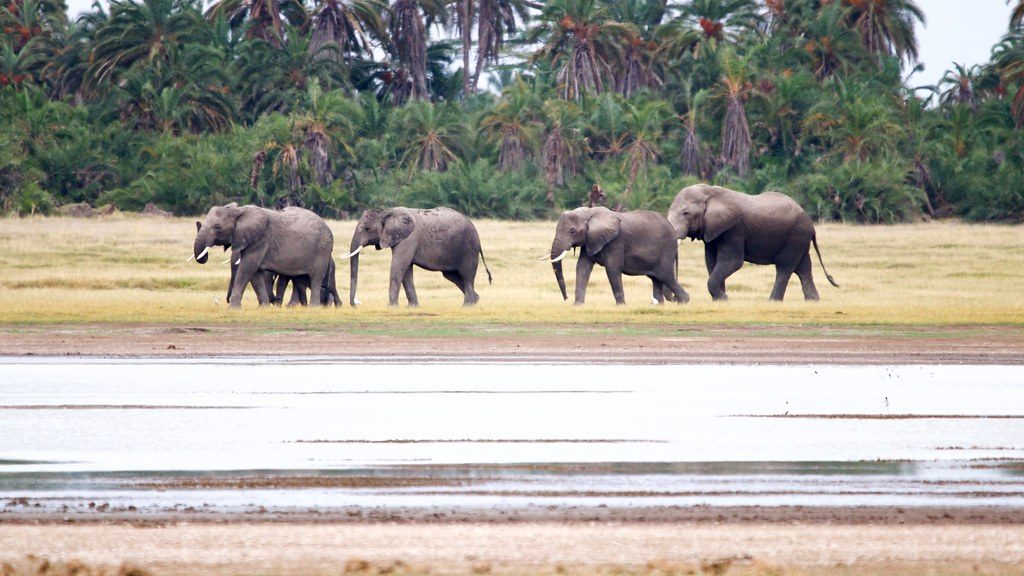
    Elephants near water at Amboseli” by Nagarjun is licensed under CC BY 2.0

    Around the world, governments, wildlife organizations, and sanctuaries are working to improve the lives of captive elephants. Some rescued elephants have already been moved from harsh conditions into protected environments where they can live with greater comfort and dignity.

    Every successful rescue helps raise awareness and encourages stronger animal welfare efforts. While much work remains, each elephant that gains a safer life is a step toward a better future for the species.

  • A surprising discovery changes what we know about giant manta rays

    A surprising discovery changes what we know about giant manta rays

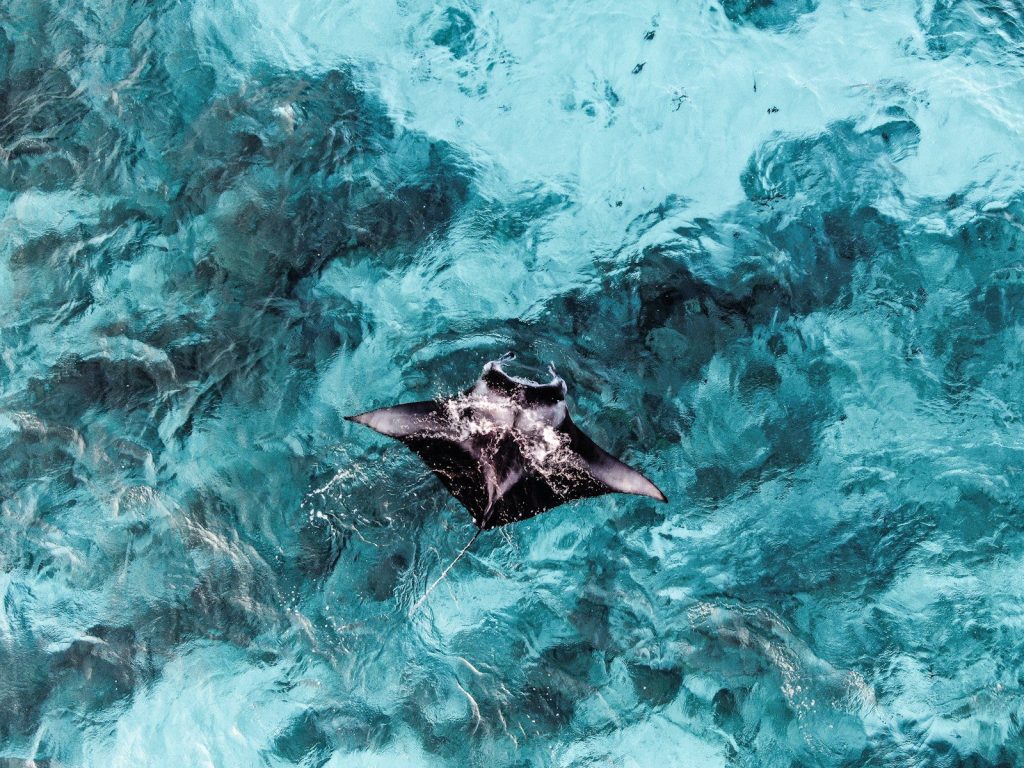
    Giant manta rays have amazed people for years, but scientists have now made a discovery that changes what we know about these gentle ocean giants. For a long time, researchers believed there were only two living manta ray species. Careful studies using DNA, body markings, and physical features have revealed that a third manta species lives in the Atlantic Ocean.

    This exciting finding helps scientists better understand how giant manta rays evolved, where they live, and how to protect them. In this article, you’ll learn what was discovered, why it matters, and how it could improve conservation for these incredible animals.

    Scientists found a hidden manta species

    woman looking on microscope inside room
    Photo by Trust “Tru” Katsande on Unsplash

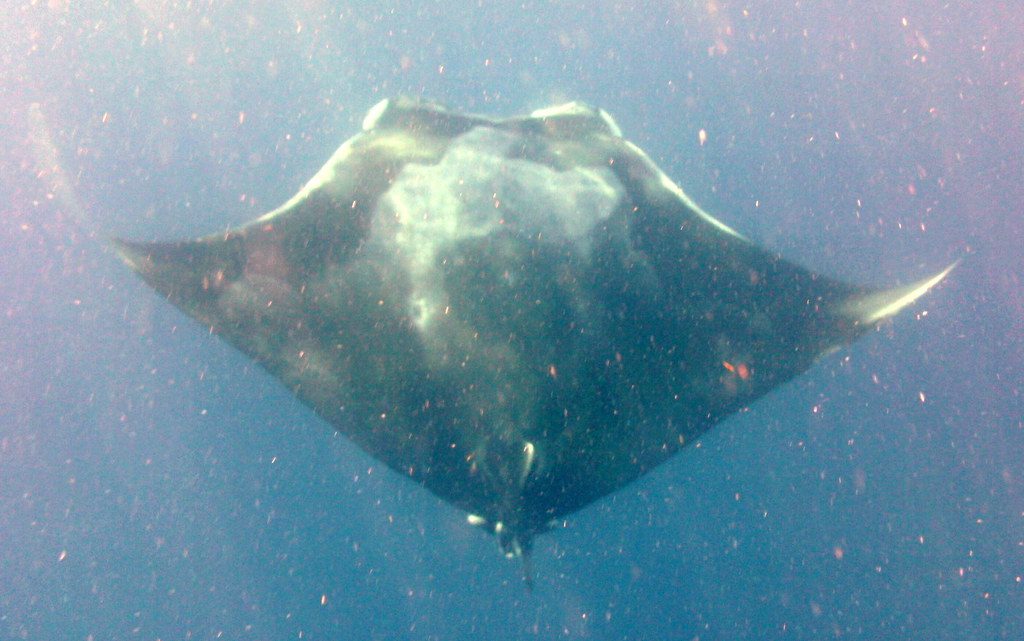
    For many years, manta rays in the Atlantic Ocean were grouped with the giant oceanic manta ray because they looked almost identical. Scientists noticed small differences in their color patterns and body shape, but they needed stronger proof before calling them a separate species.

    That proof came through DNA testing and detailed comparisons of many manta rays collected over several years. The research confirmed that the Atlantic manta ray, Mobula yarae, is a separate species. This makes it the third recognized manta ray species, joining the giant oceanic manta ray (Mobula birostris) and the reef manta ray (Mobula alfredi).

    Why this discovery is so important

    black string ray
    Photo by Adam Juman on Unsplash

    The discovery shows that the ocean still holds many secrets, even when it comes to some of its biggest animals. Scientists call animals like these “cryptic species” because they look almost the same but are genetically different.

    Knowing that Atlantic manta rays are their own species helps researchers study their behavior, migration, breeding, and population more accurately. It also prevents scientists from mixing information from different species, which can lead to incorrect conservation plans.

    How researchers solved the mystery

    people having meeting on rectangular brown table
    Photo by Christina @ wocintechchat.com M on Unsplash

    The breakthrough did not happen overnight. Scientists spent more than 15 years studying thousands of photographs, measuring body features, and collecting genetic samples from manta rays across the Atlantic.

    A stranded manta ray found in Florida became an important part of the research because it allowed scientists to study its DNA in detail. When they compared its genetic material with other manta rays, they confirmed it belonged to a different species. This combined approach of field observations and genetics finally solved the mystery.

    What makes giant manta rays so amazing

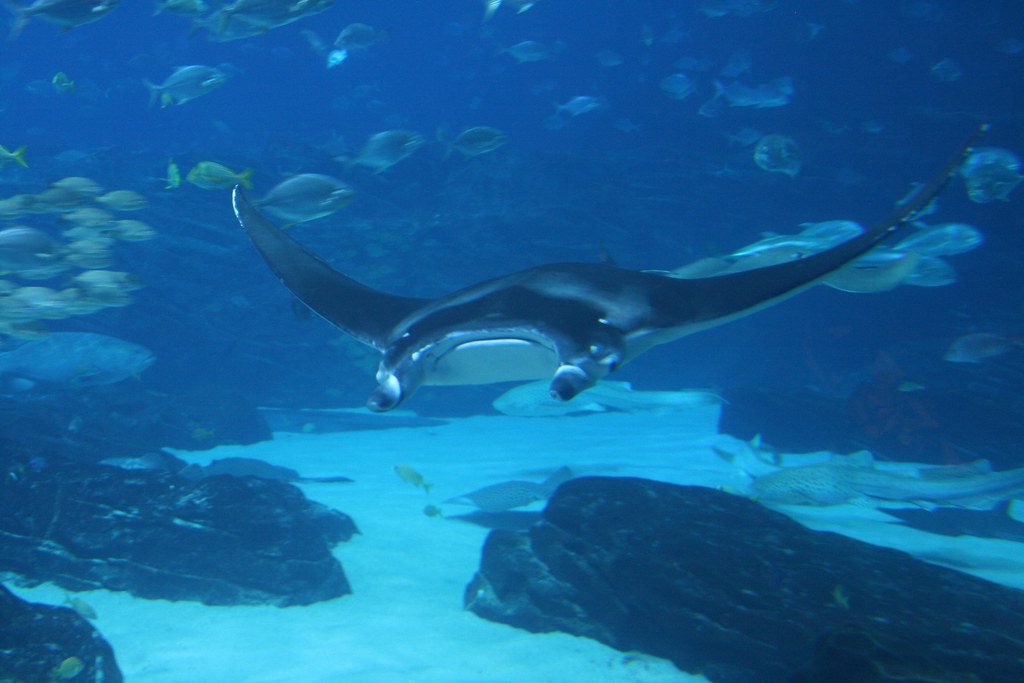
    Atlantic Giant Manta Ray” by Neil DeMaster is licensed under CC BY-ND 2.0

    Giant manta rays are the largest rays on Earth, with wingspans that can reach about 26 feet. Even with their enormous size, they are harmless filter feeders that swim with their mouths open to collect tiny plankton and small fish from the water.

    These graceful animals are also long-lived and slow to reproduce. Females usually give birth to just one pup every two to three years. Because they have so few young, their populations recover very slowly if their numbers decline.

    What this means for conservation

    Atlantic Giant Manta Ray” by Neil DeMaster is licensed under CC BY-ND 2.0

    Recognizing the Atlantic manta ray as a separate species gives conservation groups a clearer picture of its population and habitat. Scientists now believe this species may have a more limited range than previously thought, making it more vulnerable to threats.

    Fishing gear, accidental capture, habitat changes, and ocean pollution continue to threaten manta rays around the world. Understanding exactly which species live in different regions allows governments and conservation groups to create better protection plans for each one.

    What scientists hope to learn next

    a group of people working in a lab
    Photo by National Institute of Allergy and Infectious Diseases on Unsplash

    Researchers are now working to map the full range of the Atlantic manta ray and estimate how many remain in the wild. They also want to understand how it migrates, where it breeds, and how climate change may affect its survival.

    This discovery is a reminder that even large, well-known animals can still surprise science. As new technology improves, researchers expect to uncover even more hidden diversity in the world’s oceans, leading to stronger conservation efforts for marine life.

  • Humpback whales put on a stunning show in Alaska

    Humpback whales put on a stunning show in Alaska

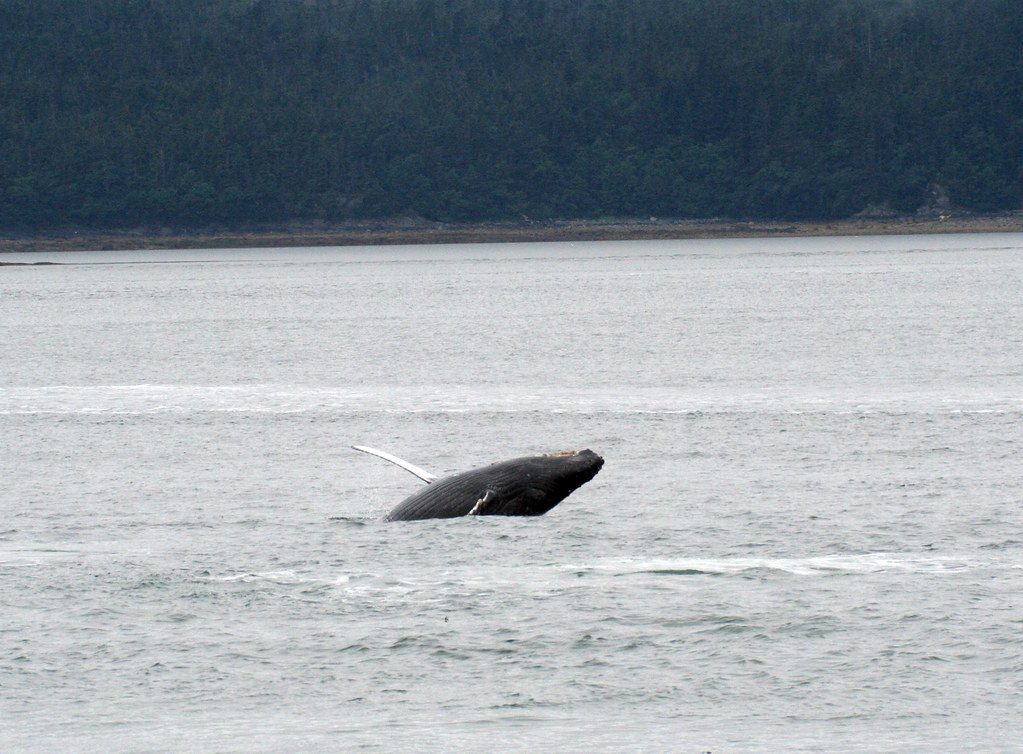
    Have you ever wondered why so many people travel to Alaska just to watch whales? Every summer, humpback whales put on a stunning show in Alaska by breaching, slapping their fins, and working together to catch food. These incredible displays are more than beautiful moments.

    They help whales survive and show just how smart these giant marine mammals are. In this article, you’ll learn why humpback whales gather in Alaska, how their famous feeding behavior works, what makes their acrobatic displays so special, and why protecting these animals is important for the future.

    Why humpback whales visit Alaska

    Young Humpback Whale breeching 4” by ahisgett is licensed under CC BY 2.0

    Humpback whales migrate thousands of miles every year between warm breeding waters and the cold, food-rich waters of Alaska. During spring and summer, they return to places like Southeast Alaska, Kenai Fjords, and Prince William Sound because these waters are packed with herring, krill, and other small prey.

    Unlike winter, when adult humpbacks eat very little, summer is their main feeding season. They spend months building up thick layers of fat that give them energy during their long migration and breeding season. A single whale may eat several thousand pounds of food each day while feeding in Alaska.

    The amazing bubble-net feeding show

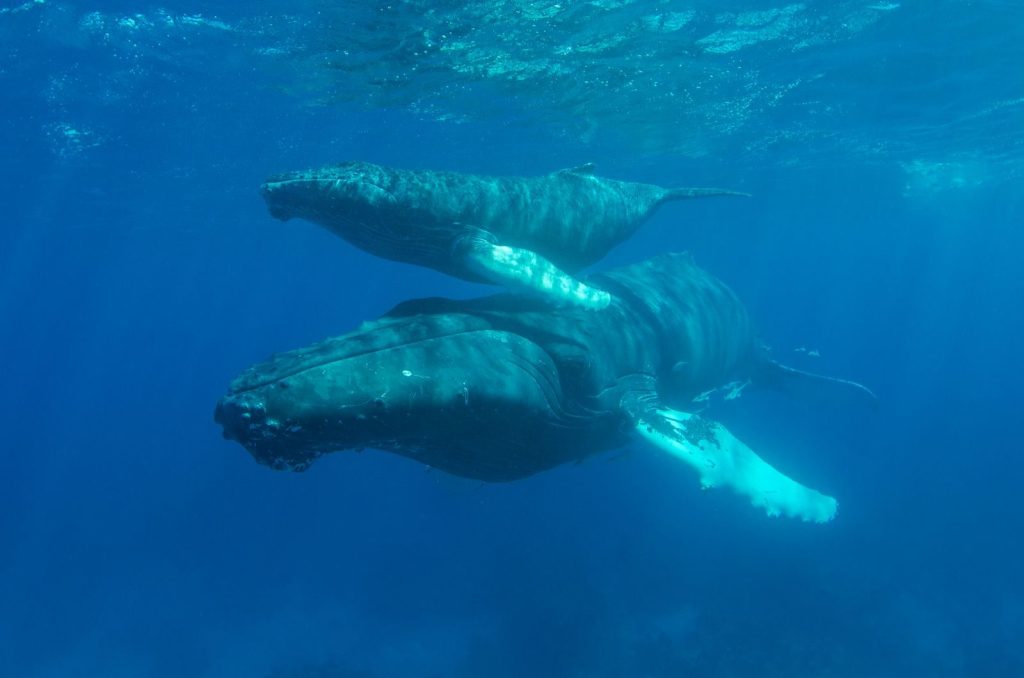
    A serene underwater scene of a mother humpback whale with her calf, swimming peacefully.
    Photo by Ben Phillips on Pexels

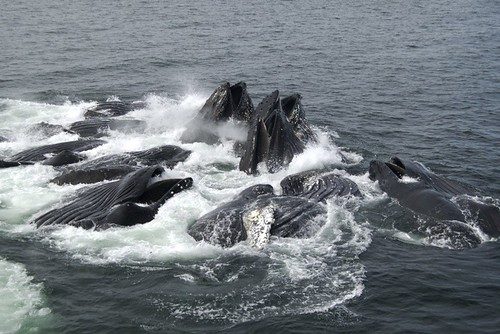
    One of the most famous sights in Alaska is bubble-net feeding. In this rare hunting method, several humpback whales work together to trap fish. They dive below a school of fish and blow bubbles while swimming in a circle. The rising bubbles create a wall that keeps the fish packed tightly together.

    Once the fish are trapped, the whales suddenly rush upward with their mouths wide open. Birds often gather above the water because escaping fish become easy meals. Scientists believe this teamwork is a learned behavior, and not every humpback population knows how to perform it.

    Breaching is more than a spectacular jump

    A stunning capture of a whale's tail breaking the ocean surface, showcasing marine life beauty.
    Photo by Frans van Heerden on Pexels

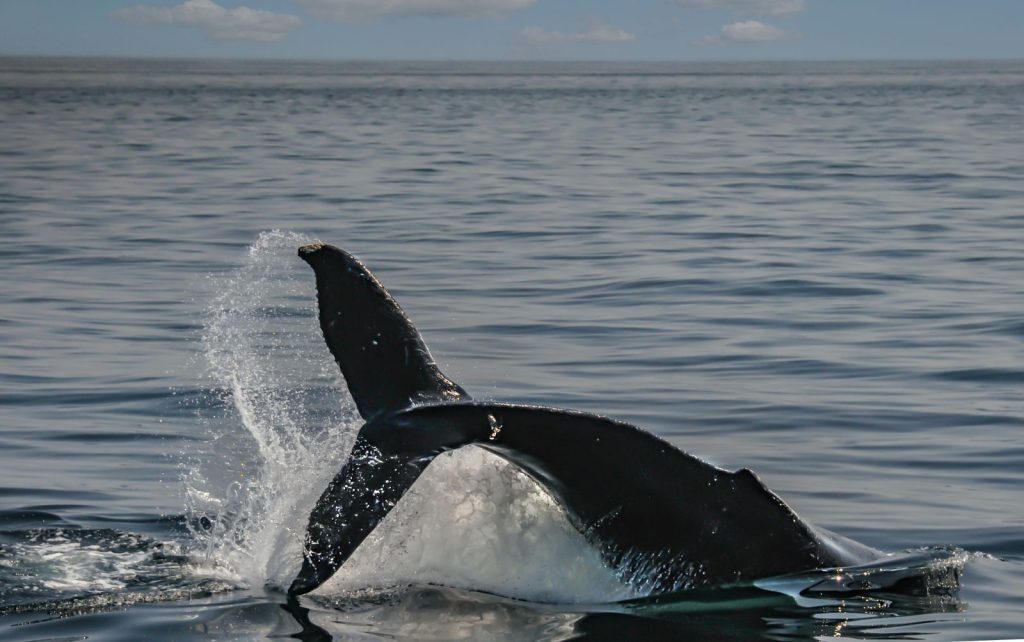
    Humpback whales are famous for breaching, which happens when they launch much of their body out of the water before crashing back into the sea. These jumps can happen many times in a row and create huge splashes that amaze whale watchers.

    Researchers believe breaching may help whales communicate, remove parasites from their skin, or play with one another. In some cases, it may also help them send signals across long distances. While scientists are still studying this behavior, it is clear that breaching is an important part of humpback whale life.

    Alaska is the perfect feeding ground

    Stunning view of Alaskan mountains meeting the sea under a moody sky.
    Photo by Lamont Mead on Pexels

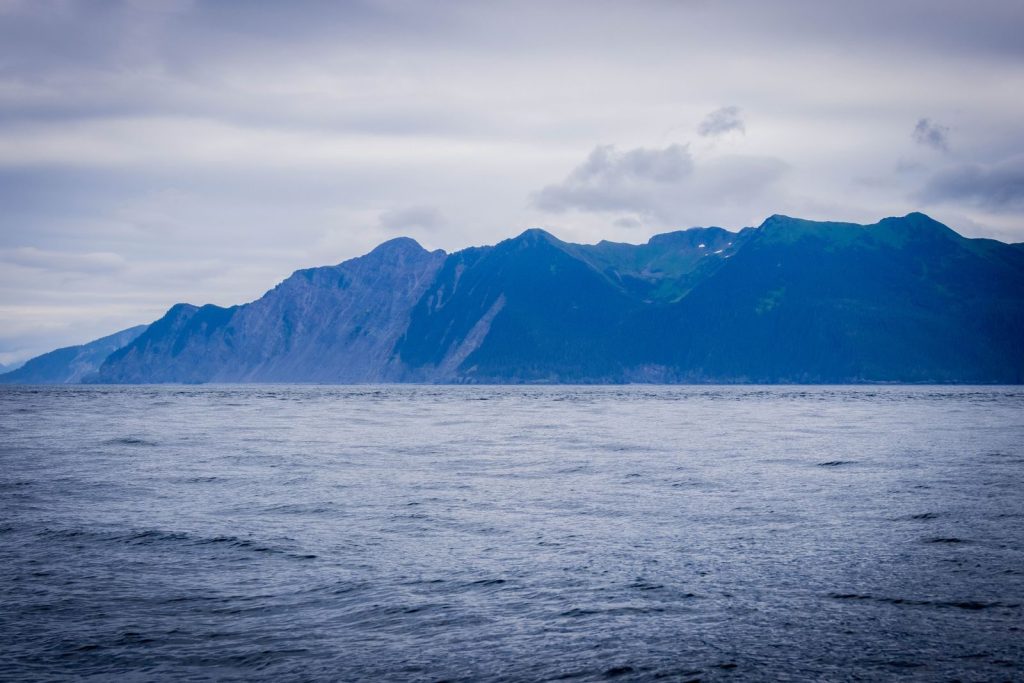
    Alaska’s cold ocean is full of nutrients that support large numbers of fish and tiny sea creatures. Long summer days also help produce huge amounts of plankton, which supports the entire food chain. This makes Alaska one of the best feeding grounds for humpback whales anywhere in the world.

    The rich waters allow whales to recover after their long migrations. Every successful feeding season helps adults stay healthy and gives mothers enough energy to care for their calves during the next breeding season.

    Whale watching creates unforgettable moments

    Tourists joyfully observe whale watching at sea, capturing the moment.
    Photo by Tito Zzzz on Pexels

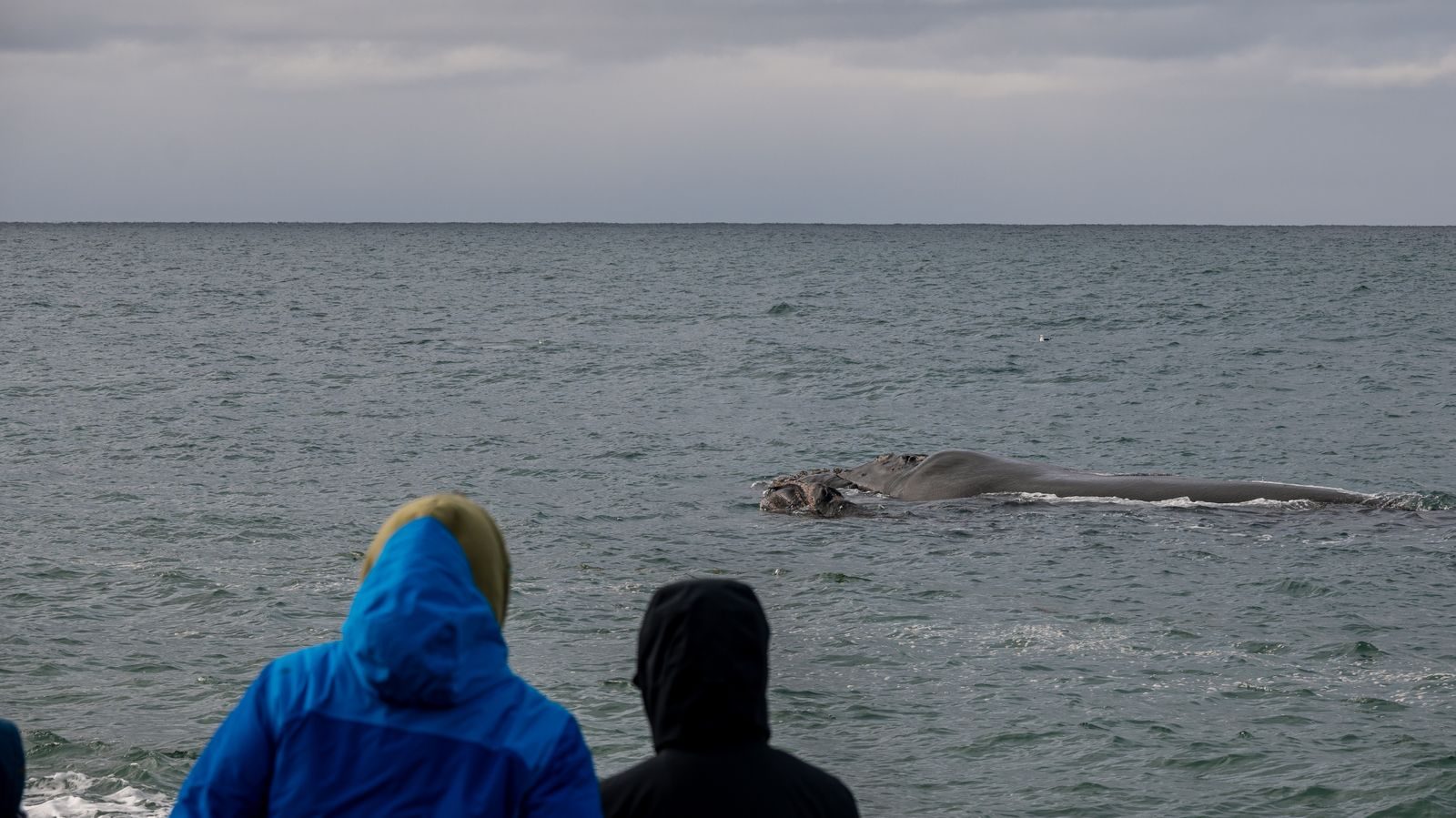
    Every year, thousands of visitors travel to Alaska hoping to witness humpback whales in the wild. Seeing several whales surface together, lift their tails, or perform bubble-net feeding is an unforgettable experience that often lasts only a few seconds.

    Responsible whale watching also helps local communities by supporting tourism while encouraging people to value marine conservation. Boats are required to keep safe distances from whales so the animals can feed and behave naturally without unnecessary stress.

    Protecting these ocean giants

    Humpback Whales Feeding 2” by Peat Bakke is licensed under CC BY 2.0

    Although humpback whale numbers have recovered greatly since commercial whaling ended, they still face several dangers. Fishing gear can trap whales, ships can strike them, and underwater noise can interfere with their communication and feeding.

    Scientists continue to study humpback whales in Alaska to better understand their migration, feeding, and behavior. Learning more about these animals helps improve conservation efforts and gives future generations the chance to witness the same stunning shows each summer.

  • 1 Komodo dragon attacked him, then 7 more appeared

    1 Komodo dragon attacked him, then 7 more appeared

    Imagine surviving a bite from the world’s largest lizard, only to see even more coming your way. That frightening moment happened to a park ranger in Indonesia after a Komodo dragon attacked him, then seven more appeared nearby.

    While stories like this sound like a movie, they highlight the real dangers of meeting these powerful reptiles in the wild. This article explains what happened, why more dragons gathered so quickly, how Komodo dragons behave, and what visitors can learn to stay safe around these amazing animals.

    The terrifying attack

    Explore the picturesque bay of Padar Island with its lush hills and turquoise waters.
    Photo by Eterna Media on Pexels

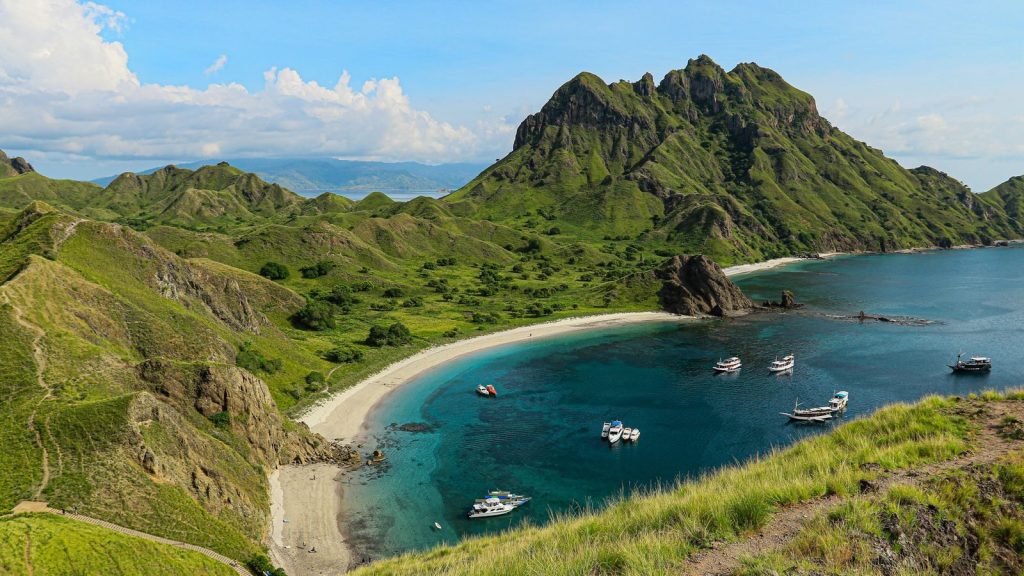
    One of the best-known incidents happened on Rinca Island in Indonesia, where a park ranger named Maen was working inside a ranger station. A Komodo dragon had quietly entered the building overnight. When Maen moved his leg, the dragon suddenly bit him. He fought back and escaped outside despite serious injuries.

    The danger was not over. As blood from his wounds dripped onto the ground, several more Komodo dragons were drawn to the smell. Reports say that seven additional dragons appeared nearby, forcing other rangers to quickly help him reach safety before the situation became even worse. The event showed how fast these reptiles can gather when they detect food or blood.

    Why more dragons arrived

    Komodo Dragon” by Heather Smithers is licensed under CC BY-SA 2.0

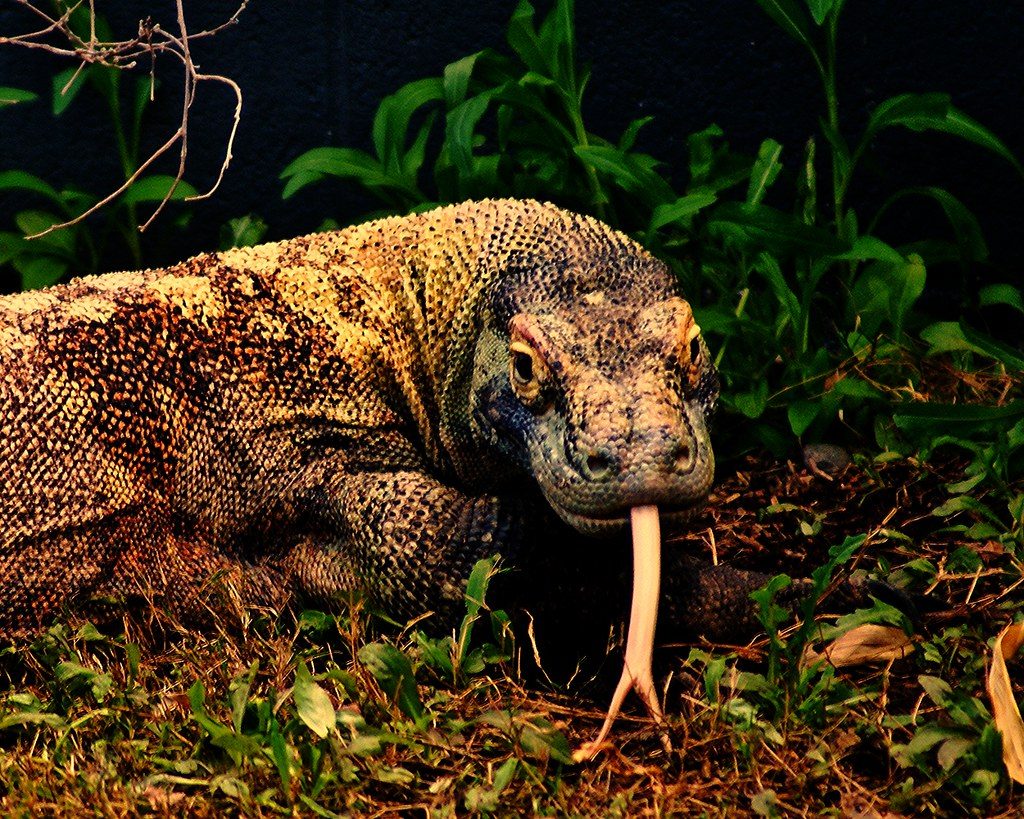
    Komodo dragons have an incredible sense of smell. They use their long, forked tongues to collect tiny scent particles from the air. With a special organ in the roof of their mouth, they can detect blood and dead animals from miles away under the right conditions.

    These giant lizards often feed together on large carcasses. When one dragon finds food, others may soon arrive after picking up the scent. That is why an injured animal—or even a bleeding person—can attract several dragons to the same place in a short time.

    How dangerous are Komodo dragons?

    KOMODO DRAGON” by NAPARAZZI is licensed under CC BY-SA 2.0

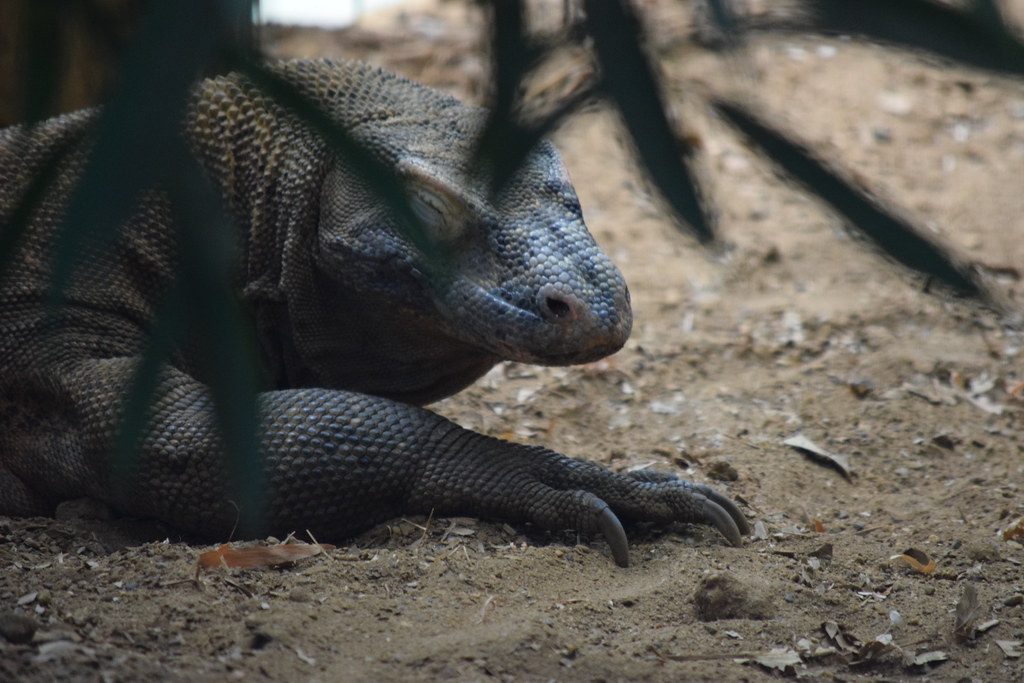
    Komodo dragons are the largest living lizards on Earth. Adult males can grow over 10 feet long and weigh more than 300 pounds. They are powerful predators with sharp, curved teeth and venom that helps weaken prey by causing heavy bleeding and lowering blood pressure.

    Although attacks on humans are uncommon, they do happen. Most incidents occur when people get too close, surprise a dragon, or enter areas without trained guides. Several injuries and a small number of deaths have been recorded over the years, proving these animals deserve respect.

    Why attacks are still rare

    Komodo dragon (Varanus komodoensis)” by 5of7 is licensed under CC BY-SA 2.0

    Despite their fearsome reputation, Komodo dragons usually avoid people when given enough space. Most wild dragons spend their time hunting deer, wild pigs, and other animals or feeding on carcasses instead of looking for humans.

    Many attacks happen because dragons feel threatened or because people ignore safety rules. For example, tourists who move too close to feeding dragons or wander without park guides greatly increase their risk of an encounter.

    Safety lessons from the encounter

    man in orange and black backpack
    Photo by Matthew Maaskant on Unsplash

    The ranger’s experience reminds everyone that working or traveling near Komodo dragons requires constant attention. Rangers in Komodo National Park are trained to watch for dragons, carry forked safety sticks, and respond quickly if an animal approaches.

    Visitors should always stay with trained guides, keep a safe distance, avoid sudden movements, and never approach dragons that are feeding. Anyone with an open wound should be especially careful because the smell of blood may attract nearby dragons.

    Why Komodo dragons still matter

    Forked tongue of Komodo Dragon – Komodo, Indonesia” by whl.travel is licensed under CC BY-NC-SA 2.0

    Komodo dragons may be dangerous, but they are also an important part of Indonesia’s natural heritage. As top predators, they help keep their island ecosystems balanced by controlling prey populations. Scientists continue studying them to better understand their behavior and protect their future.

    Today, Komodo dragons are listed as endangered because of habitat loss, climate change, and human activity. Conservation efforts and responsible tourism help protect both these remarkable reptiles and the people who come to see them.