
Shark sightings are making headlines in places where great whites were once considered uncommon or rarely seen. From California to the Mediterranean, researchers are noticing changes in where these predators spend time.
That does not necessarily mean there are suddenly more great white sharks in the world’s oceans. Instead, warming waters, changing prey patterns and shifting ocean conditions may be encouraging some sharks to explore areas they previously visited less often.
California’s young great whites are moving farther north

Young great white sharks have traditionally spent much of their time in warmer waters around Baja California. But researchers have increasingly documented juvenile sharks farther north along the California coast.
Scientists believe warmer ocean conditions may be helping create suitable nursery habitat in areas that were previously too cool. Some researchers have also reported seeing juvenile sharks earlier in the year than expected.
Cape Cod sharks are staying close to shore
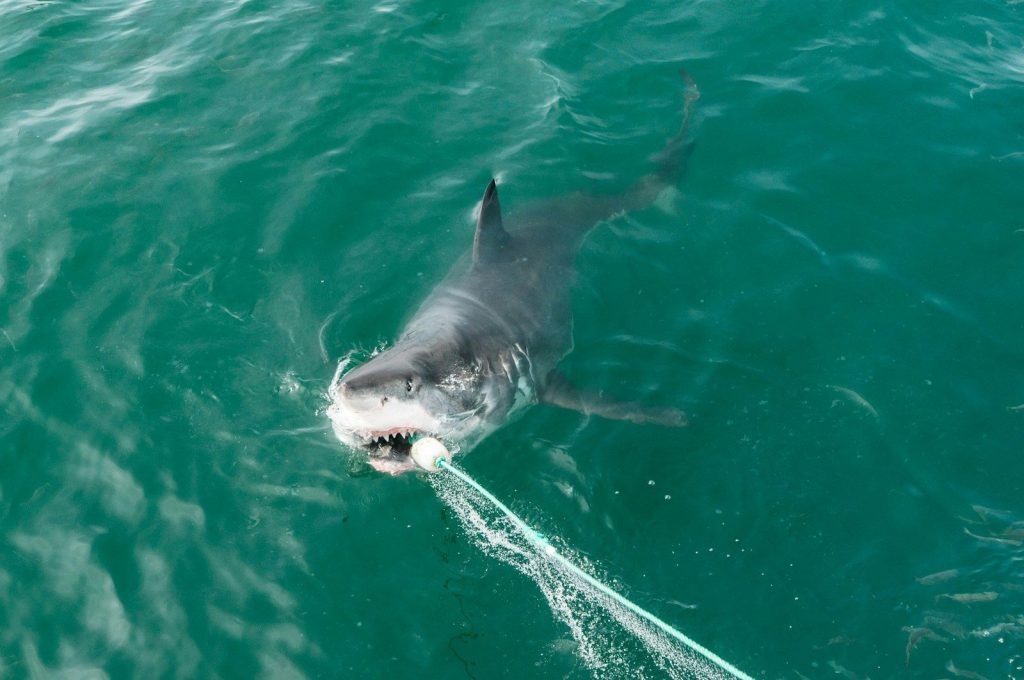
Great whites are no longer an unusual sight around Cape Cod, where the growing gray seal population provides an attractive food source. Research has shown that the sharks can spend significant amounts of time in relatively shallow water.
That creates more opportunities for sharks and people to cross paths, especially during the busy summer and fall tourist seasons. The risk to swimmers remains low, but researchers say the increased overlap deserves attention.
A great white was filmed underwater in the Mediterranean

Great whites are known to inhabit the Mediterranean, but an underwater recording of an adult shark in the Strait of Sicily in June 2026 attracted unusual attention. The footage offered a rare glimpse of the species in its natural Mediterranean environment.
Scientists have pointed toward changing ocean conditions as one possible reason sharks may be appearing in areas where they were previously less noticeable. The Mediterranean is experiencing significant warming, potentially making some areas more suitable for large marine predators.
Australia’s sharks may be getting pushed closer to shore
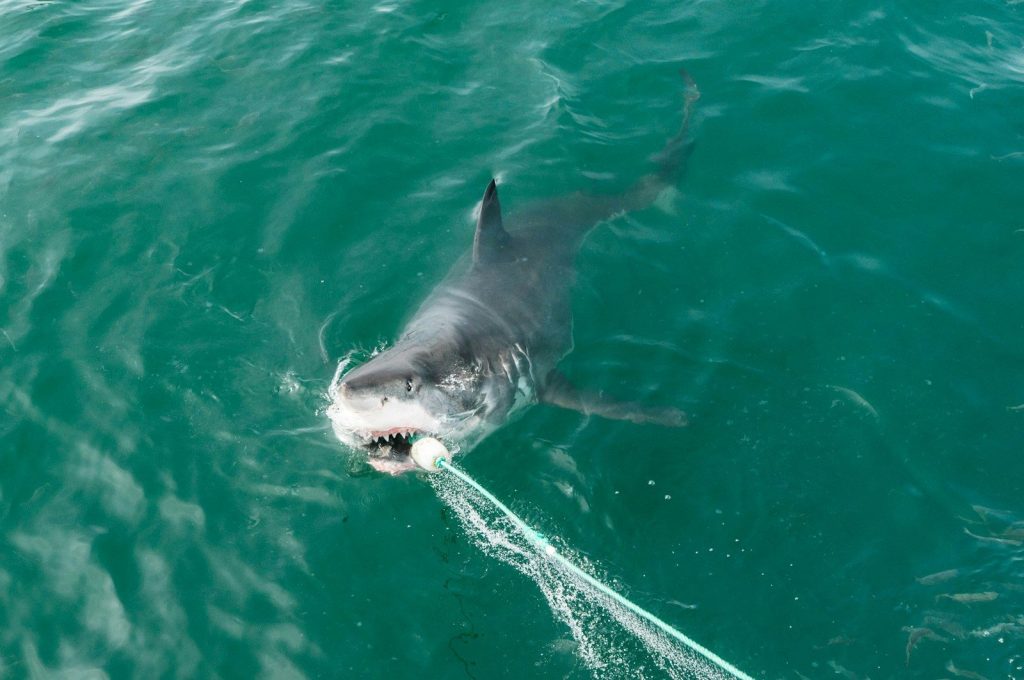
Researchers studying great whites along Australia’s eastern coastline have also found evidence that ocean conditions can influence where sharks spend their time. Young sharks in particular can remain surprisingly close to the mainland when conditions and food supplies favor it.
Heavy rainfall may add another factor by changing coastal waters and moving prey closer to shore. In some areas, this combination of warmer water, prey movement and changing conditions has coincided with more shark encounters.
Sharks may not be increasing, but their range is changing

The growing number of unusual sightings does not automatically prove that great white populations are exploding. Instead, researchers are increasingly interested in how climate change and shifting prey distributions could be altering established shark ranges.
For coastal communities, that distinction still matters. Even if shark numbers remain stable, animals spending more time near popular beaches can increase the chances of encounters and make monitoring and beach safety more important.
Featured Image: Photo by Oleksandr Sushko on Unsplash
Leave a Reply