
A family celebration in the Bahamas took an unexpected turn when a Connecticut man was injured by a Caribbean reef shark during a guided snorkeling excursion near Bimini.
The encounter was unusual because the sharks involved in the experience were reportedly accustomed to swimmers and typically moved away when people entered the water. Instead, one shark struck the man, leaving him with serious injuries.
A family celebration takes a frightening turn

John Schweizer was visiting the Bahamas with his family to celebrate his 40th wedding anniversary. During the trip, he joined a guided snorkeling excursion that brought participants into the water near Caribbean reef sharks.
According to reports, the animals generally kept their distance from swimmers. But Schweizer said one shark suddenly collided with him, and he immediately realized he had been hit by a shark.
The shark left him with dozens of stitches

Schweizer estimated that the shark was between 5 and 7 feet long. After the encounter, he was taken back to his cruise ship, where an emergency room physician treated his wounds for about three hours.
The injuries were extensive enough to require 26 stitches in his leg and another four in his hand. He was later transferred to a hospital in Miami for further treatment.
Caribbean reef shark attacks are uncommon
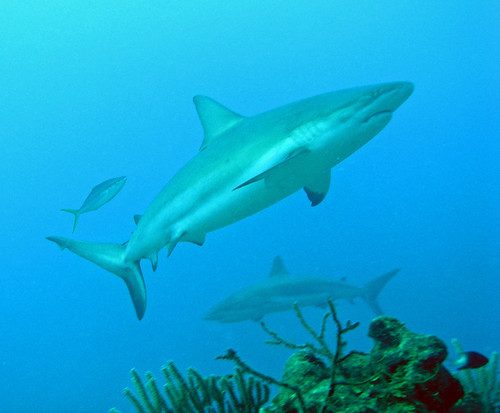
The incident stands out because unprovoked attacks involving Caribbean reef sharks are relatively rare. The Florida Museum of Natural History’s International Shark Attack File lists only four such attacks involving the species.
That does not mean the animals are harmless. Caribbean reef sharks are wild predators, and even animals encountered during organized snorkeling experiences can behave unpredictably when people enter their environment.
Guided wildlife encounters still carry risks
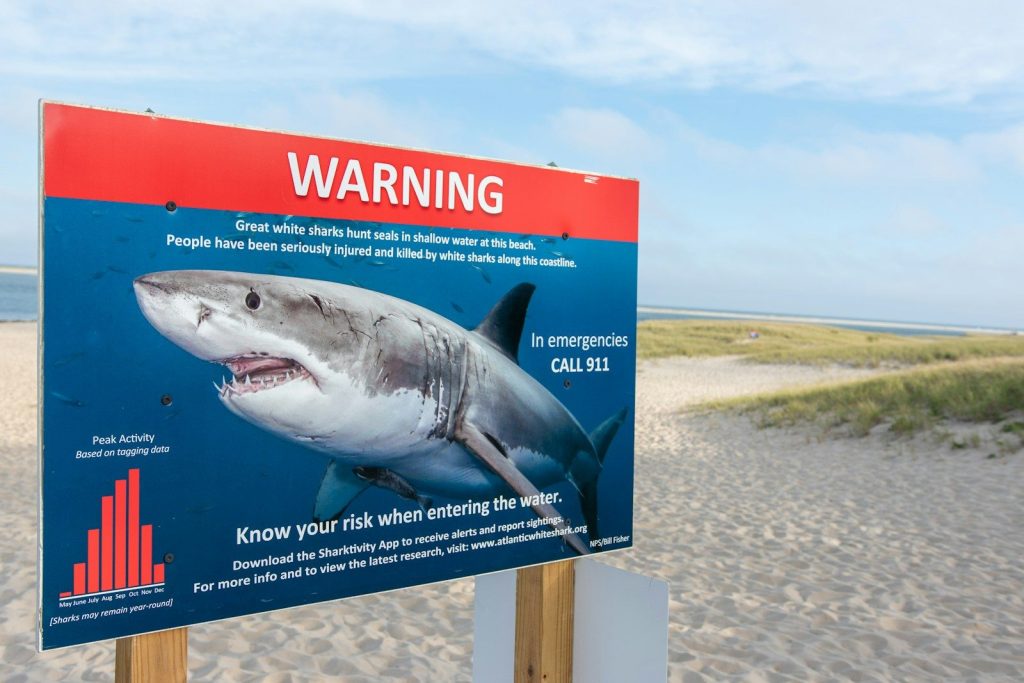
Unlike an unexpected encounter while swimming from shore, Schweizer’s experience was part of a paid excursion specifically designed to bring tourists close to sharks. Such attractions can offer memorable experiences, but they also place people in close proximity to powerful wild animals.
Experts have repeatedly noted that increased human activity in natural habitats can lead to more encounters with wildlife. Even when tour operators take precautions, there is no way to completely eliminate the unpredictability of an animal’s behavior.
What travelers should ask before swimming with sharks

People considering shark excursions can ask operators how the animals are attracted, whether bait or chum is used, and how many participants enter the water at once. Emergency procedures and access to medical assistance are also important questions.
Travelers may also want to consider experiences that allow them to observe sharks from a greater distance, such as from a boat. These options can provide an opportunity to see the animals without requiring people to enter the water alongside them.
A memorable trip ended with a warning
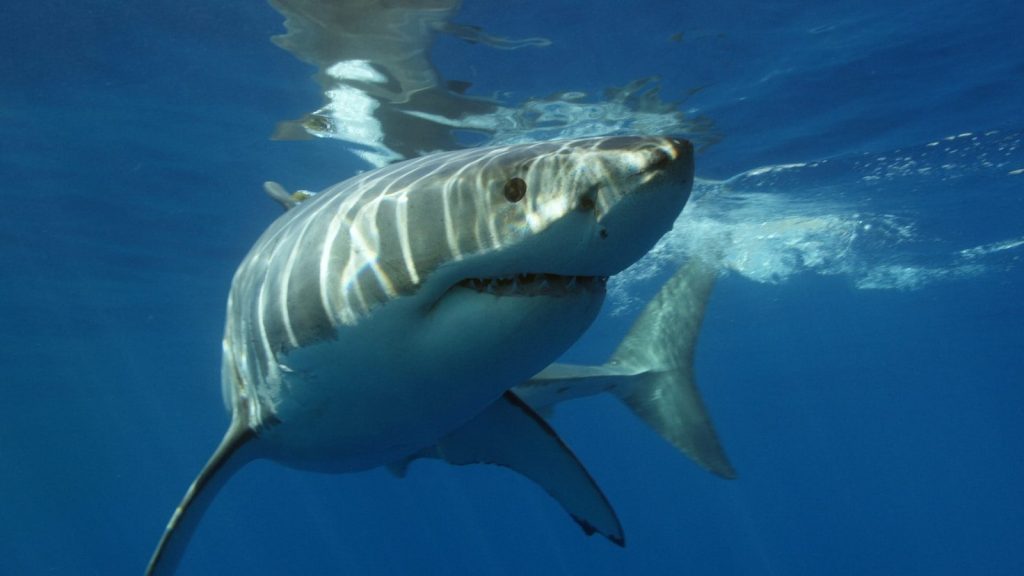
Shark encounters remain an important part of marine tourism in places such as the Bahamas, but the incident is a reminder that wildlife experiences can never be completely predictable.
For Schweizer, the frightening encounter changed his view of swimming with sharks. After surviving the attack, he made his feelings clear: “I’m not going to swim with sharks anymore.”
Featured Image: “Caribbean reef shark (Roatan, Honduras)” by alfonsator is licensed under CC BY-NC-ND 2.0
Leave a Reply