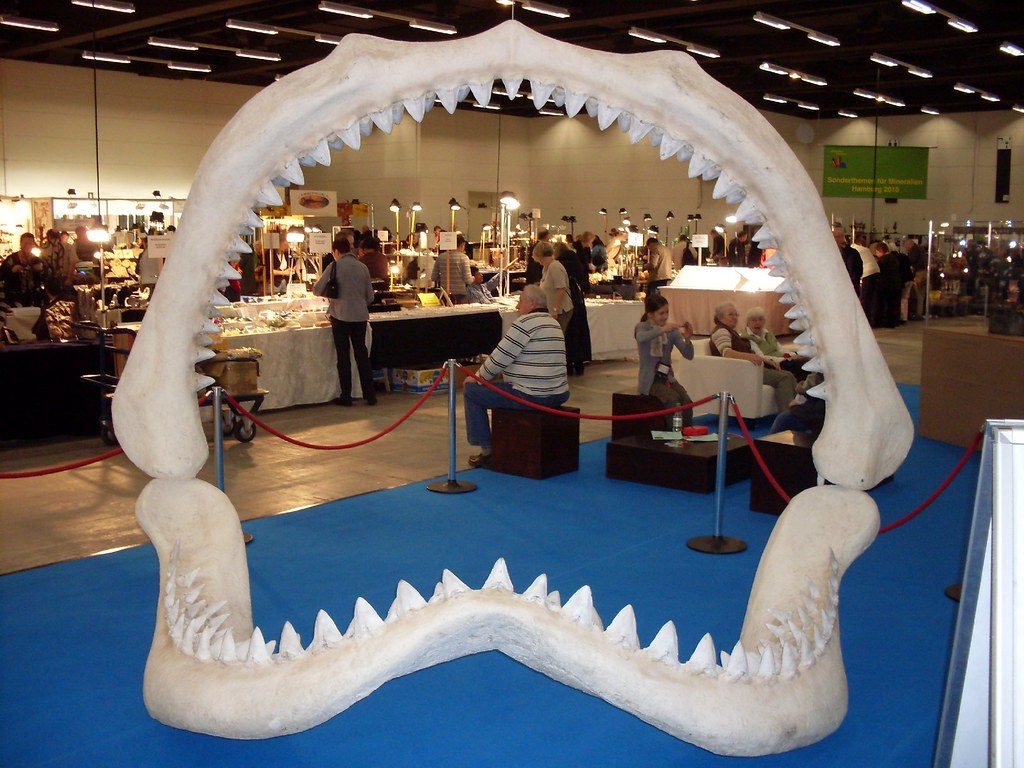
Long before modern people lived along coastlines, Earth’s seas were filled with animals far larger than many species alive today. The story of humans, coastal giants, and megasharks is more complicated than a simple timeline, though. Humans did not drive giant animals from coastal waters before megalodon appeared, because megalodon lived millions of years before modern humans. However, research does show that human hunting later changed coastal animal populations, while megalodon was already extinct.
Here is what scientists know about these ancient giants, the rise of megalodon, and how human activity eventually changed marine ecosystems.
Megalodon was a huge ancient shark

Megalodon was one of the largest predatory animals ever known. Scientists estimate that it could reach about 50 to 60 feet long, making it far larger than a modern great white shark.
The shark lived in warm oceans around the world and hunted large marine animals. Fossil evidence shows that its prey included whales, seals, sea cows and sea turtles, giving it a major role near the top of the ancient food web.
The 2,000-pound claim needs context
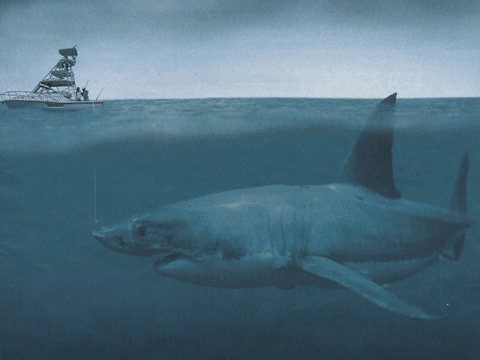
A weight of 2,000 pounds is about one ton, but that is far below the estimated size of a full-grown megalodon. Some estimates put the biggest animals at many tens of thousands of pounds, although their exact maximum size remains uncertain because scientists mostly study fossil teeth and vertebrae.
Megalodon was not simply a giant version of today’s great white shark. Modern research places it in the extinct otodont shark family, separate from the lineage that produced today’s great whites.
Megalodon lived millions of years ago
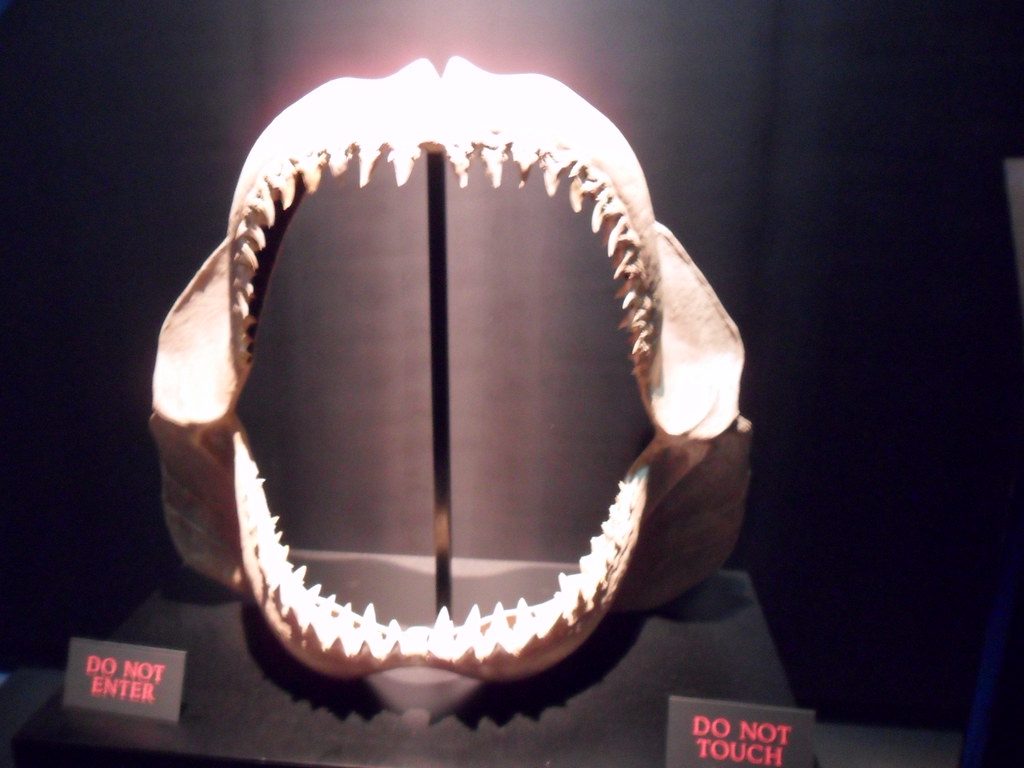
Megalodon appeared during the Miocene, roughly 23 million years ago, and survived into the Pliocene. Scientists generally place its extinction around 3.6 million years ago.
That timeline is important because modern humans appeared much later. Humans therefore could not have hunted megalodon or pushed it away from coastal waters.
Humans later changed coastal wildlife

People did eventually have major effects on coastal animals. Archaeological evidence from different parts of the world shows that human communities hunted marine mammals, including seals, sea lions and whales.
Some coastal populations declined after long periods of human hunting and other environmental changes. But these events happened long after megalodon disappeared, so they cannot explain the shark’s extinction.
Megalodon faced other major changes
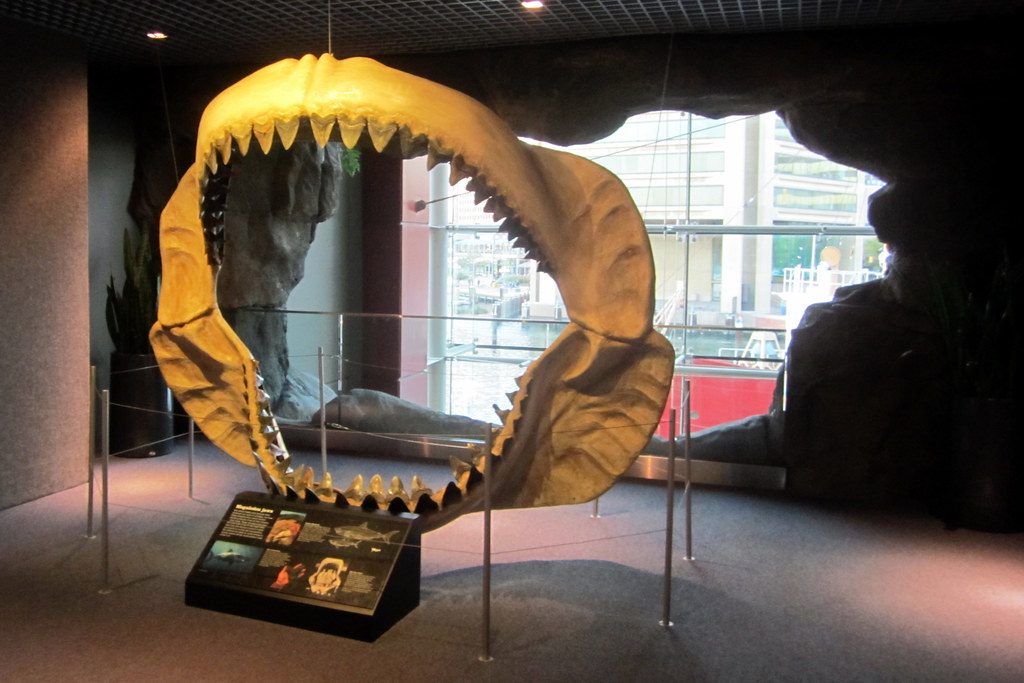
Megalodon’s extinction likely involved several factors rather than one simple cause. Ocean temperatures changed, sea levels shifted, and many marine animals changed where they lived as the climate cooled.
Changes in the populations of whales and other large prey may also have mattered. Competition from other predators, including newer large sharks and killer whales, may have added more pressure as marine ecosystems changed.
Its fossils reveal a powerful hunter
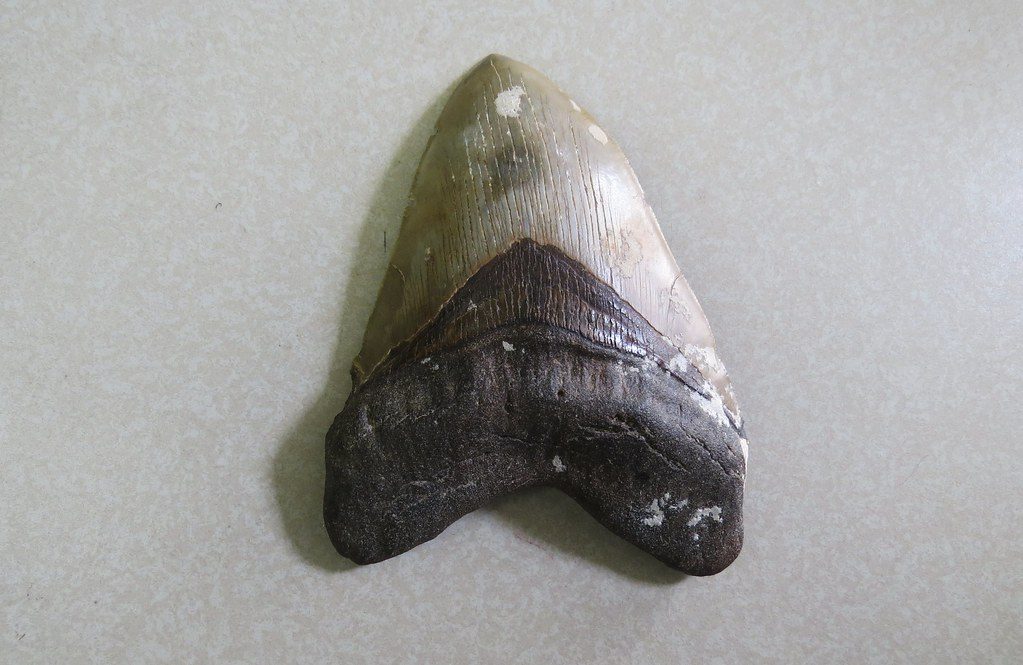
Megalodon teeth provide some of the clearest evidence of its hunting style. Fossil whale bones have been found with large cuts and punctures that match the size and shape expected from the shark’s enormous teeth.
Scientists also know that megalodon used coastal areas, especially when young. These shallow waters may have provided safer places for young sharks to grow before they became large enough to hunt bigger prey.
The real lesson from ancient seas

The history of megalodon shows how quickly marine ecosystems can change. Giant predators depend on large prey and suitable habitats, so major changes in climate, food supplies and competition can reshape the entire food web.
Humans later became another powerful force in coastal ecosystems, especially through hunting and fishing. But the evidence does not support the claim that humans drove coastal giants away before megalodon emerged. The two events belong to very different periods of Earth’s history.
Featured Image: “Carcharocles megalodon” by Gunnar Ries zwo is licensed under CC BY-NC-ND 2.0
Leave a Reply