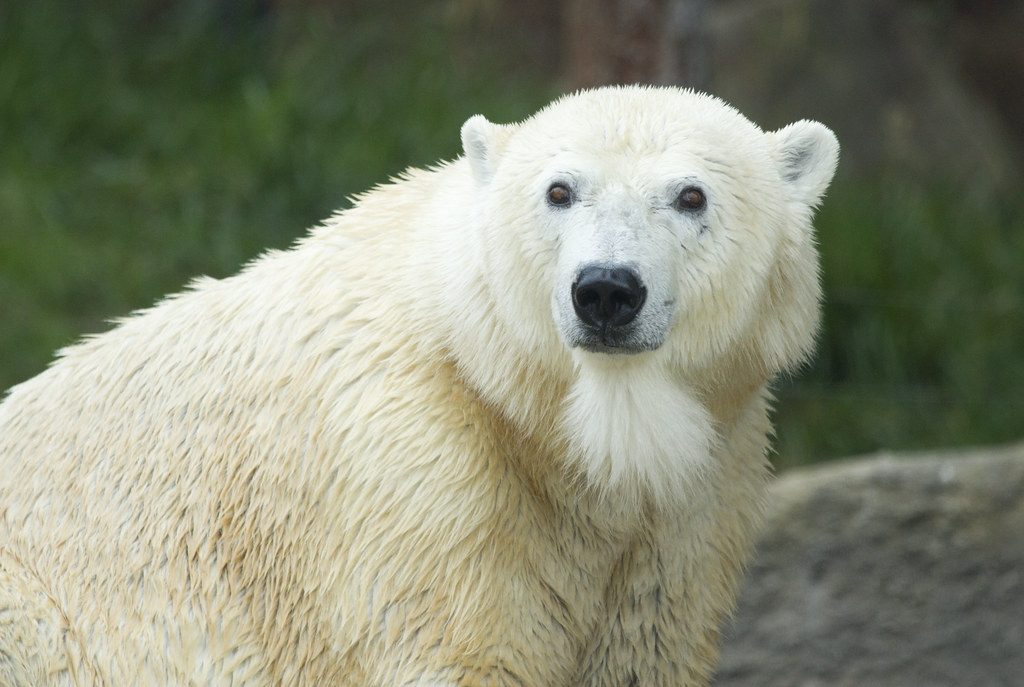
What happens when two bear species that usually live apart begin meeting more often? Polar bear-grizzly hybrids, sometimes called grolar or pizzly bears, are rare animals created when polar bears and grizzly bears mate. Scientists have confirmed only a small number of wild hybrids, but changing Arctic conditions may create more chances for the two species to meet. As sea ice changes and grizzly bears move farther north, their ranges can overlap in places where they once had little contact.
Here is what scientists know about these unusual bears, why they are appearing, and what their future could look like.
What is a polar bear-grizzly hybrid?
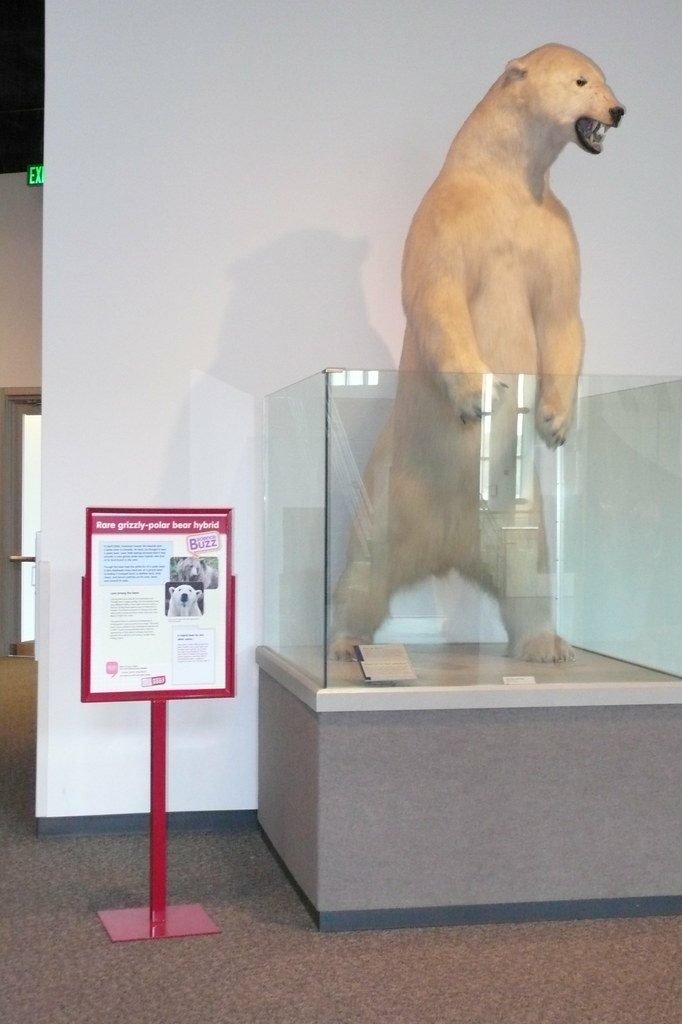
A polar bear-grizzly hybrid is the offspring of a polar bear and a grizzly bear. These bears can have a mix of traits from both parents, including light-colored fur, a large body, a shoulder hump, and long claws.
The names “grolar bear” and “pizzly bear” are both used for these hybrids. The exact name can depend on which species is the father, but scientists generally use the broader term hybrid when discussing these animals.
Hybrids are still very rare
It is important not to confuse rare sightings with a large new population. A 2024 genetic study examined more than 800 polar and grizzly bears and found no new hybrid family beyond the eight previously confirmed hybrids.
The known wild hybrids belong to the same family line. This means there is currently no evidence that hybrids are spreading across the Arctic in large numbers or replacing either parent species.
Why are the two bears meeting?
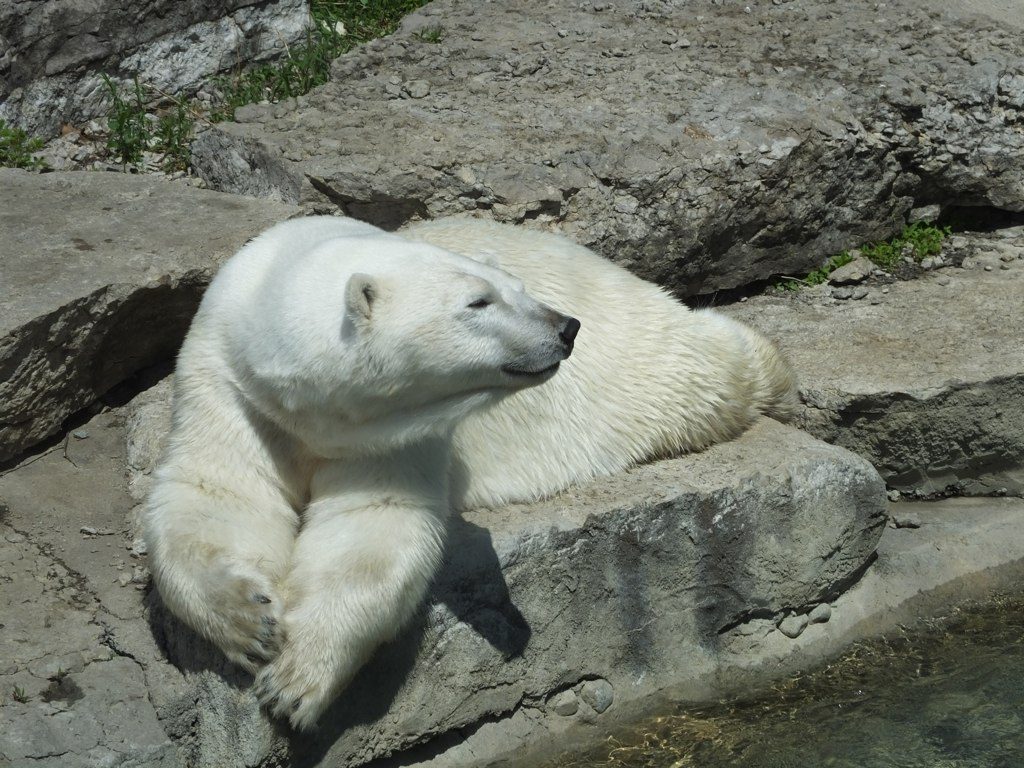
Polar bears depend heavily on sea ice because they use it as a platform for hunting seals. When sea ice becomes less available, polar bears can spend more time on land, bringing them into areas used by other bears.
Grizzly bears have also been recorded farther north than they were in the past. As their range overlaps more with polar bear habitat, the two species have more chances to encounter each other and possibly mate.
Climate change may play a role
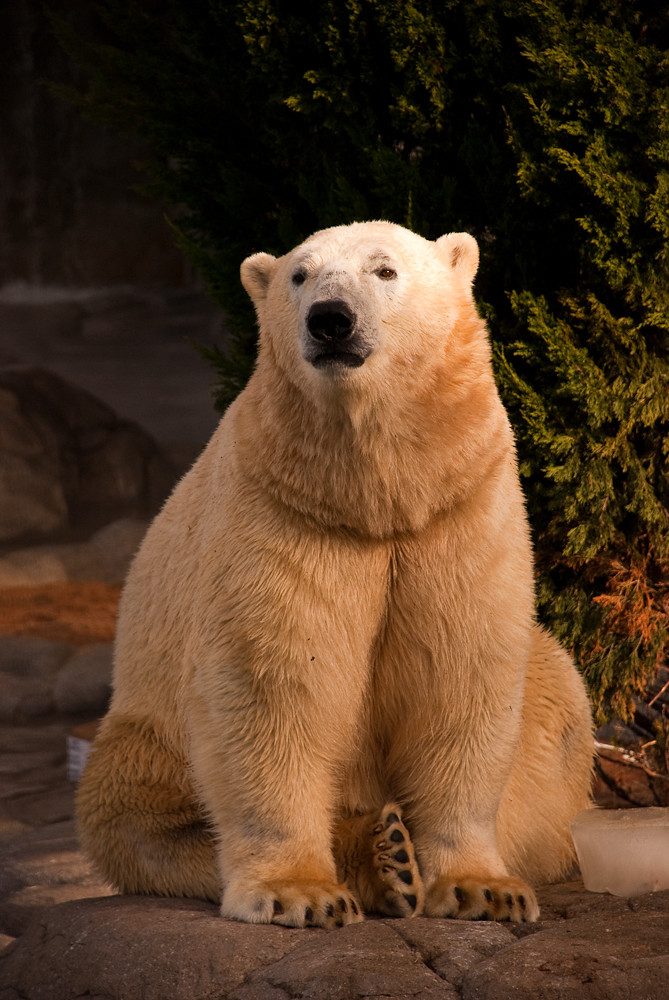
Scientists believe climate change could increase opportunities for hybridization, but it is not the only factor. Changes in food, movement patterns, habitat, and the ranges of both species can affect how often they meet.
The loss of sea ice remains a major concern for polar bears because they rely on it to hunt. A hybrid bear does not solve that problem, because it may have traits that are useful on land but are not as well suited to life on sea ice.
What hybrids may look like
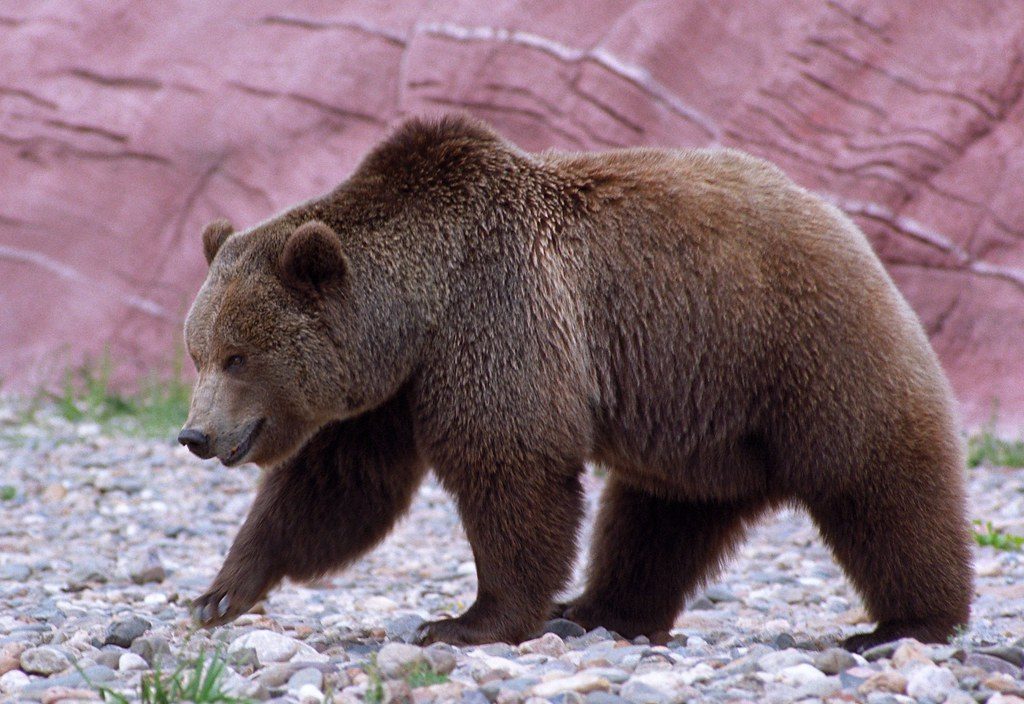
A hybrid can show a mixture of features from both parent species. Some may have mostly pale fur like a polar bear while also showing a grizzly-like shoulder hump, longer claws, or a different head shape.
Their appearance can make them hard to identify in the wild. Scientists may need DNA testing to confirm whether an unusual-looking bear is actually a hybrid because some pure grizzly bears can also have very light fur.
What happens next for these bears?

Scientists expect hybridization could become more common if warming continues to change Arctic habitats, but there is no evidence that hybrids are becoming common right now. Continued research and DNA testing will help scientists understand whether new hybrid families appear.
For now, the bigger concern is the changing environment faced by polar bears and grizzlies. Hybrid bears are an interesting sign of how closely connected wildlife, habitat, and climate can be, but they are not a replacement for protecting healthy populations of either species.
Featured Image: “Polar Bear stare” by San Diego Shooter is licensed under CC BY-NC-ND 2.0
Leave a Reply