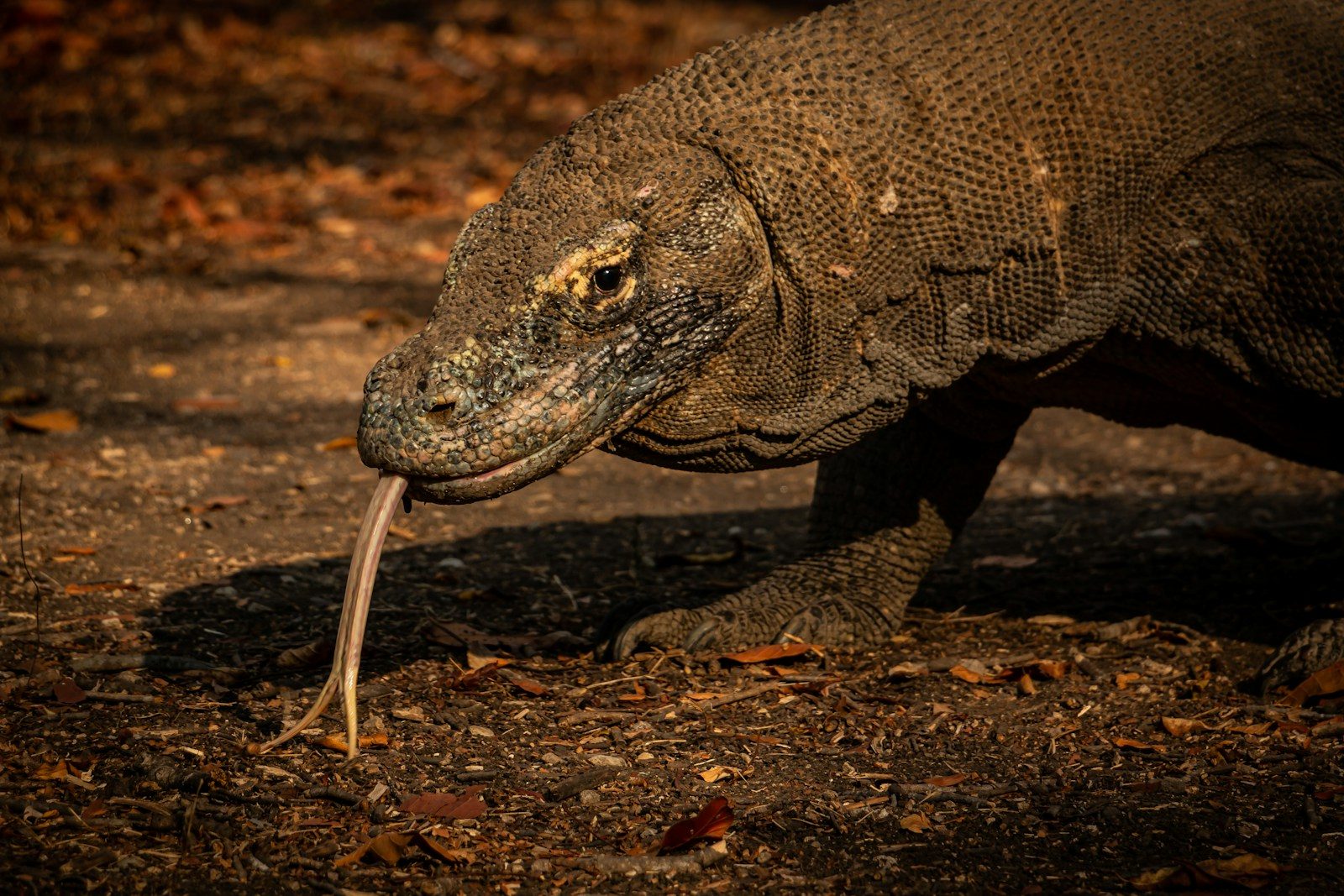
What happens when one of the world’s largest lizards attacks an animal many times its size? A Komodo dragon bite on a water buffalo can leave a large wound, but the famous story that the dragon simply bites the buffalo and waits for venom to kill it needs some care. Komodo dragons do have venom, and their hunting style can involve biting, tearing, releasing, and following wounded prey. However, water buffalo are not an easy or usual target, and scientists say many attacks on them do not end with the dragon quickly killing the animal.
Here is what science tells us about the bite, the venom, and the long wait that can follow.
Komodo dragons can attack huge prey
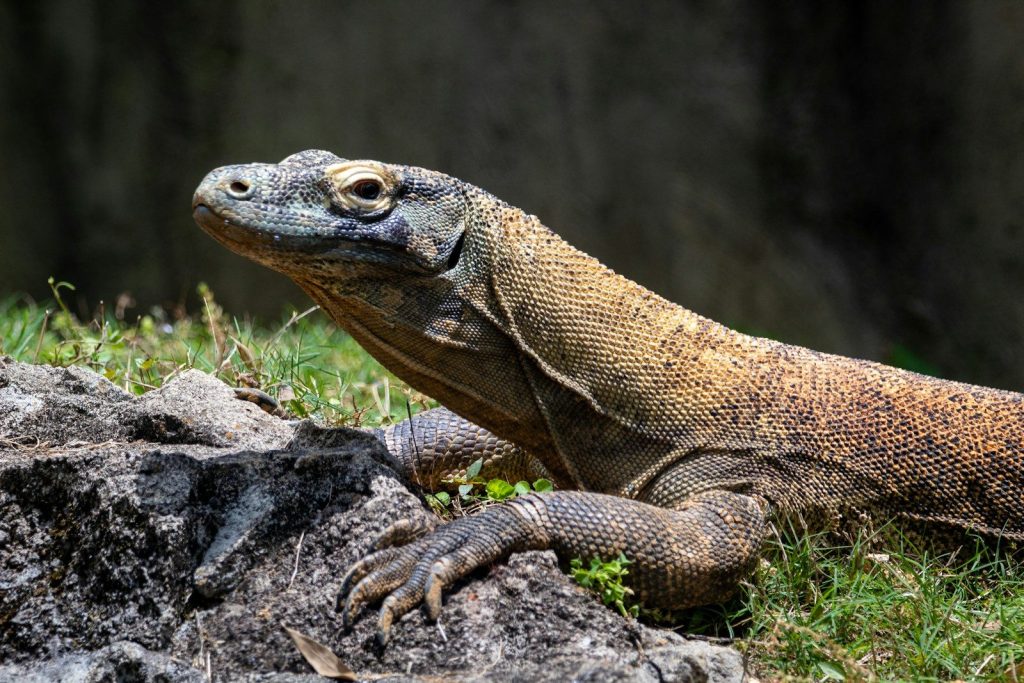
Komodo dragons are the largest living lizards. Adult dragons can grow to about 10 feet long, and the largest recorded individuals have weighed more than 300 pounds. They normally eat a wide range of food, including deer, wild pigs, smaller animals, and carrion.
A full-grown water buffalo is far larger than a Komodo dragon. Even so, a dragon can sometimes attack one with a sudden bite. The dragon’s goal is not to overpower the buffalo with raw strength. Instead, its teeth can create deep cuts while its venom enters the wound.
The bite does more than cut
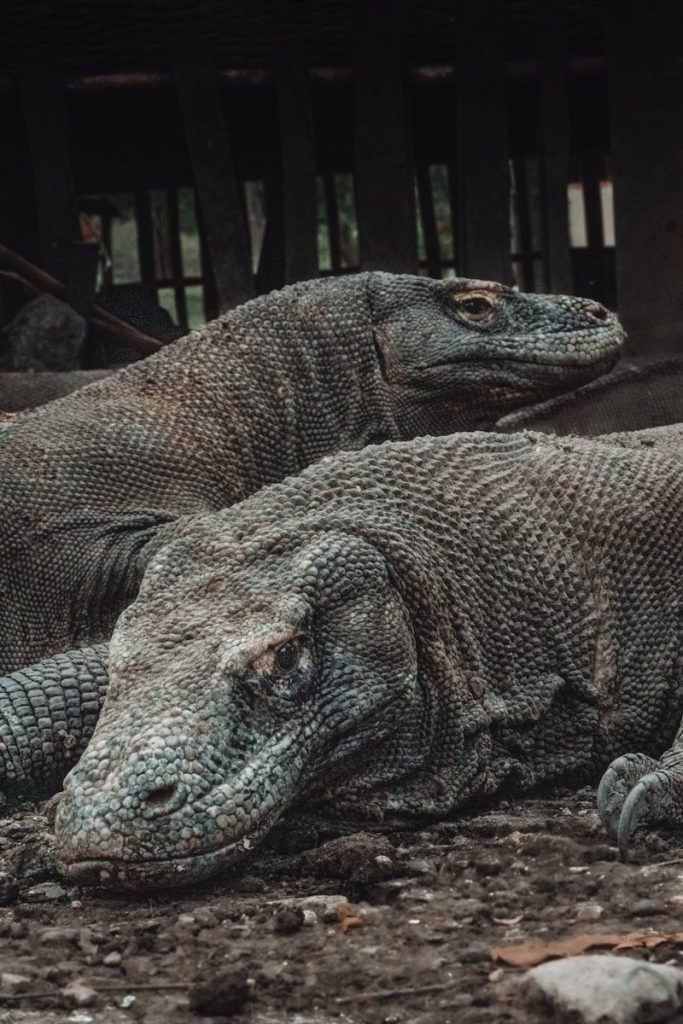
Komodo dragons have sharp, curved teeth that work more like blades than simple crushing teeth. Their jaws are not as powerful as those of some large crocodiles, so they use their teeth to slice into flesh.
The bite also delivers venom from glands in the dragon’s mouth. Scientists found that this venom can stop blood from clotting properly and can cause blood vessels to relax. Together, these effects can increase blood loss and cause a drop in blood pressure.
The dragon may let prey escape

One of the most interesting parts of Komodo hunting is that the dragon does not always stay attached to its prey. After making a bite, it may release the animal and move away.
The wounded animal can then run or walk away. The dragon uses its strong sense of smell to follow the animal later. This can make the hunt look like the dragon is simply waiting for its bite to take effect, but the process is more complex than that.
Water buffalo are a special case

Water buffalo have often been linked to stories about Komodo dragons because they are large animals found on the islands where the lizards live. However, water buffalo were introduced to the region by people and are not thought to have been the dragons’ original natural prey.
A wounded buffalo may also enter muddy or dirty water. Older explanations claimed that bacteria in a dragon’s mouth were the main reason these animals later became sick and died. Modern research instead shows that venom plays an important role in the dragon’s hunting system.
Venom helps make the bite deadly

Komodo dragon venom does not work like a fast poison that instantly kills a large animal. Its effects can help cause blood loss, lower blood pressure, and weaken the prey after the bite.
This is why the dragon’s hunting method can involve patience. Rather than chasing a powerful animal for a long distance, it can use a bite to injure the prey, track it, and take advantage of its weakening condition. The dragon is an opportunistic hunter, so it may also eat an animal that has already died.
The myth is more dramatic than reality
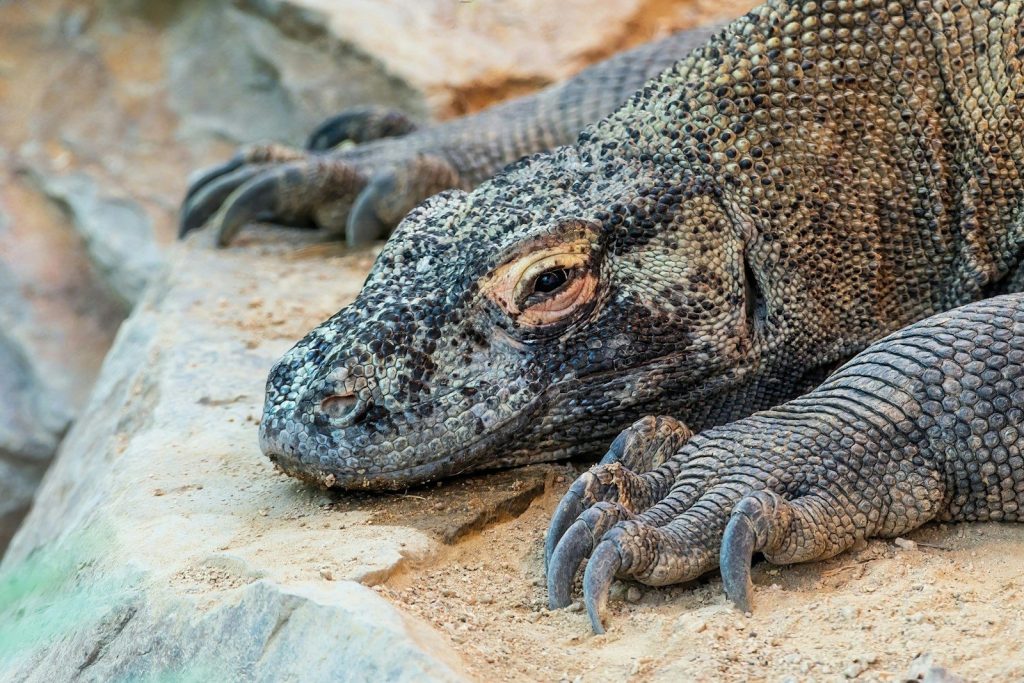
The idea of a Komodo dragon biting a massive buffalo and calmly waiting for venom to finish the job makes for a powerful wildlife story. The real science is even more interesting because the dragon uses several tools at once: sharp teeth, venom, a strong sense of smell, patience, and a willingness to eat many different kinds of food.
It is also important not to assume every buffalo attack ends with a kill. Researchers have found that Komodo dragons often fail when attacking very large prey. Their ability to feed on buffalo is real, but it is not their only hunting strategy, and they usually prefer easier meals or carrion when available.
Featured Image: Photo by Rasmus Gundorff Sæderup on Unsplash
Leave a Reply