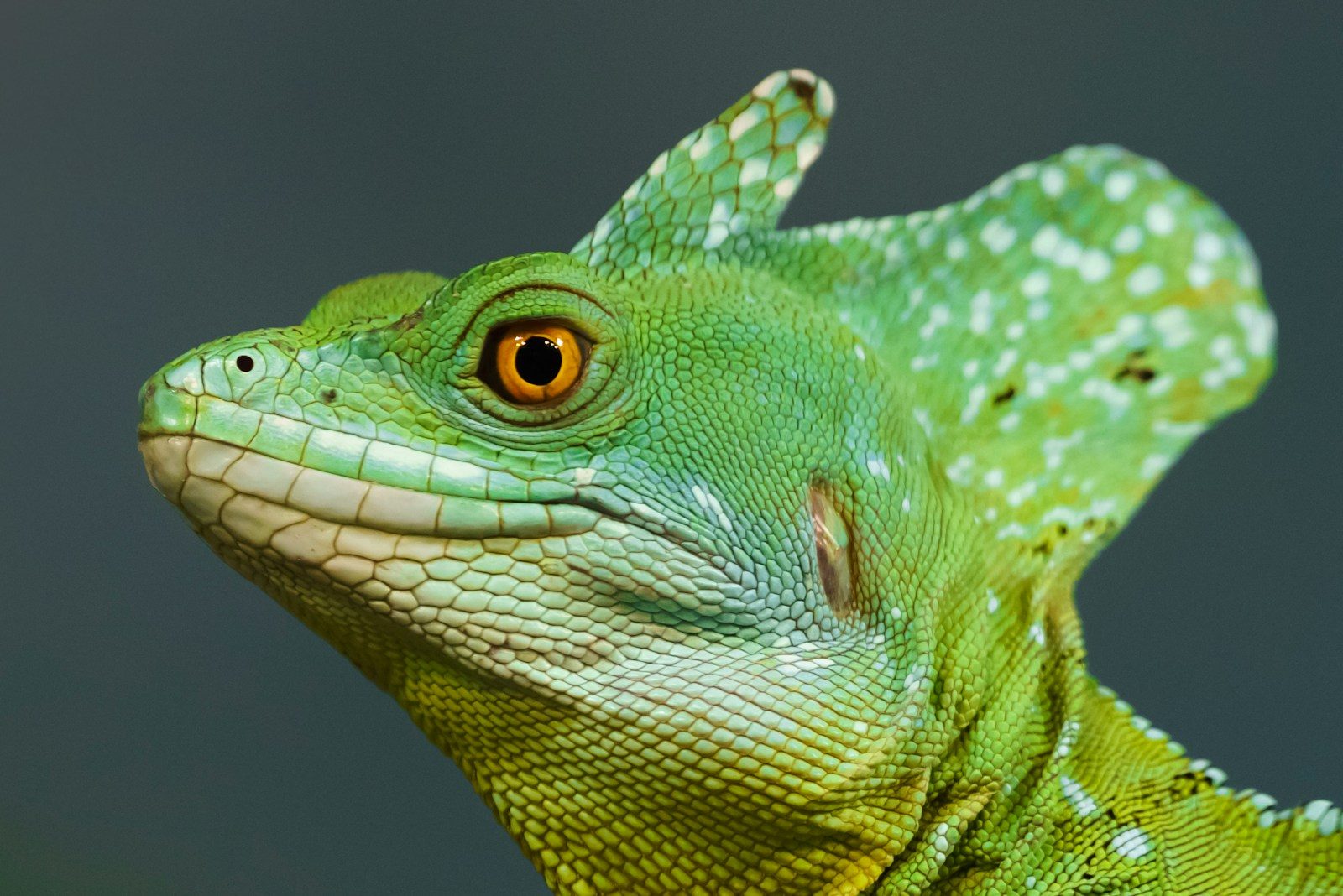
Imagine seeing a small lizard sprint across the surface of a pond without sinking. The Jesus lizard, also called the basilisk lizard, can really do it, using speed, special feet, and fast leg movements to stay above the water. While viral claims sometimes say the lizard can cross 15 feet in just one second, scientific studies give a more careful picture. A basilisk can run across water at about 5 feet per second and travel roughly 15 feet before it begins to sink. That still makes its escape one of nature’s most amazing tricks.
Here is how this unusual lizard does it and why the skill helps it survive.
The lizard has a famous nickname
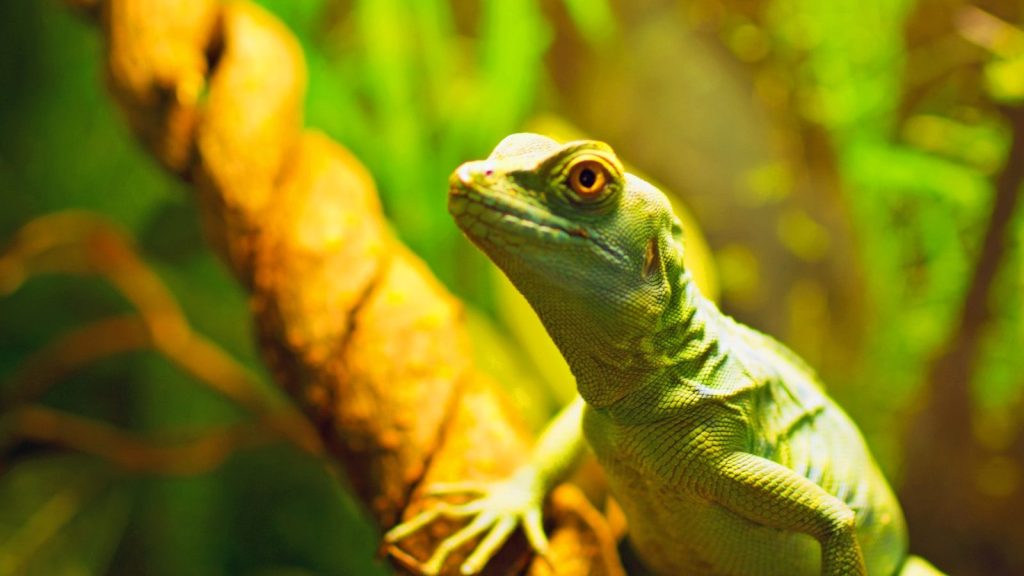
Basilisk lizards live in parts of Central America and are often found near rivers, streams, and other water. Several basilisk species can run across water, with the green or plumed basilisk being one of the species studied closely by scientists.
The nickname “Jesus lizard” comes from its ability to move across water on its back legs. It does not actually walk slowly like a person. Instead, it runs quickly across the surface when it needs to escape danger.
Speed keeps it from sinking
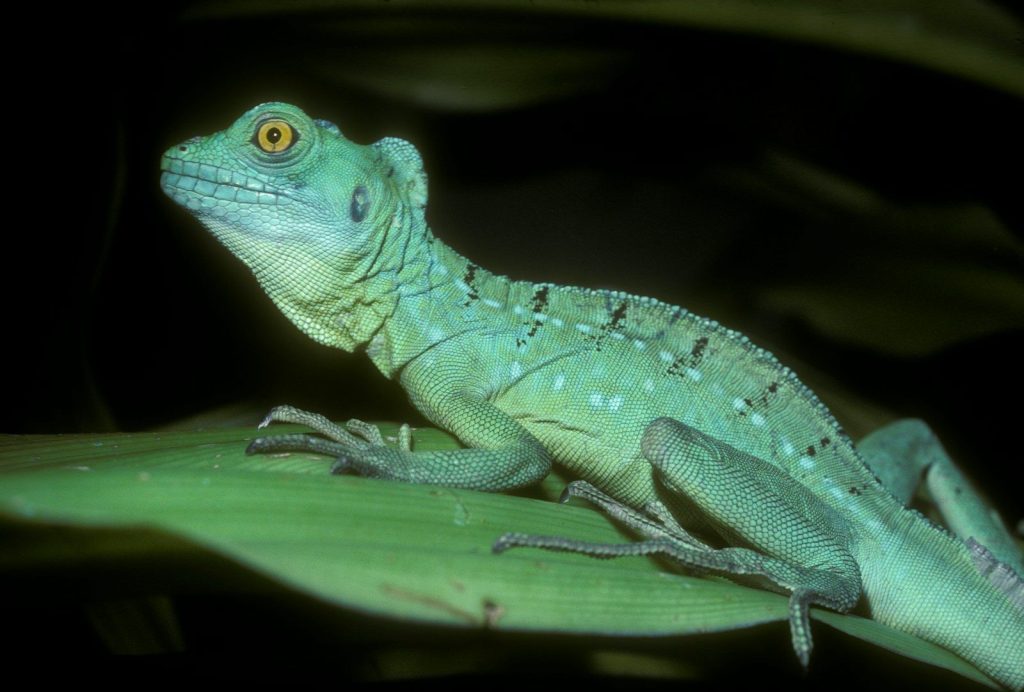
A basilisk can move across water at about 5 feet per second, or around 3.4 miles per hour. At that speed, it can cover about 15 feet before it loses enough support to sink and begins swimming.
This means the claim that it crosses 15 feet in one second is not supported by the scientific measurements used to study the animal. The real feat is still impressive because the lizard is moving across a surface that normally cannot support a running animal.
Its feet are built for water

The basilisk has long toes on its back feet with folds of skin along the sides. When the foot hits the water, these folds spread out and make the foot wider.
The lizard quickly slaps its foot downward and then pushes it backward. This movement creates a pocket of air around the foot and pushes water down, producing enough force to help hold the lizard above the surface.
Each step has a special job

Scientists have found that the water-running step has three main parts. First comes the slap, when the foot strikes the water. Next is the stroke, when the foot pushes backward to help move the lizard forward.
The final part is recovery, when the foot quickly comes out of the water and moves back into position for the next step. The lizard repeats these movements very quickly, helping it stay balanced while moving over the unstable surface.
Escape is the main reason
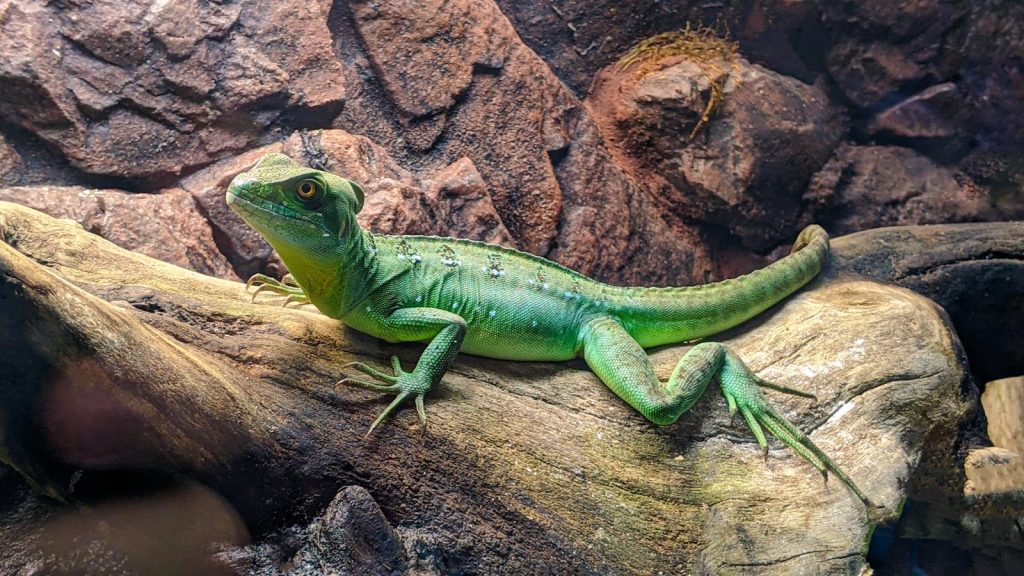
Running across water is not just a fun trick. Basilisk lizards often use it when they are frightened by predators. If danger appears on land, the lizard can drop into the water and race away across the surface.
The ability is especially useful because water can provide a fast escape route. Once the lizard can no longer stay above the surface, it switches to swimming and continues trying to get away.
The trick has limits

The Jesus lizard cannot run across water forever. After traveling roughly 15 feet, an adult basilisk may lose the ability to stay above the surface and drop into the water. Smaller lizards are better at supporting their body weight and can have an easier time running on water.
The trick also depends on keeping the right speed and using the feet correctly. The basilisk’s light body, long toes, fast movements, and strong balance all work together. What looks like magic is actually a remarkable example of animal physics.
Featured Image: Photo by Shannon Potter on Unsplash
Leave a Reply