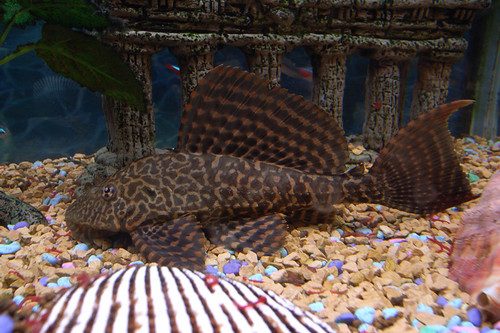
What would happen if a fish lost most of its head but kept swimming? A viral headless fish video appears to show exactly that, leaving viewers confused about how the animal could still move through the water. The fish is believed to be a suckermouth catfish, often called a pleco, and the footage does not prove that it had lost every part of its head. In fact, some important parts of its head and nervous system appear to remain. That detail helps explain the strange swimming behavior.
Here is what the video shows, how fish can produce movement, and why this unusual animal could not survive normally for long.
The video shocked viewers

The unusual footage shows a badly injured fish moving through the water even though much of the front of its body appears to be missing. It swims forward and changes direction, making the scene look almost impossible at first glance.
The video was widely shared online, with many viewers calling the animal a headless or zombie fish. However, viral captions can leave out important details. Looking closely at the animal gives scientists a better way to understand what may really be happening.
It was likely a pleco
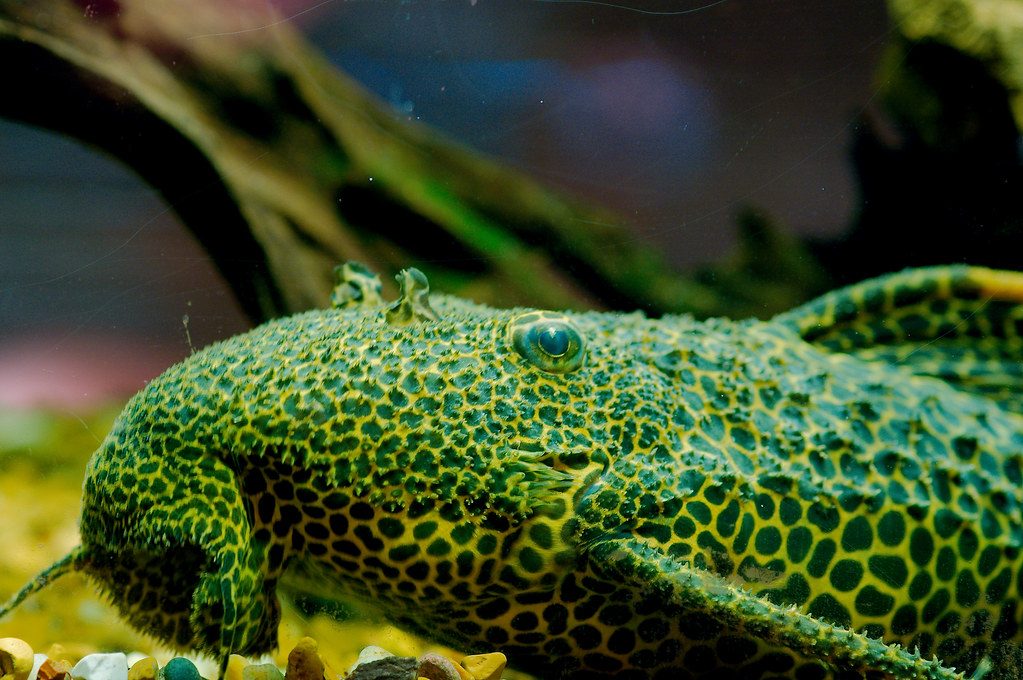
The fish appears to be a suckermouth catfish, commonly known as a pleco. These freshwater fish are known for their tough bodies and their ability to cling to surfaces with their sucker-like mouths.
The injury seems to have removed much of the fish’s face and mouth area. But the eyes and parts of the head appear to remain. That means calling it completely headless is misleading, even though the animal had suffered an extreme injury.
Its brain was not fully gone
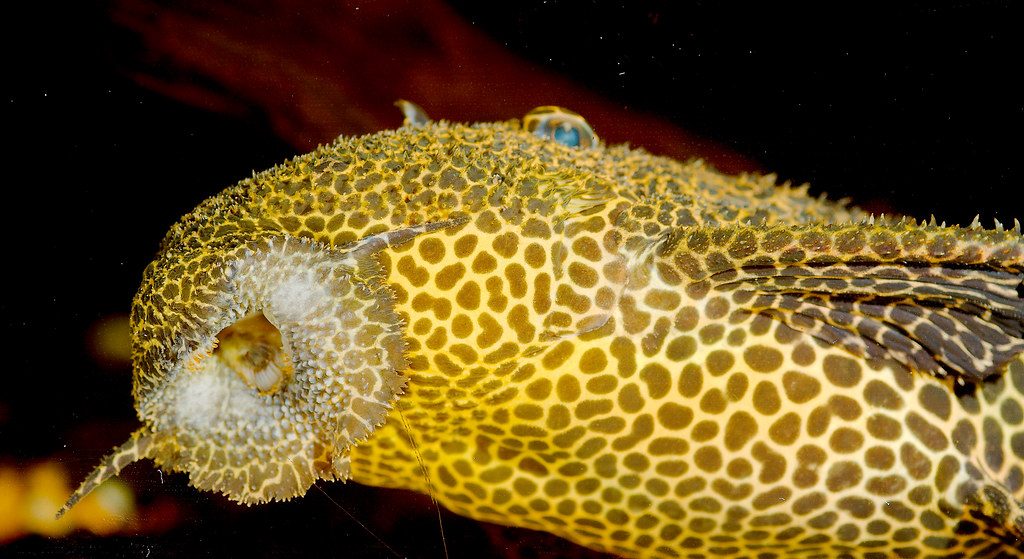
One reason the fish could still move is that the injury may not have destroyed the parts of the nervous system needed for basic body functions. In these fish, important nervous structures are located farther back than many people might expect.
The footage also appears to show that the fish still had its eyes. If parts of the brain and central nervous system remained connected, the animal could continue to control basic movements instead of becoming completely still.
Swimming can run on simple signals
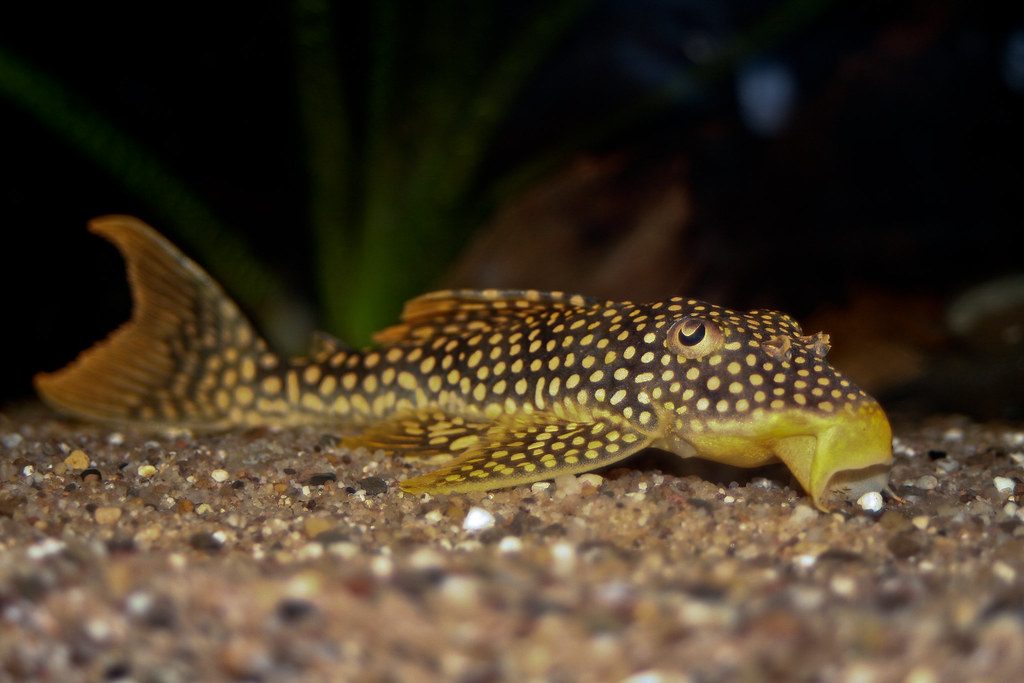
Fish swimming is not controlled by one command for every single movement. Nerve networks in the spinal cord can help create repeated patterns that move the body and tail from side to side.
This helps explain why an injured fish can sometimes continue swimming. Basic movement can continue through automatic nerve activity, even when the animal has suffered severe damage. That does not mean the fish is healthy or able to live normally.
Survival had serious limits
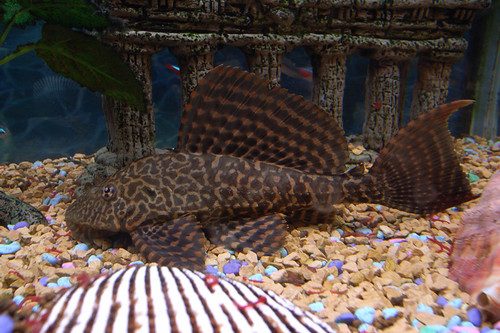
The biggest problem for the injured fish was feeding. A pleco normally uses its mouth to attach to surfaces and scrape food from them. Losing that ability would make normal feeding extremely difficult or impossible.
The wound would also leave the animal vulnerable to infection and other problems. So while the swimming may look like an amazing survival feat, it should not be mistaken for proof that the fish could live a normal life without its damaged body parts.
The science is stranger than the myth
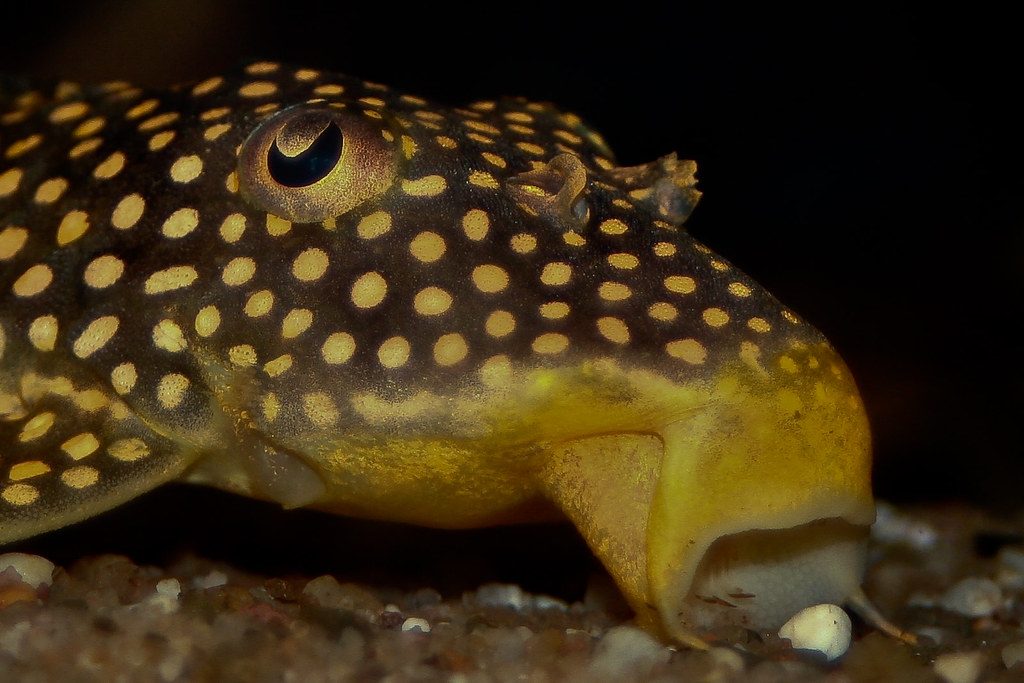
The viral label makes the fish sound like a creature that somehow survived complete decapitation. The evidence points to something more realistic: a severely injured fish that retained enough of its nervous system to keep performing basic movements.
That explanation does not make the sight any less remarkable. Instead, it shows how much of an animal’s basic movement can be controlled by simple nerve circuits. The fish was not breaking the laws of nature. It was showing how those laws can produce a very strange result after a major injury.
Featured Image: “Sailfin Pleco #4” by elanbeat is licensed under CC BY-NC-ND 2.0
Leave a Reply