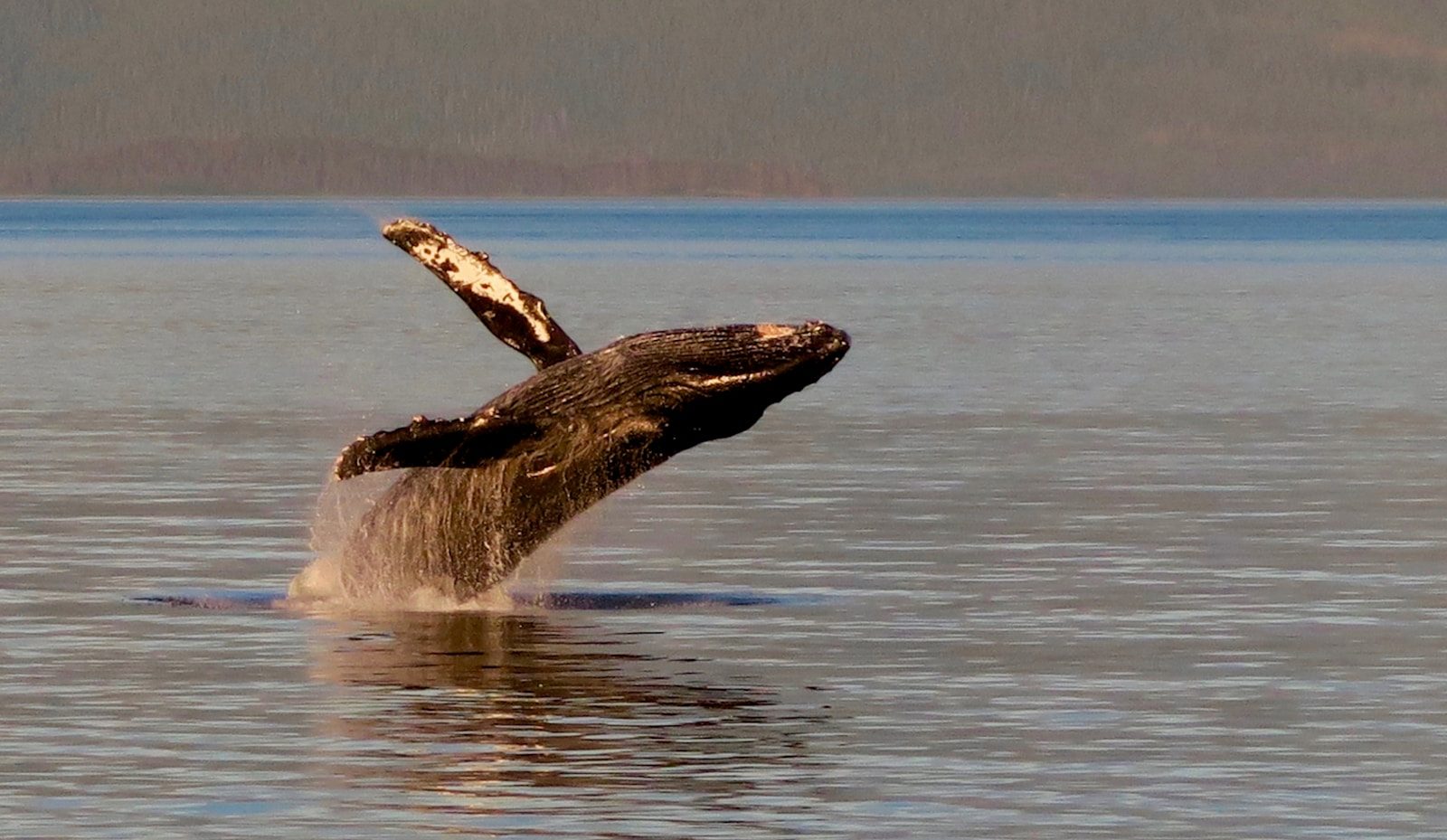
A rare moment in the ocean has given scientists a close look at the start of a humpback whale’s life. In July 2026, a drone captured what is believed to be the first aerial video of a humpback whale giving birth off Australia’s New South Wales coast. The humpback whale birth happened near Kingscliff, where a drone operator was watching migrating whales. The newborn quickly surfaced for its first breath before rejoining its mother. The footage is important because whale births are rarely seen in the open ocean.
Here is what happened, why the moment is so unusual, and what scientists may learn from it.
The birth happened off New South Wales

The remarkable event took place on July 28, 2026, near Kingscliff on the north coast of New South Wales. The whale was about 700 meters from shore when the birth was captured by drone.
Drone operator Alexander Forrest was carrying out aerial observations for the Organisation for the Rescue and Research of Cetaceans in Australia, known as ORRCA. He noticed one whale moving much more slowly than the other migrating whales.
The whale showed unusual behavior
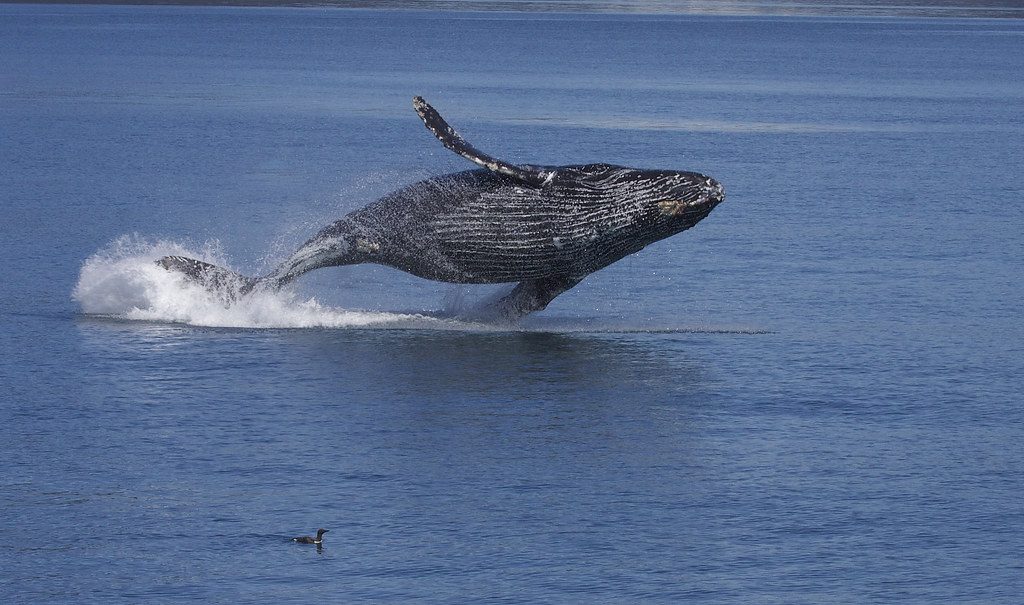
Forrest first noticed that the female was traveling alone and moving at a very slow, steady pace behind the main group. Her unusual behavior made him continue watching her from above.
The drone then captured the whale giving birth. The water became red as the calf emerged, and the newborn surfaced for its first breath before the mother turned back toward it.
The footage is extremely rare
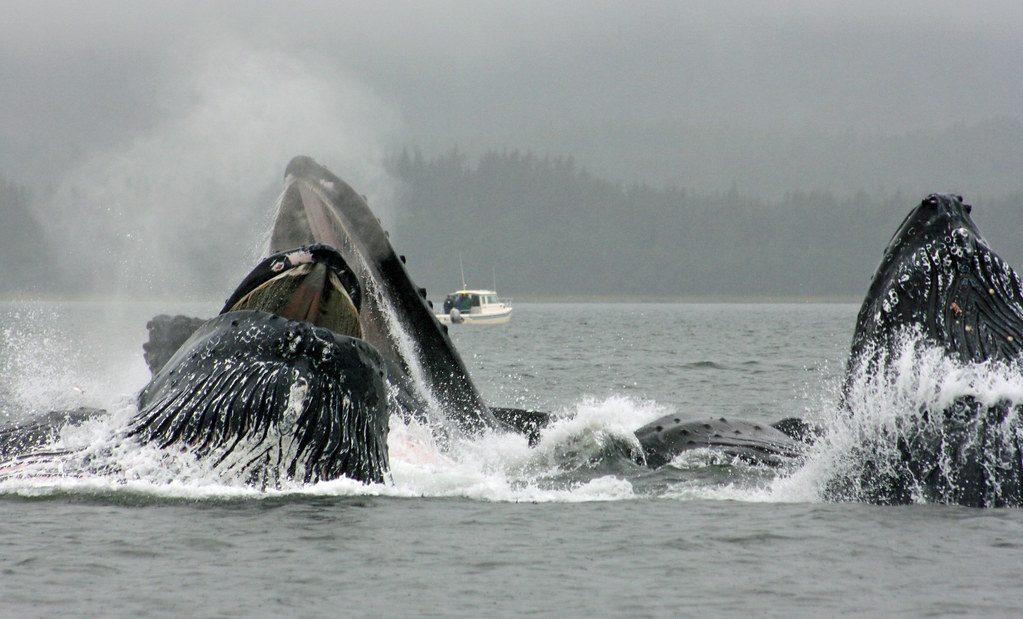
Humpback whale births are very difficult to observe because they happen underwater and far from people. ORRCA said this is only the fourth time a humpback birth has been filmed.
What makes this event different is the view from above. The footage is believed to be the first complete humpback whale birth captured by a drone, giving researchers a new look at the moments immediately after birth.
The newborn quickly joined its mother
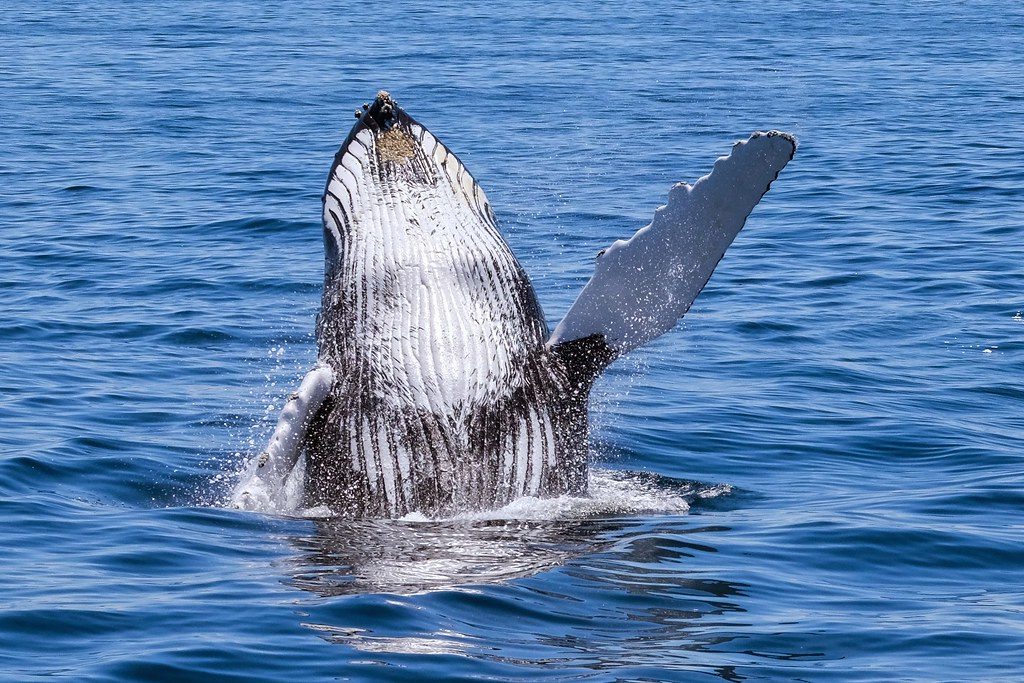
After being born, the calf surfaced and began swimming near its mother. The team continued watching the pair for several hours, recording their movements and behavior before daylight ended.
A newborn humpback must reach the surface to breathe air. The mother plays an important role during this early stage, and watching the pair together gave researchers a rare chance to study their first moments as mother and calf.
Australia is a major whale highway
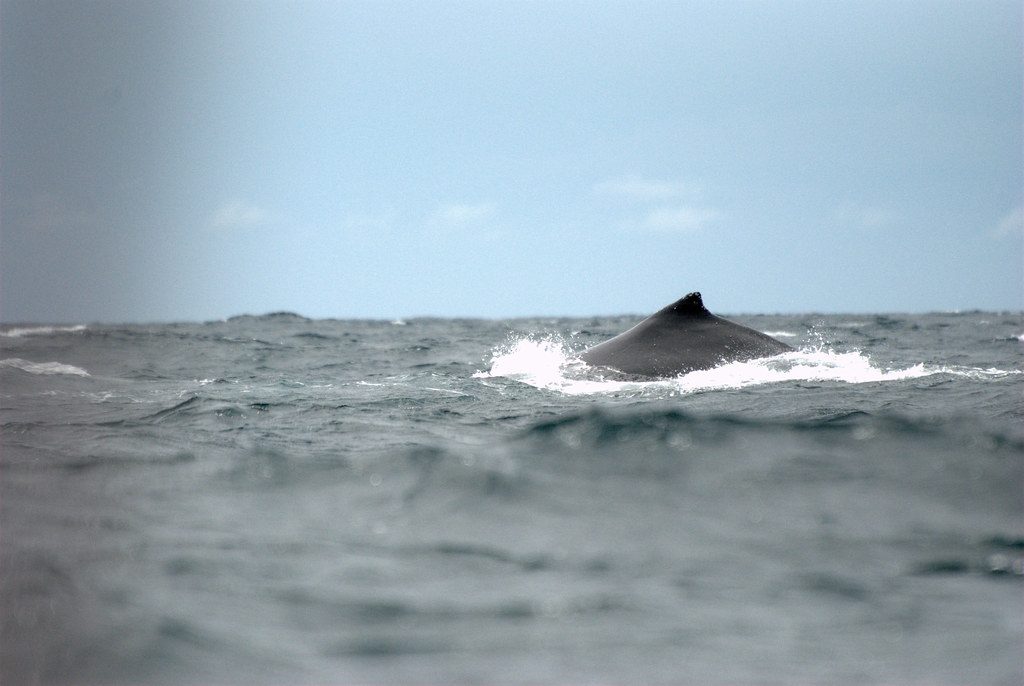
Humpback whales travel along Australia’s east coast during their yearly migration. They move between feeding areas in Antarctic waters and warmer waters where they breed and give birth.
The population along Australia’s east coast has made a strong recovery since commercial whaling ended. The increase in whale numbers has also led to more chances for researchers and the public to observe these animals during migration.
Scientists hope to learn more
The new footage may help researchers better understand humpback births, newborn behavior, and the bond between mothers and calves. Because so few births have ever been recorded, even a short observation can provide useful information.
The event also shows why careful wildlife monitoring matters. A routine survey turned into an extremely rare scientific observation, giving researchers a view of whale behavior that is normally hidden beneath the ocean surface.
Featured Image: Photo by Freysteinn G. Jonsson on Unsplash
Leave a Reply