How megalodon would fit into today’s marine food chain is a question that has fascinated scientists and ocean lovers for years. This giant shark disappeared about 3.6 million years ago, but new research has helped experts better understand how it hunted and where it stood in the ocean food web.
By studying fossil teeth and chemical clues locked inside them, scientists can compare megalodon with modern marine predators. This article explains where megalodon would likely fit in today’s oceans, what it would eat, how it might affect whales and sharks, and why its return would change marine ecosystems in major ways.
Megalodon was a true top predator
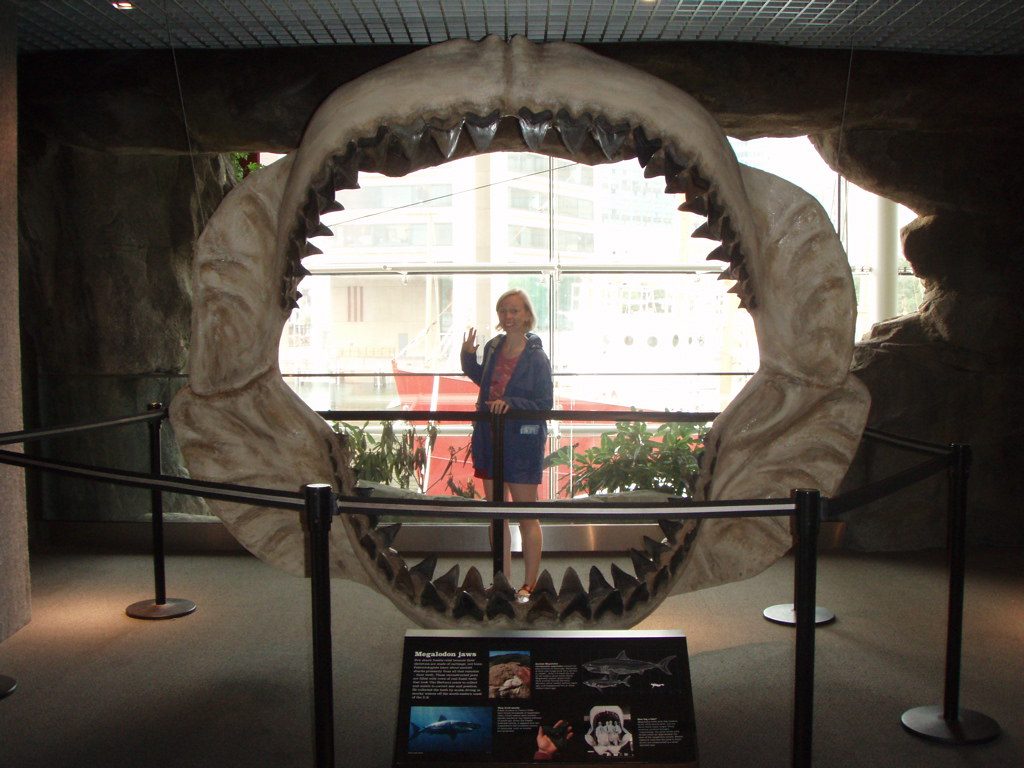
Megalodon was the largest predatory shark known to have lived. Most scientists estimate it reached around 50 to 65 feet long, making it much larger than today’s great white shark. Fossil teeth show it had powerful jaws built to crush bone and tear through large prey.
Recent studies suggest megalodon occupied an even higher place in the food chain than modern apex predators. Instead of feeding on only one type of animal, it likely hunted many large marine species whenever the opportunity appeared, making it one of the ocean’s most successful hunters.
What megalodon would likely eat today
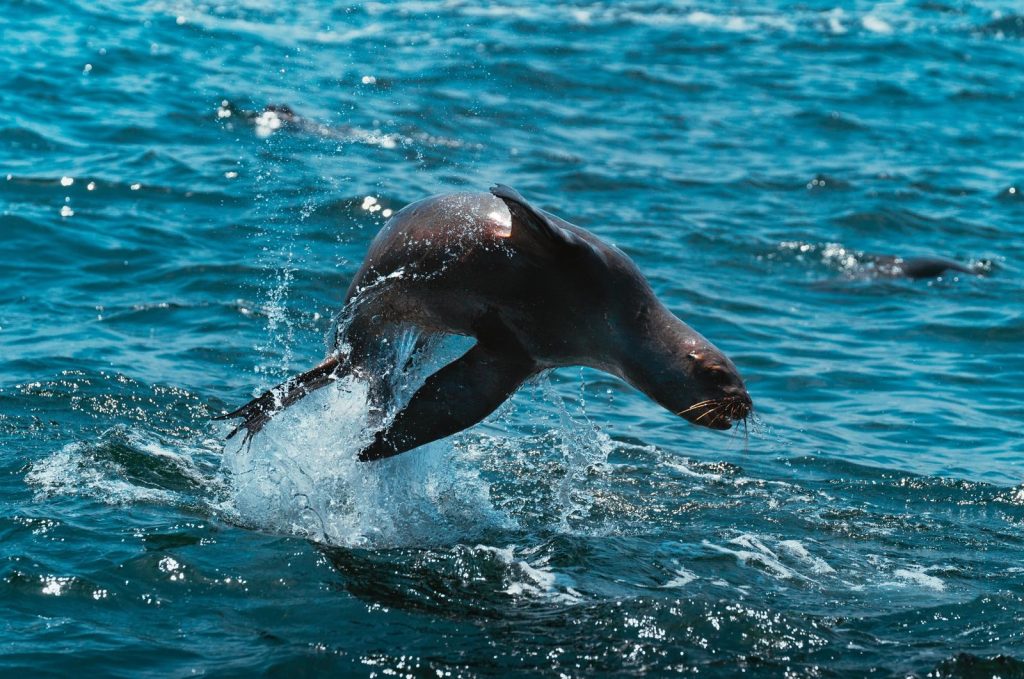
If megalodon lived in today’s oceans, whales would probably remain one of its main food sources. Large baleen whales, smaller whales, dolphins, seals, sea lions, sea turtles, and even other sharks could all become prey depending on what was easiest to catch.
Scientists now believe megalodon was an opportunistic feeder rather than a picky hunter. New fossil evidence suggests it ate animals from different parts of the food web instead of relying only on giant whales. This flexible diet would help it survive in many different ocean regions.
How it would affect modern marine life
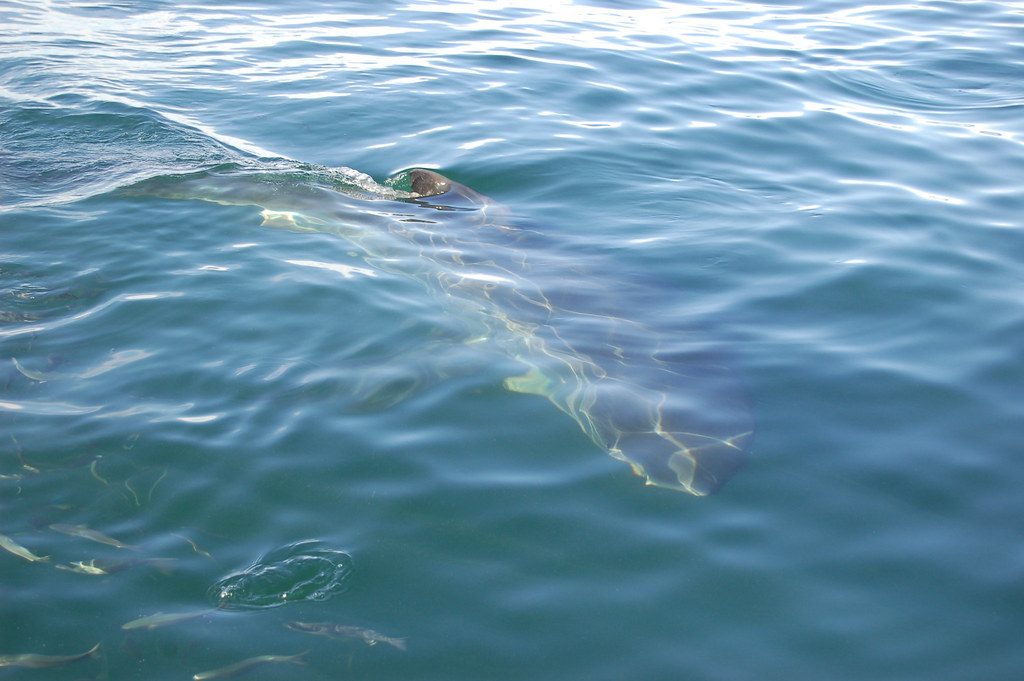
A predator as large as megalodon would likely reshape today’s marine ecosystems. Marine mammals might change where they migrate or gather, while other predators could avoid areas where the giant shark hunted.
Large sharks such as great whites, tiger sharks, and mako sharks would probably face strong competition for food. Young sharks and smaller predators could also become prey, changing the balance of many ocean habitats from coastal waters to the open sea.
Could anything hunt megalodon?
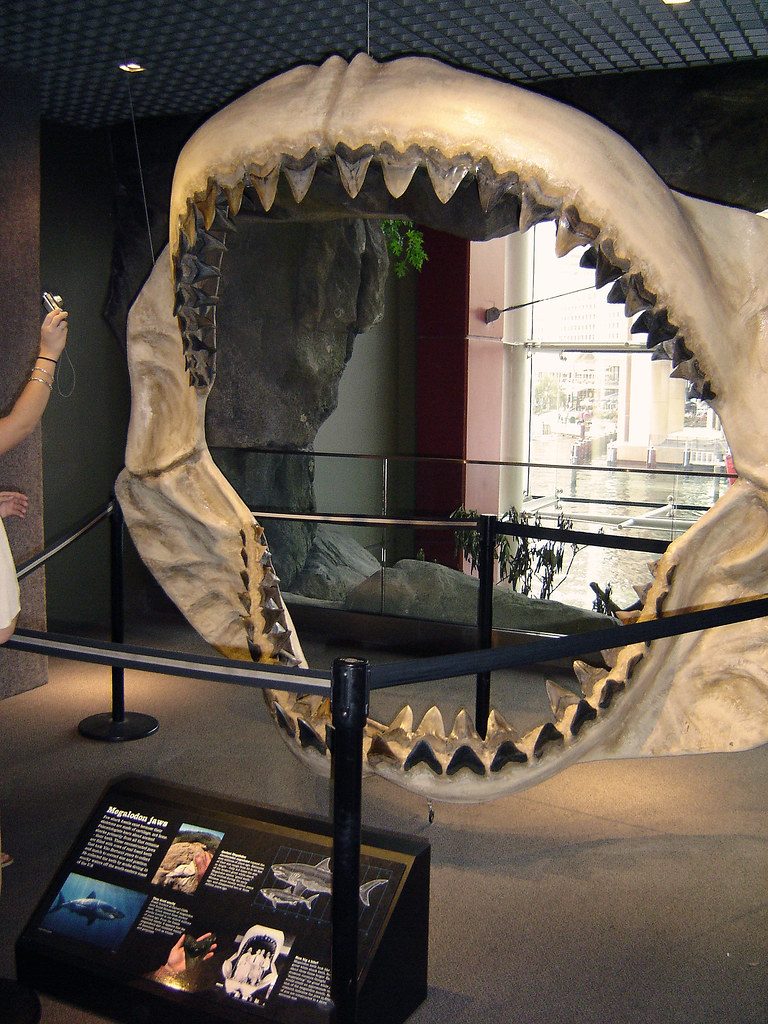
An adult megalodon would almost certainly have no natural predators. Its enormous size, strength, and powerful bite would make it extremely difficult for any living marine animal to attack successfully.
Young megalodons, however, may have faced danger. Like many modern sharks, they likely spent their early years in shallow nursery areas where they could avoid larger predators. As they grew, they would become increasingly difficult for other animals to challenge.
Why scientists think it went extinct
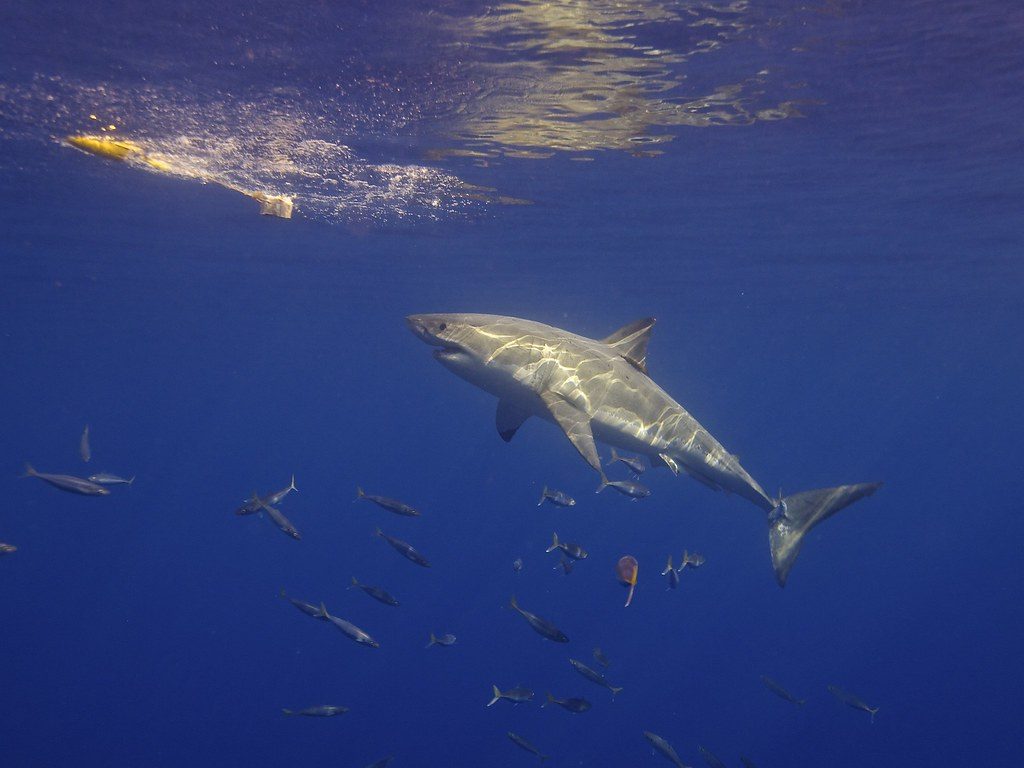
Scientists believe megalodon disappeared because several changes happened at the same time. Earth’s climate cooled, sea levels changed, and many of the smaller whales it depended on became less common or moved into colder waters.
Competition from other predators, including the ancestors of today’s great white sharks, may also have increased pressure. Instead of one single cause, experts think a combination of climate change, changing prey, and competition slowly pushed megalodon toward extinction.
What its return would mean today
If megalodon suddenly returned today, it would become one of the most important predators in the ocean. It could influence whale behavior, shark populations, and the movement of many marine animals across the globe.
Scientists also point out that today’s oceans are very different from the seas megalodon once lived in. Human fishing, ship traffic, pollution, and changing ocean temperatures would create new challenges. Even a giant predator would have to compete in a world that has changed dramatically over millions of years.
Leave a Reply