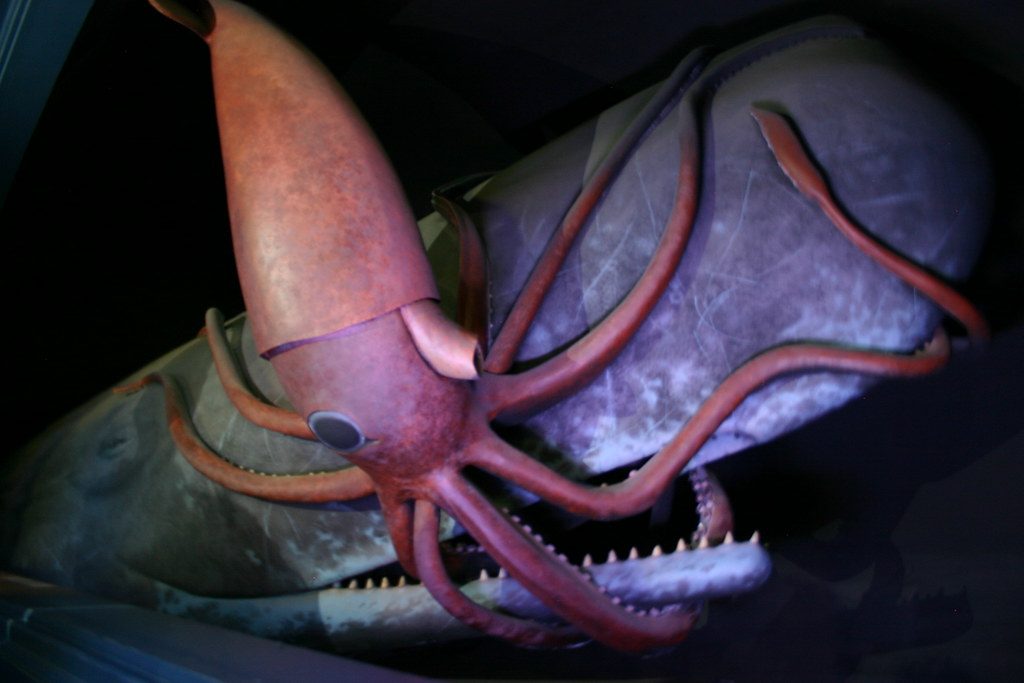
Far below the ocean’s surface, one predator rules the deep in ways that still amaze scientists. The deep-sea predator that hunts giant squid is the sperm whale, a massive marine mammal built for life in dark, cold water.
Many people wonder how any animal can catch one of the ocean’s largest squid, but the sperm whale has special features that make it an expert hunter. In this article, you will learn how sperm whales find giant squid, how these fierce battles happen, and why both animals are important to the deep-sea ecosystem.
Why the sperm whale is the top deep-sea hunter
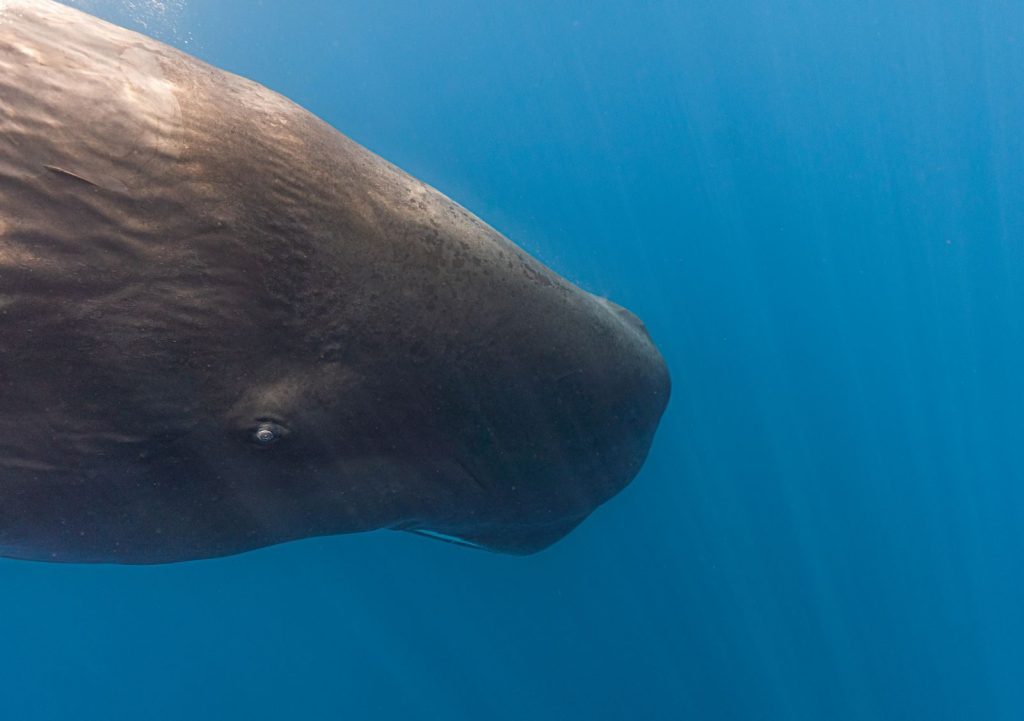
The sperm whale is the largest toothed predator on Earth. Adult males can grow over 50 feet long and weigh more than 45 tons. They spend much of their lives searching for food in deep water, where sunlight never reaches. Their favorite prey includes large squid, and giant squid are one of the biggest animals they hunt.
Unlike many whales that feed near the surface, sperm whales are built for deep diving. Their huge heads help them produce powerful clicking sounds that let them explore the darkness. These skills make them one of the few animals able to hunt giant squid in their natural home.
How sperm whales find giant squid
The deep ocean is almost completely dark, so sperm whales cannot depend on eyesight alone. Instead, they use echolocation. They send out loud clicking sounds that bounce off objects and return as echoes. This helps them locate squid, even when they are hundreds of feet away.
Scientists believe sperm whales can dive deeper than 6,500 feet during long hunts that may last over an hour. They search slowly through the deep sea until they detect the shape and movement of a squid. Once they find it, they move in quickly before the prey can escape.
What happens during the underwater battle

When a sperm whale attacks, the giant squid does not give up easily. Giant squid have long feeding arms and two even longer tentacles lined with powerful suckers. Each sucker has sharp, tooth-like edges that can grip tightly and leave round scars on the whale’s skin.
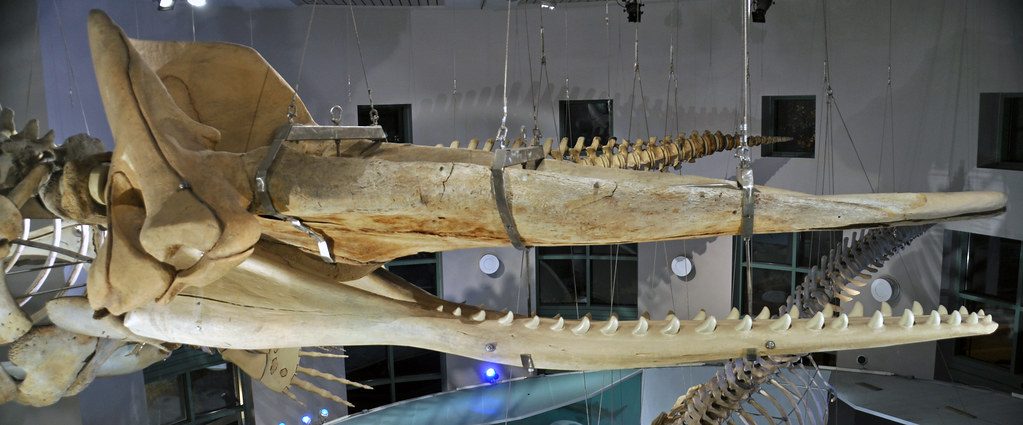
Many sperm whales carry these scars for life, showing they have fought large squid. Even so, the whale usually has the advantage. Its powerful jaws hold strong conical teeth that can seize the squid before swallowing it. Most giant squid become part of the whale’s diet, although the struggle can be intense.
Amazing adaptations for life in the deep
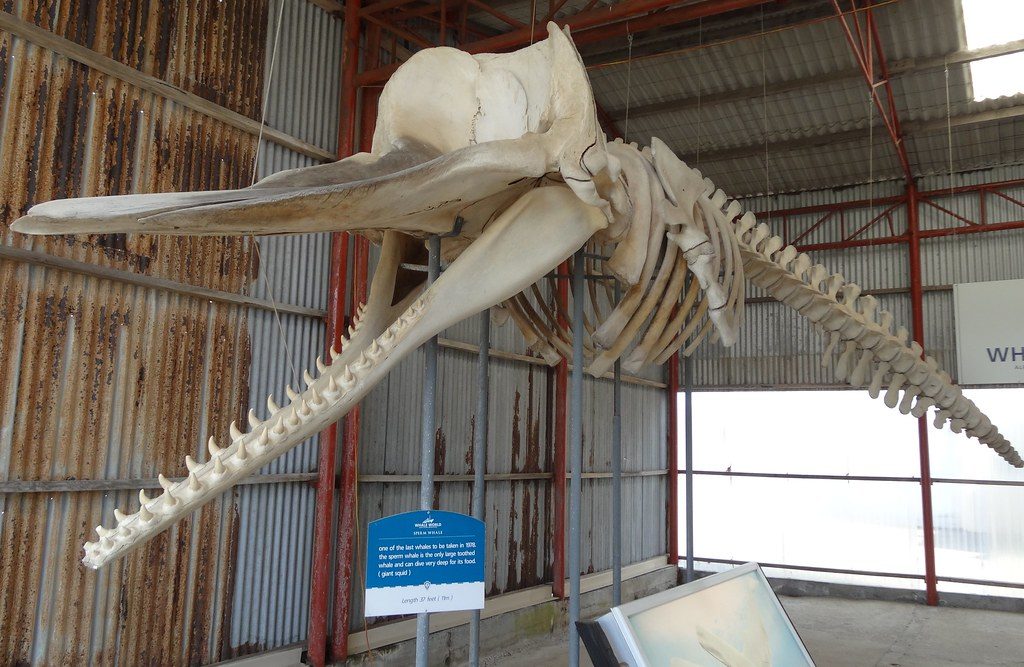
Sperm whales have several features that help them survive deep dives. They store large amounts of oxygen in their muscles and blood, allowing them to stay underwater much longer than most mammals. Their bodies also slow down during deep dives to save energy.
Giant squid are also well adapted to this harsh environment. They have the largest eyes in the animal kingdom, helping them detect faint light and the movement of predators. Their soft bodies and long tentacles allow them to move through deep water while searching for fish and smaller squid.
What scientists have learned from these predators

Directly watching battles between sperm whales and giant squid is very difficult because they happen so deep underwater. Instead, scientists study whale dive records, scars, stomach contents, and underwater sound recordings to understand their hunting behavior.
Research has shown that giant squid are an important food source for many sperm whales, especially adult males. Every new deep-sea expedition gives researchers a better understanding of these mysterious animals and the hidden world where they live.
Why these deep-sea animals matter
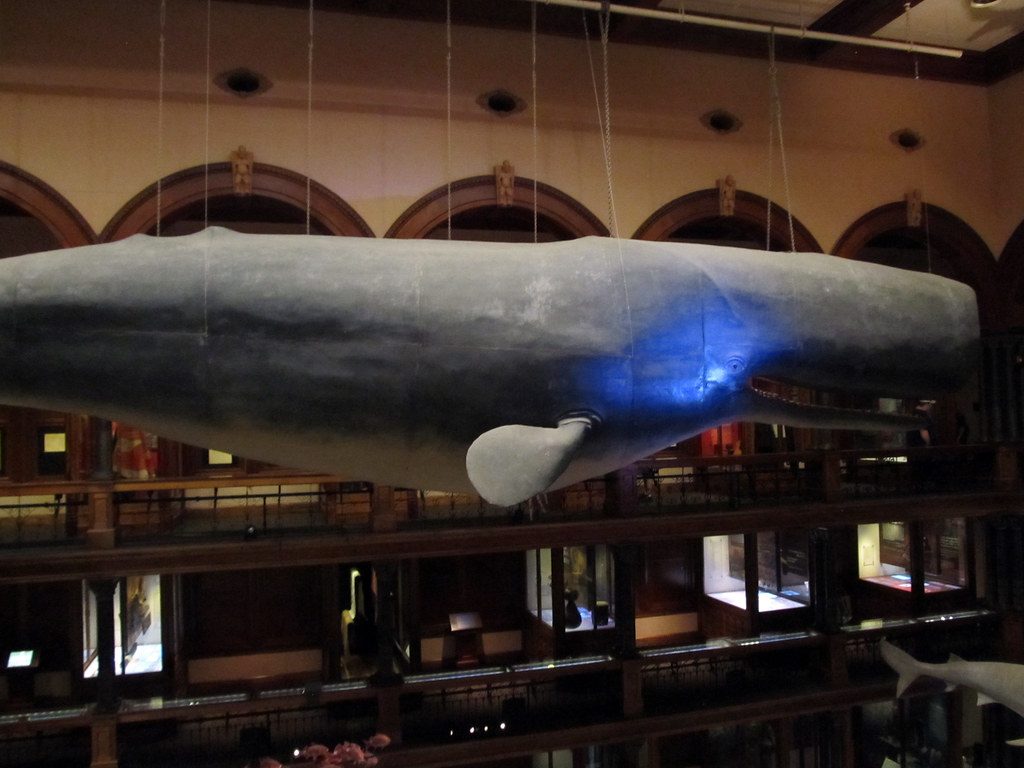
The relationship between sperm whales and giant squid helps keep the deep ocean balanced. Predators control prey populations, while healthy prey populations support large hunters. This natural cycle is an important part of marine ecosystems.
Both animals also remind us how much of the ocean remains unexplored. Protecting deep-sea habitats from pollution, climate change, and harmful human activities will help scientists continue learning about these remarkable creatures and the important roles they play.
Leave a Reply