
What made one ancient whale so much more dangerous than the whales we know today? The answer lies in a giant predator that ruled the oceans millions of years before humans existed. This ancient whale was built for hunting, with powerful jaws, sharp teeth, and the strength to chase large prey.
Unlike modern baleen whales that filter tiny animals from the water, it hunted other sea creatures. In this article, you will learn what made this ancient whale such a fierce hunter, how it lived, what it ate, and why scientists still study its fossils to better understand the history of life in Earth’s oceans.
The giant predator of ancient seas
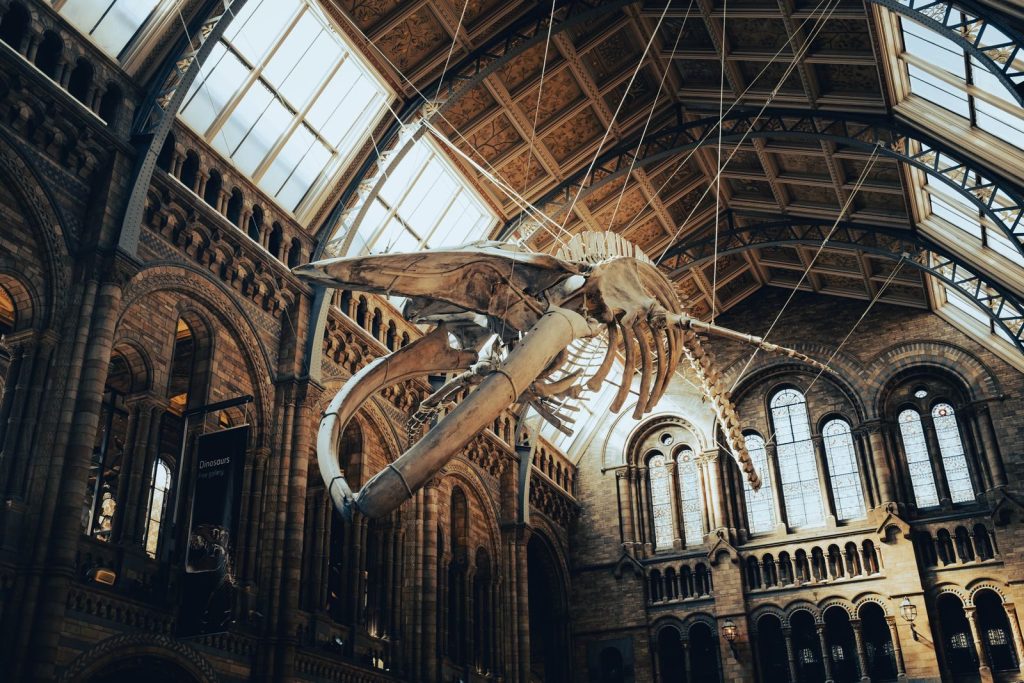
One of the fiercest ancient whales was Livyatan, which lived about 12 to 13 million years ago during the Miocene Epoch. It was named after the biblical sea monster Leviathan and is one of the largest meat-eating whales ever discovered. Scientists estimate it reached around 44 to 57 feet long.
Unlike today’s sperm whales, Livyatan had huge teeth in both its upper and lower jaws. Some of these teeth were over one foot long, making them among the biggest biting teeth of any known animal. This gave the whale a powerful grip on struggling prey.
Built for powerful attacks
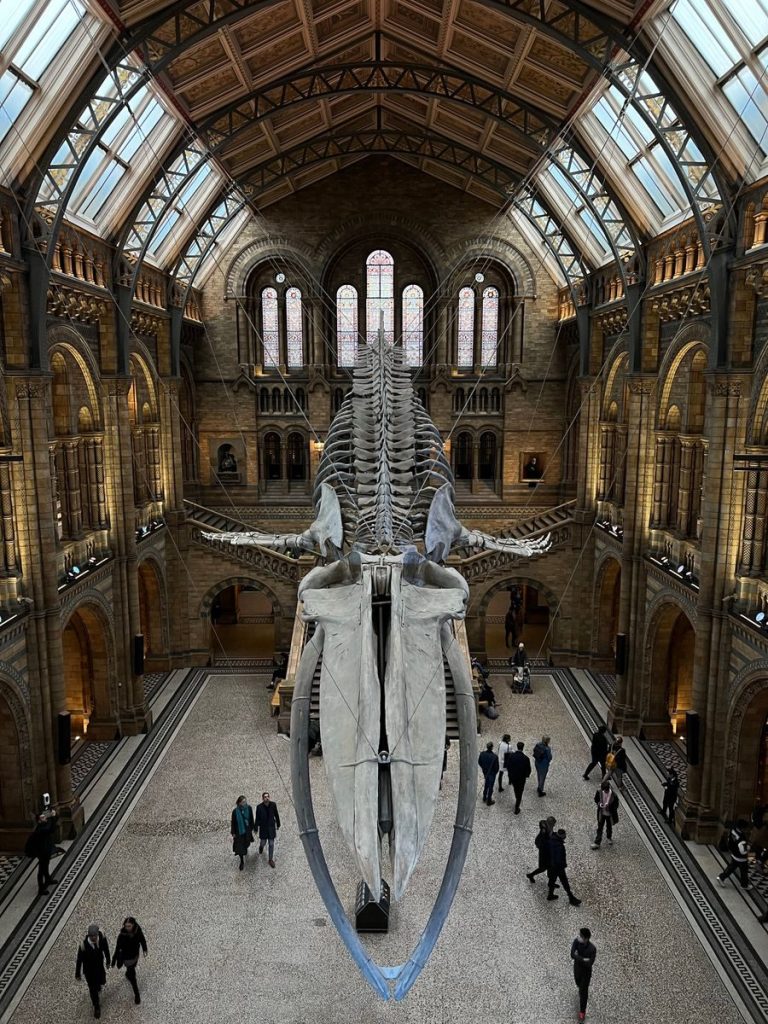
Livyatan had a massive head filled with strong jaw muscles that created an incredibly forceful bite. Its body was shaped for swimming quickly through open water, allowing it to surprise large animals before they could escape.
The whale also used echolocation, much like modern sperm whales. By sending out sound waves and listening for echoes, it could find prey even in dark or cloudy water. This skill made it an effective hunter in many ocean conditions.
Hunting large marine animals
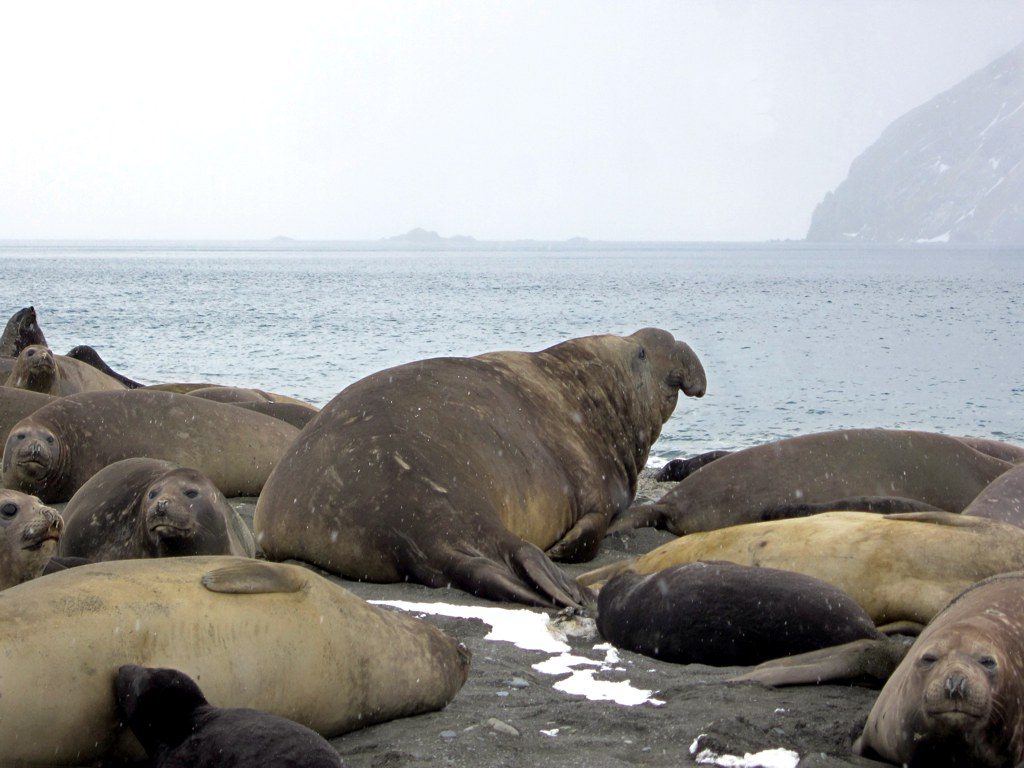
Instead of feeding on tiny fish or plankton, Livyatan hunted large marine mammals. Scientists believe it preyed on smaller whales, dolphins, seals, and other sizable sea animals. Fossils from the same time period show that many whale species lived alongside this giant predator.
Its long, thick teeth were perfect for grabbing, tearing, and holding slippery prey. Unlike sharks that often relied on replacing broken teeth, Livyatan depended on its powerful bite to overpower animals with force.
A rival of the giant megalodon
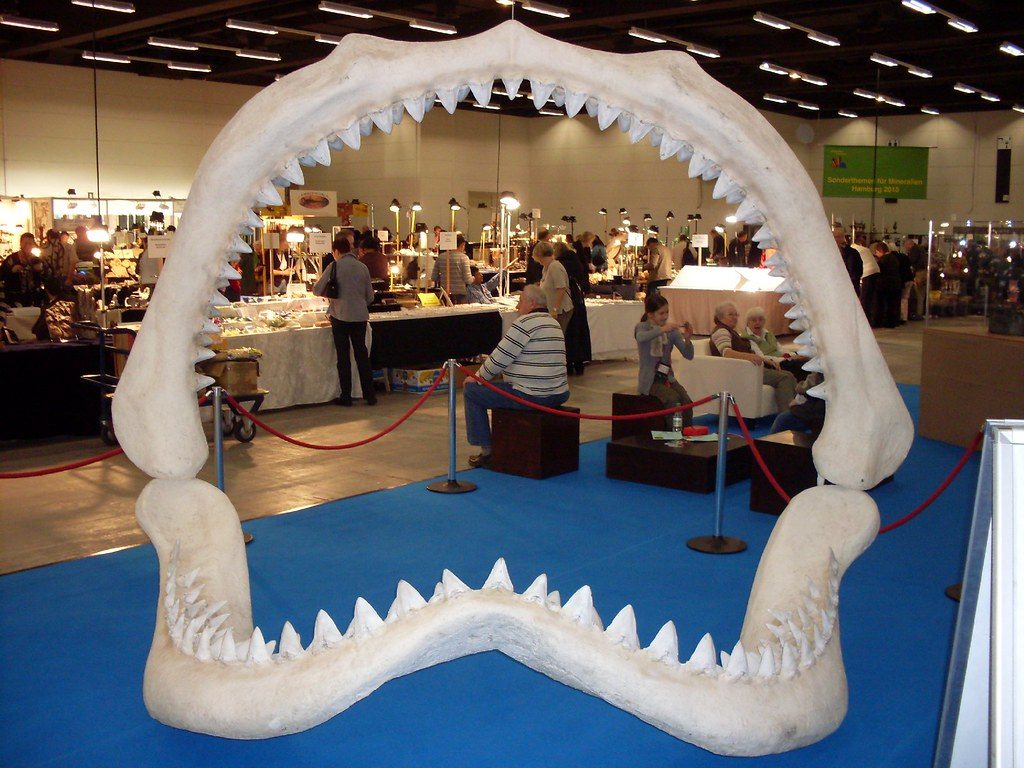
Livyatan shared the oceans with the famous giant shark known as Megalodon. Both were top predators that hunted large marine mammals, and they likely competed for many of the same food sources.
Scientists cannot prove that Livyatan and Megalodon regularly fought each other, but they almost certainly crossed paths. Their fossils have been found in rocks from the same time period, showing they lived in many of the same ancient oceans.
Why this whale disappeared
Livyatan did not survive to the present day because the oceans changed over millions of years. Climate shifts affected sea temperatures and changed where many marine animals lived. As food sources became less common, large predators faced greater challenges.
The disappearance of many medium-sized whales may have also reduced the amount of prey available. Like many ancient species, Livyatan could not adapt fast enough to these changing conditions and eventually became extinct.
What fossils reveal today

The first major Livyatan fossils were discovered in Peru in 2008. They included a large skull and enormous teeth that helped scientists understand how this whale hunted. Even though only part of the skeleton has been found, the fossils provide valuable clues about its size and behavior.
Today, Livyatan remains one of the best examples of an apex predator from the ancient oceans. Its fossils remind us that whales were once among the most fearsome hunters on Earth, filling a role very different from that of most whales alive today.
Leave a Reply