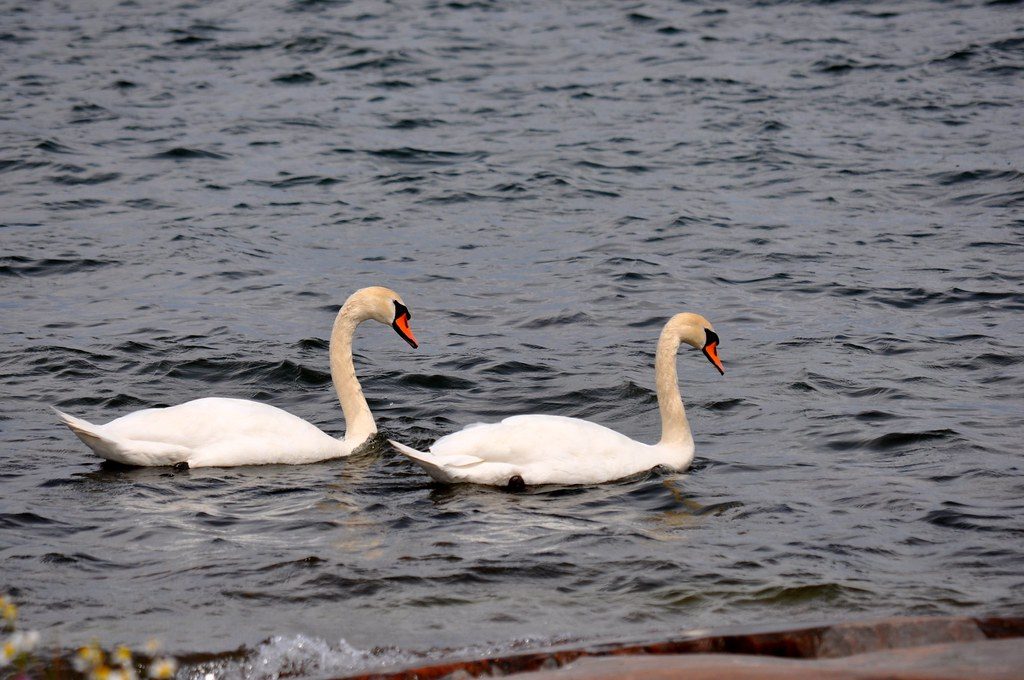
Swans are known for forming strong, long-term bonds, so it is heartbreaking when an injury separates a pair. The story of how an injured swan reunited with its lifelong companion shows just how powerful those bonds can be.
Wildlife rescuers have seen many cases where a healthy swan waits near a rescue site or returns to the same area until its partner comes home. This article explains why swans stay loyal to each other, what happens when one is injured, how rehabilitation works, and why a successful reunion is so important for their survival.
Swans often stay with one partner
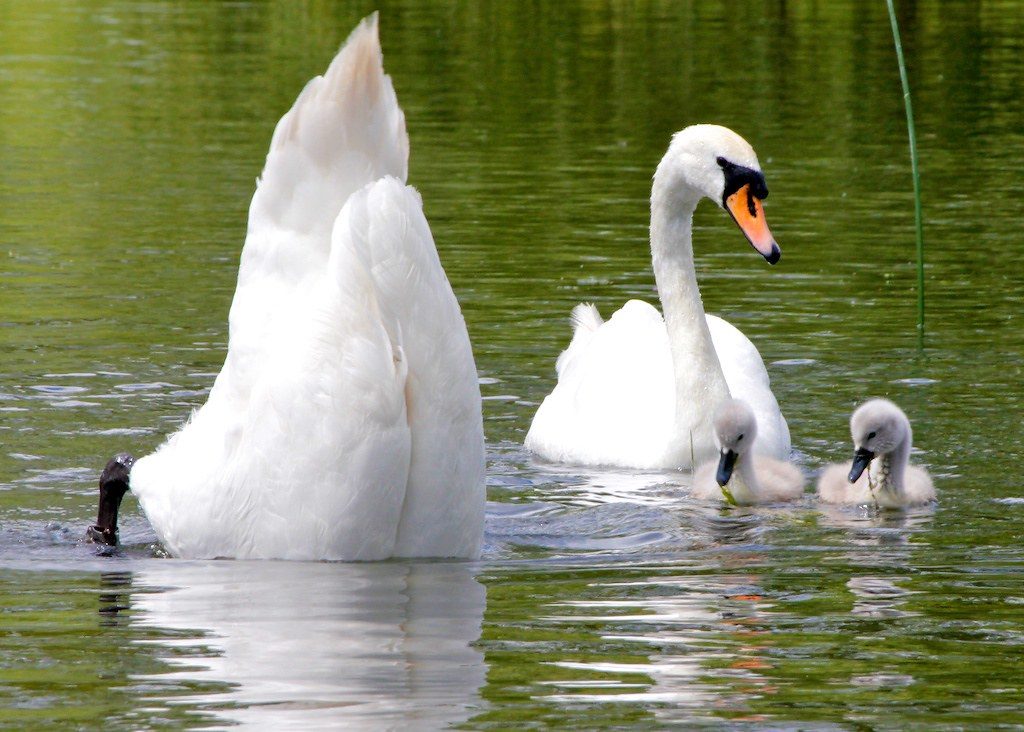
Many swan species, including mute swans, trumpeter swans, and tundra swans, usually form long-term pair bonds. Most adult pairs stay together for many years, and many remain together for life if both birds survive. They work as a team to defend their territory, build nests, and raise their young.
Their close bond helps them succeed in the wild. A pair communicates with body movements and calls, making it easier to protect eggs and cygnets. While not every pair stays together forever, lifelong partnerships are common among healthy adult swans.
An injury can separate a devoted pair
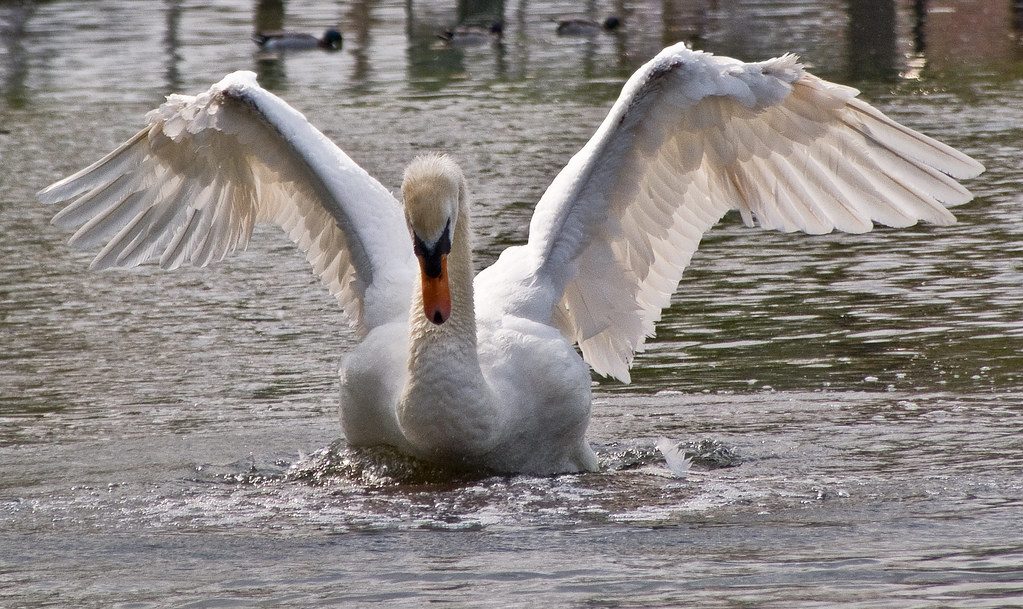
Swans may be injured by fishing line, collisions with power lines, predators, or human-made objects. When one bird cannot fly or swim well, wildlife rescuers often step in because the injury could become life-threatening.
The healthy partner sometimes stays nearby instead of leaving. Wildlife rehabilitation centers have reported cases where the uninjured swan remained close to the rescue location or returned often until its mate recovered. This behavior reflects the strong pair bond seen in many swan species.
Wildlife experts help the injured bird recover
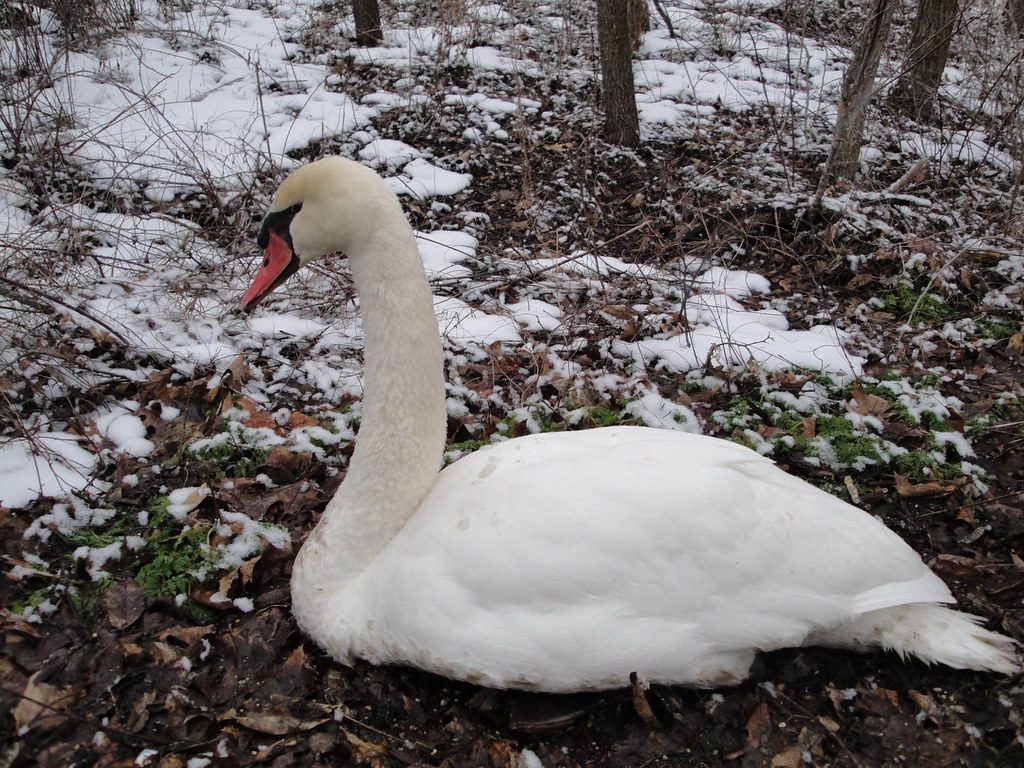
After rescue, trained wildlife rehabilitators examine the swan for broken bones, infections, or other injuries. The bird receives proper food, clean water, medication if needed, and a safe place to heal with as little stress as possible.
The goal is always to return the swan to the wild once it is healthy enough. Releasing a bird too early could reduce its chances of survival, so experts carefully watch its strength, swimming ability, and flight before making that decision.
The reunion can be an emotional moment
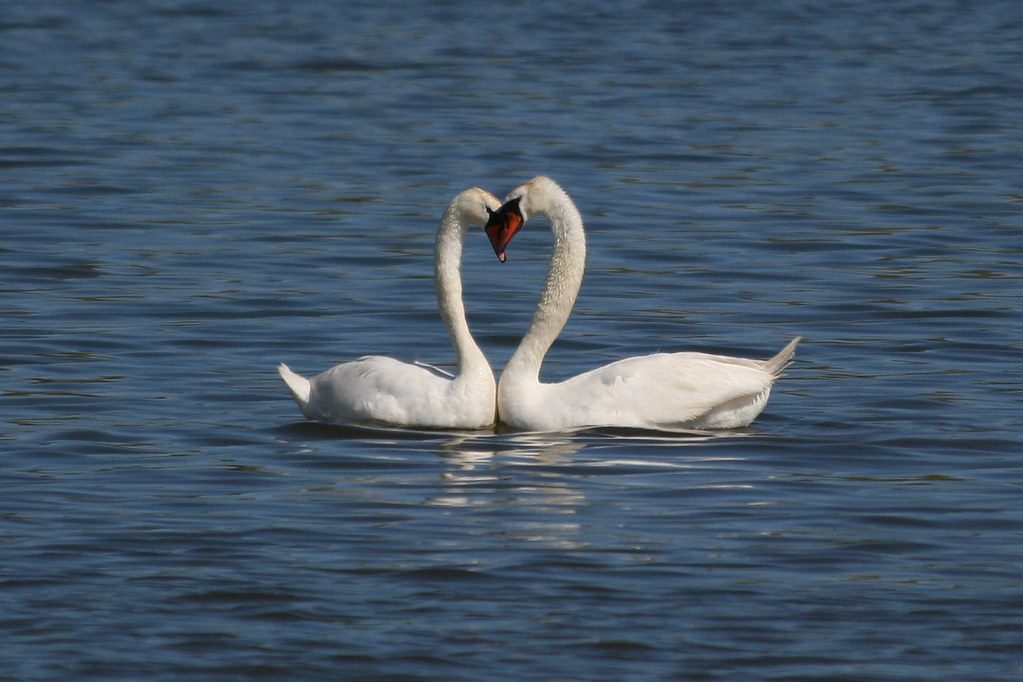
When the recovered swan is released, rescuers often return it to the same area where it was found. If its partner has remained in the territory, the two birds may recognize each other through familiar calls and behavior.
Many reunions happen peacefully. The pair may swim side by side, touch bills, or move together almost immediately. While every case is different, successful reunions show how important long-term pair bonds are in the lives of swans.
Staying together improves survival
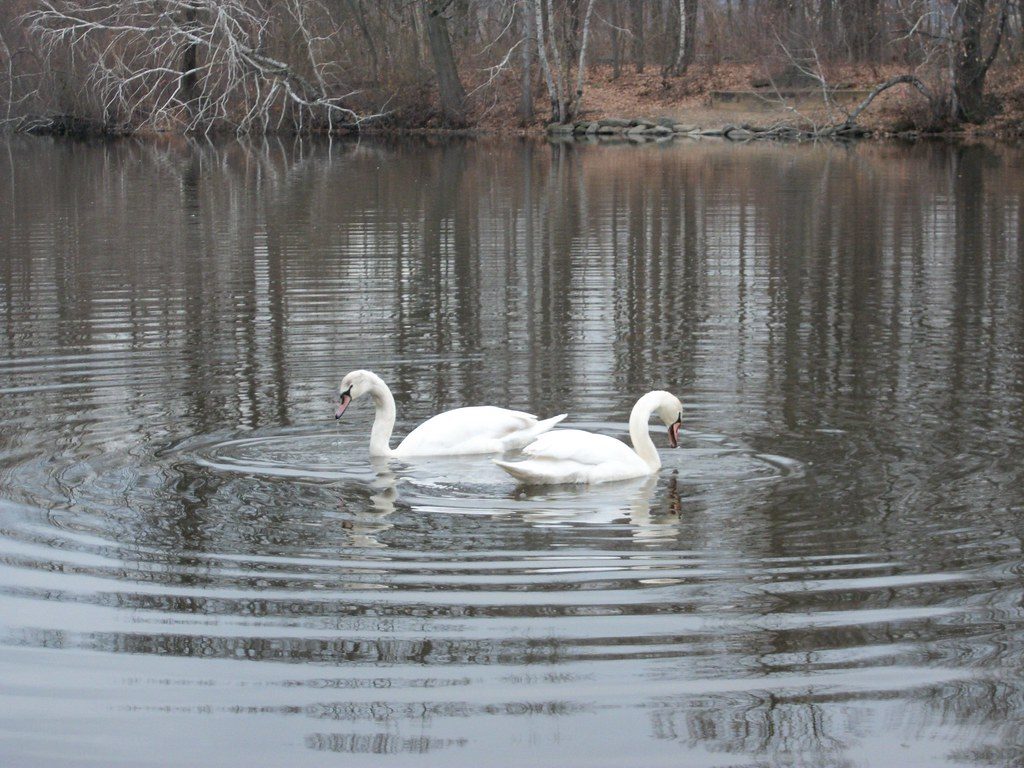
A reunited pair has a better chance of defending its territory and raising young. Two healthy adults can watch for danger, gather food, and protect their nest more effectively than a single bird.
If the reunion happens before the breeding season, the pair may continue nesting as usual. Keeping an established pair together also supports stable swan populations because experienced adults are often successful parents.
These stories inspire people to protect wildlife

Stories about injured swans finding their lifelong companions remind people that wild animals have strong social connections. They also show how trained wildlife rehabilitators can make a real difference when birds receive proper care.
People can help by keeping lakes and rivers free of trash, avoiding disturbing nesting birds, and reporting injured wildlife to licensed rescue organizations. Small actions can protect swans and give injured birds the best chance of returning to their partners.
Leave a Reply