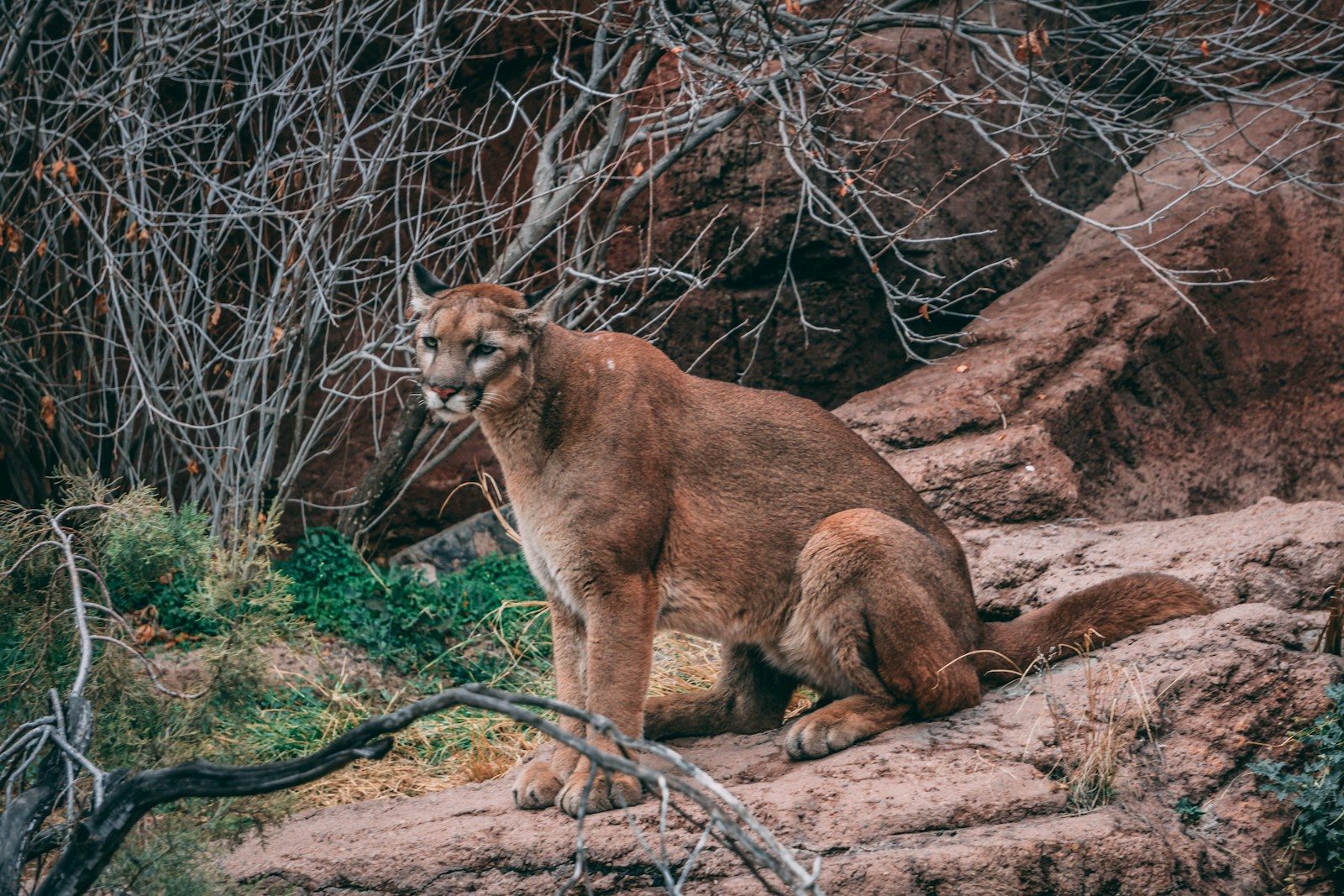
Mountain lions are among North America’s most elusive predators. Although they usually avoid people, they still roam across large areas of the western United States. Most people will never see one in the wild, but hikers, campers, and outdoor workers occasionally encounter these powerful cats.
Knowing where mountain lions are most common can help visitors stay aware without creating unnecessary fear. This article explores six states with well-established mountain lion populations, why these animals thrive there, and how people can safely coexist with them.
California has one of the largest populations

California supports one of the largest mountain lion populations in the United States. The cats live in forests, mountains, deserts, and even near some suburban communities where suitable habitat remains connected.
Despite frequent sightings, attacks on people remain extremely uncommon. Conservation efforts and wildlife crossings are also helping isolated mountain lion populations remain healthy.
Colorado offers an ideal mountain lion habitat
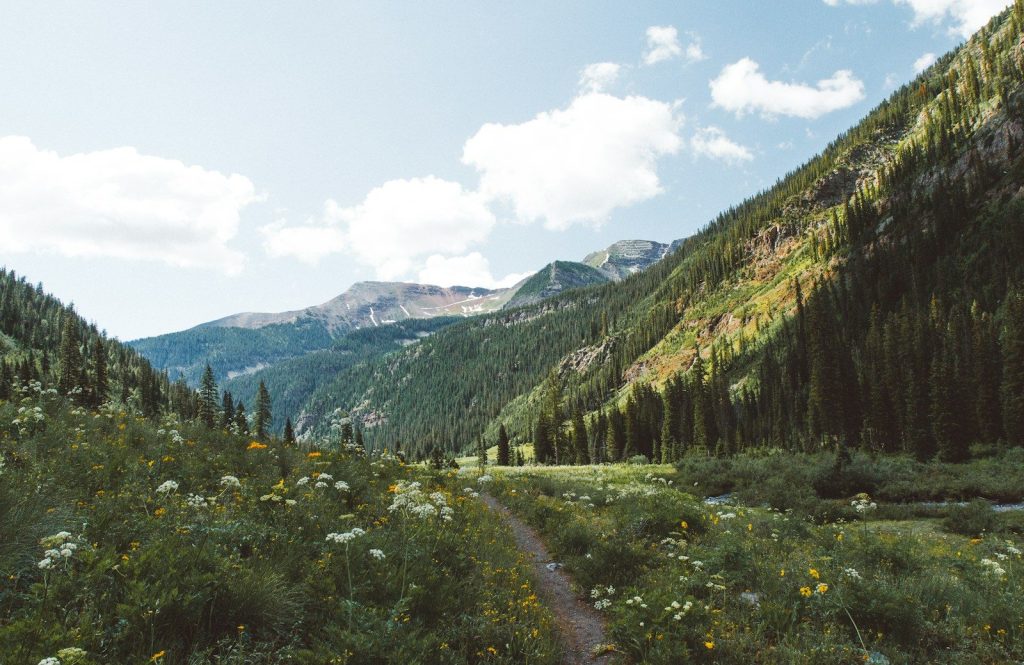
Colorado’s mountains, forests, and abundant deer provide excellent habitat for mountain lions. Wildlife officials estimate the state supports several thousand animals spread across many regions.
Most encounters happen when people hike, run, or recreate in mountain habitats. Experts recommend staying alert, especially during dawn and dusk when mountain lions are generally more active.
Arizona has healthy cougar populations
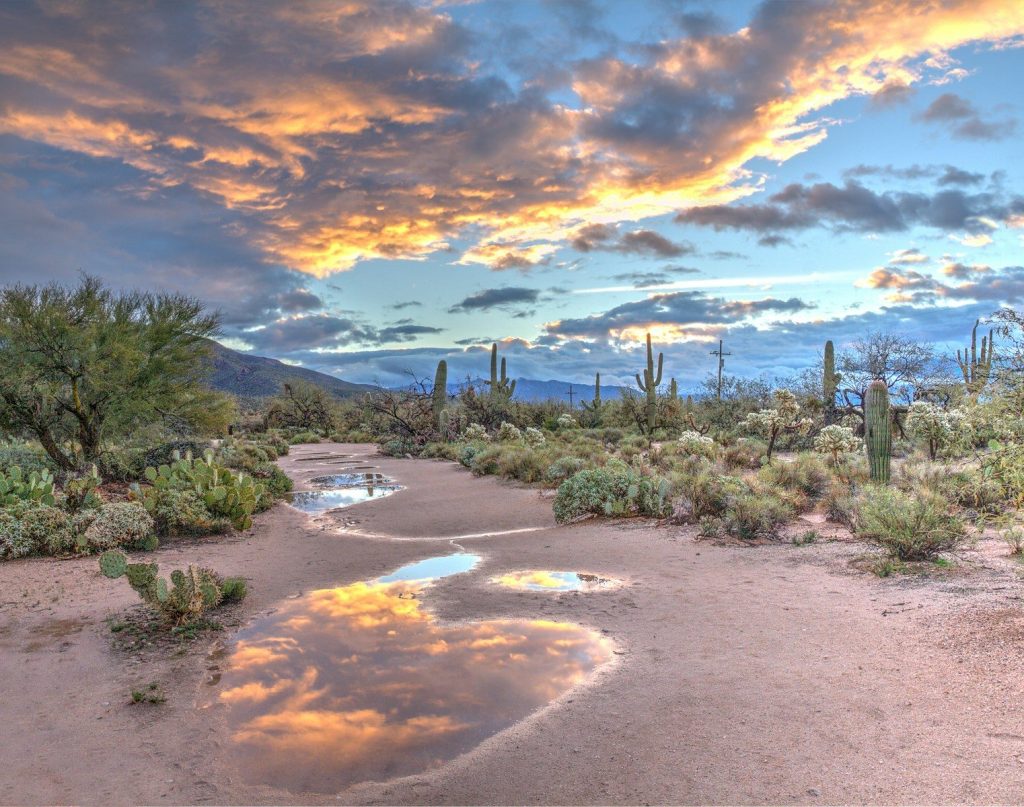
Arizona’s rugged mountains, canyons, and desert landscapes provide ideal conditions for mountain lions. The state’s large areas of undeveloped land allow these predators to maintain wide territories.
Because mountain lions naturally avoid humans, sightings are usually brief. Most reports involve animals quietly crossing roads or moving through remote wilderness areas.
Utah remains strong mountain lion country
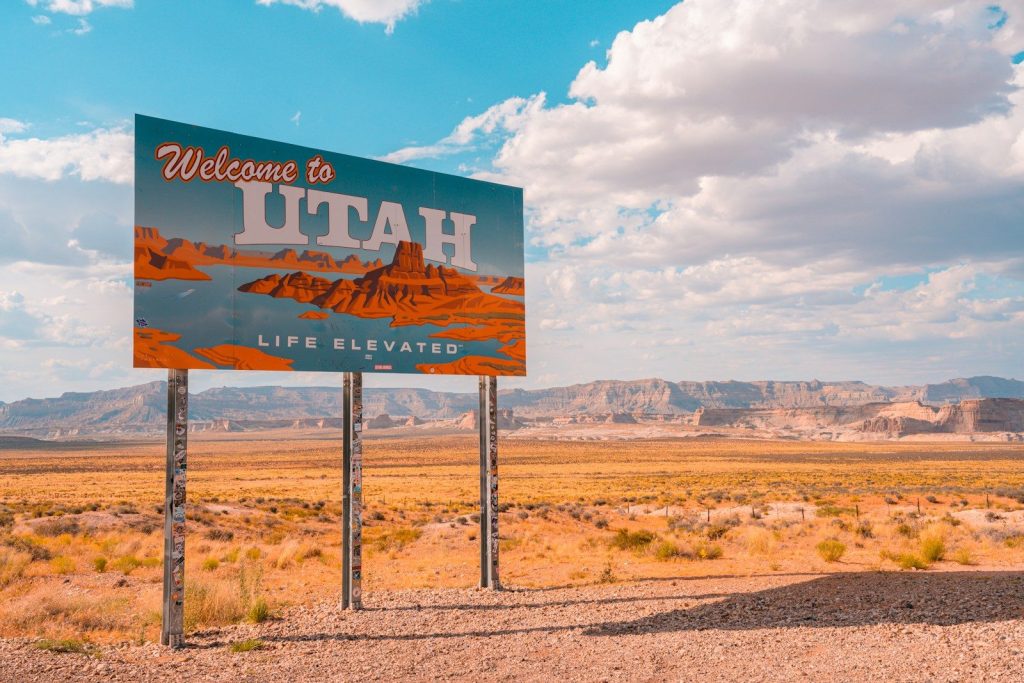
Utah’s varied landscapes support mountain lions across much of the state. Forests, rocky cliffs, and healthy deer populations provide food and shelter throughout the year.
Outdoor recreation continues to grow in Utah, increasing the chances that hikers and mountain bikers may occasionally spot these elusive cats. Even so, direct encounters remain rare.
Idaho supports wide-ranging predators

Idaho contains vast wilderness areas where mountain lions continue to thrive. Large protected landscapes provide room for these solitary animals to hunt and establish territories.
Because mountain lions require large home ranges, many spend their entire lives far from towns and cities. Most people visiting Idaho’s wilderness never see one.
Montana completes the list
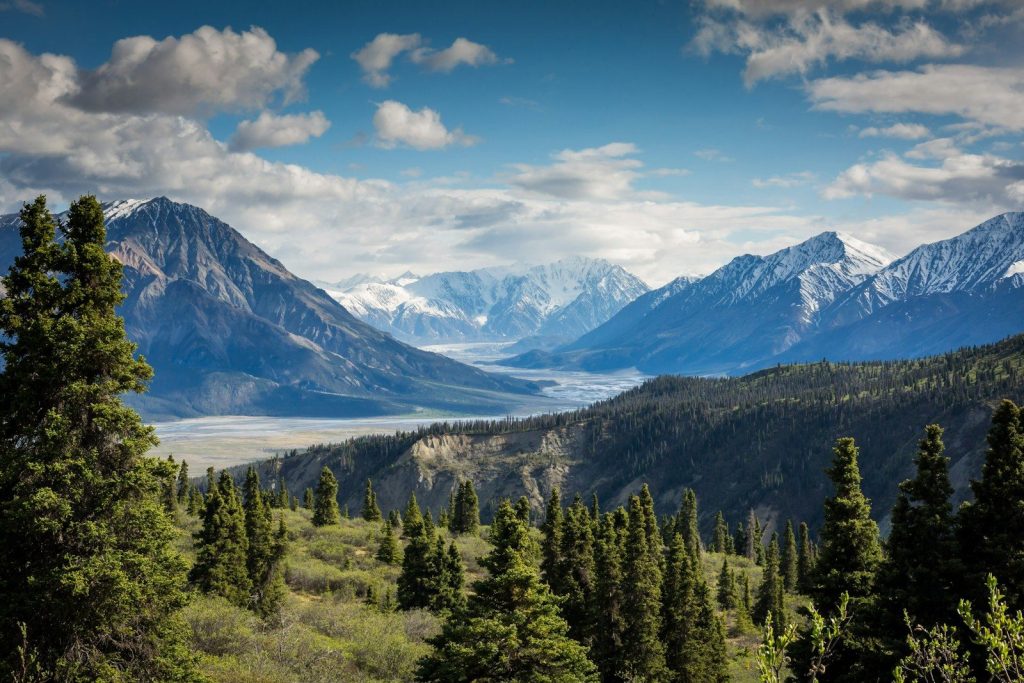
Montana’s mountains, forests, and abundant wildlife make it another important stronghold for mountain lions. Healthy populations of deer and elk provide reliable prey across much of the state.
Wildlife experts recommend giving any mountain lion plenty of space. If one is encountered, people should remain calm, avoid running, appear as large as possible, and slowly back away while maintaining awareness.
Leave a Reply