Author: Ethan

  • Why the ocean sunfish broke the rules of evolution

    Why the ocean sunfish broke the rules of evolution

    At first glance, the ocean sunfish looks like an evolutionary mistake. It has no true tail, lacks the powerful side muscles that most fish use for swimming, and looks as if someone forgot to finish building it. Yet this strange animal is one of the greatest success stories in the ocean. The ocean sunfish, also known as the mola, is the heaviest bony fish on Earth and can weigh as much as a small SUV.

    Instead of following the blueprint used by most fish, it evolved a completely different body design. That unusual shape allows it to travel vast distances, feed on prey that other animals often ignore, and thrive in oceans around the world. Understanding the ocean sunfish reveals how evolution sometimes succeeds not by improving an existing design but by creating an entirely new one.

    The fish that looks unfinished

    Ocean sunfish” by exfordy is licensed under CC BY 2.0

    Most fish have a long body, a strong tail, and muscles that run along their sides to power swimming. The ocean sunfish breaks nearly all of these rules. Its body ends abruptly in a structure called a clavus rather than a traditional tail. The clavus acts like a rudder, helping the fish steer through the water instead of providing propulsion. Scientists believe this unusual structure developed when the tail folded into the body during the species’ evolution. The result is a fish that looks more like a giant swimming head than a typical fish.

    Its appearance has confused people for centuries. The body is flattened from side to side and can grow nearly as tall as it is long when the dorsal and anal fins are fully extended. While the shape may seem awkward, it is not a defect. Every part of the sunfish’s body has been shaped by millions of years of evolution. What appears strange to humans is actually a highly specialized design that works remarkably well in the open ocean.

    Why the sunfish gave up its tail

    Ocean Sunfish in Puget Sound” by Dan Hershman is licensed under CC BY 2.0

    The loss of a true tail is one of the most remarkable features of the ocean sunfish. Most fish rely on side-to-side tail movements to generate thrust. The sunfish abandoned this system entirely. Instead of a caudal fin, it developed the clavus, a rigid structure that helps control direction while other body parts provide movement. This change allowed the species to evolve away from the standard fish blueprint.

    Scientists studying sunfish anatomy have found that adult sunfish lack the large axial swimming muscles that power most fish. Without these muscles, the animal cannot swim using traditional tail beats. Rather than being a disadvantage, this shift allowed the fish to build a completely different locomotion system. Evolution effectively redesigned how the animal moves through the water, proving that there is more than one way to be a successful fish.

    A new way to swim through the ocean

    Mola Mola (Ocean sunfish)” by NOAA Fisheries West Coast is licensed under CC BY-NC-ND 2.0

    Instead of moving its body from side to side, the ocean sunfish propels itself by flapping its enormous dorsal and anal fins. These fins move in a synchronized motion, acting almost like wings. The fish glides through the water using lift-based propulsion, a swimming method rarely seen on such a large scale among fish. Researchers have compared the movement to underwater flight.

    To many observers, the sunfish appears slow and clumsy. In reality, it is capable of efficient long-distance travel. Studies have shown that sunfish can maintain steady movement across large areas of the ocean. Young sunfish are especially active predators and can achieve cruising speeds comparable to much faster-looking fish. Their unusual swimming style demonstrates that appearance can be misleading in the animal kingdom.

    How a giant fish became the heaviest bony fish on Earth

    Ocean Sunfish” by Sandip Bhattacharya is licensed under CC BY 2.0

    The ocean sunfish is famous for its incredible size. Adult individuals commonly weigh around 2,200 pounds, while the largest specimens can exceed 4,000 pounds. Closely related sunfish species have reached more than 5,000 pounds, making the family the heaviest group of bony fish on Earth. Unlike sharks, which have skeletons made of cartilage, sunfish belong to the group known as bony fish.

    Growing this large offers several advantages. A massive body makes the fish less vulnerable to many predators and helps conserve energy during long migrations. The sunfish’s thick layer beneath the skin also contributes to buoyancy and movement. This layer helps support its enormous size while reducing the energy needed to remain stable in the water. Rather than being a burden, its giant body is a key part of its success.

    Feeding on food that others ignore

    Ocean Sunfish” by jillmotts is licensed under CC BY-NC-SA 2.0

    One reason the sunfish thrives is that it occupies a unique feeding niche. It often eats jellyfish and other soft-bodied animals that many predators overlook. While jellyfish may seem like poor food because they contain large amounts of water, the ocean is full of them. This gives the sunfish access to a food source that is widely available across vast areas.

    Scientists now know that sunfish diets are more varied than once believed. They also consume squid, crustaceans, small fish, and other marine organisms. By taking advantage of different food sources, the fish can survive in changing ocean conditions. Its feeding strategy reduces competition with many other large predators and allows it to make use of resources that are abundant but often underused.

    Why this unusual design works so well

    An ocean sunfish” by MarkDoliner is licensed under CC BY-SA 2.0

    The ocean sunfish proves that evolution does not always move toward familiar designs. Instead of perfecting the traditional fish body, evolution created something radically different. The loss of the tail, the development of fin-powered swimming, and the ability to grow to enormous sizes combined to create an animal perfectly suited for life in the open ocean. What looks strange to humans is actually a highly specialized adaptation.

    Its success can be measured by its global distribution. Ocean sunfish are found in temperate and tropical waters around the world. They travel across huge distances, survive in a variety of environments, and continue to thrive despite their unconventional appearance. Far from being an evolutionary mistake, the sunfish represents one of evolution’s boldest experiments, and one that clearly worked.

  • Bison introduced to Cumbria as part of an effort to restore wildlife-rich habitats

    Bison introduced to Cumbria as part of an effort to restore wildlife-rich habitats

    Nature loss is a growing problem across many parts of the world. Forests, grasslands, and wetlands have become less diverse, leaving fewer places for wildlife to thrive. In response, conservation groups are trying new ways to bring nature back. One of the most exciting efforts is the introduction of bison to Cumbria as part of a major habitat restoration project. The arrival of these powerful animals is designed to help create healthier ecosystems and support a wider range of plants and animals.

    The project has attracted attention because bison are known as “ecosystem engineers.” Their natural behavior can reshape landscapes in ways that benefit wildlife. In this article, you will learn why bison were introduced to Cumbria, how they help restore habitats, what conservationists hope to achieve, and what this could mean for the future of nature recovery in the United Kingdom.

    Why bison were brought to Cumbria

    a brown cow in a field
    Photo by Rose Gills on Unsplash

    A herd of five European bison was recently moved to the Castletown Estate in Cumbria as part of the Solway Wild Lands project. The animals came from the successful Blean Bison Project in Kent, which showed that bison can play an important role in restoring natural habitats. The herd includes a bull, two adult females, and two calves, creating a breeding group that can help support long-term conservation goals. The project is being guided by experts who have years of experience working with bison in Britain.

    The main goal is to allow natural processes to shape the landscape once again. Instead of relying entirely on human management, conservationists want animals such as bison to influence the environment through their daily activities. This approach is part of a growing movement known as rewilding, which aims to restore ecosystems by bringing back species and natural behaviors that have been missing for centuries.

    How bison change the landscape

    Yellowstone baby bison” by SJQuinney is licensed under CC BY-ND 2.0

    Bison are very different from many other grazing animals. They do not simply eat grass and move on. As they travel through woodlands and open areas, they knock over small trees, strip bark, trample vegetation, and create pathways. These actions may look destructive at first, but they actually create a more varied environment that benefits many species. Areas that were once dense and shaded can become more open, allowing sunlight to reach the ground and encouraging new plant growth.

    The bison also create dust baths, known as wallows, where they roll in the soil. These disturbed patches of ground provide opportunities for different plants to grow. Their movement spreads seeds across the landscape, helping vegetation expand into new areas. Over time, this natural disturbance creates a patchwork of habitats that can support insects, birds, mammals, and many other forms of wildlife.

    The role of bison as ecosystem engineers

    bison grazing on grass near mountains during daytime
    Photo by Nick Dunlap on Unsplash

    Scientists often describe bison as ecosystem engineers because they physically change the places where they live. Their actions help create a more complex habitat structure. Rather than having a forest with trees of similar age and size, bison help produce a mixture of open spaces, young trees, mature woodland, and dense vegetation. This diversity makes ecosystems stronger and more resilient.

    Another important benefit comes from their dung. While it may not sound appealing, bison dung is extremely valuable for nature. It provides food and habitat for insects such as dung beetles. These insects, in turn, support birds and other wildlife. Nutrients from the dung also return to the soil, helping plants grow. Through these natural processes, bison contribute to healthier ecosystems without the need for heavy human intervention.

    What conservationists hope to achieve

    a group of people sitting around a white table
    Photo by UK Black Tech on Unsplash

    The Solway Wild Lands project aims to create a richer and more diverse landscape across thousands of acres. Conservationists hope that by combining bison with other species and habitat management techniques, they can improve biodiversity while still allowing productive land use. The project seeks to show that farming, wildlife conservation, and environmental restoration can work together rather than compete with one another.

    Another goal is to support natural climate solutions. Healthy ecosystems can store carbon, improve soil quality, and manage water more effectively. Woodlands, wetlands, and grasslands all play important roles in reducing environmental pressures. By helping restore these habitats, bison may indirectly contribute to climate resilience while also supporting a wide variety of wildlife species.

    How the project fits into wider nature recovery efforts

    bison standing on brown field during daytime
    Photo by Bryce olsen on Unsplash

    The bison project is only one part of a much larger effort to restore nature in Cumbria. Across the region, organizations are working on peatland restoration, species recovery programs, river improvements, and woodland conservation. Projects involving water voles, beavers, wildflowers, and habitat restoration are helping rebuild ecosystems that have been damaged over many decades.

    Government strategies and local conservation plans also support the creation of more wildlife-rich habitats. These plans recognize that healthy ecosystems provide important benefits, including cleaner water, better flood management, improved soil health, and greater biodiversity. The introduction of bison fits within this broader vision of restoring natural processes and creating landscapes that support both people and wildlife.

    Challenges and future possibilities

    brown bison on green grass field during daytime
    Photo by Michael Descharles on Unsplash

    Although the project is exciting, it also comes with challenges. European bison are classified as dangerous wild animals in the United Kingdom, which means they must be carefully managed. Large fenced areas are required to ensure the safety of both the animals and the public. The Cumbria herd currently lives within a large enclosure that covers hundreds of acres, giving the animals room to roam while meeting legal requirements.

    Conservationists will continue monitoring the herd to see how the animals affect the landscape over time. Early signs are encouraging, with reports that the bison are already changing woodland structure and creating new opportunities for wildlife. There is also hope that the herd will grow through successful breeding, helping establish a stable population that can continue supporting habitat restoration for years to come. If the project succeeds, it could provide a model for similar conservation efforts elsewhere in Britain.

  • Raccoons may be self-domesticating and could become future pets

    Raccoons may be self-domesticating and could become future pets

    Have you ever watched a raccoon open a trash can, solve a problem, or calmly live near people and wondered if it could someday become a pet? That question has gained attention after new research suggested that some urban raccoons may be showing early signs of self-domestication. While raccoons are still wild animals today, scientists have found that city populations are changing in ways that resemble the earliest stages of domestication.

    Understanding what these changes mean can help us answer an important question: could raccoons eventually become future pets? This article explores the science behind self-domestication, what researchers have discovered, and whether raccoons are truly on a path toward living alongside humans in a new way.

    What scientists mean by self-domestication

    person holding white and brown long coated small dog
    Photo by Sohini on Unsplash

    Domestication is a process in which animals gradually develop traits that make them better suited to living around humans. Traditionally, people think of domestication as humans choosing which animals breed, as happened with dogs, cats, horses, and livestock. Over many generations, those animals became calmer, easier to handle, and more comfortable around people. Recent research suggests that domestication can sometimes begin before humans actively breed animals, especially when wildlife starts living close to people for food and safety.

    Scientists call this early stage self-domestication. In this process, animals that tolerate human presence may have a better chance of finding food and surviving. Over time, these traits can become more common within a population. Researchers believe that some urban raccoons may be experiencing these early changes because cities provide easy access to food, shelter, and fewer natural predators. However, experts stress that self-domestication is not the same thing as full domestication. Raccoons remain wild animals and have not been selectively bred by humans.

    Why raccoons thrive around people

    a raccoon standing on a wooden deck
    Photo by fr0ggy5 on Unsplash

    Raccoons are among the most adaptable mammals in North America. They can live in forests, wetlands, suburbs, and large cities. Their intelligence allows them to solve problems, while their highly flexible front paws help them open containers, climb structures, and access food sources that many other animals cannot reach. These abilities make cities surprisingly attractive places for raccoons.

    Human communities provide a steady supply of food through garbage cans, pet food, gardens, and other sources. Buildings, attics, and abandoned structures can also offer shelter. Because raccoons that are less fearful of humans can take advantage of these resources more easily, some scientists believe urban environments may favor animals that are calmer and more tolerant of people. This natural selection could be one reason why researchers are seeing signs of change in city raccoon populations.

    The evidence that sparked the discussion

    people having meeting on rectangular brown table
    Photo by Christina @ wocintechchat.com M on Unsplash

    Interest in raccoon self-domestication grew after researchers analyzed nearly 20,000 raccoon photographs collected from across the United States. The study compared raccoons living in urban areas with those living in rural environments. Scientists discovered that city raccoons tended to have slightly shorter snouts than their rural counterparts. The difference was small, roughly three to four percent, but it caught researchers’ attention because shortened snouts are often associated with domesticated animals.

    Shorter faces are part of a group of traits often called domestication syndrome. These traits have appeared in many domesticated species throughout history. Researchers suggest that living close to humans may be influencing raccoon development in a similar way. The findings do not prove that raccoons are becoming pets, but they do provide evidence that urban environments may be shaping raccoon evolution. The study has opened a new area of research into how human cities influence wildlife over time.

    Why experts remain cautious

    brown and black cat on brown tree
    Photo by Tim Umphreys on Unsplash

    Although the study attracted widespread attention, many scientists caution against jumping to conclusions. A shorter snout alone does not mean an animal is becoming domesticated. Domestication usually involves major genetic, behavioral, and physical changes that occur over many generations. Dogs, for example, went through thousands of years of close interaction and selective breeding before becoming the companions we know today.

    Some researchers believe there may be other explanations for the shorter snouts seen in city raccoons. Changes in diet, habitat, or environmental conditions could also influence skull shape. Discussions among wildlife experts and biologists highlight that the evidence currently points to possible early domestication signals rather than proof of ongoing domestication. Most scientists agree that much more research is needed before firm conclusions can be made.

    Would raccoons make good pets?

    brown and black fox on brown tree trunk during daytime
    Photo by Chalo Garcia on Unsplash

    Even if raccoons are becoming more comfortable around humans, that does not automatically make them suitable pets. Raccoons remain highly intelligent, curious, and energetic wild animals. They can open cabinets, manipulate locks, and investigate almost anything in their environment. While these traits are fascinating, they can also make raccoons difficult to manage inside a home.

    Wild instincts are another major challenge. Raccoons can become unpredictable as they mature, especially during breeding seasons. They may scratch, bite, or become aggressive when stressed. In many places, laws restrict or prohibit raccoon ownership because of concerns about public safety, animal welfare, and disease transmission. Experts generally agree that today’s raccoons are not comparable to domesticated dogs or cats and should not be viewed as easy household companions.

    What the future could look like

    a raccoon walking across a wooden deck
    Photo by fr0ggy5 on Unsplash

    The possibility of raccoons becoming future pets remains highly speculative. If self-domestication is occurring, the process would likely take many generations. Evolutionary changes happen slowly, and there is no guarantee that raccoons will follow the same path as dogs or cats. Some species adapt to human environments without ever becoming domesticated. Rats, pigeons, and many other urban animals have lived alongside humans for centuries while remaining largely wild.

    Still, the research offers a fascinating glimpse into how wildlife responds to human-dominated landscapes. Urban raccoons may provide scientists with a rare opportunity to observe the earliest stages of a process that shaped many familiar domestic animals. Whether raccoons eventually become true companions or simply remain clever city survivors, their story highlights the powerful influence humans have on the natural world. Future studies will help reveal whether today’s urban raccoons are merely adapting to city life or taking the first small steps toward a very different future.

  • How the oceanic whitetip shark became one of the ocean’s deadliest predators

    How the oceanic whitetip shark became one of the ocean’s deadliest predators

    The oceanic whitetip shark is often called one of the most dangerous sharks in the open ocean. Unlike many shark species that stay closer to shore, this shark spends most of its life far from land, where food can be hard to find. That harsh environment helped shape it into a bold, powerful, and highly opportunistic hunter. The oceanic whitetip shark became one of the ocean’s deadliest predators because it learned to take advantage of nearly every feeding chance it encountered.

    In this article, you will learn how the oceanic whitetip shark evolved its hunting style, why it developed such fearless behavior, what it eats, how it survives in the vast open ocean, and why it earned its reputation as one of the sea’s most effective predators.

    Life in the open ocean shaped its behavior

    people on beach during daytime
    Photo by Gustavo Zambelli on Unsplash

    The oceanic whitetip shark lives in tropical and subtropical waters around the world. Unlike reef sharks or coastal sharks, it spends most of its time in the open ocean, often near the surface. The open sea can be compared to a giant underwater desert. Food sources are spread far apart, and animals may travel long distances before finding a meal. Because of this, the shark cannot afford to ignore potential food opportunities.

    Over millions of years, natural selection favored sharks that were curious, persistent, and willing to investigate anything unusual in the water. Sharks that quickly checked floating objects, injured animals, or schools of fish were more likely to survive and reproduce. This helped create a species that is known for its bold nature and willingness to approach almost anything that might be edible.

    Built for efficient long-distance hunting

    Longimanus at Elphinstone Reef, Egypt” by Tom Weilenmann is licensed under CC BY-NC-ND 2.0

    The oceanic whitetip shark has a body that is perfectly suited for cruising huge distances. Its large, rounded pectoral fins act almost like wings underwater. These fins help the shark glide through the water while using less energy. This is important because the shark may travel many miles between feeding opportunities.

    Its streamlined body and powerful tail allow it to patrol large sections of the ocean. Instead of chasing prey at top speed for long periods, it conserves energy and waits for opportunities. This strategy works well in an environment where food is unpredictable. By using less energy while searching for food, the shark increases its chances of surviving during long periods between meals.

    A predator that rarely wastes a feeding chance

    Oceanic White Tip Shark (Carcharhinus longimanus)” by bitblokes[dot]de is licensed under CC BY-NC-SA 2.0

    One reason the oceanic whitetip shark became such a successful predator is its willingness to eat a wide variety of foods. It commonly feeds on tuna, marlin, dolphinfish, squid, and other open-ocean species. However, it is not a picky eater. It may also consume seabirds, rays, smaller sharks, sea turtles, marine mammal remains, and almost any other available food source.

    This feeding flexibility gives the shark a major advantage. Many predators depend on a small number of prey species, but the oceanic whitetip can switch targets whenever necessary. If one food source becomes scarce, it can focus on another. This ability allows it to survive in changing conditions and continue thriving even when prey populations shift from one area to another.

    Curiosity became a powerful survival tool

    Oceanic White-tip Shark (Carcharhinus longimanus) & Pilot Fish (Naucrates ductor)” by wislonhk is licensed under CC BY-NC-SA 2.0

    Many predators rely mainly on speed or strength, but the oceanic whitetip shark relies heavily on curiosity. In the open ocean, anything unusual might represent a meal. A floating object, an injured fish, a dead whale, or a struggling animal can all provide feeding opportunities. As a result, the shark often investigates anything that catches its attention.

    This behavior has sometimes been mistaken for aggression. In reality, the shark is following a survival strategy that has worked for millions of years. By checking potential food sources instead of ignoring them, it increases its chances of finding meals in an environment where food may be difficult to locate. While this curiosity can make encounters with humans dangerous, it is primarily an adaptation that helps the shark survive in the vast open ocean.

    Feeding frenzies increased its hunting success

    Oceanic White-tip Shark (Carcharhinus longimanus), Pilot Fish (Naucrates ductor) & Common Remora (Echeneis naucrates)” by wislonhk is licensed under CC BY-NC-SA 2.0

    Although oceanic whitetip sharks are often solitary animals, they may gather when large food sources appear. Schools of tuna, floating whale carcasses, and other rich feeding opportunities can attract multiple sharks to the same area. When this happens, competition for food becomes intense.

    In these situations, the sharks may enter feeding frenzies. Each shark attempts to secure food before competitors can take it. The ability to remain bold and persistent during these events helps the species obtain valuable calories. Sharks that hesitated often lost feeding opportunities. Over time, natural selection favored individuals that aggressively investigated and competed for food whenever large feeding events occurred.

    Why it gained a reputation as a deadly shark

    Oceanic white tip” by high hat beaver moustache man is licensed under CC BY-NC-ND 2.0

    The oceanic whitetip shark’s reputation comes largely from its behavior around shipwrecks and people stranded at sea. Unlike coastal sharks, which may have many feeding options nearby, oceanic whitetips patrol remote waters where food is less common. When survivors ended up floating in the open ocean after maritime disasters, these sharks sometimes approached and investigated them as potential food sources.

    It is important to understand that shark attacks by this species remain relatively rare because humans rarely encounter oceanic whitetips in their natural habitat. However, marine experts have long considered the species potentially dangerous due to its bold behavior, persistence, and willingness to investigate unfamiliar objects. Its reputation is based less on the number of attacks and more on the shark’s tendency to approach possible food sources in remote ocean environments where escape options are limited.

  • Why great white sharks are among the ocean’s most powerful predators

    Why great white sharks are among the ocean’s most powerful predators

    The ocean is home to many hunters, but few animals inspire as much awe as the great white shark. People often wonder what makes this shark so successful and why it has earned a reputation as one of the ocean’s most powerful predators. The answer lies in a combination of size, speed, intelligence, and specialized hunting skills that have helped the species survive for millions of years.

    Great white sharks are not just large fish. They are highly adapted hunters that play an important role in keeping marine ecosystems balanced. From their powerful jaws to their advanced senses, every part of their body is built for survival. In this article, you will learn what makes great white sharks such effective predators, how they hunt, what they eat, and why they remain one of the most important animals in the sea.

    Great white sharks are built for power

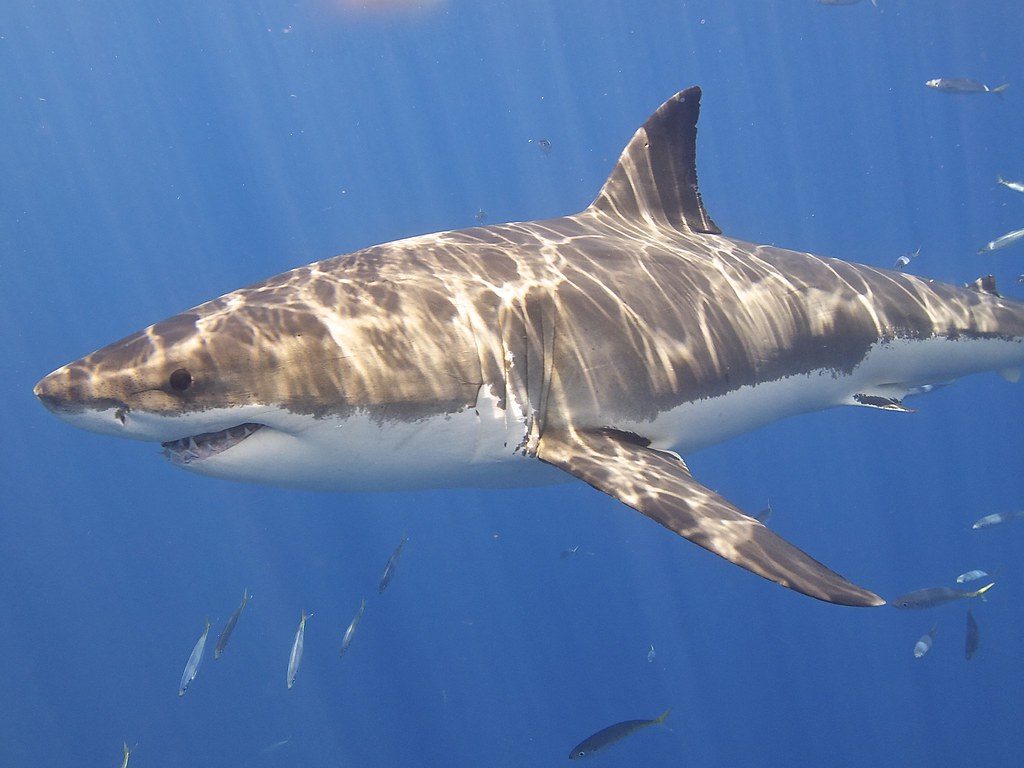
    Great White Shark” by kqedquest is licensed under CC BY-NC 2.0

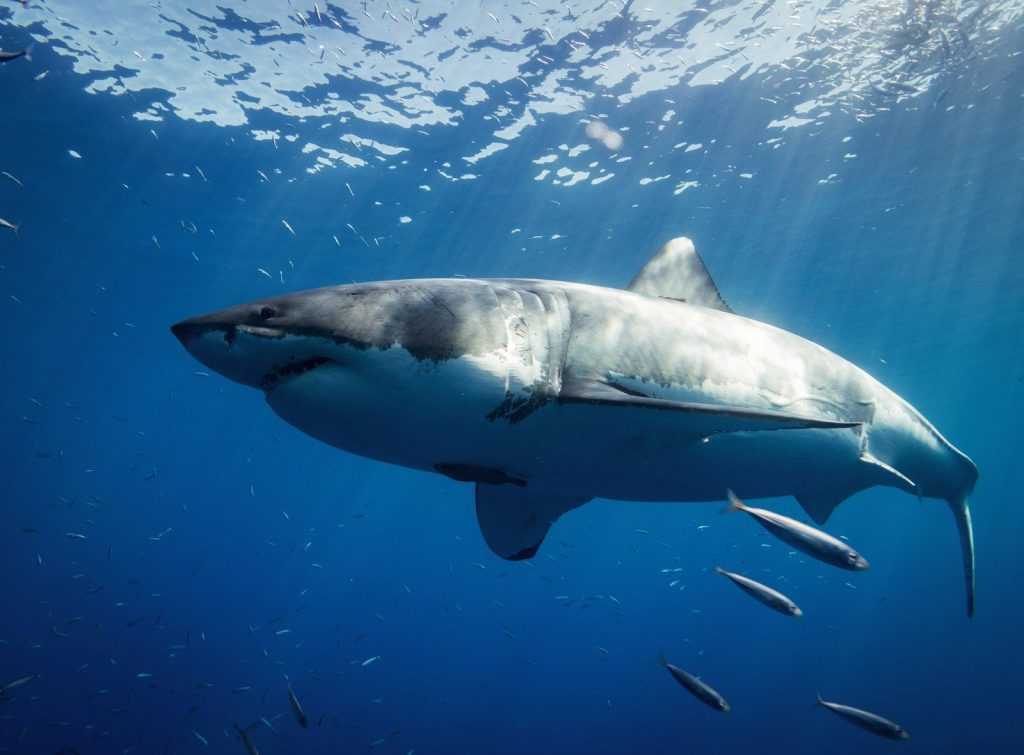
    Great white sharks are among the largest predatory fish on Earth. Fully grown adults can reach lengths of about 21 feet and weigh several thousand pounds. Their bodies are shaped like torpedoes, allowing them to move efficiently through the water while using less energy than many other large marine animals. Their size alone gives them a major advantage over most prey species.

    Their bodies are packed with strong muscles that help them swim fast and strike with incredible force. Unlike many fish, great white sharks can maintain parts of their body at temperatures warmer than the surrounding water. This special adaptation allows them to stay active in cooler seas and gives them greater endurance while hunting.

    Their senses are highly advanced

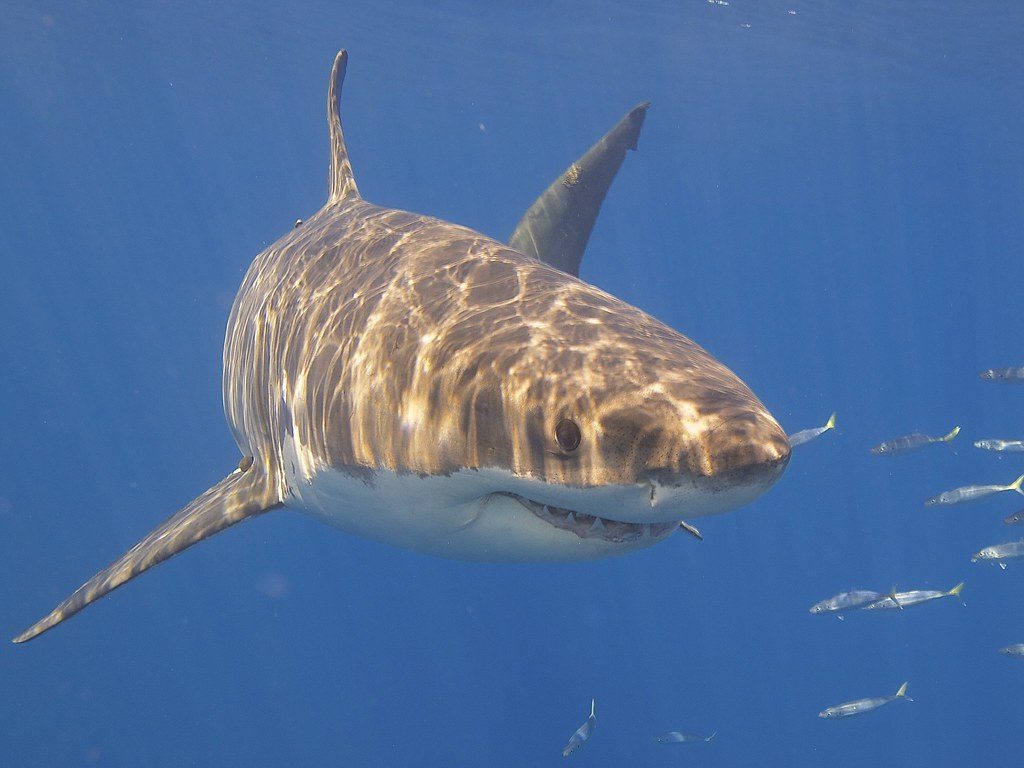
    An angry Great White Shark” by TheGrantPeters is licensed under CC BY 2.0

    A great white shark’s success begins long before it reaches its prey. These sharks have excellent eyesight and can spot movement in the water from considerable distances. Their eyes are especially useful when hunting near the surface, where seals and sea lions are often found. Strong vision helps them identify potential prey and time their attacks with precision.

    Their other senses are even more impressive. Great white sharks have an exceptional sense of smell and can detect tiny traces of substances in the water. They also possess special organs that allow them to sense electrical signals produced by living animals. Even when prey is hidden or difficult to see, these abilities help the shark locate it. Together, these senses create a hunting system that is among the most effective in the animal kingdom.

    Their bite is one of the strongest in nature

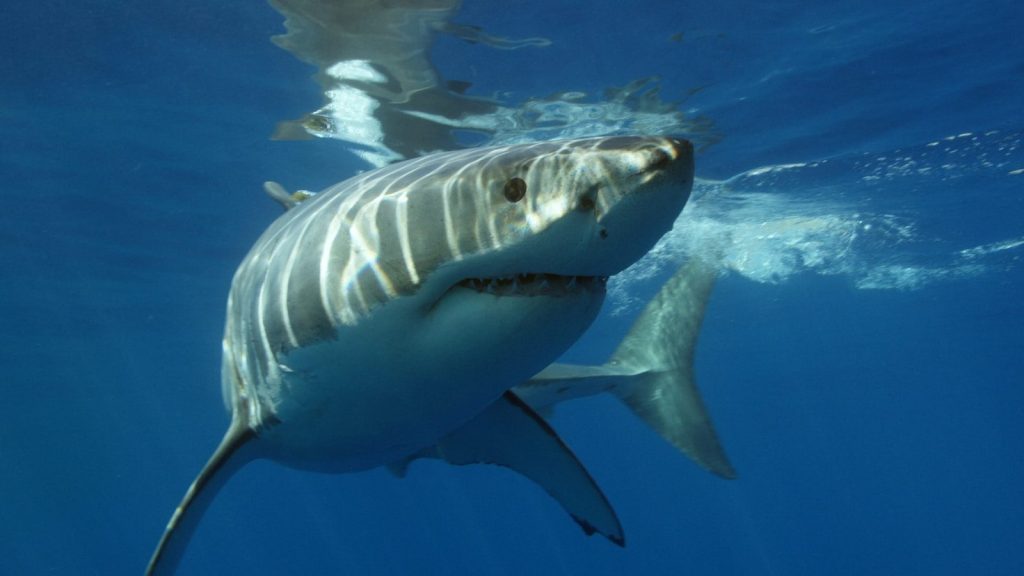
    Great White Shark” by Elias Levy is licensed under CC BY 2.0

    One of the most famous features of the great white shark is its powerful bite. Scientific studies estimate that a large great white can generate a bite force of around 18,000 newtons. This places it among the strongest bites ever recorded in the animal world. Such force allows the shark to quickly disable large prey and tear through thick skin, muscle, and bone.

    The shark’s teeth are equally important. Great white sharks have large triangular teeth with sharp serrated edges. These teeth act like rows of steak knives, making it easier to slice through flesh. When a tooth is lost, another one moves into place. This constant replacement system ensures the shark is always equipped with effective tools for hunting and feeding.

    They use smart hunting strategies

    Great white shark cage dive : 3” by Crystian Cruz is licensed under CC BY-ND 2.0

    Great white sharks do not simply chase prey until it becomes tired. Instead, they often rely on surprise attacks. A shark may swim below a seal or sea lion and then rush upward at high speed. This sudden attack gives the prey little time to react. The force of the strike can sometimes launch the prey out of the water, creating the dramatic breaches often seen in wildlife documentaries.

    Researchers have observed a hunting method often described as “bite and wait.” After delivering a powerful bite, the shark may back away and wait for the injured prey to weaken. This approach reduces the risk of injury to the shark while conserving energy. It demonstrates that great white sharks are not simply powerful animals but also strategic hunters capable of making efficient decisions.

    Their diet places them near the top of the food chain

    Great White Shark” by Elias Levy is licensed under CC BY 2.0

    As young sharks, great whites feed mainly on fish and smaller sharks. As they grow larger, their diet expands significantly. Adult great white sharks hunt seals, sea lions, dolphins, porpoises, sea turtles, and occasionally small whales. They are also known to feed on whale carcasses when the opportunity arises. This wide range of prey allows them to thrive in many different marine environments.

    Because they feed on large animals and have few natural enemies, great white sharks are generally considered apex predators in many marine ecosystems. Their presence helps regulate prey populations and contributes to healthy ocean food webs. When top predators disappear, entire ecosystems can become unbalanced, which shows how important these sharks are to ocean health.

    Few animals challenge a great white shark

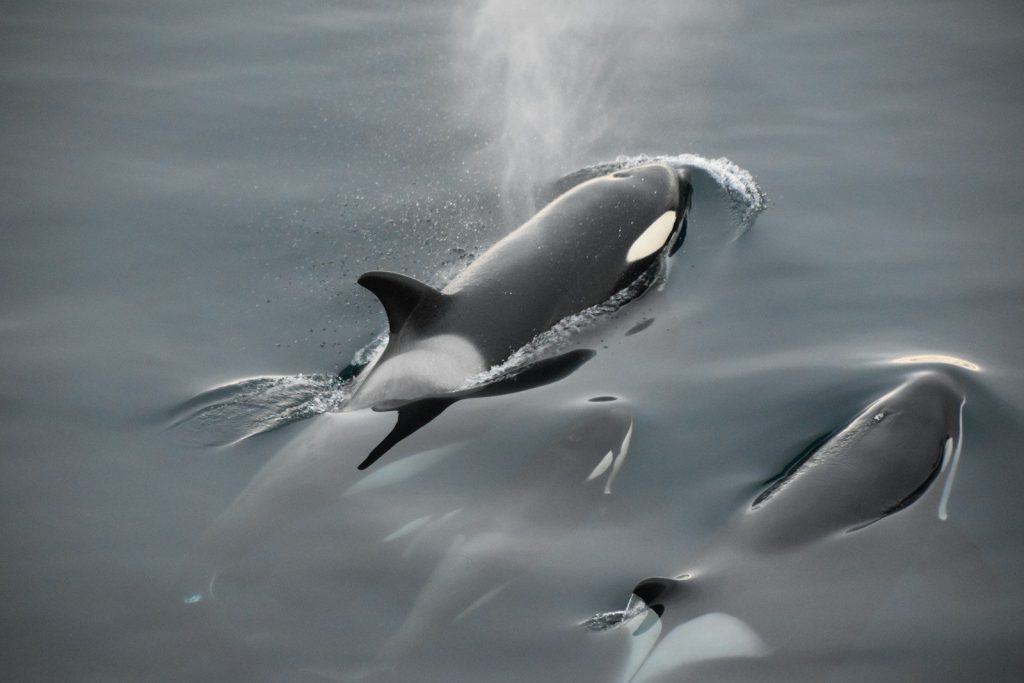
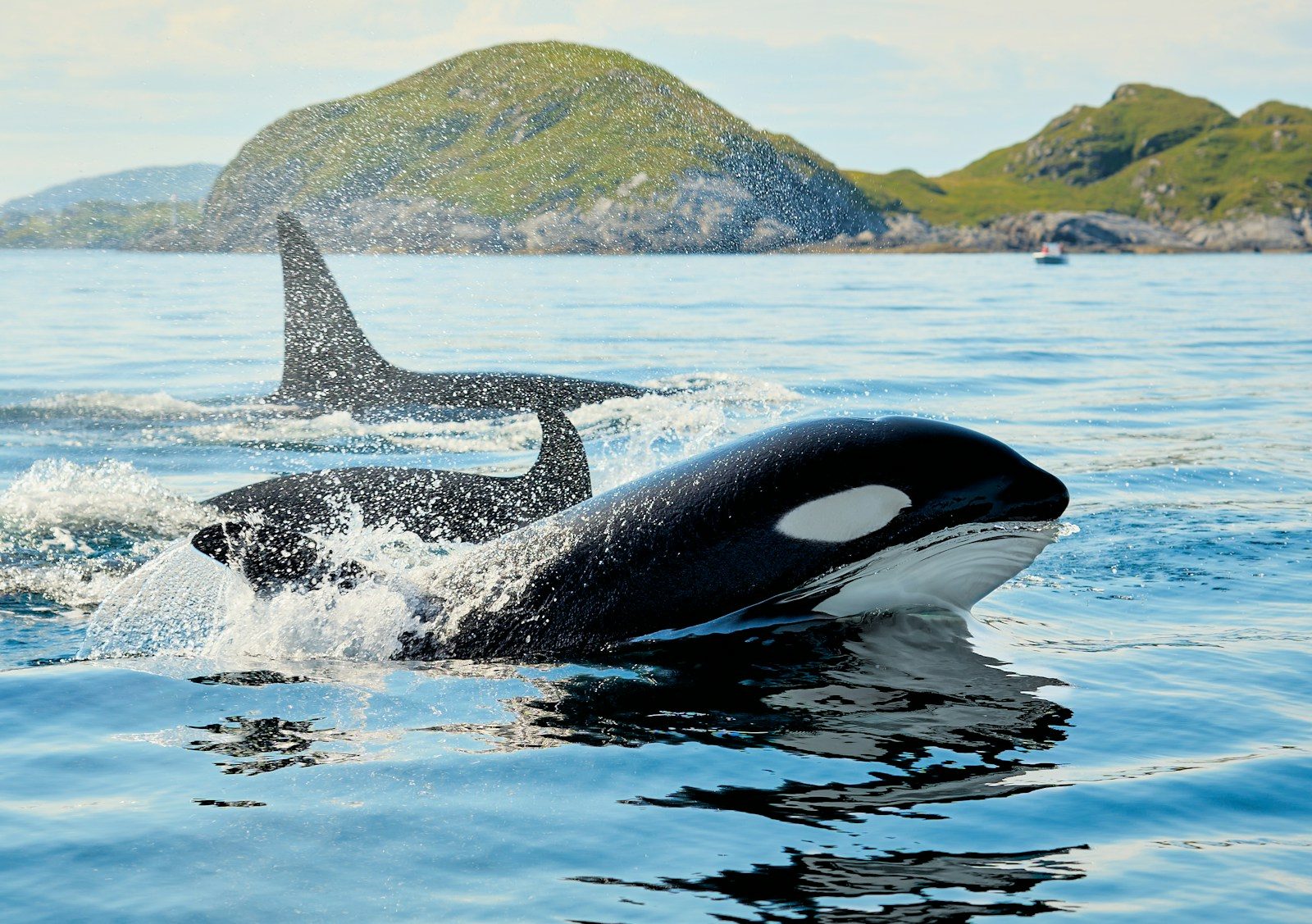
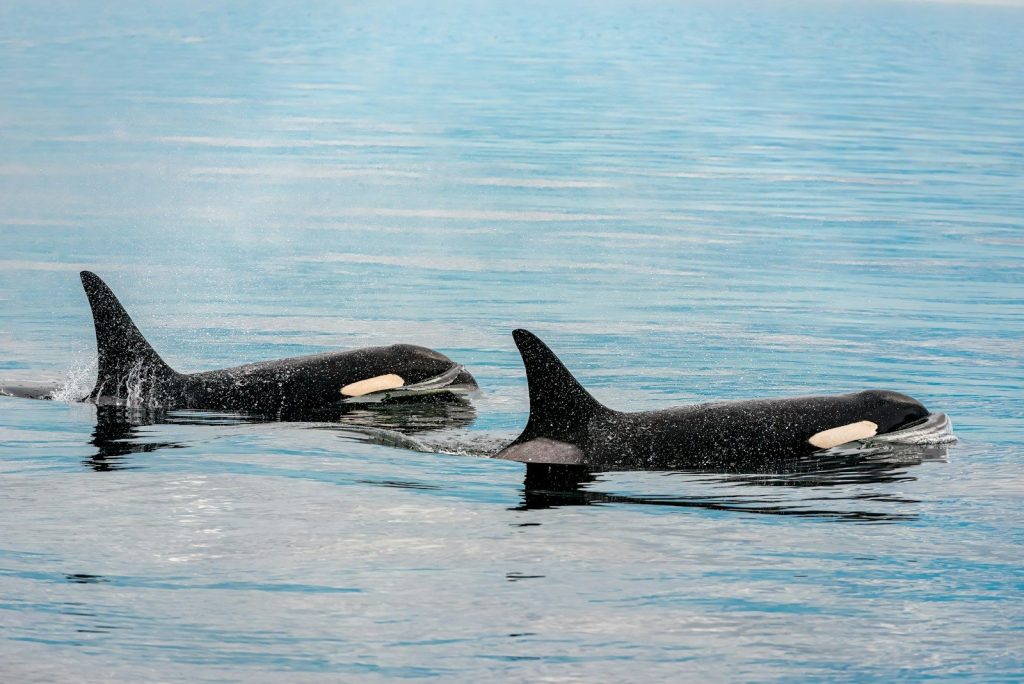
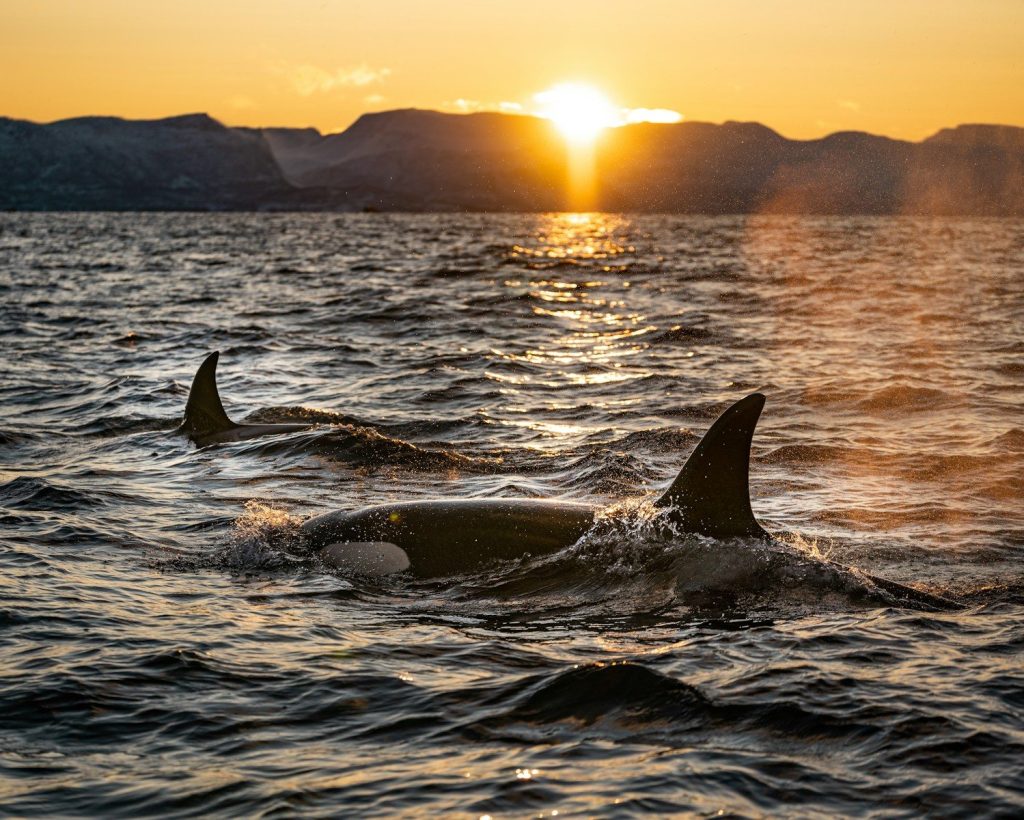
    orcas T37A2 (2009), newly discovered T37A3, with mother T37A (1994, notched dorsal fin), off Prevost Island” by Andrew Reding is licensed under CC BY-NC-ND 2.0

    For most of their lives, great white sharks face very few threats from other animals. Their size, strength, and hunting ability make them dominant predators across much of their range. This status has helped them become one of the most recognized marine species in the world. In many ocean regions, adult great whites occupy the highest levels of the food chain.

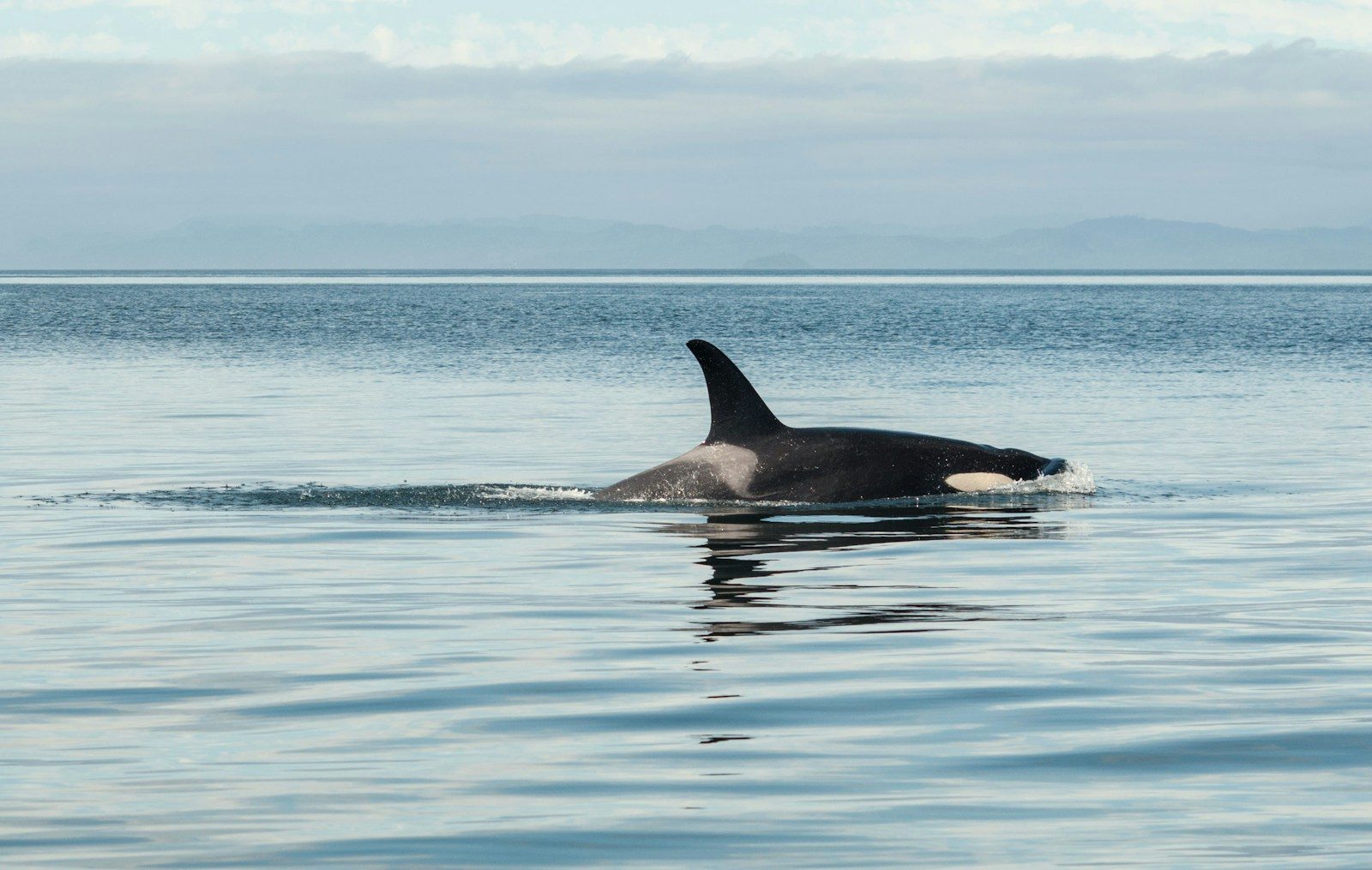
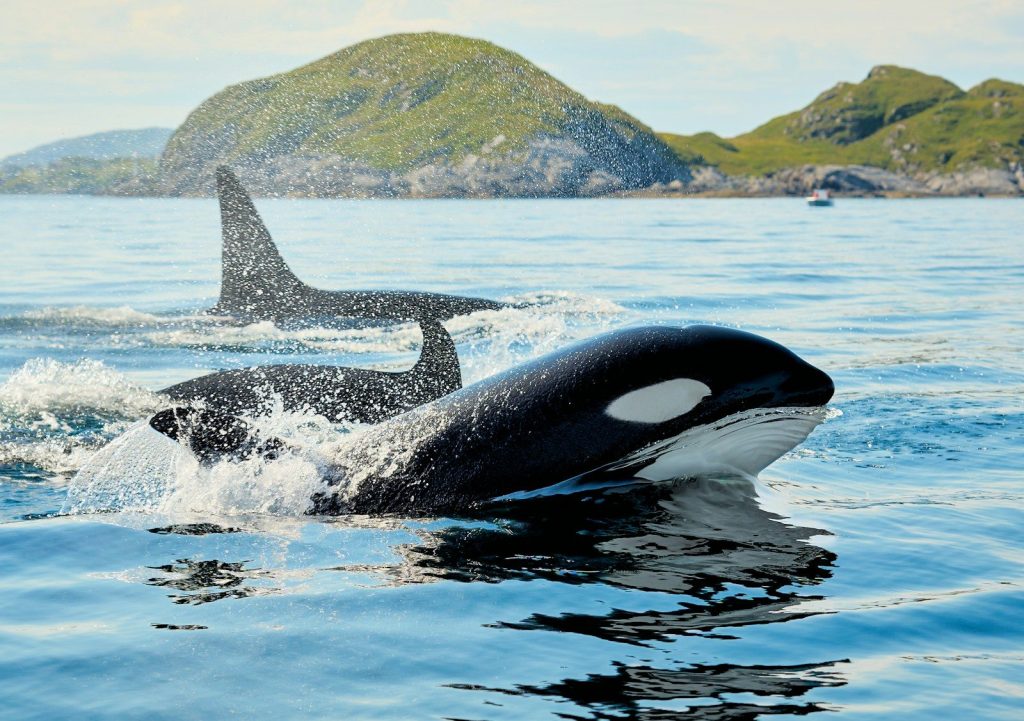
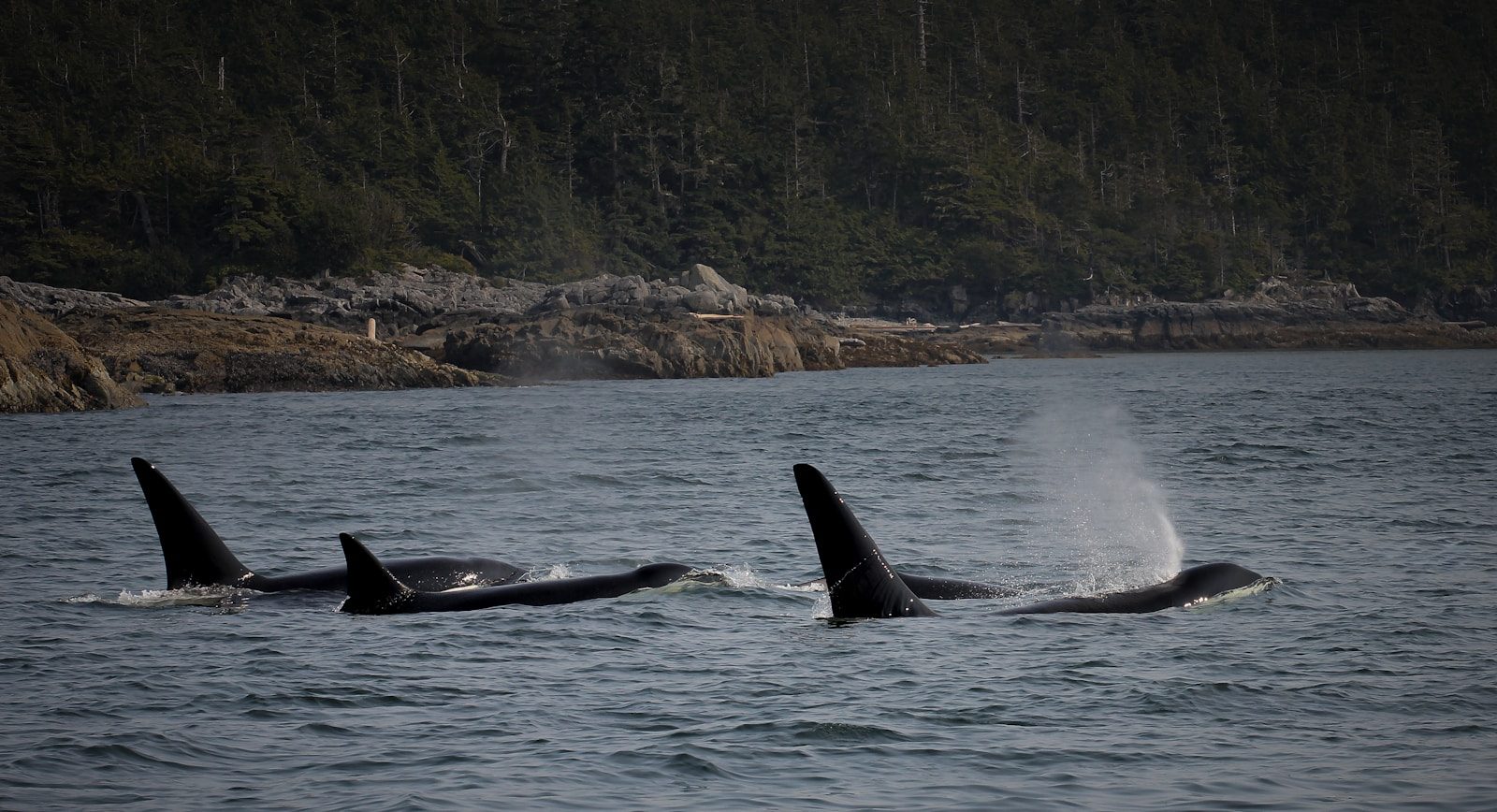
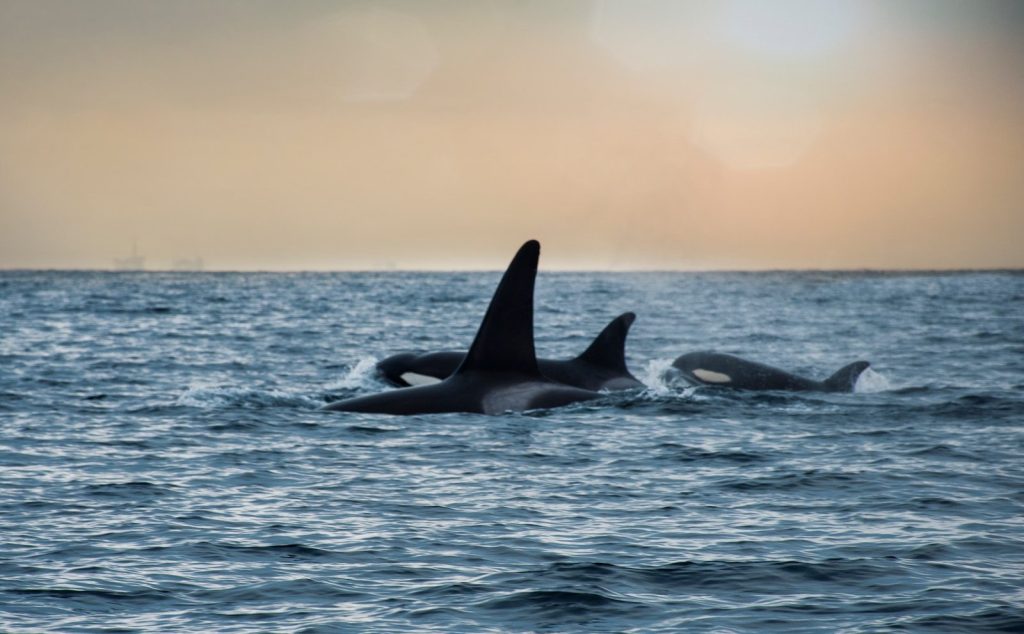
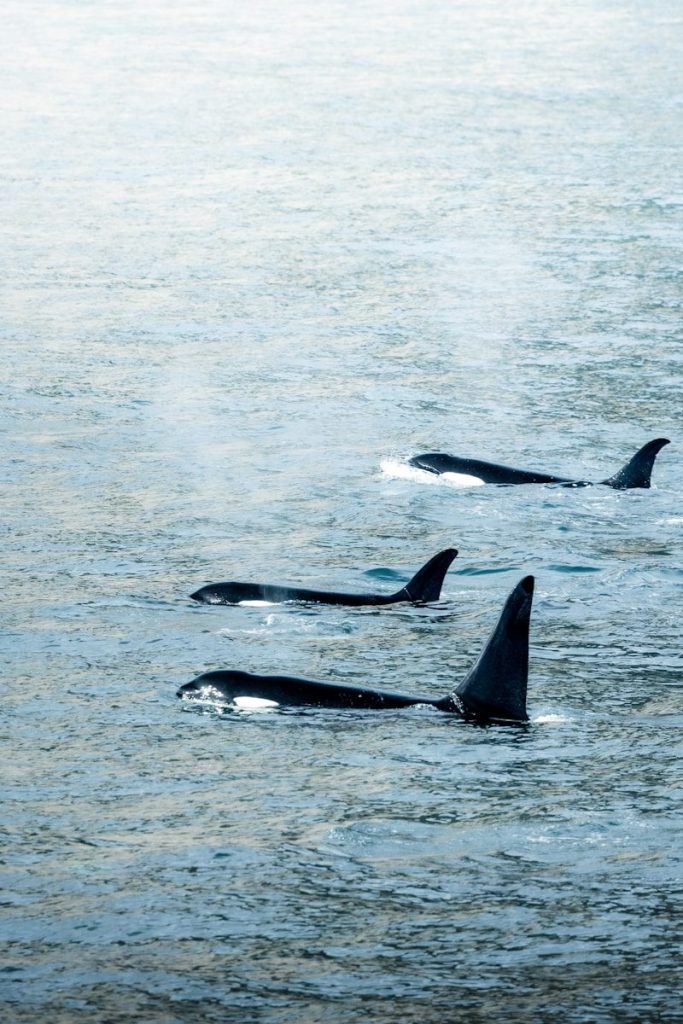
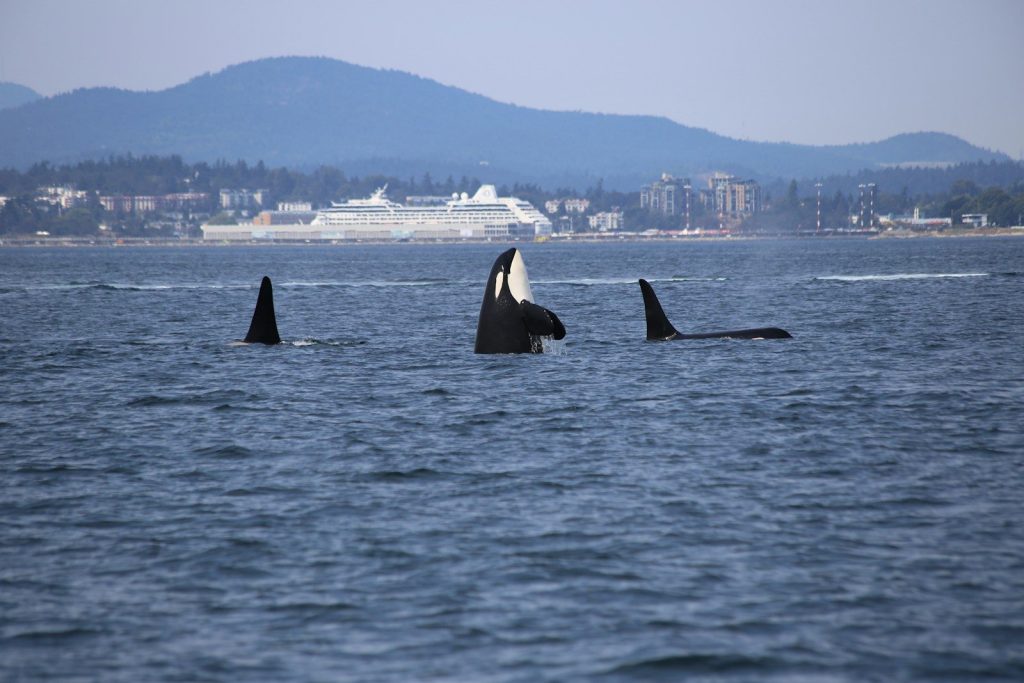
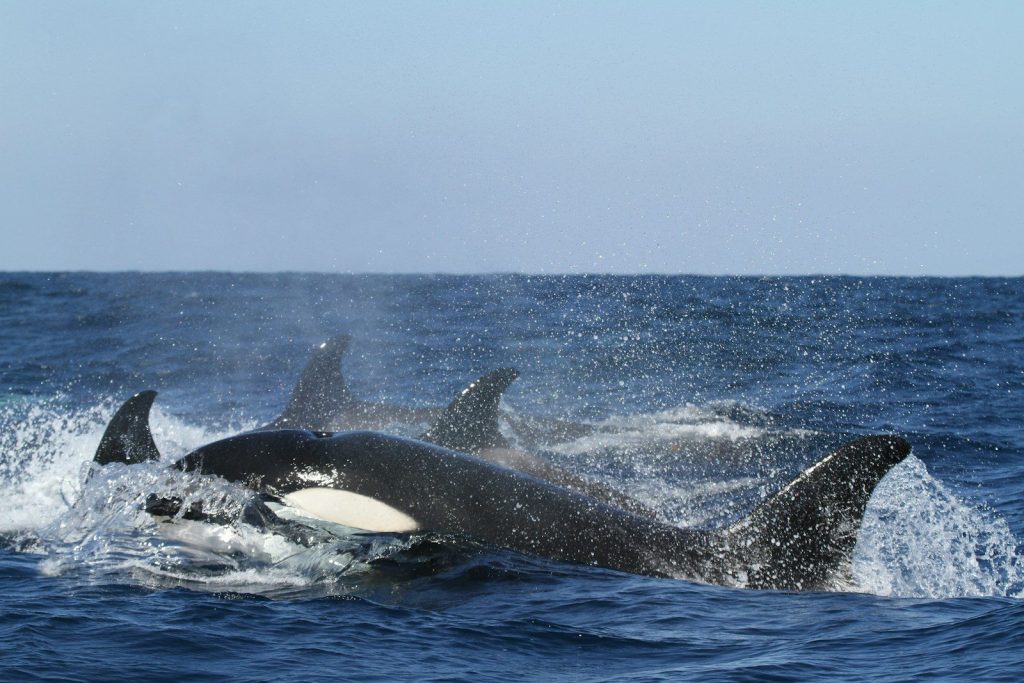
    There are exceptions. In some areas, killer whales, also known as orcas, have been observed hunting great white sharks. These encounters are rare compared with the shark’s overall range, but they show that even powerful predators can face challenges. Despite this, great white sharks remain among the most effective hunters in the ocean and continue to play a critical ecological role wherever they are found.

  • Could a human survive a megalodon attack?

    Could a human survive a megalodon attack?

    The idea of a megalodon attack has fascinated people for years. Movies, books, and online videos often show giant sharks attacking boats and swallowing people whole. That naturally leads to a big question: could a human survive a megalodon attack? While no human ever encountered a living megalodon because the species went extinct millions of years ago, scientists can use fossil evidence to estimate what would likely happen if such a meeting were possible.

    In this article, you’ll learn how big megalodon was, how it hunted, how powerful its bite may have been, and whether a human would have had any realistic chance of surviving an attack. By looking at what scientists know from fossils and modern sharks, we can separate facts from fiction and get a clearer answer.

    What scientists know about megalodon

    three people in lab coats looking at a tablet
    Photo by National Cancer Institute on Unsplash

    Megalodon was an extinct species of giant shark that lived roughly 23 million to 2.6 million years ago. Fossil discoveries show it was the largest shark ever known and likely the largest fish that ever lived. Some estimates suggest the biggest individuals may have reached lengths of around 50 to 80 feet, although scientists continue to debate the exact maximum size. Its teeth could grow to nearly 7 inches long, making them much larger than those of modern great white sharks.

    Unlike the monsters often shown in movies, megalodon was a real animal that dominated ancient oceans. Fossils have been found on nearly every continent, showing that it lived in many parts of the world. Scientists believe it was an apex predator, meaning it sat at the top of the food chain and had very few natural threats.

    How powerful was a megalodon bite

    Carcharocles megalodon” by Gunnar Ries zwo is licensed under CC BY-NC-ND 2.0

    One of the most frightening things about megalodon was its bite. Scientists studying jaw size and tooth structure estimate that it had one of the strongest bites of any animal that ever lived. Its jaws were large enough to fit several humans side by side, and its teeth were designed to cut through flesh and bone.

    Researchers believe megalodon used its bite to hunt large marine mammals such as whales. Unlike many modern sharks that often target softer areas, megalodon may have attacked vital parts of its prey. A single bite could cause devastating injuries. For an animal that regularly hunted creatures weighing many tons, a human would have been extremely small and fragile.

    What would happen if a human were attacked?

    Medical professionals stabilize a patient on a stretcher.
    Photo by Navy Medicine on Unsplash

    If a megalodon attacked a human directly, survival would be highly unlikely. The size difference alone would be overwhelming. An adult human weighs only a tiny fraction of what megalodon’s normal prey weighed. A shark large enough to hunt whales would have no difficulty biting through a human body.

    The greatest danger would not simply be being eaten. The force of the bite would likely cause massive trauma immediately. Serious damage to bones, organs, and blood vessels would occur almost instantly. Even if the initial bite did not kill the person outright, severe blood loss and shock would make survival extremely difficult without immediate advanced medical care.

    Could anyone survive a partial attack?

    a person in a hospital bed with an iv
    Photo by Olga Kononenko on Unsplash

    Although a direct full-force attack would almost certainly be fatal, survival might be possible under a very specific scenario. Modern shark attack survivors exist because some sharks deliver a single exploratory bite and then swim away. If a megalodon somehow bit a person only partially and did not continue the attack, there could be a small chance of survival. However, the injuries would likely be catastrophic.

    Even in this unlikely situation, the victim would need immediate rescue and emergency medical treatment. The larger the shark, the greater the damage from even a single bite. Since megalodon was several times larger than today’s great white sharks, a “minor” bite from such a creature would still be far more destructive than most shark attacks seen today. Based on what scientists know about its size and hunting ability, the odds of surviving any serious encounter would be extremely low.

    Why movies often get it wrong

    person holding black remote control
    Photo by Erik Mclean on Unsplash

    Many films show people escaping from megalodons through dramatic chases or close calls. While these scenes can be entertaining, they often exaggerate what a real encounter would look like. In reality, an animal of this size would have enormous speed, strength, and momentum in the water. Escaping once it is committed to an attack would be very difficult.

    Movies also tend to show megalodon as a creature that still exists in deep oceans today. Scientists do not support this idea. Fossil evidence indicates that megalodon disappeared about 2.6 million years ago. There is no reliable evidence that it survived into modern times. If a giant shark of that size were still alive, scientists would expect to find much stronger evidence than has ever been discovered.

    Why megalodon became one of history’s greatest predators

    Megalodon Jaws” by Eligius4917 is licensed under CC BY-SA 2.0

    Megalodon’s success came from a combination of size, strength, and access to abundant prey. Ancient oceans contained many large whales and marine mammals that provided enough food for such a massive predator. Its enormous teeth, powerful jaws, and wide geographic range helped it dominate marine ecosystems for millions of years.

    Eventually, changing climates, shifting ocean conditions, and increased competition from other predators likely contributed to its extinction. As food sources changed and ecosystems evolved, megalodon could no longer maintain its place at the top of the food chain. Even though it vanished millions of years ago, it remains one of the most impressive predators ever known.

  • Canada blocks Texas livestock imports amid New World screwworm concerns

    Canada blocks Texas livestock imports amid New World screwworm concerns

    Canada has moved quickly to restrict livestock imports from Texas after officials confirmed the presence of the dangerous New World screwworm in the U.S. state. This decision comes as health and agriculture authorities warn that the parasite, once eradicated in North America, could threaten cattle, horses, and other farm animals if it spreads further. The issue has raised fresh concern among farmers, ranchers, and meat supply chains that depend on safe cross-border trade.

    In this article, you will learn what led to Canada’s decision, what the New World screwworm is, how it affects livestock, and why governments are acting so fast. We will also explore the potential economic impact, the response from U.S. and Canadian officials, and what this means for food safety and future livestock trade between the two countries.

    What triggered Canada’s import restrictions

    cows at farm
    Photo by Annie Spratt on Unsplash

    Canada’s decision to block livestock imports from Texas was triggered by a confirmed case of New World screwworm in a calf in southern Texas. This marked the first known appearance of the parasite in the state in decades, raising alarms across North America’s agriculture sector. The Canadian Food Inspection Agency responded by temporarily restricting animals such as cattle, horses, and other livestock that had been in Texas recently.

    Officials said the goal is to prevent any chance of the parasite crossing the border and establishing itself in Canada. Even though Canada’s colder climate makes long-term survival of the screwworm unlikely, authorities stressed that short-term exposure risk during warmer months still exists. As a result, precautionary measures were introduced immediately to protect livestock health and prevent wider disruption.

    What the New World screwworm is

    260210-O-RD0001-5245” by USDAgov is licensed under CC PDM 1.0

    The New World screwworm is a parasitic fly whose larvae feed on the living flesh of warm-blooded animals. It typically enters through open wounds, cuts, or natural body openings, where the larvae begin to grow by consuming tissue. If not treated quickly, infestations can become severe and even deadly for livestock.

    The parasite was previously eliminated from the United States in the 1960s through large-scale eradication programs. However, recent cases in Texas suggest it has been moving northward from parts of Central America and Mexico. Experts say that while human infections are rare, animals such as cattle, goats, and horses are highly vulnerable, making it a serious threat to agriculture.

    Why livestock are at serious risk

    brown and white cow on green grass field during daytime
    Photo by Daniel Quiceno M on Unsplash

    Livestock are especially vulnerable because farm animals often have minor wounds from grazing, handling, or transportation. These small injuries can attract screwworm flies, which lay eggs directly in the open tissue. Once the larvae hatch, they begin feeding aggressively, causing deep wounds and infections.

    Without fast veterinary treatment, infected animals can weaken quickly and die. This creates major concern for ranchers who manage large herds, where spotting every infection early can be difficult. Even a small outbreak can spread rapidly through a herd, leading to high economic losses and increased pressure on veterinary systems.

    How Canada is trying to prevent the spread

    a herd of cows standing next to each other in a barn
    Photo by Suvrajit 💭 S on Unsplash

    Canada’s restrictions focus on preventing any potentially exposed animals from entering the country. Livestock from Texas or animals that were recently in the region are now blocked from crossing the border. These rules apply mainly to cattle, horses, and other farm animals commonly traded between the two countries.

    In addition to import limits, officials are encouraging strict inspections and monitoring. Farmers and veterinarians are being asked to watch for warning signs such as unusual wounds, infections, or foul-smelling discharge. The aim is early detection, which is considered the most effective way to stop any possible spread before it becomes a larger problem.

    Economic impact on farmers and trade

    black and brown cows on brown field during daytime
    Photo by Etienne Girardet on Unsplash

    The restrictions are expected to have short-term effects on livestock trade between the United States and Canada. Texas is a major cattle-producing region, and Canada is one of its important export partners. Even temporary limits can slow down shipments and affect market prices.

    For farmers and ranchers, uncertainty is a major concern. If the screwworm spreads further, it could lead to stricter controls, higher inspection costs, and reduced demand for livestock movement across borders. At the same time, governments are trying to balance disease prevention with keeping trade as stable as possible to avoid long-term disruption.

    Government response and future outlook

    people having meeting on rectangular brown table
    Photo by Christina @ wocintechchat.com M on Unsplash

    Both U.S. and Canadian agricultural authorities are now working on containment strategies. In the United States, officials are using quarantine zones, surveillance, and sterile fly release programs to control the parasite. These methods aim to reduce reproduction and stop the spread of the insect population.

    Canada, meanwhile, is taking a prevention-first approach by limiting imports early. Experts believe that coordinated action between both countries will be key to controlling the situation. While the risk of widespread infestation remains uncertain, authorities agree that fast response is necessary to protect livestock industries and maintain food system stability.

  • Experts warn reviving extinct beasts could cause disaster

    Experts warn reviving extinct beasts could cause disaster

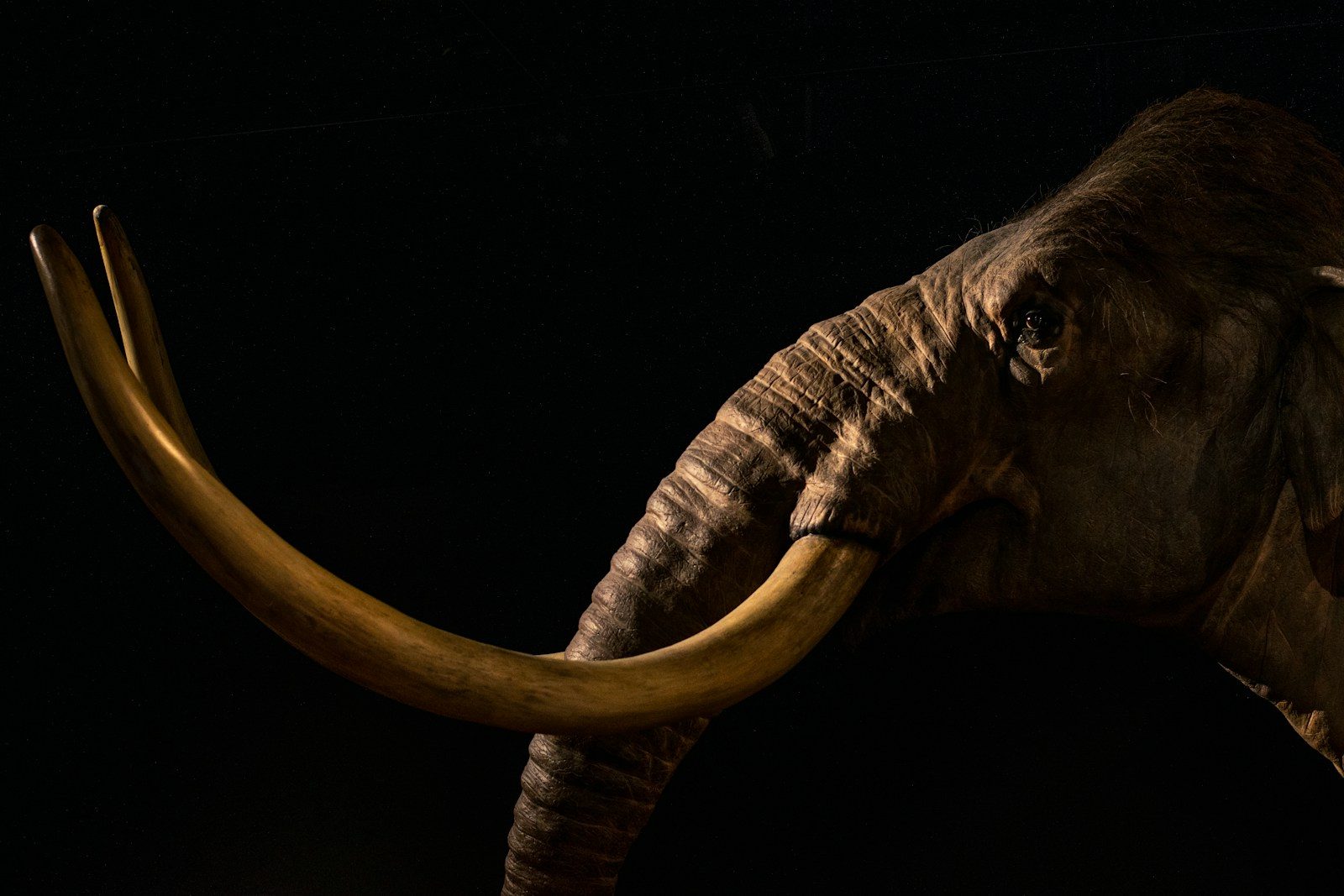
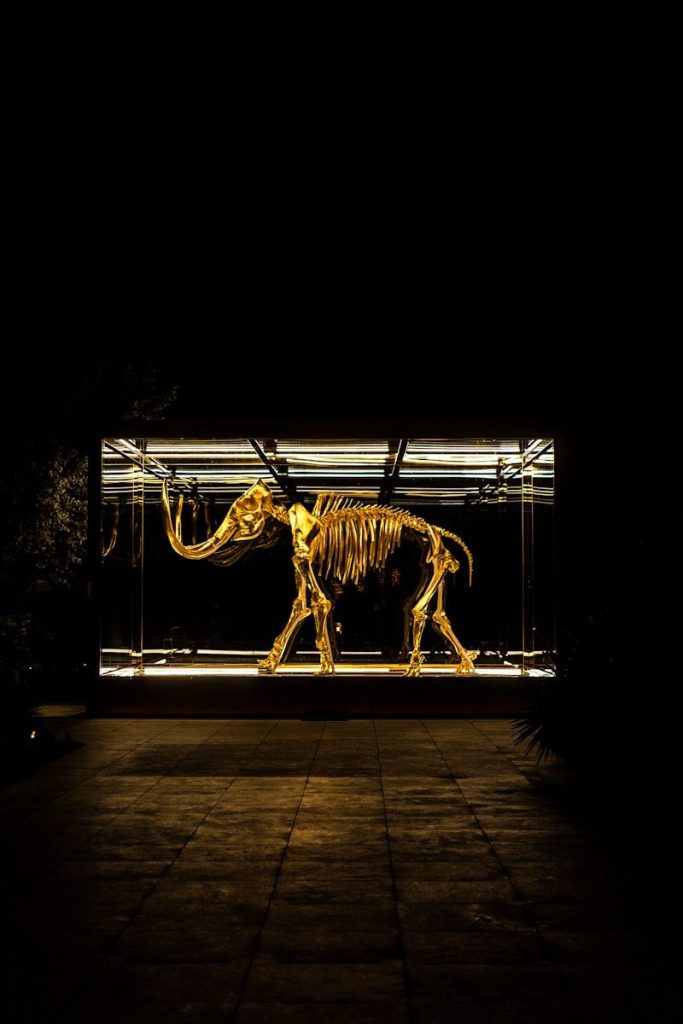
    The idea of bringing extinct animals back to life sounds exciting, almost like something from a science movie. But experts are now warning that reviving extinct beasts could lead to serious problems for nature, animals, and even humans. This process, often called de-extinction, uses advanced tools like cloning and gene editing to recreate animals such as woolly mammoths or Tasmanian tigers.

    While the science is improving fast, many researchers say the risks may be bigger than the rewards. In this article, you will learn why scientists are concerned, what could go wrong, and how these experiments might affect modern ecosystems. We will also look at real scientific debates so you can understand the full picture clearly and simply.

    What de-extinction really means

    three people in lab coats looking at a tablet
    Photo by National Cancer Institute on Unsplash

    De-extinction is the process of trying to bring back species that have disappeared from Earth. Scientists use methods like cloning, DNA rebuilding, and gene editing to create animals that look or behave like extinct species. In some cases, they combine DNA from fossils with living relatives, such as using elephants to model mammoth-like traits. This field has become more advanced due to technologies like CRISPR, which can edit genes with high precision.

    However, experts explain that what is created is often not a perfect copy of the original animal. Instead, it is usually a “proxy,” meaning a close version built from available genetic information. Because extinct DNA is often damaged or incomplete, scientists must fill in gaps using related species. This makes the final animal different in important ways from the original extinct species.

    Why scientists are concerned about ecosystems

    people having meeting on rectangular brown table
    Photo by Christina @ wocintechchat.com M on Unsplash

    One major worry is how revived animals would fit into today’s ecosystems. Nature has changed a lot since many of these species went extinct. Forests, grasslands, and oceans are not the same as they were thousands of years ago. If a revived animal is released into a modern environment, it may struggle to survive or behave in unexpected ways.

    Experts also warn about ecological imbalance. Every species plays a role in its environment, such as controlling plant growth or serving as prey for other animals. If a revived species becomes too successful, it could harm existing wildlife by competing for food or space. On the other hand, if it cannot adapt, it may suffer and die, raising serious ethical concerns about its welfare.

    Risks of disease and genetic problems

    Curator talk this morning with Dr Rachel Webster, curator of botany @mcrmuseum, looking at extinction for a new exhibition in the autumn and exciting plans for temporary loans, including a giant panda! Here, thylacine, one of the many extinct animals on” by akhenatenator is licensed under CC CC0 1.0

    Another major concern is health and genetics. Cloning and gene editing are not perfect processes, and they often come with risks. In many experiments, cloned animals have been born with defects, weak immune systems, or short lifespans. This raises questions about whether revived extinct animals would live healthy lives.

    There is also the danger of new diseases. A revived species might be exposed to modern viruses and bacteria it has never encountered before. At the same time, it could also carry unknown ancient microbes that might spread to modern animals. Scientists say this kind of biological uncertainty could create problems that are difficult to predict or control.

    Human impact and moral questions

    a group of people working in a lab
    Photo by National Institute of Allergy and Infectious Diseases on Unsplash

    Beyond science, there are also ethical concerns. Many experts ask whether humans should bring extinct animals back at all. Some believe it could distract from protecting animals that are currently endangered. Instead of focusing on saving existing wildlife, funding and attention might shift toward creating new extinct species in laboratories.

    There is also a moral question about animal welfare. If a revived animal suffers due to health problems or cannot survive in the wild, then its creation may cause unnecessary harm. Scientists argue that just because we can do something does not always mean we should. These debates are becoming more important as technology improves and de-extinction moves closer to reality.

    Real-world experiments and limitations

    a man writing on a whiteboard with a marker
    Photo by Redmind Studio on Unsplash
    Even though de-extinction is often discussed, real success is still very limited. Scientists have not fully brought back any extinct species in a true, complete form. Most projects are still in experimental stages, focusing on partial genetic reconstruction or closely related animals.

    For example, efforts to recreate mammoth-like animals involve editing elephant DNA rather than restoring an exact mammoth. Similarly, attempts involving birds or other extinct species often result in hybrids rather than true originals. Experts say one major limitation is DNA degradation, since genetic material breaks down over time and becomes incomplete. Without full genetic information, a perfect revival is not possible with current science.

    What experts say about the future

    Woman presenting to audience in a modern office setting.
    Photo by Vitaly Gariev on Unsplash
    Scientists remain divided about de-extinction. Some believe it could help restore lost ecosystems or even support conservation efforts for endangered species. They argue that genetic tools developed for de-extinction could be useful in protecting animals that still exist today.

    However, many researchers caution that the risks are still too high. They point out that ecosystems are complex and unpredictable, and introducing revived species could create long-term damage that cannot be easily reversed. Most experts agree that while the science is impressive, careful limits and strong regulation are needed before any large-scale attempts are made.

  • Komodo dragon injures Sharon Stone’s husband in shocking attack that nearly severed his toe

    Komodo dragon injures Sharon Stone’s husband in shocking attack that nearly severed his toe

    Have you ever wondered how a simple zoo visit could turn into a life threatening situation in seconds? In one of the most shocking animal incidents tied to Hollywood history, a Komodo dragon attack injured actress Sharon Stone’s then husband during a private zoo experience. The event quickly drew global attention because of how fast things went wrong and how serious the injury became.

    In this article, you will learn exactly what happened during the Komodo dragon incident, how the attack unfolded, and what medical damage was caused. We will also break down the verified facts from trusted reports so you understand what is true, what led to the injury, and why this case is still talked about decades later.

    What led to the zoo visit

    Komodo dragon (Varanus komodoensis)” by 5of7 is licensed under CC BY-SA 2.0

    The incident took place in 2001 during a private behind-the-scenes tour at the Los Angeles Zoo. Sharon Stone arranged the visit as a surprise experience for her then husband, journalist Phil Bronstein, who had a strong interest in wildlife and had always wanted to see a Komodo dragon up close.

    During the tour, zoo staff allowed Bronstein into the enclosure under controlled conditions. He removed his shoes after being told the dragon might confuse white footwear with food. This detail later became important because it left his foot exposed inside an enclosure with a large predatory reptile.

    Inside the Komodo dragon enclosure

    Komodo Dragon” by Heather Smithers is licensed under CC BY-SA 2.0

    Once inside the enclosure, Bronstein was observed interacting with the Komodo dragon while zoo staff were present. Komodo dragons are large carnivorous lizards known for strong jaws, sharp teeth, and powerful bites. Even in captivity, they are considered dangerous due to their strength and bacteria rich saliva.

    According to multiple accounts, the situation escalated quickly when the dragon lunged toward Bronstein’s foot. Sharon Stone, who was watching from outside the enclosure, later described the moment as sudden and chaotic. The animal clamped onto his foot, causing immediate panic as the bite did not release easily.

    How the attack unfolded

    KOMODO DRAGON” by NAPARAZZI is licensed under CC BY-SA 2.0

    After the bite, Bronstein attempted to free himself while the dragon shook and pulled at his foot. This movement caused severe tearing injuries. The reptile’s bite force and head motion are known to cause crushing damage, and in this case, the injury became extremely serious within seconds.

    Reports confirm that the dragon damaged tendons and crushed part of his big toe area. The injury was not only from the bite itself but also from the forceful shaking motion used by the animal. Despite the severity, Bronstein managed to remain conscious and attempted to control the situation while help was called.

    The injuries and medical response

    an ambulance driving down a street next to a building
    Photo by Walter Dziemianczyk on Unsplash
    Medical reports from the incident confirm that Bronstein suffered a partially severed toe, torn tendons, and significant soft tissue damage. Doctors had to perform surgery to repair the injured area and prevent infection. Komodo dragon bites are especially dangerous because their mouths contain harmful bacteria that can lead to serious infections.

    He was treated with antibiotics and underwent surgical repair to reattach damaged tendons and rebuild the injured toe area. Recovery required time and rehabilitation, but he ultimately survived the attack without losing the foot. The incident is often cited in medical discussions about reptile bite injuries due to its severity.

    Aftermath and public reaction

    Sound Design for Visual Media’s New Digidesign ICON Dual-Operator System” by vancouverfilmschool is licensed under CC BY 2.0

    The incident quickly became international news because of Sharon Stone’s celebrity status and the unusual nature of the attack. It raised questions about zoo safety protocols and the risks of allowing close interaction with dangerous wildlife. Many experts later emphasized that Komodo dragons, while fascinating, should never be handled casually, even in controlled environments.

    The Los Angeles Zoo reviewed its procedures following the event, and the story has since been referenced in documentaries, interviews, and retrospective reports. Sharon Stone later spoke publicly about the experience, describing it as traumatic and unexpected, especially since it happened during what was meant to be a safe educational visit.

  • Escobar’s former zoo hippos spread beyond control and turned into a growing national crisis

    Escobar’s former zoo hippos spread beyond control and turned into a growing national crisis

    What happens when a few exotic animals are left behind after a powerful figure disappears? In Colombia, that question has turned into a real environmental crisis. Hippos originally brought in by drug lord Pablo Escobar for a private zoo have now multiplied far beyond control and spread through the Magdalena River region.

    These animals, often called “Escobar’s hippos,” are no longer confined to one estate and are now moving into new areas, affecting ecosystems, local communities, and wildlife balance.

    Today, the hippo population has grown into the hundreds, and experts warn it could keep rising fast if nothing changes. Authorities are now forced to consider extreme solutions, including removing part of the population, as the animals continue expanding into rivers and farmland. This article explains how the situation began, why it escalated, and why it has become one of the most unusual wildlife crises in the world.

    How Escobar’s hippos ended up in Colombia

    Hippo” by LUSEJA is licensed under CC BY-NC-SA 2.0

    The story begins in the 1980s when Pablo Escobar imported four hippos from Africa to his private estate known as Hacienda Nápoles. At the time, they were part of his personal zoo, along with many other exotic animals. After Escobar’s death in 1993, the estate was abandoned, and most animals were relocated or died out, but the hippos were left behind.

    Because hippos are large, adaptable, and have no natural predators in Colombia, they survived easily in nearby lakes and rivers. Over time, they escaped the property completely and began living freely in the Magdalena River basin. What started as a small group quickly became a breeding population, setting the stage for a long-term ecological problem.

    Rapid population growth and spread

    Hungry Hungry Hippo” by Lionel Fernandez Roca is licensed under CC BY-NC-ND 2.0

    Once the hippos adapted to Colombia’s warm climate and abundant water, their population began growing at an unexpected speed. With stable food sources and no natural enemies, they reproduced faster than authorities could manage. Recent estimates suggest there are now around 160 to 200 hippos in the wild, with projections showing the number could rise dramatically in the coming years if uncontrolled.

    The animals have also spread far beyond their original area. They have been spotted miles away from Hacienda Nápoles, moving through rivers and reaching new regions. This spread increases the risk of human encounters, especially in farming and fishing communities that rely on the same waterways.

    Environmental impact on rivers and wildlife

    silver fishes underwater
    Photo by Sebastian Pena Lambarri on Unsplash
    The growing hippo population is now having a noticeable effect on Colombia’s ecosystems. Hippos are extremely large animals that spend a lot of time in water, and their waste changes the chemical balance of rivers and lakes. This can reduce oxygen levels in water and affect fish and plant life.

    Native species are also under pressure. Animals like river turtles and manatees must compete with hippos for space and food. Since hippos are not part of Colombia’s natural ecosystem, they disrupt the balance that local wildlife depends on. Scientists warn that if the population keeps growing, long-term damage to river ecosystems could become much harder to reverse.

    Risks to human communities

    a hippopotamus standing in a body of water
    Photo by Jonathan Göhner on Unsplash
    As hippos expand their territory, they are increasingly coming into contact with people. Fishermen, farmers, and river communities have reported close encounters that sometimes turn dangerous. Hippos are highly territorial and can become aggressive if they feel threatened, especially in water.

    These encounters create fear among locals who depend on rivers for their livelihood. There have also been reports of property damage and blocked waterways when hippos move through farming areas. Because of their size and speed in water, even a single hippo can pose a serious risk, making coexistence difficult in shared environments.

    Government response and control efforts

    people having meeting on rectangular brown table
    Photo by Christina @ wocintechchat.com M on Unsplash
    Colombian authorities have spent years trying to control the hippo population using non-lethal methods. Efforts have included capturing and sterilizing some animals, relocating others, and studying long-term solutions. However, these approaches have been limited by cost, difficulty in safely capturing such large animals, and a lack of international support for relocation.

    Because the population continues to grow, the government has recently approved a stronger intervention plan. This includes removing a portion of the hippo population to slow their expansion and protect ecosystems. Officials argue that without intervention, the population could increase significantly in the coming years, making the problem even harder to manage in the future.

    Why is the crisis so difficult to solve

    a hippopotamus in the water with its mouth open
    Photo by Jonathan Göhner on Unsplash
    Solving the hippo crisis is not simple because there are no easy relocation options. Moving large numbers of hippos requires specialized facilities, international approval, and long-term funding. Many countries have shown interest in helping, but logistical and regulatory challenges have slowed progress.

    Another major issue is biology. The hippos in Colombia come from a very small original group, which has led to genetic limitations. This makes relocation to some conservation programs more complicated. At the same time, leaving them alone is not considered sustainable, because the population continues to grow and spread every year.