Author: Ethan

  • Birds you may not want nesting or flying near your yard

    Birds you may not want nesting or flying near your yard

    Birds can make a yard feel alive with song and movement. Many species help by eating insects, spreading seeds, and adding beauty to outdoor spaces. However, not every bird is a welcome guest when it decides to nest too close to your home. Some birds can be noisy, leave large amounts of droppings, damage property, or push native birds away from feeders and nesting spots.

    If you have noticed large flocks gathering near your yard or birds building nests in vents, gutters, or other parts of your home, it helps to know which species can cause problems. This guide looks at birds you may not want nesting or spending too much time near your yard and explains why homeowners often try to discourage them while still respecting wildlife.

    European starlings can quickly take over

    selective focus photography of black bird
    Photo by John Yunker on Unsplash

    European starlings are among the most troublesome birds found around homes in the United States. These birds were introduced from Europe and are now considered an invasive species in North America. They often travel in large flocks and can gather by the hundreds or even thousands. When they settle near a yard, they create a great deal of noise and leave large amounts of droppings on roofs, sidewalks, decks, and vehicles.

    Another concern is their aggressive behavior. Starlings compete with native birds for nesting cavities and food sources. They frequently take over nesting holes that would otherwise be used by bluebirds, woodpeckers, and purple martins. Because they are strong competitors, they can reduce nesting opportunities for native species and make it harder for local bird populations to thrive.

    House sparrows often push out native birds

    brown and white bird on brown wooden fence
    Photo by Joshua J. Cotten on Unsplash

    House sparrows may look harmless because of their small size, but they can create significant problems around homes and gardens. Like starlings, they are not native to North America. They are highly adaptable and often build nests in gutters, vents, eaves, and other openings in buildings. Their nests are usually bulky and messy, made from twigs, paper, grass, and other materials.

    These birds are known for being aggressive toward other species. They frequently compete for nesting sites and may drive native birds away from birdhouses and feeders. House sparrows reproduce quickly and often live in large groups, allowing their numbers to grow fast. Homeowners who want to attract native songbirds sometimes find that house sparrows dominate feeding areas and reduce the variety of birds visiting the yard.

    Pigeons can create sanitation problems

    black and white bird on brown wooden fence
    Photo by Rajiv Bajaj on Unsplash

    Rock pigeons are common in cities, suburbs, and many residential neighborhoods. While a few pigeons may not seem like a problem, larger groups can quickly become a nuisance. They often gather on roofs, fences, sheds, and other elevated surfaces where they leave droppings. Over time, these droppings can stain surfaces and increase cleaning needs around the home.

    Pigeons are also skilled at finding places to nest close to people. They often use ledges, attic spaces, and sheltered structures. Because they adapt well to urban environments and have few special nesting requirements, they can establish populations quickly. Large numbers of pigeons may crowd out other birds and create ongoing maintenance concerns for homeowners who want a cleaner yard.

    Blackbirds and grackles can arrive in huge flocks

    a couple of birds on a roof
    Photo by Forsaken Films on Unsplash

    Blackbirds and grackles are native birds, but they can still become a problem when large groups gather near homes. These birds often travel in flocks and may take over feeders, trees, and open spaces. Their calls can be loud, especially when hundreds gather together in the same area during the evening.

    Large roosting groups can also produce significant amounts of droppings. Besides creating unpleasant odors and messes, these accumulations can increase cleanup costs and create concerns in heavily used outdoor areas. Many homeowners notice that when blackbirds or grackles arrive in large numbers, smaller backyard birds become less willing to visit feeders and feeding stations.

    Woodpeckers can damage homes

    black and white bird on brown tree branch
    Photo by Patrice Bouchard on Unsplash

    Woodpeckers are fascinating birds and play an important role in nature by eating insects. However, they can sometimes become a source of frustration for homeowners. During the breeding season, woodpeckers often drum on trees, gutters, siding, chimneys, and other structures to mark territory and attract mates. The repeated pounding can be surprisingly loud.

    In some cases, woodpeckers may drill holes into wooden siding, fences, or trim. While they are often searching for insects, the damage can become costly if the birds repeatedly return to the same area. Unlike flocking birds, it usually takes only one persistent woodpecker to create a noticeable problem. Homeowners who experience repeated pecking often need to take steps to discourage the behavior before significant damage occurs.

    Canada geese can overwhelm outdoor spaces

    Canada Geese in Departure Bay – 2 (of 2) – Contax T2 Carl Zeiss Sonnar 1:2.8 38 mm T* with Kodak 200 ISO Film” by Logos: The Art of Photography is licensed under CC BY-NC-SA 2.0

    Canada geese are well known for gathering around ponds, lakes, parks, and neighborhoods with open grassy areas. Although many people enjoy seeing them, large groups can create challenges for homeowners who live near water features. Geese produce a substantial amount of droppings, which can quickly cover lawns, walking paths, and recreational areas.

    Another issue is their protective behavior during nesting season. Adult geese can become aggressive when defending nests, eggs, or young birds. They may hiss, spread their wings, or chase people who get too close. Once a flock becomes comfortable in an area, convincing it to move elsewhere can be difficult, making prevention and habitat management important tools for reducing conflicts.

  • A two-year-old girl rushed for treatment after a rattlesnake encounter in Colorado

    A two-year-old girl rushed for treatment after a rattlesnake encounter in Colorado

    A family vacation can change in an instant when wildlife and people cross paths. That is exactly what happened when a two-year-old girl was rushed for treatment after a rattlesnake encounter in Colorado. The toddler was visiting the state with her family when a frightening incident left her seriously injured and in need of emergency medical care.

    Stories like this remind many families that rattlesnakes are a real part of life in parts of the American West. Understanding what happened, how doctors treated the child, and what parents can learn from the event can help others stay safer during outdoor activities. This article takes a closer look at the incident, the medical response, rattlesnake behavior, and important safety lessons for families.

    The vacation turned into an emergency

    man, woman and child holding hands on seashore
    Photo by Natalya Zaritskaya on Unsplash

    The young girl was visiting Colorado from Kansas with her family when the incident occurred around Memorial Day. Reports said she was near horses during a family gathering connected to a wedding when she unexpectedly came into contact with a rattlesnake. What began as a normal family outing quickly became a medical emergency when the snake struck.

    Family members reacted immediately and sought help. Emergency responders recognized the seriousness of the situation and arranged for the child to receive urgent medical care. Because rattlesnake venom can cause severe damage, especially in small children, every minute mattered. The toddler was eventually transported to a hospital, where doctors began treatment as quickly as possible.

    Why rattlesnake bites can be so dangerous

    Eastern Diamondback Rattlesnake” by San Diego Shooter is licensed under CC BY-NC-ND 2.0

    Rattlesnakes are venomous snakes found throughout much of the western and southwestern United States. Their venom is designed to help them capture prey, but when humans are bitten, the venom can cause pain, swelling, tissue damage, and other serious health problems. Young children face greater risks because of their smaller body size.

    Medical experts often treat rattlesnake bites as emergencies. Symptoms can develop quickly and may become severe if treatment is delayed. Doctors typically monitor patients closely for swelling, changes in blood clotting, and other complications that can result from venom entering the body. Fast treatment greatly improves the chances of a full recovery.

    The medical response that helped save the child

    an ambulance driving down a street next to a building
    Photo by Walter Dziemianczyk on Unsplash

    After the bite, emergency responders and medical teams moved quickly to get the toddler specialized care. Reports indicated that she was airlifted for treatment, showing how seriously medical professionals viewed her condition. Air transport is often used when patients need rapid access to advanced medical facilities.

    At the hospital, doctors worked to manage the effects of the venom. One of the most important tools available for venomous snake bites is antivenom, which can reduce the damage caused by the venom. Medical teams also monitor patients for changes in breathing, circulation, swelling, and other complications. Thanks to modern medical care and rapid intervention, many snakebite victims survive and recover.

    Recovery can be a long process

    a woman in a white lab coat sitting on a couch with a little girl
    Photo by Bermix Studio on Unsplash

    Even when treatment is successful, recovery from a rattlesnake bite can take time. Reports about the toddler indicated that she remained hospitalized after the attack. Serious swelling, pain, and damage to affected tissues can require days or even weeks of medical care and rehabilitation.

    The emotional effects of a traumatic event can also linger. Young children may experience fear, sleep disturbances, or anxiety after a frightening encounter. Families often focus not only on physical healing but also on helping children regain a sense of comfort and security after a major medical emergency.

    Why do encounters increase during warmer months?

    two gray and orange backpacks on gray rocks at daytime
    Photo by Andrew Ly on Unsplash

    Rattlesnakes become more active as temperatures rise in spring and summer. During these seasons, people also spend more time outdoors hiking, camping, horseback riding, and attending outdoor events. As a result, the chances of humans and snakes crossing paths naturally increase.

    Colorado is home to several rattlesnake species, including the prairie rattlesnake, which is found across much of the state. These snakes generally avoid people and prefer to escape when given the opportunity. Most bites happen when a snake feels threatened, surprised, or cornered. This is why experts recommend keeping a safe distance from any snake seen outdoors.

    Safety lessons families can learn

    black and gray i love you print textile
    Photo by Nick Fewings on Unsplash

    The incident serves as a reminder that wildlife awareness is an important part of outdoor safety. Parents and caregivers should keep children close when visiting areas where snakes may live. Tall grass, rocky areas, brush piles, and spaces around barns or animal enclosures can provide hiding spots for snakes.

    Experts recommend teaching children never to approach or touch a snake, even if it appears still or harmless. If a snake is spotted, the safest choice is to slowly back away and leave it alone. In the event of a bite, emergency medical help should be sought immediately. Quick action can make a significant difference in treatment outcomes and recovery.

  • Invasive 4-foot-long tegus raise concerns across Georgia

    Invasive 4-foot-long tegus raise concerns across Georgia

    A large lizard from South America is causing growing concern in Georgia. Known as the Argentine black and white tegu, this invasive reptile can grow up to 4 feet long and weigh more than 10 pounds. Wildlife experts say the spread of invasive tegus across Georgia could threaten native animals, damage ecosystems, and create new challenges for conservation efforts.

    If you have heard reports about these giant lizards and want to know why they matter, this article explains the facts. You will learn where tegus came from, why they are spreading, how they affect local wildlife, what officials are doing to stop them, and what Georgia residents can do to help.

    What are invasive tegus?

    Tegu” by MyFWC Florida Fish and Wildlife is licensed under CC BY-ND 2.0

    The Argentine black and white tegu is the largest species of tegu lizard. It is native to parts of South America, including Argentina, Brazil, Paraguay, and Uruguay. These reptiles have black and white markings, strong legs, sharp claws, and powerful jaws. Adult tegus can reach about 4 feet in length and may live for up to 20 years in suitable conditions.

    Tegus were introduced to the United States through the pet trade. Over time, some escaped captivity or were released into the wild. Once established, they began forming wild populations in several southeastern states. Georgia wildlife officials first identified a breeding population in southeastern Georgia and have been working for years to prevent the species from spreading further.

    Why Georgia is worried about their spread

    South American lizards slither into south Florida” by JaxStrong is licensed under CC BY 2.0

    One of the biggest concerns is how quickly tegus can reproduce and adapt. Female tegus can lay up to 35 eggs in a single year. They are also highly flexible when it comes to food and habitat. Unlike some invasive species that need very specific conditions to survive, tegus can live in forests, fields, farmland, roadsides, and other disturbed areas.

    Another concern is their ability to survive colder weather. Scientists once believed these lizards would remain mostly in warmer climates. However, research and field observations have shown that tegus can survive winters by entering a dormant state called brumation. This ability increases the risk that they could establish populations across larger parts of Georgia and other southeastern states.

    The threat to native wildlife

    Black and White Tegu” by MyFWC Florida Fish and Wildlife is licensed under CC BY-ND 2.0

    Tegus are omnivores, meaning they eat both plants and animals. Their varied diet makes them especially dangerous to native wildlife. They consume eggs, young animals, insects, fruits, vegetables, and even carrion. Because they will eat almost anything available, they can affect many different species at once.

    Wildlife experts are particularly concerned about ground-nesting animals. Tegus are known to eat the eggs of quail, wild turkeys, and other birds that nest on or near the ground. They also prey on reptile eggs, including those of American alligators. Young gopher tortoises, a species already facing conservation challenges, can also become targets. These feeding habits may reduce populations of native species and disrupt natural ecosystems.

    How tegus affect farms and communities

    Black & White or Common Tegu (E-4A7A-1714)” by Mark Abel is licensed under CC BY-NC-SA 2.0

    The impact of tegus extends beyond wildlife. Farmers and property owners may also experience problems when these reptiles move into an area. Tegus have been known to eat vegetables, fruits, chicken eggs, and pet food left outdoors. Their broad diet allows them to take advantage of both natural and human-made food sources.

    There are also health concerns. Wildlife agencies have warned that tegus may carry salmonella and certain parasites. While the risk to people remains relatively low when proper precautions are followed, the possibility of disease spread adds another reason why officials want to limit the lizard’s expansion. Their presence can also create additional costs for wildlife management and conservation programs.

    Where tegus have been found in Georgia

    man in orange and black backpack
    Photo by Matthew Maaskant on Unsplash

    The main area of concern remains southeastern Georgia, particularly around Toombs and Tattnall counties. Wildlife agencies have focused many of their monitoring and trapping efforts in these locations because established populations have been documented there. Since monitoring began, multiple tegus have been captured or removed from the area.

    However, sightings have expanded beyond the original locations. Reports have come from dozens of counties across Georgia. Not every sighting represents a breeding population, but each report helps biologists track the movement of the species. The growing number of observations has reinforced concerns that tegus could continue spreading if left unchecked.

    What officials are doing to stop the invasion

    a group of people sitting around a table with laptops
    Photo by UK Black Tech on Unsplash

    Georgia wildlife officials are working with scientists and partner organizations to assess and remove wild tegu populations. Trapping programs have been established in affected areas, and researchers are studying the animals to better understand their movement patterns, breeding habits, and habitat preferences. The goal is to prevent permanent expansion into new regions.

    Public participation plays a major role in these efforts. Residents are encouraged to report sightings so wildlife biologists can respond quickly. Early detection is considered one of the most effective tools for controlling invasive species. The sooner a new population is found, the better the chances of preventing long-term establishment.

  • Texas wolves could help save the world’s rarest wolf species

    Texas wolves could help save the world’s rarest wolf species

    A surprising discovery on the Texas coast is giving scientists new hope for one of North America’s rarest animals. Researchers have found that some coyotes living around Galveston carry the DNA of the red wolf, a species that was declared extinct in the wild more than 45 years ago. These animals, often called ghost wolves, could play an important role in helping conservationists bring back genetic traits that have been lost over time.

    The finding has sparked excitement among wildlife experts because genetic diversity is one of the biggest challenges facing endangered species. By studying the red wolf ancestry hidden within Galveston’s coyote population, researchers hope to strengthen future recovery efforts. As scientists continue their work, the discovery could become an important step toward protecting one of America’s most endangered predators.

    How the red wolf nearly disappeared

    Red Wolf” by Jim Liestman is licensed under CC BY-NC-ND 2.0

    The red wolf once lived across large parts of the southeastern United States. It was an important predator that helped keep ecosystems balanced by controlling populations of smaller animals. For many years, red wolves shared forests, wetlands, and grasslands with a wide variety of wildlife.

    Over time, however, habitat loss, hunting, and predator control programs caused red wolf numbers to fall sharply. As their population declined, they also began breeding with coyotes. By 1980, the species was declared extinct in the wild. Fortunately, wildlife officials had captured a small number of red wolves before they disappeared, allowing a captive breeding program to keep the species alive.

    The discovery of ghost wolves in Galveston

    a person standing on a large rock near the ocean
    Photo by Analis Ruiz on Unsplash

    For years, many people believed the canines living on Galveston Island were simply coyotes. However, genetic testing revealed something unexpected. Researchers found that some of these animals carry significant amounts of red wolf ancestry.

    Because these animals preserve traces of a species thought to be gone from nature, scientists began referring to them as ghost wolves. The name reflects the idea that the red wolf’s genetic legacy has survived in a hidden form. What appeared to be ordinary coyotes turned out to hold valuable information that could help conservation efforts.

    Why is genetic diversity so important?

    Baby wolf” by Missud is licensed under CC BY-NC-ND 2.0

    One of the biggest challenges for endangered animals is maintaining healthy genetic diversity. When a species is reduced to a small population, future generations inherit genes from only a limited number of ancestors. This can make the species more vulnerable to disease, health problems, and environmental changes.

    The modern red wolf population comes from a small group of animals used in captive breeding programs. While these efforts prevented extinction, some genetic diversity was lost along the way. Researchers believe the red wolf DNA found in Galveston’s ghost wolves could help restore some of that missing diversity, giving future populations a stronger chance of survival.

    Scientists see potential for a genetic rescue

    a group of people sitting around a table with laptops
    Photo by UK Black Tech on Unsplash

    Researchers are now studying whether ghost wolves could contribute to what is known as a genetic rescue effort. This process involves introducing valuable genetic traits into a population that has become genetically limited. The goal is to improve overall health and resilience without changing the identity of the species.

    Scientists hope the red wolf ancestry found in Galveston’s coyotes may contain genetic traits that no longer exist in the captive population. If carefully managed, these traits could strengthen future generations of red wolves. While much more research is needed, the discovery has opened new possibilities for conservation.

    Ghost wolves face threats of their own

    Red Wolf” by ucumari photography is licensed under CC BY-NC-ND 2.0

    Although the discovery has generated excitement, the future of ghost wolves is far from secure. Researchers estimate that between 75 and 100 ghost wolves currently live on Galveston Island. Their survival is important because they carry the genetic material scientists hope to preserve.

    Unfortunately, vehicle collisions have become a major threat. According to Galveston Animal Services Supervisor Josh Henderson, 75 ghost wolves have been killed by vehicles over the last five years. Each loss reduces the number of animals available for future research and conservation efforts, making their protection increasingly important.

    Efforts to protect Galveston’s unique canines

    2 men standing on brown grass field during daytime
    Photo by BĀBI on Unsplash

    Local officials and conservation groups are taking steps to help protect these animals. Josh Henderson has encouraged residents to avoid feeding or interacting with ghost wolves. Wild animals that become comfortable around people may face greater risks from traffic and other dangers.

    The Texas Department of Transportation has also installed 10 Wildlife Crossing signs along roads in Galveston. These signs are designed to alert drivers to the presence of animals crossing roadways. By reducing collisions, officials hope to improve survival rates for ghost wolves and other wildlife that share the area.

  • Police say dog grabbed truck’s steering wheel in crash that killed 82-year-old woman

    Police say dog grabbed truck’s steering wheel in crash that killed 82-year-old woman

    A heartbreaking crash in Minnesota has raised serious concerns after police said a dog may have played a role in a deadly driving incident. The case involves an 82-year-old woman who was killed in a head-on collision when a pickup truck crossed into oncoming traffic. According to investigators, the driver gave conflicting statements about what caused the crash, including a claim that her dog suddenly grabbed the steering wheel.

    This article breaks down what police say happened, who was involved, and how the investigation unfolded. It also explains the charges filed, witness accounts, and why this case is getting so much attention across the United States. By the end, you will clearly understand the key facts of the crash and what authorities believe led to the tragic death.

    What the police say happened on the highway

    a close up of a police car with its lights on
    Photo by Max Fleischmann on Unsplash

    Authorities in Minnesota say the crash happened on a rural highway in Roseau County. A 43-year-old woman was driving a red pickup truck when it suddenly crossed the center line and entered the wrong lane. The truck then collided head-on with an SUV driven by an 82-year-old woman. The older woman died at the scene from her injuries.

    Investigators say witnesses reported seeing the pickup truck swerving before the crash. Some even said it looked like the driver was struggling to stay in control. Police later stated that the pickup had been drifting into oncoming traffic before the final impact, which caused the deadly collision.

    Victim identified and scene details

    an ambulance driving down a street next to a building
    Photo by Walter Dziemianczyk on Unsplash

    The victim in the crash was an 82-year-old woman from Minnesota. She was driving her SUV normally when the collision happened. Emergency responders arrived quickly but confirmed she had died due to the force of the crash.

    Her vehicle reportedly overturned after impact, showing how violent the collision was. Officials said the road conditions at the time were normal, meaning there were no weather problems or hazards that could explain the crash. This made investigators focus more closely on driver behavior and possible distractions inside the pickup truck.

    Driver’s statements and dog claim

    a woman sitting in a car with a steering wheel
    Photo by Jan Baborák on Unsplash

    Police say the pickup driver gave several different explanations for what happened. At first, she reportedly suggested she became distracted while driving. Later, she gave a more unusual explanation, claiming that her dog had jumped or grabbed the steering wheel while she was in motion.

    Investigators noted that her statements did not match witness reports from the scene. Officers also reported that she showed signs of confusion and had slurred speech after the crash. However, she tested negative for alcohol. Authorities later confirmed she had taken prescription medications that could have affected her alertness.

    Witness accounts and police findings

    man in white and green adidas jersey shirt and black hat
    Photo by Ethan Wilkinson on Unsplash

    Witnesses played an important role in helping investigators piece together what happened. One driver said they had to move onto the shoulder of the road to avoid being hit by the pickup truck before the final crash. Another witness described the vehicle as moving unpredictably, almost as if the driver was losing control.

    Police also reviewed the crash scene and vehicle positions. Based on their findings, they believe the pickup truck crossed into the wrong lane multiple times before the collision. This supported the conclusion that the crash was not a single moment of accident but involved a pattern of dangerous driving behavior leading up to the impact.

    Charges and legal consequences

    a long hallway with a bunch of lockers in it
    Photo by Matthew Ansley on Unsplash

    After the investigation began, authorities arrested the 43-year-old driver. She has been charged with vehicular homicide, which is used when a person is accused of causing a death through reckless or impaired driving behavior. Police also noted that she was already on probation for a previous driving-related offense at the time of the crash.

    The legal process is still ongoing, and the driver is expected to appear in court. Officials have not confirmed whether additional charges will be added, but they are continuing to review evidence, including toxicology results and witness statements. The case remains under active investigation.

    Why this case is getting attention

    Man is looking at a screen with his head down.
    Photo by Alicia Christin Gerald on Unsplash

    This crash has drawn attention because of the unusual claim that a dog may have interfered with steering a moving vehicle. While animals can sometimes distract drivers, experts say it is extremely rare for a pet to directly control a vehicle in a way that leads to a fatal crash. That is why investigators are carefully reviewing all possible factors, including distraction, medication effects, and driving behavior.

    The case is also part of a larger concern about roadway safety and distracted driving in the United States. Even brief distractions inside a vehicle can lead to serious consequences, especially at highway speeds. This incident highlights how quickly a moment of lost control can turn into a life-changing tragedy.

  • Horse owner says teen accused of stabbing three racehorses had been stalking her before the attack

    Horse owner says teen accused of stabbing three racehorses had been stalking her before the attack

    When a peaceful horse competition turned into a shocking crime scene, many people were left asking how something so disturbing could happen in a place meant for sport and care. At a recent barrel racing event in Las Vegas, a teenage competitor was arrested after three racehorses were found with stab wounds in their stalls. Now, one of the horse owners is speaking out, saying the teen had been stalking her and showing unsettling behavior before the attack.

    This article explains what happened at the event, what the horse owner has revealed about possible stalking, how the horses were injured, and what authorities have said so far. It also breaks down the investigation and the emotional impact on the riders and animals involved. Readers will gain a clear, simple, and accurate understanding of the case based on verified reporting.

    What happened at the barrel racing event

    Kings Troop Royal Horse Artillery stables” by Defence Images is licensed under CC BY-NC-ND 2.0

    The incident took place during a major National Barrel Horse Association competition in Las Vegas at a large equestrian venue. According to law enforcement reports, three horses were discovered injured inside barn stalls during the early morning hours while the event was still underway.

    Investigators say a teenage competitor at the event was later arrested at a nearby hotel. She is accused of using a sharp object to stab the horses, causing multiple wounds. Although the injuries were not considered life-threatening, they were serious enough that the horses could not compete and required veterinary treatment and stitches.

    How the horses were injured and treated

    Horses are returning to London” by Defence Images is licensed under CC BY-NC-SA 2.0

    The horses involved belonged to different riders competing at the event. One horse reportedly suffered multiple stab wounds, including injuries that caused significant bleeding and distress. Another horse was also injured but survived with medical care, while a third horse narrowly avoided more serious harm.

    Veterinarians at the scene treated all of the injured animals quickly. The horses were sedated, stitched, and monitored for trauma. While they are expected to recover physically, riders have said the emotional and behavioral effects on the animals have been severe, including fear responses and anxiety around people after the attack.

    Allegations of stalking before the attack

    woman talking on the phone
    Photo by Taylor Grote on Unsplash

    One of the horse owners has now shared troubling details about her interactions with the accused teen before the incident. She said the teen had followed her on social media and made repeated attempts to connect with her during horse events.

    The owner also claimed the teen had approached her at previous competitions and made comments about her horse’s markings. She described feeling uncomfortable and said there were moments that felt like unwanted attention building over time. According to her account, these interactions raised concerns even before the violent incident took place.

    What witnesses and competitors reported

    IMG_4924” by Madding Crowd is licensed under CC BY-NC-SA 2.0

    Other competitors at the event also described unusual behavior in the days leading up to the attack. Some said the teen had been seen near stalls and walking through barn areas at times that did not seem related to competition needs.

    Witnesses reported that after the horses were injured, the scene inside the barn was chaotic, with blood and distress among animals and riders. Several competitors said they were shocked because security at equestrian events is usually strong, and such an incident is extremely rare in this sport.

    Law enforcement investigation and charges

    a close up of a police car with its lights on
    Photo by Max Fleischmann on Unsplash

    Police responded to the scene after the injured horses were discovered and quickly identified a suspect. The teenager was taken into custody at a nearby hotel shortly after the incident. Authorities said she had access to the barn area as a competitor, which is how she was able to move around the facility.

    She now faces multiple felony charges related to animal cruelty and property destruction. Officials have not publicly confirmed all possible motives, but they are actively reviewing surveillance footage, witness statements, and digital evidence. Investigators are also looking into whether prior behavior or communication patterns may be relevant to the case.

    Impact on the horse community and ongoing concerns

    Mammoth Cave NP Horse Stable” by sniggie is licensed under CC BY-NC-SA 2.0

    The incident has deeply affected the barrel racing community, where horses are treated as both athletes and partners. Riders have described feeling unsafe and emotionally shaken, especially since the attack happened in a controlled competition environment where trust is essential.

    Event organizers have stated that they are working closely with law enforcement and improving security measures. Many competitors are also focusing on helping the injured horses recover while supporting one another through what they describe as a deeply traumatic event.

  • Terri Irwin shares which animal made Steve Irwin feel uneasy

    Terri Irwin shares which animal made Steve Irwin feel uneasy

    Steve Irwin was known around the world as the fearless “Crocodile Hunter,” a man who worked closely with some of the most dangerous animals on Earth. But even someone like Steve had a surprising soft spot when it came to certain creatures. Recently, Terri Irwin shared a fun and unexpected detail about her late husband that caught fans’ attention.

    She revealed the one animal that actually made Steve feel uneasy, despite his bold reputation. In this article, you will learn what Terri said, why this animal stood out, and how it fits into Steve Irwin’s life and work. You will also get a closer look at his personality beyond the TV shows and wild animal encounters.

    Steve Irwin’s fearless reputation in wildlife

    Steve Irwin, ‘Crocodile Hunter’” by dbking is licensed under CC BY 2.0

    Steve Irwin built his entire career on fearlessness and passion for animals. He became famous for getting close to crocodiles, snakes, and other creatures that most people would never dare to approach. His confidence made him a global icon and helped millions of viewers learn more about wildlife conservation in a fun and exciting way.

    Even though he often appeared completely fearless, Steve always made it clear that he respected every animal he worked with. He understood their behavior and knew the risks involved in handling them. This respect for nature was a big part of why he was so successful and why people trusted him as a wildlife expert.

    Terri Irwin’s surprising revelation

    three blue-and-yellow parrots on tree branch
    Photo by Sid Balachandran on Unsplash

    Terri Irwin shared in a public post that there was one animal that made Steve a little nervous, and it was not a crocodile or a snake. Instead, she revealed that parrots were the creatures that tended to put him on edge. According to Terri, these birds were quick, unpredictable, and sometimes even a bit mischievous when interacting with him.

    She explained that parrots would often try to bite or surprise Steve before he could react, which made him more cautious than usual. Fans were surprised by this detail because it contrasted so strongly with his fearless image. The idea that parrots, of all animals, could unsettle Steve Irwin added a lighter and more humorous side to his legacy.

    Why parrots made Steve Irwin uneasy

    flock of yellow bird flying
    Photo by Gareth Davies on Unsplash

    Parrots may look colorful and friendly, but they can also be very sharp, fast, and unpredictable. Steve Irwin was used to reading animal behavior, but parrots behave in ways that can change quickly. Their beaks are strong, and they can react suddenly, which means even experienced handlers need to stay alert around them.

    Terri’s story suggests that Steve respected these birds in a different way compared to larger wildlife. While crocodiles rely on strength and territory, parrots rely on speed and surprise. That difference likely made interactions with parrots harder to predict, even for someone as skilled as Steve.

    Steve Irwin’s deep respect for all animals

    Hands gently holding a baby crocodile in an outdoor setting, showcasing wildlife interaction.
    Photo by Los Muertos Crew on Pexels

    Even though parrots made him uneasy, Steve Irwin never avoided animals because of fear. Instead, he always approached them with curiosity and caution. His goal was to understand wildlife and teach others to respect it rather than fear it. This mindset was central to his work at the Australia Zoo and in his television shows.

    Steve believed that every animal, no matter how small or large, played an important role in the environment. Whether it was a crocodile or a parrot, he treated each creature with care and attention. This respect helped him connect with audiences and inspire people around the world to care more about wildlife conservation.

    How Terri and Steve shared animal experiences

    Terri Irwin during a TV show at the Zoo” by berniedup is licensed under CC BY-SA 2.0

    Terri Irwin often worked alongside Steve during his wildlife adventures, giving her a close view of his interactions with animals. She witnessed both his confidence and the rare moments where he showed caution. Her stories help paint a fuller picture of Steve as both a fearless wildlife expert and a careful observer of nature.

    Their partnership was built on trust, teamwork, and a shared love for animals. Terri’s recent comment about parrots highlights the everyday moments they experienced together behind the scenes. It shows that even in a life filled with dangerous wildlife, there were still lighthearted and unexpected surprises.

    The lasting legacy of Steve Irwin’s animal encounters

    Dubbo Zoo. Przewalski’s horse also known as Takhi. From Mongolia.” by denisbin is licensed under CC BY-ND 2.0

    Steve Irwin’s legacy continues through his family and their ongoing work in conservation. His children, Bindi and Robert Irwin, along with Terri, continue to run Australia Zoo and educate people about wildlife. Stories like the one about parrots help keep Steve’s memory alive in a relatable and human way.

    Fans still celebrate not just his bravery, but also his personality and sense of humor. The idea that even the Crocodile Hunter had a cautious side makes him more real and more inspiring. His work continues to encourage people to respect animals of all kinds and protect their natural habitats.

  • Florida woman faces manslaughter charge after dogs kill neighbor in attack

    Florida woman faces manslaughter charge after dogs kill neighbor in attack

    A tragic dog attack in Florida has raised serious questions about pet responsibility and public safety. In this case, a woman is facing a manslaughter charge after her dogs allegedly escaped from her property and fatally attacked a neighbor. The victim was reportedly out walking her own dog when the violent encounter happened, leaving the community shocked and grieving.

    If you are reading about this incident, you likely want to understand what happened, why charges were filed, and what the investigation has revealed so far. This article breaks down the verified facts in simple terms, explaining the timeline of the attack, the legal charges, and the response from authorities. It also highlights what this case means for dog ownership laws and safety rules in Florida.

    What happened during the fatal dog attack

    a couple of dogs that are standing in the street
    Photo by Cthrough on Unsplash

    The incident took place in Brevard County, Florida, where a 50-year-old woman named Jodi Cowan was walking her small dog near her home. According to investigators, two large dogs escaped from a nearby property and attacked her suddenly in the street.

    Reports confirm that the dogs chased her down, knocked her to the ground, and continued attacking her despite attempts by nearby people to intervene. Cowan suffered severe injuries during the attack and was rushed to a hospital, but she later died from her wounds. Authorities described the attack as extremely violent and difficult for witnesses to stop.

    Who the victim and owner are in the case

    man in blue t-shirt and blue denim jeans walking with white dog on road during
    Photo by Delphine Beausoleil on Unsplash

    The victim, Jodi Cowan, was a local resident described by neighbors as kind and active in her community. She was simply out on a routine walk when the attack happened, which made the incident even more shocking for those who knew her.

    The dogs were owned by 29-year-old Linda Cutler, who lived nearby. Investigators say the dogs had a history of escaping from the property and had previous issues involving aggression and control concerns. Officials also noted that complaints about loose dogs had been made to animal services before the fatal attack occurred.

    Why the owner is facing manslaughter charges

    lady justice statue with scales and sword
    Photo by Tingey Injury Law Firm on Unsplash

    After the investigation, Linda Cutler was charged with manslaughter under Florida law. Prosecutors argue that the death was not just an accident but the result of repeated negligence in controlling dangerous animals.

    Authorities pointed to prior warnings and reports about the dogs escaping the property. They also said that basic safety measures, such as properly securing fencing, were not effectively maintained. Because the dogs were already known to be problematic, officials believe the owner failed to take reasonable steps to prevent a predictable and dangerous situation.

    How the dogs escaped and what investigators found

    Two dogs walking on a dark asphalt road
    Photo by Endstarky on Unsplash

    Investigators reported that the dogs were able to get out of the yard by exploiting weak points in the fencing. Officials stated that there were gaps or structural issues that made it possible for the animals to break free. Once outside, the dogs quickly reached the victim on the street.

    Law enforcement also reviewed prior complaints from neighbors who had reported concerns about loose dogs in the area. While earlier incidents did not lead to major action, they helped build a pattern that investigators say is important in understanding how the fatal attack became possible.

    Police response and legal consequences

    a close up of a police car with its lights on
    Photo by Max Fleischmann on Unsplash

    Deputies from the Brevard County Sheriff’s Office launched a full investigation after the attack, including reviewing witness statements and surveillance evidence. Authorities confirmed that the dogs involved were eventually taken into custody. Officials also stated that the animals would likely be euthanized due to the severity of the incident.

    Linda Cutler now faces a manslaughter charge and could face significant prison time if convicted. Prosecutors argue that the case centers on accountability and whether repeated neglect led directly to a preventable death. The legal process is ongoing, and future court hearings will determine the final outcome.

    Community reaction and wider concerns about dog safety

    Man is looking at a screen with his head down.
    Photo by Alicia Christin Gerald on Unsplash

    The case has sparked strong reactions in the local community, with many residents expressing sadness and concern. Neighbors have questioned whether earlier complaints should have been handled more aggressively by authorities before the attack occurred.

    At a broader level, the incident has reignited debate about dog ownership responsibility in Florida. Many are now calling for stricter enforcement of fencing laws, stronger penalties for repeated violations, and faster intervention when animals show aggressive behavior or escape patterns.

  • Rescued deer stays close to woman who saved its life

    Rescued deer stays close to woman who saved its life

    Have you ever wondered why some wild animals seem to remember the people who help them? That question recently came up after a rescued deer stayed close to the woman who saved its life. The touching moment captured attention online and showed the strong bond that can sometimes form between humans and wildlife. While deer are wild animals and usually avoid people, rescue situations can create unusual connections.

    In this article, you’ll learn what happened when a woman rescued a trapped baby deer, why the fawn followed her afterward, how deer behavior works, and what wildlife experts say about helping young deer. You’ll also discover why stories like this continue to inspire people around the world.

    How the rescue happened

    Baby Deer” by Yvonne in Willowick Ohio is licensed under CC BY 2.0

    The story began when a woman in New Jersey spotted a young fawn trapped in a drain grate. The baby deer was unable to free itself and appeared frightened. Acting quickly, the woman carefully helped the animal out of the grate and got it back onto its feet. Once the fawn was free, many people expected it to run back into the woods right away. Instead, something surprising happened.

    Rather than leaving, the young deer began following the woman wherever she went. Videos of the rescue showed the fawn staying close to its rescuer and seeming reluctant to wander off. The woman gently encouraged the animal to return to the nearby wooded area, but the little deer continued trailing behind her for a period of time.

    Why the fawn stayed near its rescuer

    baby deer” by Patricia Lazar : Ceramic Art : Teapots : Pet Paint is licensed under CC BY-SA 2.0

    Wildlife experts explain that very young deer often look for safety when they become scared or separated from their mothers. After being trapped and then rescued, the fawn may have briefly viewed the woman as a source of comfort and protection. Young animals sometimes stay close to whoever helps them during a stressful situation.

    The behavior does not mean the deer became a pet or permanently bonded with a human. Instead, it was likely a short-term response to fear and confusion. The rescue removed the immediate danger, but the fawn still needed reassurance. Staying near the person who helped it may have felt safer than suddenly venturing off alone.

    The special bond between humans and rescued deer

    A couple of people sitting on a bench under a tree
    Photo by Ben on Unsplash

    Stories about rescued deer returning to visit their rescuers are not new. Over the years, several documented cases have shown deer revisiting people who cared for them after injuries or emergencies. In one widely reported case, a fawn that had been rehabilitated after losing its mother continued returning to see the person who bottle-fed and cared for it.

    These stories often capture public attention because they remind people that animals can remember positive experiences. However, wildlife specialists note that every animal is different. Some deer quickly return to normal wild behavior, while others may temporarily remain comfortable around humans after receiving care. Much depends on the animal’s age, circumstances, and amount of human contact.

    How the fawn was reunited with its family

    brown deer on green grass field during daytime
    Photo by Timothy Abraham on Unsplash

    The woman who rescued the deer understood that the animal belonged in the wild. Instead of keeping the fawn close, she guided it toward the area where its mother and sibling were located. Reports later confirmed that the baby deer was reunited with its family after the rescue.

    This outcome was important because young deer rely heavily on their mothers for protection and survival. A doe teaches her fawn where to feed, where to rest, and how to avoid danger. Reuniting the baby with its family gave it the best chance of continuing a healthy life in its natural habitat.

    What people should know about finding a fawn?

    Whitetail fawn” by GlacierNPS is licensed under CC PDM 1.0

    Many people assume a fawn is abandoned when they see one alone. In reality, mother deer often leave their babies hidden for several hours while they search for food. The fawns stay quiet and still, which helps keep them safe from predators. Wildlife rehabilitators frequently remind the public that an apparently lonely fawn may not actually need rescuing.

    Experts recommend observing from a distance before intervening. If a fawn is clearly injured, trapped, or in immediate danger, help may be necessary. Otherwise, the best action is often to leave the animal alone and allow the mother to return. Every situation is different, which is why wildlife authorities are often consulted when people are unsure.

    Why stories like this matter

    a person wearing headphones and holding a phone
    Photo by Akinyemi Gbadamosi on Unsplash
    The rescued deer story touched many people because it showed kindness in action. The woman did not expect recognition or attention when she helped the trapped animal. She simply saw a living creature in trouble and decided to help. That simple act changed the outcome for the young deer.

    Stories like this also remind people about the challenges wildlife face every day. Deer can become trapped in fences, drains, and other human-made structures. When people act responsibly and safely, they can sometimes make a real difference. At the same time, these stories highlight the importance of respecting wildlife and allowing animals to remain wild whenever possible.

  • 6 animals in the US that are legally off-limits to handle or disturb

    6 animals in the US that are legally off-limits to handle or disturb

    Have you ever seen a wild animal and wanted to get closer for a photo or a better look? Many people are tempted to approach wildlife because these animals seem calm, beautiful, or fascinating. However, many wild animals in the U.S. are protected by law, and touching them can be dangerous for both people and the animals themselves.

    This guide explores six wild U.S. animals you can’t touch and explains why keeping your distance is so important. Some of these animals are protected because they are endangered, while others can seriously injure people if they feel threatened. By learning about these animals, you can better understand how to enjoy wildlife safely while helping protect the natural world.

    Bald eagles are protected national symbols

    bald eagle flying on skies
    Photo by Mathew Schwartz on Unsplash
    Bald eagles are among the most recognizable birds in the United States. They are protected under special laws that make it illegal to harm, disturb, handle, or harass them without permission. These protections also extend to their nests.

    Because bald eagles are protected wildlife, people should always admire them from a distance. Getting too close can disrupt their natural behavior and may result in legal consequences. Watching them soar freely in their natural habitat is the safest and most respectful choice.

    Sea turtles need space to survive

    brown turtle swimming underwater
    Photo by Wexor Tmg on Unsplash
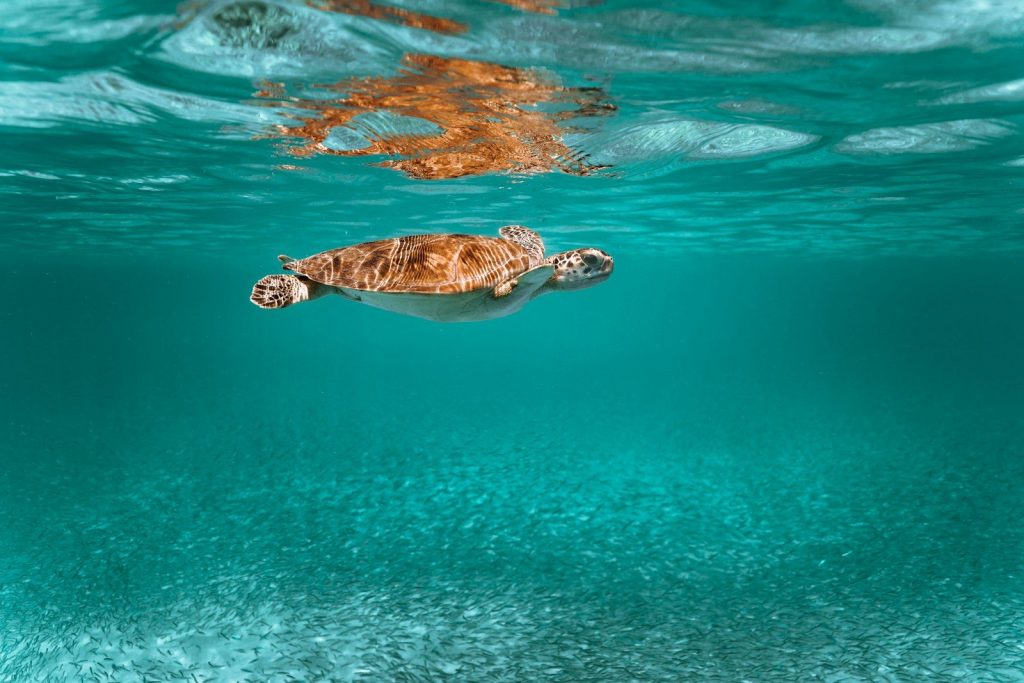
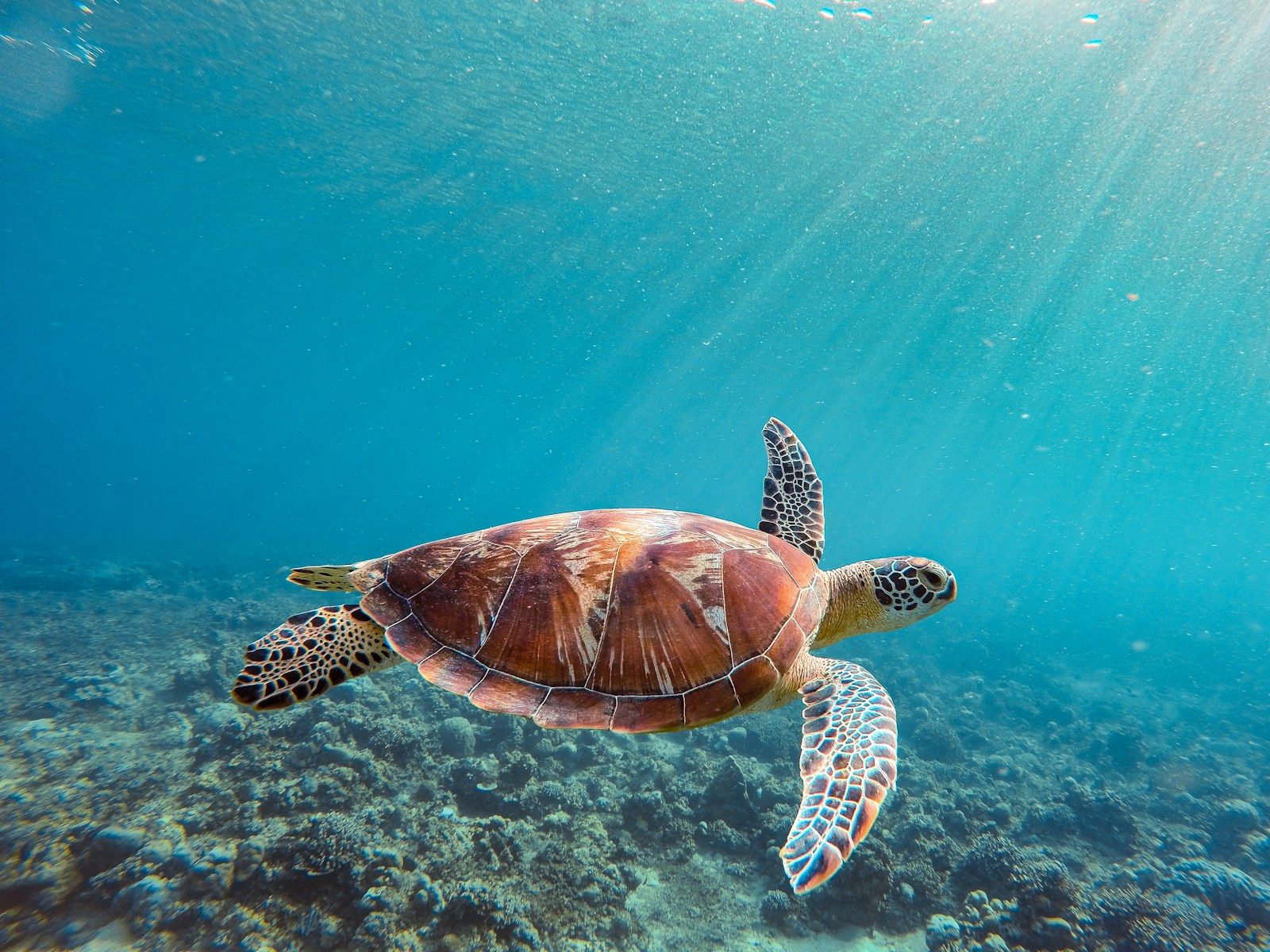
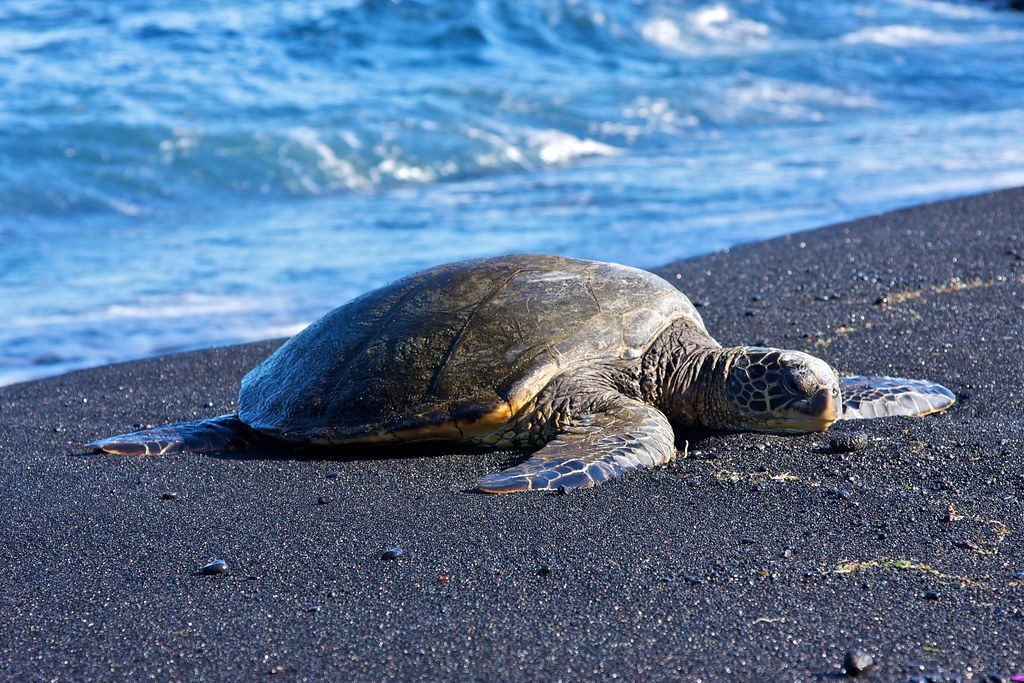
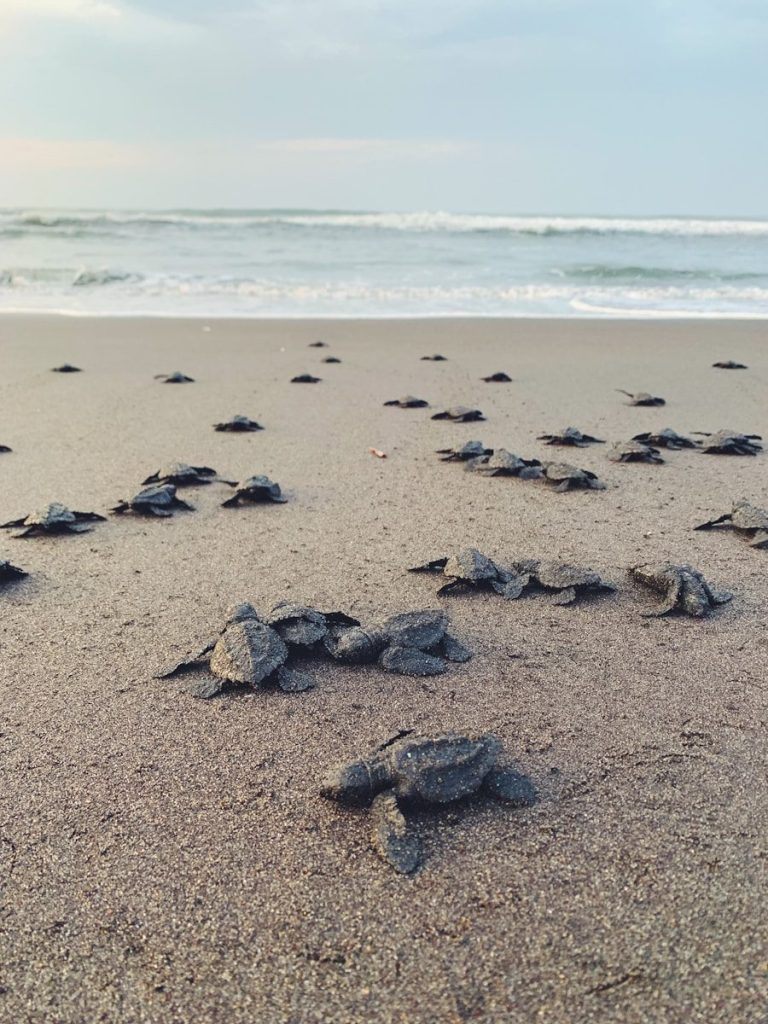
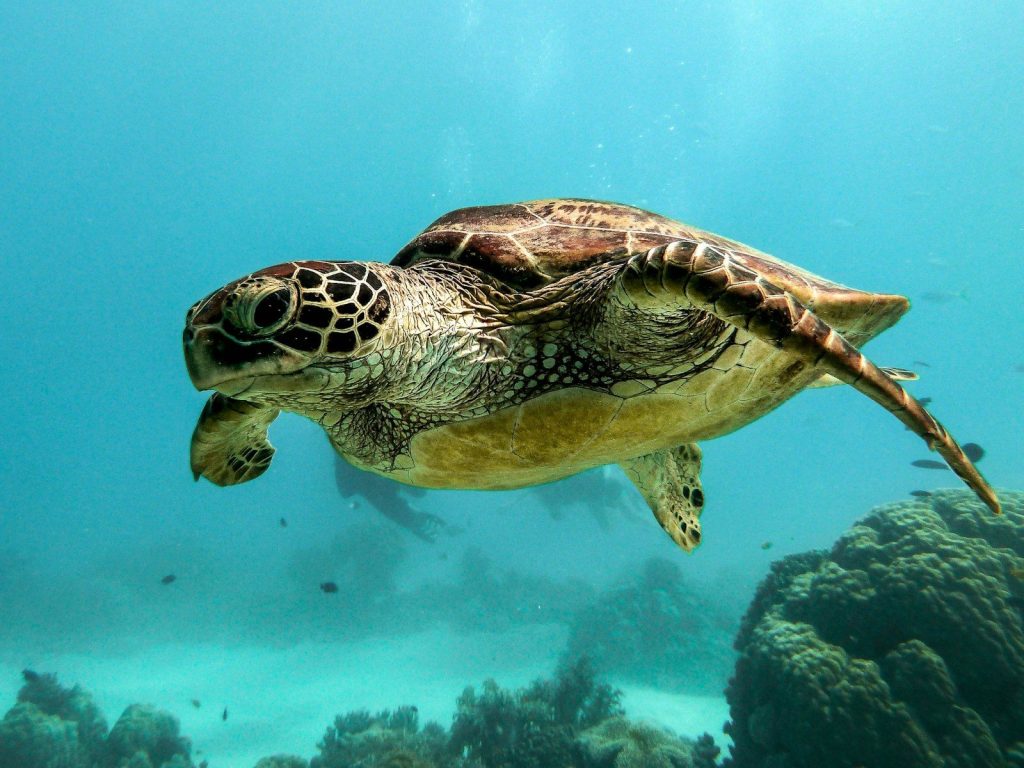
    Sea turtles are protected because they are endangered. Animals such as the loggerhead and green sea turtle depend on safe nesting areas and healthy environments to survive. Touching them or interfering with their nests is illegal.

    When sea turtles come ashore to lay eggs, they are especially vulnerable. Disturbing them can affect their nesting process and threaten future generations. If you see a sea turtle on a beach or while swimming, it is best to observe quietly and allow it to continue its natural activities undisturbed.

    Gray wolves remain wild predators

    gray and black wolf standing near tree trunk during daytime
    Photo by Robert Larsson on Unsplash

    Gray wolves have made an impressive recovery in parts of the United States after facing severe population declines in the past. Even so, they remain protected in many areas and should never be approached or touched by people.

    Wolves are territorial animals with unpredictable behavior. While they may appear calm from a distance, they are still wild predators. Respecting their space helps protect both humans and wolves while allowing these animals to continue playing their role in the ecosystem.

    Bison are stronger than they appear

    selective focus photography of brown cattle on brown field
    Photo by Goutham Ganesh Sivanandam on Unsplash
    Bison are famous symbols of the American West and are commonly seen in protected areas. Although they often appear peaceful while grazing, they are powerful animals capable of causing serious injuries when disturbed.

    Approaching or touching bison is dangerous and often illegal in protected areas. Their populations are still recovering in some regions, underscoring the importance of conservation efforts. Observing them from a safe distance allows visitors to enjoy these impressive animals without putting anyone at risk.

    Alligators can be dangerous when disturbed

    crocodile in body of water
    Photo by Shelly Collins on Unsplash
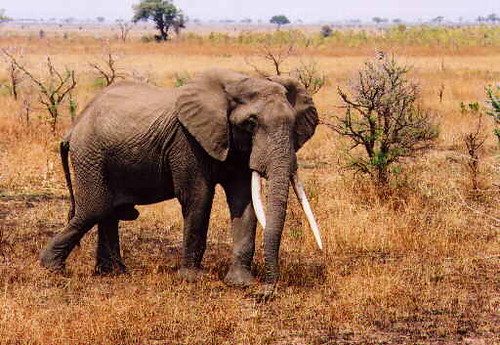
    Alligators live throughout parts of the southeastern United States and are known for their large size and strong jaws. Because they are wild reptiles, approaching them can pose a danger to both humans and animals.

    These animals are protected under state law, and disturbing them is prohibited. Alligators are especially active during certain times of the day, making it important for people to remain alert in areas where they live. Keeping a safe distance helps prevent accidents and protects natural behavior.

    Grizzly bears demand respect and caution

    brown bear on green grass during daytime
    Photo by Daniel Diesenreither on Unsplash
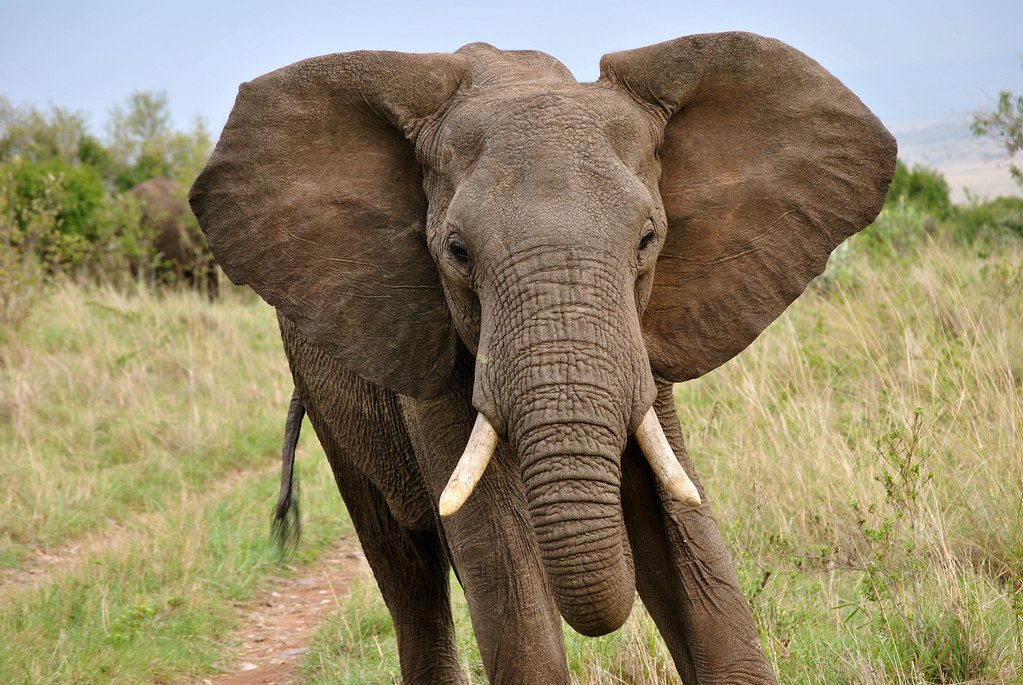
    Grizzly bears are among the most powerful mammals in North America. Found mainly in the northern Rocky Mountains and Alaska, they are protected by various laws that make disturbing or touching them illegal.
    These bears can react unpredictably when threatened, especially when food is involved or cubs are nearby. Encountering a grizzly bear requires caution and respect. Watching from a distance is the safest approach and helps ensure that both people and bears remain safe.