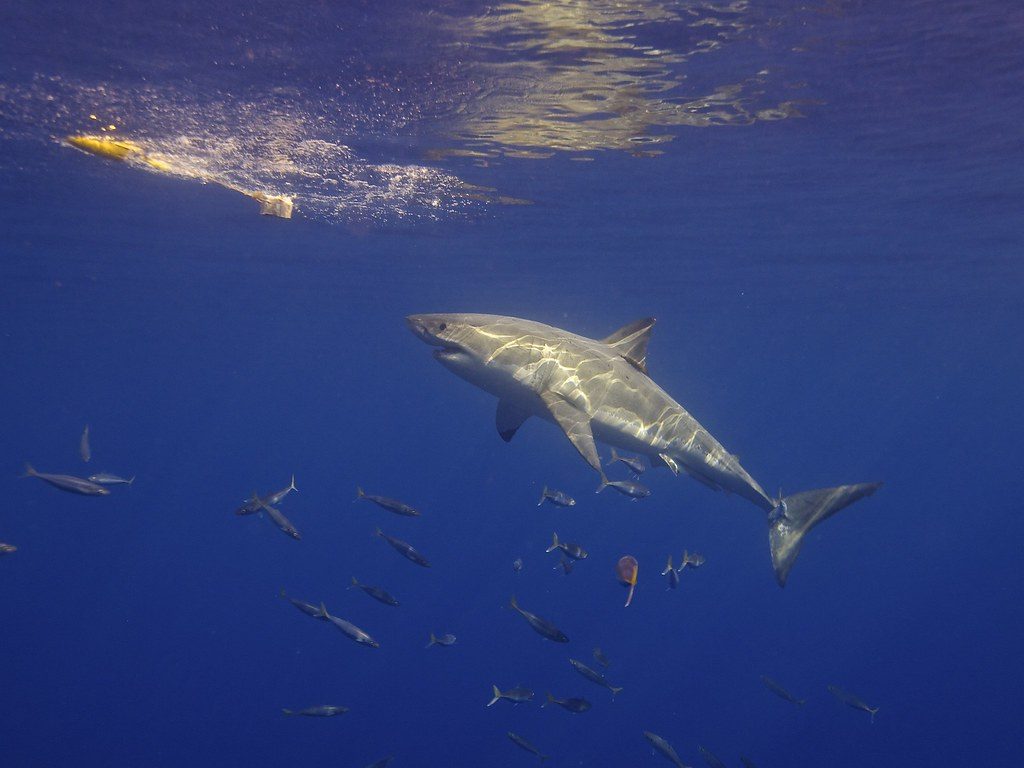
Great white sharks have ruled the oceans for millions of years, evolving into one of nature’s most effective marine hunters. Their success comes not from a single adaptation but from an extraordinary combination of powerful jaws, highly sensitive senses, speed, and continual tooth replacement.
Together, these traits allow great whites to locate, capture, and consume prey with remarkable efficiency while maintaining their position near the top of the marine food web.
A giant built for hunting
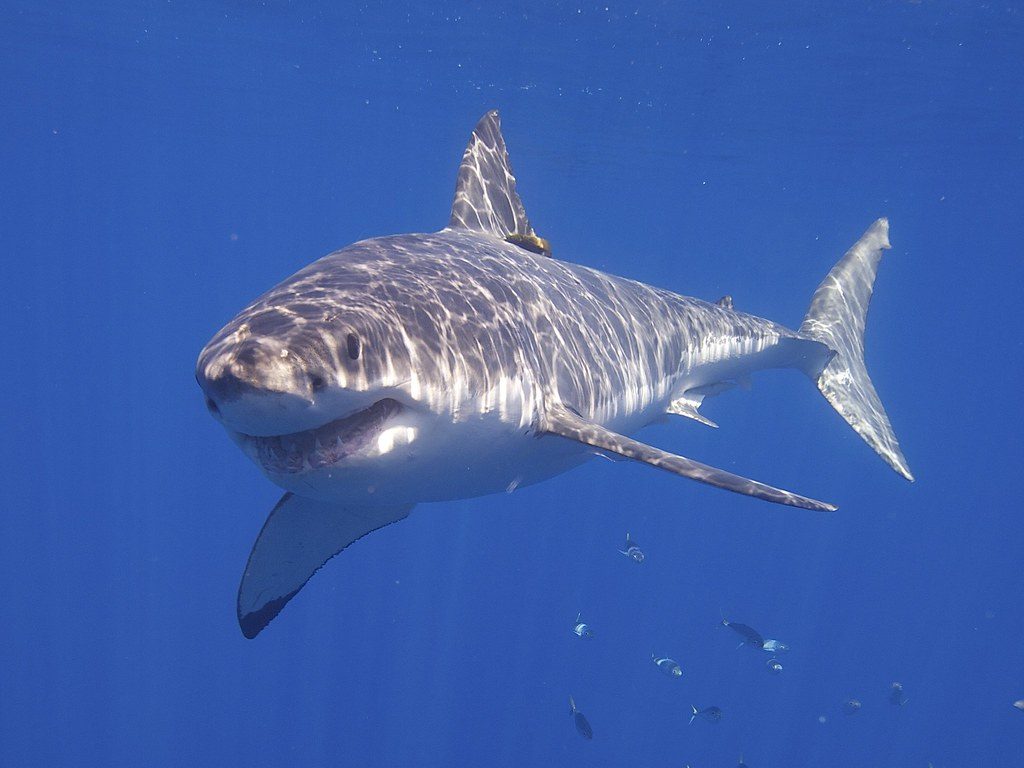
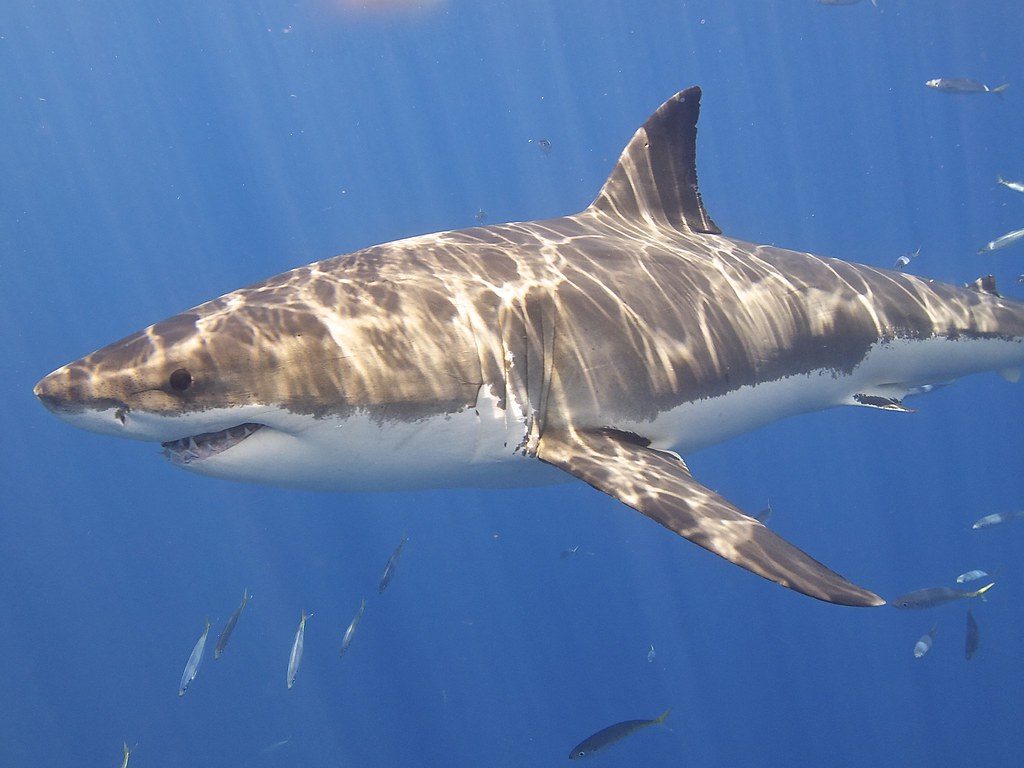
Great white sharks are the largest predatory fish alive today. The biggest individuals can approach 20 feet in length and weigh around 5,000 pounds, although most adults are considerably smaller.
Their streamlined, torpedo-shaped bodies and powerful tails allow them to accelerate rapidly when attacking prey such as seals, sea lions, and large fish.
Hundreds of teeth that never stop replacing themselves
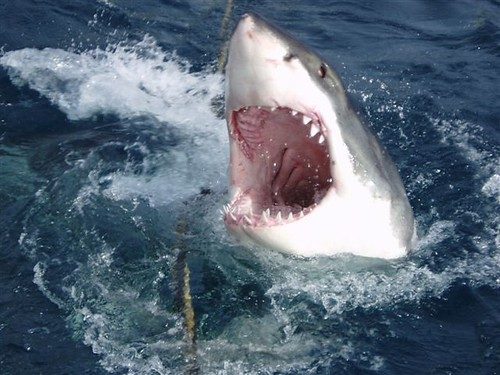
A great white typically has about 300 teeth arranged in several rows. Only the front teeth are used for biting, while replacement teeth constantly move forward as older ones are lost.
Over an entire lifetime, a single shark may grow tens of thousands of replacement teeth, ensuring its bite remains effective throughout its life.
A sixth sense for finding prey

Great white sharks possess specialized sensory organs called the ampullae of Lorenzini around their snouts. These electroreceptors detect the tiny electrical fields produced by muscle contractions and heartbeats.
This remarkable ability helps sharks locate prey even when visibility is poor or animals are hidden beneath sand.
One of the strongest bites in the ocean
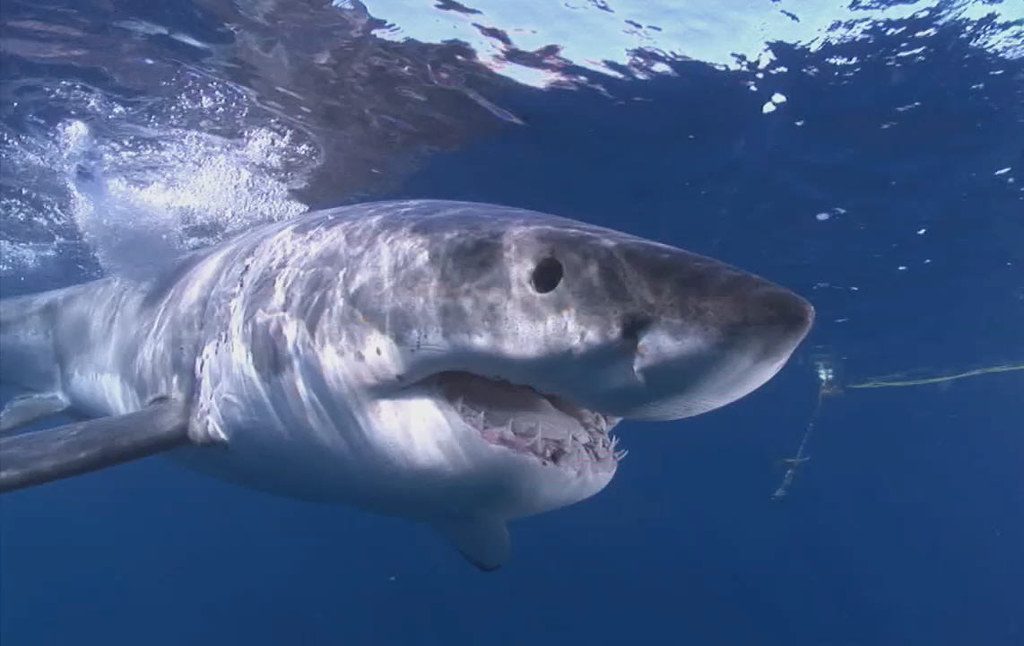
Researchers using three-dimensional computer models estimate that very large great white sharks can generate bite forces exceeding 1.8 tonnes (about 4,000 pounds-force), among the highest calculated for any living fish.
Combined with serrated teeth designed for slicing flesh, this tremendous power allows great whites to tackle large marine mammals and other sizeable prey.
More than fearsome predators
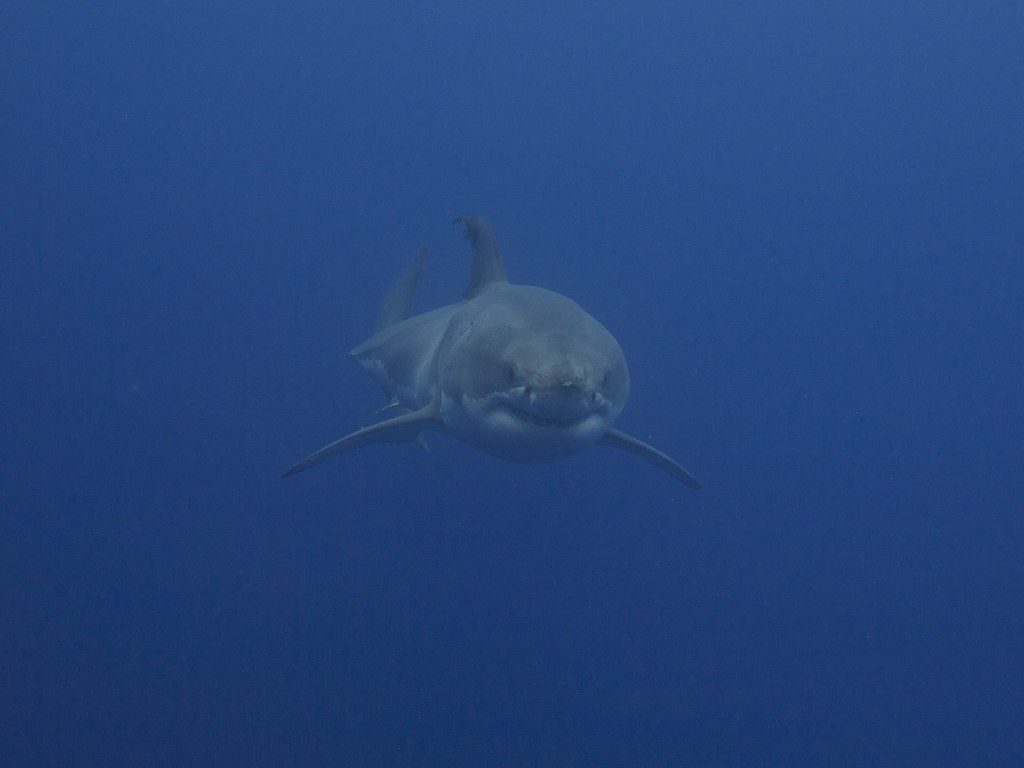
Despite their reputation, great white sharks rarely interact with humans, and attacks are extremely uncommon compared with the millions of people who enter the ocean each year. As apex predators, they help maintain healthy marine ecosystems by influencing prey populations and the balance of the food web.
Scientists continue studying these animals to better understand their migrations, behavior, and ecological importance.
Why great white sharks need protection
Great white sharks reproduce slowly, mature late, and produce relatively few young. These life-history traits make their populations vulnerable to overfishing, accidental capture, and habitat pressures.
Many countries now protect great whites, recognizing their critical role in maintaining healthy oceans and balanced marine ecosystems.
Featured Image: “Great White Shark” by Elias Levy is licensed under CC BY 2.0