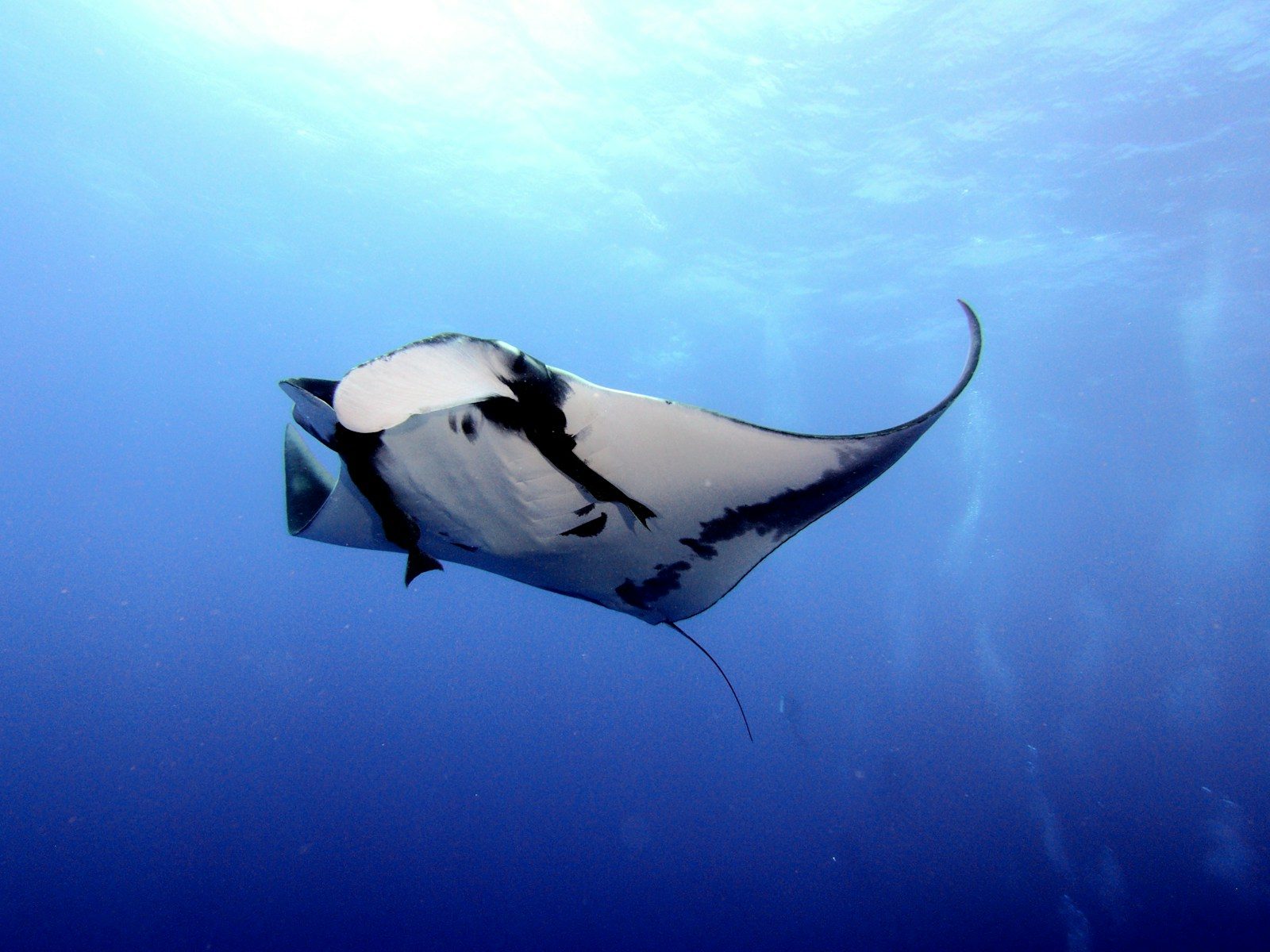
With enormous triangular fins moving slowly through the water, a giant oceanic manta ray can look more like a bird in flight than a fish swimming through the sea. Its unusual body is remarkably well-suited to moving through open water.
Giant oceanic manta rays are the world’s largest rays and can grow to more than 8 meters across in exceptional cases. Their unusual swimming mechanics have attracted so much scientific interest that engineers have studied them when designing more efficient and maneuverable underwater robots.
Giant manta rays can span more than 8 meters
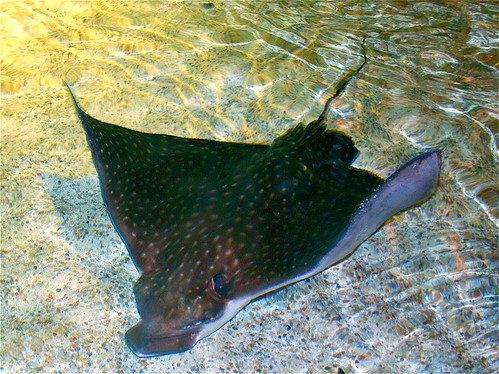
The giant oceanic manta ray, scientifically known as Mobula birostris, is the largest ray species in the world. The Florida Museum reports an average wingspan of approximately 22 feet, while exceptional individuals have been measured at nearly 30 feet across.
Those enormous dimensions give the animal its distinctive appearance. Instead of relying primarily on its tail for propulsion like many familiar fishes, the manta generates thrust using its huge wing-like pectoral fins.
Their fins create the illusion of flight
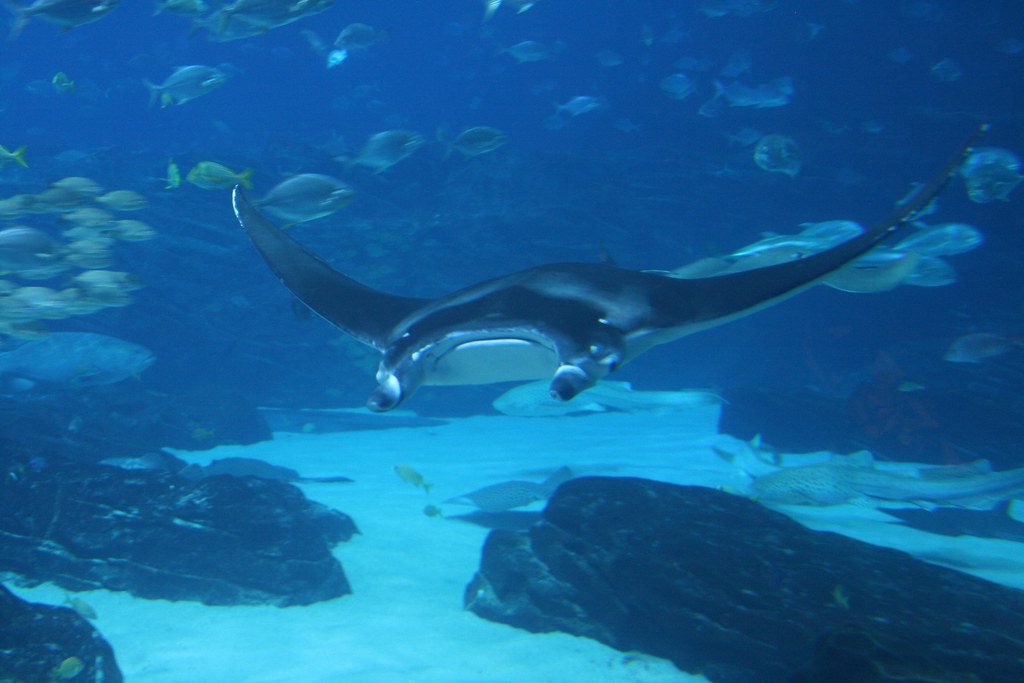
A manta moves its pectoral fins through a combination of oscillating and wave-like movements. Research into manta locomotion shows that these movements generate the thrust required to propel the animal forward.
The result can appear remarkably similar to flight. Researchers studying manta swimming have even used three-dimensional video to measure their turns and maneuvers, showing how these enormous animals maintain control while moving through open water.
Scientists study their swimming efficiency
The manta’s swimming mechanics have become an important source of inspiration for underwater engineering. Researchers have built manta-inspired underwater vehicles and tested how different flapping frequencies and movements affect thrust, energy consumption, and propulsion efficiency.
However, assigning one universal efficiency percentage to a real manta ray is problematic. Different studies define and measure propulsion efficiency differently, while swimming speed and fin movement can substantially change the result.
Mantas are rays rather than sharks
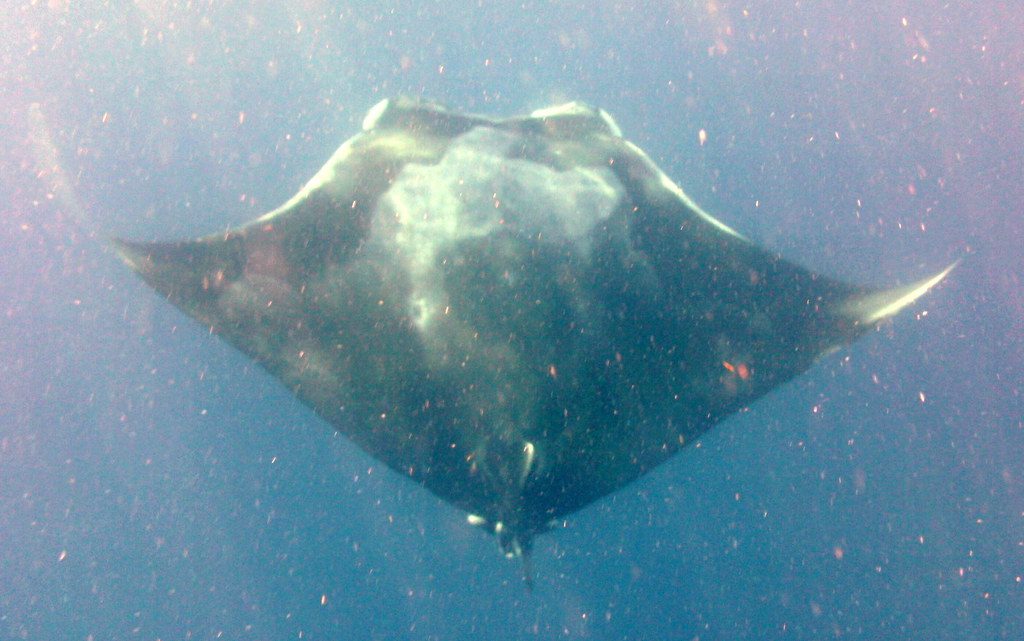
Manta rays and sharks are close relatives. Both belong to the cartilaginous fishes, a group whose skeletons are primarily made from cartilage instead of bone.
They nevertheless belong to different branches of that group. Mantas are rays, with their flattened bodies and enlarged pectoral fins representing a very different body design from the streamlined shape associated with most sharks.
Their tails do not carry a stinger
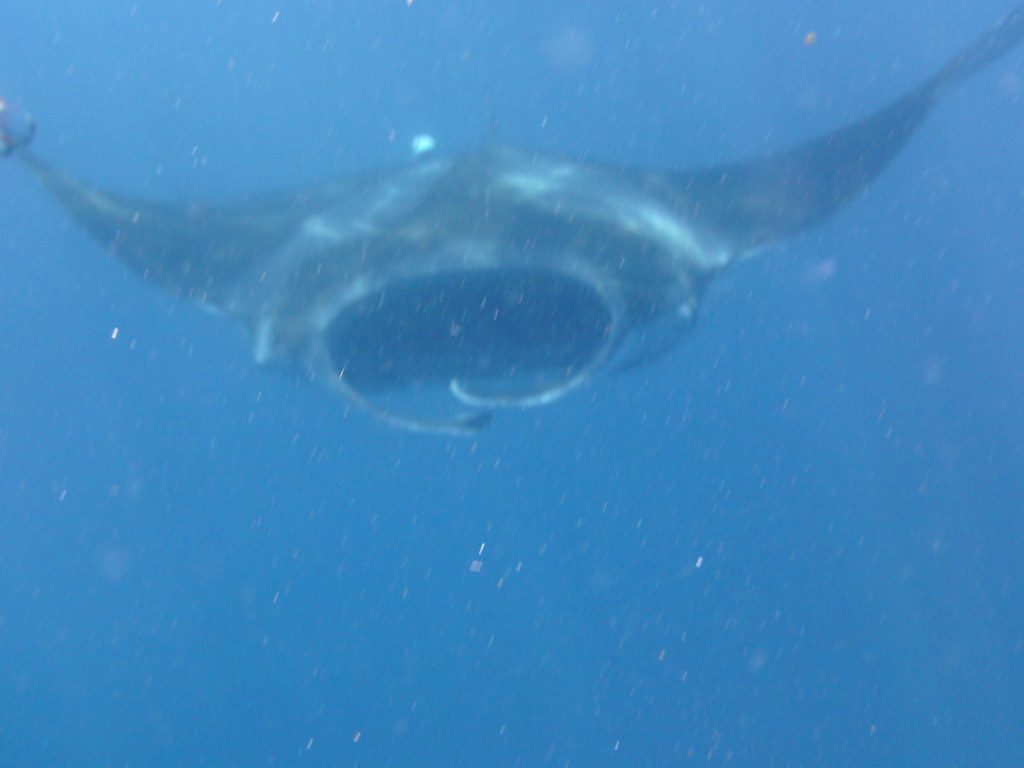
The word “ray” often makes people think of stingrays and their defensive tail spines. Giant manta rays are different.
The Florida Museum describes the giant manta’s tail as lacking a spine. Mantas are filter feeders rather than hunters of large prey, using specialized cephalic fins around the mouth to help direct plankton-rich water toward their feeding apparatus.
Their unusual bodies inspire robots
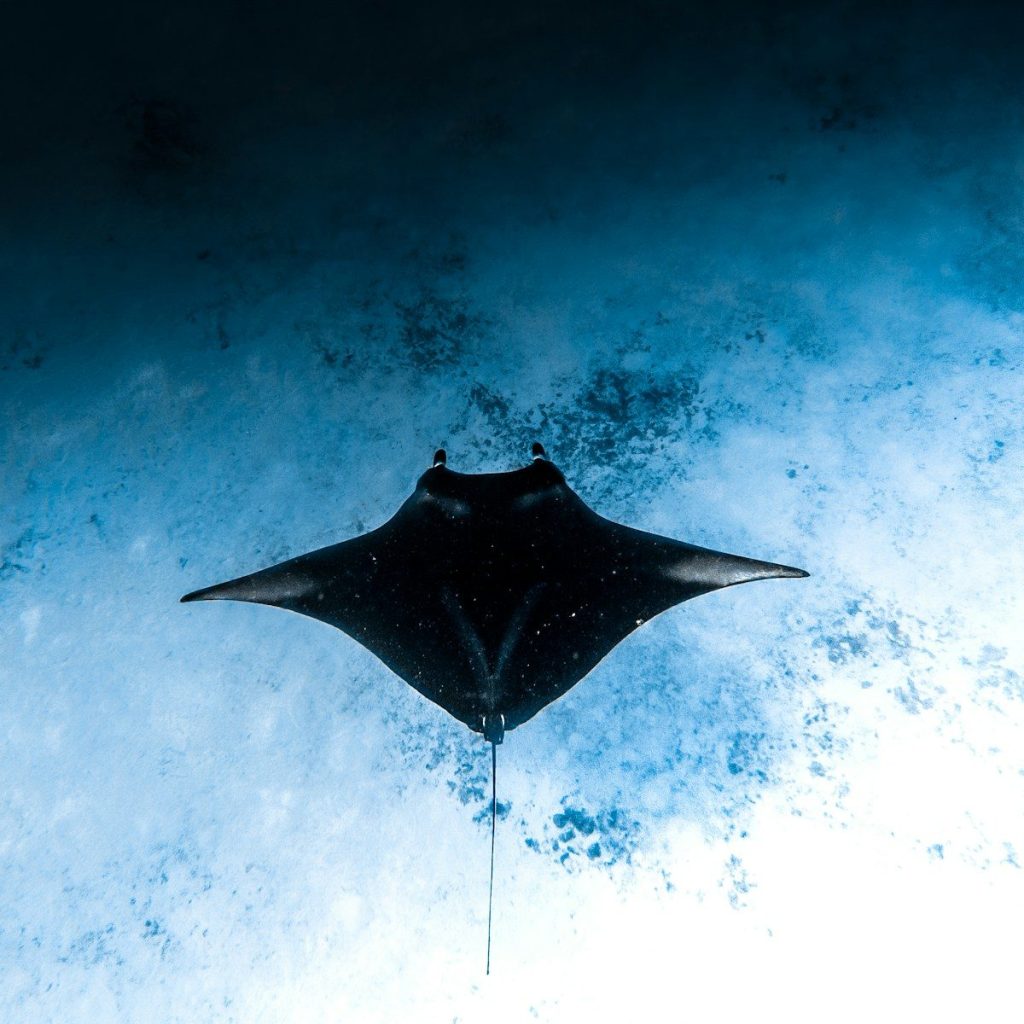
Engineers have increasingly copied manta locomotion when developing underwater vehicles. A 2024 study, for example, investigated different propulsion modes in a manta-inspired vehicle and measured how changes in fin movement affected thrust, power consumption, and efficiency.
Research published in 2026 has continued examining manta-inspired propulsion, finding that different fin movements offer different advantages during acceleration and cruising. The graceful movement seen in a wild manta is therefore more than visually impressive. It represents a highly specialized form of aquatic locomotion that engineers are still trying to understand and reproduce.
Featured Image: Photo by Swanson Chan on Unsplash
Leave a Reply