Blog

  • The growing demand for exotic pets raises welfare concerns

    The growing demand for exotic pets raises welfare concerns

    A cute animal video can attract millions of views in just a few hours. What many people do not realize is that these clips may also encourage demand for exotic pets. Across the UK, interest in unusual animals has grown as social media platforms are filled with videos of sloths, sugar gliders, monkeys, and other wild creatures living in homes and private settings.

    While these animals may appear adorable on screen, experts warn that the growing trend raises serious concerns about animal welfare. As more people seek unique pets inspired by online content, rescue centers are dealing with the consequences. Understanding the connection between social media and the exotic pet trade can help explain why animal welfare groups are becoming increasingly concerned.

    Exotic pets are easier to own than many people realize
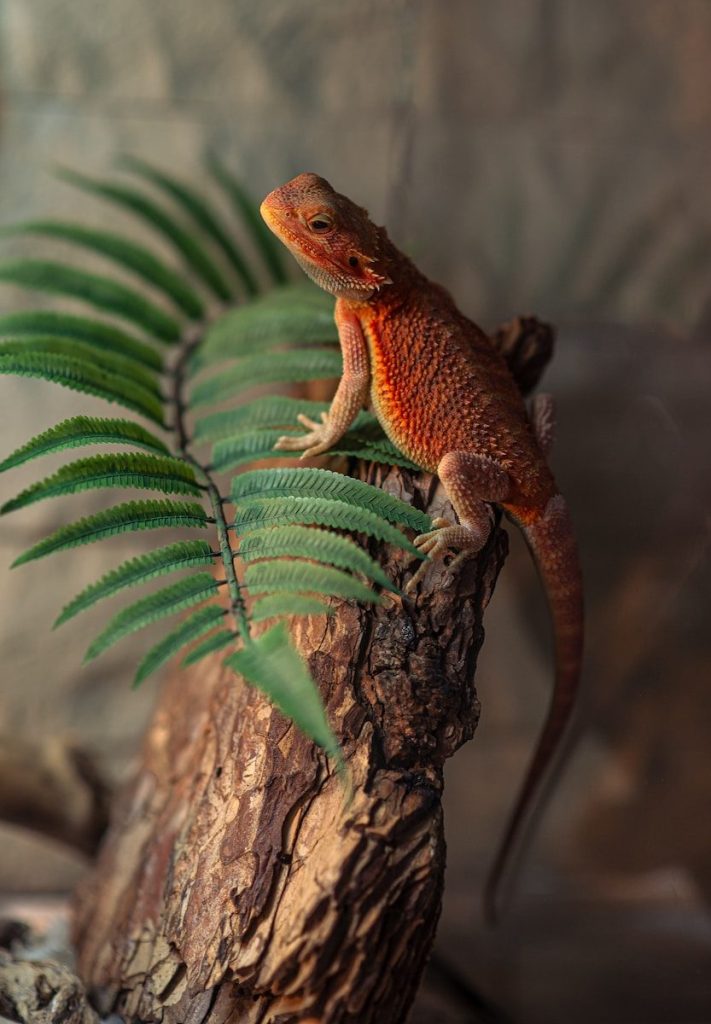
    A lizard sitting on top of a tree branch
    Photo by Sofia Lasheva on Unsplash

    Many people are surprised to learn that UK laws on exotic pets are relatively relaxed. Certain dangerous animals require licenses, but there is also a large market for smaller exotic species that can be purchased without extensive paperwork.

    This has made animals such as sloths, sugar gliders, and pygmy marmosets attractive to people looking for unusual pets. Their unique appearance and popularity online have increased interest among those seeking something different from traditional pets like cats and dogs.

    Social media has changed how people view wild animals

    A person holding a smart phone with social media on the screen
    Photo by Berke Citak on Unsplash

    In the past, wild animals were often admired from a distance. Many people viewed them as creatures that belonged in their natural habitats rather than inside homes. This attitude helped limit interest in keeping exotic species as pets.

    Social media has changed that perspective. Videos showing wild animals in human environments often generate strong emotional reactions. Viewers may see a cute animal performing playful actions and begin to imagine owning one themselves, creating new demand for species that were once rarely kept as pets.

    Viral videos can hide signs of animal suffering
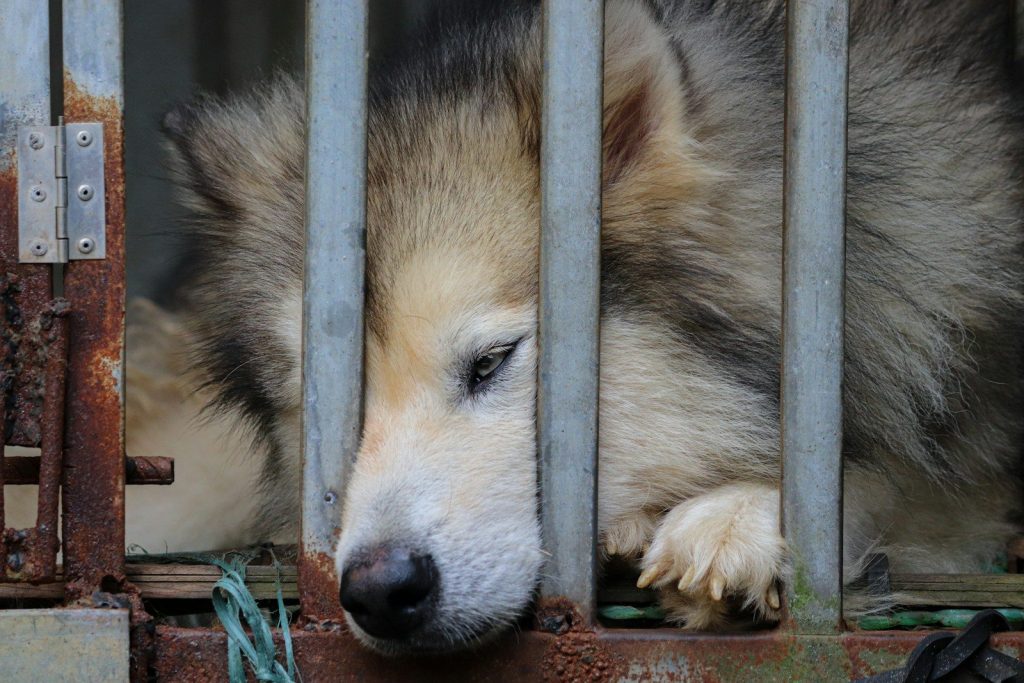
    a dog that is laying down in a cage
    Photo by Nathan Cima on Unsplash

    Many online animal videos focus on entertainment and cuteness. However, the behavior shown in these clips may not tell the full story. Animals can appear calm or amusing while actually experiencing stress or discomfort.

    A 2025 study found that 83 percent of animals featured in funny online videos showed signs of stress. The same study reported that 30 percent were experiencing pain. These findings suggest that viewers may not always recognize the welfare issues behind seemingly harmless content.

    Rescue centers are seeing the impact firsthand
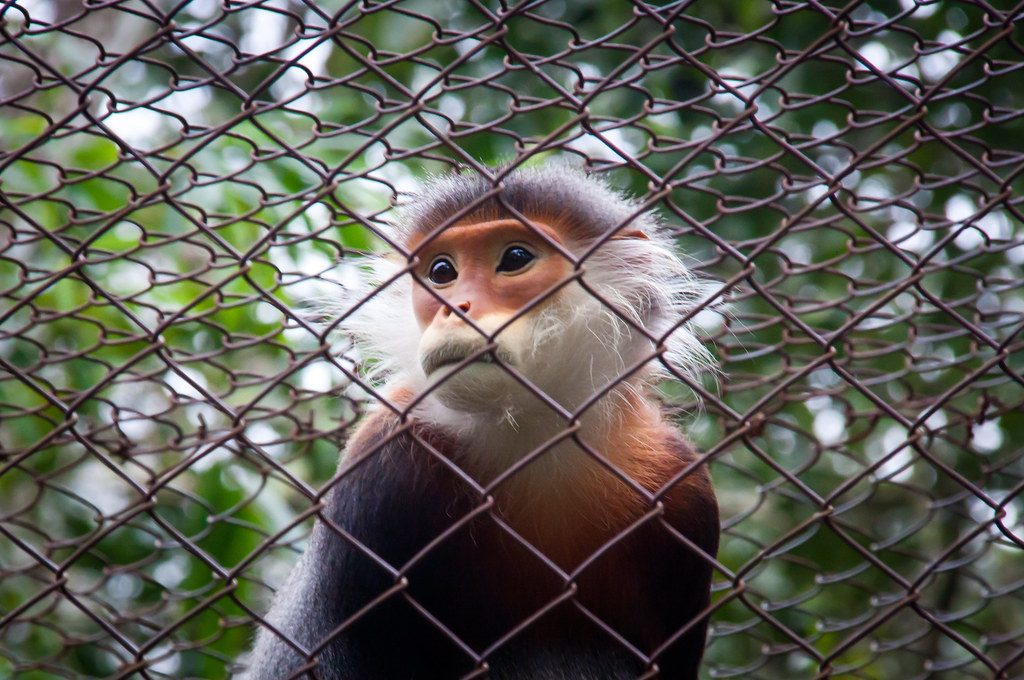
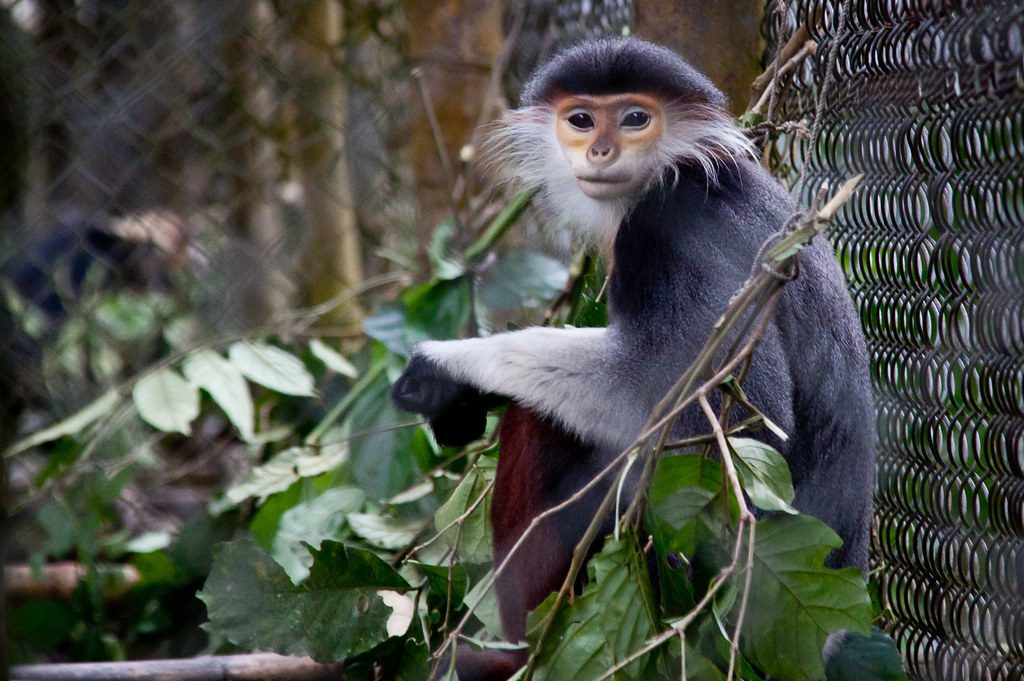
    Grey-Shanked Douc Langur at The Endangered Primate Rescue Center – Cuc Phuong National Park, Vietnam” by ChrisGoldNY is licensed under CC BY-NC 2.0

    Animal rescue organizations have witnessed a sharp increase in cases involving exotic pets. According to Lindsay McKenna of Wildside Exotic Rescue, interest in keeping wild animals as pets has grown significantly over the past decade, driven by social media trends.

    Her sanctuary cares for dozens of species that were once kept as pets. Among the animals rescued were a capybara found on a housing estate, four mountain lions discovered in a Manchester garden, and a monkey kept in a hamster cage and fed inappropriate food.

    Primates present a growing challenge
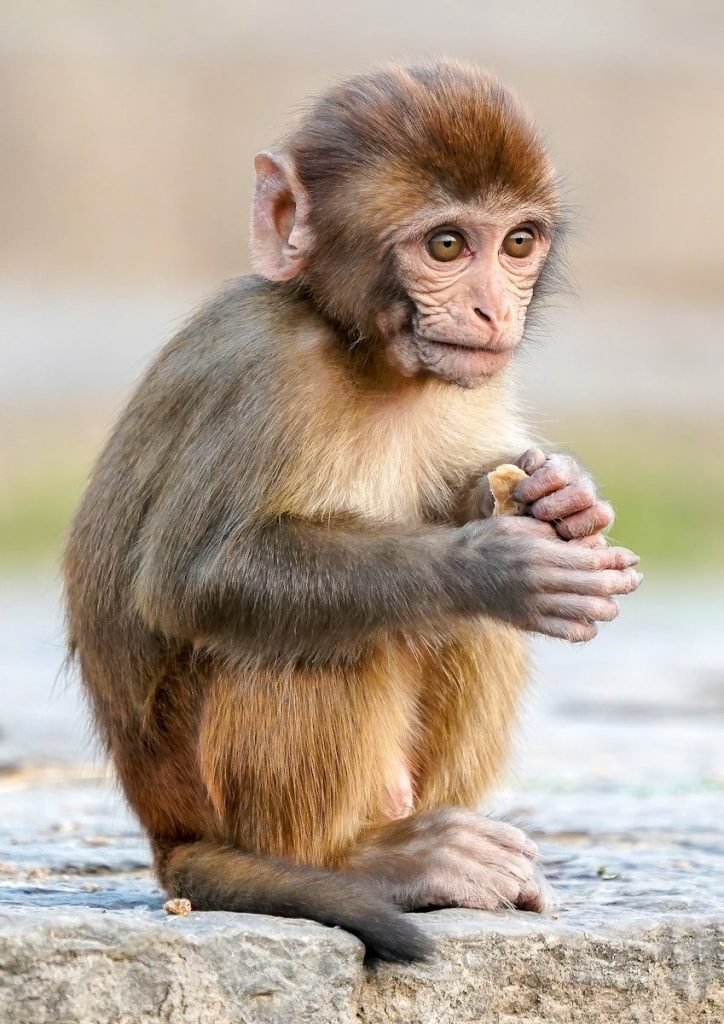
    brown monkey sitting on gray concrete floor during daytime
    Photo by Bob Brewer on Unsplash

    One of the biggest concerns involves primates. Estimates suggest that as many as 5,000 primates may be living in domestic homes across the UK. Many of these animals have complex needs that private owners find difficult to meet.

    A new law now requires a license for keeping primates. However, only a small number of applications have been submitted. Experts worry that some owners may abandon their animals rather than comply with the new requirements, creating additional welfare challenges.

    The debate goes beyond laws and regulations

    people meeting in room
    Photo by Antenna on Unsplash

    The issue of exotic pets raises broader questions about how humans interact with animals. Wild species have evolved to live in specific environments and often possess behaviors that cannot be fully expressed in a domestic setting.

    Animal welfare advocates argue that respecting wild animals means recognizing their unique needs and natural lifestyles. While social media can help people appreciate wildlife, experts warn that admiration should not automatically lead to ownership. Protecting animal welfare may require a greater understanding of what these animals truly need to thrive.
  • How a shark’s eye revealed the oldest vertebrate on Earth

    How a shark’s eye revealed the oldest vertebrate on Earth

    What if a living animal had been swimming through the ocean since before the United States was founded? That idea sounds impossible, but scientists discovered evidence that one Greenland shark may have lived for nearly 400 years. The finding made headlines around the world and changed what researchers thought was possible for vertebrate lifespan.

    By studying a unique protein inside the shark’s eye, scientists uncovered one of the most remarkable age estimates ever recorded for an animal. The research not only revealed the age of the Greenland shark but also provided new clues about aging, survival, and life in some of the coldest waters on Earth.

    A discovery that changed marine science

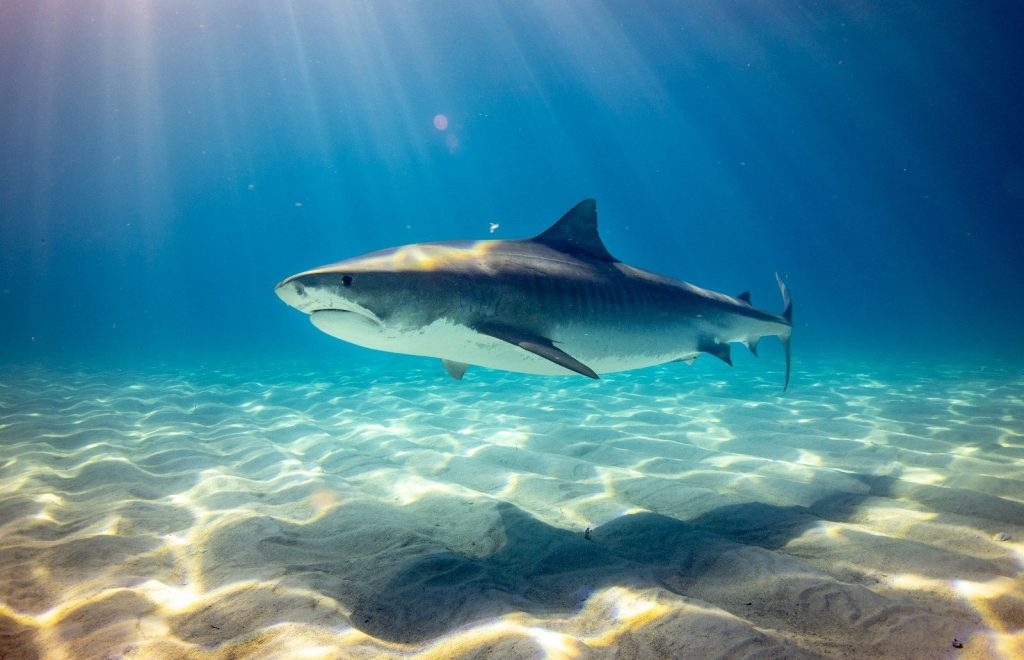
    black shark underwater photo
    Photo by Gerald Schömbs on Unsplash

    The Greenland shark is now recognized as the oldest known vertebrate ever identified by scientists. Researchers estimated that one female shark was about 392 years old, making it older than any other vertebrate with a confirmed age estimate. Even the lowest estimate from the study suggested an age of more than 270 years.

    The discovery came from a study involving 28 female Greenland sharks that were accidentally caught as bycatch in the North Atlantic. Scientists used these specimens to test a dating method that had never been applied to the species on such a large scale. The results pushed the known limits of vertebrate longevity farther than ever before.

    The answer was hidden inside the eye

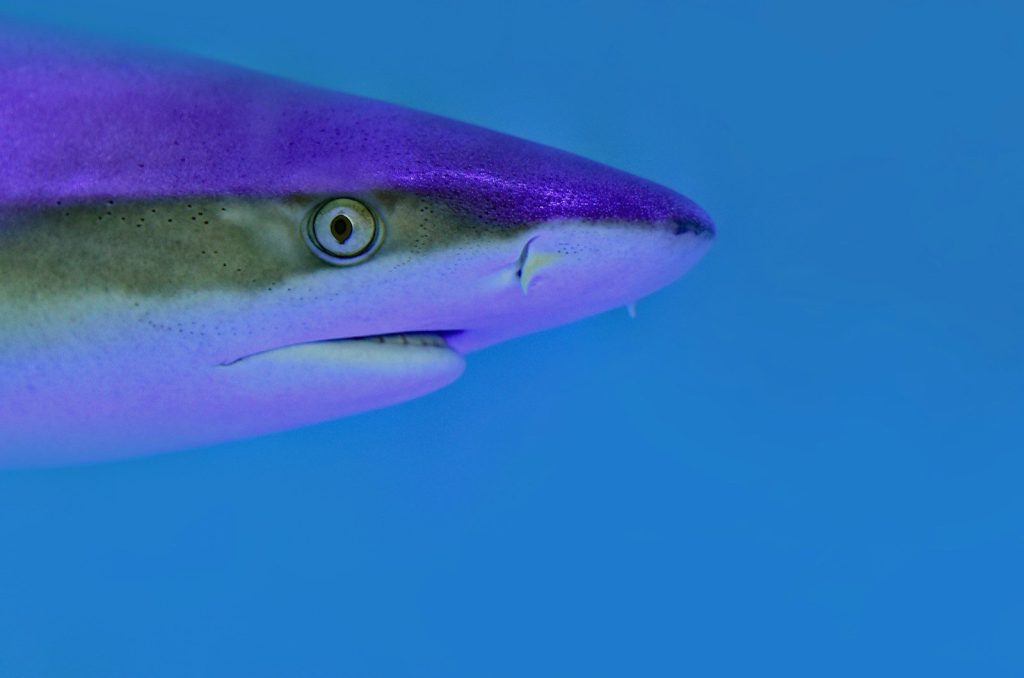
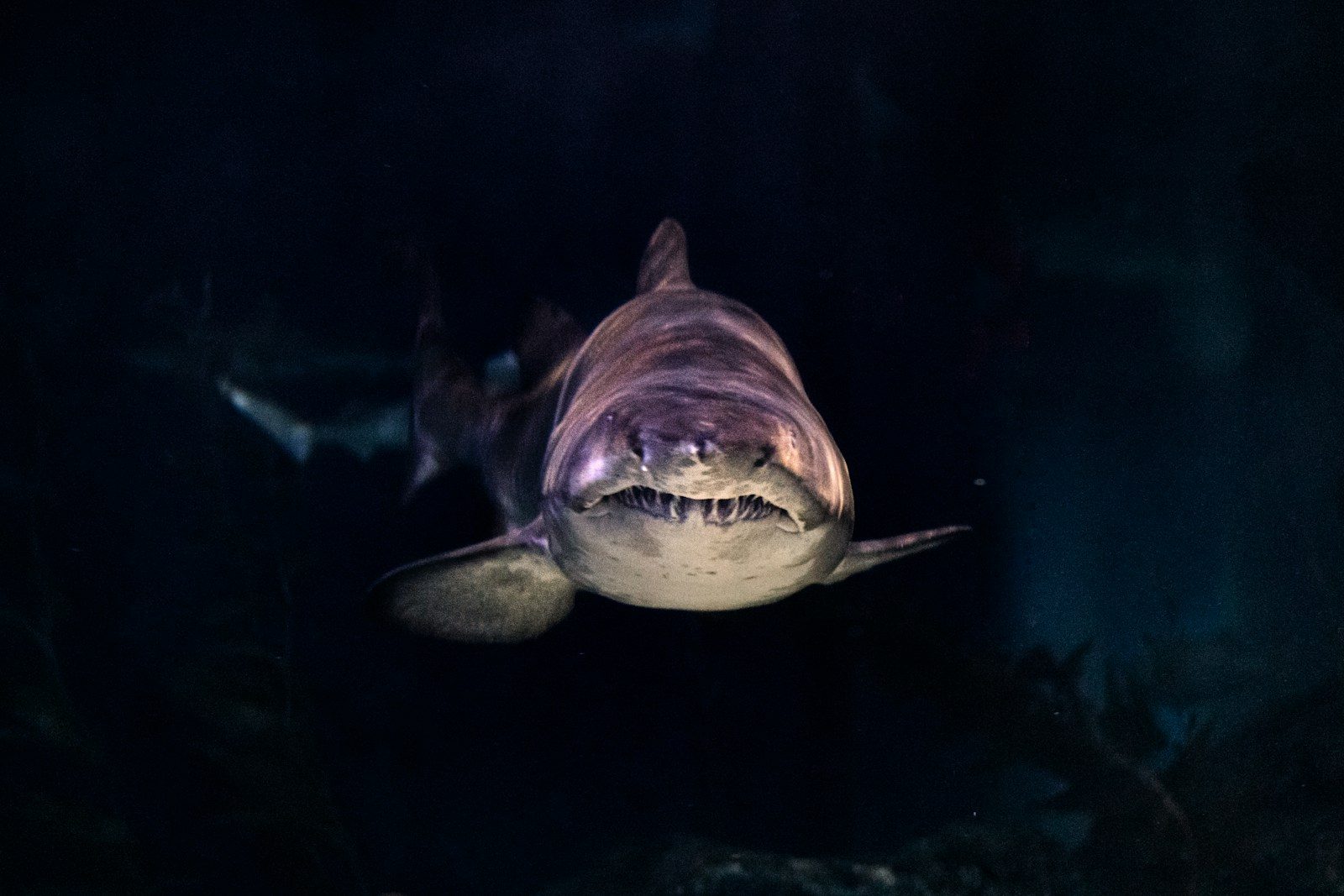
    gray and brown shark
    Photo by David Clode on Unsplash

    Determining the age of a Greenland shark is not easy. Unlike many fish, these sharks do not have hard structures that develop clear growth rings. Their vertebrae are too soft to provide the information researchers normally use to estimate age.

    Scientists instead turned to the shark’s eye lens. Proteins in the center of the eye lens form before birth and remain unchanged throughout the shark’s life. Because these proteins preserve carbon from the environment at the time they formed, researchers were able to use radiocarbon dating to estimate when the shark was born.

    How radiocarbon dating revealed its age

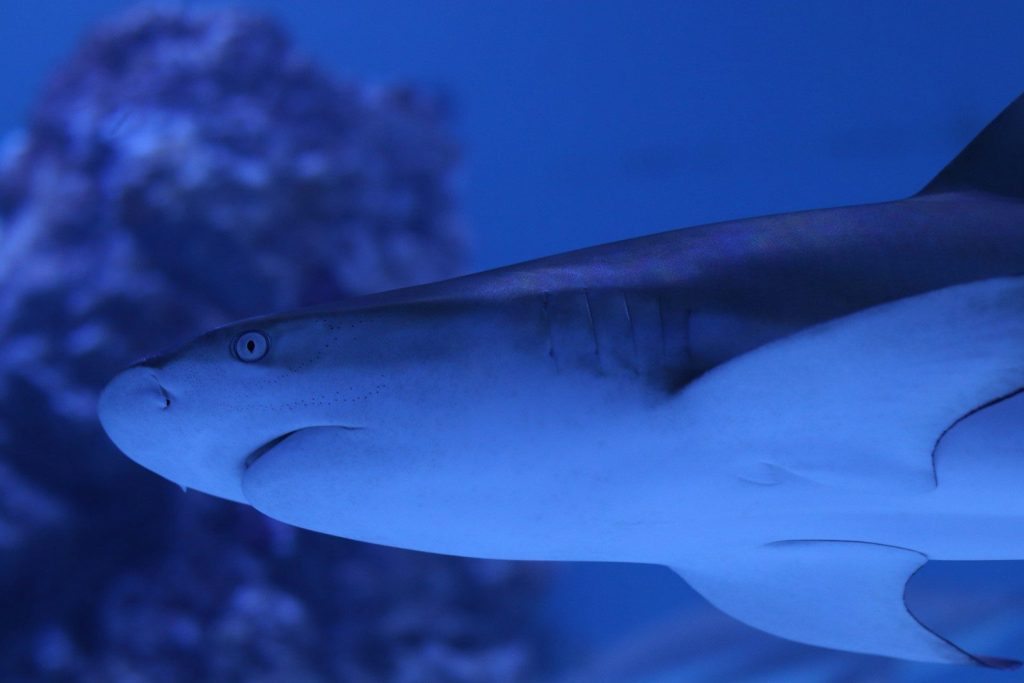
    selective focus photo of gray shark
    Photo by Sven Hornburg on Unsplash

    The dating process focused on the innermost part of the eye lens, which contains the oldest proteins in the shark’s body. Scientists isolated these proteins and analyzed the carbon they contained. Changes in atmospheric carbon levels over time provided a means to estimate the material’s age.

    The largest shark examined in the study measured about five meters long. Radiocarbon analysis estimated its age at 272-512 years, with a central estimate of 392 years. This remarkable result suggested that the shark may have been born in the early seventeenth century.

    Growing up takes more than a century

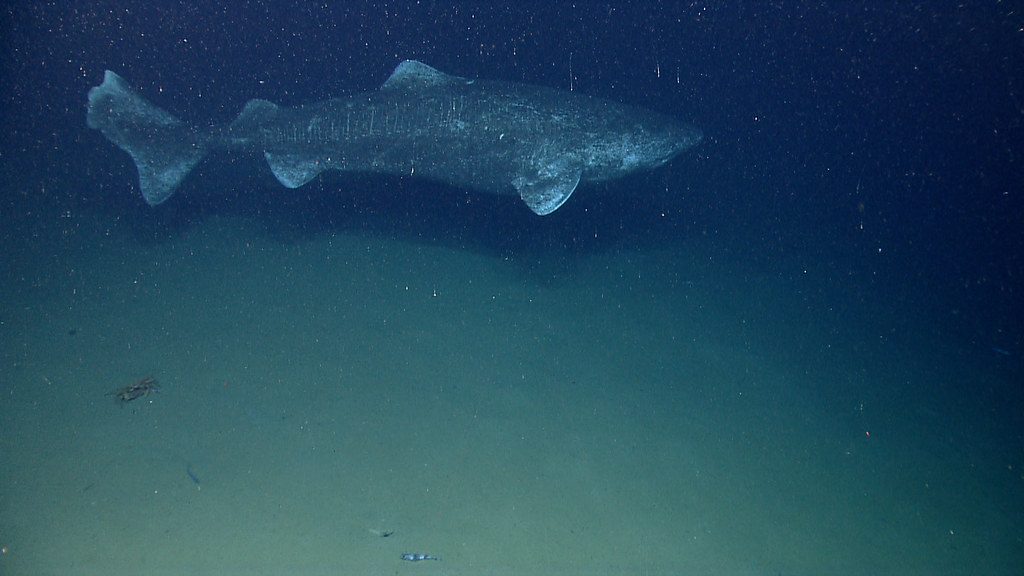
    expl9984” by NOAA Photo Library is licensed under CC BY 2.0

    One of the most surprising findings about Greenland sharks is how slowly they develop. Scientists believe these sharks grow at a rate of less than one centimeter per year. This extremely slow growth contributes to their extraordinary lifespan.

    Researchers also estimate that Greenland sharks do not reach sexual maturity until they are more than 100 years old. That means a shark can spend an entire century growing before it is capable of reproducing. Such a slow life cycle creates major challenges for conservation because populations recover very slowly when mature animals are lost.

    Life in the deep Arctic Ocean

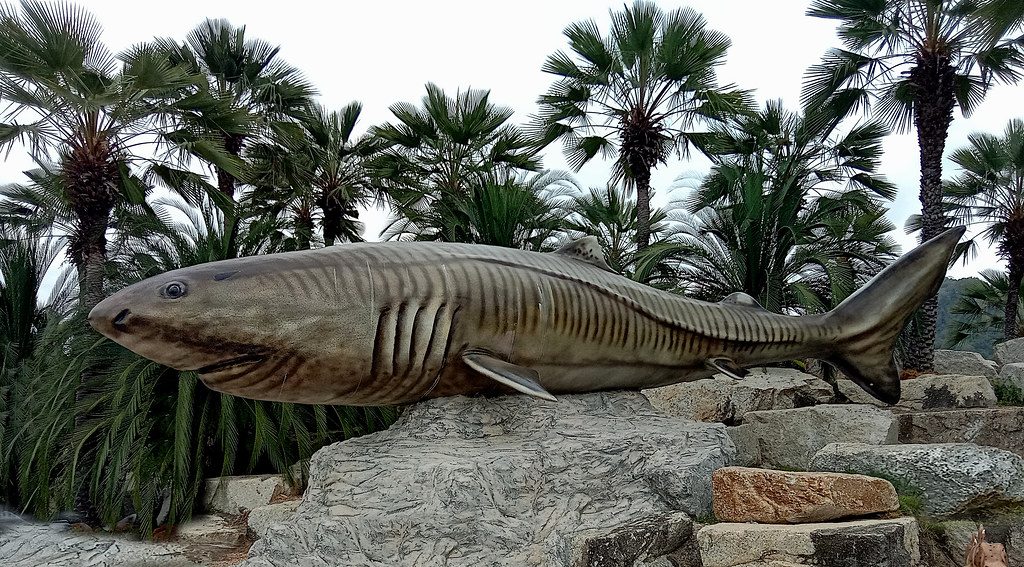
    Shark’s fin peak” by JohnSeb is licensed under CC BY 2.0

    Greenland sharks live in some of the coldest and deepest waters on Earth. They have been recorded at depths of up to 2,200 meters and are the only shark species known to remain in Arctic Ocean waters year-round.

    Scientists believe their cold environment plays an important role in their longevity. The sharks have an extremely slow metabolism, which means many biological processes occur at a reduced pace. This slower rate of activity may help reduce the wear and tear that accumulates in the bodies of faster living animals.

    A giant genome may hold more answers

    Greenland shark” by DocJ96 is licensed under CC BY-NC 2.0

    In 2024, scientists completed the first full genome sequence of the Greenland shark. The genome contains about 6.5 billion base pairs, making it roughly twice the size of the human genome and the largest shark genome sequenced so far.

    Early research suggests the shark may possess especially strong DNA repair mechanisms. Scientists believe these genetic tools could help the animal repair damage that naturally occurs over time. The genome has been made available to researchers worldwide, who continue studying how it may contribute to the shark’s exceptional lifespan.

  • The deadly snake that continues to threaten South America

    The deadly snake that continues to threaten South America

    Have you ever wondered why some snakes are considered more dangerous than others? In South America, one snake stands out because of the serious risks it poses to both animals and people. Known as one of the deadliest snakes in the region, it has earned that reputation through its powerful venom, effective hunting methods, and frequent encounters with humans.

    As people continue to move into areas where this snake lives, the risk of dangerous encounters increases. Understanding how this snake survives, how its venom works, and why it remains a threat can help people better appreciate the risks associated with living near its habitat.

    Why is this snake considered so dangerous

    brown snake on grass
    Photo by Zdeněk Macháček on Unsplash

    The snake is widely regarded as the deadliest in South America because of the severe effects of its venom. Unlike snakes that rely mainly on fear or defensive displays, this species possesses toxins that can quickly cause serious medical problems after a bite. The danger comes not only from the bite itself but also from what happens inside the body afterward.

    Its venom contains powerful compounds that disrupt normal blood clotting and damage tissue. These effects can develop rapidly and may create life-threatening complications if medical care is not provided quickly. The combination of multiple toxic effects is a major reason the snake has gained such a dangerous reputation across the region.

    How the venom affects the body

    brown and black snake in close up photography
    Photo by Hugo Brightling on Unsplash

    When venom enters the body, it begins interfering with important biological processes. One of its most serious effects is the disruption of blood clotting. Blood clotting is a natural function that helps the body control bleeding and repair damaged tissue.

    The venom also causes tissue damage around the area of the bite. This damage can spread and become increasingly severe as the toxins continue to affect surrounding cells. Together, the effects on blood clotting and tissue create a medical emergency that requires immediate attention and treatment.

    The role of camouflage in its survival

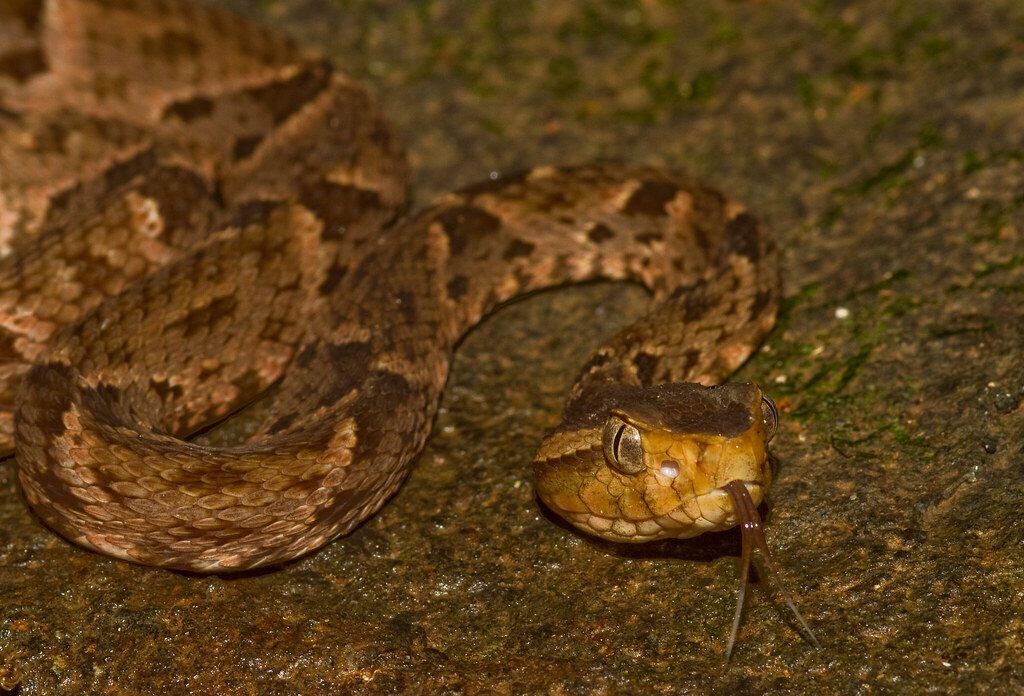
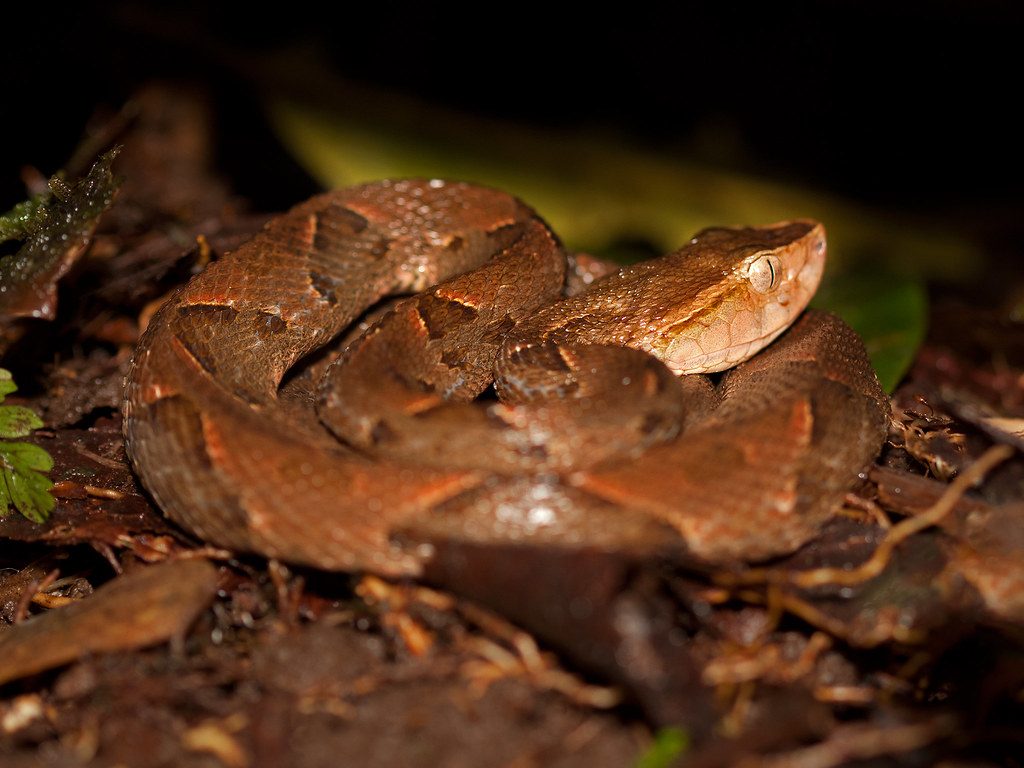
    fer-de-lance” by decapod73 is licensed under CC BY-NC 2.0

    One reason this snake remains so successful is its ability to stay hidden. Rather than actively chasing prey over long distances, it often relies on camouflage to avoid detection. Its appearance helps it blend into its surroundings, making it difficult for both animals and people to notice.

    This natural concealment gives the snake an important advantage. By remaining unseen, it can wait patiently without attracting attention. Many encounters occur because a person simply does not realize the snake is nearby until it is too late to move away safely.

    How ambush tactics increase the risk

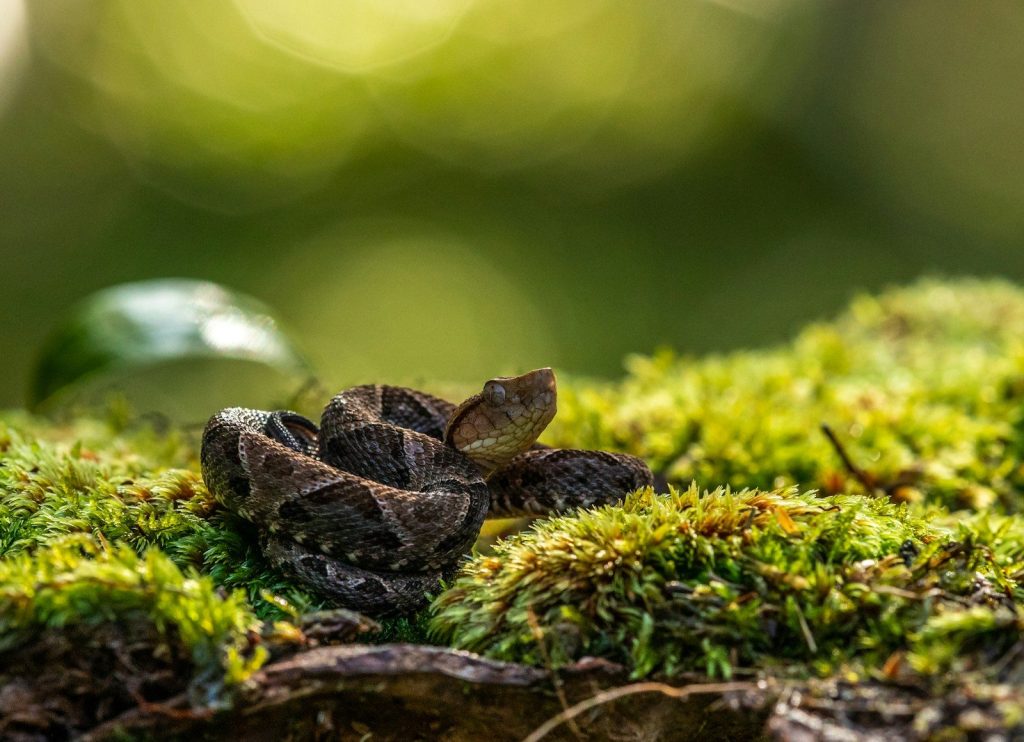
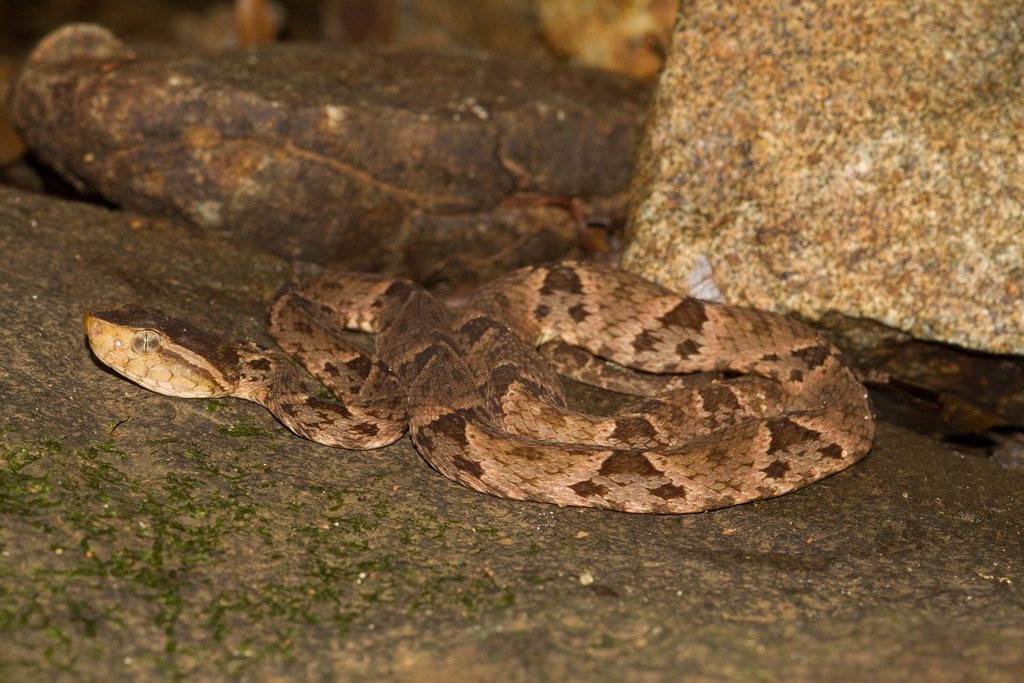
    Fer-de-lance” by Peter Nijenhuis is licensed under CC BY-NC-ND 2.0

    The snake is known for using ambush tactics instead of constant movement. It remains still and waits for an opportunity rather than exposing itself by actively searching for prey. This strategy conserves energy while also increasing the chance of a successful strike.

    For humans, these ambush tactics create additional danger. Because snakes often remain motionless and hidden, people may approach them very closely without realizing it. When the animal feels threatened or surprised, a defensive strike can occur with very little warning, leaving little time to react.

    Why does human expansion create more encounters?

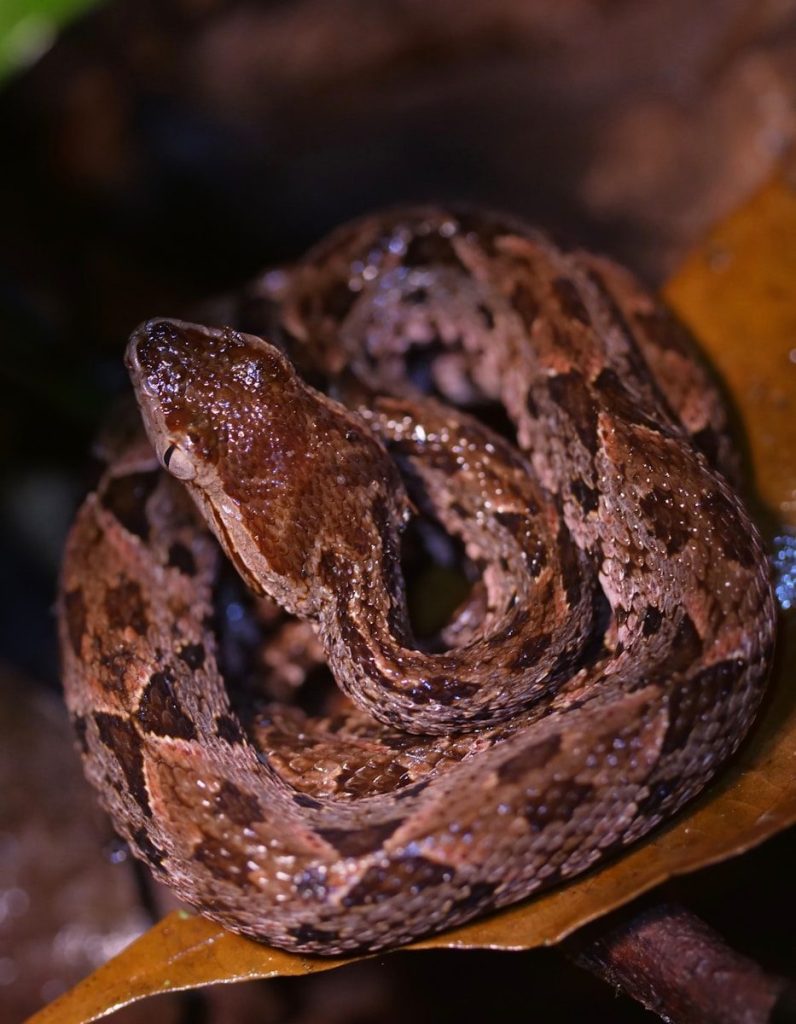
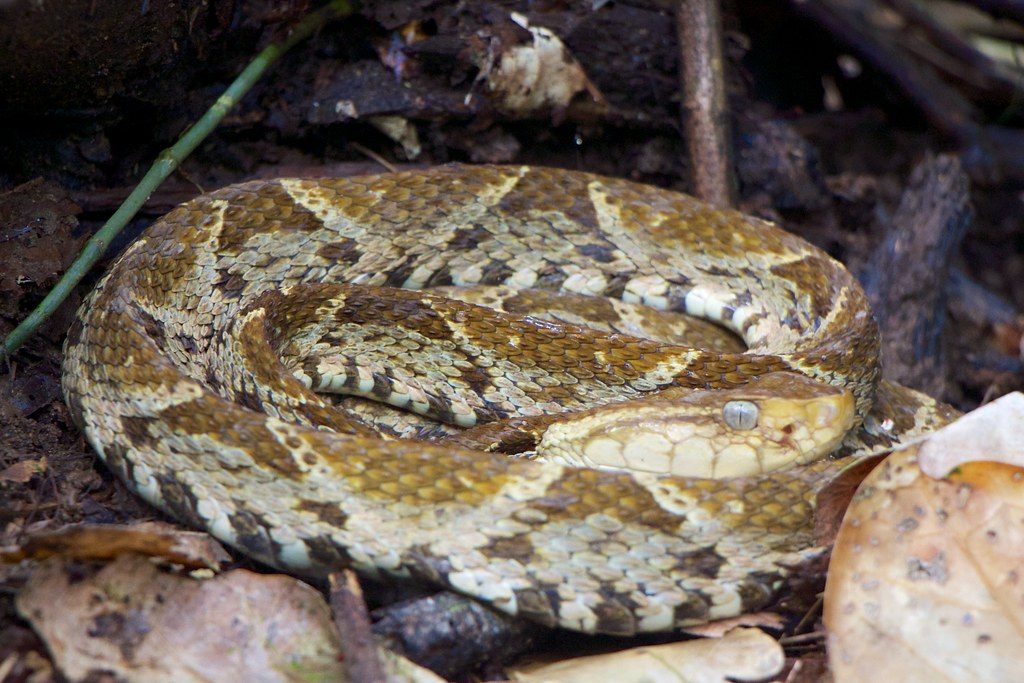
    Fer-de-lance (Bothrops asper)” by brian.gratwicke is licensed under CC BY 2.0

    As human populations grow and development expands into natural areas, people increasingly enter spaces where wildlife already exists. This process brings humans and snakes into closer contact than before. Areas that once had limited human activity may now experience regular movement from residents, workers, or visitors.

    The result is a higher likelihood of accidental encounters. A person walking through an area where the snake lives may unknowingly come within striking distance. Because snakes rely on camouflage and remain hidden, encounters can happen suddenly and unexpectedly.

    The continuing threat across its range

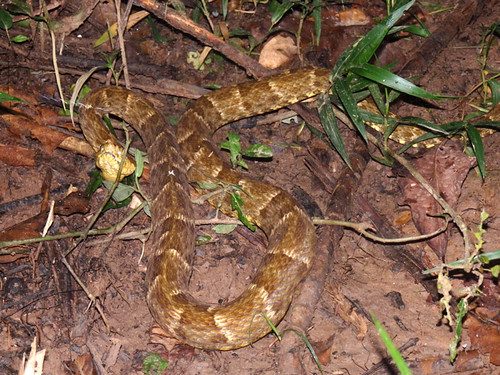
    Bothrops asper (Fer-de-lance)” by ericthehalibut is licensed under CC BY-NC 2.0

    The snake remains a constant threat because several risk factors work together. Its venom is highly dangerous, its camouflage makes it difficult to detect, and its ambush behavior allows it to remain hidden until a potential threat comes close. Each of these traits contributes to its effectiveness as both a predator and a defensive animal.

    In regions where snakes live, even a single misstep can have serious consequences. Limited reaction time means people may have little opportunity to avoid a strike once an encounter occurs. This combination of biological and environmental factors helps explain why the snake remains viewed as one of the most dangerous animals in South America.

  • New travel requirements for certain animals moving from the U.S. to Mexico

    New travel requirements for certain animals moving from the U.S. to Mexico

    Travel plans with pets can be stressful, especially when health concerns lead to sudden rule changes. Recently, many pet owners were worried after restrictions linked to the New World screwworm parasite affected animal exports from the United States to Mexico. The situation created confusion about whether pet dogs could still cross the border.

    Now, there is welcome news for dog owners. Pet dogs can once again travel from the U.S. to Mexico under the same procedures that were in place before the temporary restriction. This article explains what changed, why officials acted, and what pet owners should know about the ongoing effort to stop the spread of screwworm.

    Why did officials take action against screwworm?

    Screwworm – Cochliomyia hominivorax, Key Deer National Refuge, Big Pine Key, Florida” by Judy Gallagher is licensed under CC BY 2.0

    The New World screwworm is a dangerous parasite that feeds on the flesh of animals. It can cause serious injuries and, in some cases, can be fatal if not treated quickly. Because of the threat it poses to livestock and other animals, officials moved quickly after cases were detected in the United States.

    To help prevent the parasite from spreading, authorities temporarily restricted the export of several animals from the U.S. to Mexico. The list included cattle, horses, sheep, goats, and ferrets. The goal was to reduce the risk of infected animals carrying the parasite across borders while officials worked to contain the problem.

    Pet dogs are no longer included in restrictions

    Shetland Sheepdog” by Shames Privacy is licensed under CC BY 2.0

    When the export restrictions were first announced, pet dogs were also included on the list of animals that could not be exported to Mexico. This created concern for many families planning travel with their pets. Dog owners wanted to know whether their pets would be allowed to cross the border.

    The USDA’s Animal and Plant Health Inspection Service later updated its guidance. According to the revised rules, pet dog travel to Mexico can now continue under the procedures that existed before the temporary restriction. This change means owners can once again make travel plans without facing the earlier limitation placed on pet dogs.

    Current rules for dogs entering the United States

    Champion Bichons Frises playing showdoggy for the camera” by Al_HikesAZ is licensed under CC BY-NC 2.0

    Although pet dogs can travel from the U.S. to Mexico again, different requirements apply when dogs are entering the United States from countries affected by screwworm. Mexico is one of the countries where these special precautions are in place.

    Dogs coming to the U.S. from a screwworm-affected country must meet strict entry requirements. One key requirement is certification from a veterinarian. The veterinarian must inspect the animal and confirm that it shows no signs of screwworm infestation before the dog can enter the country.

    Confirmed screwworm cases in the United States

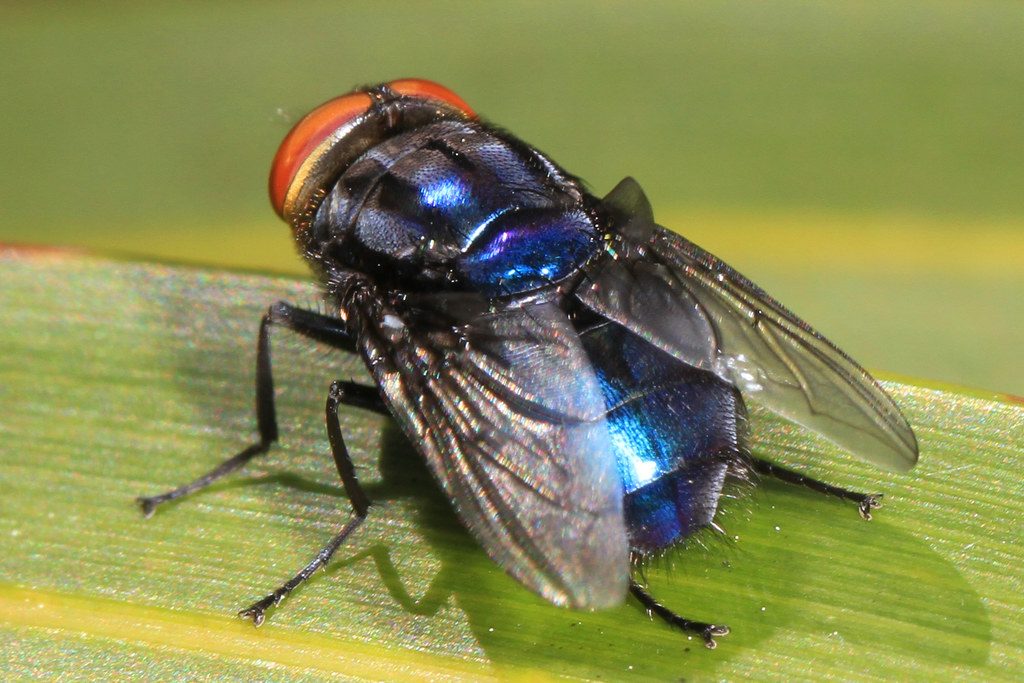
    Secondary screwworm fly” by K Schneider is licensed under CC BY-NC 2.0

    As of Wednesday, the United States had six confirmed cases of screwworm. These cases involved multiple animals and showed why officials remain focused on preventing the parasite from spreading further.

    One infected dog was identified in Lea County, New Mexico. The remaining confirmed cases involved cattle and a goat in Texas. The presence of these cases has increased efforts to monitor animals and respond quickly whenever new infections are found.

    Efforts to stop the parasite from spreading

    Secondary Screwworm – Cochliomyia macellaria, Julie Metz Wetlands, Woodbridge, Virginia” by Judy Gallagher is licensed under CC BY 2.0

    Federal officials have said they are actively working to contain the parasite. Agriculture Secretary Brooke Rollins stated that teams are already working in affected areas to stop further spread. These efforts are part of a broader strategy to protect animals and the agricultural industry.

    The government plans to invest more than one billion dollars in the fight against screwworm. Officials hope to push the pest back into Mexico and eventually eliminate it, similar to successful eradication efforts carried out decades ago. The focus remains on preventing a larger outbreak that could severely affect livestock populations.

    What animal owners should watch for

    Pet owner training 101: #hotpetsnotcool” by BC Gov Photos is licensed under CC BY-NC-ND 2.0

    Animal owners play an important role in identifying possible infections early. Officials advise owners to pay close attention to wounds that continue draining, become larger, or fail to heal properly. These signs may indicate a potential screwworm problem.

    Other warning signs include visible maggots, egg masses, unusual discomfort, and lesions around body openings. Anyone who suspects an infection should contact a veterinarian, a state animal health official, or the USDA immediately. While humans can also become infected, officials stress that the U.S. food supply remains safe because screwworm does not infest meat, fruits, vegetables, or other food products.

  • 6 animals once believed extinct that were later found alive

    6 animals once believed extinct that were later found alive

    Imagine believing an animal vanished forever, only to discover it is still alive years, decades, or even millions of years later. These remarkable creatures are often called “Lazarus animals” because they seem to return from the brink of extinction. Scientists sometimes declare a species extinct when it has not been seen for a very long time, but nature can still surprise us.

    Some animals survive in remote habitats, hidden from human eyes. This article explores six fascinating animals once thought extinct but later rediscovered, how they were rediscovered, and why many of them still need protection to survive in the future.

    Australian night parrot made a surprising return

    a bird sitting on a branch
    Photo by Gabriel Miklós on Unsplash

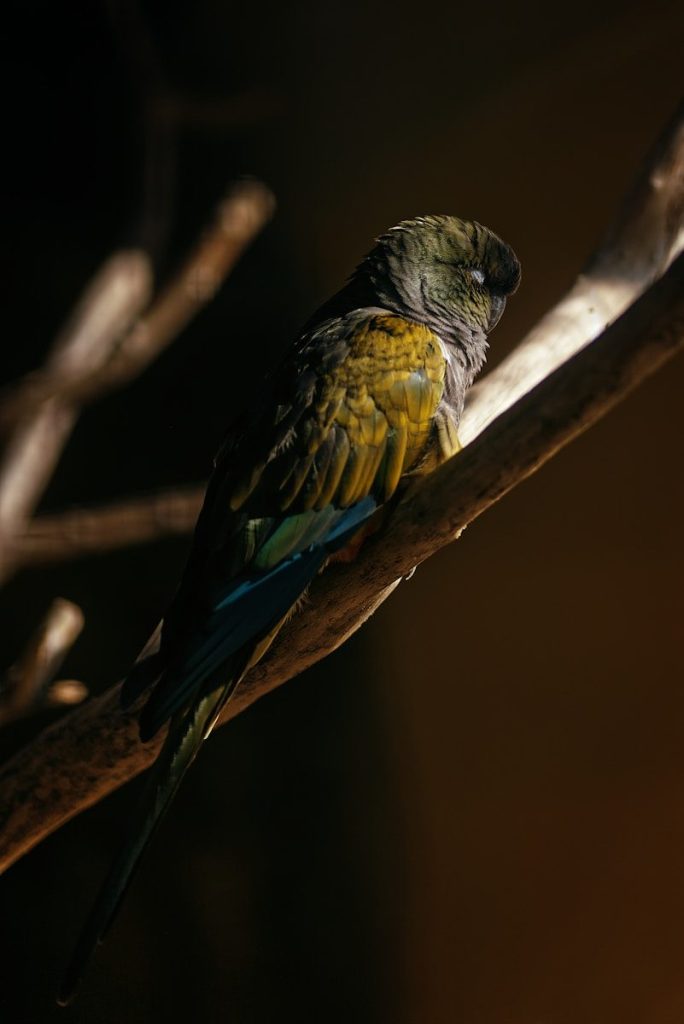
    The Australian night parrot disappeared from scientific records in 1912. For many years, experts believed that introduced predators such as cats and foxes had greatly reduced its population. The bird became one of Australia’s greatest wildlife mysteries.

    In 2013, naturalist John Young photographed a live Australian night parrot after spending 15 years searching for it. The rediscovery happened about a century after the bird was last officially recorded. Although some evidence later came under scrutiny, the species is still recognized as living and remains endangered.

    Coelacanth shocked the scientific world

    grey fish on blue textile
    Photo by David Clode on Unsplash

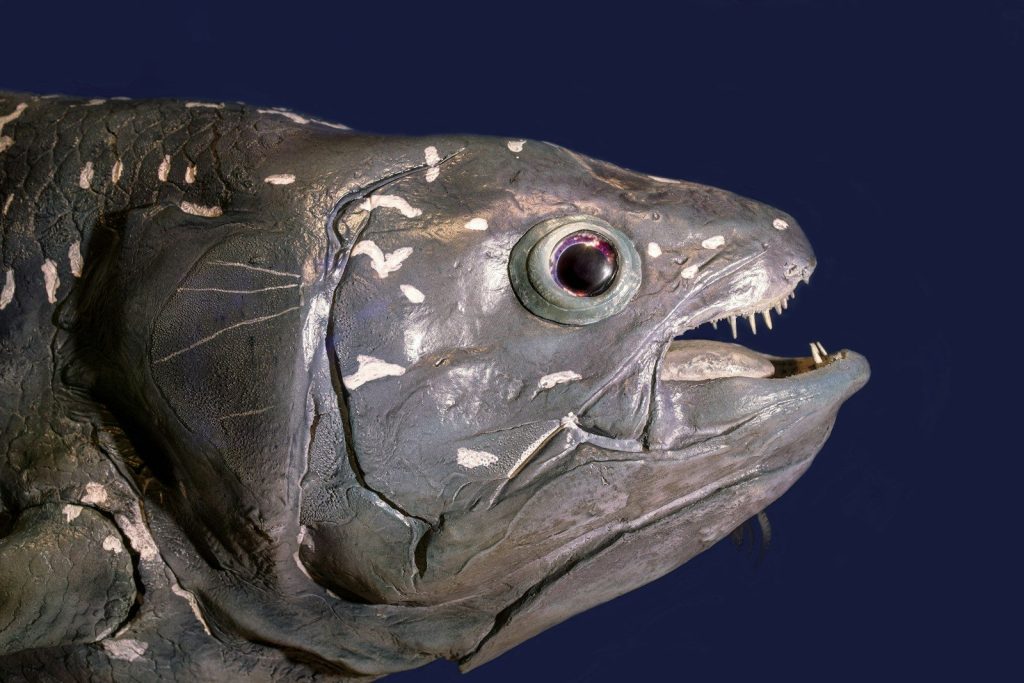
    The coelacanth was once believed to have disappeared around 65 million years ago, along with the dinosaurs. Scientists knew the fish only from fossils and thought it had been extinct for millions of years.

    Everything changed in 1938 when a living coelacanth was caught off the coast of South Africa. Another species was later discovered near Indonesia in 1998. These discoveries amazed researchers because the fish represents an ancient group linked to the evolution of land animals.

    The New Guinea big-eared bat avoided detection

    Healthy Virginia big-eared bat” by U. S. Fish and Wildlife Service – Northeast Region is licensed under CC PDM 1.0

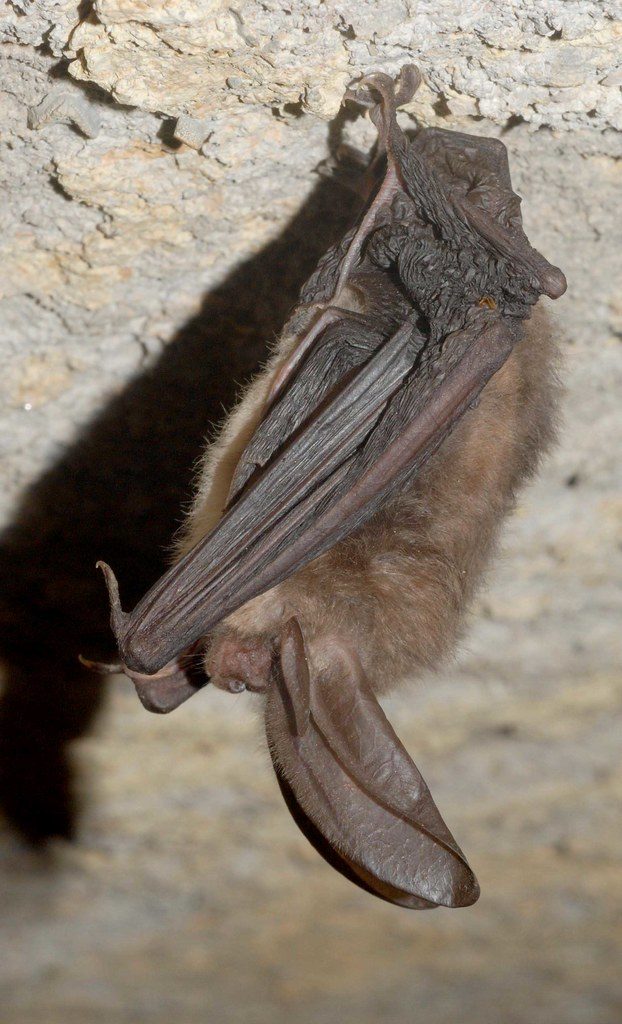
    The New Guinea big-eared bat was first observed in 1890 and then seemed to vanish. Because it closely resembles other bat species, it remained hidden from researchers for many decades.

    In 2012, scientists studying the impacts of logging accidentally captured a female bat. Two years later, an expert confirmed it was the long-lost New Guinea big-eared bat. Today, habitat loss from logging continues to threaten the species, and it is considered critically endangered.

    Cuban solenodon escaped extinction

    Cuban Solenodon” by flickkerphotos is licensed under CC BY-NC-ND 2.0

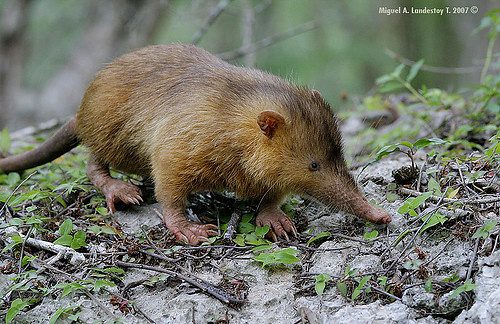
    The Cuban solenodon is a small nocturnal mammal that hunts insects in Cuba’s mountain regions. It is especially unusual because it is one of the few venomous mammals in the world.

    Scientists declared the species extinct in 1970, but researchers found living individuals just four years later. Despite this rediscovery, the Cuban solenodon remains endangered because habitat loss and invasive predators continue to put pressure on its population.

    The Fernandina Island tortoise reappeared after a century

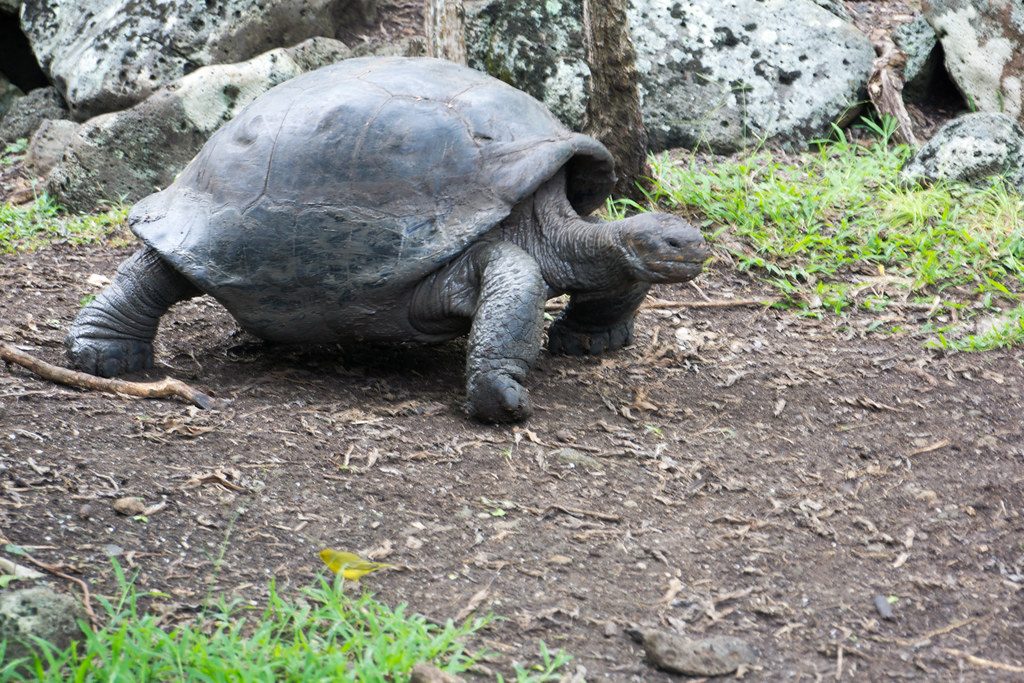
    June 11 Fernandina Island Tortoise at full speed” by Phillip Marsh is licensed under CC BY-NC-ND 2.0

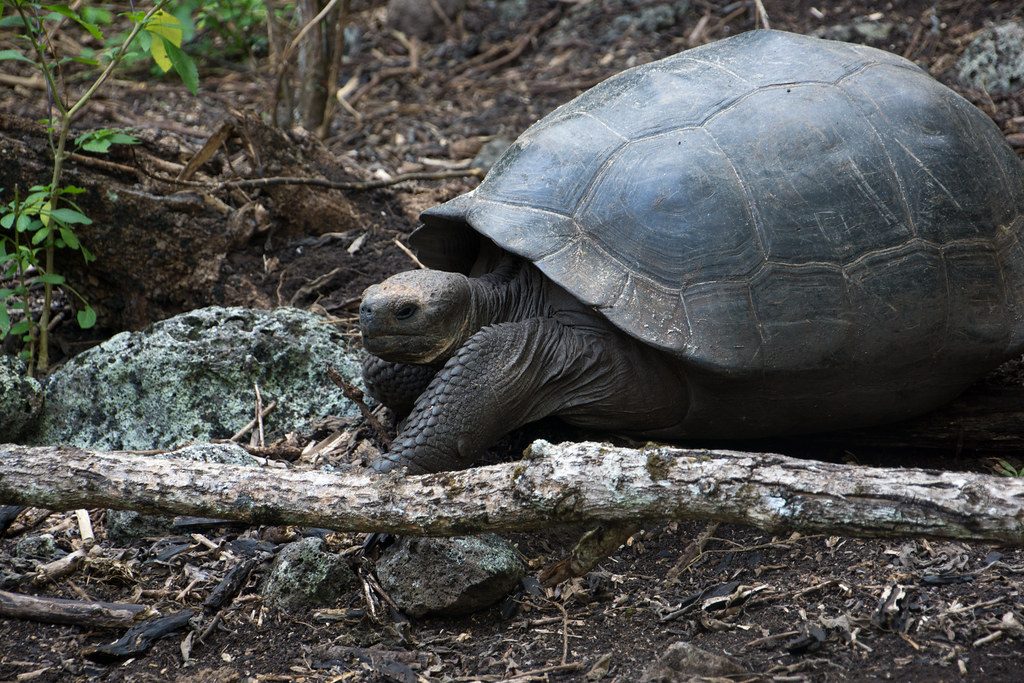
    The Fernandina Island tortoise was believed extinct for about 100 years. Only one specimen had been found in 1906, leading many people to think the species had disappeared forever.

    In 2019, a living female tortoise was discovered on Fernandina Island in the Galapagos. Researchers also found tracks and droppings suggesting that other tortoises may still exist on the island. Genetic research later confirmed the female was related to the original specimen found more than a century earlier.

    Cross River gorilla offers hope for recovery

    gorilla sitting on green grass during daytime
    Photo by Simone Scholten on Unsplash

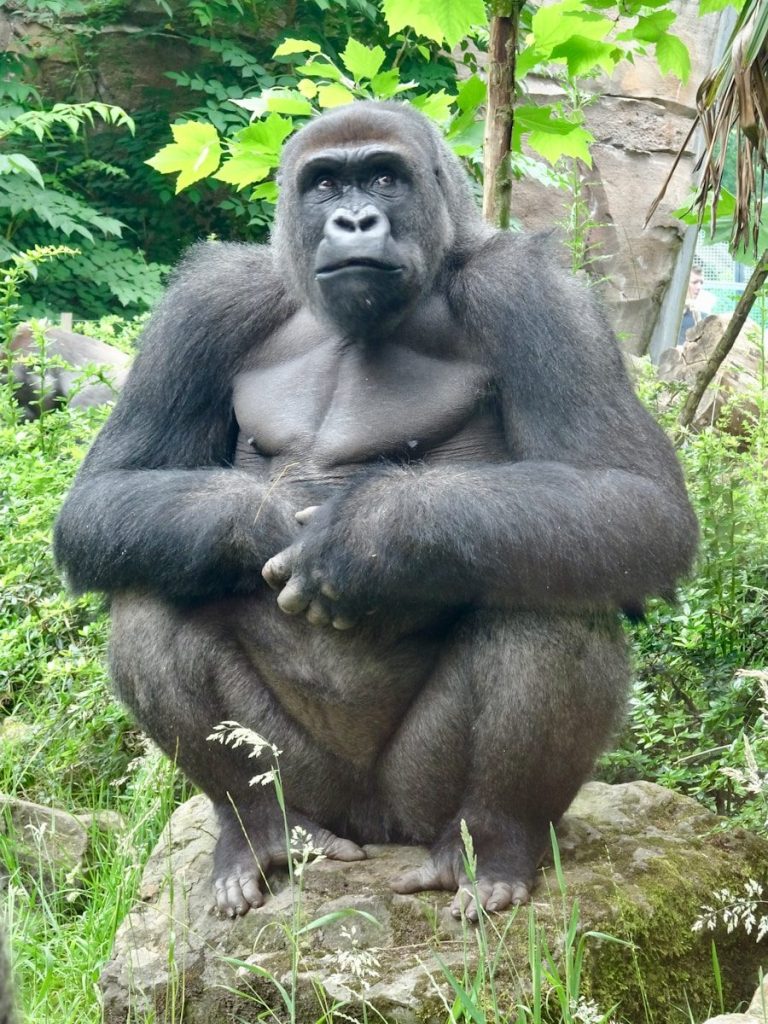
    The Cross River gorilla is one of the rarest gorilla populations in the world. After being identified in 1904, it received little scientific attention and was later believed to be extinct.

    A small population was rediscovered in 1987, and in 2009, conservationists obtained photographs of family groups with young gorillas. With only about 200 to 300 individuals remaining, the species is still critically endangered, but protected areas offer hope for its future survival.

  • Unusual animal spotted in Central Texas turns out to be a rare coatimundi

    Unusual animal spotted in Central Texas turns out to be a rare coatimundi

    Most people expect to see dogs, cats, or even deer wandering through their neighborhoods. A coatimundi, however, is a much rarer sight. That is exactly what happened in Central Texas when a white-nosed coati unexpectedly appeared near a local sheriff’s office.

    The unusual animal quickly caught the attention of deputies and local residents, many of whom had never seen one before. Known for its long snout and distinctive ringed tail, the coatimundi is a rare mammal in Texas. This surprising encounter highlights the species’ unusual status in the state and offers a closer look at one of Texas’s most interesting animals.

    An unexpected visitor in Central Texas

    Coatimundi” by Travis S. is licensed under CC BY-NC 2.0

    Deputies with the Comal County Sheriff’s Office received an unusual visitor when a coatimundi was found near the intersection of Highway 46 and Vintage Oaks. The sighting quickly became a topic of conversation because the animal is rarely seen in the area.

    A TikTok video appeared to show the same animal wandering near Canyon Lake before it was found by authorities. The unusual appearance of the coatimundi left many people curious about what they were seeing.

    What is a coatimundi?

    a small animal standing on top of a leaf covered road
    Photo by Christian Holzinger on Unsplash

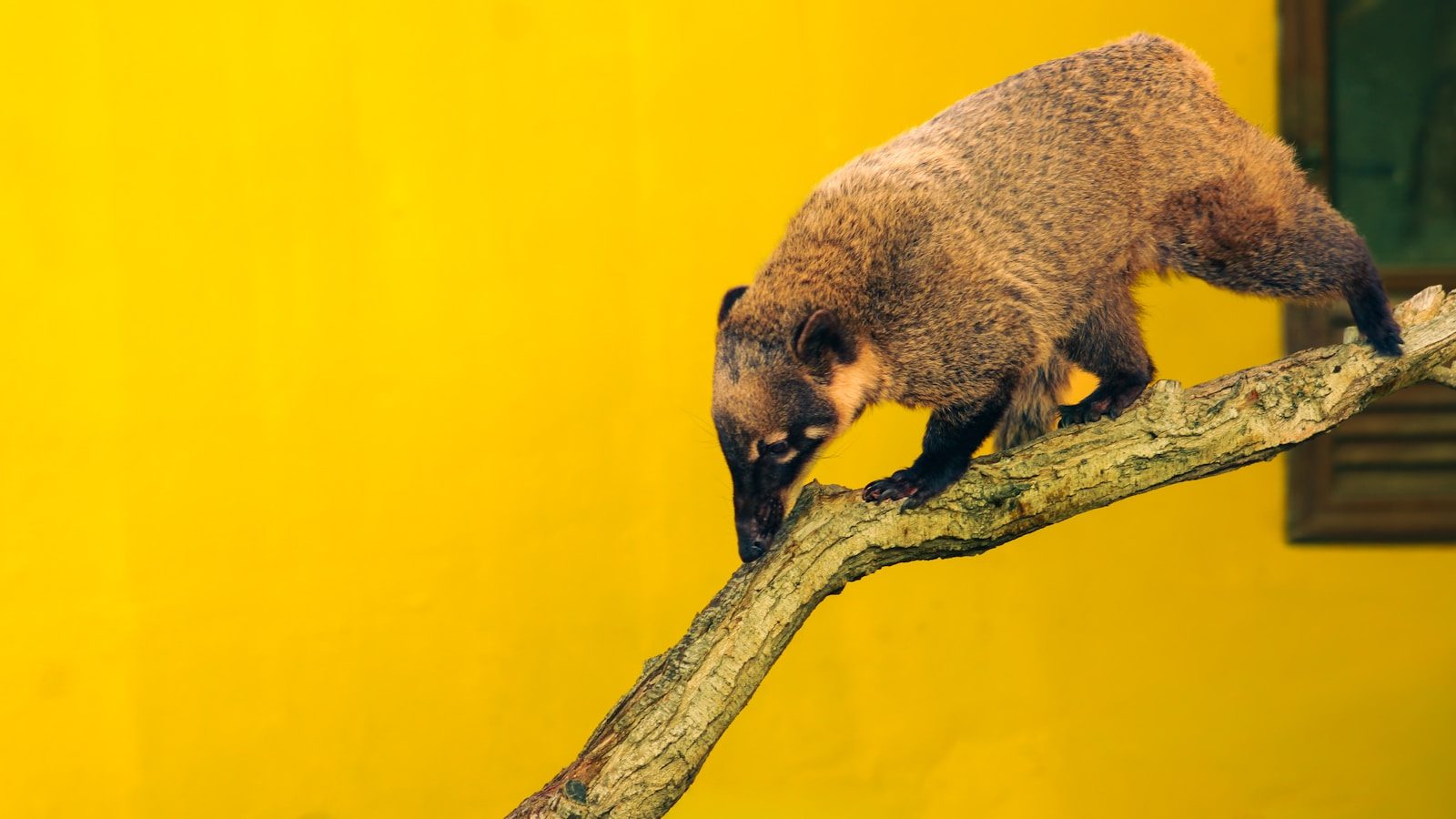
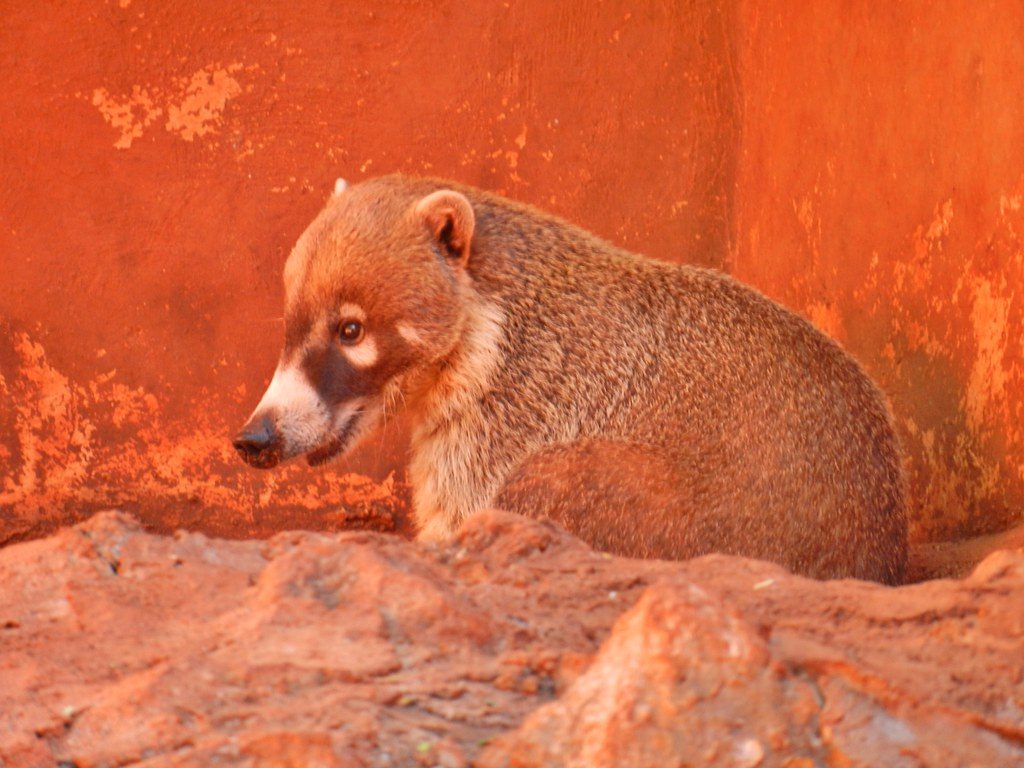
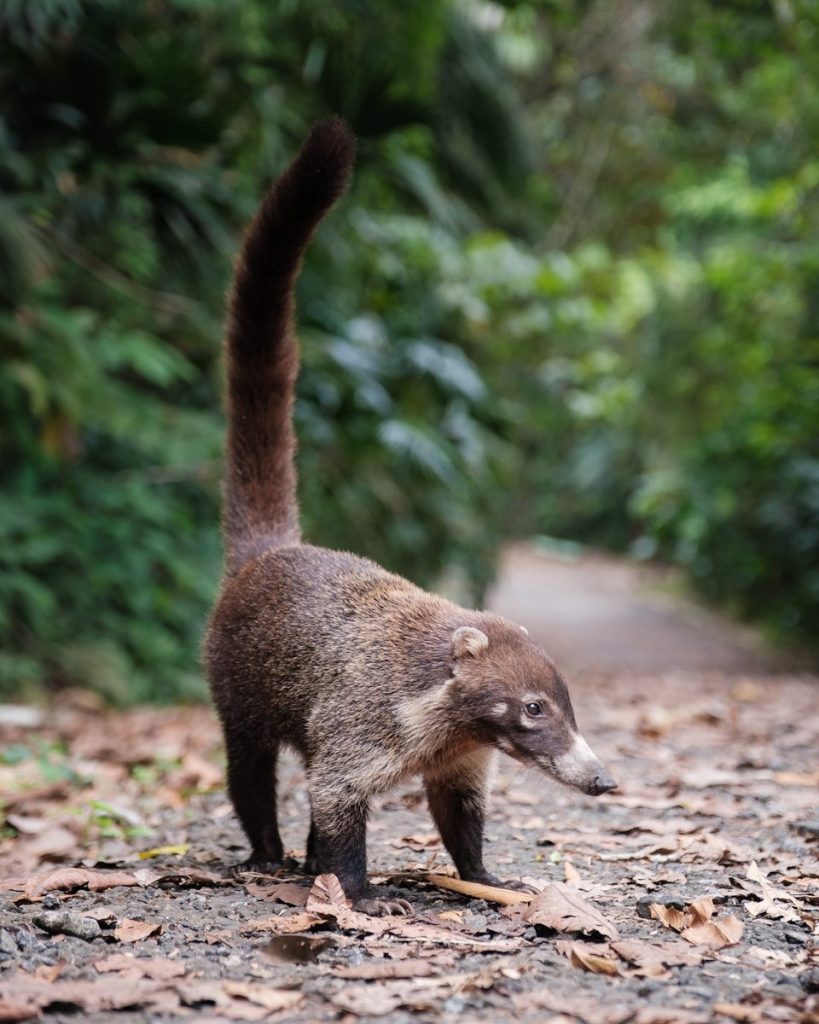
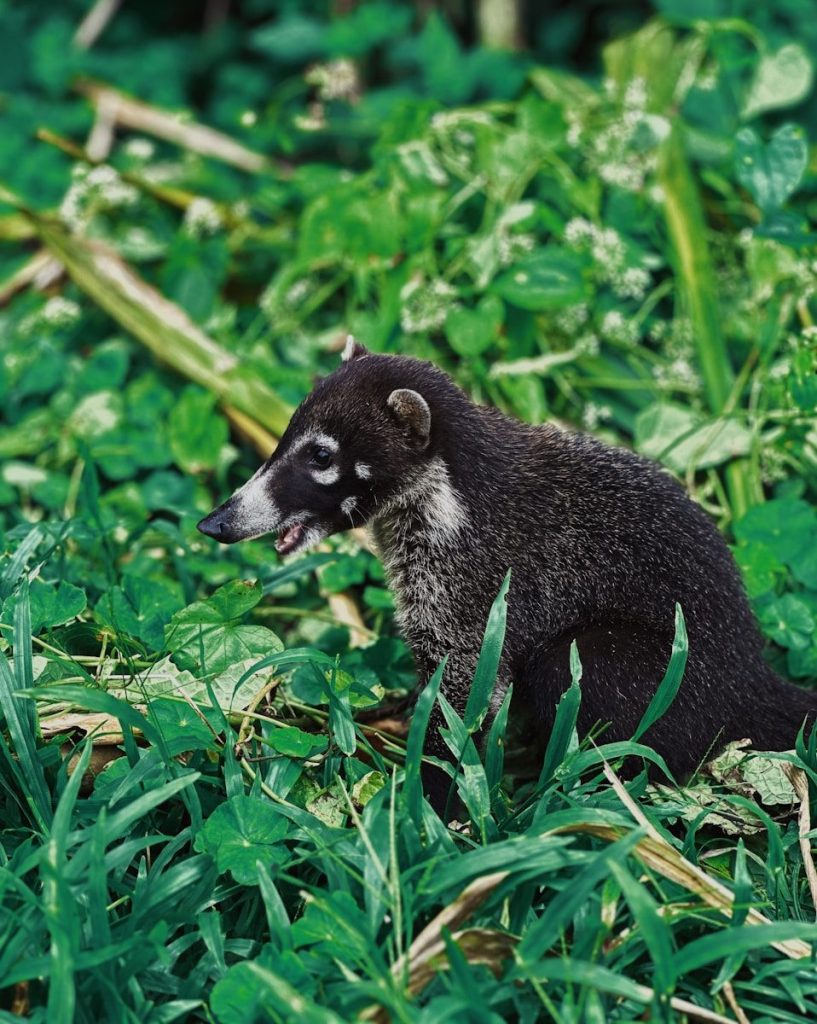
    A coatimundi, also known as a white-nosed coati, is a member of the raccoon family. It is easily recognized by its long snout, ringed tail, and agile movements.

    Unlike many small mammals that are most active at night, coatis are active during the day. They use their long tails to help maintain balance while climbing trees and moving through thick vegetation.

    Why are coatimundis rare in Texas?

    a small animal walking through a lush green forest
    Photo by Elias Kipfer on Unsplash

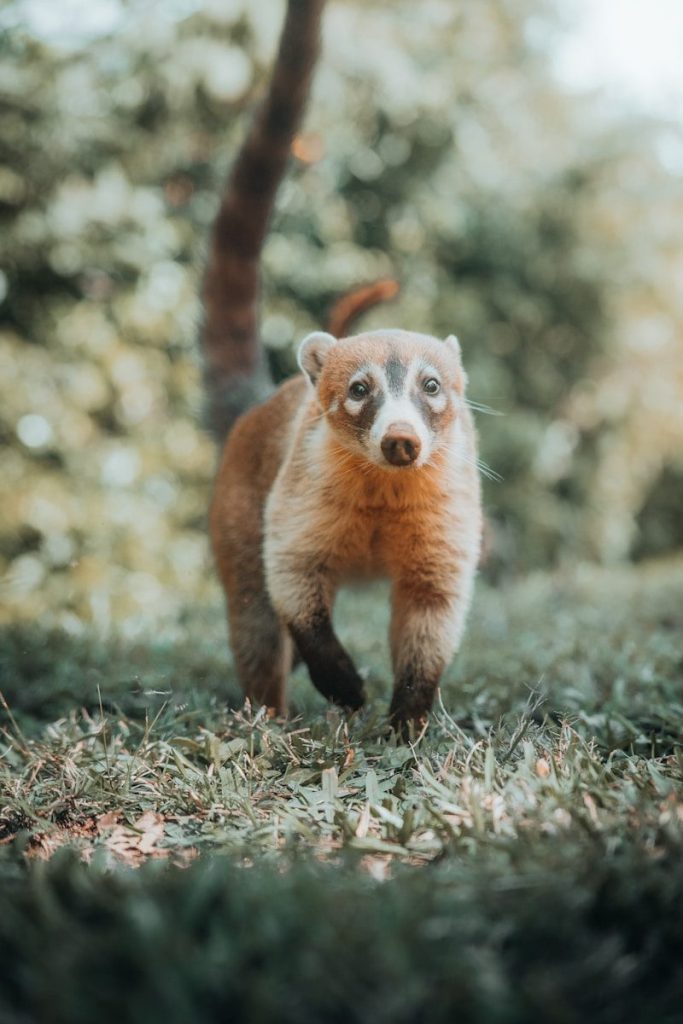
    White-nosed coatis are considered rare in Texas and are listed as a threatened species by the Texas Parks and Wildlife Department. Although they are not federally listed as threatened, they remain uncommon throughout much of the state.

    Historically, coatimundis ranged across parts of South and West Texas. Their habitat once stretched from the Brownsville area to the Big Bend region and extended east toward Kerr and Victoria counties.

    Habitat loss and recent sightings

    brown animal standing in front of human during daytime
    Photo by Vinicius Bringel on Unsplash

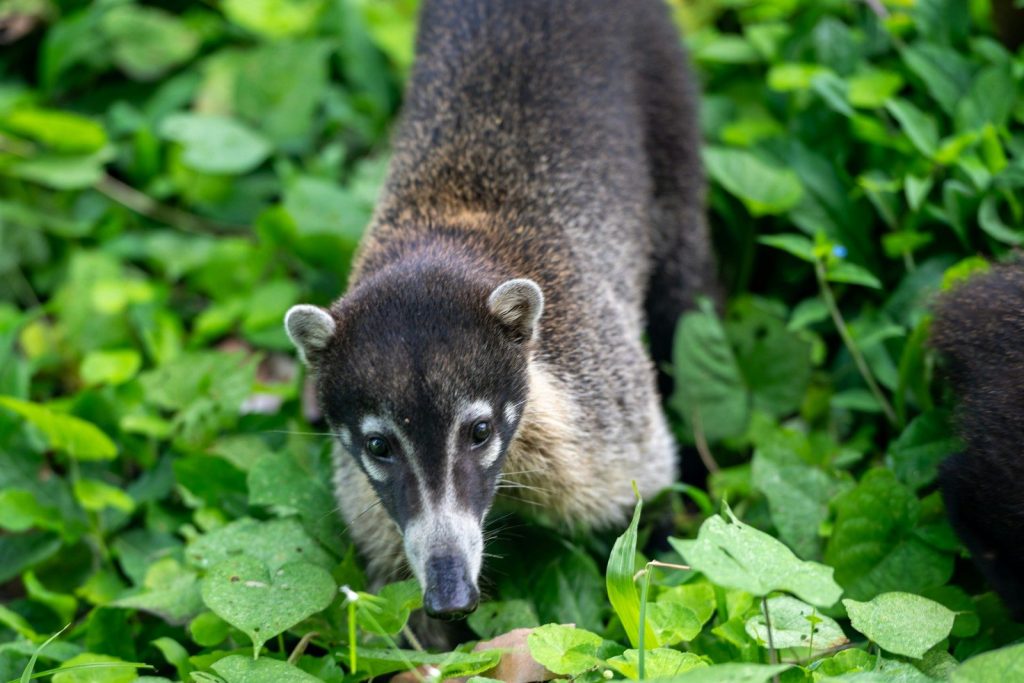
    Wildlife experts believe habitat loss in southern Texas has contributed to declining populations over time. Changes to the landscape have reduced some of the areas where these animals traditionally lived.

    However, more recent sightings in locations such as Big Bend and Padre Island have provided reasons for optimism. These observations suggest that some populations may still be present in areas where they were once more common.

    Protected but sometimes kept as pets

    a close up of a small animal in a field of grass
    Photo by Daniel Ingersoll on Unsplash

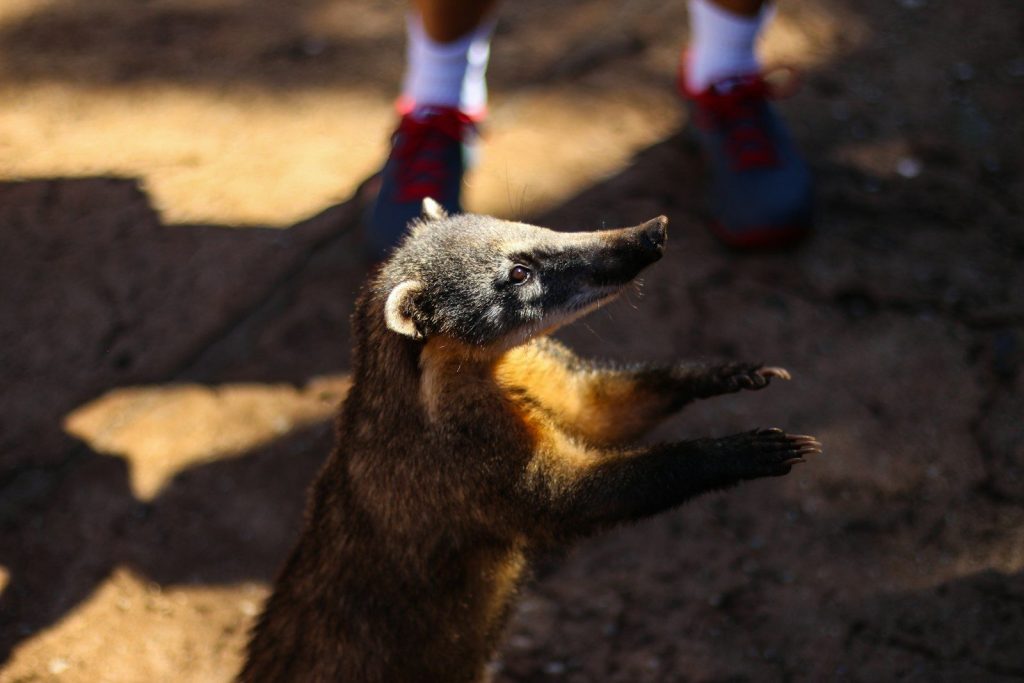
    Although coatimundis are protected in Texas, they can be kept as pets when owners obtain the required permits. Their unusual appearance and curious behavior make them attractive to some exotic animal enthusiasts.

    Not every community allows them as pets. Some cities, including San Antonio, have restrictions that prohibit residents from keeping coatimundis. Regulations vary depending on local laws and wildlife policies.

    The mystery is quickly solved

    a small black and white animal sitting in the grass
    Photo by Pavel Nekoranec on Unsplash

    The coatimundi’s unexpected visit did not remain a mystery for long. After sharing information about the animal on social media, the sheriff’s office quickly received help from the community.

    Within an hour of posting about the animal, authorities located its owners. The sheriff’s office later announced that the owners were on their way to retrieve the wandering visitor, bringing the unusual encounter to a happy conclusion.

  • A single kick may have killed one of the Outer Banks’ most beloved wild horses

    A single kick may have killed one of the Outer Banks’ most beloved wild horses

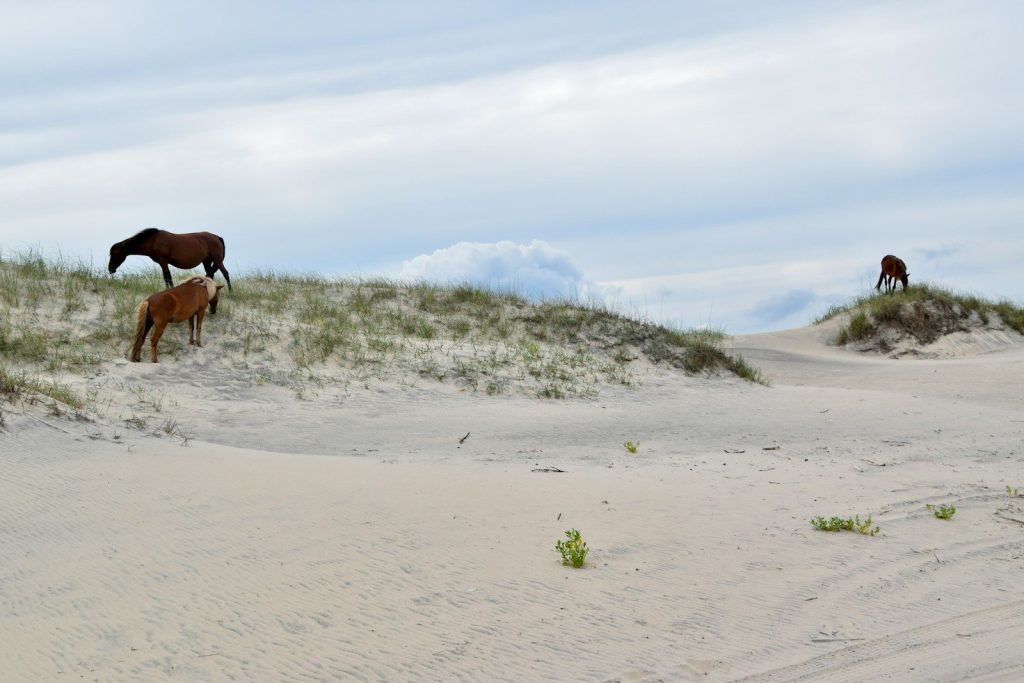
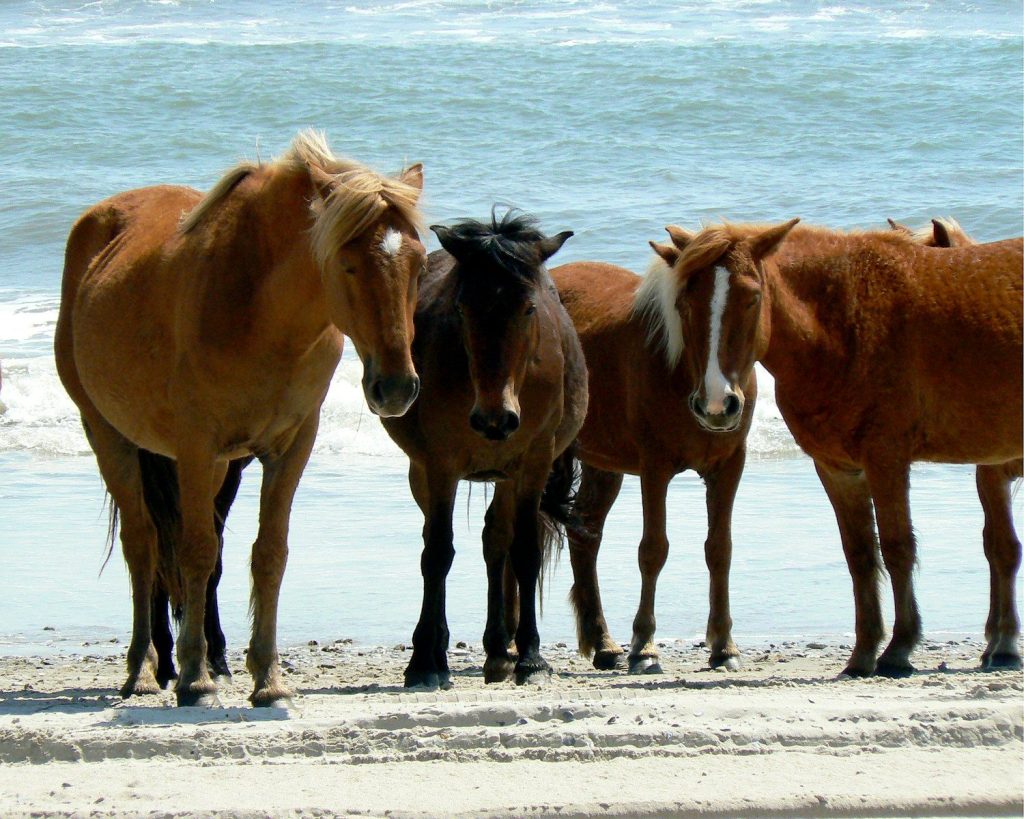
    A beloved wild horse that captured the hearts of visitors on North Carolina’s Outer Banks has died after what experts believe was a tragic accident. The horse, known as Surfer, was a well-known member of the Corolla wild horse herd and was admired for his beauty, confidence, and strong presence. Officials say the 15-year-old stallion likely suffered a fatal head injury from a kick delivered by another horse.

    His death has saddened residents, tourists, and horse enthusiasts while also highlighting the challenges wild horses face in their natural environment. This article looks at Surfer’s life, the circumstances surrounding his death, and what his story means for the future of the Corolla herd.

    How Surfer was discovered

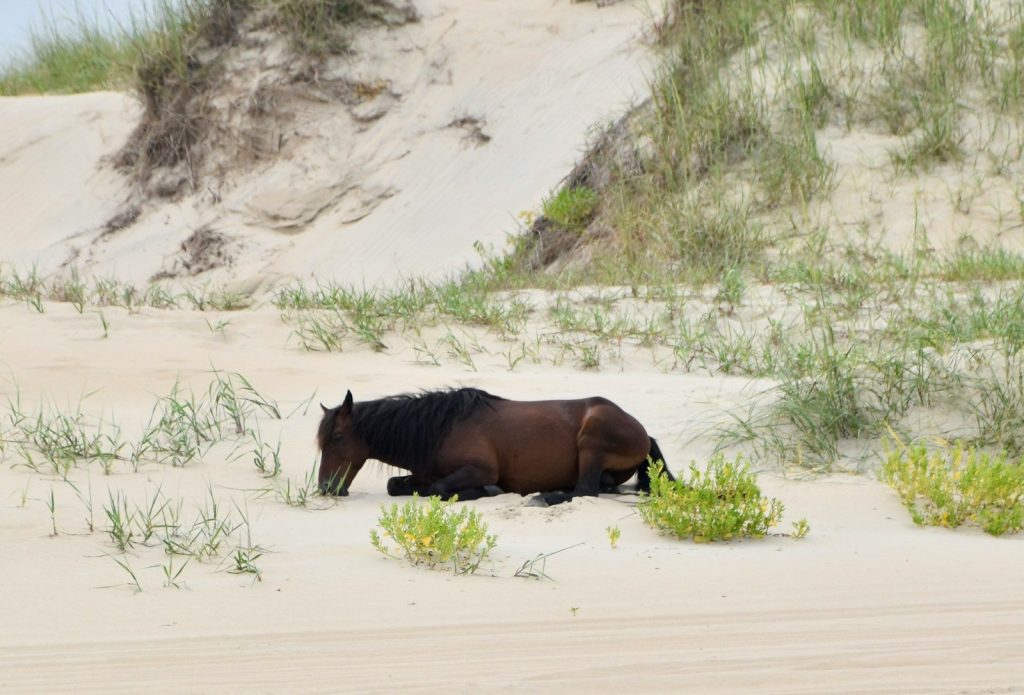
    a brown horse laying on top of a sandy beach
    Photo by Cindie Hansen on Unsplash

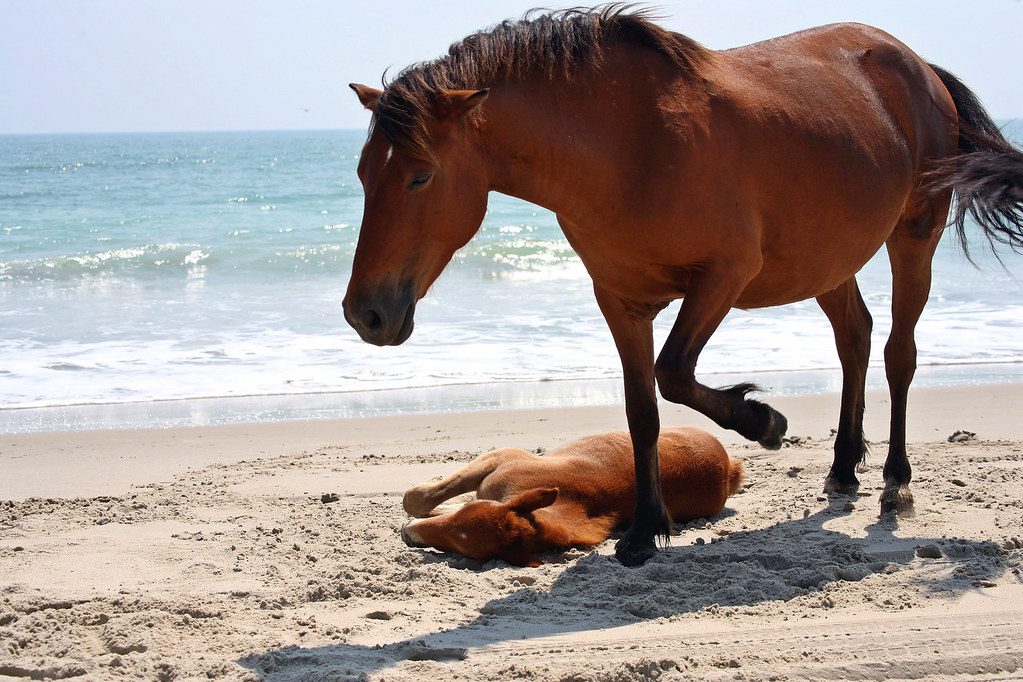
    The discovery was made by tourists walking along the beach in Corolla, North Carolina’s Outer Banks. After finding the horse, they called 911, which led officials from the Corolla Wild Horse Fund to respond to the scene.

    Meg Puckett, who manages the Corolla herd, examined the situation and said the injury appeared to be recent. She noted that the wound was limited to the horse’s head and that there were no signs of additional trauma or evidence of human involvement.

    What experts believe happened

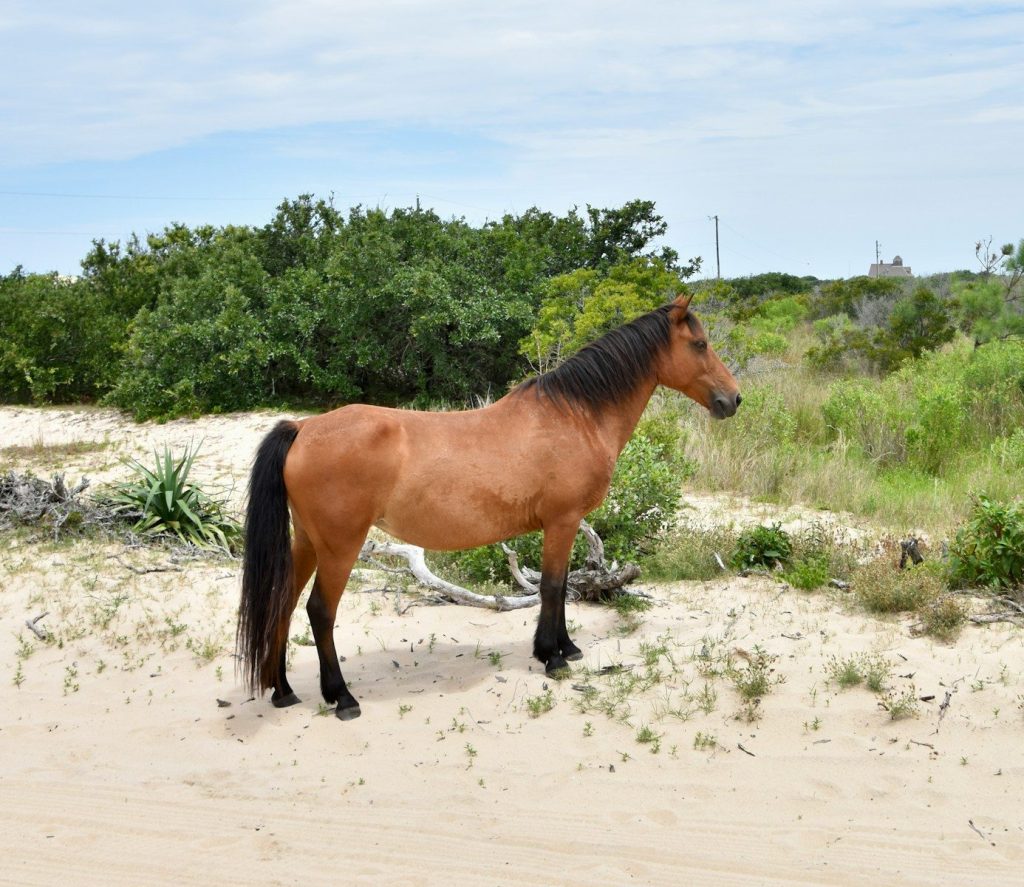
    a brown horse standing on top of a sandy beach
    Photo by Cindie Hansen on Unsplash

    According to officials, Surfer’s injuries were consistent with a kick from another horse. Experts believe the injury was severe enough to cause his death, even though it may not have resulted from a serious fight.

    Puckett explained that the kick could have come from another stallion or even from a mare. She said it was likely an unfortunate accident rather than an intense battle. The incident serves as a reminder that wild horses can unintentionally cause serious harm to one another because of their strength.

    Surfer’s place in the Corolla herd

    a group of horses on a beach
    Photo by Linda Gillotti on Unsplash

    Surfer was a 15-year-old stallion who was widely recognized within the Corolla wild horse herd. Staff members, local residents, and visitors considered him one of the most memorable horses in the area due to his striking appearance and confident personality.

    Officials described him as both charismatic and very wild. He was known for carrying himself with confidence and often stood out among the herd. His presence made him a favorite among many people who regularly visited the Outer Banks.

    Life among North Carolina’s wild horses

    a couple of horses standing on top of a sandy beach
    Photo by Cindie Hansen on Unsplash

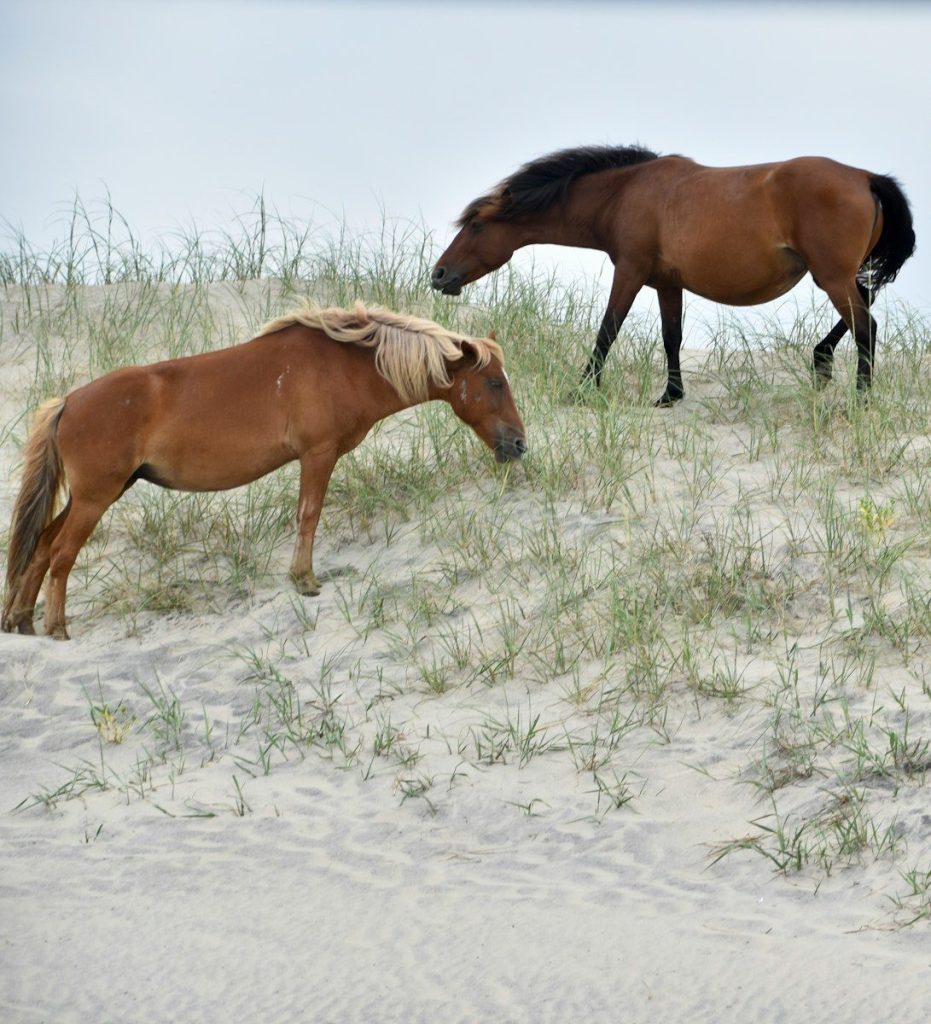
    The Corolla herd consists of about 110 wild horses that live on the northern end of the Outer Banks. The herd is protected and managed by the nonprofit Corolla Wild Horse Fund through public donations.

    Life in the wild comes with many challenges. Stallions are known to engage in fights involving chasing, kicking, and biting. These encounters can happen suddenly and are one reason local laws require people to stay at least 50 feet away from the horses for safety.

    The legacy Surfer leaves behind

    a brown horse grazing in a grassy field
    Photo by Cindie Hansen on Unsplash

    DNA research has shown that Surfer fathered three offspring. Only one of those offspring remains in the wild today. One died, while another now lives at a rehabilitation farm operated by the Corolla Wild Horse Fund.

    Officials said Surfer’s four-year-old son now carries on his family line in the wild herd. While there is no guarantee of what the future holds, conservation staff hope he will continue his father’s legacy and contribute to future generations of wild horses.

    Community members remember a favorite horse

    a couple of horses that are standing in the sand
    Photo by Cindie Hansen on Unsplash

    News of Surfer’s death quickly spread across social media, generating thousands of reactions and comments within a few hours. Many people shared personal memories and expressed sadness over the loss of one of the herd’s most recognizable horses.

    Visitors recalled seeing Surfer running along the beach and admired his flowing blond mane and powerful appearance. For some families, watching him year after year became a tradition during summer visits. Their messages reflected how deeply Surfer connected with people despite living his entire life as a wild horse.

  • A fatal encounter between an orca and its trainer stunned spectators

    A fatal encounter between an orca and its trainer stunned spectators

    What happens when a dream career ends in a heartbreaking tragedy? That question shocked people around the world after the death of Dawn Brancheau, a highly respected SeaWorld trainer. Brancheau spent her life working toward her goal of training killer whales, and she became one of SeaWorld’s most experienced trainers.

    The incident involving Tilikum, a large orca whale, raised serious questions about safety, animal behavior, and the risks trainers face every day. This article explores Dawn Brancheau’s life, her journey to SeaWorld, the tragic accident, Tilikum’s history, and how the event changed conversations about working with captive whales.

    Dawn Brancheau followed her dream

    Dawn Brancheau – Riders on the Storm” by eschipul is licensed under CC BY 2.0

    Dawn Brancheau grew up in Cedar Lake, Indiana, and discovered her passion for marine animals at a young age. During a family visit to SeaWorld when she was a child, she decided she wanted to become a whale trainer. According to her family, she talked about that dream throughout her life and worked hard to achieve it.

    She researched the education and experience needed for the job and followed that path carefully. After high school, she studied psychology and animal behavior at the University of South Carolina. She later worked in training positions at water parks around the country before finally being hired by SeaWorld in the mid-1990s.

    Her success inspired family and friends

    Take a bow” by by Janine is licensed under CC BY-NC-ND 2.0

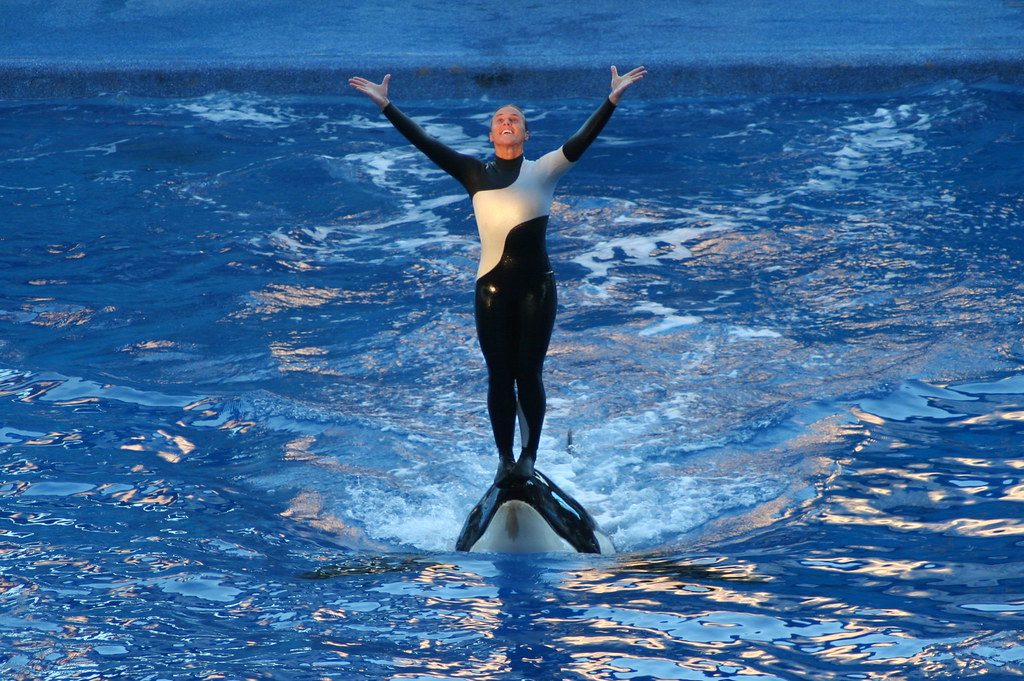
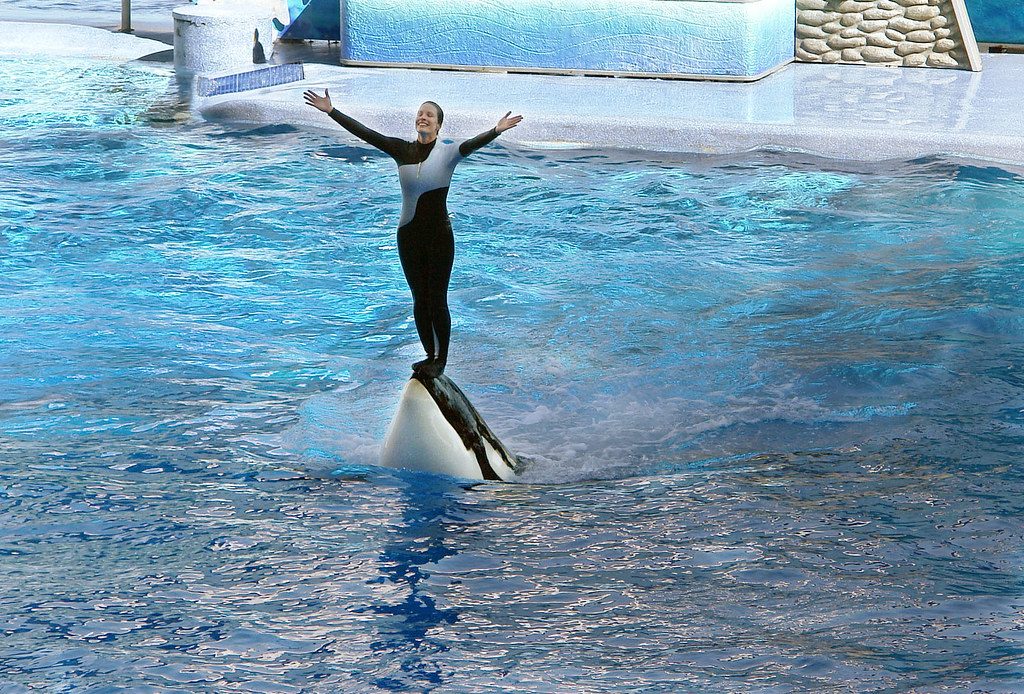
    Brancheau’s family said she truly loved her work and felt fortunate to spend her days with the animals she admired. Photos used in SeaWorld promotional materials often showed her smiling as she worked with whales. Her sister said it was easy to see how much joy the job brought her.

    People who knew Brancheau in school also remembered her as a positive and energetic person. At Andrean High School in Merrillville, Indiana, she served as student body president, was a cheerleader, and became homecoming queen. Teachers and school leaders described her as friendly, outgoing, and someone who made a lasting impression on others.

    The tragic accident at SeaWorld

    2009-09-03_Sea_World_45” by Paladin27 is licensed under CC BY-NC 2.0

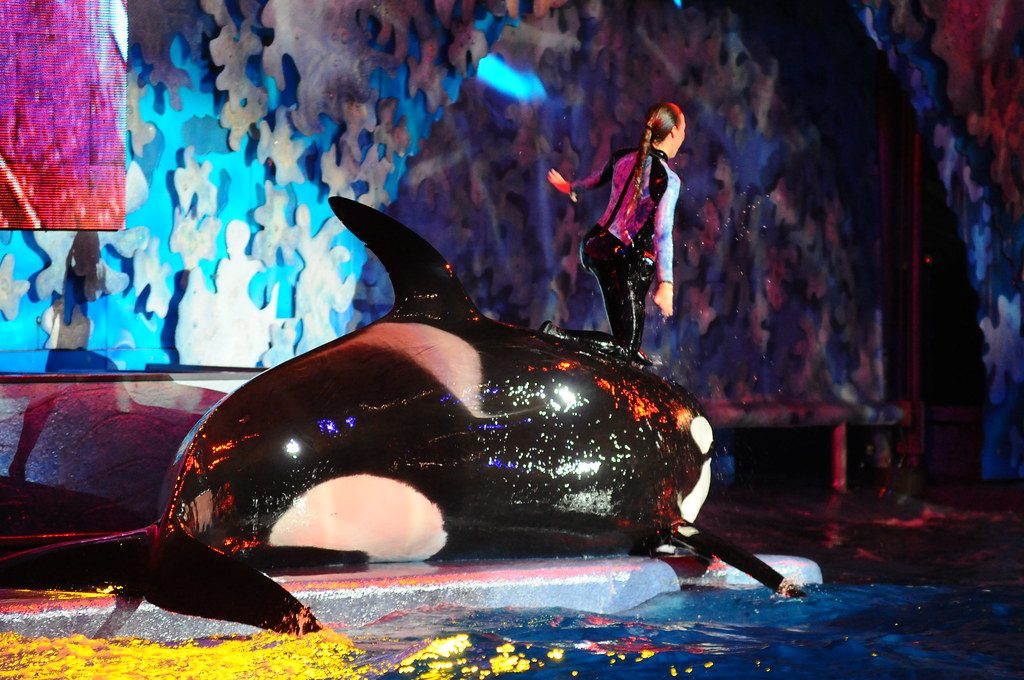
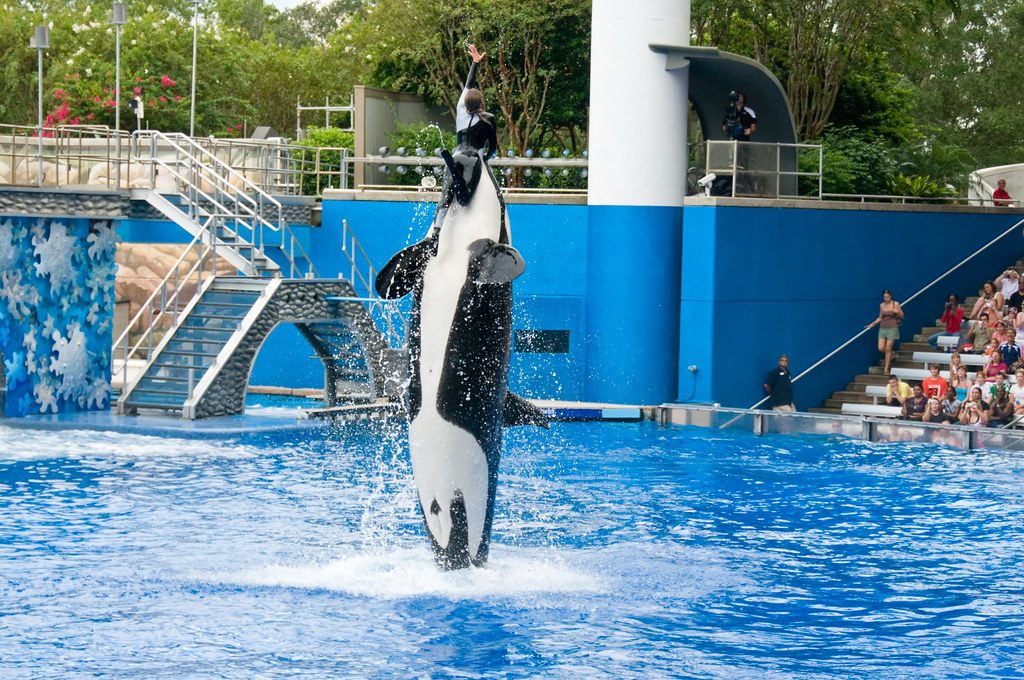
    The fatal incident occurred during a performance at SeaWorld Orlando. Witnesses watched in horror as Tilikum grabbed Brancheau and pulled her into the water. Trainers rushed to help, but freeing her proved difficult because of the whale’s enormous size and strength.

    Authorities later said trainers had to lift the whale partly out of the water before they could recover her. The medical examiner’s office reported that Brancheau likely died from multiple traumatic injuries and drowning. The tragedy shocked both SeaWorld employees and the many visitors who witnessed the event.

    Questions about what triggered the attack

    Killer Whale (Orcinus orca)” by Franco Folini is licensed under CC BY-SA 2.0

    Investigators and SeaWorld officials considered several possible explanations for what happened. One theory suggested that Brancheau’s ponytail may have attracted the whale’s attention. Trainers believed her hair may have brushed the whale’s nose, causing him to focus on it.

    Others disagreed with that explanation and argued the whale’s actions were deliberate. Different experts offered divergent views on the behavior, underscoring how difficult it can be to understand the actions of highly intelligent marine animals. No single explanation fully answered all the questions surrounding the incident.

    Tilikum’s history raised concerns

    a whale jumping out of the water
    Photo by Lachlan Gowen on Unsplash

    Tilikum was already known because he had been connected to previous deaths before the accident involving Brancheau. In 1991, he was one of three orcas blamed for the death of a trainer at Sealand of the Pacific in Canada after she fell into a pool with the whales.

    He was also involved in a 1999 incident at SeaWorld when the body of a man who had entered the park after hours was found on the whale. The man died after ending up in the water, and investigators noted injuries consistent with contact with Tilikum. Because of his size and history, trainers generally were not allowed to enter the water with him, and only a limited number of experienced trainers worked closely with the whale.

    The tragedy changed safety discussions

    black and white whale in swimming pool during daytime
    Photo by Leslie Driskill on Unsplash

    Following the accident, SeaWorld suspended killer whale shows in Orlando and San Diego while reviewing its safety procedures. The company stated that it planned to continue caring for and working with Tilikum, but it would change the way trainers interacted with him in the future.

    The incident also renewed attention on previous trainer injuries and deaths involving orcas. In 2006, a trainer at SeaWorld San Diego survived after being bitten and held underwater by a killer whale. Another trainer at the company’s San Antonio park faced a dangerous encounter in 2004. Brancheau’s death became part of a larger debate about trainer safety and the challenges of working with powerful marine animals.

  • Extraordinary images reveal the mysterious ‘ghost dog’ in the wild

    Extraordinary images reveal the mysterious ‘ghost dog’ in the wild

    Have you ever heard of a wild dog so secretive that scientists call it the “ghost dog”? For years, this strange animal remained one of the biggest mysteries of the Amazon rainforest. Very few people had seen it, and even researchers struggled to learn about its habits. Now, extraordinary images taken over many years are finally giving us a closer look at this elusive creature.

    The mysterious ghost dog is actually a species called the short-eared dog. Recent camera trap surveys have captured hundreds of images, helping scientists understand where it lives, how it behaves, and why protecting it matters. In this article, you will discover what makes this animal so unusual, why it stayed hidden for so long, and what these amazing photographs reveal about one of the world’s least-known wild dogs.

    What is the mysterious ghost dog?

    Short Eared Dog” by Smithsonian’s National Zoo is licensed under CC BY-NC-ND 2.0

    The mysterious ghost dog is the common nickname for the short-eared dog, a rare wild canine that lives in the Amazon rainforest. Its scientific name is Atelocynus microtis, which means “short-eared dog.” Unlike wolves or foxes, this animal has a large head, short, rounded ears, short legs, and a long bushy tail. Its fur can range from reddish-brown to dark gray or almost black, giving it a shadowy appearance that blends perfectly with the forest.

    Scientists have long considered the short-eared dog one of the least-known carnivores in South America. People rarely see it because it lives deep inside dense forests and avoids human activity whenever possible. Its excellent hearing, sharp sense of smell, and shy nature make it very difficult to spot. This secrecy is exactly why it earned the nickname “ghost dog,” as it seems to appear and disappear like a spirit of the forest.

    Extraordinary images are changing what scientists know

    three people in lab coats looking at a tablet
    Photo by National Cancer Institute on Unsplash

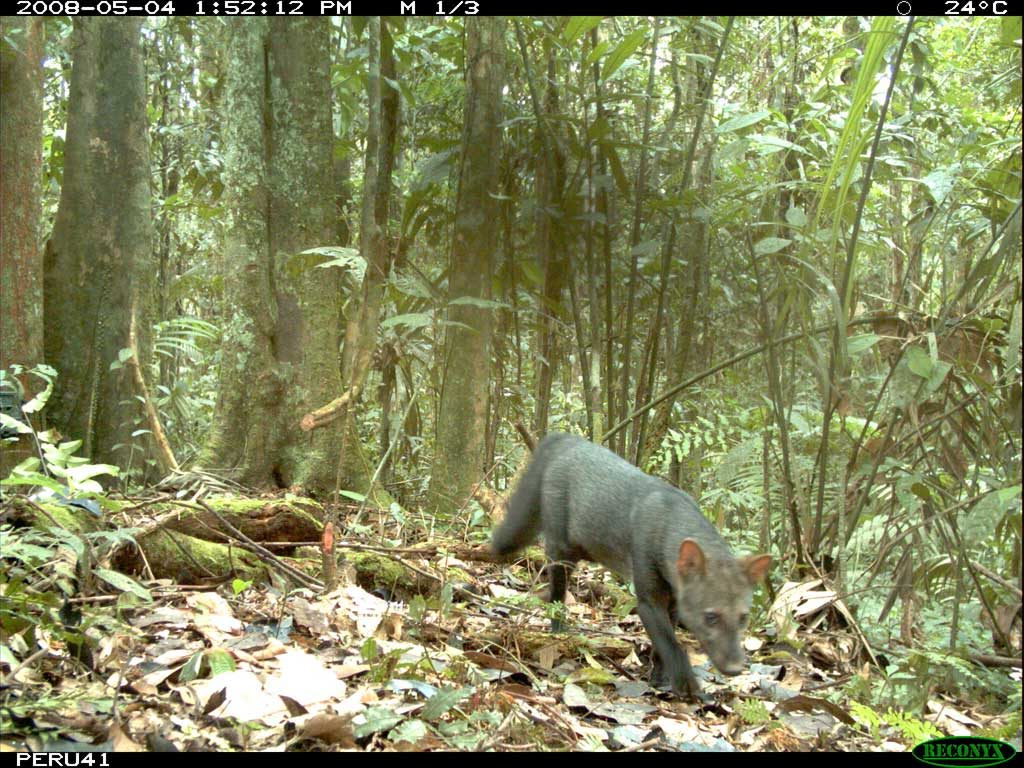
    For decades, researchers searched for reliable information about the ghost dog but found very little. That changed when scientists placed camera traps across forests in Bolivia and Peru. These motion-activated cameras quietly photographed wildlife day and night without disturbing the animals. Over more than twenty years of work, researchers collected nearly 600 photographs of short-eared dogs, creating the largest collection of images ever gathered for the species.

    The photographs revealed details that scientists had only guessed at before. They showed the dog’s body shape, coat colors, and daily activities with surprising clarity. Researchers discovered that the species may be more common than previously believed, although it is still far from abundant. The images also proved how useful modern technology has become for studying shy animals that rarely appear in front of humans.

    Why the ghost dog stayed hidden for so long

    green trees covered with fog
    Photo by Lingchor on Unsplash

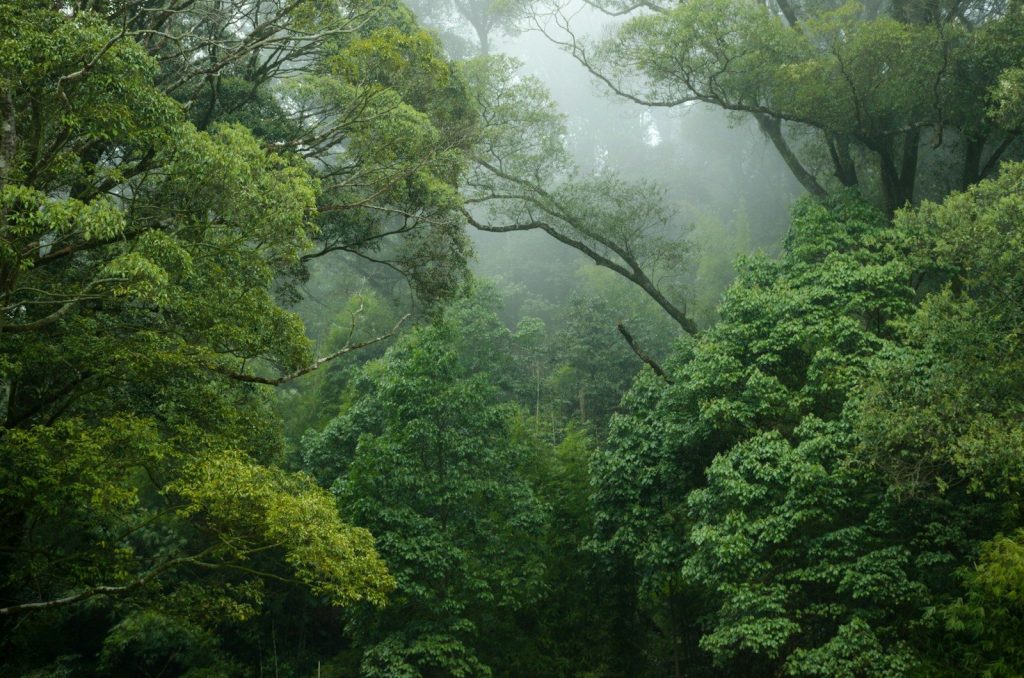
    The Amazon rainforest is one of the largest and most complex ecosystems on Earth. Thick vegetation, heavy rainfall, and remote landscapes make it difficult for people to explore every area. The short-eared dog takes full advantage of these conditions by living in places that are hard to reach and by avoiding open spaces where predators or humans might spot it.

    Its behavior also adds to the mystery. Unlike many wild dogs that live and hunt in packs, the ghost dog usually lives alone or in pairs. It moves quietly through the forest and spends much of its time away from rivers and human settlements. Researchers believe it relies heavily on its senses to detect danger, allowing it to slip away long before anyone notices it. These habits explain why so little was known about the species for such a long time.

    The ghost dog is built for rainforest life

    brown soil with black soil
    Photo by Nathália Arantes on Unsplash

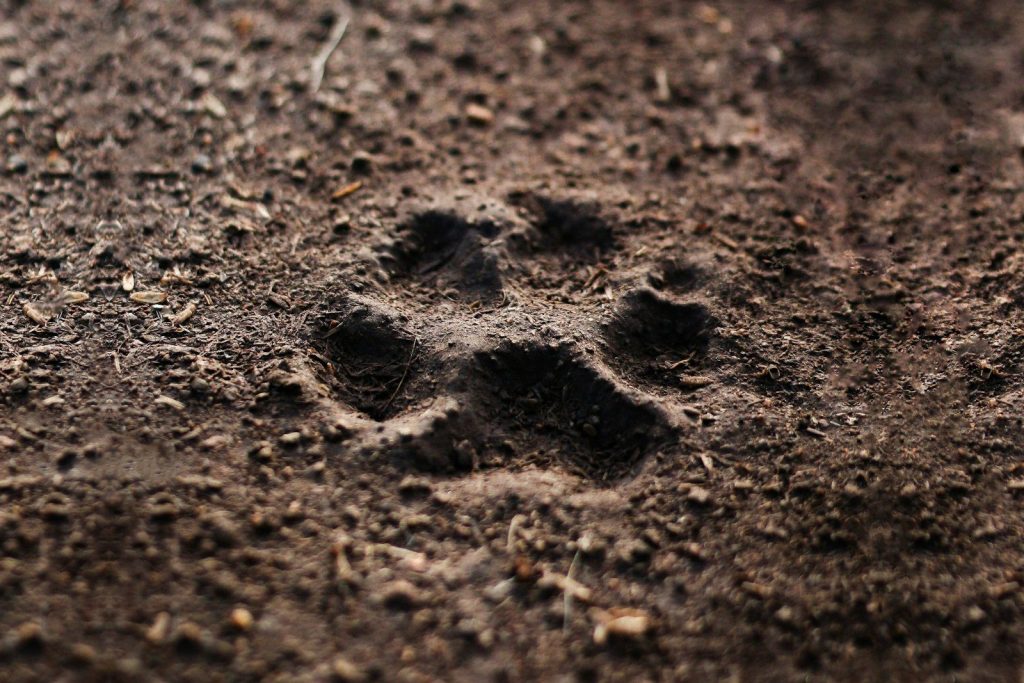
    Although it belongs to the dog family, the short-eared dog looks different from most of its relatives. One of its most unusual features is its partially webbed paws. These webbed feet help it move through muddy ground and wet forest areas with ease. Scientists believe this adaptation is especially useful in the rainy Amazon, where flooded forests and soggy terrain are common.

    The ghost dog is also an excellent hunter and scavenger. It eats a wide variety of foods, including small mammals, birds, fish, insects, and fruit. This flexible diet helps it survive in changing environments where food availability can vary throughout the year. Its dark coat provides camouflage among the shadows of the rainforest, while its compact body allows it to move quietly through dense vegetation. Every feature of this animal seems perfectly designed for life in one of the world’s most challenging habitats.

    New discoveries offer hope for conservation

    people having meeting on rectangular brown table
    Photo by Christina @ wocintechchat.com M on Unsplash

    The recent photographs have given conservationists an important reason for optimism. Earlier estimates suggested that the short-eared dog might be extremely rare and close to disappearing from many areas. However, the new research indicates that populations may be larger than expected, especially inside protected forests and Indigenous territories where habitats remain intact.

    Even so, the species still faces serious threats. Deforestation continues to remove large areas of Amazon rainforest each year, reducing the places where the ghost dog can live and hunt. Roads, farming, and mining projects also break forests into smaller pieces, making it harder for wildlife to move freely. Scientists believe that protecting large, connected forests will be one of the most important steps in ensuring the long-term survival of this remarkable species.

    Why the ghost dog fascinates people around the world

    two men talking
    Photo by LinkedIn Sales Solutions on Unsplash

    People have always been drawn to mysterious animals, and the ghost dog is no exception. Its strange appearance, secretive lifestyle, and rare sightings make it seem almost mythical. Yet the recent images remind us that this animal is very real and plays an important role in the Amazon ecosystem. Every new photograph adds another piece to a puzzle that scientists have been trying to solve for decades.

    The story of the ghost dog also highlights how much remains unknown about life on our planet. Even in the 21st century, there are species hiding in remote places that continue to surprise researchers. The extraordinary images captured in the wild are more than beautiful photographs. They are proof that nature still holds secrets waiting to be discovered and that protecting these hidden wonders is more important than ever.

  • 19-year-old seeks help for cousin’s pet monkey after years of improper care

    19-year-old seeks help for cousin’s pet monkey after years of improper care

    A 19-year-old woman recently sparked a huge debate after asking whether she should contact a sanctuary about her cousin’s pet monkey. The monkey, a 10-year-old capuchin named Izzy, had spent years living as a household pet, but the young woman feared the animal was suffering from improper care. The story quickly spread online because it raises an important question: are monkeys really meant to live as pets?

    This article explores what happened, why experts worry about pet monkeys, the signs that show an animal may be struggling, and what options exist when a monkey needs a better home. By the end, you will have a clearer understanding of why this case matters for both animals and people.

    Why the young woman became worried

    woman in pink jacket and blue denim jeans sitting on brown wooden bench
    Photo by Vlada on Unsplash

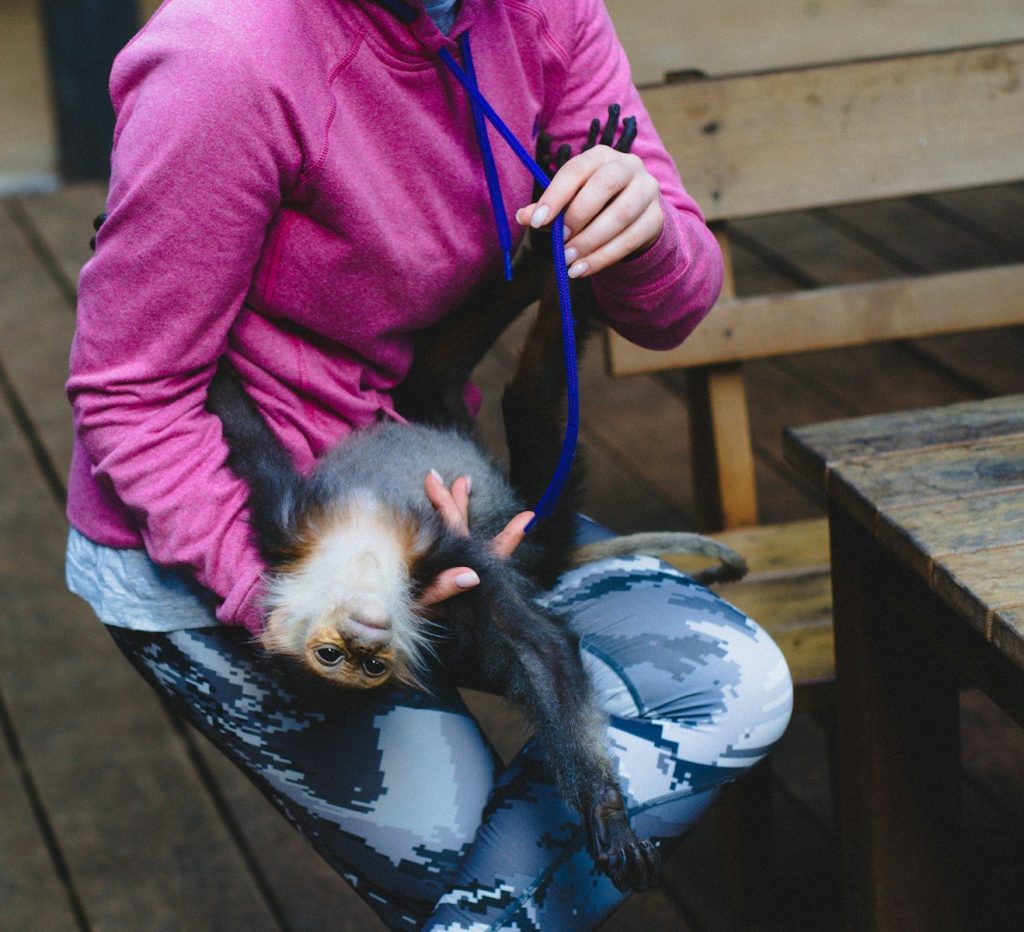
    The story began when the 19-year-old agreed to babysit her cousin’s pet monkey for a few hours. According to her account, the monkey arrived in a small crate with only a few items, including a blanket, snacks, a diaper, and a baby bottle filled with water. Instead of acting playful or curious, the capuchin sat quietly in the crate, rocking back and forth and refusing to eat or drink. The young woman felt something was wrong and wondered if the monkey had been living in poor conditions for years.

    Her concerns did not stop there. She explained that the monkey had already bitten her badly in the past, leaving a permanent scar. She also said the animal acted aggressively toward strangers and was taken almost everywhere by its owner, including restaurants and hotels. The young woman believed the monkey’s behavior was not simply bad manners but a sign of stress and unhappiness. She started thinking about contacting a sanctuary or animal control because she felt the monkey deserved a better life.

    Why monkeys make difficult pets

    monkey biting the hand of person
    Photo by Iva S on Unsplash

    Monkeys are highly intelligent animals with complex social and emotional needs. In the wild, capuchin monkeys live in groups that can contain many members. They spend their days climbing trees, searching for food, grooming one another, and learning social skills. These activities keep their minds busy and help them stay healthy. A private home, even one filled with love, often cannot provide the same environment that a monkey would naturally have.
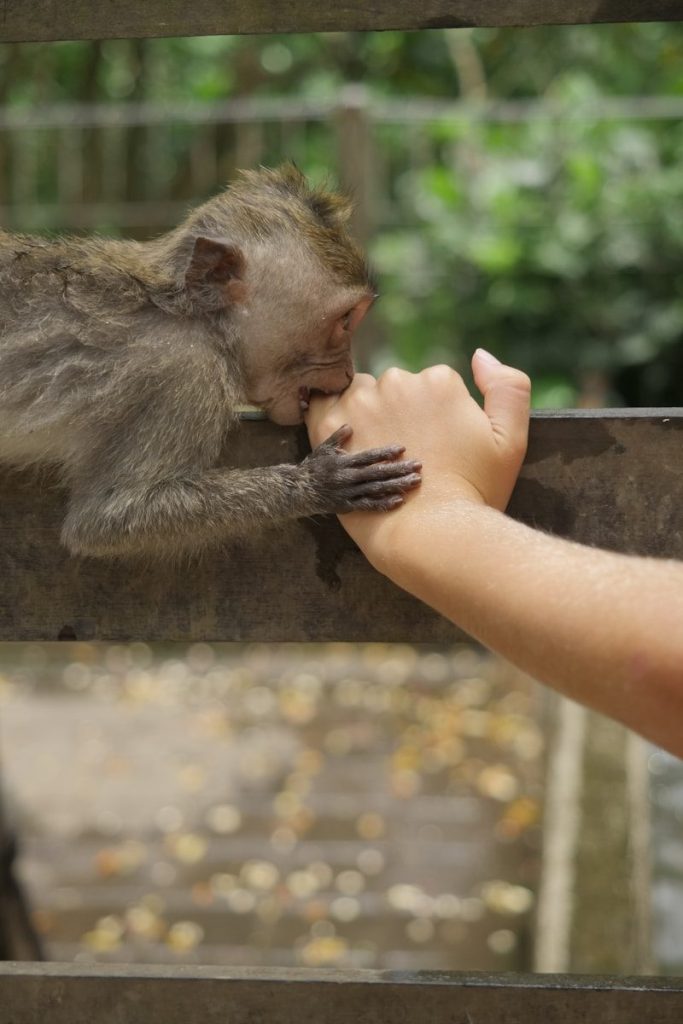
    As monkeys grow older, they can become stronger, more territorial, and harder to manage. Capuchins are especially known for their intelligence and energy. Experts have warned for years that primates are not ideal household pets because they require specialized diets, large spaces, and social interaction with other monkeys. Many pet monkeys eventually develop behavioral problems, including aggression, anxiety, or repetitive actions caused by stress. Even owners with good intentions may struggle to meet these needs, which is why animal welfare groups often discourage keeping monkeys as pets.
    The warning signs seen in this monkey

    brown monkey on brown wooden log during daytime
    Photo by Taru Goyal on Unsplash

    One of the most troubling details in this story was the monkey’s repetitive rocking behavior. Animals sometimes repeat the same movements over and over when they are stressed, bored, or living in an environment that does not meet their physical and emotional needs. Rocking is one of the behaviors that researchers have observed in captive primates that lack stimulation or proper social contact. While this behavior alone does not prove neglect, it is often viewed as a warning sign that deserves attention.

    The monkey also showed signs of aggression. The young woman reported being bitten in the past, and she said the animal often reacted badly to strangers. Aggression in pet monkeys is a well-known problem because these animals naturally defend their territory and social status. A monkey that appears cute as a baby can become much more difficult to handle as an adult. This can put family members, visitors, and the animal itself at risk. Experts often stress that aggressive behavior is not always the monkey’s fault. Instead, it can be a sign that the animal’s natural needs are not being met.

    The risks of keeping monkeys in homes

    brown monkey on floor
    Photo by Dane Deaner on Unsplash

    Keeping a monkey in a home is not only difficult for the animal but can also create safety concerns for people. Monkeys are powerful animals with sharp teeth and quick reflexes. Even smaller species, such as capuchins, can bite hard enough to cause serious injuries. Their strength and speed often surprise owners who expect them to behave like cats or dogs. When monkeys become frightened or stressed, they may react in ways that are dangerous to those around them.

    There are also health and legal concerns. Monkeys can carry diseases that spread between animals and humans, and they often require special veterinary care that is not available everywhere. Laws about owning primates vary across the United States. Some states ban private ownership completely, while others require permits or place restrictions on certain species. In the case of the young woman’s story, she claimed that her state classified capuchins as dangerous animals and that her cousin was not allowed to bring the monkey there. These legal rules exist not only to protect people but also to protect animals from unsuitable living conditions.

    How sanctuaries help rescued monkeys

    shallow focus photography of monkey hugging handrail
    Photo by Jared Rice on Unsplash

    Animal sanctuaries are often seen as one of the best options for monkeys that can no longer live safely in private homes. Unlike zoos that focus on public exhibits, sanctuaries are designed to provide long-term care for animals that have been abused, neglected, or surrendered by owners. Many sanctuaries create large outdoor spaces where monkeys can climb, explore, and interact with others of their own species. The goal is to give them a life that is closer to what nature intended.

    Moving a monkey to a sanctuary is not always easy. Animals that have spent years living with people may need time to adjust to other monkeys and new surroundings. Some never fully lose the habits they developed in captivity. Still, many rescued monkeys show remarkable improvement once they receive proper diets, larger habitats, and social opportunities. Caregivers often report seeing animals become more active, more curious, and less stressed after spending time in a sanctuary environment.

    What this story teaches about animal welfare

    brown monkey on brown tree branch during daytime
    Photo by Himanshu Choudhary on Unsplash

    The story of the 19-year-old and her cousin’s monkey has touched many people because it is not simply about one family. It highlights a larger issue about how humans interact with wild animals. Many people buy or adopt exotic pets because they look cute or seem fascinating. However, the reality of caring for a wild animal is often far more complicated than expected. Good intentions alone are not enough when an animal has needs that are difficult to meet in a household setting.

    This case also reminds us that caring about an animal sometimes means making a painful decision. The young woman worried that contacting a sanctuary would hurt her cousin, but she believed the monkey’s well-being had to come first. That is a difficult choice for anyone to make. Yet animal welfare experts often say that the greatest act of love can be giving an animal the environment it truly needs, even if that means letting it go.