Blog

  • Why do some places become shark attack hotspots?

    Why do some places become shark attack hotspots?

    Shark attacks are among the most feared events in the ocean, yet they remain extremely rare. Millions of people enter the water every year without ever encountering a shark. Even so, certain coastal regions experience more shark attacks than others. Scientists believe this occurs due to a combination of environmental conditions, prey availability, and the presence of specific shark species.

    Around the world, a small number of locations have earned reputations as shark attack hotspots. Understanding why these areas experience more encounters can help people better appreciate both the risks and the realities of sharing the ocean with some of its most powerful predators.

    Great white sharks are involved in many attacks
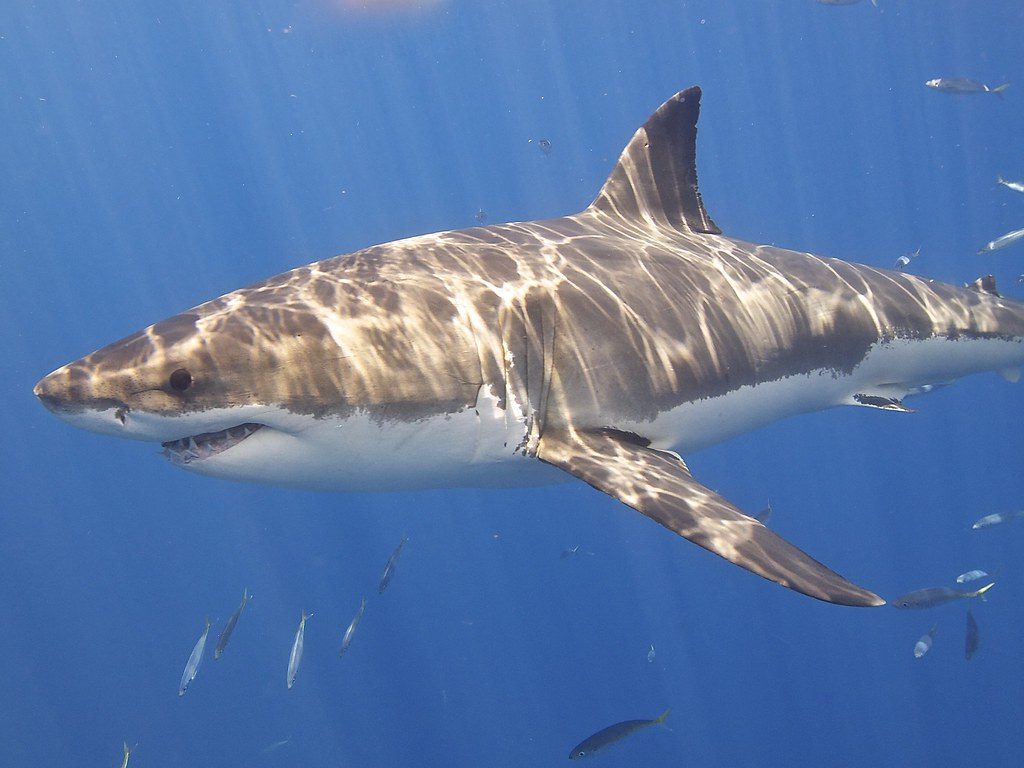
    Great White Shark” by Elias Levy is licensed under CC BY 2.0

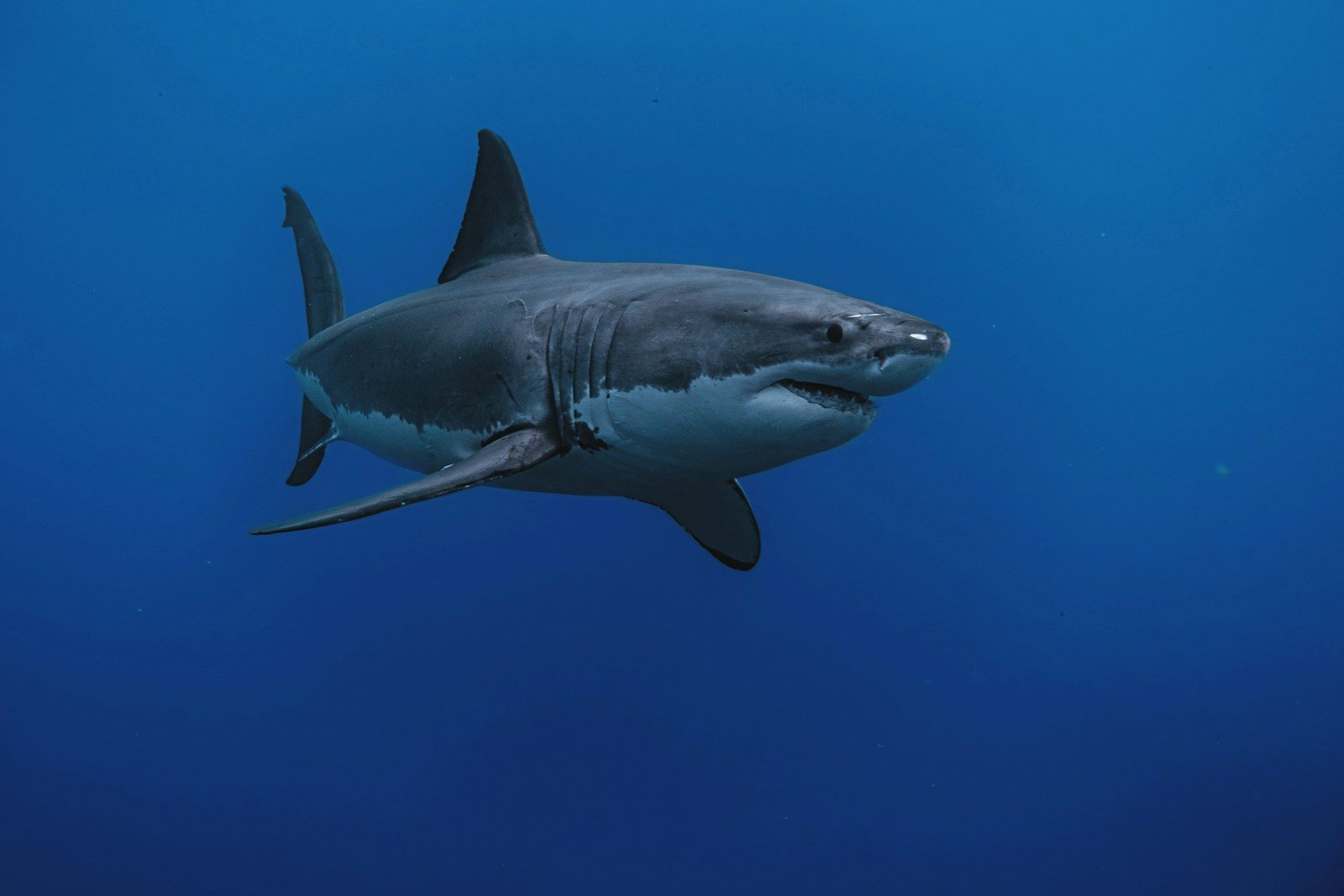
    Great white sharks are among the most recognizable predators in the world. Their large size, powerful jaws, and wide distribution make them one of the species most commonly associated with shark attacks.

    These sharks often inhabit coastal waters where seals and other prey are abundant. Because they frequently use areas that overlap with human activities, such as surfing and swimming, encounters sometimes occur even though the species does not actively seek out humans as prey.

    Bull sharks thrive in coastal environments
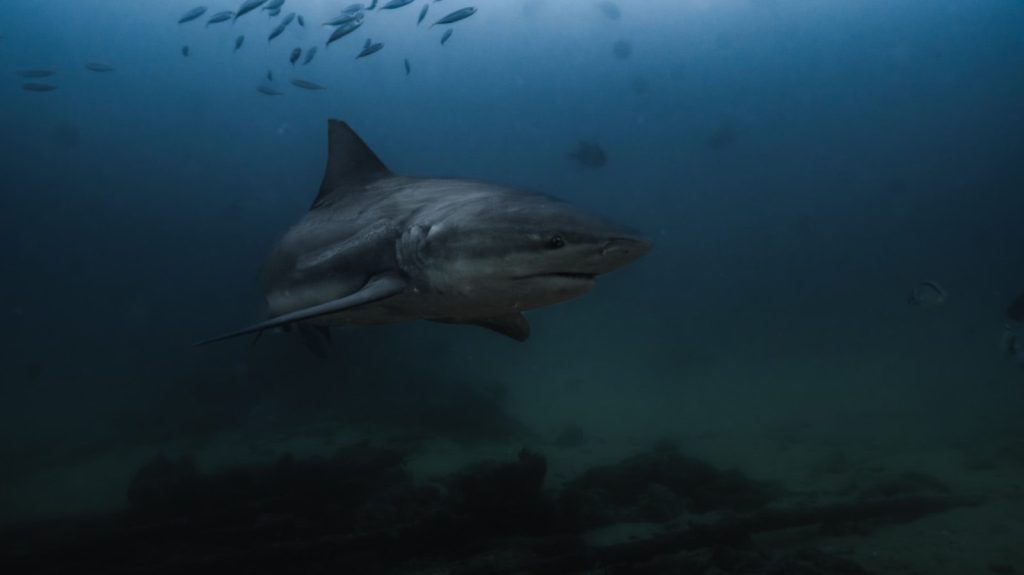
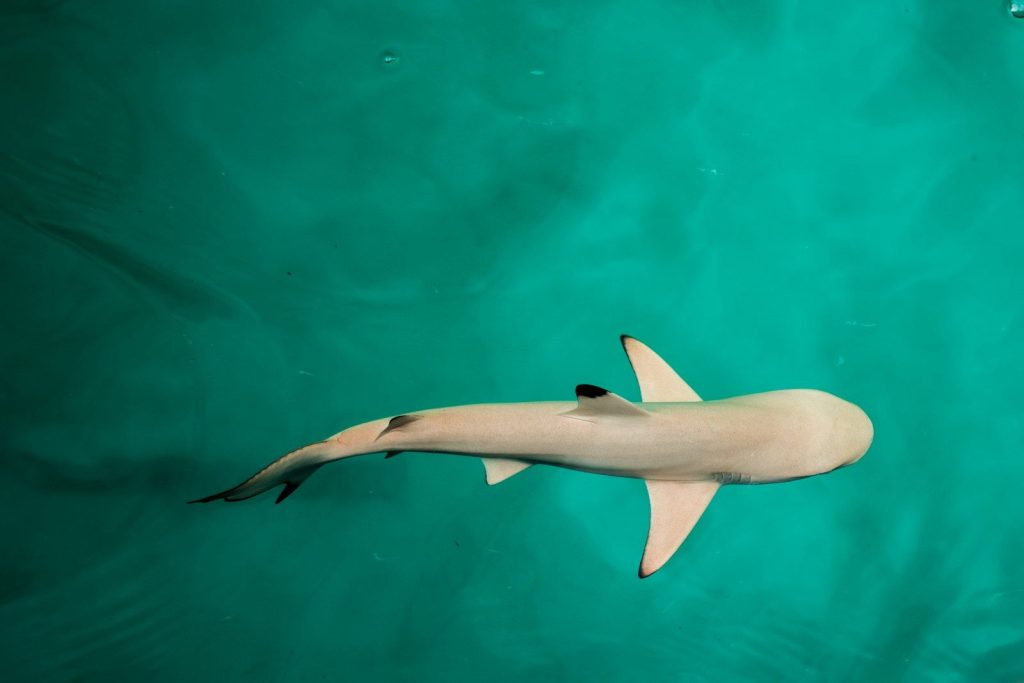
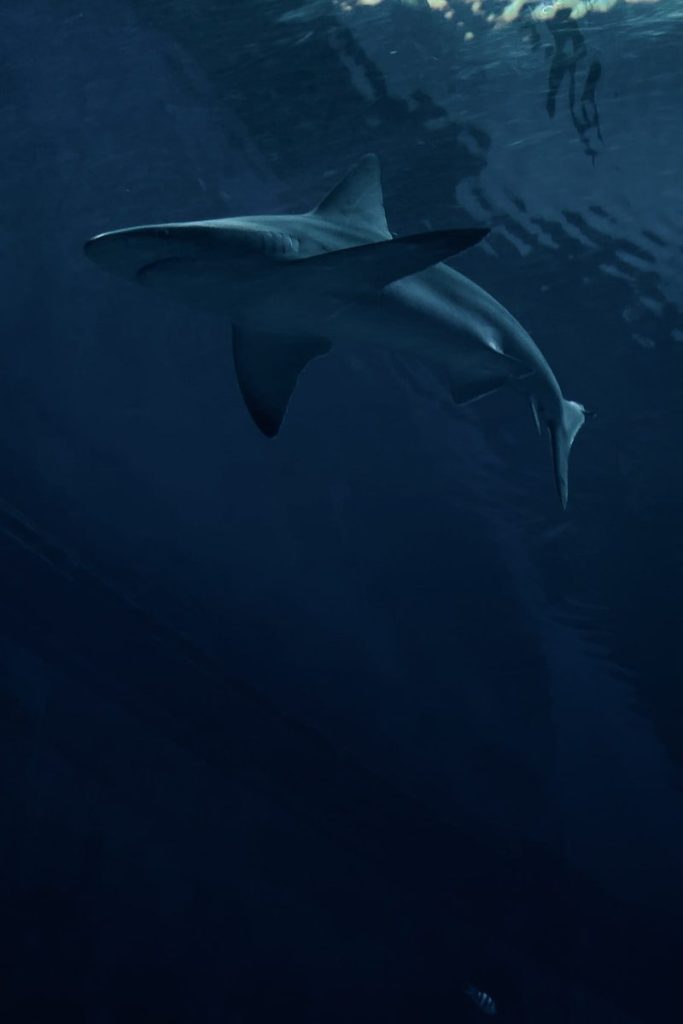
    A shark swims through dark waters.
    Photo by dani grau on Unsplash

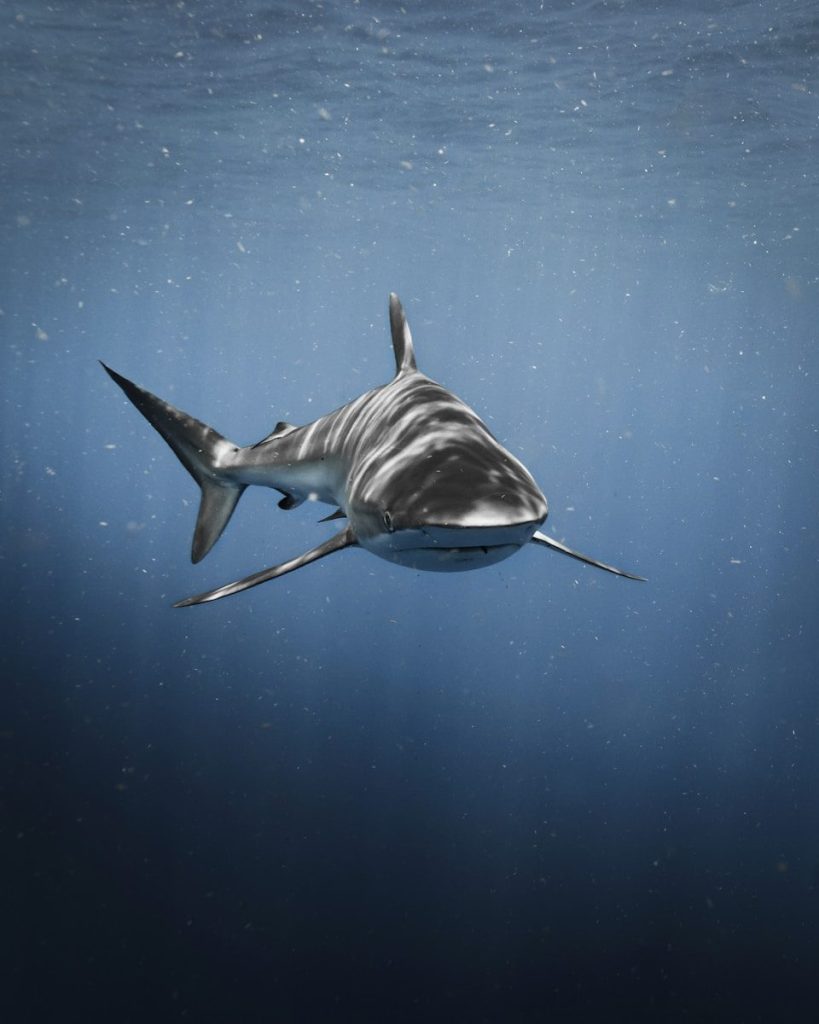
    Bull sharks are another species frequently linked to shark attacks. Unlike many sharks, they can tolerate both saltwater and freshwater, allowing them to travel into rivers, estuaries, and coastal habitats.

    Their ability to occupy shallow water increases the likelihood of encounters with people. Bull sharks are often found near beaches and coastal communities, making them one of the species most often involved in attacks on humans.

    Tiger sharks are powerful ocean predators
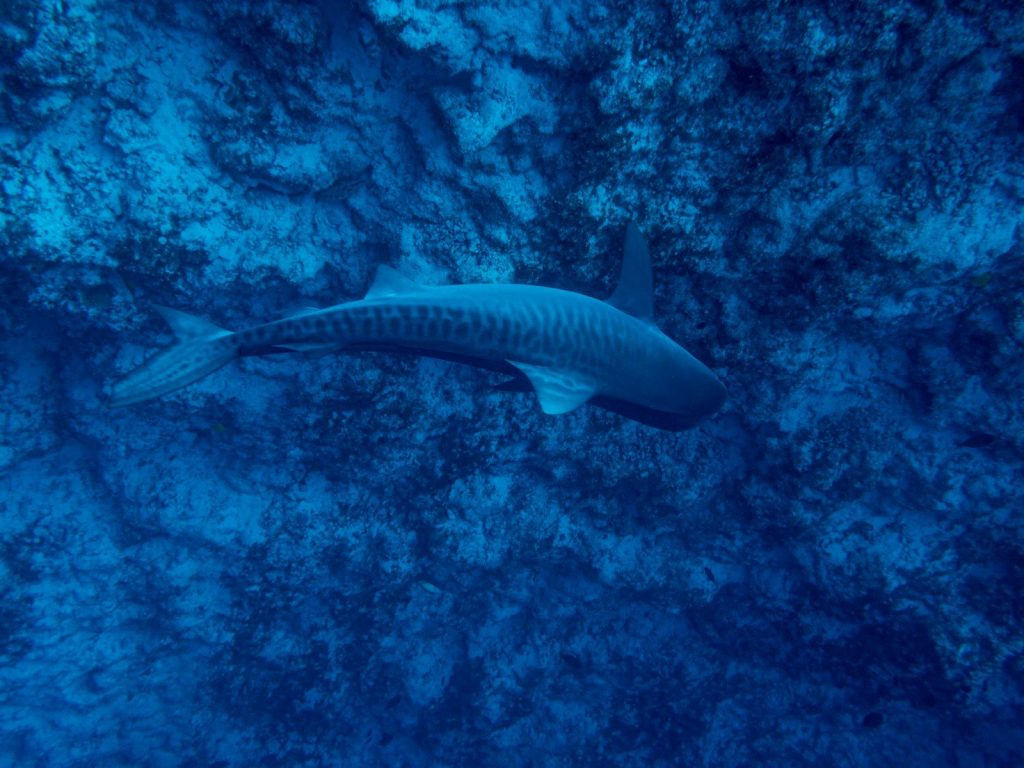
    gray and black fish in body of water
    Photo by Jeremy Lanfranchi on Unsplash

    Tiger sharks rank among the most successful hunters in the ocean. They have a broad diet and can feed on a wide range of marine animals.

    Because of their size and feeding behavior, tiger sharks are responsible for a significant number of recorded shark attacks worldwide. Regions where tiger sharks are common are often monitored closely by researchers and coastal authorities.

    Prey abundance attracts sharks to certain areas
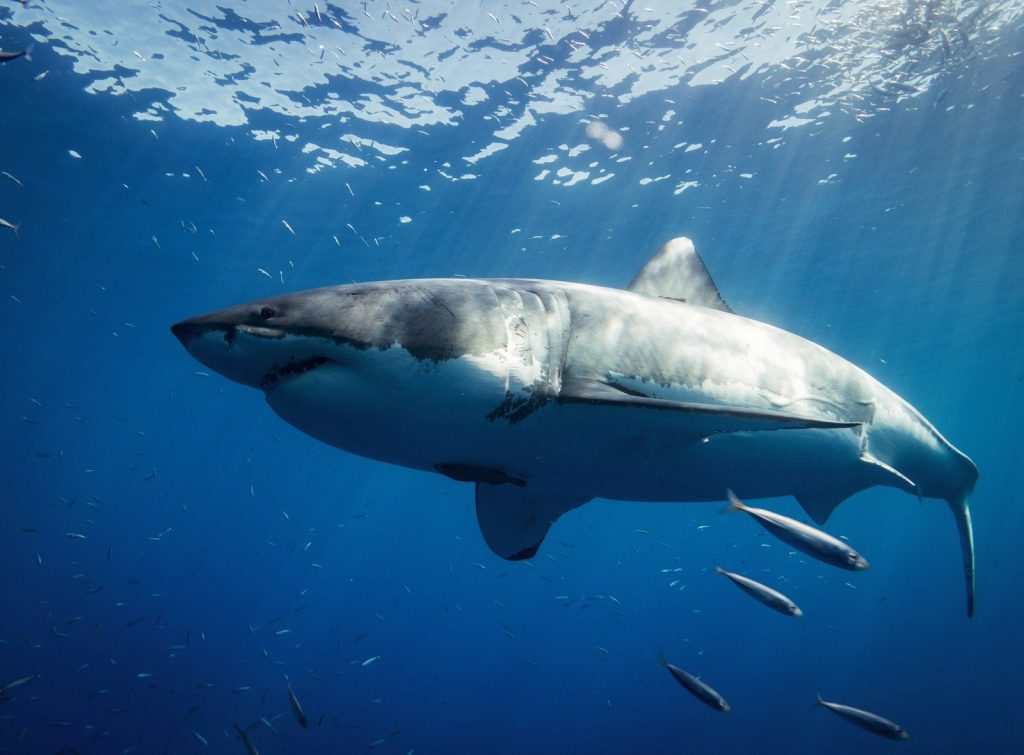
    white and black shark underwater
    Photo by Gerald Schömbs on Unsplash

    One reason shark attack hotspots develop is the availability of food. Areas with large populations of fish, seals, sea turtles, or other prey species naturally attract predators.

    When sharks gather in areas rich in food, the risk of human encounters can increase. This does not mean sharks are targeting people. Instead, both humans and sharks may simply be using the same coastal environment simultaneously.

    Environmental conditions also play a role
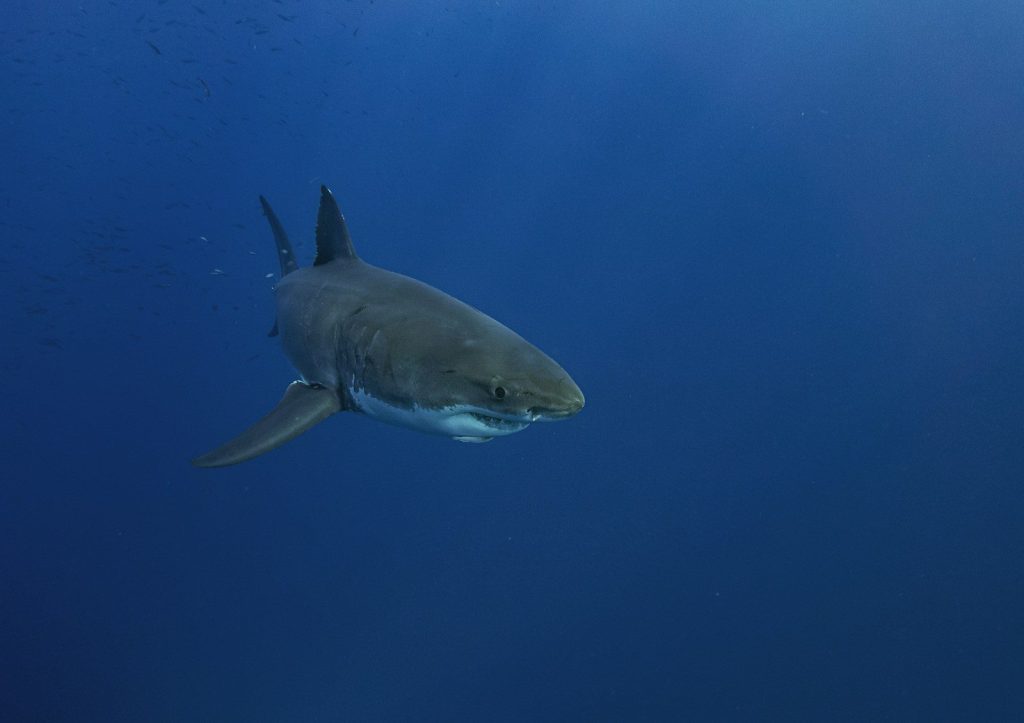
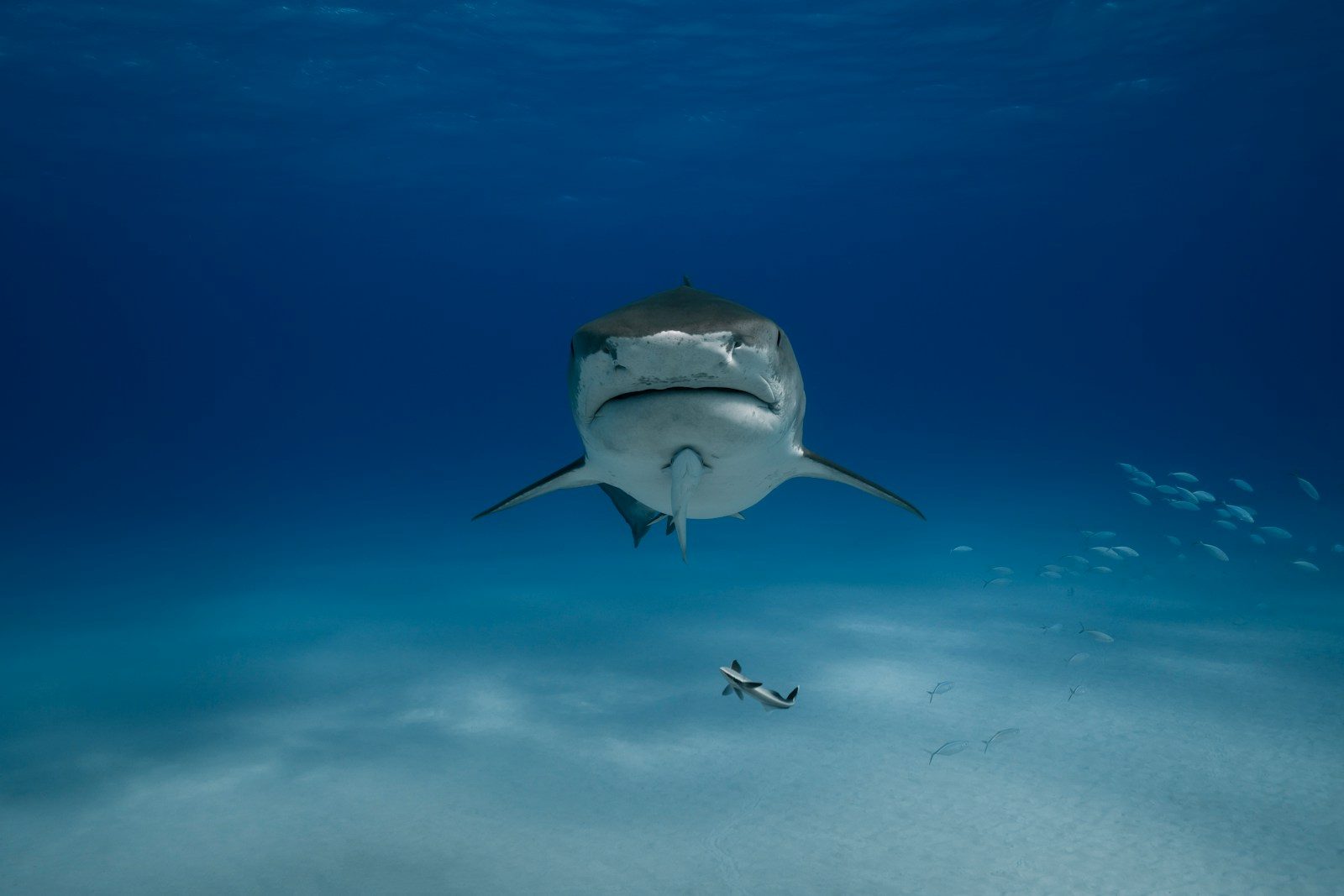
    black shark in blue water
    Photo by Gerald Schömbs on Unsplash

    Water temperature, ocean currents, visibility, and seasonal migrations can all influence shark behavior. Certain regions provide ideal conditions that attract sharks during specific times of the year.

    As sharks move through these habitats, they may come into contact with swimmers, surfers, divers, and fishermen. Understanding these environmental patterns helps researchers identify areas where encounters are more likely to occur.

    Most shark encounters end without injury
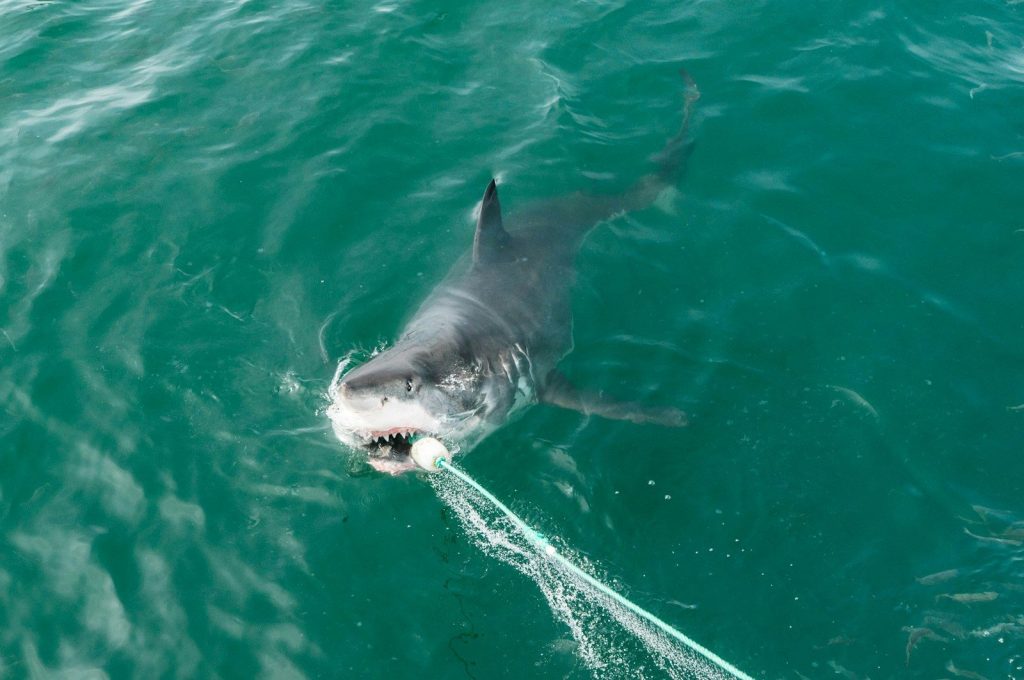
    black shark in green water
    Photo by Kevin Bessat on Unsplash

    Although shark attack hotspots receive significant attention, serious attacks remain rare compared with the number of people who enter the ocean every day. Most sharks avoid humans and have little interest in interacting with them.

    Public awareness, improved monitoring, and ongoing research continue to help reduce risks in many coastal areas. Learning about shark behavior allows people to enjoy the ocean while understanding the wildlife that shares these waters.
  • 6 times sharks left scientists completely amazed

    6 times sharks left scientists completely amazed

    Sharks have fascinated people for centuries. Some are enormous, some are mysterious, and others possess features that seem almost impossible. While movies often focus on their reputation as fearsome predators, real shark discoveries are often far more surprising than fiction.

    Scientists continue to learn new things about these animals, uncovering strange species, remarkable behaviors, and incredible stories from both the modern ocean and the distant past. From giant prehistoric sharks to unusual mutations and ancient shark attacks, these discoveries reveal just how extraordinary sharks can be. Here are six times sharks amazed researchers and reminded us why they remain some of the most fascinating creatures in the sea.

    1. A shark swam within arm’s reach of a surfer

    a great white shark swimming in the ocean
    Photo by Chase Baker on Unsplash

    A drone captured an astonishing moment when a white shark swam extremely close to a surfer in Australia. The surfer had no idea the predator was nearby and only learned about the encounter after returning to shore and viewing the footage.

    Despite the dramatic scene, the shark did not attack and simply continued swimming away. The incident served as a reminder that sharks and humans often share the same waters without conflict, and that attacks remain rare despite public fears.

    2. Scientists found a shark without skin or teeth

    gray shark decor
    Photo by Ali Abdul Rahman on Unsplash

    Researchers were stunned when fishers accidentally caught a blackmouth catshark in the Mediterranean Sea that lacked both skin and teeth. Even more surprisingly, the shark appeared to have survived despite these severe abnormalities.

    Scientists described the animal as the first known case of a shark living with such an extreme absence of skin-related structures. The unusual discovery provided a rare opportunity to study how developmental abnormalities can occur in marine animals.

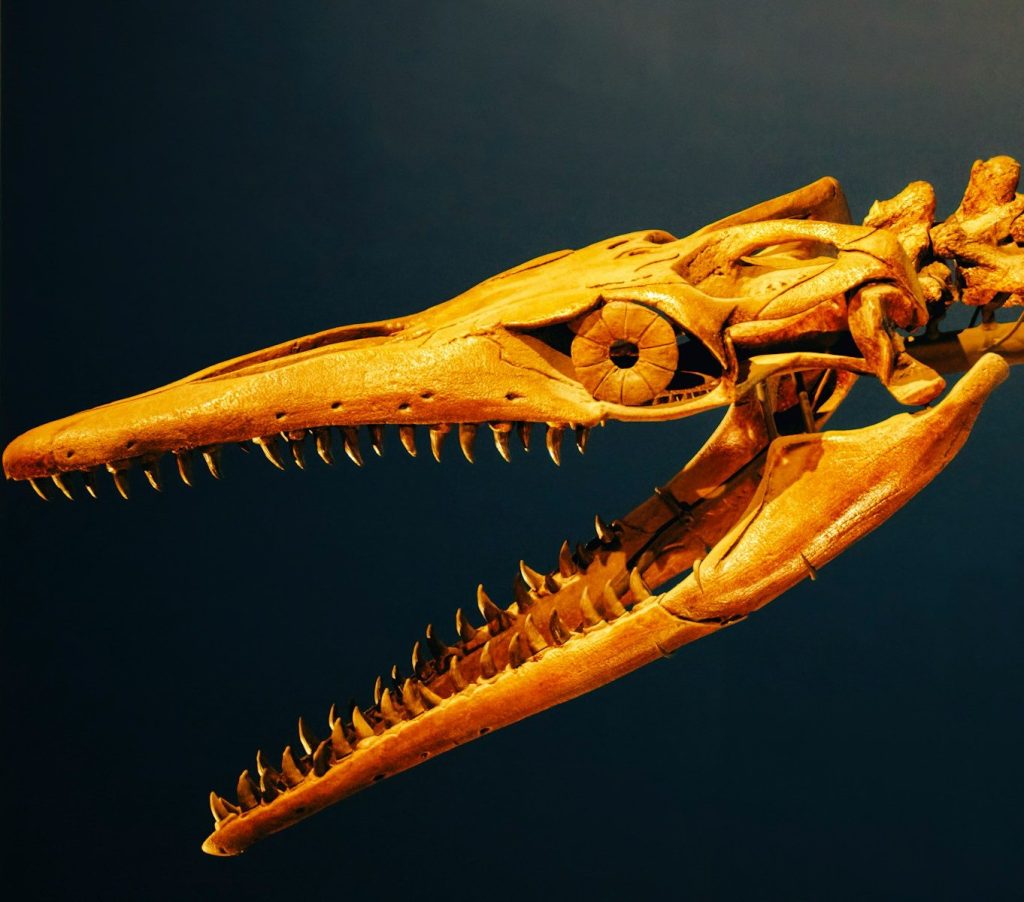
    3. Megalodon was larger than scientists imagined

    A skeleton of a t - rex is shown against a blue background
    Photo by James Lee on Unsplash

    Megalodon has long been known as the largest shark ever to live, but research suggests it was even more extraordinary than previously believed. Scientists estimate the giant predator reached lengths of about 50 feet.

    Studies comparing extinct and living sharks found that megalodon was not just slightly larger than other species. It was dramatically larger than even the next-largest extinct sharks, making it one of the most extreme predators ever to inhabit Earth’s oceans.

    4. Modern great whites can still reach incredible sizes

    Great White Shark” by Elias Levy is licensed under CC BY 2.0

    While megalodon disappeared millions of years ago, today’s great white sharks can still grow to impressive sizes. Researchers with OCEARCH tagged a female great white measuring 17 feet long and weighing more than 3,500 pounds.

    Another giant shark, Unama’ki, measured more than 15 feet long and weighed over 2,000 pounds. These enormous predators demonstrate that modern sharks remain among the ocean’s most powerful and impressive animals.

    5. A prehistoric shark had a bizarre rotating jaw

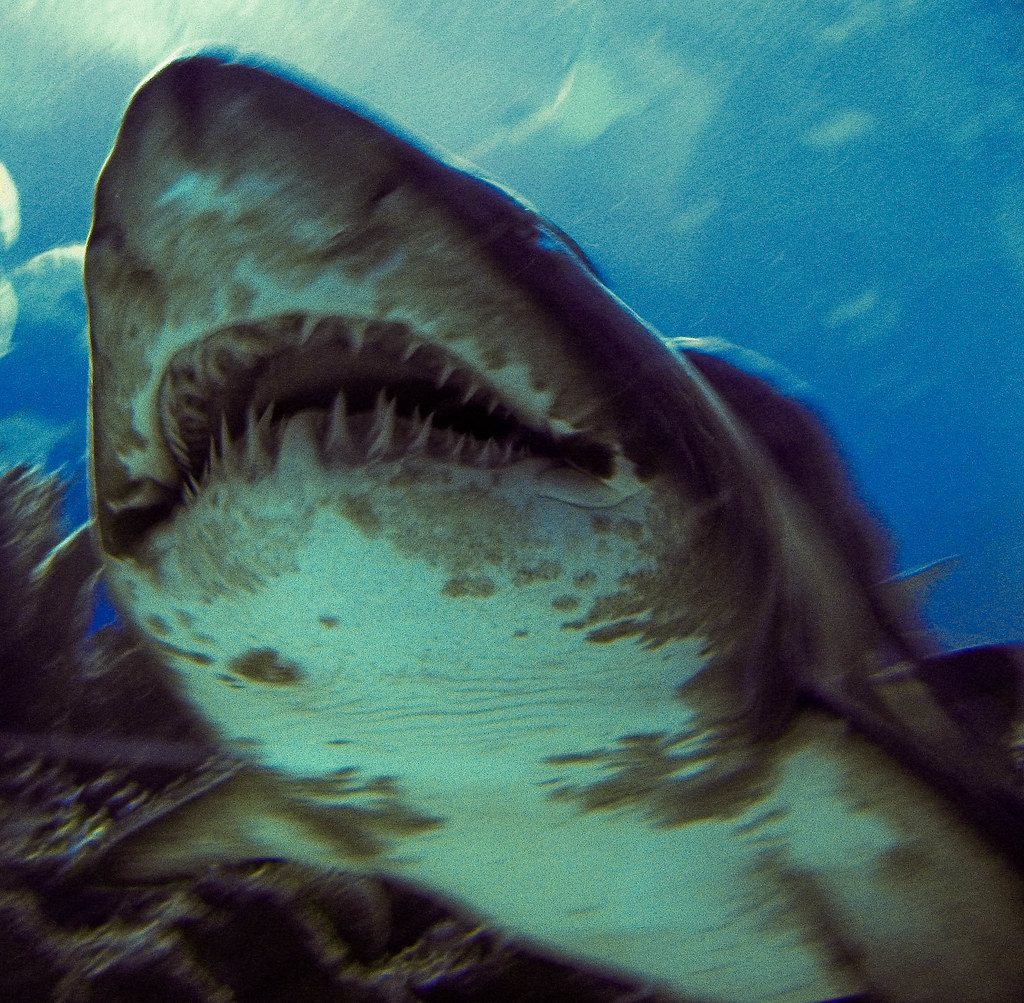
    Tiger Shark!” by CK | PHOTOGRAPHER is licensed under CC BY 2.0

    Scientists discovered a prehistoric shark species, Ferromirum oukherbouchi, that possessed a remarkable feeding mechanism. Its jaw rotated outward when the mouth opened, exposing as many teeth as possible during a bite.

    The unusual design allowed even newly developing teeth to become part of the biting surface. Researchers described the mechanism as unlike anything seen in modern sharks, highlighting the incredible diversity that once existed among ancient marine predators.

    6. Shark attacks have existed for thousands of years

    Great white shark cage dive : 1” by Crystian Cruz is licensed under CC BY-ND 2.0

    A 3,000-year-old skeleton discovered in Japan provided evidence of one of the oldest-known shark attacks. Researchers found hundreds of injuries that matched the marks left by shark teeth.

    The damage suggested the victim was alive when the attack occurred. The discovery showed that, while shark attacks are uncommon today, interactions between humans and sharks have occurred for thousands of years.

  • A whale carried a 19th-century harpoon for more than 100 years

    A whale carried a 19th-century harpoon for more than 100 years

    Some animals live long enough to witness major changes in the world around them. Few, however, carry physical evidence of that history inside their bodies. In 2007, a bowhead whale harvested during a subsistence hunt in Alaska revealed an extraordinary secret. Embedded deep within its flesh were fragments of a harpoon dating back to the late nineteenth century.

    The discovery provided researchers with a rare opportunity to estimate the whale’s age and offered powerful evidence of the remarkable lifespan of bowhead whales. The find also connected modern scientists to the era of commercial whaling, revealing how one animal survived for more than a century after a potentially deadly encounter.

    A discovery hidden beneath the skin

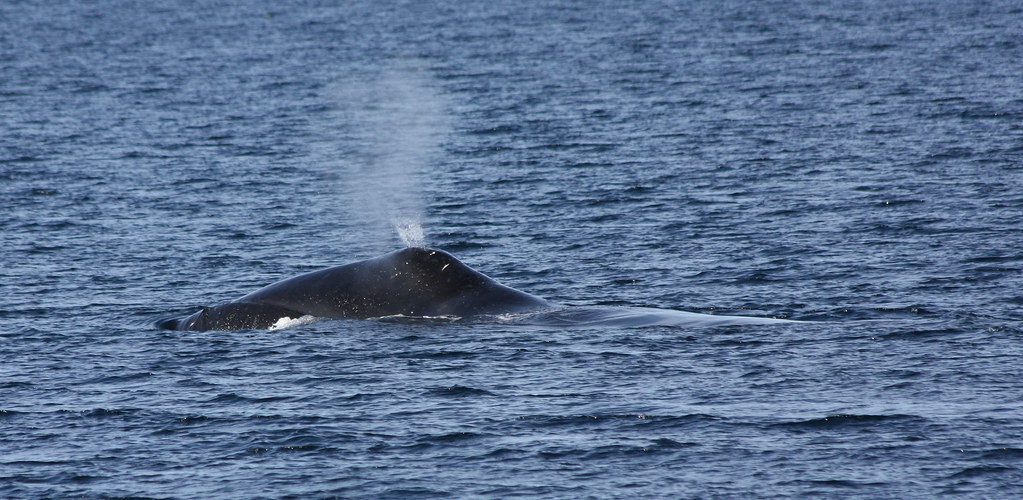
    Dead Bowhead Whale” by Bering Land Bridge National Preserve is licensed under CC BY 2.0

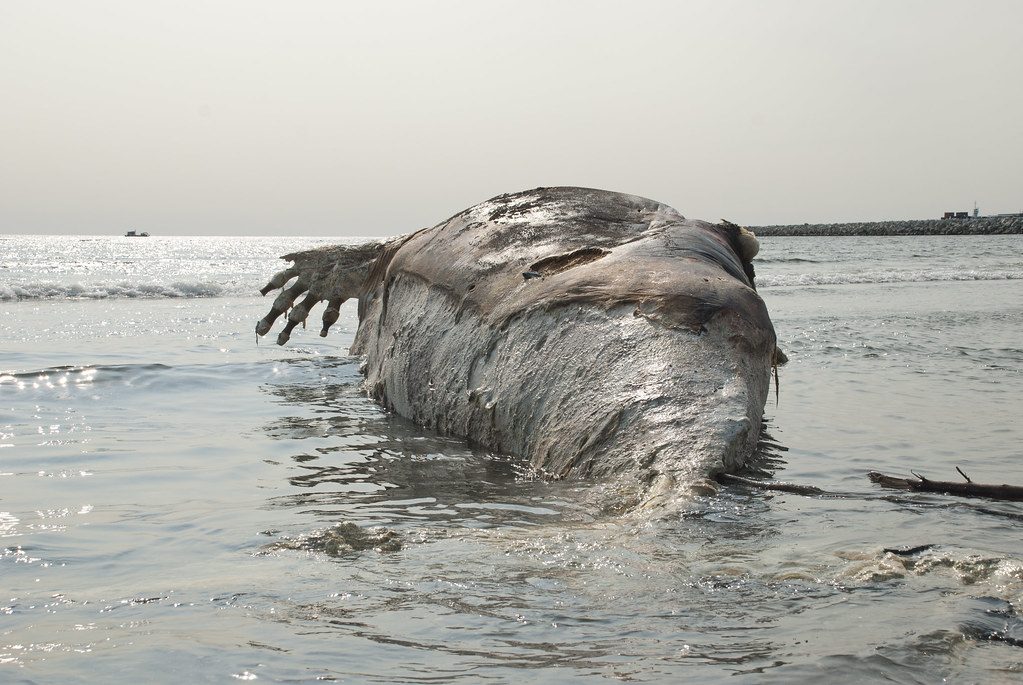
    The remarkable find was made while the bowhead whale was being processed following a subsistence harvest in Alaska. During the examination, a biologist noticed several unusual metal fragments buried within the animal’s tissue.

    The fragments appeared old and did not resemble modern equipment. Recognizing their potential significance, researchers sent the pieces to experts who specialized in whaling history. What they discovered would reveal an incredible story spanning more than a century.

    The harpoon dates back to the 1800s

    Bowhead whale skeleton with baleen” by Beth M527 is licensed under CC BY-NC 2.0

    Historians identified the metal fragments as parts of an exploding lance, a type of harpoon used during the height of commercial whaling. The weapon was commonly associated with whaling operations based in New Bedford, Massachusetts.

    Experts determined that the harpoon design matched a model produced between 1879 and 1885. Based on the available evidence, researchers estimated the whale was likely struck around 1890. The fact that the animal survived and remained alive in 2007 suggested an astonishing age.

    A whale that lived through history

    Bowhead whale / Grønlandshval / Balaena mysticetus)” by Anne-Line Brink is licensed under CC BY-NC-ND 2.0

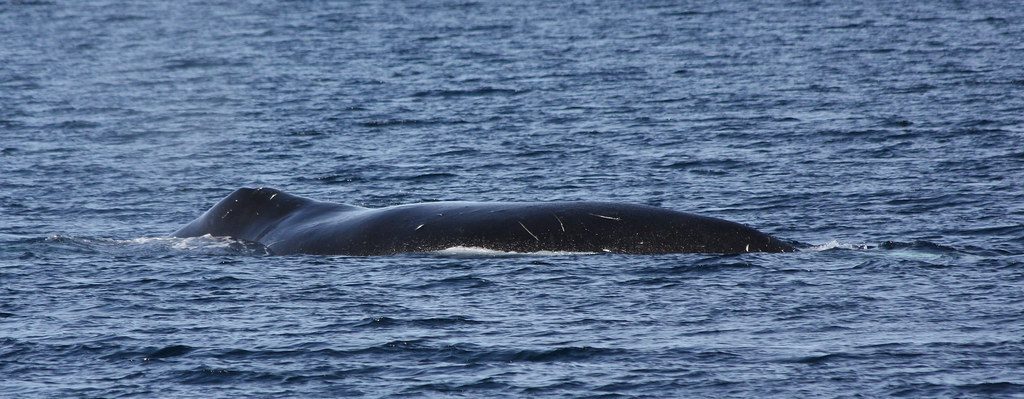
    Using the estimated date of the harpoon strike, scientists concluded that the whale was approximately 115 years old. The actual age may have been even greater, since the animal could have been several years old before the encounter occurred.

    This meant the whale had lived through dramatic changes in both human history and the natural world. It survived the final decades of commercial whaling and continued swimming through Arctic waters long after the industry that targeted its species had disappeared.

    The rise and recovery of bowhead whales

    Bowhead whale / Grønlandshval / Balaena mysticetus)” by Anne-Line Brink is licensed under CC BY-NC-ND 2.0

    Bowhead whales faced intense hunting pressure during the commercial whaling era. Their populations declined sharply as whalers hunted them for valuable resources, driving them to dangerously low levels.

    Commercial hunting of bowhead whales effectively ended in 1921. Since then, conservation efforts and legal protections have helped populations recover. Today, estimates suggest there are between 10,000 and 23,000 bowhead whales, showing significant improvement from historic lows.

    How scientists estimate a whale’s age

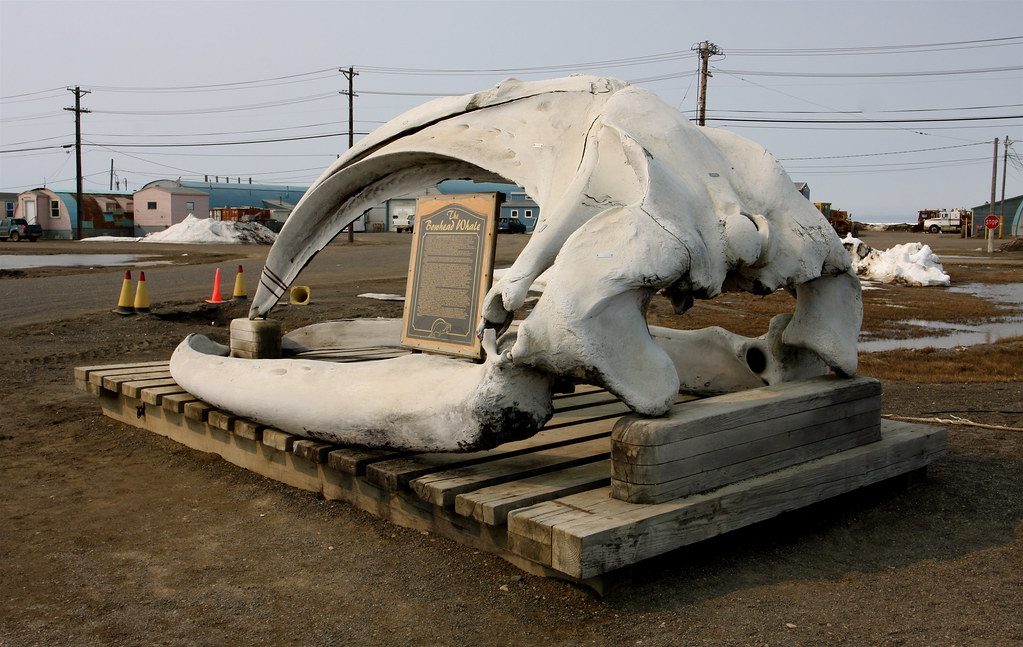
    Bowhead Whale Skull – Barrow, Alaska” by TravelingOtter is licensed under CC BY-SA 2.0

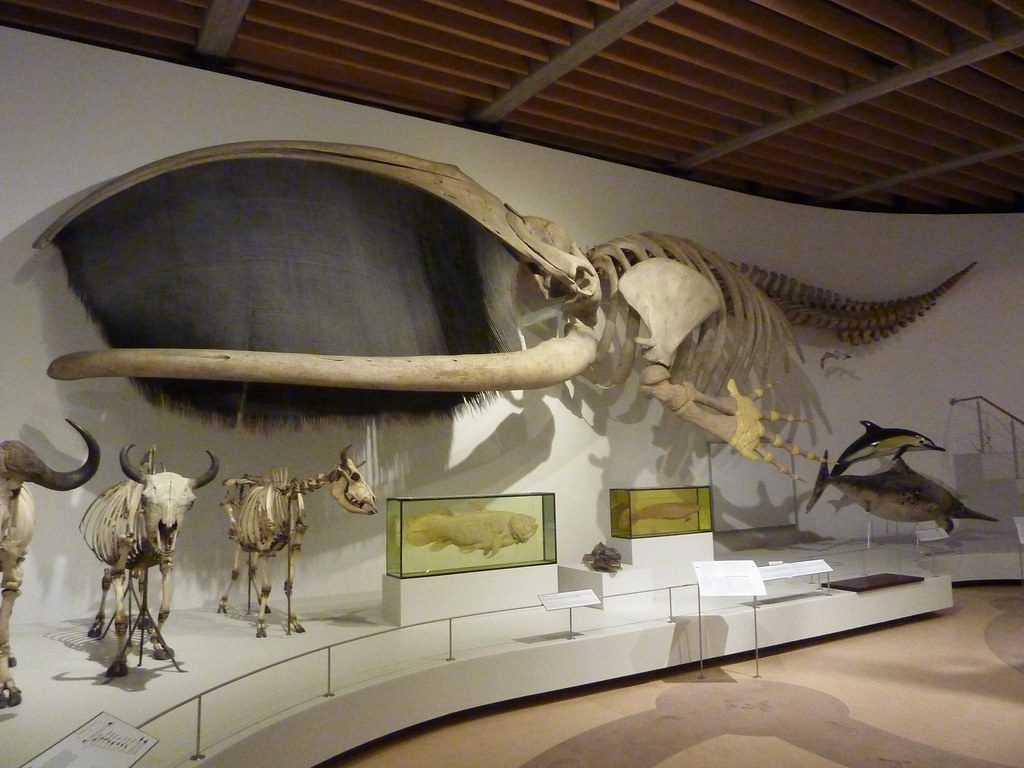
    Finding a century-old harpoon inside a whale is extremely rare, so researchers normally rely on different methods to estimate age. One of the most useful techniques involves studying amino acids found in the eye lens.

    The balance of these amino acids changes in predictable ways over time. By measuring those changes, scientists can estimate how old a whale may be. This method has provided evidence that some bowhead whales can live for more than 200 years, making them among the longest-lived mammals on Earth.

    The secret behind their remarkable longevity

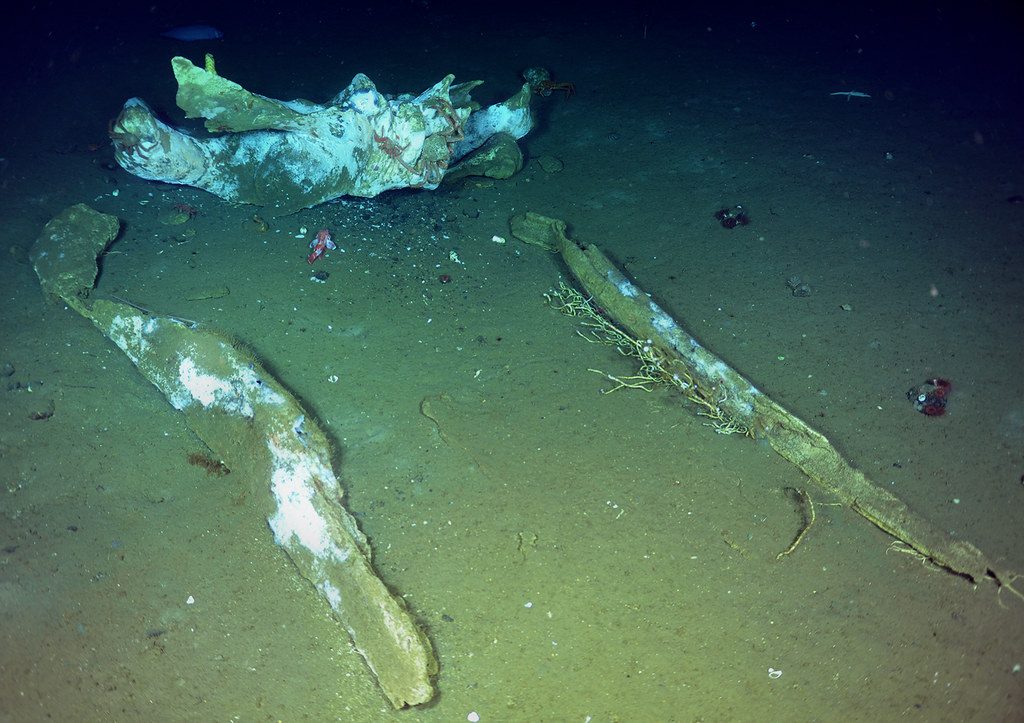
    Whale Fall” by OceanNetworks Canada is licensed under CC BY-NC-SA 2.0

    Scientists continue to study why bowhead whales live so much longer than most mammals. One theory suggests that unique genetic traits may allow their cells to repair damage more effectively before dividing.

    These biological advantages could contribute to their extraordinary lifespan. Researchers believe that understanding these mechanisms may provide valuable insights into aging, longevity, and how living organisms maintain health over long periods.

  • Why leopards think twice before attacking porcupines

    Why leopards think twice before attacking porcupines

    Many animals rely on speed, strength, or sharp teeth to survive in the wild. Porcupines take a completely different approach. These slow-moving rodents may appear harmless at first glance, but they possess one of the most effective defense systems in the animal kingdom.

    Their bodies are covered with thousands of sharp quills that can turn even the most confident predator into a wounded retreat. From large cats to other powerful hunters, many animals quickly learn that attacking a porcupine is often a painful mistake. Understanding how these unique rodents defend themselves reveals why they remain one of nature’s most successful prey animals.

    A rodent with a powerful defense

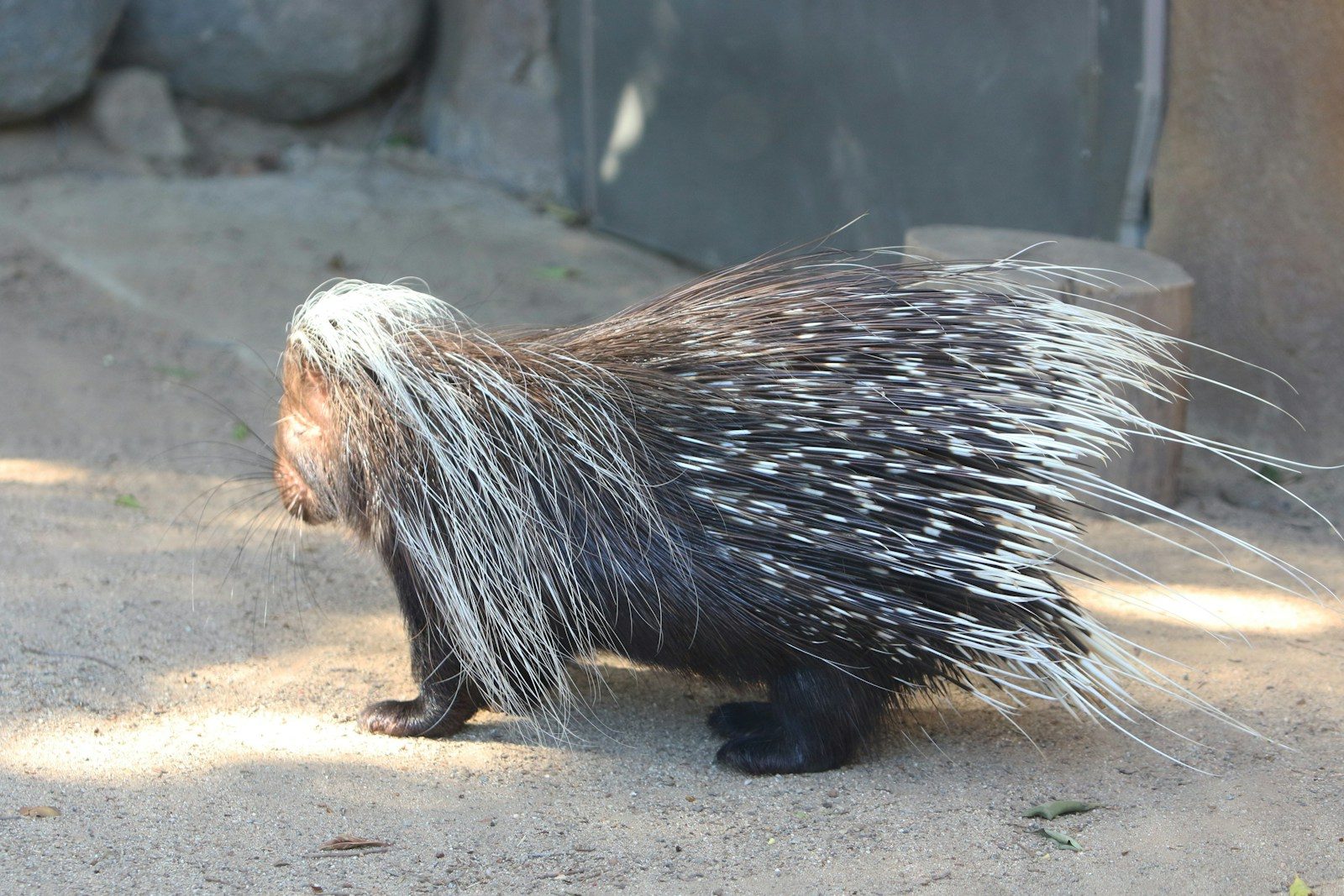
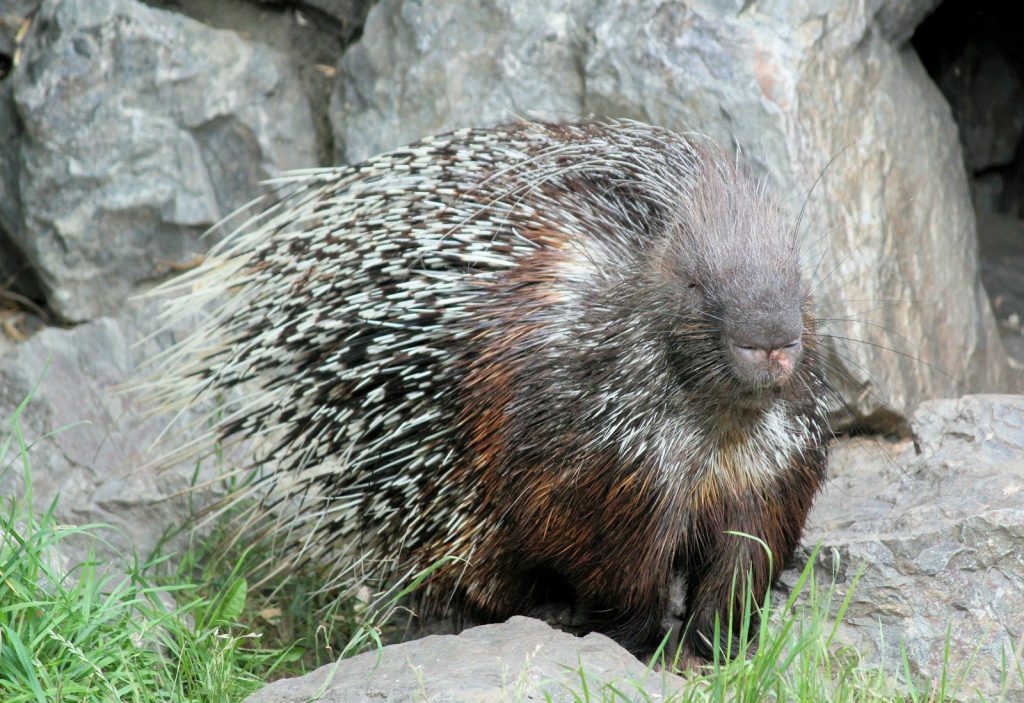
    A porcupine is walking on the ground
    Photo by Praswin Prakashan on Unsplash

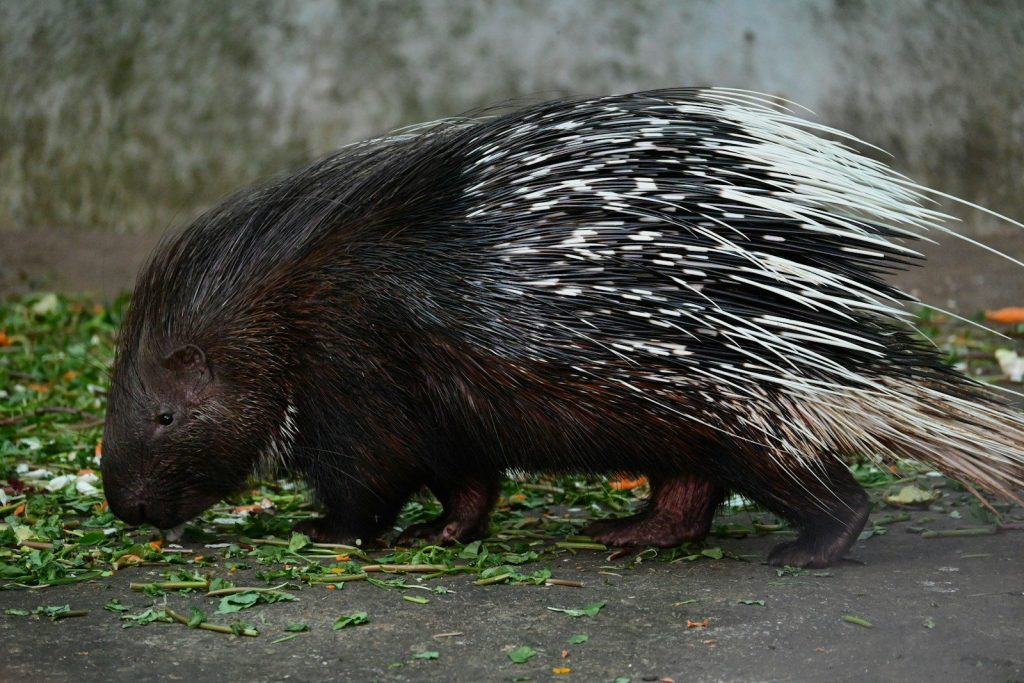
    Porcupines are rodents, not predators. Unlike animals that hunt for food, they spend most of their time avoiding danger and protecting themselves from threats in their environment. Their survival depends on defense rather than attack.

    What makes porcupines special is their covering of sharp quills. These modified hairs act like natural armor, creating a protective barrier that discourages predators from getting too close. The quills give the animal a powerful advantage despite its slow movement.

    How porcupines respond to danger

    a porcupine is walking around in the dirt
    Photo by Jeffrey Hamilton on Unsplash

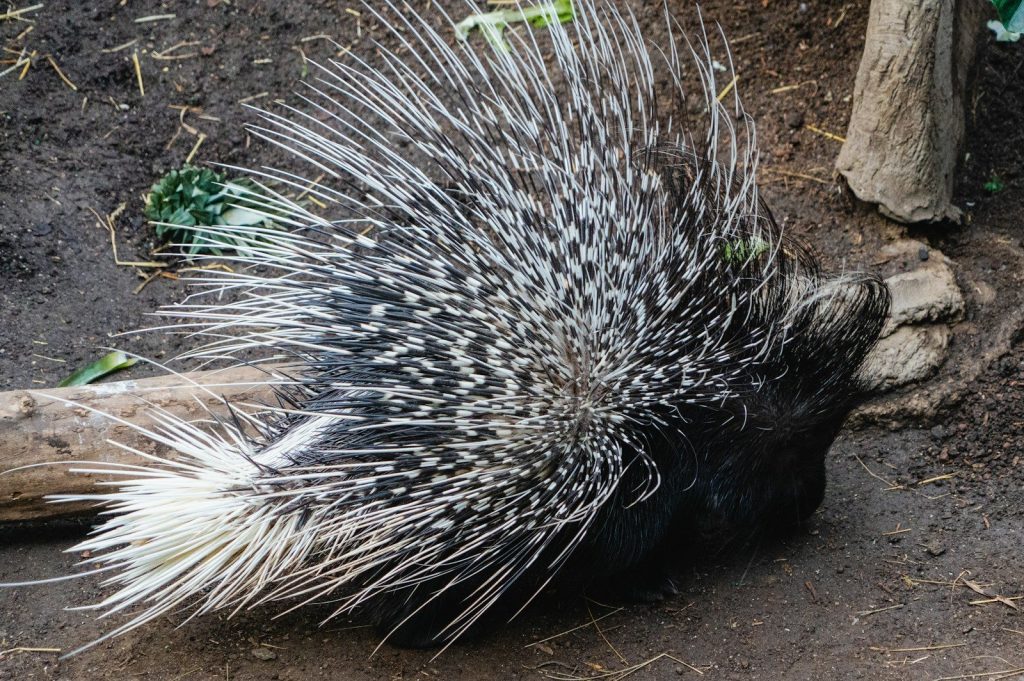
    When a porcupine senses a threat, it does not immediately run away. Instead, it relies on a series of defensive behaviors designed to make predators think twice before attacking.

    The animal raises its quills to appear larger and more dangerous. If the threat continues, the porcupine may swing its tail toward the attacker. This action can drive sharp quills into any animal that gets too close, creating an immediate and painful deterrent.

    Why are the quills so effective?

    a porcupine walking on the ground in the dirt
    Photo by Jeffrey Hamilton on Unsplash

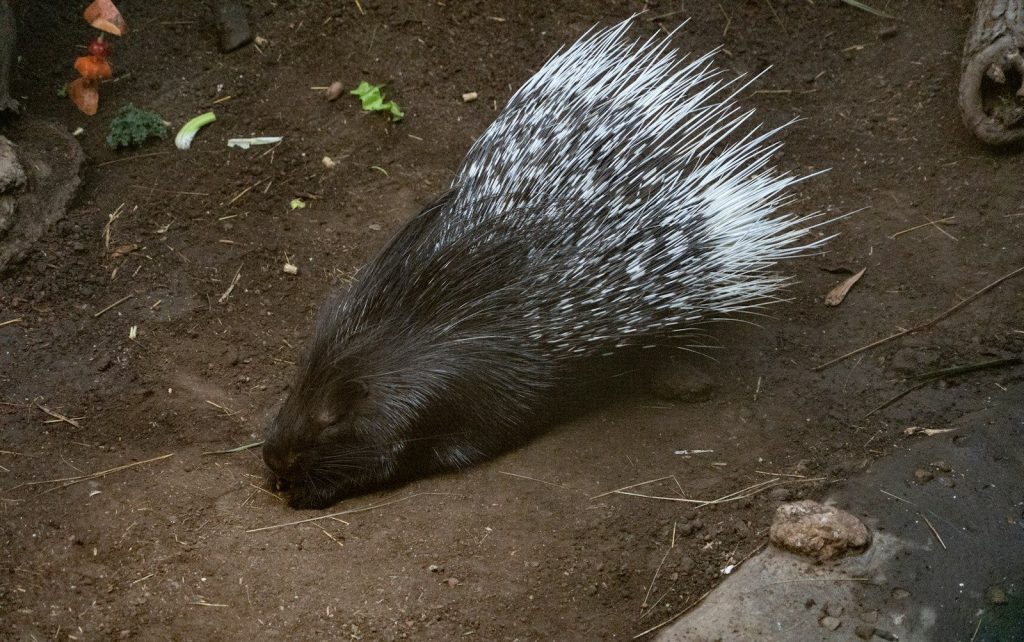
    Porcupine quills are not just sharp. They are designed to remain embedded in flesh once contact occurs. This makes them far more dangerous than a simple scratch or puncture wound.

    Removing the quills can be difficult and painful. In some cases, they may work deeper into the tissue over time. This can increase discomfort and raise the risk of infection, making even a successful attack costly for a predator.

    Even large predators can suffer injuries

    jaguar on rock
    Photo by Hans Veth on Unsplash

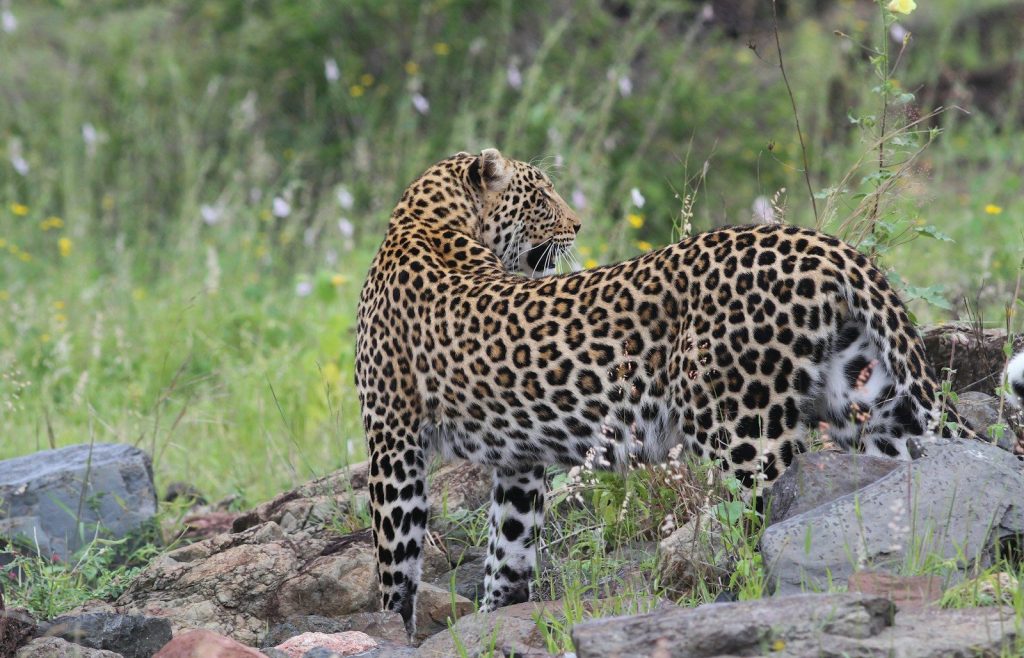
    Many people assume large predators have little to fear from smaller animals. However, porcupines regularly prove that size alone does not guarantee success in the wild.

    Animals such as leopards have learned that attacking a porcupine can result in painful injuries. A predator may approach confidently, only to retreat after receiving multiple quills. The injuries can interfere with hunting and create additional health problems if left untreated.

    Defense instead of offense

    gray and black hedgehog
    Photo by Dušan veverkolog on Unsplash

    Unlike predators that rely on chasing prey, porcupines focus entirely on protecting themselves. Their strategy is based on making attacks so costly that predators decide the risk is not worth the reward.

    This defensive approach has proven highly successful. Many predators recognize the danger posed by porcupines and avoid them whenever possible. The animal’s reputation alone can sometimes prevent an attack before it even begins.

    A remarkable example of survival

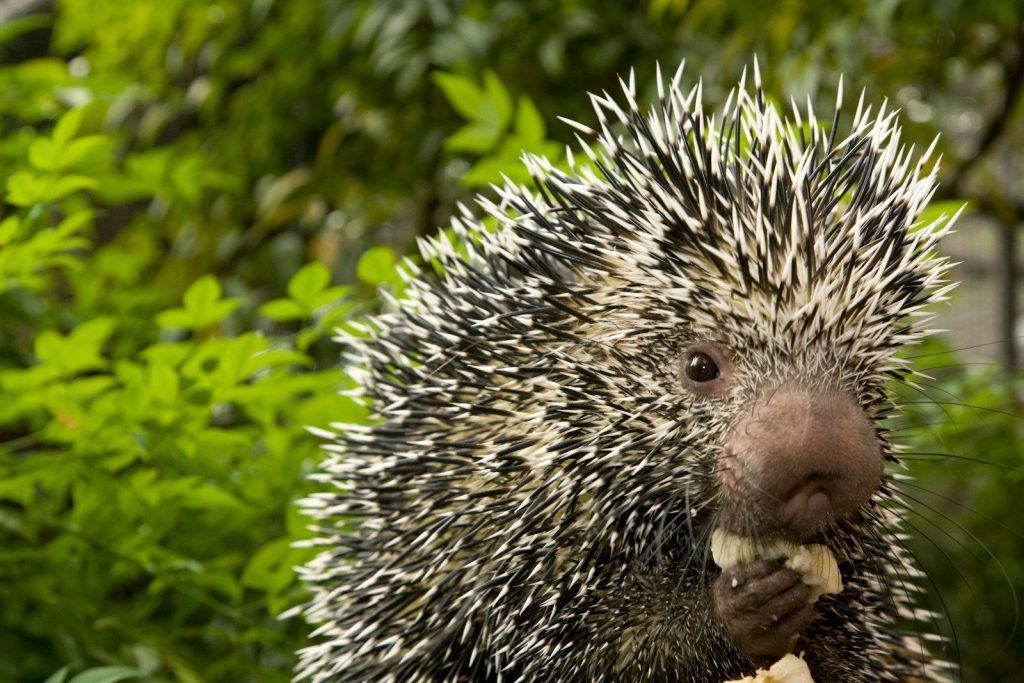
    A porcupine eating a piece of food.
    Photo by Smithsonian on Unsplash

    Porcupines demonstrate that survival in nature does not always depend on strength or speed. Evolution has equipped them with a defense system that allows them to stand their ground against much larger animals.

    Their sharp quills, warning displays, and defensive behavior have helped them thrive in environments filled with predators. As a result, the porcupine remains one of the most heavily armed and well-protected rodents in the natural world.

  • The discovery that changed what scientists knew about deep-sea life

    The discovery that changed what scientists knew about deep-sea life

    The deepest place on Earth seems like an unlikely location for life. Buried nearly 36,000 feet beneath the Pacific Ocean, the Mariana Trench experiences crushing pressure, complete darkness, and extreme conditions. For many years, scientists wondered whether anything could survive there at all. In 1960, explorers Don Walsh and Jacques Piccard descended into the trench aboard the Trieste submarine and made a surprising observation.

    After reaching the ocean floor, they saw what appeared to be life moving through the mud. That discovery challenged assumptions about the limits of life on Earth. Today, scientists continue exploring the trench and uncovering remarkable organisms that survive in one of the planet’s most extreme environments.

    The deepest known place on Earth

    man wearing black headphones
    Photo by Teo D on Unsplash

    The Mariana Trench is located in the Pacific Ocean and is recognized as the deepest ocean trench on the planet. Its deepest section reaches nearly 36,000 feet below the surface, making it one of the most challenging environments ever explored by humans.

    The trench is so deep that Mount Everest could fit inside it with more than a mile of water still above the mountain’s peak. These extreme depths create conditions unlike anything found closer to the surface.

    A historic journey to the ocean floor

    clear blue body of water
    Photo by Cristian Palmer on Unsplash

    In 1960, explorers Don Walsh and Jacques Piccard undertook one of the most ambitious deep-sea missions ever attempted. Their vessel, the Trieste, was specially designed to withstand the enormous pressure found at such depths.

    The descent was not without danger. During the journey, a window block cracked under pressure. Despite the setback, the mission continued, and the explorers successfully reached the bottom of the trench, making history in the process.

    An unexpected discovery in the mud

    rocks on sea bed
    Photo by Yannis Papanastasopoulos on Unsplash

    Upon reaching the ocean floor, the explorers noticed something surprising. They observed what appeared to be life moving through the muddy seabed, suggesting that even the deepest part of the ocean was not lifeless.

    This observation challenged previous assumptions about the limits of survival. Scientists had long questioned whether complex life could exist under such extreme pressure and darkness. The sighting suggested that the trench supported living organisms despite its harsh conditions.

    Life thrives in extreme environments

    green corals under water
    Photo by Marek Okon on Unsplash

    Modern research has confirmed that a variety of organisms live in the Mariana Trench and other deep ocean trenches. These creatures have adapted to conditions that would be impossible for most forms of life.

    Among the species discovered are giant amphipods, sea cucumbers, microbial mats, and unusually large single-celled organisms. Each of these life forms has evolved unique characteristics that help it survive in the deep ocean.

    The mysteries of the hadal zone

    a scuba diver swims through an underwater cave
    Photo by NEOM on Unsplash

    The deepest regions of ocean trenches are known as the hadal zone. These environments remain among the least explored places on Earth due to the technical challenges of reaching them.

    Despite decades of research, scientists have identified only about 400 species across the entire hadal zone. This relatively small number suggests that many organisms may still remain undiscovered in the deepest parts of the world’s oceans.

    Why deep-sea exploration still matters

    yellow and black gas lamp
    Photo by NOAA on Unsplash

    The Mariana Trench continues to attract scientific interest because it provides insights into how life adapts to extreme conditions. Studying these organisms helps researchers better understand biology, evolution, and the limits of survival.

    Every expedition has the potential to reveal something new. As technology improves, scientists are gaining access to areas that were once impossible to explore. These discoveries continue to expand our understanding of life in one of Earth’s final frontiers.

  • The giant great white sharks that stunned Florida researchers

    The giant great white sharks that stunned Florida researchers

    Great white sharks are among the most famous animals in the ocean. Their size, power, and role as top predators have fascinated people for decades. While movies often portray them as fearsome hunters, scientists view them as important parts of healthy marine ecosystems. Florida’s waters attract a wide variety of shark species, and great whites are among the most impressive visitors.

    Over the years, researchers have tracked several enormous sharks near the state’s coastline, revealing just how large these animals can become. Some weighed more than a small car, while others stretched longer than many boats. These remarkable sightings offer a closer look at some of the largest great white sharks ever recorded off the coast of Florida.

    Why great white sharks attract so much attention

    a great white shark swimming in the ocean
    Photo by Gerald Schömbs on Unsplash

    Great white sharks belong to the mackerel shark family and are considered apex predators. They sit near the top of the food chain and play an important role in maintaining balance within marine ecosystems.

    Their reputation has also made them one of the most recognized shark species in the world. Stories, documentaries, and movies have helped turn great whites into ocean icons, drawing attention whenever one is spotted near popular coastlines.

    Florida is home to visiting giant sharks

    white shark under the sea
    Photo by Owen Harding on Unsplash

    Florida’s coastal waters support an incredible variety of marine life. Dolphins, sea turtles, bull sharks, and countless fish species inhabit the region year-round.

    Great white sharks are among the most exciting visitors recorded in these waters. Although they are not seen every day, tracking programs have revealed that some exceptionally large individuals travel along Florida’s coastline during their migrations.
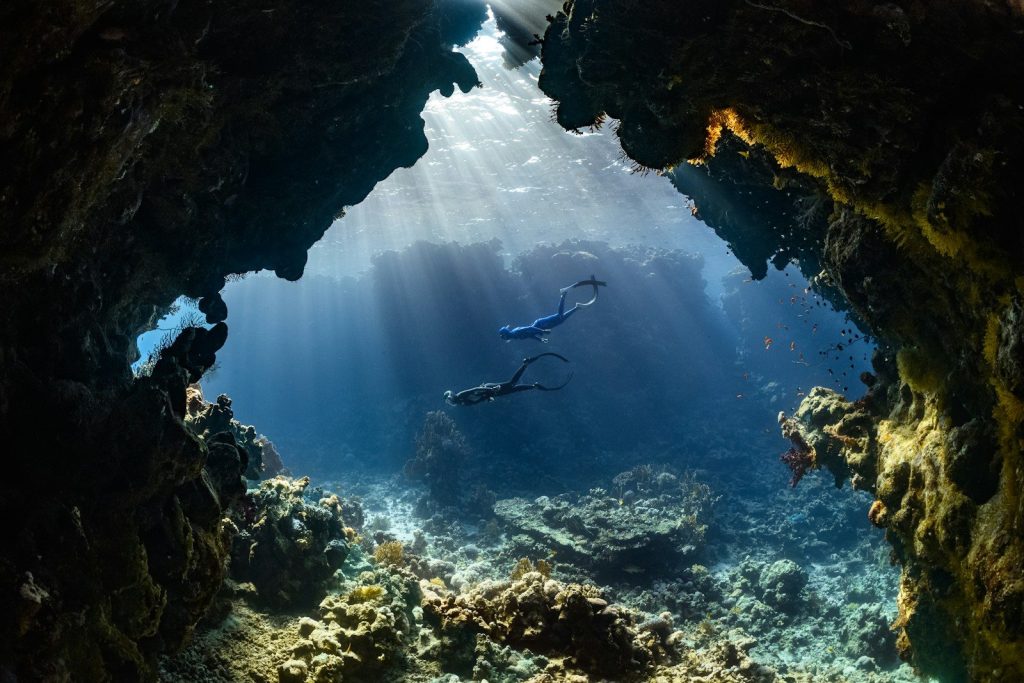
    Scot became one of Florida’s largest tracked sharks

    white and black shark underwater
    Photo by Gerald Schömbs on Unsplash

    One of the largest great white sharks recorded off Florida was a male named Scot. Researchers tracked him near the Gulf Coast of Florida in March 2022.

    Scot measured approximately 12.3 feet long and weighed about 1,644 pounds. His enormous size made him one of the largest great white sharks documented in Florida waters and demonstrated the impressive growth these predators can achieve.

    Other giant sharks spotted near Florida

    black shark in blue water
    Photo by Gerald Schömbs on Unsplash

    Another notable shark was Breton, a great white that was located about 13 miles off the coast of Port St. Lucie in South Florida. Researchers estimated Breton weighed roughly 1,437 pounds and measured about 13 feet long.

    Sable also attracted attention after being tracked along Florida’s coast and throughout parts of the Gulf of Mexico. Measuring around 11.5 feet long and weighing about 900 pounds, Sable was one of several giant sharks helping scientists learn more about migration patterns.

    The largest tagged great white shark

    Great white shark cage dive : 1” by Crystian Cruz is licensed under CC BY-ND 2.0

    Although not found in Florida waters, one shark connected to the same research efforts stood out for its extraordinary size. A shark named Mahone became the largest great white ever tagged by OCEARCH.

    Mahone measured approximately 13 feet 7 inches long and weighed around 1,701 pounds. The shark was spotted off North Carolina, demonstrating that some of the largest great whites on the East Coast travel across vast stretches of ocean.

    How Florida sharks compare to world record giants

    black shark in green water
    Photo by Kevin Bessat on Unsplash

    The most famous great white shark ever documented is a female named Deep Blue. Researchers estimate she weighs about 5,000 pounds and measures nearly 20 feet long.

    Compared with Deep Blue, even Florida’s largest tracked sharks appear much smaller. However, animals such as Scot, Breton, and Mahone still rank among the most impressive great white sharks ever studied and highlight the incredible size these ocean predators can reach.

  • The astonishing size of the largest tuna ever caught

    The astonishing size of the largest tuna ever caught

    Most people know tuna as a popular food found in grocery stores and kitchen pantries. However, many are surprised to learn that tuna are also among the largest and most powerful fish in the ocean. These fast-swimming predators can travel long distances and reach sizes that seem almost unbelievable.

    Over the years, fishermen have caught some truly enormous specimens that have amazed experts and fishing enthusiasts alike. Among them was one record-setting giant that showed just how large tuna can become. Understanding the size, strength, and importance of these fish helps explain why the largest tuna ever caught remains such a fascinating part of fishing history.

    Tuna are built for life in the open ocean

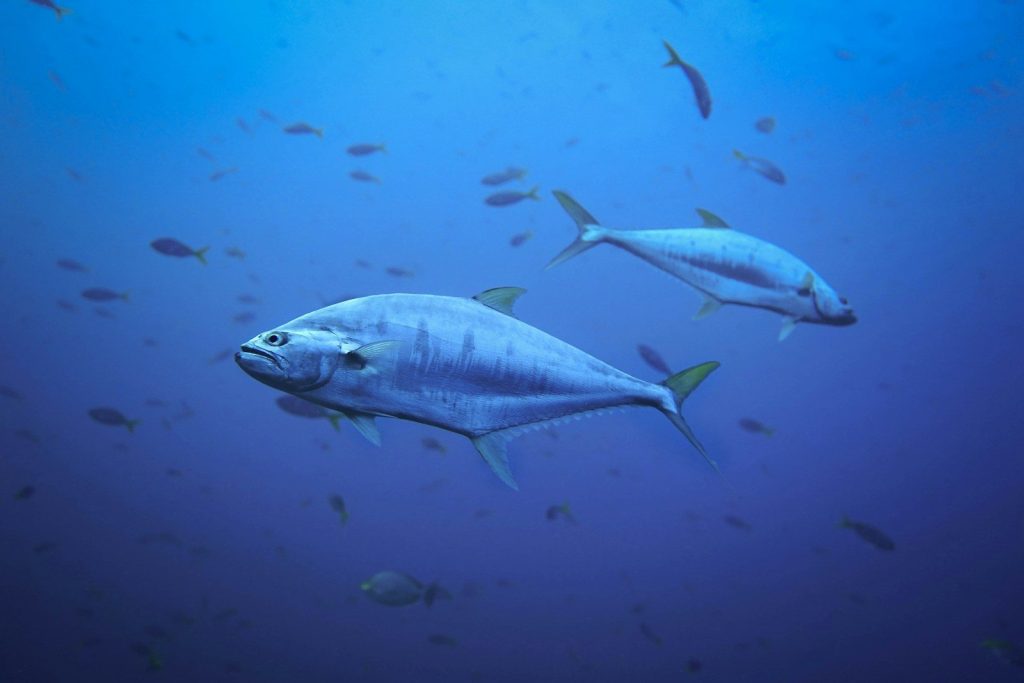
    a school of fishes
    Photo by James Thornton on Unsplash

    Tuna are highly adapted ocean predators. Their streamlined bodies allow them to move quickly through the water while searching for food across vast distances. This speed and endurance make them some of the most successful fish in marine ecosystems.

    Unlike many smaller fish, tuna continue growing throughout their lives. Given enough time and favorable conditions, some individuals can reach extraordinary sizes. Their combination of strength, speed, and growth potential has helped make them famous among commercial and recreational fishermen.

    Americans consume tuna on a large scale

    a person holding a piece of raw meat
    Photo by Big Dodzy on Unsplash

    Tuna remains one of the most widely consumed seafood products in the United States. Millions of households regularly purchase canned tuna as a convenient and affordable source of protein.

    Because canned tuna is so common, many people rarely think about the actual fish behind the product. The image of a small can often make it difficult to imagine that some tuna can grow large enough to rival the weight of much larger land animals.

    Some tuna grow to astonishing sizes

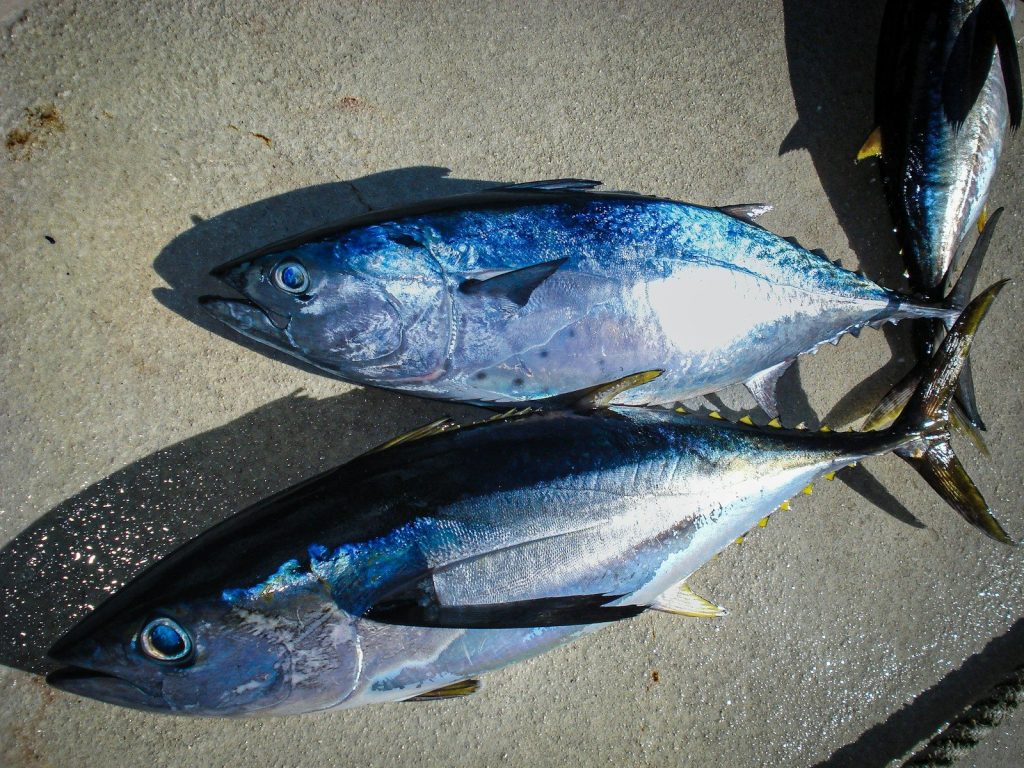
    a couple of fish sitting on top of a sidewalk
    Photo by Sean Robertson on Unsplash

    Among the many species of tuna found around the world, some are capable of reaching truly impressive dimensions. These fish can weigh hundreds or even thousands of pounds, making them among the largest bony fish in the ocean.

    Their size is supported by a powerful muscular body designed for constant movement. Large tuna can cover great distances while maintaining the speed needed to hunt prey in open-water environments.

    The largest catches continue to amaze fishermen

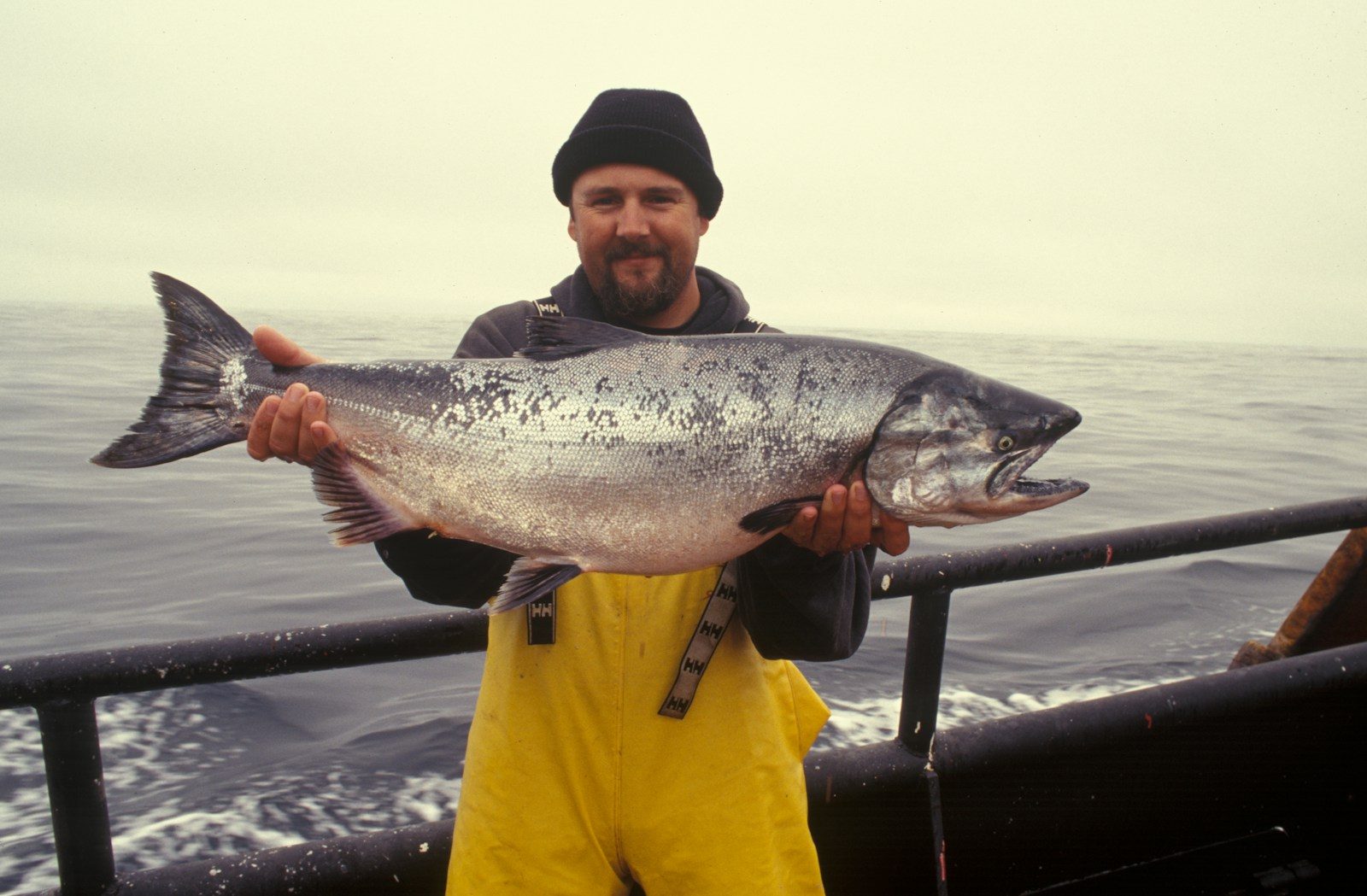
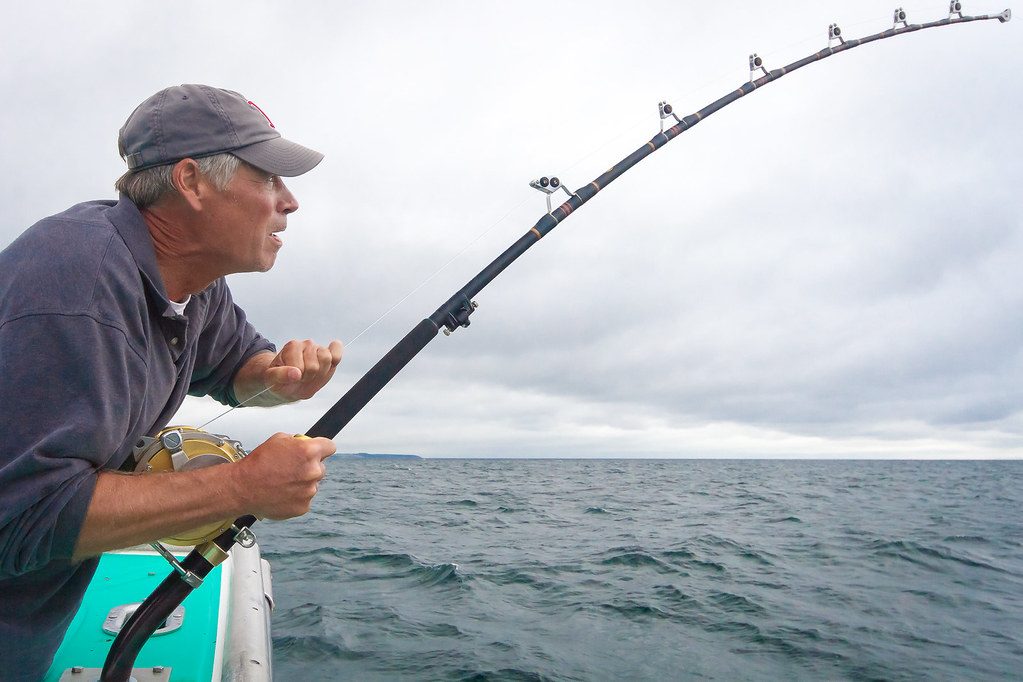
    PEI Tuna Fishing 2012-2148” by Bill Brine is licensed under CC BY 2.0

    Fishing records often capture public attention because they reveal the extraordinary size some marine animals can achieve. Over the years, several giant tuna have become famous for their remarkable weight and appearance.

    When fishermen land one of these enormous fish, the catch often attracts widespread interest. The sheer scale of these animals can be difficult to appreciate until they are seen beside people, boats, or fishing equipment.

    Why giant tuna seem almost unreal

    A person holding a fish in their hand
    Photo by Wahyu Adhian Chandra on Unsplash

    Many people associate fish with relatively small sizes compared with those of large mammals. Giant tuna challenge that perception because their weight can approach that of animals more commonly associated with farms and ranches.

    The sight of a massive tuna often surprises people who are unfamiliar with the species. Their immense bodies serve as a reminder of the incredible diversity and scale that exists beneath the ocean’s surface.

    Tuna remains one of the ocean’s most impressive fish

    a fish is jumping out of the water
    Photo by Ray Harrington on Unsplash

    Beyond their size, tuna are respected for their strength and athletic ability. Anglers often consider them among the most challenging fish to catch because of their speed and endurance.

    Their combination of power, size, and importance to both ecosystems and fisheries has earned them a special place in marine history. The largest tuna ever caught continues to capture attention because it represents the remarkable potential of one of the ocean’s greatest fish.

  • The heartwarming moment a seal stayed by his rescuer’s side

    The heartwarming moment a seal stayed by his rescuer’s side

    Wildlife rescues often end with an animal returning to freedom, but sometimes something unexpected happens. In one remarkable rescue, a seal captured viewers’ hearts after refusing to leave the person who had just saved his life. What began as a routine rescue quickly turned into an emotional moment that many people could not forget.

    The seal appeared determined to stay close to his rescuer, following him around and showing an unusual level of trust. The touching interaction highlighted the powerful connection that can develop during moments of compassion and care. It also reminded people that animals can respond in surprising ways when given a second chance.

    A rescue that started with fear

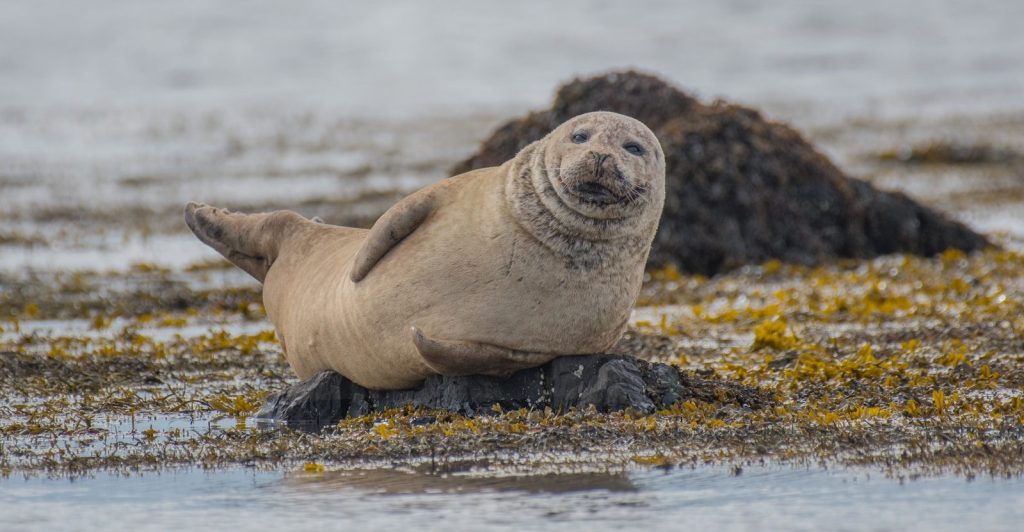
    photo of brown seal standing on rock formation
    Photo by Kace Rodriguez on Unsplash

    Before the rescue, the seal had been facing a difficult, stressful situation. Like many marine animals in distress, he appeared frightened and uncertain as rescuers worked to help him.

    Wild animals often experience intense fear when trapped, injured, or unable to escape danger. In these situations, rescuers must act carefully to reduce stress while providing the assistance needed to save the animal’s life.

    An unexpected reaction after being saved

    gray seal in water at daytime
    Photo by Keith Luke on Unsplash

    Once the rescue was complete, the seal’s behavior surprised everyone involved. Instead of immediately swimming away or keeping his distance, he remained close to the person who had helped him.

    The seal repeatedly followed his rescuer, appearing reluctant to leave. This unusual response quickly attracted attention because it seemed to show a level of comfort and trust rarely seen in wildlife rescue situations.

    Trust replaces fear

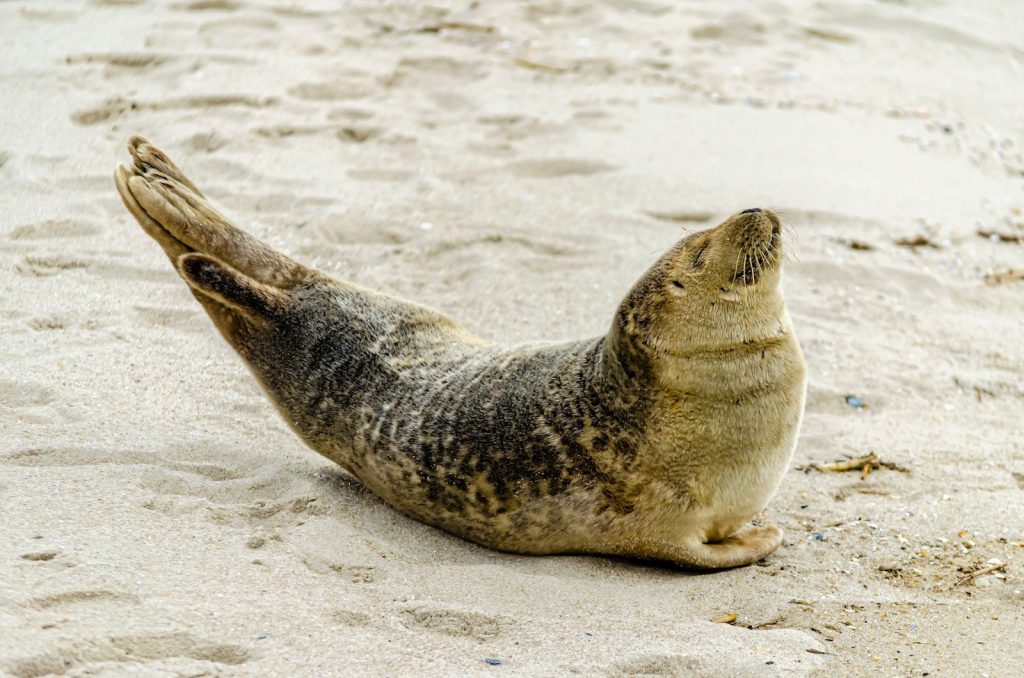
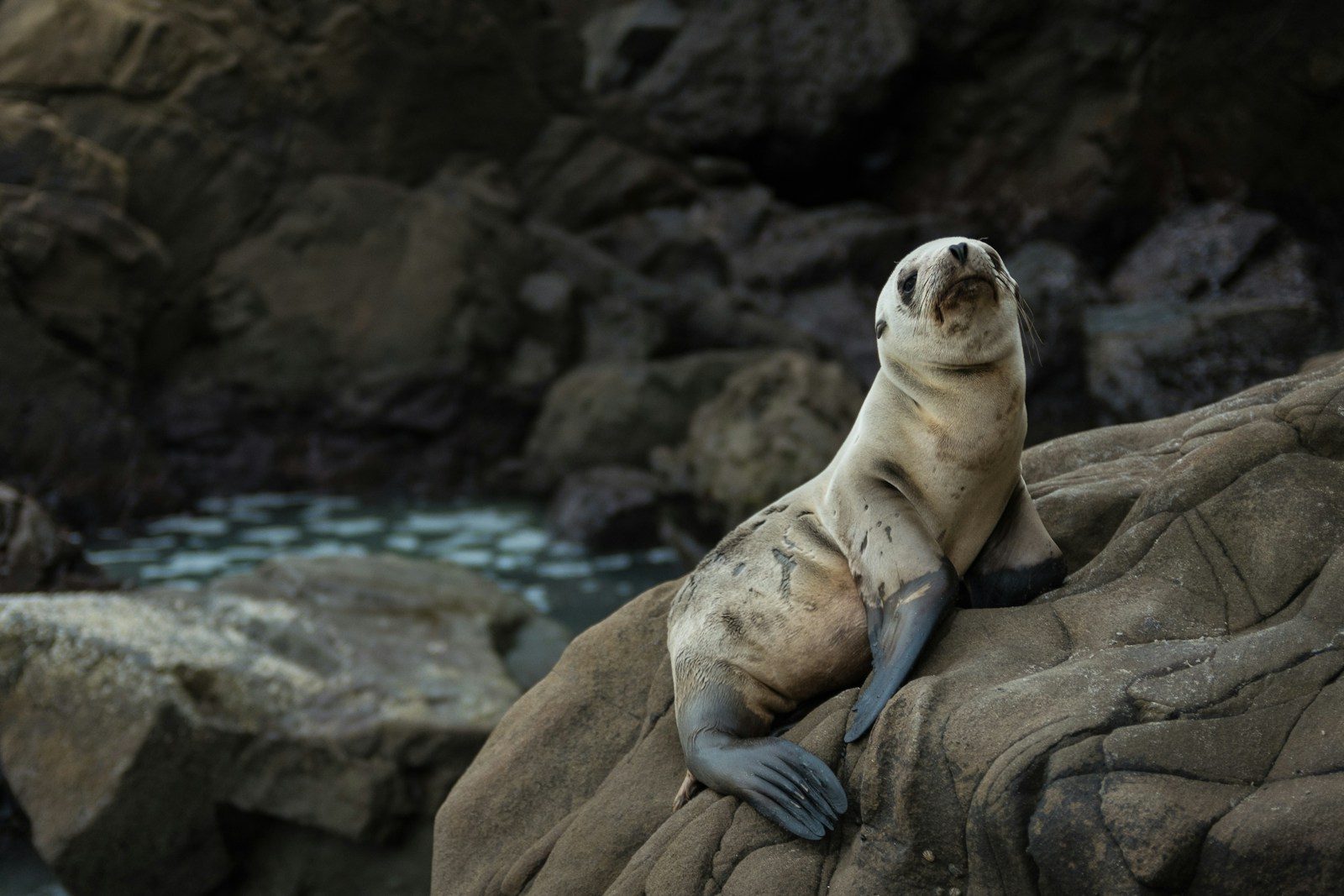
    sea lion on white sand during daytime
    Photo by Steve Adams on Unsplash

    Animals that experience stressful situations often remain cautious even after they are safe. In this case, however, the seal appeared to become calmer after spending time with the rescuer.

    The change in behavior suggested that the animal no longer viewed the human as a threat. Instead, the seal appeared willing to stay nearby, creating a powerful contrast to the fear and uncertainty seen earlier in the rescue.

    Why the moment resonated with viewers

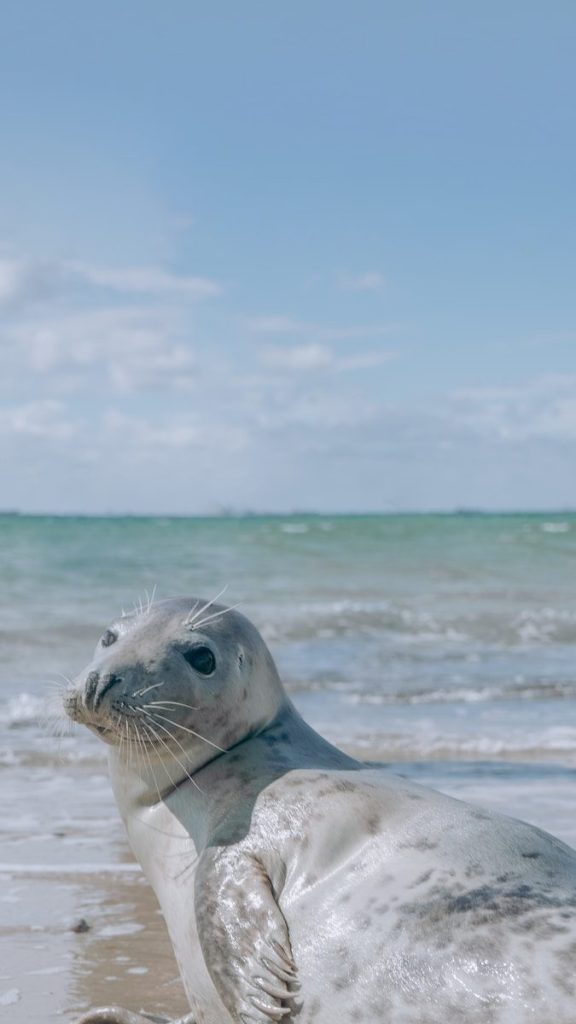
    sea lion on beach shore during daytime
    Photo by Daniele Colucci on Unsplash

    Videos of wildlife rescues frequently attract attention because they show animals overcoming difficult situations. This rescue stood out because of the seal’s emotional response after being helped.

    Many viewers said they were deeply moved by the way the seal looked at his rescuer. The interaction appeared genuine and heartfelt, leading people to describe it as one of the most touching wildlife moments they had ever seen.

    The importance of compassion in wildlife rescue

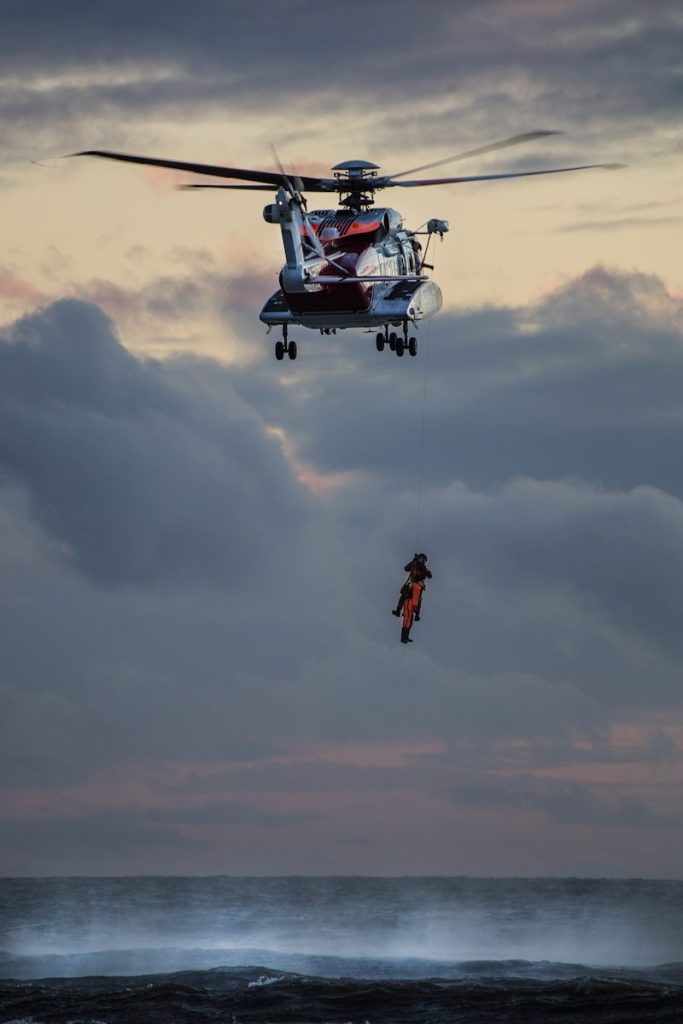
    helicopter, rescue helicopter, air rescue, emergency helicopter, rescue operation, rescue, emergency doctor, accident rescue, patient transport, emergency, flying, mission, aviation, transport, propeller, rotor, mountain rescue, heaven, helicopter, helicopter, helicopter, helicopter, helicopter
    Photo by Ralphs_Fotos on Pixabay

    Rescuers often work in challenging conditions to help animals facing danger. Their efforts require patience, skill, and a commitment to protecting wildlife without causing additional stress.

    This rescue demonstrated how compassionate actions can have a meaningful impact. While the primary goal was to save the seal, the care shown throughout the process appeared to help the animal feel safe during a frightening experience.

    A reminder that kindness matters

    brown seal on body of water during daytime
    Photo by Michael Jerrard on Unsplash

    Stories like this remind people why wildlife rescue work is so important. Every rescued animal represents a chance to reduce suffering and give a creature another opportunity to thrive in its natural environment.

    The seal’s reaction may never be fully understood, but it clearly touched those who witnessed it. Whether viewed as gratitude, trust, or simple comfort, the moment highlighted the powerful role kindness can play in helping animals recover from hardship.

  • Six dangerous animals Americans are most likely to encounter

    Six dangerous animals Americans are most likely to encounter

    Many people assume the most dangerous animals in America are large predators such as bears, wolves, or alligators. In reality, the animals most likely to cause harm are often the ones people encounter every day. Some are venomous, some are involved in vehicle accidents, and others live close to homes and neighborhoods.

    The risks also vary from state to state, depending on local wildlife and human activity. Understanding which animals pose the greatest threat can help people stay safe while enjoying the outdoors. Here are six dangerous animals associated with six U.S. states, along with the reasons they deserve attention.

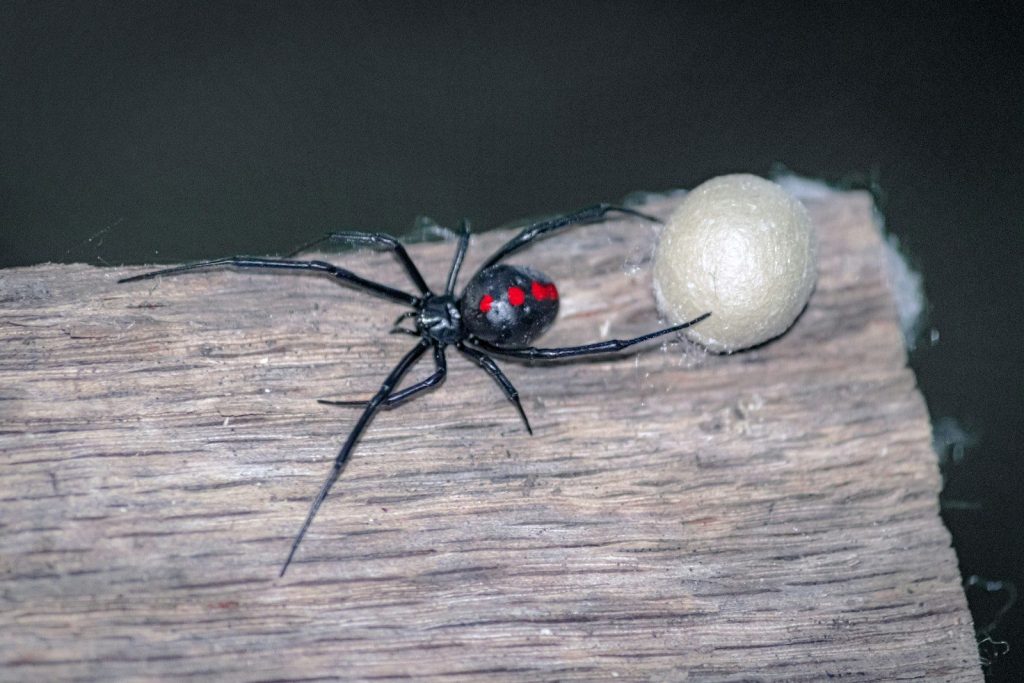
    Alabama’s black widow spider

    a black and red bug
    Photo by Tom Sid on Unsplash

    Alabama is home to many animals considered dangerous, including alligators and venomous snakes. However, one of the state’s most concerning creatures is much smaller. The black widow spider is often found in quiet locations such as sheds, garages, crawl spaces, woodpiles, and storage areas.

    Female black widows have venom that can cause severe symptoms in humans. A bite may cause pain, muscle cramps, swelling, nausea, sweating, and chest or abdominal discomfort. These spiders are not aggressive, and most bites occur when someone accidentally disturbs them while reaching into a hidden space.

    Alaska’s unexpected danger: dogs

    Alaskan Malamute walking on snow field
    Photo by photo nic on Unsplash

    Alaska is famous for its wildlife, including grizzly bears, polar bears, wolves, and moose. Despite the attention those animals receive, dogs are considered one of the state’s most dangerous animals because of the rate of serious attacks compared with the state’s population.

    Many Alaskans live in remote areas where large dogs are used for transportation, protection, hunting, or work. Most dogs are not dangerous, but attacks can happen quickly when animals are poorly supervised, neglected, or allowed to roam freely. In some cases, distance from emergency medical care can make these incidents even more serious.

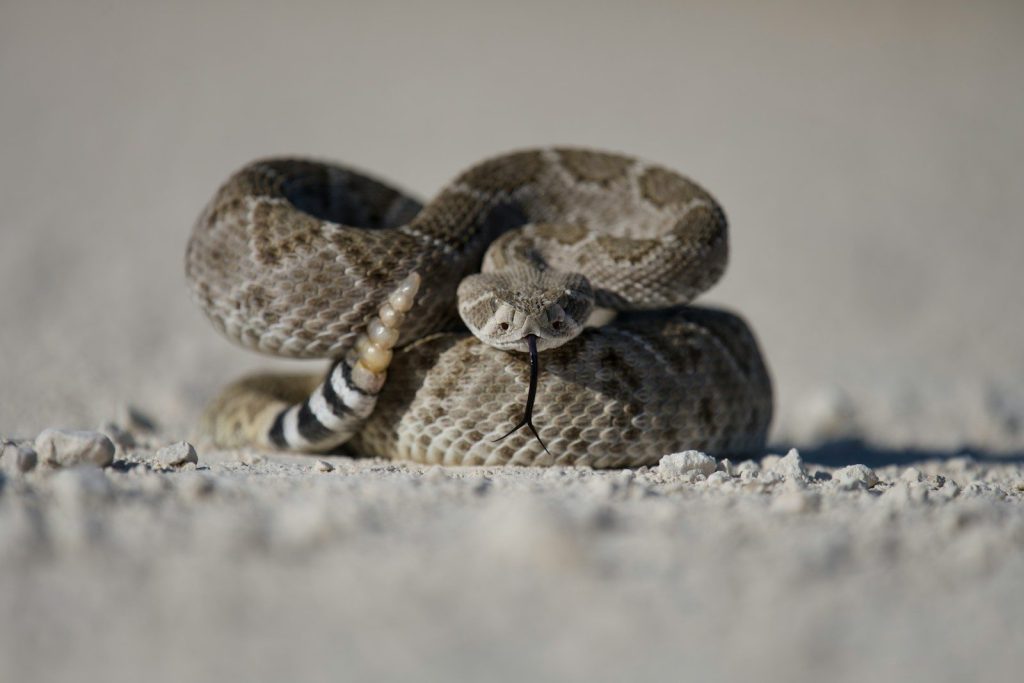
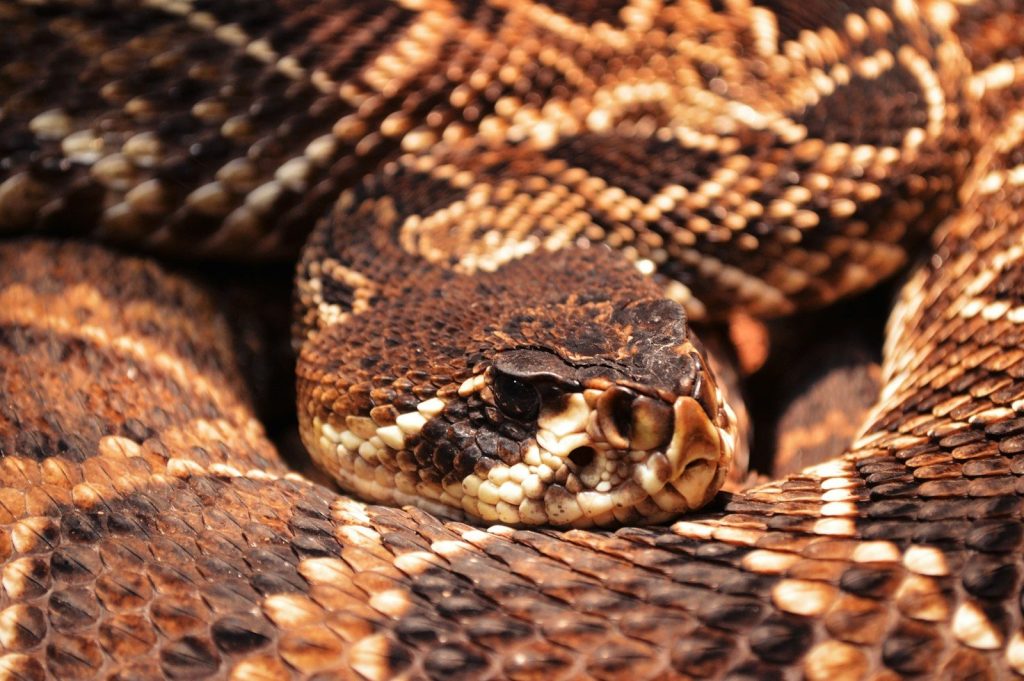
    Arizona’s western diamondback rattlesnake

    brown and black snake on white sand
    Photo by Duncan Sanchez on Unsplash

    Arizona’s deserts are home to the Western diamondback rattlesnake, one of the most recognizable venomous snakes in the United States. Its distinctive diamond pattern and warning rattle make it easy to identify when encountered in the wild.

    A bite from this snake can cause intense pain, swelling, tissue damage, nausea, and other serious complications. Most bites occur when people accidentally step on a snake or try to handle it. Giving rattlesnakes space and staying alert on trails are among the best ways to avoid dangerous encounters.
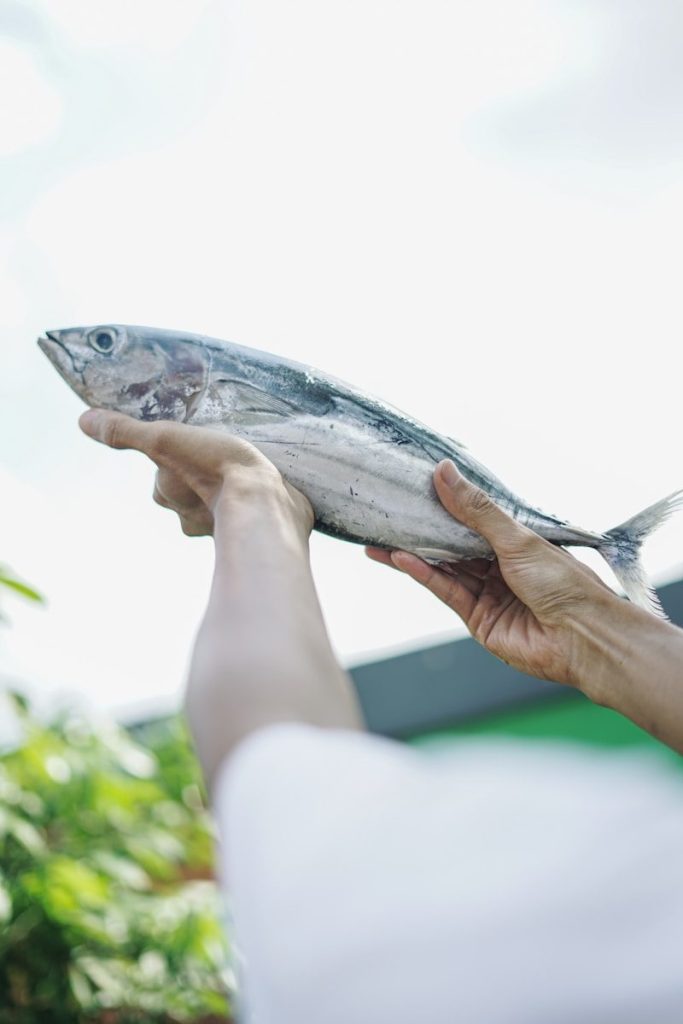
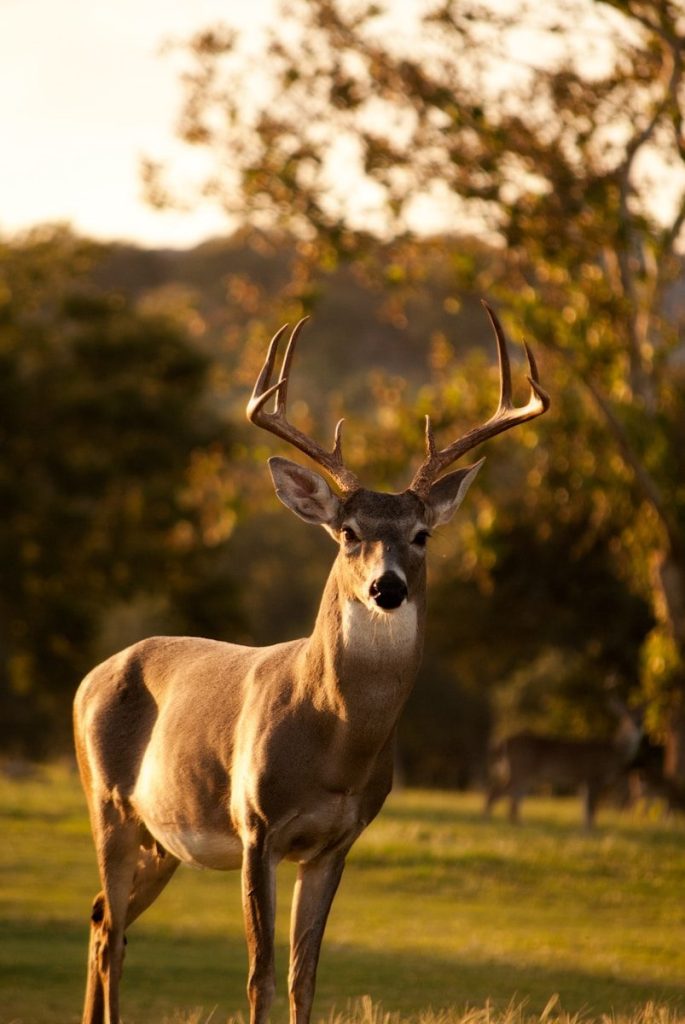
    Arkansas and the risk from whitetail deer

    selective focus photography of brown deer standing on green grass field during daytime
    Photo by Laura College on Unsplash

    Whitetail deer may seem harmless compared with venomous reptiles and large predators, but they are responsible for many dangerous situations in Arkansas. The biggest threat comes from vehicle collisions rather than direct interactions with people.

    Deer often cross roads unexpectedly, especially around dawn and dusk. Drivers may have little time to react when an animal suddenly enters traffic. These collisions can cause major vehicle damage, injuries, and secondary crashes, making deer one of the state’s most significant wildlife hazards.

    California’s southern Pacific rattlesnake

    black and white snake skin
    Photo by Amber Wolfe on Unsplash

    California is home to many wild animals, but the Southern Pacific rattlesnake stands out as one of the state’s most dangerous. It is commonly found in grasslands, rocky areas, foothills, canyons, and locations near hiking trails.

    Although these snakes generally avoid people, bites can occur when someone gets too close or attempts to move the animal. Their venom may cause severe pain, swelling, bruising, tissue damage, and problems with blood clotting. Hikers and outdoor enthusiasts are encouraged to stay on trails and avoid disturbing wildlife.

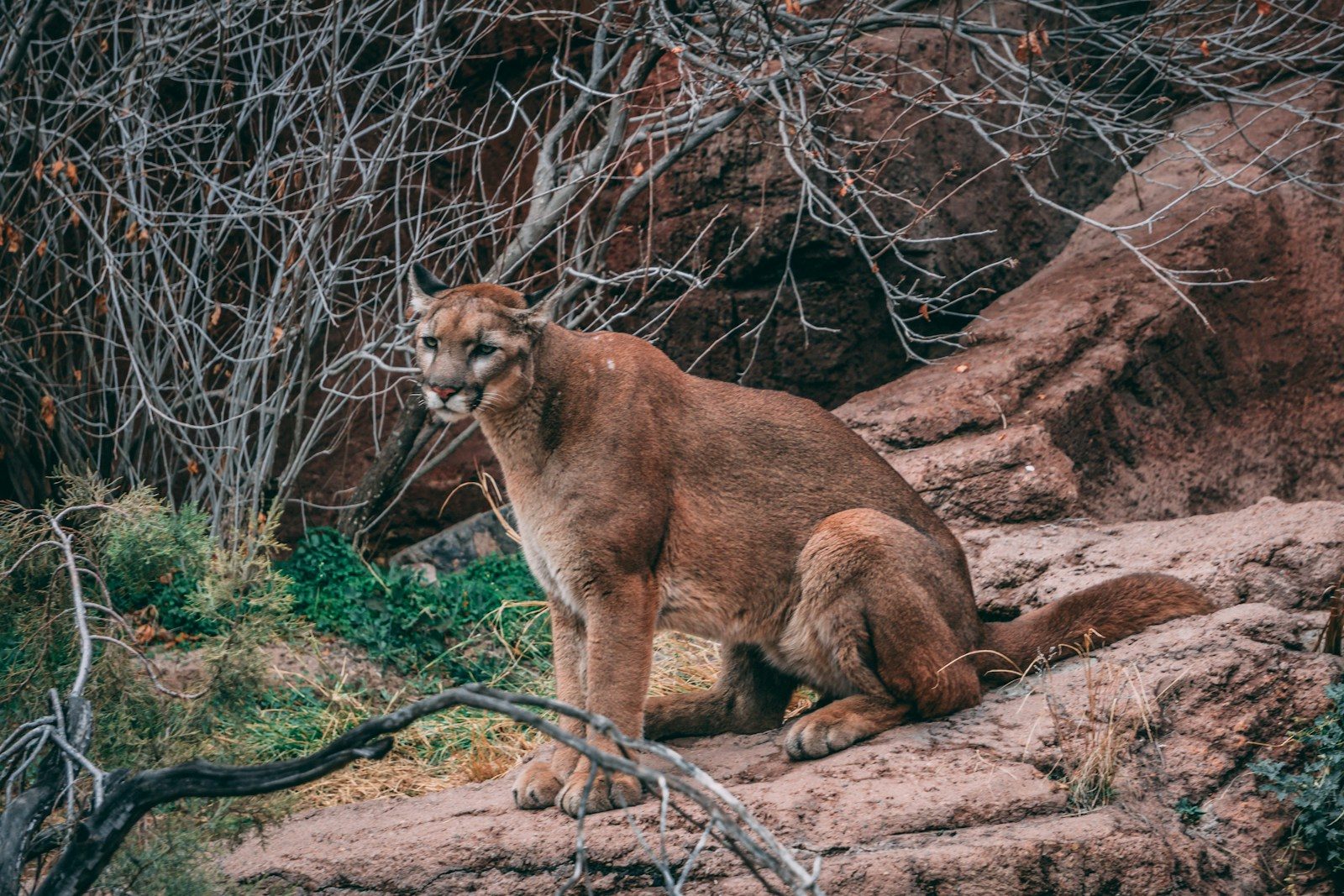
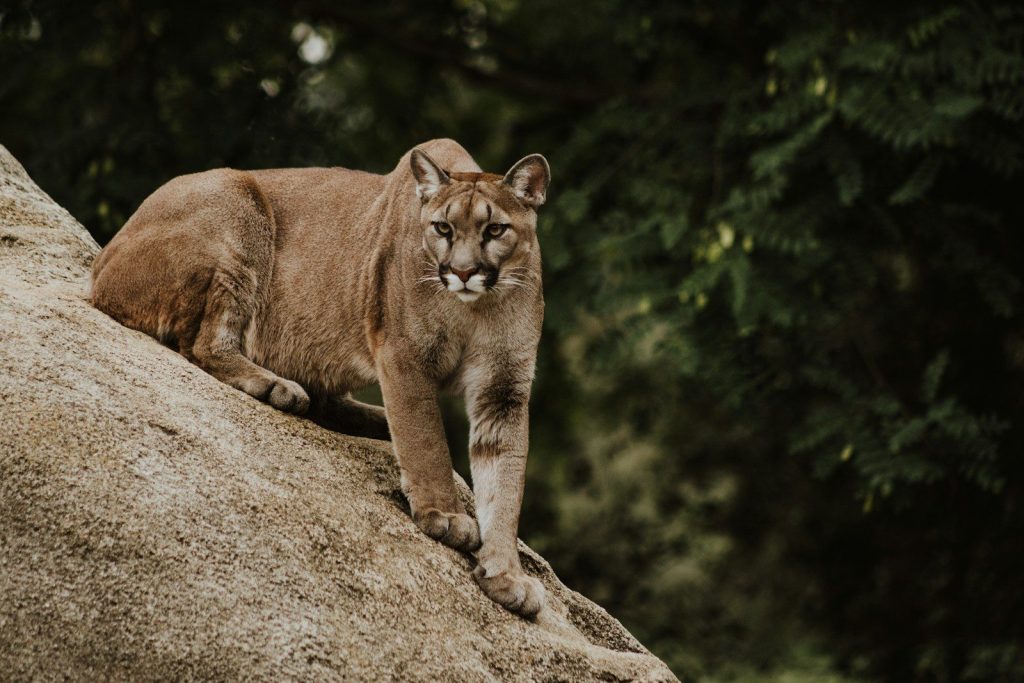
    Colorado’s mountain lion

    cougar on brown rock formation
    Photo by Priscilla Du Preez 🇨🇦 on Unsplash

    Colorado is home to mountain lions, one of the largest predators in North America. These powerful cats usually avoid people, but encounters can occur in foothills, hiking areas, and neighborhoods near wild habitats.

    Although attacks are rare, mountain lions can cause serious injuries. Experts advise hikers to stay alert, avoid running if they encounter a lion, and give the animal plenty of space. As more communities expand into wildlife habitats, encounters between people and mountain lions have become more common.

  • How a trapped seal found comfort during a dramatic rescue

    How a trapped seal found comfort during a dramatic rescue

    Wildlife rescues can be emotional, but some moments leave a lasting impression on everyone who sees them. One such rescue involved a young seal trapped by entanglement and struggling to free itself. The frightened animal appeared exhausted, overwhelmed, and in danger as rescuers worked carefully to reach it.

    What happened next captured the hearts of viewers around the world. After being freed from the debris that had trapped it, the seal gradually calmed as a rescuer gently held it. The touching moment highlighted not only the importance of wildlife conservation but also the powerful impact of compassion during an animal rescue.

    A seal trapped in a dangerous situation

    gray seal in water at daytime
    Photo by Keith Luke on Unsplash

    The rescue began when members of Ocean Conservation Namibia discovered a seal stuck near a platform. The animal was entangled in debris and had become trapped around a buoy and platform structure.

    Rescuers quickly realized the seal was in distress. The animal had been swimming with an entanglement that was not part of the platform itself. Instead, it appeared to be trapped by discarded material that had become wrapped around its body before getting caught on the structure.

    A careful rescue operation

    A rescue from a helicopter in Dinas Dinlle from the water
    Photo by Neil Mark Thomas on Unsplash

    Reaching the seal was not simple. The rescuers had to maneuver carefully around the platform while planning how to free the frightened animal without causing additional harm.

    As the team approached, they worked to restrain the seal safely and remove the material wrapped around it. The rescue required patience and precision because the animal was scared and struggling. Every movement had to be carefully controlled to protect both the seal and the rescuers.
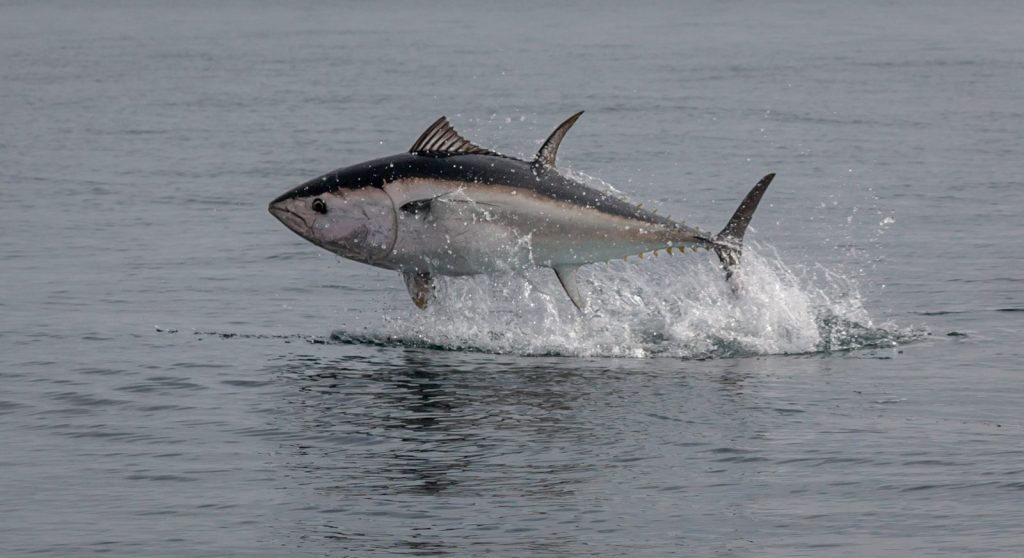
    The danger posed by marine debris

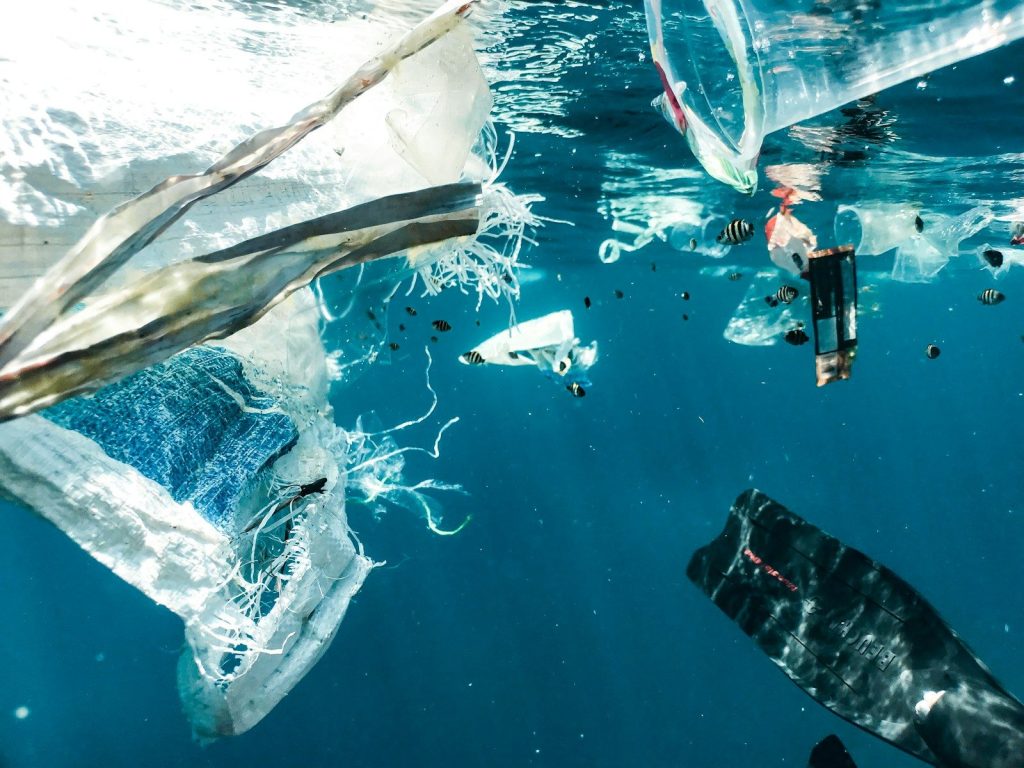
    a group of garbage floating in the ocean
    Photo by Naja Bertolt Jensen on Unsplash

    Once the seal was freed from the platform, the team discovered that additional material was still wrapped around its body. The debris appeared to be part of an old trawler net that had likely been discarded or lost at sea.

    Marine debris can create serious risks for wildlife. Animals may become entangled while swimming, feeding, or exploring their environment. These materials can restrict movement, cause injuries, and in severe cases, prevent animals from breathing properly or finding food.

    A frightened animal begins to relax

    selective focus photography of seal lying on ground
    Photo by Pascal Mauerhofer on Unsplash

    During the rescue, the seal appeared extremely stressed and frightened. It had spent an unknown amount of time trapped and struggling against the entanglement. The experience left the animal visibly overwhelmed.

    After rescuers removed the debris, the seal gradually became calmer. One of the most touching moments came when a rescuer gently held the animal as the rescue continued. The seal appeared to settle down as it was carried safely, creating a scene that many viewers found deeply emotional.

    Why seals are vulnerable to entanglement

    sea lion on beach shore during daytime
    Photo by Daniele Colucci on Unsplash

    The rescuers explained that seals often gather around platforms because these structures provide safe places to rest and play. Young seals often spend time in these areas, increasing the risk of encountering ropes, nets, and other debris.
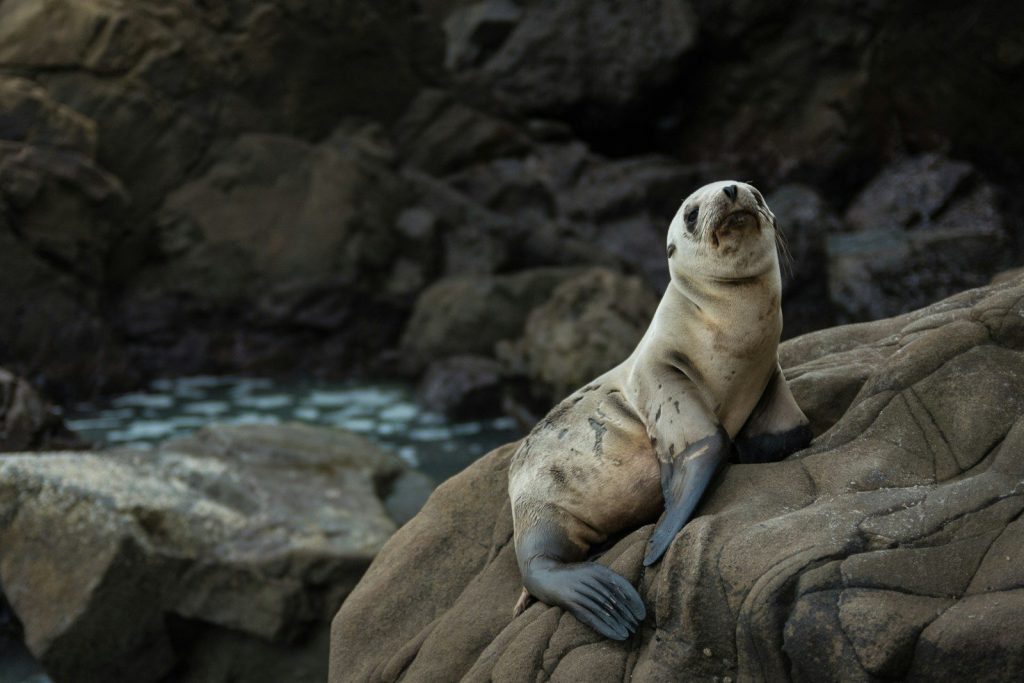
    In this case, the seal likely became tangled while swimming around the platform and nearby buoy. Once the entanglement became caught on the structure, the animal was unable to free itself. Without intervention, the situation could have become much more serious.
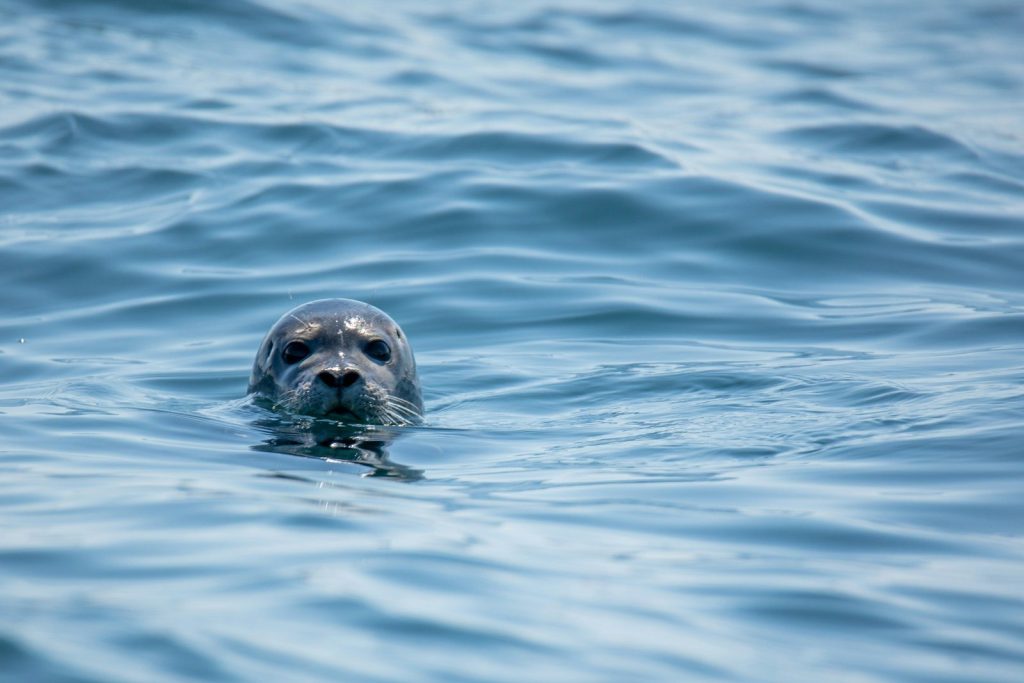
    A reminder of the power of compassion

    sea lion on white sand during daytime
    Photo by Steve Adams on Unsplash

    The rescue quickly attracted attention because it showed more than just a successful wildlife intervention. It also highlighted the care and dedication of people who work to protect animals facing life-threatening situations.

    The gentle way rescuers handled the frightened seal demonstrated the value of compassion in wildlife conservation. By responding quickly and treating the animal with patience and respect, the team gave the seal a chance to return safely to its natural environment.