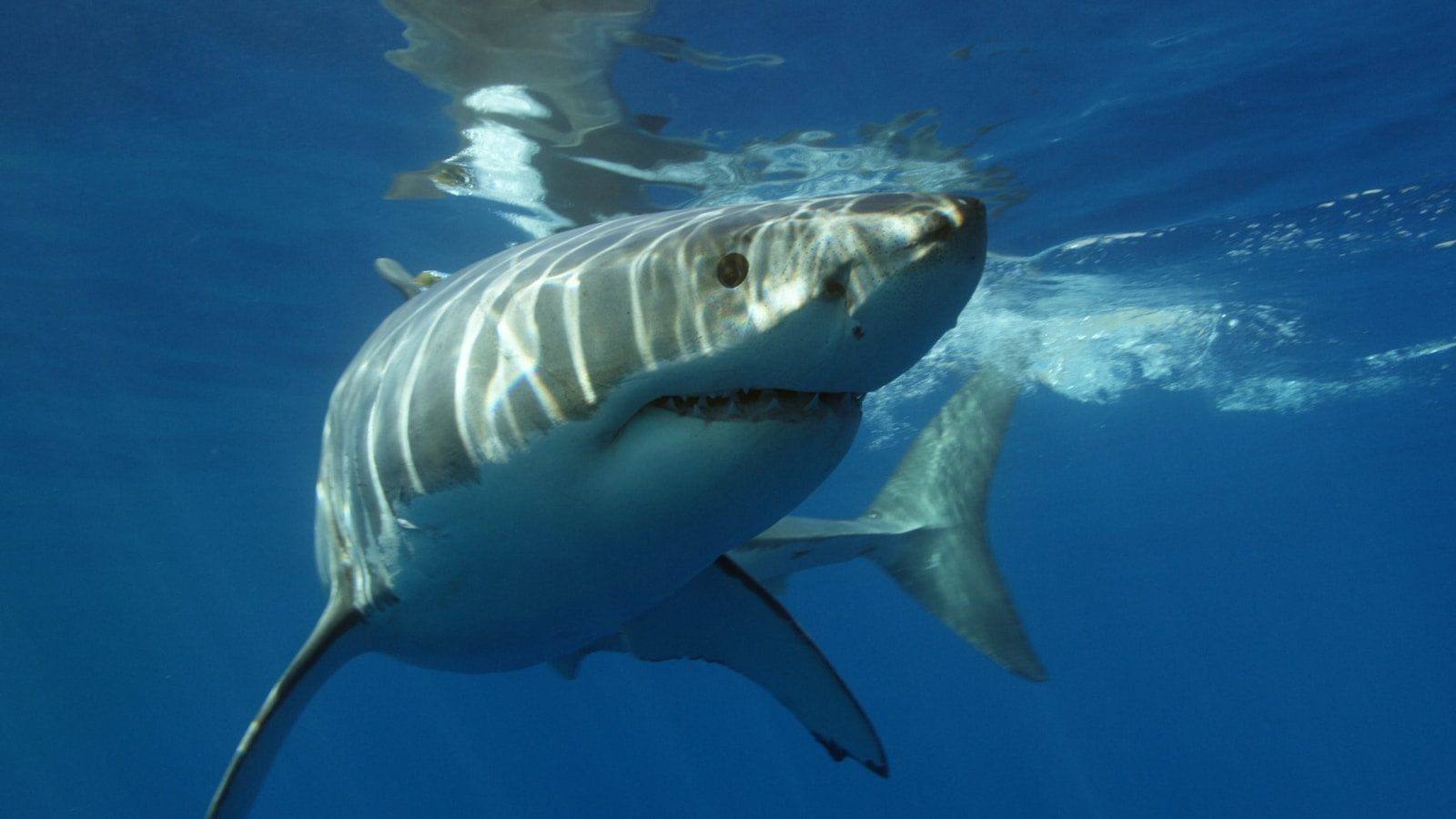
For many people, the word “shark” brings up fear. Tanya Houppermans knows that feeling because she once avoided going far into the ocean after growing up with scary images from the movie Jaws. Today, she is an underwater photographer and shark conservationist who spends much of her time showing people a different side of these animals. Her story shows how learning about sharks can change fear into respect. It also raises a bigger question about the future of the ocean: what happens if shark numbers keep falling?
Understanding her journey helps explain why sharks matter and why protecting them is important.
Her fear began when she was young

Houppermans grew up in Southern California and became afraid of sharks as a child. The movie Jaws, released in 1975, helped shape her early view of sharks as dangerous animals waiting near the beach.
She later said that she would only go into the ocean as far as her knees, and sometimes her waist. That fear stayed with her until she became a scuba diver and finally saw sharks in the water for herself.
Diving changed how she saw sharks
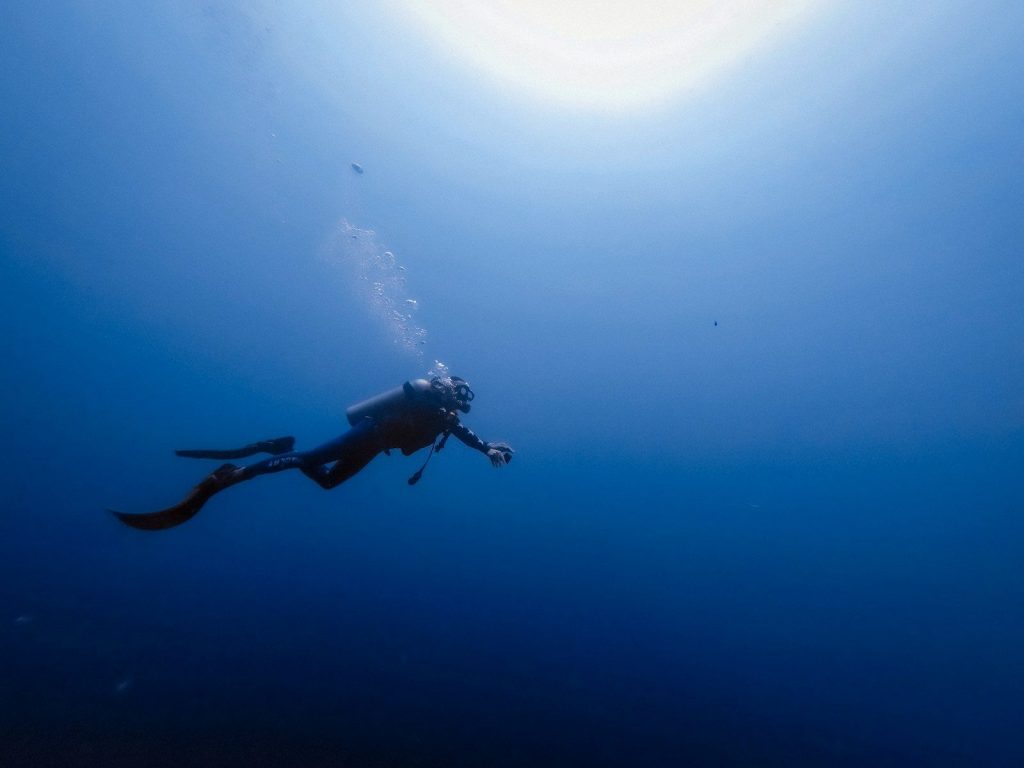
Houppermans began scuba diving in 2008 and saw a shark during her first ocean dive. Instead of finding the monster she had imagined, she saw an animal moving through its natural home.
Her experiences underwater slowly changed her thinking. She began to see sharks as graceful and powerful animals rather than the monsters often shown in movies and other media.
She turned fear into conservation work
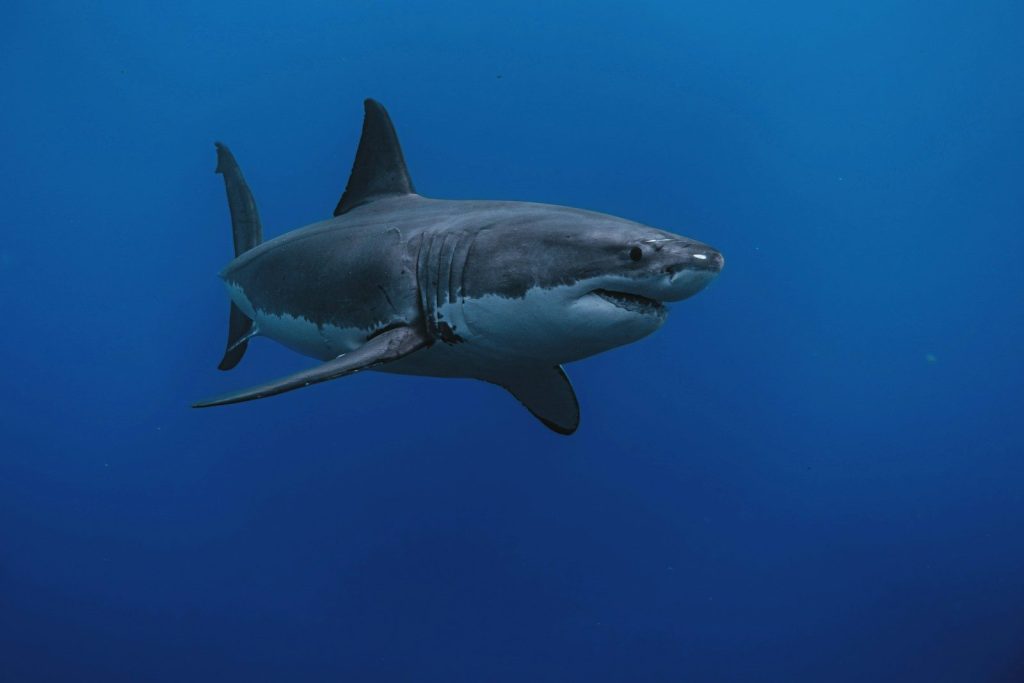
After learning more about sharks, Houppermans discovered how much danger they face from people. She became involved in shark conservation in 2012 and began using photography to help change public attitudes.
In 2014, she started taking underwater photographs of sharks. A year later, she left her career as a mathematician and military defense analyst to work full time in underwater photography and marine conservation.
Why fewer sharks can hurt oceans
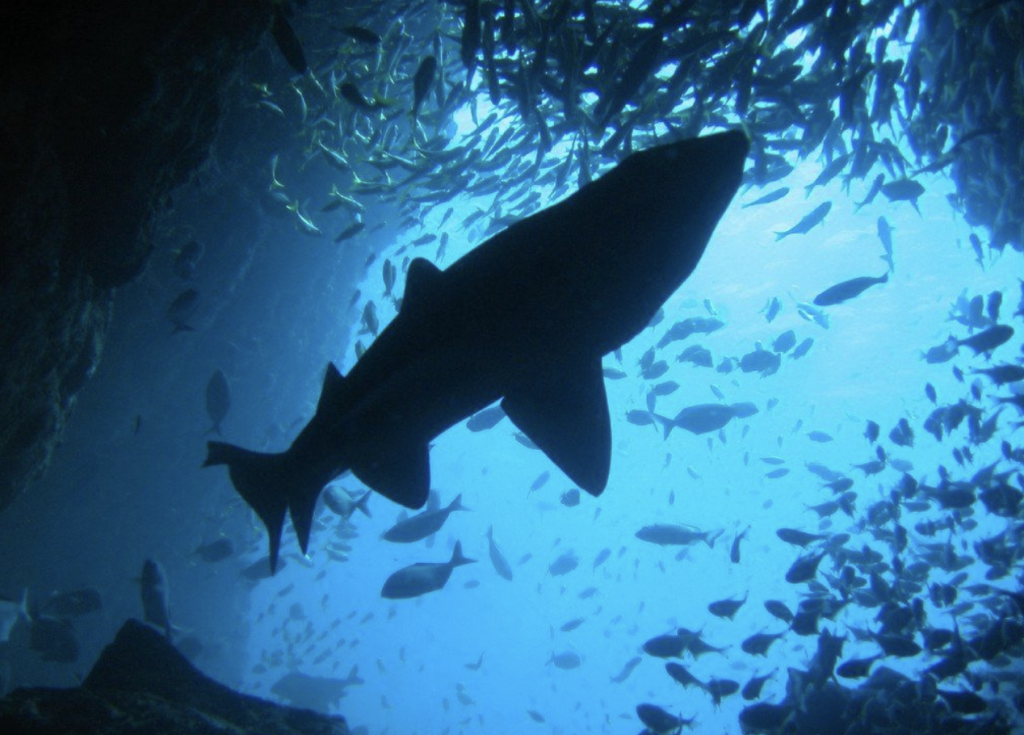
Sharks play important roles in marine food webs. As predators, they can affect the number and behavior of other animals, helping keep ocean communities in balance.
But many shark species face pressure from fishing, including accidental capture and targeted fishing. Some species have suffered major population declines, making conservation important for both sharks and the wider ocean.
Her photos show a different side

Houppermans uses her camera to show sharks in ways people may not expect. Her photographs often capture sharks swimming calmly, resting near wrecks or moving through groups of fish.
Her work has also supported research. She has photographed sand tiger sharks along the U.S. East Coast and helped create a citizen science project that uses shark photographs to identify individual animals and learn more about their populations.
Why an ocean without sharks matters
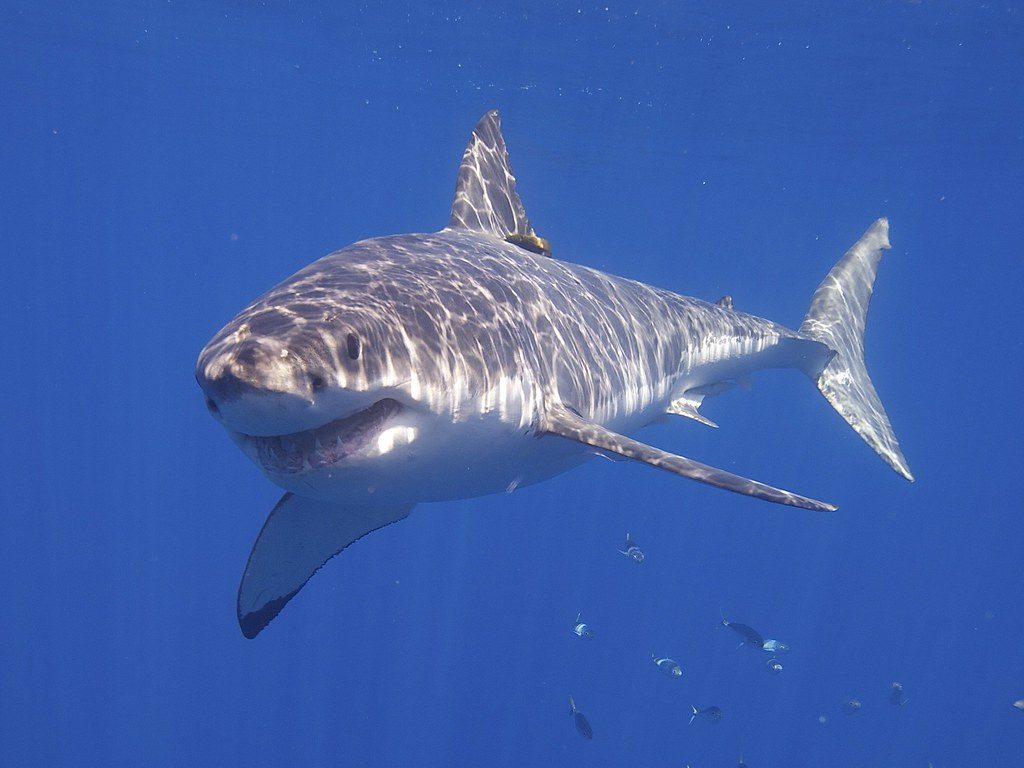
Houppermans’ story is not about telling people that sharks are harmless. Sharks are wild predators, and people should respect them. Her message is that fear should not stop people from understanding an animal’s real behavior and its place in nature.
An ocean without sharks would also be a very different ocean. Protecting sharks means protecting animals that have survived for hundreds of millions of years and helping keep marine ecosystems healthy for the future.
Featured Image: Photo by Oleksandr Sushko on Unsplash
Leave a Reply