
A routine swim near a Maine beach suddenly became a frightening fight to reach shore. On Aug. 8, 2026, 71-year-old lifeguard Greg Wilfert was swimming near the buoys at Scarborough Beach State Park when a great white shark grabbed his rescue float and pulled him underwater. Wilfert, who has worked at the beach for 55 years, quickly freed himself and swam back to shore. He was not injured, but the encounter led officials to temporarily clear the beach and watch the water for more shark activity.
The incident also came after several shark sightings in the area, adding to concerns for swimmers.
The shark grabbed his rescue float
Wilfert was swimming with other lifeguards near the buoys when he suddenly felt a powerful pull. At first, he thought a boat had caught his rescue device, but he quickly realized there was no boat nearby.
The animal had grabbed the rescue torpedo attached to him and pulled him about five to six feet underwater. Wilfert said he immediately understood that a great white shark was likely responsible and focused on getting free.
Wilfert escaped by removing the strap
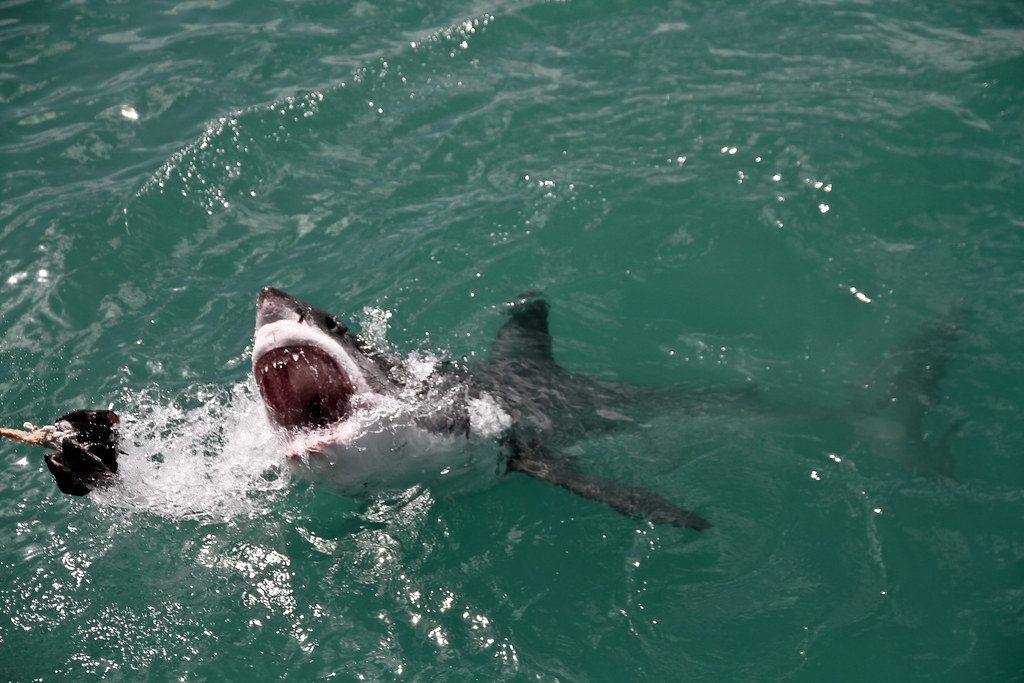
The rescue device was attached to Wilfert with a strap. When the shark pulled on it, staying attached could have kept him underwater, so he quickly slipped out of the strap.
He then swam toward the surface and headed straight for the beach. A witness later told police that the rescue torpedo appeared to shoot about six to eight feet out of the water as Wilfert made his way back.
The veteran lifeguard was not hurt

Despite being pulled underwater, Wilfert escaped without physical injuries. After reaching shore, however, he was understandably shaken by what had happened.
His long experience as a lifeguard also shaped his response. Instead of keeping the incident to himself, he warned people on the beach to leave the water because he did not know where the shark had gone.
The beach was briefly closed

Scarborough Beach State Park was closed to swimming for about an hour after the encounter. Officials used drones and jet skis to watch the water and look for signs of the shark.
The temporary closure gave public safety workers time to check the area. The beach later reopened, but officials continued urging swimmers to be careful because sharks had recently been seen near local beaches.
Shark sightings had increased
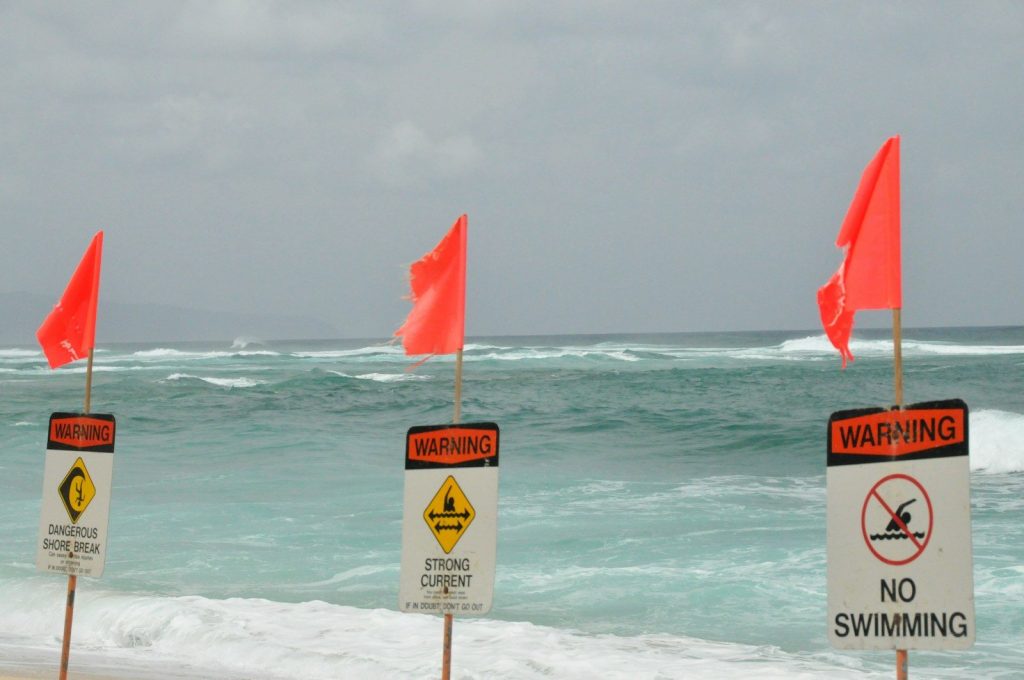
The encounter happened after several young sharks were spotted near the Scarborough area. Reports said nearly a dozen sharks had been seen in nearby waters in the days before Wilfert’s encounter.
Great white sharks are known to visit New England waters, especially during warmer months when their prey is present. Their presence does not mean an attack will happen, but swimmers should take official warnings seriously and avoid entering the water when a shark has been reported nearby.
The encounter was a rare close call

Wilfert has spent more than five decades working at Scarborough Beach, yet he said this was a first for him. He later said he would avoid swimming near the buoys for some time because of what happened.
The incident is also a reminder that even experienced ocean swimmers can face unexpected wildlife encounters. Great white sharks are powerful wild animals, and people should never approach or try to interact with them. Giving sharks space and following beach warnings can help reduce the chance of a dangerous encounter.
Featured Image: Photo by Alex Steyn on Unsplash
Leave a Reply